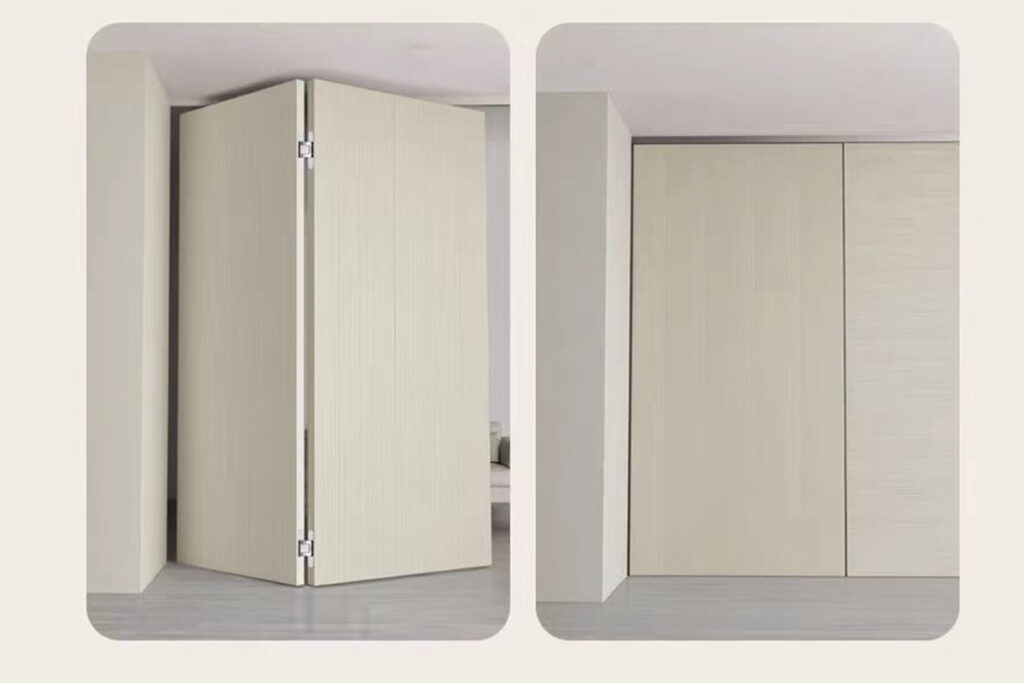
A hidden hinge can look perfect on paper. But a poor match can cause noise, sagging, rework, and customer complaints after delivery.
Innovative concealed door hinges should be chosen by door application first. I check door size, weight, material, frame, opening direction, usage level, installation method, load need, noise control, and closing behavior before I judge the hidden look.
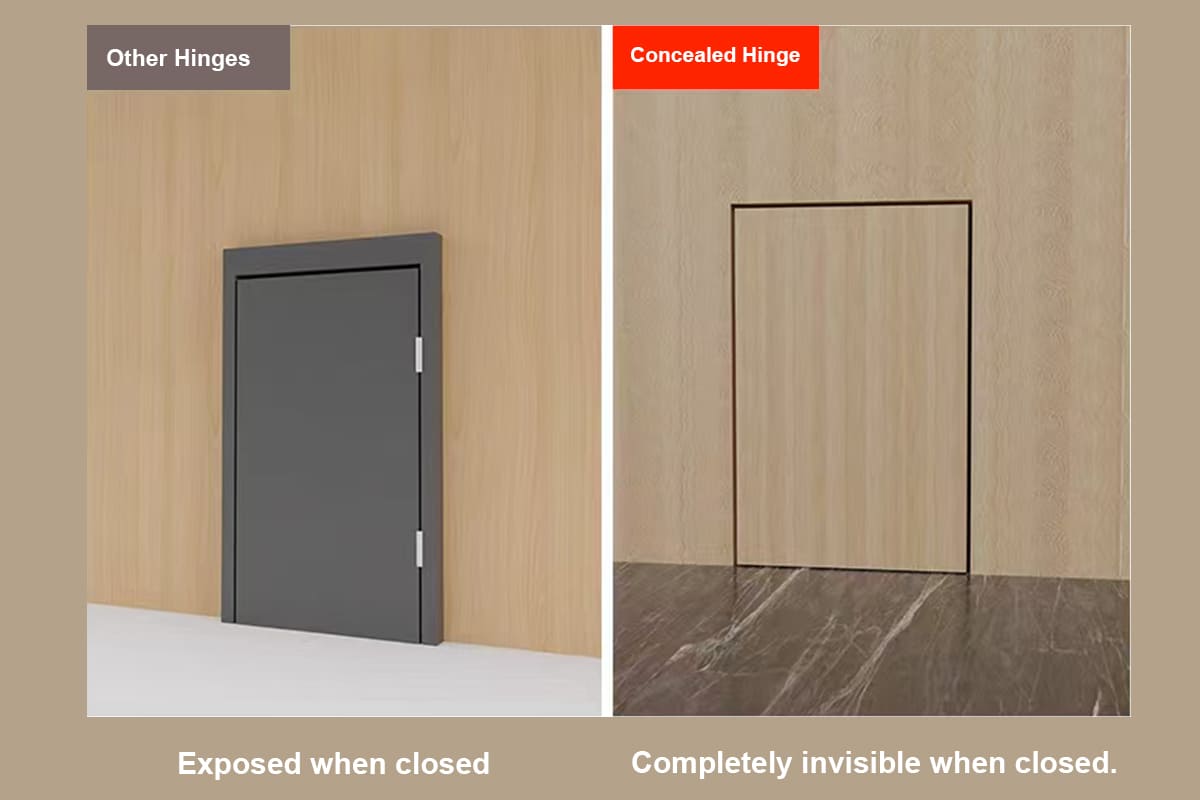
I have joined many buyer talks where the first question was about appearance. The buyer wanted the hinge to disappear after the door closed. I understand that need. Clean door lines matter for modern doors. But I also know what happens inside production and after installation. A hinge is not only a visual part. It carries the door every day. It decides the door gap. It affects the installer’s time. It shapes the final user’s feeling. So I always ask one more question before I recommend a concealed hinge. I ask where the hinge will be used, and I ask what the door must do for many years.
Why Should I Start From The Door Application?
A concealed hinge may look suitable at first. But the wrong hinge can fail because the door size, weight, frame, or usage level was not checked early.
A buyer should start with door height, width, thickness, weight, material, frame structure, opening direction, use frequency, and expected service life. These details decide the right concealed hinge structure, load range, adjustment need, and installation method.
I Check The Door Before I Check The Hinge
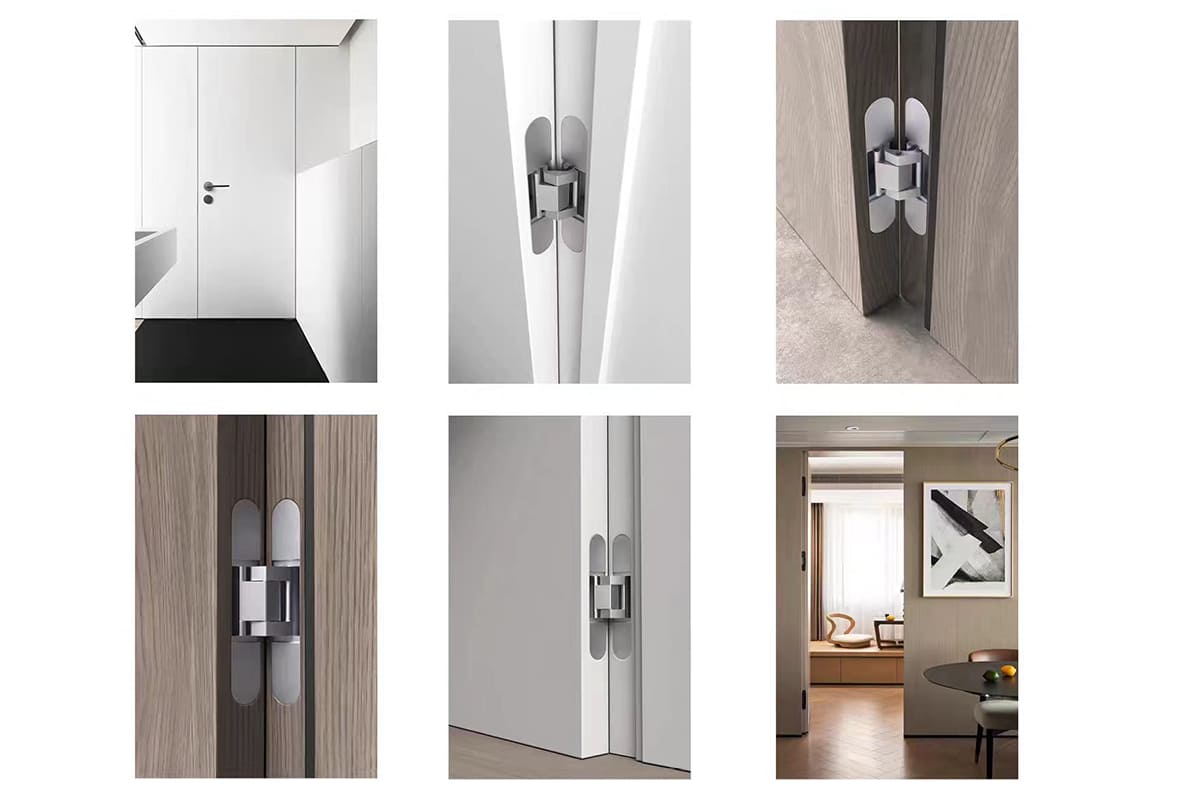
In my factory work, I often see that hinge selection becomes much easier after the door condition is clear. A light interior door, a thick wooden door, and a high-use commercial door do not ask for the same support. The same hidden appearance can hide very different forces behind the door leaf.
I like to use a simple checklist with buyers. It helps both sides avoid wrong sampling and wrong batch orders.
| Door factor I check | Why it matters for the hinge |
|---|---|
| Door height and width | A larger door creates more leverage on the hinge1 |
| Door thickness | The hinge body must fit the door and frame pocket |
| Door weight | The hinge must carry the real working load2 |
| Door material | Wood, metal, and composite doors need different fixing care3 |
| Frame structure | The hinge must match the frame depth and cutting method |
| Opening direction | Universal left/right design can reduce stock pressure |
| Usage frequency | Busy doors need smoother and more stable movement4 |
| Expected service life | Long-term use needs better structure and control |
I do not treat this list as a formality. I treat it as the start of risk control. If I know the door first, I can judge if a universal left/right hinge helps the buyer. I can also judge if the installation is practical for the buyer’s production line. This approach saves time during sampling. It also helps the buyer avoid a hinge that looks good but does not match the real door.
What Makes A Concealed Hinge Innovative In Real Use?
A concealed hinge is innovative when its features solve real production and user problems. These features include adjustability, load support, easy installation, quiet movement, universal use, hidden bearings, and self-closing function.
I define innovation by practical value. A useful concealed hinge should help a door factory assemble faster, help a brand reduce complaints, and help the final user open and close the door smoothly.
I Define Innovation By Buyer Value
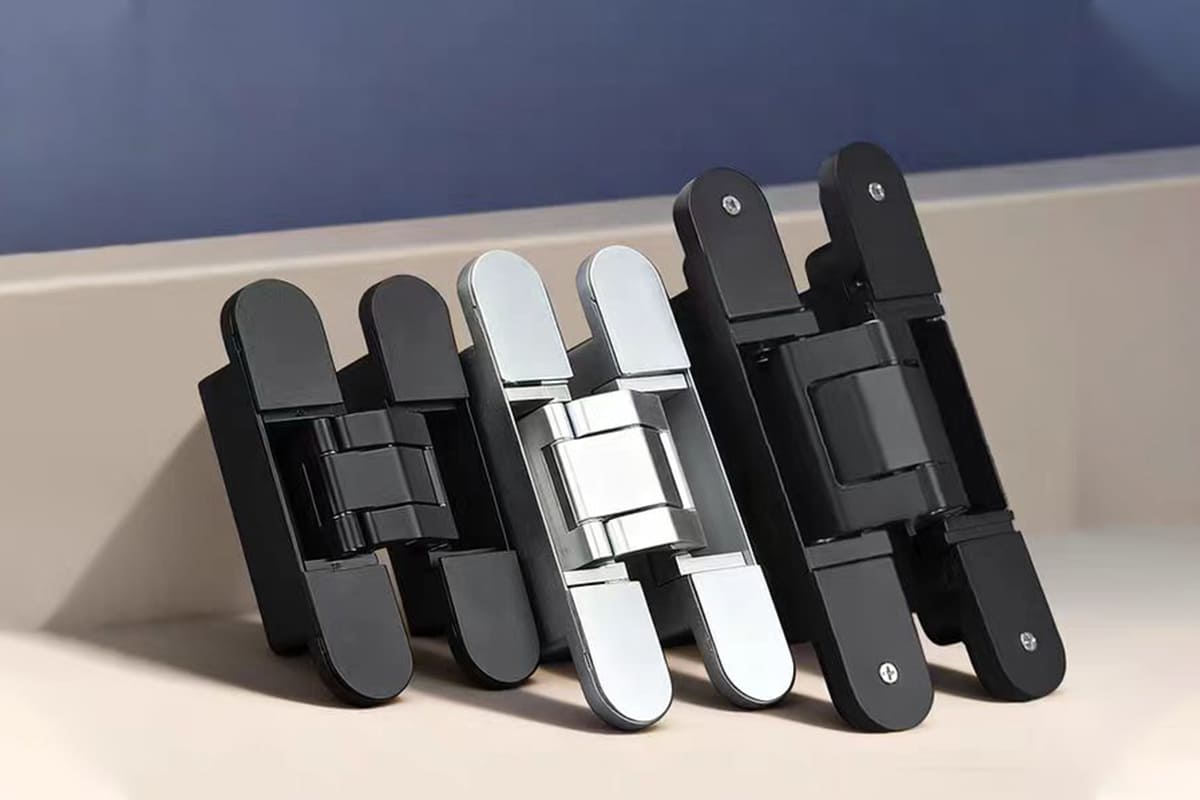
I do not think innovation means a special shape only. I also do not think it means a more complex hinge. In real production, a complex part can create more mistakes if the installer cannot handle it well. For me, innovation must make the door system easier, safer, and more stable.
A universal left/right design is a good example. It can help buyers reduce SKU pressure. It can also reduce wrong picking in the warehouse. Easy installation has similar value. If a hinge is simple to locate and fix, the door factory can control labor time and reduce rework.
| Feature | Real value to the buyer |
|---|---|
| Universal left/right design | I can help the buyer simplify stock and reduce picking errors |
| Strong load-bearing structure | I can support stable door movement under suitable conditions |
| Easy installation | I can help door factories reduce assembly time and error risk |
| Concealed bearings when closed | I can keep the final door surface clean and modern |
| Silent operation | I can improve user experience in homes, hotels, and offices |
| Self-closing function | I can support doors that need a controlled return action |
| Four available variations | I can help buyers match different door and market needs |
I always explain that each feature must match the application. A self-closing function may be useful for some door systems. It may not be needed for others. A buyer should not pay for a function only because it sounds advanced. The better question is simple. Does this function help the door work better in the buyer’s market?
Why Is Invisibility Alone Not Enough?
A concealed hinge should be invisible when closed. But invisibility alone cannot support the door, control gaps, reduce noise, or make installation easier.
The hinge must also provide stable opening and closing, suitable load support, clean door alignment, smooth movement, and reliable batch consistency. A hidden hinge that performs poorly will still create visible problems.5
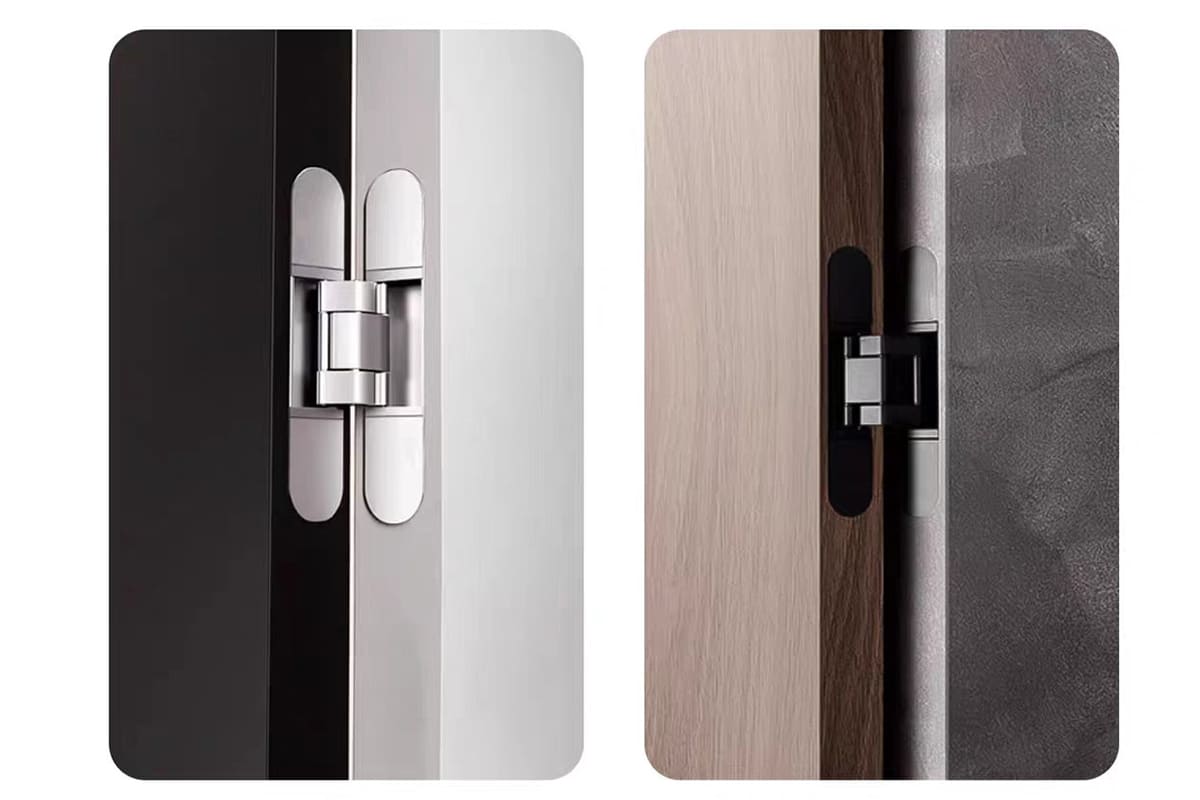
I Look At The Door After It Moves
Many buyers like concealed hinges because the door looks clean after closing. I agree with this direction. A hidden bearing area can make the door design more modern. But the door does not stay closed all the time. The user opens it, pushes it, pulls it, and sometimes closes it with force. This is why I always judge a hinge after movement, not only after installation.
A hinge that cannot control movement may create uneven gaps. A hinge that is not smooth may create noise. A hinge that is not suitable for the door weight may let the door drop over time.6 These problems are not hidden from the customer.
| If I only check appearance | What I may miss |
|---|---|
| The hinge is invisible when closed | The door may not open smoothly |
| The surface looks clean | The gap may not stay even |
| The hinge body looks compact | The hinge may not suit the door weight |
| The sample looks attractive | The batch may not install with stable results |
| The closed door looks modern | The user may hear noise during daily use |
I have seen buyers change their view after testing a door sample in hand. They may start by asking for the smallest visible gap. Then they notice installation time, adjustment range, and closing feeling. This is a healthy selection process. A concealed hinge is a working joint. Its hidden look is one part of its value. Its structure and movement create the long-term value.
How Can The Right Hinge Reduce Procurement Risk?
The right concealed hinge reduces procurement risk by matching the door system early. It helps avoid wrong samples, hard installation, noisy operation, weak load support, and after-sales complaints.
I see procurement risk as more than price. A low-cost hinge can become expensive if it causes rework, delayed orders, poor door gaps, customer returns, or market complaints.
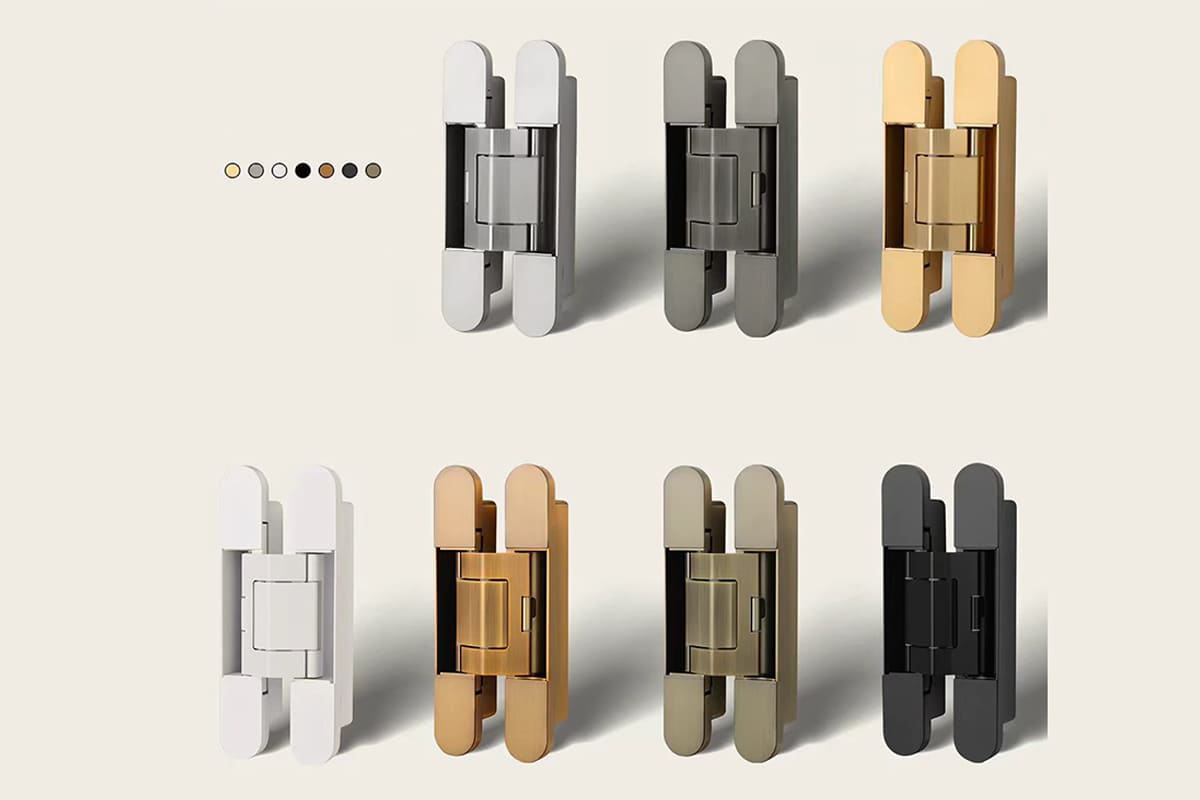
I Connect Features With Real Cost
A buyer often asks me for a competitive price. I respect that. Price is important in wholesale, door factory production, and brand distribution. But I also remind buyers that the real cost includes installation, waste, complaints, and service7. A concealed hinge with poor matching can create hidden cost after the purchase order.
For example, a hinge may look invisible and may have an attractive unit price. But if the installation pocket is hard to process, the door factory may lose time. If the adjustment is not enough, workers may spend more time fixing gaps.8 If the hinge creates noise, the brand may receive complaints from end users.
| Procurement risk | How a suitable hinge can help |
|---|---|
| Wrong door match | I check door data before sampling |
| Slow installation | I recommend a structure that fits factory processing |
| Uneven door gap | I look for stable movement and adjustment support |
| Noise in use | I check smooth operation and bearing behavior |
| Poor load match | I match the hinge to the real door condition |
| Batch inconsistency | I focus on controlled production and inspection |
| High after-sales cost | I reduce risks before mass order confirmation |
In my own work, I prefer to spend more time in the sample stage. I ask for door drawings, pictures, weight range, and installation notes when the buyer can provide them. This step may feel slow at first. But it helps the buyer make a safer decision before mass production. It also helps our factory prepare the right processing and finish control for repeat orders.
How Should I Use Four Variations When Selecting A Concealed Hinge?
I should treat four concealed hinge variations as selection choices, not as decorative differences. Each version should help match a different door structure, load need, installation condition, or market preference.
Multiple variations give buyers more control. They can select a more suitable hinge for product lines, door factories, regional standards, and user habits without forcing one hinge into every project.
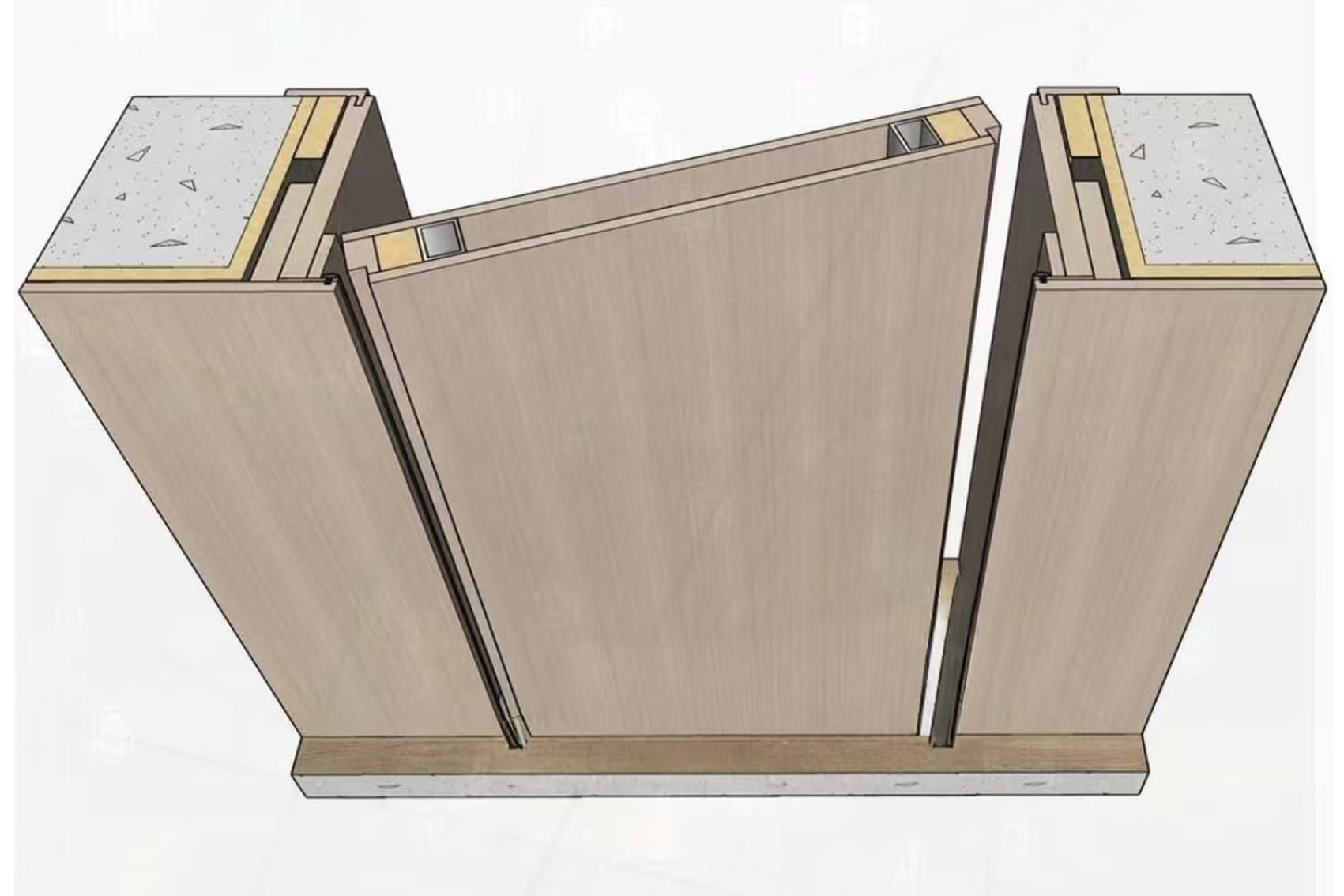
I Treat Variation As A Matching Tool
When I present different hinge variations to a buyer, I do not say that one version fits every door. I also do not invent a performance promise without confirmed data. I prefer to talk about selection direction. The buyer may need one version for a certain door structure. The buyer may need another version because the local market prefers easier installation or a certain closing action.
The four available variations can help a brand build a more complete product range. They can also help a door factory handle more projects with fewer supplier changes. But the buyer should still test the hinge with the real door.
| Selection question | Why the variation matters |
|---|---|
| Is the door light, medium, or heavy within the planned range? | I need to match the structure with the real load need |
| Is the frame easy to machine? | I need to choose a version that supports practical installation |
| Does the buyer need self-closing behavior? | I need to check if that function fits the door use |
| Does the market need silent operation as a key selling point? | I need to focus on movement feel and user comfort |
| Does the buyer want fewer left/right SKUs? | I need to consider universal design |
| Is the project for batch door production? | I need to care about repeat installation and finish consistency |
I often tell buyers that variation is useful only when selection is clear. If a buyer chooses by catalog image only, the extra options may confuse the team. If the buyer chooses by door condition, the four variations become helpful tools. They allow the buyer to build a more accurate product offer for different customers.
How Do I Evaluate Installation Efficiency And Silent Operation?
I evaluate installation efficiency by checking cutting, positioning, fixing, adjustment, and repeat work. I evaluate silent operation by checking smooth movement, bearing control, door alignment, and closing feel.
A concealed hinge should not only disappear after closing. It should also help workers install the door with less trouble and help users open and close the door with less noise.
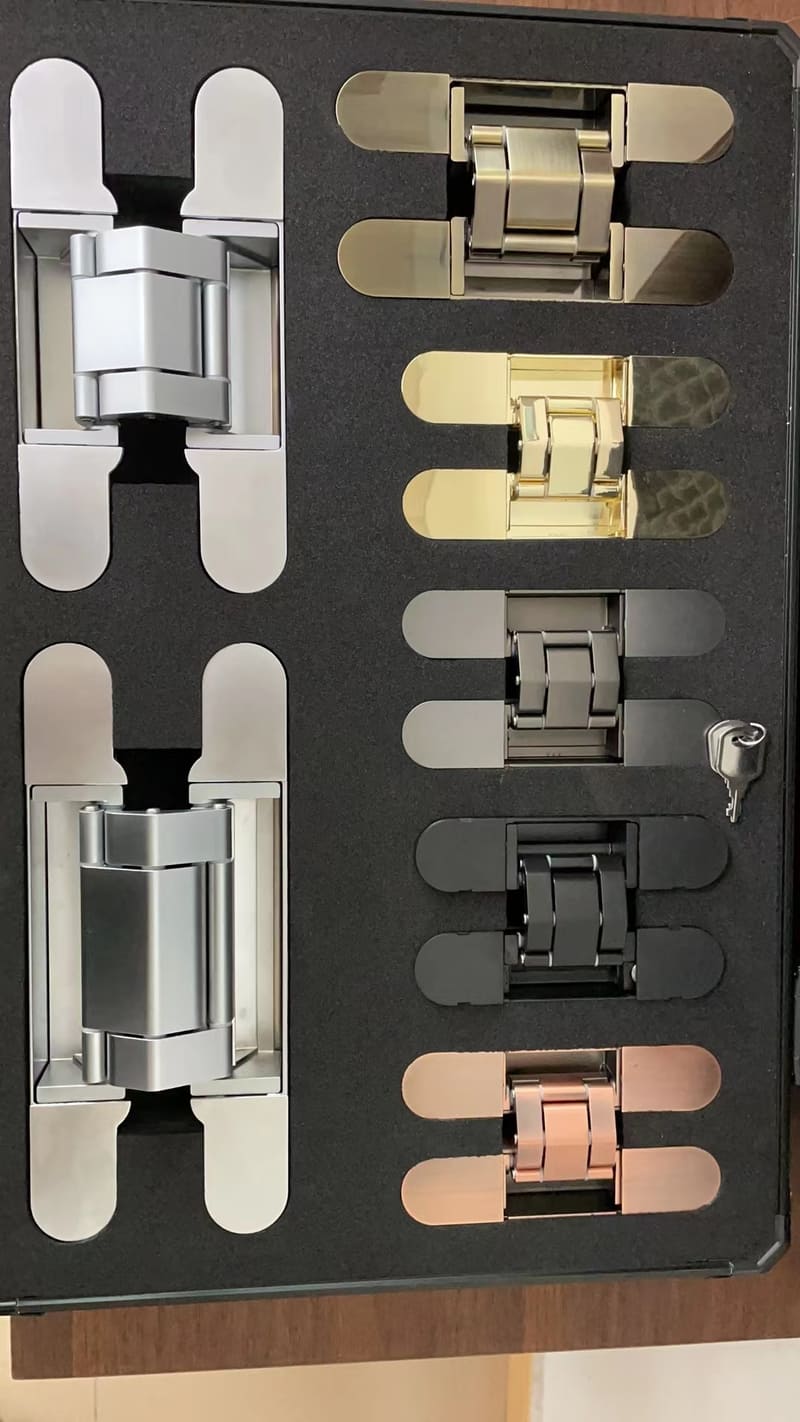
I Test The Hinge In A Work Process
A hinge can look simple in a catalog. It can become difficult on the production line. This is why I care about installation flow. The worker must cut the door and frame pocket. The worker must position the hinge body. The worker must fix it with stable screws. The worker may need to adjust the door gap. Each step can add time or reduce quality if the design is not friendly.
Silent operation also needs real checking. A quiet hinge is not only about one part.9 It depends on the hinge structure, the bearing area, the door weight, the frame accuracy, and the final installation. If the door is not aligned, even a good hinge may not feel right.
| Evaluation point | What I look for |
|---|---|
| Cutting and routing | I check if the hinge pocket is practical for factory work |
| Positioning | I check if workers can place the hinge with clear reference |
| Fixing | I check if the screw area supports stable assembly |
| Adjustment | I check if workers can correct door gaps after fixing |
| Opening movement | I check if the door moves smoothly through the swing |
| Closing sound | I check if the hinge supports a quieter user experience |
| Batch repeatability | I check if the same result can be repeated in mass production |
I believe buyers should ask for samples and test them on their own door structure. A desk test is not enough. A real door test will show if the hinge is easy for the factory and comfortable for the final user.10
How Does Self-Closing Change The Selection Decision?
A self-closing concealed hinge changes selection because it adds a behavior requirement. The buyer must check if the door needs controlled return and if that function suits the user environment.
Self-closing can improve convenience in some applications.11 But it should be selected by door use, safety need, user habit, and project expectation, not by feature wording alone.
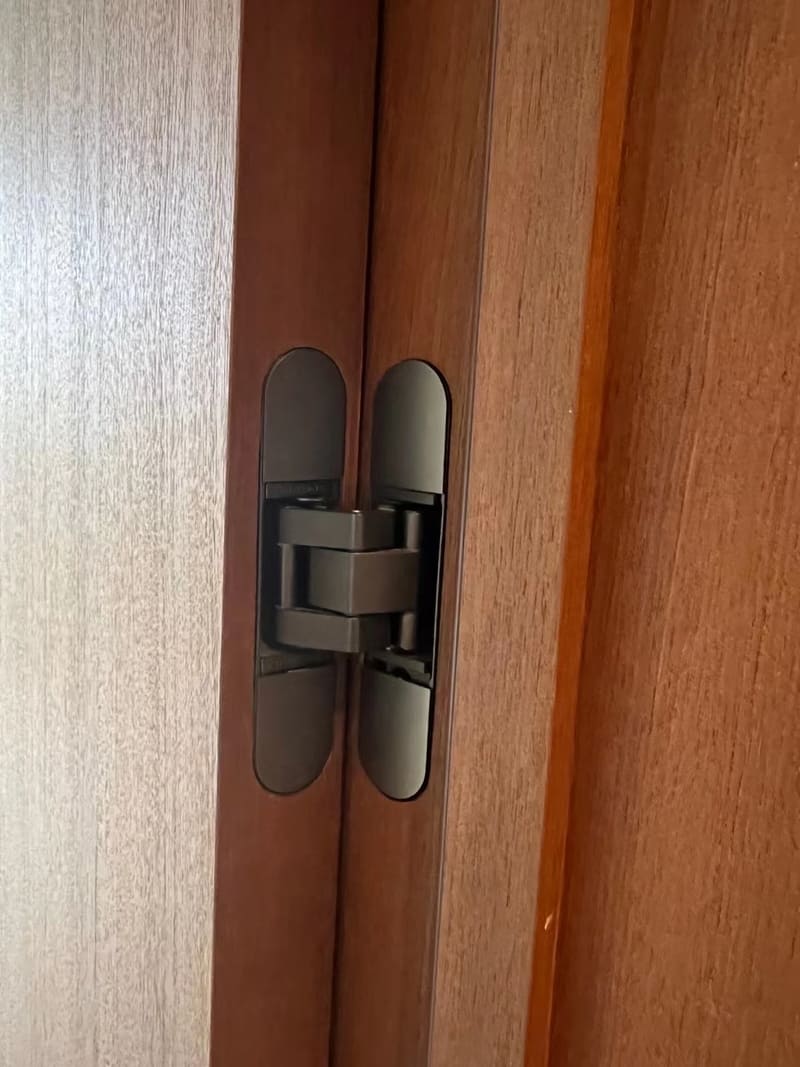
I Ask If The Door Should Close By Itself
Self-closing is a useful function when the door should return after use. Some buyers like this function because it adds value to the product offer. I agree that it can help in the right door system. But I do not treat it as a universal need. A bedroom door, a commercial room door, and a public area door may have different expectations.
The important point is control. The door should not feel strange to the user. The closing behavior should match the door weight, the frame, the latch, and the use scene. If the self-closing action is not suitable, the buyer may receive complaints even if the hinge looks advanced.
| Question I ask | Reason I ask it |
|---|---|
| Does the door need to return after opening? | I need to confirm if self-closing has real value |
| Will users open the door often? | I need to judge comfort and long-term use |
| Does the latch work well with the closing action? | I need to avoid poor closing or bouncing |
| Is the door weight suitable for the selected version? | I need to match function with structure |
| Does the market expect this feature? | I need to help the buyer avoid useless cost |
| Can the factory install it correctly? | I need to reduce rework and service risk |
I prefer to discuss self-closing early in product development. It affects the user experience. It may also affect sampling and market positioning. If the buyer’s customers value controlled closing, the function can be a strong selling point. If the door does not need it, a simpler variation may be a better choice.
Conclusion
I choose concealed hinges by door application first. Hidden appearance matters, but structure, load, installation, silence, closing behavior, and batch stability decide real value.
"Torque - Wikipedia", https://en.wikipedia.org/wiki/Torque. Engineering mechanics references define moment or torque as the product of force and its perpendicular distance from the axis of rotation, supporting the statement that increasing door dimensions can increase leverage on the hinge. Evidence role: mechanism; source type: education. Supports: A mechanics source should support that torque or moment increases with the perpendicular distance from the pivot, which explains why wider or larger doors can create greater hinge leverage.. Scope note: This supports the mechanical principle; actual hinge load also depends on door weight distribution, hinge spacing, and installation geometry. ↩
"A156.1 - 2025 Butts and Hinges", https://buildershardware.com/ANSI-BHMA-Standards/Hardware-Highlights/A1561-2021-Butts-and-Hinges. Builders hardware standards classify hinges by performance requirements such as load and cycle testing, supporting the need to match a hinge to the door's actual working load. Evidence role: expert_consensus; source type: institution. Supports: A hardware standard or institutional guide should show that hinge selection is tied to door weight, usage grade, and performance testing.. Scope note: This is general support for hinge selection principles and does not verify the capacity of any specific concealed hinge model. ↩
"Screw withdrawal strength of heat-treated and laminated veneer ...", https://bioresources.cnr.ncsu.edu/resources/screw-withdrawal-strength-of-heat-treated-and-laminated-veneer-lumber-reinforced-with-carbon-and-glass-fibers/. Materials and fastening references show that fastener holding strength and installation requirements vary by substrate, supporting the need for different fixing practices in wood, metal, and composite doors. Evidence role: mechanism; source type: education. Supports: A source should explain that substrate material affects fastener performance, screw holding strength, and installation method.. Scope note: This supports the underlying material principle; it does not prescribe one universal fastening method for every door construction. ↩
"087100 – DOOR HARDWARE - Facilities and Campus Services", https://fcs.cornell.edu/087100-door-hardware. Door hardware standards use cycle testing as a measure of hinge performance and durability, supporting the claim that high-use doors require movement stability over repeated operation. Evidence role: expert_consensus; source type: institution. Supports: A standards source should support that door hardware is tested and graded partly by cycle performance, which is relevant to high-use doors.. Scope note: The source would establish the relevance of cycle durability, not prove that any specific product remains smooth in a given installation. ↩
"Easy Fix For Sagging Doors - YouTube",
. Building-maintenance and door-hardware references identify hinge wear, looseness, or inadequate support as causes of sagging, misalignment, and uneven clearances, supporting the claim that concealed hardware failures can become visibly apparent. Evidence role: general_support; source type: institution. Supports: A neutral building or hardware reference should support that hinge defects or inadequate hinge support can result in sagging, misalignment, uneven gaps, or impaired door operation.. Scope note: This is contextual support for common failure modes and does not diagnose every visible door defect as hinge-related. ↩"Weight capacity on door hinges before bending/damage can occur?", https://www.reddit.com/r/Autobody/comments/1c3ewuo/weight_capacity_on_door_hinges_before/. Door-hardware guidance commonly links hinge capacity and condition to door sagging, supporting the statement that a hinge not suited to the door weight may allow the door to drop over time. Evidence role: mechanism; source type: institution. Supports: A source should support that hinges must be sized for door weight and that insufficient support or hinge wear can cause sagging.. Scope note: The support is general; sagging may also result from frame movement, fastener failure, or poor installation. ↩
"Life Cycle Cost (LCC) | www.waru.edu", https://www.waru.edu/acquipedia-article/life-cycle-cost-lcc. Life-cycle costing and total-cost-of-ownership guidance treats acquisition price as only one component of procurement cost, supporting the inclusion of installation, waste, service, and complaint-related costs in purchasing analysis. Evidence role: expert_consensus; source type: government. Supports: A procurement or life-cycle costing source should support that purchasing decisions should consider costs beyond purchase price, including operation, maintenance, and service costs.. Scope note: This supports the cost-accounting approach generally and does not quantify the cost impact for concealed hinges specifically. ↩
"Guide: How to Adjust Door Hinges - SOSS Door Hardware", https://www.soss.com/guide-how-to-adjust-door-hinges/. Door-installation guidance describes hinge adjustment as a method for correcting alignment and clearance problems, supporting the statement that limited adjustment can require additional work to fix door gaps. Evidence role: mechanism; source type: institution. Supports: A door-installation or building reference should support that hinge adjustment is used to correct alignment and door clearances.. Scope note: This supports the relationship between adjustment and alignment, but actual labor time varies with installer skill, door construction, and frame accuracy. ↩
"When door hinge started to make noise, what type of ...", https://www.quora.com/When-door-hinge-started-to-make-noise-what-type-of-lubricant-will-you-use-to-resolve-the-issue-I-tried-WD40-and-the-door-is-not-off-alignment-no-luck-so-far. Tribology and mechanical-noise references identify friction, contact condition, load, and alignment as contributors to noise generation in moving joints, supporting the claim that quiet hinge operation depends on more than one component. Evidence role: mechanism; source type: education. Supports: A source should explain that mechanical noise can arise from friction, misalignment, contact conditions, and load, supporting a multi-factor view of hinge noise.. Scope note: The source would support the mechanism generally and may not evaluate concealed door hinges specifically. ↩
"[PDF] 08711FL - DOOR HARDWARE (BY DESC PROD) - CSUSM", https://www.csusm.edu/pdc/standards-and-regulations/buildingstandards/specsections/08000-doors-and-windows/08711_-doorhardware_summary-csusm_2013-2014.pdf. Product-validation literature emphasizes testing in representative use conditions, supporting the claim that installing the hinge on the actual door assembly can reveal factory installation and user-experience issues that catalog review cannot show. Evidence role: expert_consensus; source type: paper. Supports: A product-testing or validation source should support that evaluating a component in its intended assembly or use context reveals performance and usability issues not evident in isolated review.. Scope note: The support is methodological and does not guarantee that one real-door test captures all long-term durability or batch-consistency risks. ↩
"Chapter 4: Entrances, Doors, and Gates - Access-Board.gov", https://www.access-board.gov/aba/guides/chapter-4-entrances-doors-and-gates/. Building-safety guidance for fire and compartment doors often requires or emphasizes self-closing operation, supporting the claim that self-closing hardware can provide functional value in selected applications. Evidence role: case_reference; source type: government. Supports: A government or code-related source should show that self-closing doors are required or recommended in certain settings, illustrating functional value beyond convenience.. Scope note: This supports important use cases for self-closing behavior; it does not mean self-closing hinges are necessary or convenient for all interior doors. ↩