
I see buyers lose money when they treat similar-looking handles as the same product. The photo looks right, but the application fails later.
Interior and exterior door handles are not the same specification decision.1 I choose them by door location, handle type, material, finish, security need, moisture exposure, comfort, quietness, and full lock-system compatibility.
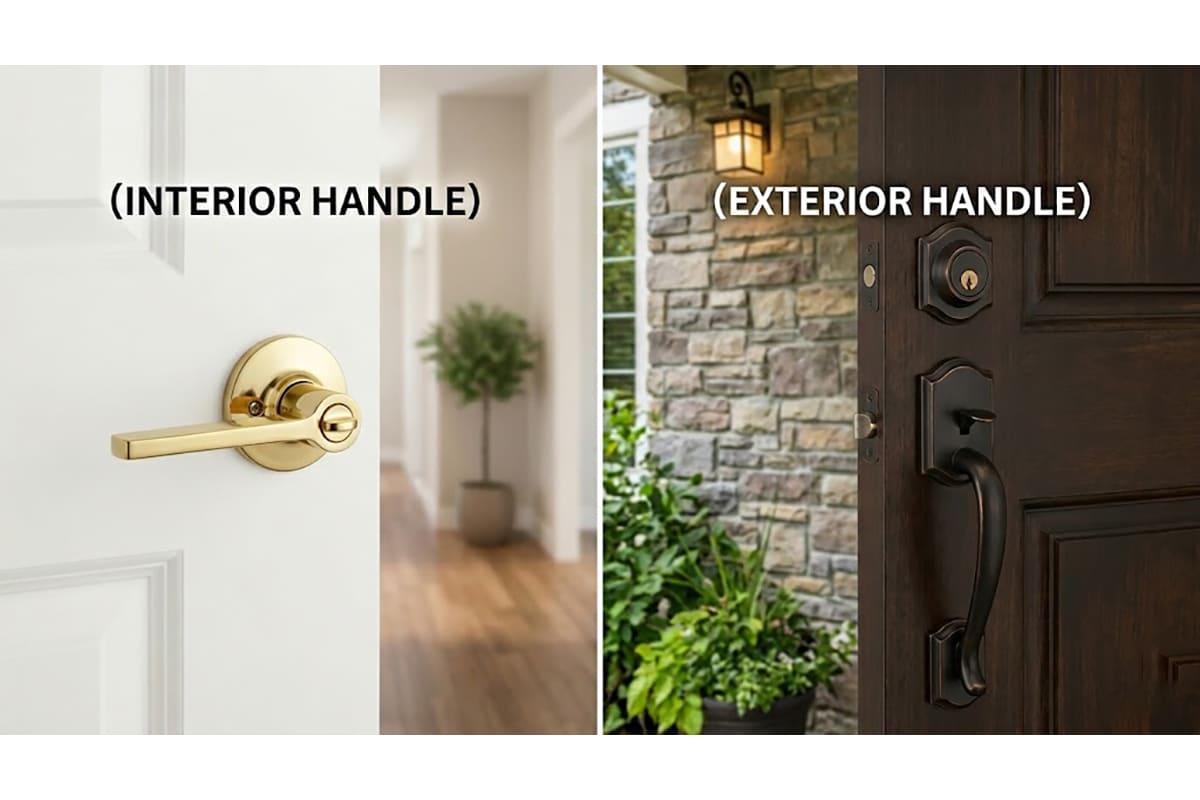
I often receive one handle photo from a buyer, and the buyer asks if I can use it for all doors in one project. I understand this idea. One design can make purchasing simple. One finish can make the door set look clean. One supplier can also reduce communication time. But I do not judge a handle only by style. I first ask where the door is installed, how often people use it, what lock body it matches, and what environment it faces. A handle can look the same on the catalog page, but it can need a different material, spring structure, coating thickness, spindle size, lock matching, or fixing method. This is where many procurement risks begin.
Why do interior and exterior handles look similar but need different specifications?
I often see the same handle design used in two places. The shape looks correct, but the performance need is not the same.
Interior and exterior handles can share the same design language, but I should not treat them as the same item. I compare the installation environment, security demand, corrosion risk, user comfort, lock matching, and long-term maintenance cost before I confirm the specification.
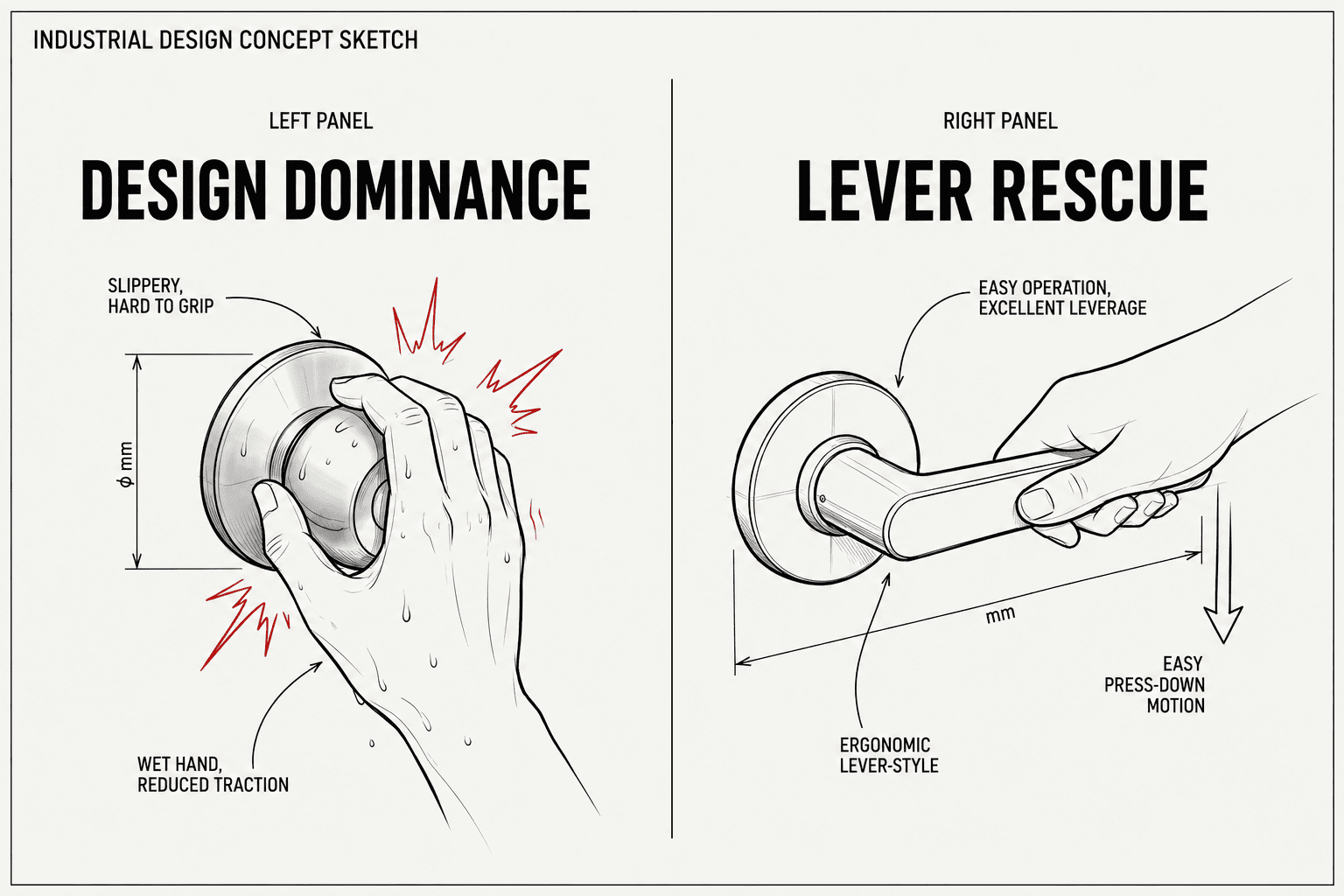
I look at a handle from the factory side. I do not only see the lever shape. I see the base rose, spindle, spring cassette, screw position, surface finish, lock case, cylinder, strike plate, and door thickness. A buyer may ask for one model code. I still need more details before I quote a safe product.
The biggest mistake is simple. The buyer compares appearance first. The factory must compare application first. An exterior handle may need better corrosion resistance2, stronger fixing, safer lock matching, and a finish that can resist sun, rain, dust, and hand sweat. An interior handle may need quiet movement, smooth hand feeling, easy cleaning, and stable finish consistency across many room doors.
| Decision point | Interior door handle focus | Exterior door handle focus |
|---|---|---|
| Main risk | Noise, poor comfort, weak finish match | Corrosion, forced entry, loose fixing |
| User expectation | Smooth touch and quiet use | Secure grip and strong structure |
| Finish requirement | Consistent color and easy maintenance | Better outdoor resistance |
| Lock matching | Privacy, passage, or room lock | Cylinder lock, stronger lock body |
| Cost control | Large quantity and room-level matching | Higher risk areas and longer exposure |
I have seen projects where a nice indoor handle was used near a balcony or semi-outdoor corridor. The finish looked good at shipment. After months, the surface started to change. The complaint did not come from the design. It came from the wrong use case. That is why I ask for the door position before I suggest material or finish.
What handle categories should I confirm before I compare indoor and outdoor use?
I cannot compare interior and exterior use until I know the handle category. A lever handle, knob, pull handle, recessed handle, and smart handle serve different door needs.
I first confirm the handle type because each type has a different installation method, lock matching rule, touch experience, and risk point. The correct category decides whether the handle can serve a bedroom, bathroom, entrance door, office door, or project door.
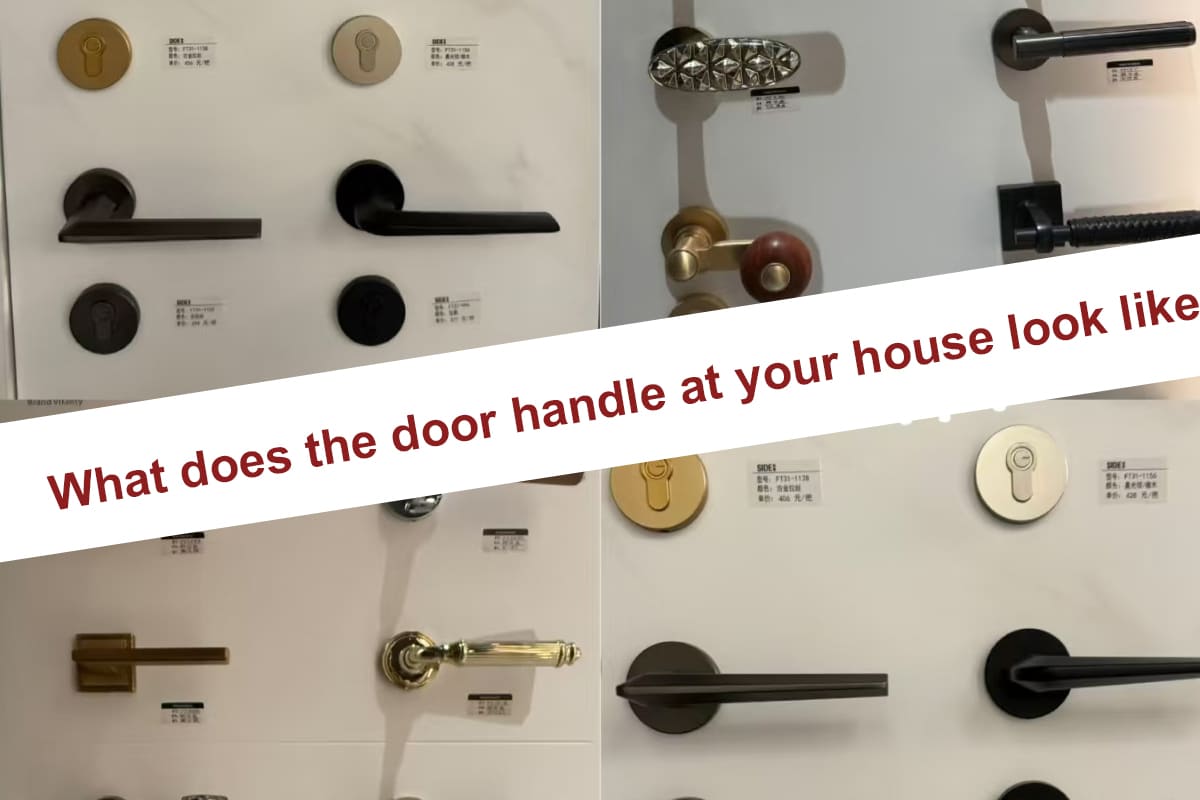
I divide door handles into several practical groups before I talk about indoor or outdoor use. This step sounds basic, but it avoids many wrong quotations. A lever handle for a mortise lock is not the same as a long pull handle for a glass or wooden entrance door. A recessed handle for a sliding door does not follow the same rule as a smart sensing handle for an access-control door.
| Handle category | Common application | Main point I check |
|---|---|---|
| Mechanical lever handle | Wooden doors, metal doors, room doors, entrance doors | Lock body, spindle, spring, fixing |
| Knob handle | Some room doors and traditional markets | Grip comfort, lock type, user habit |
| Long pull handle | Entrance doors, commercial doors, hotel doors | Length, tube size, fixing strength |
| Concealed or recessed handle | Sliding doors, pocket doors, cabinet-like doors | Depth, edge clearance, installation cutout |
| Smart sensing handle | Apartments, offices, access-control doors | Power, lock compatibility, emergency access3 |
I also check the door market. Some regions prefer lever handles with euro mortise locks. Some markets still accept knobs for certain internal doors. Some projects ask for stainless steel pull handles on main doors. A smart handle may look attractive, but it needs stronger system checking. I need to know if the door is left opening or right opening. I need to know if the lock body supports the handle structure. I also need to know the cylinder type, backset, center distance, and door thickness.
When I train new sales staff in my factory, I tell them not to quote from a photo alone. A photo can show style. It cannot show whether the handle will fit the lock case. It cannot show whether the screw holes match the door preparation. It cannot show whether the finish is suitable for a humid hotel bathroom or a dusty exterior gate area. I always start with the category, then the door use, then the full hardware set.
What should I prioritize for exterior door handles?
I treat exterior handles as higher-risk hardware because they face weather, frequent touch, and security pressure. A weak choice can create serious after-sales cost.
For exterior door handles, I prioritize corrosion resistance, anti-slip grip, stronger structure, durable finish, secure fixing, and lock-system compatibility. I also check if the handle works with the required cylinder, mortise lock, door thickness, and project security level.
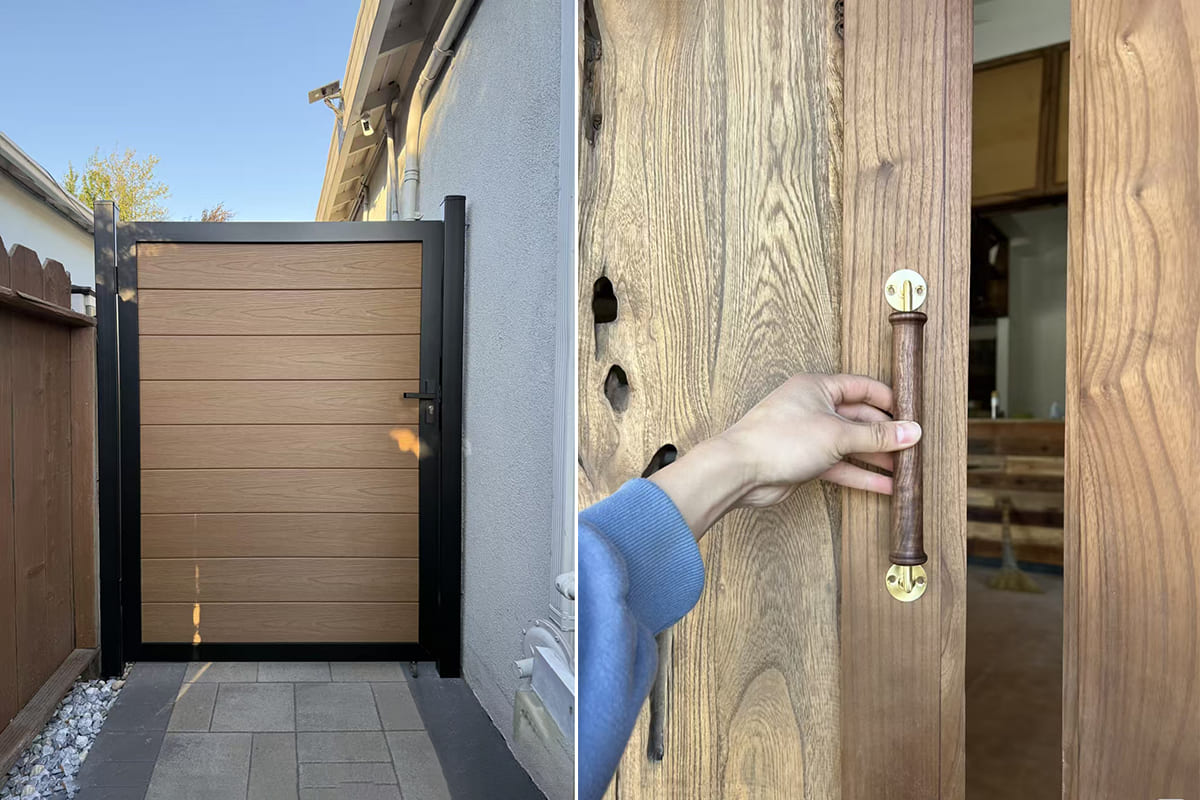
Exterior handles do not only need to look solid. They need to stay stable under harder conditions. I pay attention to the material base, surface treatment, fixing screws, handle wall thickness, spring structure, and lock matching. If the door is exposed to rain, sea air, strong sunlight, or high traffic, I become more careful.
| Exterior requirement | What I check in production | Why it matters |
|---|---|---|
| Corrosion resistance | Material grade and finish process | The surface must resist weather better |
| Strong grip | Lever shape or pull-handle diameter | Users need control in wet or dusty areas |
| Secure fixing | Screw type, base plate, through-bolt option | Loose handles create safety complaints |
| Lock matching | Mortise lock, cylinder, escutcheon | The handle must support the full security set |
| Finish durability | Plating thickness, PVD option, coating quality | Outdoor exposure can damage weak finishes |
I do not say every exterior handle must be the heaviest or most expensive option. That is too simple. I choose the structure based on the door and market need. A residential apartment entrance door may need a different handle than a hotel corridor fire-rated door. A villa main door may need a long pull handle with stronger fixing. A steel security door may need a different spindle and lock case than a wooden door.
In many projects, stainless steel or zinc alloy handles are common choices for exterior applications4, but I still check the real specification. Stainless steel can be a strong option when the grade and finish are suitable.5 Zinc alloy can also be used when the plating and structure are controlled well. I do not choose material by name only. I check exposure, finish performance, lockset design, and budget.
I also avoid one hidden risk. Some buyers select a handle first and choose the lock later. I prefer the opposite order for exterior doors. I confirm the lock body, cylinder, backset, center distance, and security function first. Then I match the handle. A beautiful exterior handle that cannot match the lock body is not a product solution. It is only a sample.
What should I prioritize for interior door handles by room?
I treat interior handles as user-experience hardware because people touch them many times each day. Noise, comfort, finish, and room function matter.
For interior door handles, I prioritize quiet operation, comfortable grip, finish consistency, easy cleaning, and correct function by room. A bedroom, bathroom, kitchen, office, and corridor door may need different lock types and surface requirements.
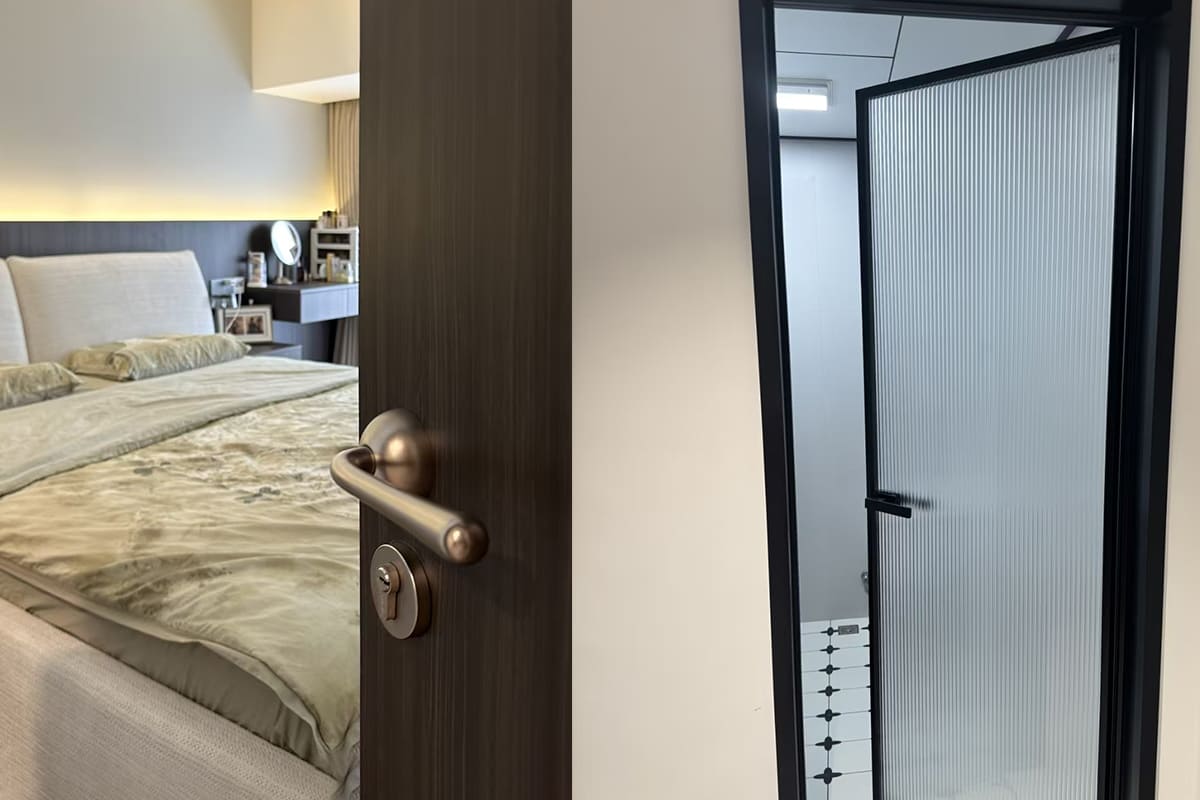
Interior doors usually have lower weather exposure, but they still have many risks. A poor spring can create a loose handle feeling. A rough edge can make users complain. A noisy latch can disturb bedroom use.6 A weak finish can show color differences across many doors in the same project. These issues may look small at the factory stage, but they become large after installation.
| Room type | Handle focus | Lock or accessory focus |
|---|---|---|
| Bedroom | Quiet movement and comfortable grip | Privacy lock or silent latch option |
| Bathroom | Moisture resistance and easy cleaning | Privacy function and suitable latch |
| Kitchen | Easy maintenance and stable finish | Simple passage function in many cases |
| Office | Durability and standard appearance | Cylinder or privacy function by need |
| Hotel room | Smooth feel and long-cycle durability | Mortise lock or electronic lock matching |
I often pay extra attention to bedroom doors. A handle that returns poorly or makes noise can make the whole door feel cheap. I check the spring strength, lever movement, latch smoothness, and handle grip. I also check whether the handle has sharp corners. People notice touch quality every day.
Bathrooms and kitchens need another kind of care. They may not face outdoor rain, but they face humidity, cleaning agents, and frequent hand contact. I may suggest a finish that is easier to maintain. I may also suggest stainless steel or properly finished zinc alloy, depending on the design and budget. Brass can be considered for certain indoor humid areas when the buyer wants a certain appearance and touch feel, but I still need to verify the surface treatment and maintenance expectation. I do not make broad hygiene claims unless the buyer has certified test data.
For large door factories, interior handle selection is also a batch-control issue. The buyer needs the same color tone across hundreds or thousands of sets. If one batch of satin nickel or black finish is different from the next batch, the project can have visual complaints. I always ask whether the buyer needs long-term repeat orders. If yes, I record the finish sample and production standard.
How should I choose material and finish for interior and exterior handles?
I do not choose material by appearance alone. A good-looking handle can still fail if the material and finish do not match the application.
I choose handle material and finish by exposure level, strength need, touch feel, surface target, maintenance plan, and project budget. Zinc alloy, stainless steel, and brass can all work, but each one needs the right specification and process.
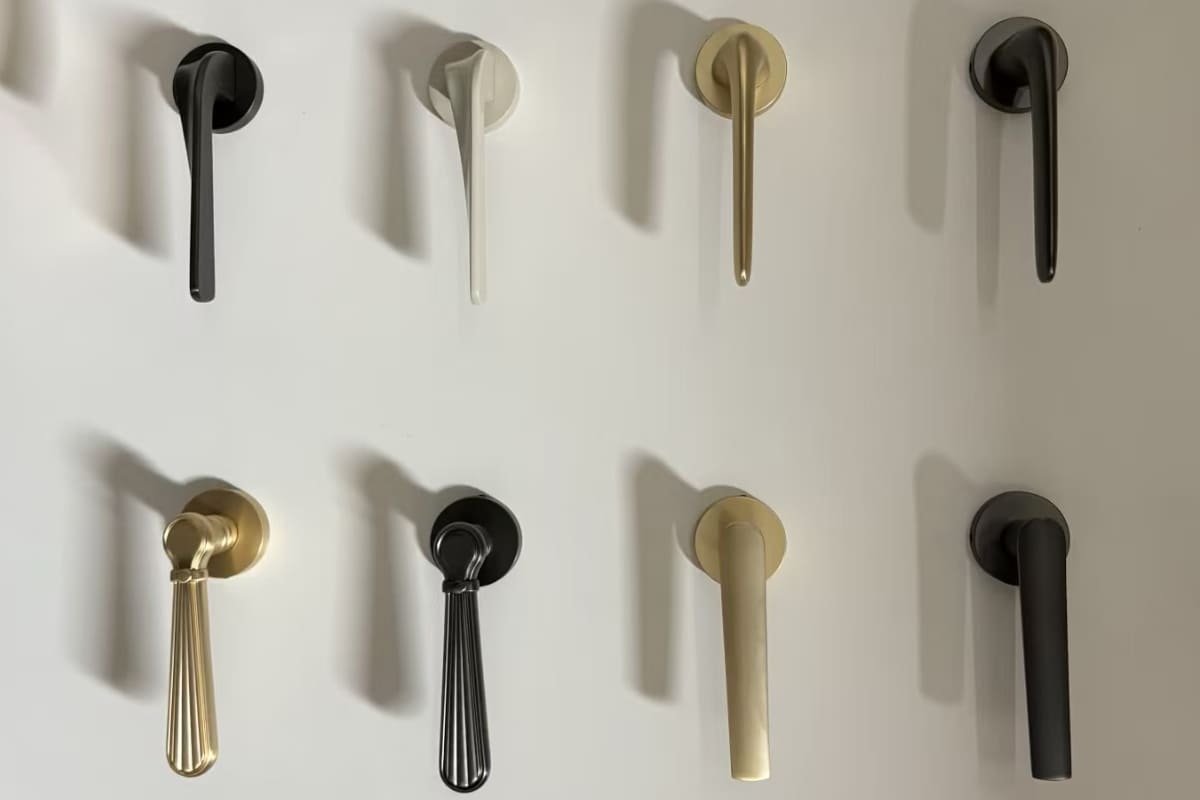
Material is one of the most common topics in buyer meetings. Some buyers ask which material is best. I usually answer with a question. Where will the handle be used? A material is not good or bad in every situation. It becomes suitable when it matches the door, market, finish, and cost target.
| Material | Common advantage | Main point I confirm |
|---|---|---|
| Zinc alloy | Flexible shapes and cost control | Plating quality and structure strength |
| Stainless steel | Strong image and good durability potential | Grade, thickness, polish, finish process |
| Brass | Solid feel and premium appearance | Cost, finish protection, market preference |
| Aluminum alloy | Light weight and modern designs | Surface treatment and strength demand |
| Mixed material | Balanced cost and appearance | Compatibility and long-term stability |
Zinc alloy is common in lever handles because it supports many shapes and finishes. It can help buyers build product lines with many styles. But I never ignore plating quality. A zinc alloy handle with weak plating can become a problem in humid or harsh conditions. I check the base treatment, polishing, plating thickness, salt spray target if required, and color consistency.
Stainless steel is common when buyers want a durable and clean product image. It is widely used for pull handles, lever handles, and commercial hardware. But stainless steel still needs grade control and proper finishing. A low-grade material or poor surface process can still create complaints. I also check whether the surface is satin, polished, PVD, black, or another finish.
Brass is often selected for a heavier feel, classic design, or certain premium projects. It can work well in selected interior or protected areas when the finish and maintenance plan are clear. But brass usually has a higher cost. I need to know whether the market can accept the price.
Finish is not decoration only. Finish is part of performance. For exterior doors, I may suggest stronger plating, PVD, powder coating, or a finish process that fits the environment. For interior doors, I focus on touch feel, color control, scratch resistance, and cleaning needs. I also ask for target tests if the project requires them, such as salt spray testing7 or fire-rated hardware8 matching. I prefer written requirements before mass production because finish language can be unclear between buyer and factory.
Why should I select the handle as part of the full lock system?
I cannot solve a door problem by checking the handle alone. A handle works only when the lock body, cylinder, spindle, and door preparation match.
I select a handle as part of a full hardware system. I confirm door position, material, thickness, opening direction, hole distance, lock body, cylinder, strike plate, screws, and certificate requirements before I quote or produce.
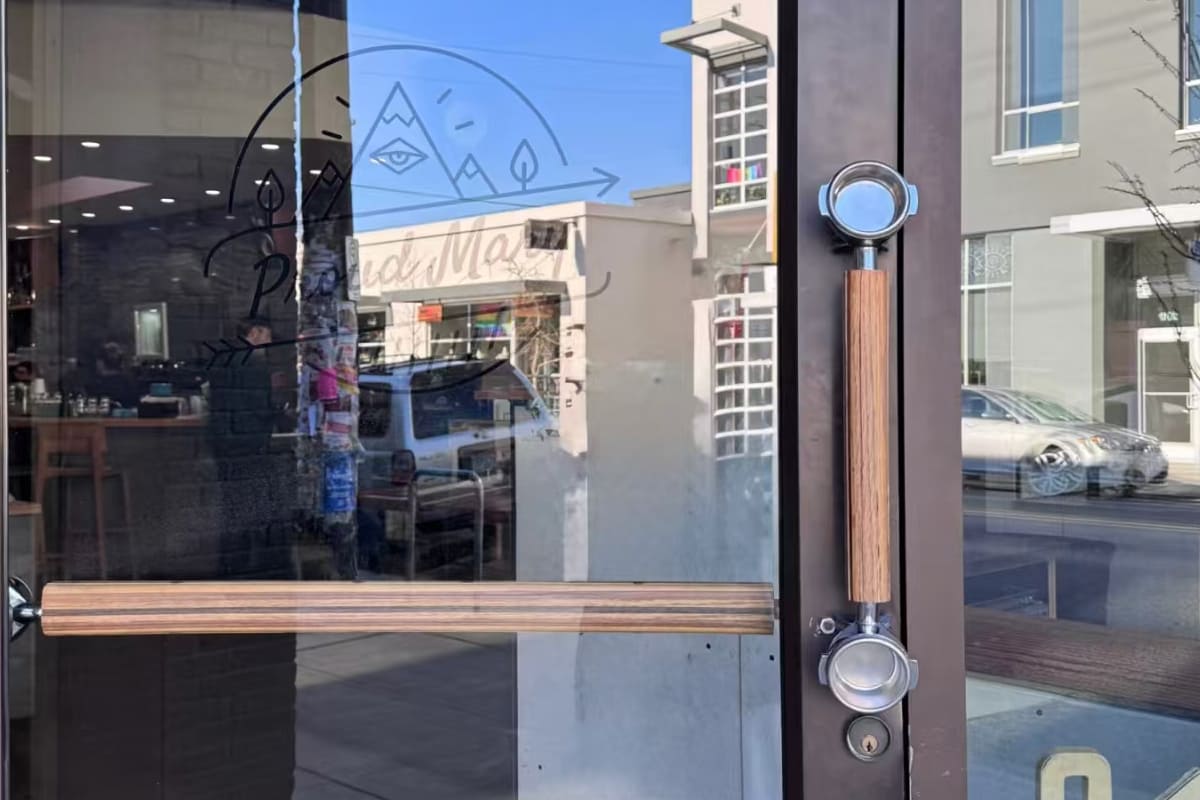
This is the part where factory experience matters most. A handle is only one visible part of the door hardware set. The lock body is inside the door. The cylinder controls key access. The spindle transfers handle movement. The strike plate receives the latch or deadbolt. If one part is wrong, the whole set can fail at installation.
| System detail | What I ask the buyer | Risk if ignored |
|---|---|---|
| Door thickness | What is the exact door thickness range? | Screws or spindle may be too short |
| Door material | Is it wood, steel, aluminum, or composite? | Fixing method may be wrong |
| Opening direction | Is it left hand or right hand? | Lever direction or lock function may fail |
| Center distance | What is the lock body center distance? | Handle plate may not match holes |
| Backset9 | What backset does the lock body use? | Handle and latch position may be wrong |
| Cylinder type | Is it euro profile or another type? | Escutcheon and lock function may mismatch |
| Certification | Is CE10 or fire-rated certificate required? | Project approval may fail |
I have handled many cases where the buyer sent a handle sample and asked for the same design. When I asked for the lock body drawing, the buyer found that the center distance was different. If I had quoted too fast, the price would have looked attractive, but the order would have carried risk. This is why I prefer drawings, door details, and complete hardware requirements before price confirmation.
For door factories and wholesalers, system thinking also protects profit. If the handle fits the lock body and door preparation well, installation is faster. After-sales cost is lower. The product feels more stable. The end customer trusts the door brand more. This is why I always ask technical questions before I quote. I am not trying to slow the buyer down. I am trying to prevent mass-order trouble.
What information should I send before I ask for a handle quotation?
I can quote faster and safer when I receive full door and lock information. A photo alone usually creates missing details and hidden risks.
Before asking for a quotation, I should send the handle type, door location, door material, door thickness, opening direction, lock body drawing, cylinder type, finish requirement, quantity, certification need, and target market. This helps the factory choose the right specification.
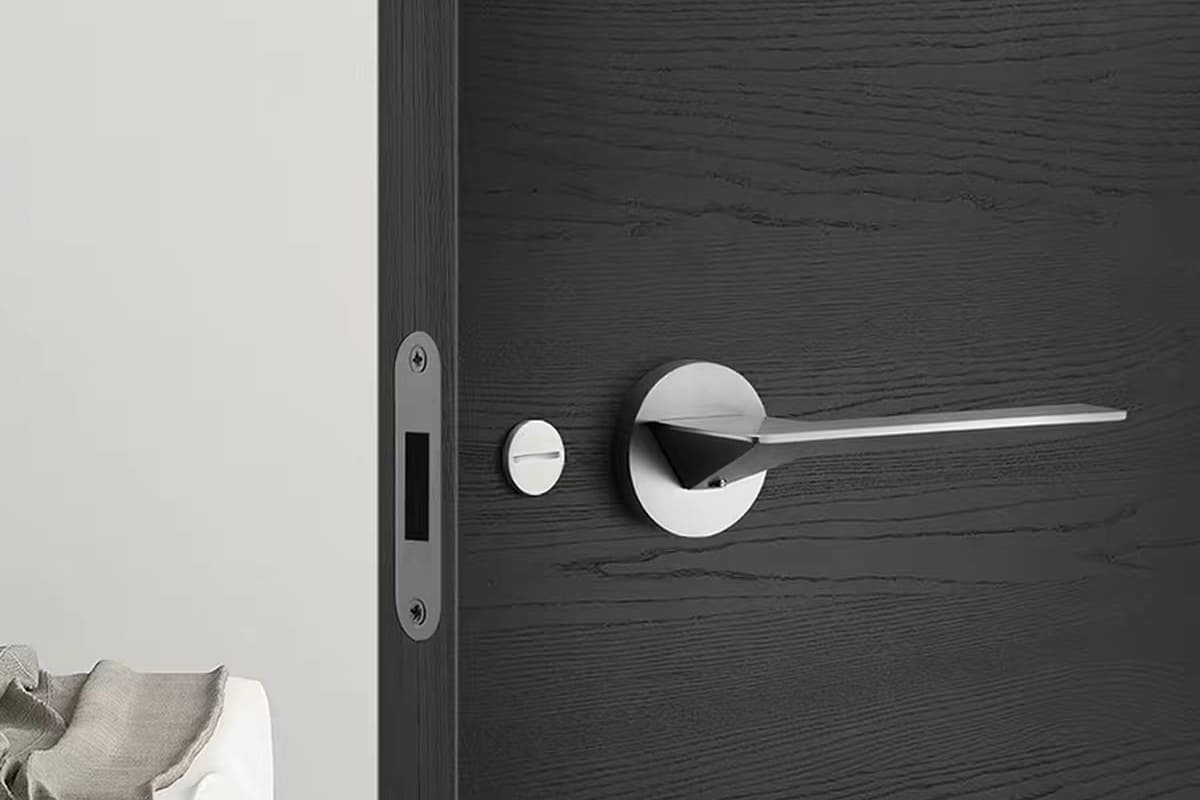
I like practical checklists because they reduce repeated messages. If a buyer sends only a handle picture, I can give a rough idea, but I cannot confirm the safest solution. If the buyer sends the full checklist, I can advise on material, finish, lock matching, and packaging with much better accuracy.
| Information to send | Example detail |
|---|---|
| Door location | Interior bedroom, bathroom, exterior entrance, corridor, hotel room |
| Door material | Wooden door, steel door, aluminum door, composite door |
| Door thickness | 35 mm, 40 mm, 45 mm, 50 mm, or custom range |
| Opening direction | Left hand, right hand, reversible, inward, outward |
| Handle type | Lever, knob, pull handle, recessed handle, smart handle |
| Lock body | Drawing, backset, center distance, faceplate size |
| Cylinder | Euro profile11, thumb turn, key-key, project keying need |
| Finish | Satin stainless steel, PVD gold, black, satin nickel, antique finish |
| Environment | Dry indoor, humid indoor, coastal area, outdoor exposed area |
| Certification | CE, fire-rated, project-specific documents |
| Quantity | Trial order, batch order, annual forecast |
| Packaging | Neutral box, brand box, project set packaging |
I also ask about market positioning. A wholesale product line may need a cost-effective zinc alloy handle with stable finish and fast delivery. A hotel project may need stronger finish control and better quiet performance. A fire-rated door project may need certified hardware. A coastal-area project may need higher corrosion resistance. These are not the same price level, and they should not be quoted as the same product.
I know buyers need speed. I also know factories need correct data. A complete quotation request saves time for both sides. It also helps the supplier avoid over-specifying the handle and raising cost without reason. It helps the buyer avoid under-specifying the handle and facing complaints later. I always see the best orders come from clear technical communication before sampling.
Conclusion
I do not treat interior and exterior handles as the same decision. I confirm the door use, material, finish, lock system, and quotation checklist first.
"DIN EN 1906 - HOPPE | United States & Canada", https://www.hoppe.com/us-us/door-handles/standards-and-solutions-door-handles/din-en-1906/. EN 1906 (European standard for lever handles and knobs) classifies hardware by categories of use, durability, and corrosion resistance, indicating that selection should match expected environment and frequency of use; this supports treating interior and exterior applications as different specification decisions, though the standard does not prescribe specific room locations. Evidence role: expert_consensus; source type: institution. Supports: That recognized standards classify door handles by performance categories (use, durability, corrosion resistance), implying different specifications for different environments.. ↩
"EN 1670:2007 - Corrosion resistance - iTeh Standards", https://standards.iteh.ai/catalog/standards/cen/ce2ff715-187f-4773-b82a-dcc9307acde7/en-1670-2007?srsltid=AfmBOooY67H4WmBkz_gXXU0X7UOlcgIhXOcttOY2TeeO7LHtaX2PTsxu. EN 1670 specifies corrosion resistance requirements and test methods for building hardware, establishing graded performance against atmospheric corrosion and supporting the need for higher corrosion resistance in exterior applications; it sets test classes rather than prescribing specific products. Evidence role: general_support; source type: institution. Supports: That building hardware is evaluated for corrosion resistance with graded requirements relevant to outdoor exposure.. ↩
"Electronic lock - Wikipedia", https://en.wikipedia.org/wiki/Electronic_lock. Encyclopedic overviews of electronic locks note that they operate using electrical power and commonly include a mechanical key override for use during power failures or emergencies, supporting the need to verify power, system compatibility, and emergency access provisions. Evidence role: definition; source type: encyclopedia. Supports: That electronic locks depend on electrical power and often include mechanical override for emergencies.. ↩
"Door handle - Wikipedia", https://en.wikipedia.org/wiki/Door_handle. Reference articles on door handles list stainless steel and zinc alloys among common materials for handles; while not limited to exterior use, this supports their widespread application, with exterior suitability depending on specific grade and finish. Evidence role: general_support; source type: encyclopedia. Supports: That stainless steel and zinc alloys are common materials for door handles.. ↩
"[PDF] guide to the selection and use of high performance stainless steels", https://www.nrc.gov/docs/ML0334/ML033490048.pdf. Technical guidance from stainless steel institutes explains that molybdenum‑bearing grades such as 316 are generally preferred over 304 in marine or chloride-rich environments due to better pitting and crevice corrosion resistance, underscoring the need to match grade and finish to the environment. Evidence role: expert_consensus; source type: institution. Supports: That stainless steel grade selection (e.g., 316 for chloride-rich/coastal exposure) materially affects corrosion resistance.. ↩
"WHO Environmental Noise Guidelines for the European Region - PMC", https://pmc.ncbi.nlm.nih.gov/articles/PMC5877064/. The WHO Environmental Noise Guidelines report that night-time noise is linked to sleep disturbance and related health effects; while not specific to latches, this establishes that reducing bedroom noise is important for sleep quality. Evidence role: expert_consensus; source type: institution. Supports: That nighttime noise is associated with sleep disturbance, justifying quiet hardware in bedrooms.. ↩
"Salt spray test - Wikipedia", https://en.wikipedia.org/wiki/Salt_spray_test. ISO 9227 defines neutral salt spray (NSS) and related tests to evaluate the corrosion resistance of metallic and other inorganic coatings, reflecting a widely used qualification method for hardware finishes. Evidence role: definition; source type: institution. Supports: That neutral salt spray testing is a standardized method for assessing corrosion resistance of metallic coatings.. ↩
"Fire Doors and NFPA 80 FAQs", https://www.nfpa.org/news-blogs-and-articles/blogs/2025/04/11/fire-doors-faqs. NFPA 80 specifies that components of fire door assemblies, including hardware, must be listed/labeled for that purpose, supporting the need to match handles and other components to the required fire rating. Evidence role: definition; source type: institution. Supports: That codes/standards require fire door assemblies, including hardware, to be listed or labeled for fire door use.. ↩
"Lockset - Wikipedia", https://en.wikipedia.org/wiki/Lockset. Standard definitions of lock terminology describe backset as the distance from the door edge to the center of the keyhole or handle spindle, confirming its importance for handle–lock compatibility. Evidence role: definition; source type: encyclopedia. Supports: The definition of backset as the distance from the door edge to the centerline of the keyhole or spindle.. ↩
"Regulation (EU) No. 305/2011 - Wikipedia", https://en.wikipedia.org/wiki/Regulation_(EU)_No._305/2011. Regulation (EU) No 305/2011 (the Construction Products Regulation) sets the rules for CE marking of construction products that are covered by a harmonized European standard or European Technical Assessment; not all hardware items are within a harmonized scope, but when they are, CE documentation may be required by projects. Evidence role: historical_context; source type: government. Supports: That the EU Construction Products Regulation establishes CE marking for products covered by harmonized standards or ETAs.. ↩
"Pin tumbler lock - Wikipedia", https://en.wikipedia.org/wiki/Pin_tumbler_lock. Reference material on Euro cylinder locks defines the Euro profile as a standardized cylinder shape used across many European locksets, affecting compatibility with escutcheons and hardware. Evidence role: definition; source type: encyclopedia. Supports: That a Euro profile (Euro cylinder) is a standardized lock cylinder format used widely in Europe.. ↩