Hinges – a concise guide?
A wrong hinge choice looks small at first. It can become noisy doors, uneven gaps, slow assembly, and customer complaints that hurt profit1.
I divide hinges into butt-type hinges and 3D adjustable concealed hinges first. I then match them with door weight, door thickness, installation method, appearance needs, usage frequency, and later adjustment needs. This gives buyers a fast and safe way to choose hinges for batch supply.
I have handled many hinge inquiries from door factories, hardware brands, and wholesalers. I often see the same problem. A buyer asks for the lowest price first, but the real risk is not only price. The real risk is choosing a hinge that does not match the door structure, the installation process, or the end user’s expectation. I keep this guide short, but I also keep it practical, because a hinge is a small part that controls a large part of the door experience.
How should I first divide hinge types for door projects?
Many buyers see too many hinge names and lose time. I see this often in sourcing work, and I know it can slow product decisions.
I first divide hinges into two practical groups: butt-type hinges and 3D adjustable concealed hinges. This simple split helps me compare installation, appearance, adjustment, maintenance, and long-term risk.
I use two groups before I discuss small details
In my factory work, I do not begin a hinge discussion with every small subtype. I start with the door itself. I ask whether the door needs a visible hinge or a hidden hinge. I ask whether the installer can cut grooves. I ask whether the project needs later adjustment after the door settles. This saves time for both sides.
| Practical group | What I check first | What it usually means for buyers |
|---|---|---|
| Butt-type hinges | I check visible installation, mortising needs, function, and shaft structure. | I can match standard doors, simple assembly, public building needs, or maintenance-saving needs. |
| 3D adjustable concealed hinges | I check hidden appearance, door thickness, pocket space, and adjustment needs. | I can support modern door design and help correct door position after installation. |
I do not treat all hinges as equal
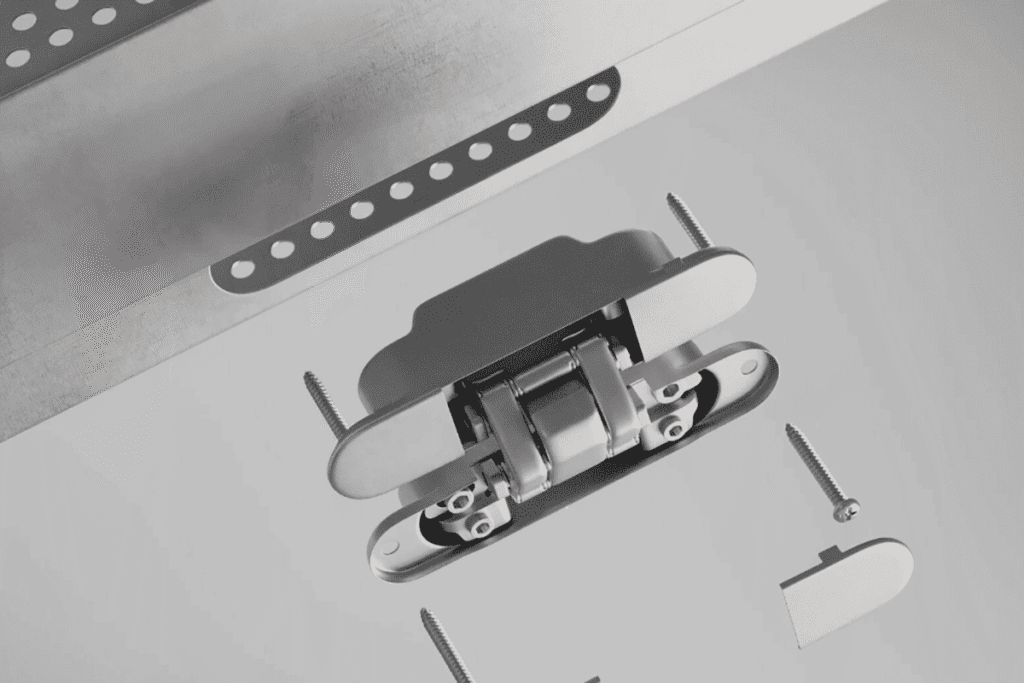
A hinge name alone does not tell the full story. A standard butt hinge, a butterfly hinge, a spring hinge, and an oil-free hinge may all look like common hardware to a new buyer. They are not the same in installation and function. A 3D concealed hinge is also different because the body sits inside the door and frame, and the hinge is hidden after the door closes. I use this first-level division because it keeps the decision clean. It helps product managers build a door hardware line without mixing low-cost parts, functional parts, and aesthetic parts into one unclear choice.
When should I choose butt-type hinges?
A butt-type hinge can look simple, but the wrong version can create installation trouble. I have seen wrong groove sizes delay door assembly.
I choose butt-type hinges when the door design accepts visible hinges and the project needs a clear, stable, and familiar installation method. I then choose the subtype by groove requirement, closing function, and maintenance needs.
I separate butt-type hinges by installation and function
In my daily product communication, I see butt-type hinges used across many normal wooden doors, metal doors, and project doors. The buyer must not stop at “butt hinge.” The buyer should ask what kind of butt-type hinge is needed. A standard butt hinge usually needs mortising or grooving on the door and frame according to the hinge size.2 This means the door factory must control groove depth and position. If the groove is poor, the door gap may not look clean.
| Butt-type hinge | Main feature | My practical note for buyers |
|---|---|---|
| Standard butt hinge | It usually needs mortising on door and frame. | I confirm hinge size, leaf thickness, screw holes, and finish before batch orders. |
| Butterfly hinge | It has interlocking leaves and normally does not need grooving.3 | I use it when simple surface installation is preferred. |
| Spring hinge | It helps the door close automatically.4 | I see it used in public buildings and places that need self-closing. |
| Maintenance-free or oil-free hinge | It uses a sealed shaft structure to reduce oiling needs.5 | I check shaft design, welding quality, and rotation feel. |
I look at production details, not only appearance
For standard butt hinges, I pay attention to material thickness, flatness, screw hole accuracy, knuckle alignment, pin structure, and surface finish. Small changes in these points can affect installation speed and door movement. For butterfly hinges, I focus on how the leaves interlock and whether the surface sits flat enough for fast installation. For spring hinges, I check closing function and consistency. For oil-free hinges, I pay attention to the sealed shaft structure. Some designs use laser-welded construction to reduce maintenance needs and support long service use. I do not promise a magic lifetime without real test data. I only say that a well-made sealed structure can reduce routine maintenance compared with a normal exposed shaft design. For bulk buyers, this careful wording matters because after-sales risk is real.
What makes 3D adjustable concealed hinges different?
Modern doors often need a clean look, but clean design can bring harder installation control. I have seen hidden hinges reduce visual complaints.
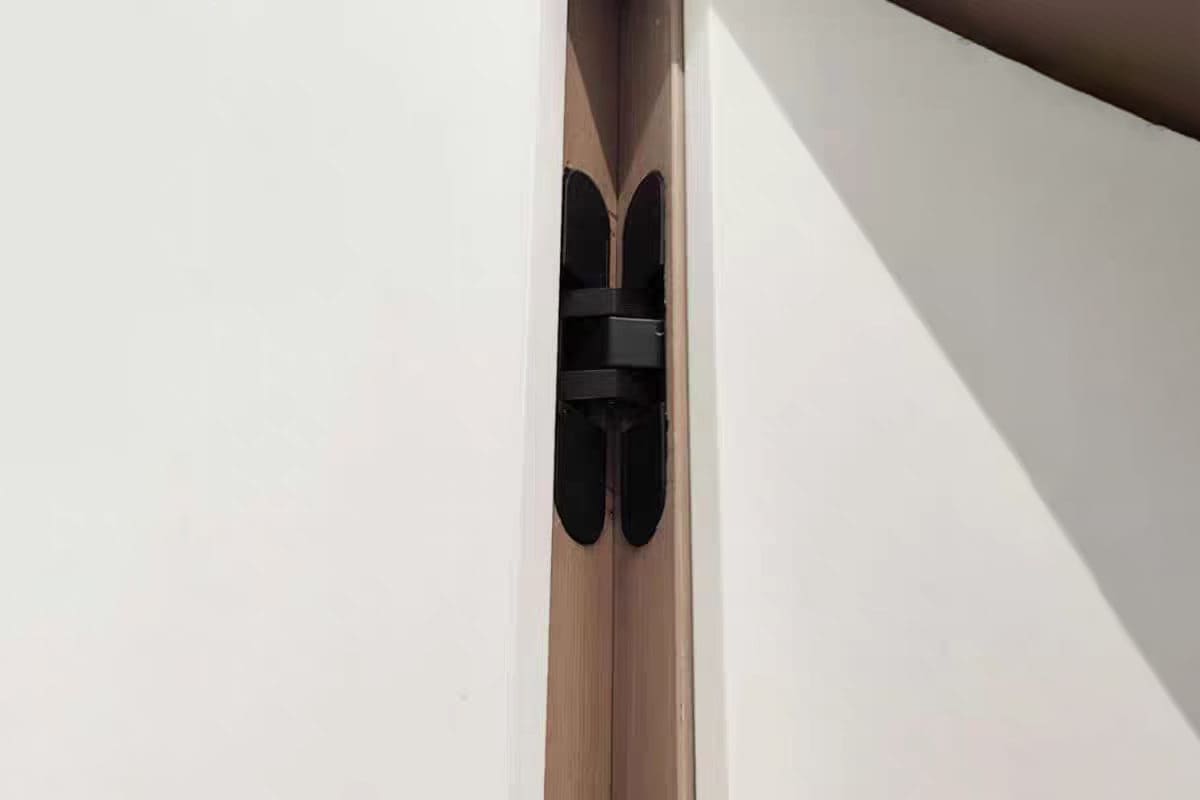
I use 3D adjustable concealed hinges when the project needs hidden hardware and later position adjustment. These hinges help adjust door height, side gap, and depth alignment after installation.
I see concealed hinges as a design and adjustment choice
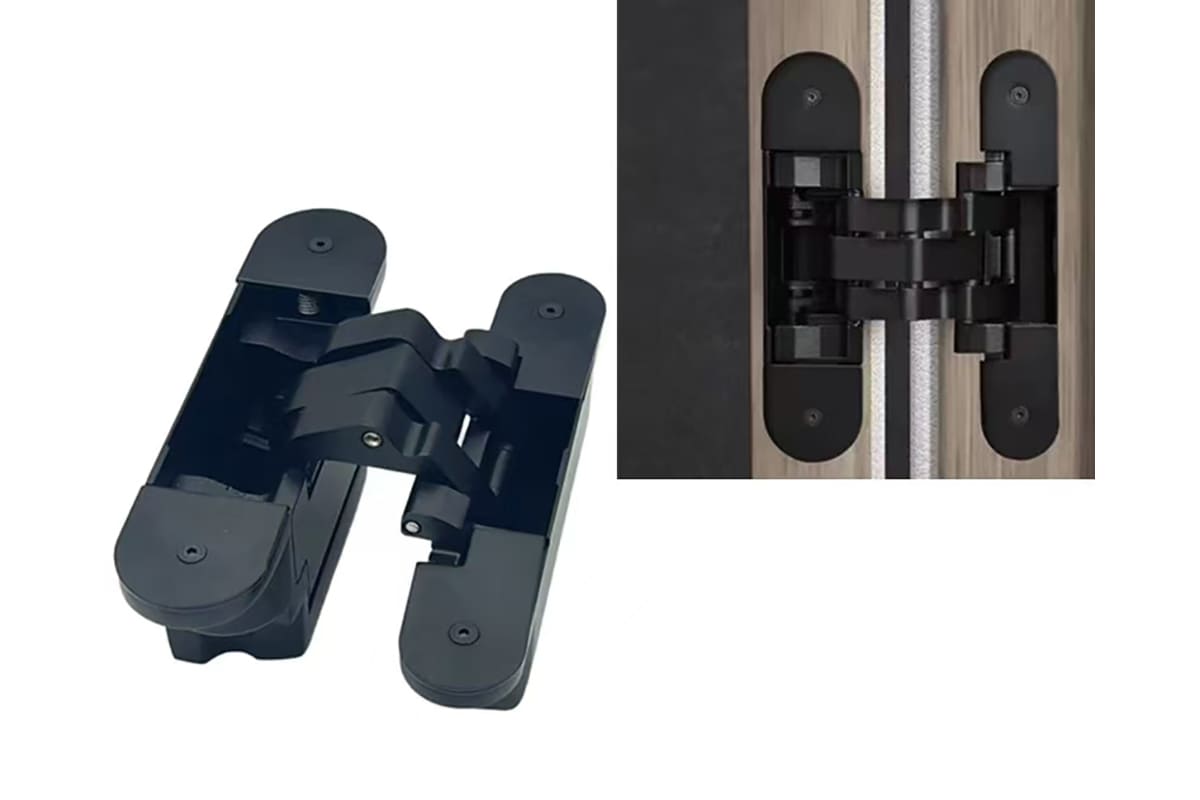
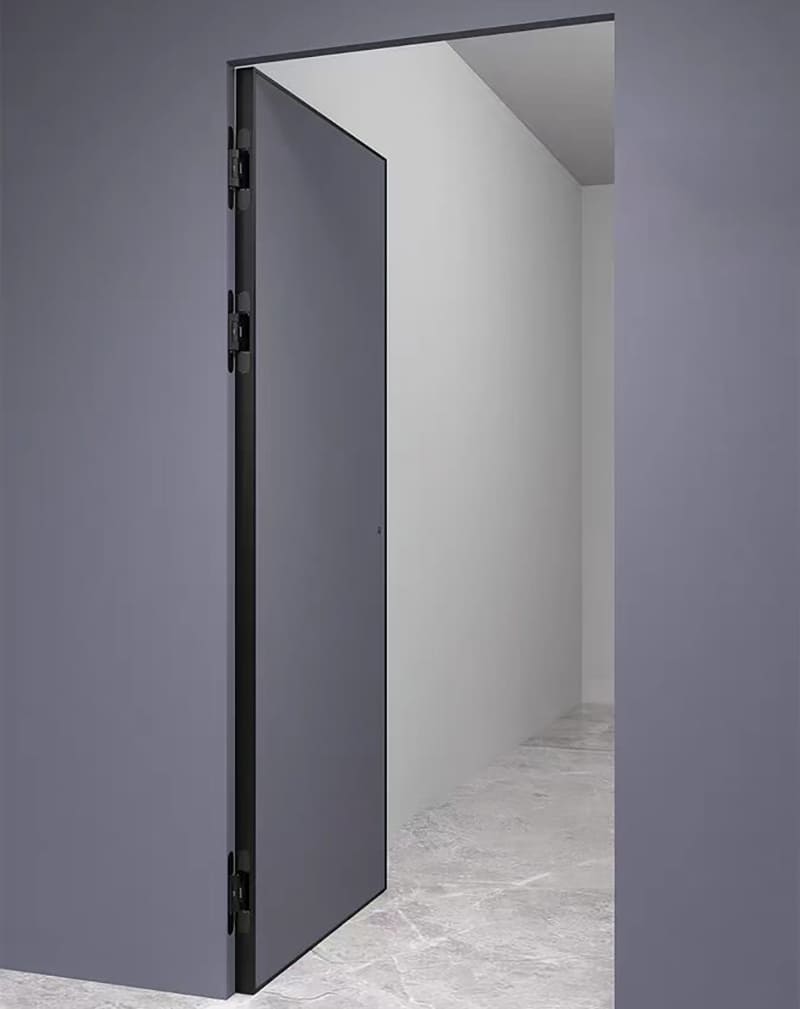
A 3D adjustable concealed hinge is different from a standard butt hinge because the hinge body is installed inside the door and frame. When the door is closed, the hinge is hidden.6 This gives the door a cleaner and more modern appearance. Many hotel, apartment, villa, and high-end interior door projects prefer this effect. I also see hardware brands use concealed hinges to create a higher-value product line.
| Feature | What I explain to buyers | Why it matters in projects |
|---|---|---|
| Hidden after installation | I tell buyers the hinge does not show when the door is closed. | It supports modern and simple door design. |
| 3D adjustment | I explain that the hinge can adjust position in three directions, depending on model design.7 | It helps correct or reduce alignment problems after installation. |
| More complex installation | I remind buyers that pocket cutting and fitting accuracy are important.8 | It requires better door processing and installer control. |
| Higher product positioning | I connect it with premium door sets and brand image. | It can support better market pricing. |
I use careful words about door sagging
I do not say that a 3D concealed hinge will always solve door sagging. That would not be responsible. Door sagging may come from door weight, frame strength, screw holding power, poor installation, or wrong hinge quantity.9 What I can say is clear. A 3D adjustable concealed hinge helps adjust the door position after installation. It can help handle uneven gaps and alignment issues within the adjustment range of the hinge. This is useful for door factories and project teams because real job sites are not always perfect. I have had customers ask for concealed hinges after they received complaints about uneven door gaps. In those cases, adjustability became a selling point and a risk-control tool. The buyer still needs to confirm door weight, door thickness, hinge size, and installation space before placing a bulk order.
Which questions should I confirm before buying hinges in bulk?
A cheap hinge can become expensive if it fails in the wrong door. I have seen small savings turn into large replacement costs.
I confirm door weight, door thickness, door material, usage frequency, installation method, finish, visual design, certification needs, and after-sales risk before I quote or recommend a hinge.
I start with the door, not the hinge price
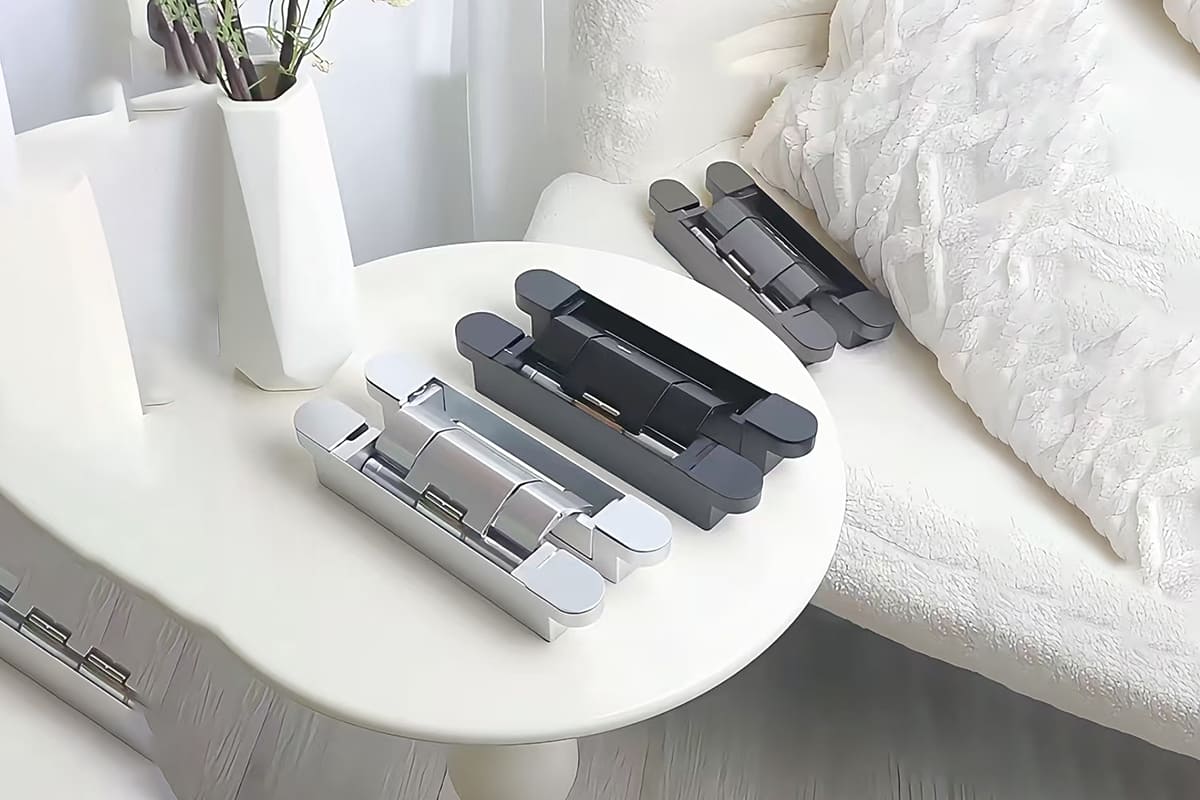
When a buyer sends me only a hinge photo and asks for the lowest price, I usually need more information. A hinge is not a separate decoration part. It works with the door leaf, the frame, the screws, the installer, and the user. If the door is heavy, the hinge must have enough structure and proper size. If the door is used many times each day, the rotation feel and shaft design matter more. If the door is part of a modern hidden design, a visible standard hinge may not meet the visual target.
| Question I ask | Why I ask it | What the answer changes |
|---|---|---|
| What is the door weight? | I need to judge support demand. | It affects hinge size, type, and quantity.10 |
| What is the door thickness? | I need to confirm fitting space. | It affects concealed hinge selection and screw position. |
| How often will the door be used? | I need to understand wear risk. | It affects shaft design and quality level. |
| Can the factory cut grooves? | I need to know installation ability. | It affects standard butt hinge or butterfly hinge choice. |
| Is a hidden look required? | I need to match design expectation. | It affects butt-type or concealed hinge selection. |
| Is later adjustment needed? | I need to reduce alignment risk. | It affects whether I recommend 3D adjustable hinges. |
I check finish and batch consistency
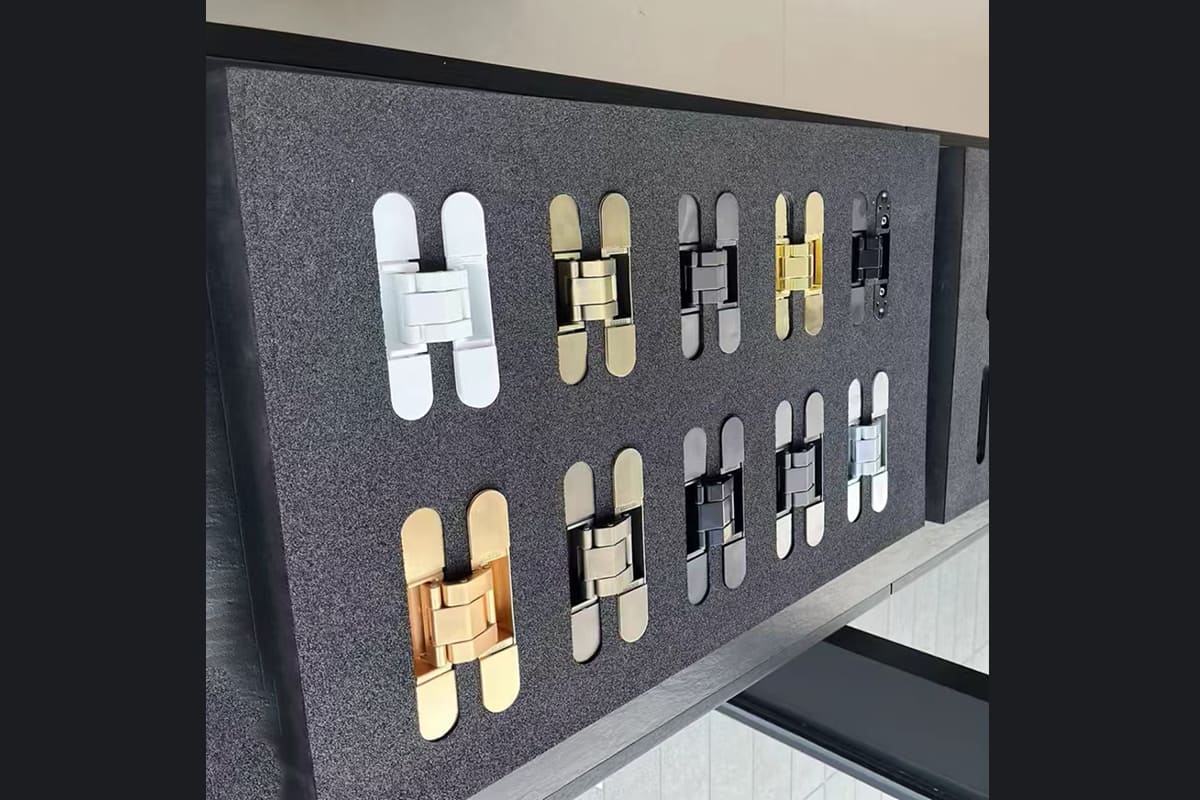
For B2B buyers, finish consistency is not a small issue. If one batch has color difference, the buyer may face customer complaints even if the hinge moves well. I check surface treatment, packing method, and sample confirmation before mass production. I also ask whether the hinge must match lever handles, locks, cylinders, or other door hardware in the same door set. In many projects, the whole hardware package must look unified. A hinge finish that is slightly different can still be noticed after installation.11 I also confirm whether the buyer needs CE or fire-related project documents. I do not add certification claims unless the exact product has valid documents. This is important for professional buyers because market access and project approval depend on real files, not sales words.12
How do I reduce hinge quality and supply risk from the factory side?
A hinge order can look easy on paper, but batch supply can fail through loose control. I have learned this through production work.
I reduce hinge risk by checking material, dimensions, shaft movement, surface finish, packing, and order details before shipment. I also align samples and mass production standards early.
I control the hinge before it reaches the buyer
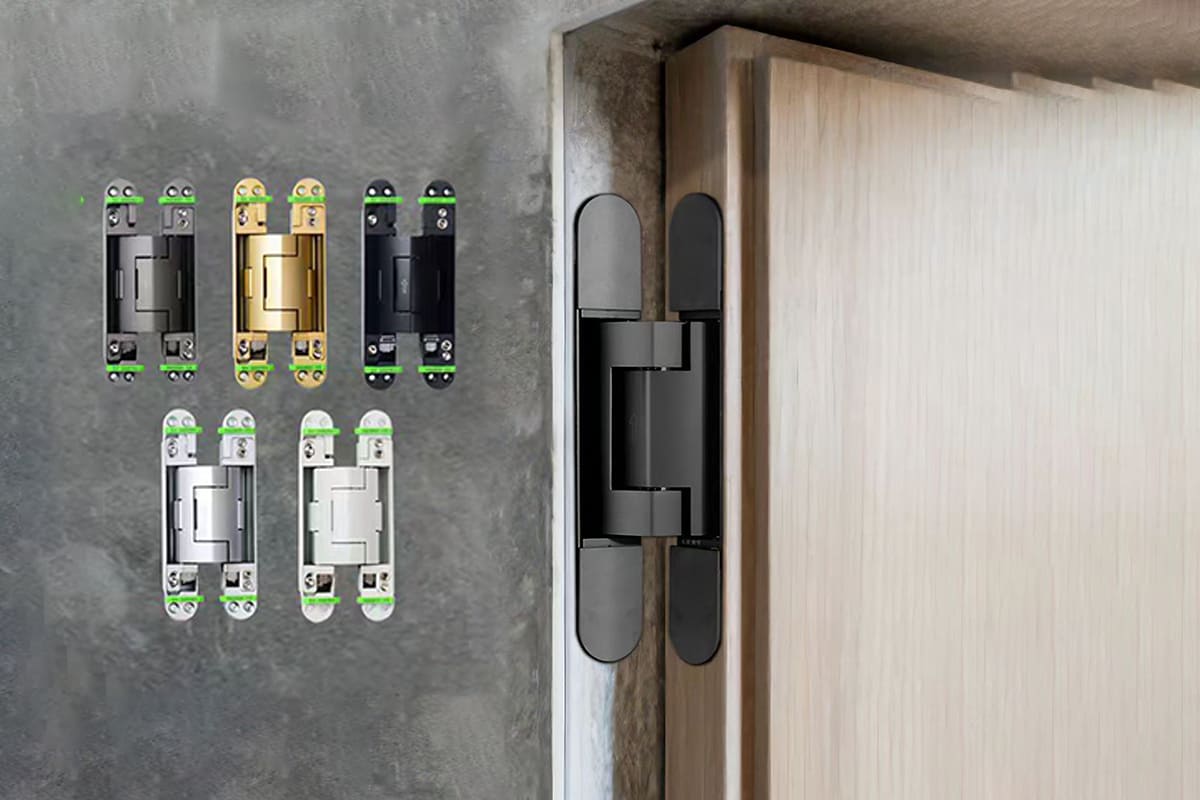
As a China-based architectural door hardware manufacturer, I see hinge quality from the production side, not only from a catalog page. I know that a buyer needs stable goods, not a perfect sample followed by mixed mass production. For this reason, I use sample approval as the starting point. I then keep the production details close to the approved sample.
| Factory control point | What I check | Why it protects the buyer |
|---|---|---|
| Raw material | I check material type, thickness, and basic surface condition. | It supports stable strength and finish results. |
| Dimension | I check length, width, leaf thickness, holes, and groove fit. | It helps door factories install hinges faster. |
| Shaft and rotation | I check pin alignment, rotation feel, and noise. | It reduces movement complaints after installation. |
| Surface finish | I check color, coating, brushing, and visible defects. | It supports batch consistency and brand image. |
| Packing | I check separation, cartons, labels, and accessories. | It reduces scratches and missing parts. |
I connect quality control with the buyer’s market
Different markets care about different points. Some Middle East buyers focus strongly on price and durable use in large quantity. Some European buyers ask more about standards, documents, and stable finish. Some Southeast Asia buyers need flexible models, fast delivery, and good cost control. I do not use one answer for every market. I ask about the buyer’s sales channel and project type. A door factory may care about assembly speed. A hardware brand may care about finish and packaging. A wholesaler may care about stock movement and common sizes. When I understand this, I can recommend a hinge range that fits the business, not only one door. This is why I believe a concise hinge guide should still include quality control. The best hinge choice is not only a product choice. It is also a supply chain choice.
Conclusion
I choose hinges by door needs, installation method, appearance, adjustment, maintenance, and batch risk, not by price alone.
"A156.1 - 2025 Butts and Hinges", https://buildershardware.com/ANSI-BHMA-Standards/Hardware-Highlights/A1561-2021-Butts-and-Hinges. ANSI/BHMA and professional door-hardware guidance document that hinge selection and installation affect door operation, alignment, durability, and service performance. Evidence role: general_support; source type: institution. Supports: Hinge standards and professional door-hardware guidance connect hinge construction, loading, cycling, and installation conditions with reliable door operation.. Scope note: Such sources can support the operational-risk context but are unlikely to directly quantify customer complaints or profit loss for this article's products. ↩
"Hinge - Wikipedia", https://en.wikipedia.org/wiki/Hinge. Reference definitions of butt hinges describe them as hinges whose leaves are typically mortised into the door edge and frame so that the leaves sit flush when installed. Evidence role: definition; source type: encyclopedia. Supports: A butt hinge is commonly described as a hinge with leaves recessed into the edge of a door and the jamb or frame.. ↩
"Types of Hinges - The Home Depot", https://www.homedepot.com/c/ab/types-of-hinges/9ba683603be9fa5395fab907ed84933. General hardware references describe butterfly hinges as surface-mounted hinges with shaped or interlocking leaves, often used where mortising is not required. Evidence role: definition; source type: encyclopedia. Supports: Butterfly hinges are commonly described as surface-mounted or no-mortise hinges with distinctive interlocking or decorative leaves.. Scope note: The support is contextual because some products called butterfly hinges may vary in geometry and installation requirements. ↩
"Treasem 1 Pack Self Closing Door Hinge, 4 Inch Spring Loaded ...", https://www.amazon.com/Closing-Adjustable-Interior-Exterior-Commercial/dp/B0CCDDZ39G. Door-hardware and fire-door guidance identify spring hinges as hinges that incorporate spring tension to return a door toward the closed position. Evidence role: mechanism; source type: institution. Supports: Spring hinges use spring tension to return a door toward the closed position and are recognized in door-hardware guidance as self-closing devices in appropriate applications.. ↩
"Self-Lubricating Bearings: Essentials for Selection & Design", https://www.tstar.com/self-lubricating-bearings-overview. Research on sealed and self-lubricating bearing systems shows that protected bearing surfaces and low-friction materials can reduce the need for periodic external lubrication. Evidence role: mechanism; source type: research. Supports: Tribology literature explains that sealed bearing assemblies and self-lubricating bearing materials can reduce contamination and routine lubrication requirements.. Scope note: This supports the engineering principle behind reduced oiling needs, not the tested life or maintenance interval of any specific hinge model. ↩
"Hinge - Wikipedia", https://en.wikipedia.org/wiki/Hinge. Reference descriptions of concealed hinges define them as hinges mounted within the door and frame so that the hinge mechanism is not visible in the closed position. Evidence role: definition; source type: encyclopedia. Supports: Concealed hinges are defined by their hidden installation and lack of visible hinge hardware when the door is closed.. ↩
"[PDF] Installation Manual HES3D - V135 3D adjustable concealed hinge ...", https://www.sugatsune.com/content/site-assets/Instructions/hes3dv135in.pdf?srsltid=AfmBOoo3x6p1JJ1YGa8J6ZTCPbSb6kRqDnZPJIiU92QfdtGixjsmOQv4. Patent records for adjustable concealed hinges describe mechanisms that allow door position to be adjusted along multiple axes, commonly corresponding to vertical, lateral, and depth alignment. Evidence role: mechanism; source type: government. Supports: Patent literature and technical descriptions document concealed hinge mechanisms that provide multi-axis positional adjustment.. Scope note: Patent literature supports the feasibility and mechanism of three-axis adjustment but does not prove that every commercial concealed hinge has this capability. ↩
"[DOC] 064113", https://online2.ogs.ny.gov/dnc/masterspec24/docs/Division06WoodPlasticAndComposites/064113.0WoodVeneerFacedArchitecturalCabinets.docx. Architectural woodwork standards treat hardware mortising and preparation tolerances as part of proper door fabrication, supporting the importance of accurate pocket cutting for concealed hinge installation. Evidence role: general_support; source type: institution. Supports: Architectural woodwork and hardware-preparation standards address tolerances and accurate preparation for hardware mortises and pockets.. Scope note: Such standards support the need for accurate preparation generally, but they may not address every concealed hinge model's proprietary pocket geometry. ↩
"Wood handbook: Wood as an engineering material", https://research.fs.usda.gov/treesearch/62200. Government wood-engineering references document that screw holding strength depends on material and loading conditions, while door-hardware guidance links door weight and hinge quantity to stable door support. Evidence role: mechanism; source type: government. Supports: Wood-fastener research and door-hardware guidance connect screw withdrawal strength, supporting material, door load, and hinge selection with the stability of hung doors.. Scope note: The combined evidence explains plausible causes of sagging but does not diagnose any individual door failure without inspection. ↩
"A156.1 - 2025 Butts and Hinges", https://buildershardware.com/ANSI-BHMA-Standards/Hardware-Highlights/A1561-2021-Butts-and-Hinges. Door-hardware selection guidance identifies door weight and dimensions as principal factors in determining hinge size, hinge type or grade, and the number of hinges required. Evidence role: expert_consensus; source type: institution. Supports: Professional door-hardware guidance uses door weight, dimensions, and usage conditions to determine hinge size, grade, and quantity.. ↩
"Perceptibility and acceptability of CIELAB color differences in ... - PMC", https://pmc.ncbi.nlm.nih.gov/articles/PMC2041906/. Colorimetry literature using CIE color-difference metrics shows that small differences in measured color can be perceptible to human observers, supporting the relevance of finish consistency in visible hardware. Evidence role: general_support; source type: research. Supports: Colorimetry research and CIE/ISO color-difference methods show that relatively small measured color differences can be perceptible to observers under comparable viewing conditions.. Scope note: The perceptibility threshold depends on lighting, surface texture, viewing angle, and observer conditions, so the source supports the general risk rather than a fixed tolerance for hinges. ↩
"1370 - Fire Protection and Life Safety Building Permit Process", https://policymanual.nih.gov/1370. Government guidance on CE marking and construction products states that regulated products must be supported by conformity documentation, such as declarations of performance, for market placement and compliance assessment. Evidence role: historical_context; source type: government. Supports: Official construction-product and CE-marking guidance explains that regulated products require documented conformity, such as declarations of performance, for lawful placement on relevant markets and use in specified projects.. Scope note: The exact documentation required depends on the jurisdiction, product category, declared performance, and project specification. ↩