What is the real difference between a deadlock and a mortise lock?
leading paragraph: Many of my B2B clients, from door factories to hardware wholesalers, often mix up "deadlock" and "mortise lock." This confusion can lead to incorrect orders or project delays. It's a common issue I see.
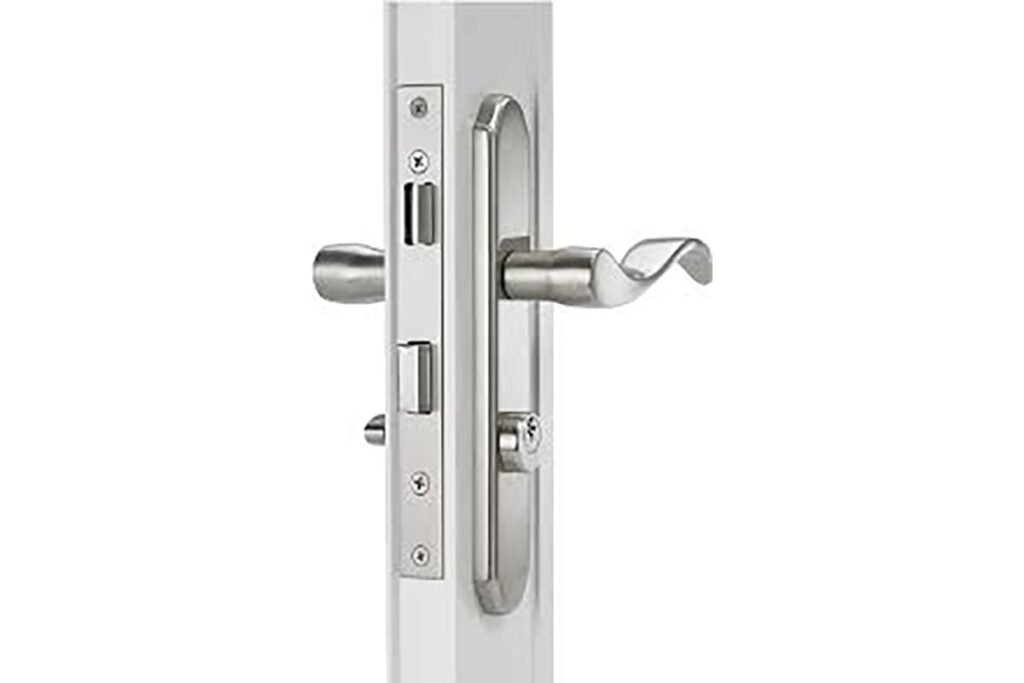
snippet paragraph: A mortise lock describes a lock body that installs inside the door, creating a recessed fit. A deadlock, in this context, is a specific type of mortise lock that features only a deadbolt for secure locking, without a latch bolt for simple door closing.
Transition Paragraph: I know how important it is to get your specifications right. Misunderstanding these terms can cause big headaches down the line, from ordering the wrong part to installing a lock that just doesn't fit your client's needs. Let me help clarify this for you, drawing from my years of experience.
What exactly is a mortise lock, anyway?
leading paragraph: When you talk about a "mortise lock," are you thinking about a type of lock or an installation method? Many buyers get stuck here. Let me explain.
snippet paragraph: A mortise lock is a lock system designed to be installed into a recessed pocket or "mortise" cut into the edge of a door.1 The lock's main case is hidden within the door, not mounted on its surface.2
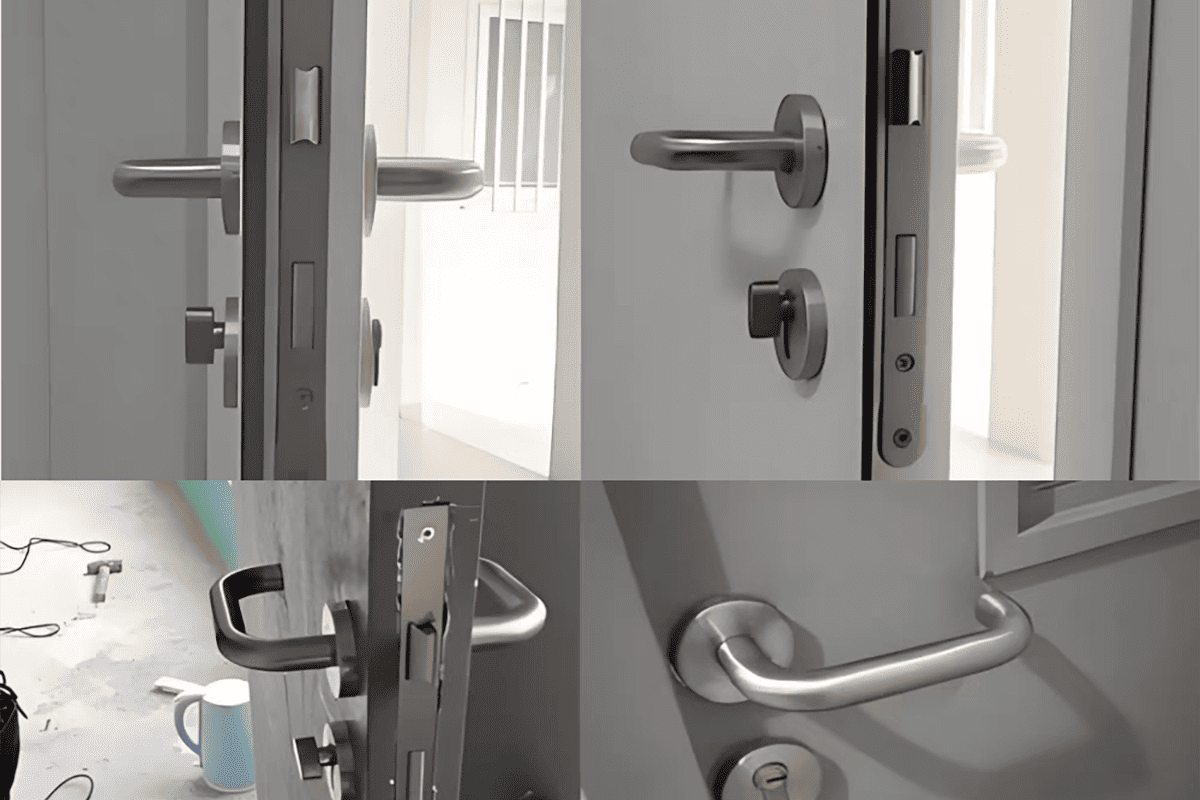
Dive deeper Paragraph: From my perspective as a manufacturer, a mortise lock is fundamentally about its installation style. Imagine the side of your door. Instead of simply screwing a lock onto the surface, we create a specialized cavity inside the door itself. This cavity is where the entire lock body, or lock case, slides in. This design choice makes the lock very sturdy and often gives a cleaner look to the door because most of the mechanism is concealed.3 I've seen mortise locks used everywhere, from interior doors in large office buildings to the robust entrance doors of commercial properties. They are also popular in residential settings, especially for main entry points or doors requiring a higher level of security and durability.4 The beauty of the mortise system is its versatility. It's not just one type of lock; it's a foundational structure that can house different functions.5 This means you can find mortise locks with various bolt configurations, cylinder types, and handle sets. When I discuss options with buyers, I always start by confirming they understand that "mortise" refers to this embedded installation. It sets the stage for talking about what functions the lock needs to perform within that mortise-style body. We supply these for everything from simple passage functions to complex security solutions, adapting to market standards like those in Europe or the Middle East.
What makes a standard mortise sash lock unique?
leading paragraph: You might hear "sash lock" and wonder how it fits in. This is usually what people mean by a "standard" mortise lock. Let's break it down.
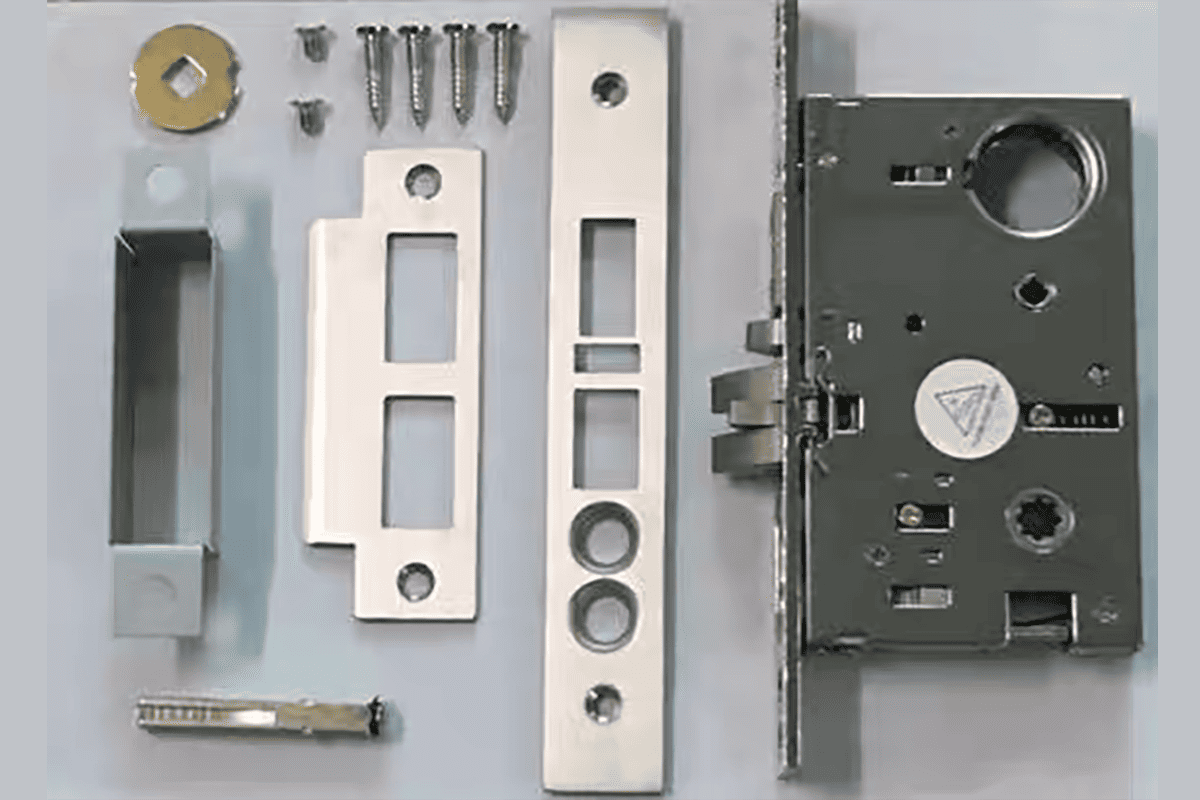
snippet paragraph: A standard mortise sash lock typically includes two distinct bolts: a latch bolt, which retracts with the handle to allow the door to open, and a deadbolt, which extends into the door frame for secure, key-operated locking.6
Dive deeper Paragraph: When I talk to my clients about a "standard" mortise lock, I usually refer to what we call a mortise sash lock. This is the workhorse of door hardware. Its key characteristic is the combination of a latch bolt and a deadbolt within a single lock body. The latch bolt is spring-loaded.7 It allows you to open the door simply by pushing down the door handle. It clicks into place when the door closes, holding it shut but not locked. This is perfect for normal daily use on interior doors, office doors, or even main entrance doors where you want convenience. Then you have the deadbolt. This is your security feature. When you turn a key or a thumb turn, the solid deadbolt extends into the door frame, making the door much harder to force open.8 This dual function—easy entry with the latch, strong security with the deadbolt—is what makes the sash lock so popular. I often discuss center distances with buyers for these locks, like the common 72mm or 85mm.9 This measurement is crucial. It tells us the distance between the center of the handle spindle hole and the center of the cylinder hole.10 Getting this wrong means your handles and cylinders will not align correctly. Backset, the distance from the door's edge to the center of the handle/cylinder, is another vital specification.11 These precise measurements ensure the lock fits perfectly into the door and works with the intended hardware like handles and escutcheons.
How does a deadlock differ from a sash lock?
leading paragraph: If a standard mortise lock has two bolts, what about a deadlock? This is where many buyers get confused between function and type. Let me explain.
snippet paragraph: Unlike a standard mortise sash lock, a deadlock, especially in a mortise format, typically contains only a deadbolt.12 It has no latch bolt, meaning the door will not hold shut on its own without the deadbolt being thrown or a separate mechanism.
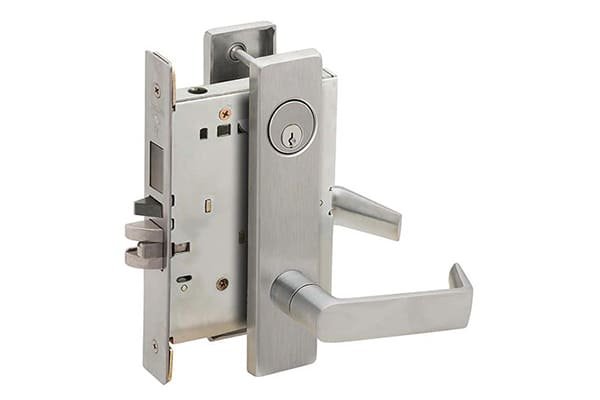
Dive deeper Paragraph: This is a critical distinction that I always emphasize to my B2B partners. Imagine a lock body without the everyday convenience of a latch. That is essentially what a deadlock is in our product line. It focuses purely on security through its deadbolt. There is no spring-loaded latch to hold the door closed when you simply push it shut. To close a door equipped only with a deadlock, you would need to physically throw the deadbolt using a key from the outside or a thumb-turn from the inside. This makes deadlocks ideal for specific applications where the primary requirement is secure, controlled access, rather than quick entry and exit. Think about storerooms, utility closets, or perhaps external gates where a key is always needed to secure the door. Because a deadlock foregoes the latch mechanism, its internal structure is simpler. This can sometimes translate into a slightly lower manufacturing cost compared to a full mortise sash lock which incorporates both a latch and a deadbolt. However, the cost difference should not be the main driver; the functional requirement is key. I guide buyers to consider the actual use case for the door. If a door needs to be constantly latched but not always locked, a deadlock is not the right choice. If it's a door that is rarely opened but always needs to be securely locked, then a deadlock is perfect. These are often used as an additional layer of security, even on doors that already have another locking mechanism.
Why do these differences matter for my order?
leading paragraph: Getting these terms right is not just about vocabulary; it directly impacts your project's success. Mistaking one for the other can lead to big problems.
snippet paragraph: Understanding the difference between a mortise sash lock (latch + deadbolt) and a deadlock (deadbolt only) prevents ordering errors, ensures the correct functionality for the door, and avoids costly project delays or mismatched hardware.
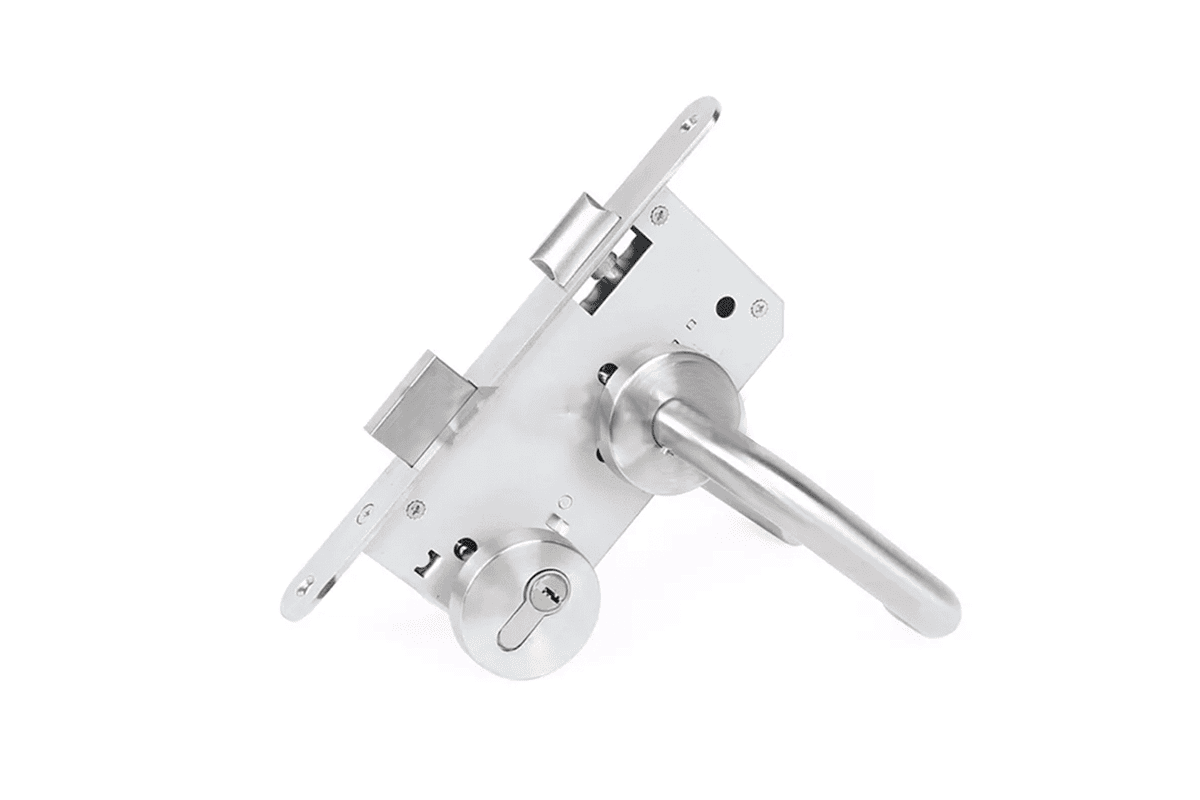
Dive deeper Paragraph: This is where my experience truly comes into play when working with product managers, buyers, and project procurement teams. You might think it is a small detail, but confusing a mortise sash lock with a deadlock can have significant consequences for your order and your client's satisfaction. If you order a deadlock when a standard sash lock was needed, your client will receive a door that does not latch closed automatically. They will have to use a key or thumb-turn every time to keep the door shut. This often leads to complaints, returns, and the need for re-ordering, which means delays and increased costs. Conversely, if you specify a sash lock for an application that only needs a simple, secure deadbolt and no latch, you might be overpaying for a function that is not required. When discussing specifications, I always ask about the exact function the door needs. Do you need a handle to open it regularly, or is it purely for secure locking? I also ask about crucial B2B details like the required center distance and backset, because these dimensions dictate compatibility with the door and the trim hardware. For a deadlock, common center distances might still be 72mm or 85mm, and backsets like 35mm, 45mm, or 55mm are typical, but these are examples. We must confirm them for each specific project. We also need to talk about door thickness, the door material (wood, metal), cylinder type, and the market standards your project needs to comply with. For instance, European fire-rated doors have very specific requirements for lock bodies, whether they are sash locks or deadlocks. My goal is to ensure your final product meets all functional, quality, and certification requirements.
Conclusion
Understanding the precise function you need is key when choosing between a mortise sash lock and a deadlock. A sash lock offers daily convenience with a latch and security with a deadbolt, while a deadlock focuses solely on robust, key-operated security.
"Mortise lock - Wikipedia", https://en.wikipedia.org/wiki/Mortise_lock. A general reference defines a mortise lock as a lock installed in a mortise, or recess, cut into the edge of a door, supporting the article's use of the term as an installation-based category. Evidence role: definition; source type: encyclopedia. Supports: A neutral source should define a mortise lock as a lock fitted into a mortise or recess in the edge of a door.. ↩
"Mortise lock - Wikipedia", https://en.wikipedia.org/wiki/Mortise_lock. Reference descriptions of mortise locks state that the lock body is fitted into a cavity in the door, distinguishing it from surface-mounted lock types. Evidence role: definition; source type: encyclopedia. Supports: A source should confirm that a mortise lock body or case is installed within the door rather than on the surface.. ↩
"[PDF] SECTION 087111 - DOOR HARDWARE (SCHEDULED BY ...", https://fpm.usc.edu/wp-content/uploads/2021/11/087101-USC-UPC-door-hardware-Guide-Specification_1.pdf. Architectural hardware guidance describes mortise locks as recessed locksets whose internal case is concealed in the door, a configuration associated with durable construction and a less visible mechanism. Evidence role: general_support; source type: education. Supports: A technical or educational source should explain that mortise lock bodies are recessed into doors and are commonly selected for durable construction and concealed appearance.. Scope note: This would support the general rationale for durability and appearance, but it would not prove that every mortise lock is stronger or more visually desirable than every surface-mounted alternative. ↩
"Mortise Locksets – High-Security Locks for Home & Office", https://www.uhs-hardware.com/collections/mortise-locksets?srsltid=AfmBOoq7pFRryt5n6ANw-JQKpiB9JH-NdjmQw0EphEPvZUyjoSSFsRJX. Institutional architectural-hardware references describe mortise locks as common door locksets for entry applications and associate their recessed multi-component construction with durability and security functions. Evidence role: general_support; source type: institution. Supports: A source should support that mortise locks are used on residential or entrance doors and are associated with durable, higher-security lock construction.. Scope note: Such a source would establish common application and rationale, but regional preferences and actual security performance vary by product grade, installation quality, and certification. ↩
"choose the right ANSI mortise lock functions for commercial doors ...", https://www.camax.cn/ansi-mortise-lock-functions_2091.html. Architectural hardware standards classify mortise locks by functions while treating the mortise lock as a common lockset format, supporting the distinction between installation structure and operating function. Evidence role: definition; source type: institution. Supports: A standard or institutional source should show that mortise locks are classified into different functions while sharing a mortise lock format.. Scope note: Standards-based function lists may use North American terminology and may not map exactly to every regional product name used in the article. ↩
"Door Locks and Latches Stainless Steel Doors and Windows Sash ...", https://villageofgreenwoodlake.gov/products/door-locks-and-latches-stainless-steel-doors-and-windows-sas/211283172/. Architectural hardware references define a mortice sashlock as a lock case combining a latch bolt for handle operation with a deadbolt for locking, supporting the article's distinction from a deadlock. Evidence role: definition; source type: institution. Supports: A source should define a sash lock or mortice sashlock as having both a latch bolt and a deadbolt.. ↩
"Door and Hardware Industry Glossary - Colorado Doorways, Inc.", https://www.doorwaysinc.com/door-hardware-industry-glossary/. Hardware glossaries describe a latch bolt as a spring-operated bolt that engages a strike to hold a door closed, supporting the article's description of its everyday closing function. Evidence role: mechanism; source type: institution. Supports: A source should explain that a latch bolt is a spring-actuated bolt that can retract and re-engage during ordinary door closing.. ↩
"Deadbolt - Wikipedia", https://en.wikipedia.org/wiki/Deadbolt. Public safety guidance commonly identifies deadbolt locks as door-security hardware that projects a bolt into the frame or strike, improving resistance to forced entry compared with latch-only closure. Evidence role: mechanism; source type: government. Supports: A source should support that deadbolts project into the door frame or strike and are recommended for improved resistance to forced entry.. Scope note: The source would support the general security role of deadbolts, but actual resistance depends on door construction, strike reinforcement, bolt throw, installation, and product grade. ↩
"How to measure and choose the right mortise lock size - BlueID", https://www.blue-id.com/en/blog/mortise-lock-mass. European-style mortise lock specifications and standards-based product tables commonly list centre distances such as 72 mm and 85 mm, supporting the article's treatment of these as familiar procurement dimensions. Evidence role: general_support; source type: institution. Supports: A standards or institutional source should show that 72 mm and 85 mm lock centres are recognized dimensions in mortise lock specifications, especially in European-style hardware.. Scope note: This support is market-contextual; centre distances vary by region, lock standard, application, and manufacturer. ↩
"Mortise lock - Wikipedia", https://en.wikipedia.org/wiki/Mortise_lock. Architectural hardware specifications define lock centres as the measured distance between the handle spindle centre and the cylinder or keyhole centre, supporting the article's dimensional explanation. Evidence role: definition; source type: institution. Supports: A source should define lock centre distance as the spacing between the spindle centerline and cylinder or keyhole centerline.. ↩
"Door Knobs & Backset Explained: Sizes & Measuring", https://www.suffolklatchcompany.com/blogs/news/door-knobs-and-backset-explained?srsltid=AfmBOop_pJOL7IHbvZ7uxioHin0em7CjHhqSrgW5pvU5Hk6_vCUO1CjD. Door-hardware glossaries define backset as the distance from the edge of a door to the centerline of the lock or operating trim, supporting the article's explanation of this ordering dimension. Evidence role: definition; source type: institution. Supports: A source should define backset as the distance from the door edge to the center of the lock, knob, lever, or cylinder preparation.. ↩
"Deadbolt - Wikipedia", https://en.wikipedia.org/wiki/Deadbolt. Hardware references distinguish a mortice deadlock from a sashlock by noting that the deadlock provides a deadbolt for locking without the separate latch bolt used for handle-operated latching. Evidence role: definition; source type: institution. Supports: A source should define a mortice or mortise deadlock as a lock with a deadbolt, distinguished from a sash lock that also includes a latch bolt.. ↩