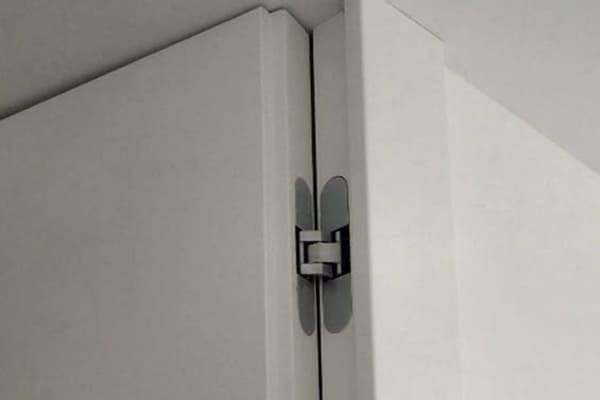
Concealed Self-Closing Door Hinge Kit: How Should I Choose One for Bulk Door Projects?
A hidden hinge looks simple, but a wrong kit can cause weak closing, uneven gaps, door sagging1, and more after-sales pressure.
I choose a concealed self-closing door hinge kit by checking it as a complete door control system, not as one hinge. I confirm door weight, width, thickness, frame structure, closing force, damping, 3D adjustment, material, accessories, finish, and batch consistency before I recommend one.
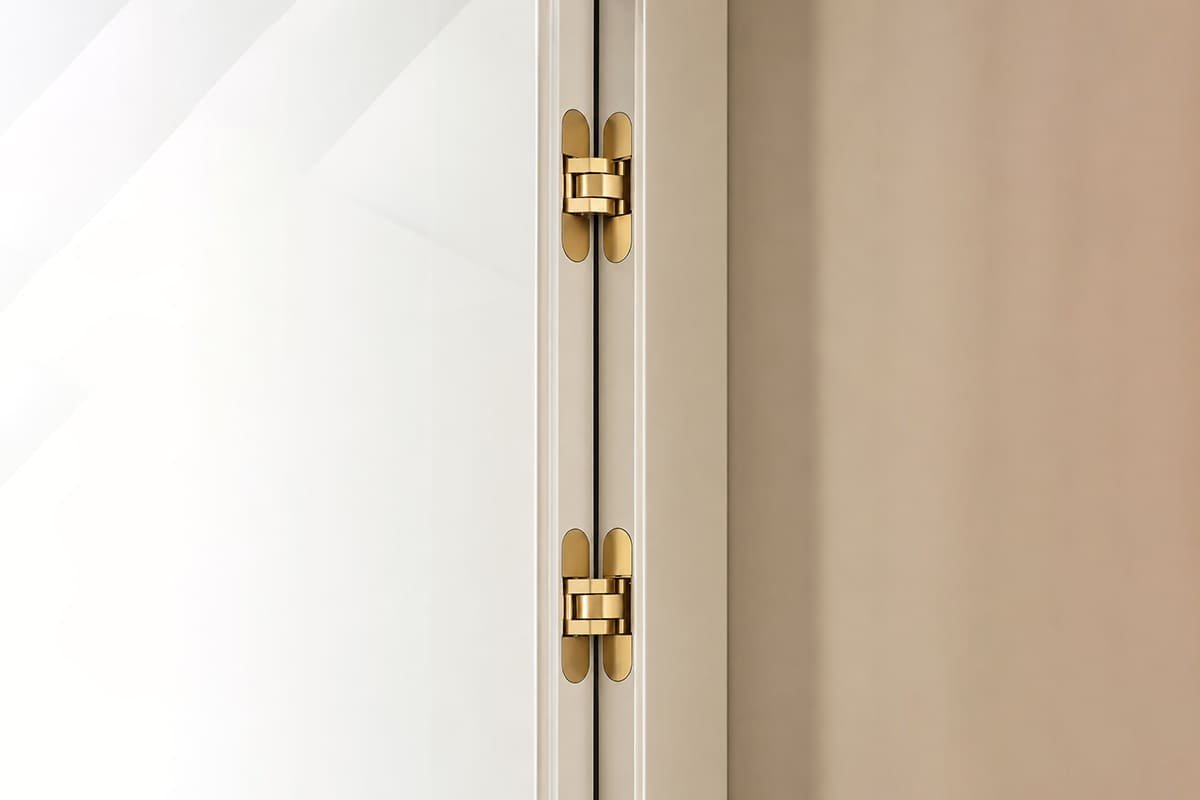
I have seen many buyers first ask one short question: “Is it concealed and self-closing?” I understand this question. The market wants a clean door look and stable closing action. But in our factory work, I have learned that this question is only the starting point. A concealed self-closing door hinge kit brings the hinge, closing force, damping, adjustment, screws, covers, and sometimes special accessories into one decision. If I miss one detail, the door may still close, but it may not close in the way the buyer expects.
Why Should I Treat a Concealed Self-Closing Door Hinge Kit as a Door Control System?
A buyer may save space and improve appearance, but a poorly matched kit can turn a premium door line into a frequent complaint.
A concealed self-closing door hinge kit should be treated as a door control system because it controls door movement, closing speed, alignment, appearance, installation tolerance, and long-term stability at the same time.2
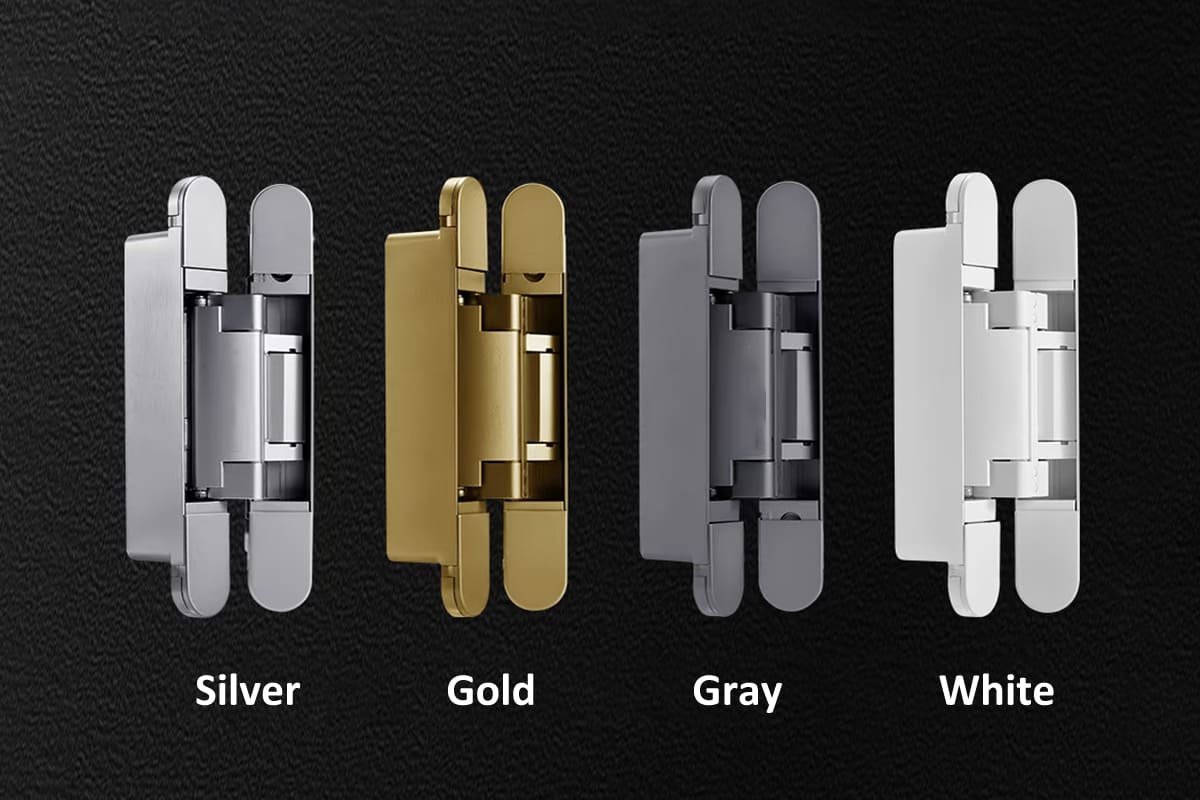
I look beyond the hidden hinge body
When I discuss concealed self-closing hinges with door factories and hardware brand buyers, I do not start with appearance only. I start with the door. A concealed hinge hides inside the door and frame, so it gives the door a clean face.3 A self-closing structure adds force, so the door can return toward the closed position.4 A damping part can slow the movement, so the door does not slam too hard in suitable conditions.5 These functions work together, so I treat the kit as one system.
| Part of the kit | What I check | Why I check it |
|---|---|---|
| Concealed hinge body | Size, opening angle, mortise space | It must fit the door and frame |
| Self-closing structure | Spring or hydraulic design | It affects closing force and feel |
| Damping structure | Slow-closing range and stability | It helps reduce slamming impact |
| Adjustment parts | Vertical, horizontal, depth adjustment | It helps correct gaps after hanging |
| Accessories | Screws, covers, templates if needed | It affects factory assembly speed |
| Finish | Color, surface treatment, batch match | It affects brand image and resale |
I also avoid saying this kit can replace every traditional hinge and door closer setup. I do not think that is a safe statement. In many suitable door cases, it can reduce visible hardware and simplify the door appearance. But I still need to confirm door weight, width, thickness, material, usage frequency, and frame structure. A hotel room door, a showroom door, a light interior door, and a heavy project door may all need different solutions. I prefer to ask more questions at the beginning because it reduces risk later.
What Door Details Should I Confirm Before I Choose the Kit?
A wrong hinge choice often starts before production, when door data is missing and both sides assume the same standard.
I confirm door weight, width, thickness, height, material, frame type, mortise space, usage frequency, opening angle, and closing expectation before selecting a concealed self-closing hinge kit.
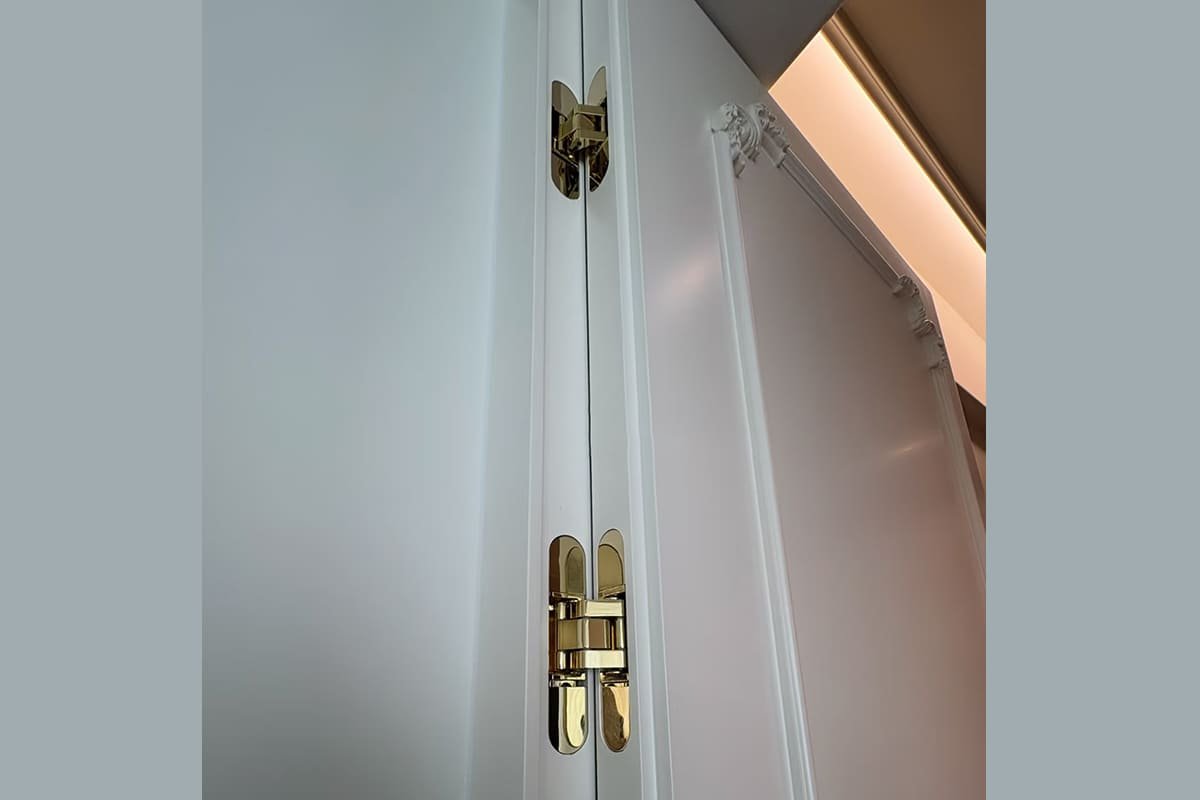
I use door information to protect the buyer’s project
In our daily work, I often receive a drawing, a product photo, or a short inquiry. The buyer may say, “I need concealed self-closing hinges for wooden doors.” I then ask for more details because “wooden door” is not enough. I need the door weight. I need the door width. I need the thickness of the door leaf and the frame. I need to know if the frame has enough space for the concealed body. I also need to know if the buyer wants soft closing, firm closing, or only assisted closing.
| Door detail | My reason for checking it |
|---|---|
| Door weight | It affects hinge quantity and closing force |
| Door width | Wider doors create more force on the hinge6 |
| Door thickness | It affects concealed mortise space |
| Door material | Solid wood, MDF, aluminum, or steel may need different fixing methods |
| Frame structure | It decides if the hinge body can be recessed correctly |
| Usage frequency | High-traffic doors need more stable structure selection7 |
| Opening direction | It affects left/right use or universal selection |
| Required finish | It must match handle, lock, and other hardware |
I do not treat the concealed self-closing hinge as a universal part. Some buyers want to use it because they want no visible door closer. This is possible in suitable cases, but the door must match the hinge structure. I also ask whether the door needs any fire-rated requirement or CE document. I only connect these claims with exact models and verified documents. I do not make a general promise. In B2B supply, one wrong assumption can affect a whole batch. I would rather slow down the selection step than rush a model into production.
Why Is 3D Adjustment So Important for Door Factories?
A door can look correct in drawings, but small production and installation differences can create gaps, rubbing, and customer complaints.
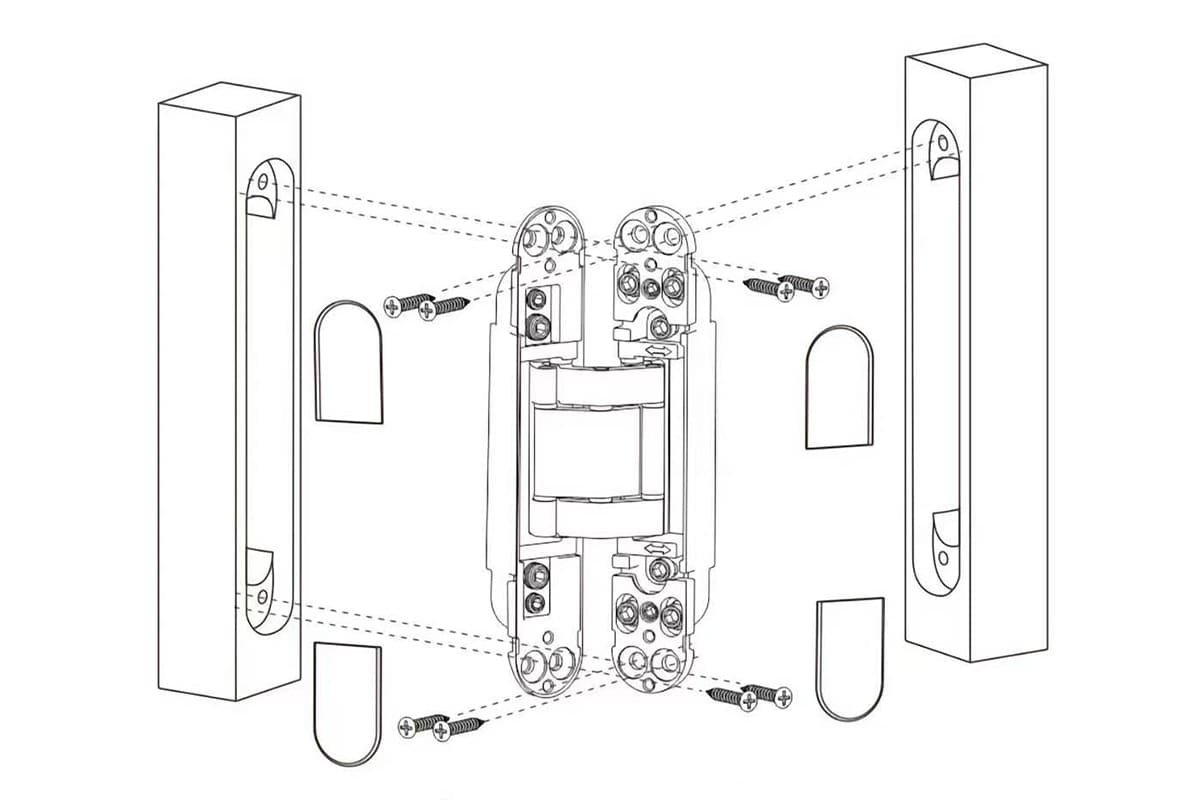
3D adjustment is important because it lets the factory or installer adjust the door vertically, horizontally, and in depth after hanging, helping correct sagging, uneven gaps, and alignment errors.8
I see 3D adjustment as risk control
For a door factory, a hinge is not only a hardware part. It is also part of the assembly process. In batch production, the door leaf, frame, edge banding, paint thickness, and mortise position may have small changes. These changes may be acceptable one by one, but they can become a visible gap problem after installation. This is why I pay close attention to 3D adjustment in concealed self-closing hinge kits.
| Adjustment direction | What it helps correct | Why it matters in batches |
|---|---|---|
| Vertical adjustment | Door height and sagging | It helps align the top and bottom gaps |
| Horizontal adjustment | Left and right gap | It helps stop rubbing on the frame |
| Depth adjustment | Door face flushness | It helps align the door surface with the frame |
| Lock-side alignment | Latch and strike fit | It helps the mortise lock work smoothly |
I have seen buyers focus on closing force first. Closing force is important, but alignment is also important. A door that closes by itself but rubs the frame will still create complaints. A door that looks hidden but has uneven gaps will still look low quality. 3D adjustment gives the buyer more room to correct small differences after the door is hung. This is useful for brand operators who sell through distributors because they cannot control every installation site. It is also useful for door factories because it can improve batch assembly tolerance. I do not say adjustment can fix every wrong cut or wrong frame. It cannot. But it can reduce normal fitting pressure when the hinge, door, and frame are correctly matched.
Which Material and Internal Structure Should I Compare?
A clean outside finish can hide weak internal choices, and weak internal choices can show up only after repeated door use.
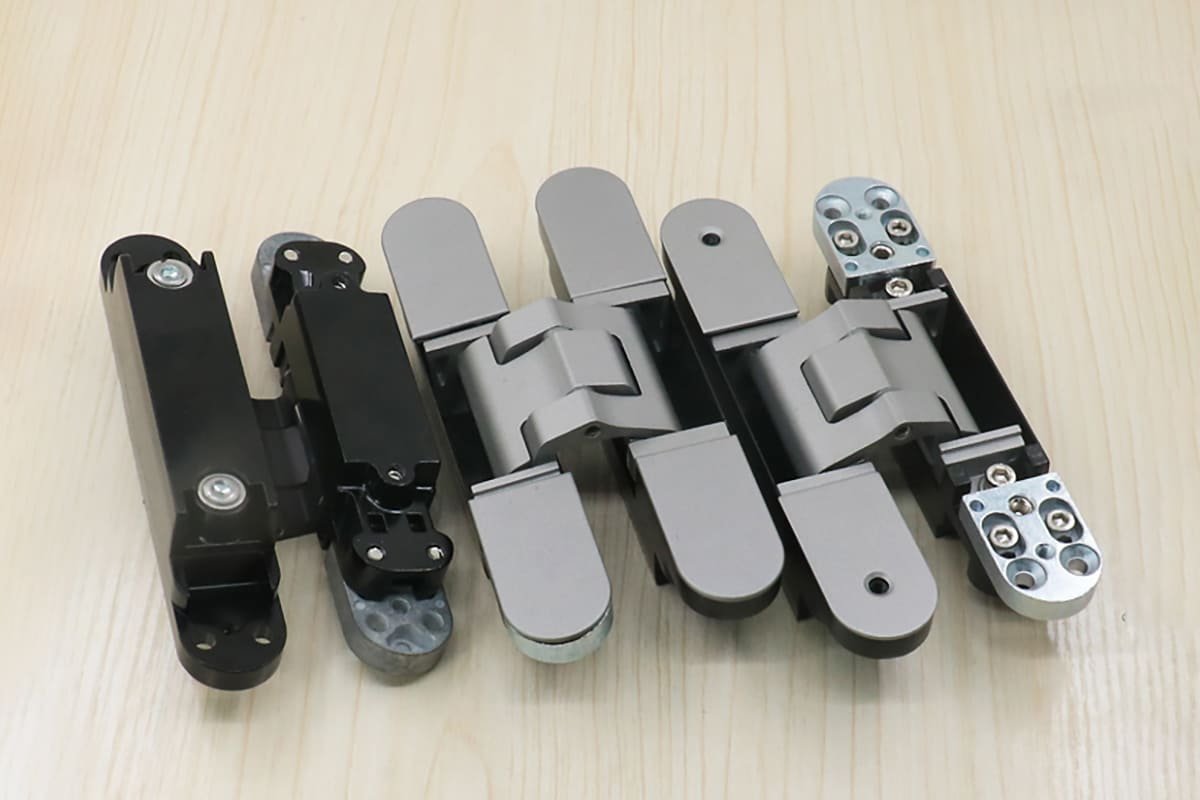
I compare body material, bearing structure, spring system, hydraulic damping design, oil choice, screws, covers, and surface treatment because these details affect stability, closing feel, and batch quality.
I do not use “high quality” as a full answer
When I talk with professional buyers, I try not to stop at the words “high quality.” These words are too broad. I prefer to describe the actual parts. Some concealed self-closing hinge kits may use zinc alloy bodies. Some may use stainless steel parts or stainless steel options. The best choice depends on the product position, market price, door type, and finish demand. Bearings, pins, damping chambers, springs, and hydraulic oil can all affect the working feel and long-term stability.9
| Specification point | What I ask or confirm |
|---|---|
| Body material | Zinc alloy, stainless steel, or model-specific structure |
| Bearing or pivot area | Wear resistance and smooth movement |
| Spring system | Closing force and reset behavior |
| Hydraulic damping | Slow closing feel and impact reduction |
| Hydraulic oil10 | Suitability for the target climate, based on model data |
| Surface finish | Color match, corrosion resistance, and batch consistency |
| Screw quality | Holding strength and installation reliability |
I also remind buyers that material selection is not only about strength. It is about the whole market plan. A premium door brand may need a more refined finish and stable adjustment feel. A wholesale line may need a better cost balance. A project order may need specific documents, and I must verify these documents by model. If a buyer asks about low-temperature performance, cycle life, CE, or fire-rated use, I do not answer with a general claim. I check the exact model, exact test scope, and exact certificate. This is the responsible way for a manufacturer. It protects the buyer, and it protects our long-term supply relationship.
What Should Be Included When I Buy a “Kit”?
Many problems do not come from the hinge body. They come from missing screws, wrong covers, mixed finishes, or unclear package rules.
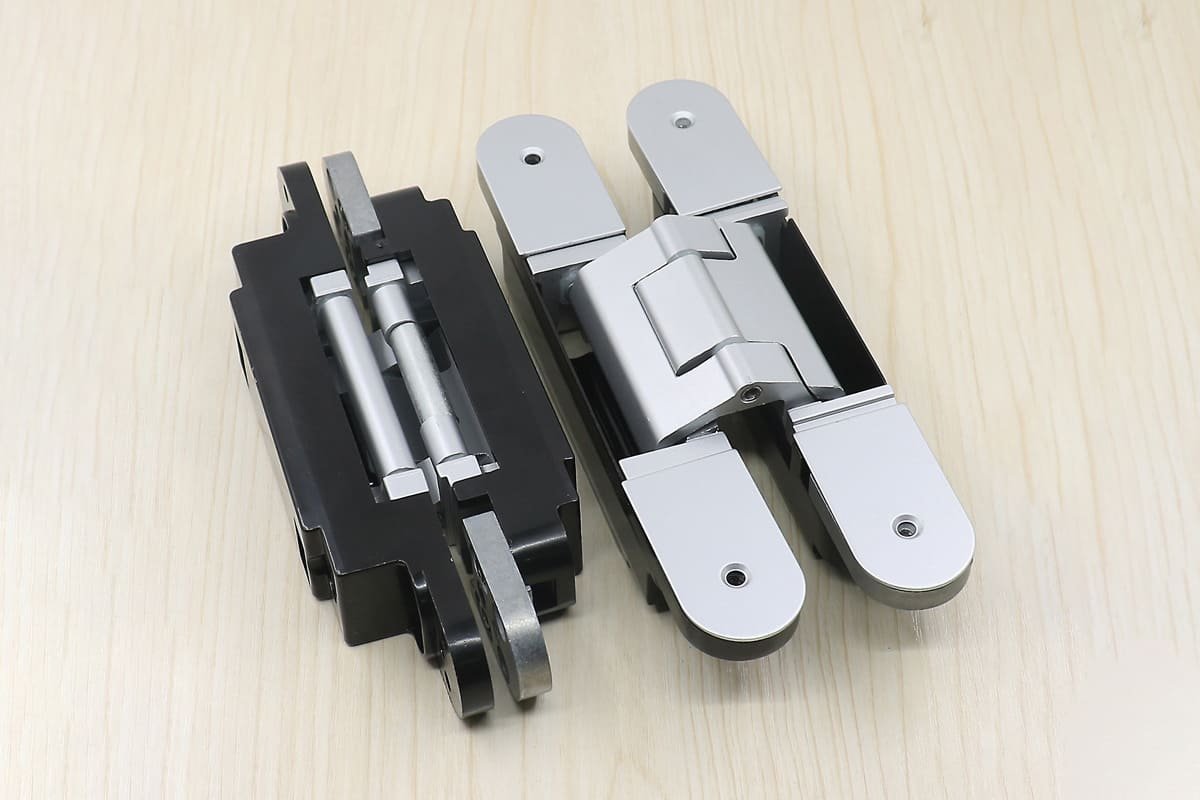
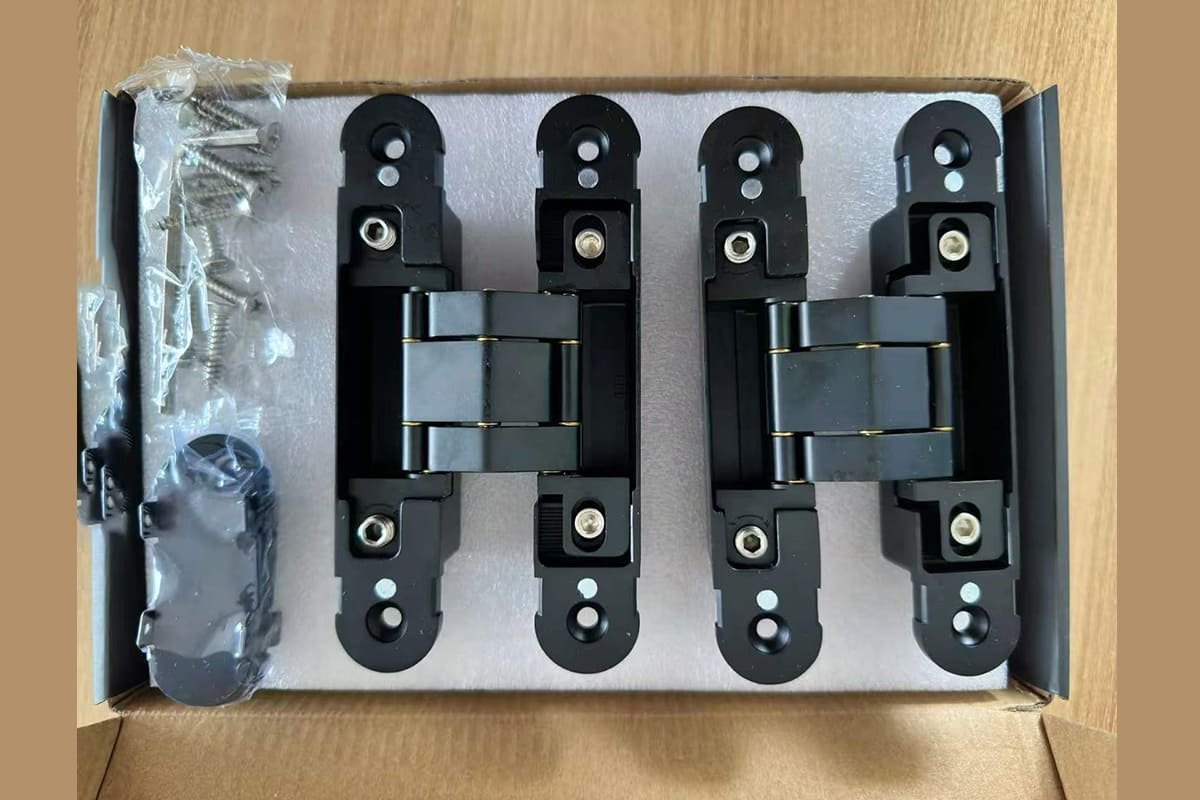
A concealed self-closing door hinge kit should include the matched hinge body, fixing screws, adjustment parts, cover plates, installation-related accessories, clear packaging, and stable finish and dimension control for bulk orders.
I define the kit before I confirm the price
In B2B purchasing, the word “kit” must be clear. If two suppliers quote the same hinge but include different accessories, the lower price may not be the lower real cost. I have seen buyers compare unit prices first, then later discover that screws, covers, or special parts were not included. This causes extra cost, extra communication, and sometimes shipping delay. So I prefer to define the kit before I quote or confirm an order.
| Kit item | Why it matters |
|---|---|
| Hinge body | It is the main control part |
| Screws | Wrong screws can affect fixing strength11 |
| Cover plates | They affect the final hidden appearance |
| Adjustment parts | They allow on-site or factory correction |
| Allen key or tool if needed | It helps assembly teams adjust correctly |
| Packaging | It protects finish and avoids mixed parts |
| Labeling | It helps warehouse and production control |
| Finish sample | It helps confirm batch color standard |
I also pay close attention to finish consistency. Door hardware is often purchased as a set.12 The concealed hinge may need to match a lever handle, a lock body, a cylinder, and a strike plate. If the finish tone changes from batch to batch, the buyer may face complaints from distributors or project clients. Dimension consistency is also important. A door factory may prepare CNC mortise programs or jigs. If hinge dimensions change without notice, the production line may stop. This is why I treat the kit as a repeatable supply item, not only a single sample.
Can This Kit Replace a Traditional Hinge and Door Closer?
It may look like a simple upgrade, but a wrong replacement promise can create closing problems and project risk.
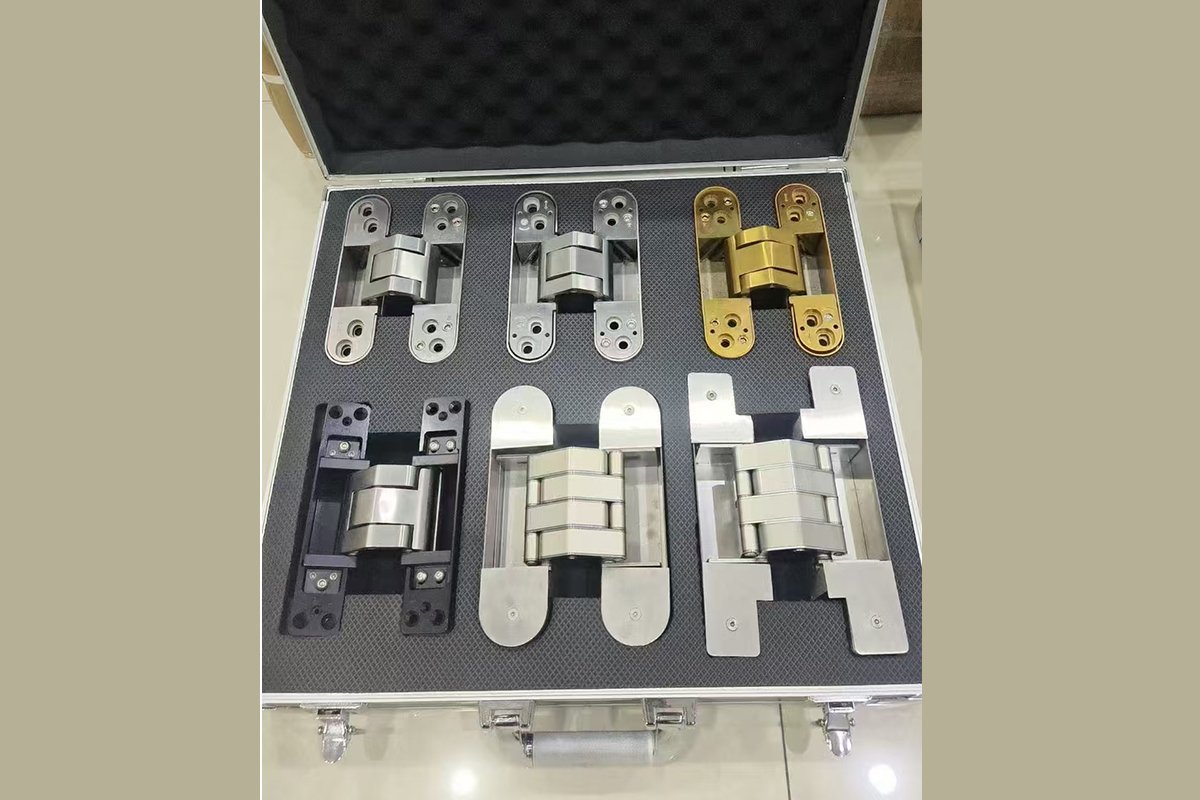
A concealed self-closing hinge kit can replace a traditional hinge and door closer in suitable door applications after specification confirmation, but it should not be treated as a universal replacement.
I compare the real use case, not only the appearance
Many buyers like this product because it removes visible door closer hardware. I agree that the clean appearance is valuable. In some interior door lines, hotel doors, office doors, or premium residential door systems, a concealed self-closing hinge kit can make the door look cleaner and help the door return toward the closed position. It can also reduce the hard slam effect when the damping design is suitable for the door. But I still compare the real use case before I recommend it.
| Comparison point | Concealed self-closing hinge kit | Traditional hinge + door closer |
|---|---|---|
| Appearance | Hidden and clean | Door closer is often visible |
| Space use | Integrated into hinge area | Needs closer body and arm space |
| Closing control | Model-specific self-closing and damping | Stronger range in many closer systems |
| Adjustment | Hinge-based 3D adjustment may help alignment | Closer adjustment depends on closer type |
| Application range | Suitable after door data confirmation | Often broader for heavy or special-use doors |
| Procurement focus | Kit consistency and mortise fit | Hinge, closer, arm, and mounting plate match |
I do not tell buyers that one solution is always better. I tell them that the correct solution depends on the door. A traditional door closer may still be better for some high-traffic, heavy, or special project doors. A concealed self-closing hinge kit may be better when the buyer values clean appearance, integrated hardware, and controlled closing in a suitable door range. The supplier must confirm the door conditions before giving a model. I think this honest discussion helps buyers avoid future after-sales problems. It also helps brands build a product line that is easy to explain and repeat.
How Do I Control Bulk Procurement Risk?
A good sample is useful, but a good sample alone does not prove that every future batch will match it.
I control bulk procurement risk by confirming drawings, samples, materials, finish standards, certificates by model, packaging, inspection rules, lead time, and stable production capacity before mass orders.
I manage the order as a repeat supply project
From our manufacturer side, bulk supply is not only making parts. It is keeping the same standard over time. A buyer may accept a sample after checking the appearance and movement. The real test for B2B cooperation comes later. Can the supplier keep the same dimension? Can the finish stay close to the approved sample? Can the screws and covers stay matched? Can the packaging protect the surface during export shipping? Can the supplier support repeat orders without changing important parts?
| Procurement step | My control point |
|---|---|
| Drawing confirmation | I confirm size, mortise, opening angle, and adjustment range |
| Sample approval | I keep approved samples or finish references |
| Material check | I confirm body material and key internal parts by model |
| Document check | I verify CE, fire-rated, or other documents only when applicable |
| Batch inspection | I check appearance, movement, parts, and packaging |
| Finish control | I compare with approved color or surface standard |
| Delivery planning | I match production schedule with buyer demand |
| After-sales feedback | I record issues for next batch improvement |
I also ask buyers to share their market plan. A distributor may need flexible packaging and clear labels. A door factory may need stable dimensions for CNC production. A hardware brand may need a surface finish that matches other products in the same series. A project supplier may need exact documents for a tender. These needs are different, so the kit configuration should be different. I believe this is where a manufacturer can create real value. We are not only selling a concealed hinge. We are helping the buyer build a safer supply chain for a door control product.
Conclusion
I choose a concealed self-closing door hinge kit by matching the door, the function, the kit details, and the batch supply standard.
"Easy Fix For Sagging Doors - YouTube",
. Technical guidance on architectural door hardware identifies hinge load capacity, door size, and hardware selection as factors affecting door alignment, sagging, and closing action; this supports the article’s risk framing, although it does not prove that every wrong concealed hinge kit will produce all listed failures. Evidence role: general_support; source type: institution. Supports: The source should support that hinge capacity, door weight, door width, and hardware selection affect door alignment, sagging, and closing performance.. Scope note: Contextual support rather than direct evidence for this specific kit type. ↩"087100 – DOOR HARDWARE - Facilities and Campus Services", https://fcs.cornell.edu/087100-door-hardware. Architectural hardware standards and technical references describe hinges and door-control devices as components that govern door support, movement, alignment, and closing behavior; this substantiates treating an integrated concealed self-closing hinge kit as a combined control assembly, while the exact functional range remains model-dependent. Evidence role: general_support; source type: institution. Supports: The source should support that door hardware components such as hinges, closers, and adjustment mechanisms collectively affect door motion, closing control, and alignment.. Scope note: General support for the system concept, not validation of a particular product. ↩
"Concealed hinge jig - Wikipedia", https://en.wikipedia.org/wiki/Concealed_hinge_jig. Reference definitions of concealed hinges describe them as hinges designed to be hidden from view, commonly by being recessed into the door and frame; this supports the article’s statement about the clean visible face, though aesthetic effect depends on the full door and frame design. Evidence role: definition; source type: encyclopedia. Supports: The source should define a concealed hinge as a hinge designed to be hidden when the door is closed or recessed into the door and frame.. Scope note: Supports the definition and general appearance effect, not a measurable aesthetic outcome. ↩
"Door closer - Wikipedia", https://en.wikipedia.org/wiki/Door_closer. Engineering and building-hardware references explain that self-closing hinges and door closers use spring or hydraulic mechanisms to apply a closing moment that returns the door toward the closed position; the exact force curve and reliability depend on the device design. Evidence role: mechanism; source type: education. Supports: The source should explain that self-closing hinges or door closers use spring or hydraulic mechanisms to apply closing force to a door.. Scope note: Mechanism-level support; it does not establish performance for every concealed self-closing hinge. ↩
"Door closer - Wikipedia", https://en.wikipedia.org/wiki/Door_closer. Mechanical damping literature describes damping as energy dissipation that reduces motion amplitude or velocity; applied to door-control devices, this supports the claim that a damping element can slow closing and reduce slamming, provided the door size and operating conditions fall within the device’s design range. Evidence role: mechanism; source type: paper. Supports: The source should support that damping dissipates kinetic energy and can reduce closing speed and impact in mechanical systems such as hinges or door closers.. Scope note: The source may explain damping generally rather than testing the specific hinge kit. ↩
"Hinge Load Capacity: How to Calculate It", https://blog.weberknapp.com/hinge-load-capacity-calculation. Introductory mechanics sources define torque as the product of force and perpendicular distance from the pivot; this supports the article’s point that increasing door width can increase hinge moment, although actual hinge loading also depends on door mass distribution and the number and placement of hinges. Evidence role: mechanism; source type: education. Supports: The source should explain that torque or moment increases with lever-arm distance, making wider doors impose greater moment on hinge supports for a given weight distribution.. Scope note: General mechanics support rather than a door-specific test. ↩
"087100 – DOOR HARDWARE - Facilities and Campus Services", https://fcs.cornell.edu/087100-door-hardware. Door-hardware standards such as ANSI/BHMA or EN hinge classifications use cycle testing and load criteria to assess durability; this supports the article’s connection between high-traffic use and the need for a more robust hinge selection, while selection still depends on the specific door and standard grade. Evidence role: expert_consensus; source type: institution. Supports: The source should show that hinge and door hardware standards classify durability using cycle testing and load grades, which are relevant to high-traffic applications.. Scope note: Supports the durability principle, not a specific product choice. ↩
"Adjusting cup hinges and doors: Do-It-Yourself with Hettich - YouTube",
. Architectural hardware references describe three-dimensional adjustable hinges as permitting vertical, lateral, and depth correction of a hung door; this supports the article’s claim that such adjustment can address ordinary alignment and gap issues, but it cannot compensate for severe machining or frame errors. Evidence role: mechanism; source type: institution. Supports: The source should support that adjustable hinges can move a door leaf in multiple axes to correct fit, reveal gaps, and alignment after installation.. Scope note: Contextual support for the adjustment function, not proof of correction capacity for all installations. ↩"Experimental—FEM Study on Effect of Tribological Load Conditions ...", https://pmc.ncbi.nlm.nih.gov/articles/PMC8399414/. Mechanical-design and tribology literature links bearings and pins with friction and wear, springs with force retention and fatigue, and hydraulic damping elements with controlled motion; this supports the article’s claim that internal hinge components affect feel and stability, although it is not direct lifecycle evidence for a specific concealed hinge model. Evidence role: mechanism; source type: paper. Supports: The source should support that bearings and pins affect friction and wear, springs affect force over cycles, and hydraulic damping components affect controlled motion.. Scope note: Mechanistic support only; product-level durability requires testing. ↩
"Effects of temperature on the properties of HL32 oil in ... - PMC", https://pmc.ncbi.nlm.nih.gov/articles/PMC9732129/. Fluid-power research and engineering references show that hydraulic-fluid viscosity varies with temperature and can affect flow resistance and damping behavior; this supports considering climate when evaluating hydraulic damping, though the acceptable temperature range must be verified for each hinge model. Evidence role: mechanism; source type: research. Supports: The source should explain that hydraulic-fluid viscosity changes with temperature and can alter the performance of hydraulic damping systems.. Scope note: General hydraulic-fluid principle, not model-specific performance data. ↩
"[PDF] Wood Handbook, Chapter 08: Fastenings", https://research.fs.usda.gov/download/treesearch/37424.pdf. Fastener-strength studies show that screw geometry, embedment depth, material, and substrate properties influence withdrawal and shear resistance; this supports the article’s statement that incorrect screws can weaken hinge fixing, although actual strength depends on the door and frame material. Evidence role: mechanism; source type: paper. Supports: The source should support that screw diameter, length, material, embedment, and substrate affect withdrawal and shear strength of fastened connections.. Scope note: General fastening evidence, not a test of the article’s specific hinge kit. ↩
"[PDF] DOOR HARDWARE (SCHEDULED BY DESCRIBING PRODUCTS)", https://fpm.usc.edu/wp-content/uploads/2021/11/087102-USC-HSC-door-hardware-Guide-Specification_1.pdf. Architectural specification guidance commonly organizes door hardware into hardware sets or schedules that list coordinated items and finishes; this supports the article’s point that finish consistency matters across hinges, locks, handles, and related components, though purchasing practices vary by market and project type. Evidence role: general_support; source type: education. Supports: The source should support that architectural door hardware is commonly organized into hardware sets or schedules including hinges, locks, closers, trim, and finishes.. Scope note: Contextual support for specification practice, not proof of all B2B purchasing behavior. ↩