What Should I Know About EN Standard Fire Door Hardware Regulations?
EN standard fire door hardware regulations can feel confusing when a project requires CE marking, EN standards, fire-rated documents, and model matching at the same time. Many buyers worry that one missing document can delay approval or shipment. I explain these requirements by separating each compliance layer before any bulk order moves forward.
EN standard fire door hardware regulations require buyers to verify more than a CE mark. You should check the exact hardware category, applicable EN product standard, fire test evidence, certificate or report scope, product model, material, size, finish, and intended door assembly before accepting hardware for a fire door project.
I often see overseas customers ask one short question: “Do you have CE?” The better question is more detailed. Buyers should ask whether the documents match the product, the door type, the fire rating, and the target market’s acceptance process.
Why Are EN Standard Fire Door Hardware Regulations Not Proven by CE Marking Alone?
CE marking creates pressure because buyers often treat it as the final answer. That misunderstanding can create risk. A CE mark may support market access for a specific product scope, but it does not automatically prove that every hinge, lock, handle, or cylinder is suitable for every fire door system.1
CE marking is only one compliance layer. EN standard fire door hardware regulations require buyers to also verify the relevant product standard, test evidence, certificate scope, Declaration of Performance where applicable, and whether the supplied production model matches the tested or declared model.
The Four Compliance Layers Buyers Should Separate
In my work with door manufacturers and hardware importers, I usually separate compliance into four layers:
CE marking
This relates to regulated market access where applicable. It may involve a Declaration of Performance, AVCP route, and factory production control evidence depending on the product and regulation.2Product-specific EN standards
These standards define performance requirements for a hardware category. For example, buyers may need to verify whether a lock relates to EN 12209 or whether a hinge relates to EN 1935, always against the current applicable version and exact product scope.Performance testing
This includes durability, corrosion resistance, load capacity, security grade, fire-related suitability, or other performance evidence. The test must be relevant to the actual product.Certification and compliance documents
These include test reports, certificates, DoP documents, installation limitations, classification details, and product model coverage.
I have seen buyers lose time because they requested “fire-rated CE hardware” as one single item. That phrase sounds convenient, but it mixes several different questions. A CE-marked item may still need separate review for fire door use. A product tested for one door system may not be accepted for a different door construction.3 A report covering one size or material may not cover another configuration.
What Each Layer Actually Answers
| Compliance layer | What it answers | Buyer risk if ignored |
|---|---|---|
| CE marking | Is this product covered by an applicable CE route and documentation? | Market access documents may be incomplete |
| EN product standard | Which performance standard applies to this hardware category? | Wrong standard may be used in submittals |
| Fire test evidence | Was the hardware assessed in a relevant fire door context? | Fire rating may not match the door assembly |
| Document scope | Does the document cover this exact model and configuration? | Supplied goods may not match approved evidence |
I do not treat a CE mark as a shortcut. I treat it as the start of a document review.
For procurement teams, the practical step is simple. Ask the supplier to connect every claim to a document. Then ask whether that document covers the exact item being quoted. This habit helps buyers avoid vague claims such as “European standard,” “fire rated,” or “CE approved” without evidence.
Which EN Standards Should Buyers Check for Fire Door Hardware Regulations?
Standard numbers can look impressive, but they only help when they match the hardware category and product scope. A mortise lock, hinge, handle, cylinder, and door closer each belong to different performance families. Buyers should not accept a general EN claim without checking category relevance.
For EN standard fire door hardware regulations, buyers should verify the product-specific EN standard that applies to each item. Common references may include EN 12209 for mechanically operated locks, EN 1303 for cylinders, EN 1935 for hinges, EN 1906 for lever handles, and EN 1154 for door closers, subject to current version and scope verification.4
Practical EN Standard References by Hardware Type
The table below is a procurement guide, not a legal approval list. Buyers should always verify the current applicable standard version, product scope, and local project requirement.
| Hardware category | Common EN reference to verify | What buyers should check |
|---|---|---|
| Mortise locks / mechanical locks | EN 12209 | Lock type, function, durability, fire/smoke door suitability where applicable |
| Lock cylinders | EN 1303 | Key security, attack resistance, durability, cylinder type, model coverage |
| Single-axis hinges | EN 1935 | Door mass, usage grade, durability, corrosion, fire/smoke door suitability where applicable |
| Lever handles | EN 1906 | Usage category, durability, corrosion, door application, model design |
| Door closers | EN 1154 | Closing force, durability, fire/smoke door suitability, installation method |
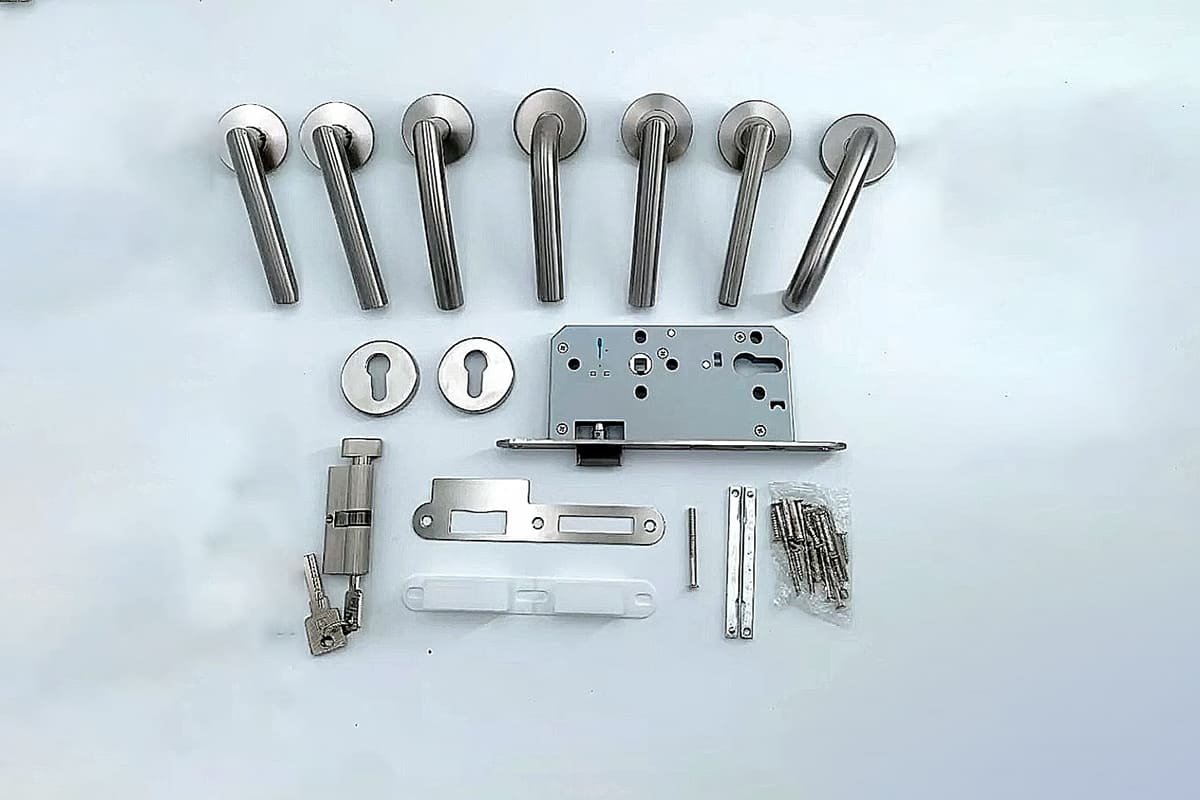
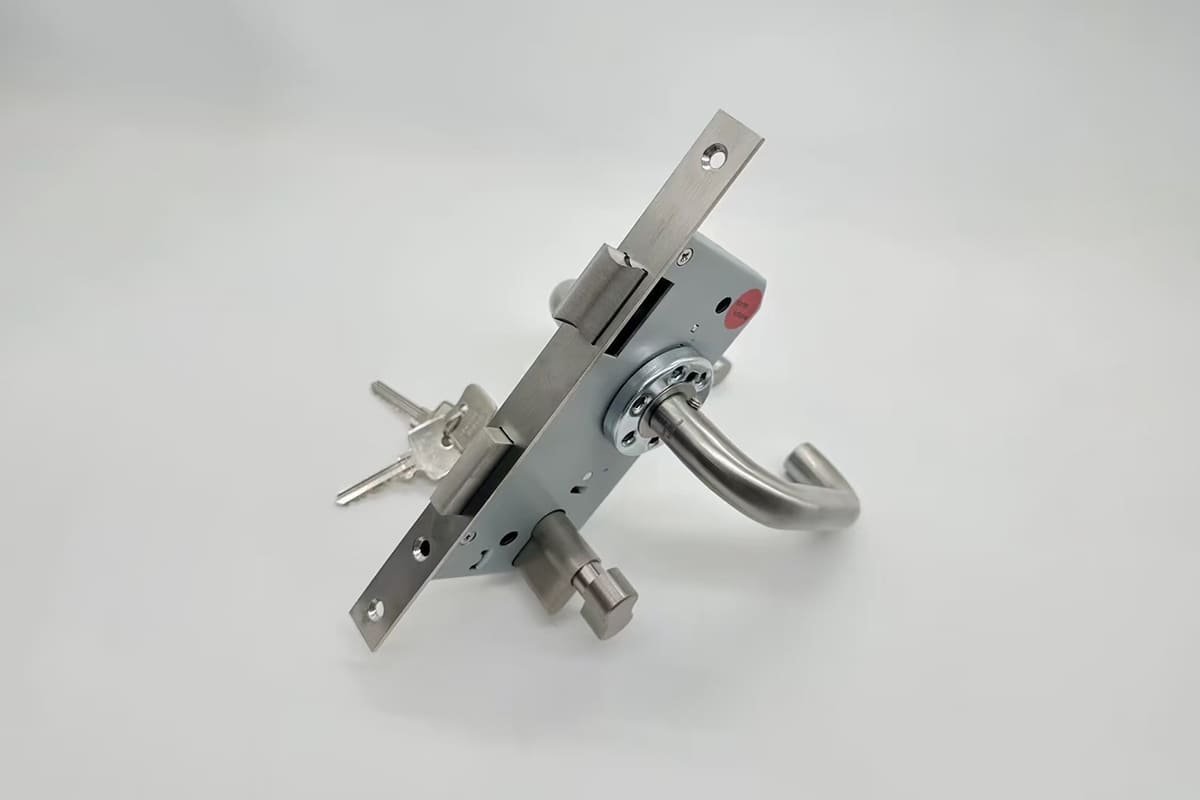
At SDH Hardware, we regularly receive requests for euro standard mortise locks, stainless steel lever handles, butt hinges, concealed hinges, and brass profile cylinders for overseas projects. Many customers already know the EN number they want. However, the more important question is whether the quoted product is actually within that document’s scope.
Do Not Use EN Numbers as Decoration
A supplier quotation should not simply list EN numbers beside every item. Buyers should ask:
- Which model was tested or certified?
- Which size was included?
- Which material was tested?
- Which finish was tested or declared?
- Which door type was used or assumed?
- Which classification code applies?
- Which standard version was used?
- Does the report allow product families or only one model?
These questions matter because hardware changes can affect performance.5 A hinge with a different thickness, bearing structure, screw pattern, or base material may not perform the same way. A mortise lock with a different case size, latchbolt structure, follower, or faceplate may not fall under the same evidence. A lever handle with a different spring cassette or rose structure may also require separate review.
How I Review an EN Claim Before Quoting
When a customer sends a project hardware list, I usually compare three things:
The project requirement
This includes target market, door type, fire rating, and required standards.The requested product specification
This includes size, material, finish, packaging, function, and accessories.The available document scope
This includes certificate model list, report sample description, standard version, and limitations.
This process is not the same as final project approval. I am not a notified body or testing laboratory. However, this supplier-side review helps buyers avoid ordering products that cannot be supported by suitable documents during project submission.
How Do EN Standard Fire Door Hardware Regulations Treat Fire Performance?
Fire performance creates the biggest misunderstanding. Many buyers ask whether a hinge or lock is “E60” or “E90.” That question sounds simple, but fire resistance usually belongs to the door assembly, not one isolated hardware item. The hardware must be suitable for the tested door system.
EN standard fire door hardware regulations should be evaluated as part of the complete fire door assembly. Fire resistance is commonly assessed through door set or door assembly testing, such as under EN 1634-1, so one hinge, lock, or handle should not be presented as independently guaranteeing E30, E60, E90, or E120 compliance.6
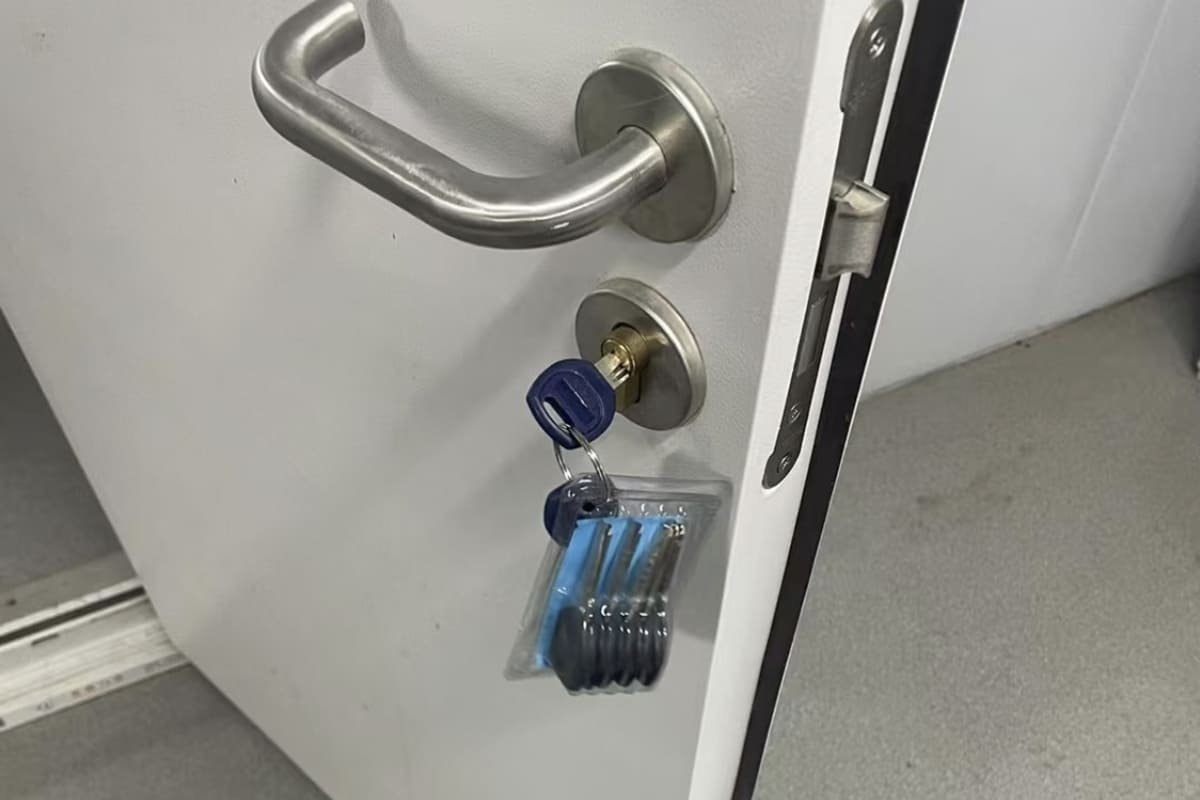
Fire Doors Are Systems, Not Loose Components
A fire door’s performance depends on the combined behavior of many parts:7
- Door leaf core and thickness
- Frame material and profile
- Intumescent seals
- Glazing system if used
- Hinges
- Lock or latch
- Lever handle or panic hardware
- Door closer
- Screws and fixing method
- Gaps and installation quality
A hardware item can support a fire-rated door system only when it fits the tested or assessed configuration. This is why I avoid saying, “This lock makes the door E60.” A more accurate statement is: this lock may be suitable for use in certain fire door assemblies if the relevant test or assessment evidence covers the model and application.
Why EN 1634-1 Matters in Buyer Evaluation
EN 1634-1 is commonly associated with fire resistance testing for door and shutter assemblies.8 Buyers often see it in fire test reports. However, the key point is not only the standard number. The key point is the tested construction.
When reviewing fire test evidence, buyers should check:
| Review point | Why it matters |
|---|---|
| Door leaf type | Timber, steel, composite, or other constructions behave differently |
| Door thickness | A thinner or thicker door may change hardware fixing and fire behavior |
| Hardware model | The tested model must match the supplied product or be clearly covered |
| Installation position | Hinge count, lock height, and closer fixing may matter |
| Fire exposure side | Test direction can affect acceptance |
| Rating achieved | E30, E60, E90, or E120 depends on the tested assembly and classification9 |
| Report holder and permission | Some reports may not be freely used by all suppliers or buyers |
A Common Procurement Mistake
I once reviewed a request where the buyer wanted to use one “fire-rated hinge certificate” across several door constructions. The project included different door thicknesses and different markets. The certificate looked professional, but the model and door construction did not clearly match every application. The buyer then had to ask the door producer and project consultant for further confirmation.
That experience reflects a common point: a strong document can still be unsuitable for a specific project if its scope is too narrow.
Better Questions to Ask Suppliers
Instead of asking, “Is this fire rated?” buyers should ask:
- Which fire test report or assessment supports this item?
- Does the document mention the exact model number?
- Does it cover my door material and thickness?
- Does it cover my required fire rating?
- Does it include limitations on size, fixing, or installation?
- Can I use this document for my project submission or resale market?
These questions help buyers compare suppliers more fairly. They also prevent a low-cost quotation from becoming expensive later when documents cannot pass review.
What Documents Should I Request Under EN Standard Fire Door Hardware Regulations?
Documents protect procurement decisions, but only when they are complete and matched. A certificate with no model list can create uncertainty. A test report with a different product description can create risk. A DoP with unclear performance scope may not satisfy the buyer’s approval process.
Under EN standard fire door hardware regulations, buyers should request CE marking evidence where applicable, relevant EN standard references, test reports or certificates, model coverage, Declaration of Performance if required, AVCP or factory production control evidence where relevant, and confirmation that mass production matches the tested sample.10
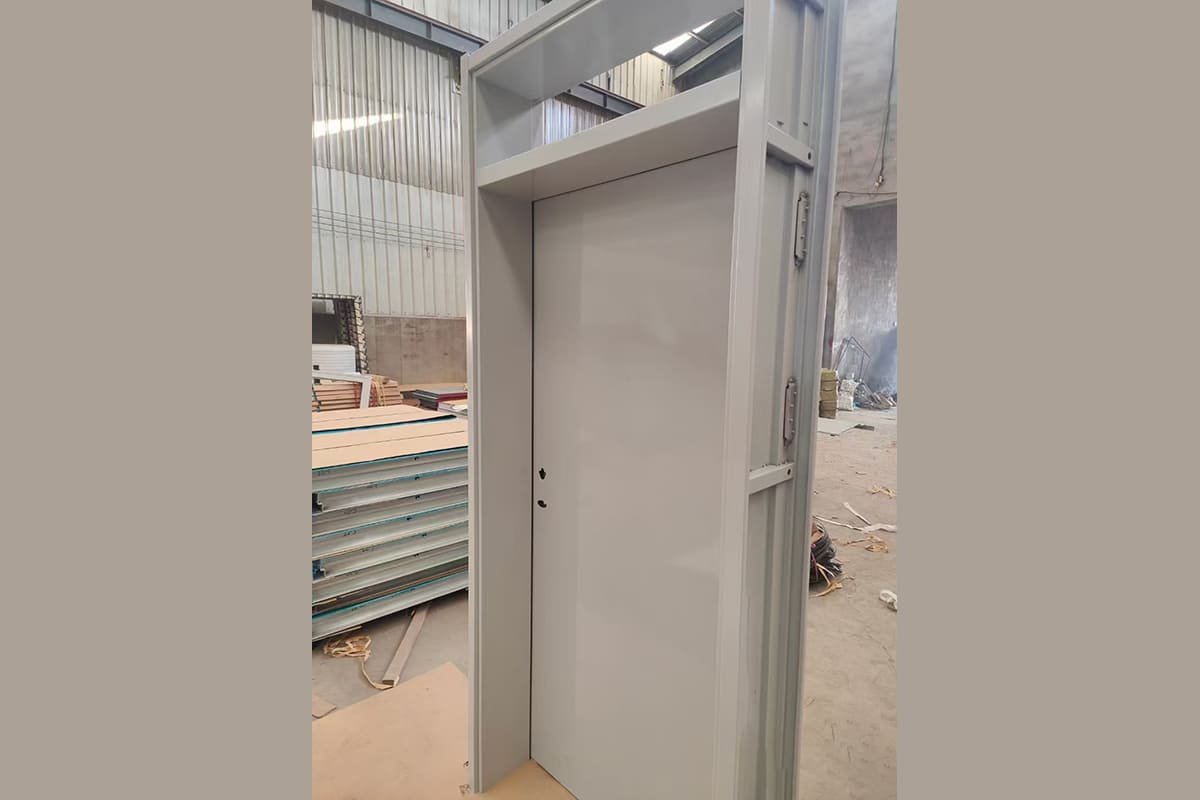
Buyer Compliance-Document Checklist
Before I suggest a bulk order, I prefer to build a simple file for each item. This file helps the buyer, supplier, factory, and final customer discuss the same evidence.
| Document or evidence | What to verify |
|---|---|
| CE marking evidence where applicable | Product category, regulation route, declared performance |
| Relevant EN product standard | Standard number, version, product scope, classification |
| Test report | Tested sample, laboratory, date, result, limitations |
| Certificate | Holder, model list, validity, standard, scope |
| Declaration of Performance | Product type, intended use, performance levels, manufacturer |
| AVCP/FPC-related evidence where required | Production control and conformity route |
| Technical drawing | Dimensions, material, structure, fixing details |
| Product photos | Visual match to tested or declared model |
| Order specification | Finish, size, accessories, packaging, quantity |
| Production inspection record | Confirms bulk production follows approved sample |
Product-Document Matching Is the Core
The most important habit is product-document matching. Buyers should compare the commercial item with the document item.
For example, if the buyer orders a stainless steel mortise lock, the document should not only show a similar lock family. It should clearly support the requested model, size, function, and application. If the buyer orders a butt hinge for a heavy fire door, the hinge evidence should not only show a smaller residential hinge. If the buyer orders a lever handle on rose, the handle document should not refer only to a different backplate design unless the document scope clearly permits it.
What I Recommend Buyers Send First
To help suppliers check document compatibility, buyers should send:
- Target market: EU country, Middle East country, Southeast Asia market, or other region
- Door type: timber, steel, composite, aluminum, or other
- Fire rating requirement: such as E30, E60, E90, or E120
- Hardware list: lock, hinge, handle, cylinder, closer, accessories
- Required standards: project specification or consultant requirement
- Product drawings: if customized dimensions are needed
- Finish requirement: stainless steel, PVD, powder coating, satin nickel, or others
- Quantity and delivery plan: for capacity and batch consistency review
At SDH Hardware, this information helps us check whether our existing documents may support the inquiry or whether the buyer needs additional third-party evaluation. It also helps us avoid overpromising. For technical fire door projects, careful document review is better than a quick “yes.”
Why Mass Production Must Match the Tested Sample
Even when the first document review looks acceptable, mass production must remain consistent. Buyers should ask how the factory controls:
- Raw material sourcing
- Key dimensions
- Machining tolerance
- Surface finish consistency
- Assembly process
- Function testing
- Final inspection
- Packaging identification
Our factory uses full-process quality control for raw material screening, production supervision, and finished product inspection. From a buyer’s perspective, this matters because a tested sample has value only if bulk production stays aligned with the approved specification.11
How Should Buyers Evaluate Suppliers for EN Standard Fire Door Hardware Regulations?
Supplier selection is not only about price. A cheaper quotation may become costly if documents are incomplete, production is inconsistent, or customization changes the tested configuration. Buyers need a supplier that can explain document scope and control repeat production.
For EN standard fire door hardware regulations, buyers should evaluate suppliers by checking document transparency, model-to-report matching, production consistency, customization control, export experience, quality inspection procedures, and willingness to explain limitations instead of making broad fire-rated claims.
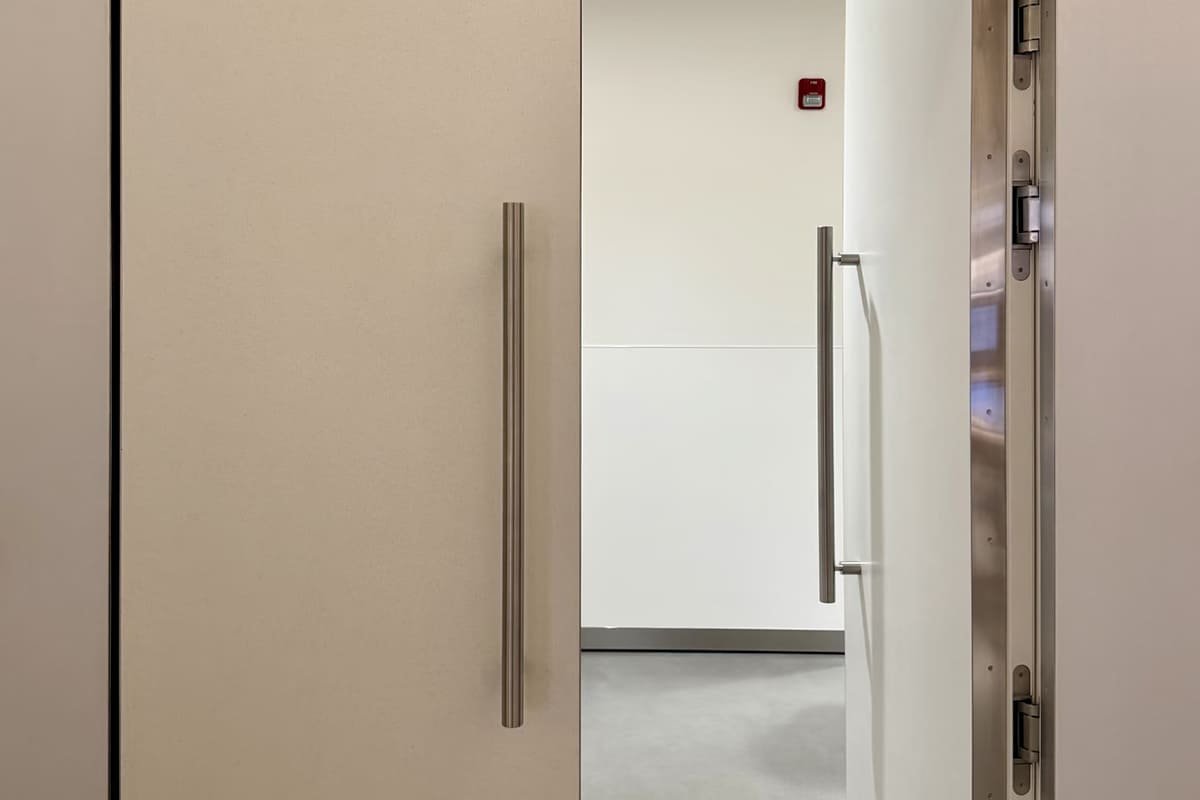
A Practical Supplier Evaluation Scorecard
| Evaluation area | What good suppliers provide | Warning signs |
|---|---|---|
| Document clarity | Clear certificates, reports, model lists | Only marketing claims |
| Standard knowledge | Explains EN standard scope carefully | Lists many standards without detail |
| Fire door understanding | Treats fire performance as a system issue | Claims one item guarantees door rating |
| Production control | Inspection records and stable processes | No batch control |
| Customization control | Reviews whether changes affect evidence | Changes specs without document review |
| Communication | Answers buyer questions directly | Avoids model-specific questions |
| Export experience | Understands overseas submission needs | Does not know target market requirements |
Why Customization Needs Extra Attention
Many of our customers request ODM customization. They may need a special finish, logo, faceplate size, cylinder length, hinge thickness, or handle design. Customization is normal in architectural hardware supply. However, customization can affect compliance evidence.
Buyers should pay attention to changes such as:
- Different base material
- Different hinge thickness or bearing design
- Different lock case depth or function
- Different cylinder length or cam type
- Different handle spring structure
- Different screws or fixing method
- Different surface treatment
- Different accessory combination
Some changes may be commercially minor but technically important. For example, a surface finish may affect corrosion resistance evidence. A different screw package may affect installation strength. A modified hinge pattern may affect compatibility with a tested door assembly.
What I Consider a Responsible Supplier Answer
A responsible supplier does not answer every compliance question with “yes.” A responsible supplier says:
“We have documents for this model and standard scope. Please send the project requirement, door construction, fire rating, and target market so we can help check whether the documents match the intended use.”
This answer may sound less aggressive than a sales promise, but it is more useful for professional buyers. Door manufacturers, hardware brands, and importers need stable evidence for their own customers. They do not need vague claims that fail during project review.
Factory Capability Still Matters
Documents are important, but production capacity also matters. Buyers should verify whether the supplier can provide:
- Stable bulk production
- Consistent finish across batches
- Standardized dimensions
- Flexible packaging and branding
- On-time delivery
- Inspection before shipment
- Support for long-term product lines
For international buyers, a one-time compliant sample is not enough. The better goal is a stable supply chain that can support repeat orders, project tenders, and market growth.
Frequently Asked Questions
Is CE marking enough for fire door hardware?
No. CE marking is not automatically enough for fire door hardware. Buyers should verify the applicable EN product standard, fire test evidence, certificate scope, model coverage, Declaration of Performance where applicable, and whether the hardware matches the intended door assembly and project requirement.
Can one fire-rated hinge make a door E60 or E90?
No single hinge should be treated as guaranteeing the whole door rating. Fire performance is usually assessed through the complete door assembly. The hinge must match the tested or assessed configuration, including door type, thickness, fixing method, hinge count, and required fire rating.
Which EN standards are commonly checked for door hardware?
Common references may include EN 12209 for mechanical locks, EN 1303 for cylinders, EN 1935 for hinges, EN 1906 for lever handles, and EN 1154 for door closers. Buyers should always verify the current applicable version, product scope, and project-specific requirement.
What should I check on a fire-rated hardware certificate?
You should check the certificate holder, product model, standard, classification, test or assessment reference, validity, limitations, and whether the document covers the actual material, size, finish, configuration, and intended door type. A certificate is useful only when its scope matches your product.
Should customized hardware be retested?
Customized hardware may require further review or testing if the change affects performance evidence.12 Material, dimensions, fixing method, structure, finish, or accessory changes can matter. Buyers should ask a qualified laboratory, notified body, certification body, or project authority for application-specific confirmation.
Conclusion
EN standard fire door hardware regulations are best managed through careful document matching, not quick assumptions. Buyers should separate CE marking, EN product standards, performance testing, and compliance documents. They should also remember that fire performance belongs to the door assembly, not one isolated component. If you are sourcing mortise locks, hinges, lever handles, cylinders, or related hardware, send us your project standard, door type, fire rating, target market, and hardware list. We can help check whether our product documents match your intended use before bulk purchasing.
"CE marking", https://en.wikipedia.org/wiki/CE_marking. European Commission guidance on CE marking and the Construction Products Regulation explains that CE marking relates to declared product performance and market placement within a defined scope, supporting the distinction between CE documentation and suitability for a particular fire-door assembly; the source does not evaluate any specific hardware model. Evidence role: general_support; source type: government. Supports: An official EU source should support that CE marking indicates declared conformity for a product within a defined regulatory scope, not universal suitability for all applications.. Scope note: Contextual support only; it establishes the regulatory function of CE marking but not the fire performance of individual products. ↩
"[PDF] NAVIGATING THE CONSTRUCTION PRODUCTS REGULATION", https://construction-products.eu/wp-content/uploads/2025/12/CPE_GUIDE_FINAL_lowdef_web.pdf. Official guidance on the Construction Products Regulation describes the Declaration of Performance, assessment and verification of constancy of performance systems, and factory production control as elements of conformity for relevant construction products; the exact obligations depend on the product standard and intended use. Evidence role: mechanism; source type: government. Supports: An EU or national market-surveillance source should explain how the Construction Products Regulation uses Declarations of Performance, AVCP systems, and factory production control.. Scope note: Contextual support only; it does not determine which obligations apply to every item of door hardware. ↩
"SIST EN 1634-1:2014+A1:2018 - Fire Resistance Test for Doors and", https://standards.iteh.ai/catalog/standards/sist/ee82f4f9-9568-41f8-a1f4-c805f6a4c814/sist-en-1634-1-2014a1-2018?srsltid=AfmBOooE5V8YY3z4dNokQeX3vrA-wd23GP14s1yL1WGkzVmASMKRbTpV. Guidance on fire-resistance testing and fields of application states that results are tied to the tested doorset or assembly and to permitted variations, supporting the caution that evidence from one door construction may not automatically apply to another. Evidence role: mechanism; source type: institution. Supports: A fire-testing or standards institution source should explain that test results apply to the tested assembly and only to permitted variations within the field of application.. Scope note: Contextual support only; project acceptance depends on the specific report, classification, and authority having jurisdiction. ↩
"EN 12209:2024 - Mechanical Locks Standards Testing ...", https://standards.iteh.ai/catalog/standards/cen/fc7b1983-f0a1-4242-98d9-ce3eb2a6d389/en-12209-2024?srsltid=AfmBOorcN3_cgeg5TVcTNP1bv509m4849ouXkIbTlLMpsxPbDtHQ3mdz. Standards-body catalogues identify EN 12209, EN 1303, EN 1935, EN 1906, and EN 1154 as standards for mechanically operated locks, lock cylinders, single-axis hinges, lever handles, and controlled door-closing devices respectively; access to full technical requirements may require purchase of the standards. Evidence role: definition; source type: institution. Supports: A standards-body catalogue or national standards body page should confirm the title and scope of each referenced EN standard.. Scope note: The source confirms standard titles and general scopes but does not prove that any specific product complies. ↩
"[DOC] 081173", https://online2.ogs.ny.gov/dnc/masterspec24/docs/Division08Openings/081173.0SlidingMetalFireDoors.docx. Fire-door certification and assessment guidance treats changes in components, materials, dimensions, and fixings as variables that can affect the applicability of test evidence, supporting the article’s warning that hardware changes may affect performance. Evidence role: mechanism; source type: institution. Supports: A certification or fire-safety institution source should support that component changes may alter the applicability of test or certification evidence.. Scope note: Contextual support only; whether a particular change is material must be assessed against the relevant test report or certification scheme. ↩
"EN 1634-1", https://www.architecturalarmour.com/tech-spec/security-glass/en1634-1. The published scope of EN 1634-1 describes fire-resistance testing for door, shutter, and openable-window assemblies, supporting the point that ratings are established for tested assemblies rather than by a single hinge, lock, or handle alone. Evidence role: definition; source type: institution. Supports: A standards-body source should show that EN 1634-1 concerns fire-resistance testing of door, shutter, and openable window assemblies and elements of building hardware.. Scope note: The standard scope supports the assembly-testing principle but does not assess the compliance of any particular product or project configuration. ↩
"What Components Does a Fire Door Need?", https://www.rawlinspaints.com/blog/what-components-does-a-fire-door-need-how-fire-door-components-work-together-to-protect-a-building/. Government fire-safety guidance describes fire doors as assemblies including leaves, frames, seals, glazing, hardware, and installation details, supporting the article’s statement that performance depends on the combined behavior of multiple parts. Evidence role: general_support; source type: government. Supports: A government fire-safety guide should support that a fire door is an assembly whose performance depends on multiple correctly specified and installed components.. Scope note: Contextual support only; such guidance explains the principle but does not prove the rating of any particular door assembly. ↩
"EN 1634-1", https://www.architecturalarmour.com/tech-spec/security-glass/en1634-1. Standards-body catalogue entries identify EN 1634-1 as the European test method for fire-resistance and smoke-control tests of door, shutter, and openable-window assemblies and elements of building hardware. Evidence role: definition; source type: institution. Supports: A standards-body catalogue entry should confirm the title and scope of EN 1634-1.. Scope note: The catalogue entry confirms the standard’s subject matter but does not provide full test-method details or project-specific acceptance criteria. ↩
"Fire-resistant EI1 EI2 | EN 1634-1 | EN 13501-2 | Metal Quartz", https://metalquartz.com/en/performances/fire-resistant-performance/. European fire-resistance classification guidance under EN 13501-2 uses designations such as E followed by a time period in minutes, supporting the statement that E30, E60, E90, and E120 ratings are classification results for tested elements or assemblies. Evidence role: definition; source type: institution. Supports: A standards-body or fire-testing institution source should explain that E-class ratings are classification outcomes based on fire-resistance testing and classification rules.. Scope note: The source explains the classification framework but does not establish the rating of a specific door or hardware configuration. ↩
"navigating the construction products regulation", https://construction-products.eu/wp-content/uploads/2025/12/CPE_GUIDE_FINAL_lowdef_web.pdf. Official Construction Products Regulation guidance links CE marking with declared performance, applicable harmonised standards or assessments, AVCP systems, and factory production control, supporting the article’s compliance-document checklist where those requirements apply. Evidence role: general_support; source type: government. Supports: Official construction-products guidance should support the relevance of CE marking, Declaration of Performance, AVCP, and factory production control in applicable conformity assessment.. Scope note: Contextual support only; the precise document set depends on the product, harmonised standard status, intended use, and local approval process. ↩
"[PDF] NAVIGATING THE CONSTRUCTION PRODUCTS REGULATION", https://construction-products.eu/wp-content/uploads/2025/12/CPE_GUIDE_FINAL_lowdef_web.pdf. Construction-products conformity guidance describes factory production control as a means of maintaining constancy of performance in manufactured products, supporting the view that test evidence depends on production remaining aligned with the approved specification. Evidence role: mechanism; source type: government. Supports: A CPR or conformity-assessment source should support that factory production control is intended to maintain constancy of declared performance in ongoing production.. Scope note: The source supports the quality-control principle but does not verify the factory controls of any named supplier. ↩
"Fire Doors and NFPA 80 FAQs", https://www.nfpa.org/news-blogs-and-articles/blogs/2025/04/11/fire-doors-faqs. Fire-door certification and assessment guidance states that changes from tested configurations may require review through assessment, extended application, or additional testing, supporting the article’s caution about customized hardware. Evidence role: general_support; source type: institution. Supports: A certification or fire-testing institution source should support that variations from tested configurations may require technical assessment, extended application, or retesting.. Scope note: Contextual support only; whether retesting is required depends on the nature of the change, the original evidence, and the accepting authority. ↩