What Is a Lift Off Hinge?
A lift off hinge can look simple, but choosing the wrong one can create slow maintenance, damaged panels, or unsafe door movement. Buyers often treat it like a normal hinge, then find that the structure, load limit, or installation method does not match the project. I use this guide to explain how to evaluate it clearly.
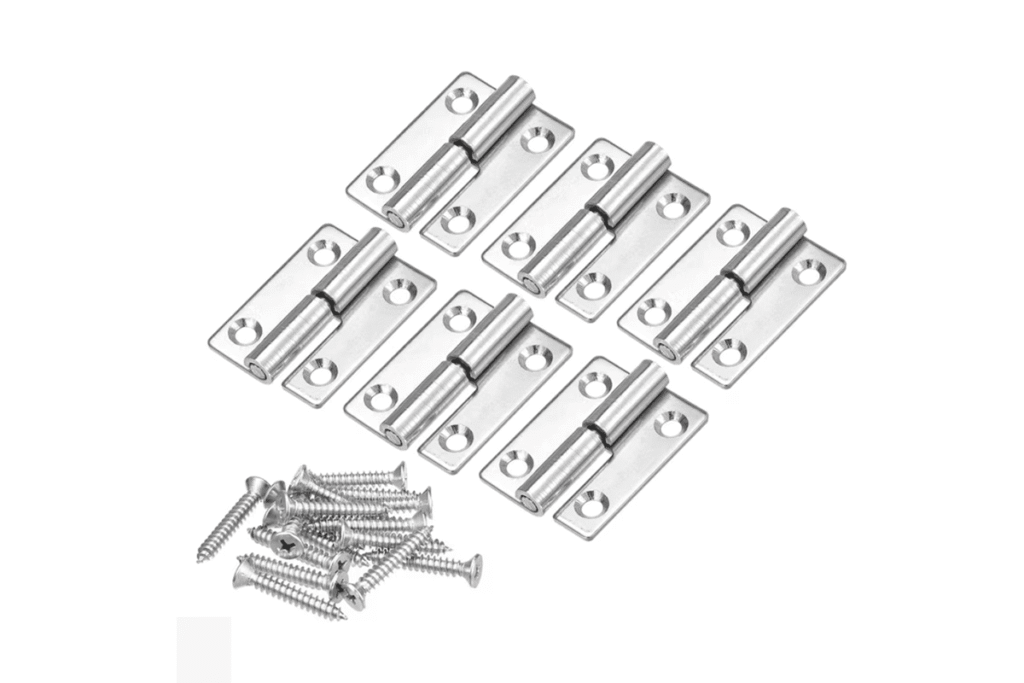
A lift off hinge is a detachable hinge that allows a door, cabinet panel, equipment cover, or access panel to be removed and reinstalled quickly without complex tools.1 Unlike a fixed hinge, it is designed for fast disassembly, so it is useful when cleaning, inspection, maintenance, or flexible access matters more than maximum load capacity.
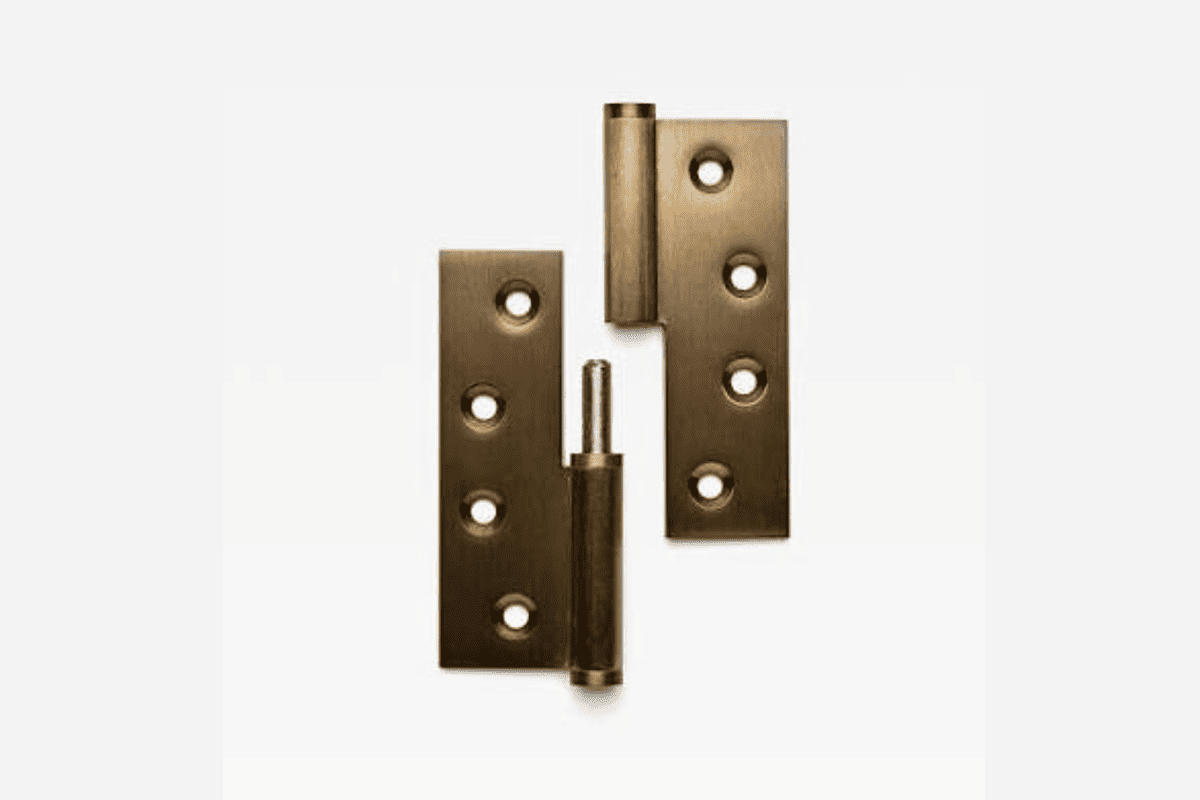
I have seen buyers compare hinges only by size and price. That is risky. A removable hinge must be checked by structure, pin design, base type, material, finish, rotation angle, door weight, and installation environment before it is selected for bulk procurement.
How Does a Lift Off Hinge Work?
A lift off hinge works differently from a fixed hinge, so the structure deserves careful attention. If a buyer only checks the outside shape, they may miss the most important detail: how the hinge separates when the door or panel is lifted.
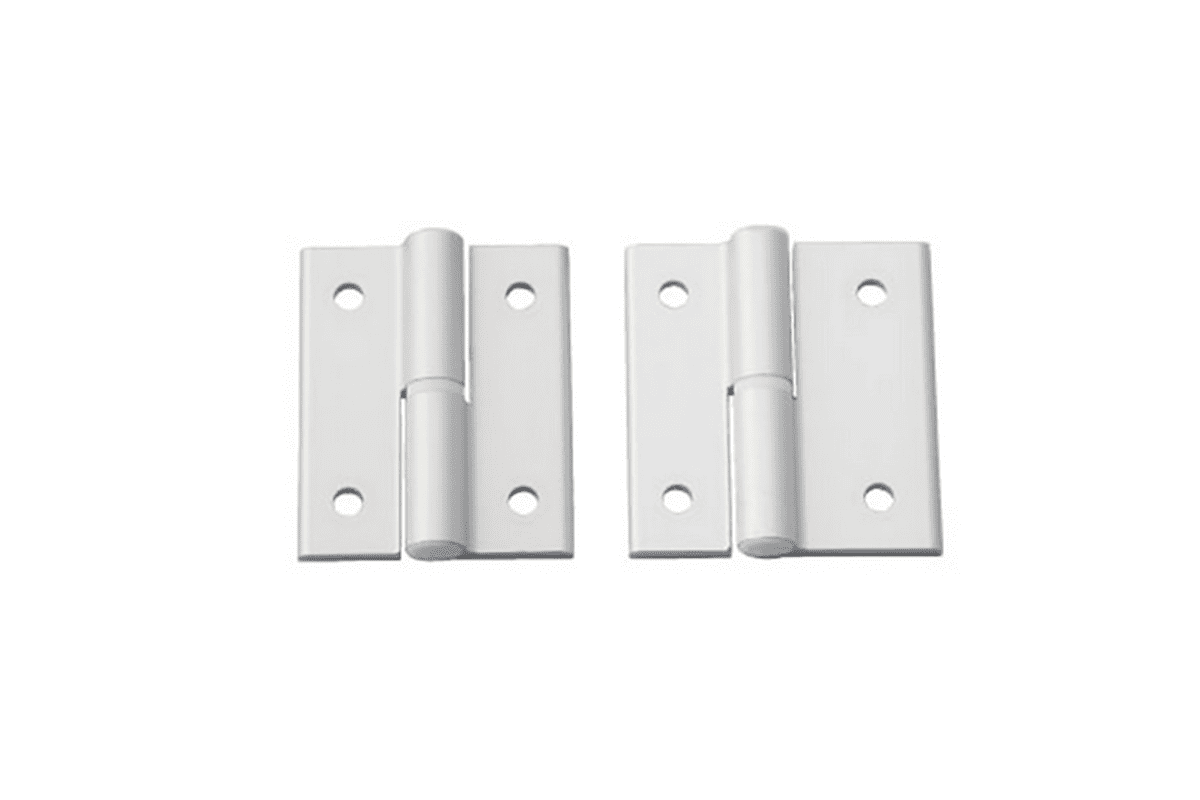
A lift off hinge usually works through a detachable structure. One part remains fixed to the frame, while the other part is fixed to the door or panel.2 The two parts connect through a pin, core, sleeve, or detachable base, allowing the door to be lifted away when alignment and clearance are correct.
Fixed hinge vs detachable hinge structure
A normal fixed hinge is designed to stay assembled after installation. The leaves, knuckle, and pin work together as one rotating unit. Removal usually requires unscrewing the hinge, removing a pin with tools, or taking apart the installed hardware.
A lift off hinge, also called a detachable hinge or removable hinge, is designed so that the door can separate from the frame more easily. In practical production, I usually see two common structural ideas:
Two hinge leaves with a lift-off pin/core
- One hinge leaf is mounted on the door.
- The other hinge leaf is mounted on the frame.
- The pin or core allows the upper part to lift away from the lower part.
- This design is common for cabinets, panels, and equipment access doors.
Detachable base structure
- The hinge body connects to a base.
- The base remains mounted.
- The hinge body can be detached or reconnected.
- This structure may be used where assembly speed or service access matters.
The key question is simple: Is the hinge base permanently fixed to the hinge body, or can the working part be separated?
Why the separation method matters
The separation method affects installation and maintenance. For example, a cabinet maker may need to remove a door during finishing, packing, or field service. An industrial equipment manufacturer may need to remove guard panels during inspection. A warehouse or exhibition project may need panels that can be removed repeatedly.
Before I recommend a detachable hinge for a project, I normally ask:
- How often will the door or panel be removed?
- Does the panel need to lift upward, sideways, or snap off?
- Is there enough clearance above the door?
- Will users remove the door by hand or with tools?
- Does the panel need to stay secure during vibration?
- Does the design require left-hand, right-hand, or reversible use?
A lift-off design is useful only when the installation gives enough space for the door or panel to disengage safely.3
Structural comparison table
| Feature | Fixed Hinge | Lift Off Hinge |
|---|---|---|
| Door removal | Usually needs tools or unscrewing | Usually faster and tool-light |
| Main purpose | Permanent rotation support | Removable access and rotation |
| Maintenance access | Slower | Faster |
| Load capacity | Can be light, medium, or heavy-duty | Often moderate unless specified |
| Installation clearance | Less lift clearance needed | Lift clearance often required |
| Procurement focus | Size, material, finish, load | Structure, lift direction, pin, clearance, load |
A lift-off structure is not automatically better. It is better only when fast removal is part of the real use case. For heavy security doors, large fire-rated doors, or high-abuse public openings, buyers should request full product datasheets, installation drawings, and qualified technical evaluation before approving any detachable hinge.
When Should Buyers Choose a Lift Off Hinge?
A lift off hinge is useful when a door or panel must be removed quickly for service, cleaning, inspection, or replacement. The problem starts when buyers use it on applications where a stronger fixed hinge would be safer or more stable.
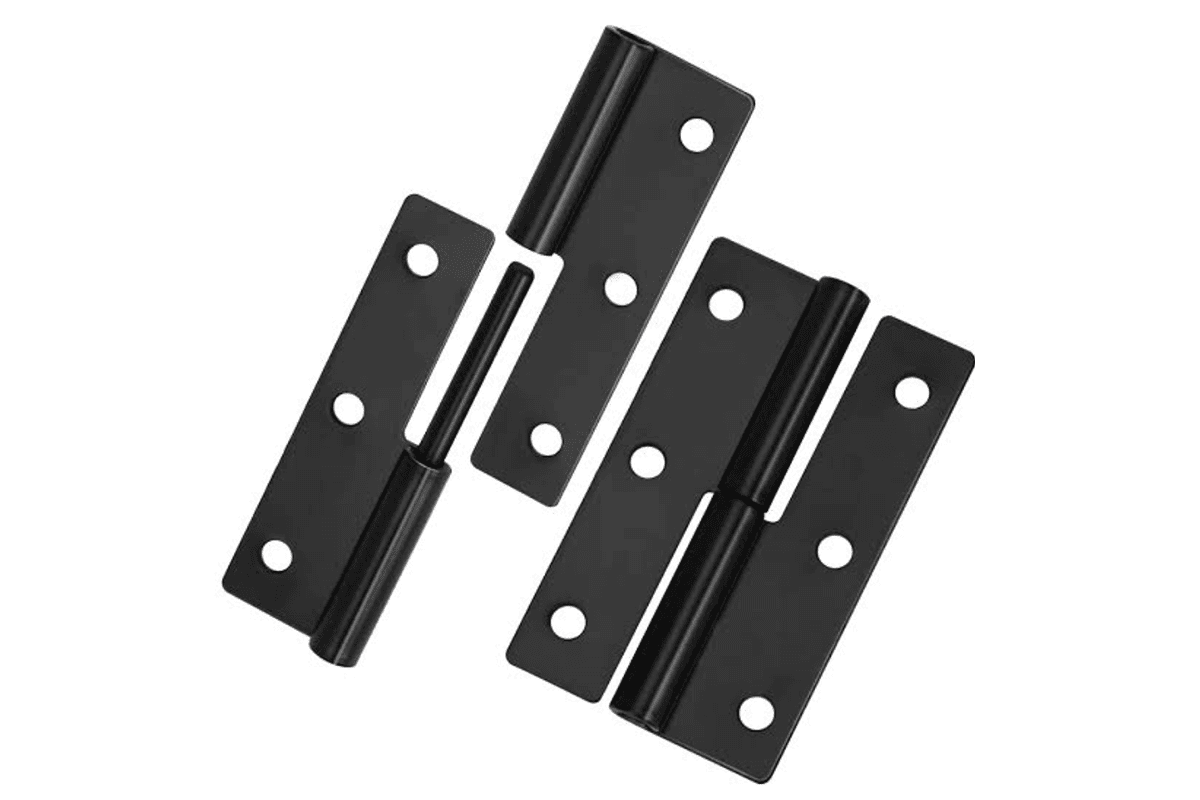
Buyers should choose a lift off hinge when removable access is more important than maximum load capacity.4 It is commonly used on cabinet doors, electrical boxes, industrial equipment covers, warehouse access panels, exhibition booths, and other doors or panels that need periodic removal or fast maintenance.
Common B2B use cases
In my work with door and industrial hardware buyers, I usually see detachable hinges considered for these applications:
- Electrical control boxes
- Industrial machine guard doors
- Cabinet doors
- Metal access panels
- Warehouse passage panels
- Exhibition booth structures
- Inspection covers
- Removable maintenance doors
- Light-duty enclosure doors
- Furniture or display cabinets
These applications have one thing in common. The door or panel is not just opened. It may need to be removed completely.
Where it creates real value
A lift-off design can reduce service time.5 If a technician needs to inspect wiring behind a control cabinet, removing the door can give better access. If a factory needs to clean inside an enclosure, a detachable panel can reduce downtime. If a distributor sells cabinet systems, removable doors can make packaging and installation easier.
The practical value usually appears in four areas:
Faster disassembly
- A user can remove the door without uninstalling the whole hinge.
- This helps during maintenance or product assembly.
Easier cleaning
- Food-adjacent equipment, workshop enclosures, or dust-heavy locations may need regular cleaning.
- A removable panel gives better access.
Simpler inspection
- Technicians can inspect internal components with fewer obstacles.
- This supports after-sales service and preventive maintenance.
Flexible replacement
- Damaged panels can be replaced faster.
- Suppliers can ship spare panels or doors more easily.
When I would not choose it first
A lift off hinge should not be treated as a universal hinge. I would be careful in applications where the door is very heavy, exposed to severe impact, or requires tested fire performance. Some detachable hinges support only moderate loads. A typical model may support around 30 kg6, but this depends completely on the exact hinge size, material, fixing method, and manufacturer datasheet.
I would not select a lift-off design by default for:
- Heavy entrance doors
- High-traffic public doors
- Fire-rated door assemblies unless tested as a complete system7
- Security doors
- Doors with strong vibration and no anti-lift feature
- Oversized metal panels
- Applications with no top clearance for lifting
Use case decision table
| Application | Lift Off Hinge Suitability | Buyer Checkpoint |
|---|---|---|
| Electrical box door | Often suitable | Confirm grounding, vibration, and corrosion needs |
| Cabinet door | Often suitable | Confirm door thickness and screw holding strength |
| Industrial guard panel | Often suitable | Confirm safety requirements and anti-lift need |
| Heavy warehouse door | Case by case | Confirm load, frequency, and structural support |
| Fire-rated architectural door | Not by assumption | Verify complete test reports and certifications |
| Exhibition booth panel | Often suitable | Confirm fast assembly and finish consistency |
A detachable hinge is a smart choice when it solves a real access problem. It becomes a poor choice when buyers use it only because it is convenient but ignore weight, safety, and installation limits.
What Materials and Finishes Matter for a Lift Off Hinge?
A lift off hinge must match the door material, working environment, appearance standard, and maintenance frequency. If the material or finish is wrong, the hinge may corrode, wear early, or fail to match the final product line.
Common materials for a lift off hinge include zinc alloy, iron, and stainless steel. Common finishes include brushed, polished, painted, powder-coated, nickel-plated, chrome-plated, zinc-plated, or other electroplated surfaces. Buyers should confirm corrosion resistance, finish consistency, and compatibility with the cabinet, panel, or door material.
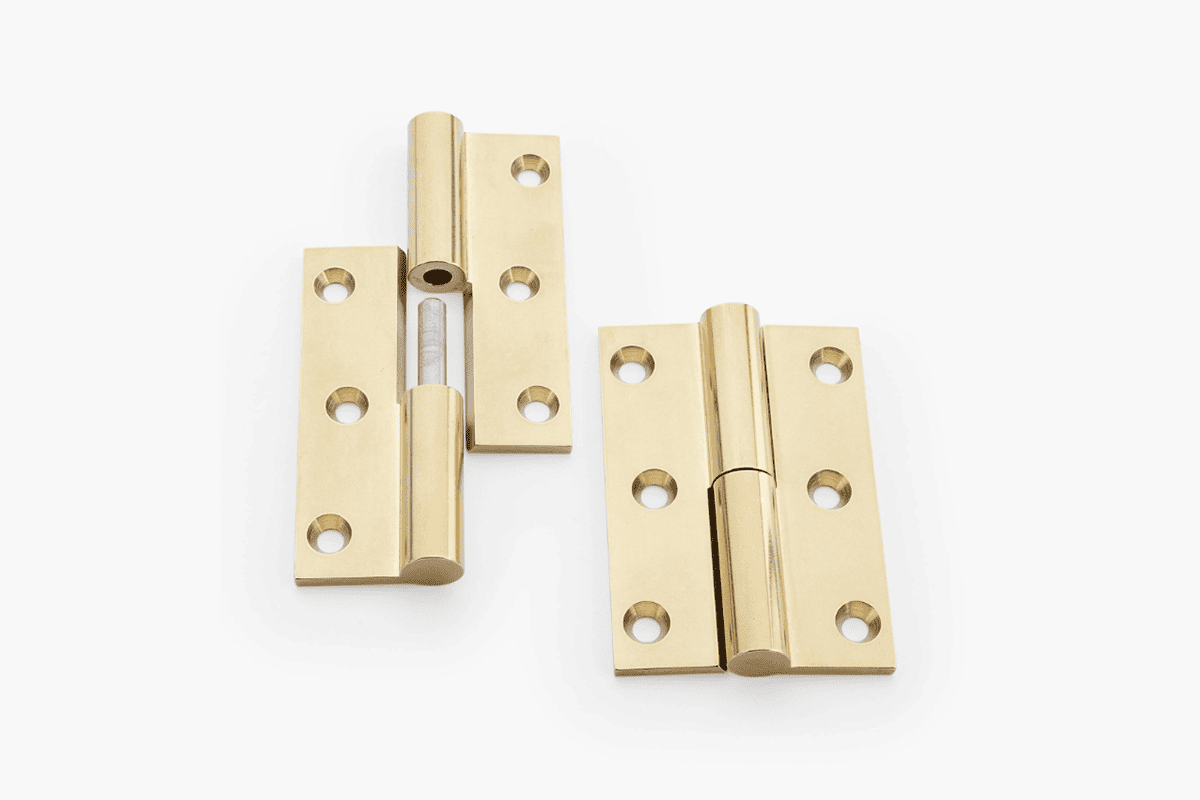
Main material options
Material selection affects strength, corrosion resistance, cost, appearance, and long-term service life. I usually ask buyers to separate indoor cabinet use, industrial enclosure use, and architectural door use, because each situation has different risks.
| Material | Typical Advantage | Typical Limitation | Common Use |
|---|---|---|---|
| Zinc alloy | Good shape flexibility and surface finish | Not always ideal for high load or harsh corrosion | Cabinets, light-duty enclosures |
| Iron / steel | Cost-effective and stronger than many light alloys | Needs good surface treatment to resist rust | Equipment panels, utility doors |
| Stainless steel | Better corrosion resistance and durable appearance8 | Higher cost | Humid areas, industrial use, premium cabinets |
Finish selection is not only about appearance
Many buyers focus on color matching. That is important, especially for wholesalers and hardware brands that need unified product lines. However, finish also affects corrosion resistance, surface wear, and customer satisfaction.
Common finish questions include:
- Will the hinge be used indoors or outdoors?
- Will it contact moisture, cleaning chemicals, or salt air?
- Does the project require brushed stainless steel appearance?
- Does the buyer need one finish across hinges, handles, locks, and cylinders?
- Will the surface be touched often by users?
- Is batch-to-batch color consistency important for resale?
At SDH Hardware, I often see that finish consistency becomes a major B2B concern during repeat orders. A first sample may look acceptable, but bulk orders must match across cartons, production batches, and accessory sets. For hardware brands and wholesalers, this matters because customers notice visible color differences quickly.
Brushed and electroplated finishes
A brushed finish gives a directional surface texture. It is common on stainless steel hardware and can hide minor handling marks better than a mirror surface. Electroplated finishes can provide attractive colors and improved surface protection9, but plating quality depends on process control, base material preparation, and inspection.
Typical finish inspection points include:
Color consistency
- Compare samples under the same light source.
- Check batch samples, not only one piece.
Surface defects
- Look for bubbles, scratches, pits, stains, and exposed base material.
Thickness or coating quality
- Ask suppliers about testing methods when relevant.
- Salt spray testing may be useful for corrosion-related projects.10
Edge coverage
- Edges and corners often reveal weak finishing.
- This is especially important on stamped or cast parts.
Material and finish must match the real environment
A zinc alloy detachable hinge may work well on a display cabinet but may not be the right choice for a humid industrial plant. A steel hinge with poor plating may look fine at delivery but show rust after storage or use. A stainless steel hinge may be more expensive but more stable in wet or corrosive environments.
I prefer a simple procurement rule:
Match the hinge material to the environment first, then match the finish to the appearance standard.
This reduces after-sales problems. It also makes supplier comparison more realistic, because the cheapest hinge may not be the lowest-cost hinge after corrosion, replacement, and customer claims are counted.
How Should You Evaluate Lift Off Hinge Load Capacity and Installation?
A lift off hinge can fail if the load rating, screw fixing, door thickness, or installation clearance is ignored. The hinge may look strong, but actual performance depends on the whole assembly, not only the hinge body.
Buyers should evaluate a lift off hinge by checking door weight, door size, number of hinges, screw type, frame strength, opening angle, lift-off clearance, left/right direction, and the supplier’s stated load rating. A common load figure may be around 30 kg for some models, but every product must be verified by datasheet and testing.
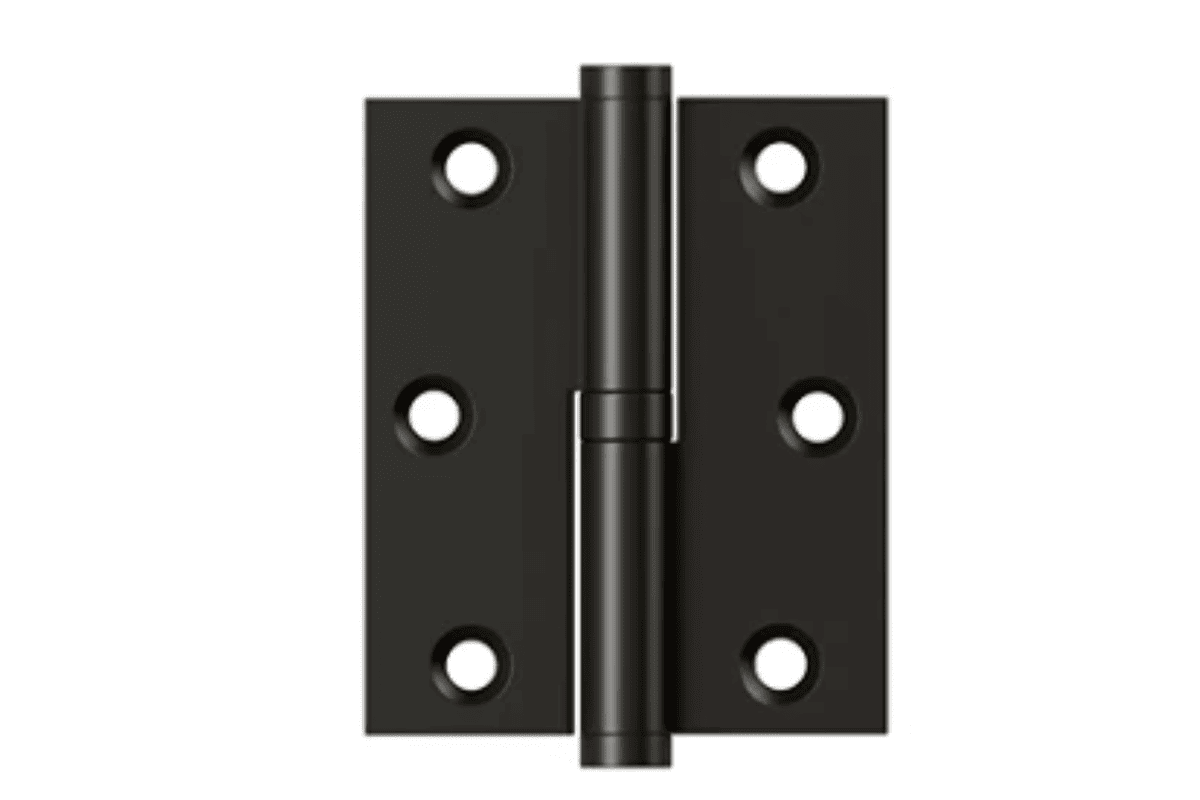
Load capacity is not one fixed number
Many buyers ask, “How many kilograms can this hinge hold?” That is a fair question, but the answer is not always simple. Load capacity depends on more than material thickness.
Important factors include:
- Hinge size
- Hinge material
- Pin diameter
- Knuckle or sleeve design
- Number of hinges per door
- Door height and width
- Center of gravity
- Screw type and quantity
- Frame material
- Installation accuracy
- Frequency of removal
- Vibration or impact
- Opening angle and stop position
Some product listings may mention a typical load capacity such as 30 kg. This can be useful for initial screening, but buyers should not treat it as universal. A larger door can create more leverage even if the total weight is not high.11 A thin sheet-metal frame may deform before the hinge itself fails.12 Poor screws can reduce real performance.
Installation method changes performance
The same detachable hinge can behave differently on wood, aluminum profile, steel sheet, stainless steel cabinet, or zinc alloy die-cast panel. The screw holding strength changes. The surface flatness changes. The door alignment changes.
I usually recommend buyers confirm these details before order approval:
Door or panel thickness
- Thin panels may need backing plates or inserts.
- Thick doors may need longer screws or special mounting.
Frame material
- Steel, aluminum, wood, and composite panels hold fasteners differently.
Mounting orientation
- Some hinges are left-hand or right-hand.
- Some are reversible, but buyers should confirm.
Lift-off clearance
- The door must have enough space to move upward or disengage.
- Overhead obstruction can make the lift-off function useless.
Opening angle
- Some models may rotate 180° or even 360°.
- Some may allow angle adjustment.
- These features are not universal and must be confirmed by the exact model.
Security or anti-lift need
- In some applications, easy removal is an advantage.
- In others, it can be a security risk.
Simple installation evaluation table
| Evaluation Point | Why It Matters | Buyer Action |
|---|---|---|
| Door weight | Prevents overload | Confirm total weight and hinge count |
| Door size | Affects leverage | Check height, width, and center of gravity |
| Panel material | Affects screw holding | Confirm fastener type and reinforcement |
| Lift clearance | Enables removal | Check space above or removal direction |
| Opening angle | Affects usability | Verify with product drawing |
| Handing | Prevents wrong installation | Confirm left, right, or reversible |
| Load rating | Screens suitability | Request datasheet or test reference |
Do not ignore the number of hinges
For tall doors, two hinges may not be enough even if the total weight seems acceptable. A third hinge can help distribute load and reduce twisting. However, adding more hinges also requires better alignment. If the hinge axes are not straight, the door may bind or wear faster.
For B2B procurement, I suggest sample testing before bulk order. A buyer can install the hinge on the real door material, open and close it repeatedly, remove and reinstall the panel, and check for looseness or wear. This is more useful than judging only from a photo.
A lift-off design should feel smooth during removal, but it should also feel stable during normal operation. Both conditions matter.
What Supplier Details Should Buyers Confirm Before Ordering a Lift Off Hinge?
A lift off hinge is a small component, but in bulk production it can affect assembly speed, product appearance, service cost, and customer complaints. The supplier must provide more than a low price.
Before ordering a lift off hinge, B2B buyers should confirm drawings, material grade, finish standard, load rating, installation method, available sizes, packaging, inspection process, customization options, lead time, and certificates where relevant. Buyers should verify all compliance documents and test reports before using the hinge in regulated projects.
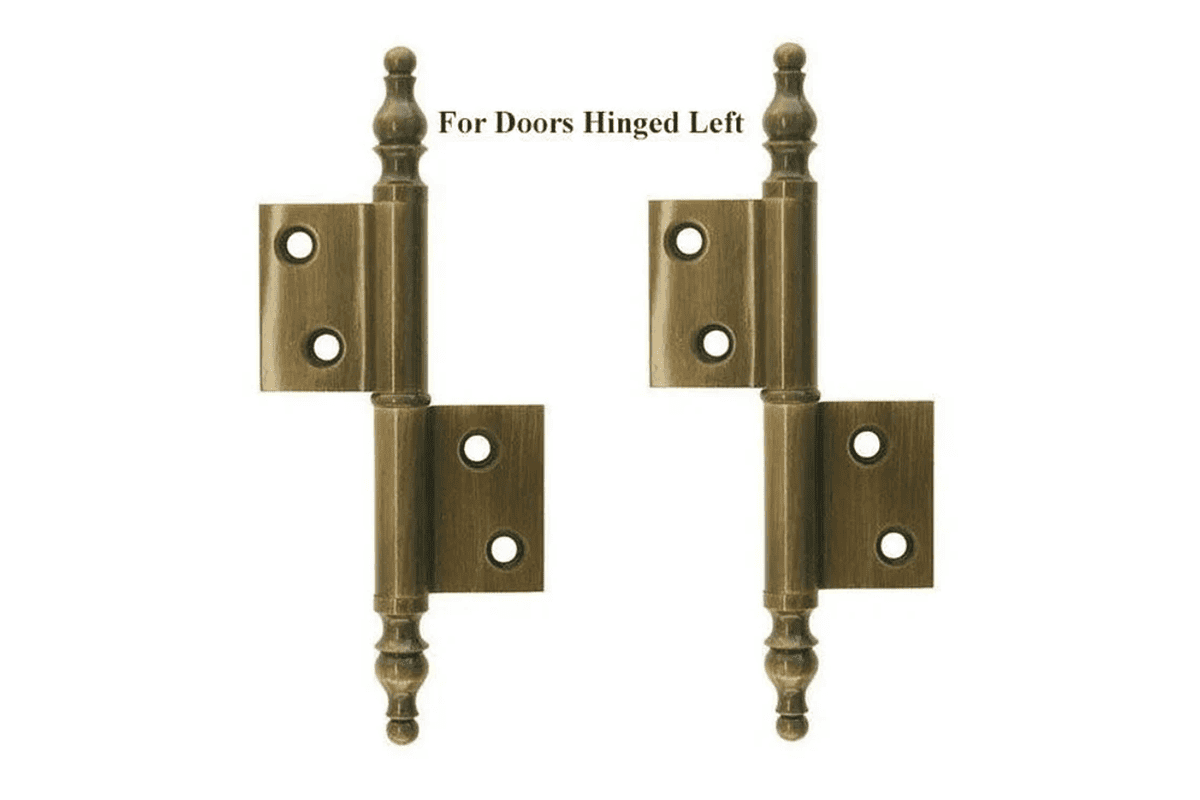
Why supplier evaluation matters
A removable hinge has multiple functional surfaces. The pin must fit correctly. The leaves or base must align well. The finish must be consistent. The screw holes must match the customer’s assembly process. If one detail changes between sample and bulk production, the buyer may face installation delays.
As a hardware manufacturer, I have learned that buyers often care about these practical details:
- Will the sample match the bulk shipment?
- Can the supplier keep the same finish across repeat orders?
- Can the hinge be customized for hole spacing or surface treatment?
- Can the supplier pack the hinge to prevent scratches?
- Can the supplier support mixed hardware orders?
- Can the factory maintain stable delivery for seasonal demand?
These questions are not small. They decide whether a supplier is suitable for long-term cooperation.
Procurement checklist for detachable hinges
Buyers can use this checklist before confirming a new supplier or new model:
Product drawing
- Confirm full dimensions.
- Check hole distance, leaf size, pin diameter, and mounting structure.
Material specification
- Ask whether the hinge is zinc alloy, iron, stainless steel, or another material.
- Confirm grade when needed.
Surface finish
- Request physical samples.
- Confirm brushed, polished, painted, plated, or customized finish.
Load rating
- Ask for stated load capacity.
- Confirm test conditions if the load is important.
Rotation and adjustment
- Confirm actual opening angle.
- Do not assume 360° rotation or adjustable angle unless specified.
Installation structure
- Check screw type, base design, lift direction, and clearance.
Quality inspection
- Ask about incoming material inspection, production control, and finished product inspection.
Packaging
- Confirm individual protection, carton strength, labeling, and export packing.
Compliance documents
- Verify CE, fire-rated, or other certificates where the project requires them.
- Make sure certificates match the exact product or system.
Customization ability
- Confirm ODM options for size, hole position, finish, and accessory configuration.
Supplier comparison table
| Supplier Factor | Why Buyers Should Care | What I Would Request |
|---|---|---|
| Factory experience | Reduces production risk | Company profile and product history |
| In-house production | Improves control | Production photos or audit documents |
| QC process | Protects batch consistency | Inspection standard and sample report |
| Finish control | Reduces visible defects | Approved finish sample |
| Customization | Supports brand or project needs | Drawing confirmation |
| Delivery stability | Protects supply chain | Lead time and capacity estimate |
| Documentation | Supports compliance review | Certificates and test reports |
How I position SDH Hardware in this evaluation
From my side as a door hardware manufacturer, I would not ask buyers to rely only on marketing words. I prefer to confirm specifications with samples, drawings, and project requirements. SDH Hardware has more than 20 years of manufacturing experience in architectural door hardware, including concealed hinges, mortise locks, butt hinges, lever handles, and lock cylinders. For detachable hinge or related hardware sourcing, the more useful discussion is always technical:
- What door or panel will use the hinge?
- What is the required material?
- What finish must match the rest of the hardware?
- What is the door weight?
- How often will the panel be removed?
- Does the buyer need ODM customization?
- What inspection standard is required for the shipment?
This approach helps avoid over-selling. It also helps buyers compare suppliers fairly. For regulated applications, especially fire-rated or certified door assemblies, buyers should verify the exact documents and consult qualified professionals before final approval.
Frequently Asked Questions
Is a lift off hinge the same as a normal hinge?
No. A lift off hinge is designed for removable installation, while a normal fixed hinge is usually designed to stay assembled after mounting. The key difference is the detachable structure, which allows the door or panel to be lifted off or separated more easily.
How much weight can a lift off hinge hold?
Load capacity depends on the hinge size, material, pin design, screw fixing, door size, and number of hinges used. Some models may support around 30 kg, but buyers should always confirm the exact product datasheet and test conditions before bulk ordering.
Can every lift off hinge rotate 360 degrees?
No. Some detachable hinge models may allow 360° rotation or angle adjustment, but this is not universal. Buyers should check the product drawing, hinge structure, and supplier specification before assuming any special rotation or adjustment function.
What materials are common for lift off hinges?
Common materials include zinc alloy, iron or steel, and stainless steel. Zinc alloy is often used for light-duty applications with good surface appearance. Steel can be cost-effective and strong. Stainless steel is preferred where corrosion resistance and durability are important.
Where are lift off hinges commonly used?
They are commonly used on cabinet doors, electrical boxes, industrial equipment panels, inspection covers, exhibition structures, warehouse panels, and removable access doors. They are best suited when fast removal, cleaning, inspection, or maintenance access is required.
Conclusion
A lift off hinge is a detachable hinge chosen for fast door or panel removal, not just a normal hinge with another name. Buyers should evaluate its structure, material, finish, load limit, installation clearance, and maintenance purpose before selecting it. I recommend confirming drawings, samples, load data, and finish standards before bulk procurement. If you need detachable hinges or complete door hardware sourcing, contact SDH Hardware to review your application and specifications.
"Hinge - Wikipedia", https://en.wikipedia.org/wiki/Hinge. Reference descriptions of lift-off or detachable hinges identify them as hinge designs that permit a mounted door or panel to be separated from its frame without fully removing the hinge hardware. Evidence role: definition; source type: encyclopedia. Supports: The source should define a lift-off or detachable hinge as a hinge whose leaves or pin arrangement allow a door or panel to be removed from the frame.. Scope note: This supports the general definition and function, but it does not verify speed, tool requirements, or performance for any specific hinge model. ↩
"Lift Off Hinges", https://www.protocase.com/products/components/hinges-lift-off/. Educational explanations of hinge construction describe hinge leaves as the parts fastened respectively to the fixed frame and the moving door or panel, with a pin or knuckle arrangement enabling rotation. Evidence role: mechanism; source type: education. Supports: The source should explain hinge anatomy and how hinge leaves attach to the moving member and fixed frame.. Scope note: This supports the general hinge mechanism; a lift-off hinge may use variations such as removable pins, sleeves, or detachable bases depending on the product design. ↩
"How to Install Lift Off Hinges", https://www.hingeoutlet.com/blogs/news/how-to-install-lift-off-hinges?srsltid=AfmBOopZp1PUYt1IyNwyqcbSSwVbbeVSwZEbKFoH8FoU3_PeBmrysDmg. Technical installation guidance for removable hinge assemblies commonly specifies clearance in the lift or disengagement direction so that the supported member can be removed without binding or unsafe interference. Evidence role: mechanism; source type: institution. Supports: The source should support that removable or lift-off hinge systems require physical clearance in the direction of removal.. Scope note: This supports the installation principle, but required clearance depends on hinge geometry, door size, and surrounding obstructions. ↩
"House of Maintainability: A QFD-Based Approach for Proactive ...", https://www.preprints.org/manuscript/202601.1187. Design-for-maintainability literature treats ease of access, removal, and replacement as functional design criteria that may influence hardware selection alongside structural strength requirements. Evidence role: general_support; source type: paper. Supports: The source should show that maintainability and easy access are recognized design criteria that can influence component selection.. Scope note: This provides contextual support for the selection logic, but it does not prove that every lift-off hinge has lower load capacity than every fixed hinge. ↩
"CAD-based approach for early-stage design for optimizing ...", https://ui.adsabs.harvard.edu/abs/2025MTest..67.1613S/abstract. Research on maintainability and design for disassembly associates improved access and easier component removal with reduced maintenance effort and shorter service operations. Evidence role: general_support; source type: paper. Supports: The source should support that designs enabling easier disassembly or access can reduce maintenance or service time.. Scope note: This is contextual support for the design principle and does not directly measure service-time savings for the specific lift-off hinge described in the article. ↩
"HC30 CAM LIFT HINGES", http://www.surelockmcgill.com/images/docstore/sm-literature/door_windows/HC%20Hinge%20Range.pdf. A product datasheet for a lift-off hinge with an approximately 30 kg stated load rating can document that this value occurs in some commercial specifications. Evidence role: case_reference; source type: other. Supports: The source should provide an example datasheet showing a lift-off or detachable hinge model with a rated load near 30 kg.. Scope note: This would be an example-specific citation only; it should not be treated as a universal load rating for all lift-off hinges. ↩
"NFPA 80 Fire Door Requirements: Code Guide", https://www.cdfdistributors.com/blog/post/nfpa-80-fire-door-requirements. Fire-door standards and certification guidance treat hinges and other hardware as components of a listed or tested fire door assembly, so substitutions should be verified against the applicable listing or approval. Evidence role: expert_consensus; source type: institution. Supports: The source should state that fire door assemblies and their hardware must comply with applicable listings, standards, or tested assembly requirements.. Scope note: This supports the compliance principle but does not determine whether any particular lift-off hinge is acceptable for a specific fire-rated assembly. ↩
"Revealing the Corrosion Resistance of 316 L Stainless Steel by an In ...", https://pmc.ncbi.nlm.nih.gov/articles/PMC9920300/. Materials engineering sources explain that stainless steels resist corrosion through a chromium-rich passive surface film, which generally gives them better corrosion resistance than unprotected carbon steel in many environments. Evidence role: mechanism; source type: education. Supports: The source should explain that stainless steel’s chromium-rich passive film contributes to corrosion resistance.. Scope note: This supports the general material property; actual corrosion performance depends on alloy grade, surface condition, contaminants, and exposure environment. ↩
"Surface Engineering & Coating Technologies for Corrosion ...", https://pmc.ncbi.nlm.nih.gov/articles/PMC10343551/. Surface-engineering references describe electroplating as the deposition of a metallic coating used for decorative finish, corrosion protection, and other surface-performance functions. Evidence role: mechanism; source type: education. Supports: The source should explain that electroplating deposits a metal coating that can be used for decoration, wear resistance, or corrosion protection.. Scope note: This supports the general function of electroplating, but coating performance depends on coating material, thickness, pretreatment, and process control. ↩
"Salt spray test - Wikipedia", https://en.wikipedia.org/wiki/Salt_spray_test. ASTM B117 and ISO 9227 define standardized salt spray or salt fog exposure methods used to compare corrosion behavior of coated or metallic specimens under controlled laboratory conditions. Evidence role: definition; source type: institution. Supports: The source should identify salt spray testing as a standardized corrosion test method used to expose specimens to a controlled salt fog environment.. Scope note: Salt spray results are comparative laboratory data and may not directly predict service life in a specific real-world environment. ↩
"Torque and the Second Condition of Equilibrium", https://www.mrwaynesclass.com/Equlibrium/index01B.html. Mechanics texts define moment or torque as the product of force and its distance from the pivot, explaining why a larger door can impose greater hinge moment even at the same weight. Evidence role: mechanism; source type: education. Supports: The source should explain that torque or moment increases with the perpendicular distance between the force and pivot point.. Scope note: This supports the underlying physics; actual hinge stress also depends on hinge spacing, fasteners, frame stiffness, and dynamic loading. ↩
"[PDF] Towards Load-Deformation Models for Screw-Fastened Cold", https://scholarsmine.mst.edu/cgi/viewcontent.cgi?article=1991&context=isccss. Research on mechanical fastening in sheet metal shows that joint strength can be governed by sheet deformation, bearing, tear-out, or pull-out failure modes rather than by failure of the attached hardware itself. Evidence role: mechanism; source type: paper. Supports: The source should support that joint performance in thin sheet metal depends on the sheet material and fastener connection, not only on the attached component.. Scope note: This supports the assembly-level failure mechanism but does not quantify deformation risk for any specific lift-off hinge installation. ↩