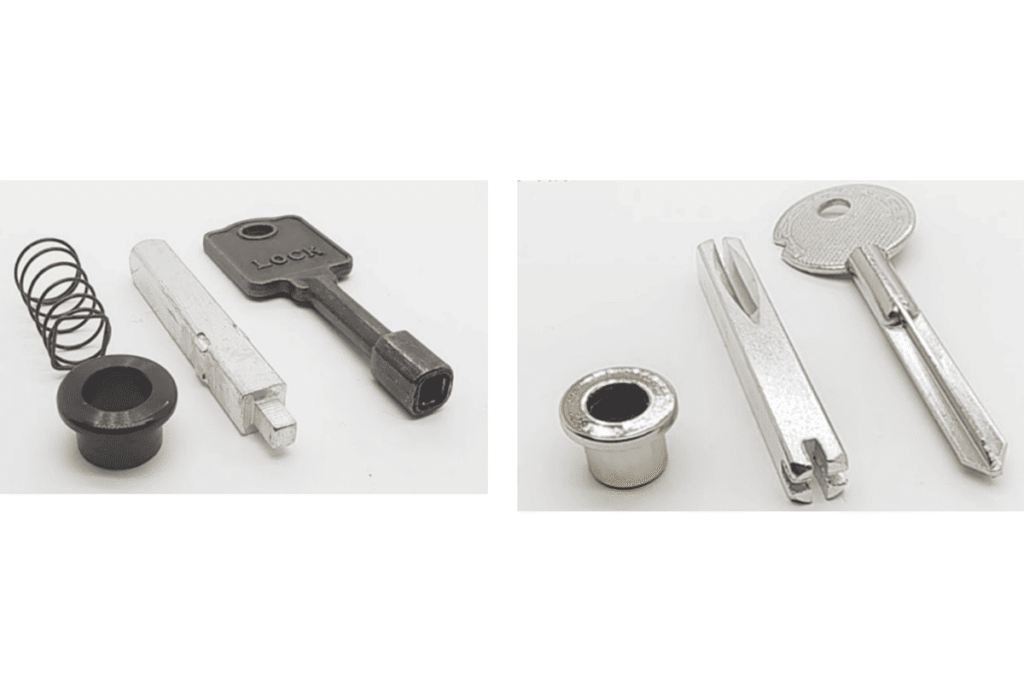
The Ultimate Guide to Door Handle Spindles: Types, Features, and Solutions?
Door handle spindles look simple, but they can create real installation problems when buyers treat them as universal parts. A size that looks correct on paper can still cause loose handles, poor screw fixing, or batch mismatch. I wrote this guide to help buyers match spindle type, handle structure, lock body, and door thickness more confidently.
Door handle spindles are square metal bars that connect both lever handles through the lock body and transfer turning force to operate the latch. Common sizes include 8×8 mm section and around 110 mm length1, but the correct spindle depends on the handle fixing method, lock case, door thickness, and installation design2.
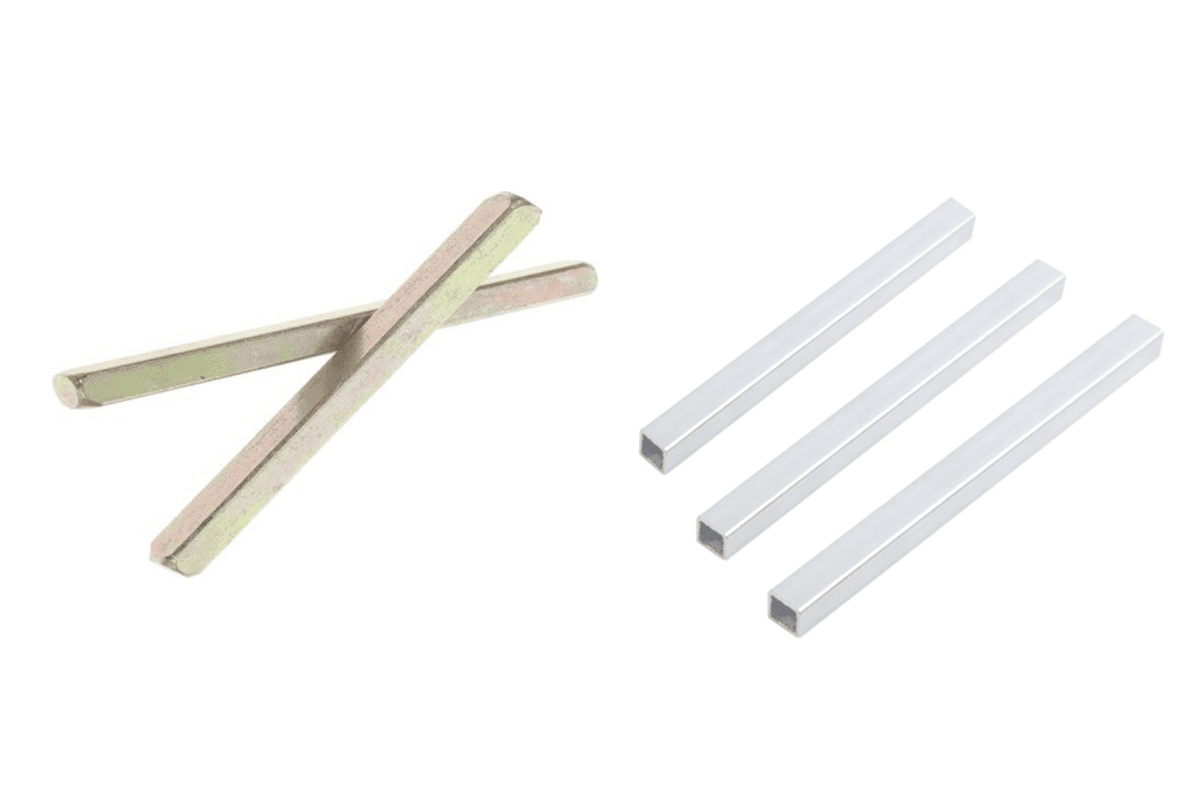
In factory-side order discussions, I often see buyers focus on handle style, finish, and lock certification first. Those points matter. However, the small spindle between the handles can decide whether the complete handle set feels stable after installation.
What Are Door Handle Spindles and Why Do They Matter?
Door handle spindles can seem like minor accessories, so buyers may not check them carefully during procurement. That creates risk because the spindle transfers movement, supports the handle connection, and interacts with the fixing screw. If the spindle is wrong, the full handle set may feel unreliable.
Door handle spindles are the square shafts that pass through the lock follower and connect the inside and outside lever handles3. They matter because they must match the handle hub, lock body follower, screw fixing design, and door thickness. A correct spindle supports smooth latch operation and stable handle positioning.
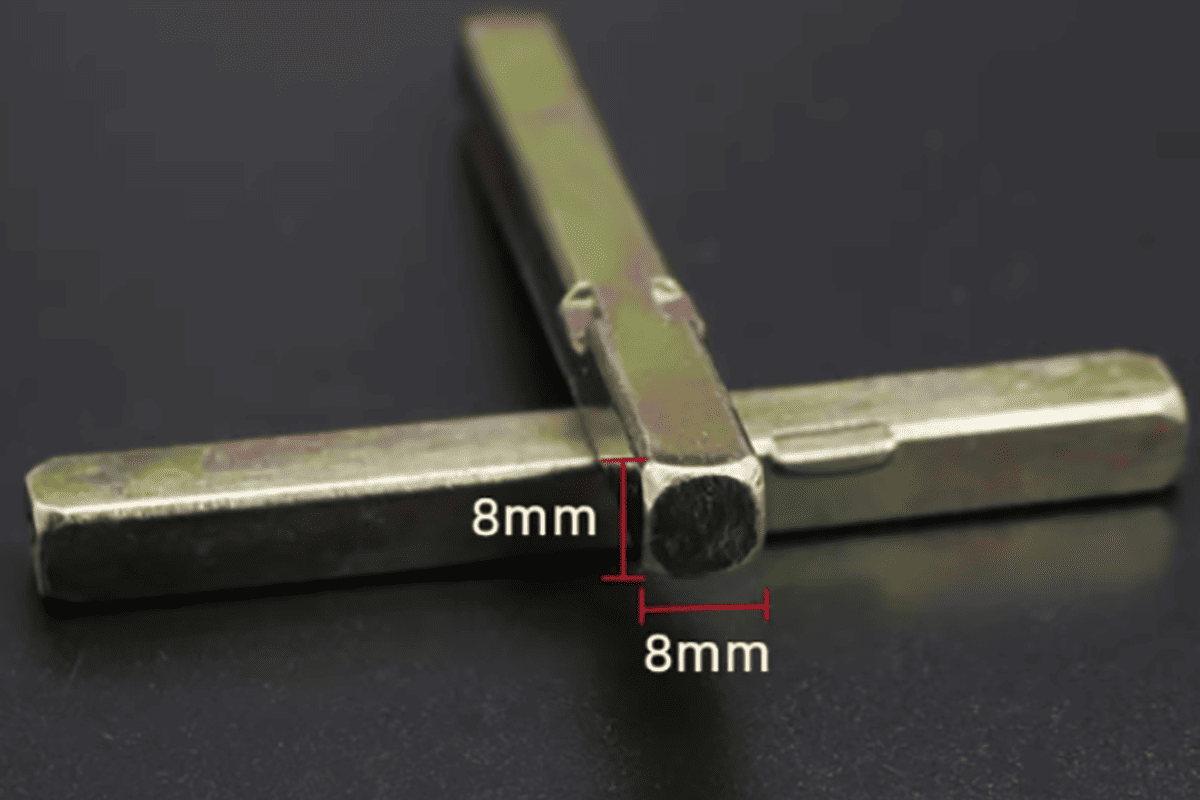
The basic function is simple, but the matching is not
A spindle usually sits between two lever handles. When a user presses one handle, the spindle rotates inside the lock follower and retracts the latch.4 In many European-style mortise lock sets, the square spindle is a basic part of the complete handle configuration.
However, I do not recommend treating it as a “standard metal bar.” In real production and order matching, I check several points before confirming the spindle:
- Section size, such as 8×8 mm or other project-specific sizes
- Length, such as around 110 mm for many common handle sets
- Material and surface condition, depending on strength and corrosion expectations
- Fixing structure, such as pre-slotted, split, or non-central spindle design
- Handle screw position, because the grub screw must lock correctly
- Lock follower size, because the spindle must turn smoothly without excess play
- Door thickness, because the spindle must provide enough engagement on both handles
A spindle can be dimensionally correct but functionally wrong if the fixing structure does not match the handle.
Why this matters in B2B procurement
For door factories, hardware brand enterprises, and wholesalers, a spindle issue is rarely a single-piece problem. It can affect an entire shipment. If 2,000 handle sets arrive with the wrong spindle fixing method, the buyer may face installation delays, customer complaints, repacking work, or replacement costs.
Here is how I usually explain the risk during product configuration:
| Matching Point | What Buyers Often Check | What Buyers Also Need to Confirm |
|---|---|---|
| Spindle section | 8×8 mm | Tolerance and lock follower fit |
| Spindle length | 110 mm | Door thickness and handle engagement |
| Handle fixing | Screw included | Screw position and locking method |
| Lock body | Euro mortise lock type | Follower depth and rotation feel |
| Handle design | Lever shape and finish | Hub structure and spindle contact area |
In SDH Hardware’s factory-side work, I have seen that stable handle assembly depends on the whole set. The spindle, lever handle, rosette or plate, lock case, screws, and door preparation must work together. So, when I evaluate door handle spindles, I always treat them as part of a complete door hardware system, not as loose accessories.
Are 8×8 mm × 110 mm Door Handle Spindles Universal?
Door handle spindles are often described as 8×8 mm and around 110 mm long, which can make buyers assume they are universal. That assumption can cause problems. The same size may not fit every handle, every lock follower, or every door thickness.
No, 8×8 mm × 110 mm door handle spindles are not universal. This is a common specification in many lever handle sets, but buyers should still confirm handle hub design, lock body follower size, fixing screw position, spindle structure, and door thickness before ordering in bulk.
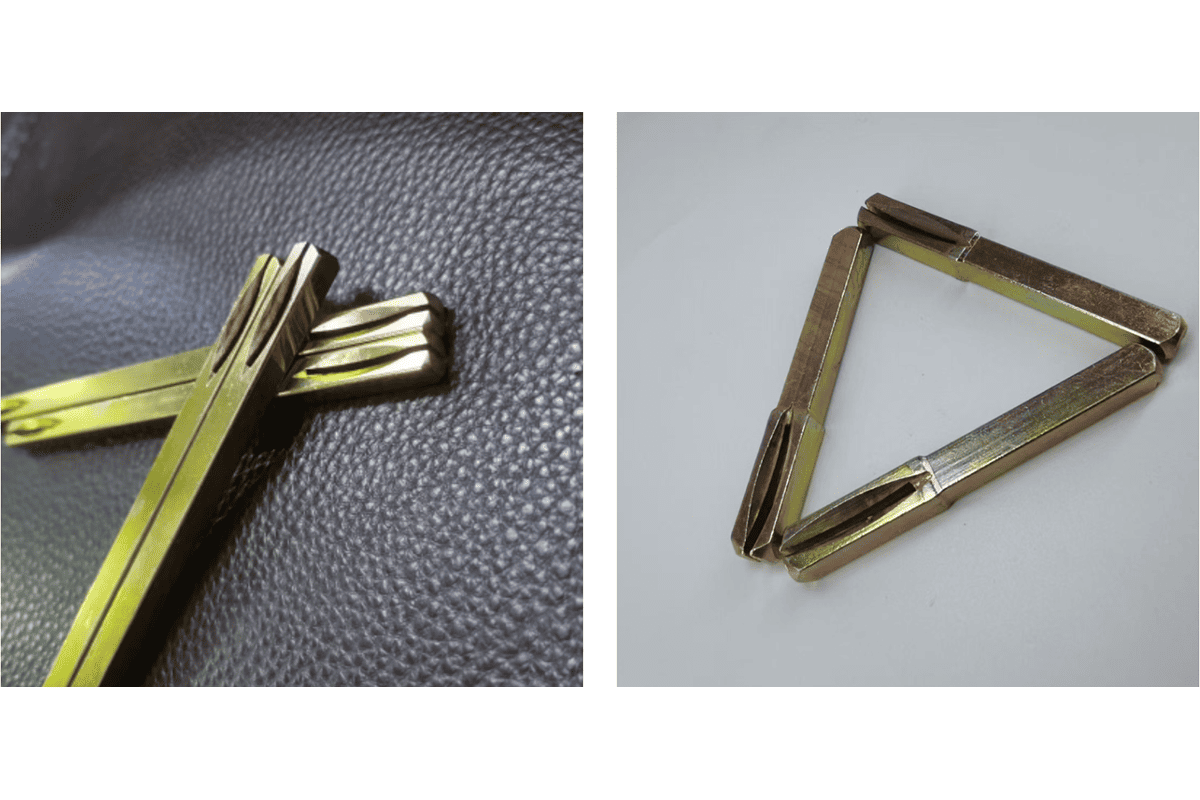
The common baseline is useful, not final
In many architectural lever handle sets, an 8×8 mm square spindle with an approximate 110 mm length is commonly used. This gives buyers a convenient starting point. It also helps suppliers quote faster because the size is familiar in many markets.
However, I always prefer to call it a common configuration, not a universal standard. The reason is simple. Door hardware is assembled from multiple parts, and each part has its own tolerance and design logic.
A spindle that fits one handle may fail in another because:
The handle fixing screw sits at a different height.
If the screw does not meet a slot, groove, gap, or thin-wall area, it may not lock the spindle properly.The handle hub has a different internal depth.
A spindle may enter too deeply or not deeply enough.The lock follower has a different fit.
If the follower is loose, the handle may feel shaky. If it is too tight, rotation may feel rough.5The door thickness changes.
A spindle that works for a 40 mm door may not be ideal for a thicker door with different handle plates.6The fixing method differs by handle structure.
A pre-slotted spindle and a non-central spindle solve different fixing problems.
Common spindle variables buyers should record
I recommend buyers create a small technical checklist for door handle spindles before confirming mass production.
| Specification Item | Common Example | Why It Matters |
|---|---|---|
| Section size | 8×8 mm | Must match handle and lock follower |
| Length | Around 110 mm | Must match door thickness and handle depth |
| End shape | Straight cut or chamfered | Affects insertion and assembly |
| Slot or groove | Yes or no | Must align with grub screw |
| Split structure | One-piece or split | Affects independent handle fixing |
| Screw contact method | Slot, gap, or biting point | Determines stability after installation |
| Material | Steel, zinc alloy, stainless steel in some cases | Affects strength and corrosion behavior |
Why “same size” can still fail
I once reviewed a handle set sample where the buyer confirmed only “8×8×110.” On paper, the specification looked correct. During assembly, the handle screw did not sit on the prepared locking area. The handle could still be installed, but it became loose after repeated operation. The issue was not the visible size. The issue was the fixing relationship between the spindle and the handle screw.
This is why I advise buyers to ask for:
- A product drawing
- A sample set
- A spindle fixing photo
- Door thickness range
- Lock body model confirmation
- Handle screw position confirmation
For project procurement, a small sample approval step can prevent a large installation problem. The cost of checking is low compared with the cost of replacing hundreds or thousands of handle sets on site.
How Do Pre-Slotted Door Handle Spindles Fix the Handle?
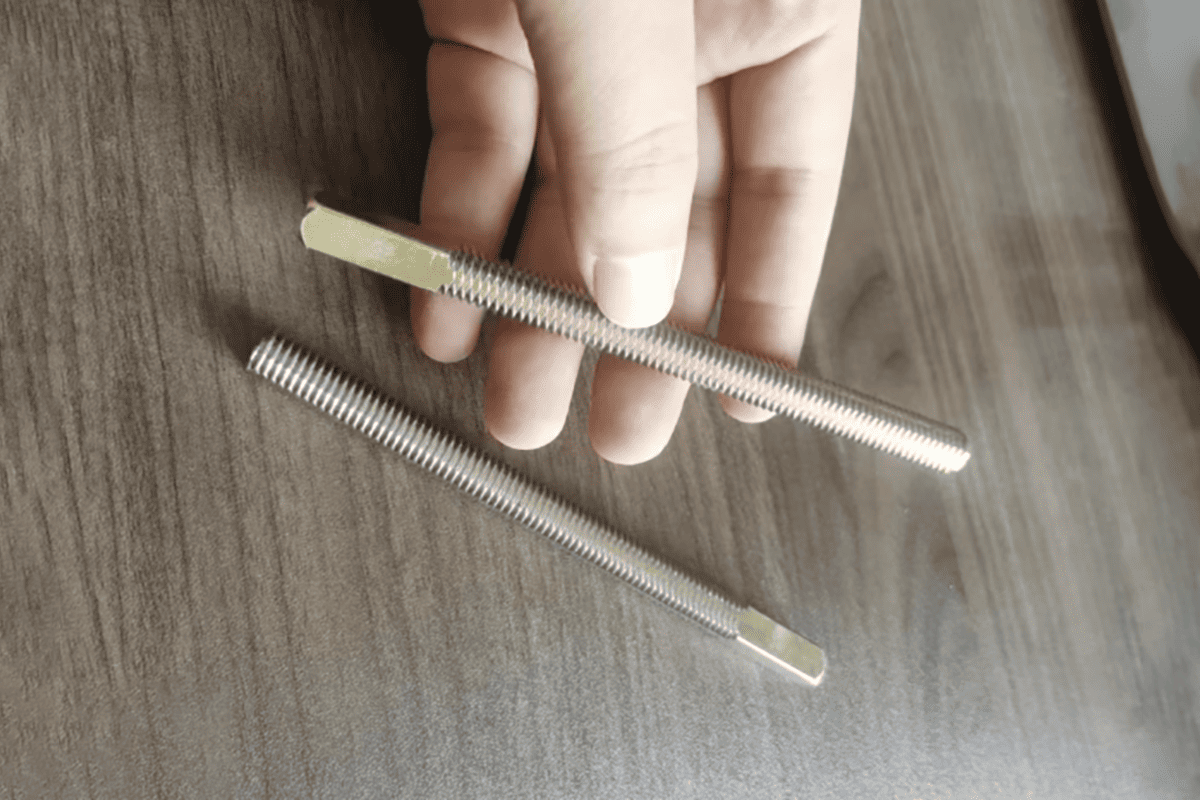
Pre-slotted door handle spindles solve a common fixing problem. Without a prepared locking area, the handle screw may press against a smooth square surface and lose grip over time. That can make the handle feel loose, even when the spindle size is correct.
Pre-slotted door handle spindles have a prepared slot or groove where the handle’s grub screw or set screw can sit after installation. The screw locks into this slot to reduce movement between the handle and spindle. This structure is commonly used when the handle design needs a defined fixing point.
How the pre-slotted structure works
A pre-slotted spindle includes a recessed area on the square bar. After the installer places the spindle through the lock body and fits the handle, the grub screw is tightened. The screw tip enters or presses into the prepared slot. This creates a more secure mechanical connection than pressing on a plain flat surface.7
This fixing method is common in many lever handle sets because it gives the screw a clear contact area. It also makes the installation more repeatable when the handle and spindle are designed together.
Typical advantages of pre-slotted spindles
Pre-slotted door handle spindles can be useful when buyers need consistent installation across batches.
Main advantages include:
- Clear screw location for installers
- Improved anti-slip performance compared with a smooth contact surface
- More consistent handle positioning when the slot aligns correctly
- Better repeatability for mass-produced handle sets
- Lower risk of screw wandering during tightening
However, the slot only helps when it is in the correct position8. If the slot does not align with the handle screw, the installer may tighten the screw onto the wrong area. In that case, the handle can still become loose.
What buyers should confirm before ordering
For bulk orders, buyers should not only ask, “Is the spindle slotted?” They should also ask where the slot is and how it matches the handle.
| Question | Why It Matters |
|---|---|
| Is the spindle pre-slotted? | Confirms the fixing structure |
| Where is the slot located? | Must match the handle screw position |
| How long is the slot? | Affects installation tolerance |
| Is the screw pointed or flat-ended? | Changes how it locks into the slot |
| Is the handle for a rose or plate design? | May affect spindle engagement depth |
| What door thickness range is supported? | Prevents too-short or too-long spindle problems |
Pre-slotted is not always automatically better
I do not present pre-slotted door handle spindles as the best choice for every handle. They are a fixing solution. They work well when the handle is designed for that structure. Other handles may use a split spindle, a low-wall biting method, or another internal fixing design.
For procurement teams, the practical question is not, “Which spindle is strongest?” The better question is:
“Which spindle fixing method matches this handle model, lock body, and installation condition?”
That question leads to better technical communication with suppliers. It also reduces the chance of batch mismatch when a buyer sources handles, locks, and accessories from different factories.
At SDH Hardware, I prefer confirming handle sets as a complete configuration. If a customer is buying stainless steel lever handles, Euro mortise locks, cylinders, and accessories together, we can check the spindle, screw, lock follower, and handle hub during sample assembly. This full-set matching approach is much safer than buying each part separately without cross-checking.
When Should Buyers Consider Split or Non-Central Door Handle Spindles?
Some door handle spindles use special fixing structures because the handle design needs a different locking method. Buyers may encounter split spindles or the term “non-central spindle.” If these terms are not clarified, the wrong spindle may be supplied even when the size appears correct.
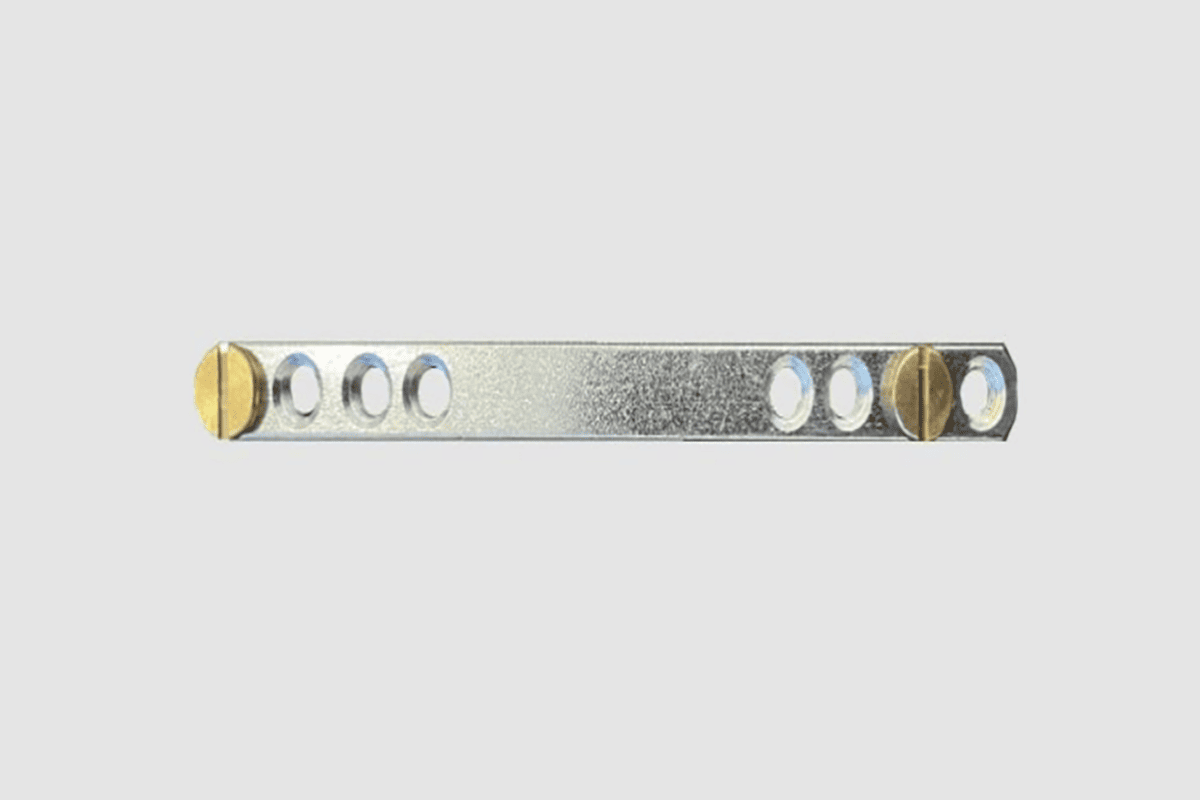
Buyers should consider split or non-central door handle spindles when the handle fixing screw is designed to lock into a gap, split area, or low-position biting point instead of a normal central slot. The exact terminology, especially “non-central spindle,” should be verified with drawings, samples, and target-market usage.
Split-spindle fixing
A split spindle is usually formed by two spindle pieces or a divided structure.9 In some handle sets, the screw locks into the gap between the two spindle pieces. This can create a secure fixing point when the handle design is made for it.
Split-spindle structures are often discussed in relation to specific lock functions, handle operations, or fixing arrangements. Because designs vary, I recommend buyers avoid assuming that every “split spindle” works the same way.
Buyers should confirm:
- Whether the split structure is for fixing, function, or both
- Whether the handle screw locks into the gap
- Whether the lock body supports the intended operation
- Whether the spindle is supplied as one set or separate pieces
- Whether inside and outside handles operate independently or together10
Non-central spindle fixing
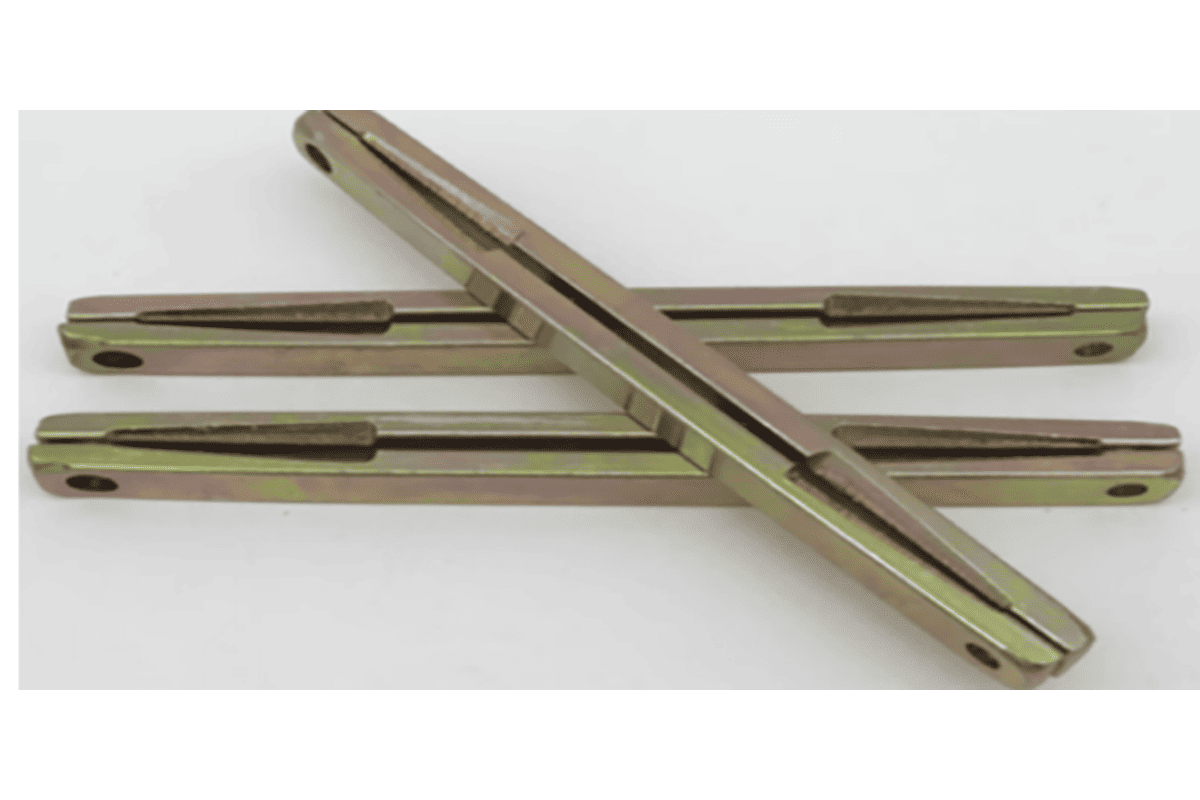
Some suppliers and buyers use the term “non-central spindle” to describe a spindle where the fixing hole or weak contact area is placed very low on the spindle wall, not centrally through the square bar. After the handle is installed, a pointed screw penetrates, bites into, or presses into the thin wall area. This locks the handle onto the spindle.
I use the term carefully because terminology can differ by market. Some buyers may use another name for this structure. So, I suggest treating “non-central spindle” as a term to verify through technical drawings, photos, and physical samples.
Comparison of common fixing methods
| Spindle Type | Fixing Logic | Common Use Case | Main Risk If Mismatched |
|---|---|---|---|
| Plain spindle | Screw presses on flat surface | Basic or low-load configurations | Screw may slip if contact is weak |
| Pre-slotted spindle | Screw sits in prepared slot | Handles needing defined screw location | Slot may not align with screw |
| Split spindle | Screw locks into gap or split area | Specific handle or lock configurations | Wrong split design can affect operation |
| Non-central spindle | Pointed screw bites into low thin wall | Handles designed for biting-style fixing | Screw may not engage correctly |
No single structure solves every problem
I avoid saying one spindle structure is always better. In manufacturing and export orders, I have seen stable results from different spindle types when the complete handle set is matched correctly. I have also seen problems when buyers chose a spindle based only on a catalog image.
A pre-slotted spindle can fail if the slot is in the wrong position. A split spindle can fail if the handle screw does not meet the gap. A non-central spindle can fail if the screw type, screw length, or wall position is wrong. A plain spindle can work acceptably in some designs, but it may not provide enough anti-slip performance in others.
Practical sample test before mass production
For buyers sourcing in bulk, I recommend a simple sample assembly test:
- Install the lock body into a test door or fixture.
- Insert the spindle through the follower.
- Fit both lever handles.
- Tighten the grub screws according to the actual installation method.
- Operate the handle repeatedly.
- Check for looseness, rough rotation, screw slipping, or handle misalignment.
- Remove the handle and inspect the screw contact mark on the spindle.
This test is not a substitute for professional application-specific evaluation, especially for fire-rated doors or regulated projects. However, it is a practical procurement check that can reveal many basic matching issues before production.
How Can Buyers Specify Door Handle Spindles for Bulk Orders?
Door handle spindles can become a purchasing risk when specifications are incomplete. A buyer may write only “8 mm spindle” on the order sheet, but the factory still needs to know length, fixing method, handle screw position, lock body type, and door thickness range.
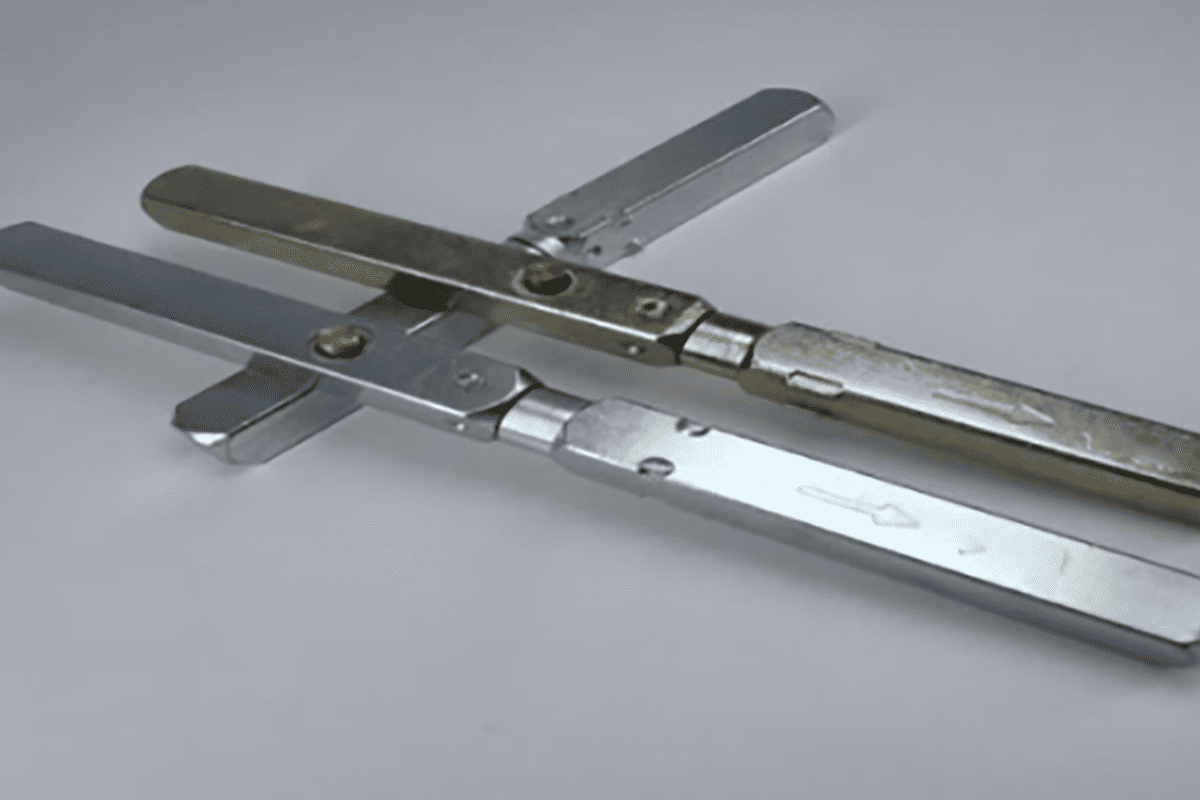
Buyers should specify door handle spindles by section size, total length, material, surface condition, fixing structure, screw contact method, handle model, lock body model, and door thickness range. For bulk orders, buyers should approve samples and drawings before production to avoid installation failure or batch mismatch11.
A better specification template
When I prepare or review order details for handle sets, I prefer a structured format. It reduces assumptions and helps both sides confirm the same product.
Recommended spindle specification items:
- Spindle section: for example, 8×8 mm
- Spindle length: for example, around 110 mm or project-specific length
- Material: steel, stainless steel, or other confirmed material
- Fixing type: plain, pre-slotted, split, non-central, or custom
- Slot or hole position: confirmed by drawing
- Screw type: pointed screw, flat-end screw, grub screw, set screw
- Handle model: lever handle design and hub structure
- Lock body model: follower size and function
- Door thickness range: minimum and maximum
- Packaging requirement: loose accessory bag or pre-packed with handle set
- Inspection requirement: sample approval, assembly check, batch inspection
Complete handle-set matching matters
For B2B buyers, the spindle is rarely purchased alone. It usually belongs to a complete hardware package that may include:
- Stainless steel lever handles
- Euro mortise locks
- Euro brass cylinders
- Butt hinges or concealed hinges
- Escutcheons, roses, plates, and accessories
- Screws, strike plates, and fixing packs
At SDH Hardware, we produce and supply architectural door hardware from a factory-direct perspective. Because our product range covers lever handles, mortise locks, hinges, cylinders, and accessories, I often look at the spindle as one part of a full door solution. This matters for door factories and wholesalers because complete matching can reduce after-sales issues.
Quality control points for spindle orders
During production and inspection, buyers can request several checks. These checks do not need to be complicated, but they should be clear.
| QC Check | What to Inspect | Why It Helps |
|---|---|---|
| Dimension check | Section size and length | Confirms basic fit |
| Slot position check | Slot height and length | Confirms screw alignment |
| Surface check | Burrs, sharp edges, corrosion marks | Helps smooth assembly |
| Assembly check | Handle + lock + spindle | Confirms real fitting |
| Screw locking check | Screw contact and holding feel | Reduces looseness risk |
| Packaging check | Correct spindle in correct set | Prevents batch mixing |
Procurement risk reduction
The most common risk is not that a spindle cannot enter the lock. The bigger risk is that it enters the lock and looks acceptable, but the handle becomes loose later. That creates after-sales pressure because the end user sees the handle problem, not the spindle detail.
Buyers can reduce risk by asking suppliers for:
- Technical drawings before mass production
- Pre-production samples for physical approval
- Clear accessory packing lists
- Batch inspection photos or reports
- Assembly testing with the actual lock body and handle
- Confirmation of door thickness assumptions
For regulated projects, such as fire-rated doors, buyers should also verify the complete hardware set requirements and relevant certification documents.12 Certifications should be treated as documents to review and confirm, not as marketing claims to accept blindly. If the application has safety, fire, accessibility, or regional compliance requirements, buyers should seek qualified professional evaluation.
What Problems Can Wrong Door Handle Spindles Cause After Installation?
Door handle spindles can cause visible after-sales problems when the wrong fixing method or size is used. Buyers may first notice loose handles, poor return action, or installer complaints. However, the root cause may involve several parts, not only the spindle.
Wrong door handle spindles can cause loose lever handles, screw slipping, poor spindle engagement, rough latch operation, installation failure, or batch mismatch. Buyers should check the spindle together with the handle screw, handle hub, lock body follower, door thickness, and installation method before deciding the cause.
Common symptoms in the field
When a handle set does not feel stable, installers may describe the problem in different ways. I usually ask for photos, videos, and the exact product configuration before making a judgment.
Typical symptoms include:
- The lever handle moves on the spindle.
- The grub screw cannot tighten properly.
- The spindle rotates, but the latch does not retract smoothly.
- The handle feels loose after several uses.
- The inside handle and outside handle do not align well.
- The spindle is too short for the door thickness.
- The spindle is too long and blocks proper handle seating.
- The screw damages the spindle surface without locking it.
The spindle is not always the only cause
It is important to be fair here. Not all handle looseness comes from the spindle alone. A loose handle can also result from:
- Incorrect screw length
- Poor screw tip shape
- Handle hub tolerance issue
- Lock follower wear or oversize clearance
- Door drilling inaccuracy
- Plate or rose not seated properly
- Wrong installation sequence
- Incomplete tightening on site
This is why I suggest checking the complete system. In my experience, a careful supplier does not immediately blame the installer or the buyer. A careful supplier asks for the handle model, lock model, spindle type, screw type, and installation photos. Then the team can identify whether the issue is a design mismatch, production tolerance issue, packing error, or installation problem.
Practical troubleshooting table
| Problem | Possible Cause | What to Check First |
|---|---|---|
| Handle becomes loose | Screw does not lock spindle | Slot, gap, or biting point alignment |
| Screw cannot tighten | Wrong screw length or tip | Screw specification and handle thread |
| Latch action feels rough | Spindle or follower mismatch | Lock follower fit and spindle tolerance |
| Handle cannot sit flush | Spindle too long | Door thickness and handle depth |
| Handle has weak engagement | Spindle too short | Required spindle length |
| One batch installs differently | Mixed spindle types | Packing and batch inspection records |
Conclusion
Door handle spindles are small parts, but they have a large effect on handle stability, lock operation, and installation success. The common 8×8 mm × 110 mm specification is a useful starting point, not a universal answer. Buyers should confirm section size, length, fixing structure, screw position, lock body, and door thickness together. If you are sourcing complete architectural door hardware sets, I can help you review spindle matching, handle configuration, and factory-direct supply options for your next bulk order.
"8mm Split Spindle Bar 110mm Length for Door Handles ...", https://www.amazon.co.uk/Spindle-Length-Handles-Slotted-Spindles/dp/B081L167FL. Architectural-hardware specifications commonly list 8 mm square spindles and approximately 110 mm lengths for lever-handle sets, supporting the article’s use of these dimensions as a common baseline. Evidence role: general_support; source type: institution. Supports: The source should show that 8 mm square spindles and roughly 110 mm spindle lengths are widely used in lever-handle hardware specifications.. Scope note: Such sources usually show common specification practice rather than statistically proving prevalence across all markets. ↩
"087100 – DOOR HARDWARE - Facilities and Campus Services", https://fcs.cornell.edu/087100-door-hardware. Door-hardware installation guidance treats the lever furniture, spindle, lock case, fixings, and door thickness as interdependent installation variables, supporting the claim that spindle selection is not governed by section size alone. Evidence role: general_support; source type: institution. Supports: The source should explain that lever-handle hardware must be selected and installed as a compatible assembly, including spindle, lock case, fixing method, and door thickness.. Scope note: The support is contextual if the source discusses assembly compatibility generally rather than this article’s exact spindle types. ↩
"Door handle", https://en.wikipedia.org/wiki/Door_handle. A neutral door-hardware reference defines the spindle as the shaft that connects opposing handles through the latch or lock mechanism and transmits lever rotation to the follower. Evidence role: definition; source type: encyclopedia. Supports: The source should define a door-handle spindle as the shaft connecting lever handles through the lock or latch mechanism.. ↩
"Door Handle Spinning? How to Check & Fix the Spindle", https://frame-well.com/blogs/perspectives/door-handle-spinning-spindle-check?srsltid=AU7gw4V3fwEe07OyCyKV2JxtuYuCf-qQ10bp-WZ-Xt4nIY7jAk0U16y9. Technical explanations of latch mechanisms describe the lever spindle rotating within the follower to actuate and retract the latch, supporting the mechanism described here. Evidence role: mechanism; source type: education. Supports: The source should describe how a lever handle transmits rotation through a spindle and follower to retract a latch.. ↩
"Engineering fit", https://en.wikipedia.org/wiki/Engineering_fit. Engineering guidance on shaft-and-hole fits explains that excessive clearance can produce play while insufficient clearance can increase friction or binding, providing mechanical support for the spindle-follower fit claim. Evidence role: mechanism; source type: education. Supports: The source should explain that clearance and interference in rotating shaft fits affect play, friction, and smoothness of operation.. Scope note: This is contextual mechanical support unless the source specifically tests door-handle spindle and follower assemblies. ↩
"How to fit a door handle for external doors", https://www.eraeverywhere.com/news/how-to-fit-a-door-handle/. Installation guidance for lever-handle hardware specifies spindle length in relation to door thickness and furniture depth, supporting the claim that a spindle suitable for one door thickness may be unsuitable for another. Evidence role: general_support; source type: institution. Supports: The source should show that spindle length is selected according to door thickness and handle furniture depth.. ↩
"Cup Point vs. Flat Point Set Screws: Technical Guide | TONFUL", https://tonful.com/cup-vs-flat-point-set-screws/. Machine-design references on set screws state that seating the screw tip in a prepared recess or groove improves resistance to relative movement compared with simple pressure on a smooth shaft surface. Evidence role: mechanism; source type: education. Supports: The source should explain that a set screw seated in a recess, groove, or prepared feature can resist relative motion better than contact on a smooth surface.. Scope note: The source would support the fastening principle; it may not directly test door-handle spindles. ↩
"Set screw", https://en.wikipedia.org/wiki/Set_screw. Mechanical fastening guidance indicates that set screws must contact the intended groove, recess, or seating feature to provide the designed locking action, supporting the alignment requirement for slotted spindles. Evidence role: mechanism; source type: education. Supports: The source should support the principle that a screw must align with the intended recess or feature to achieve the designed locking effect.. Scope note: The source may address general fastener mechanics rather than door-handle hardware specifically. ↩
"How Does a Split Spindle Work By The King's Bay",
. Architectural-hardware references define a split spindle as a divided spindle arrangement used to permit particular handle or lock functions, supporting the article’s definition of the component. Evidence role: definition; source type: institution. Supports: The source should define a split spindle as a divided or two-part spindle used in certain door-lock or lever-handle arrangements.. ↩"Split Spindle vs Fixed Spindle Door Handles Explained", https://www.doorfurnituredirect.co.uk/pages/split-spindle-vs-fixed-spindle-door-handles-explained?srsltid=AU7gw4VgRl64jqTSnr7SLa1uIwUB09sUCiYfJIE8uhmDehb_xLwLm4m3. Technical guidance on split-spindle locksets explains that divided spindle arrangements can allow different inside and outside lever functions, supporting the article’s caution about confirming whether handles operate independently or together. Evidence role: mechanism; source type: institution. Supports: The source should explain that split spindle arrangements can separate inside and outside lever operation in certain lock functions.. Scope note: The exact behavior depends on the lock case and function, so the source supports the mechanism rather than every split-spindle product. ↩
"First Article Inspection: Your First Step Toward Quality Control", https://www.linkedin.com/pulse/first-article-inspection-your-step-toward-quality-control-2qf4c. Quality-management standards and first-article inspection guidance identify documented requirements, sample verification, and pre-production approval as controls for reducing production nonconformity, supporting the article’s sample-and-drawing approval claim. Evidence role: general_support; source type: institution. Supports: The source should support the use of documented specifications, sample approval, and inspection before production as quality controls that reduce nonconforming products.. Scope note: This supports the quality-control principle generally rather than proving a measured reduction in door-spindle failures. ↩
"Doors, Windows and Related Hardware Application Guide", https://www.ul.com/thecodeauthority/knowledge/ul-fire-rated-doors-guide. Fire-door regulatory guidance treats hinges, latches, locks, closers, and related hardware as part of the rated door assembly and requires conformity with the applicable listing or certification documents. Evidence role: expert_consensus; source type: government. Supports: The source should state that fire-rated doors and their hardware must comply with tested or certified assembly requirements and be inspected or documented accordingly.. Scope note: Specific requirements vary by jurisdiction, code edition, and door rating. ↩