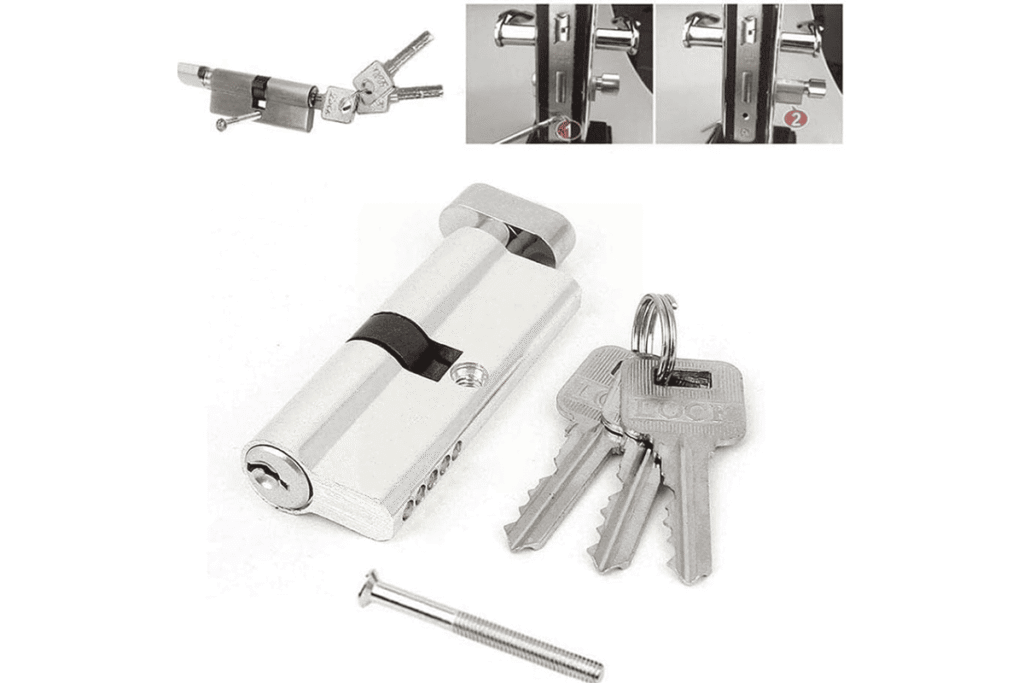
The Difference of Zinc Cylinder and Brass Cylinder?
The difference of zinc cylinder and brass cylinder often looks like a simple price question, but I see buyers lose more money when they ignore fire-door suitability, precision, and after-sales risk. A low unit price can create product complaints later. The better solution is to match the cylinder material to the door grade, market position, and certification requirement.
The difference of zinc cylinder and brass cylinder is mainly material performance, cost, fire-door suitability, machining precision, and long-term durability. Zinc alloy or zinc-covered brass cylinders may fit cost-sensitive standard doors, while solid brass cylinders are usually better for fire-rated projects, master key systems, higher durability, and premium hardware lines.

In our factory work at SDH Hardware, I often meet customers who ask why two cylinders with a similar surface finish can have very different prices. The answer sits inside the material, production method, tolerance control, and application risk. Let’s break it down from a B2B purchasing perspective.
Why does the difference of zinc cylinder and brass cylinder matter for B2B buyers?
Many buyers first compare cylinders by price, finish, and size. That approach feels efficient, but it can hide serious risks. If the wrong cylinder goes into the wrong door series, the result may be poor durability, higher mutual opening risk, failed project approval, or customer complaints.
The difference of zinc cylinder and brass cylinder matters because it affects product positioning, fire-door suitability, machining precision, keying capability, corrosion resistance, and after-sales stability. For door factories, hardware brands, and importers, the correct choice depends on the target market, project requirements, and verified certification documents.
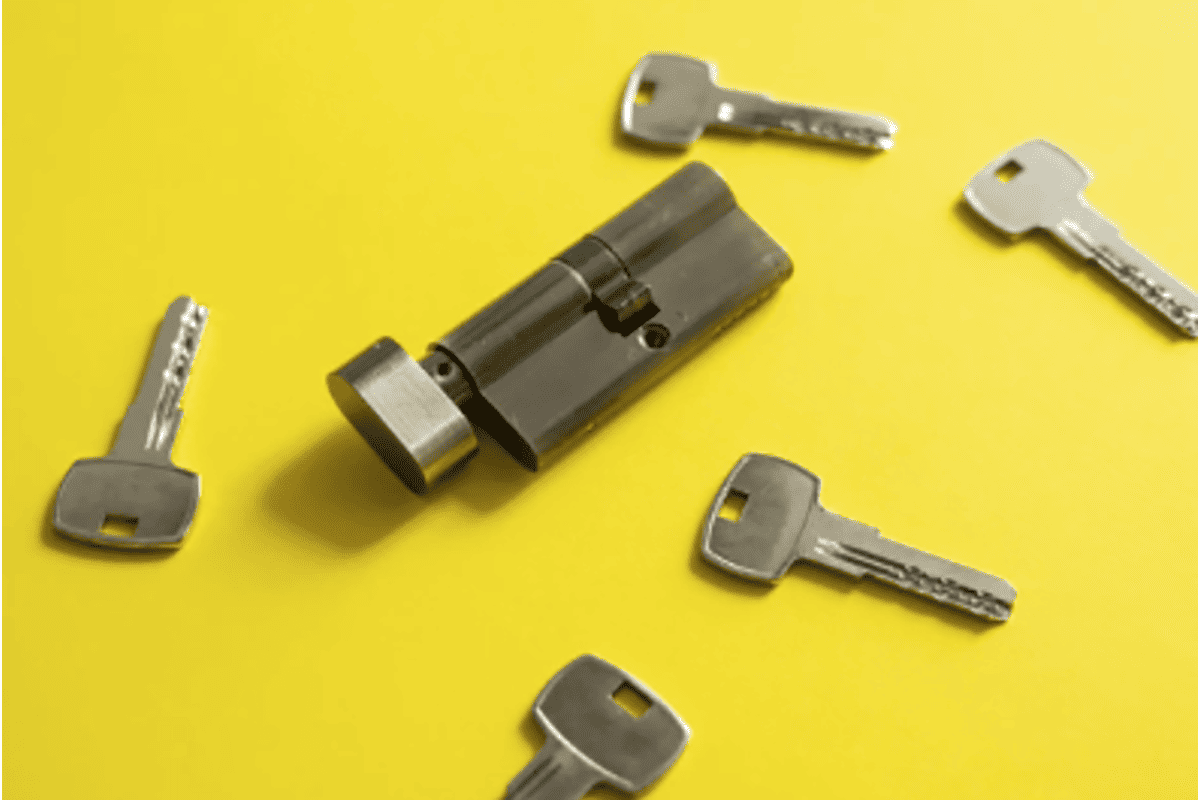
Material is not only a cost item
I often tell customers that a cylinder is a small product with a large responsibility. It controls security, user experience, and sometimes compliance. When a buyer chooses between a zinc alloy cylinder, zinc-covered brass cylinder, and solid brass cylinder, the decision should not stop at the quotation sheet.
Here is a simple way to compare the main options:
| Cylinder Type | Typical Positioning | Main Advantage | Main Limitation | Common Use Case |
|---|---|---|---|---|
| Zinc alloy cylinder | Low-cost | Lower material cost | Lower melting point, weaker long-term performance | Economy interior doors |
| Zinc-covered brass cylinder | Mid-range | Better appearance and partial brass structure | Not equal to solid brass, precision may be limited | Cost-sensitive hardware sets |
| Solid brass cylinder | Mid to high-end | Better durability, machining precision, and fire-door potential | Higher material cost | Fire-rated doors, branded lines, master key systems |
Why zinc attracts buyers
Zinc alloy is popular because it helps reduce cost. In many markets, brass material cost can be around 2–3 times higher than zinc alloy1, depending on market prices and specifications. For bulk wholesalers and economy door sets, that difference can be important.
A zinc cylinder may make sense when:
- The door is a standard non-fire-rated interior door
- The product line is clearly positioned as economy grade
- The project does not need complex keying systems
- The buyer accepts a shorter commercial positioning
- The supplier can still control dimensions and basic function
However, zinc should not be selected only because it is cheaper. The buyer should ask, “Will this cylinder match my customer promise?”
Why brass remains the safer choice for many projects
Brass cylinders usually provide stronger overall performance. Brass offers better wear resistance, corrosion resistance, machining stability, and long-term reliability. This matters when the cylinder is part of a branded door hardware set or a project where complaints are expensive.
In my experience, complaints about cylinders rarely stay small. A stuck key, unstable turning feeling, or high mutual opening concern can damage the reputation of a door factory or hardware brand. That is why many serious B2B customers choose brass for product lines where quality consistency matters.
The purchasing mistake I see most often
The common mistake is comparing a zinc cylinder and a brass cylinder only by outer appearance. A plated zinc or zinc-covered product can look acceptable in photos. But the internal structure, pin chamber precision, plug tolerance, and body strength decide real performance.
Before approving a sample, I suggest buyers check:
- Material declaration
- Cylinder weight and structure
- Key insertion and turning smoothness
- Mutual opening control
- Surface treatment quality
- Salt spray or corrosion test requirement, if applicable
- Fire-rated certificate, if used for fire doors
- Master key system capability, if needed
The correct cylinder choice protects more than unit cost. It protects product reputation.
How does the difference of zinc cylinder and brass cylinder affect fire-door suitability?
Fire-door hardware creates more risk than ordinary door hardware. A buyer may assume that a cylinder is acceptable if it fits the lock body. That assumption can be dangerous. Fire performance depends on material behavior, lockset configuration, door assembly, and valid certification.
The difference of zinc cylinder and brass cylinder affects fire-door suitability because zinc alloy has a lower melting point2 and is generally not suitable for fire-door applications, while brass has a much higher melting point, around 1000°C3. However, fire-rated suitability must always be verified by certification, not material alone4.
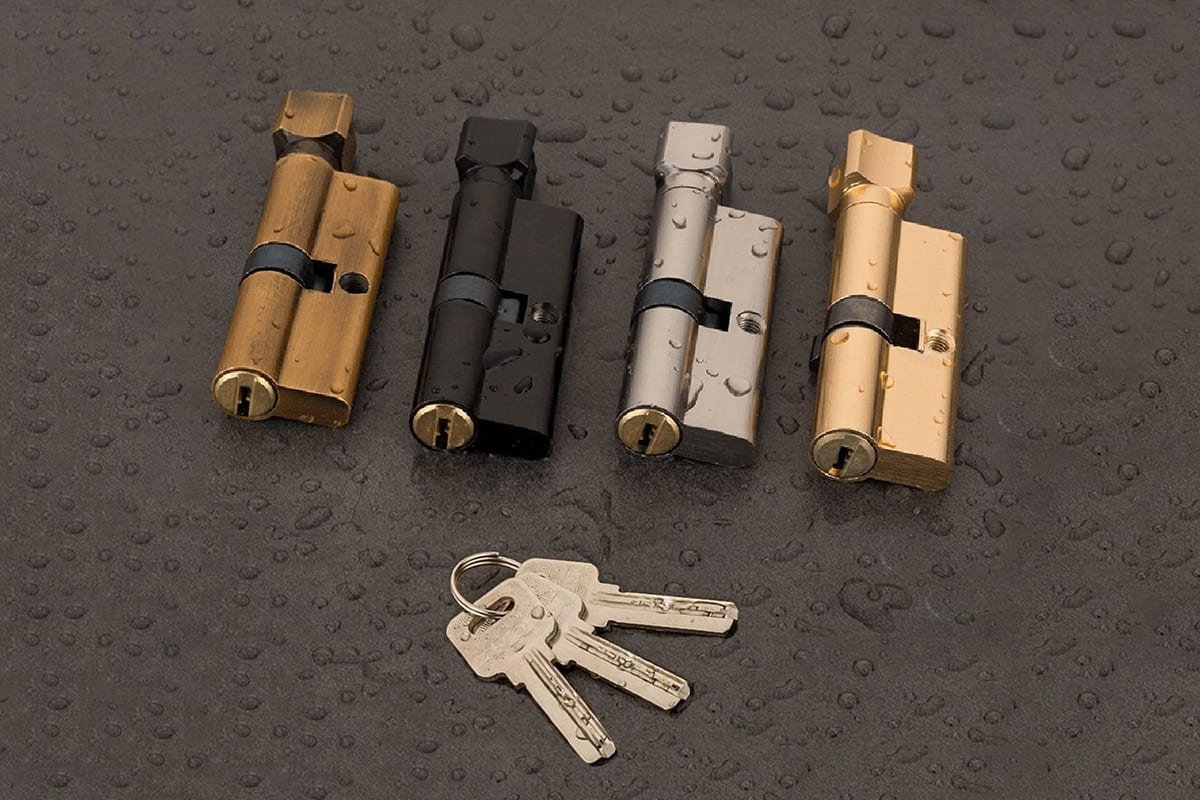
Brass helps, but certification decides
Brass has a much higher melting point than zinc alloy. That makes brass a more appropriate material candidate for fire-rated door hardware. In procurement terms, this matters because fire doors must maintain function under tested conditions. A material with low heat resistance can become a weak point.
However, I do not recommend any buyer approve a cylinder for fire-door use based only on the word “brass.” Fire performance is not a material claim only. It is a system claim.5
A complete fire-rated door hardware evaluation may include:
- Cylinder material
- Lock body construction
- Lever handle material
- Escutcheon or rose design
- Spindle and fixing parts
- Door leaf type
- Fire rating duration
- Installation condition
- Certificate scope and test standard
A brass cylinder can be suitable for fire-rated hardware only when the full product configuration and certification documents support that use.
Why zinc alloy is risky for fire doors
Zinc alloy is used in many architectural hardware products because it casts well and keeps cost low. But for fire-door cylinder selection, the lower melting point is a serious concern. In a fire condition, hardware must not fail in a way that compromises door integrity, escape use, or locking function beyond the tested design.
For this reason, I would not position a zinc alloy cylinder for fire-door applications. It may still serve economy non-fire-rated doors, but fire doors require a different level of material discipline and documentation.
What buyers should request from suppliers
When customers ask us about fire-rated cylinders, I always encourage document-based verification. A supplier should be able to provide relevant documents for the actual configuration being offered. Buyers should avoid relying on general catalog language.
Here is a practical checklist:
| Document or Item | Why It Matters |
|---|---|
| Fire-rated certificate | Confirms tested scope and rating |
| Product drawing | Confirms construction and dimensions |
| Material specification | Confirms brass, steel, or other key parts |
| Test standard reference | Helps match regional project requirements |
| Full lockset configuration | Avoids using one certified part in an uncertified combination |
| Installation instruction | Keeps site installation aligned with tested use |
Fire-rated projects need conservative decisions
In B2B supply, fire-rated projects can carry high liability. Door manufacturers and importers should treat every fire-rated claim carefully. If the project requires compliance with EN, CE, or regional fire standards, the buyer should ask for documents and, when needed, consult a qualified testing body or professional fire-door specialist.
At SDH Hardware, we produce architectural door hardware and can support customers with product information, drawings, and available certification documents. But I always separate manufacturing experience from laboratory authority. The buyer should verify that the certificate matches the product, project, and local code requirement.
How does the difference of zinc cylinder and brass cylinder affect precision and keying systems?
A cylinder may look simple, but its internal precision decides how safely and smoothly it works. If tolerance control is weak, the key may feel loose, the plug may wear faster, or the mutual opening rate may increase. This becomes more serious in projects with many doors.
The difference of zinc cylinder and brass cylinder affects precision because brass is easier to CNC machine with tighter tolerance control6. Brass cylinders are usually better for master key systems, management key systems, and lower mutual opening risk, while zinc-based cylinders normally have lower precision potential.
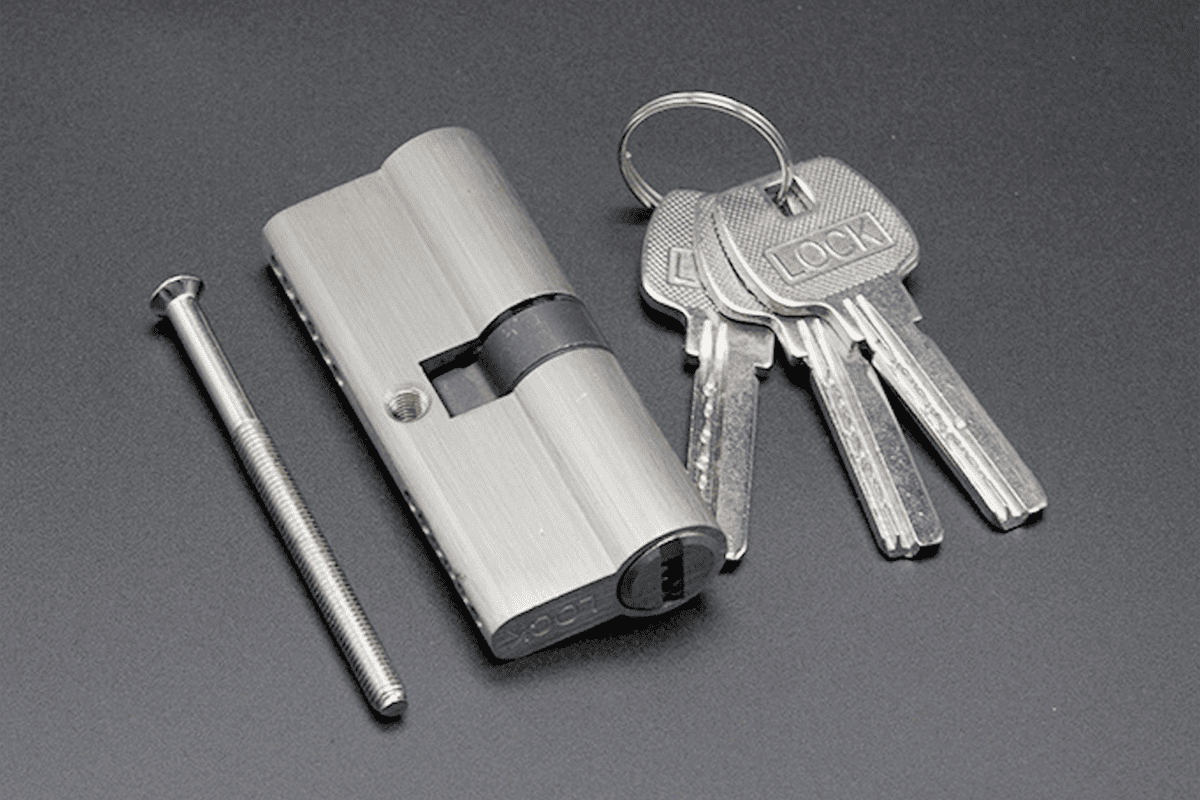
Precision is a security and management issue
When customers buy cylinders for apartment buildings, schools, hotels, offices, or commercial projects, they often ask about master key systems. In these systems, one key may open several doors, while individual keys open only assigned doors. This requires accurate pinning, stable machining, and consistent tolerance control.7
Brass cylinders are generally more suitable because CNC machining allows better control over:
- Plug diameter
- Pin chamber alignment
- Keyway accuracy
- Cylinder body length
- Cam position
- Key cutting consistency
- Internal movement smoothness
If the cylinder tolerance is too loose, the result may be a higher mutual opening risk.8 This means one key may unintentionally open another cylinder. For branded hardware companies, that risk can be more damaging than the original cost saving.
Zinc-covered brass is not the same as solid brass
Some buyers ask for “zinc-covered brass” because they want a balance between appearance and cost. This type can sit between zinc alloy and solid brass, depending on its structure. It may be acceptable for mid-range product lines, but it should not be treated as equal to a fully brass cylinder.
The buyer should confirm:
- Which parts are brass?
- Which parts are zinc alloy?
- Is the plug brass or zinc?
- Is the body brass, zinc, or mixed?
- What tolerance can the supplier control?
- Can the supplier support keyed alike or master key systems?
A zinc-covered brass cylinder can be a reasonable choice if the buyer understands its limits. It should be selected for the right product level, not sold as a premium solid brass equivalent.
Manufacturing method changes flexibility
Brass cylinders are commonly produced through machining.9 CNC processing gives factories more flexibility in length, profile, and precision. This helps when customers need different cylinder sizes, such as:
- 60 mm
- 70 mm
- 80 mm
- 90 mm
- 100 mm or longer
- Asymmetrical lengths such as 30/40 or 35/45
Zinc alloy cylinders often rely more on die casting. Die casting can be efficient for large-volume standard items10, but it can limit customization flexibility. If the buyer needs unusual lengths or special internal structures, mold changes or new tooling may increase time and cost.
A practical comparison for keying requirements
| Requirement | Zinc Alloy Cylinder | Zinc-Covered Brass Cylinder | Solid Brass Cylinder |
|---|---|---|---|
| Standard key differ | Acceptable for economy use | Usually acceptable | Strong option |
| Keyed alike | Possible, supplier dependent | Possible | Strong option |
| Master key system | Limited | Sometimes possible | More suitable |
| Low mutual opening risk | Harder to control | Medium | Better potential |
| Custom lengths | Less flexible | Medium | More flexible |
| Premium brand positioning | Weak | Medium | Strong |
In my own customer discussions, I have noticed that keying complexity is often added late in the project. That creates problems if the buyer already selected a low-cost cylinder that cannot support the requirement. I suggest confirming keying needs before price negotiation.
How does the difference of zinc cylinder and brass cylinder affect durability and corrosion resistance?
Many cylinder problems appear after shipment, not during sample approval. A sample may turn smoothly on the desk, but real use brings dust, humidity, hand force, key wear, and temperature changes. If the material is weak, the after-sales cost can become much higher than expected.
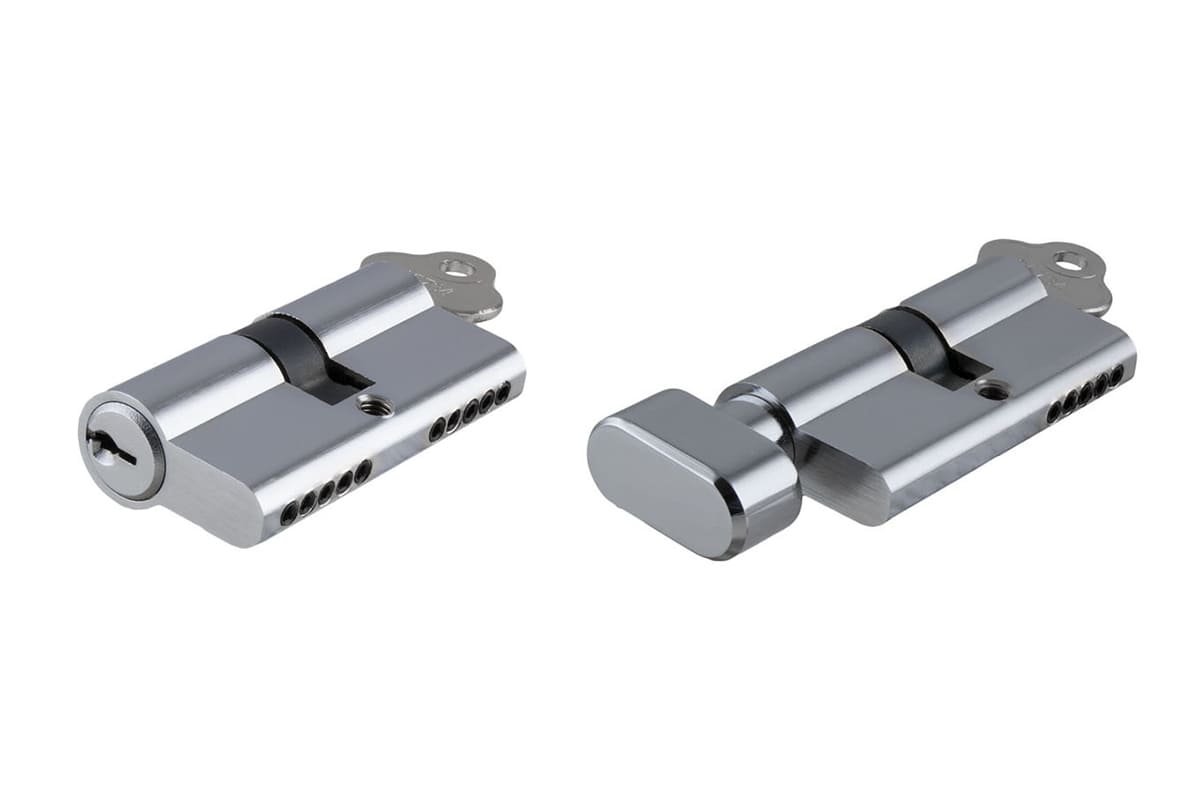
The difference of zinc cylinder and brass cylinder affects durability because brass generally offers better wear resistance, stronger corrosion resistance, and more stable long-term use11. Zinc or zinc-covered options can work in cost-sensitive applications, but buyers should evaluate environment, usage frequency, and complaint risk before selection.
Durability depends on more than one test
Buyers often ask for one simple answer: “How long will it last?” I understand the question, but the honest answer depends on usage frequency, installation quality, environment, key quality, maintenance, and cylinder design12.
A brass cylinder usually performs better because brass has stronger mechanical and corrosion properties than zinc alloy. In practical terms, this can improve:
- Key turning stability
- Internal wear resistance
- Surface corrosion resistance
- Plug and body strength
- Long-term user experience
- Suitability for higher-grade hardware sets
However, a poorly made brass cylinder can still fail. Material selection is only one part of quality control. The production process, inspection standard, and supplier discipline also matter.
Where zinc can still fit
I do not believe buyers should reject zinc in every case. Zinc alloy cylinders can be acceptable when the project is clearly cost-sensitive and the performance requirement is modest. For example, some interior doors in budget residential projects may not require premium cylinder performance.
A zinc-based cylinder may fit when:
- The product is low-end and price-driven
- The door is not fire-rated
- The environment is dry and mild
- The usage frequency is low to medium
- The customer accepts basic security positioning
- The supplier provides stable quality inspection
This is why I prefer to frame the decision as fit for purpose, not “good versus bad.”
Where brass is usually worth the cost
Brass becomes a better value when the buyer needs stronger performance or brand protection. If a hardware brand sells to Europe, the Middle East, or Southeast Asia through distributors, after-sales complaints can be expensive. Replacement, freight, reputation damage, and lost customer trust can exceed the original saving.
Brass cylinders are often the better option for:
- Fire-rated door hardware, with verified certification
- High-use doors, such as offices or public buildings
- Master key projects
- Premium handle and lockset packages
- Coastal or humid markets, depending on finish and testing
- OEM or ODM branded product lines
- Projects with strict buyer inspection
Inspection points buyers should not skip
At SDH Hardware, our quality process includes raw material screening, production supervision, and finished product inspection. For cylinder procurement, I suggest buyers build a simple inspection standard instead of relying only on appearance.
Useful inspection points include:
| Inspection Point | What to Check |
|---|---|
| Key insertion | Smooth entry without rough scratching |
| Key turning | Stable torque and no abnormal sticking |
| Cam movement | Correct angle and smooth rotation |
| Pin function | No obvious looseness or irregular movement |
| Surface finish | No peeling, bubbles, or heavy scratches |
| Length tolerance | Matches confirmed drawing |
| Logo and packaging | Matches brand requirement |
| Random opening check | Helps control mutual opening risk |
A good cylinder should feel controlled, not loose. It should turn smoothly, but not feel weak. Buyers should test several samples, not only the best one.
How should buyers choose between zinc cylinder and brass cylinder for different product lines?
Choosing the wrong cylinder usually starts with unclear product positioning. If the sales team wants premium quality but the purchasing team selects the cheapest cylinder, the final product becomes inconsistent. The best approach is to define the door series first, then select the cylinder material.
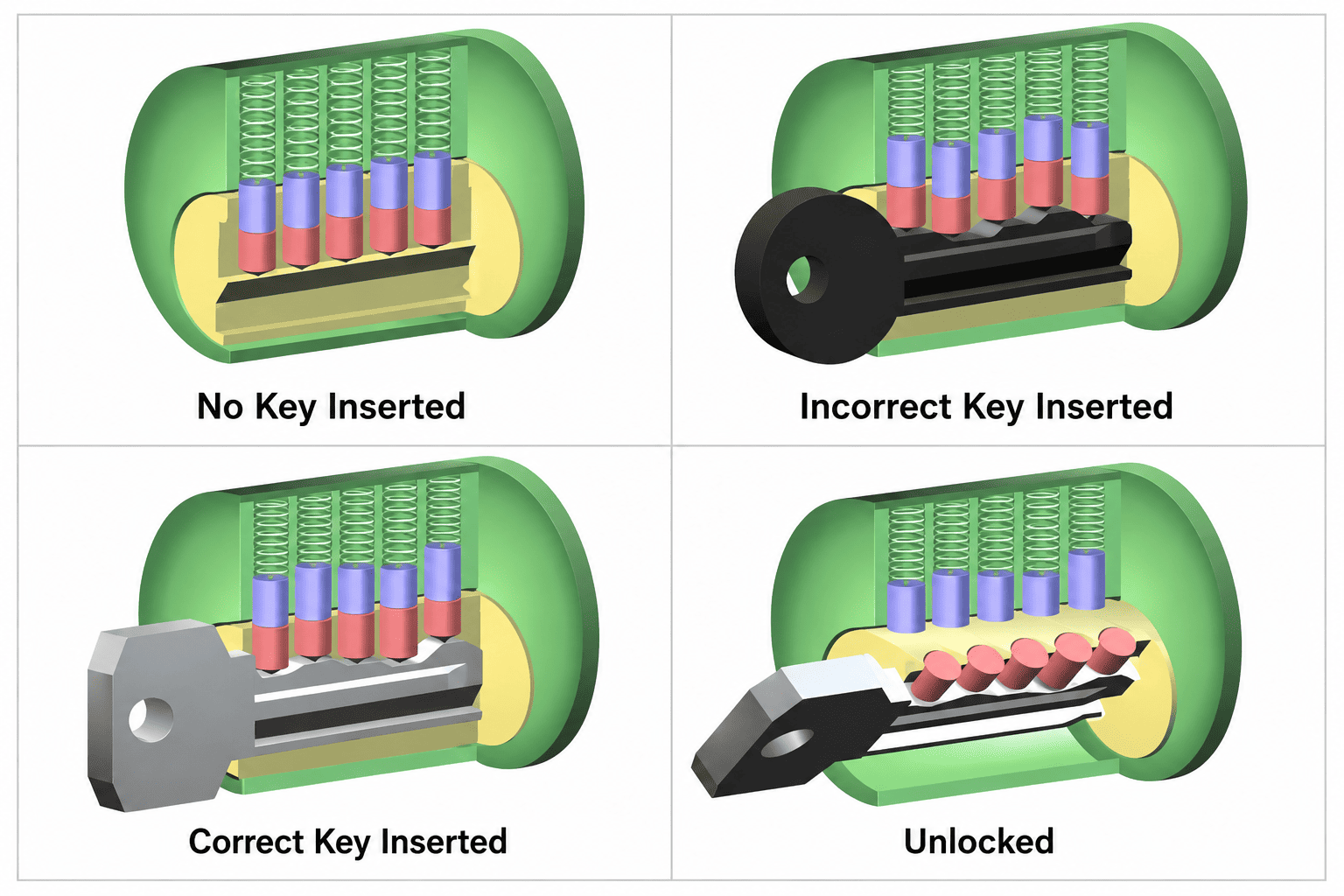
The difference of zinc cylinder and brass cylinder should guide product line planning. Zinc alloy can support economy non-fire-rated doors, zinc-covered brass can serve selected mid-range products, and solid brass is usually better for fire-rated, premium, customized, or master key hardware systems.
Match the cylinder to the door grade
I recommend buyers create three or four clear product levels. This helps sales, purchasing, and quality teams avoid confusion. A simple structure may look like this:
| Product Line | Recommended Cylinder Direction | Buyer Priority |
|---|---|---|
| Economy standard door | Zinc alloy or basic zinc-covered option | Lowest workable cost |
| Mid-range door hardware set | Zinc-covered brass or brass plug design | Balance of cost and performance |
| Premium branded set | Solid brass cylinder | Durability and reputation |
| Fire-rated door set | Verified brass-based configuration | Certification and compliance |
| Project with master key system | Precision brass cylinder | Keying accuracy and control |
This table is not a universal rule. Each buyer should verify drawings, test results, and market requirements. But it gives a clear starting point for supplier discussion.
Ask suppliers better questions
Many inquiries only say, “Please quote cylinder 70 mm.” That is not enough. A supplier can quote many different quality levels for the same size. If the inquiry is unclear, the lowest quote may win, but the final product may not match the buyer’s real need.
A better inquiry should include:
- Cylinder type: Euro profile, oval, rim, or other
- Material preference: zinc alloy, zinc-covered brass, or solid brass
- Length: equal or unequal size
- Finish: satin nickel, polished brass, chrome, black, or custom
- Key type: standard key, computer key, dimple key, etc.
- Keying requirement: keyed different, keyed alike, master key
- Door type: standard, fire-rated, security, interior, exterior
- Certification requirement
- Packaging and branding needs
- Annual or order quantity
- Target market
When buyers send this information, I can help them compare suitable options more accurately. It also reduces misunderstanding between sample approval and mass production.
Total value is more important than unit price
A cheap cylinder may look attractive during purchasing, but a B2B buyer should calculate total value. The real cost includes:
- Unit price
- Defect rate risk
- Replacement cost
- Freight for complaints
- Project delay risk
- Brand reputation loss
- Certification mismatch risk
- Inventory complexity
- Supplier communication cost
For example, if a door factory sells a fire-rated door set, saving a small amount on the cylinder is not worth the risk of using an unsuitable component. If a wholesaler sells economy indoor locks, a controlled-cost zinc option may be commercially reasonable.
Supplier selection matters as much as material
Even a good material can produce a bad cylinder if the factory lacks control. B2B buyers should evaluate supplier capability before placing repeat orders.
I suggest checking whether the supplier can provide:
- Clear product drawings after order confirmation
- Stable OEM or ODM support
- Logo stamping or laser marking
- Custom color packaging
- Finished product inspection service
- Material and certificate documents
- Consistent communication on tolerances
- Experience with export markets
At SDH Hardware, we manufacture architectural door hardware with independent production lines and quality inspection. Our product range includes Euro mortise locks, stainless steel lever handles, butt hinges, concealed hinges, Euro brass cylinders, and door accessories. For cylinder selection, I prefer to discuss the project first, then recommend the suitable material level.
Frequently Asked Questions
Is a brass cylinder always better than a zinc cylinder?
A brass cylinder is usually better for durability, precision, corrosion resistance, and higher-grade applications. However, a zinc cylinder can still fit economy non-fire-rated doors when cost is the main priority. The correct choice depends on door type, market positioning, keying needs, and certification requirements.
Can a zinc cylinder be used on a fire-rated door?
I do not recommend zinc alloy cylinders for fire-rated doors because zinc has a lower melting point. Fire-rated use should be based on verified certification for the full hardware configuration, not material alone. Buyers should request the correct certificate and confirm that the actual product is covered.
What is a zinc-covered brass cylinder?
A zinc-covered brass cylinder is a mixed or partially upgraded option between zinc alloy and solid brass. Its quality depends on which parts are brass and which parts are zinc. Buyers should confirm the plug, body, keyway, finish, and keying capability before comparing it with a solid brass cylinder.
Why are brass cylinders more expensive?
Brass material cost is usually much higher than zinc alloy, often around 2–3 times depending on the market. Brass cylinders also often involve more precise machining. The higher price can be justified when buyers need better durability, lower after-sales risk, fire-door suitability, or master key system support.
Which cylinder is better for master key systems?
Solid brass cylinders are usually better for master key systems because they allow higher machining precision and more stable tolerance control. Zinc-based cylinders may have higher limitations. Buyers should confirm the supplier’s keying capability, mutual opening control, and inspection process before placing project orders.
Conclusion
The difference of zinc cylinder and brass cylinder is not only about material price. It affects fire-door suitability, durability, corrosion resistance, machining precision, keying system capability, customization flexibility, and after-sales risk. Zinc can work for cost-sensitive standard doors, while brass is usually the safer choice for premium, fire-rated, and master key applications. If you are comparing cylinder options for a door factory, hardware brand, or wholesale product line, contact SDH Hardware for factory-direct guidance, drawings, customization support, and product inspection planning.
"Mineral Commodity Summaries 2026", https://pubs.usgs.gov/periodicals/mcs2026/mcs2026.pdf. Commodity price data for copper and zinc support the general cost rationale that brass, as a copper-based alloy, is usually more expensive than zinc alloy; the data contextualize the article's ratio rather than proving a fixed 2–3× multiplier for every cylinder specification. Evidence role: statistic; source type: institution. Supports: Commodity copper and zinc price data can contextualize why brass, a copper-based alloy, is typically more expensive than zinc alloys.. Scope note: The exact ratio depends on alloy grade, date, region, processing cost, and supplier pricing. ↩
"What is the Melting Point of Metal?", https://www.rsi.edu/blog/skilled-trades/what-is-the-melting-point-of-metal/. Published materials-property tables list zinc and common zinc alloys as having substantially lower melting temperatures than copper-zinc brasses, supporting the article's comparison of heat resistance. Evidence role: definition; source type: research. Supports: Materials-property references should show the typical melting point ranges for zinc alloys and brasses.. Scope note: Melting ranges vary by exact zinc alloy and brass composition. ↩
"Brass", https://en.wikipedia.org/wiki/Brass. Materials references report that common brass alloys melt over ranges generally near 900–1000°C, supporting the article's statement that brass has substantially higher heat resistance than zinc alloy. Evidence role: definition; source type: education. Supports: A materials reference should give melting ranges for common brasses near the article's stated value.. Scope note: The cited value is an approximate range and not a fire-performance rating for a specific cylinder. ↩
"Fire Doors and NFPA 80 FAQs", https://www.nfpa.org/news-blogs-and-articles/blogs/2025/04/11/fire-doors-faqs. Fire-door standards and listing guidance treat fire resistance as an assembly-level, tested condition and require appropriate listed or labeled hardware, supporting the article's caution that material alone does not establish fire-rated suitability. Evidence role: expert_consensus; source type: institution. Supports: Fire-door codes and certification guidance require fire-door assemblies and hardware to be listed, labeled, or used within tested configurations.. Scope note: Specific requirements depend on jurisdiction, standard edition, door type, and the certified hardware configuration. ↩
"What is EN 1634-1 and why does it matter for fire doors?", https://metacon-next.com/en/knowledge-base/what-is-en-1634-1-and-why-does-it-matter-for-fire-doors/. Fire-resistance test standards for doors evaluate the complete door assembly, including hardware and installation conditions, supporting the article's statement that fire performance is a system property rather than a property of one material alone. Evidence role: mechanism; source type: institution. Supports: Fire-test standards evaluate doors, frames, hardware, and installation conditions as configured assemblies.. Scope note: The source would not prove that any specific brass or zinc cylinder passes or fails a particular fire test. ↩
"Brass vs Bronze: Differences, Properties & CNC Machining ...", https://jlccnc.com/blog/brass-vs-bronze-cnc-machining. Machining literature characterizes many brass alloys as highly machinable materials capable of accurate, repeatable cutting operations, supporting the article's link between brass construction and tighter cylinder-tolerance control. Evidence role: mechanism; source type: paper. Supports: Engineering literature should describe the machinability of brass alloys and their suitability for precision machined parts.. Scope note: Actual cylinder precision still depends on equipment, tooling, process control, and inspection practices. ↩
"Master keying", https://en.wikipedia.org/wiki/Master_keying. Technical descriptions of pin-tumbler master-key systems explain that correct operation depends on controlled pin lengths, key bitting depths, and cylinder alignment, supporting the article's statement that accurate pinning and tolerance control are required. Evidence role: mechanism; source type: research. Supports: A lock-design or locksmithing technical source should explain how pin depths, key bitting, and cylinder tolerances affect master-key operation.. Scope note: Such a source supports the mechanism generally and may not address the specific cylinders described in the article. ↩
"13 Things", https://webhelper.brown.edu/joukowsky/courses/13things/7641.html. Research and technical analyses of pin-tumbler locks indicate that dimensional tolerances in pins, key cuts, and plug components affect key interchangeability, supporting the article's claim that loose tolerances can raise mutual-opening risk. Evidence role: mechanism; source type: paper. Supports: A technical paper or security-engineering source should connect tolerances, key bitting differences, and unintended interchangeability.. Scope note: The magnitude of the risk depends on keyway design, bitting rules, pin system, manufacturing quality, and sample size. ↩
"Live Cutting on Jianke MA25-6S – Brass Brass lock cylinder ...", https://www.jiankemachinery.com/arabic/video-523400-live-cutting-on-jianke-ma25-6s-brass-brass-lock-cylinder-machining-video.html. Manufacturing references describe brass as a common material for precision machined components, which supports the article's statement that brass cylinders are commonly produced through machining. Evidence role: general_support; source type: research. Supports: A manufacturing reference should show that brass is widely used for precision machined components, including hardware or lock parts.. Scope note: The source may support brass machining generally rather than documenting every lock-cylinder production route. ↩
"Die casting", https://en.wikipedia.org/wiki/Die_casting. Manufacturing-process references identify die casting as a high-production-rate process for repeatable metal parts, supporting the article's statement that it can be efficient for large-volume standard items. Evidence role: mechanism; source type: education. Supports: Educational manufacturing sources should explain that die casting has high production rates and is suited to repeatable parts.. Scope note: Efficiency depends on tooling cost, part geometry, alloy choice, production volume, and quality requirements. ↩
"Brass", https://en.wikipedia.org/wiki/Brass. Materials-property and corrosion literature generally reports favorable corrosion resistance and wear behavior for many brass alloys, supporting the article's preference for brass where long-term durability is important. Evidence role: general_support; source type: paper. Supports: Materials literature should compare corrosion and wear behavior of brasses and zinc alloys or provide relevant property data.. Scope note: Performance varies with alloy composition, plating, environment, lubrication, and manufacturing quality. ↩
"087100 – DOOR HARDWARE - Facilities and Campus Services", https://fcs.cornell.edu/087100-door-hardware. Door-hardware durability standards use operational cycling and related performance tests, supporting the article's statement that service life depends on use conditions, environment, maintenance, and design rather than on material alone. Evidence role: general_support; source type: institution. Supports: Door-hardware standards or testing guidance should show that durability is evaluated using cycle tests, environmental exposure, and product design criteria.. Scope note: A standard test provides comparative performance criteria but may not predict exact service life in every installation. ↩