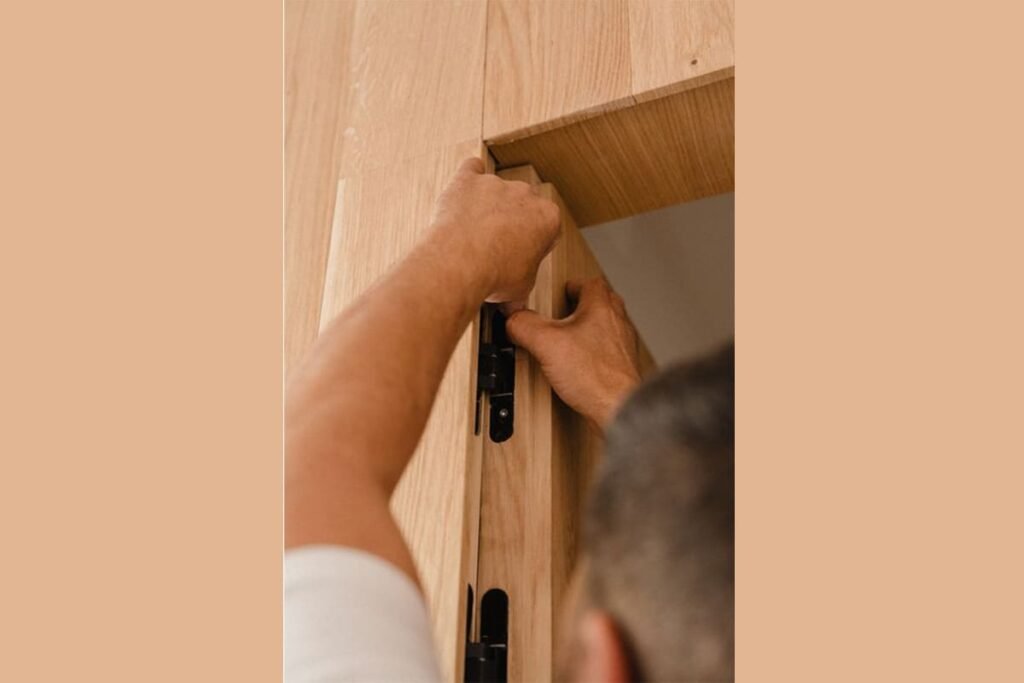
Adjustable Door Hinges: 2D vs 3D Adjustment Explained?
Adjustable door hinges solve a common door hardware problem: a door may sag, shift, rub, or become uneven after installation. If buyers ignore this early, small alignment issues can become complaints, rework, or replacement costs1. I use this guide to explain how 2D and 3D adjustment help control that risk.
Adjustable door hinges allow the door leaf position to be corrected after installation. 2D adjustable hinges usually adjust in two directions, while 3D adjustable hinges adjust in three directions for greater correction flexibility. The right choice depends on door weight, thickness, frame structure, installation accuracy, and expected long-term movement.
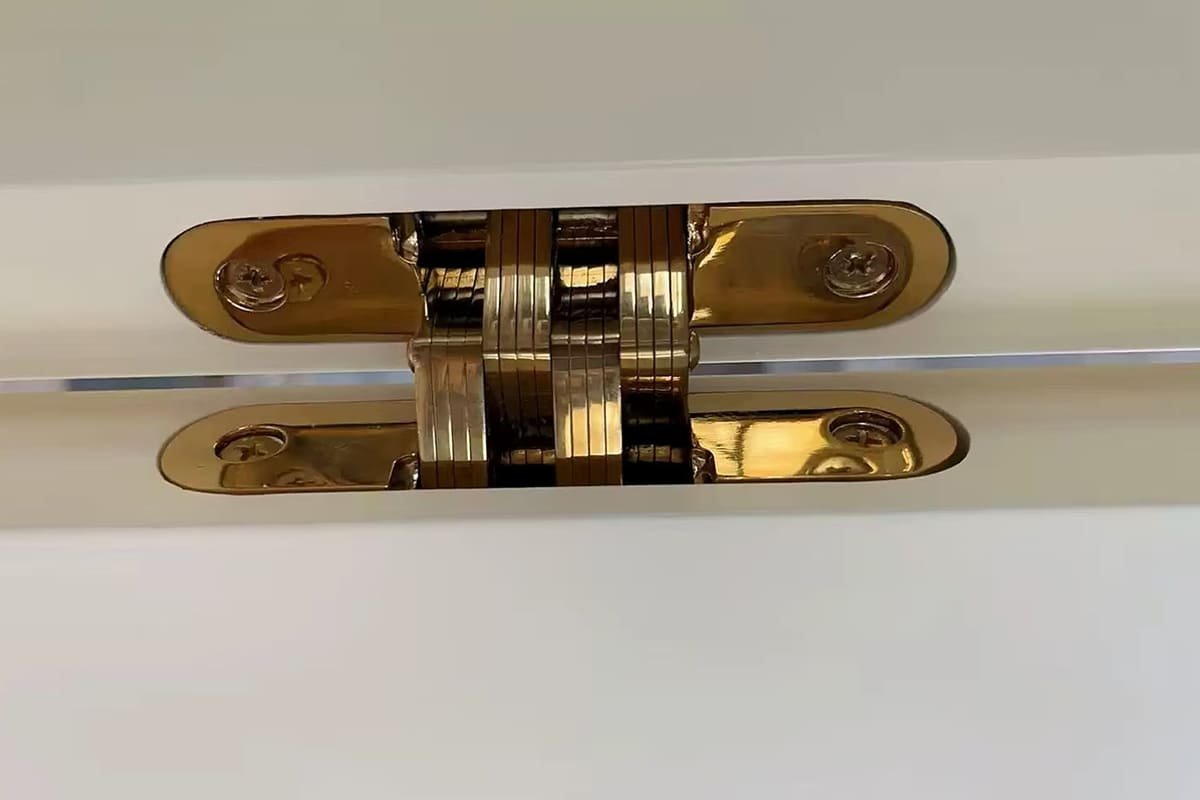
Many buyers ask me whether 3D hinges are “better.” I usually reframe the question. The real issue is not the number of adjustment directions alone. The real issue is how much correction the door system may need during installation and after long-term use.
What Problem Do Adjustable Door Hinges Solve?
Door alignment looks simple at the drawing stage, but it becomes more difficult after production, transport, installation, and daily use.2 A door leaf can drop slightly, a frame can be imperfect, or a gap can become uneven. Adjustable door hinges give buyers a practical way to correct reasonable deviations.
Adjustable door hinges help correct door leaf position without fully replacing or reinstalling the hinge system. They are commonly used to improve gap consistency, reduce rubbing, compensate for small installation tolerances, and support long-term door alignment. However, they cannot solve every structural, load, or installation problem.
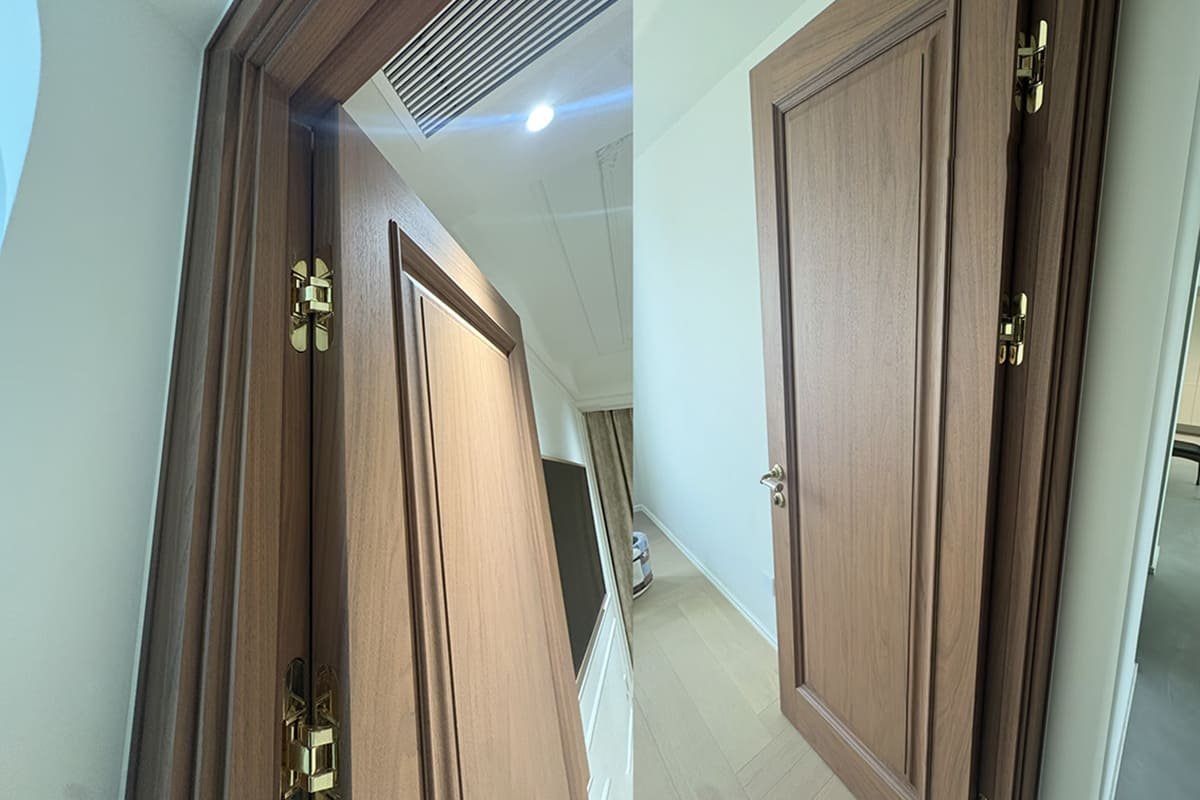
Door alignment is a long-term quality issue
In B2B door hardware supply, I rarely see hinge selection as only a component price issue. I usually see it as a system reliability decision. A hinge works together with the door leaf, frame, screws, reinforcement, installation method, and expected traffic level.3
A door may look correct during the first inspection. Then it may start to show issues after use:
- The top gap becomes smaller on the lock side.
- The bottom of the door rubs against the floor or threshold.
- The door leaf moves closer to one side of the frame.
- The latch does not enter the strike plate smoothly.
- The customer believes the hinge failed, even when the root cause is load or installation.
This is why adjustable door hinges matter. They give manufacturers and project buyers a controlled way to make corrections after the door is installed.
Common alignment issues buyers want to avoid
| Alignment issue | Typical symptom | What adjustment may help | What adjustment cannot fix |
|---|---|---|---|
| Door sag | Lock side drops over time | Vertical or height correction | Undersized hinge load capacity |
| Uneven side gap | Door shifts left or right | Lateral correction | Twisted or weak frame |
| Door sits too deep or too proud | Door is not flush with frame | Depth compression correction | Incorrect frame design |
| Latch misalignment | Locking feels rough | Position correction | Wrong lockset position |
| Rubbing | Door touches frame or floor | Gap correction | Serious floor/frame deformation |
A supplier-side view
At SDH Hardware, I often ask buyers about the full door system before recommending a hinge type. I do this because adjustable hinges are not magic hardware. They can help correct reasonable movement, but they still need the right structure behind them.
For example, a heavy door with a weak frame may still sag even if the hinge has adjustment screws. A thick door with poor reinforcement may not hold screws properly. A project with poor installation control may need more correction capacity than a simple residential-style door.
So, I always suggest that buyers evaluate:
- Door weight
- Door thickness
- Door height and width
- Frame material and structure
- Expected opening frequency
- Installation tolerance
- Required finish and corrosion resistance
- Certification documents that the buyer must verify
The best hinge choice is not only about adjustment. It is about matching the hinge to the whole door assembly.
How Do 2D Adjustable Door Hinges Work?
A standard hinge fixes the door leaf in a mostly static position. That can become a problem when the door leaf shifts slightly after installation. 2D adjustable door hinges help because they allow correction in two directions, which is often enough for controlled door systems.
2D adjustable door hinges commonly allow two-axis correction, such as side-to-side and up-down movement, depending on the hinge design.4 They are often suitable for applications where the door frame is stable, installation accuracy is good, and only moderate alignment correction is expected after installation.
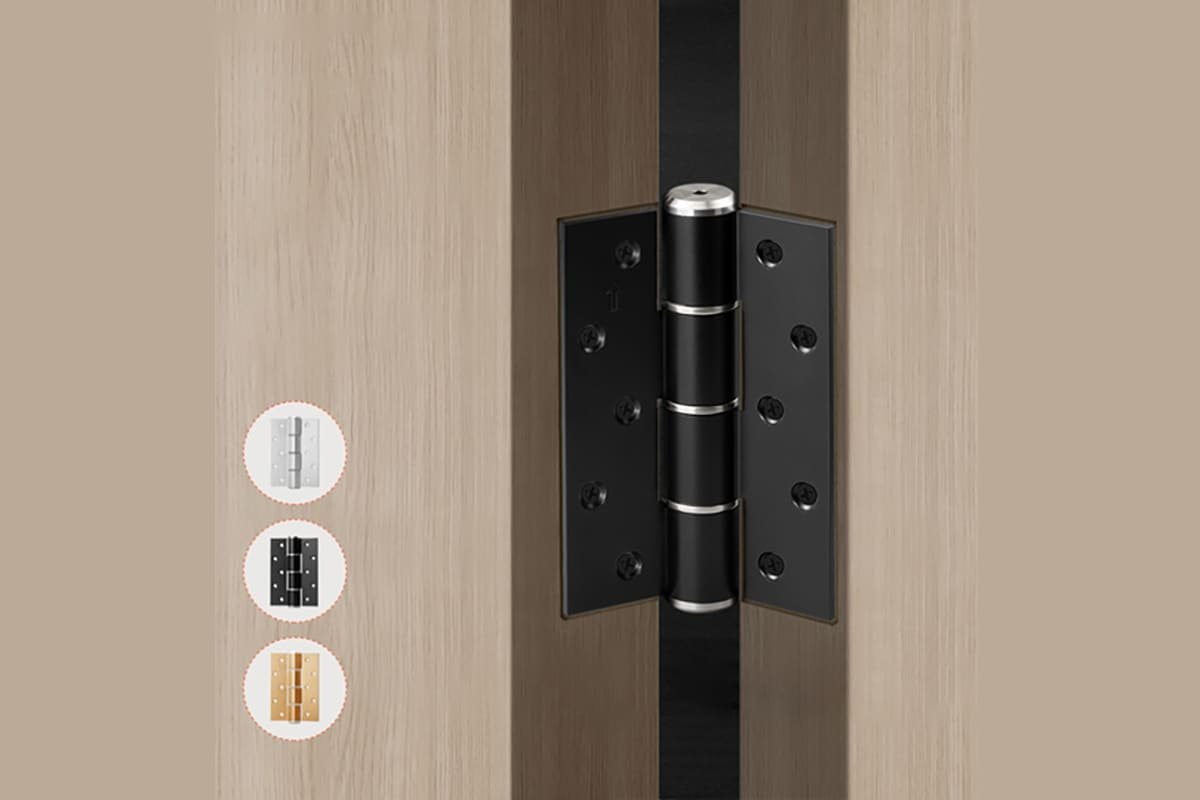
The basic function of 2D adjustment
A 2D hinge usually provides adjustment in two planes. The exact directions depend on the hinge model and manufacturer design, so buyers should always confirm drawings before ordering. In many cases, 2D correction may include:
- Horizontal adjustment: moving the door leaf left or right.
- Vertical adjustment: moving the door leaf up or down.
- Or another two-direction combination depending on hinge structure.
The key point is simple: 2D adjustment gives installers some correction ability, but it does not provide full three-axis control.
Where 2D adjustable door hinges make sense
I usually see 2D adjustable door hinges as a good fit when the door system is already predictable. These hinges can work well when the door factory controls production tolerances and the frame structure is consistent.
They are commonly considered for:
- Standard interior doors
- Medium-weight door leaves
- Stable steel or aluminum frames
- Projects with trained installation teams
- Product lines where cost control matters
- Door systems with limited expected movement
A 2D hinge can be a practical balance between function and cost. It gives more flexibility than a non-adjustable hinge, but it is usually simpler than a 3D adjustable hinge.
Main advantages of 2D adjustable hinges
| Advantage | Why it matters for B2B buyers |
|---|---|
| Lower complexity | Easier for factories and installers to understand |
| Practical correction | Helps with common gap and position issues |
| Cost control | Useful for volume orders and standard product lines |
| Cleaner specification | Easier to manage across repeated door models |
| Suitable for stable systems | Good when frame and door tolerances are well controlled |
Limits buyers should understand
2D adjustment is useful, but it has limits. It may not solve issues where depth correction is needed. For example, if the door leaf sits too deep inside the frame or projects too far out from the frame face, a two-direction hinge may not provide enough control.
I sometimes explain it this way: if the door only needs “position correction,” 2D may be enough. If the door also needs “flushness correction,” 3D may be more suitable.
Buyers should be careful when using 2D hinges for:
- Tall and heavy doors
- Thick door leaves
- High-traffic commercial openings
- Projects with inconsistent frame installation
- Door systems where final gap and flushness are visually critical
- Markets where after-sales adjustment must be easy
A 2D hinge is not a weaker product by default. It is simply a more limited adjustment solution. The right choice depends on whether those two directions cover the real correction needs of the door system.
How Do 3D Adjustable Door Hinges Work?
Some door systems need more than basic correction. A door leaf may need height adjustment, side clearance adjustment, and depth or compression adjustment. 3D adjustable door hinges are designed for these more demanding alignment situations.
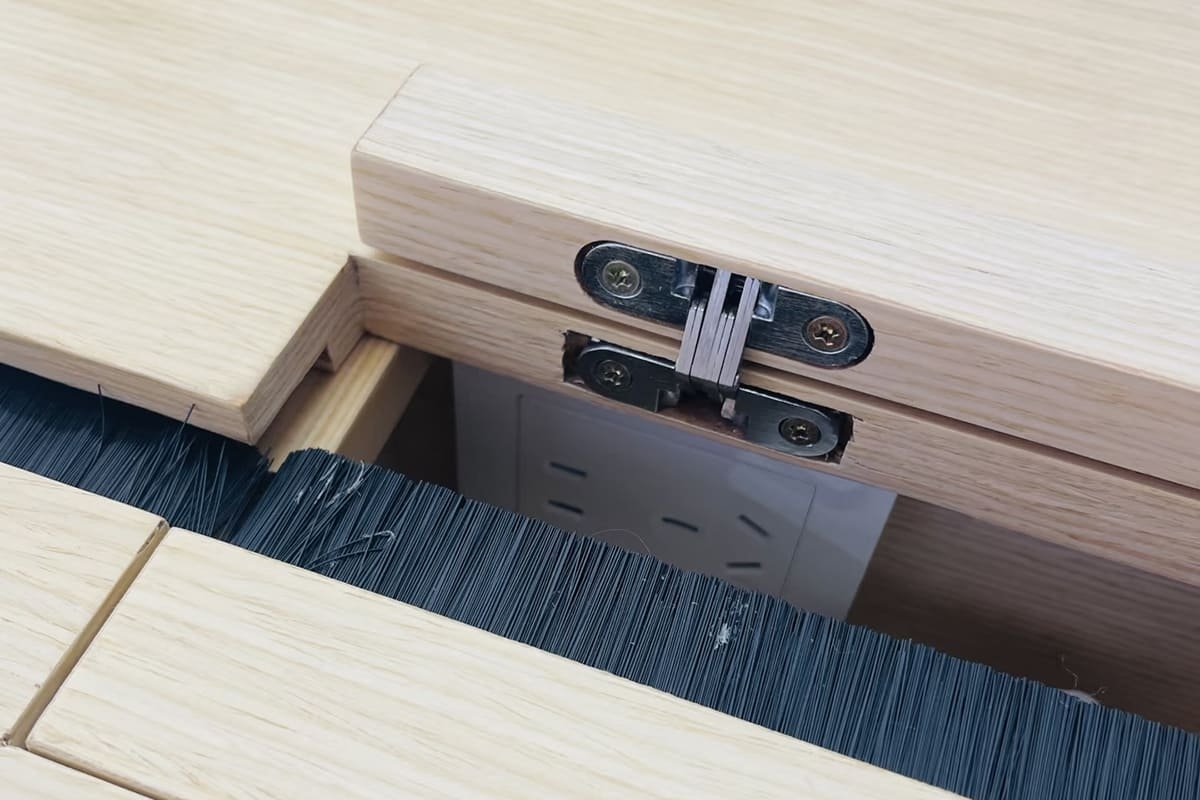
3D adjustable door hinges allow adjustment in three directions, commonly height, side, and depth.5 This gives more flexibility to fine-tune the door leaf position after installation. They are often selected for heavier, thicker, or higher-value door systems where alignment precision and long-term correction are more important.
What “3D” really means in door alignment
The “3D” term can sound like a marketing label, but it has a practical meaning. It usually refers to correction in three axes:
Height adjustment
The installer can raise or lower the door leaf slightly.Lateral adjustment
The installer can move the door left or right to improve side gaps.Depth adjustment
The installer can move the door inward or outward to improve flushness with the frame.
The exact adjustment range depends on the hinge model. A buyer should not assume all 3D hinges offer the same range, same load capacity, or same installation method.
Why 3D adjustment is useful
A door is not only a flat panel hanging on hardware. It is part of an assembly. Even small errors can create visible or functional issues. A few millimeters can matter when the project requires clean gaps, smooth latching, and consistent closing performance.6
3D adjustable door hinges can help when:
- The door is heavier than a standard interior door.
- The frame installation may vary between sites.
- The door leaf is thick or has a special structure.
- The appearance of the reveal gap is important.
- The buyer wants better after-sales correction ability.
- The door must align well with seals, locks, and frame surfaces.
3D adjustment and long-term movement
Door sag is one of the most common concerns buyers mention. A hinge with 3D adjustment can help correct reasonable sag or shifting after the door has been used for some time. This can reduce the need for complete hinge removal.
However, I always add one important warning:
Adjustable function does not replace proper hinge load capacity.
If the door is too heavy for the hinge, adjustment may only hide the problem for a short time. If the frame is weak, the hinge may stay intact while the frame moves. If screws are wrong or reinforcement is missing, adjustment cannot create structural strength.
2D vs 3D adjustment comparison
| Evaluation point | 2D adjustable hinge | 3D adjustable hinge |
|---|---|---|
| Adjustment directions | Two axes | Three axes |
| Typical correction ability | Moderate | Higher |
| Depth/flushness correction | Limited or unavailable | Usually available |
| Installation tolerance support | Good for stable systems | Better for variable site conditions |
| Cost level | Usually lower | Usually higher |
| Best use case | Standardized doors | Heavier, thicker, or more demanding doors |
| Buyer risk control | Basic correction | More complete correction |
When 3D is not automatically necessary
I do not tell every buyer to use 3D adjustable door hinges. That would not be practical or cost-effective. If the door is light, the frame is accurate, and the application does not require depth correction, a 2D hinge may be enough.
A 3D hinge can add cost, installation steps, and product complexity. That may be worthwhile for many commercial or higher-end door systems. It may not be necessary for every standard opening.
The better question is this:
Does the door system need three-axis correction to maintain alignment over time?
If yes, 3D is meaningful. If no, 2D may be the better business decision.
When Should Buyers Choose 2D vs 3D Adjustable Door Hinges?
Many buyers first compare hinge prices, but price alone does not show the cost of rework, complaints, or poor alignment. Adjustable door hinges should be selected based on the door system, not only on the adjustment label.
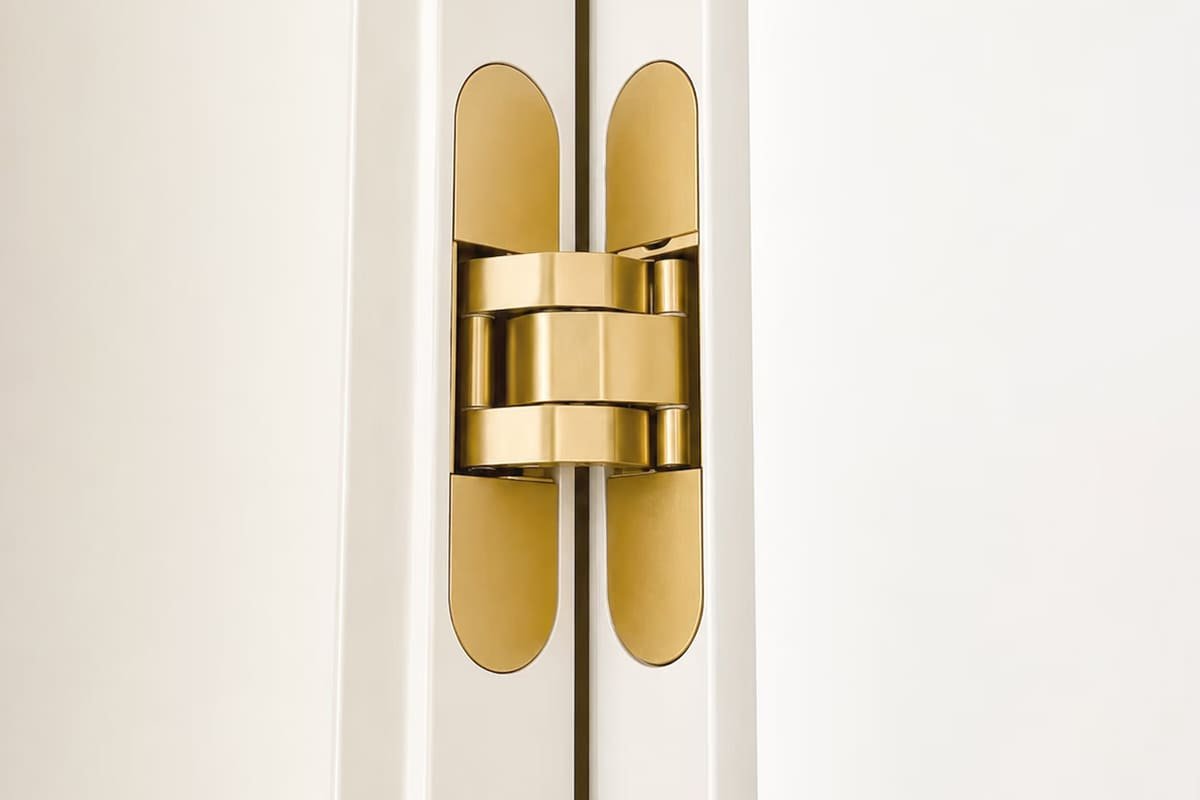
Buyers should choose 2D adjustable hinges for stable, standardized door systems that need moderate correction. They should choose 3D adjustable hinges when door weight, thickness, frame tolerance, depth alignment, or long-term sag correction requires more flexibility. The final decision should follow technical drawings, load requirements, and supplier evaluation.
Start with door weight and size
Door weight is one of the first details I ask for. A hinge must support the door before it can adjust the door. If the load is wrong, adjustment will not solve the root problem.
Buyers should provide:
- Door leaf weight in kilograms
- Door height and width
- Door thickness
- Core material or door construction
- Number of hinges per door
- Opening direction and installation position
A taller door creates more leverage on the hinge side. A wider door also increases stress.7 A thick or heavy door can need stronger hinge bodies, better screws, and proper frame reinforcement.
Evaluate the frame structure
The frame matters as much as the hinge. I have seen buyers focus only on hinge size, but the frame decides whether the hinge installation remains stable8.
Important frame questions include:
- Is the frame steel, aluminum, timber, or composite?
- Does the frame have reinforcement plates?
- Is the hinge mortised, surface-mounted, or concealed?
- Is the installation factory-controlled or site-controlled?
- Are the screw positions strong enough for the expected load?
If the frame is consistent and strong, 2D adjustable hinges may be enough. If frame conditions vary across projects, 3D adjustable door hinges may reduce alignment risk.
Consider installation accuracy
A factory-installed door set usually has better control than a site-assembled door system. If the buyer sells complete door sets, the hinge selection can be optimized around controlled production. If the buyer sells hinges to different contractors or distributors, installation conditions may vary.
Here is a practical way to think about it:
| Installation condition | Recommended adjustment thinking |
|---|---|
| Factory-controlled production | 2D may be enough if tolerances are stable |
| Mixed factory and site installation | 2D or 3D depends on door weight and frame quality |
| Site installation with variable teams | 3D may reduce after-sales adjustment problems |
| High-end visible gap requirement | 3D may offer better fine-tuning |
| Basic utility door | 2D may be more cost-effective |
Match adjustment level to market position
Hardware brands and wholesalers also need to think about product positioning. A premium door line may justify 3D adjustable hinges because buyers expect smoother alignment and better correction options. A cost-sensitive product line may prefer 2D hinges if the door system does not need depth adjustment.
For bulk buyers, I often suggest creating more than one specification level:
- Standard series: 2D adjustable hinges for common doors.
- Premium series: 3D adjustable hinges for heavier or higher-value doors.
- Project series: customized hinge size, finish, and accessory configuration based on project drawings.
This structure helps importers and hardware brands avoid over-specifying every order while still offering a stronger solution when the application needs it.
Do not use adjustment to compensate for poor selection
This is a common misunderstanding. Some buyers assume more adjustment means fewer technical concerns. That is not correct.
Adjustable door hinges can help correct reasonable alignment deviations, but they cannot compensate for:9
- Wrong hinge load rating
- Weak frame structure
- Poor screw holding strength
- Incorrect hinge spacing
- Bad installation workmanship
- Door leaf deformation
- Unsuitable material selection
- Severe building movement
For application-specific or regulated projects, buyers should request technical drawings, samples, and qualified professional evaluation before final approval.
What Information Should Buyers Send Before Ordering Adjustable Door Hinges?
A supplier can recommend better hardware when the buyer shares complete door information. Without basic parameters, adjustable door hinges may be selected by appearance only. That creates risk, especially for OEM orders, project tenders, and long-term product lines.
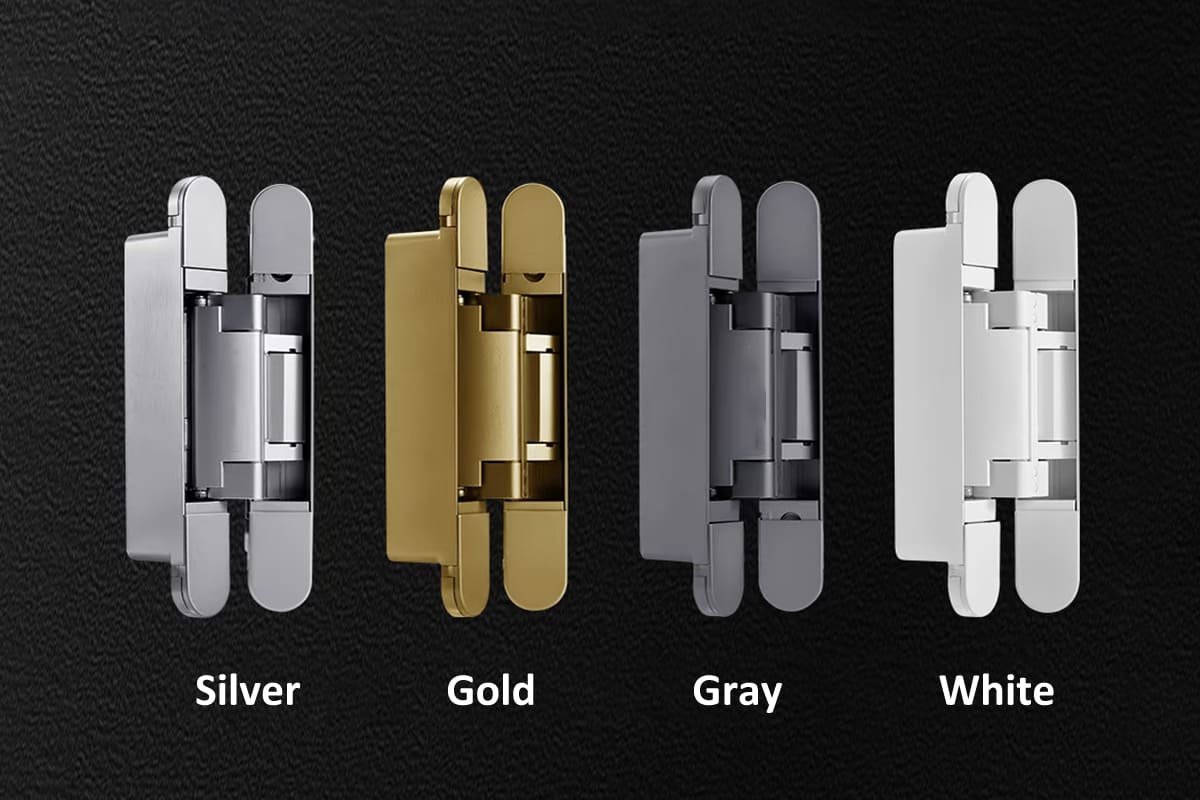
Before ordering adjustable door hinges, buyers should send door size, weight, thickness, frame material, installation method, required adjustment directions, finish, certification document needs, packing requirements, and target market. Samples and drawings should be reviewed before bulk production, especially for customized hinge systems.
The supplier needs more than a photo
A photo is useful, but it does not define the door system. I often receive inquiries with only a hinge picture and a requested price. I can give a rough direction, but I cannot responsibly confirm suitability without more technical details.
A strong inquiry should include:
- Product type: butt hinge, concealed hinge, or special hinge
- Door material: wood, steel, aluminum, composite, fire-rated door, etc.
- Door dimensions: height, width, thickness
- Door weight: estimated or confirmed
- Frame type and material
- Opening angle requirement
- Surface finish
- Screw type or accessory requirements
- Adjustment requirement: 2D or 3D
- Target market and standard expectations
- Required documents, such as CE or fire-rated certificates, when applicable
At SDH Hardware, we manufacture architectural door hardware including butt hinges, concealed door hinges, lever handles, mortise locks, cylinders, and accessories. Because we support OEM and ODM orders, I prefer to confirm details early. It reduces misunderstandings before tooling, sampling, packaging design, and production.
Ask for drawings and verify dimensions
For adjustable hinges, small dimensional differences matter. Buyers should check drawings before confirming orders. A drawing helps confirm:
| Drawing item | Why it matters |
|---|---|
| Hinge height and width | Confirms fit with door and frame |
| Leaf thickness | Affects strength and installation |
| Screw hole position | Must match reinforcement and tooling |
| Adjustment range | Shows correction capability |
| Opening angle | Affects door function |
| Clearance requirements | Prevents rubbing or interference |
| Cover plate design | Affects appearance and service access |
If the hinge is concealed, the pocket dimensions become even more important. The door factory must confirm whether the hinge body can fit inside the door and frame without weakening the structure.
Confirm certification documents carefully
Many architectural door hardware buyers ask about CE certification or fire-rated certification. These documents can be important for market access and project approval. However, buyers should verify certificates based on the exact product, test scope, and application requirements.
I avoid making universal claims because certification requirements vary by country, standard, door assembly, and project type10. A hinge may have relevant documents, but the final door set performance can depend on the complete assembly.
Buyers should ask:
- Does the certificate match the hinge model?
- Does it apply to the required door type?
- What standard or test method is listed?
- Is the certificate still valid?
- Does the project require a complete door assembly test?
- Does a third-party consultant need to review the documents?
This is especially important for fire-rated doors. A hinge is one part of the system. The door leaf, frame, seal, lock, closer, and installation method may all affect the final approval.11
Samples reduce risk before bulk orders
For adjustable door hinges, samples are not only for appearance. They help buyers check function, fit, adjustment access, finish, packaging, and installation compatibility.
A good sample evaluation can include:
Visual inspection
The buyer checks finish, edges, machining, and logo position.Dimensional inspection
The buyer compares the sample against drawings.Trial installation
The buyer confirms fit with the door and frame.Adjustment check
The buyer tests whether the adjustment screws are accessible and practical.Accessory confirmation
The buyer checks screws, caps, covers, and packaging.Internal approval
The buyer confirms with engineering, purchasing, and quality teams.
For bulk wholesalers and hardware brands, this process protects both sides. It helps the supplier produce the right hinge and helps the buyer avoid costly corrections after shipment.
How Should Buyers Evaluate Adjustable Door Hinges for Long-Term Reliability?
A hinge can look strong on a catalog page, but long-term reliability depends on design, material, manufacturing consistency, and correct application. Adjustable door hinges should be evaluated as functional components in a complete door system.
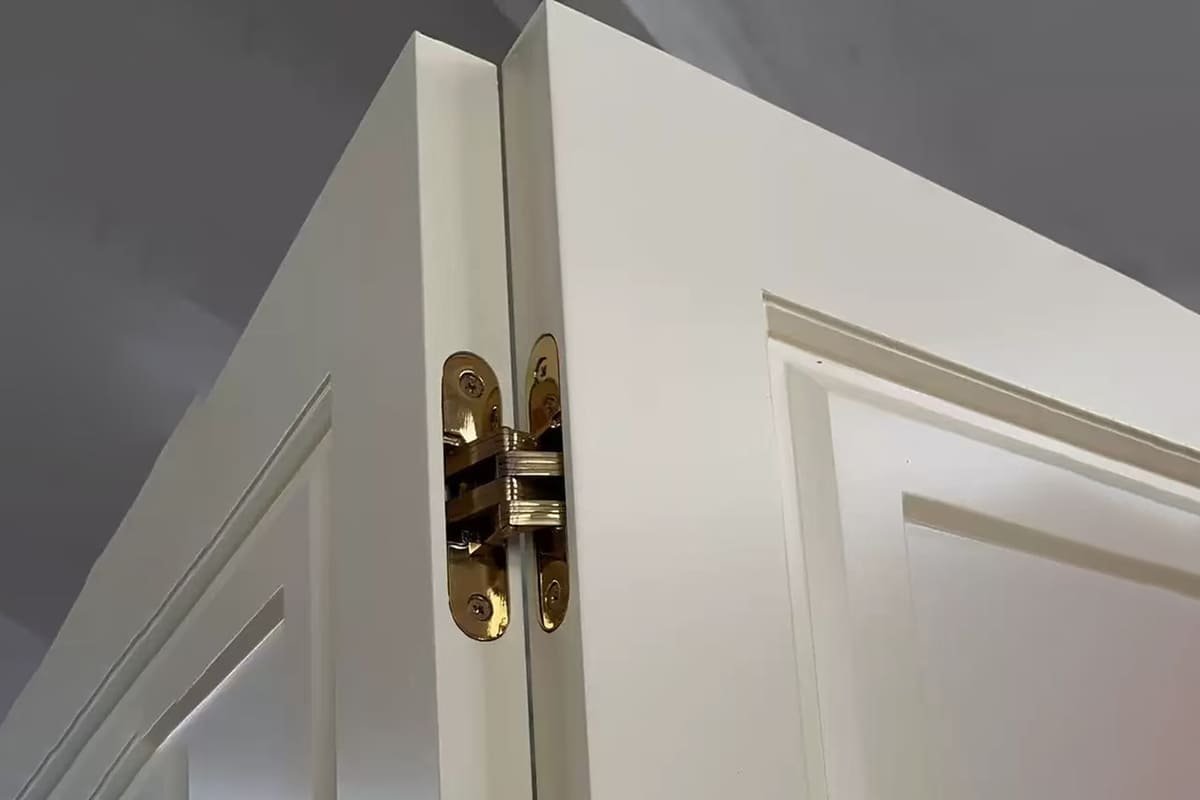
Buyers should evaluate adjustable door hinges by checking material, hinge structure, adjustment mechanism, screw strength, finish quality, production consistency, inspection process, and compatibility with the door assembly. They should also verify documents and request samples before confirming large orders or customized specifications.
Material and construction
The hinge material affects strength, corrosion resistance, appearance, and product positioning. Common architectural hinge materials include stainless steel, steel, zinc alloy, and brass, depending on hinge type and target application.
Buyers should review:
- Base material
- Leaf or body thickness
- Pin or bearing structure
- Adjustment screw design
- Load support design
- Corrosion resistance needs
- Surface treatment process
- Matching screws and accessories
For high-humidity regions or coastal markets, finish and corrosion resistance become more important.12 For heavy doors, hinge body strength and screw holding must be evaluated carefully.
Adjustment mechanism quality
An adjustable hinge depends on its mechanism. If the adjustment screw is difficult to access, soft, unstable, or poorly supported, the hinge may create frustration during installation.
Buyers should check:
- Are adjustment screws easy to access after installation?
- Does the hinge hold position after adjustment?
- Is the adjustment range clearly shown in the drawing?
- Does adjustment require special tools?
- Are cover caps or plates secure?
- Does adjustment affect the hinge appearance?
- Can installers repeat the adjustment consistently?
Conclusion
Adjustable door hinges should be selected as part of a complete door alignment strategy, not only as “2D versus 3D.” A 2D hinge can be practical for stable and standardized systems. A 3D hinge can provide more correction flexibility for heavier, thicker, or more demanding doors. The best choice depends on door weight, frame structure, installation accuracy, and long-term movement risk. If you need OEM or bulk hinge selection support, contact SDH Hardware with your door drawings and specifications for a factory-direct recommendation.
"Effect of construction defects on construction and demolition ...", https://pmc.ncbi.nlm.nih.gov/articles/PMC11844343/. Research on construction rework and defects shows that nonconforming installation work can create downstream costs through correction, warranty response, and customer dissatisfaction. Evidence role: general_support; source type: paper. Supports: Construction quality research showing that installation defects and nonconformities can generate rework, warranty, and customer-satisfaction costs.. Scope note: The source may address construction defects broadly rather than adjustable door hinges specifically. ↩
"Dimensional Tolerances in Construction and for Surface ...", https://www.access-board.gov/research/building/dimensional-tolerances/. Door-installation and construction-tolerance guidance treats door fit as an as-built condition influenced by frame alignment, clearances, hardware placement, and subsequent service movement. Evidence role: general_support; source type: institution. Supports: Industry or standards guidance indicating that door and frame fit depends on manufacturing tolerances, installation accuracy, and in-service movement.. Scope note: The support is contextual because it concerns door installation tolerances generally, not a test of the specific hinges discussed in the article. ↩
"SECTION 087111 - DOOR HARDWARE (SCHEDULED BY ...", https://fpm.usc.edu/wp-content/uploads/2021/11/087102-USC-HSC-door-hardware-Guide-Specification_1.pdf. Architectural-hardware standards and guidance evaluate hinges in relation to the supported door, frame preparation, fasteners, and anticipated duty cycle rather than as isolated components. Evidence role: expert_consensus; source type: institution. Supports: Door-hardware standards or technical guidance explaining that hinge selection depends on door size, weight, frame preparation, fasteners, and service frequency.. Scope note: The cited source may not use the article’s exact wording but should substantiate the system-based selection principle. ↩
"US5713105A - Adjustable hinge", https://patents.google.com/patent/US5713105A/en. Technical descriptions of adjustable hinge mechanisms describe two-axis designs in which separate elements permit correction in two directions, commonly lateral and vertical displacement. Evidence role: definition; source type: other. Supports: Technical descriptions or patents showing hinges with two independent adjustment directions, such as lateral and height adjustment.. Scope note: Because terminology such as “2D” is industry usage rather than a universal standard, the source may support the mechanism more directly than the label. ↩
"US5713105A - Adjustable hinge", https://patents.google.com/patent/US5713105A/en. Technical accounts of three-dimensional adjustable hinges describe independent adjustment of the door position in height, lateral clearance, and depth relative to the frame. Evidence role: definition; source type: other. Supports: Neutral technical descriptions, patents, or standards-adjacent documentation describing three-axis hinge adjustment in height, side, and depth.. Scope note: The source may document a representative adjustable hinge design rather than proving that all products marketed as 3D hinges have identical ranges or mechanisms. ↩
"QQ/WWYD? Excessive Clearance on Fire Doors", https://idighardware.com/2017/06/qq-wwyd-excessive-clearance-on-fire-doors/. Door-clearance standards and installation guidance specify narrow allowable gaps around door leaves, indicating that millimeter-scale deviations can affect fit, latching, and closing behavior. Evidence role: general_support; source type: institution. Supports: Door clearance standards or installation guidance showing that door gaps are specified within small dimensional ranges and affect operation.. Scope note: Clearance limits may vary by door type and jurisdiction, so the source supports the general sensitivity to small gaps rather than a universal millimeter value. ↩
"28.18 -- Open door to demonstration preparation area", https://web.physics.ucsb.edu/~lecturedemonstrations/Composer/Pages/28.18.html. Elementary statics shows that the moment on a support increases with the force and its perpendicular distance from the pivot, explaining why larger door dimensions can increase hinge loading. Evidence role: mechanism; source type: education. Supports: Basic engineering mechanics explaining that increasing a load’s distance from a pivot increases the moment applied to the support.. Scope note: This supports the mechanical principle; exact hinge stresses still depend on door mass distribution, hinge spacing, and frame stiffness. ↩
"Hardware Reinforcing on Steel Doors & Frames | SDI", https://steeldoor.org/ansi-250-6/. Door-frame preparation guidance identifies hinge reinforcement, fastener engagement, and frame rigidity as factors that support stable hinge attachment under door loads. Evidence role: mechanism; source type: institution. Supports: Technical guidance indicating that hinge performance depends on frame preparation, reinforcement, and fastener support.. Scope note: The source may focus on a specific frame material, such as hollow metal or timber, rather than every frame type listed in the article. ↩
"Doors and frames - Steelcraft", https://www.steelcraft.com/content/dam/steelcraft/documents/Steelcraft_Tech_Data_Manual_105001.pdf. Architectural-hardware guidance treats adjustment as a limited alignment function and separately requires appropriate hinge rating, fastener selection, frame preparation, and installation for structural performance. Evidence role: expert_consensus; source type: institution. Supports: Hardware standards or installation guidance distinguishing adjustment capability from structural suitability, load capacity, and correct installation.. Scope note: The cited authority may not specifically address adjustable hinges, but it should support the broader principle that alignment adjustment does not replace structural selection. ↩
"SECTION 087111 - DOOR HARDWARE (SCHEDULED BY ...", https://fpm.usc.edu/wp-content/uploads/2021/11/087102-USC-HSC-door-hardware-Guide-Specification_1.pdf. Regulatory guidance for construction products indicates that conformity assessment and acceptance depend on the applicable jurisdiction, product standard, intended use, and documented scope of testing or certification. Evidence role: general_support; source type: government. Supports: Regulatory guidance showing that construction product conformity, CE marking, or fire-door approval depends on applicable standards, jurisdiction, and intended use.. Scope note: The source may describe a specific regulatory regime, such as the EU or a national building-code system, rather than all global markets. ↩
"ADDENDUM No. 5", https://www.charleston-sc.gov/DocumentCenter/View/24086. Fire-door standards treat fire performance as an assembly property involving the door leaf, frame, hardware, seals, closing devices, and installation details. Evidence role: expert_consensus; source type: institution. Supports: Fire-door standards or testing guidance showing that listed fire door assemblies include the door leaf, frame, hardware, seals, and installation conditions.. Scope note: The source supports the principle for fire-rated assemblies; non-fire-rated projects may use different approval criteria. ↩
"Marine Atmospheric Corrosion of Carbon Steel: A Review - PMC", https://pmc.ncbi.nlm.nih.gov/articles/PMC5506973/. Corrosion science guidance identifies moisture and chloride-containing coastal atmospheres as factors that accelerate metal corrosion, making material selection and protective finishes more significant in such environments. Evidence role: mechanism; source type: government. Supports: Corrosion guidance explaining that moisture, humidity, and chlorides in coastal atmospheres accelerate corrosion and increase the need for protective materials or coatings.. Scope note: The source supports the environmental corrosion mechanism generally rather than testing the article’s specific hinge finishes. ↩