
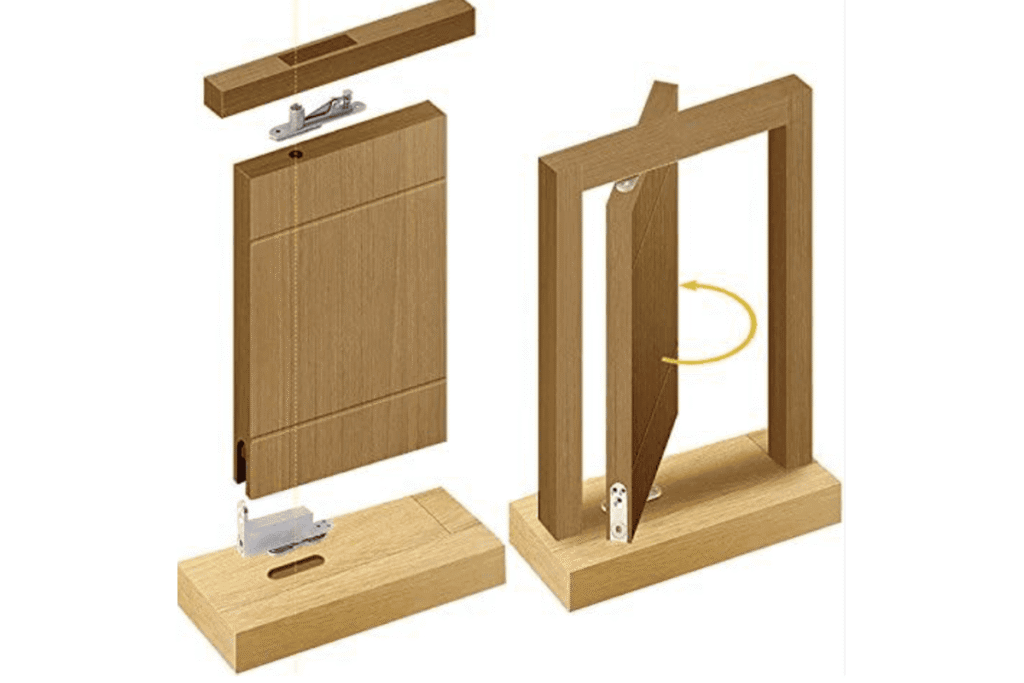
Floor Springs and Pivot Sets: How Do They Enhance Functionality and Aesthetics?
Floor springs and pivot sets often look like small details, but I see many buyers struggle when these parts are selected too casually. The problem is simple: the wrong hardware can cause poor closing, unstable movement, or installation trouble1. The solution is to treat them as a matched door-control system.
Floor springs and pivot sets enhance functionality and aesthetics by supporting the door load, controlling opening and closing movement, and keeping the door design clean. They are especially useful for heavy glass doors, metal doors, and commercial entrances where smooth self-closing, positioning, durability, and a minimal visible hardware appearance all matter.
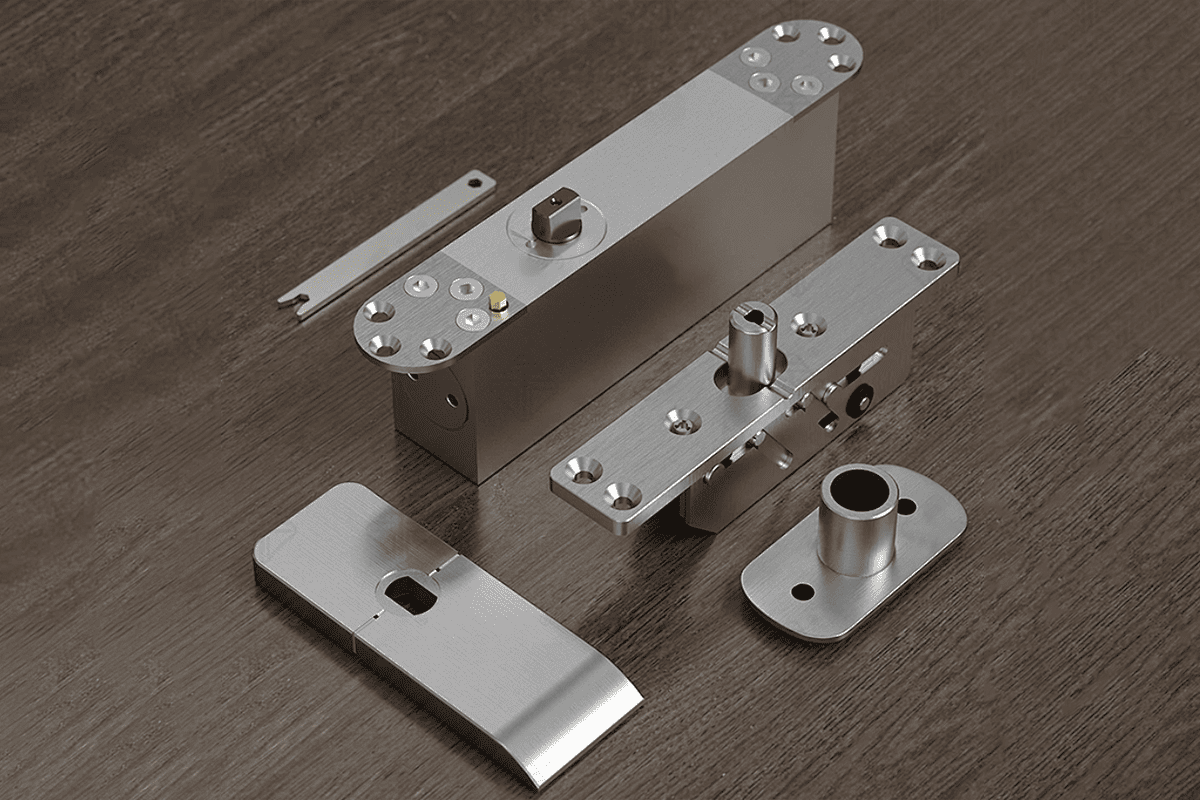
I usually explain this topic from a buyer’s point of view. A floor spring is not only a decorative accessory. A pivot set is not just a small fitting. Together, they affect door safety, user experience, installation quality, and long-term after-sales performance.
How Do Floor Springs and Pivot Sets Support Heavy Doors?
Heavy doors create a real risk when the hardware is undersized or mismatched. I have seen customers focus on appearance first, then return to basic questions about weight and width later. That delay can lead to wrong samples, poor closing control, and avoidable replacement costs.
Floor springs and pivot sets support heavy doors by sharing the load through a floor-mounted closer body and aligned pivot hardware.2 The system must match the door weight, door width, door material, opening angle, traffic frequency, and installation structure to provide stable support and controlled movement.
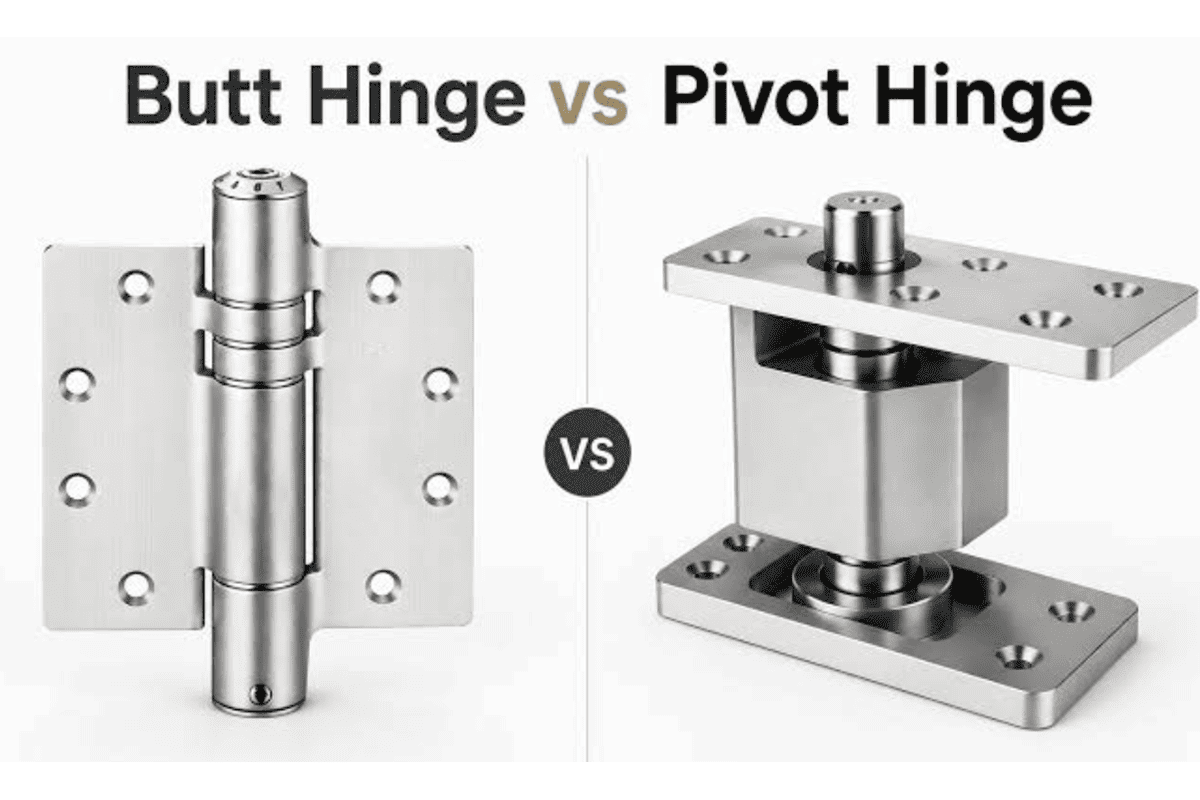
Why load-bearing capacity comes first
When I discuss floor springs with door manufacturers or hardware importers, I usually start with one simple question:
“What is the door weight and door width?”
That question matters more than the finish, packaging, or even the hold-open angle at the first stage. A floor spring is sometimes informally called a “floor hinge,” but I prefer to be more precise. It is a floor-mounted door-control component with several functions:
- Load-bearing support
- Controlled closing
- Opening resistance
- Positioning or hold-open function
- Movement stability
- Door alignment support when paired with pivot hardware
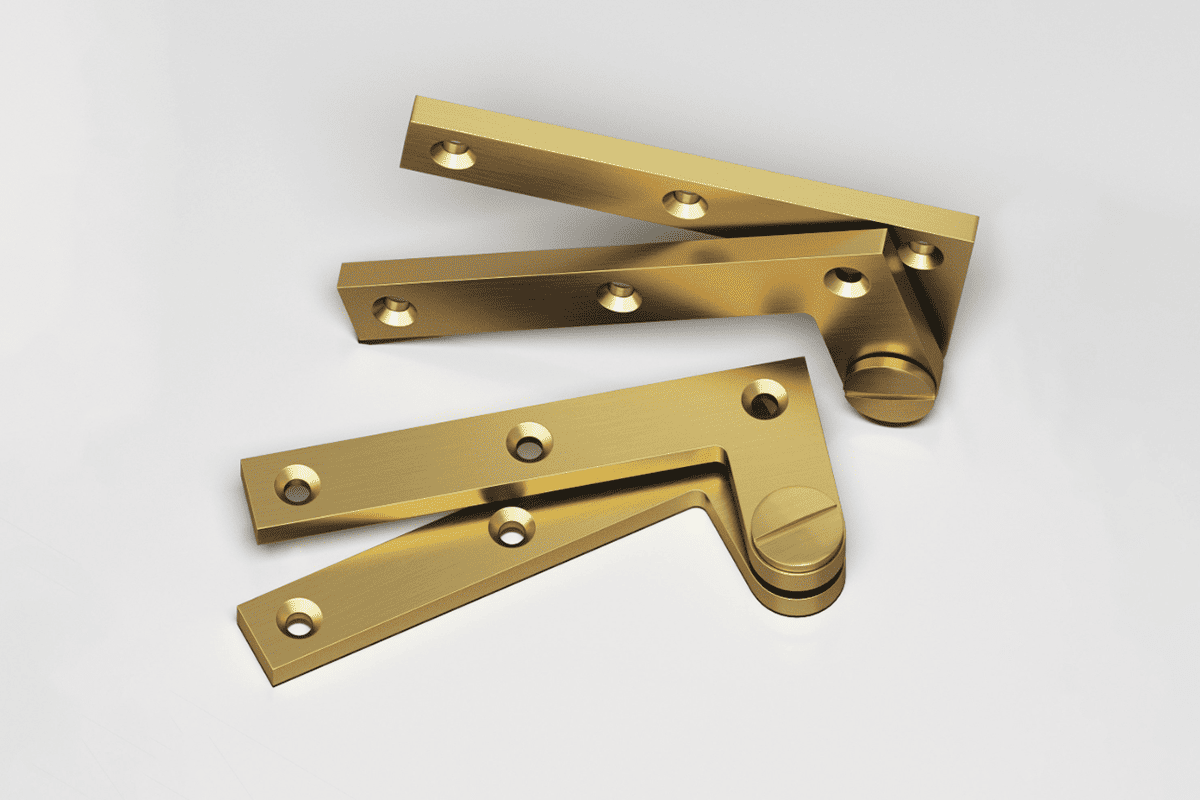
A pivot set usually includes the upper and lower pivot fittings that connect the door leaf to the frame or floor structure. These parts guide the rotational movement of the door. They also help keep the door aligned. However, they are not a random substitute for the floor spring. The floor spring and pivot set should be selected as part of the same door-control system.
Main selection factors for load-bearing performance
I normally check these items before recommending a model or configuration:
| Selection factor | Why it matters | Buyer’s practical check |
|---|---|---|
| Door weight | Determines required load capacity | Confirm actual finished door weight, not estimated panel weight only |
| Door width | A wider door creates more leverage3 | Check full leaf width, especially for wide glass doors |
| Door material | Glass, aluminum, steel, and timber behave differently | Match fittings and clamps to the door structure |
| Door height | Tall doors can increase movement stress | Confirm if the door is standard or oversized |
| Traffic frequency | High-use doors need stronger endurance | Ask if the door is for office, hotel, shop, or public entrance |
| Opening angle | Affects positioning and user flow | Confirm 90°, 105°, 180°, or project-specific requirement |
| Installation ground | Floor box stability affects final performance | Check floor depth, leveling, and finishing material |
Why heavy glass doors need careful matching
Heavy frameless glass doors are common in commercial entrances, showrooms, hotels, and office buildings. They often need a clean visual effect, so buyers choose floor springs and pivot sets instead of more visible surface-mounted closers.
However, glass doors also create special concerns:
The glass cannot hide installation errors easily.
Any misalignment is visible.The door panel may be heavy even when it looks simple.
Thick tempered glass can quickly increase total door weight.4The hardware must protect both function and appearance.
A beautiful entrance loses value if the door slams or fails to close fully.The pivot alignment must be accurate.
Poor alignment can create friction, noise, or uneven movement.
In my experience, customers sometimes send only a photo and ask for “one standard floor spring.” I usually ask for more information before giving a serious suggestion. That includes door weight, door size, glass thickness, usage frequency, and whether the door needs hold-open positioning. This extra step protects both the supplier and the buyer.
For B2B procurement, the best result comes from matching technical requirements before confirming the purchase order. A buyer should not assume that one model fits all heavy doors. Even if two doors look similar, their weight, width, traffic, and installation environment may be different.
Why Do Floor Springs and Pivot Sets Improve Self-Closing and Positioning?
A door that stays open too long can waste air conditioning5, reduce security, or block movement. A door that closes too fast can feel unsafe.6 I often see buyers focus on price first, but the real user experience depends on controlled self-closing and correct positioning.
Floor springs and pivot sets improve self-closing and positioning by controlling the door’s closing speed, guiding the rotation axis, and allowing the door leaf to return smoothly to the closed position. Depending on the model, hold-open settings can also keep the door open at selected angles for traffic flow.
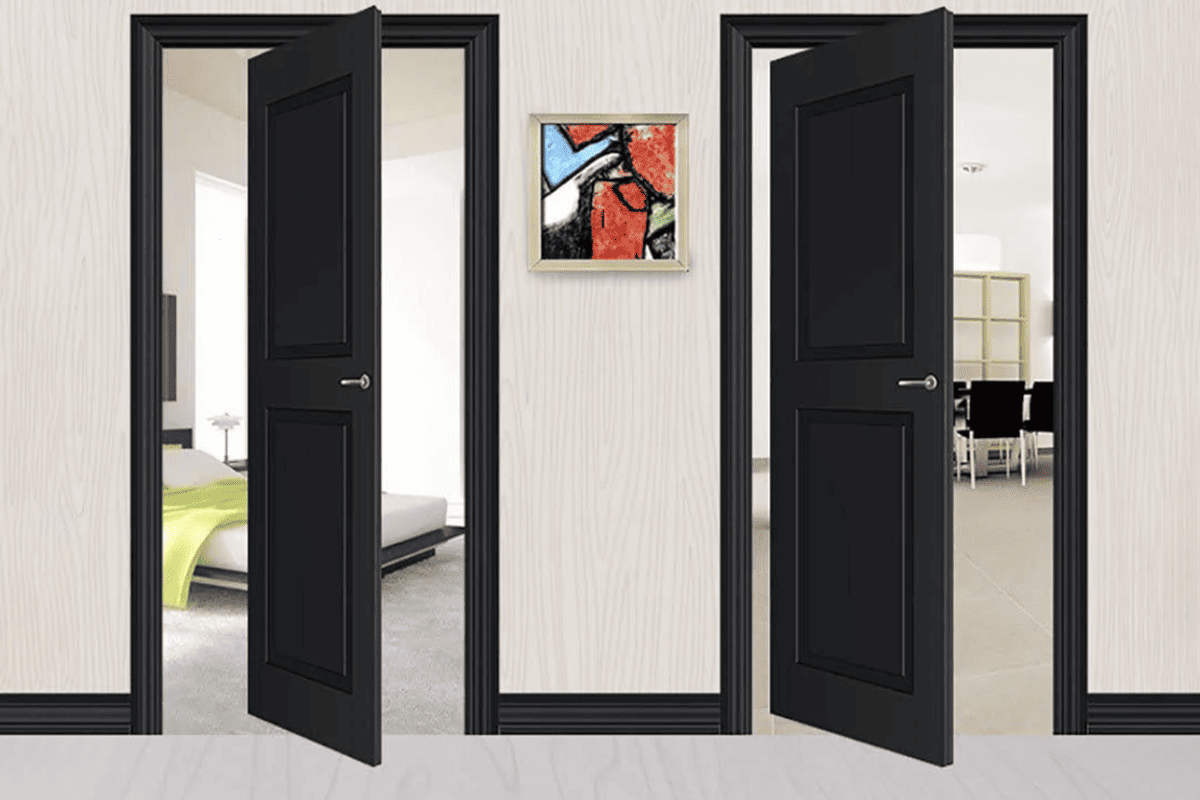
The value of smooth self-closing
The self-closing function is one of the main reasons buyers choose a floor spring. It helps the door return to the closed position without manual force. This matters in commercial and public settings where many users pass through the entrance every day.
A good self-closing action should feel controlled. It should not slam. It should not stop halfway. It should not require users to push the door hard at the final stage. The user may not notice a good floor spring, but they will notice a bad one very quickly.
In practical terms, smooth self-closing supports:
- Convenience: Users do not need to close the door manually.
- Safety: Controlled movement reduces sudden impact.
- Energy control: Closed doors help maintain indoor temperature.7
- Security: Doors are less likely to remain unintentionally open.
- Space management: The entrance remains orderly in high-traffic areas.
What hold-open positioning does
Positioning, often called hold-open, allows the door leaf to stay open at a defined angle. Common examples include 90° or 105°, depending on the floor spring design and project requirements.
This function is useful in many situations:
| Application | Why hold-open can help |
|---|---|
| Retail entrance | Keeps the doorway open during business hours |
| Hotel lobby | Supports smooth guest movement |
| Office entrance | Allows temporary open access during peak hours |
| Public building | Improves traffic flow during busy periods |
| Delivery area | Keeps the door open when goods move through |
However, hold-open is not always required. Some projects prefer non-hold-open models for better security or fire-control planning.8 If the door is part of a fire-rated assembly, buyers should verify the full door set requirements and certification documents with qualified professionals.9 I do not recommend assuming that one component’s certificate automatically covers the whole installed door system.
How pivot alignment affects closing quality
The pivot set guides the door’s turning movement. If the pivot point is not aligned with the floor spring spindle, the door may not close smoothly.10 It can drag, make noise, or return unevenly.
I usually remind customers that a door-control system has several contact points:
- Floor spring body
- Spindle or shaft
- Bottom pivot fitting
- Top pivot fitting
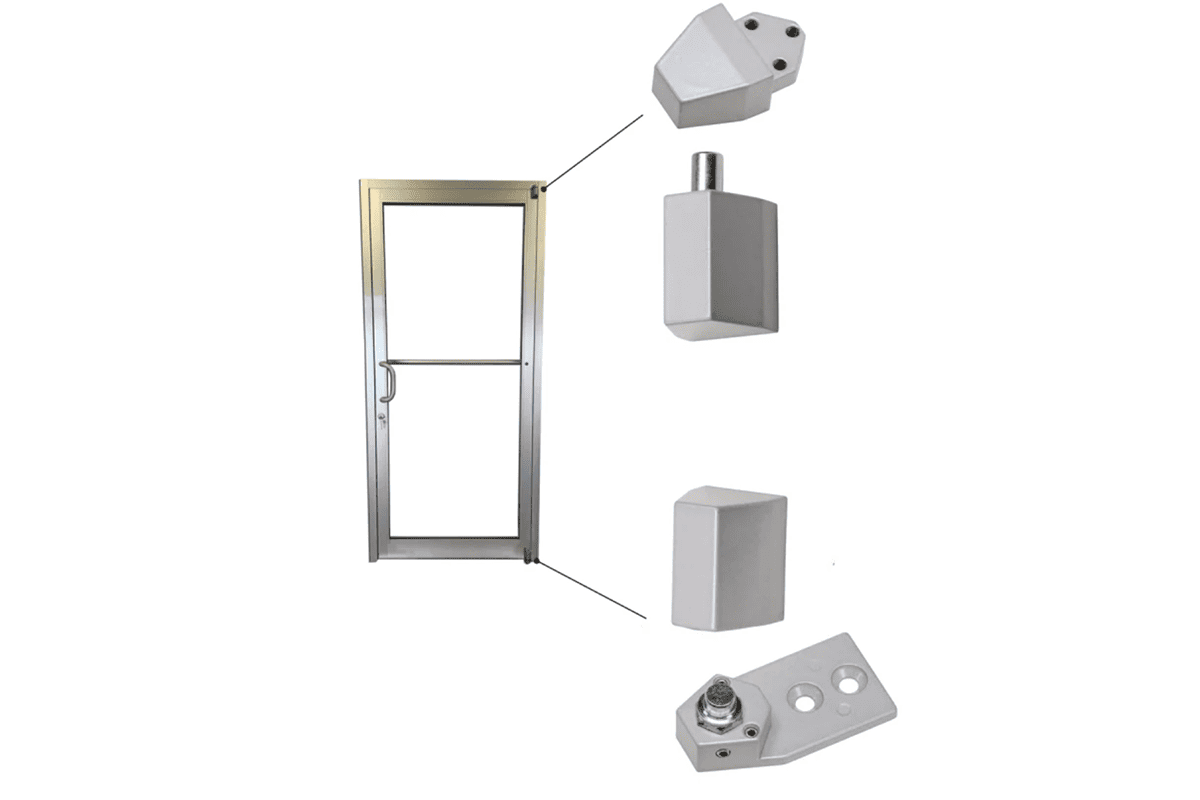
- Door clamp or patch fitting
- Frame or transom connection
- Floor box and cement case
Each part must work together. If one part is wrong, the whole system may suffer. That is why I avoid treating floor springs and pivot hardware as interchangeable accessories.
Closing speed and final latch action
Many floor springs allow adjustment of closing speed and final closing action.11 The exact adjustment range depends on the product design. From a procurement perspective, buyers should ask suppliers for technical drawings, installation instructions, and adjustment guidance before bulk orders.
A simple buying checklist can help:
- Does the model support the required door weight?
- Does it support the door width?
- Is hold-open required or not?
- What opening angle is needed?
- Can the closing speed be adjusted?
- Is the product suitable for the installation depth?
- Are matching pivot sets available?
- Are certificates and test documents available for verification?
This is where factory communication becomes important. At SDH Hardware, when customers ask for floor springs or pivot sets, we usually first confirm the door material, door weight, door width, opening frequency, and whether hold-open positioning is required. This process keeps the recommendation practical rather than generic.
How Should I Choose Floor Springs and Pivot Sets for Different Door Materials?
Different door materials create different hardware demands. A glass door needs clean visual fittings. A metal door may need stronger structural connection. A timber or framed door may require different preparation. If I ignore the door material, the hardware choice becomes guesswork.
Floor springs and pivot sets should be chosen according to door material, finished weight, width, thickness, and fixing method. Glass doors often need patch fittings or clamps, while metal and framed doors may need different pivot brackets, preparation details, and compatibility checks with the door frame.
Glass doors
Frameless glass doors often use floor springs because the hardware can remain visually discreet. The floor spring body sits inside the floor, while the visible parts are usually limited to cover plates, patch fittings, clamps, and pivot pieces.
For glass doors, I normally check:
- Glass thickness
- Door weight
- Door width and height
- Patch fitting compatibility
- Bottom clamp design
- Top pivot structure
- Opening angle
- Hold-open requirement
- Cover plate finish
Common finishes include stainless steel, satin stainless steel, polished stainless steel, black, and other project-specific surface treatments. Buyers should confirm whether the finish matches the rest of the door hardware, such as lever handles, pull handles, locks, and hinges.
Metal doors
Metal doors may be used in commercial buildings, industrial spaces, and heavy-duty access points. They may have more structural strength than frameless glass, but they still require correct pivot alignment and load matching.
For metal doors, I usually care about:
Door leaf construction
The internal reinforcement must support the pivot fixing points.Frame preparation
The top pivot may need accurate frame drilling or welded supports.Weight distribution
A steel door can be much heavier than expected.Traffic level
Service entrances and public corridors may have frequent use.Corrosion conditions
Outdoor or coastal projects may need more careful finish selection.
Aluminum-framed doors
Aluminum-framed glass doors are also common in commercial projects. These doors combine the appearance of glass with the structural support of aluminum profiles. The floor spring and pivot set should match the profile design and fixing space.
Important points include:
- Profile thickness
- Bottom rail design
- Pivot fixing method
- Door weight with glass included
- Compatibility with lock and handle positions
- Clearance between door and floor
Comparison by door type
| Door type | Typical concern | Hardware selection focus |
|---|---|---|
| Frameless glass door | Clean appearance and glass thickness | Patch fittings, clamps, floor spring capacity |
| Aluminum-framed glass door | Profile compatibility | Pivot fixing space and door weight |
| Steel or metal door | High weight and structural connection | Reinforced fixing points and heavy-duty floor spring |
| Timber door | Preparation accuracy | Pivot position and door bottom structure |
| Commercial entrance door | High traffic | Durability, self-closing stability, hold-open choice |
Why complete door hardware matching matters
Many buyers source door hardware as a package. They may need floor springs, pivot sets, lock bodies, cylinders, lever handles, hinges, pull handles, and other accessories. In this situation, visual consistency and technical compatibility both matter.
For example, a stainless steel lever handle may look good with a satin floor spring cover plate. A black door system may require black visible fittings. However, the finish should not be the only decision point. The technical match still comes first.
I usually suggest this order:
- Confirm door type and application
- Confirm door weight and width
- Select floor spring load capacity
- Confirm pivot set compatibility
- Check opening angle and hold-open
- Review installation drawings
- Confirm visible finish and packaging
- Verify certificates and test documents when required
This sequence helps buyers avoid a common mistake: choosing hardware by appearance first, then discovering that it does not meet the door’s functional requirements.
What Installation and Supplier Checks Matter for Floor Springs and Pivot Sets?
Even a good product can perform poorly if the installation conditions are wrong. I have seen buyers compare only unit price, but the real cost appears later through adjustment work, replacement parts, or customer complaints. Supplier checks should reduce these risks before shipment.
Floor springs and pivot sets require checks on installation depth, floor box size, pivot alignment, door clearance, adjustment access, product drawings, certificates, and inspection procedures. Buyers should also verify supplier experience, material control, testing capability, and whether the floor spring matches the complete door hardware system.
Installation conditions buyers should confirm
A floor spring is installed into the floor. That means the site condition can strongly affect performance. If the floor box is not level, the door may not move correctly.12 If the floor depth is insufficient, the selected model may not fit. If the pivot line is wrong, the door may rub or swing poorly.
Before confirming a bulk order, I recommend checking:
- Floor spring body size
- Cement case dimensions
- Required installation depth
- Floor finishing thickness
- Door bottom clearance
- Top pivot fixing position
- Frame or transom strength
- Door opening direction
- Door stop or limiting requirements
- Access for future adjustment and maintenance
Supplier evaluation checklist
For B2B buyers, the supplier is part of the product. A floor spring is not only a metal box with a spindle. It is a performance component that needs stable production, quality control, and clear documentation.
Here is a practical checklist I would use when evaluating a supplier:
| Supplier check | Why it matters | What to request |
|---|---|---|
| Product range | Helps match different door weights and uses | Catalog, model table, technical specs |
| Factory production | Supports consistency and lead time control | Factory profile, production process overview |
| Quality inspection | Reduces after-sales risk | Inspection process, test equipment details |
| Technical drawings | Helps installation planning | Dimensional drawings and installation guides |
| Certification documents | Supports project compliance checks | CE or fire-rated documents where applicable |
| Customization ability | Helps brand companies and importers | Logo, finish, packaging, drawing support |
| Matching hardware | Improves system compatibility | Pivot sets, patch fittings, handles, locks |
| Export experience | Reduces communication and packing issues | Market experience and shipment references |
At SDH Hardware, our business focuses on architectural door hardware manufacturing and supply. I keep my recommendation within that scope. For application-specific structural decisions, fire door assemblies, or regulated project requirements, buyers should consult qualified professionals and verify all certification documents before final approval.
Quality control points for procurement
A buyer does not need to run a laboratory to ask good quality questions. Simple but specific questions can reveal whether a supplier understands the product.
I would ask:
- How do you inspect the closing function?
- How do you check spindle movement and oil leakage risk?
- What is the recommended door weight range for each model?
- What pivot sets match this floor spring?
- Can you provide installation drawings before order confirmation?
- Can you provide finished product inspection after production?
- What packaging protects the product during sea shipment?
- Can visible parts match my required finish?
These questions are especially important for importers and hardware brand companies. They may not install the product themselves, but their customers will judge the product in real buildings.
A practical procurement flow
I like using a simple procurement flow because it prevents missing key details:
Collect door data
Door material, weight, width, height, thickness, and usage frequency.Define the function
Self-closing, hold-open, opening angle, and traffic level.Check installation conditions
Floor depth, frame strength, pivot line, and clearance.Select matched components
Floor spring, pivot set, patch fitting, cover plate, and accessories.Review documents
Drawings, specifications, certificates, and inspection requirements.Confirm sample or pre-production details
Finish, logo, packaging, and product marking.Inspect before shipment
Confirm appearance, function, quantity, labeling, and packaging.
This approach is not complicated, but it is effective. It also reduces the chance of treating floor springs and pivot sets as generic items. In my experience, the best B2B buyers ask detailed questions early. That makes the final order easier for everyone.
Frequently Asked Questions
Are floor springs and pivot sets the same thing?
No. A floor spring is a floor-mounted door closer with load-bearing, self-closing, and sometimes hold-open functions. A pivot set guides and supports the door’s rotation. They work together, but they are not fully interchangeable.
Can one floor spring fit all heavy doors?
No. One floor spring should not be assumed to fit all heavy doors. The correct model depends on door weight, door width, door material, opening frequency, installation depth, and required functions such as hold-open positioning.
When should I choose a hold-open floor spring?
You should choose a hold-open floor spring when the door needs to stay open at a selected angle for traffic flow, ventilation, delivery access, or commercial entrance convenience. For fire-rated or security-sensitive doors, verify project requirements before selecting hold-open hardware.
What information should I send to a supplier before buying?
You should send the door material, door weight, door width, door height, glass or panel thickness, opening direction, traffic frequency, installation photos or drawings, and hold-open requirements. This information helps the supplier recommend a suitable floor spring and pivot set.
Do floor springs improve door aesthetics?
Yes. Floor springs can improve aesthetics because most of the closer body is hidden inside the floor. Only the cover plate and related fittings remain visible. This creates a cleaner look, especially for glass doors and modern commercial entrances.
Conclusion
Floor springs and pivot sets should be selected as functional door-control hardware, not simple decorative accessories. I always look first at door weight, width, material, opening frequency, installation conditions, and hold-open needs. The right system can support heavy doors, improve self-closing, create stable positioning, and maintain a clean appearance. If you are sourcing architectural door hardware for commercial projects or wholesale supply, contact SDH Hardware to discuss matched floor spring, pivot set, and complete door hardware options.
"How to Select a Commercial Door Closer by Size and Arm ...", https://www.cdfdistributors.com/blog/post/commercial-door-closer-selection-guide?srsltid=AU7gw4UuT87N-TZ-PXXMh4bgGh4Ce6_fEMXbXWxTohRpyqxOPhFg8EVT. A door-hardware standards or professional guidance source explains that door-control hardware selection depends on door mass, size, frequency of use, and installation conditions, supporting the claim that mismatched hardware can impair closing and operational stability. Evidence role: general_support; source type: institution. Supports: A neutral door-hardware or standards source should support that door closers and pivots must be selected according to door size, weight, usage, and installation conditions to achieve reliable closing and movement.. Scope note: The source may support the general relationship between selection criteria and performance rather than documenting this article's specific examples. ↩
"Heavy-Duty Floor Closers", https://www.assaabloy.com/hk/en/product-assets/door-closer/rixson1/assets/documents/AA%20Project%20Catalogue%20-%20Door%20Closer@RIXSON.pdf. Technical door-hardware guidance describes floor springs as floor-mounted door-control devices used with pivots to support and regulate the movement of swinging doors, providing contextual support for treating the components as a combined load-bearing and control system. Evidence role: mechanism; source type: institution. Supports: A technical guide or standards body should explain the roles of floor springs, pivots, and floor-mounted closers in supporting and controlling swinging doors.. Scope note: The source may describe standard operating principles and may not verify every model or installation configuration. ↩
"Torque (Moment)", https://www.grc.nasa.gov/www/k-12/airplane/torque.html. Introductory mechanics sources define torque as the product of force and the perpendicular distance from the axis of rotation, which supports the statement that a wider door creates greater leverage on pivots and closing hardware. Evidence role: mechanism; source type: education. Supports: An educational physics source should support that torque increases with force and distance from the pivot axis, explaining why a wider door imposes greater leverage.. Scope note: The source supports the physics principle rather than providing door-specific test data. ↩
"FM01-08 (2020) Approximate Weight of Architectural Flat Glass", https://ogs.ny.gov/flat-glass-conversion-factors. Materials references report that soda-lime architectural glass has a density of roughly 2,500 kg/m³, so panel weight increases directly with thickness and area, supporting the claim that thicker tempered glass can substantially increase door weight. Evidence role: general_support; source type: research. Supports: A materials or architectural-glass reference should support that glass weight is proportional to thickness and area, making thicker glass panels significantly heavier.. Scope note: The source supports the weight calculation for glass generally; exact door weight also depends on fittings, cutouts, rails, and hardware. ↩
"Purchasing Energy-Efficient Residential Windows, Doors, ...", https://www.energy.gov/cmei/femp/purchasing-energy-efficient-residential-windows-doors-and-skylights. Energy-efficiency guidance identifies air infiltration and uncontrolled openings as contributors to heating and cooling loads, supporting the claim that doors left open can waste conditioned air. Evidence role: mechanism; source type: government. Supports: An energy-efficiency source should support that uncontrolled air exchange through open doors can increase HVAC load and energy consumption.. Scope note: The source may address building air leakage or infiltration generally rather than floor-spring-equipped doors specifically. ↩
"Chapter 4: Entrances, Doors, and Gates", https://www.access-board.gov/ada/guides/chapter-4-entrances-doors-and-gates/. Accessibility standards such as the ADA Standards for Accessible Design specify timing requirements for door closers, indicating that closing speed is a recognized safety and accessibility factor. Evidence role: expert_consensus; source type: government. Supports: Accessibility or building-code guidance should support that door closing speed is regulated or limited to allow safe passage and accessibility.. Scope note: The standards establish minimum accessibility criteria and do not directly measure user perception in every commercial setting. ↩
"Residential Windows, Doors, & Skylights", https://www.energystar.gov/products/res_windows_doors_skylights. Government energy-efficiency guidance identifies air leakage around doors and openings as a source of heat loss or gain, supporting the claim that keeping doors closed helps maintain indoor temperature. Evidence role: mechanism; source type: government. Supports: A government energy-efficiency source should support that reducing air leakage through doors helps maintain conditioned indoor temperature.. Scope note: The source supports the general building-energy mechanism and does not isolate the effect of floor springs from other door-sealing factors. ↩
"Fire Doors and NFPA 80 FAQs", https://www.nfpa.org/news-blogs-and-articles/blogs/2025/04/11/fire-doors-faqs. Fire-safety codes and guidance require many fire door assemblies to be self-closing or automatic-closing and restrict hold-open arrangements unless they release appropriately, supporting the article's caution about hold-open hardware in fire-control planning. Evidence role: expert_consensus; source type: institution. Supports: A fire-safety code or recognized life-safety institution should support that certain doors must self-close and that hold-open functions are restricted or controlled in fire-rated applications.. Scope note: Requirements vary by jurisdiction, occupancy, and door assembly rating. ↩
"Fire Doors and NFPA 80 FAQs", https://www.nfpa.org/news-blogs-and-articles/blogs/2025/04/11/fire-doors-faqs. Fire-door standards and certification guidance treat fire resistance as an assembly-level property involving the door, frame, glazing, and hardware, supporting the need to verify full door-set requirements rather than relying on an isolated component certificate. Evidence role: expert_consensus; source type: institution. Supports: A fire-door standard or certification body should support that fire-door performance depends on the tested and listed assembly, including compatible hardware.. Scope note: The source supports the compliance principle; specific approval must be checked against the applicable listing and local code. ↩
"Floor Spring Not Closing Properly? Causes, Adjustments ...", https://www.cc-hardware.com.tw/news/13.html?srsltid=AU7gw4USYwyham61LwMg63WryAsTY_Pyy5NoH8_KjYGIBuHWPROOQ7gr. Door-hardware installation guidance commonly requires the pivot axis and floor-closer spindle to be accurately aligned, supporting the claim that misalignment can interfere with smooth closing. Evidence role: mechanism; source type: institution. Supports: A technical door-hardware source should support that pivot and closer axes must be aligned for proper swing and closing operation.. Scope note: The source may state alignment requirements without quantifying the degree of misalignment that causes failure. ↩
"A156.4 - 2024 Door Closers and Pivots", https://buildershardware.com/ANSI-BHMA-Standards/Hardware-Highlights/A1564-2024-Door-Closers-and-Pivots. Door-control standards and technical guides describe adjustable sweep and latch-speed functions in door closers, providing support for the statement that many floor springs permit adjustment of closing speed and final closing action. Evidence role: definition; source type: institution. Supports: A standards or technical source should support that door closers often provide adjustment of sweep speed and latch or final closing action.. Scope note: The source supports common door-closer functionality; specific adjustment ranges vary by manufacturer and model. ↩
"Floor Spring Installation Process: A Step-by-Step Guide for ...", https://www.google.com/goto?url=CAESfAHrOzAV44qaKAEZcQ0vnah7RbPs15EVHODXet8S31UxVp3qR5COvd6UEIqLZE8NnTtd_i68GPTKw3TYk6G68xkEk505lItRAt4fnKo-f5QYoaCcxNWTt2djwkbuhgOgWlDEthaCz8gGEPg04Uq-8MjRdZseVd-EZTqyMN4&gsessionid=Jhbyo4tB0YXGHMz8-_IfF0TNu-cfcjerFMGK8S1FpihImuI7J-BcMQ. Floor-closer installation guidance specifies that the floor box or cement case should be set level and aligned with the pivot axis, supporting the claim that an unlevel box can affect door movement. Evidence role: mechanism; source type: institution. Supports: A technical installation guide should support that the floor box or cement case must be level and correctly positioned for proper floor-spring operation.. Scope note: The source may be based on general installation practice rather than independent laboratory testing. ↩
