
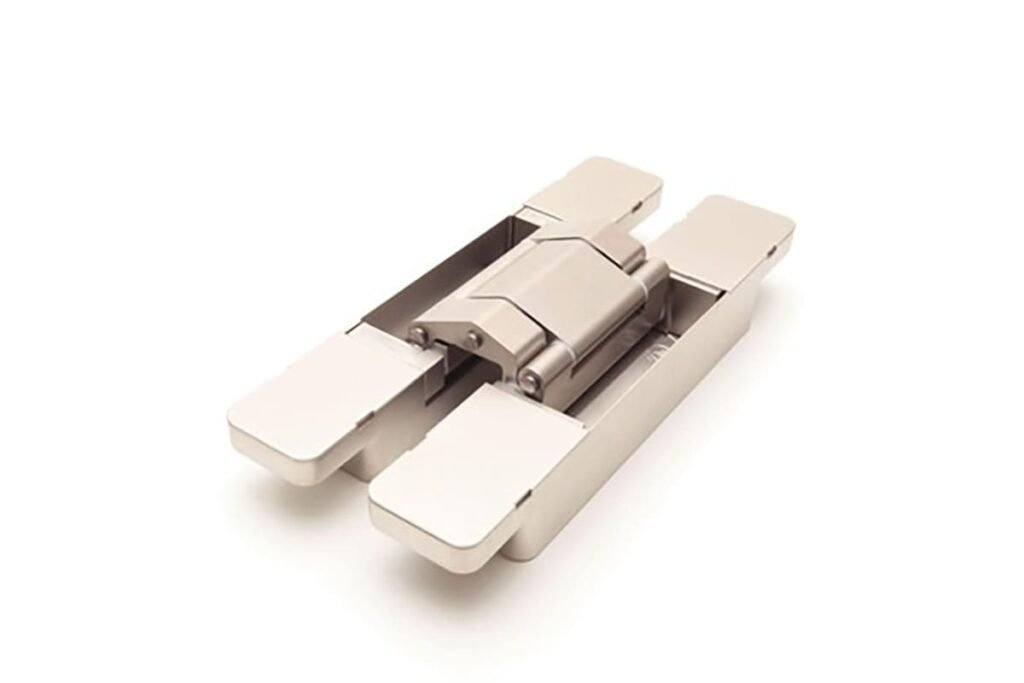
How to Choose a Hinge With a 100kg Load Capacity
A hinge with a 100kg load capacity sounds simple until a heavy door starts sagging, binding, or failing inspection. The risk grows when buyers compare hinges only by price or catalog weight rating. I choose more safely by checking the door weight, hinge quantity, material, testing proof, and supplier quality controls together.
To choose a hinge with a 100kg load capacity, confirm the real door weight, door size, hinge position, opening frequency, material grade, bearing design, screw strength, and certification documents. For B2B procurement, request test reports, drawings, samples, and supplier quality-control records before approving bulk orders.
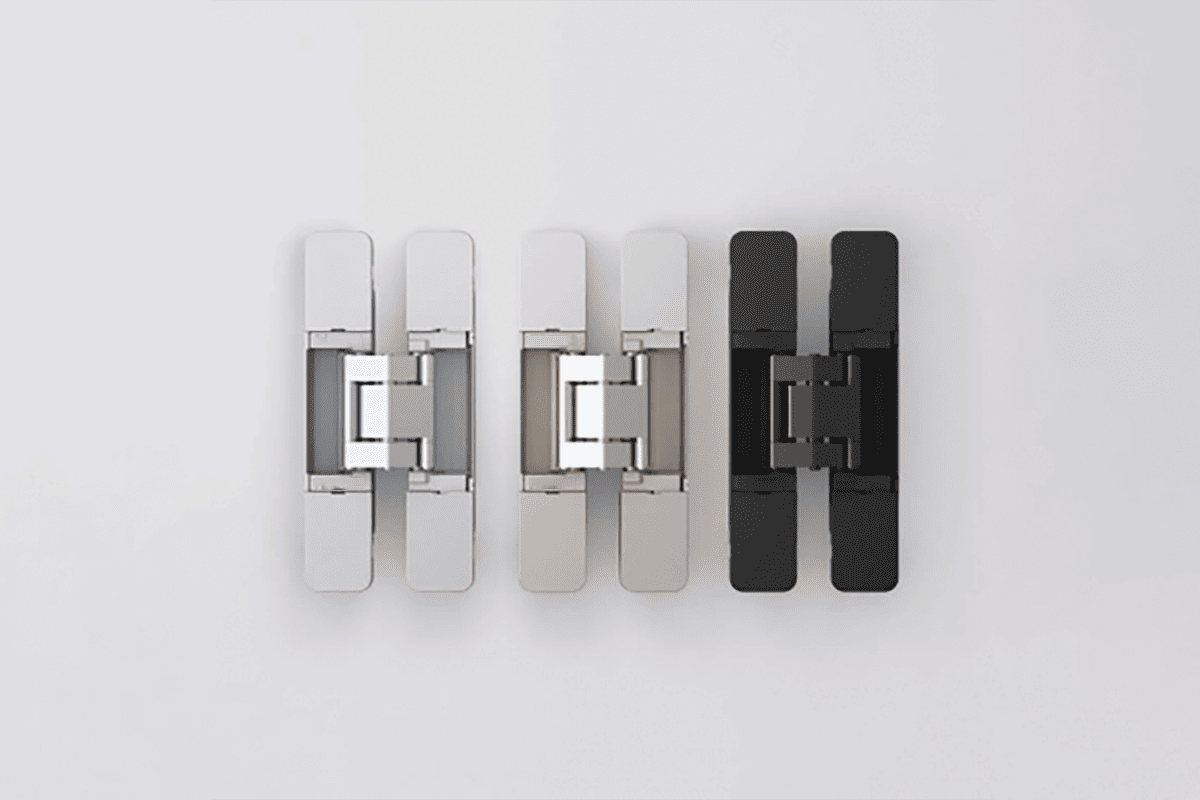
A load rating is only the starting point. In my experience, the better decision comes from matching the hinge to the complete door system. The frame, screws, door closer, fire rating, and installation quality all affect how a heavy-duty hinge performs after delivery.
What Does a Hinge With a 100kg Load Capacity Really Mean?
A hinge with a 100kg load capacity can create false confidence when the rating is read without context. A door may weigh 100kg, but dynamic movement, leverage, and poor installation can increase stress1. I always treat the rating as a technical claim that needs verification.
A hinge with a 100kg load capacity means the hinge set is designed to support a door load of up to 100kg under defined test conditions2. Buyers should confirm whether the rating applies to one hinge, a pair, or a full hinge set, and whether it includes cycle testing and fire-door use.

Dive Deeper
A 100kg rating does not always mean the same thing across suppliers. Some catalogs describe the capacity of one hinge, while others describe the capacity of three hinges installed on one door. This difference matters a lot in procurement.
For architectural door hardware, I usually ask suppliers to clarify these points in writing:
- Is the 100kg rating for one hinge or one door set?
- How many hinges were used during testing?
- What door size was used in the test?
- Was the hinge tested for cycle life?
- Was the product tested on timber, steel, aluminum, or fire-rated doors?
- What screw type and frame material were used?
- Is there a CE, fire-rated, or third-party test document available?
A heavy door creates force in more than one direction. The hinge must resist vertical load, side pull, repeated movement, and shock loads from slamming. A tall door also creates more leverage on the top hinge. This is why two hinges may be enough for a light internal door, but heavy commercial doors often need three or four hinges3.
Here is a practical way to read hinge load information:
| Catalog Claim | What I Ask Next | Why It Matters |
|---|---|---|
| 100kg load capacity | Per hinge or per door set? | Avoids under-specification |
| CE certified | Which standard and test report? | Confirms document relevance |
| Fire-rated | Tested for how many minutes? | Supports project compliance |
| Stainless steel | Which grade, 201/304/316? | Affects corrosion resistance |
| Ball bearing hinge | How many bearings? | Affects smooth operation |
| Heavy duty | What cycle test result? | Shows service-life expectation |
For B2B buyers, this step protects both product performance and reputation. A door factory may install thousands of hinges before discovering a mismatch. A hardware brand may face warranty claims in a regional market. A wholesaler may carry stock that does not meet project expectations.
At SDH Hardware, we treat hinge ratings as part of a wider evaluation. Our factory context includes in-house production, raw material screening, standardized production supervision, and finished product inspection. Still, I recommend that buyers verify documents, confirm project conditions, and request professional evaluation for application-specific fire, safety, or regulatory decisions.
How Should I Calculate Door Weight Before Choosing a Hinge With a 100kg Load Capacity?
Choosing a hinge with a 100kg load capacity becomes risky when the door weight is guessed. A door may seem “standard,” but core material, glass inserts, cladding, and hardware can add major weight. I calculate weight before comparing hinge options.
To calculate door weight, confirm the door material, height, width, thickness, core density, and added hardware weight. Then add a safety margin of at least 10–20% for real-use conditions4. A 90kg door may still require a hinge with a 100kg load capacity or higher.
Dive Deeper
Door weight calculation is one of the most useful checks in heavy-duty hinge selection. I have seen buyers focus on the hinge catalog but forget the door closer, lock body, pull handle, vision panel, and edge trim. These parts can turn a medium-heavy door into a true heavy-load application.
Key Inputs for Door Weight
I usually collect these details from the door factory or project specification:
- Door height
- Door width
- Door thickness
- Door core material
- Door facing material
- Glass or metal inserts
- Lock, cylinder, handle, closer, and accessories
- Expected opening frequency
- Indoor or outdoor environment
- Fire-rated or non-fire-rated requirement
A basic calculation can use density, volume, and accessory weight. However, real doors vary by construction. A solid timber door, steel fire door, and acoustic door may have very different weights even at the same size.5
Example Weight Estimate
| Door Type | Typical Weight Range | Hinge Selection Note |
|---|---|---|
| Hollow-core interior door | 15–30kg | Standard hinges may be enough |
| Solid timber door | 35–70kg | Use stronger butt hinges or bearing hinges |
| Steel security door | 60–100kg+ | Confirm frame and screw strength |
| Fire-rated door | 50–120kg+ | Verify fire-rated hinge documents |
| Acoustic or hotel door | 60–110kg | Check cycle life and closer force |
If a door weighs 85kg, I would not automatically choose a hinge set rated at exactly 85kg. I prefer a margin because doors move, slam, and settle over time. A door closer also changes the force profile. High-frequency commercial use adds fatigue.
Hinge Quantity Also Matters
Many buyers ask, “Can this hinge hold 100kg?” A better question is, “Can this hinge set hold this door in this application?”
For a 100kg door, buyers often consider:
- 3 hinges for many standard heavy doors
- 4 hinges for taller, heavier, or high-use doors
- Ball bearing butt hinges for smoother movement
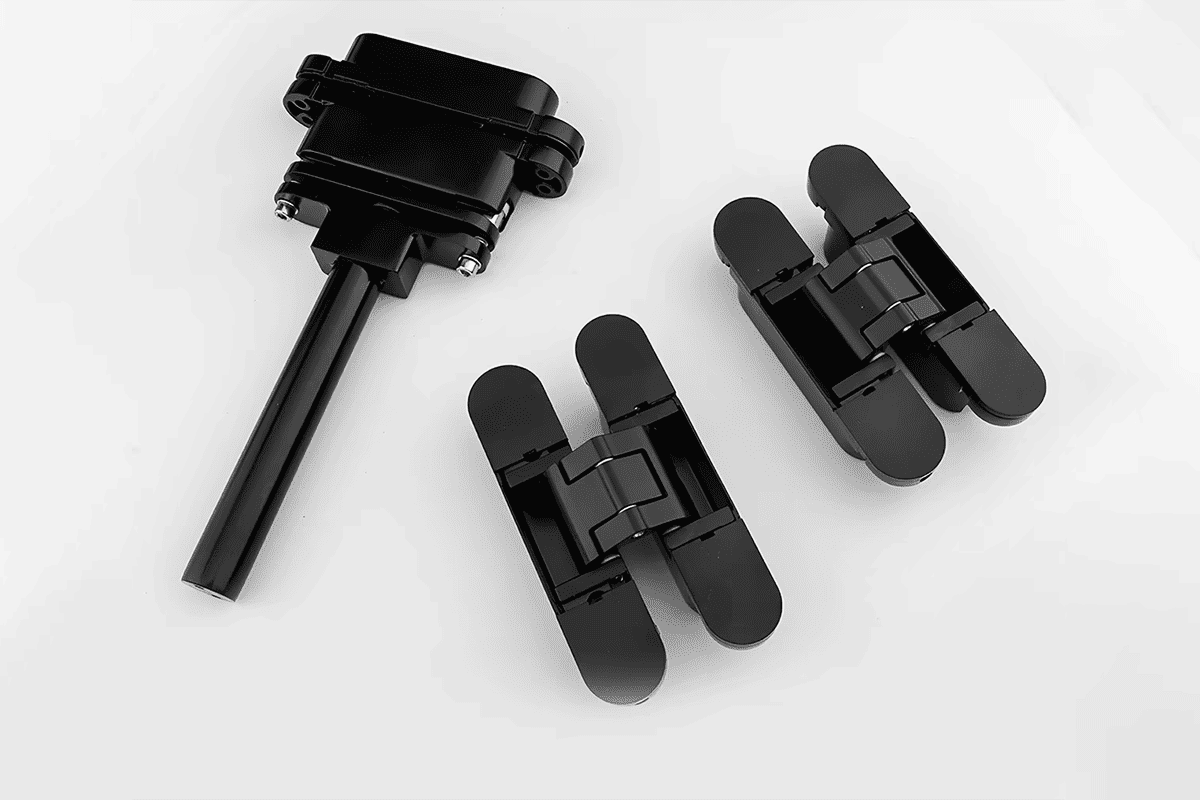
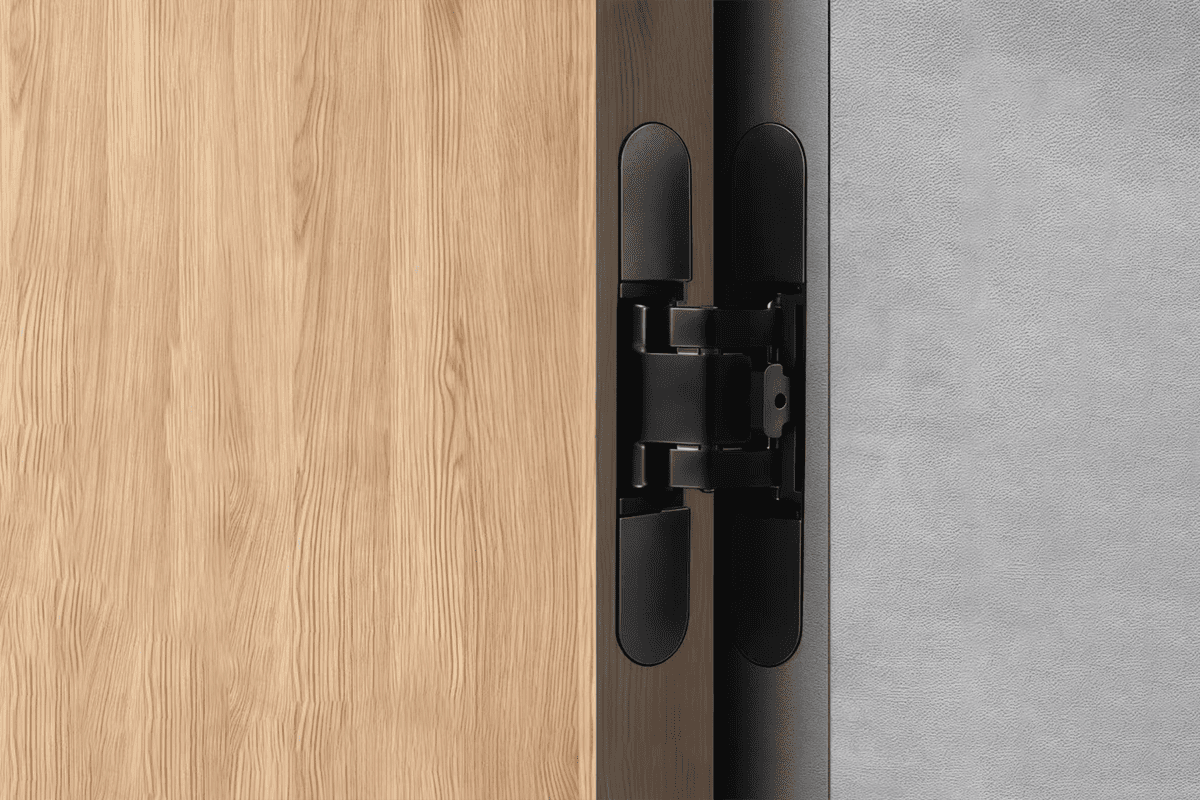
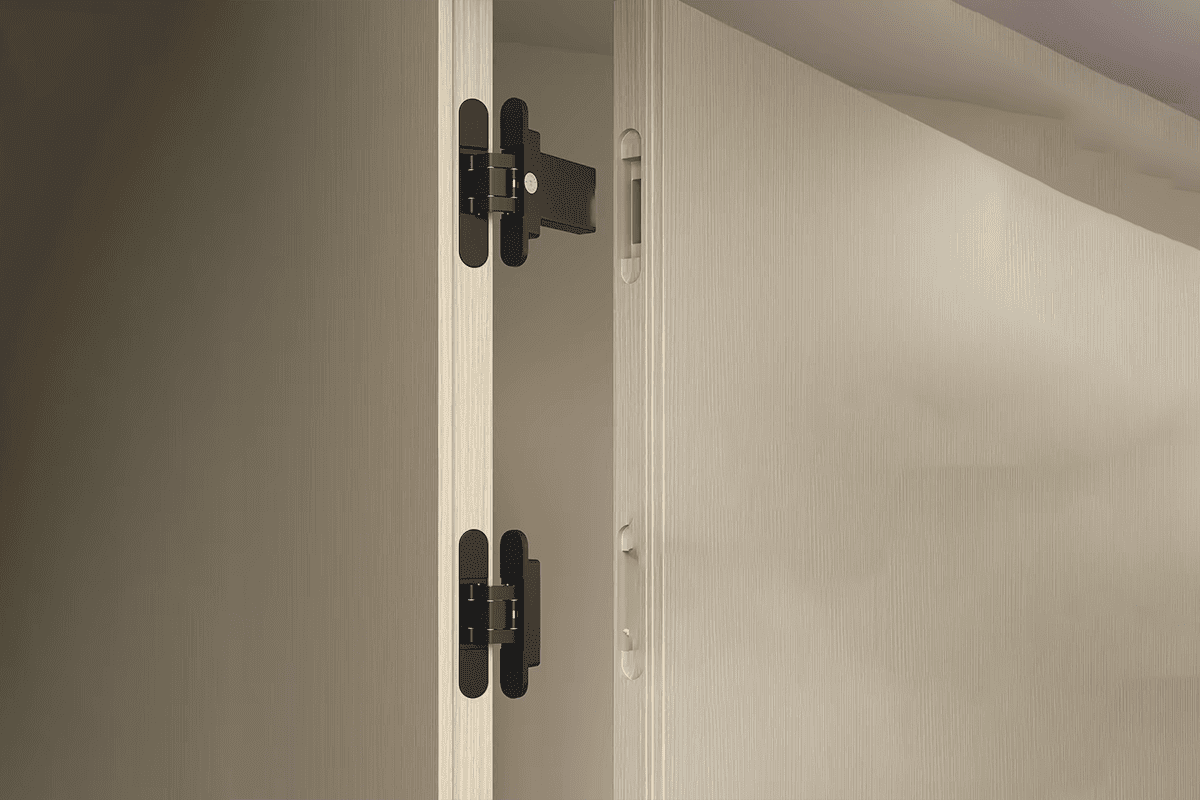
- Concealed hinges only when the model is tested for the load
- Fire-rated hinges when the door is part of a fire assembly
A hinge with a 100kg load capacity should not carry the responsibility alone. The frame, screws, reinforcement plates, and installation accuracy matter just as much. A strong hinge fixed into a weak frame can still fail.6
For procurement, I suggest asking the supplier for a drawing with installation positions. This helps the door factory prepare machining, reinforcement, and screw selection before mass production begins.
Which Materials and Designs Matter Most for a Hinge With a 100kg Load Capacity?
A hinge with a 100kg load capacity may look strong in photos, but material and design decide long-term performance. Thin leaves, weak pins, poor bearings, or low-grade steel can cause sagging. I compare structure before surface finish.
The best materials and designs for a hinge with a 100kg load capacity include thick stainless steel or high-quality steel leaves, a strong pin, ball bearings or washer support, accurate knuckle alignment, and corrosion-resistant surface treatment. For fire doors, buyers should verify compatible fire-rated hinge documentation.
Dive Deeper
A heavy-duty hinge is a small component with a demanding job. It must support weight, guide movement, resist wear, and stay aligned for years. When I review hinge samples, I do not judge only by appearance. I check the hinge thickness, pin fit, bearing movement, screw hole quality, surface treatment, and packaging protection.
Common Heavy-Duty Hinge Materials
| Material | Strengths | Procurement Caution |
|---|---|---|
| Stainless steel 304 | Good corrosion resistance, strong appearance | Verify grade and thickness |
| Stainless steel 316 | Better for coastal or humid environments7 | Higher cost |
| Steel with plating | Strong and cost-effective | Coating quality must be checked |
| Brass | Attractive finish and corrosion resistance | May not suit all heavy doors |
| Zinc alloy | Good for some accessories | Usually not preferred for 100kg heavy-load hinges |
For international projects, stainless steel butt hinges are common because they balance strength, durability, and appearance. However, not all stainless steel hinges are equal. A hinge marked “stainless steel” may use different grades. Surface treatment also matters. Satin stainless steel, polished stainless steel, PVD, powder coating, and electroplating each have different durability profiles.
Design Features I Check
A hinge for a 100kg door should have clear structural strength. I usually pay attention to:
- Leaf thickness: Thicker leaves reduce deformation risk.
- Pin diameter: A stronger pin improves load support.
- Bearing design: Ball bearings reduce friction and wear.
- Knuckle precision: Better alignment creates smoother operation.
- Screw hole countersinking: Accurate machining improves installation.
- Edge finishing: Smooth edges reduce handling and installation problems.
- Opening angle: Buyers should confirm project needs, such as 90°, 180°, or special access requirements.
Bearing Hinges vs Plain Bearing Hinges
For heavier doors, ball bearing hinges are often preferred because they reduce friction8. This matters in hotels, offices, schools, hospitals, and public buildings where doors may open hundreds of times per day.
| Hinge Design | Best Use | Limitation |
|---|---|---|
| Plain bearing butt hinge | Light to medium doors | More friction under heavy use |
| Ball bearing butt hinge | Heavy and frequent-use doors | Higher cost |
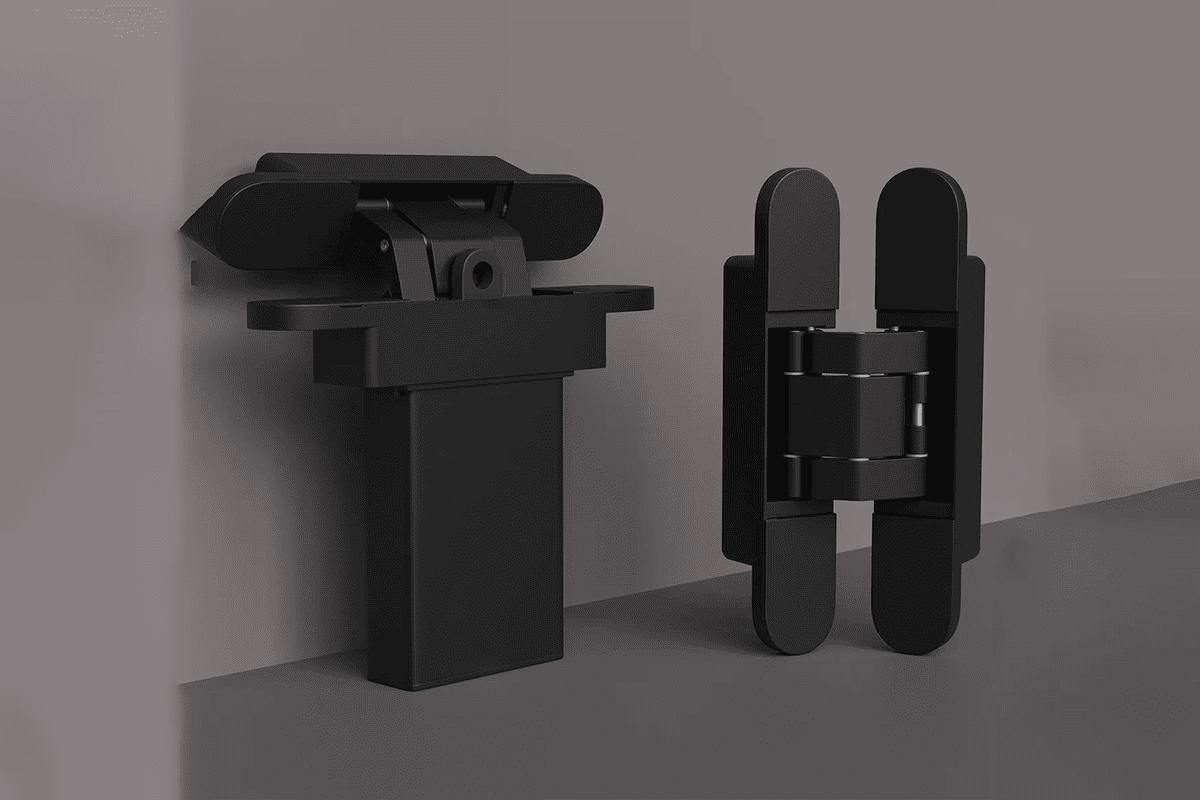
| Concealed hinge | Premium flush doors | Load rating must be carefully verified |
| Fire-rated hinge | Fire door assemblies | Must match tested system requirements |
At SDH Hardware, our product range includes butt hinges and concealed door hinges, alongside mortise locks, lever handles, cylinders, and accessories. In a B2B project, I often prefer a full hardware review instead of selecting hinges alone. The hinge, lock, closer, and handle should work as one system.
A strong hinge is not enough if the full door hardware set is mismatched.
This is especially important for OEM and ODM buyers. If your market needs a specific surface finish, screw pack, logo marking, or packaging design, these details should be confirmed before production. For load-bearing parts, I also suggest sample testing before bulk approval.
What Supplier Documents Should I Verify Before Bulk Ordering Heavy-Duty Hinges?
A hinge with a 100kg load capacity may be listed in a catalog, but documents show whether the claim is supported. Without verification, buyers may face failed inspections, returns, or project delays. I ask for proof before confirming production.
Before bulk ordering heavy-duty hinges, buyers should verify product drawings, material specifications, load test reports, cycle test data, CE documents, fire-rated certificates when applicable9, inspection records, packaging details, and sample approval records. Certifications should be checked for relevance, validity, and product-model match.
Dive Deeper
Supplier selection is a major part of hinge procurement. A good supplier does more than ship products. The supplier should help buyers reduce specification risk, quality risk, and after-sales risk.
When I evaluate a hinge supplier for bulk orders, I separate documents into three groups:
1. Technical Product Documents
These documents show what the hinge is.
- Product drawing with dimensions
- Material grade and thickness
- Surface treatment specification
- Screw size and screw quantity
- Load rating description
- Recommended door weight and door size
- Installation instructions
- Packaging specification
The drawing is especially important for door factories. It allows accurate routing, drilling, and frame preparation. Even small dimension changes can affect production efficiency.
2. Testing and Compliance Documents
These documents support the performance claim.
- Load capacity test report
- Opening and closing cycle test report
- Corrosion resistance test, such as salt spray test
- CE documentation when relevant
- Fire-rated certification when relevant
- Declaration of conformity, if required by the market
I do not treat certification as a decoration. I treat it as a document to verify. Buyers should check the issuing body, model number, standard, test scope, and validity. Fire-rated hardware needs special care because fire performance belongs to the tested assembly, not only the individual component10.
3. Factory and Quality-Control Documents
These documents show whether the supplier can repeat the quality.
- Incoming material inspection records
- In-process inspection procedure
- Finished product inspection checklist
- Batch traceability method
- Sample approval process
- Non-conformance handling method
- Final inspection photos or videos
- Loading and packing inspection records
At SDH Hardware, our stated factory context includes independent production lines, specialized testing machines, and full-process quality control from raw material screening to finished product inspection. For serious buyers, I still recommend a structured approval process. Trust grows stronger when it is supported by samples, documents, and inspection.
A Practical Supplier Evaluation Table
| Evaluation Area | What to Check | Buyer Benefit |
|---|---|---|
| Production capability | In-house lines, capacity, lead time | Reduces supply disruption |
| Technical support | Drawings, customization, sample response | Helps door factory planning |
| Quality control | Inspection steps and test equipment | Improves batch consistency |
| Certification support | CE and fire-rated documents | Supports market compliance |
| Customization | Finish, logo, packaging, accessories | Fits brand and project needs |
| Export experience | Target market experience | Reduces communication risk |
For B2B buyers in Europe, the Middle East, and Southeast Asia, market standards can differ. One project may prioritize fire-rated documents. Another may require corrosion resistance for coastal buildings. Another may need private-label packaging for wholesale channels.
I recommend that buyers define the approval checklist before price negotiation. This prevents misunderstandings later. A low unit price may not be a real saving if the hinge fails load testing, arrives with poor finish, or does not match the required screw pack.
How Do Installation Conditions Affect a Hinge With a 100kg Load Capacity?
A hinge with a 100kg load capacity can still fail if the installation is weak. A heavy door depends on the frame, fixing points, screw depth, and alignment. I always review installation conditions before I approve a hinge model for a project.
Installation conditions affect load performance because the hinge transfers door weight into the frame through screws and reinforcement points11. Buyers should confirm frame material, screw specification, hinge spacing, door closer force, installer accuracy, and whether reinforcement plates are needed for 100kg doors.
Dive Deeper
Installation is where a good hinge can become a bad result. This is why I try to connect the hinge supplier, door factory, and project installer early. A 100kg door leaves less room for error than a light residential door.
Key Installation Factors
The following factors can decide whether the hinge performs well:
- Frame strength: Steel frames, timber frames, and aluminum frames hold screws differently.
- Reinforcement: Heavy doors may need steel reinforcement plates.
- Screw length: Short screws may pull out under repeated stress.
- Screw material: Weak screws can shear or strip.
- Hinge spacing: Poor spacing increases stress on the top hinge.
- Mortise depth: Incorrect routing can twist the hinge leaf.
- Door closer setting: Excessive closing force increases impact.
- Building movement: Large projects may experience frame settlement.
For a heavy door, the top hinge usually carries the highest stress. If the top hinge is poorly fixed, the door may drop, rub against the floor, or fail to latch. This creates a chain reaction. The lock may no longer align with the strike plate. The closer may need more force. The user may slam the door harder. The hinge then wears faster.
Typical Hinge Placement for Heavy Doors
Exact placement depends on the door design and local practice, but a common approach is:
- Top hinge near the top of the door
- Bottom hinge near the bottom of the door
- Middle hinge closer to the top hinge than the bottom hinge
- Fourth hinge added for very tall, heavy, or high-frequency doors
The middle hinge position matters because it helps share the load. On tall commercial doors, three evenly spaced hinges may not always be ideal. The top area often needs more support.
Installation Risk Checklist
| Risk | Possible Result | Prevention |
|---|---|---|
| Weak frame | Door sagging | Use reinforcement |
| Wrong screws | Pull-out or loosening | Specify screw grade and length |
| Poor mortising | Hinge binding | Use accurate machining |
| No sample trial | Bulk mismatch | Test before production |
| Strong closer impact | Faster wear | Adjust closer correctly |
| Misaligned door leaf | Locking problems | Check frame and hinge line |
I suggest that buyers include installation requirements in the purchase order or technical file. This is especially useful for door factories and hardware brand enterprises that supply complete door sets.
A hinge supplier can provide the product, but the final performance depends on the full assembly. If the door is fire-rated, acoustic-rated, security-rated, or used in a regulated public building, buyers should consult qualified professionals. That step protects compliance and safety.
Frequently Asked Questions
How many hinges do I need for a 100kg door?
Most 100kg doors use three heavy-duty hinges, but tall, wide, high-traffic, or fire-rated doors may need four. The correct number depends on door size, frame strength, hinge model, screw fixing, and project requirements. I recommend confirming with the hinge supplier and project engineer.
Is a ball bearing hinge better for heavy doors?
A ball bearing hinge is usually better for heavy or high-frequency doors because it reduces friction and improves smooth movement. It can also reduce wear over time. Buyers should still verify load rating, cycle testing, material thickness, and installation requirements before approving bulk orders.
Can concealed hinges support a 100kg door?
Some concealed hinges can support heavy doors, but buyers must verify the specific model rating, door size limit, adjustment range, and test reports. Concealed hinges place different stresses on the door and frame, so I recommend sample testing before using them for a 100kg application.
Do I need fire-rated hinges for a fire door?
Yes, a fire door normally requires hinges that are suitable for the tested fire-door assembly. Buyers should verify fire-rated documentation, test duration, model match, and project requirements. A general heavy-duty hinge is not automatically suitable for fire-rated door applications.
What should I ask a hinge supplier before ordering?
Ask for drawings, load test reports, material specifications, surface finish details, screw information, sample availability, certification documents, production lead time, inspection process, and packaging details. For OEM or ODM orders, also confirm logo, packaging, color, and accessory customization.
Conclusion
Choosing a hinge with a 100kg load capacity is not only about reading a catalog rating. I look at door weight, hinge quantity, material grade, bearing design, installation conditions, and supplier documents together. For B2B buyers, this approach reduces quality risk and supports smoother project delivery. If you need factory-direct heavy-duty hinges, butt hinges, concealed hinges, or complete door hardware sourcing, contact SDH Hardware to discuss drawings, samples, customization, and bulk procurement requirements.
"Hinge Load Capacity: How to Calculate It", https://blog.weberknapp.com/hinge-load-capacity-calculation. An engineering mechanics source on door-hinge reactions supports that hinge loading depends on door weight, geometry, moments, and fixing conditions rather than on static mass alone. Evidence role: mechanism; source type: education. Supports: A mechanics or engineering source should explain that hinges experience moments and reaction forces from door weight, movement, and installation geometry, not only the nominal mass of the door.. Scope note: This would provide contextual mechanical support and would not prove the performance of any specific 100 kg hinge model. ↩
"Understanding BS EN 1935:2002 single-axis hinge grades", https://uk.sfs.com/resources/article/understanding-bs-en-1935. EN 1935 classifies single-axis door hinges by criteria such as test-door mass, durability, corrosion resistance, and fire/smoke-door suitability, supporting the point that a load rating has meaning only within defined test conditions. Evidence role: definition; source type: institution. Supports: A hinge standard should show that hinge ratings are assigned using specified test doors, mass categories, durability cycles, corrosion grades, and other defined criteria.. Scope note: The standard would establish the rating framework but would not verify a particular supplier's catalog claim. ↩
"Everything you need to know about Commercial Door Hinges", https://www.mckinneyhinge.com/en/resource-library/knowledge-center/blog/blog-post.aehdynamic-everything-you-need-to-know-about-commercial-door-hinges-top-10-commercial-contractors-hinge-installation-questions-633f18001fa7df003d7c229b_mckinney.html. Institutional door-hardware guidance commonly relates the number of hinges to door height, weight, and service conditions, supporting the statement that heavy commercial doors may require three or four hinges. Evidence role: general_support; source type: institution. Supports: An architectural hardware or door-industry source should describe hinge quantity recommendations based on door height, weight, and usage.. Scope note: Such guidance is usually prescriptive or customary and must still be reconciled with the specific hinge model and local code requirements. ↩
"Hinge Load Capacity Factors: A Technical Guide for ...", https://hingesmanufacturers.com/blog/hinge-load-capacity-guide/. Engineering design references support applying safety factors to components exposed to uncertain or variable loads, providing a rationale for selecting hinge capacity above the calculated door weight. Evidence role: general_support; source type: education. Supports: A source should support the use of safety factors or design margins when selecting mechanical components subject to variable loading.. Scope note: General engineering sources may justify a margin concept but may not directly validate the exact 10–20% range for all door-hinge applications. ↩
"A Guide to Soundproof Interior Doors", https://choicedoor.com/blog/a-guide-to-soundproof-interior-doors/. Building-materials references show that door mass is a function of volume, material density, and construction layers, supporting the claim that doors of equal dimensions can have materially different weights. Evidence role: mechanism; source type: education. Supports: A building-materials or construction source should show that density and construction method affect door mass at a given size.. Scope note: This supports the underlying calculation principle rather than providing exact weights for every proprietary door construction. ↩
"Door Hinge Screws Explained: Sizes, Materials, and When ...", https://umaylocks.com/door-hinge-screws/. Research and technical guidance on fastened joints show that connection strength depends on both the fastener and the supporting substrate, supporting the claim that a strong hinge can fail when fixed to an inadequate frame. Evidence role: mechanism; source type: research. Supports: A structural or fastening source should explain that joint performance depends on the substrate and fastener connection, not only the hinge leaf strength.. Scope note: The evidence would explain the failure mechanism generally and would not replace project-specific structural assessment. ↩
"Marine grade stainless", https://en.wikipedia.org/wiki/Marine_grade_stainless. Materials-engineering references describe 316 stainless steel as more resistant than 304 to chloride-induced pitting because of its molybdenum content, supporting its use in coastal or humid environments. Evidence role: mechanism; source type: education. Supports: A metallurgical source should explain that 316 stainless steel contains molybdenum and generally has better resistance to chloride-induced pitting than 304 stainless steel.. Scope note: Actual corrosion performance still depends on exposure severity, maintenance, finish quality, and alloy verification. ↩
"Rolling Element Bearing - an overview", https://www.sciencedirect.com/topics/materials-science/rolling-element-bearing. References on rolling-element bearings explain that rolling contact reduces friction relative to sliding contact, providing mechanical support for the use of ball bearing hinges where smoother movement is required. Evidence role: mechanism; source type: encyclopedia. Supports: A source should explain that rolling-element bearings reduce sliding friction by substituting rolling contact, which is relevant to ball bearing hinges.. Scope note: This is contextual support for the bearing mechanism and does not quantify friction reduction for a specific hinge design. ↩
"CE Marking UNI EN 1935", https://chemollifire.com/en/certifications/ce-marking-uni-en-1935/. Hinge and conformity-assessment standards use documented test results, classification criteria, and declarations to substantiate performance and regulatory claims, supporting the need to review load, cycle, CE, and fire-related documents before procurement. Evidence role: general_support; source type: institution. Supports: Standards or conformity-assessment sources should support the need for documented evidence of load, durability, regulatory conformity, and fire performance where applicable.. Scope note: This supports the documentation practice generally and does not specify every document required in every jurisdiction. ↩
"Fire Doors and NFPA 80 FAQs", https://www.nfpa.org/news-blogs-and-articles/blogs/2025/04/11/fire-doors-faqs. Fire-door testing and certification guidance treats the fire door as an assembly of door leaf, frame, hardware, glazing, and installation details, supporting the statement that hinge suitability cannot be inferred from the component alone. Evidence role: expert_consensus; source type: institution. Supports: A fire-safety institution should state that fire doors are rated as assemblies including the door, frame, hardware, glazing, and installation conditions.. Scope note: The cited guidance would establish the compliance principle but not determine whether a specific hinge is acceptable for a particular certified assembly. ↩
"25 Pcs Reinforcement Door Hinge Screws Kit, 3 Inch Long ...", https://www.amazon.com/FWUNYVN-Reinforcement-Screws-Screwdriver-Security/dp/B0CXDQ6PNH. Structural load-path principles support that door weight and operating forces are transmitted through the hinge leaves and fasteners into the frame and any reinforcement provided. Evidence role: mechanism; source type: education. Supports: A structural mechanics or building-technology source should explain that loads follow a path from the door through the hinge leaves and fasteners into the frame.. Scope note: This provides general mechanical support and does not calculate the load capacity of a specific frame or screw pattern. ↩
