
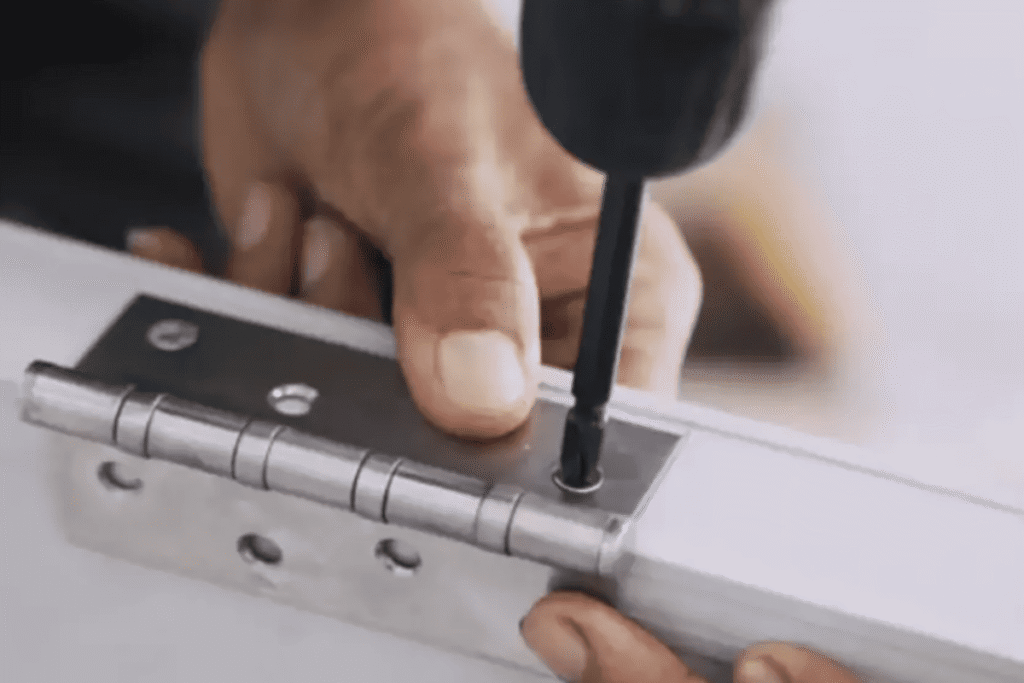
How High Temperatures Affect Ball Bearing Door Hinge Performance and Service Life
A ball bearing door hinge looks simple, but heat exposes its weak points fast. The problem is not “heat resistance” alone; it is service-life risk. As temperatures rise, resistance oil and lubricants can thin and bleed, wear accelerates, and door swing feel degrades. Left unchecked, you may see black contamination, looseness, and more maintenance.
High temperatures soften hinge lubricants, accelerate oil separation, and reduce viscosity, which can cause leakage from the knuckle of ball bearing door hinges. The leaked oil mixes with metal wear debris, leaving black stains. Heat also alters clearances through thermal expansion, changing bearing preload and door feel—from smooth to loose or gritty—shortening effective service life in demanding environments.
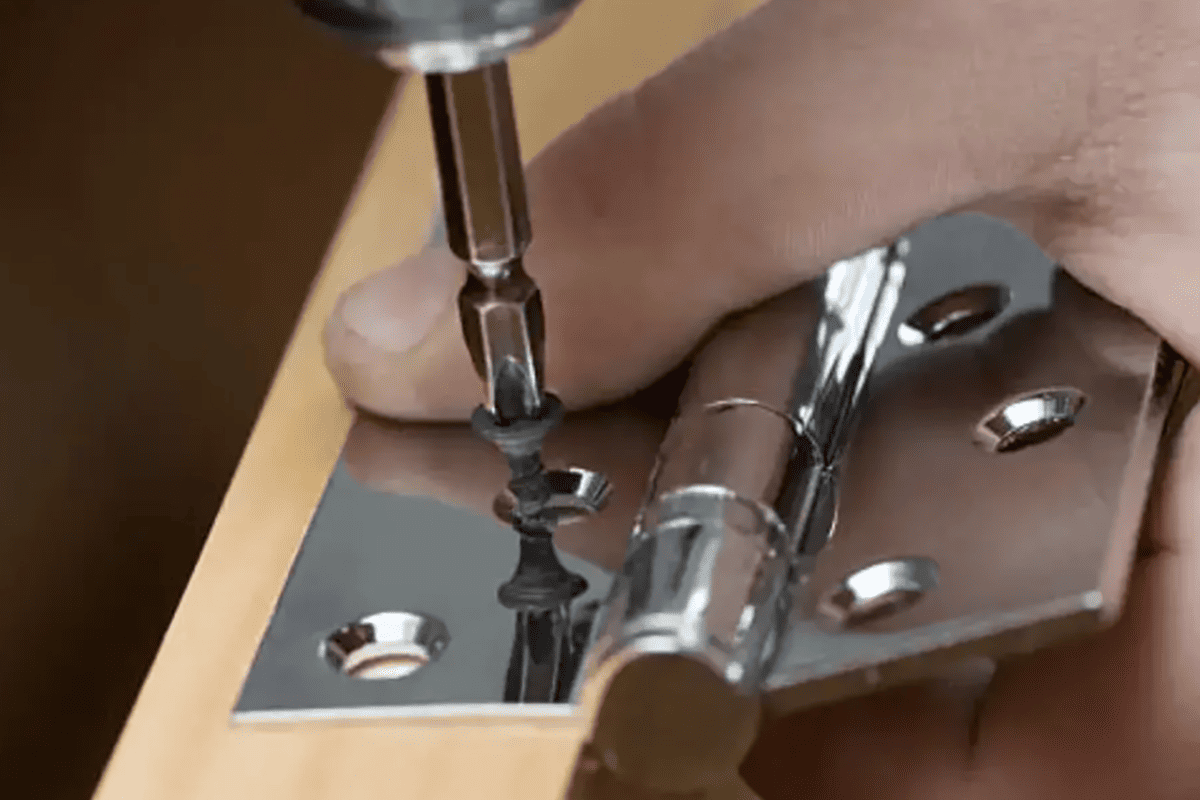
These outcomes are avoidable with the right specification and supplier controls. Below, I share what I see in manufacturing, QC, and field returns: where high-temperature risk starts, how to spot it early, and how to specify a more stable ball bearing door hinge for hot, high-frequency doors.
How does lubrication in a ball bearing door hinge behave at high temperature?
We rely on resistance oil or grease to create smooth, controlled movement. Under heat, this same lubricant can become the failure point. When viscosity drops and oil separates, the door swing loses its controlled feel, and the hinge can start to look and feel “wet.”
A high temperature lowers lubricant viscosity and raises oil separation. In a ball bearing door hinge, that means oil bleeds out of the knuckle area, bearing preload changes, and friction increases. The door may feel looser or noisier. The best countermeasure is selecting a high-temperature stable grease and verifying low oil-bleed data from the supplier.
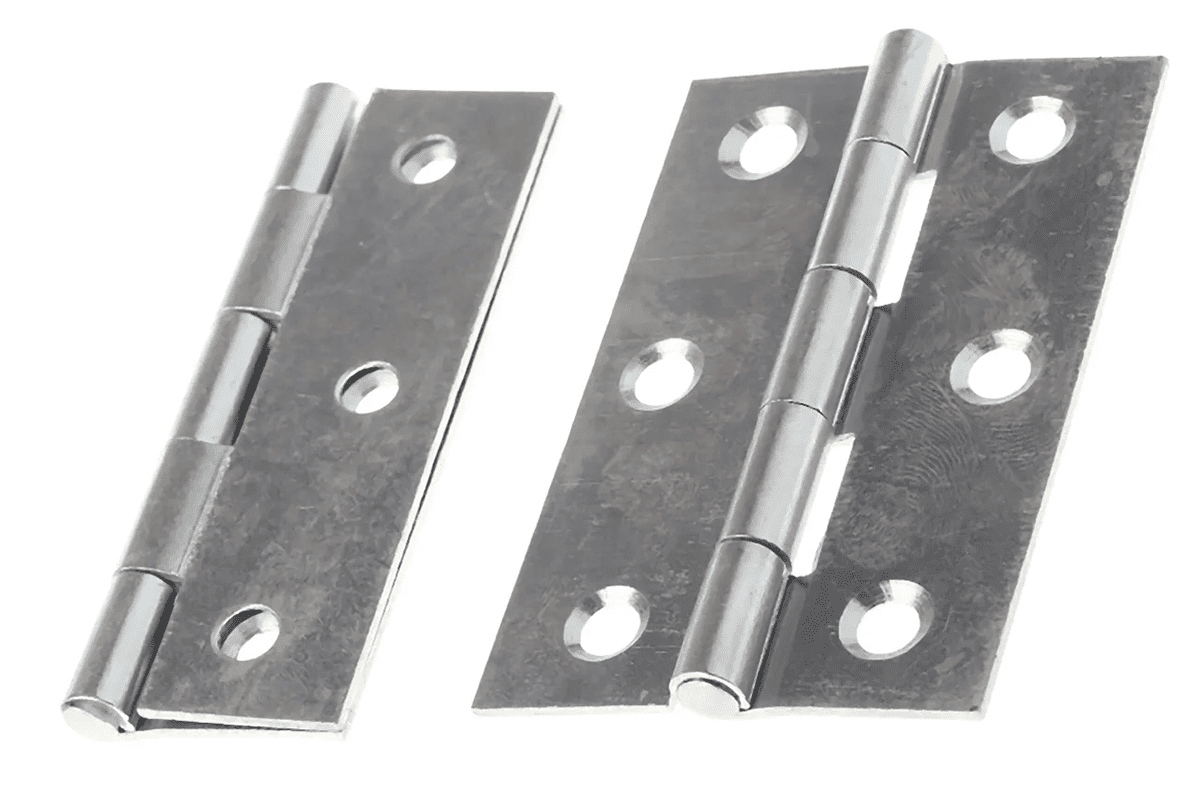
What actually changes in the grease
- Viscosity: As temperature increases, viscosity drops. The hinge loses its damping “feel.”
- Oil separation: Base oil migrates out of the thickener, showing as seepage or droplets around the knuckle.
- Evaporation rate: Lighter fractions evaporate faster; long-term lubrication reserve declines.
- Oxidation: Heat accelerates oxidation, thickening residue and increasing friction.
In our factory audits, doors near kitchens and boiler rooms are the first to show the telltale ring around the knuckle. Once the oil leaves the raceway, the balls run drier. Friction rises, noise increases, and wear debris accumulates. I still keep an early return sample on my desk with a faint oily halo and a gritty swing—an easy reminder of how fast heat shifts the balance.
Practical inspection cues
- Fresh hinges: No visible oil; consistent swing torque across full travel.
- Early leakage: Slight sheen around the knuckle or pin head; swing feels lighter or less damped.
- Advanced leak and wear: Visible streaks on leaf or door; gritty or rasping feel; torque fluctuates.
Specification tips that help
- Prefer high-temperature synthetic greases with documented low oil separation (e.g., ASTM D6184 “oil bleed” data) at expected ambient temps.
- Match NLGI grade to balance retention and low torque. In hotter areas, a slightly higher grade can resist bleed while still keeping friction low.
- Avoid general-purpose greases if ambient can stay above 50–60°C for hours. Ask for the grease data sheet, not just a brand name.
- For “resistance oil” (sometimes requested for a controlled closing feel), specify high-temp damping oils with stable viscosity index and low volatility.
Why do black stains form around a ball bearing door hinge in hot environments?
The problem starts inside the hinge. Heat thins the lubricant, and oil leaks. That oil picks up iron particles and wear debris from the pin, knuckles, and bearing raceways. The mixture wicks out and spreads on the leaf or door surface as black stains that are hard to clean.
Black marks are usually leaked oil mixed with fine metal wear. In a ball bearing door hinge, heat speeds oil migration and wear, so the stains appear sooner. Expect more visible contamination on light-colored doors, high-frequency doors, and hinges without good grease containment. Stable lubricant plus correct clearances reduces the risk.
The contamination chain
- High temperature softens grease or resistance oil.
- Oil separates and bleeds out of the hinge knuckle.
- Bearings and races run with less lubrication; micro-wear increases, producing fine iron powder.
- Oil transports this dark debris outwards, leaving black streaks or smudges.
In hospitality and healthcare projects, this becomes a quality perception issue within weeks. I have walked a new clinic where white laminate doors showed faint black arcs at hinge height—every pass-by saw them. Janitorial teams tried strong cleaners, which sometimes attacked the door finish. So prevention at the hinge level is far cheaper than cleaning after the fact.
Reducing visible contamination
- Use lubricants with lower volatility and low oil separation at the site’s maximum ambient.
- Ensure precise hinge clearance so the bearing preload is controlled; too loose increases vibration and wear, too tight increases friction and heat generation.
- Consider shields or small labyrinth features in the knuckle design that help retain grease.
- Verify surface finishes on pins and raceways; smoother surfaces reduce early wear.
Cleaning guidance
- Wipe with a neutral pH cleaner on a microfiber cloth; avoid aggressive solvents on painted or laminate surfaces.
- If contamination persists, inspect hinge for ongoing leakage; cleaning without correcting the cause will not last.
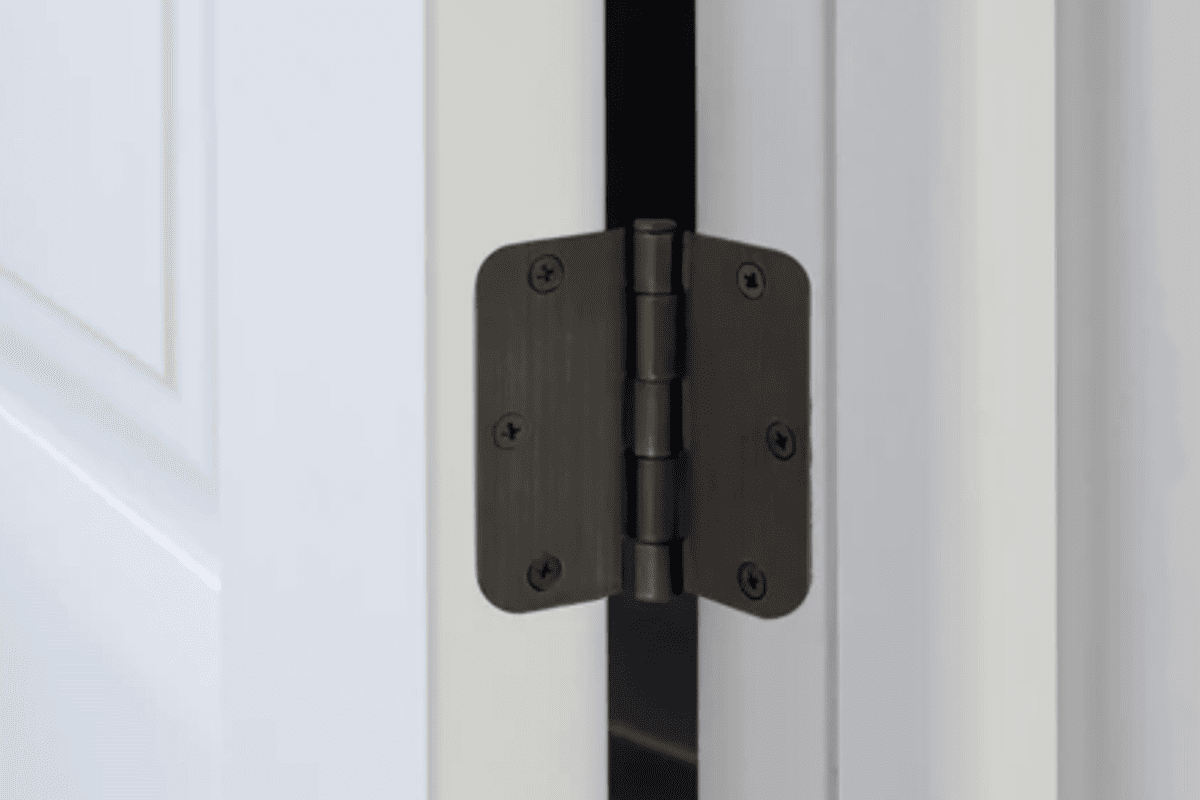
It is a common assumption that “stainless plus high capacity equals heat-safe.” Material quality and load rating matter, but they do not control lubricant stability. Heat-related decline mainly starts in the lubricant system and the bearing clearances, not in the alloy label on the leaf.
A stainless steel ball bearing door hinge with a high load rating may still leak oil and wear faster in heat. Load ratings focus on weight and cycle strength, not continuous thermal exposure. Buyers should evaluate lubricant stability, bearing design, hinge clearance, and surface finish alongside material grade and capacity.
What each attribute really covers
- Stainless grade (e.g., 304/316): Corrosion resistance; does not ensure grease stability or preload control at temperature.
- Load rating: Structural strength and fatigue under weight/cycles; not a proxy for lubricant behavior in heat.
- Bearing count: Helps load distribution; does not prevent oil bleed.
Material and lubricant pairing matters
- Raceways and pins: If the hardness or finish is inconsistent, micro-wear increases when grease thins, even in stainless assemblies.
- Bearing material: Hardened stainless (e.g., 440C) can improve wear resistance, but it still depends on lubrication quality.
- Surface treatment: In carbon steel hinges, hardened pins and polished raceways help, but again, the lubricant must stay put.
A quick comparison table
| Attribute | What it helps | What it does not guarantee |
|---|---|---|
| 304/316 stainless leaves | Corrosion resistance | High-temp lubricant retention |
| High load rating | Static/dynamic load capacity | Low oil separation at heat |
| More ball bearings | Smoother load distribution | Clean operation without grease bleed |
| Hardened pin/raceways | Lower wear rate | Stable door feel if grease thins |
| Premium finish (polish) | Reduced friction coefficient | No black stains if oil migrates |
I advise customers to treat materials and load as the baseline, then choose the lubricant and bearing design for the expected temperature. In my notes from a hotel retrofit, 304 hinges with general grease performed worse than carbon steel hinges filled with a high-temp, low-bleed grease—material alone did not decide the outcome.
Is a fire-rated ball bearing door hinge suitable for continuous high-heat environments?
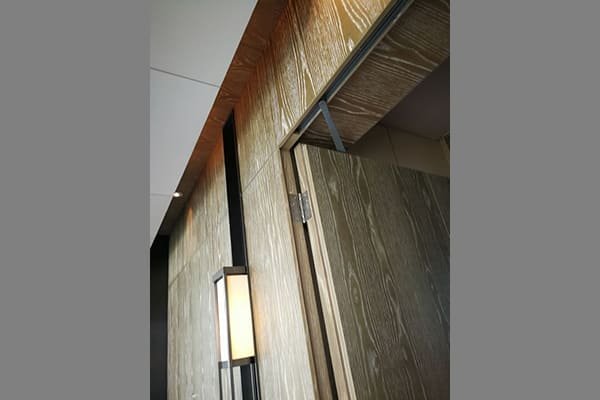
This is the most frequent misunderstanding I see. Fire-rated certification proves a hinge assembly will perform to a standard during short-term extreme heat, often with different system conditions than daily life. It does not promise years of smooth, clean motion in a hot mechanical room or kitchen corridor.
A fire-rated ball bearing door hinge can pass a time-limited test yet still leak lubricant and feel loose in sustained heat. Short-term fire performance and long-term high-temperature service life answer different questions. Verify both: certifications for code compliance, plus lubricant stability and design suitability for daily ambient temperatures.
Why the difference exists
- Fire tests focus on structural integrity and door operability after thermal exposure, not cleanliness or oil retention over months.
- During a fire, lubrication may not even be considered relevant; the assembly might be designed to function once under duress.
- Daily hot environments need consistent damping, low leakage, and minimal wear across thousands of cycles.
Buyer’s verification steps
- Check CE and fire-rated documents for the project’s certification needs. Always verify authenticity with the issuing body.
- Request lubricant technical data for continuous temperature at your site conditions (e.g., kitchens at 45–60°C ambient near ceilings).
- Ask for evidence of low oil separation at those temperatures and, if possible, simple bench test results or in-house endurance notes.
- Run a field trial in the actual environment and inspect the knuckle after 2–4 weeks: look for sheen, feel for consistent torque.
I remind customers: code compliance is mandatory, but user experience and maintenance cost are separate decisions. Plan for both.
How should I specify a ball bearing door hinge for kitchens, boiler rooms, and hot corridors?
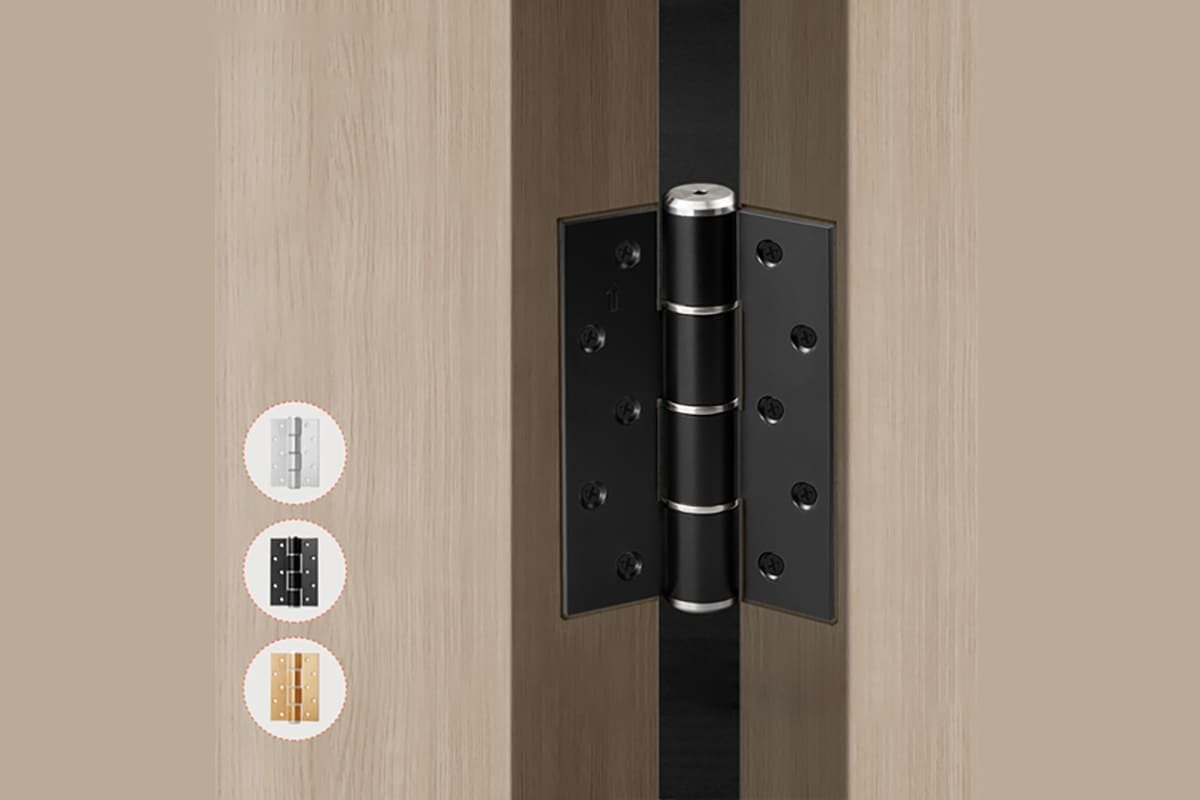
Start with the environment, not just the door weight. Identify expected ambient temperature, peaks, duty cycle, and required cleanliness level. Then specify lubricant class, bearing structure, hinge clearance, and surface quality to suit. Finally, validate with samples installed on-site before rolling into mass supply.
For hot areas, specify a ball bearing door hinge with high-temperature synthetic grease, low oil separation, controlled bearing clearances, and polished raceways. Match NLGI grade to door size and frequency. Consider minor containment features in the knuckle. Verify with on-site trial under real temperatures and cycles.
Key parameters to define
- Expected ambient temperature range (steady state and peak).
- Door weight and width (affects leverage and hinge loading).
- Opening frequency (cycles per day).
- Cleanliness requirements (white doors, healthcare, hospitality).
- Certification needs (CE, fire-rated; verify documents).
Recommended specification levers
- Lubricant: High-temperature synthetic grease with published low oil bleed at your top ambient. If resistance oil is required for feel, choose high VI damping oils with low volatility.
- Bearing geometry: Consistent bearing ball size, raceway finish, and fit to control preload and minimize friction heat.
- Hinge clearance: Tight enough to avoid rattle, not so tight that thermal expansion causes binding. Ask your supplier to state total indicated runout and pin fit tolerance.
- Surface finish: Polished pin and knuckle bores reduce early wear when grease softens.
- Containment: Shields or subtle labyrinth features help retain grease in the knuckle.
Environment-to-spec guide
| Environment | Typical risk | What to emphasize |
|---|---|---|
| Commercial kitchens | Continuous warmth, cleaning chemicals | High-temp grease, low oil bleed, polished raceways, corrosion-resistant materials |
| Boiler/mechanical rooms | Steady high ambient, vibration | High-temp grease, secure pin fit, controlled clearances |
| Hot corridors near plant rooms | Intermittent peaks | Balanced NLGI grade, validated field trial |
| Hospitality with white doors | Aesthetic sensitivity | Grease containment, low-bleed lubricants, regular inspection early on |
| Healthcare | Cleanliness and low noise | Low-volatility lubricant, tight process control, documented QC |
I often ask for two preproduction sets installed for 30 days in the target area. We inspect weekly for any sheen at the knuckle, torque variance, and noise. This small habit has prevented many large-scale complaints.
Even a good specification fails without process discipline. Ask suppliers how they control materials, grease filling, and clearances batch to batch. Request documents you can verify, and run a simple on-site heat exposure check before shipment approval for hot-area projects.
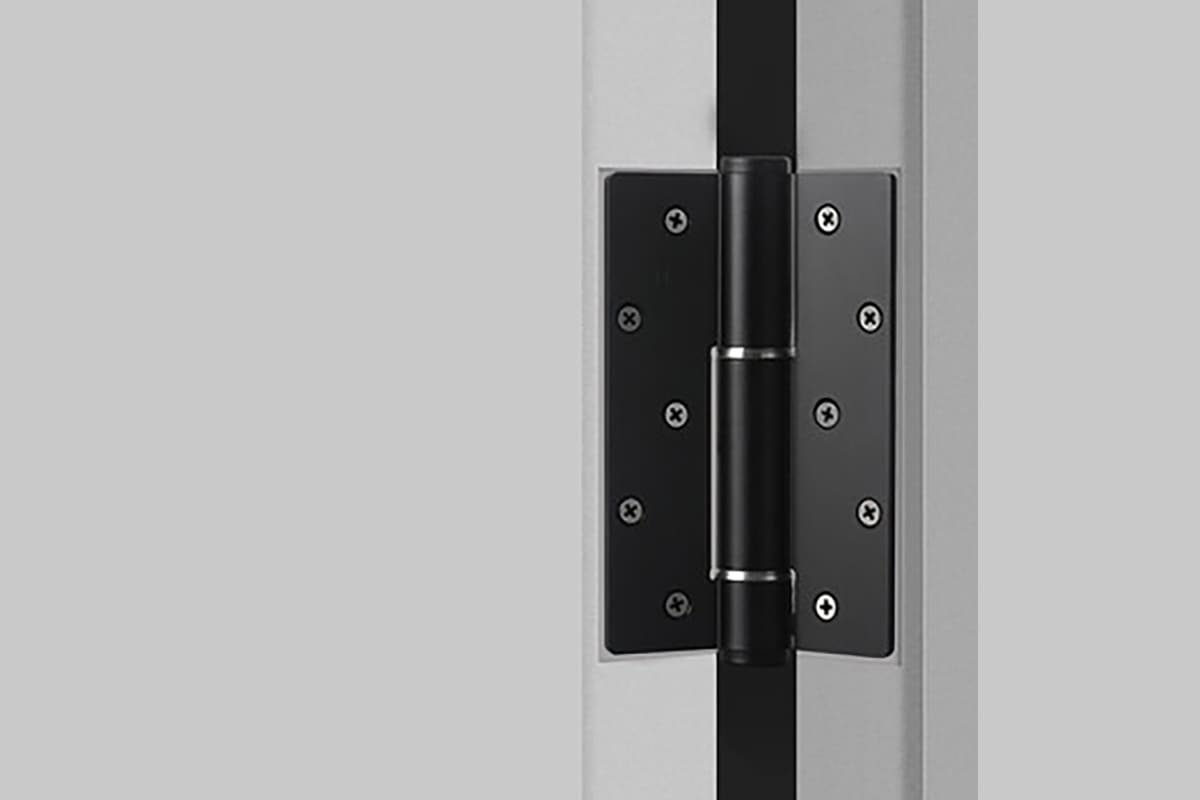
Supplier risk control starts with documented grease selection, controlled fill quantity, and consistent hinge clearances. Add visual and torque inspections, plus a short high-temperature soak test to screen for oil bleed. Verify CE and fire-rated papers for code, then evaluate heat suitability with real samples and temperature exposure.
What I look for in our own lines
- Raw material control: Confirm stainless grades or carbon steel heat treatment records; maintain pin hardness and finish.
- Raceway finish: Inspect roughness and concentricity; poor finish raises wear when lubrication thins.
- Grease management: Use the specified lubricant lot, check expiry, control dispensing volume to avoid both starvation and excess.
- Clearance and pin fit: Measure and record; a few microns matter in bearing preload and long-term feel.
Practical QC tests you can request
- Visual/torque baseline: Measure opening torque at room temp (new), then again after a 48-hour 60–70°C cabinet soak. Look for early sheen or torque collapse.
- Oil separation reference: Ask for the lubricant’s oil-bleed data at 100°C (lab standard) and infer relative stability at your lower ambient.
- Short cycle test post-heat: 2,000–5,000 cycles after a heat soak; check for black residue and torque drift.
- Documentation: CE and fire-rated certificates for compliance; lubricant technical data sheets; basic batch QC records.
Supplier selection signals
- Transparent about lubricant brand/type and test data.
- Offers to run a small, controlled pre-shipment heat exposure for your project SKUs.
- Provides detailed drawings with tolerances, not just nominal sizes.
- Willing to customize hinge clearance, surface finish, and packaging to protect cleanliness.
At SDH Hardware, our team builds these checks into hot-environment projects by default. It reduces returns and protects the end user’s experience—especially on high-frequency commercial doors.
Frequently Asked Questions
What lubricant is best for hot-area ball bearing door hinges?
Choose a high-temperature synthetic grease with documented low oil separation at your expected ambient. Polyurea and certain PAO-based greases often perform better than general-purpose lithium greases in heat. Match NLGI grade to door size and frequency. Always request the lubricant technical data sheet.
Do black stains mean my hinge has failed?
Not necessarily, but they indicate oil migration and wear debris. Clean the area with a neutral cleaner, then inspect the hinge knuckle for ongoing seepage and changes in swing feel. If leakage continues or the door feels loose or gritty, plan for replacement or a hinge with a more suitable lubricant.
Can I retrofit more grease into installed hinges?
It depends on the hinge construction. Many architectural ball bearing door hinges are not designed for regreasing in place. Adding incompatible grease can worsen oil separation. If leakage appears in heat, replacement with a hinge using a high-temperature, low-bleed lubricant is often more reliable.
Does stainless steel prevent oil leakage at high temperatures?
No. Stainless steel improves corrosion resistance, but lubricant stability governs oil leakage. A stainless ball bearing door hinge can still bleed oil and produce black stains if the grease softens in heat. Specify high-temperature lubricants and controlled clearances for hot environments.
Are fire-rated hinges the right choice for kitchens and boiler rooms?
Fire-rated hinges may be required by code, but fire certification does not ensure long-term performance in continuous heat. Use fire-rated hinges where specified, and confirm the hinge’s lubricant stability and design are suitable for the daily ambient temperature of the site.
Conclusion
High temperatures influence every aspect of a ball bearing door hinge—from lubrication stability and bearing wear to cleanliness and door feel. Stainless steel and load rating alone are not enough; you must match lubricant, clearances, and design to the environment and verify with real-world trials. If you need help specifying or validating hinges for hot-area projects, contact SDH Hardware for an engineering review, samples, and a practical QC plan tailored to your doors.
