
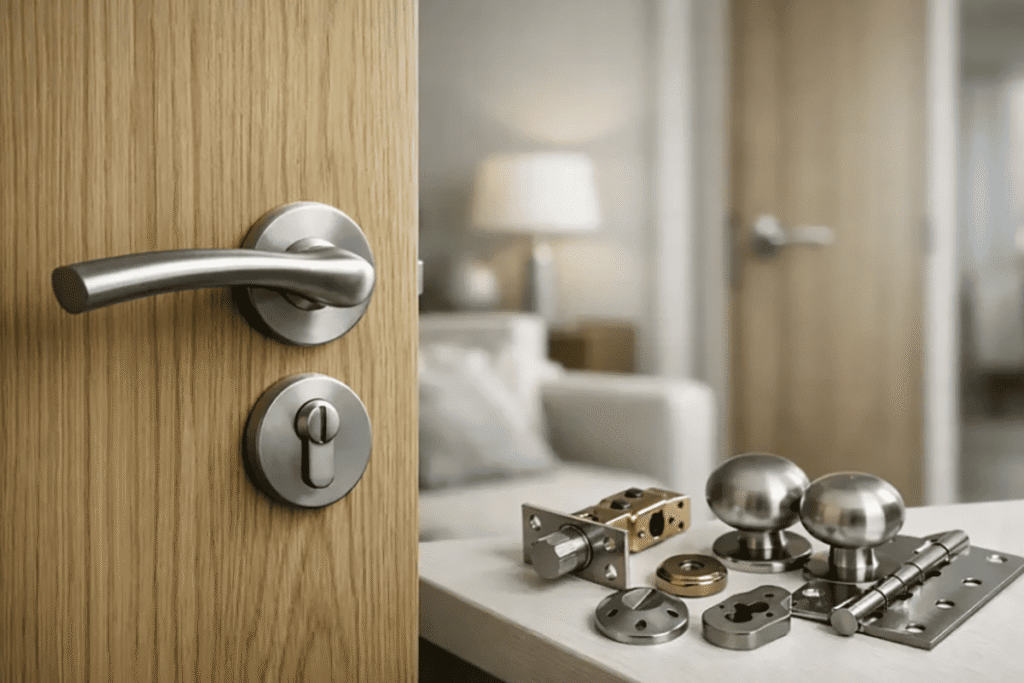
What locks do police recommend for doors?
Locks for doors are often the first detail buyers review when they want better building security, but the choices can feel confusing. Weak cylinders, light-duty latches, and poor installation can turn a strong-looking door into an easy target.1 I usually recommend starting with the same principles police crime-prevention teams often share: resistance, correct fitting, and verified quality2.
Police commonly recommend high-quality locks for doors that include a properly fitted deadbolt or mortise lock, a strong cylinder, reinforced strike plates, and security-rated hardware matched to the door type3. For commercial and multi-family projects, buyers should also consider fire-rated certification, durability testing, key control, and professional installation.
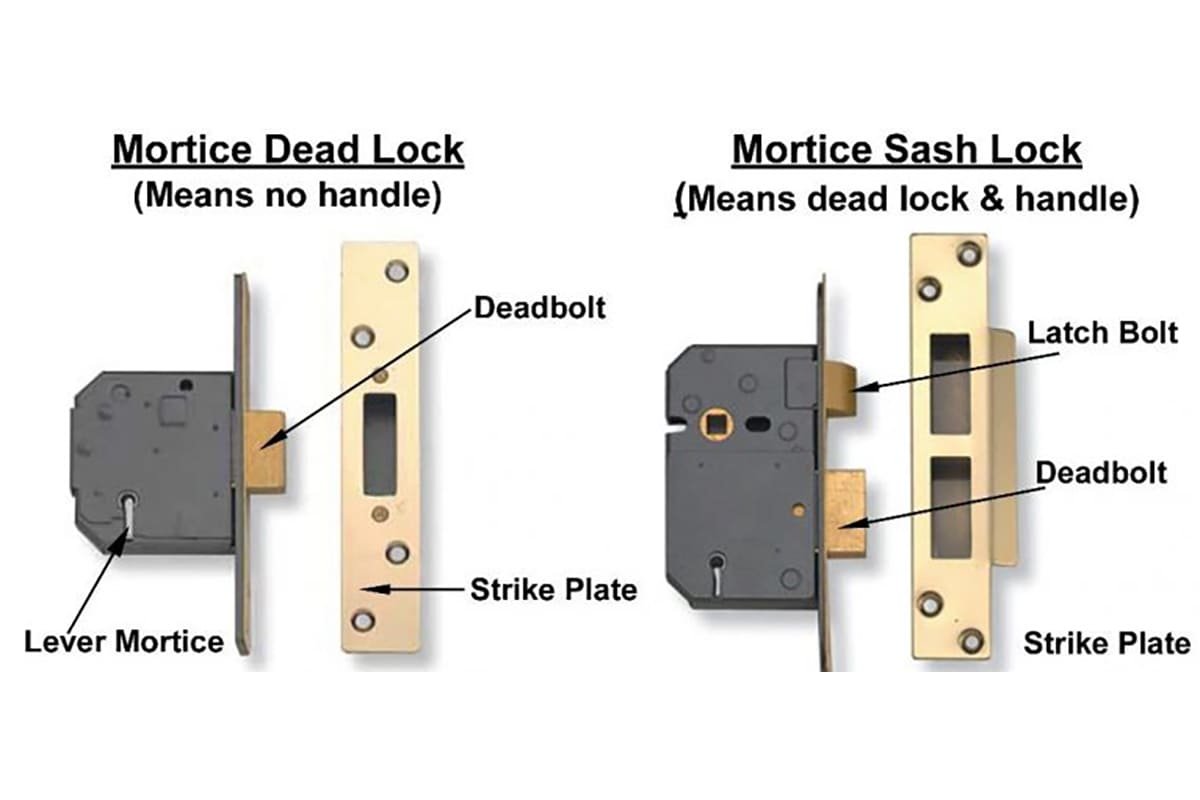
The short answer is simple, but the procurement decision is not. A good lock is only one part of a door set. Buyers should evaluate the lock body, cylinder, handle, hinges, frame preparation, screws, certifications, and supplier quality control as one complete security system.
What locks for doors do police usually recommend?
Many buyers ask this question after a break-in, a failed inspection, or a customer complaint. The problem is that “secure lock” is a broad phrase. If the wrong product is selected, money is spent but risk remains. The better approach is to compare lock types by attack resistance and application.
Police usually recommend locks for doors that resist forced entry, picking, drilling, and frame failure.4 In practical terms, this often means a quality deadbolt, mortise lock, or multi-point lock, combined with a tested cylinder, reinforced strike plate, long fixing screws, and correct installation by a qualified professional.
The main lock types police guidance often points to
Police crime-prevention advice varies by country and local department, so I avoid presenting one universal police standard. However, many public safety guides repeat the same core ideas: use stronger mechanical locking points, avoid weak latch-only hardware, and reinforce the door frame.
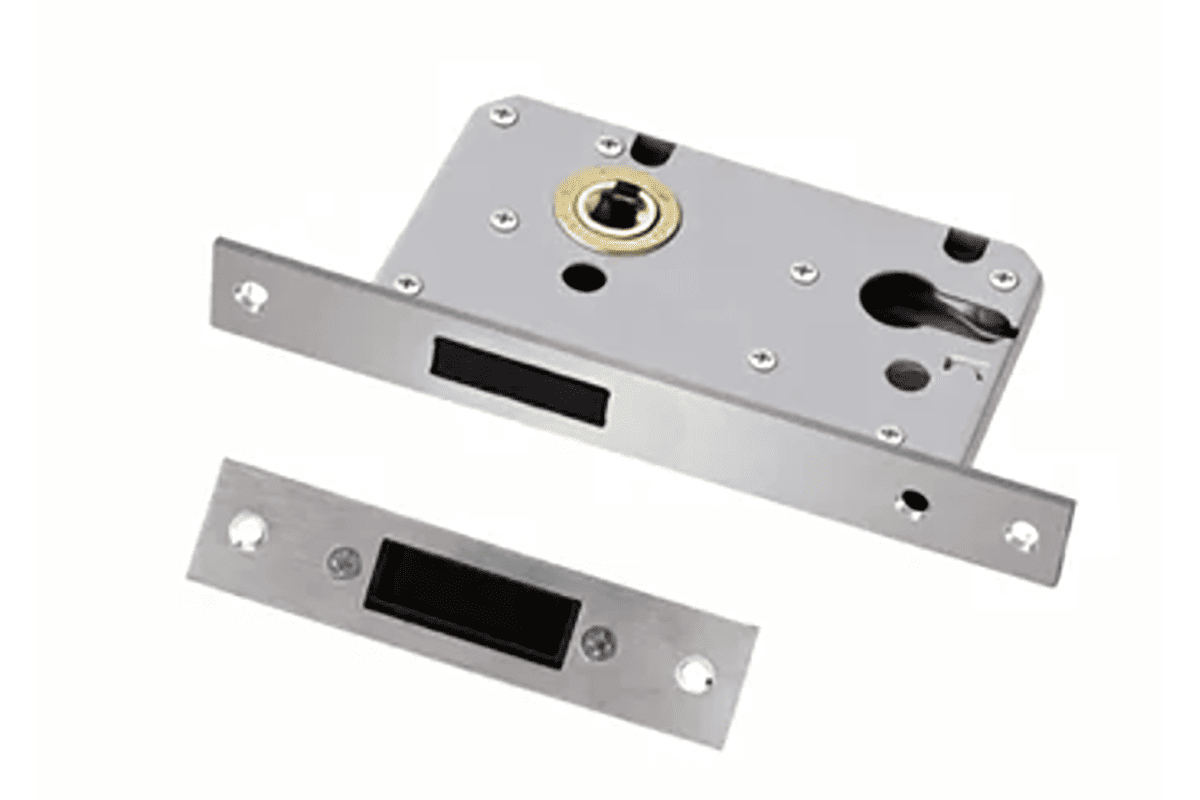
For procurement teams, I usually group recommended door locks into four practical categories:
| Lock type | Common use | Security value | Procurement note |
|---|---|---|---|
| Deadbolt lock | Residential and light commercial doors | Strong bolt engagement into frame | Look for solid bolt throw and anti-saw features |
| Mortise lock | Apartments, hotels, offices, public buildings | Strong lock case inside door body | Common in European and commercial specifications |
| Multi-point lock | Exterior doors, villas, higher-security doors | Locks at several points along the door | Requires accurate door preparation |
| High-security cylinder lock | Euro profile doors and commercial projects | Resists picking, bumping, and drilling | Verify cylinder grade and key control system |
Why latch-only locks are usually not enough
A spring latch may keep a door closed, but it is not usually enough for security.5 Many low-grade latch locks can be attacked with simple tools or defeated if the frame is weak. This is why police advice often focuses on a deadlocking function or a separate deadbolt.
For B2B buyers, the risk is larger because one wrong specification can affect hundreds or thousands of doors. I have seen buyers focus on the visible handle design while underestimating the lock body and cylinder. That is understandable because handles are easy to compare in photos. But the hidden hardware often decides whether the door performs under stress.
What I would check first as a buyer
When I review locks for doors for a project, I start with five questions:
- What is the door material? Timber, steel, aluminum, and fire-rated doors need different hardware choices.
- What is the risk level? A hotel room, warehouse office, school entrance, and apartment front door do not need the same lock.
- What lock standard applies? European, Middle Eastern, and Southeast Asian projects may reference different performance expectations.
- What cylinder security is required? Anti-drill, anti-pick, anti-bump, and restricted key systems matter.
- Who installs and tests the lock? Even a strong product can fail if fitted poorly.
A lock should not be evaluated alone. A secure door opening includes the lock, cylinder, strike, hinges, frame, fasteners, and installation quality.
At SDH Hardware, I would treat any “police recommended” claim as a starting point, not as final proof. Buyers should request test reports, certificates, samples, drawings, and application-specific confirmation before placing bulk orders.
Are mortise locks for doors better than deadbolts?
This question often appears in commercial procurement because mortise locks and deadbolts can both be strong. The problem is that buyers sometimes compare them as if they serve the exact same purpose. That can lead to poor specification, especially for hotels, apartments, and fire-rated doors.
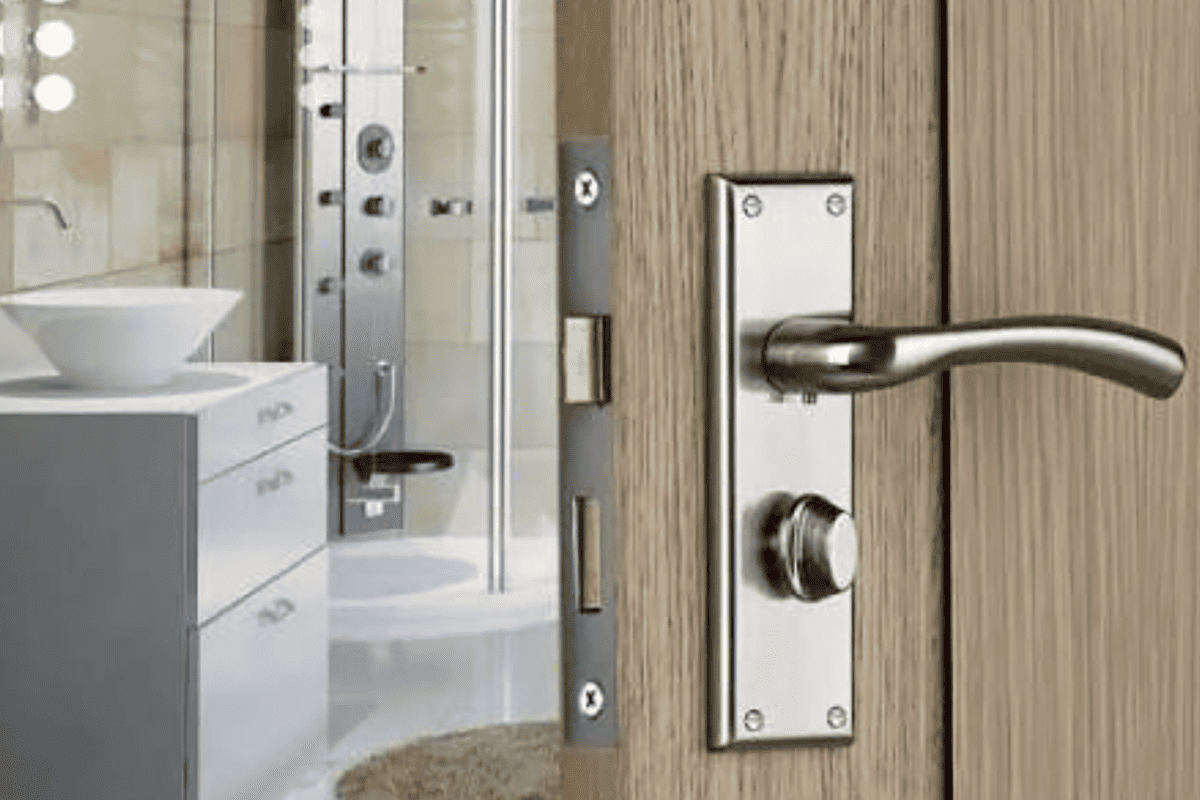
Mortise locks for doors are often better for commercial and architectural applications because the lock case is housed inside the door and can integrate latch, deadbolt, cylinder, and handle functions.6 Deadbolts can be excellent for added security, but mortise locks usually offer broader functionality for project doors.
Mortise lock vs deadbolt: the practical difference
A deadbolt is usually a separate locking device with a solid bolt. It is simple, strong, and common in many residential markets. A mortise lock is a complete lock body installed into a pocket cut into the edge of the door. It can include latch operation, deadbolt function, privacy function, classroom function, passage function, and more, depending on the project.
Here is a simple comparison:
| Feature | Mortise lock | Deadbolt |
|---|---|---|
| Installation | Recessed into door edge | Surface or bored installation |
| Functions | Latch + locking functions possible | Mainly locking function |
| Common projects | Hotels, apartments, offices, commercial doors | Homes, secondary locks, entry doors |
| Hardware integration | Works with lever handles and Euro cylinders | Often separate from handle |
| Procurement complexity | Higher | Lower |
| Best for | Full architectural door sets | Added locking strength |
Why European-style projects often use mortise locks
In many European, Middle Eastern, and Southeast Asian specifications, Euro mortise locks are common because they work well with Euro profile cylinders, stainless steel lever handles, and project-specific door functions. For door factories and hardware brand enterprises, this makes sourcing easier because the lock, cylinder, handle, strike plate, and accessories can be coordinated.
At SDH Hardware, our main product range includes Euro Mortise Locks, Stainless Steel Lever Handles, Butt Hinges, Concealed Door Hinges, Euro Brass Cylinders, and Door Accessories. I mention this not as a universal solution, but as a practical example of how B2B buyers often source complete door hardware sets instead of isolated parts.
When a deadbolt may still be the right choice
Deadbolts remain a strong option, especially when buyers need an added locking point. A well-made deadbolt can provide excellent resistance against simple forced entry. However, buyers should avoid low-cost products with thin bolts, weak strike plates, or short screws.
A deadbolt may be suitable when:
- The door already has a separate latch or handle set.
- The market expects deadbolt-style entrance hardware.
- The project does not require integrated mortise lock functions.
- The door thickness and preparation match the product.
- The installer can reinforce the frame correctly.
What police-style advice means for procurement
When police guidance says “fit a deadbolt” or “use a secure lock,” the deeper meaning is usually this: the lock must create a strong mechanical connection between the door and the frame. A mortise lock can do this. A deadbolt can do this. A multi-point system can do this. But a weak product, poor cylinder, or poor installation can reduce the benefit.
For bulk procurement, I would not choose only by lock name. I would compare:
- Bolt material and size
- Lock case thickness
- Cycle testing data
- Corrosion resistance
- Fire-rated suitability where required
- Cylinder compatibility
- Strike plate design
- Supplier inspection process
- Availability of drawings and samples
This is where factory-direct communication helps. Buyers can confirm dimensions, surface treatment, packaging, logo marking, and accessory configuration before mass production.
What security features should locks for doors include?
Security features can sound impressive in a catalog, but not every feature matters for every project. The problem is that buyers may pay for the wrong specification or miss a critical one. A better choice starts with matching the feature to the real attack risk and door application.
Locks for doors should include a strong bolt or locking point, a tested cylinder, anti-pick and anti-drill protection where needed, a reinforced strike plate, durable lever or knob hardware, and compatibility with fire-rated or CE-certified door requirements when the project calls for documented compliance.
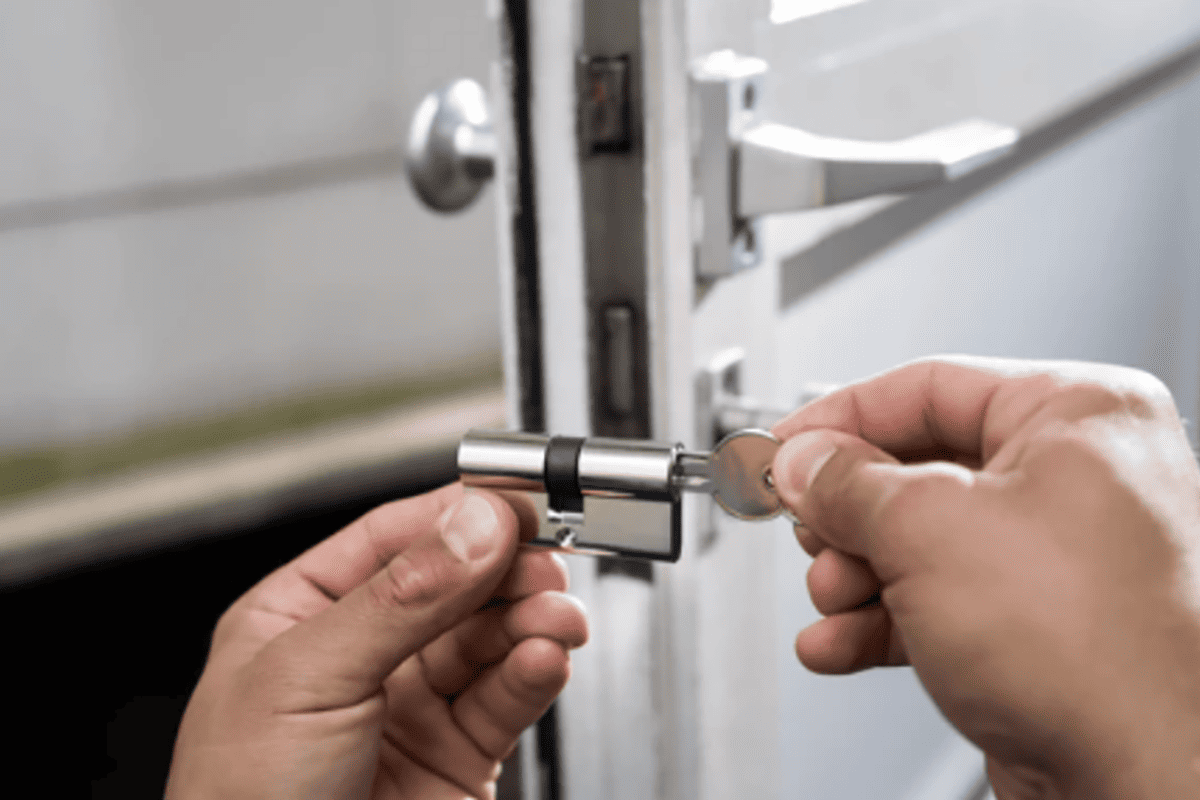
Key security features to evaluate
A lock’s strength depends on more than the lock body. I recommend that buyers look at the complete assembly.
Important features include:
- Bolt throw length: A longer bolt engagement can improve resistance when the frame is reinforced.7
- Deadlocking latch: This helps prevent simple slipping attacks on latch bolts.
- Anti-drill cylinder protection: Hardened pins, plates, or inserts can slow drilling.
- Anti-pick design: Cylinder pin design and tolerances affect picking resistance.
- Anti-bump features: These may be important in markets where bumping is a known concern.
- Reinforced strike plate: A strong strike helps keep the bolt engaged during forced entry.
- Long fixing screws: Screws should reach solid structure, not only thin trim.
- Corrosion resistance: This matters in coastal, humid, or high-traffic environments.
- Fire-rated compatibility: Fire doors require hardware that has been tested and documented for that use.8
Why the cylinder deserves special attention
In Euro-style door systems, the cylinder is often the part users touch and criminals attack. A premium lock body with a weak cylinder is not a balanced system. For projects with higher risk, buyers should ask whether the cylinder offers:
- Anti-pick pin systems
- Anti-drill components
- Anti-snap design where applicable
- Key control or restricted key profiles
- Stable brass body manufacturing
- Clear keying options for master key systems
A master key system can be convenient for hotels, offices, and residential buildings. However, it also requires careful planning. Poor key hierarchy design can create operational and security problems later.9 I always suggest that buyers consult a qualified locksmith or security professional for complex keying plans.
Certification and testing: what buyers should verify
Certifications are useful, but buyers should verify the documents. For technical door hardware, I do not recommend accepting a logo in a catalog without checking the certificate scope. The certificate should match the product model, intended use, and relevant market requirement.
For example, SDH Hardware states that core products comply with EU standard specifications and are available with authoritative CE certification and fire-rated certification. A careful buyer should still request copies of the relevant certificates, confirm the model numbers, and check whether the certification applies to the exact configuration being ordered.
Useful documents may include:
| Document | Why it matters |
|---|---|
| CE documentation | Helps confirm conformity for relevant European requirements |
| Fire-rated test report | Needed when hardware is used on fire-rated doors |
| Product drawings | Confirms dimensions before production |
| Material specification | Helps verify strength and corrosion expectations |
| Inspection report | Confirms finished product quality before shipment |
| Sample approval record | Reduces disputes during mass production |
Do not ignore hinges and frames
Police recommendations often focus on locks, but hinge and frame strength also matter. A secure lock on a weak door frame is a common failure point.10 If a door opens outward, hinge security becomes even more important.11 Buyers should evaluate butt hinges, concealed hinges, hinge bolts, and frame reinforcement based on the door design.
For commercial projects, the door opening should be reviewed as a system:
- Door leaf construction
- Lock body
- Cylinder
- Lever handle
- Strike plate
- Hinges
- Frame
- Fasteners
- Closer, if required
- Fire and accessibility requirements
This systems-based approach helps avoid a common procurement mistake: buying strong-looking parts that do not work well together.
How should buyers choose police recommended locks for doors for commercial projects?
Commercial projects create pressure because buyers must balance cost, delivery time, quality, and compliance. The problem is that a cheap lock may look acceptable in a sample photo but fail in daily use. If that happens, complaints, replacements, and reputation damage become expensive.
Buyers should choose police recommended locks for doors by defining the security level, door type, certification requirements, usage frequency, finish, cylinder system, and supplier quality controls. They should request samples, drawings, test documents, and inspection reports before placing large ODM or OEM orders.
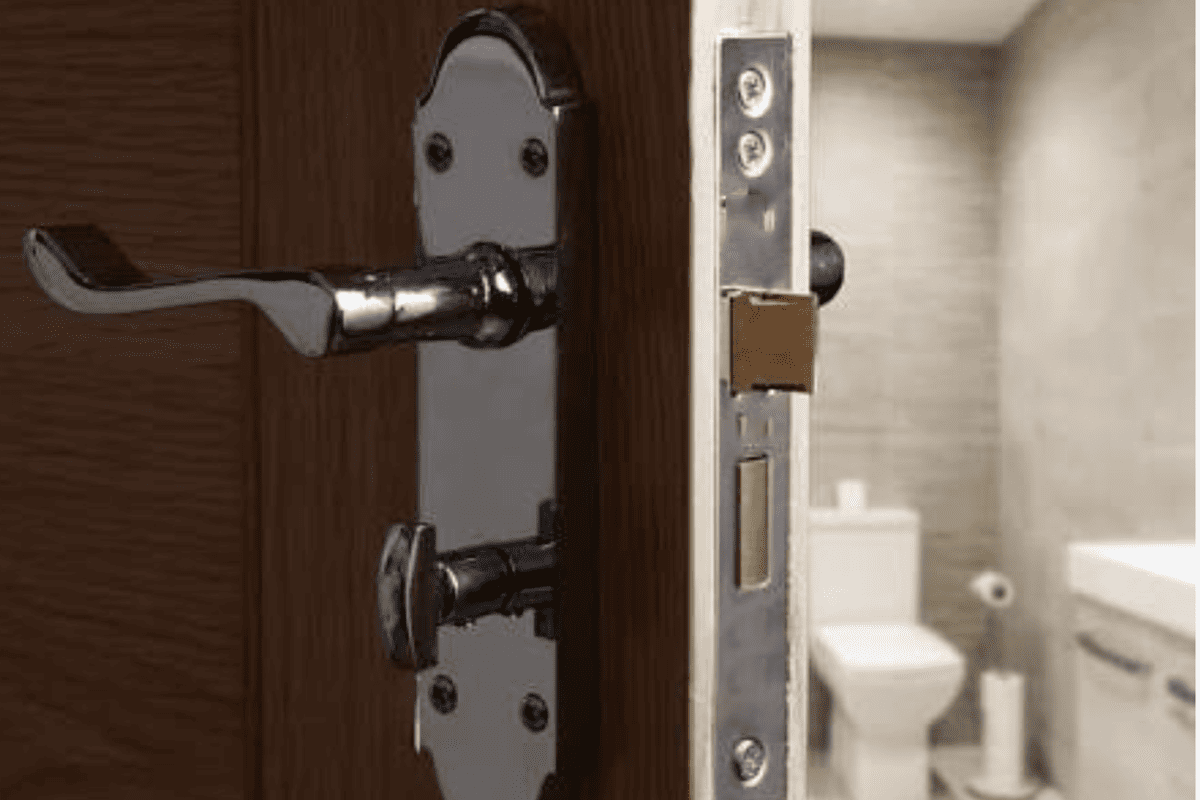
Step 1: Define the door application
Every project begins with the door. I prefer to list door openings by type before choosing hardware. This reduces confusion when a project includes many room types.
Common door categories include:
- Apartment entrance doors
- Hotel guest room doors
- Office doors
- Public corridor doors
- Fire-rated doors
- Service room doors
- Warehouse doors
- School or hospital doors
- Villa entrance doors
Each door may require a different lock function. For example, a hotel room needs privacy and emergency access planning. A fire-rated corridor door needs documented fire-rated hardware compatibility. A warehouse office may need higher cylinder security. A public building may require accessibility-compliant lever operation.
Step 2: Match lock grade to traffic level
High-traffic doors need durability, not only security. A lock used 20 times per day and a lock used 500 times per day face different stress. For bulk buyers, cycle testing and production consistency matter because small defects multiply across large orders.
A practical traffic guide may look like this:
| Traffic level | Example location | Suggested focus |
|---|---|---|
| Low | Storage room, private office | Basic durability and correct function |
| Medium | Apartment entrance, small office | Better cylinder and stronger strike |
| High | Hotel, school, public building | Heavy-duty lock body and verified testing |
| Very high | Commercial entrance, institutional use | Professional specification and strict inspection |
Step 3: Evaluate the supplier, not only the product
A police-style recommendation may tell you what kind of lock to buy. It does not tell you which factory can supply consistent quality. In B2B procurement, supplier evaluation is often the real difference between a smooth project and a costly problem.
I would review the following supplier capabilities:
- Factory ownership: Does the supplier operate its own production lines?
- Experience: Does the factory understand architectural door hardware?
- Product range: Can the supplier provide locks, cylinders, handles, hinges, and accessories together?
- Customization: Can the supplier support OEM or ODM specifications?
- Quality control: Is inspection performed from raw materials to finished goods?
- Testing equipment: Does the supplier test function, dimensions, finish, and durability?
- Documentation: Can the supplier provide drawings, certificates, and inspection reports?
- Packaging: Can the supplier support branded packaging and market-ready labeling?
SDH Hardware is positioned as a factory-direct architectural door hardware manufacturer in China, with more than 10 years of specialized production experience and a team of 150 employees. From my perspective, this type of setup is valuable for buyers who need repeatable production, custom finishes, logo services, and one-stop sourcing across a full door hardware range.
Step 4: Confirm samples before mass production
I would never recommend skipping sample approval. A sample helps confirm the lock function, finish, dimensions, hand feel, cylinder fit, strike plate alignment, and packaging expectation. For OEM or ODM orders, sample confirmation is even more important because drawings and real parts sometimes reveal different issues.
A simple sample checklist includes:
- Confirm product model and function.
- Check dimensions against door preparation.
- Test cylinder operation with all keys.
- Test lever handle return and latch movement.
- Confirm finish color and surface quality.
- Check strike plate fit.
- Review screws and accessories.
- Confirm packaging and logo position.
- Record approval with photos and signed documents.
Step 5: Use professional judgment for special projects
Some projects need more than catalog selection. Fire-rated doors, escape routes, high-security premises, healthcare buildings, schools, hotels, and public facilities can involve local codes and liability concerns. In those cases, buyers should involve a qualified architect, locksmith, door hardware consultant, or fire safety professional.
This is especially important when combining security with life safety. A door must resist unauthorized entry, but it may also need to allow emergency exit. The correct balance depends on local regulations and the building use.
What installation details make locks for doors more secure?
A strong lock can fail if it is installed poorly. The problem is common because procurement teams may choose good hardware but underestimate site preparation. If the bolt does not align, the screws are short, or the frame is weak, the lock cannot perform as intended.
Installation makes locks for doors more secure when the bolt fully enters a reinforced strike, the frame is structurally sound, the cylinder does not project excessively, the hinges are properly fixed, and all screws, backsets, and door preparations match the manufacturer’s drawings.
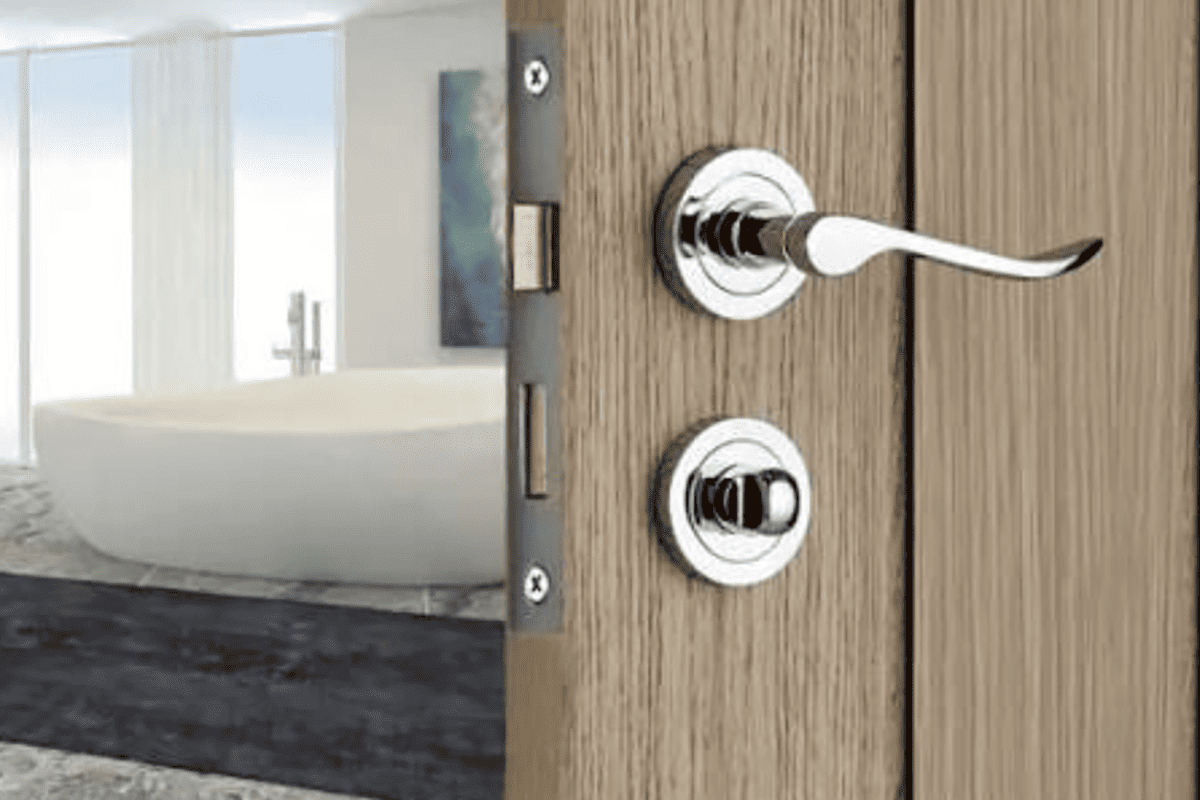
Strike plate alignment is critical
The strike plate receives the bolt. If the strike is weak, misaligned, or fixed only into soft trim, the door may fail under pressure. For exterior and entrance doors, buyers should confirm that strike plates are suitable for the lock and that screws reach strong frame material.
A good installation should ensure:
- The latch moves freely without grinding.
- The deadbolt enters the strike fully.
- The door does not need to be lifted to lock.
- The frame does not flex excessively.
- The strike plate is fixed with suitable screws.
- The lock case sits squarely in the door.
Cylinder projection matters
On Euro cylinder doors, the cylinder should not project too far beyond the escutcheon or security plate. Excessive projection can increase attack risk in some applications. Buyers should confirm the correct cylinder length based on door thickness and handle rose or plate design.
For example, a door may require a 70 mm cylinder, but the exact split could vary. A 35/35 cylinder is not the same as a 30/40 cylinder. Procurement teams should confirm this before ordering because incorrect cylinder length can delay installation across an entire project.
Door preparation must follow drawings
Factory drawings help avoid installation errors. A mortise lock requires accurate pocket dimensions, spindle position, cylinder position, faceplate recess, and strike location. Even a 2 mm error can affect operation.
This is why I value detailed product drawings after order confirmation. When door factories receive accurate drawings early, they can prepare CNC machining, drilling templates, and assembly processes with less risk.
Hardware should be tested after installation
Final testing should happen after the door is installed, not only at the factory. Building movement, paint thickness, weather seals, door closers, and frame tolerances can all affect operation.
A practical site test includes:
- Open and close the door several times.
- Test latch engagement without using force.
- Lock and unlock from both sides.
- Confirm key removal in the correct positions.
- Check handle return.
- Inspect screw tightness.
- Confirm door closer does not prevent latching.
- Check emergency exit function if applicable.
- Record defects and corrective actions.
For large projects, this process should be documented. It protects the buyer, installer, supplier, and end user.
Frequently Asked Questions
Do police recommend deadbolts for all doors?
Police often recommend deadbolts for exterior doors because they provide stronger locking than latch-only hardware. However, deadbolts are not always the best choice for every commercial door. Mortise locks, multi-point locks, or fire-rated hardware may be more suitable depending on the application.
Are Euro mortise locks secure?
Euro mortise locks can be secure when they are made to reliable specifications and paired with a quality Euro cylinder, reinforced strike plate, and proper installation. Buyers should verify material quality, lock function, certification documents, and cylinder security features before using them in bulk projects.
What is the most important part of a secure door lock?
The most important factor is the complete locking system, not one part alone. A strong lock body, secure cylinder, reinforced strike, solid frame, correct screws, and professional installation all work together. A weak frame or poor cylinder can reduce overall security.
Should I choose CE-certified or fire-rated locks?
You should choose CE-certified or fire-rated locks when the project, market, or building code requires documented compliance. Buyers should verify that certificates apply to the exact product model and intended door type. Fire-rated doors should always use compatible, tested hardware.
Can a hardware supplier customize locks for my market?
Yes, many professional manufacturers can customize lock specifications, finishes, accessories, logos, and packaging for regional markets. At SDH Hardware, ODM and OEM orders can be supported, including product drawings, surface treatment options, branding services, and inspection after order completion.
Conclusion
Locks for doors that police commonly recommend are not just “strong locks.” They are complete, well-installed security systems with reliable lock bodies, quality cylinders, reinforced strikes, suitable hinges, and verified documentation. For B2B buyers, the best choice depends on door type, traffic level, local standards, and project risk. If you need factory-direct architectural door hardware with customization, certificates for verification, and full-category sourcing support, contact SDH Hardware to discuss your project requirements.
"Burglary Prevention | Lago Vista, TX", https://www.lagovistatexas.gov/551/Burglary-Prevention. Public crime-prevention guidance treats door security as a combination of suitable locks, secure cylinders, reinforced fittings, and correct installation, supporting the point that weak components or poor fitting can compromise an otherwise robust door. Evidence role: general_support; source type: government. Supports: A neutral police or public-safety source should support that door security depends on the quality of the lock, cylinder, frame hardware, and installation rather than the door leaf alone.. Scope note: Such guidance is contextual and may not quantify the exact risk increase for each component. ↩
"Police lock", https://en.wikipedia.org/wiki/Police_lock. Police crime-prevention guidance commonly links effective door security to tested lock hardware, correct fitting, and compliance with recognized security standards. Evidence role: expert_consensus; source type: government. Supports: An official police or crime-prevention source should show that recommended door security measures include resistant lock hardware, correct installation, and products meeting recognized standards.. Scope note: Police guidance varies by jurisdiction, so a single source would demonstrate a common approach rather than a universal police standard. ↩
"🏡 security ✔️ are heavy duty strike plates mounted ...", https://www.facebook.com/fargopolicedepartment/posts/-security-%EF%B8%8F-are-heavy-duty-strike-plates-mounted-on-exterior-door-frames/10154812143243334/. Official crime-prevention materials identify secure deadlocking hardware, suitable cylinders, reinforced strikes or frames, and proper fitting as core elements of effective door security. Evidence role: general_support; source type: government. Supports: An official source should support that recommended door security includes strong deadlocking hardware, secure cylinders, reinforced strikes or frames, and correct matching of hardware to the door.. Scope note: The source may support the listed components generally without naming every lock type in the same sentence. ↩
"PHYSICAL SECURITY OF DOOR ASSEMBLIES AND ...", https://ojp.gov/pdffiles1/nij/32269.pdf. Recognized door-security guidance and standards evaluate secure doors by their resistance to forced entry and attacks on locking hardware, including cylinders and the surrounding frame assembly. Evidence role: general_support; source type: institution. Supports: A standards body or accredited security program should support that door security evaluations consider forced entry resistance, cylinder attack resistance, and the integrity of the frame and hardware.. Scope note: The source may describe testing criteria rather than directly state what all police departments recommend. ↩
"Campus Locks | Public Safety", https://www.loyola.edu/department/public-safety/services/access-control/campus-locks.html. Public home-security guidance distinguishes ordinary spring latches from deadbolts or deadlocking devices, noting that latch-only hardware provides limited resistance to forced or manipulative entry. Evidence role: mechanism; source type: government. Supports: A neutral source should explain that spring latches are intended mainly to hold a door closed and that deadbolts or deadlocking functions provide better resistance to entry.. Scope note: The source would support the general weakness of latch-only security, not the performance of every latch product. ↩
"Mortise lock", https://en.wikipedia.org/wiki/Mortise_lock. Architectural hardware references describe mortise locks as recessed lock cases that can combine latching and locking functions with cylinders and lever trim, which explains their frequent use in commercial door sets. Evidence role: definition; source type: education. Supports: A technical or educational source should define a mortise lock as a lock case installed in a pocket in the door and describe its ability to combine latching, locking, cylinder, and lever functions.. Scope note: This supports the functional suitability of mortise locks but does not prove they are always superior to deadbolts in every application. ↩
"WO/2022/204781 REINFORCEMENT MEMBER FOR A ...", http://patentscope.wipo.int/search/en/WO2022204781. Crime-prevention guidance commonly recommends adequate deadbolt throw and reinforced strike attachment into structural framing, supporting the mechanism by which deeper bolt engagement can improve forced-entry resistance. Evidence role: mechanism; source type: government. Supports: A public safety or building-security source should support that deadbolt throw, strike reinforcement, and secure anchoring into the frame improve resistance to forced entry.. Scope note: The source may provide recommended dimensions or practices rather than laboratory measurements for every door type. ↩
"Fire Doors and NFPA 80 FAQs", https://www.nfpa.org/news-blogs-and-articles/blogs/2025/04/11/fire-doors-faqs. Fire-door standards require hardware to be suitable for the rated door assembly and supported by testing, listing, or documentation, because untested substitutions can affect the assembly’s fire performance. Evidence role: expert_consensus; source type: institution. Supports: A fire safety institution or code reference should support that hardware used on fire-rated doors must be compatible with the tested and listed fire-door assembly.. Scope note: Specific requirements vary by jurisdiction and by the rating and configuration of the door assembly. ↩
"Master keying", https://en.wikipedia.org/wiki/Master_keying. Institutional key-control guidance treats master key hierarchy design as a security-control issue, noting that poorly controlled master keys can expand unauthorized access and complicate later rekeying or administration. Evidence role: mechanism; source type: institution. Supports: A locksmithing association, university facilities policy, or security management source should support that master key systems require controlled hierarchy design and key control to avoid excessive access or rekeying problems.. Scope note: The source would support the management risk generally rather than document a specific failure in the article’s target markets. ↩
"How to Reinforce Your Front Door Against Forced Entry", https://www.doorarmor.com/blog/security-expert-blog-6/how-to-reinforce-your-front-door-against-forced-entry-310. Public crime-prevention guidance emphasizes reinforcing the strike area and door frame, supporting the claim that a strong lock can be defeated if the surrounding frame fails under force. Evidence role: mechanism; source type: government. Supports: A public safety source should support that door frames and strike plates are common points of failure and should be reinforced along with the lock.. Scope note: The source may be based on practical crime-prevention guidance rather than controlled laboratory comparison. ↩
"Is this outward swinging door secure? The hinges are outside", https://www.reddit.com/r/fixit/comments/1ece26k/is_this_outward_swinging_door_secure_the_hinges/. Door-security guidance notes that outward-opening doors can expose hinges to attack and may require non-removable pins, hinge bolts, or comparable protective measures. Evidence role: mechanism; source type: government. Supports: A crime-prevention or building-security source should support that outward-opening doors with exposed hinges may need hinge bolts, non-removable pins, or other hinge-security measures.. Scope note: The relevance depends on hinge design; concealed or security-pin hinges may already mitigate the issue. ↩
