
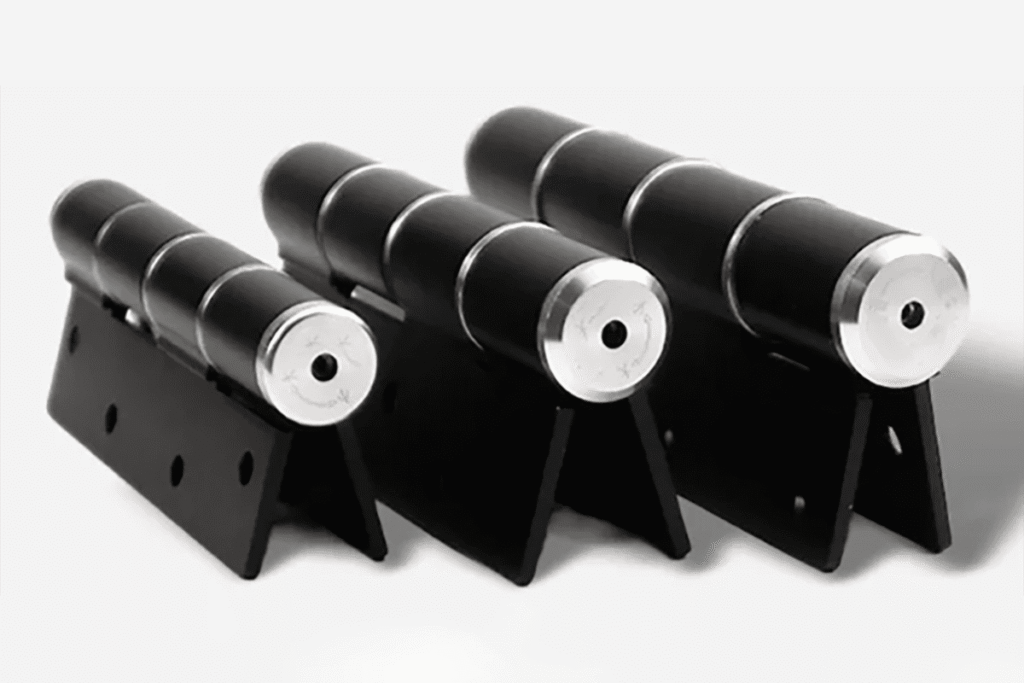
What Customization Options Are Available for Door Hinges?
Door hinges can create costly problems when their size, finish, hole pattern, or structure does not match the door application. A wrong hinge may still look acceptable on a sample table, but it can delay installation, weaken brand consistency, or trigger rework in bulk production. I customize hinges by matching each detail to the project, standard, and buyer requirement.
Customization options for door hinges include market standard, size, thickness, bearing structure, hole pattern, material, surface finish, logo, end cap structure, pin material, and packaging. Buyers should define the door type, target market, load requirement, installation method, finish standard, branding needs, and certification scope before requesting quotation or samples.
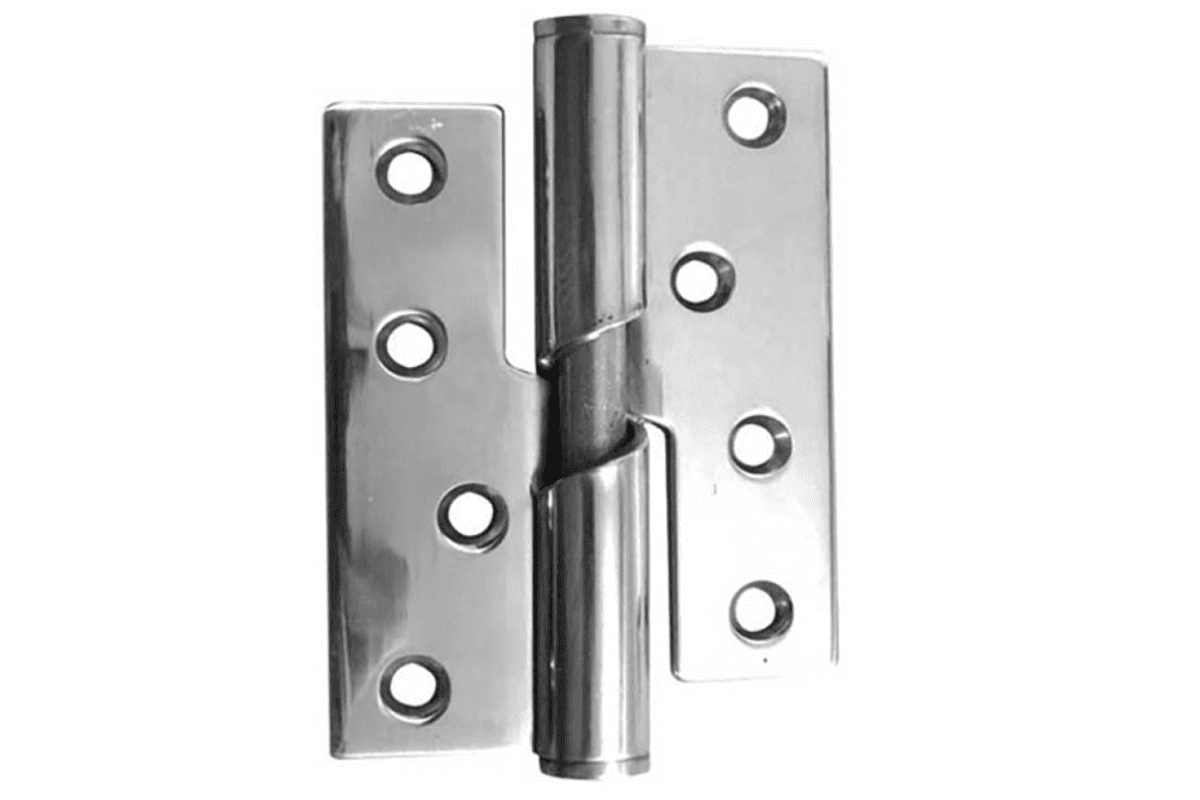
In my factory work, I see that hinge customization is not just a decoration choice. It is a specification-matching process. The best result comes when buyers separate market requirements, mechanical details, appearance, and OEM delivery needs before production starts.
Which Market Standards Should Guide Customization Options for Door Hinges?
Door hinges often fail commercially before they fail mechanically. The problem begins when a hinge is made to the wrong market standard. Then the door factory, installer, or wholesaler discovers that dimensions, screw holes, or finish expectations do not match local use.
The first customization decision for door hinges is the standard: American standard, European standard, or a project-specific regional requirement.1 This decision guides the hinge size, leaf shape, screw hole layout, thickness, packaging, and sometimes testing documents2 that buyers may need to verify before bulk purchase.
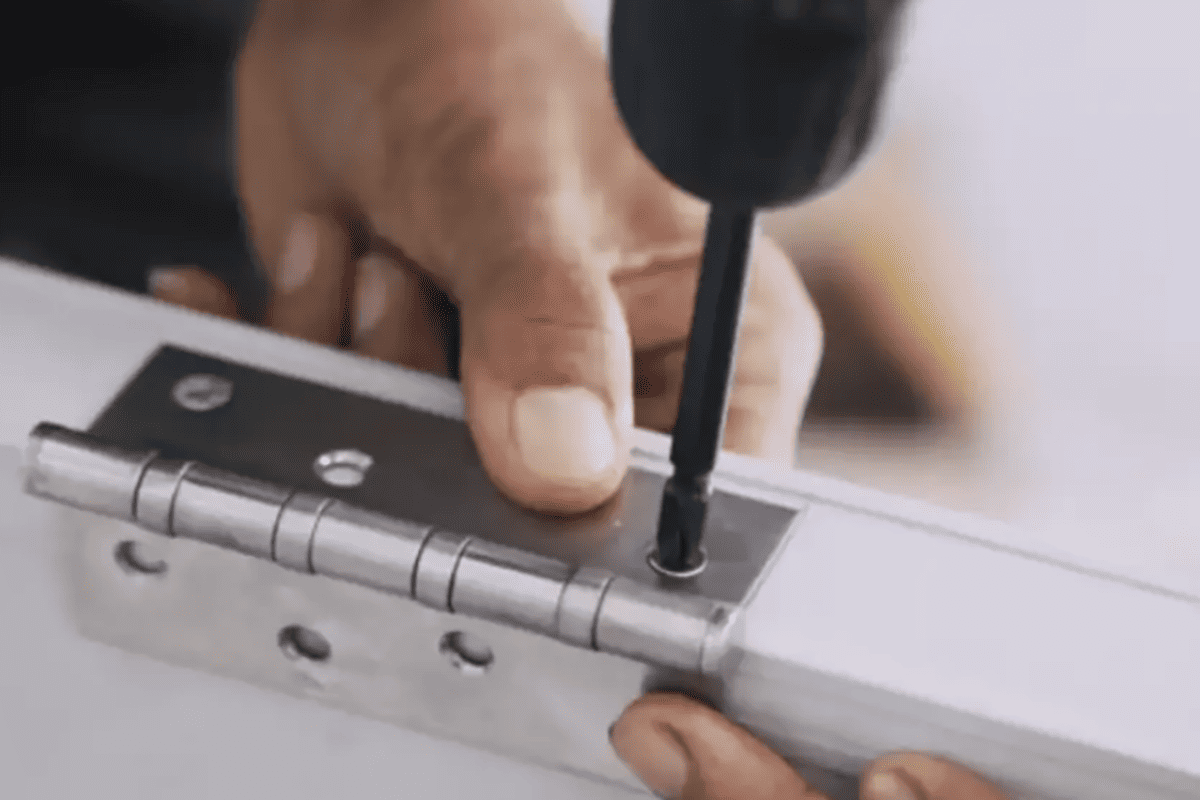
Why standard comes before appearance
I usually ask buyers about the target market before I discuss color or logo. This may sound basic, but it prevents many mistakes. A hinge for a European door system may not match an American-style installation.3 A hinge for a hotel project in the Middle East may also need a different finish, thickness, or screw accessory than a hinge for a retail hardware brand in Southeast Asia.
In factory production, the standard affects several decisions at once:
| Decision Area | Why It Matters to Buyers |
|---|---|
| Hinge dimensions | The door and frame preparation must match the hinge leaf size.4 |
| Thickness | The hinge must sit correctly in the mortise or on the surface. |
| Hole pattern | Screw positions must match the installer’s expectation or existing tooling. |
| Material choice | Local climate and market price level influence SUS304 or SUS201 selection. |
| Testing documents | CE or fire-rated documents must match the product scope, not just the category. |
| Packaging style | Hardware brands may need retail boxes, while door factories may prefer bulk packing. |
Common standards I see in OEM hinge projects
From my experience with door factories and hardware brand customers, three standard routes appear most often:
American standard door hinges
These usually follow American market size habits, screw hole positioning, and installation expectations. Buyers should send drawings or market samples if they need exact compatibility.European standard door hinges
These are common for architectural hardware systems in Europe and related markets. Buyers often care about finish consistency, CE documentation, and project-level specification matching.Project-specific or regional door hinges
Some customers send a sample from an existing project or a local distributor. In that case, I treat the sample as the starting reference and confirm which details must be identical.
I never recommend assuming that one hinge standard fits every region. I prefer to confirm the door type, frame preparation, and installation habit before I quote.
What information should buyers prepare?
A buyer can save time by sending a complete specification sheet. If there is no drawing, I usually ask for:
- Target market or project country
- Door material, such as wood, steel, aluminum, or fire-rated door
- Door size and estimated weight range
- Hinge length, width, and thickness
- Screw hole layout or sample photos
- Required finish and color reference
- Material preference, such as SUS304 or SUS201
- Logo requirement
- Packing method
- Certification or test document requirements
This first decision level reduces risk. It also helps the manufacturer judge whether the request is a simple OEM adjustment or a new production development that may affect tooling, MOQ, sampling, lead time, or testing scope.
Which Physical Specifications Can I Customize for Door Hinges?
Door hinges may look simple, but small dimensional changes can create large installation problems. If the length, width, or thickness is wrong, the hinge may not align with the door cutout or may affect the door gap.5
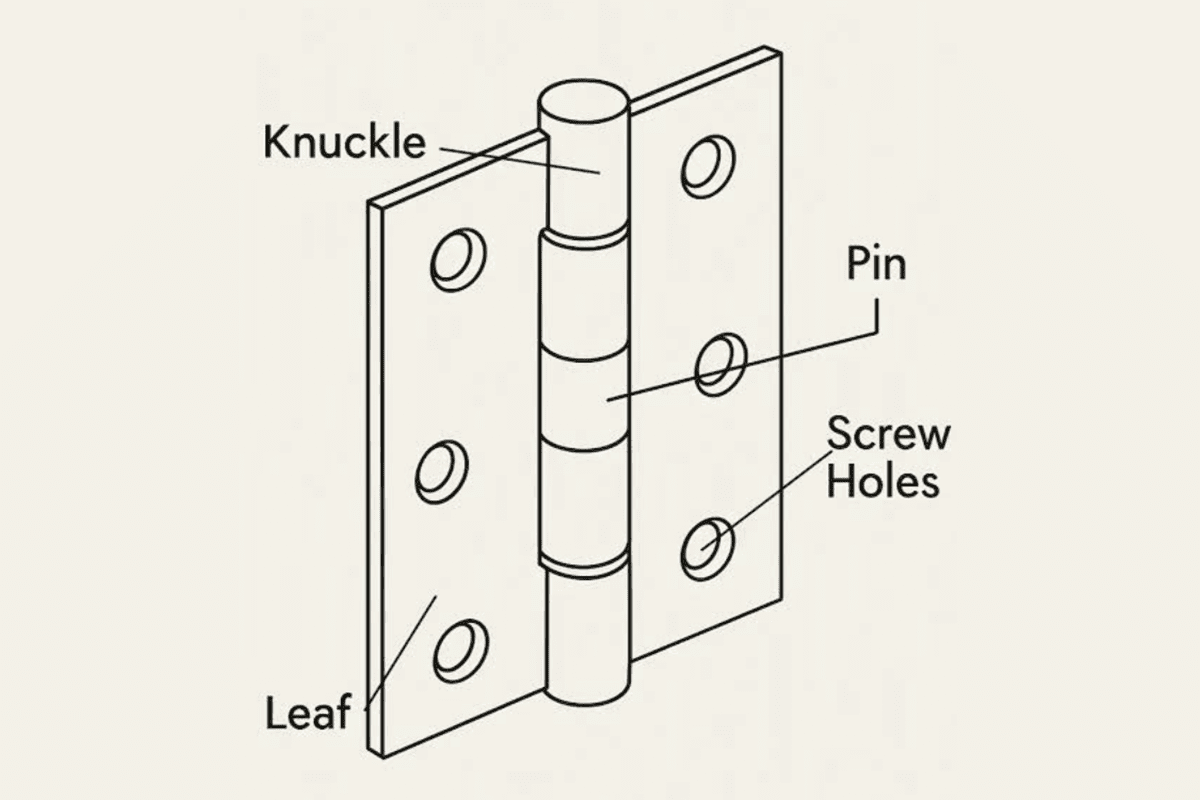
The main physical specifications for door hinges include length, open width, leaf thickness, knuckle design, corner shape, screw hole diameter, and countersink depth. Buyers should confirm these dimensions with drawings, approved samples, or actual door and frame requirements before mass production.
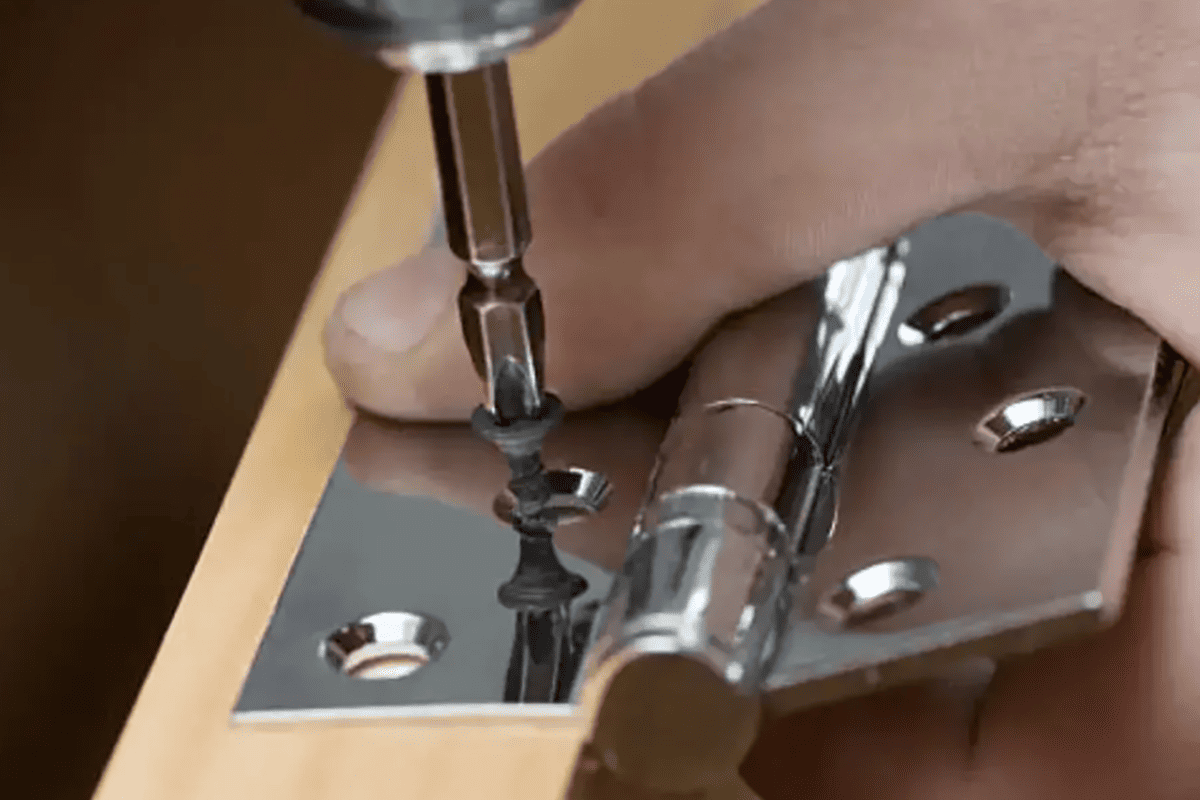
Size is more than length and width
When buyers ask me, “Can you make this size?” they often mean the basic outside dimension. However, factory production needs more detail. For door hinges, I normally check the full physical structure.
| Specification | Buyer Decision | Production Impact |
|---|---|---|
| Length | Matches door height and hinge quantity | May require different cutting or tooling setup |
| Open width | Matches door and frame installation | Affects leaf proportion and swing clearance |
| Thickness | Supports application and mortise depth | Influences material cost and forming stability |
| Knuckle diameter | Affects appearance and pin structure | May influence tooling and assembly |
| Corner shape | Square corner or radius corner | Must match door preparation |
| Hole diameter | Matches screw size | Affects installation and accessory packing |
| Countersink | Allows screw head to sit flush | Needs consistency during stamping |
Why thickness needs careful control
I pay close attention to thickness because it affects both cost and installation. A hinge that is too thin may not match the buyer’s durability expectation. A hinge that is too thick may not fit the door preparation or may increase cost unnecessarily.
For example, if a door factory has already prepared the mortise depth, a thickness change can create a visible gap or alignment issue. If a wholesaler sells replacement hinges, the wrong thickness may cause complaints from installers. This is why I prefer to confirm thickness with either a drawing or a physical sample.
Simple customization vs. tooling-related changes
Some physical changes are relatively simple. Others can affect tooling or production stability.
Usually simpler OEM adjustments include:
- Adjusting thickness within available material range
- Producing an existing size with a different finish
- Matching a known standard hinge size
- Changing packaging for an existing article
Changes that may require more evaluation include:
- A new leaf shape
- A new screw hole layout
- A special knuckle diameter
- A non-standard corner radius
- A unique countersink structure
- A hinge size outside normal tooling range
My practical advice for buyers
I advise buyers not to approve door hinges based only on a catalog photo. A photo cannot confirm the thickness, hole distance, countersink angle, or fit with the door frame.
Before sample approval, I recommend checking:
- Closed and open hinge dimensions
- Leaf flatness
- Hole position tolerance
- Screw compatibility
- Surface treatment consistency
- Pin movement and hinge swing
- Packing protection during shipment
For a brand customer, these checks protect market reputation. For a door factory, they protect installation speed. For a bulk wholesaler, they reduce after-sales disputes.
How Do Bearing Configuration and Hole Pattern Change Door Hinges?
Door hinges can feel smooth in the hand but perform differently after installation. The problem often comes from bearing design or screw hole layout. These two details affect movement, durability, installation compatibility, and customer perception.
Bearing configuration and hole pattern change how door hinges operate and install.6 Buyers can choose no bearing, 2BB, 4BB, or other bearing arrangements depending on use frequency and load expectations.7 They can also specify arc-shaped holes, zigzag holes, or custom screw layouts to match door preparation.
Bearing choices: no bearing, 2BB, and 4BB
Bearing structure is one of the most common customization points I discuss with buyers. It is also one of the easiest areas to misunderstand. A bearing does not automatically make every hinge suitable for every door. It must match the hinge material, thickness, pin design, door usage, and expected market level.
| Bearing Option | Common Buyer Logic | Notes for Evaluation |
|---|---|---|
| No bearing | Cost-sensitive doors or lighter-duty use | Buyers should evaluate smoothness and long-term wear for the application. |
| 2BB hinge | Balanced cost and smoother operation | Common for many architectural door hardware programs. |
| 4BB hinge | Higher smoothness expectation and frequent use | May increase cost and should be checked with product-specific testing. |
| Other bearing arrangements | Special project or brand requirement | May affect tooling, assembly, MOQ, and testing scope. |
I often explain bearing choice in simple terms: it is about movement quality and usage expectation. A hotel corridor door, a school door, and a cabinet-style light door do not create the same demand. Buyers should not only ask for “the strongest hinge.” They should ask for the most suitable hinge for their door type and market position.
Hole pattern affects installation speed
Hole pattern is another detail that buyers sometimes underestimate. If the hole pattern does not match existing door preparation, installers may need to re-drill holes.8 This can damage the door, slow installation, or create complaints.
Common hole pattern options include:
- Arc-shaped holes
- Zigzag holes
- Straight-line arrangements
- Project-specific screw layouts
- Customer sample-matched patterns
A hardware brand may choose a unique hole pattern to match its existing product series. A door factory may choose a practical pattern that works with its drilling equipment. A wholesaler may prefer a familiar regional pattern because installers already understand it.
What hole details should buyers confirm?
For custom door hinges, a hole pattern is not only the visible arrangement. I normally confirm:
- Distance from the hinge edge to each hole center
- Distance between hole centers
- Hole diameter
- Countersink size and angle
- Screw head type
- Screw length and material if screws are supplied
- Symmetry between left and right leaves
These details matter because bulk production must be consistent. A small difference in hole location can create a big issue when a door factory installs thousands of hinges.
Production feasibility and MOQ impact
A bearing change may require different components and assembly steps. A hole pattern change may require different punching tooling. If the buyer’s requested design is close to an existing mold, the project may move quickly. If it is completely new, I need to evaluate tooling cost, sample time, and minimum order quantity.
This is why I ask for drawings early. A clear drawing helps me decide whether the request is:
- An existing standard item
- A simple OEM modification
- A tooling-adjusted product
- A new development project
That distinction affects price, lead time, and sample approval. It also helps buyers compare suppliers fairly.
Which Material and Surface Finish Options Matter for Door Hinges?
Door hinges are often judged first by appearance, but material and finish are not only visual decisions. If the material or treatment does not suit the environment, the buyer may face corrosion complaints, color mismatch, or inconsistent batch quality.
Material and surface finish options for door hinges commonly include SUS304, SUS201, and project-specific accessory materials, with finishes selected by color, texture, corrosion expectation, and brand style. Buyers should confirm environmental conditions, cost target, sample reference, and any required test documents before approving mass production.

SUS304 vs. SUS201: a buyer-side decision
In stainless steel door hinges, SUS304 and SUS201 are common choices.9 I avoid saying one is always better for every project because buyer priorities differ. Instead, I ask about the market, environment, price level, and performance expectation.
| Material | Buyer Consideration | Typical Evaluation Point |
|---|---|---|
| SUS304 | Better corrosion resistance expectation than lower-grade options | Often preferred for higher-spec projects or humid environments, subject to project verification. |
| SUS201 | More cost-sensitive choice | Often used where price control is important and conditions are less demanding. |
| Other accessory materials | May apply to pin, bearing, screw, or cap | Should be checked for compatibility and durability. |
For Middle East, Europe, and Southeast Asia customers, I often see different priorities. Some buyers want a premium stainless look and stronger corrosion resistance expectation. Some buyers need a competitive cost structure for wholesale distribution. Some brand customers want a fixed material standard across a full door hardware series.
Finish options and color consistency
Surface finish is one of the most visible customization options for door hinges. Buyers may request satin stainless steel, polished finish, PVD colors, black finish, antique tones, or other project colors. The exact finish depends on the base material, production method, and surface treatment process.10
Common finish considerations include:
- Color tone
- Gloss level
- Brushing direction
- Fingerprint visibility
- Scratch sensitivity
- Batch-to-batch consistency
- Matching with lever handles, locks, and other door accessories
I have seen buyers approve a hinge finish in isolation, then later compare it with a lever handle and find the color does not match. This is why I recommend checking the hinge together with the full door hardware set when brand consistency matters.
Finish samples should be controlled
For OEM delivery, I prefer to work with a confirmed sample or color standard. A written finish name may not be enough. For example, “satin” can mean different things to different markets. “Black” can mean matte black, semi-gloss black, or a deeper architectural black.
A practical finish approval process may include:
- Buyer sends target sample or finish code.
- Factory confirms feasible treatment on selected material.
- Factory produces pre-production sample.
- Buyer approves color, texture, and gloss.
- Factory keeps a reference sample for bulk comparison.
- Final inspection checks consistency against the approved sample.
Certification and finish changes
Buyers should be careful when changing details on certified or fire-rated door hinges. A certificate may apply to a specific product construction, material, size, and testing scope. If a buyer changes material, thickness, bearing structure, screws, or other critical details, the existing document may not automatically cover the new version.
At SDH Hardware, we can provide CE and fire-rated certification documents for relevant products, but I always encourage buyers to verify whether the certificate scope matches their exact order and project requirement. For application-specific decisions, a qualified professional or project authority should confirm compliance.
What Branding, End Cap, Pin, and OEM Delivery Details Can Be Customized for Door Hinges?
Door hinges become part of a buyer’s brand system after production. If the logo, end cap, pin, packaging, or accessory set is inconsistent, the product may feel unprofessional even when the hinge body is correct.
Branding and component details for door hinges can be customized through laser logos, stamping, welded or mechanically fixed end caps, different pin materials, screw sets, packaging, and inspection requirements. These options affect appearance, durability perception, cost, lead time, and batch consistency.
Logo options: laser marking and stamping
Logo customization is common for hardware brand customers. I normally discuss two main options:
| Logo Method | Best For | Buyer Consideration |
|---|---|---|
| Laser marking | Flexible logo placement and clean branding | Usually suitable for smaller runs or detailed logos, depending on surface. |
| Stamping | Permanent brand impression during forming | May require tooling and is better for stable, repeated bulk orders. |
Laser marking can be practical when buyers need flexibility. Stamping may create a stronger physical brand impression, but it can require a stamping mold. It may also affect MOQ or sample lead time.
I ask buyers to provide logo files in a clear format. I also confirm logo size, position, orientation, and whether the logo appears on one leaf or both leaves. For private-label delivery, these small details matter.
End cap or plug structure
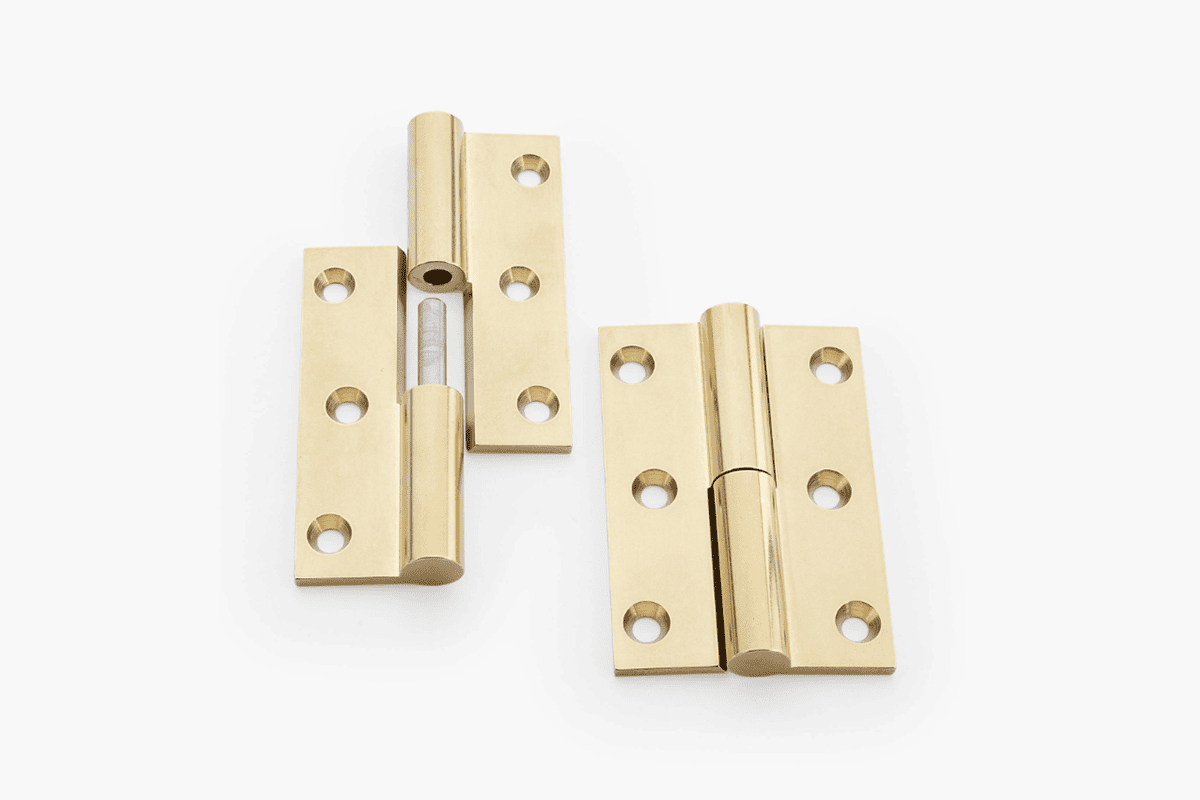
The end cap, sometimes called the plug, can be welded or mechanically fixed depending on hinge design. Buyers may not notice this part at first, but it influences appearance and structure.
Common options include:
- Welded end cap
- Mechanically fixed plug
- Custom cap shape
- Material-matched cap
- Cost-optimized cap structure
The right choice depends on the hinge model and project requirement. A welded structure may support a clean appearance in some designs. A mechanically fixed solution may fit another production method better. I do not treat one option as universally superior. I evaluate it with the hinge structure, finish, and buyer cost target.
Pin material and pin design
The pin is a key functional component in door hinges. Buyers may request different pin materials based on durability, corrosion resistance, magnetic properties, or cost. Pin diameter, pin head design, and removable or non-removable structure may also matter for some projects.
When discussing pin customization, I usually ask:
- Is the hinge for interior or exterior use?
- Does the market expect a fixed or removable pin?
- Is there a corrosion resistance requirement?
- Will the hinge be used in a security-sensitive location?
- Does the project require testing or documentation?
A pin change can affect hinge movement and reliability. It may also affect certificate scope if the hinge belongs to a tested product family. Buyers should verify this before approving a modified version.
OEM delivery and inspection details
Door hinge customization does not end with the product itself. OEM buyers often need supporting services that protect their brand and supply chain.
At SDH Hardware, common OEM and ODM requests include:
- Customer stamping or laser logo
- Custom color packaging
- Barcode or item label
- Master carton marking
- Product drawings after order confirmation
- Accessory configuration
- Screw packing
- Finished product inspection
- Batch consistency control
For door factories, I focus on correct fit and delivery stability. For brand enterprises, I focus on repeatable appearance and packaging accuracy. For bulk wholesalers, I focus on cost control, carton strength, and clear item identification.
Which customizations affect cost and lead time?
Not every customization has the same impact. Buyers can plan better when they know which changes are simple and which require deeper evaluation.
| Customization Type | Usually Simple? | Possible Impact |
|---|---|---|
| Existing size with different packing | Yes | Minor cost and coordination |
| Laser logo on existing model | Often yes | Logo setup and approval needed |
| New finish on existing model | Sometimes | Sample approval and color control needed |
| New hole pattern | Not always | Tooling, MOQ, and sample time may increase |
| New bearing structure | Not always | Component sourcing and testing may be needed |
| New material specification | Depends | Cost, availability, and compliance review |
| New hinge structure | No | Tooling, development, testing, and lead time |
My main advice is simple: send the full specification before asking for the final price. A vague request may produce a fast quotation, but it may not produce the correct hinge.
Frequently Asked Questions
Can I customize door hinges with my own brand logo?
Yes, I can customize door hinges with laser marking or stamping, depending on the logo style, order quantity, surface finish, and hinge model. Laser marking is usually more flexible. Stamping may require tooling and is better for stable bulk OEM orders.
What is the difference between 2BB and 4BB door hinges?
A 2BB hinge has two ball bearing positions, while a 4BB hinge has four. Buyers usually choose based on smoothness expectation, door usage frequency, cost target, and product positioning. The final choice should match the exact door application and, when needed, product-specific testing.
Can changing the material affect certification?
Yes, changing material, thickness, bearing structure, screws, or other important details may affect certification scope. CE or fire-rated documents should be verified against the exact hinge model and specification. I recommend professional review for regulated project applications.
Which material should I choose for stainless steel door hinges?
SUS304 is often selected when buyers want stronger corrosion resistance expectations, while SUS201 is often chosen for cost-sensitive programs. The right choice depends on market, environment, budget, and project requirement. Buyers should confirm material with samples, documents, and application needs.
Do custom door hinges require a high MOQ?
Some custom door hinges do require a higher MOQ, especially when new tooling, special material, unique finish, or custom stamping is involved. Simple OEM changes, such as packaging or laser logo on an existing model, may be easier to arrange. MOQ depends on the final specification.
Conclusion
Door hinges can be customized in many ways, but the best results come from a structured decision process. I recommend starting with the market standard, then confirming size, thickness, bearing configuration, hole pattern, material, finish, logo, end cap, pin, accessories, and packaging. Buyers should also verify certification scope when changing tested products. If you need OEM or ODM door hinges for a door factory, hardware brand, or wholesale program, contact SDH Hardware with your drawings, samples, or specification sheet so we can evaluate feasibility and prepare a reliable quotation.
"A156.1 - 2025 Butts and Hinges", https://buildershardware.com/ANSI-BHMA-Standards/Hardware-Highlights/A1561-2025-Butts-and-Hinges. ANSI/BHMA A156.1 and EN 1935 define standardized requirements and classifications for door hinges, supporting the view that hinge specifications should be aligned with the relevant market or project standard; this support is contextual because standards guide compliant specification but do not determine every OEM design choice. Evidence role: general_support; source type: institution. Supports: Recognized standards such as ANSI/BHMA A156.1 and EN 1935 define performance, classification, and specification requirements for door hinges, supporting the need to identify the applicable standard before customization.. Scope note: The standards support the importance of standard selection but do not prove that it must always be the first commercial decision in every project. ↩
"A156.7 - 2022 Template Hinge Dimensions", https://buildershardware.com/ANSI-BHMA-Standards/Hardware-Highlights/A1567-2016-Template-Hinge-Dimensions. Door-hinge standards such as ANSI/BHMA A156.1 and EN 1935 address dimensions, performance grades, classifications, and test methods, supporting the claim that the chosen standard can shape technical specifications and documentation; the source does not directly address packaging requirements. Evidence role: general_support; source type: institution. Supports: Standards for builders hardware and single-axis hinges include dimensional, performance, classification, and testing requirements that can affect hinge specification.. Scope note: The source would support technical and testing implications more directly than packaging practices. ↩
"A156.1 - 2025 Butts and Hinges", https://buildershardware.com/ANSI-BHMA-Standards/Hardware-Highlights/A1561-2025-Butts-and-Hinges. Comparative use of ANSI/BHMA and EN hinge standards shows that regional hinge systems may be specified under different dimensional and performance frameworks, supporting the statement that European and American installations are not automatically interchangeable; this does not prove incompatibility for every individual hinge model. Evidence role: general_support; source type: institution. Supports: Different regional standards and template systems can define different hinge dimensions, performance classifications, and installation expectations.. Scope note: Some products may be designed to satisfy more than one market standard, so the support is contextual rather than universal. ↩
"SECTION 087111 - DOOR HARDWARE (SCHEDULED BY ...", https://fpm.usc.edu/wp-content/uploads/2021/11/087102-USC-HSC-door-hardware-Guide-Specification_1.pdf. Technical installation guidance for mortised door hinges explains that the hinge leaf is fitted into a prepared recess in the door and jamb, supporting the requirement that door and frame preparation correspond to hinge leaf dimensions. Evidence role: mechanism; source type: education. Supports: Hinge installation guidance explains that the hinge leaf is seated in a mortise or prepared mounting area, so the recess dimensions must correspond to the hinge leaf.. ↩
"Division 06 - Interior Architectural Woodwork", https://fdo.wwu.edu/division-06-interior-architectural-woodwork. Architectural hardware installation references describe hinge leaf thickness and mortise depth as factors in door fit and clearance, supporting the claim that incorrect hinge dimensions can affect alignment and gaps; the source may not quantify the effect for every door material. Evidence role: mechanism; source type: institution. Supports: Architectural hardware or woodworking guidance can show that hinge dimensions and mortise depth affect door fit and reveal gaps.. Scope note: The degree of misalignment depends on the specific door, frame, mortise, and tolerance conditions. ↩
"The Benefits of Using Hinges with Ball Bearings for Smooth ...", https://tdc-hardware.com/the-benefits-of-using-hinges-with-ball-bearings-for-smooth-door-operation-blog/. Technical bearing references explain that bearings reduce friction in rotating joints, while hinge template standards define screw-hole placement for installation, supporting the claim that bearing configuration and hole pattern affect hinge operation and installation; the support comes from related mechanisms rather than a single door-hinge experiment. Evidence role: mechanism; source type: institution. Supports: Standards and technical references can support that bearings reduce friction in rotational motion and that template hole locations govern installation compatibility.. Scope note: The claim is supported by combining bearing mechanics with hardware-template guidance, not by one source testing all hinge configurations. ↩
"Ives 5BB1 HW BSC 4.5" Ball Bearing Swing Clear Hinge ...", https://www.trudoor.com/products/ives-5bb1-hw-bsc-4-5-heavy-weight-ball-bearing-swing-clear-hinge-for-beveled-edge-doors?srsltid=AYCX9vKQY451N2zHewiifo-e5aRl0NfQWpE0nB7SwhZoHnPZ2eGjGpTo. Architectural hardware standards classify hinges by duty, cycle, and load-related performance, supporting the practice of selecting bearing arrangements according to expected use frequency and loading; the standards do not by themselves prescribe a universal 2BB-versus-4BB rule for every door. Evidence role: expert_consensus; source type: institution. Supports: Hardware standards and guides classify hinges by performance grade, cycle testing, and intended duty level, and often distinguish ball-bearing hinges for heavier or higher-frequency applications.. Scope note: Specific bearing counts still need product-level testing and manufacturer data. ↩
"A Comparison of Screw Hole Patterns", https://watersonusa.com/solutions/aligned-hinges-vs-staggered-hinges. Template-hinge standards identify screw-hole locations as part of the hinge installation pattern, supporting the claim that a mismatch with existing door preparation may require new drilling; the source establishes compatibility logic rather than documenting every field-installation outcome. Evidence role: general_support; source type: institution. Supports: Template hinge standards and installation references can show that screw-hole locations are part of prepared door and frame compatibility.. Scope note: Installers may sometimes use repair plates, fillers, or alternate screws instead of re-drilling. ↩
"SAE 304 stainless steel", https://en.wikipedia.org/wiki/SAE_304_stainless_steel. Stainless-steel reference materials identify SUS304 and SUS201 as established austenitic stainless-steel grades, supporting their treatment as recognized material options for manufactured hardware; this does not directly measure their market share in door-hinge production. Evidence role: general_support; source type: institution. Supports: Metallurgical references identify SUS304 and SUS201 as recognized stainless steel grades used in manufactured products.. Scope note: The source can confirm the grades and their properties, but may not prove that they are the most common hinge materials in every market. ↩
"Influence of surface finish on the cleanability of stainless steel", https://pubmed.ncbi.nlm.nih.gov/11510656/. Surface-engineering studies show that coating appearance and performance depend on substrate material, surface preparation, and finishing or deposition parameters, supporting the claim that final hinge finish depends on material and process; these sources provide general surface-science support rather than hinge-specific production data. Evidence role: mechanism; source type: paper. Supports: Surface engineering literature explains that coating adhesion, color, texture, and durability depend on substrate properties, preparation, and deposition or finishing process.. Scope note: The support is general to coated or finished metals and may not address every hinge finish named in the article. ↩
