
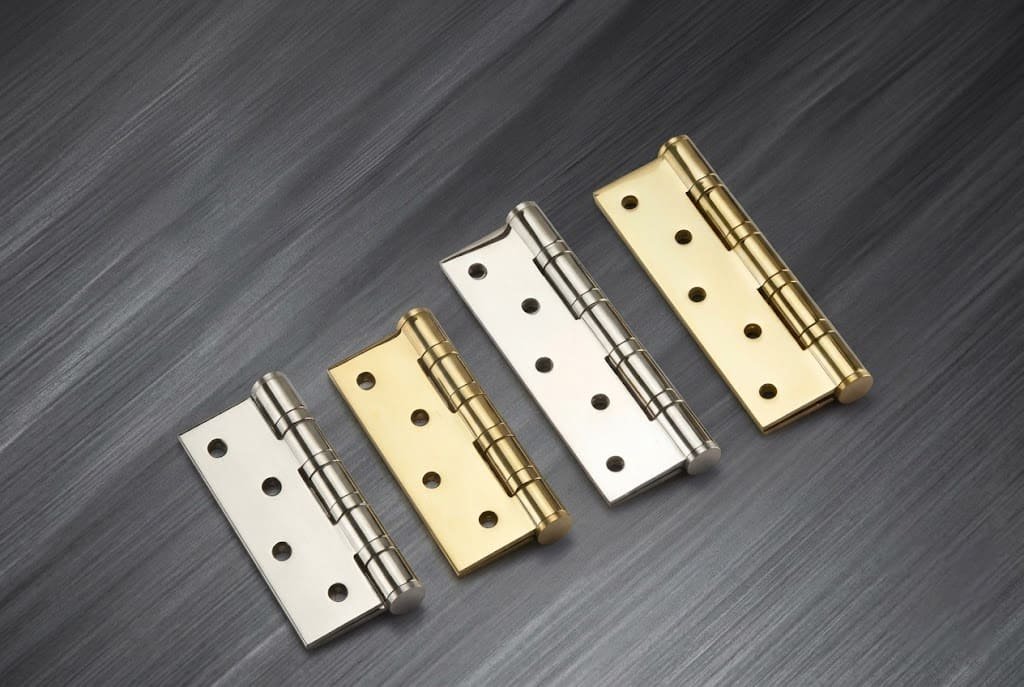
Hinge leaf size vs load capacity: Why bigger leaf does not always mean higher grade
Hinge leaf size vs load capacity is often misunderstood when buyers compare butt hinges for door projects. A wider leaf looks stronger, so the mistake feels reasonable. However, this can lead to poor hinge selection, door sagging, noise, or failed inspections. I usually guide buyers to evaluate the full hinge structure instead.
A bigger hinge leaf does not always mean higher load capacity. Leaf width mainly helps match door thickness, installation position, and contact layout. Real load performance depends more on hinge height, leaf thickness, pin diameter, bearing structure, material quality, hinge quantity, door dimensions, usage frequency, and verified test or certification conditions.1
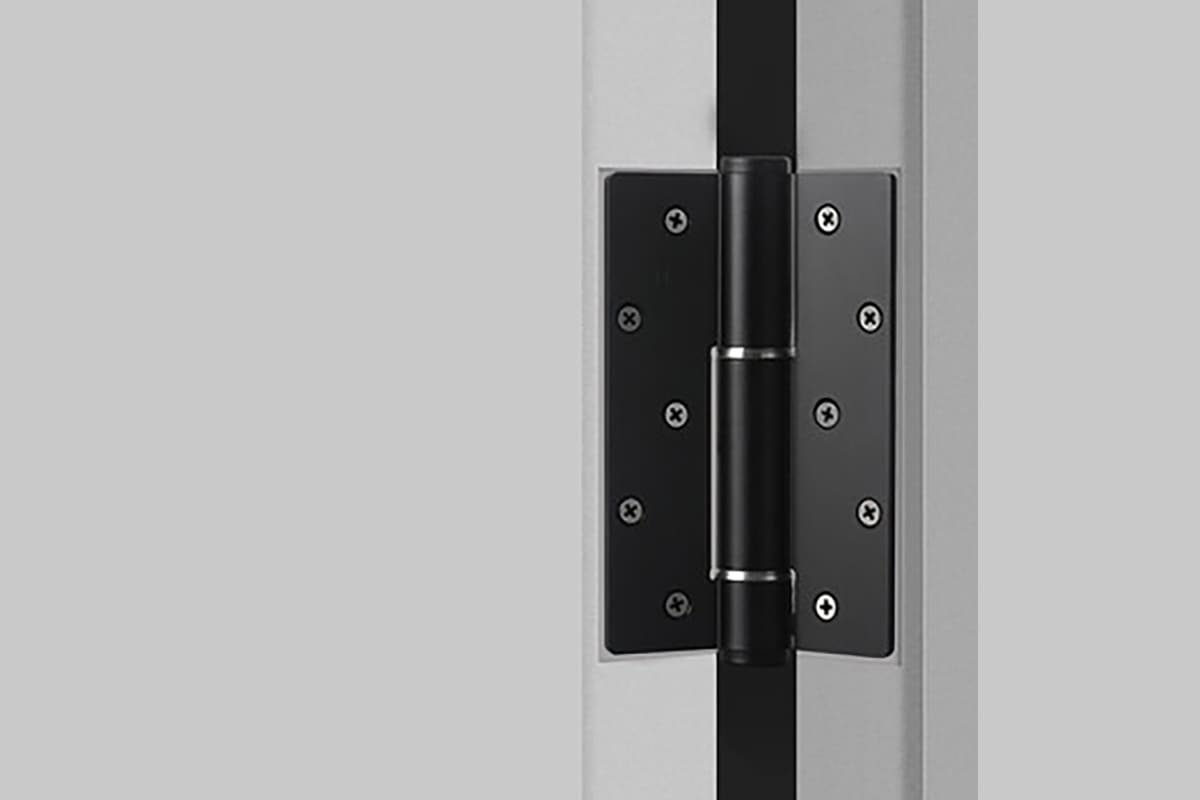
I have seen this question many times in B2B hinge inquiries. A buyer asks for a “stronger” hinge and points only to a wider leaf. That is a useful starting point, but it is not enough. The correct selection starts with the door, not only with the hinge drawing.
What does hinge leaf size vs load capacity really mean?
Many buyers compare hinge leaf size vs load capacity because drawings show height, open width, leaf width, thickness, and hole layout. The problem starts when all these dimensions are treated as strength indicators. That shortcut can create wrong expectations before the hinge is even tested on a door.
Hinge leaf size vs load capacity means comparing hinge dimensions with the load the hinge can safely support under specific conditions. Leaf width affects fit and installation. Load capacity depends on several structural factors, including hinge height, thickness, pin diameter, bearing design, material, door weight, and test conditions.
Dive deeper
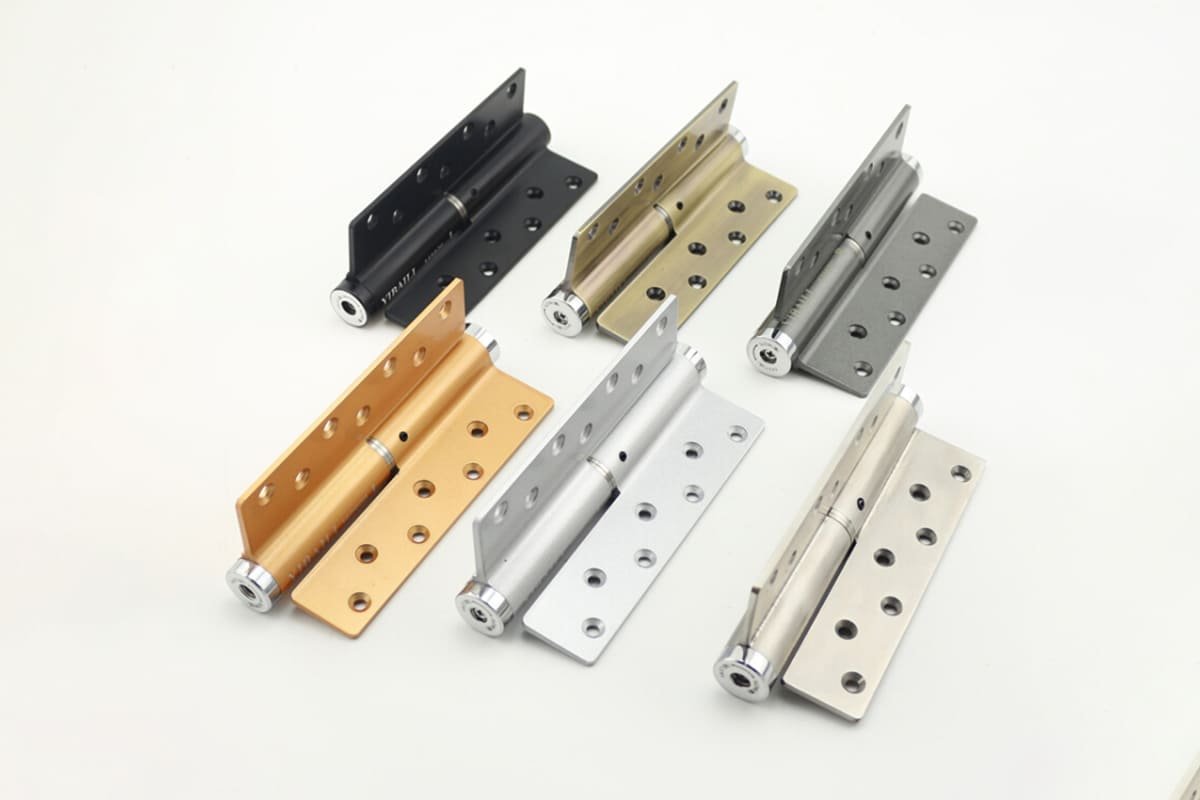
When I discuss hinges with door-factory buyers, I often see one common assumption: a wider hinge leaf must carry more weight. This sounds logical because a larger contact area feels stronger. But in hinge engineering and procurement evaluation, the relationship is more complex.
A butt hinge has several dimensions:
| Dimension | What it usually describes | How buyers should read it |
|---|---|---|
| Hinge height | Vertical length of the hinge | Often more related to load distribution than width, if other factors are similar |
| Open width | Total width when the hinge is opened flat | Usually linked to door thickness and frame installation |
| Single leaf width | Width of one hinge leaf | Helps decide fitting position and screw layout |
| Leaf thickness | Thickness of hinge plates | Strong influence on deformation resistance |
| Pin diameter | Diameter of the central hinge pin | Important for shear strength and durability |
| Knuckle design | Number and shape of hinge barrels | Affects rotation, stability, and wear |
| Bearing or washer design | Ball bearing, plain bearing, washer, or other structure | Affects friction, noise, and service life |
In practice, leaf width is more about installation geometry than pure load grade. A door with a different thickness may need a different open width so the hinge can sit properly. The hinge must align with the door edge and frame rebate. If the hinge is too narrow or too wide for the installation condition, the door may not swing correctly, even if the hinge material is good.
For example, 4-inch butt hinges may appear in different open widths, such as 3", 3.5", or 4". These versions are not automatically different load grades. They may exist because door thickness, frame design, and regional installation habits differ.
In my experience, the better question is not “Which hinge leaf is wider?”
The better question is “Which hinge structure matches this door, this weight, and this use condition?”
For professional buyers, hinge selection should begin with application data:
- Door material: wood, steel, aluminum, fire-rated core, composite, or other type
- Door weight: actual or estimated finished door weight
- Door height and width: taller and wider doors create more leverage
- Door thickness: critical for hinge width and positioning
- Number of hinges per door: 2, 3, 4, or more, depending on design
- Usage frequency: residential, commercial, hotel, hospital, school, or public project
- Compliance needs: CE, fire-rated documentation, or project-specific test reports
So, hinge leaf size vs load capacity is not a single-dimension comparison. It is a full selection process. Width has purpose, but width alone does not define grade.
Why does hinge leaf width not automatically raise load capacity?
Buyers often focus on leaf width because it is easy to see in a catalog. The risk is simple. A buyer may choose a wider hinge but ignore pin strength, plate thickness, bearing quality, or actual door conditions. That can cause complaints after installation.
Leaf width does not automatically raise load capacity because it mainly supports door-thickness fit, screw placement, and hinge positioning. A wider leaf may improve contact layout in some installations, but load performance still depends on hinge height, material thickness, pin diameter, bearing design, machining precision, and verified testing.
Dive deeper
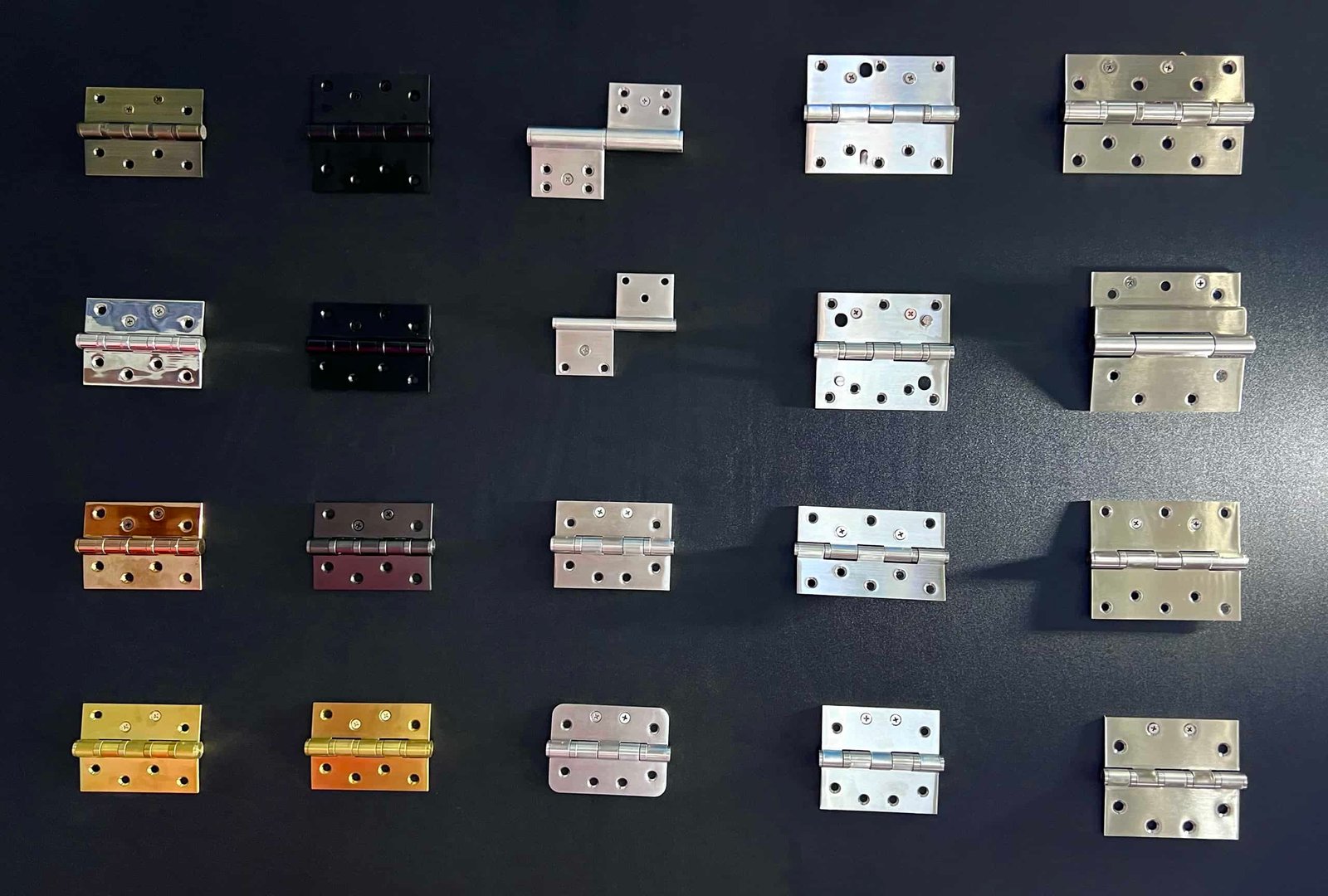
Leaf width matters, but it matters in a specific way. I never tell buyers that leaf width has no purpose. That would be wrong. A proper leaf width helps the hinge sit correctly on the door and frame. It also helps position screws with enough edge distance. It can improve installation stability when matched to the door design.
However, leaf width is not the same as load capacity.
Why hinge leaf width exists in different sizes
A 4-inch hinge can have different open widths because doors and frames are not all the same. The open width helps the hinge match:
- Door thickness
- Frame rebate depth
- Installation position
- Screw hole spacing
- Desired centerline alignment
- Regional market standards
- Door manufacturer machining methods
If a hinge is installed too close to one side, the force distribution may become poor. If the hinge is too wide for the door edge, the installation may look awkward or interfere with nearby structures. If it is too narrow, the screw layout may not support the expected installation quality.
Why wider does not always mean stronger
A wider hinge leaf may look more solid, but it can still perform poorly if other parts are weak. Consider these two simplified examples:
| Hinge factor | Wider hinge A | Narrower hinge B | Which may perform better? |
|---|---|---|---|
| Leaf width | Wider | Narrower | A looks stronger |
| Leaf thickness | Thin | Thicker | B may resist bending better |
| Pin diameter | Small | Larger | B may handle shear better |
| Bearing design | Plain washer | Ball bearing | B may operate smoother under load |
| Material quality | Unverified | Verified grade | B may be more reliable |
| Test evidence | None | Tested for application | B gives buyers stronger confidence |
This is why procurement teams should be careful when comparing catalog drawings. A drawing gives dimensions, but it does not prove performance by itself.
What leaf width can influence
Leaf width can still affect:
- How the hinge leaf seats on the door edge
- How screws distribute clamping force
- How much surface contact exists between hinge and door
- Whether the hinge aligns with the center of door thickness
- Whether machining is easy for the door factory
These are important installation factors. But they are different from saying the hinge has a higher grade.
In factory-side conversations, I sometimes receive inquiries like, “Can you give me the 4-inch hinge with the biggest open width? I need higher load.” My answer is usually: “Please share the door thickness and door weight first.” That answer may feel slower, but it prevents wrong purchasing decisions.
For hardware brand importers and door factories, this distinction is useful. It helps them avoid over-specifying width while under-specifying the real performance features. It also helps them request the right samples and testing documents before placing bulk orders.
How does hinge height affect hinge leaf size vs load capacity?
Hinge height is often more meaningful than leaf width when buyers compare similar hinge structures. The problem is that height, width, and thickness are often mixed together in one casual phrase: “bigger hinge.” This makes communication unclear and selection less accurate.
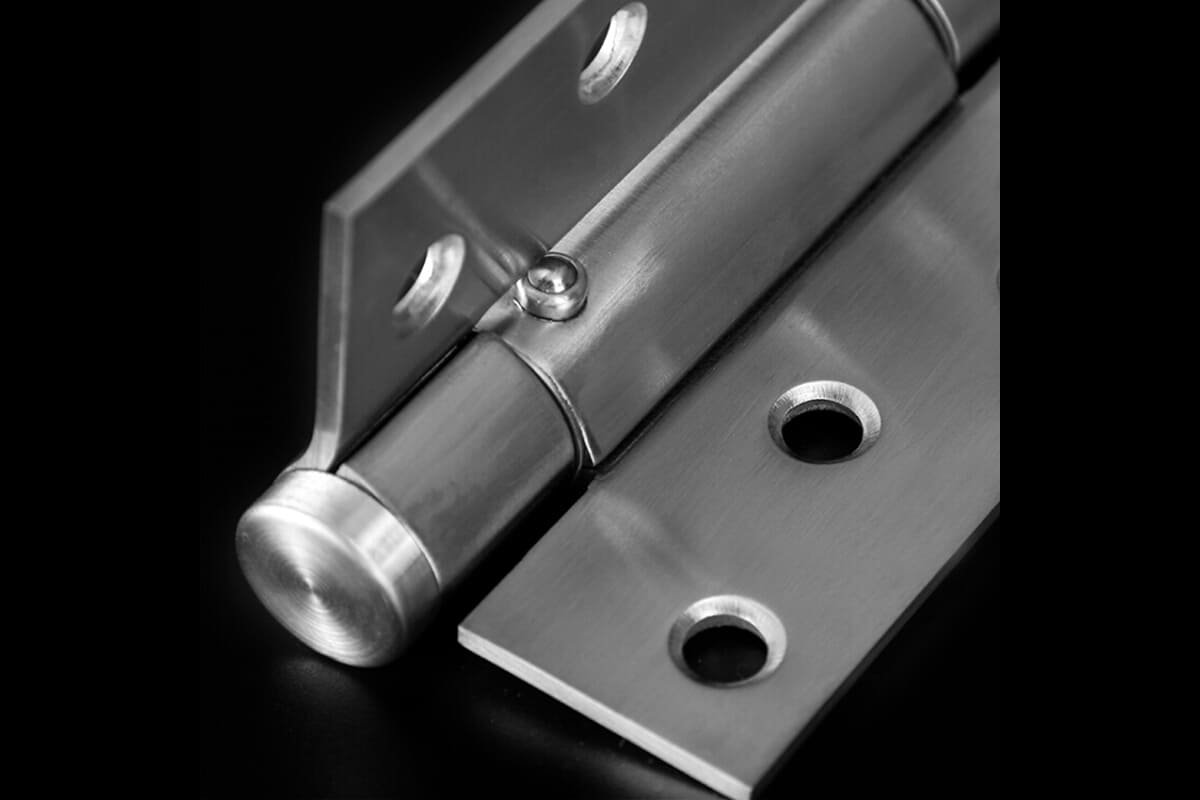
Under similar material, leaf thickness, pin diameter, bearing design, and machining quality, a taller hinge generally distributes load over a longer vertical area.2 For example, a 5-inch hinge may usually support heavier applications than a comparable 4-inch hinge, but buyers should verify product structure and test documents.
Dive deeper
When buyers say “bigger hinge,” I always ask which dimension they mean. Do they mean taller? Wider? Thicker? Larger pin? More knuckles? Ball bearing design? These are not the same.
Why hinge height can matter more visibly
Hinge height gives the hinge a longer vertical footprint. This can help distribute forces over a larger section of the door edge and frame. When the door opens and closes, the hinge is not only holding static weight. It is also dealing with movement, leverage, impact, and repeated cycles.
A taller hinge may help with:
- Vertical load distribution
- Resistance to door sag
- Improved screw spacing
- Better stability on taller or heavier doors
- Reduced stress concentration around each screw area
This is why, under controlled conditions, a 5-inch hinge such as a 533-type hinge may generally be considered more suitable for heavier applications than a 4-inch hinge such as a 433-type hinge. But this comparison only makes sense if the other factors are similar.
Important condition: structure must be comparable
The comparison between a 433 and 533 hinge should not be treated as a universal rule. Buyers should control the variables:
| Variable | Why it matters |
|---|---|
| Material | Stainless steel, steel, brass, and alloy materials behave differently |
| Leaf thickness | Thicker leaves usually resist bending better |
| Pin diameter | Larger pins may improve load and durability performance |
| Bearing design | Ball bearing hinges may perform better in frequent-use doors |
| Screw size | Screw engagement affects final installed performance |
| Machining precision | Poor knuckle alignment can create friction and noise |
| Surface treatment | Corrosion resistance affects long-term use |
| Test condition | Real capacity depends on test method and installation setup |
A taller hinge with thin leaves and a small pin may not outperform a shorter hinge with better structural design. This is why professional buyers should evaluate the full hinge specification, not just the nominal size.
A practical way to compare 4-inch and 5-inch hinges
When I help buyers compare hinge types, I prefer a simple checklist:
Keep the same material
For example, compare stainless steel to stainless steel, not stainless steel to mild steel.Keep the same leaf thickness
A 3.0 mm leaf and a 2.0 mm leaf should not be treated as equal.Check the pin diameter
A larger pin can be important for repeated operation and heavier doors.Check the bearing design
Plain bearing, washer, and ball bearing designs perform differently.Confirm the door data
The same hinge behaves differently on a light interior door and a tall commercial door.Review available test or certification documents
CE or fire-rated documents should be verified for the exact hinge model, size, and application where required.
For architectural hardware projects, hinge height often gives a more useful first filter than leaf width. However, hinge height is still not the whole answer. It must be read together with thickness, pin, bearing, material, and installation quantity.
That is the safest way to understand hinge leaf size vs load capacity without falling into the “bigger always means stronger” trap.
Which hinge factors matter most for load capacity?
Many purchasing mistakes happen because buyers evaluate only the visible hinge size. The visible size is helpful, but the hidden structure often decides long-term performance. If the hinge looks large but uses weak material or poor machining, the door may still sag or become noisy.
The most important hinge load factors are leaf thickness, pin diameter, bearing or washer structure, material quality, machining precision, screw fixing, number of hinges, door weight, door size, usage frequency, and verified testing. Leaf width supports proper installation, but these structural and application factors decide performance more directly.

Dive deeper
Load capacity is not one property. It is the result of many connected details. I usually divide the evaluation into three groups: hinge structure, door application, and verification documents.
1. Hinge structure
The physical hinge design matters first.
Key structural points include:
Leaf thickness
Thicker leaves generally resist bending better, assuming material quality is comparable.3Pin diameter
The hinge pin carries important shear and rotational loads. A small pin can become a weak point.4Knuckle design
Good knuckle alignment helps the hinge rotate smoothly. Poor alignment can create friction and wear.Bearing or washer design
Ball bearing hinges are often preferred for heavier or higher-frequency doors because they reduce friction.5 Washer designs may be suitable for other applications, depending on specification.Material quality
Stainless steel, carbon steel, brass, and other materials have different strength and corrosion behavior.6 Buyers should confirm material grade, not just appearance.Machining precision
Even strong material performs badly if hole positions, knuckle rolling, or pin fitting are inconsistent.
2. Door application
The same hinge can perform differently on different doors. This is why I ask for door details before making a recommendation.
Important door details include:
| Door factor | Why it matters |
|---|---|
| Door weight | Heavier doors increase hinge load |
| Door height | Taller doors increase leverage |
| Door width | Wider doors create greater moment force |
| Door thickness | Affects hinge open width and installation position |
| Door material | Wood, steel, fire-rated core, and composite doors behave differently |
| Opening frequency | Public buildings need stronger durability than low-use rooms7 |
| Number of hinges | More hinges can distribute load, if installed correctly8 |
| Closer or stopper use | Door closers and impacts can add stress |
A high-frequency door in a hotel, school, hospital, or public building may need a different hinge than a residential interior door. Even if both doors have similar weight, the cycle demand can be very different.
3. Verification and compliance
For project purchasing, documents matter. Buyers should not rely only on catalog statements. They should ask whether the hinge has relevant test evidence for the target market and application.
Useful documents may include:
- CE certification documents
- Fire-rated test documents
- Cycle test reports
- Material inspection records
- Salt spray test reports
- Factory inspection reports
- Technical drawings confirmed before order
- Finished product inspection records
At SDH Hardware, our buyers often ask for CE and fire-rated documents when they purchase for Europe, the Middle East, or project-based markets. I always recommend that buyers verify whether the documents match the exact hinge model, size, material, and intended door application. A certificate is useful only when it applies to the product being supplied.
A buyer-friendly evaluation order
When a buyer wants to compare hinges, I suggest this order:
- Start with the door specification
- Confirm required compliance
- Choose suitable hinge height
- Match leaf width to door thickness
- Check leaf thickness and pin diameter
- Select bearing or washer structure
- Confirm material and finish
- Decide number of hinges per door
- Request drawings, samples, and test documents
- Perform application-specific evaluation if the project is critical
This method keeps the discussion practical. It also reduces the chance of choosing a hinge that looks strong but does not match the door.
What information should buyers provide before judging hinge leaf size vs load capacity?
A supplier cannot give reliable hinge guidance from leaf width alone. The problem is that many inquiries include only one drawing or one dimension. This creates guesswork. A better inquiry gives enough door and project data to connect hinge design with real application requirements.
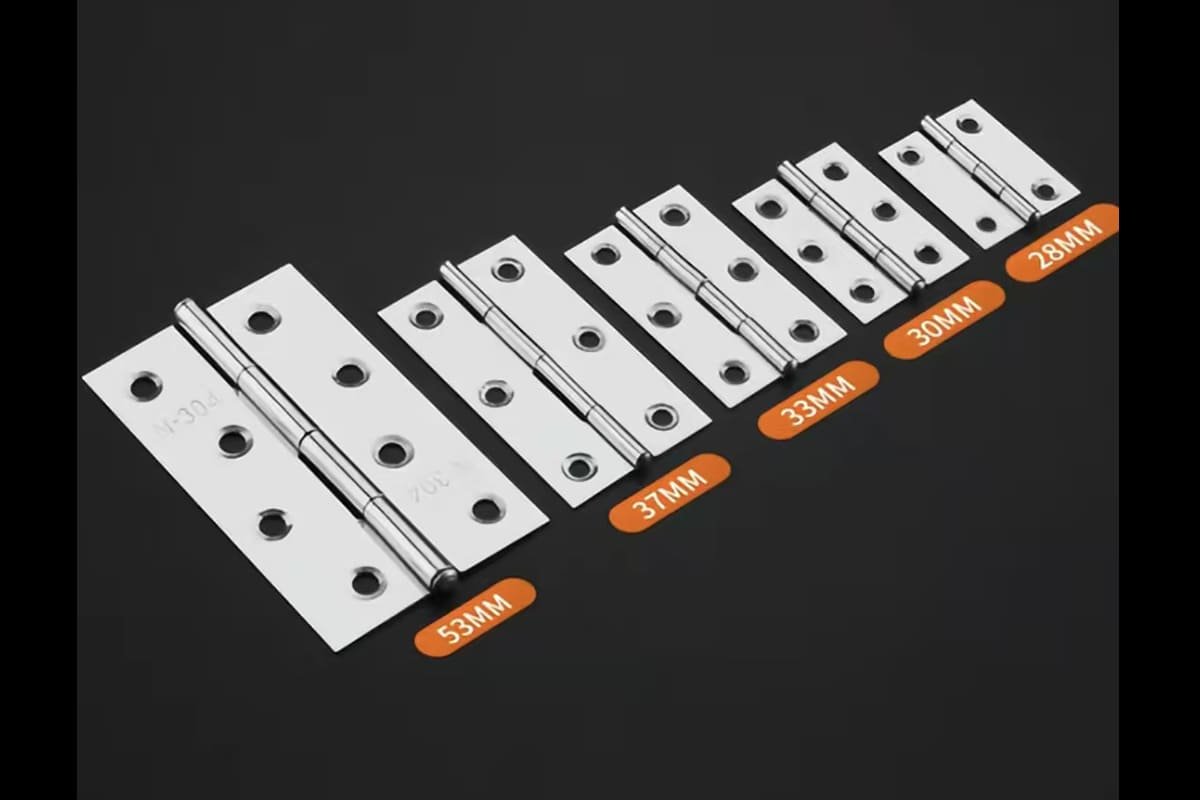
Before judging hinge leaf size vs load capacity, buyers should provide door thickness, door weight, door height and width, door material, number of hinges, opening frequency, installation environment, required finish, and any CE, fire-rated, or project compliance requirements. This information allows a more accurate hinge recommendation.
Dive deeper
A clear inquiry saves time for both sides. It also helps prevent sample mistakes, wrong tooling, packaging confusion, and compliance problems. As a factory-side supplier, I would rather ask more questions at the start than solve complaints after shipment.
The best inquiry format
Buyers can use this simple format when requesting hinge recommendations:
| Information needed | Example buyer input |
|---|---|
| Door type | Wooden interior door, steel fire door, hotel room door |
| Door thickness | 40 mm, 45 mm, 50 mm, or other |
| Door weight | Actual weight or estimated range |
| Door height | 2100 mm, 2400 mm, or project-specific |
| Door width | 800 mm, 900 mm, 1000 mm, or other |
| Hinges per door | 2, 3, 4, or more |
| Usage frequency | Low, medium, high, public building |
| Hinge type | Butt hinge, ball bearing hinge, concealed hinge, etc. |
| Material | Stainless steel, steel, brass, or other |
| Finish | Satin stainless, polished, PVD, powder coating, etc. |
| Compliance | CE, fire-rated, market standard, project document |
| Branding | Logo stamping, laser logo, custom packaging |
| Quantity | Trial order, project batch, annual volume |
When this information is available, the supplier can recommend more responsibly. For example, a buyer may ask for a 4-inch hinge with 4-inch open width. If the door is thick, moderate weight, and low frequency, that may be suitable. If the door is tall, heavy, and used in a public building, the supplier may suggest a taller hinge, thicker leaf, larger pin, ball bearing design, or more hinges per door.
Why door thickness is especially important
Door thickness affects the hinge open width and center position. If the hinge does not fit the door thickness well, the installation can become unbalanced. The door may bind, the screw positions may be poor, or the hinge may not sit cleanly on the door and frame.
This is why different leaf widths exist. They help the hinge match different door constructions. They should not be read as a simple load-grade ladder.
Why door weight is not enough by itself
Door weight is important, but it is not the only load-related input. A 60 kg tall and wide door can stress hinges differently than a 60 kg shorter and narrower door. Width creates leverage.9 Height affects distribution and alignment. Usage frequency affects wear. Door closers can add extra dynamic force.
So, buyers should avoid saying only, “My door is heavy.” They should describe the full door.
When professional evaluation is needed
For fire doors, public buildings, high-traffic doors, safety-critical entrances, and regional compliance projects, buyers should involve qualified technical professionals. The final hinge choice may need to align with building codes, door-set testing, fire test evidence, and local regulations.10
A hardware supplier can provide product drawings, materials, samples, factory inspection, and available certification documents. However, the project team should verify final suitability for the exact application.
That is the most responsible way to handle hinge leaf size vs load capacity in real procurement.
Frequently Asked Questions
Does a wider hinge leaf mean the hinge can carry more weight?
No. A wider hinge leaf can help with door-thickness fit, screw layout, and installation contact, but it does not automatically mean higher load capacity. Buyers should also check hinge height, leaf thickness, pin diameter, bearing structure, material quality, number of hinges, and test documents.
Is hinge height more important than hinge leaf width?
Hinge height often has a more visible relationship with load distribution than leaf width, especially when material, thickness, pin, and bearing design are similar. However, height alone is still not enough. Buyers should evaluate the full hinge structure and the actual door application.
Why do 4-inch hinges have different open widths?
4-inch hinges can have different open widths because doors have different thicknesses, frame designs, and installation requirements. The open width helps the hinge sit in a proper position. It should not be treated as a direct load-grade difference without checking other specifications.
What should I send to a hinge supplier for selection?
You should send door thickness, door weight, door height, door width, door material, number of hinges per door, usage frequency, required finish, and compliance needs such as CE or fire-rated documents. Drawings and photos also help the supplier recommend the correct hinge.
Should I rely only on CE or fire-rated certificates?
No. CE and fire-rated documents are important, but buyers should verify that the documents match the exact hinge model, size, material, and intended application.11 For project-specific decisions, qualified professional review may be needed.
Conclusion
Hinge leaf size vs load capacity should never be judged by leaf width alone. A wider leaf mainly helps the hinge match door thickness, installation position, and contact layout.12 Real performance depends on hinge height, leaf thickness, pin diameter, bearing design, material quality, door data, usage frequency, and verified documents. If you are selecting hinges for door manufacturing, wholesale supply, or project procurement, share your door specifications first. My team at SDH Hardware can then help review suitable hinge options, drawings, customization needs, and available certification documents.
"Understanding BS EN 1935:2002 single-axis hinge grades", https://uk.sfs.com/resources/article/understanding-bs-en-1935. Standards such as EN 1935 and ANSI/BHMA A156.1 evaluate door hinges through door mass, durability-cycle testing, hinge dimensions, materials, corrosion resistance, and application classes, supporting the view that capacity is a tested multi-factor property rather than a function of leaf width alone; this evidence is contextual and does not certify any untested hinge model. Evidence role: expert_consensus; source type: institution. Supports: Hinge standards classify and test hinges using door mass, durability cycles, dimensions, materials, finish, and application conditions rather than leaf width alone.. Scope note: Standards support the selection logic generally but do not prove the performance of a specific hinge unless that exact product has been tested. ↩
"Door Weight Calculator and Hinge Selector", https://www.betterbuildinghardware.com/door-weight-calculator-1. Door-hardware standards and technical guides commonly use hinge size, door dimensions, door mass, and duty class together when assessing suitability, which supports the article's claim that hinge height can affect load distribution when other structural variables are comparable; the support is contextual because standards do not reduce capacity to height alone. Evidence role: mechanism; source type: institution. Supports: Hinge sizing guidance and standards relate hinge size and quantity to door dimensions, door mass, and expected duty.. Scope note: The evidence supports a sizing principle, not a universal rule that every taller hinge is stronger. ↩
"Mechanics of Materials: Bending – Normal Stress", https://www.bu.edu/moss/mechanics-of-materials-bending-normal-stress/. Mechanics-of-materials texts show that the second moment of area for a rectangular section increases with the cube of its thickness, so, all else equal, a thicker hinge leaf should resist bending more strongly; this applies a general structural principle and does not replace hinge-specific load testing. Evidence role: mechanism; source type: education. Supports: Mechanics of materials explains that bending stiffness depends strongly on section thickness through the second moment of area.. Scope note: The mechanics principle is directly relevant but does not account for hinge geometry, fasteners, fatigue, or material defects. ↩
"3. Shear Stress and Shear Strain", https://www.purdue.edu/freeform/wp-content/uploads/sites/2/2020/09/chapter03.pdf. Mechanical design references describe pins in joints as load-carrying members subject to shear and bearing stresses, with shear area increasing as diameter increases, supporting the claim that a small hinge pin can become a mechanical weak point; the principle does not predict durability without material and fatigue data. Evidence role: mechanism; source type: education. Supports: Mechanical design references explain how pin diameter affects shear stress and bearing stress in pin-connected joints.. Scope note: This supports the mechanism but not the capacity of a particular hinge pin design. ↩
"Rolling-Element Bearings", https://ntrs.nasa.gov/api/citations/19830018943/downloads/19830018943.pdf. Tribology literature explains that rolling-element bearings reduce sliding friction and can lower wear compared with plain sliding contacts, supporting the use of ball bearing hinge designs where repeated movement and load increase frictional demand; this is mechanism-level support rather than proof that every ball bearing hinge is suitable for heavy-duty doors. Evidence role: mechanism; source type: research. Supports: Tribology sources explain that rolling-element bearings reduce sliding friction and wear compared with plain sliding contact.. Scope note: Actual suitability still depends on hinge size, material, bearing quality, installation, and test rating. ↩
"mechanical properties of metals and alloys", https://nvlpubs.nist.gov/nistpubs/Legacy/circ/nbscircular447.pdf. Materials-engineering references distinguish carbon steels, stainless steels, and copper alloys such as brass by mechanical properties and corrosion behavior, supporting the claim that hinge material grade affects strength and service environment suitability; the support is general because exact performance depends on alloy grade, heat treatment, finish, and manufacturing quality. Evidence role: general_support; source type: research. Supports: Materials references document differences in strength, hardness, corrosion resistance, and environmental performance among steels, stainless steels, and copper alloys such as brass.. Scope note: General material-property data must be matched to the exact alloy and product condition. ↩
"087100 – DOOR HARDWARE - Facilities and Campus Services", https://fcs.cornell.edu/087100-door-hardware. Hinge standards such as EN 1935 and ANSI/BHMA A156.1 classify hinges by durability testing over specified operating cycles, supporting the article's point that high-traffic public doors require stronger durability evidence than low-use doors; the standards provide duty classifications rather than a project-specific traffic forecast. Evidence role: expert_consensus; source type: institution. Supports: Door-hinge standards use durability or cycle-test grades to distinguish light-duty and heavy-duty use conditions.. Scope note: Cycle grades indicate tested durability but must be matched to the actual door set and traffic conditions. ↩
"Decoded: NFPA 80 Requirements for Hinges, Pivots, and ...", https://idighardware.com/2016/07/decoded-nfpa-80-requirements-for-hinges/. Door-hardware and fire-door standards commonly prescribe hinge quantity and spacing in relation to door height and assembly type, supporting the claim that hinge count is part of load and performance distribution when correctly installed; this is contextual support and does not quantify how much load each additional hinge carries in every installation. Evidence role: general_support; source type: institution. Supports: Door and fire-door standards often specify minimum hinge quantities and spacing based on door height or assembly requirements.. Scope note: Load sharing among hinges depends on alignment, frame stiffness, fastener engagement, and installation tolerances. ↩
"Torque and Equilibrium", http://hyperphysics.phy-astr.gsu.edu/hbase/torq2.html. Statics references define moment as the product of force and perpendicular distance from the pivot, so increasing a door's width increases the moment imposed on its hinges even when door weight is unchanged; this supports the leverage mechanism but does not calculate an allowable hinge rating. Evidence role: mechanism; source type: education. Supports: Statics sources define moment or torque as force multiplied by perpendicular distance, explaining why door width changes hinge loading.. Scope note: The principle explains relative loading, while actual hinge stress also depends on hinge spacing, fasteners, frame stiffness, and dynamic use. ↩
"Panic and Fire Exit Hardware", https://www.fairfaxcounty.gov/fire-ems/fire-marshal/panic-and-fire-exit-hardware. Fire-door standards and building-code guidance treat hinges and other hardware as components of regulated door assemblies that must conform to tested, listed, or approved configurations, supporting the article's statement that final hinge selection may need code and fire-test verification; the exact requirements depend on local law and the door assembly's listing. Evidence role: expert_consensus; source type: institution. Supports: Fire-door and building-code frameworks treat doors, frames, hinges, closers, and other hardware as components of regulated assemblies that must match tested or listed conditions.. Scope note: The support is regulatory-contextual and must be interpreted for the relevant jurisdiction and project. ↩
"Hardware", https://en.wikipedia.org/wiki/Hardware. The EU Construction Products Regulation requires construction-product declarations of performance to identify the product type, intended use, and declared characteristics, supporting the need to verify that CE documentation corresponds to the supplied hinge; fire-rating evidence is similarly application-specific, so certificates should not be generalized beyond their tested or listed scope. Evidence role: general_support; source type: government. Supports: CE documentation for construction products is tied to product identification, intended use, and declared performance, and fire-rated hardware is normally evaluated for specified assemblies or applications.. Scope note: CE and fire-rating requirements vary by jurisdiction and by whether a harmonised standard or tested assembly applies. ↩
"SECTION 087111 - DOOR HARDWARE (SCHEDULED BY ...", https://fpm.usc.edu/wp-content/uploads/2021/11/087102-USC-HSC-door-hardware-Guide-Specification_1.pdf. Architectural hardware references commonly relate hinge width or open width to door thickness, frame clearance, and the installed pivot position, supporting the statement that leaf width is primarily an installation-geometry variable; this is contextual support and does not by itself establish a hinge's load rating. Evidence role: general_support; source type: institution. Supports: Architectural hardware guidance links hinge width or open width to door thickness, frame clearance, and installation geometry.. Scope note: The evidence should be treated as installation guidance, not direct proof of mechanical capacity. ↩
