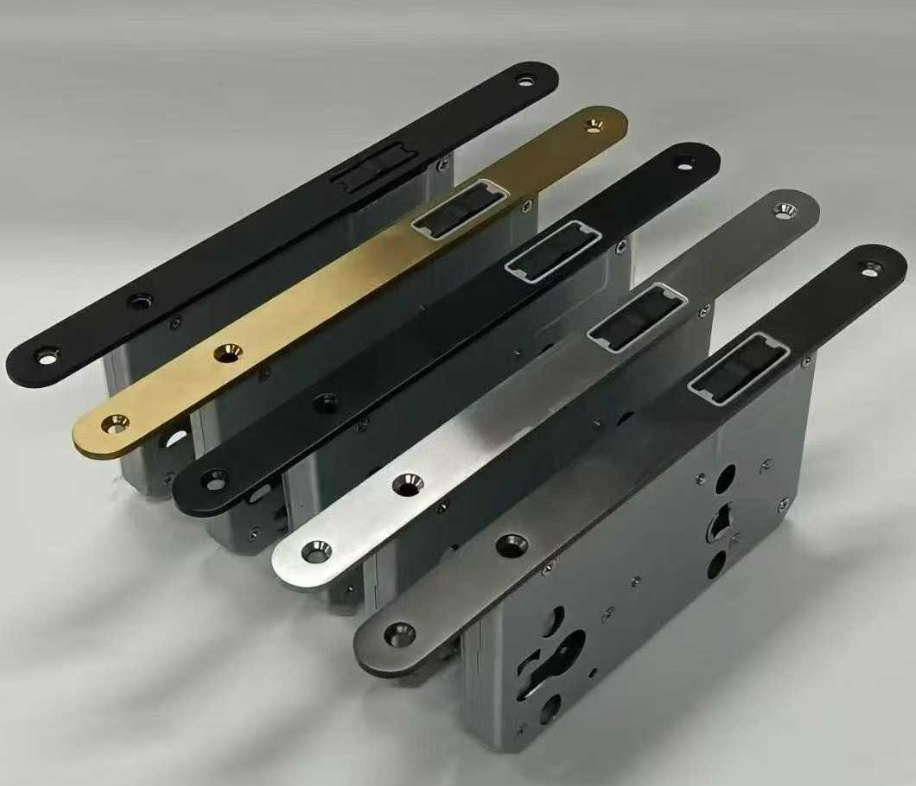
In today’s fast-paced, technology-driven world, security solutions have evolved far beyond traditional mechanical locks. Among these innovations, magnetic mortise locks stand out as a cornerstone of modern access control systems. Combining robust physical security with seamless integration into smart ecosystems, magnetic locks are redefining safety across residential, commercial, and industrial spaces. This blog delves into the key advantages of magnetic locks, supported by real-world applications and technical insights, to illustrate why they are becoming the go-to choice for security-conscious users worldwide
Below, we break down why magnetic locks are not just an alternative, but the future of access control—especially when compared to traditional cylinder type lock systems.
Magnetic Mortise Locks: Unparalleled Security and Reliability
Magnetic locks leverage the power of electromagnetism to create an exceptionally secure locking mechanism. When energized, an electromagnetic coil generates a powerful magnetic field that firmly bonds the lock’s armature plate to the door frame. For instance, leading brands like shengda hardware produce magnetic locks with a static holding force of 250 kg±10%, ensuring doors remain securely closed even under significant pressure.
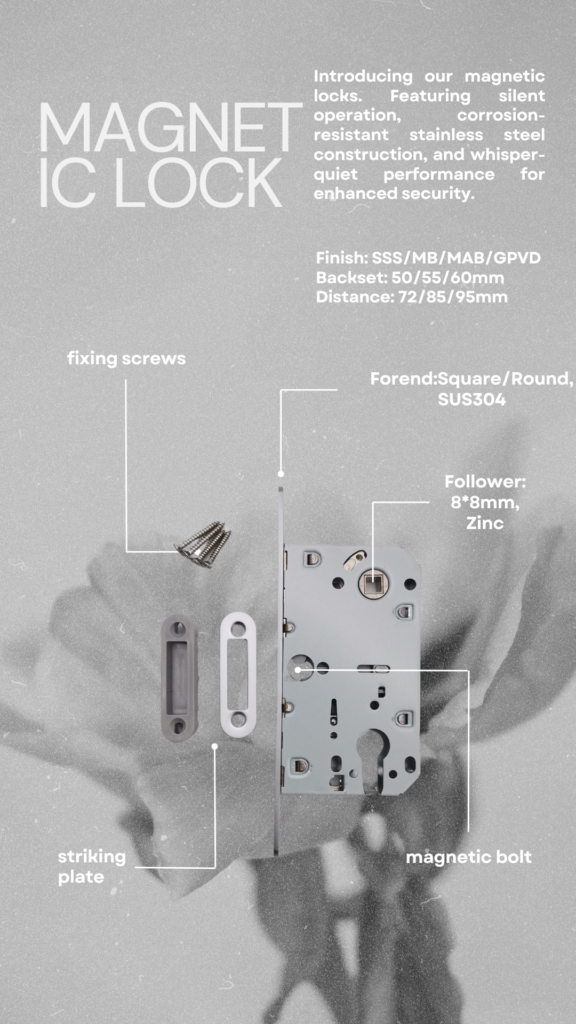
Key Features Enhancing Security:
- Tamper-Resistant Design: High-strength alloy aluminum housings and anti-pry mechanisms deter physical attacks.
- Fail-Safe Options: Many models include reverse current protection (MOV) and dual insulation to prevent electrical failures, ensuring reliability during power fluctuations.
- Zero Mechanical Weaknesses: Unlike traditional locks with tumblers or keys, magnetic locks eliminate vulnerabilities to picking or forced entry.

Magnetic Mortise Locks: Versatility Across Applications
From corporate offices to healthcare facilities, magnetic locks adapt seamlessly to diverse environments. Their flexibility makes them ideal for:
| Commercial Spaces | Offices and banks benefit from centralized access control, integrating with ID cards or biometric systems. |
| Healthcare Facilities | Hospitals use magnetic locks to restrict unauthorized access to sensitive areas like pharmacies or labs. |
| Residential Security | Smart homes pair magnetic locks with mobile apps or fingerprint scanners for keyless convenience. |
| Healthcare Facilities | Hospitals use magnetic locks to restrict unauthorized access to sensitive areas like pharmacies or labs. |
| Residential Security | Smart homes pair magnetic locks with mobile apps or fingerprint scanners for keyless convenience. |
| Residential Security | Smart homes pair magnetic locks with mobile apps or fingerprint scanners for keyless convenience. |
| Case Study | In airports, magnetic locks ensure rapid yet secure throughput in high-traffic zones, balancing safety with operational efficiency. |
Magnetic Mortise Locks: Seamless Integration with Smart Systems
Modern magnetic locks are designed to thrive in IoT-enabled ecosystems. They support integration with:
- Mobile Apps: Unlock doors remotely via smartphones, ideal for Airbnb hosts or property managers.
- Biometric Systems: Pair with fingerprint or facial recognition for multi-layered security.
- Centralized Management: Administer access permissions across multiple doors, revoking privileges instantly if a credential is lost.
Magnetic Mortise Locks: Durability and Low Maintenance
Constructed from materials like stainless steel and reinforced alloys, magnetic locks withstand harsh conditions—corrosion, extreme temperatures, and frequent use—without compromising performance.
Maintenance Benefits:
- Minimal Wear: Non-contact operation (in RFID or touchless models) reduces mechanical friction, extending lifespan.
- Self-Diagnostic Features: Advanced models alert users to low battery or coil issues, preempting failures.
Magnetic Mortise Locks: Core Components and Installation Steps
| Component Name | Function Description | Remarks |
|---|---|---|
| Lock Cylinder Body | The metal housing that encloses all internal components. | Strength determines pry resistance. |
| Magnetic Pin | Installed within the pin chambers of the cylinder lock body, replacing the traditional spring-and-pin mechanism. | The orientation of the magnetic poles determines the locked or unlocked state. |
| Protective Bushing | Installed within the inner wall of the key slot | Prevents foreign objects from making direct contact with the magnetic pins |
| Magnetic Key | Magnetic pins with corresponding positions and polarities are installed on the key. | The magnetic pins inside the lock cylinder are moved through the action of magnetic force. |
Installation Flowchart:
- Step 1: Positioning and Drilling
- Step 2: Installing the Lock Body
- Step 3: Installing the Lock Cylinder Assembly
- Step 4: Installing the Strike Box
- Step 5: Adjustment and Testing
Magnetic mortise locks replace traditional spring-loaded pins with magnetic particles, thereby fundamentally resolving the critical issues associated with conventional mechanical locks—specifically, spring fatigue, pin wear, and susceptibility to technical manipulation.
Magnetic Mortise Locks: Enhanced User Experience and Safety
Beyond security, magnetic locks prioritize convenience:
- Emergency Egress: Fail-safe models release automatically during power outages, ensuring safe evacuation.
- Silent Operation: Ideal for environments like libraries or hospitals where noise reduction matters.
- Customizable Access: Temporarily grant access to delivery personnel or contractors via time-limited digital keys.
Magnetic Mortise Locks: Sustainability and Cost Efficiency
While initial costs may exceed mechanical locks, magnetic locks offer long-term savings:
- Energy Efficiency: Consume power only when locked, reducing electricity use.
- Scalability: Expand systems incrementally without overhauling infrastructure.
Conclusion: The Future of Security is Magnetic
Magnetic locks represent a paradigm shift in access control, merging brute-force security with intelligent adaptability.With the expansion of smart cities and IoT ecosystems, their role in safeguarding homes, businesses, and critical infrastructure will only grow. Whether you’re a homeowner seeking keyless convenience or a facility manager prioritizing centralized control, magnetic locks deliver a future-proof solution that traditional systems simply cannot match.Magnetic locks represent a paradigm shift in access control, merging brute-force security with intelligent adaptability. As smart cities and IoT ecosystems expand, their role in safeguarding homes, businesses, and critical infrastructure will only grow. Whether you’re a homeowner seeking keyless convenience or a facility manager prioritizing centralized control, magnetic locks deliver a future-proof solution that traditional systems simply cannot match.
For more Magnetic locks information, click to contact our professionals.