Minimalist interior design has become one of the most popular architectural trends in recent years. Modern homeowners, designers, and architects increasingly prefer clean lines, seamless spaces, and uncluttered visual effects. In this design philosophy, every detail matters — including door hardware.
What Are Concealed Hinges?
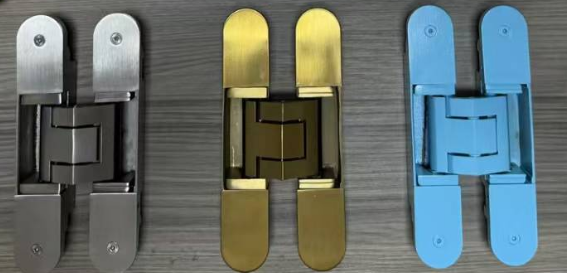
Concealed hinges, also known as invisible hinges or hidden hinges, are installed inside the door and frame so that they remain completely invisible when the door is closed.
Unlike traditional butt hinges that are visible from the outside, concealed hinges provide a seamless appearance that perfectly matches minimalist interior concepts.
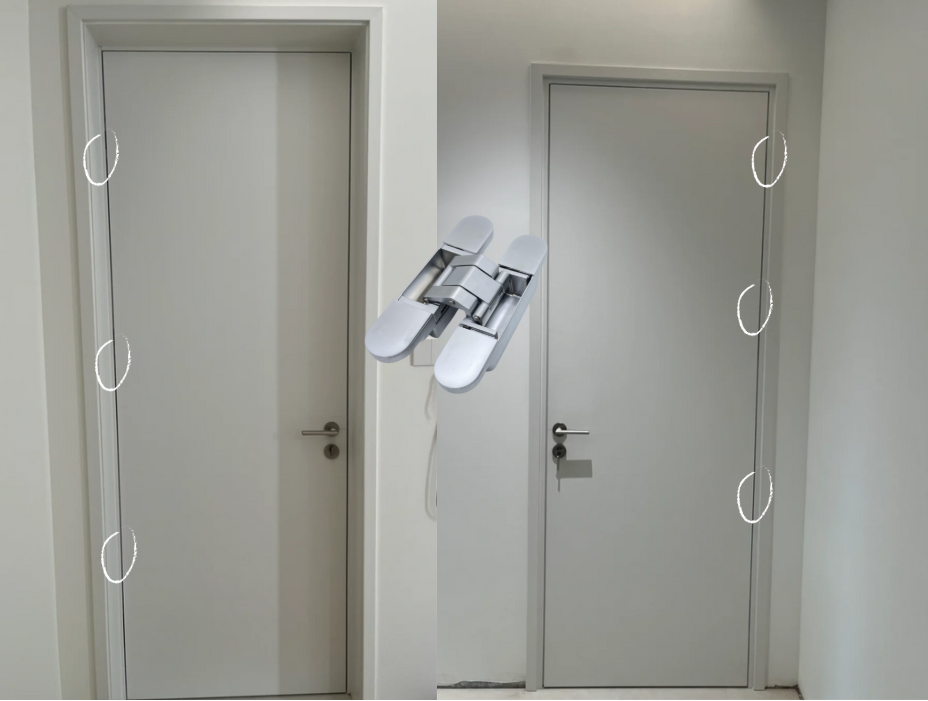
These hinges are commonly used for:
- Invisible doors
- Flush wall doors
- Modern wooden doors
- Luxury interior projects
- Commercial spaces
- Frameless door systems
Most modern concealed hinges also feature adjustable functions, allowing installers to fine-tune door alignment after installation.
Why Minimalist Interiors Prefer Concealed Hinges
Clean and Seamless Appearance
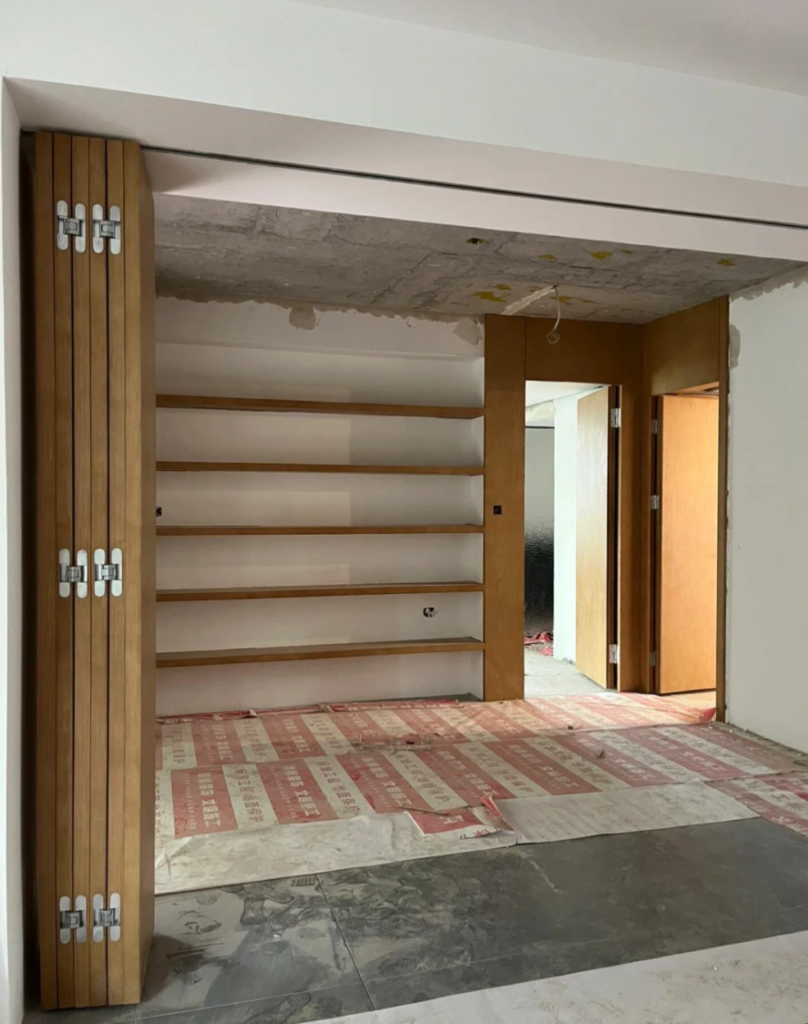
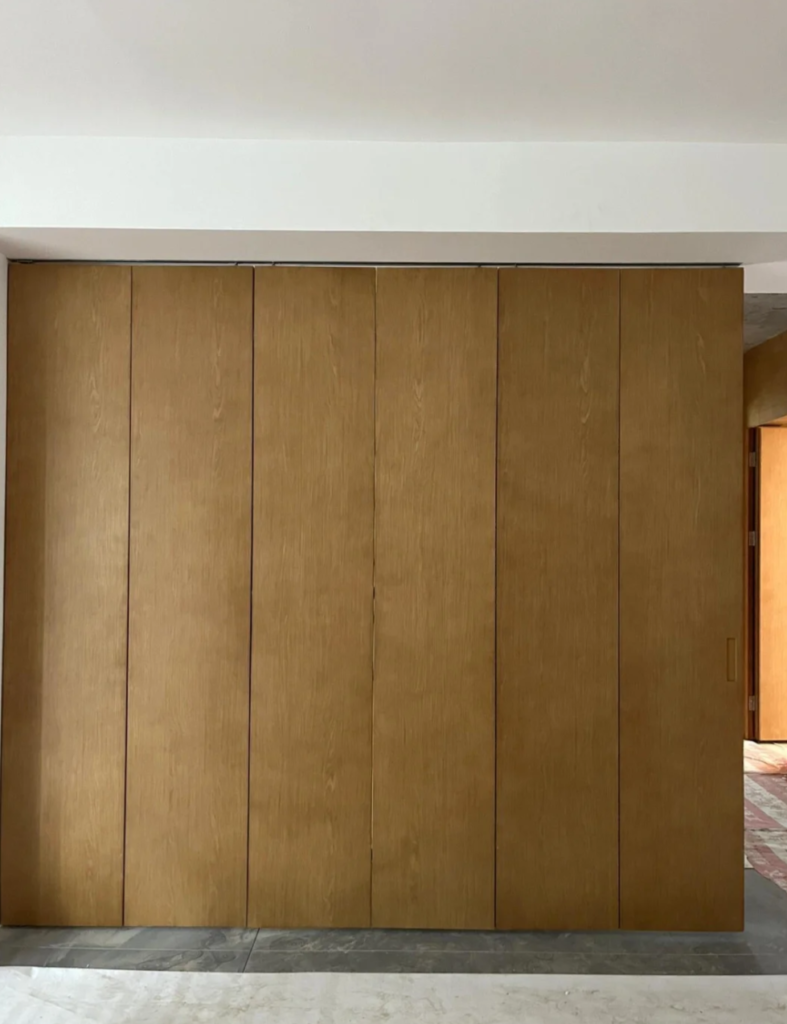
One of the biggest advantages of concealed hinges is their ability to create uninterrupted visual surfaces.
Since the hinges are hidden inside the door system, walls and doors appear cleaner and more elegant. This is especially important in minimalist architecture, where designers try to reduce visible hardware and unnecessary decorative elements.
Invisible doors combined with concealed hinges can blend naturally into surrounding walls, creating a modern and high-end atmosphere.
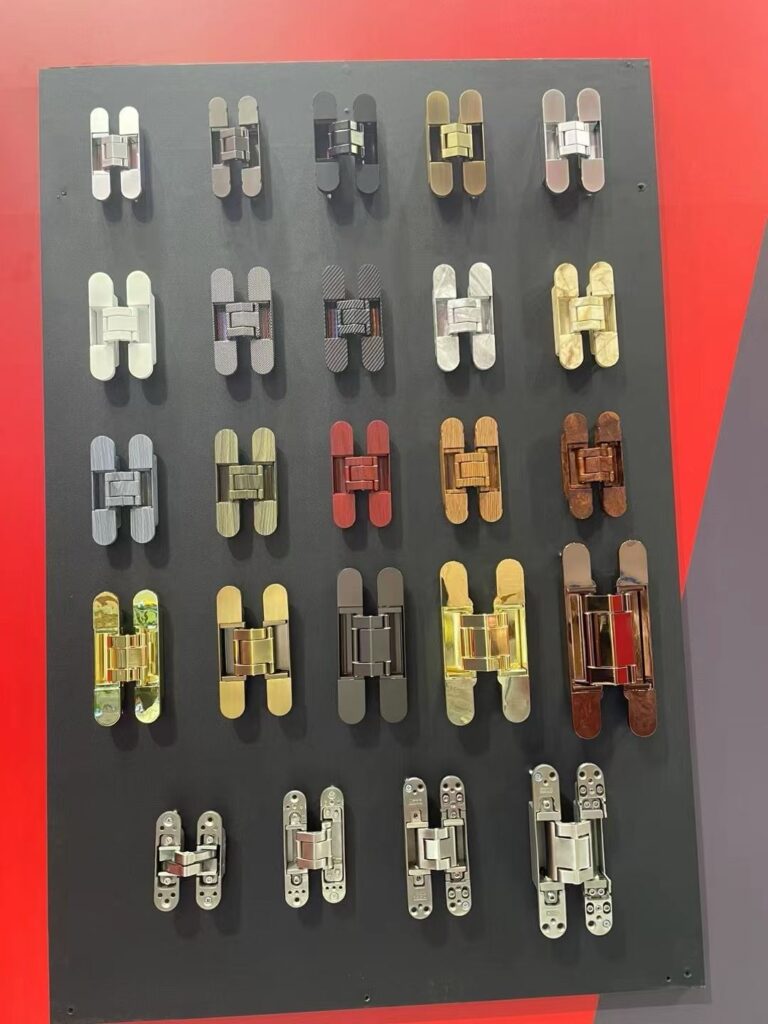
Concealed hinges are available in a wide variety of finishes to match different interior styles and architectural preferences. Common finishes include satin chrome, matte black, brushed nickel, stainless steel, gold, and customized colors. For high-end interior projects, finishes can also be customized according to the overall decoration style, helping create a more harmonious and consistent design appearance.
Modern Architectural Aesthetics
Concealed hinges are strongly associated with contemporary European interior design.
Modern architects often prefer flush doors and hidden door systems to create a more refined and luxurious appearance. Concealed hinges support this design by eliminating exposed metal components.
They are widely used in:
- Luxury apartments
- Villas
- Modern offices
- Hotels
- Designer showrooms
For high-end projects, concealed hinges are no longer simply functional hardware — they are part of the architectural design itself.
Enhanced Space Perception
Minimalist interiors focus heavily on visual simplicity.
Visible hinges, handles, and hardware can make spaces feel more crowded. Concealed hinges reduce visual distractions and help create a cleaner environment.
This design approach can also make small spaces appear larger and more open, which is particularly valuable in modern urban apartments.
Functional Advantages Beyond Appearance
Although concealed hinges are mainly known for aesthetics, they also provide several practical advantages.
Adjustable Installation
Many concealed hinges feature 3D adjustment functions.
Installers can easily adjust in 3 dimensions:
- vertical
- depth
- horizontal
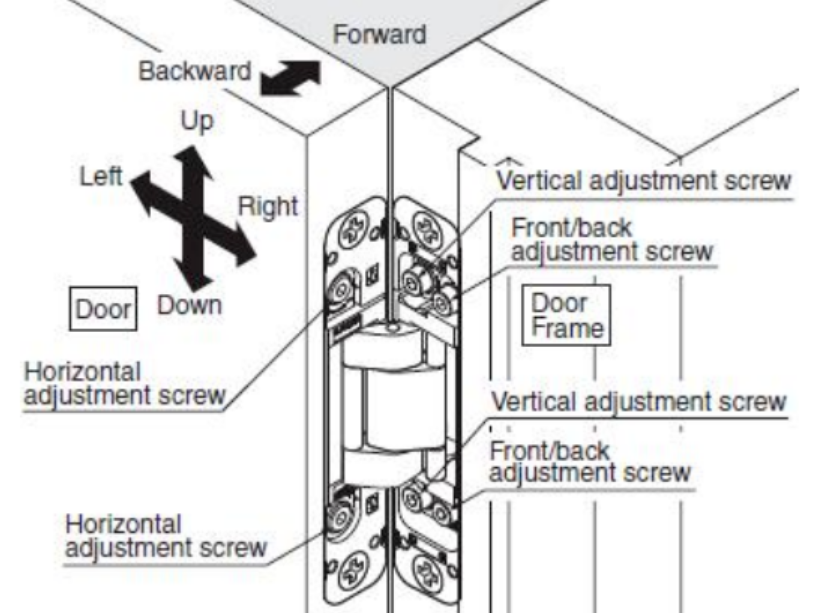
This improves installation efficiency and ensures perfect door positioning.
For invisible doors, precise alignment is extremely important because even small gaps can affect the overall minimalist effect.
Smooth and Silent Operation
High-quality concealed hinges offer smooth opening and closing performance.
Many models are designed with:
- Silent movement
- Stable support
- Soft closing performance
This creates a better user experience for modern residential and commercial spaces.
Durability and Load Capacity
Modern concealed hinges are typically manufactured from durable materials such as:
- Stainless steel
- Zinc alloy
- Aluminum alloy
High-quality concealed hinges can support heavy wooden doors while maintaining long-term stability.
SDH‘s concealed hinges can pass 200,000 cycle test.
Wider Opening Angles
Some concealed hinge systems allow opening angles up to 180°
Wider opening angles improve accessibility while maintaining minimalist aesthetics.
Concealed Hinges for Invisible Doors
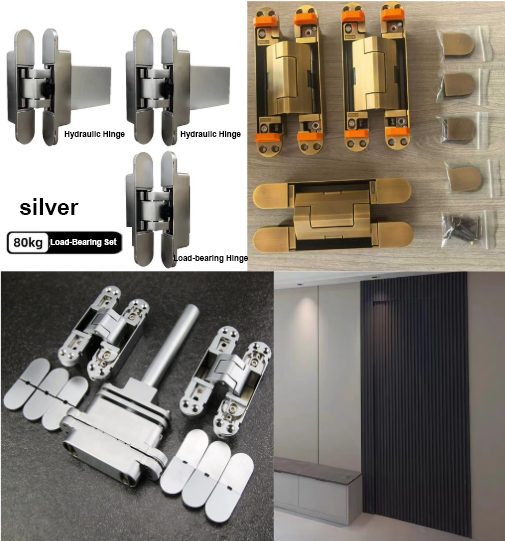
Invisible doors have become a major trend in modern interior design.
These doors are designed to blend completely into the wall, creating a hidden and seamless appearance. Concealed hinges are one of the key components that make this effect possible.
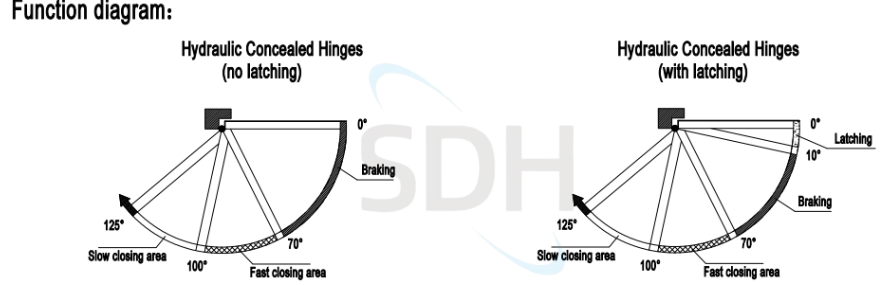
In recent years, concealed hydraulic soft-closing hinges have also become increasingly popular for invisible door systems.
Compared with standard concealed hinges, concealed hydraulic hinges can provide:
- Soft closing function
- Adjustable closing speed
- More stable movement
- Better user comfort
They are commonly used in:
- Luxury villas
- High-end apartments
- Modern offices
- Premium hotel projects

Concealed hydraulic hinges combine aesthetics and functionality, making them an ideal solution for modern invisible doors.
Applications of Concealed Hinges in Modern Interiors
Residential Projects
Concealed hinges are widely used in residential interiors, especially in modern and minimalist homes.
Typical applications include:
- Bedroom doors
- Living room hidden doors
- Walk-in closets
- Bathroom doors
- Luxury villas
Many homeowners prefer concealed hinges because they create a cleaner and more elegant interior atmosphere.
Commercial Spaces
Commercial projects also increasingly use concealed hinge systems.
Popular applications include:
- Offices
- Hotels
- Retail stores
- Showrooms
- Conference rooms
Modern commercial interiors often focus on simplicity and premium visual design, making concealed hinges an ideal solution.
Invisible Door Systems
Concealed hinges are commonly combined with:
- Magnetic locks
- Minimalist handles
- Flush door frames
- Hidden door closers
- Zinc alloy handles
Together, these components create a complete invisible door solution for modern interiors.
Contact SDH to get a professional interior door hardware solution.
How to Choose the Right Concealed Hinges
Selecting the correct concealed hinge depends on several important factors.
Door Weight and Size
Different hinges support different door weights. SDH has hinges with the load capacity of 9 kg-250 kg.
Heavy wooden doors may require:
- Heavy-duty concealed hinges
- Multiple hinges
- Stainless steel structures
Always confirm the hinge load capacity before installation.
Material Selection
The most common materials include:
- Stainless steel
- Zinc alloy
- Aluminium alloy
Stainless steel offers better durability and corrosion resistance, while zinc alloy may provide more economical solutions.
Fire-Rated Requirements
For commercial or fire-rated doors, certified concealed hinges may be required.
SDH’s zinc alloy concealed hinges pass a 68-minute fire-rated test by Intertek.
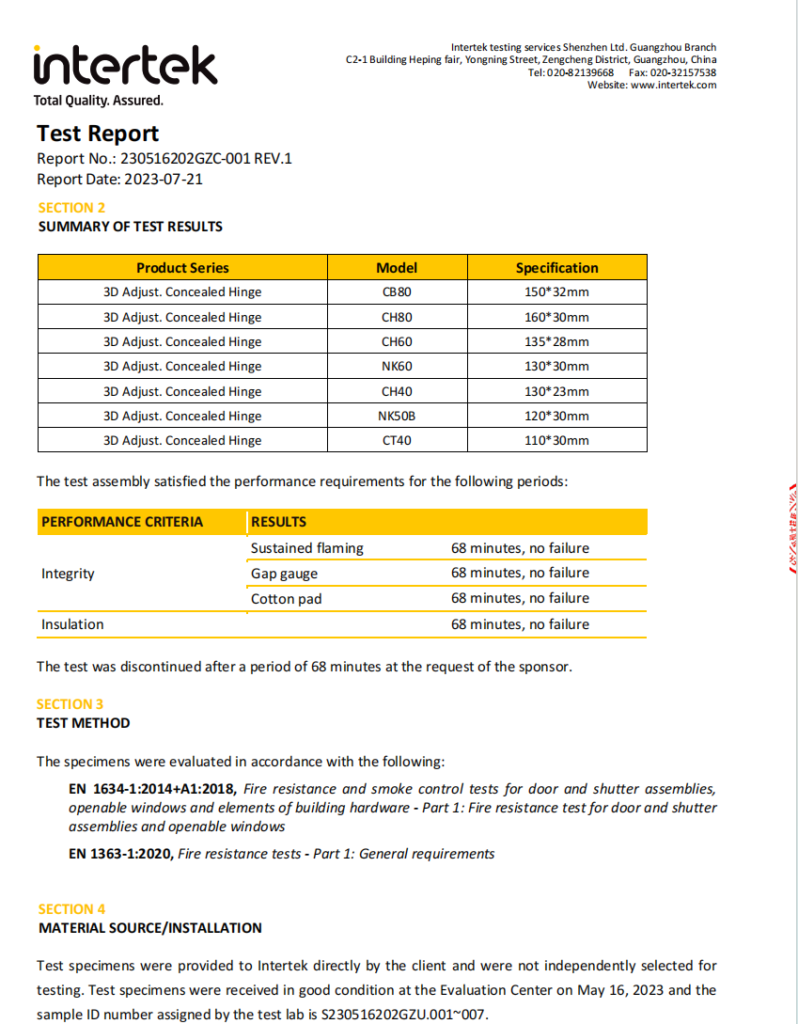
Project specifications should always be checked carefully before selection.
Installation Compatibility
Concealed hinges can be used with:
- Wooden doors
- Aluminum frame doors
- Flush wall systems
- Invisible doors
Proper compatibility ensures better installation results and long-term performance.
Why Concealed Hinges Are Popular in European Markets
European architecture strongly emphasizes simplicity, functionality, and modern aesthetics.
As invisible doors and flush systems become more popular, demand for concealed hinges continues to grow across European markets.
European customers also focus heavily on:
- Product quality
- Durability
- Smooth operation
- CE compliance
- Long service life
This has encouraged manufacturers to develop more advanced concealed hinge systems for both residential and commercial applications.
Future Trends in Minimalist Door Hardware
The future of minimalist interiors will continue driving innovation in concealed hardware.
Current trends include:
- Slimmer hinge designs
- Smart concealed hardware
- Integrated soft-closing systems
- Concealed hydraulic technology
- Sustainable materials
As architectural styles continue evolving, concealed hinges will remain an important element of modern interior design.
Conclusion
Concealed hinges play a critical role in creating modern minimalist interiors.
By hiding hardware components and supporting flush door systems, they help designers achieve cleaner, more elegant architectural spaces. At the same time, they provide excellent functionality, durability, and smooth operation.
From invisible doors in luxury homes to modern commercial projects, concealed hinges have become an essential solution for contemporary interior design.
In minimalist architecture, even small hardware details can make a significant visual impact.