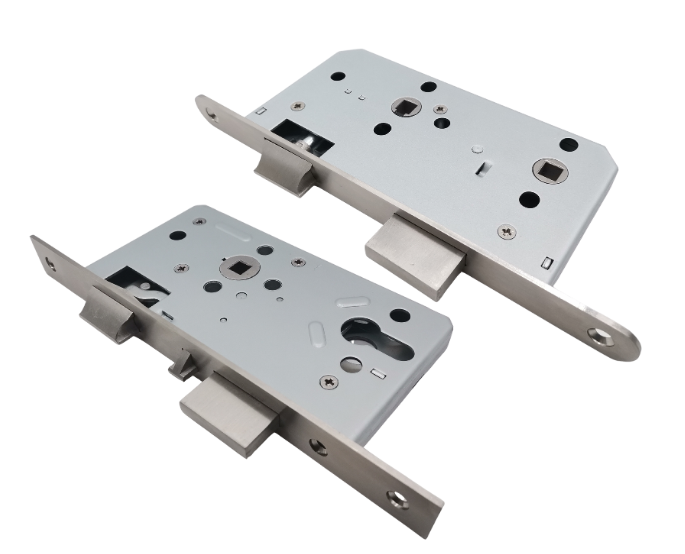
When selecting door hardware for residential or commercial projects, the mortise lock is one of the most important components. In Europe and many international markets, DIN 18251 mortise locks have become a widely accepted standard for wooden doors, metal doors, and fire-rated door systems.
Thanks to their standardized dimensions, reliable performance, and compatibility with modern door hardware, DIN 18251 mortise locks are commonly used by door manufacturers, architects, contractors, and hardware distributors worldwide.
In this article, we will explain what DIN 18251 mortise locks are, their advantages, common applications, and how to choose the right model for your project.
What Is a DIN 18251 Mortise Lock?
DIN 18251 is a German standard that defines the dimensions and technical requirements for mortise locks used in doors.
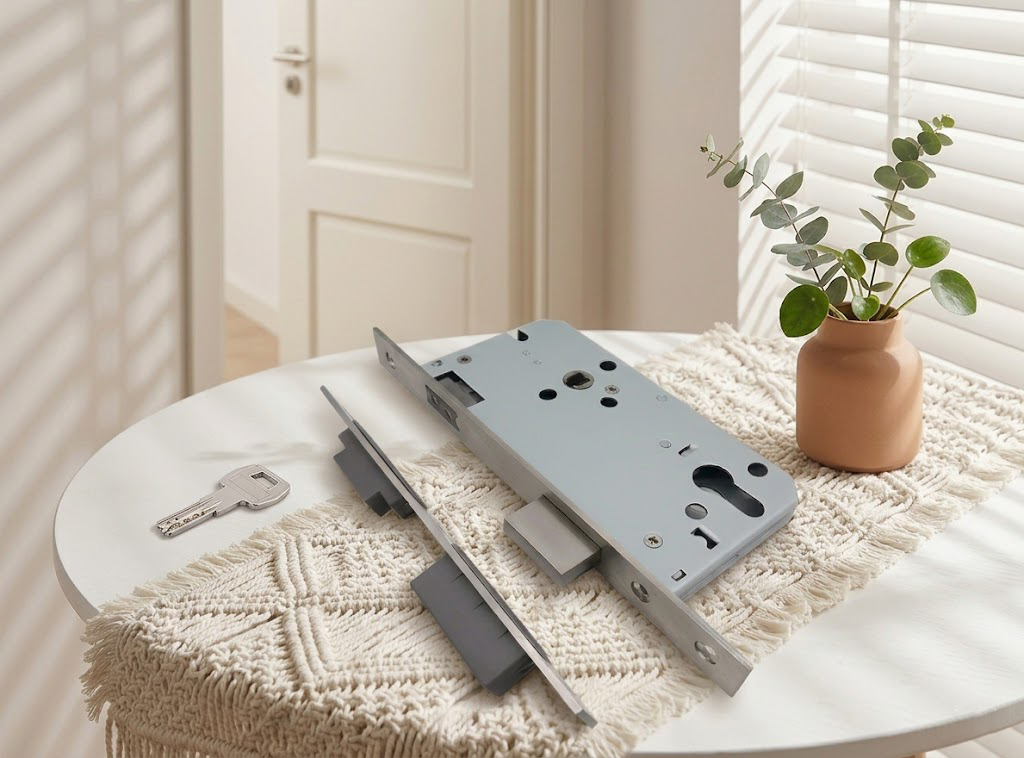
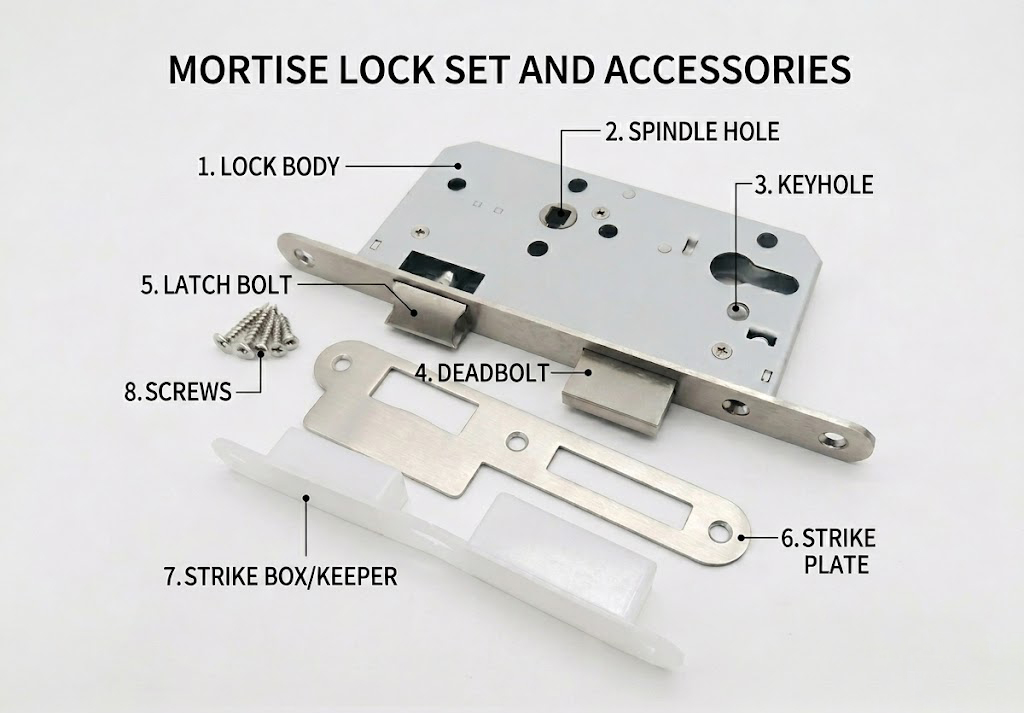
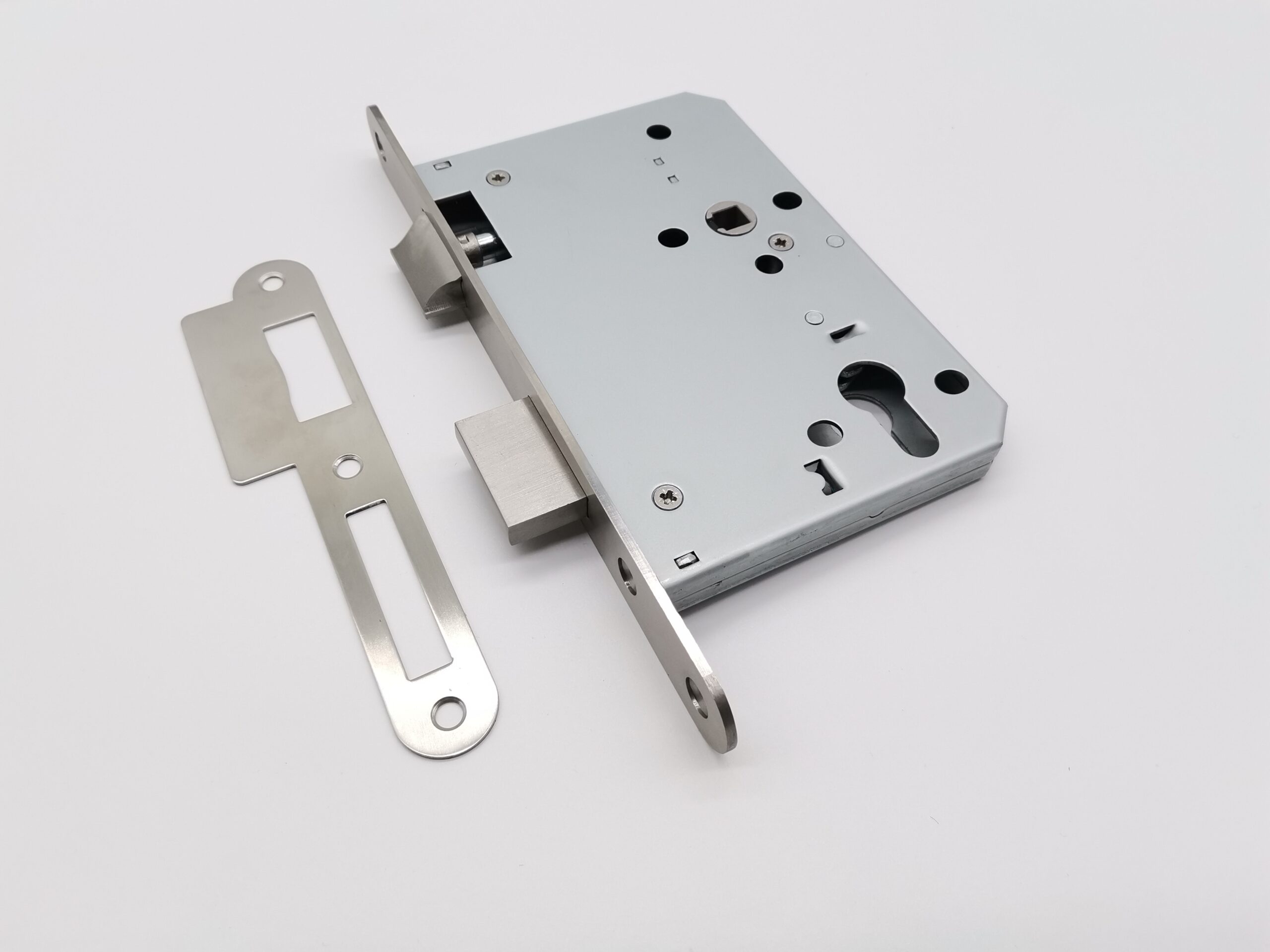
A mortise lock is installed inside the door body, unlike surface-mounted locks. This creates a cleaner appearance while also improving security and durability.
The DIN 18251 standard ensures that lock dimensions, handle spindle positions, cylinder centers, and strike plate compatibility remain consistent across different manufacturers.
Because of this standardization, installers can easily replace or upgrade locks without modifying the door structure.
Why DIN Standards Matter
One of the biggest advantages of DIN-standard mortise locks is interchangeability.
In large construction projects, consistency is extremely important. Architects and contractors want hardware that can be easily sourced, replaced, and maintained in the future.
DIN 18251 helps solve this problem by creating unified specifications for:
- Backset dimensions
- Center distance
- Faceplate sizes
- Handle spindle positions
- Cylinder compatibility
This standardization simplifies production, installation, and after-sales maintenance.
For door manufacturers, using DIN-standard hardware also improves compatibility with European handles, cylinders, concealed hinges, and door accessories.
Advantages of DIN 18251 Mortise Locks
Standardized Compatibility
The main advantage of DIN-standard locks is universal compatibility with European hardware systems.
This reduces installation complexity and simplifies replacement in future maintenance.
Better Security
Mortise locks are installed inside the door body, making them stronger and more secure than many surface-mounted lock systems.
When combined with Euro cylinders and high-quality handles, they provide excellent security performance.
Cleaner Appearance
Because most components are hidden inside the door, mortise locks create a modern and minimalist appearance that matches contemporary architectural designs.
Long Service Life
High-quality DIN mortise locks are designed for frequent daily use in residential and commercial environments.
Premium models use stainless steel components and precision internal mechanisms for long-term durability.
Suitable for Fire Doors
Many DIN 18251 mortise locks are certified for fire-rated applications and meet strict European building regulations.
This makes them ideal for public buildings and commercial projects.
Important Specifications to Consider
When choosing a DIN mortise lock, several technical details should be confirmed.
Backset
The backset is the distance between the faceplate and the center of the handle spindle or cylinder.
Common DIN backsets include 45mm, 50mm, and 55mm.
Center Distance
This refers to the distance between the handle spindle and the cylinder center.
Popular center distances include 72mm, 85mm, and 92mm depending on regional requirements.
Door Thickness
Different mortise locks support different door thickness ranges.
Always confirm compatibility before installation.
Fire Certification
For fire-rated doors, certified lock models are essential to comply with building safety regulations.
Material Quality
Stainless steel faceplates and high-quality internal components improve corrosion resistance and service life.
Conclusion
DIN 18251 mortise locks have become a global standard because they combine security, compatibility, durability, and installation efficiency.
For door manufacturers, contractors, distributors, and architects, understanding DIN-standard mortise locks is essential for modern door system design.
As construction projects increasingly demand standardized and high-performance hardware solutions, DIN 18251 mortise locks will continue to play an important role in the future of architectural door hardware.
As a professional architectural hardware supplier, SDH Hardware provides a wide range of DIN 18251 mortise locks for residential and commercial applications. Some models have achieved CE Grade 3 certification and successfully passed 240-minute fire resistance testing, making them suitable for high-performance fire-rated door systems and demanding architectural projects.