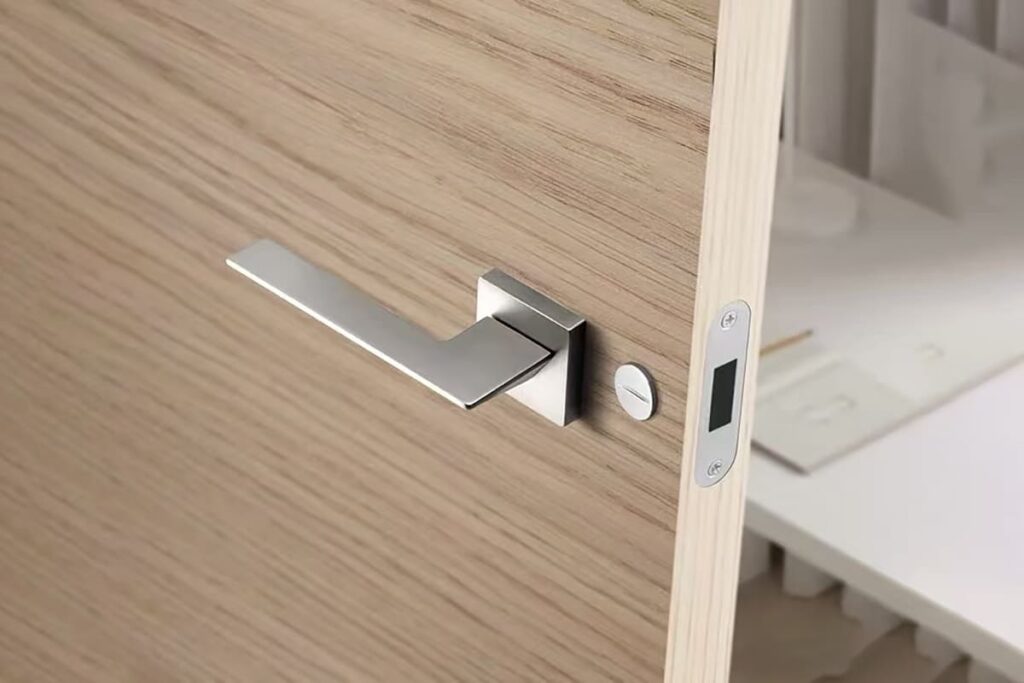
What's the difference between a handle, a latch and a knob?
I see many buyers lose time because these three words sound simple, but the wrong term can lead to the wrong quotation and wrong sample.
I define a handle or knob as the part a user touches to open the door. I define a latch or bolt as the closing or locking mechanism inside or at the door edge. For bulk sourcing, I always check door type, lock body, cylinder, material, finish, and application first.
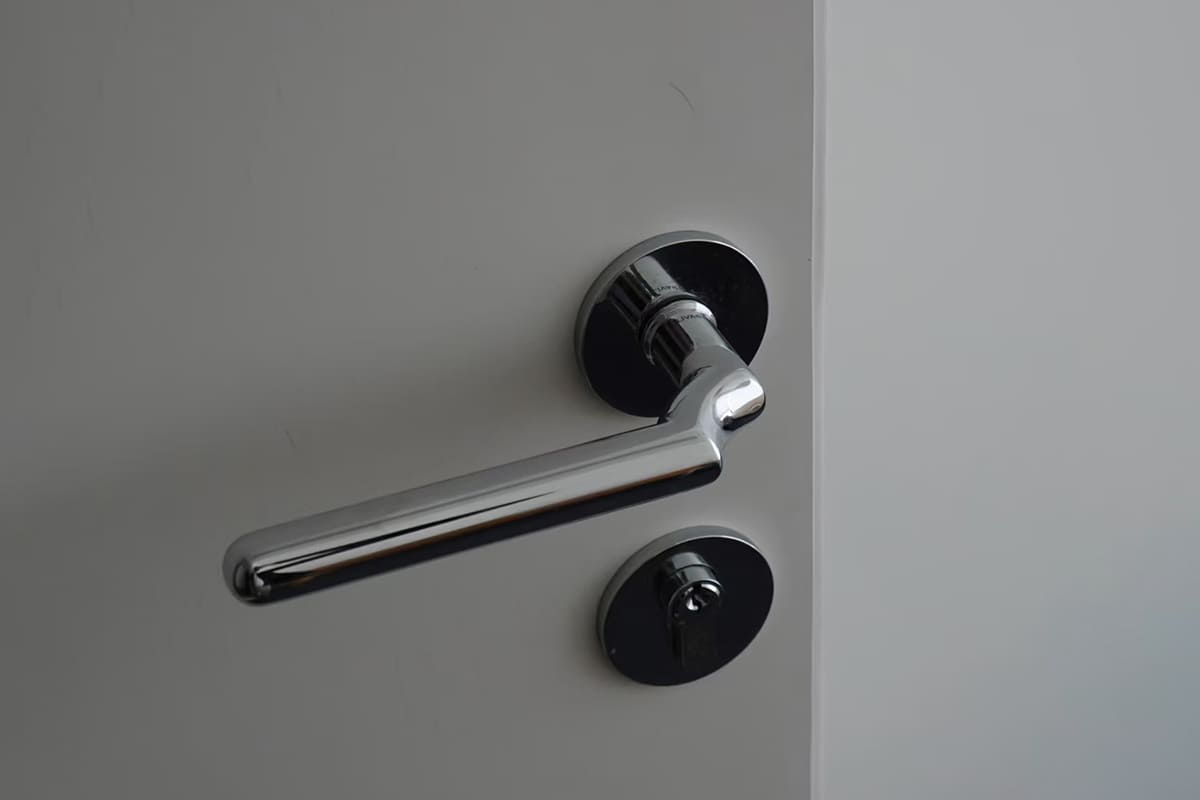
I have answered this question many times in buyer calls. A door factory may ask for a handle, but the drawing shows a complete lock set. A wholesaler may ask for a latch, but the photo shows a knob lock. I do not treat this as a language problem only. I treat it as a product structure problem. If I understand which part the buyer means, I can quote faster, reduce sample mistakes, and avoid wrong bulk production.
How do I define a door handle in real purchasing work?
I see buyers choose a handle by photo first, then find problems later when the lock body, spindle, or door thickness does not match.
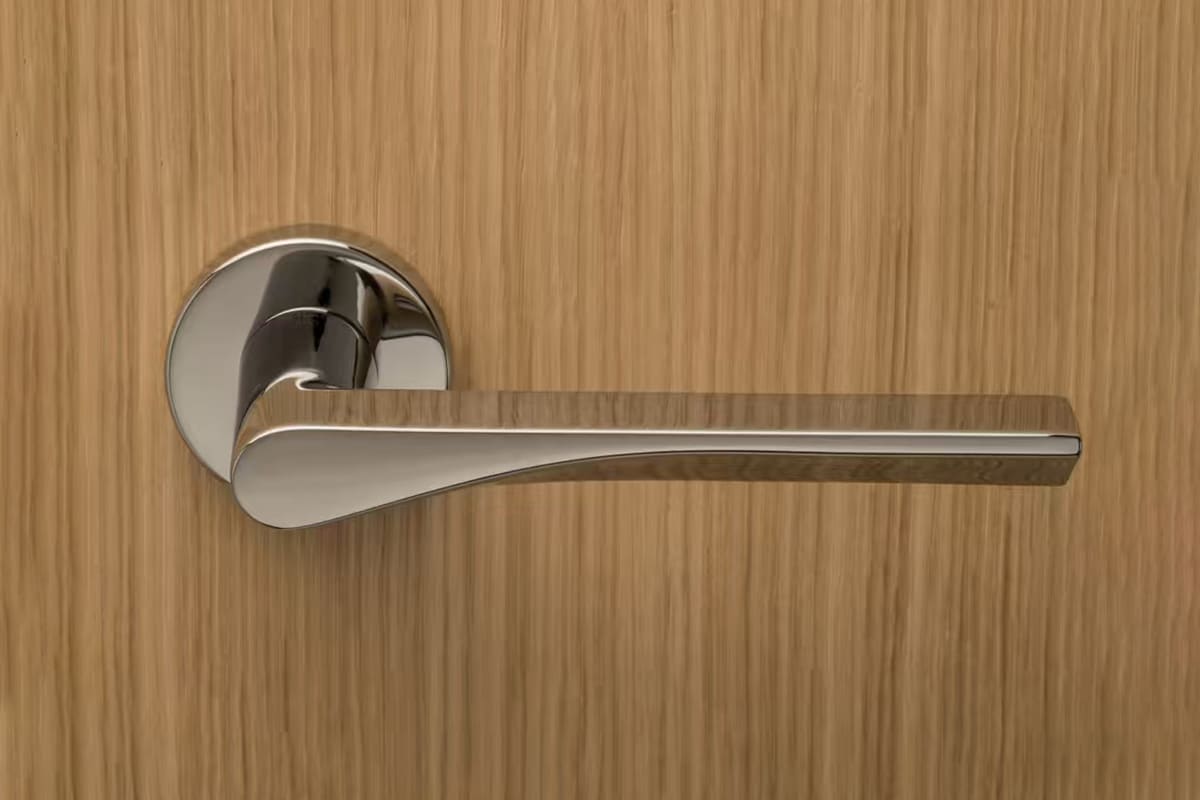
I define a door handle as the user-operated part that people press, pull, or turn by hand.1 In door hardware sourcing, I check handle shape, material, finish, rose or plate type, spindle size, and matching lock structure before I confirm it.
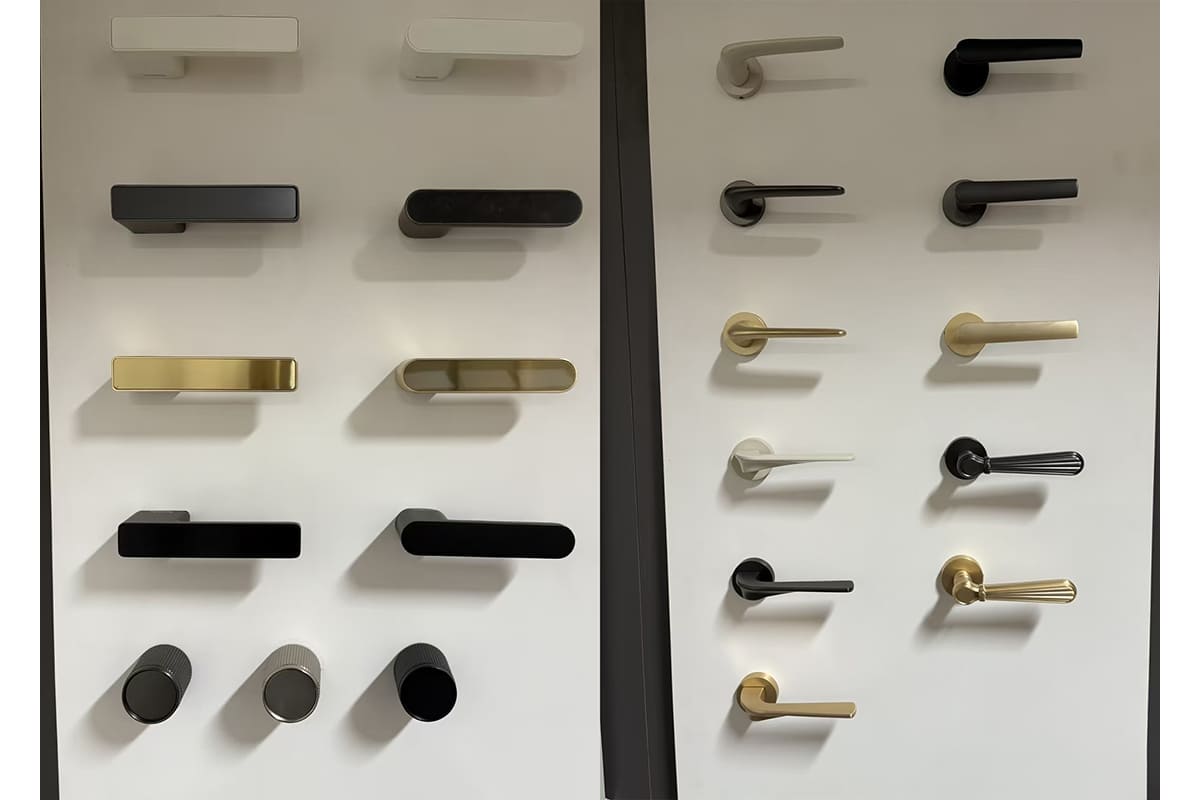
My practical view of a handle
I usually explain a handle as the visible operating part, not the whole locking system. A lever handle may look simple, but it still needs a matching spindle, fixing screws, spring structure, rose or backplate, and a lock body.2 I often see buyers mix up handle shape with lock function. A straight-line handle can look modern. A streamlined handle can feel softer in the hand. These shapes affect appearance and grip. They do not decide the latch type by themselves. I always separate the visible part from the internal part.
| Item I check | What I mean | Why I care |
|---|---|---|
| Handle shape | Straight-line or streamlined design | I match it with catalog style and market taste |
| Material | Stainless steel, zinc alloy, or other material | I check cost, strength, and finish needs |
| Finish | Satin, polished, black, gold, or other surface | I keep bulk order appearance consistent |
| Rose or plate | Round rose, square rose, or long plate | I match the lock body and door design |
| Spindle size | The square bar size | I avoid operation failure after assembly |
I also ask where the handle will be used. A bedroom door may need a different lock function than a bathroom door or entrance door. I do not say one handle fits all doors. I first check door thickness, opening direction, lock body standard, and local market habit.
What is a latch or bolt lock, and why is it not a handle?
I often see the word “latch” used for the whole lock set, so the buyer and factory talk about different parts without knowing it.
I define a latch or bolt as the closing or fastening mechanism3. It keeps the door closed or locked. It is not the part the user normally holds. It works with a handle, knob, cylinder, thumb turn, or key system.
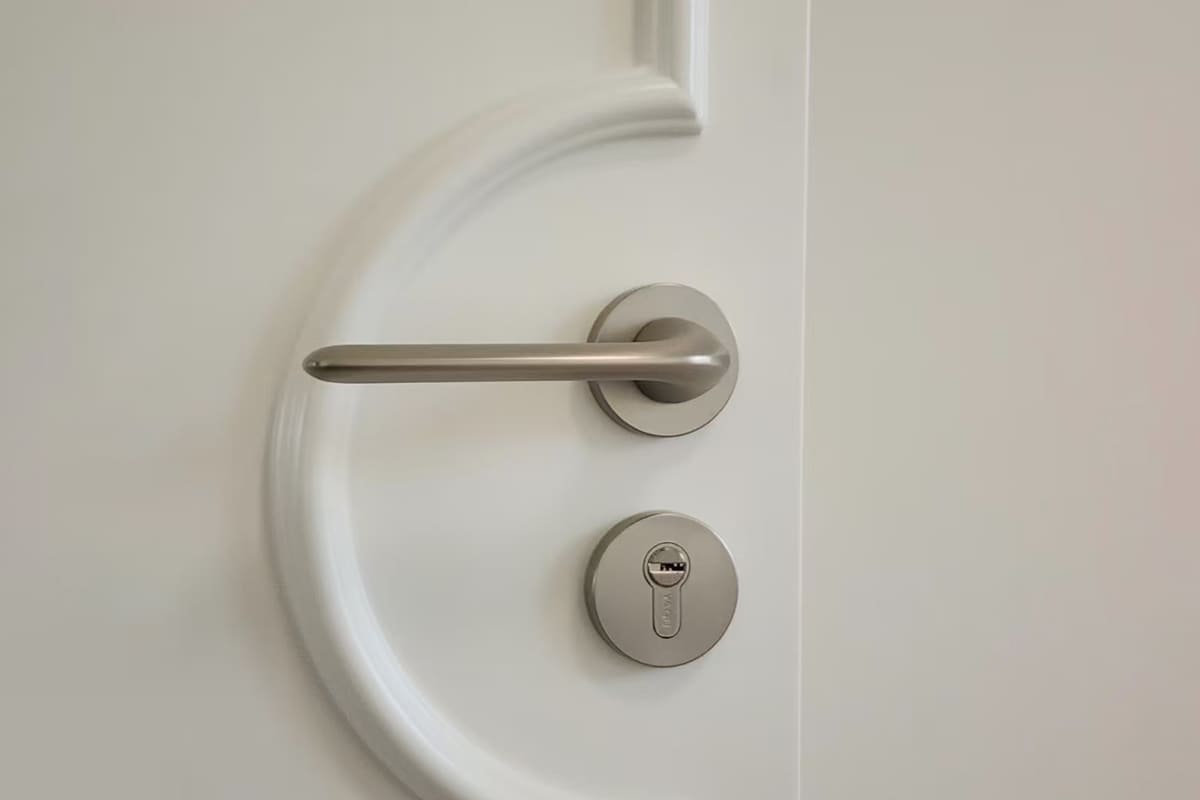
My practical view of a latch or bolt
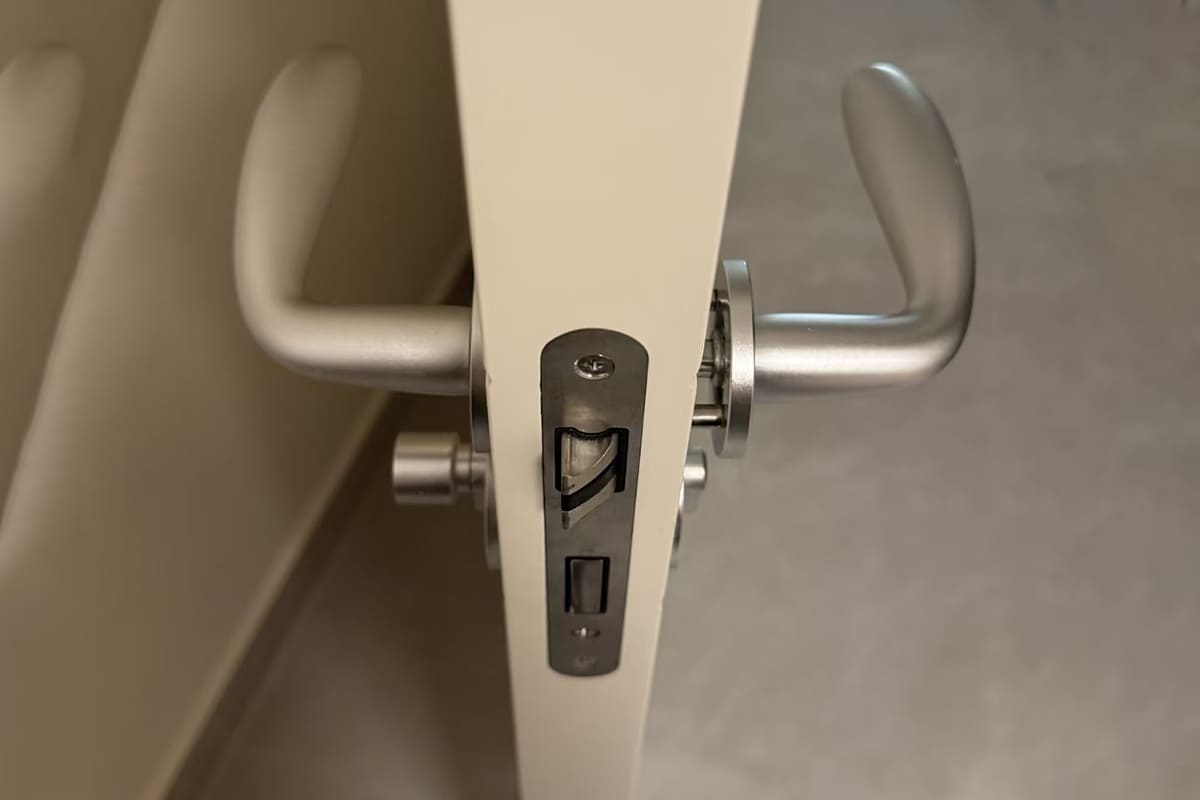
I describe the latch or bolt as the part that moves into the strike plate or frame. The latch may retract when a user presses the handle. A bolt may extend for stronger locking.4 In many buyer inquiries, the buyer sends a handle photo and asks for a latch price. I then ask for the lock body drawing because the latch is part of the closing system. I need backset, center distance, faceplate size, latch direction, bolt type, and cylinder hole type.
| Part | Main job | Common buyer mistake |
|---|---|---|
| Latch | Keeps the door closed and retracts during operation | I see buyers call it a handle |
| Deadbolt | Provides stronger locking by key or thumb turn | I see buyers ignore cylinder matching |
| Faceplate | Covers the lock body edge | I see buyers forget finish and size |
| Strike plate | Receives latch or bolt in the frame5 | I see buyers leave it out of the order |
For common bolt or latch lock products, I often use 304 stainless steel6 as a practical material option when the project asks for stable corrosion resistance and a clean finish. I still confirm the application. Halls, bedrooms, bathrooms, balconies, and entrance doors can all use latch or bolt systems, but each area may need a different privacy, passage, or security function. A bathroom may need an emergency release.7 An entrance door may need a cylinder and stronger lock body. I treat the latch as a mechanism choice, not as a style choice only.
How do I explain a knob or knob lock body to buyers?
I see some buyers choose knob locks because they look easy, but they still need door and lock body checks before ordering.
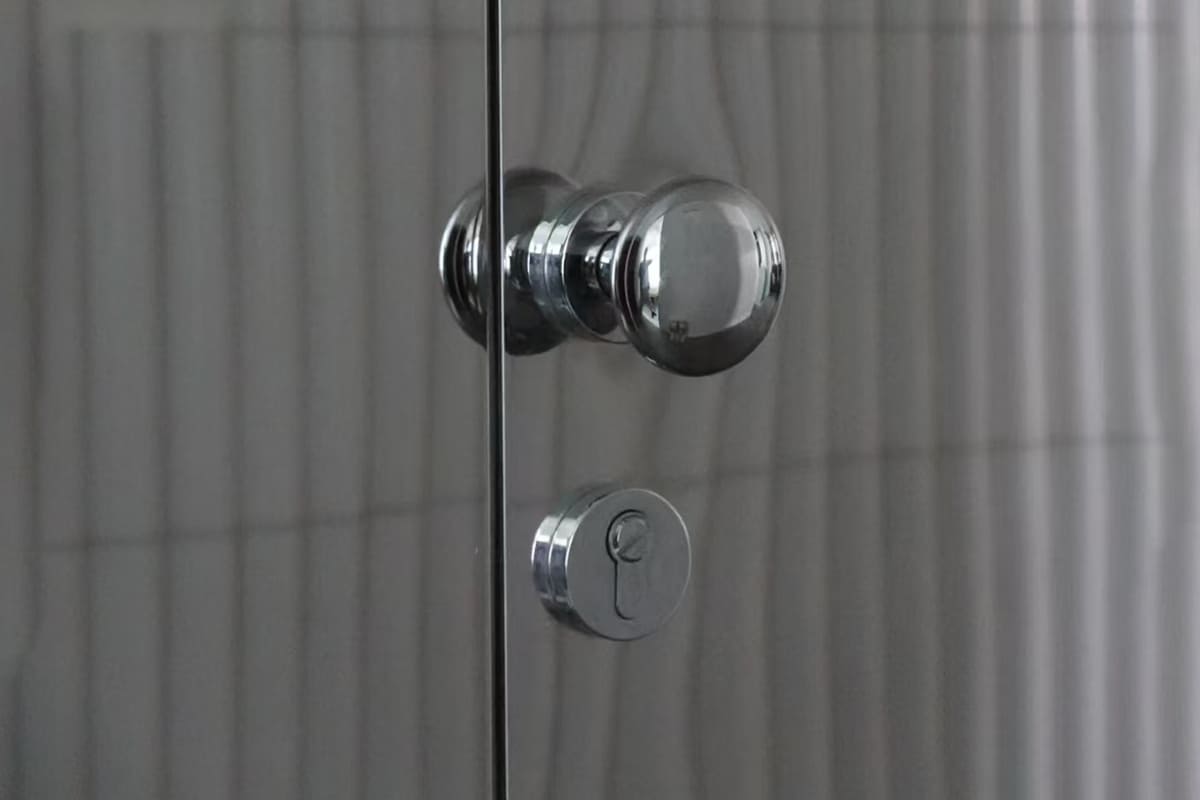
I define a knob as a round user-operated part. A knob lock body can offer convenient operation, simple appearance, and easy installation in many projects. I still check door type, backset, latch, cylinder function, and local market standard first.
My practical view of a knob
I explain a knob as another operating form. A handle is usually pressed down. A knob is usually turned. In many residential and light commercial projects, knob locks are popular because the shape is familiar and the operation is direct. I also see buyers like knob lock bodies because installation can be easier when the door is prepared for that system. The round shape can feel natural for many users. It can also reduce the need for a long handle design.
| Knob point I check | What I ask the buyer | Reason |
|---|---|---|
| Door preparation | Is the door already drilled for knob lock? | I avoid rework at the door factory |
| Backset | What is the distance from door edge to knob center8? | I match the latch correctly |
| Function | Passage, privacy, entrance, or dummy?9 | I match the market use |
| Door thickness | What is the door thickness range? | I make sure the screws and spindle fit |
| Finish | What surface is required? | I keep the batch color consistent |
I do not claim a knob lock fits every door. Some doors need lever handles because of accessibility rules10, market habit, or project design. Some doors need mortise lock bodies instead of tubular latch structures.11 Some doors need a cylinder and key system that must match the building requirement. I always treat a knob as a user-friendly operating form, not as a universal answer. This small difference helps me avoid wrong recommendations in bulk supply.
What is the difference between integrated lock and split lock design?
I see buyers choose a beautiful handle design, then later ask why the internal lock structure is not the same as another sample.
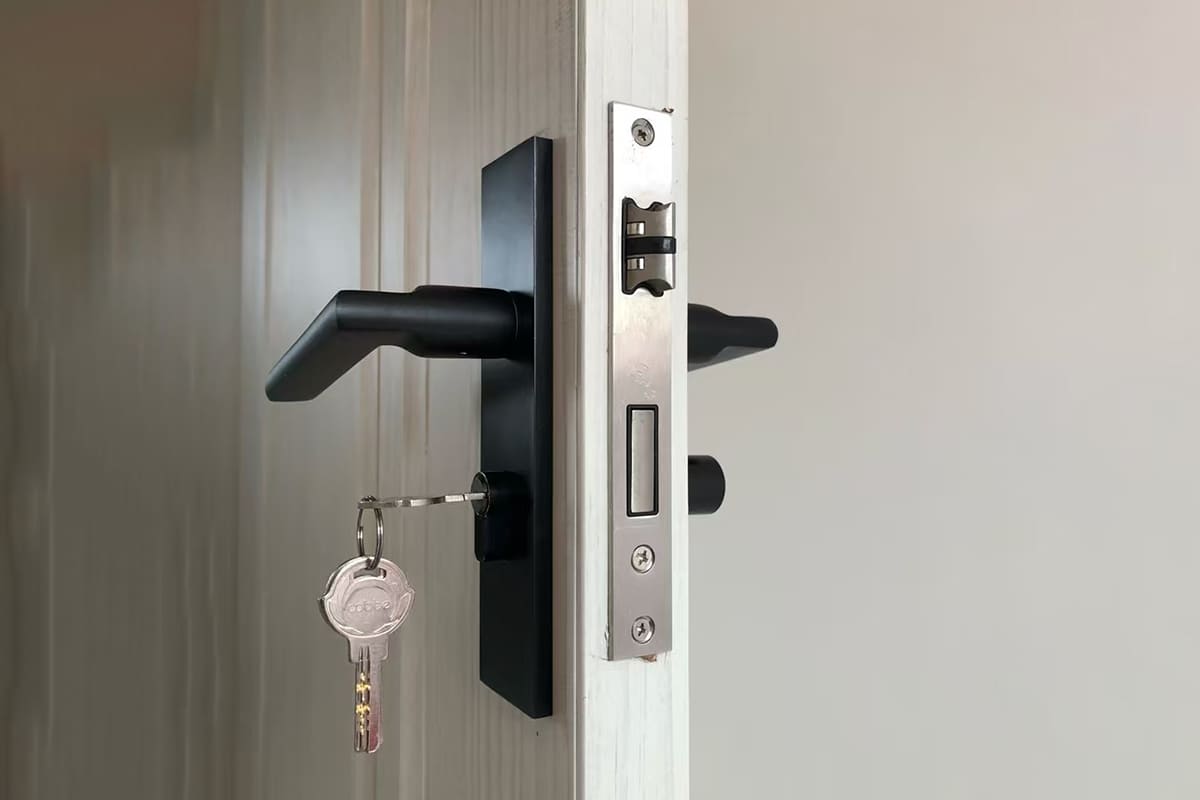
I define an integrated lock as a unit that combines the handle and lock body into one system12. I define a split lock as a structure where the handle and lock body are separate parts, so each part must be matched correctly.
My practical view of lock structure
I always separate appearance style from lock structure. A buyer may show me a handle design and say it is an integrated lock. I then check whether the handle and lock body are really built as one unit. In an integrated lock, the operating part and lock mechanism are combined into one product structure. This can make ordering simpler for some projects. In a split lock, the handle is one part and the lock body is another part. This gives the buyer more choices, but it also creates more matching work.
| Structure | What I mean | Main benefit | Main risk if not checked |
|---|---|---|---|
| Integrated lock | Handle and lock body combined | I can manage it as one unit | Wrong door preparation can stop installation |
| Split lock | Handle and lock body separated | I can match styles and lock bodies flexibly | Wrong spindle, backset, or center distance can cause failure |
| Handle style | Visible shape and finish | I can match market design | I may confuse style with function |
| Lock body | Internal mechanism | I can meet door function | I may miss latch, bolt, or cylinder needs |
I like split designs when buyers need flexible catalog combinations. A brand owner may want the same handle style with different lock bodies for different markets. A door factory may want one lock body with several handle styles. I like integrated designs when the buyer wants a simpler product set and the door preparation is clear. I still need drawings, dimensions, and application details. I do not decide only from a photo.
How do I choose the right structure for halls, bedrooms, bathrooms, balconies, and entrance doors?
I see buyers order one lock type for all rooms, then discover that each door position needs a different function.
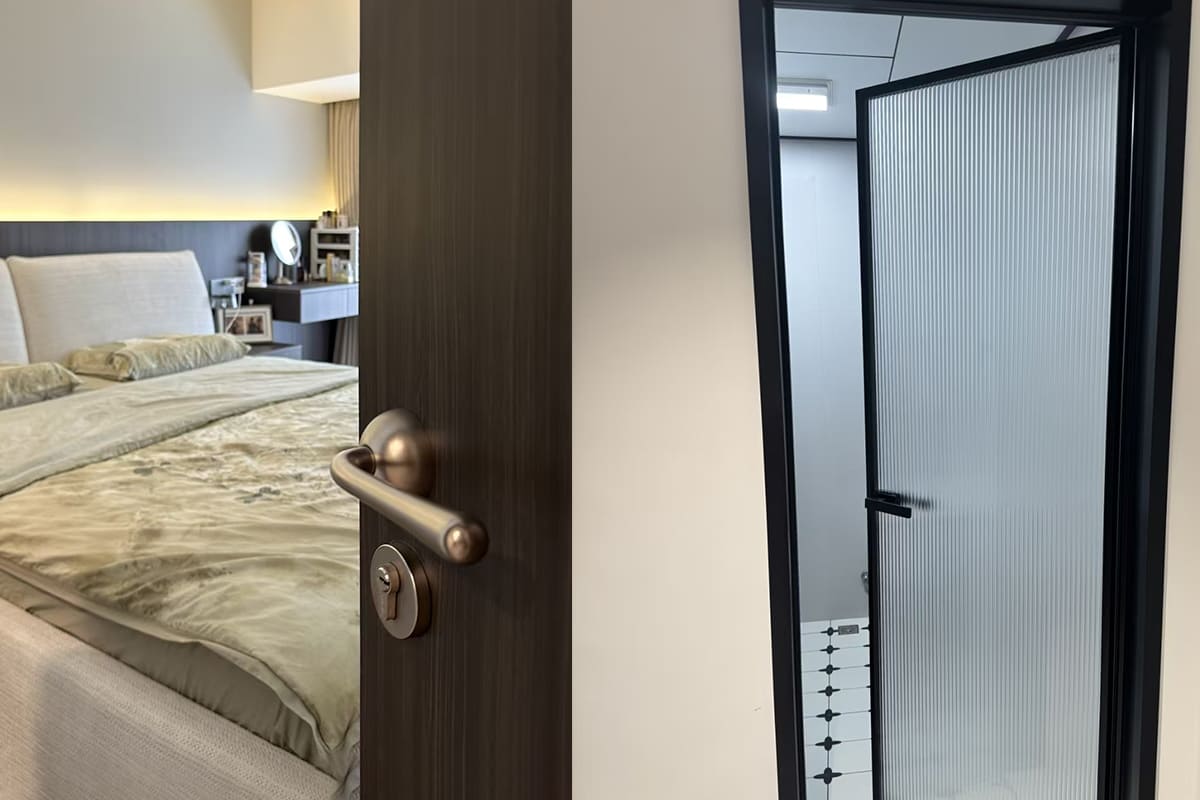
I choose the structure by door application first. Halls often need passage use. Bedrooms may need privacy. Bathrooms often need privacy and emergency release. Balconies need material and environment checks. Entrance doors usually need stronger locking and cylinder matching.
My practical view of door application
I start every specification from the door position. A handle, latch, knob, integrated lock, or split lock only makes sense when I know where it will be installed. A hall door may only need a passage latch, so the user can open and close the door without key locking. A bedroom door may need privacy function, so the lock must support internal locking and outside emergency access if required. A bathroom door often needs similar privacy, but moisture, finish stability, and emergency opening become more important. A balcony door may face more humidity or outdoor air, so material and surface treatment need more care. An entrance door often needs a lock cylinder, stronger bolt structure, and better security matching.
| Door area | Common function I check | Hardware point I confirm |
|---|---|---|
| Hall | Passage | Smooth latch and comfortable handle |
| Bedroom | Privacy | Lock body function and quiet closing |
| Bathroom | Privacy and emergency release | Finish, moisture resistance, emergency access |
| Balcony | Closing and environment resistance | Material, finish, and latch strength |
| Entrance | Security and access control | Cylinder, bolt, handle strength, certification need |
I also check project level. A residential project, hotel project, school project, and apartment project may use different standards. Some buyers care most about cost. Some buyers care most about certificates. Some buyers care most about finish consistency. I do not push one answer. I ask enough questions so the buyer can place one correct order instead of several corrected orders.
What should I confirm before asking for a quotation or placing an order?
I see quotation delays happen when the buyer only sends one photo and asks for the best price.
I ask buyers to confirm door type, handle style, latch or bolt type, lock body structure, cylinder needs, opening direction, material, finish, door thickness, and application area before quotation. These details make the price, sample, and bulk order more accurate.
My practical quotation checklist
I have learned that a clear inquiry saves both sides time. When a buyer sends only a photo, I can give a rough idea, but I cannot give a safe bulk quotation. A handle photo does not show the lock body. A knob photo may not show backset. A latch photo may not show the door thickness or strike plate. A finish name may mean different colors in different markets. I prefer to receive a drawing, sample photo, finish requirement, quantity, packing request, and target application. This keeps the discussion practical.
| Detail I confirm | Example question I ask | What it affects |
|---|---|---|
| Door type | Wooden door, metal door, aluminum door, or fire-rated door? | Lock body and fixing method |
| Handle style | Straight-line, streamlined, lever, knob, rose, or plate? | Appearance and operation |
| Latch or bolt type | Latch only, deadbolt, or mortise lock body? | Door closing and locking |
| Lock structure | Integrated or split? | Product matching and packing |
| Cylinder need | Euro profile cylinder, thumb turn, or no cylinder? | Security and key system |
| Opening direction | Left hand or right hand? | Latch direction and handle handing |
| Material | 304 stainless steel, zinc alloy, brass, or other? | Cost and performance |
| Finish | Satin, polished, black, gold, or custom finish? | Bulk appearance consistency |
| Application | Hall, bedroom, bathroom, balcony, or entrance? | Function and durability needs |
I also remind buyers to check certification needs early. Some projects ask for CE or fire-rated products. I can discuss available certificates by product type and project need, but I do not assume every item has the same certificate. I also check packing and labeling needs for wholesalers and hardware brands. A small label or accessory difference can create big trouble in warehouse work. I try to make the first quotation close to the final order, not just a fast number.
How do I avoid common wording mistakes in buyer communication?
I see many problems start from small words, because “handle,” “lock,” “latch,” and “knob” may mean different things in different markets.
I avoid confusion by asking buyers to mark the part in a photo or drawing. I then name each part as handle or knob, latch or bolt, lock body, cylinder, strike plate, and accessories before I quote.
My practical communication method
I do not correct buyers like a dictionary. I use the inquiry as a way to find the real product need. If a buyer says “I need a handle lock,” I ask whether they need only the lever handle, a complete lock set, or a lock body with cylinder. If a buyer says “I need a latch,” I ask whether they mean the tubular latch, the mortise lock body, or the complete closing mechanism. If a buyer says “I need a knob,” I ask whether they need a knob set, knob lock body, privacy knob, passage knob, or entrance knob.
| Buyer word | What I ask next | My goal |
|---|---|---|
| Handle | Do you need only the handle or a full set? | I separate visible part from lock set |
| Latch | Do you mean the latch mechanism or complete lock body? | I identify the moving closing part |
| Knob | Is it passage, privacy, entrance, or dummy? | I confirm function |
| Lock | Is it integrated or split? | I confirm structure |
| Cylinder | What profile and key system do you need? | I match security and market standard |
I also ask for one marked drawing when the project is large. A simple arrow on a photo can prevent a wrong sample. I have seen one buyer use the word “latch” for a lever handle set because their local market used that term. I did not argue about the word. I asked for photos and dimensions. Then I confirmed the parts one by one. This method works better than strict terminology alone. It protects the buyer’s time, my production plan, and the final door assembly.
Conclusion
I see the handle or knob as the operating part, and I see the latch or bolt as the mechanism. Clear structure makes sourcing safer.
"Door furniture - Wikipedia", https://en.wikipedia.org/wiki/Door_furniture. General reference works describe door handles as user-operated hardware that allow a door to be opened or closed by pushing, pulling, or turning, distinct from the internal latch or lock mechanism. Evidence role: definition; source type: encyclopedia. Supports: The role of a door handle as the user-operated hardware for opening/closing, distinct from internal lock mechanisms.. ↩
"Door Handle Components - practical and expert guidance", https://www.doorhandlestore.com/blog/door-handle-components. Descriptions of lever-type door furniture note that opposing handles are linked by a square spindle operating a sprung latch within the case and are mounted via roses or backplates secured with screws; exact component arrangements vary by design and standard. Evidence role: mechanism; source type: encyclopedia. Supports: That lever handles are connected through a square spindle to a sprung latch and are mounted on roses or backplates with screws.. Scope note: Specific component configurations differ by region and manufacturer. ↩
"Latches: Types, Designs & Uses - IQS Directory", https://www.iqsdirectory.com/articles/latch.html. Reference sources define a latch as a mechanical fastener that holds a door or gate closed and a deadbolt as a locking bolt, distinguishing these internal securing components from the user-operated handle. Evidence role: definition; source type: encyclopedia. Supports: That a latch is a mechanical fastener holding a door closed and a deadbolt is a locking bolt, distinguishing them from handles.. ↩
"Deadbolt - Wikipedia", https://en.wikipedia.org/wiki/Deadbolt. A deadbolt is a solid bolt extended into the strike to lock the door and is generally more resistant to forced entry than a spring latch because it is not spring-loaded and cannot be retracted without key or thumb-turn operation. Evidence role: mechanism; source type: encyclopedia. Supports: That deadbolts are solid bolts extended into the strike and are typically more resistant to forced entry than spring latches.. Scope note: Overall door security also depends on installation quality and door/frame strength. ↩
"Electric strike - Wikipedia", https://en.wikipedia.org/wiki/Electric_strike. A strike plate is a metal plate fixed to the door frame that receives and reinforces the area where the latch or bolt engages. Evidence role: definition; source type: encyclopedia. Supports: The function of a strike plate as the frame-mounted plate receiving the latch or bolt.. ↩
"Stainless steel - Wikipedia", https://en.wikipedia.org/wiki/Stainless_steel. AISI 304 (18/8) stainless steel is widely used because it offers good general corrosion resistance in many environments, which is why it is common in architectural and hardware applications. Evidence role: general_support; source type: encyclopedia. Supports: That AISI 304 stainless steel has good general corrosion resistance suitable for many architectural/hardware uses.. Scope note: Performance can degrade in chloride-rich or coastal environments without appropriate grade selection or finishes. ↩
"Mortise privacy lock with emergency release for bathroom? - Reddit", https://www.reddit.com/r/centuryhomes/comments/17fmsn1/mortise_privacy_lock_with_emergency_release_for/. Privacy bathroom locksets commonly incorporate an exterior emergency release—such as a small hole or slot—to permit unlocking from outside in case of emergency. Evidence role: general_support; source type: encyclopedia. Supports: That privacy/bathroom locksets typically provide an outside emergency release mechanism.. Scope note: Specific emergency-release mechanisms differ among manufacturers and models. ↩
"Confused about backsets? Lock Measurement Guide - YouTube",
. In lock terminology, the backset is the distance from the door’s edge to the centerline of the knob/lever or cylinder bore, and it must correspond to the latch or lock case being installed. Evidence role: definition; source type: encyclopedia. Supports: The definition of backset as the distance from the door edge to the centerline of the knob/lever or cylinder bore.. Scope note: Common backset dimensions differ by regional standards and product type. ↩"Door handle", https://en.wikipedia.org/wiki/Door_handle. Standard hardware descriptions classify residential locksets by function, including passage (non-locking), privacy (interior locking with emergency release), entry/entrance (keyed), and dummy (non-latching trim). Evidence role: definition; source type: encyclopedia. Supports: That locksets are commonly categorized by functions such as passage (non-locking), privacy (lockable from inside), entry/entrance (keyed), and dummy (non-latching).. Scope note: Exact names and function codes can vary by standard and region. ↩
"Chapter 3: Operable Parts - Access-Board.gov", https://www.access-board.gov/ada/guides/chapter-3-operable-parts/. The 2010 ADA Standards require door and gate hardware to be operable with one hand and not require tight grasping, pinching, or twisting of the wrist, an operability criterion that round knobs often do not meet and that lever handles commonly satisfy. Evidence role: definition; source type: government. Supports: That accessibility standards require door hardware operable without tight grasping, pinching, or twisting of the wrist.. Scope note: The standard does not mandate lever handles specifically; compliance depends on the chosen hardware meeting the operability criteria. ↩
"Mortise lock - Wikipedia", https://en.wikipedia.org/wiki/Mortise_lock. Hardware references distinguish mortise locks, which fit into a pocket (mortise) cut into the door edge, from bored or tubular locksets installed through cross-bores, and project specifications may call for one type or the other. Evidence role: definition; source type: encyclopedia. Supports: The distinction between mortise locks (installed in a pocket cut into the door) and bored/tubular locksets (installed through door bores).. Scope note: Terminology and preferred types vary by region and building standard. ↩
"Lockset - Wikipedia", https://en.wikipedia.org/wiki/Lockset. A lockset is defined as the complete door locking assembly comprising the operator (knob or lever) and the latch or lock mechanism, a concept consistent with supplying these components as a single unit or as separate matched parts. Evidence role: definition; source type: encyclopedia. Supports: That a lockset is the complete assembly of operator (knob/lever) and latch/lock mechanism, illustrating the idea of integrated vs. separate components.. Scope note: Product packaging and terminology differ across markets and manufacturers. ↩