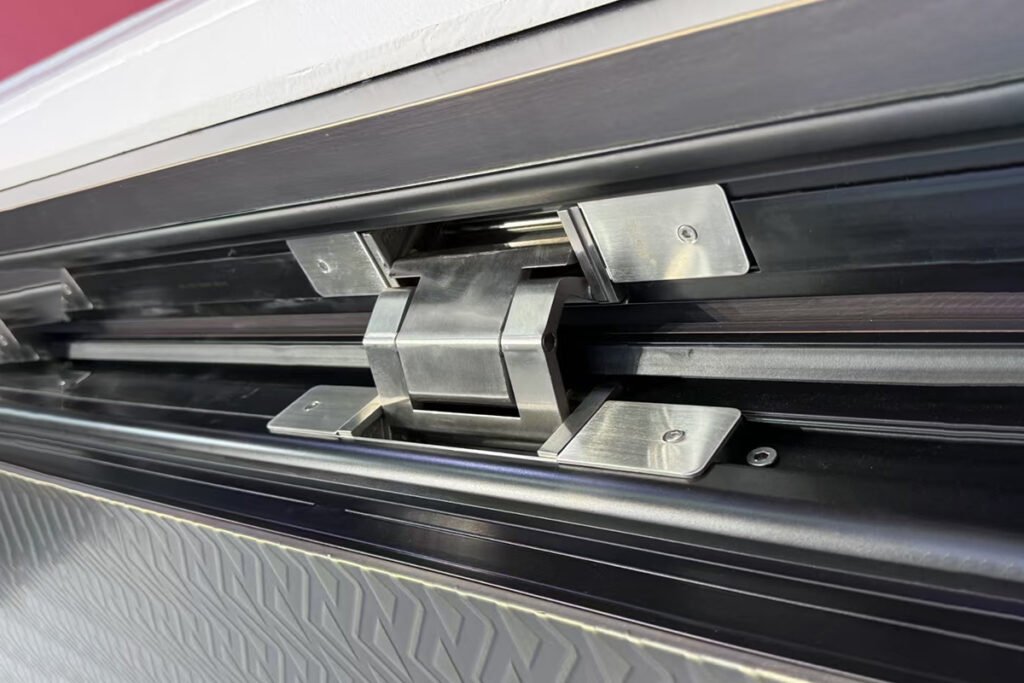
Heavy-Duty Door Hinges: Are They Just Thicker Plates?
You need door hardware that holds up. Sagging doors and failed hinges cause big problems. Choosing the right heavy-duty hinge prevents these costly issues.
Heavy-duty door hinges are more than just thick; they are engineered systems designed to support significant door weight by distributing stress, using strong materials, and resisting wear to prevent sagging1 and ensure long-term performance in demanding applications.
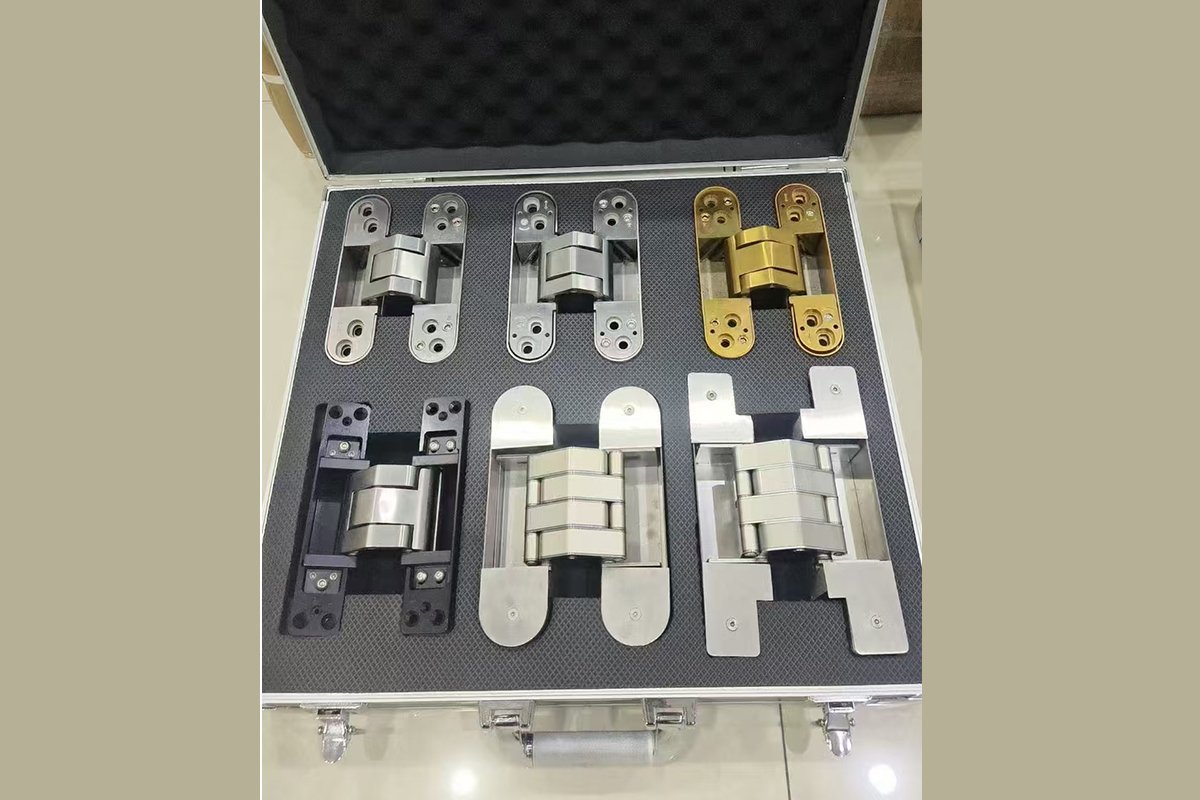
When I look at a door hinge, I do not just see metal. I see the heart of a door's function. Understanding what truly makes a hinge heavy-duty is key for any buyer. It means understanding the design behind the strength.
What Makes a Door Hinge "Heavy-Duty" Beyond Its Size?
Are you worried about door failures? Thin hinges cannot handle heavy doors. True heavy-duty hinges go beyond simple thickness to support critical loads.
A heavy-duty door hinge is functionally designed to bear and distribute the pressure of large or heavy doors, reducing stress points and wear. It helps prevent door or frame sagging, ensuring smooth operation over time.
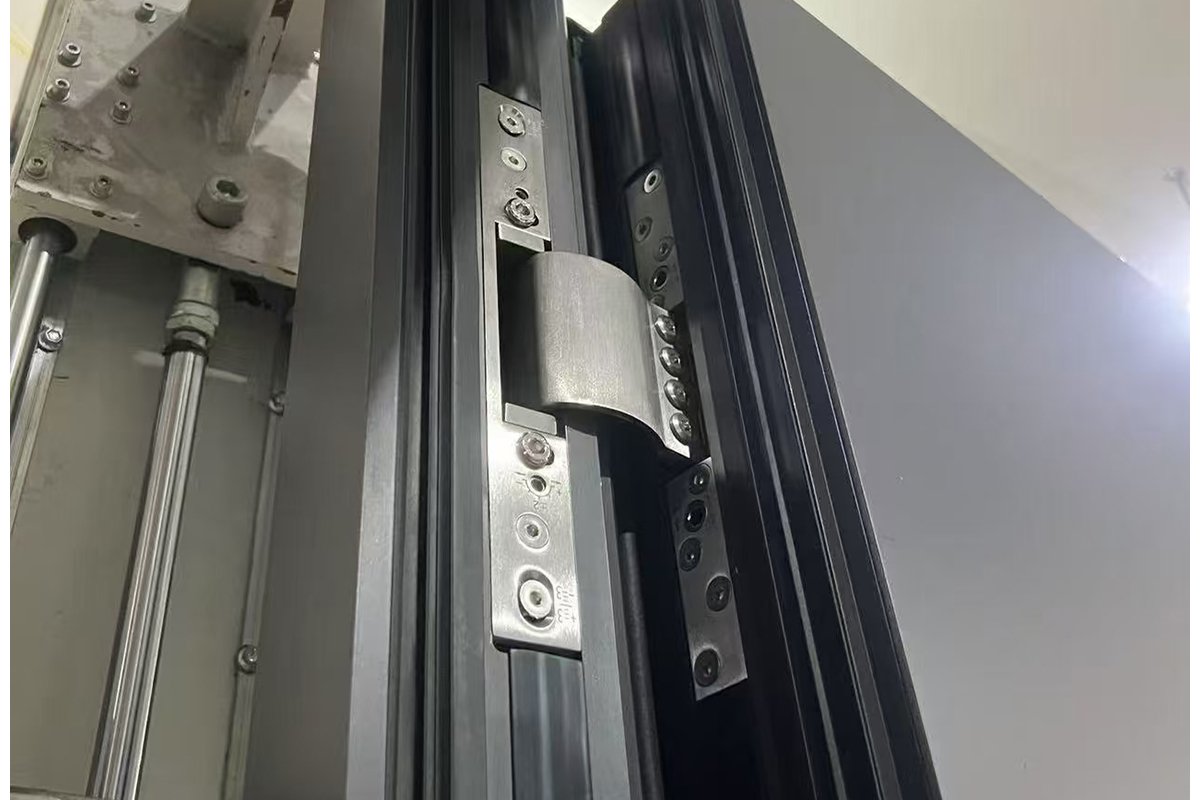
In my experience at the factory, I have seen many people think that a thicker hinge always means a stronger hinge. This is not always true. A heavy-duty hinge means more than just a thicker piece of metal. It is about how the hinge is built and how it handles the weight. The hinge must be able to carry the door's full weight without bending or failing. This is its main purpose. For heavy doors, the hinge needs a strong structure. This structure helps spread the door's weight across the frame. It stops all the stress from sitting on one small spot. This even spread of stress reduces wear over time. It also helps to prevent the door or its frame from sagging. Sagging is a big problem for heavy doors. It can make the door hard to open or close. It can also damage the frame. A good heavy-duty hinge design fights against this. It uses specific pin diameters and knuckle lengths.2 These parts work together to give more support. The engineering focuses on lasting performance under stress. I always tell my team that thickness is only one part of the story. The entire design must work as a complete load-bearing system.
Function over Form: The Engineering Behind Load Bearing
When we design a heavy-duty hinge, we think about the forces involved. A heavy door creates a lot of pressure. This pressure pushes down and sideways on the hinge. A standard hinge might bend or break under this stress. Our heavy-duty designs use larger knuckles. They also use stronger pins. These pins are often made from hardened steel.3 This gives the hinge more resistance to shear forces. The leaves, or plates, of the hinge are shaped to carry the load efficiently. They are not just flat. They have specific contours that enhance their strength. This careful design ensures the hinge can handle constant pressure.
Stress Distribution: The Unseen Strength
Stress distribution is key. Imagine all the door's weight pushing on one small point. That point will fail quickly. Heavy-duty hinges avoid this. They use a wider surface area to connect to the door and frame. This wider area spreads the load. It means no single screw or part takes too much strain. In our production, I ensure that holes are precisely drilled. This makes sure screws sit perfectly. Perfect fit helps to distribute the load evenly. It stops screws from loosening over time. This makes the hinge much more reliable.
Preventing Sagging: A Core Benefit
Sagging doors are a constant headache. They are hard to fix and annoy users. Heavy-duty hinges are made to stop this. They use advanced bearing systems. These bearings reduce friction.4 They allow the door to move smoothly. This smooth movement stops the hinge from grinding down. It prevents parts from wearing out fast. The result is a door that stays level and functional for many years. From my time on the factory floor, I know that good bearings are just as important as strong metal. They are crucial for long-term smooth operation.
| Feature | Standard Hinge | Heavy-Duty Hinge |
|---|---|---|
| Load Focus | Light to Moderate Doors | Heavy to Oversized Doors |
| Stress Mgmt. | Concentrated at few points | Distributed across surface |
| Design Goal | Basic support | Longevity, sag prevention |
| Bearing System | Simple pin or basic washer | Ball bearings, thrust bearings |
Why Do Materials Matter So Much for Hinge Durability?
Selecting the right hinge material can be confusing. Weak materials lead to early failure. Choosing the correct alloy ensures strength and long service life.
Material choice is crucial for hinge durability because it directly impacts strength, wear resistance, and longevity. Steel and stainless steel are preferred for heavy-duty hinges as they provide superior load capacity and extended service life compared to softer metals.
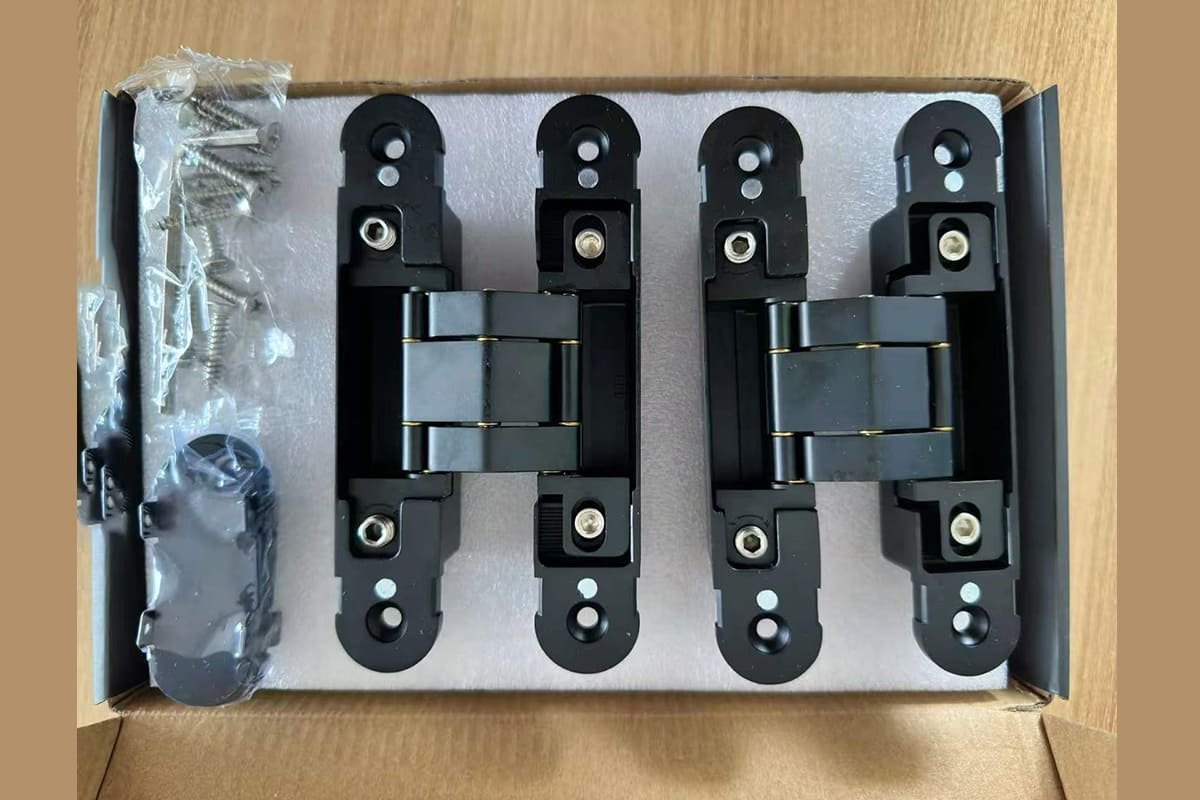
When I review our raw material orders, I know the material makes the hinge. A hinge cannot be truly heavy-duty without the right material. This is a fundamental truth in manufacturing. Steel and stainless steel are the go-to choices for good reason.5 They offer much higher strength than softer metals like brass or zinc alloy. Brass looks good, but it simply cannot handle the same heavy loads without deforming.6 Steel provides excellent strength for interior doors. It is also more cost-effective. However, for outdoor use or places with high moisture, stainless steel is absolutely essential. Stainless steel resists rust and corrosion. This means it will keep its strength and function even in harsh conditions. We often use grades like 304 or 316 stainless steel. These grades give different levels of corrosion resistance. It is not just about the metal type. It is also about its quality. I always check the material certificates. This ensures we get the right grade and purity. Poor quality material, even if it is steel, will fail faster. My team understands that the production line starts with solid, tested raw materials. This makes sure that the finished hinge has the inherent strength needed for heavy-duty work.
Steel vs. Stainless Steel: Performance Considerations
Steel is strong and affordable. It works well for heavy interior doors. However, steel needs protection from moisture to prevent rust. We use plating or painting for this. Stainless steel offers high strength plus corrosion resistance. Grade 304 is a common choice. It balances good corrosion resistance with cost. Grade 316 offers even better resistance.7 It is perfect for marine or very humid environments. The choice depends on where the hinge will be used. I advise our buyers to think about the environment first.
Raw Material Screening: Our First Line of Defense
At our factory, raw material screening is critical. Before any metal enters production, it gets checked. We do this to confirm its composition. We use specialized equipment for this. This helps us verify that the steel or stainless steel meets specifications. It catches any defects early. I often personally inspect the initial batches of new material. This step stops bad material from becoming bad products. It is a key part of our quality process.
Machining Consistency: Translating Strength to Function
Even the best material can fail if machined poorly. Precision machining is vital. It translates the material's strength into a functional hinge. Parts must fit together perfectly. The pin must sit true in the knuckles. The screw holes must be exact. If these parts are off, stress will concentrate. This can lead to early wear or breakage. I ensure that our machines are calibrated regularly. This keeps our production consistent. It guarantees that every hinge uses its material strength to the fullest.
| Material Type | Key Benefit | Typical Use Case | Corrosion Resistance |
|---|---|---|---|
| Steel (Plated) | High strength, cost-eff. | Interior heavy doors, protected | Moderate (with coating) |
| Stainless Steel 304 | Corrosion res., strength | Exterior, humid, high-traffic doors | Good |
| Stainless Steel 316 | Superior corrosion res. | Coastal, marine, chemical environments | Excellent |
How Does Corrosion Resistance Protect Long-Term Performance?
Rust on hinges looks bad and causes problems. Environmental factors attack unprotected metal. Protecting hinges from corrosion is vital for lasting function.
Corrosion resistance is essential for long-term hinge performance, especially in outdoor or harsh environments. Protective coatings or inherently resistant materials like stainless steel prevent rust and degradation, which would otherwise weaken the hinge's structure and compromise its smooth operation.
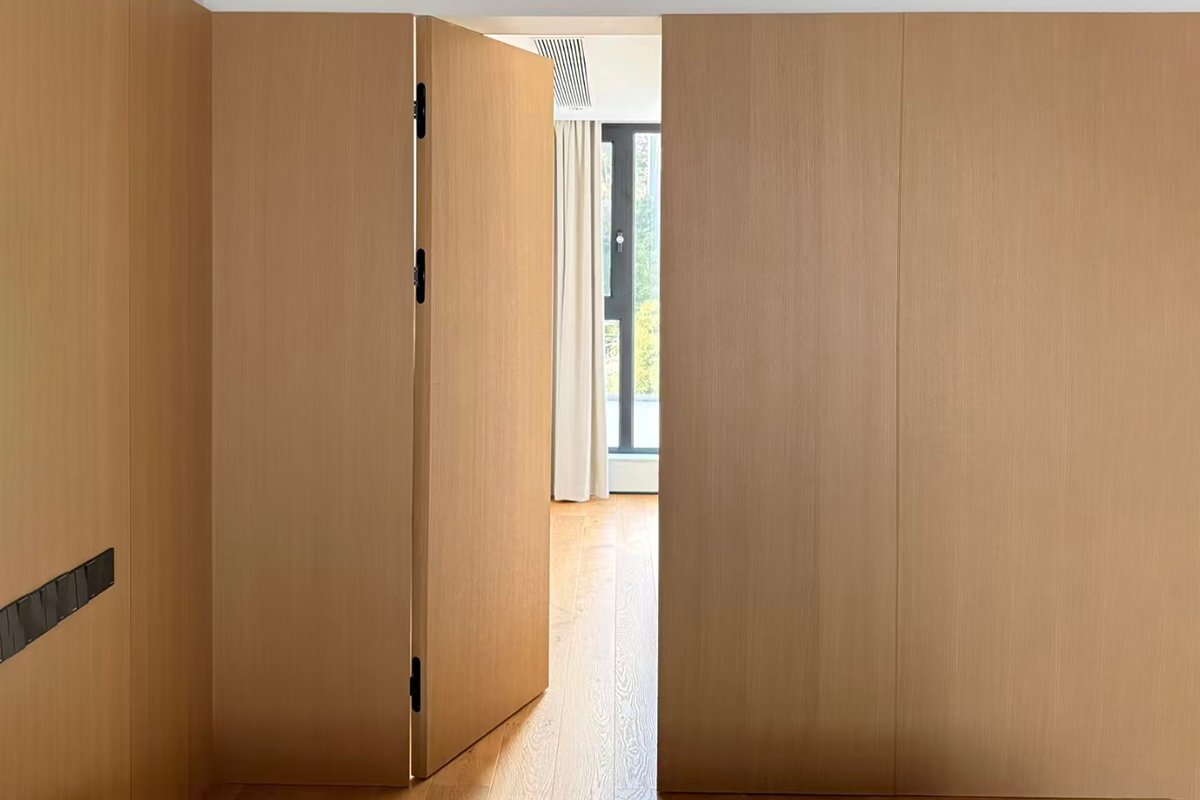
From my years in manufacturing, I have seen hinges fail not just from heavy loads, but from slow decay. Corrosion is a silent killer for door hardware. It does not just make a hinge look ugly. It weakens the metal itself.8 This means the hinge can no longer hold its intended weight. For doors exposed to the elements, like outdoor gates or entryways, corrosion protection is not an option; it is a necessity. Even in indoor settings, high humidity or specific chemical exposures can cause issues. We consider the environment where a hinge will be used very carefully. If a hinge rusts, its smooth operation will suffer first. The moving parts will start to grind. This leads to increased wear and eventual failure. To fight this, we use two main strategies. The first is to use materials that naturally resist corrosion, like stainless steel. The second is to apply protective coatings to less resistant metals, such as standard steel. My team and I put a lot of effort into ensuring these coatings are applied correctly. We test them thoroughly to make sure they will last. This focus on corrosion resistance helps reduce after-sales issues. It keeps the hardware looking good and working well for years.
Environmental Impact: Matching Hinges to Conditions
Different environments present different challenges. A dry, indoor door has very low corrosion risk. A hinge on a coastal building, however, faces constant salt spray.9 This is very aggressive. Humid climates, like those in Southeast Asia, also increase corrosion risk significantly. We tailor our recommendations based on these conditions. I always ask buyers about the final location of the doors. This helps us suggest the best protective measures. Choosing the right hinge for the right environment extends its life greatly.
Protective Coatings: A Shield Against the Elements
For steel hinges, coatings are the main defense. We use various methods. These include electroplating with zinc or chrome. We also use powder coating for a durable finish. Each coating offers different levels of protection and appearance. Electroplating creates a barrier that prevents moisture from reaching the steel.10 Powder coating provides a thick, resilient layer. It is good for both protection and aesthetics. I ensure that our coating processes meet strict standards. This is to guarantee that the protection is robust and long-lasting.
Quality Control for Surface Treatment: My Experience
Quality control for surface treatment is critical. A bad coating is no coating at all. I personally oversee our salt spray testing. This test shows how well a coating resists corrosion over time.11 We expose coated hinges to a salty mist for many hours. We check for any signs of rust. This rigorous testing helps us verify the quality of our protective finishes. It ensures that our hinges will withstand the conditions they are designed for. I insist on consistent results. This gives our customers confidence in the product's durability.
| Environment Type | Corrosion Risk | Recommended Protection | Example Finish |
|---|---|---|---|
| Interior, Dry | Low | Standard plating, paint | Zinc Plated, Painted |
| Exterior, Humid | Moderate to High | Stainless steel, heavy plating | Stainless Steel (304), Chrome Plated |
| Coastal, Ind. | Very High | Marine-grade SS (316), advanced coating | Stainless Steel (316), PVD Coating |
How Can I Accurately Choose the Right Load Capacity for My Doors?
Choosing hinge capacity can be a guessing game. Miscalculating load leads to issues. Correctly matching hinge capacity to door weight is very important.
Accurately choosing hinge load capacity requires verifying product specifications against actual door weight, size, and intended use. While heavy-duty hinges typically support 120-200 kg, you must consider hinge quantity, installation, and confirmed test data for a precise match, avoiding reliance on general estimates.
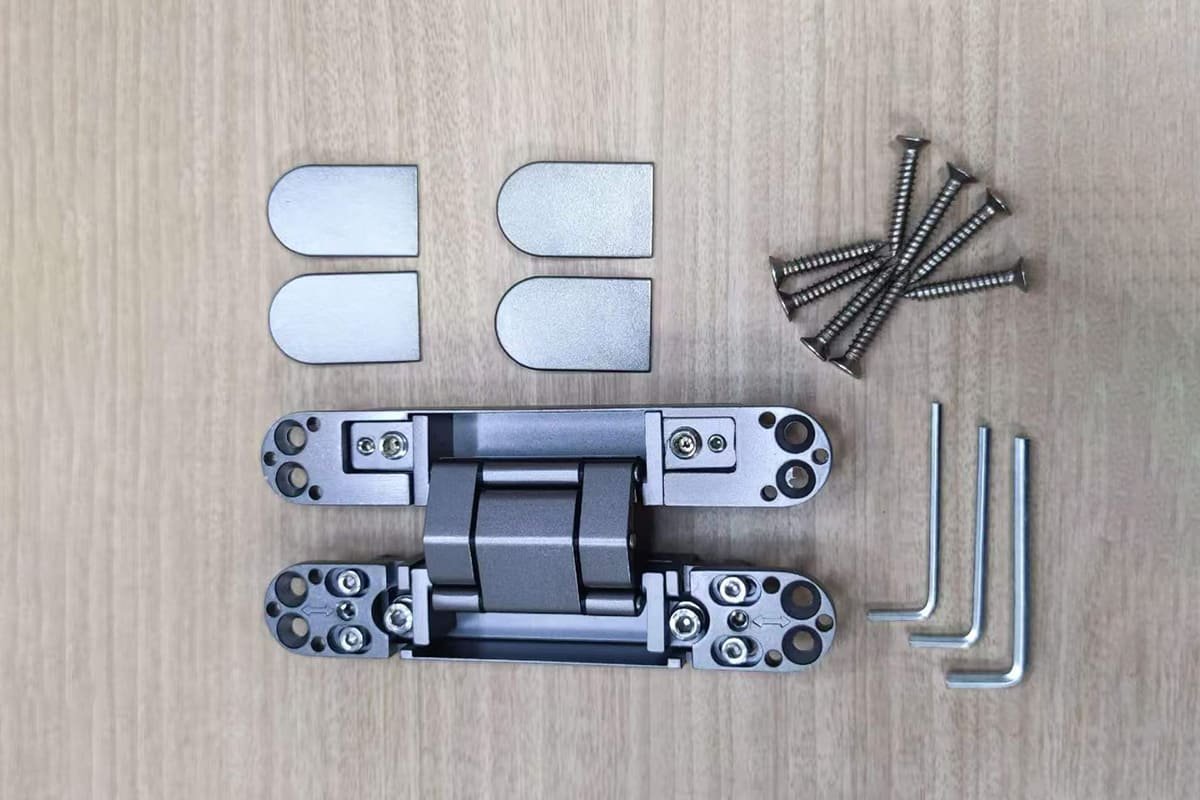
One of the biggest mistakes I see buyers make is just guessing the load capacity. It is easy to say "I need a heavy-duty hinge." But what does that really mean for your specific door? A general reference for heavy-duty hinges might be 120-200 kg. For ordinary hinges, this range is typically around 20-60 kg. However, these numbers are only a starting point. They are not guaranteed performance figures for every situation. You must verify the exact capacity for your specific product and application. I always emphasize that several factors affect how much a hinge can truly support. It is not just the door's weight. The door's height and width also matter. A very tall door creates more leverage.12 This puts extra strain on the hinges, even if it is not excessively heavy. The number of hinges you use also changes things. More hinges spread the load better. The way the hinges are installed, and the strength of the frame, are also very important. A strong hinge on a weak frame will still fail. In our factory, we conduct rigorous load tests. These tests give us real data. I always tell our clients to look at the full test report. This report shows static load limits and dynamic performance. It provides verified facts, not just estimates. Never assume a hinge will perform a certain way without checking the specifications and test data.
Understanding Load Capacity: More Than Just a Number
Load capacity is a measure of how much weight a hinge can safely hold. But this number comes with conditions. It is usually tested under specific lab settings. These settings might not perfectly match your door's environment. So, you must understand the context. The number on a spec sheet is a guide. Your job is to make sure your real-world use fits within that guide. I work to make our test data clear. This helps buyers make informed choices.
Factors Influencing Actual Load Performance
Many things affect a hinge's true performance. The door's material impacts its weight. A solid wood door is heavier than a hollow core door of the same size. The door's dimensions, like height and width, create leverage. A wider door puts more stress on the outer hinges. The frequency of use also matters. A hinge on a high-traffic door will wear faster. It needs more robust bearings. The number of hinges used on a door directly impacts the load on each individual hinge. More hinges distribute the weight better.
Factory Testing and Data Verification: My Approach
At our factory, we perform extensive testing. We do static load tests. This measures the maximum weight a hinge can hold before failure. We also do dynamic cycle tests. This checks how many times a hinge can open and close under a specific load before wear becomes an issue. These tests provide concrete data. I make sure all our products have clear specifications and test reports. This transparency is important. It helps buyers select the correct hinge with confidence. It avoids problems down the line. We want our clients to have reliable information.
| Factor | Impact on Hinge Choice | Buyer Action |
|---|---|---|
| Door Weight | Direct load on hinges | Weigh door, check hinge specification |
| Door Dimensions | Lever arm effect, stress distribution | Taller/wider doors may need more or stronger hinges |
| Usage Frequency | Wear and fatigue on bearings | High-traffic areas need more durable bearings |
| Hinge Quantity | Load distribution per hinge | More hinges can distribute load better and extend life |
| Frame Material | Ability to securely hold screws/hinge | Ensure frame is strong enough to support the door and hinges |
Conclusion
Choosing heavy-duty door hinges is a detailed process. It goes beyond simple thickness. Focus on function, material, corrosion, and verified load data for lasting performance.
"[PDF] design, fabrication, and testing of mechanical hinges with snap-fit", https://digitalcommons.calpoly.edu/cgi/viewcontent.cgi?params=/context/theses/article/4047/&path_info=Design__Fabrication__and_Testing_of_Mechanical_Hinges_with_Snap_Fit_Locking_Mechanisms_in_Rigid_Origami_Structures.pdf. ANSI/BHMA hinge standards define hinge performance through specified dimensional, load, and cycle-test requirements, supporting the view that heavy-duty hinge strength depends on engineered load-bearing and durability characteristics rather than visible thickness alone. Evidence role: definition; source type: institution. Supports: A standards or engineering source should support that hinge performance is defined by load-bearing capacity, durability testing, material properties, and resistance to wear rather than thickness alone.. Scope note: The standard may classify and test hinges rather than use the article's exact phrase 'heavy-duty engineered systems.' ↩
"[PDF] design, fabrication, and testing of mechanical hinges with snap-fit", https://digitalcommons.calpoly.edu/cgi/viewcontent.cgi?params=/context/theses/article/4047/&path_info=Design__Fabrication__and_Testing_of_Mechanical_Hinges_with_Snap_Fit_Locking_Mechanisms_in_Rigid_Origami_Structures.pdf. Mechanical-design treatments of pinned joints show that pin diameter and bearing contact length affect shear and bearing stresses, providing engineering context for why hinge pin and knuckle dimensions influence load-bearing performance. Evidence role: mechanism; source type: education. Supports: A machine-design or mechanics source should support that pin diameter and bearing contact length influence stress and load capacity in pinned joints such as hinges.. Scope note: Such sources usually discuss pinned joints generally, so the evidence is contextual rather than a direct test of the specific hinge models described. ↩
"Are hardened hinge pins durable for off-road use? - Facebook", https://www.facebook.com/groups/ARRMA8S/posts/1919959618510921/. Materials-engineering references describe hardened steels as having increased hardness and wear resistance, supporting the use of hardened steel pins where hinges are exposed to repeated bearing and shear stresses. Evidence role: mechanism; source type: research. Supports: A materials source should support that hardened steel can improve strength, hardness, and wear resistance in pins used under load.. Scope note: The evidence supports the material rationale but may not quantify performance for every hinge design. ↩
"Towards eliminating friction and wear in plain bearings operating ...", https://pmc.ncbi.nlm.nih.gov/articles/PMC10576080/. Tribology and machine-element texts explain that bearings reduce friction by replacing much of the sliding contact with rolling or controlled bearing contact, supporting the claim that bearing hinges can operate more smoothly and with less wear. Evidence role: mechanism; source type: education. Supports: A tribology or mechanical-engineering source should support that rolling or bearing elements reduce friction compared with sliding contact.. Scope note: The source would explain the general mechanism; actual hinge life still depends on load, lubrication, contamination, and manufacturing quality. ↩
"[PDF] guide to the selection and use of high performance stainless steels", https://www.nrc.gov/docs/ML0334/ML033490048.pdf. Materials-property references generally list carbon steels and stainless steels as having higher strength and hardness ranges than many brass and zinc alloys, supporting their common selection for load-bearing hinge applications. Evidence role: general_support; source type: education. Supports: A materials reference should support that steels generally have higher strength and hardness than many copper or zinc alloys used in decorative hardware.. Scope note: Material properties vary by alloy, heat treatment, and product geometry, so the comparison is general rather than absolute. ↩
"[PDF] mechanical properties of metals and alloys", https://nvlpubs.nist.gov/nistpubs/Legacy/circ/nbscircular447.pdf. Comparative materials data show that common brass alloys typically have lower yield-strength and hardness ranges than many structural or carbon steels, supporting the article's caution that brass hardware is less suited to heavy load-bearing use. Evidence role: mechanism; source type: education. Supports: A materials source should support that common brasses typically have lower yield strength or hardness than many steels, making them more susceptible to deformation under high loads.. Scope note: Some specialty brasses may perform better than low-grade steels, so the support applies to common material ranges rather than every alloy. ↩
"Cryogenics Material Properties", https://trc.nist.gov/cryogenics/materials/materialproperties.htm. Metallurgical references note that type 316 stainless steel contains molybdenum and generally provides improved resistance to chloride-induced pitting and crevice corrosion compared with type 304, supporting its use in marine or highly humid environments. Evidence role: mechanism; source type: education. Supports: A metallurgy source should support that 316 stainless steel contains molybdenum and has improved resistance to pitting and crevice corrosion in chloride environments compared with 304.. Scope note: Resistance depends on surface finish, temperature, chloride concentration, and maintenance, so 316 is not immune to corrosion. ↩
"[PDF] Structural Integrity Assessment of Corrosion-Damaged Offshore ...", https://www.bsee.gov/sites/bsee.gov/files/tap-technical-assessment-program//277ac.pdf. Corrosion-engineering literature explains that corrosion can reduce metal cross-section and create stress-concentrating pits, supporting the claim that rust and corrosion can weaken load-bearing door hardware. Evidence role: mechanism; source type: research. Supports: A corrosion engineering source should support that corrosion can reduce cross-section, create pits, and degrade mechanical integrity.. Scope note: The rate and severity of weakening depend on the alloy, exposure conditions, coating condition, and load history. ↩
"[PDF] Corrosion Protection for Metal Connectors and Fasteners in Coastal ...", https://www.fema.gov/sites/default/files/2020-07/tb8-corrosion_protection_metal_connectors_coastal_areas.pdf. Atmospheric-corrosion classifications such as ISO 9223 identify chloride deposition in marine atmospheres as a major factor increasing corrosion risk, supporting the article's statement that coastal hardware faces aggressive salt exposure. Evidence role: general_support; source type: institution. Supports: An atmospheric-corrosion standard or environmental source should support that coastal atmospheres contain chloride deposition and are more corrosive to metals.. Scope note: The exact exposure level varies with distance from the shoreline, wind, sheltering, rainfall, and local pollution. ↩
"FHWA Bridge Coatings Technical Note: Zinc-Rich Bridge Coatings", https://www.fhwa.dot.gov/publications/research/infrastructure/structures/bridge/zinc.cfm. Surface-engineering references describe electroplated coatings as corrosion-control layers that can isolate steel from moisture and, for zinc coatings, provide sacrificial protection, supporting the article's explanation of plated hinge finishes. Evidence role: mechanism; source type: education. Supports: A surface-engineering source should support that plated coatings protect steel by barrier action and, in the case of zinc, sacrificial protection.. Scope note: Protection depends on coating thickness, adhesion, defects, and the service environment. ↩
"Salt spray test - Wikipedia", https://en.wikipedia.org/wiki/Salt_spray_test. ASTM B117 and ISO 9227 specify salt-spray exposure methods for evaluating corrosion behavior of coated or metallic specimens, supporting the use of salt-spray testing as a quality-control indicator for protective finishes. Evidence role: case_reference; source type: institution. Supports: A testing standard should support that salt spray tests are standardized methods for exposing coated specimens to a corrosive salt fog and observing corrosion.. Scope note: Salt-spray results do not always predict exact outdoor service life because real environments include variable wet-dry cycles, pollutants, abrasion, and maintenance. ↩
"Hinge Load Capacity: How to Calculate It - Weber Knapp Blog", https://blog.weberknapp.com/hinge-load-capacity-calculation. Basic statics shows that increasing the distance between a load and its support increases the bending moment, providing the mechanical basis for considering door height and width when selecting hinge capacity. Evidence role: mechanism; source type: education. Supports: A mechanics or hardware-standard source should support that door geometry changes the moment arm and therefore affects the force applied to hinges.. Scope note: A general statics source supports the leverage principle but does not by itself specify the correct hinge model for a particular door. ↩