Are Hidden Door Hinges Suitable for Exterior Doors?
I often see buyers choose hidden hinges for exterior doors because they look clean. I also see problems when the door, frame, and environment are ignored.
Hidden door hinges can be suitable for exterior doors when the door structure, hinge material, load capacity, opening angle, corrosion resistance, fire-rating need, and installation space all match the application. I do not recommend choosing them by appearance alone.
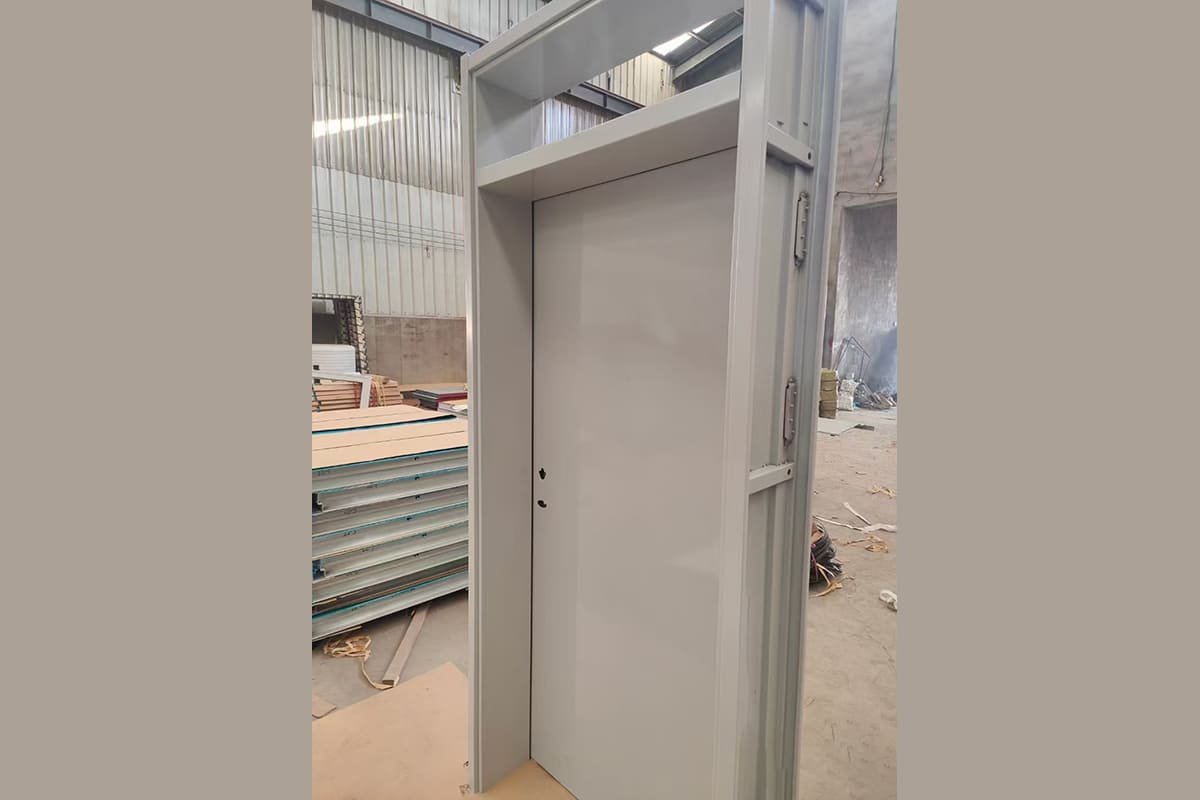
I work with door factories, hardware brands, wholesalers, and project buyers who ask this question before bulk orders. I usually answer with another question first. I ask what type of exterior door they are making. I ask where the door will be installed. I ask about weight, thickness, frame design, finish, fire rating, and budget. I do this because a concealed hinge is not only a decorative part. It is a working load-bearing part inside the door and frame.1 If we select it well, it can improve sealing, appearance, security, and product value. If we select it badly, it can create routing problems, sagging risk, corrosion risk, and after-sales complaints. I will break down how I judge it in real procurement work, so you can decide with more confidence.
When Do I Consider Hidden Hinges Suitable For Exterior Doors?
I see many exterior-door projects fail at the selection stage. The buyer likes the clean look, but the hinge does not match the door use.
I consider hidden hinges suitable when the exterior door has enough thickness, enough frame depth, proper load support, suitable opening angle, and a real need for sealing, clean design, or anti-pry performance.

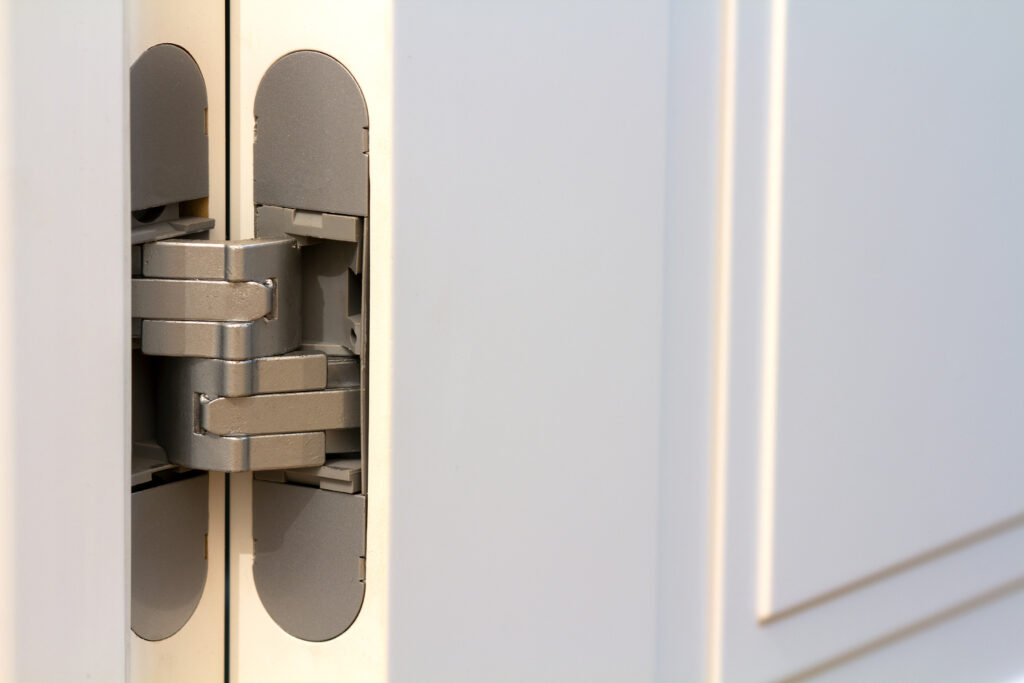
I first look at the door application. I often see hidden hinges used on entrance doors, apartment doors, equipment doors, cold-storage-related doors, and some exterior access panels. In these cases, the hinge sits inside the door and frame when the door is closed. This helps reduce direct exposure to rain, dust, and outside impact.2 It also removes the exposed hinge leaf from the outside face, so the door looks cleaner and has fewer visible attack points.3
| Exterior door type | Why I may consider hidden hinges | What I check first |
|---|---|---|
| Entrance door | Clean appearance and better anti-pry design | Door weight, thickness, frame structure |
| Equipment door | Less exposed hardware and neat closing | Usage frequency and corrosion exposure |
| Cold-storage-related door | Better sealing support in some designs | Seal design and installation tolerance |
| Exterior fire door | Possible use only with certified systems | Fire test report and door system match |
I do not treat hidden hinges as a universal upgrade. I treat them as a matched component. I once discussed an entrance-door project where the buyer wanted a very slim frame and a heavy door leaf. The appearance target was clear, but the frame did not give enough depth for the concealed hinge body. In that case, I would not force the design. I would either adjust the frame profile or use another hinge type. This kind of decision protects the buyer more than a simple “yes.”
How Do I Judge Material And Corrosion Resistance?
I have seen buyers think hidden installation means no corrosion risk. That idea is dangerous, especially for humid markets and coastal projects.
I judge corrosion resistance by material, surface treatment, salt exposure, humidity, and drainage condition. Hidden placement reduces direct exposure, but it does not replace stainless steel, strong plating, or proper finishing.4
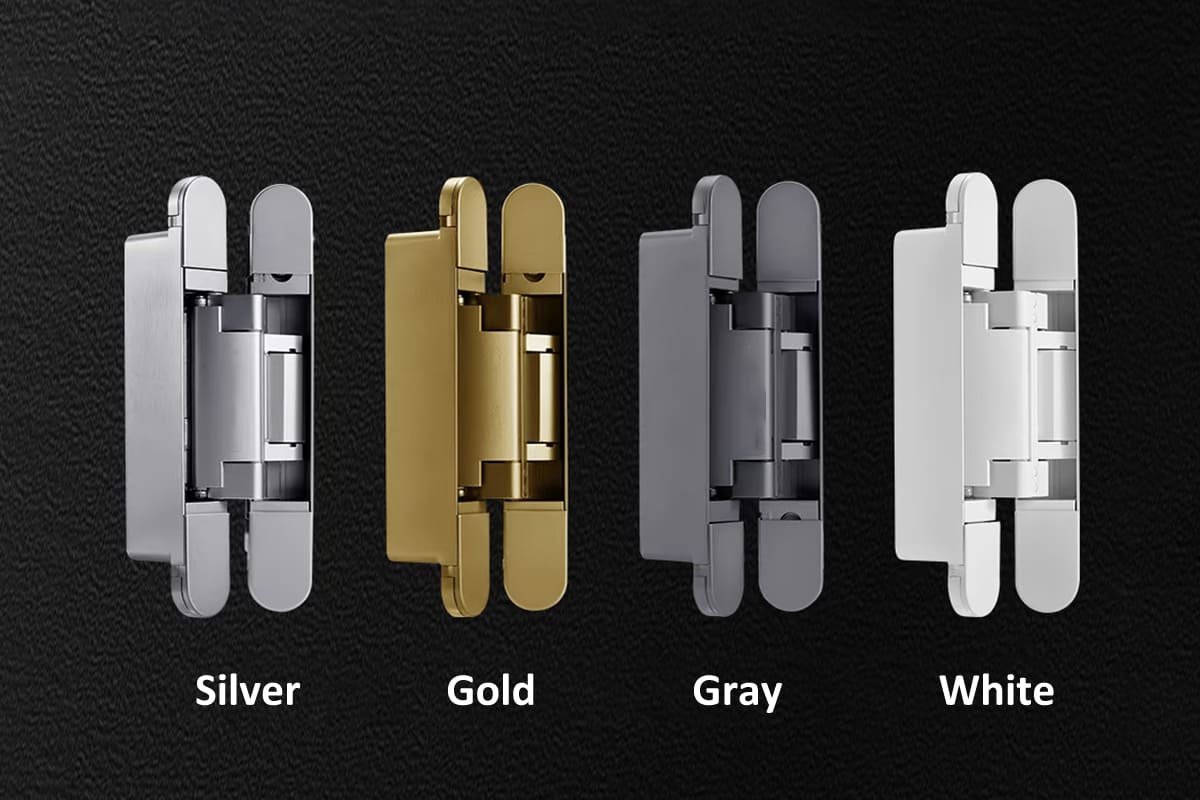
I pay close attention to material for exterior use. A hidden hinge is less visible when the door is closed, but it still works in a real environment. Moisture can enter the hinge area. Temperature changes can create condensation.5 Cleaning water can reach the frame. Salt air can attack weak finishes.6 This is why I prefer stainless steel or other high-strength and corrosion-resistant materials for exterior doors, based on the project need and price target.
| Selection point | What I ask | Why I ask it |
|---|---|---|
| Material | Is it stainless steel, zinc alloy, steel, or mixed material? | I need to know the base corrosion risk |
| Surface treatment | Is the finish stable for the target market? | I need batch consistency and longer service life |
| Environment | Is the site coastal, humid, indoor-outdoor, or fully exposed? | I need to judge corrosion pressure |
| Maintenance | Will the user clean and lubricate the hinge area? | I need to reduce after-sales risk |
I also remind buyers that “exterior door” can mean many things. A hotel entrance under a roof is not the same as an outdoor metal equipment door near the sea. A villa main door in a dry city is not the same as a service door in a humid plant. I like to ask for photos, drawings, and local market details before I suggest a model. This simple step saves many problems. In factory production, we can control material, machining, assembly, and surface finish. At the same time, we still need the correct product grade for the environment.
Can I Use Concealed Hinges On Exterior Fire-Rated Doors?
I get this question often because many buyers want a clean fire door. I answer carefully because fire safety is not a place for guesswork.
I can use concealed hinges on exterior fire-rated doors only when the hinge model has passed relevant fire testing and matches the full door system requirements. Fire performance is certified by system, not by appearance.
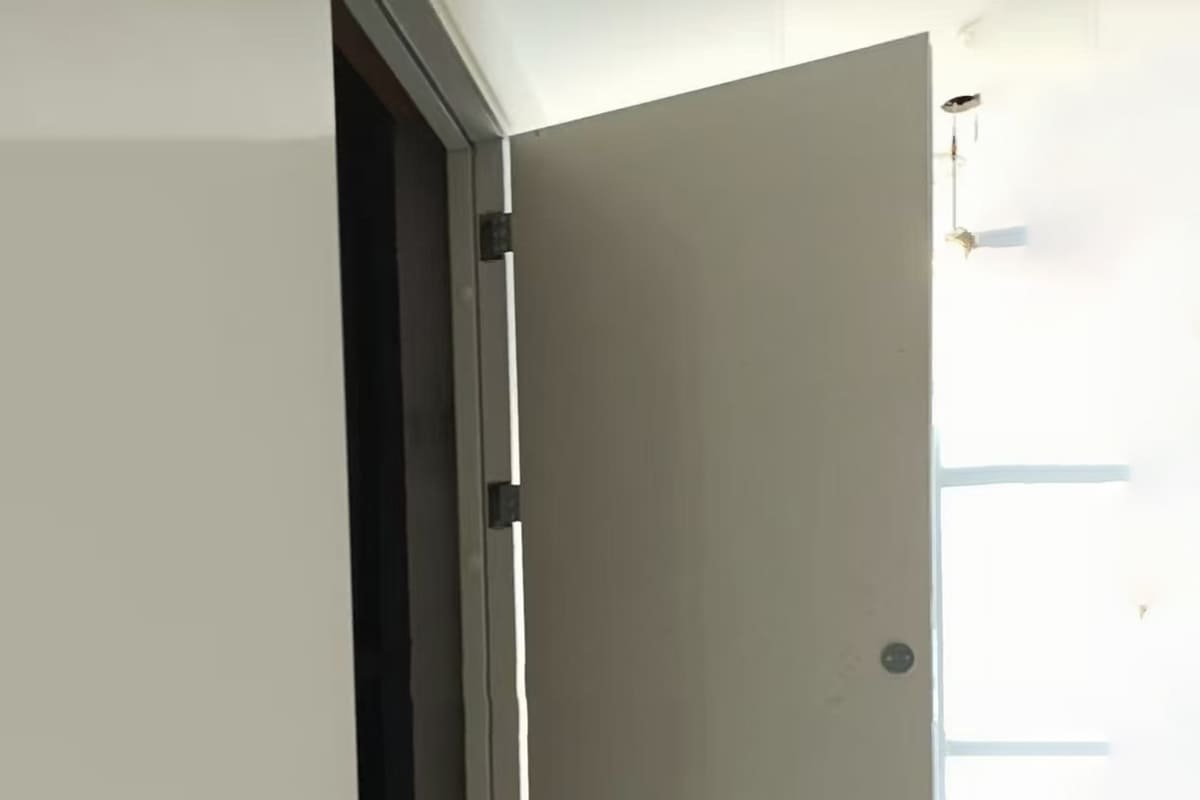
I never say that all hidden hinges are fire-rated. I also never say that a strong concealed hinge is automatically safe for fire-door use. Fire-door performance depends on the full assembly.7 The door leaf, frame, hinge, lock, seal, closer, intumescent material, and installation method all affect the result.8 A hinge may perform well on a normal entrance door, but it may not be approved for a certified fire-door system.
| Fire-door check | What I need to verify | What I avoid saying |
|---|---|---|
| Certificate | I check if the hinge has relevant fire-rated certification | I avoid saying every concealed hinge is fire-rated |
| Door system | I check if the hinge fits the tested door type | I avoid treating the hinge as a stand-alone guarantee |
| Installation | I check routing, screw fixing, and frame strength | I avoid approving poor site work |
| Market rule | I check the buyer’s target region requirement | I avoid using one standard for all markets |
I have had conversations where a buyer asked for concealed hinges for exterior fire-rated entrance doors. I first asked for the fire rating target and the door construction. I also asked whether the buyer needed CE support or other local documents. This step matters because procurement teams often need documents for audit, project approval, and market access. At SDH Hardware, we can discuss certified models and suitable product direction. At the same time, I always tell the buyer to match the hinge with the tested door system and project requirement. This keeps the claim honest and useful.
What Door Structure Can Accept Hidden Hinges?
I often see hidden hinges selected too late in the door design process. This creates routing conflicts, weak fixing points, and poor alignment.
I check door thickness, frame depth, routing space, screw holding strength, leaf weight, and opening clearance before I confirm concealed hinge suitability for an exterior door.
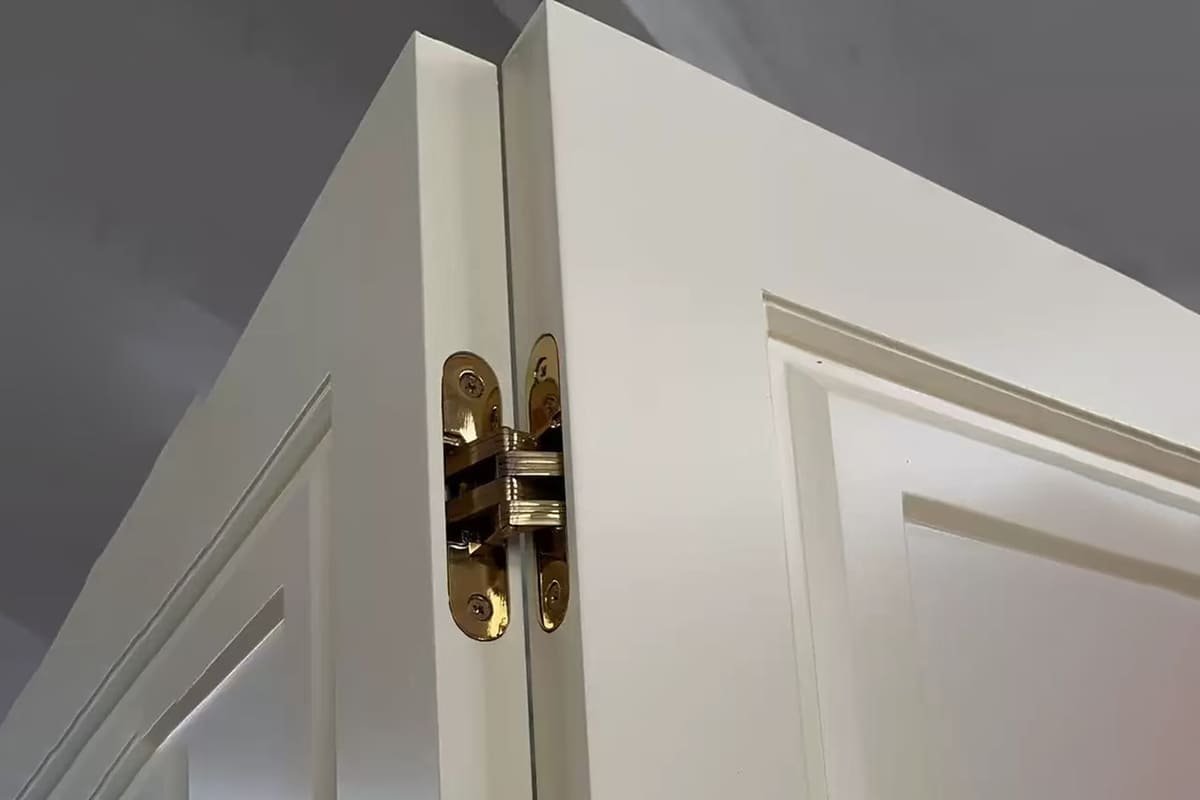
A concealed hinge needs space inside the door leaf and frame.9 This is the main difference from many exposed butt hinges. The hinge body must be routed into the material. The screws must hold firmly. The frame must have enough depth. The door edge must accept machining without becoming weak. If the profile is too narrow or too slim, the hinge may not fit. If the door is very heavy, the hinge model and quantity must be checked carefully.10
| Structure factor | What I check | Common risk |
|---|---|---|
| Door thickness | I check if the hinge body can fit | The door edge may become too weak |
| Frame depth | I check if the frame can accept routing | The hinge may hit the frame wall |
| Door weight | I check rated load per model and hinge count | The door may sag over time |
| Opening angle | I check the required opening range | The door may not open as expected |
| Fixing area | I check screw position and material strength | Screws may loosen under use |
I do not present one load number or one opening angle as a rule for all projects. Each concealed hinge model has its own tested performance. Some models support wider opening angles. Some models support heavier door leaves. Some models are better for wood doors. Some models are better for metal or composite structures. I ask buyers to share drawings early because it allows me to check the hinge cavity, edge distance, and screw position before production starts. This small technical check can prevent a large batch problem. I see this as one of the most important steps in exterior-door hardware procurement.
How Should I Compare Cost, Installation, And Long-Term Value?
I understand why buyers compare hinge prices first. I also know that the cheapest choice can become expensive after machining and after-sales issues.
I compare concealed hinge value by purchase cost, routing cost, installation skill, door performance, finish stability, certification need, and expected market positioning.
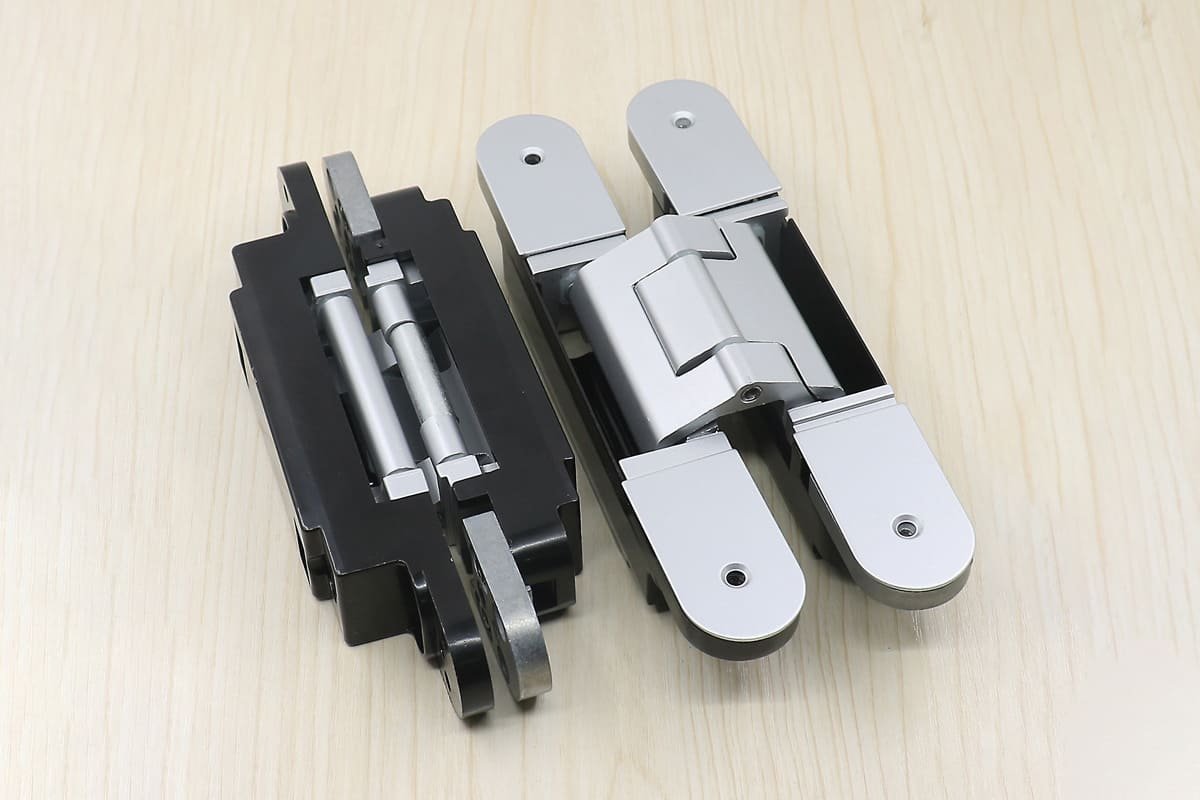
Hidden hinges usually cost more than ordinary butt hinges. They also need more accurate routing and installation.11 The installer must align the hinge body correctly. The door factory must control machining tolerance.12 The buyer must allow time for sample testing. This means the first cost is higher. Still, the value can be right when the door needs a premium appearance, better sealing support, improved anti-pry design, or a cleaner brand image.
| Cost item | What I include in my comparison | Why it matters |
|---|---|---|
| Product price | I compare hinge grade, material, and finish | The hinge must match the market level |
| Machining cost | I include routing time and tooling need | Hidden hinges need accurate preparation |
| Installation cost | I include skill level and adjustment time | Poor installation creates complaints |
| Certification cost | I include fire-rated or CE needs when required | Documents affect project approval |
| After-sales cost | I include sagging, corrosion, and finish risk | Stable hardware protects profit |
I like to ask buyers one practical question. I ask what problem the concealed hinge is expected to solve. If the answer is only “it looks better,” I continue the discussion. A better look may still be valuable, especially for high-end entrance doors and brand product lines. But if the door is a low-cost exterior service door, a simple and strong exposed hinge may be more reasonable. If the door needs clean design, less outside exposure, better sealing support, and stronger market positioning, a hidden hinge can be worth the cost. I prefer this balanced view because it helps buyers protect both quality and margin.
What Should I Confirm Before Placing A Bulk Order?
I have learned that a sample approval is not enough when the order is for exterior doors. I need data, drawings, and clear use conditions.
I confirm door weight, door size, thickness, frame section, material, finish, opening angle, environment, certification need, sample test result, packaging, and delivery schedule before bulk production.
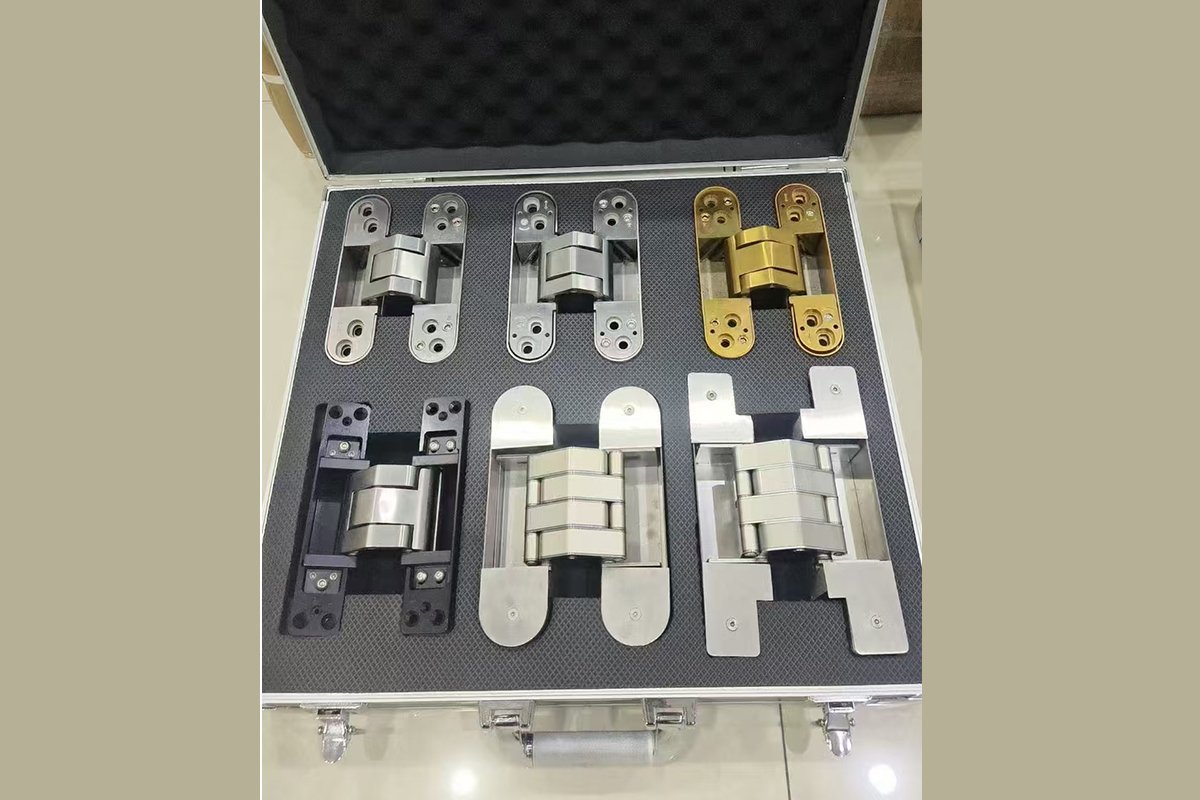
I use a checklist when I support buyers with concealed hinge selection. The checklist makes the discussion clear. It also helps the buyer communicate with engineering, production, purchasing, and sales teams. Exterior doors often involve more risk than interior doors because the environment is harsher and the door value is higher. A small hinge problem can affect the whole door set.
| Bulk order item | My confirmation question | Buyer benefit |
|---|---|---|
| Door size and weight | What is the actual leaf size and weight? | I can suggest the correct hinge grade |
| Door and frame drawing | Can I see the section drawing? | I can check routing feasibility |
| Environment | Is it humid, coastal, covered, or exposed? | I can suggest better material and finish |
| Fire requirement | Does the door need fire-rated approval? | I can avoid wrong product claims |
| Finish standard | What finish and batch tolerance are needed? | I can control appearance consistency |
| Sample testing | Has the buyer tested opening and closing? | I can reduce bulk order risk |
| Delivery plan | What is the project schedule? | I can plan production and shipment better |
I also care about finish consistency because many buyers sell complete door hardware sets. A concealed hinge may be partly hidden, but the visible parts still need to match the product line. For brand operators and wholesalers, stable finish and stable packaging help market sales. For door factories, stable dimensions and installation repeatability are more important. I use these different needs to guide the conversation. I do not only ask for a target price. I ask for the full application. This is how I decide whether a concealed hinge is a good fit for an exterior door.
Conclusion
I consider hidden hinges suitable for some exterior doors, but I always verify structure, material, load, certification, installation, and cost before I recommend them.
"A156.1 - 2025 Butts and Hinges", https://buildershardware.com/ANSI-BHMA-Standards/Hardware-Highlights/A1561-2021-Butts-and-Hinges. A door-hardware standard or technical manual identifies hinges as components that support and transfer the door leaf load to the frame, supporting the characterization of concealed hinges as load-bearing hardware rather than decorative trim. Evidence role: definition; source type: institution. Supports: A source should support that door hinges, including concealed hinge types, are hardware components that carry and transfer the door leaf load to the frame.. Scope note: The source may describe hinge function generally and may not test the specific concealed hinge model discussed in the article. ↩
"Hinge - Wikipedia", https://en.wikipedia.org/wiki/Hinge. General descriptions of concealed hinges explain that the hinge mechanism is hidden within the door and frame when closed, which supports the inference that it is less directly exposed than an external hinge. Evidence role: mechanism; source type: encyclopedia. Supports: A source should support the definition of concealed hinges as hinges hidden within or between the door and frame when the door is closed.. Scope note: This supports the exposure mechanism contextually; it does not quantify reductions in rain, dust, or impact exposure for exterior installations. ↩
"Tamper-Proof Hinges- Is your home safe? - YouTube",
. Physical-security guidance commonly treats exterior hinge exposure and hinge tampering as door-security considerations, supporting the statement that eliminating visible exterior hinge leaves can reduce visible attack points. Evidence role: general_support; source type: government. Supports: A source should support that exposed exterior hinges can be a tampering or forced-entry consideration and that hinge placement or tamper-resistant hinge design affects door security.. Scope note: The source may address hinge security generally rather than proving that every concealed hinge system provides higher forced-entry resistance. ↩"[PDF] Coatings for corrosion protection - NIST Technical Series Publications", https://nvlpubs.nist.gov/nistpubs/Legacy/SP/nistspecialpublication1035.pdf. Corrosion-protection standards and materials guidance state that metallic components exposed to atmospheric moisture and pollutants require suitable base materials and protective coatings, supporting the need for stainless steel or durable finishing even where direct exposure is reduced. Evidence role: expert_consensus; source type: institution. Supports: A source should support that outdoor metallic components require corrosion-resistant materials and/or protective coatings selected for the exposure environment.. Scope note: The evidence supports the materials principle generally and does not specify the minimum finish requirement for the article’s particular hinge design. ↩
"BSD-163: Controlling Cold-Weather Condensation Using Insulation", https://buildingscience.com/documents/digests/bsd-controlling-cold-weather-condensation-using-insulation. Building-science references explain that condensation forms when humid air contacts surfaces below the dew point, supporting the article’s statement that temperature changes can introduce moisture around door and frame components. Evidence role: mechanism; source type: education. Supports: A source should explain that condensation occurs when moist air contacts surfaces at or below the dew point, often due to temperature differences.. Scope note: The source explains the physical mechanism and may not measure condensation specifically inside concealed hinge pockets. ↩
"Marine Atmospheric Corrosion of Carbon Steel: A Review - PMC", https://pmc.ncbi.nlm.nih.gov/articles/PMC5506973/. Corrosion research and atmospheric-corrosivity standards identify chloride-containing marine air as a major driver of metal corrosion and coating deterioration, supporting the warning that weak finishes may fail in salt-air environments. Evidence role: mechanism; source type: research. Supports: A source should support that chloride-rich marine atmospheres increase corrosion risk and challenge protective coatings.. Scope note: The evidence addresses marine corrosion generally and does not rank the performance of specific hinge finishes. ↩
"NFPA 80 Fire Door Requirements: Code Guide | CDF Distributors", https://www.cdfdistributors.com/blog/post/nfpa-80-fire-door-requirements. Fire-door standards and listing guidance define fire protection in terms of a rated door assembly, supporting the statement that performance depends on the complete tested system rather than on a hinge in isolation. Evidence role: expert_consensus; source type: institution. Supports: A source should support that fire doors are evaluated as assemblies that include the door, frame, hardware, seals, and installation conditions.. ↩
"Important Tips for Specifying Fire Door Assemblies", https://steeldoor.org/tips-for-specifying-fire-door-assemblies/. Authoritative fire-door guidance identifies the door leaf, frame, hardware, seals, closing devices, and installation as elements of a compliant fire-door assembly, supporting the article’s component-level explanation. Evidence role: definition; source type: government. Supports: A source should identify the main components of a fire-door assembly and explain that hardware, seals, frame, and installation affect compliance or performance.. Scope note: The source may provide regulatory or inspection context rather than experimental proof for every component listed. ↩
"Concealed Hinge | Innovative Door Hardware | Sugatsune", https://www.sugatsune.com/hes-concealed-hinge-line/?srsltid=AfmBOoqb2Q8pL0UVUmGld5H5Y5z0JhNKpLRTPHHOWnbCMPlRIN9W8DdO. Technical descriptions of concealed-hinge installation state that the hinge body is recessed or mortised into the door and frame, supporting the article’s statement that sufficient internal space is required. Evidence role: mechanism; source type: institution. Supports: A source should describe concealed hinges as requiring mortising, routing, or recessed installation in both the door and frame.. Scope note: The source may describe common concealed-hinge installation and may not cover all specialty hinge designs. ↩
"SECTION 087111 - DOOR HARDWARE (SCHEDULED BY ...", https://fpm.usc.edu/wp-content/uploads/2021/11/087102-USC-HSC-door-hardware-Guide-Specification_1.pdf. Door-hardware standards and architectural hardware guidance relate hinge selection to door weight, usage, and hinge quantity, supporting the need to verify the model and number of hinges for heavy door leaves. Evidence role: expert_consensus; source type: institution. Supports: A source should support that hinge selection depends on door weight, hinge load rating, and the number of hinges used.. Scope note: The source may provide general selection criteria and not the exact load calculation for a specific concealed hinge. ↩
"Concealed Hinges vs. Standard Hinges: When to Use Each (and ...", https://www.vk-hardware.ca/journal/concealed-hinges-vs-standard-hinges. Installation guides and construction references describe concealed hinges as requiring precise mortising or routing in the door and frame, supporting the article’s claim that they impose greater installation demands than ordinary butt hinges. Evidence role: general_support; source type: other. Supports: A source should support that concealed hinges require more precise preparation or mortising than standard butt hinges and are commonly treated as more complex hardware.. Scope note: Neutral sources may support the installation-complexity part more directly than the price comparison, which can vary by product grade and market. ↩
"[PDF] Manufacturing Tolerances for Standard Steel Doors and Frames", https://steeldoor.org/wp-content/uploads/2020/02/SDI_122.pdf. Technical installation guidance for concealed hinges emphasizes precise routing dimensions and alignment between the door and frame, supporting the need for factory control of machining tolerances. Evidence role: mechanism; source type: institution. Supports: A source should support that concealed hinges require accurate routing and alignment for proper fit and door operation.. Scope note: The source may state installation tolerances for particular hinge types rather than a universal tolerance for all concealed hinges. ↩