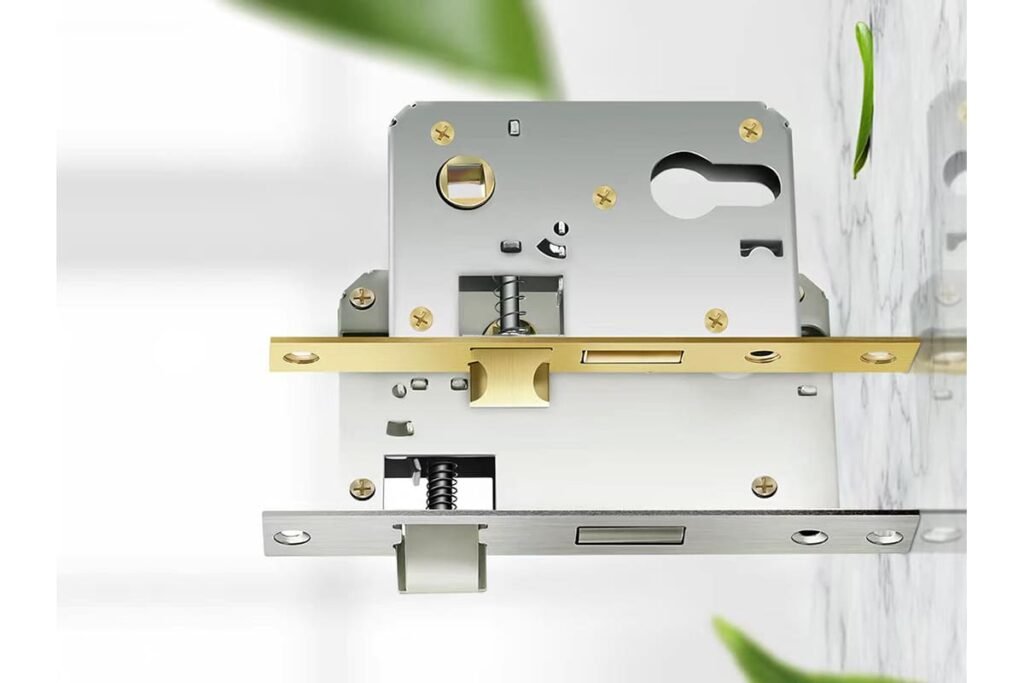
How to Determine Left Hand and Right Hand Doors for ANSI and EN 12209 Mortise Lock Purchasing?
Ever bought a mortise lock only to find the latch points the wrong way? This common mistake causes costly delays1 and frustration for your projects. Knowing the exact door handing is crucial for getting it right the first time.
To correctly determine door handing for ANSI and EN 12209 mortise locks, stand outside facing the door. If hinges are on the left, it's left-hand; if on the right, it's right-hand2. Crucially, also confirm if the door opens inward or outward to ensure correct latch and strike plate selection3.
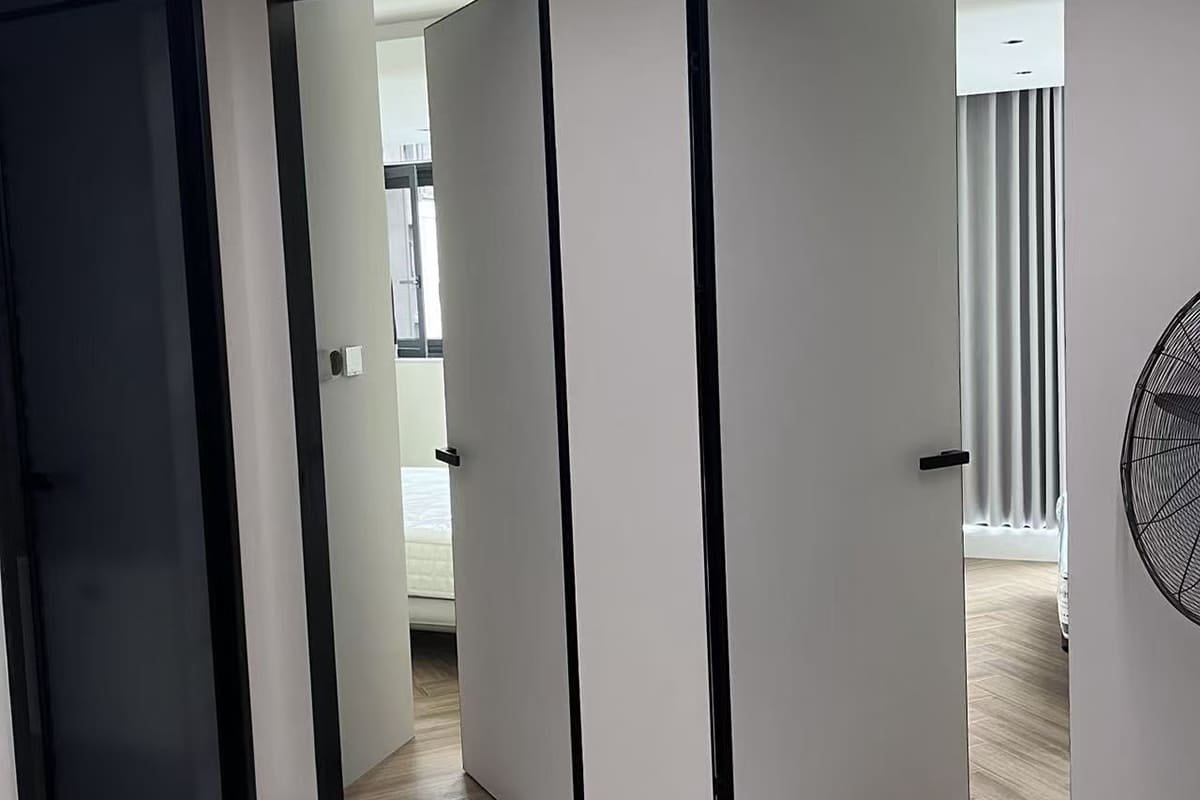
When I help our customers, I know that getting door handing right seems simple, but it is often where mistakes happen. This guide will walk you through the clear steps we use to make sure you get the perfect mortise lock every time. It saves you time, money, and headaches down the line. Let's make sure your next order is spot on.
How Do I Identify a Left-Hand or Right-Hand Door Correctly?
Getting the basic door direction wrong wastes time and money. Many people guess, but there is a simple, foolproof method. Learn how to tell left from right, every single time.
To correctly identify a door as left-hand or right-hand, stand outside the room, facing the door. If the hinges are visible on your left, it is a left-hand door. If the hinges are visible on your right, it is a right-hand door.
From my experience, this basic rule is the first step our customers need to master. When you stand outside the door, you must be looking at the side where the door opens away from you, or the side from which you push to open the door.
- Standing Point: Always stand on the side of the door where it swings away from you. This is the "pull side" if it opens inward, or the "push side" if it opens outward.
- Hinge Location:
- Left Hand (LH): If the hinges are on your left side.
- Right Hand (RH): If the hinges are on your right side.
This method gives us a common language for door handing4. I always tell my customers, "Imagine you are about to enter the room. Where are the hinges?" This clear approach helps avoid confusion from the start. We use this method for both ANSI and European style door hardware5. It makes sure everyone involved, from our factory to your installers, is speaking the same language. This simple check is foundational for correct hardware selection. It helps us avoid initial errors that cause big problems later.
Why Is Left/Right Not Enough for Mortise Lock Selection?
You've figured out left or right, but your mortise lock still seems wrong. Just knowing the hinge side isn't enough, and this oversight causes many ordering errors. Discover the crucial missing piece.
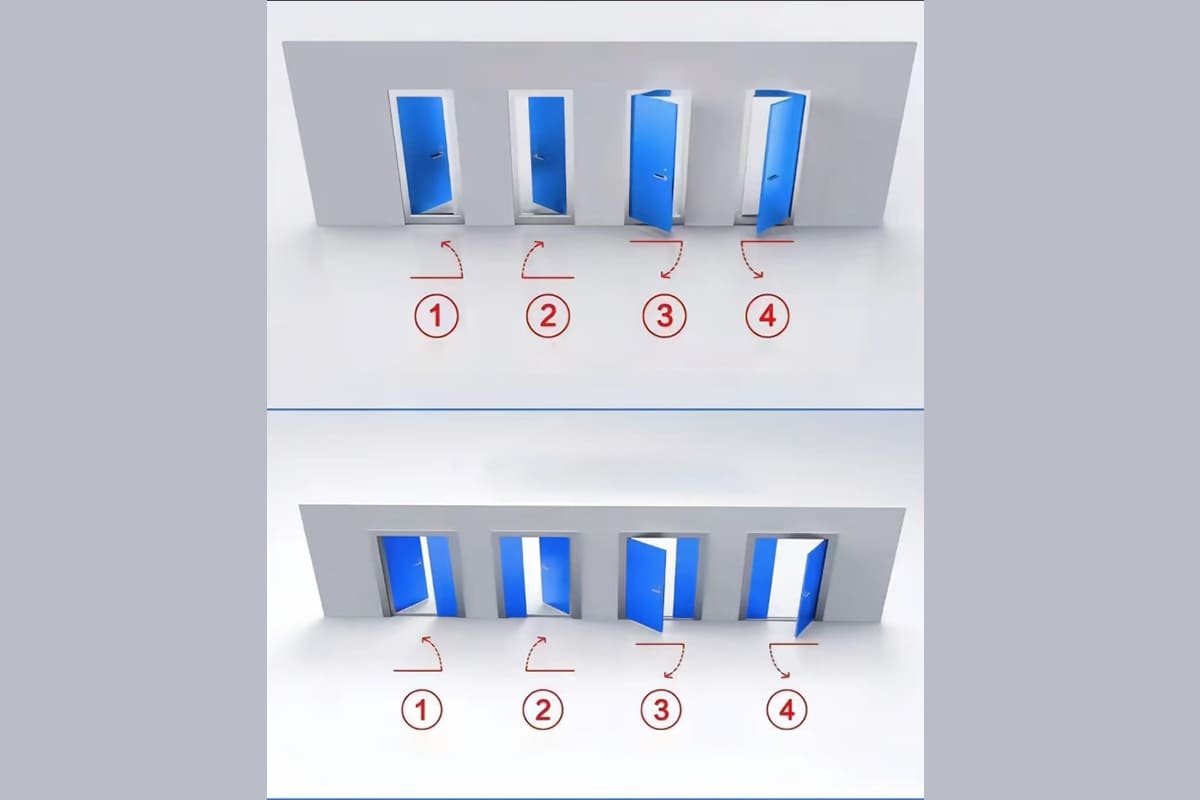
Knowing only left or right is insufficient because door handing also requires identifying if the door opens inward or outward6. This creates four distinct door types: Left-Hand In, Left-Hand Out, Right-Hand In, and Right-Hand Out, which are vital for correct hardware function.
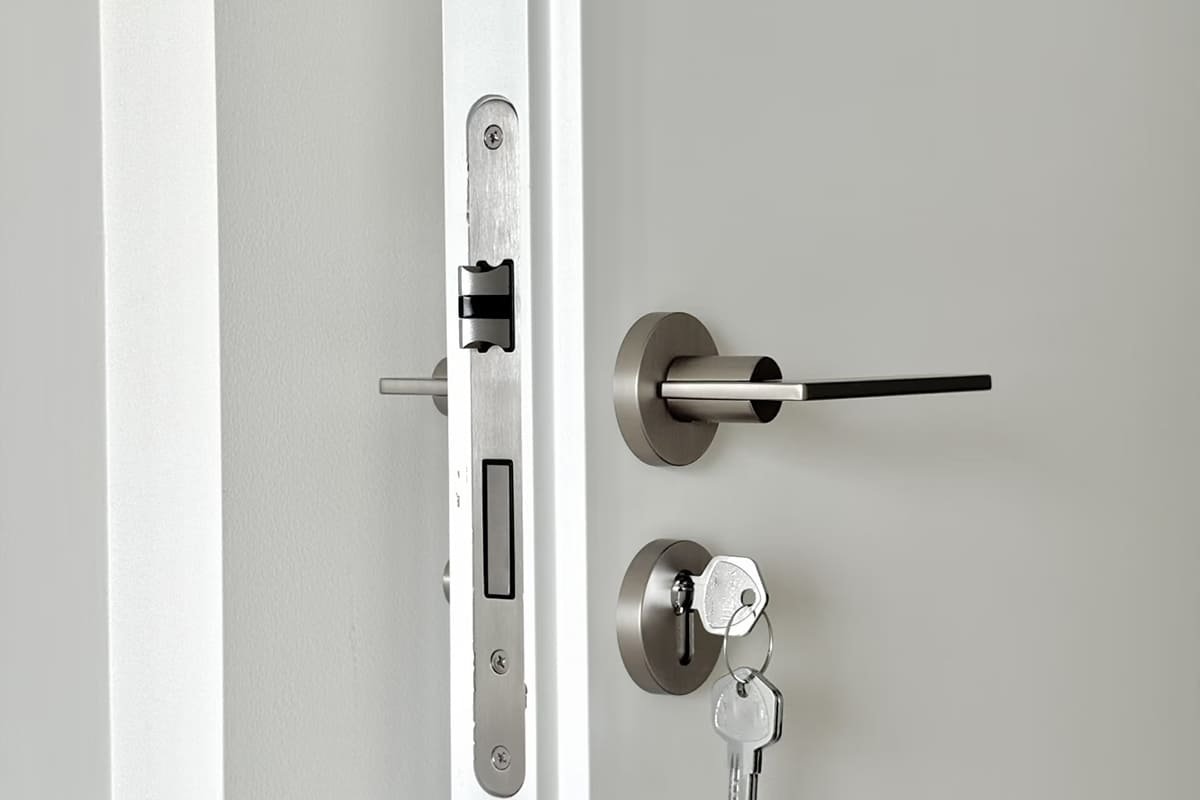
I always stress to our buyers that "left" or "right" is only half the story. The direction the door swings, inward or outward, changes everything for a mortise lock. This detail affects how the latch bolt engages and how the strike plate aligns7.
- Inward Opening: The door leaf swings into the room.
- Outward Opening: The door leaf swings away from the room, typically into a hallway or outside.
Combining these with our basic left/right rule, we get four precise door configurations:
| Door Handing | Hinge Side (from outside) | Swing Direction |
|---|---|---|
| Left-Hand Inward | Left | Inward |
| Left-Hand Outward | Left | Outward |
| Right-Hand Inward | Right | Inward |
| Right-Hand Outward | Right | Outward |
When our customers send an order, we always ask for these full details. For example, "Is it a Right Hand Outward door?" This information helps us select the correct lock body from the beginning. It avoids issues where the latch bolt is facing the wrong way. A lock meant for an inward-swinging door will not work correctly on an outward-swinging one8, even if the hinges are on the same side. This clarity streamlines the entire purchasing process.
Can Mortise Locks Be Universal or Reversible?
Worried about ordering a handed mortise lock that turns out to be wrong? Many customers think they need specific handed locks, but often, the solution is simpler than you expect. Learn about reversible latch bolts.
Many mortise locks are designed to be non-handed, meaning their latch bolts can be reversed9 to fit both left-hand and right-hand doors. This flexibility depends on the specific lock model10 and often involves simple adjustments detailed in the product manual.
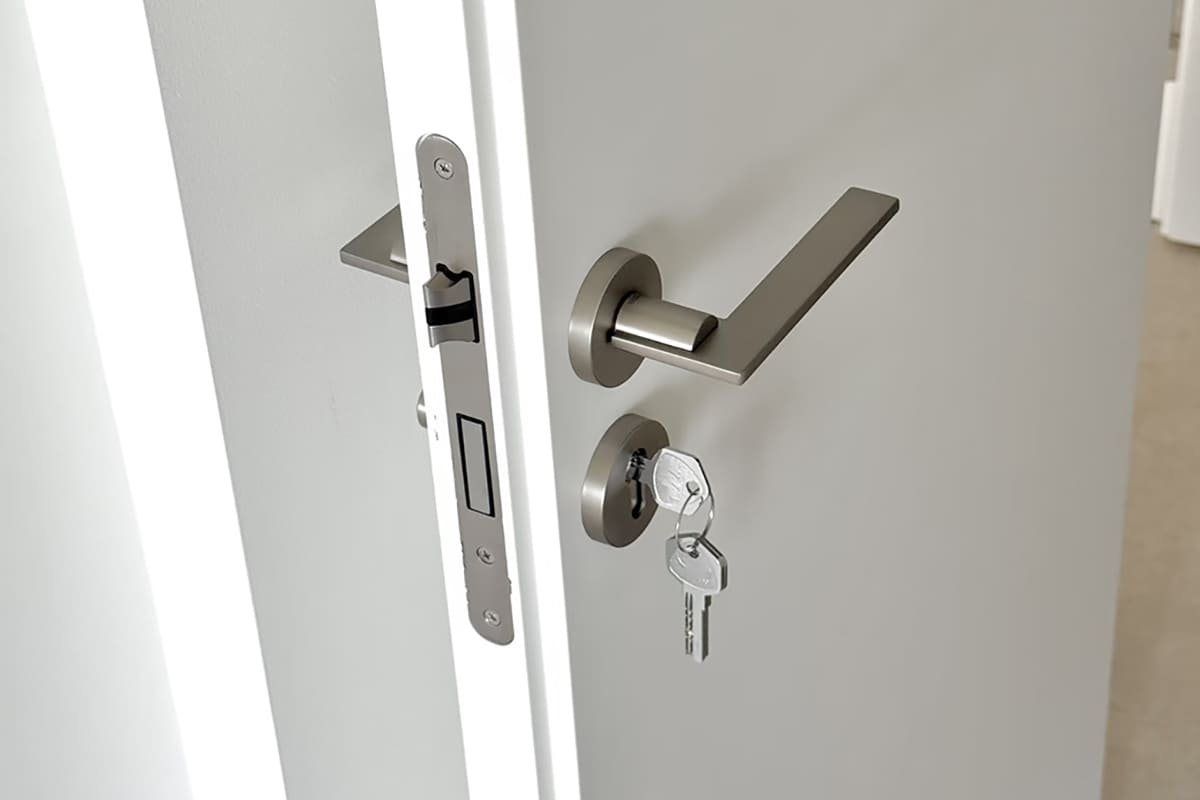
It is true that many modern mortise locks offer great flexibility. They do not need to be ordered as "left-handed" or "right-handed" because the latch bolt itself can be changed. This is a common feature in both ANSI and EN 12209 type locks. However, the exact way to reverse the latch can differ greatly.
- For ANSI Locks:
- Method 1 (Faceplate Removal): Some locks require you to remove the faceplate. Then, you can simply rotate the latch bolt 180 degrees.
- Method 2 (Screw Release): Other ANSI locks have a small screw or pin near the latch bolt. You loosen or remove this to release the latch, rotate it, and then secure it again.
- For EN 12209 / European Locks:
- Method 1 (Push Out): Many European locks allow you to push the latch bolt in, and then you can twist it to reverse its direction.
- Method 2 (Adjustment Hole): Some have a small hole behind the faceplate. You insert a tool to release or adjust the latch for reversal.
I always advise our customers to check the specific product manual or ask us directly. Assuming all locks reverse the same way can lead to damage. While this reversibility is a huge advantage, it is still crucial to tell us the full door direction. This helps us confirm if the specific model you choose supports reversal and how it is done. It ensures you have the right instructions for your installation team.
Does the Strike Plate Also Need Handing Confirmation?
You've reversed the latch bolt, but something still feels off with your lock installation. The often-overlooked strike plate can be the culprit, creating unexpected fitting problems. Learn why it matters.
Yes, even if a mortise lock's latch bolt is reversible, the strike plate might still require specific handing11. Strike plates vary in shape, offset, and lip length12, making it essential to confirm compatibility with the door's swing and the lock body for a perfect fit.
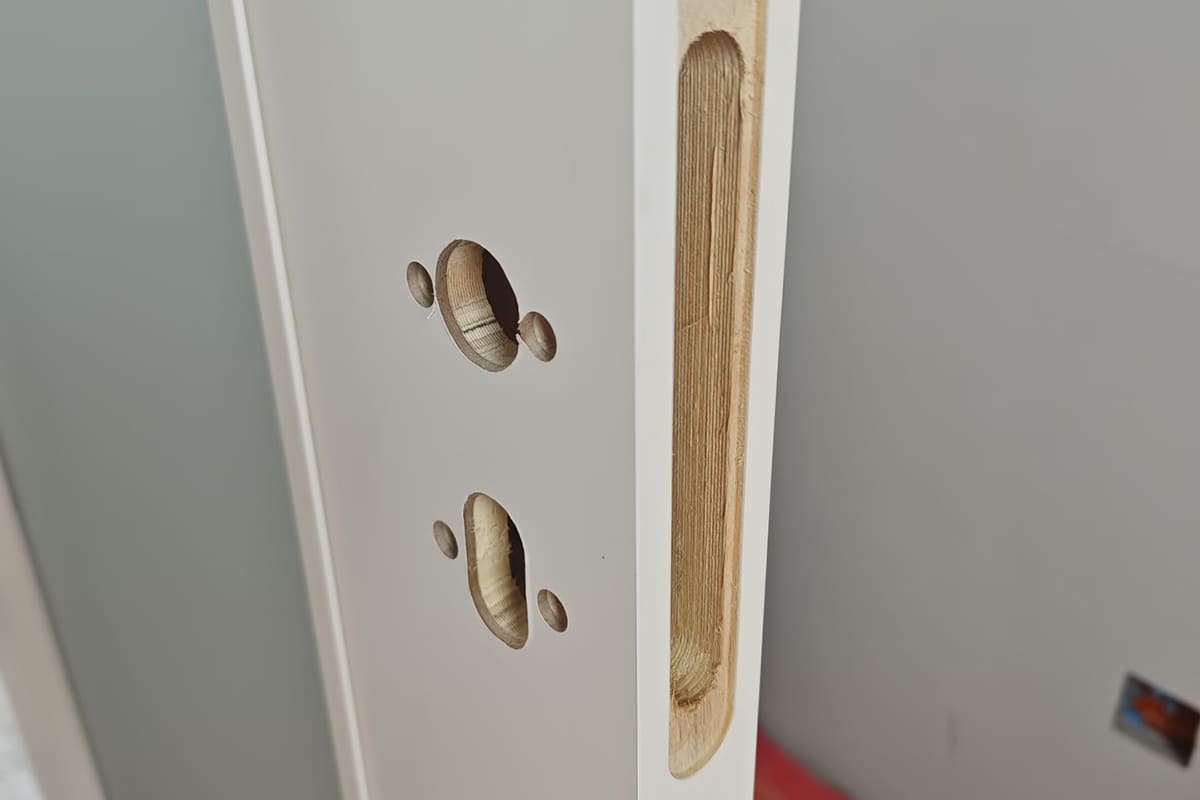
This is a critical point that many customers miss. They assume if the lock body is reversible, the entire lockset is universal. This is not always true, especially when it comes to the strike plate. The strike plate is the metal plate fixed to the door frame. It is where the latch bolt and deadbolt engage. Its design is crucial for proper door function and security.
- Offset and Lip Length: Strike plates are not all flat. Many have an offset or a specific lip length designed to align with the latch bolt and the door frame depth.
- Handed vs. Non-Handed Strike Plates:
- Some strike plates are truly universal.
- Others, especially for certain security or fire-rated applications, are specifically handed. Their shape or the angle of their lip might be designed for an inward-swinging left-hand door but not an outward-swinging one.
- Aesthetics and Function: An incorrectly handed strike plate can cause the latch to bind, not engage fully, or create a gap between the door and frame. It can also look wrong.
When you are ordering, we always ask you to consider the strike plate. When confirming an order, we explicitly confirm the door direction (Left-In, Right-Out, etc.). We then check if the chosen lock model comes with a suitable strike plate for that specific direction. Sometimes, a different strike plate might be needed, even with a reversible lock body. It is part of our full service to ensure every component fits and works perfectly together.
How Can I Ensure I Order the Correct Mortise Lock Every Time?
Tired of the stress and cost of wrong hardware orders? The risk of getting mortise lock specifications wrong can derail your project timelines and budget. There's a clear, simple way to guarantee accuracy.
To ensure correct mortise lock orders, always communicate the full door handing (Left-Hand Inward, Right-Hand Outward, etc.) to your supplier. Confirm the lock's latch reversal method and check strike plate compatibility to avoid errors.
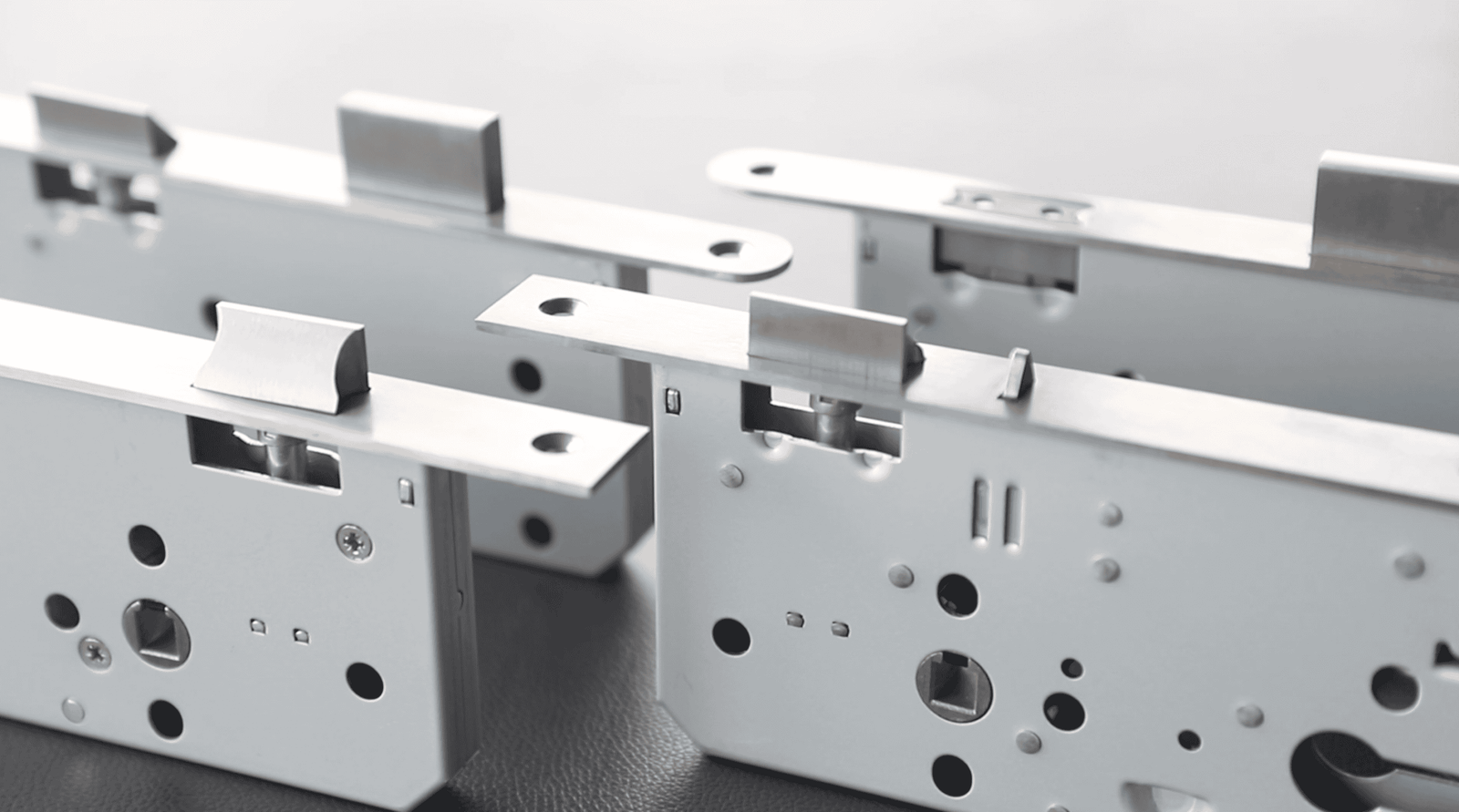
Over two decades of experience has taught me that clear communication is the most powerful tool. When you are buying mortise locks, especially for large projects, providing complete information upfront saves everyone a lot of trouble.
- Detailed Information: Do not just say "LH" or "RH." Always provide the full door description:
- Is it a "Left-Hand Inward" door?
- Is it a "Right-Hand Outward" door?
- This eliminates ambiguity.
- Product Manuals: Always refer to the product manual for the specific lock you are considering. It will detail latch reversal methods and any handed components. If you do not have it, ask us.
- Supplier Confirmation: This is where we come in. When you confirm an order with us, we will ask:
- "What is the hinge side?"
- "Does the door open inward or outward?"
- "Have you checked if the latch needs to be reversed for this specific lock model?"
- "Is the strike plate suitable for your door's handing?"
We act as your safeguard. We use our expertise to double-check your specifications against our product range. This helps prevent costly mistakes like incorrect latch directions or mismatched strike plates. Our goal is to provide high-cost-effective products without any installation surprises. By working together, we ensure your order meets all your project requirements perfectly.
Conclusion
Getting your mortise lock handing right means clearly stating Left-In, Left-Out, Right-In, or Right-Out. Confirm latch reversal steps and strike plate compatibility with your supplier to prevent costly errors and ensure smooth installation.
"The Real Cost of Construction Rework in 2025 - Helonic", https://helonic.com/blog/construction-rework-costs. Research on construction rework identifies specification errors as a contributor to added cost and schedule disruption, providing contextual support for the claim that incorrect hardware handing can delay projects. Evidence role: statistic; source type: research. Supports: A construction-management study or government report should document that specification errors and rework create measurable cost and schedule impacts.. Scope note: The evidence would likely address construction rework broadly, not mortise-lock handing errors specifically. ↩
"Dash Demystifies Door Handing – It Doesn't Have to Be Complicated", https://dashdoor.com/resource-center/technical-articles/dash-demystifies-door-handing-it-doesnt-have-to-be-complicated/. A door-hardware reference defines door handing by the observer’s position relative to the door and the side on which the hinges appear, supporting the use of hinge location to distinguish left-hand from right-hand doors. Evidence role: definition; source type: institution. Supports: A recognized door-hardware or architectural reference should define left-hand and right-hand doors by the observer position and hinge side.. Scope note: Handing conventions can differ between North American, European, and manufacturer-specific terminology, so the source should be matched to the terminology used in the article. ↩
"[PDF] SECTION 087111 - DOOR HARDWARE (SCHEDULED BY ...", https://fpm.usc.edu/wp-content/uploads/2021/11/087101-USC-UPC-door-hardware-Guide-Specification_1.pdf. Door-hardware handing references distinguish regular and reverse-bevel applications according to swing direction, which explains why latch orientation and strike selection may depend on whether a door opens inward or outward. Evidence role: mechanism; source type: institution. Supports: A door-hardware standard or technical guide should explain that swing direction and bevel influence latch orientation and strike placement.. Scope note: This would support the general hardware principle rather than prove that every mortise lock and strike combination requires different parts. ↩
"How To Determine The Handing Of A Door - Beacon CDL", https://beaconcdl.com/blogs/news/how-to-determine-the-handing-of-a-door?srsltid=AfmBOopKrQ0RiFb0yLG0hBAy6dqsCdVChiz1wkpAGvo1QJN66qnGJ7SA. An architectural-hardware glossary defines door-handing terms such as left hand, right hand, and reverse bevel, supporting the role of standardized terminology in communicating door configuration. Evidence role: definition; source type: institution. Supports: An industry glossary should show that door handing terms are standardized to communicate door swing and hinge location.. Scope note: The source would support the existence of a common terminology, not directly measure reductions in ordering mistakes. ↩
"How to Determine Left-Hand and Right-Hand Doors for ANSI and ...", https://www.keymanlock.com/how-to-determine-left-hand-and-right-hand-doors-for-ansi-and-en-12209-mortise-lock.html. Technical references for ANSI/BHMA and European mortise-lock hardware both use handedness and door swing concepts when specifying locks, providing contextual support for comparing the two systems. Evidence role: general_support; source type: institution. Supports: Standards or technical references should show how ANSI/BHMA and European lock documentation account for hand and swing direction.. Scope note: This support is contextual because the exact naming conventions may differ between ANSI, DIN, EN, and manufacturer documentation. ↩
"Dash Demystifies Door Handing – It Doesn't Have to Be Complicated", https://dashdoor.com/resource-center/technical-articles/dash-demystifies-door-handing-it-doesnt-have-to-be-complicated/. Door-hardware handing references distinguish not only left and right hand but also regular and reverse-bevel swing conditions, supporting the statement that hinge side alone is incomplete for lock specification. Evidence role: definition; source type: institution. Supports: A recognized hardware reference should define door handing in terms that include hinge side and swing direction, including regular and reverse-bevel distinctions.. ↩
"Door knob doesn't line up with strike plate on frame : r/DIY - Reddit", https://www.reddit.com/r/DIY/comments/18pi4iq/door_knob_doesnt_line_up_with_strike_plate_on/. Technical door-hardware training materials explain that latch-bolt bevel and strike placement must correspond to the door’s swing, supporting the claim that swing direction affects latch engagement and strike alignment. Evidence role: mechanism; source type: education. Supports: A technical training or educational source should explain how latch bevel and strike position interact with door swing.. Scope note: The source may describe the mechanism generally rather than for every ANSI or EN 12209 mortise-lock model. ↩
"How to Find the Handing For Your Door - YouTube",
. Mortise-lock handing references describe different preparations for regular-bevel and reverse-bevel applications, supporting the point that a lock configured for one swing direction may not function properly on the opposite swing. Evidence role: mechanism; source type: institution. Supports: A lock-hardware reference should explain that lock hand and bevel must match the door swing for proper latch operation.. Scope note: The statement may not apply to lock models with fully reversible latch and compatible non-handed auxiliary components. ↩"[PDF] Schlage L-Series Service Manual", https://lsamichigan.org/Tech/Schlage_L_Service_%20Manual.pdf. Mortise-lock installation documentation commonly describes non-handed models with reversible latch bolts, supporting the claim that reversibility is an established design approach for many locks. Evidence role: general_support; source type: other. Supports: Technical manuals or neutral hardware references should document that some mortise locks are non-handed through reversible latch bolts.. Scope note: Such sources can show the feature exists across documented models but may not quantify how many mortise locks on the market are reversible. ↩
"How to Reverse a Mortise Lockset Handing | Step-by-Step Guide",
. Mortise-lock installation manuals specify model-dependent latch-reversal procedures, supporting the statement that reversibility depends on the particular lock design. Evidence role: general_support; source type: other. Supports: Installation manuals from multiple lock models should show that reversibility and reversal procedures differ by model.. Scope note: The evidence would be based on documented examples and should not be read as a universal rule for all locks. ↩"Door Strike Plate - Striker Plate - House of Antique Hardware", https://www.houseofantiquehardware.com/shop-by-type/antique-door-hardware/locksets/door-knob-parts/strike-plate?srsltid=AfmBOorRNfUFuj_C2CVPWwE76E4XAA69dPZjaymBu_1Uj9ysWNlhdWzQ. Door-hardware specifications distinguish among strike types and, in some applications, handed strike configurations, supporting the claim that strike compatibility may require separate confirmation from latch reversibility. Evidence role: general_support; source type: institution. Supports: A door-hardware reference should document that strike plates may be handed or otherwise specified by application, separate from the lock body.. Scope note: This supports the possibility of handed strikes but does not establish that all or most mortise-lock strikes are handed. ↩
"Strike Plates - The Home Depot", https://www.homedepot.com/b/Hardware-Door-Hardware-Door-Accessories-Strike-Plates/N-5yc1vZc75b. Door-hardware specification references list strike-plate dimensions including lip length, plate shape, and offsets, supporting the statement that strikes are not interchangeable flat plates. Evidence role: definition; source type: institution. Supports: A hardware standard or specification guide should define strike dimensions such as lip length, offset, and plate form.. ↩