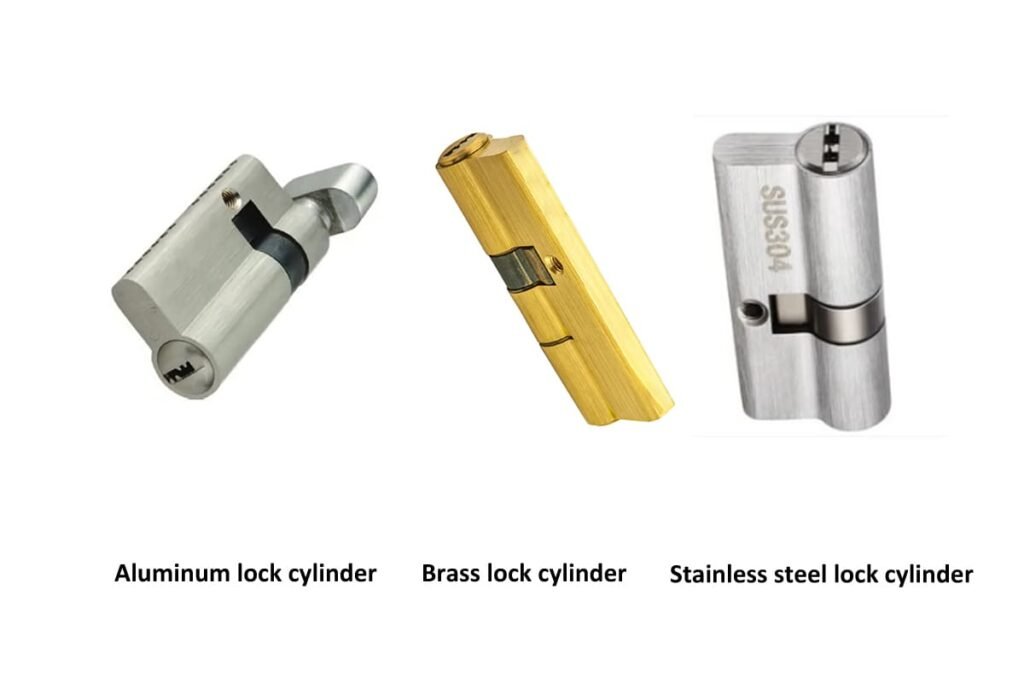
What is the True Meaning of a Lock Cylinder's Mutual Opening Rate?
Having a problem with security risks from lock cylinders? Many buyers I talk to worry about keys that open more than one lock. This concern is often about the mutual opening rate.
The mutual opening rate of a lock cylinder is not just a simple number for buying. It tells us about a lock's security risks. It shows how unique each key is because of the cylinder's design, how well it is made, and how keys are managed in large batches.
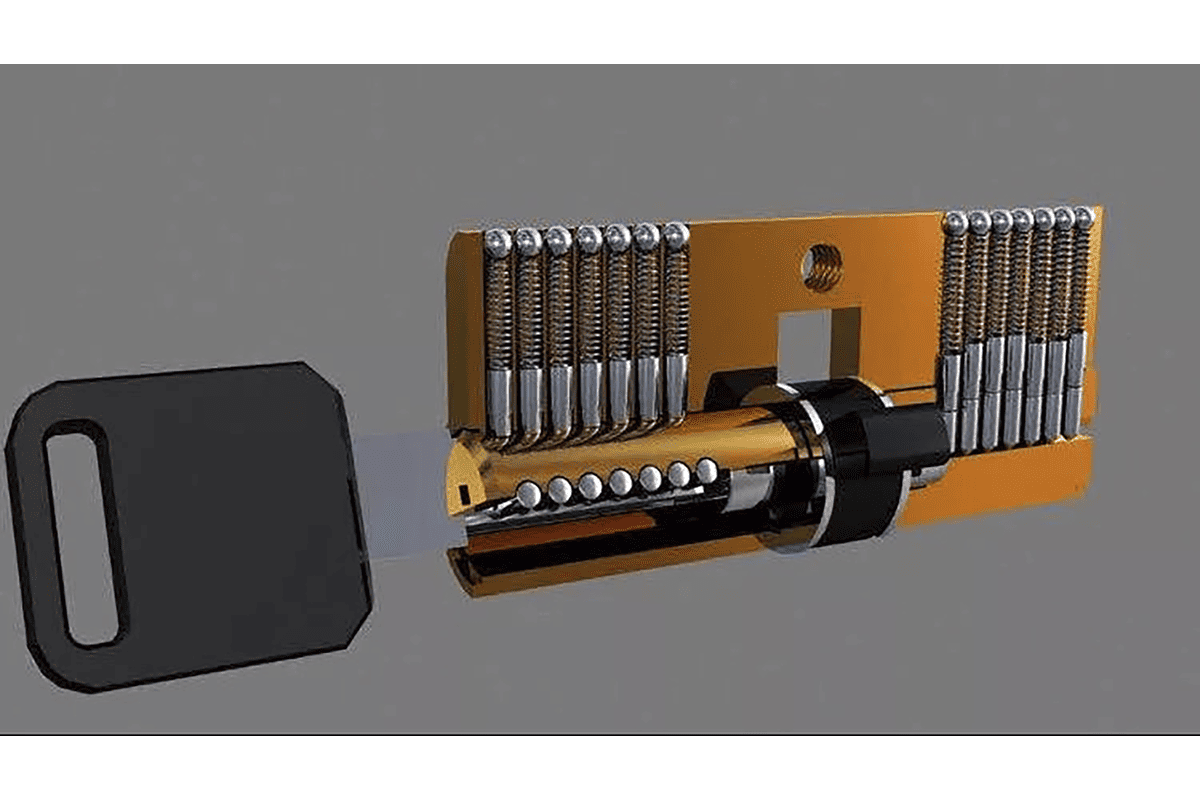
As someone who works with door factories and hardware wholesalers every day, I often hear questions about lock cylinders. Buyers want to know about the mutual opening rate. They just ask for a number. But I know it is much more than that. This idea of mutual opening is about trust and security. It is about making sure each lock does its job right. I want to share what I have learned with you.
What is the mutual opening rate of a cylinder?
Are you worried about keys that can open many locks? This problem is known as mutual opening. It is a big security risk. It means that one key might open a lock it is not supposed to open.
The mutual opening rate tells us the chance that one key can open another lock within the same group of cylinders.1 It can also mean that two different keys can open each other's locks. For us, a lower rate means better security.2 It shows that each key is more special. This makes the lock safer for everyone.
When we talk about mutual opening, I am looking at how unique each key is. If one key opens many locks, then the keys are not unique enough. This makes the security weak. The mutual opening rate helps us measure this risk. It is about how strong the key's specialness is. When I explain this to our customers, I always stress this point. We want keys that only work for their own lock. This gives our customers peace of mind. A low mutual opening rate means high key uniqueness. High key uniqueness means strong security. It is simple, but very important. This rate is not just a random number. It is a direct measure of how safe your doors will be. It also tells us about the quality of the cylinder’s design and its manufacturing process. For us, a good mutual opening rate means we did our job well. It means our products are reliable.
How do cylinder design and precision affect mutual opening?
Do you ever wonder how a simple key and cylinder work to keep things safe? The answer lies in their design. The way a cylinder is made directly controls how likely it is for keys to open the wrong lock.
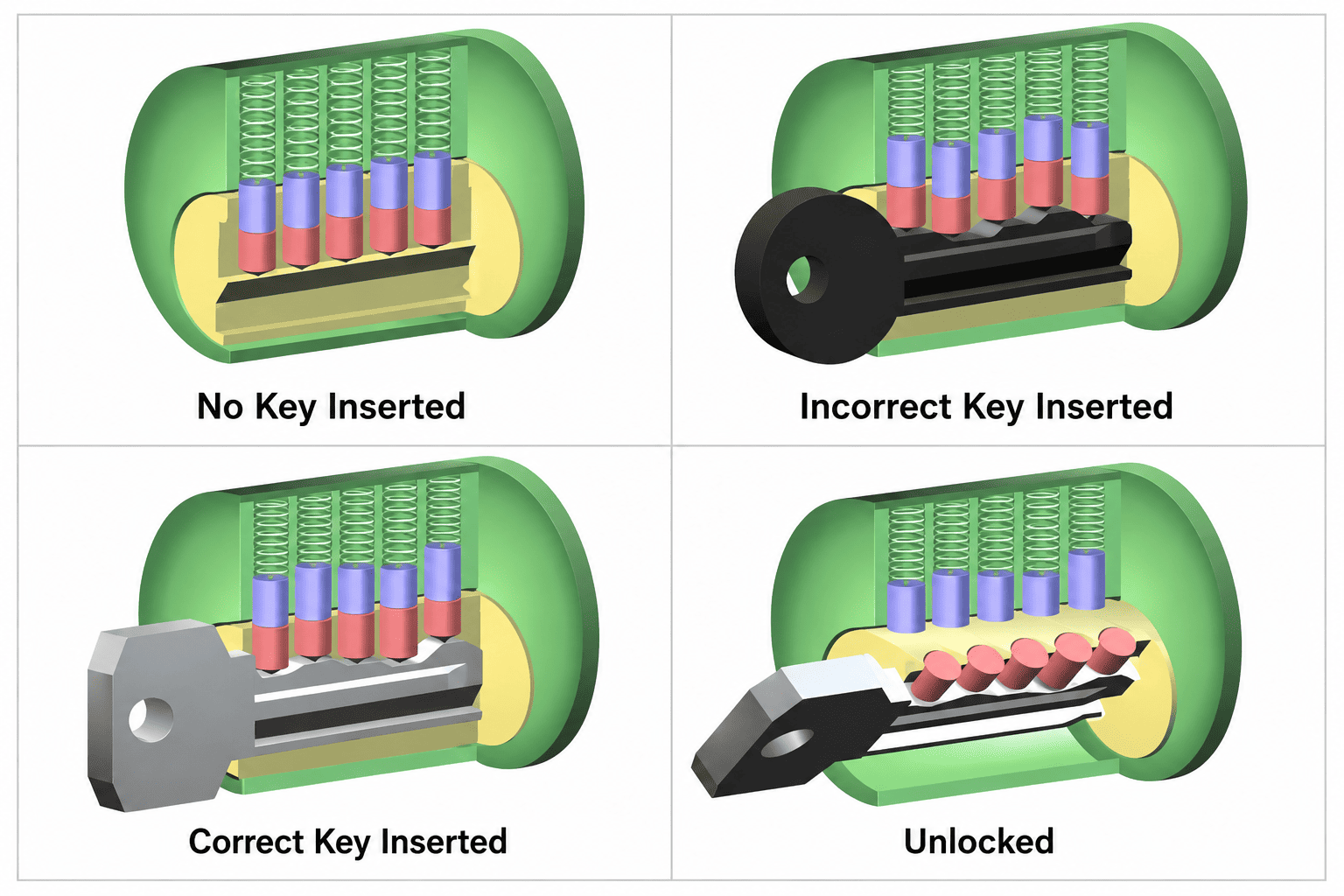
The technical core of a lock cylinder's security comes from its pin tumbler design.3 This design uses small pins inside the cylinder. These pins must line up perfectly with the cuts on a key.4 More pin positions and more depth levels for these pins mean more unique keys can be made.5 For example, a cylinder with 4 pin positions and 5 different depth levels for each pin can make 5 to the power of 4 different key combinations.6 This equals 625 combinations. If we use 6 pin positions with 5 depth levels, we get 5 to the power of 6, which is 15,625 combinations. This mathematical idea forms the basis of how we make unique keys.
When I am looking at a cylinder's design, I think about how many different key shapes we can make. This is called the key combination capacity. The more combinations we can make, the better. This reduces the chance of mutual opening. We use a lot of precision in manufacturing. This helps us make sure each pin and each key cut is exact. If the cuts are not exact, keys might work in more than one lock.7 This is where good manufacturing comes in. The theoretical number of combinations is often higher than what we can use in real life.8 This is because some key cuts are too weak or cause problems. We must remove these bad combinations. This means the actual number of useful keys is smaller. But it ensures better security. For example, here is how pin positions and depth levels can create combinations:
| Pin Positions | Depth Levels | Theoretical Combinations |
|---|---|---|
| 4 | 5 | 5^4 = 625 |
| 5 | 5 | 5^5 = 3,125 |
| 6 | 5 | 5^6 = 15,625 |
| 6 | 6 | 6^6 = 46,656 |
This table shows how quickly the number of possible key combinations grows. It shows that small changes in design can greatly improve security. This is why our R&D team spends so much time on cylinder design. Precision manufacturing then brings these designs to life. It makes sure every lock cylinder meets our high standards. We need each part to fit perfectly. This way, each key is truly unique. This is how we keep the mutual opening rate low.
Why is "low mutual opening rate" more than just a marketing claim?
Have you heard a supplier say they have a "low mutual opening rate"? Many people might think this is just a sales trick. But in our work, I know it is a real promise. It reflects true capability.
A low mutual opening rate is not just a marketing slogan. It is a direct result of strong design and careful production. When I talk about this with our factory, I stress that it comes from more pin positions. It also comes from more valid key combinations. Better machining precision plays a big role.9 Stricter key coding and batch duplicate control are also very important.10 All these steps help reduce the risk of one key opening many locks. It shows that a manufacturer truly understands security. It means they invest in good processes. This gives real value to the customer.
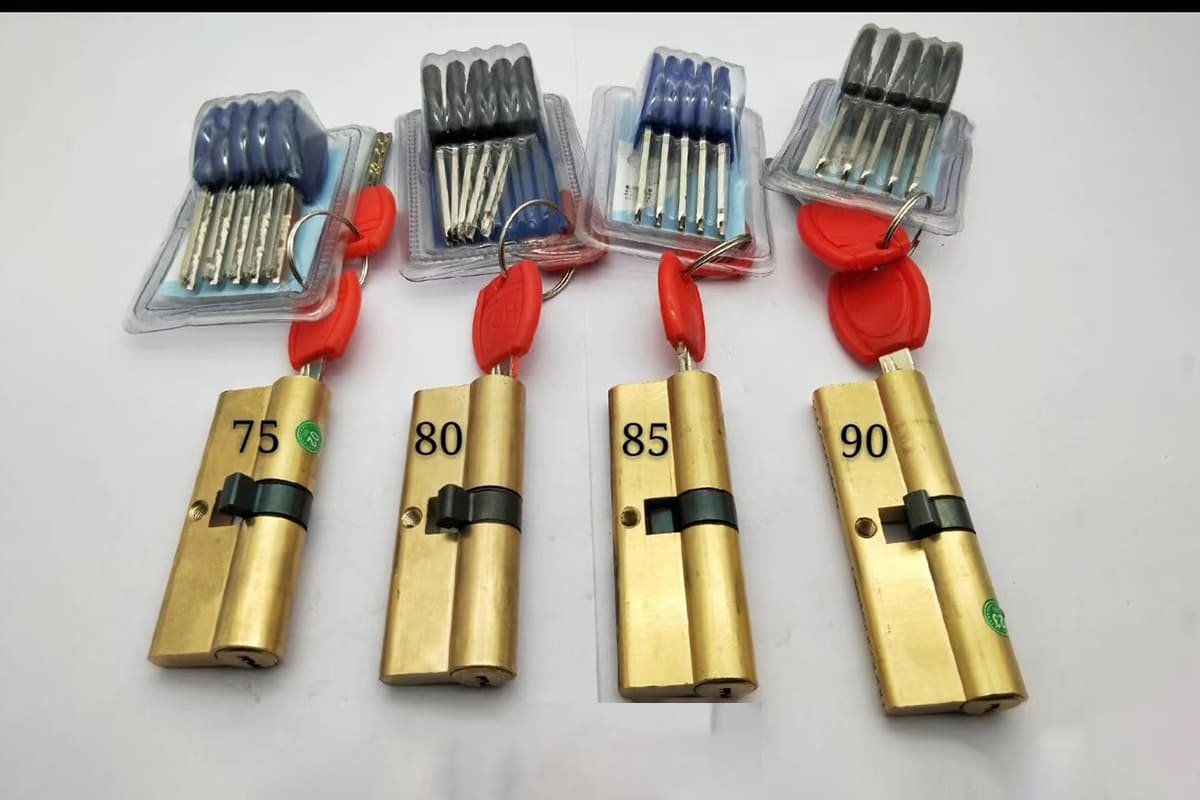
I see this every day in our factory. Getting a truly low mutual opening rate needs work. It starts with how we design the cylinder. We look at adding more pin positions. We also work on increasing the number of valid key bitting combinations. This makes each key more unique. Then, we move to production. This is where machining precision is vital. If our machines are not precise, the pins inside the cylinder will not be exact. This can make keys work in locks they should not. We also have very strict rules for key coding. Each key gets a specific code. We keep track of every key we make. This helps us control batch duplicates. It makes sure we do not accidentally make two keys that are too similar in the same batch. We also make sure our production lines follow strict quality checks. This ensures that every cylinder meets high standards. It is not enough to just say we have a low rate. We have to show it through our products. This takes time, skill, and continuous effort. It is an ongoing promise we make to our customers.
How do different applications affect mutual opening rate requirements?
Do you put the same lock on every door? I know you do not. Different doors need different levels of security. This also changes what we need from a cylinder's mutual opening rate.
Buyers must understand that not all applications need the same level of key security. An ordinary interior door needs less security than a main entrance door.11 An anti-theft door or a high-security area needs much more. This means the required mutual opening control will vary greatly. What works for one door might not work for another. It is important to match the cylinder's security to the door's purpose. This helps avoid unnecessary risks and costs.
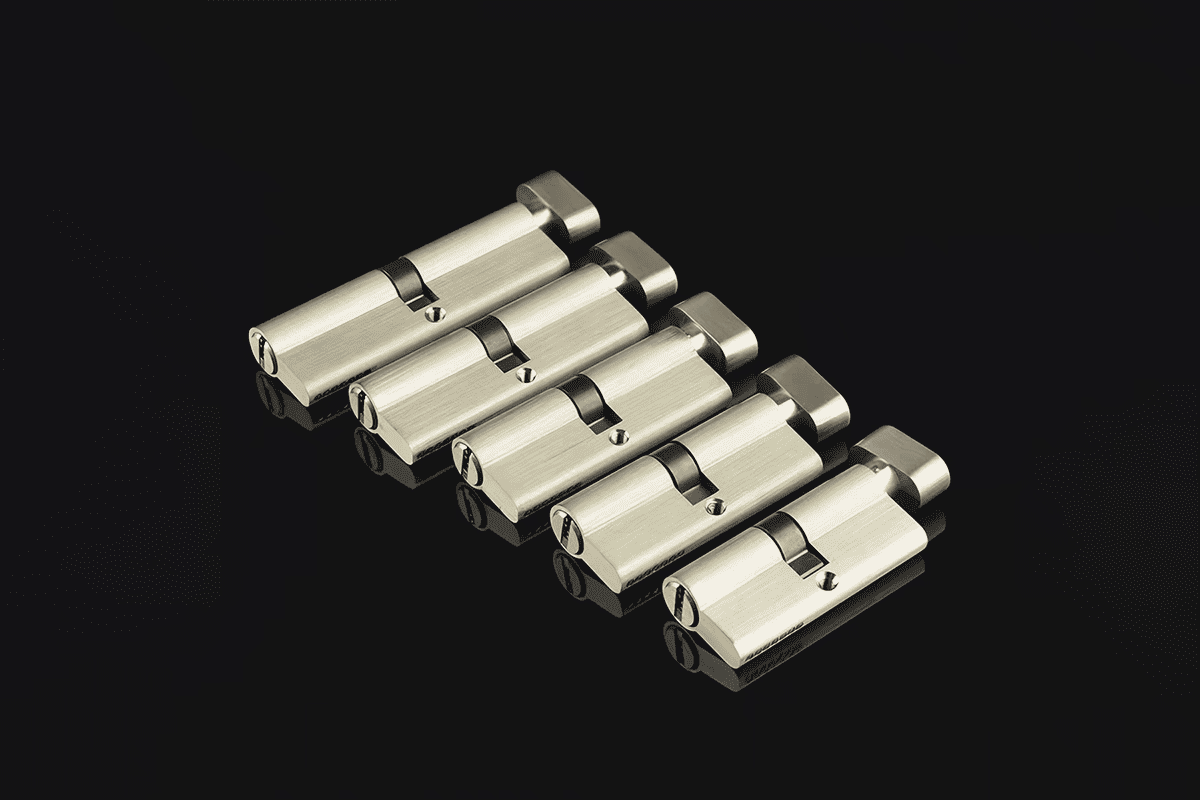
When a door factory buyer asks me for cylinders, my first question is always about the door's use. Is it for a simple office door? Or is it for an apartment building's main entrance? These different uses have different risks. For a simple interior door, a standard cylinder might be fine. The chance of mutual opening is low enough for that use. But for an entrance door, the risk is much higher. We would recommend a cylinder with more advanced features. For high-security doors, like those in banks or secure data centers, the requirements are very strict. Here, the mutual opening rate needs to be extremely low. We must look at how the cylinder fits with national standards. For example, standards like EN1303 classify cylinders by their key security12. They set specific limits for mutual opening rates at different grades. However, these specific grade details always need to be verified against the latest official standard text. I cannot stress enough that checking the official documents is always best. We do not just sell cylinders. We help our customers choose the right security level for their specific needs. This makes sure they get the best value and protection.
What are advanced security features for reducing mutual opening risks?
Are you looking for even higher security from your lock cylinders? Standard designs are good, but some situations demand more. There are special ways manufacturers can make cylinders even safer.
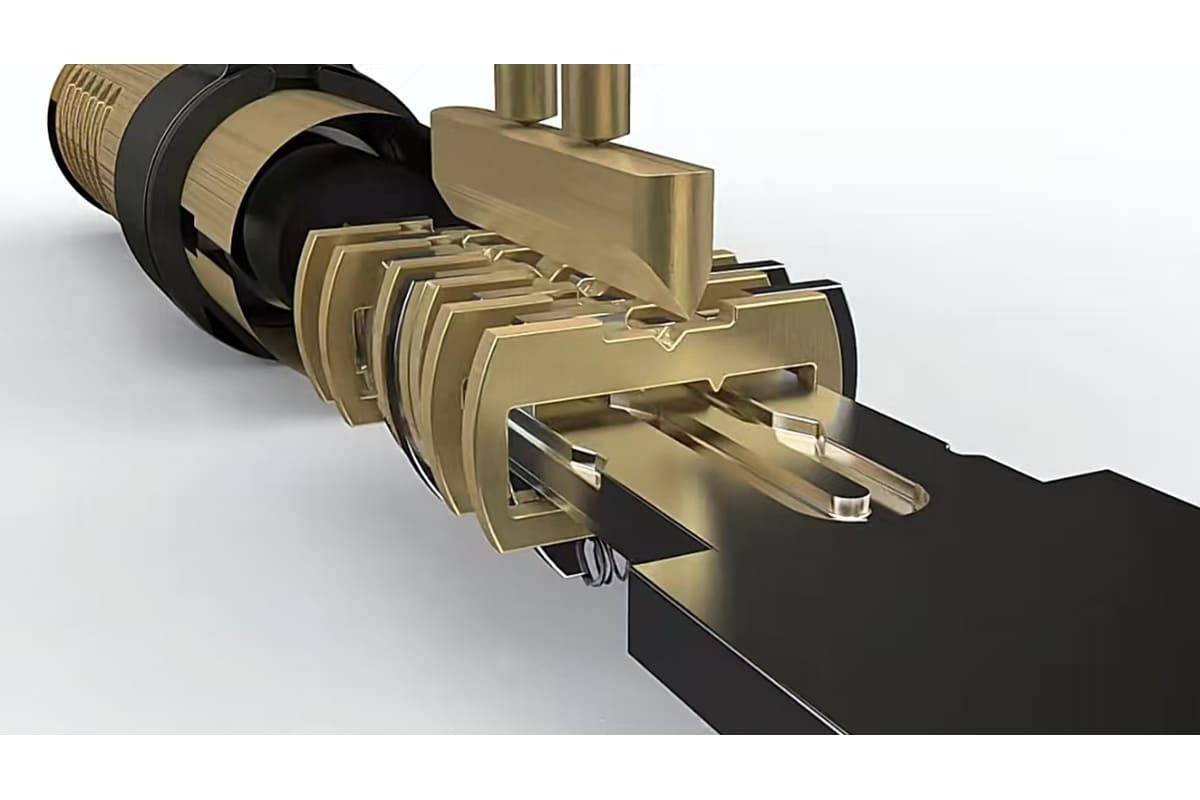
For higher-security cylinders, manufacturers can add more complex features to reduce mutual opening risks. These might include double-row pins, which double the number of pin positions. They might also use side tracks, which require a key to have special cuts on its side. Snake grooves on the key and cylinder add another layer of complexity. Other additional mechanisms can also make a key much harder to copy and a lock harder to pick. These are not for every door. They are good options for special security needs or for products that need a higher position in the market.
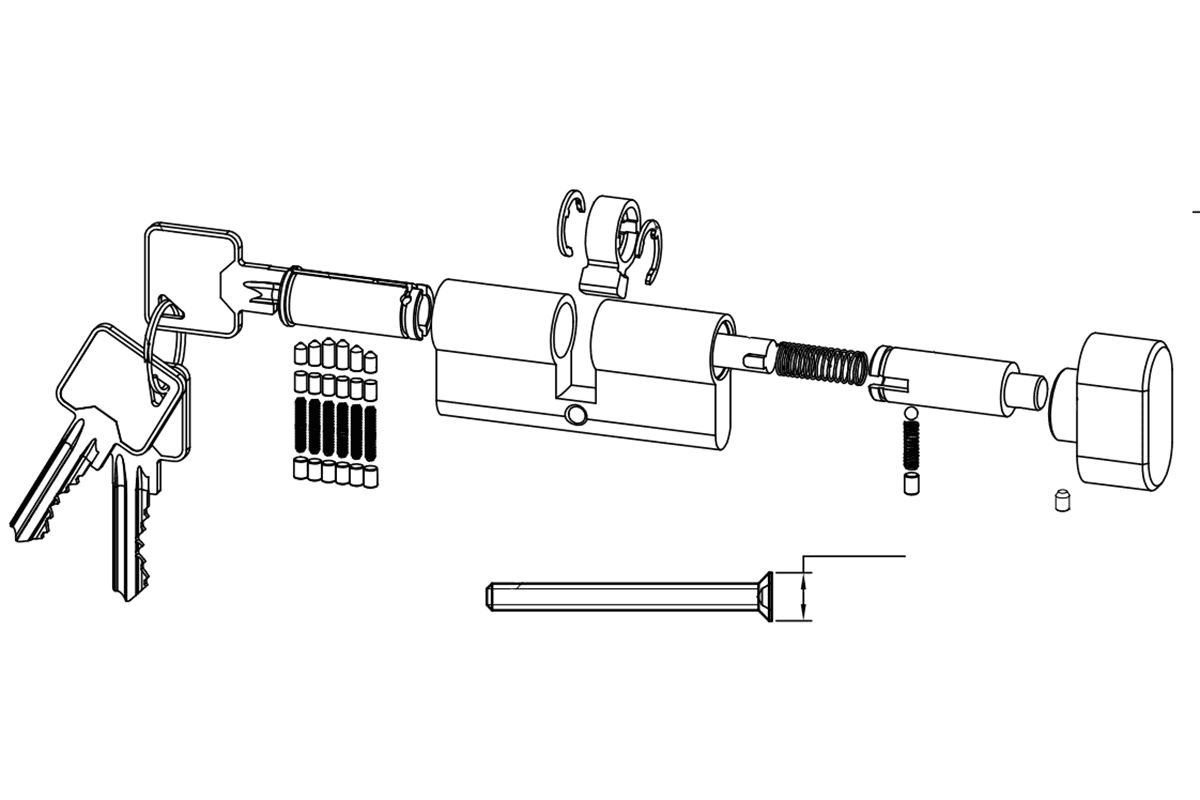
When a customer comes to me needing very high security, I know we need to look beyond the basic pin tumbler. We have several ways to make a cylinder much more secure. One way is to use double-row pins. Instead of just one line of pins, we put two. This greatly increases the number of unique key combinations. Another method involves side tracks. These are special grooves on the side of the key and inside the cylinder. The key must have a precise side cut to match these tracks. Without it, the key will not turn. Snake grooves are similar, adding a wavy cut along the key's edge. These features make it much harder for someone to pick the lock or to make a copy of the key. They also lower the mutual opening rate a lot. These advanced features mean the cylinder is more complex to design and to make. This usually means a higher cost. But for high-value assets or critical entry points, the added security is worth it. I explain to buyers that these are not universal requirements. They are options for when the security stakes are truly high. They give that extra layer of protection when it is needed most.
Conclusion
The mutual opening rate is a key security measure. It depends on design, precision, and key management. Choosing the right cylinder means matching security levels to your specific needs.
---"What's a lock-in or a rate lock on a mortgage?", https://www.consumerfinance.gov/ask-cfpb/whats-a-lock-in-or-a-rate-lock-en-143/. A technical source on cylinder key differs supports the definition of mutual opening as the possibility that a key operates another cylinder within a defined group. Evidence role: definition; source type: institution. Supports: A technical or standards source should define mutual opening or key differs as the risk that a key operates a cylinder other than its intended one.. Scope note: Terminology may vary by country or standard; some sources discuss the concept as key differs or key-related security rather than using the exact phrase “mutual opening rate.” ↩
"Lock and key - Wikipedia", https://en.wikipedia.org/wiki/Lock_and_key. Cylinder security standards and technical references treat a larger number of key differs, and therefore a lower likelihood of unintended key operation, as an element of higher key-related security. Evidence role: expert_consensus; source type: institution. Supports: A standards or technical source should show that more key differs and lower likelihood of unintended key operation are treated as higher key-related security.. Scope note: This supports key-related security specifically; total lock security also depends on resistance to picking, drilling, snapping, installation, and other attack modes. ↩
"Pin tumbler lock - Wikipedia", https://en.wikipedia.org/wiki/Pin_tumbler_lock. A technical description of pin-tumbler locks supports the claim that the alignment of pins by the correct key is a central operating principle of many cylinder locks. Evidence role: mechanism; source type: encyclopedia. Supports: A neutral reference should explain that pin tumbler locks use internal pins and key cuts to permit or prevent cylinder rotation.. Scope note: The source would support the mechanism for pin-tumbler cylinders, not all lock-cylinder technologies. ↩
"13 Things - Brown University", https://webhelper.brown.edu/joukowsky/courses/13things/7641.html. Educational explanations of pin-tumbler locks state that the correct key positions the pin stacks so their separations align with the shear line, permitting cylinder rotation. Evidence role: mechanism; source type: education. Supports: A technical educational source should explain that the correct key raises pin stacks so the gaps align at the shear line, allowing the plug to rotate.. Scope note: The article’s phrase “perfectly” is informal; real locks operate within manufacturing tolerances. ↩
"Pin Tumbler Lock: How It Works, Diagram & Examples | FIRGELLI", https://www.firgelliauto.com/blogs/mechanisms/pin-tumbler-lock?srsltid=AfmBOorlRtqSYAUwsVeq4eeTkbL0uqk6wRVGiAICBTYeskexTTl9zL18. Technical sources on key bitting explain that the number of theoretical key combinations is determined by the number of cut positions and available depth increments. Evidence role: mechanism; source type: research. Supports: A technical source should support that key-bitting combinations increase as the number of independent positions and available depths increases.. Scope note: The source would support theoretical combination capacity; usable combinations may be reduced by mechanical constraints and manufacturer coding rules. ↩
"13 Things - Brown University", https://webhelper.brown.edu/joukowsky/courses/13things/7641.html. The combinatorial product rule supports calculating theoretical key differs by multiplying the number of available depth choices across independent cut positions. Evidence role: general_support; source type: education. Supports: A mathematics or locksmithing source should support using the product rule to calculate theoretical combinations from independent positions and depth choices.. Scope note: This verifies the theoretical calculation only; it does not establish that all calculated combinations are mechanically valid or used in production. ↩
"Why Locks Are Pickable – BosnianBill's LockLab", https://locklab.com/why-locks-are-pickable/. Research and technical discussions of lock tolerances indicate that inaccurate key cuts or loose cylinder tolerances can increase the range of keys capable of operating a lock. Evidence role: mechanism; source type: research. Supports: A technical source should support that loose tolerances or inaccurate bitting can broaden acceptable key profiles and increase unintended operation risk.. Scope note: The source would support the general mechanism; it may not quantify the probability for the specific cylinders described in the article. ↩
"What Is MACS and Why Are There Limits On How You Can Cut Your ...",
. Technical literature on key-bitting systems notes that theoretical key differs are reduced in practice by mechanical restrictions and coding rules, including limits on adjacent cut differences. Evidence role: mechanism; source type: research. Supports: A technical source should explain that mechanical constraints such as adjacent cut limits, weak cuts, and coding rules reduce usable key differs below the theoretical maximum.. Scope note: The exact reduction depends on the lock design and manufacturer’s key-coding system. ↩"Precision Machining for High-Security Lock Cylinders - EOSYS", https://eoslockingsystem.com/why-eosys/precision-machining/. Technical sources on mechanical-lock tolerances support the view that tighter machining of pins, plugs, and key cuts helps maintain intended key-code separation. Evidence role: mechanism; source type: research. Supports: A source should connect tighter manufacturing tolerances in lock components to more consistent key operation and lower risk of unintended interchange.. Scope note: Precision is one contributing factor; design, coding rules, materials, wear, and quality control also affect mutual opening risk. ↩
"Key duplication - Wikipedia", https://en.wikipedia.org/wiki/Key_duplication. Institutional key-control guidance supports the claim that coding, records, and duplicate-control procedures are used to manage key issuance and reduce uncontrolled duplication. Evidence role: general_support; source type: institution. Supports: A source should support that formal key coding, records, and duplicate controls are used to manage key uniqueness and reduce unauthorized or accidental duplication.. Scope note: Institutional key-control sources usually address operational management of keys and may not directly measure factory mutual opening rates. ↩
"[PDF] C-11 - Doors Hardware & Access Security - Facilities Services", https://facilities.unc.edu/wp-content/uploads/sites/256/2021/08/c-11-doors-hardware-and-access-security.pdf. Building-security guidance generally distinguishes lock requirements by door function and risk exposure, with exterior or main-entry doors requiring stronger access control than ordinary interior doors. Evidence role: expert_consensus; source type: government. Supports: A building-security or access-control source should support that lock requirements vary by door function, exposure, and risk level.. Scope note: Specific requirements vary by jurisdiction, building type, fire code, and risk assessment. ↩
"BS EN 1303 – Cylinders - HOPPE International", https://www.hoppe.com/in-en/contacts-service/standards/bs-en-1303/. EN 1303 and standards-body summaries describe classification requirements for lock cylinders, including categories related to key security and key differs. Evidence role: definition; source type: institution. Supports: A standards-body source should confirm that EN 1303 specifies classification and performance requirements for lock cylinders, including key-related security.. Scope note: Public summaries may not reproduce the full grade tables or detailed test requirements contained in the official standard. ↩