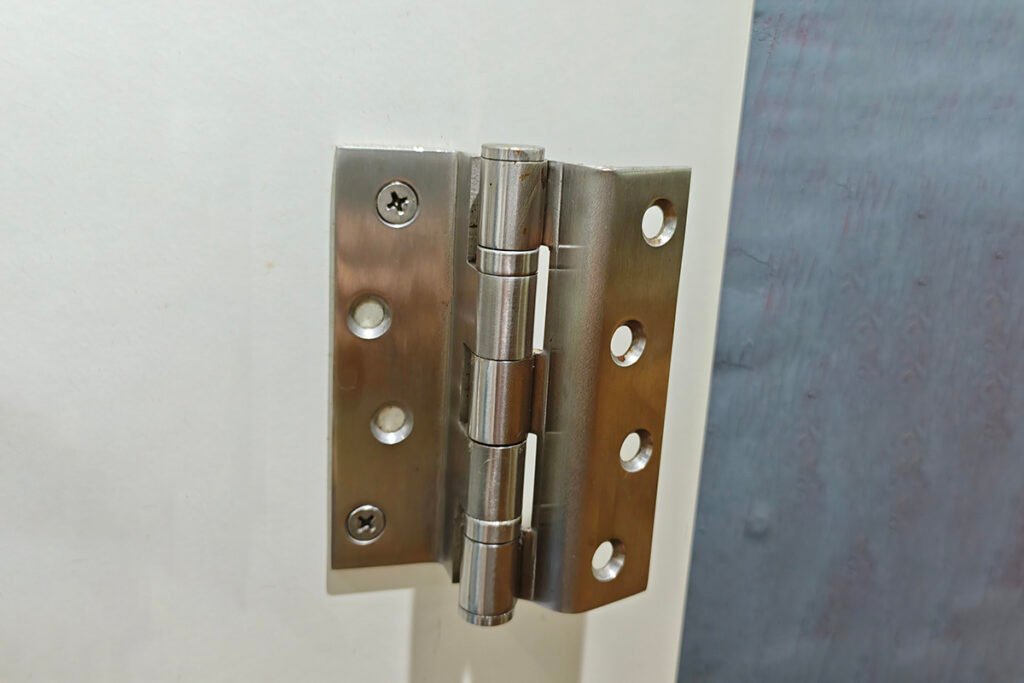
What Are the Types of Offset Hinges?
The types of offset hinges can confuse buyers because “offset hinge” is often used for several different mounting structures. That confusion can lead to wrong door preparation, poor clearance, or unstable installation. The solution is to classify offset hinges by installation method, not only by product name.
The main types of offset hinges are half mortise offset hinges, full mortise offset hinges, half surface offset hinges, and full surface offset hinges. Each type shifts the pivot point away from the normal door and frame line, but each one installs differently. The right choice depends on door thickness, frame structure, clearance needs, load capacity, finish, and whether the job is new installation or retrofit.
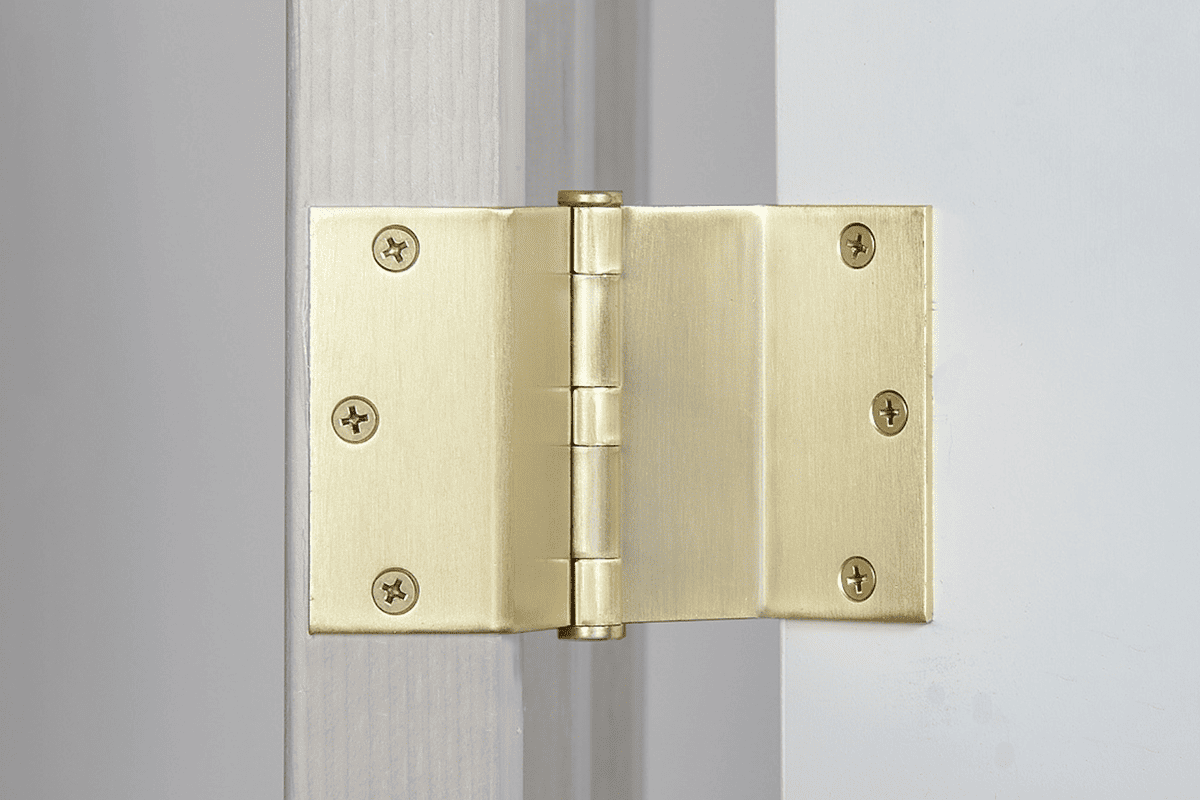
I usually explain offset hinges as a clearance solution first and a hinge shape second. Once buyers understand how the pivot position changes the door swing, it becomes much easier to choose the right structure for a door factory, project order, or wholesale product line.
What Are the Main Types of Offset Hinges?
The main problem with offset hinge selection is that many catalogs show similar-looking products under different names. This creates risk during purchasing. If the buyer only checks the hinge appearance and ignores the mounting method, the door and frame may not match the hinge.
The four practical types of offset hinges are full mortise, half mortise, half surface, and full surface offset hinges. These names describe how the hinge leaves are fixed to the door and frame.1 Mortise designs sit into recessed cuts, while surface designs mount on top of the door or frame surface.2
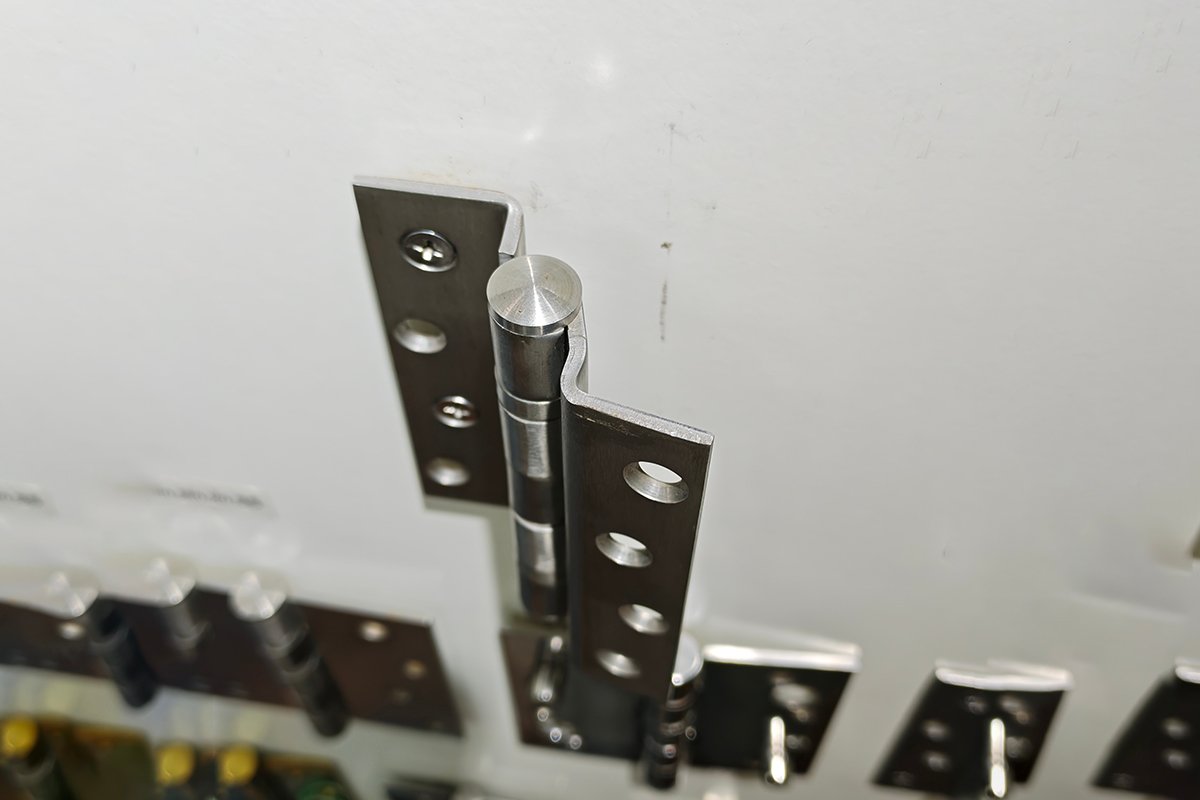
Offset hinges are also called eccentric hinges, offset-type hinges, swing-clear hinges, or unequal-leaf hinges in some markets. The names vary, but the core idea stays the same: the hinge barrel or pivot line is moved away from the normal door edge and frame line3.
That shifted pivot point can help the door swing farther out of the opening. In many cases, it increases the usable clear opening width after the door is open.4 This is why offset hinges are often discussed in connection with wheelchair access, hospital doors, care facilities, public buildings, and renovation work.5
However, I do not treat every offset hinge as an automatic accessibility solution. It can help improve clearance, but project teams still need to verify local code, door opening dimensions, and hardware compatibility.6
Why Installation Method Matters More Than the Name
In factory and procurement work, the hinge name alone is not enough. I always check these points first:
- Where is each hinge leaf installed?
- Is the door prepared with a mortise cut?
- Is the frame prepared with a mortise cut?
- Does the hinge sit flush or surface-mounted?
- How far does the pivot point offset from the door edge?
- Can the door thickness support the selected hinge?
- Can the hinge carry the door weight safely?
Here is a simple comparison:
| Offset Hinge Type | Door Leaf Installation | Frame Leaf Installation | Best Use Case |
|---|---|---|---|
| Full Mortise Offset Hinge | Mortised | Mortised | New doors and precise factory preparation |
| Half Mortise Offset Hinge | Mortised into door | Surface-mounted on frame | Certain hollow metal or special frame conditions |
| Half Surface Offset Hinge | Surface-mounted on door | Mortised into frame | Retrofit or doors that cannot be deeply cut |
| Full Surface Offset Hinge | Surface-mounted | Surface-mounted | Fast retrofit and minimal door/frame cutting |
What Offset Hinges Actually Solve
A standard hinge places the pivot close to the door edge. When the door opens, part of the door leaf may still occupy the doorway. An offset hinge moves the pivot outward, so the door can swing more fully away from the opening.
Common reasons to use offset hinges include:
- Increasing usable doorway width
- Improving wheelchair or equipment passage
- Solving swing-clearance problems
- Working around casing, trim, or frame limitations
- Correcting some alignment challenges
- Supporting renovation where the original opening is narrow
From a manufacturing perspective, this is not just a styling choice. The hinge geometry affects the door movement, screw positions, leaf shape, and load path.7 That is why I recommend buyers confirm drawings before placing bulk orders.
How Do Half Mortise Offset Hinges Work?
Half mortise offset hinges are often misunderstood because they combine two different mounting ideas. One side is recessed, and the other side remains visible on the surface. If the buyer does not notice this detail, the installer may receive a hinge that does not match the prepared frame.
Half mortise offset hinges usually have one leaf mortised into the door edge while the other leaf is surface-mounted on the frame. They are useful when the door can be recessed for a cleaner fit, but the frame condition does not allow or require a matching mortise pocket.
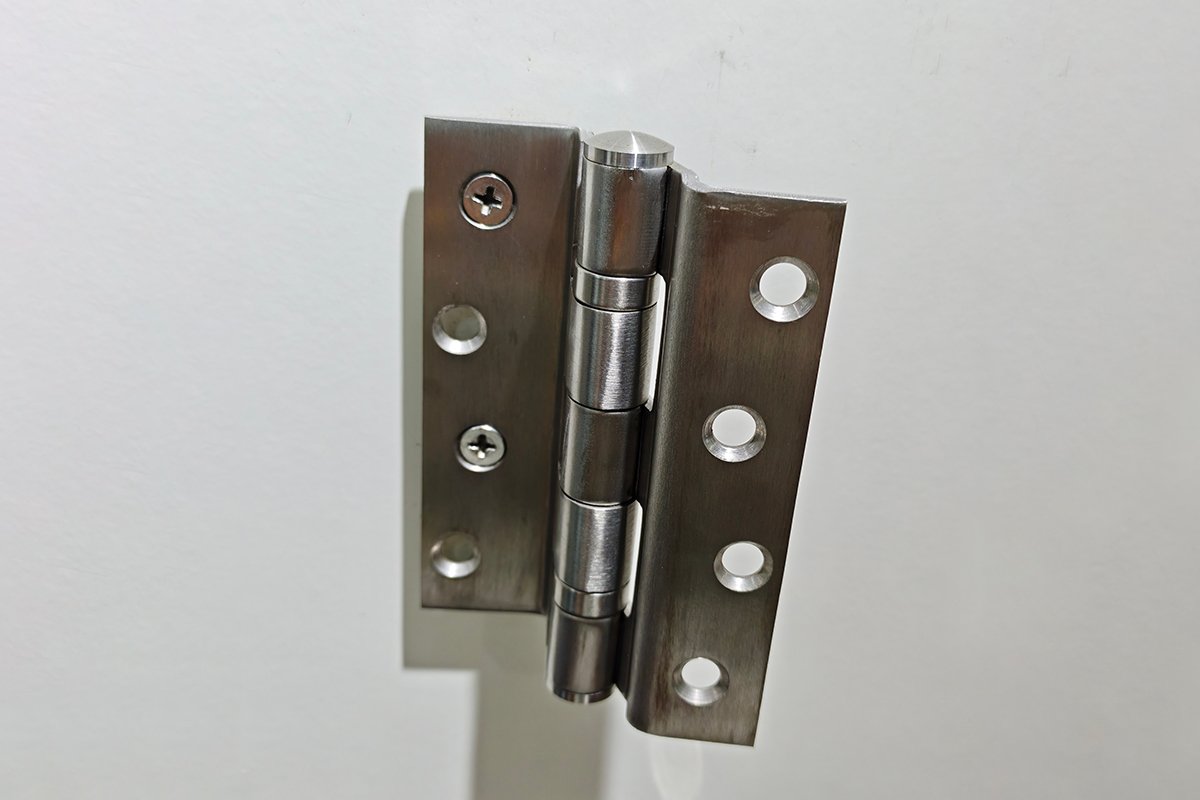
Half mortise offset hinges make sense when the door construction supports a recessed hinge leaf, but the frame is better suited for surface fixing. I have seen buyers choose this structure when they need a more integrated door-side appearance but still want simpler frame installation.
Typical Structure
A half mortise offset hinge normally includes:
- One mortised leaf that sits into the door edge
- One surface leaf fixed on the frame face or jamb
- An offset barrel or pivot position
- Countersunk screw holes
- A leaf shape designed to create clearance
The exact geometry can change by market, because different regions use different frame designs. This is why I prefer to confirm a drawing instead of relying only on a catalog photo.
Advantages of Half Mortise Offset Hinges
Half mortise offset hinges offer a useful middle position between clean installation and practical mounting.
Key advantages include:
- Cleaner door-side appearance than full surface hinges
- Less frame preparation than full mortise hinges
- Better door leaf support when the mortise is accurate
- Useful clearance improvement for selected narrow openings
- Good option for mixed door/frame conditions
They can be a practical choice for door factories that already prepare hinge recesses on the door but want flexibility on the frame side.
Limitations Buyers Should Check
Half mortise offset hinges are not universal. The door preparation must match the hinge leaf thickness, width, screw layout, and offset distance. If the mortise pocket is too shallow, the hinge may sit proud. If it is too deep, the door alignment can change.8
Important checks include:
| Specification Item | Why It Matters |
|---|---|
| Door thickness | Confirms the door can accept the mortise and screw depth |
| Frame face width | Confirms the surface leaf has enough fixing area |
| Offset distance | Determines actual clearance gain |
| Leaf thickness | Affects strength and flush installation |
| Screw size | Affects pull-out resistance and installation stability |
| Finish | Keeps the hinge consistent with other door hardware |
For bulk purchasing, I suggest buyers request technical drawings, material grade, finish samples, and load guidance before confirming an order. If the project involves fire-rated doors or certified openings, the buyer should verify whether the selected hinge, door, and frame assembly meet the required local standard.9
When Should I Choose Full Mortise Offset Hinges?
Full mortise offset hinges can look simple from the outside, but they require accurate door and frame preparation. The problem appears when buyers order them for a job where the door or frame has not been recessed. That mistake can increase labor cost or delay installation.
Full mortise offset hinges are best for new doors or factory-prepared doors where both hinge leaves can be recessed into the door and frame. They provide a clean, integrated appearance and stable alignment when the mortise pockets are accurately cut to the hinge dimensions.
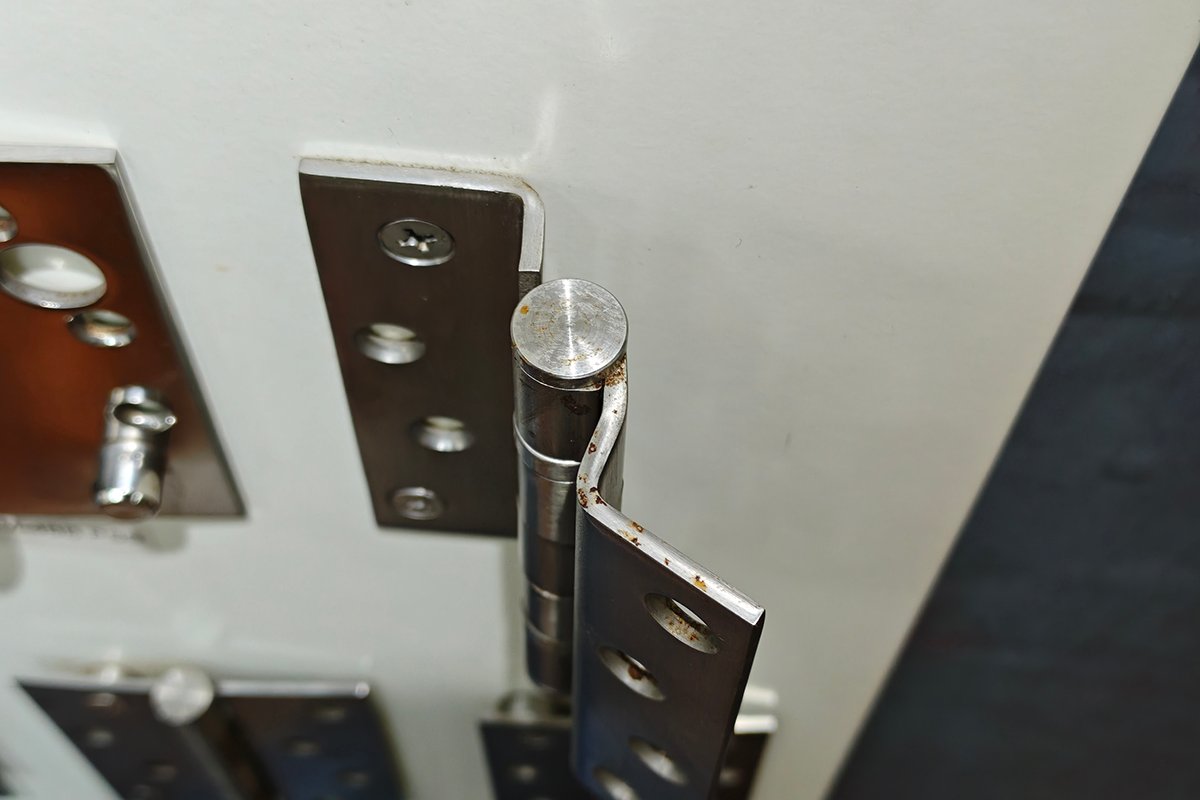
Full mortise offset hinges are usually the most integrated option. Both leaves sit into cut-out recesses, so the hinge installation looks neater and more controlled. I often see this type used when the door factory can prepare the door edge and frame with consistent machining.
Where Full Mortise Offset Hinges Fit Best
This type is most suitable for:
- New construction projects
- Factory-prepared wooden doors
- Metal doors with planned hinge reinforcement
- Projects requiring a cleaner edge appearance
- Door manufacturers with repeatable CNC or jig preparation
- Standardized product lines with stable specifications
Because both sides require mortising, the project team must control dimensions carefully. A small error in mortise depth or hinge position can affect the door gap, swing, and closing performance.
Why Buyers Like Full Mortise Structures
A full mortise offset hinge can offer better visual integration because the leaves sit flush with the mounting surfaces. This matters for architectural doors where appearance, alignment, and hardware consistency are important.
Common benefits include:
Flush fitting
The hinge leaf does not stand proud when the mortise is correct.Stable positioning
The recessed pocket helps locate the hinge during installation.Better finished appearance
The door edge and frame look more refined.Good for repeat production
Door factories can standardize preparation across batches.Clear specification control
Drawings can define every dimension before mass production.
What Can Go Wrong
Full mortise offset hinges are less forgiving than surface-mounted options. If the door or frame does not match the hinge dimensions, installation becomes difficult.
Buyers should check:
| Risk | Practical Result |
|---|---|
| Wrong mortise depth | Hinge may bind or door gap may change |
| Wrong leaf size | Hinge may not sit inside the prepared recess |
| Weak reinforcement | Screws may loosen under repeated use |
| Incorrect offset | Clearance gain may not meet the project need |
| Finish mismatch | Hinges may look inconsistent with handles and locks |
Procurement Notes
For bulk orders, I recommend buyers confirm the following before production:
- Door thickness, such as 35 mm, 40 mm, 44 mm, or project-specific thickness
- Frame material, such as wood, steel, or aluminum
- Hinge size, including height, open width, and leaf thickness
- Offset dimension, measured from the normal pivot line
- Material, such as stainless steel, steel, or brass
- Finish, such as satin stainless steel, polished chrome, black, brass, or custom coating
- Load capacity requirement
- Certification requirements, if the project requires CE, fire-rated, or other local compliance documents
Full mortise offset hinges can be a strong choice, but they work best when the door and frame are designed around them from the start.
Where Do Half Surface Offset Hinges Fit Best?
Half surface offset hinges are helpful when the door or frame condition does not support a fully recessed hinge. The risk is that buyers may confuse them with half mortise hinges because both combine one recessed side and one surface-mounted side.
Half surface offset hinges usually have one leaf surface-mounted on the door while the other leaf is mortised into the frame. They are useful when the frame can accept a recessed leaf, but the door should not be cut deeply or needs easier surface installation.
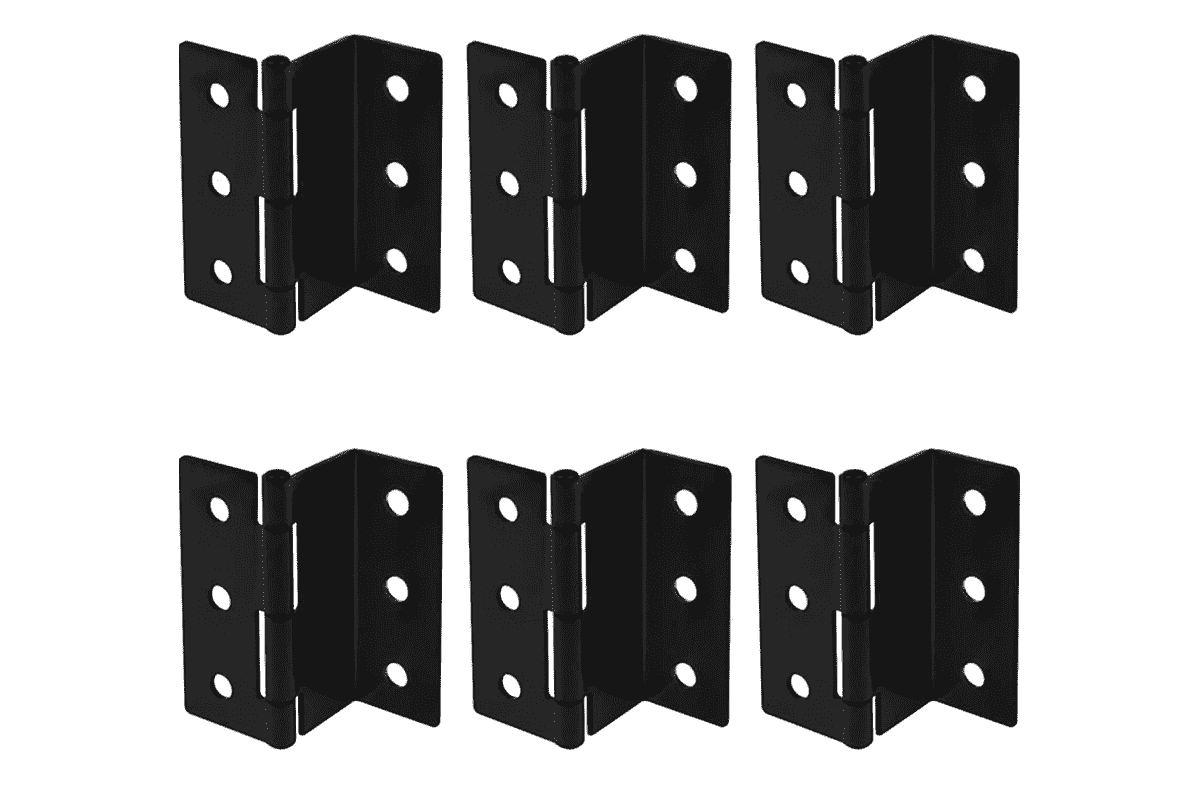
Half surface offset hinges can be practical in renovation, retrofit, and special door conditions. In my experience, they are often selected when the frame preparation is fixed or acceptable, but the door leaf cannot be easily mortised.
How Half Surface Differs From Half Mortise
The difference is simple but important:
| Type | Door Side | Frame Side |
|---|---|---|
| Half Mortise Offset Hinge | Mortised | Surface-mounted |
| Half Surface Offset Hinge | Surface-mounted | Mortised |
This difference changes both appearance and installation workflow. A half surface hinge places the visible surface leaf on the door side. That can be useful when the door material is difficult to recess or when installers want to avoid weakening the door edge.
Common Applications
Half surface offset hinges may fit:
- Retrofit doors
- Existing frames with prepared hinge pockets
- Doors where cutting the edge is not preferred
- Hollow-core or special-core doors requiring caution
- Maintenance projects where time is limited
- Openings that need more clearance without replacing the whole frame
This type can improve clearance while reducing door preparation work. However, the exposed door-side leaf affects appearance. Buyers should confirm whether that look is acceptable for the end market.
Key Buying Considerations
A half surface offset hinge must still match the door and frame. Surface mounting does not mean “no specification needed.” The surface leaf needs enough screw holding strength. The mortised frame side still needs accurate depth and position.
Buyers should confirm:
Door surface strength
The door face or edge area must hold screws securely.Frame mortise size
The recessed leaf must fit properly into the frame pocket.Door swing direction
Left-hand and right-hand applications may affect hinge selection.Clearance target
The offset dimension must match the desired opening improvement.Aesthetic expectation
The surface-mounted door leaf remains more visible.Door closer and lock compatibility
Offset movement may affect how the door works with other hardware.
Practical Example
A buyer may have an existing narrow doorway where the frame already has a recessed hinge area. Replacing the frame is expensive. A half surface offset hinge may allow the installer to keep the frame preparation while mounting the door-side leaf on the surface. This can save time, but only if the offset dimension and screw positions match the real opening.
I always remind buyers to send photos, frame drawings, or samples when the order is for retrofit work. Retrofit conditions vary more than new production, so assumptions can become costly.
Are Full Surface Offset Hinges the Right Type for Retrofit Projects?
Full surface offset hinges often attract buyers because they look easier to install. That can be true, but easy mounting does not remove the need for load checks. If the hinge is undersized or the screw base is weak, the door can sag or loosen over time.
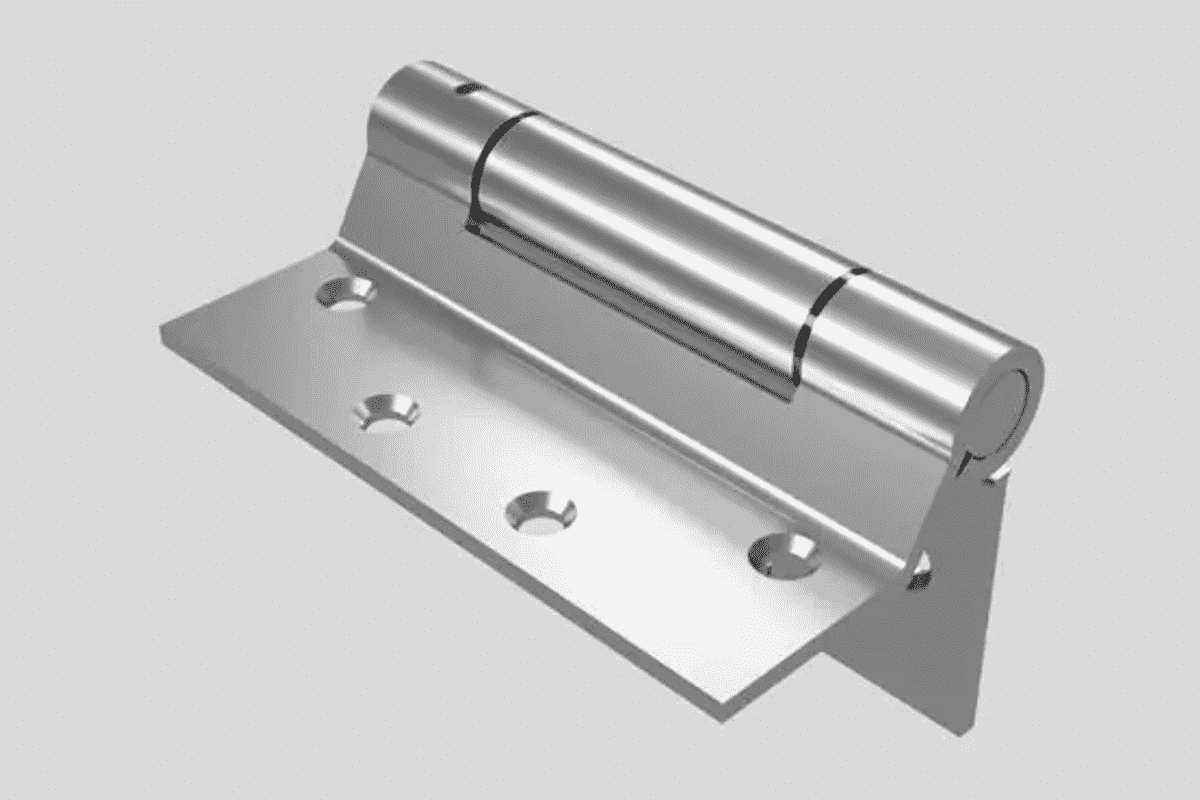
Full surface offset hinges have both leaves mounted on the surface of the door and frame. They are often suitable for retrofit projects because they require little or no mortise cutting. They can improve door clearance quickly, but buyers must verify door strength, frame fixing area, load capacity, and appearance.
Why Full Surface Hinges Are Popular in Retrofit
Typical benefits include:
- Minimal mortise preparation
- Faster installation
- Useful for existing doors
- Clear visible fixing points
- Less dependence on original hinge pocket size
- Potential clearance improvement without replacing the door frame
Where Buyers Need Caution
Important checks include:
| Checkpoint | Buyer Question |
|---|---|
| Door weight | Can the hinge set carry the actual door weight? |
| Door material | Is it solid wood, hollow core, steel, or aluminum? |
| Screw holding | Does the surface provide enough fixing strength? |
| Frame width | Is there enough space for the hinge leaf? |
| Offset amount | Does it create enough usable clearance? |
| Finish durability | Can the surface resist scratches and corrosion? |
Load Capacity Matters
For heavier doors, I recommend checking:
- Leaf thickness
- Pin diameter
- Knuckle structure
- Material grade
- Number of hinges per door
- Screw type and screw length
- Reinforcement plate requirements
- Manufacturer load guidance
Finish and Market Expectations
Common finishes include:
- Satin stainless steel
- Polished stainless steel
- Satin nickel
- Polished chrome
- Matte black
- Antique brass
- PVD finishes
- Custom powder coating
How Should Buyers Compare the Types of Offset Hinges?
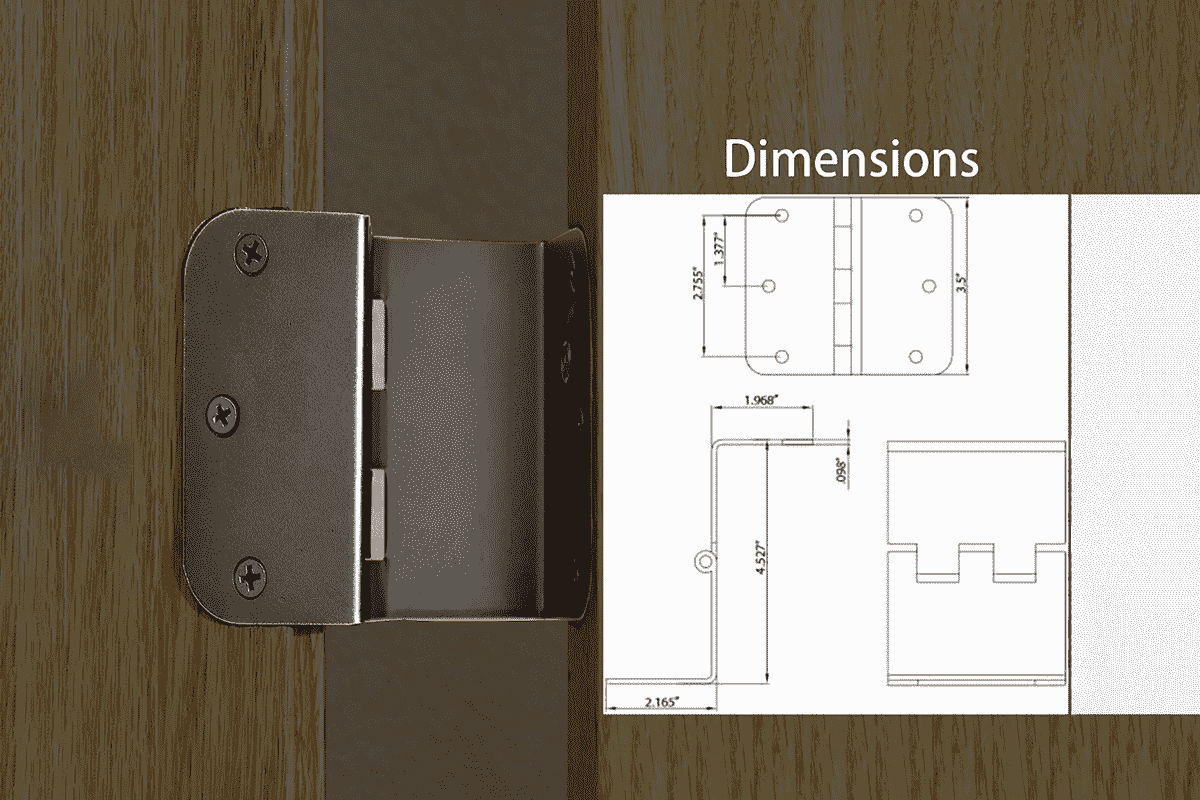
Buyers should compare the types of offset hinges by mounting method, offset dimension, door and frame compatibility, load capacity, material, finish, certification needs, and project type. Mortise hinges suit controlled new production, while surface hinges are often easier for retrofit or special site conditions.
Step 1: Define the Clearance Target
Buyers should not simply say, “I need offset hinges.” They should define the actual goal.
Useful questions include:
- How wide is the existing clear opening?
- How much additional clearance is required?
- Is the door blocking part of the opening when open?
- Is the project related to wheelchair passage or equipment movement?
- Is there casing, wall trim, or frame obstruction?
- Does the door need to open 90 degrees, 110 degrees, or more?
The offset hinge should be selected based on measured clearance, not only catalog category.
Step 2: Check Door and Frame Preparation
The installation method must match the physical opening.
| Project Condition | More Suitable Option |
|---|---|
| New door and new frame with accurate machining | Full mortise offset hinge |
| Door can be mortised but frame cannot | Half mortise offset hinge |
| Frame can be mortised but door should not be cut | Half surface offset hinge |
| Existing door and frame need minimal cutting | Full surface offset hinge |
Step 3: Confirm Door Weight and Traffic Level
A hinge that works on a light internal door may not work on a heavy entrance door. Buyers should check the total door weight and expected usage.
I usually separate doors into simple categories:
Light-use interior doors
These may use standard material thickness and common screw sizes.Medium-use commercial doors
These need better material, stronger pins, and stable finish quality.Heavy-use public doors
These may need stronger hinge construction, more hinges per leaf, and strict project verification.
The number of hinges also matters. A tall or heavy door may require three or four hinges instead of two.10 The hinge spacing should also support stable door movement.
Step 4: Select Material and Finish
Common material considerations include:
- Stainless steel for corrosion resistance and clean appearance11
- Steel for cost-effective strength when properly finished
- Brass for premium decorative applications
- Zinc alloy for some lighter-duty or decorative parts
Step 5: Verify Standards and Documents
If a project requires CE marking, fire-rated performance, or other compliance documents, buyers should verify the exact requirement before ordering.12 I avoid saying that one hinge automatically meets all project standards because compliance depends on the full door assembly, the test scope, and local regulations.
A professional inquiry should include:
- Product drawing
- Material grade
- Finish requirement
- Door thickness
- Frame structure
- Door weight
- Opening direction
- Required quantity
- Packaging requirement
- Certification or test document request
- Target market or project location
This information helps the manufacturer quote accurately and avoid wrong assumptions.
When ordering types of offset hinges in bulk, buyers should specify hinge type, size, offset dimension, leaf thickness, material, finish, screw hole pattern, door thickness, frame structure, load requirement, opening direction, quantity, packaging, and any required certification documents. A confirmed technical drawing should be approved before production.
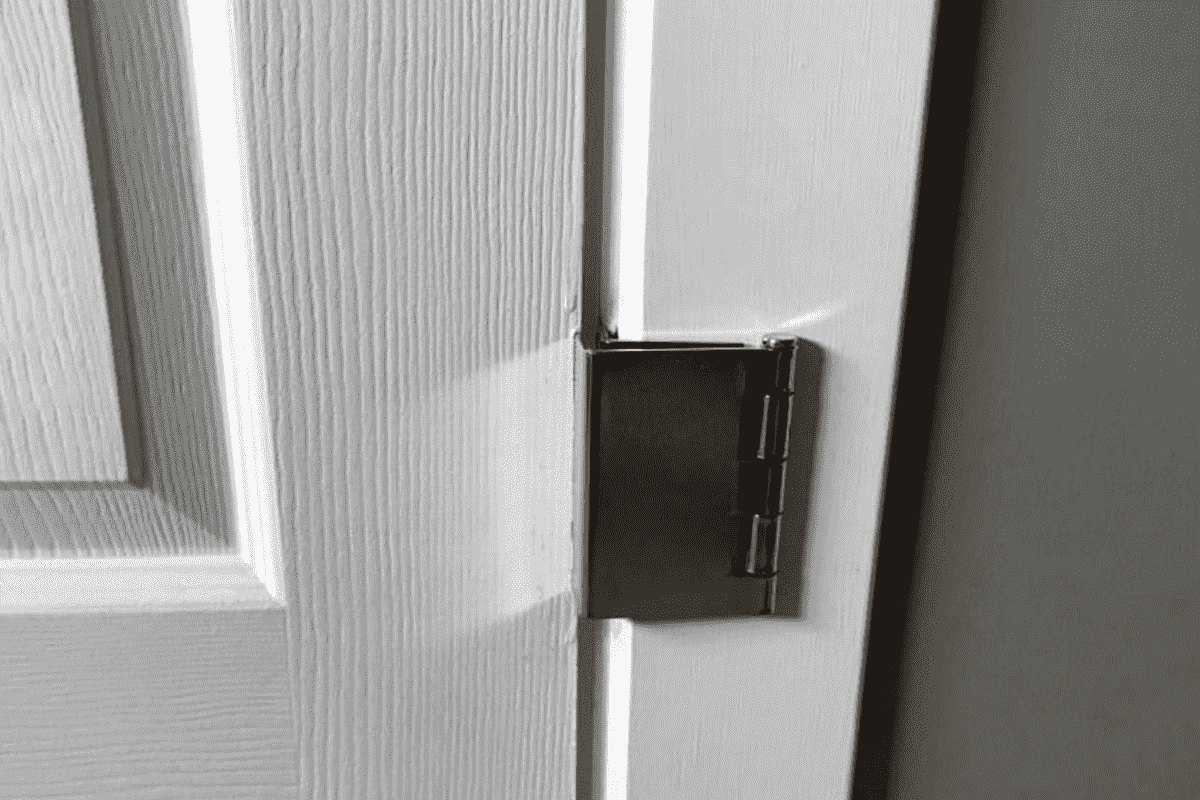
For door factories, hardware brands, and wholesalers, repeatability is everything. I have learned that a clear specification sheet prevents most purchasing mistakes before they reach the production line.
Recommended Specification Checklist
A complete offset hinge inquiry should include:
- Hinge category: full mortise, half mortise, half surface, or full surface
- Hinge size: height, open width, and closed projection
- Offset dimension: distance the pivot shifts from the normal hinge line
- Leaf thickness: for strength and installation fit
- Pin diameter: related to strength and durability
- Material: stainless steel, steel, brass, or other material
- Surface finish: satin, polished, black, brass, PVD, or custom
- Screw hole pattern: hole quantity, position, and diameter
- Screws: size, length, head type, and material
- Door thickness: exact range or standard thickness
- Frame type: wood, hollow metal, aluminum, or special frame
- Door weight: actual or target maximum
- Opening direction: left, right, inward, outward, or reversible
- Quantity: total order and batch schedule
- Packaging: bulk packing, box packing, barcode, label, or brand packaging
- Compliance needs: CE, fire-rated documents, or local market requirements
A useful drawing should show:
| Drawing Detail | Purpose |
|---|---|
| Overall height | Confirms hinge size |
| Leaf width | Confirms door/frame fit |
| Leaf thickness | Confirms mortise depth or surface projection |
| Knuckle diameter | Affects clearance and strength |
| Offset distance | Confirms functional clearance |
| Screw hole positions | Confirms installation pattern |
| Opening angle | Confirms swing expectation |
| Handing | Prevents wrong door direction |
I recommend confirming:
- Sample before mass production
- Finish sample approval
- Salt spray or corrosion requirement, if needed
- Packaging drop protection
- Inspection standard
- Acceptable tolerance
- Delivery schedule
- Spare parts or screw accessories
A slightly cheaper offset hinge may become expensive if:
- The screw holes do not match the door preparation
- The finish varies between batches
- The hinge is too weak for the door weight
- The offset does not create enough clearance
- The packaging allows scratches during transport
- The supplier cannot keep stable delivery
Conclusion
The types of offset hinges include half mortise, full mortise, half surface, and full surface designs. Each type solves clearance problems in a different way because each one mounts differently to the door and frame. For the best result, buyers should check door thickness, frame structure, offset distance, load capacity, material, finish, and certification needs before ordering. If you need stable bulk supply or customized architectural door hardware, I recommend sharing your drawings and project requirements with SDH Hardware for a practical hinge solution.
"Resources - Guide to Builders Hardware Terminology - Hinges", https://buildershardware.com/Resources/Guide-to-Builders-Hardware-Terminology/Hinges. Architectural-hardware references classify hinge installations by the mounting of each leaf, including full mortise, half mortise, half surface, and full surface configurations. Evidence role: definition; source type: institution. Supports: A neutral architectural hardware reference should define hinge installation categories by whether leaves are mortised or surface-mounted on the door and frame.. Scope note: Such references may classify hinges generally rather than offset hinges specifically, so the citation would support the installation taxonomy rather than every offset-hinge product variant. ↩
"Mortise vs Non-Mortise Hinge: Differences & Cost Comparison", https://doorsforpros.com/blog/post/mortise-vs-non-mortise-hinge?srsltid=AfmBOoq2HgEAj2RaFSpi0Nugp8dp5q8P6NqFyYEysht4UhavRjYCeP13. Construction references describe a mortise as a recess cut to receive hardware and distinguish it from surface-mounted hardware fixed to the exposed face of a door or frame. Evidence role: definition; source type: education. Supports: A construction or educational source should define mortise installation as a recessed cut and surface mounting as attachment to the face of a door or frame.. ↩
"Understanding Offset and Center-Hung Pivots", https://www.nortonrixson.com/en/resources/knowledge-center/commercial-door-controls-blog/blog-post.aehdynamic-understanding-offset-and-center-hung-pivots-646f63247a67390001cb30a3_norton. Architectural-hardware descriptions of offset or swing-clear hinges identify the relocated pivot axis as the feature that distinguishes them from conventional butt hinges. Evidence role: definition; source type: institution. Supports: A hardware reference should explain that offset or swing-clear hinges relocate the pivot axis relative to the ordinary door-edge hinge line.. Scope note: Terminology varies across regions and product catalogs, so the citation would support the functional definition rather than a universal product name. ↩
"Chapter 4: Entrances, Doors, and Gates", https://www.access-board.gov/ada/guides/chapter-4-entrances-doors-and-gates/. Accessibility guidance treats clear opening width as the usable passage remaining when the door is open and recognizes hinge and door-swing geometry as factors that can reduce or improve that passage. Evidence role: mechanism; source type: government. Supports: An accessibility or building-code source should show that hinge position and door swing can affect measured clear opening width, and that swing-clear hinges are used to move the door out of the opening.. Scope note: Government accessibility rules establish measurement principles and clearance requirements; they may not quantify the exact gain for every offset hinge design. ↩
"Chapter 4: Entrances, Doors, and Gates", https://www.access-board.gov/ada/guides/chapter-4-entrances-doors-and-gates/. Accessibility standards specify minimum clear widths for accessible doorways, providing context for why hardware that changes usable clear opening is considered in wheelchair-accessible and public-building applications. Evidence role: general_support; source type: government. Supports: An accessibility standard should support that clear doorway width is important for wheelchair passage in public and altered buildings.. Scope note: The source would support the accessibility relevance of clear openings, not prove that offset hinges are required in all hospitals, care facilities, or renovations. ↩
"Chapter 4: Entrances, Doors, and Gates", https://www.access-board.gov/ada/guides/chapter-4-entrances-doors-and-gates/. Accessibility guidance evaluates door compliance by measured clear opening, maneuvering clearance, and operable hardware conditions, indicating that a hinge substitution alone does not establish code compliance. Evidence role: expert_consensus; source type: government. Supports: Accessibility or building-code guidance should show that clear opening dimensions and door hardware conditions must be evaluated against applicable requirements.. Scope note: Specific legal requirements vary by jurisdiction and adopted code edition. ↩
"(PDF) Finite Element Method Simulations to Improve Press ...", https://www.academia.edu/8303116/Finite_Element_Method_Simulations_to_Improve_Press_Formability_of_Door_Hinge. Mechanical analyses of hinged structures show that pivot geometry and hinge placement determine rotational motion and influence the forces transmitted through leaves, pins, and fasteners. Evidence role: mechanism; source type: paper. Supports: A mechanical engineering paper should support that hinge placement and geometry affect rotational motion and the distribution of loads through hinge components and fasteners.. Scope note: General hinge-mechanics studies may not test commercial offset door hinges directly, so the support may be mechanistic rather than product-specific. ↩
"When marking a door hinge mortise, how far from the edge ...", https://diy.stackexchange.com/questions/253924/when-marking-a-door-hinge-mortise-how-far-from-the-edge-does-the-hinge-go-new. Carpentry references describe hinge mortising as a flush-fitting operation in which recess depth affects both hinge projection and the final position of the door relative to the jamb. Evidence role: mechanism; source type: education. Supports: A carpentry or construction education source should explain that hinge recess depth affects whether a hinge leaf sits flush and how the door hangs in the frame.. ↩
"NFPA 80: Annual Fire Door Inspection & Compliance Requirements", https://usmadesupply.com/resources/building-codes-standards/emergency-life-safety/nfpa-80. Fire-door standards treat the door, frame, and builders hardware as components of a rated opening, requiring hardware to be compatible with the listing or approval for the assembly. Evidence role: expert_consensus; source type: institution. Supports: A fire-door standard or certification body should confirm that fire-door performance depends on the listed assembly, including approved hardware such as hinges.. Scope note: The controlling requirement depends on the jurisdiction, rating, and specific listing of the door assembly. ↩
"A156.1 - 2025 Butts and Hinges", https://buildershardware.com/ANSI-BHMA-Standards/Hardware-Highlights/A1561-2021-Butts-and-Hinges. Architectural-hardware guidance commonly bases hinge quantity and specification on door height, weight, thickness, and expected service conditions. Evidence role: general_support; source type: institution. Supports: An architectural hardware standard or guide should support that hinge quantity is selected according to door height, weight, and use conditions.. Scope note: Exact hinge counts vary by hinge type, door construction, manufacturer rating, and applicable standard. ↩
"Chromium-Makes stainless steel stainless | U.S. Geological Survey", https://www.usgs.gov/publications/chromium-makes-stainless-steel-stainless. Materials references attribute stainless steel's corrosion resistance to chromium content that forms a protective passive oxide layer on the metal surface. Evidence role: mechanism; source type: government. Supports: A materials source should explain that stainless steel resists corrosion because chromium forms a passive oxide film on the surface.. Scope note: Corrosion resistance varies by stainless steel grade, surface finish, environment, and maintenance. ↩
"CE marking", https://en.wikipedia.org/wiki/CE_marking. European Commission guidance explains that CE marking and accompanying declarations apply only where relevant EU legislation or harmonised standards require them, so procurement specifications must identify the applicable compliance basis. Evidence role: general_support; source type: government. Supports: Official CE marking guidance should support that CE documentation depends on applicable EU legislation, harmonised standards, and the product's intended use.. Scope note: CE requirements are specific to the market, product category, and declared intended use, and they do not replace separate fire-rating or local building-code approvals. ↩