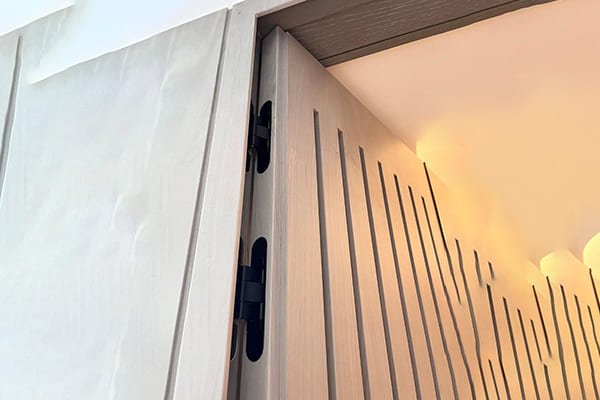
How to Adjust Self Closing Door Hinges?
Adjust self closing door hinges the wrong way, and a small door complaint can become a repeated after-sales problem. A door may slam, rebound, close too slowly, or fail to latch. I treat adjustment as diagnosis first, then correction, so buyers and installers can control closing force, speed, and alignment with less risk.
To adjust self closing door hinges, first identify the hinge model and adjustment functions, then check door weight, frame alignment, lock resistance, and installation accuracy. Use the correct tool, follow the manufacturer’s manual, adjust spring force, hydraulic damping, or 3D position in small steps, and test the door after every change.
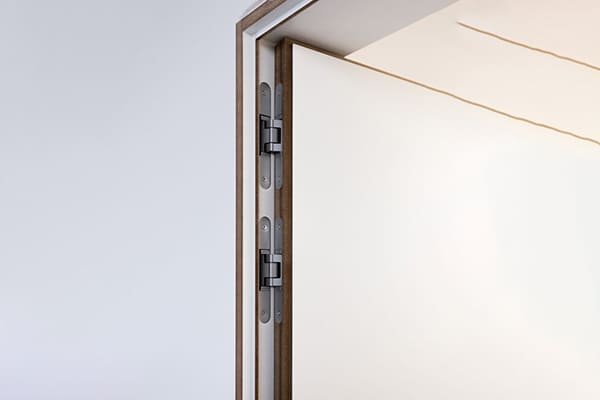
Many people think the answer is simply “tighten the hinge.” In real projects, I rarely find it that simple. A self-closing hinge may involve spring tension, hydraulic damping, 3D position adjustment, or only one of these functions. The best result starts with knowing what you are adjusting.
What Should You Check Before You Adjust Self Closing Door Hinges?
Self-closing door problems often look like adjustment issues, but the real cause may sit elsewhere. The door may be too heavy, the frame may be out of square, or the lock latch may create too much resistance. If I skip these checks, I may adjust the hinge repeatedly without solving the root problem.
The first step before you adjust self closing door hinges is to confirm the hinge type, door weight, door width, installation direction, frame condition, gap consistency, lock operation, and product manual. Adjustment should only begin after the door and hardware system are confirmed as suitable for the hinge specification.
Start With the Hinge Structure
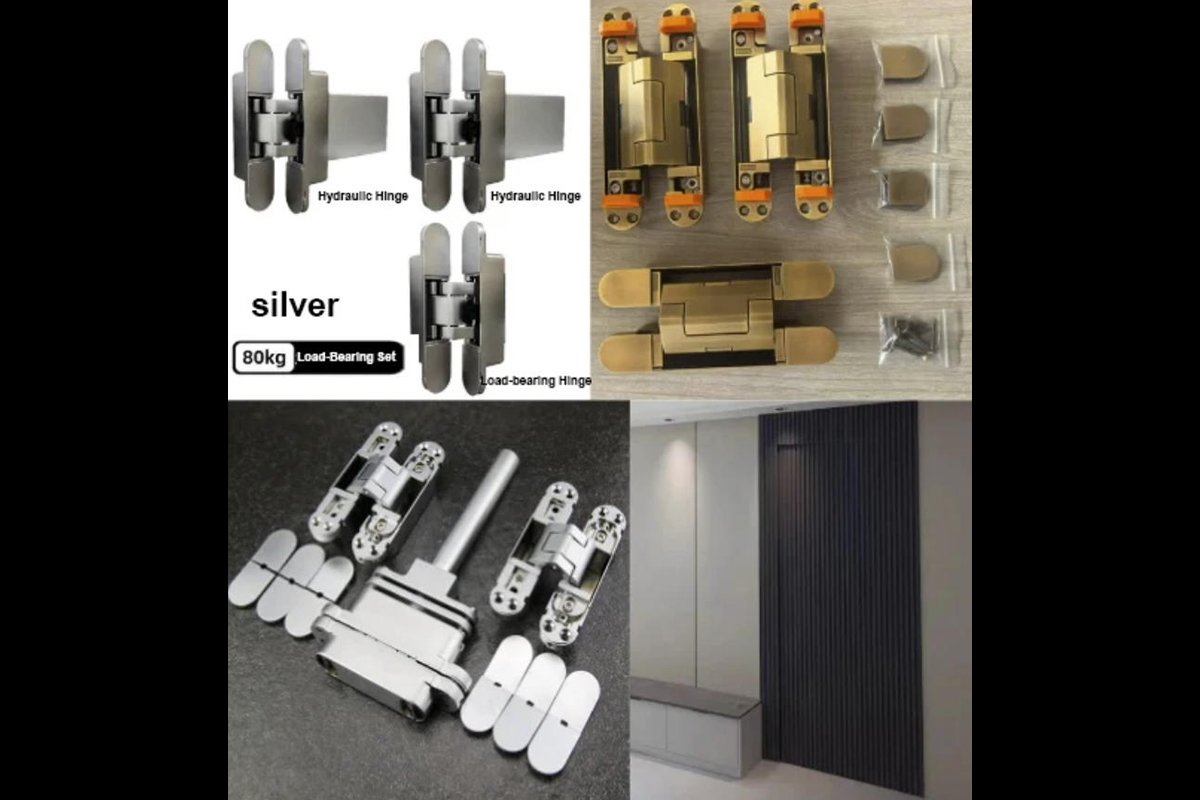
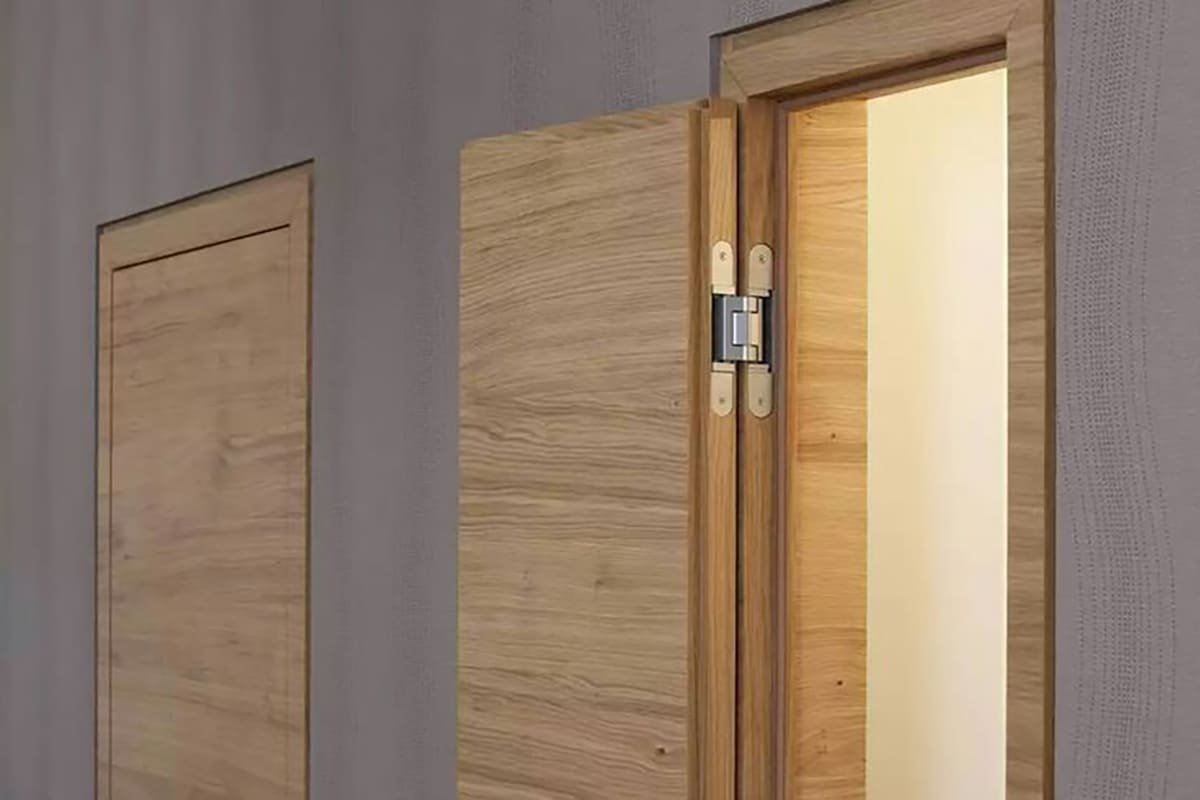
Not all self-closing hinges adjust the same way. Some hinges use a spring mechanism to create closing force. Some use hydraulic damping to control closing speed. Some concealed self-closing hinges also include 3D adjustment for door position.1 Many models do not include all three.
Before I recommend any adjustment, I usually ask:
- What is the hinge model?
- Is it a surface-mounted self-closing hinge or a concealed hinge?
- Does it have spring tension adjustment?
- Does it include hydraulic speed control?
- Does it offer 3D adjustment for height, depth, or side movement?
- What tool did the supplier provide?
- Does the installation manual show model-specific adjustment points?
This matters because one hinge may use a spring pin system, another may use an internal cartridge, and another may use hydraulic valve control. The rotation direction, adjustment range, and tool position are model-dependent.2 They should always be verified against the manufacturer’s instructions.
Check Door Weight and Width
A hinge can only perform well within its design range.3 If a door is too heavy or too wide for the selected hinge, adjustment may create a temporary improvement, but the problem often returns.
For procurement teams, I like to check these items before order confirmation:
| Check Item | Why It Matters | Procurement Risk If Ignored |
|---|---|---|
| Door weight | Determines closing force requirement | Door closes slowly or fails to latch |
| Door width4 | Affects leverage on the hinge | Hinge stress, sagging, uneven gaps |
| Door thickness | Affects installation fit | Poor alignment or weak fixing |
| Usage frequency | Impacts durability needs | Faster wear in public areas |
| Door material | Wood, steel, aluminum, or composite doors behave differently | Incorrect screw holding or hinge matching |
| Lock type | Latch resistance affects final closing | Door stops before full closing |
In my experience with customer feedback, a common complaint is: “The hinge does not close the door.” After checking details, the cause may be a mismatch between hinge capacity and door size. The hinge may be functioning, but it was not selected for the actual application.
Inspect the Frame, Gap, and Lock
A self-closing hinge does not work alone. It is part of a door system. The frame, lock, seals, and installation accuracy all affect closing performance.5
Before adjusting, I suggest checking:
- Door gaps around the top, side, and bottom.
- Frame squareness and whether the frame has deformation.
- Door rubbing against the frame or floor.
- Latch alignment with the strike plate.
- Seal pressure, especially on acoustic or fire-rated doors.
- Screw tightness and hinge seating.
- Installation direction, because some hinges are handed or orientation-sensitive.
A door that closes too slowly may not need more spring force. It may be rubbing against the frame. A door that rebounds may not need less damping. It may hit the latch plate incorrectly. This is why adjustment should be a controlled diagnosis, not a guessing process.
For fire-rated or certified door assemblies, buyers should also verify whether field adjustment is allowed under the relevant product documentation and project requirements.6
How Do You Adjust Self Closing Door Hinges for Closing Force?
Closing force creates the energy that pulls the door toward the closed position. If the force is too weak, the door may stop before latching. If the force is too strong, the door may slam, create noise, increase wear, or create user safety concerns. The balance is important.
To adjust self closing door hinges for closing force, identify the spring tension mechanism, use the supplied Allen key or adjustment tool, make small model-approved changes, test the door after each adjustment, and stop if there is excessive resistance, abnormal noise, rebound, or visible damage.
Understand Spring Tension First
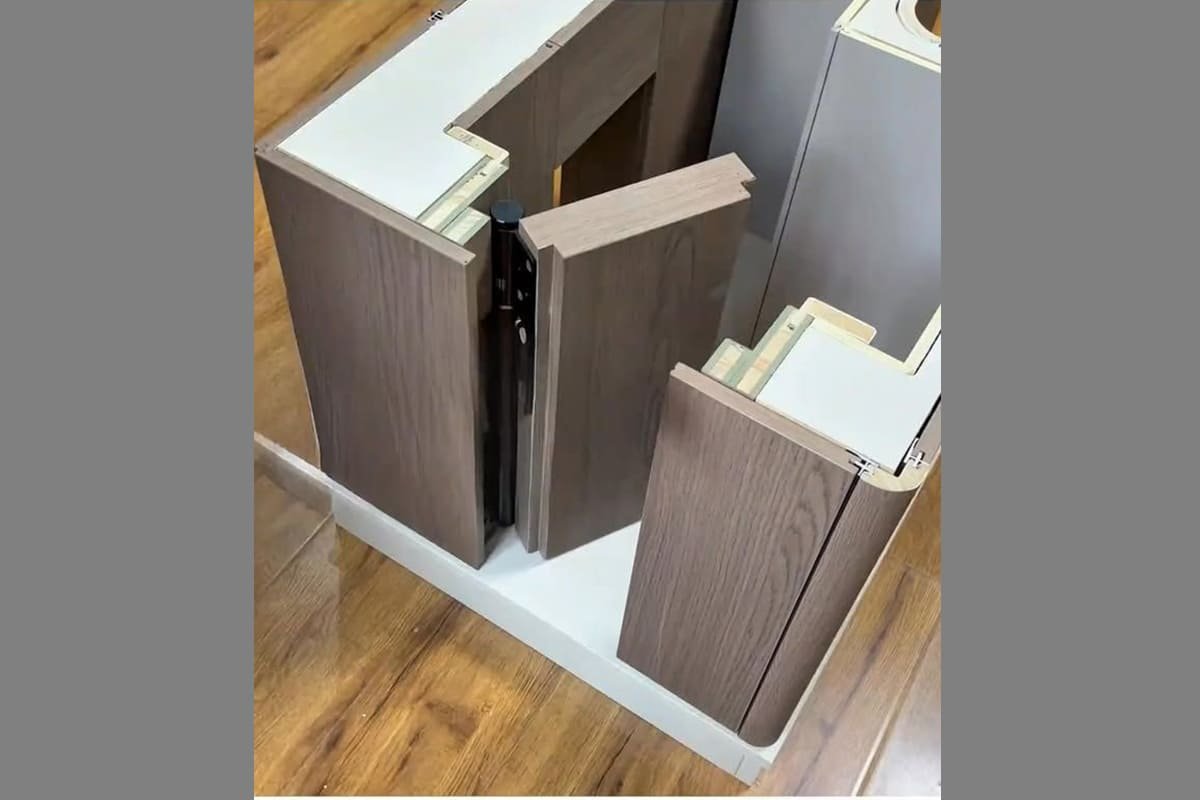
Spring tension is the common feature people think of when they talk about self-closing hinges. The spring stores energy when the door opens and releases that energy as the door closes.7
However, stronger is not always better. Excessive spring force can cause:8
- Door slamming
- User complaints
- Increased hinge wear
- Screw loosening
- Frame stress
- Lock impact damage
- Rebound after closing
- Higher after-sales risk
I have seen buyers ask for “stronger self-closing hinges” after users complain that doors fail to shut. But after checking the installation, the issue sometimes comes from latch resistance or poor frame alignment. More spring force may hide the problem for a short time, but it may also create a louder and less stable door.
A Safe General Workflow
Because hinge structures differ, I avoid giving universal turning directions or fixed numbers of turns. Instead, I follow this workflow:
Identify the hinge model.
Confirm the exact item code, size, handed direction, and adjustment function.Read the product manual.
The manual should show the correct adjustment point, tool type, safety warning, and allowed adjustment range.Use the correct tool.
Many hinges use an Allen key or supplied adjustment tool. Improvised tools can damage internal parts.Support the door if needed.
Heavy doors should be handled carefully. A qualified installer should support the door when adjustment affects load-bearing parts.Adjust in small increments.
Large changes increase the risk of over-tensioning the spring.Test after every change.
Open the door to a normal use angle, release it safely, and check closing action.Check final latching.
The door should close without slamming and latch without requiring excessive impact.Stop if abnormal signs appear.
Stop adjustment if you hear grinding, see movement at the hinge fixing points, notice rebound, or feel excessive resistance.
When More Force Is Not the Solution
A door that fails to close may have several possible causes. The hinge is only one of them.
| Symptom | Possible Hinge Cause | Possible Non-Hinge Cause |
|---|---|---|
| Door stops before latching | Spring force too low | Latch resistance, seal pressure, frame misalignment |
| Door slams | Spring force too high | No damping function, wrong hinge type |
| Door rebounds | Force too high or poor damping | Strike plate misalignment, door hitting frame |
| Door sags | Hinge overload | Door weight exceeds hinge capacity |
| Door closes unevenly | Inconsistent hinge setting | Uneven gaps, installation deviation |
For B2B projects, this distinction matters. If one door has a closing issue, adjustment may be enough. If twenty doors in the same project need repeated adjustment, the problem may involve product selection, installation method, batch consistency, or project specification.
What Buyers Should Confirm Before Ordering
Procurement teams can reduce field adjustment problems by confirming specifications before mass purchase. I recommend checking:
- Door weight and width range
- Required opening angle
- Closing force requirement
- Whether hydraulic damping is needed
- Whether 3D adjustment is required
- Surface finish and corrosion resistance
- Screw and accessory configuration
- Installation template availability
- Manual language and clarity
- Supplier support for batch installation issues
- CE or fire-rated documentation, where relevant
Certifications should be treated as documents buyers verify, not slogans. A supplier should provide clear files, test references, and product scope information so the buyer can confirm whether the certificate applies to the selected model and project use.
How Do You Adjust Self Closing Door Hinges for Closing Speed?
Closing speed problems create immediate user complaints. A door that closes too fast feels unsafe and noisy. A door that closes too slowly may remain open and affect privacy, energy control, or fire compartment requirements. Speed control is especially important in commercial and project applications.
To adjust self closing door hinges for closing speed, first confirm that the hinge has hydraulic damping or speed-control functionality. Then follow the model-specific manual, make small valve or mechanism adjustments if allowed, test the door through the full closing cycle, and stop if there is oil leakage, jerky movement, or unstable speed.
Spring Force and Speed Are Different
Many buyers combine spring force and closing speed in one sentence. They may say, “The hinge is too strong,” when the real issue is speed. They may say, “The hinge is too slow,” when the spring force is not enough to overcome the latch. The two functions are related, but they are not the same.
- Spring force helps the door move toward the closed position.
- Hydraulic damping controls how fast the door moves.9
- Door alignment affects whether the movement stays smooth.
- Lock resistance affects whether the door finishes closing.
A hinge without hydraulic damping may not provide refined speed control.10 Tightening or loosening the spring may change the feel, but it may not create the same result as a hydraulic self-closing hinge or a door closer.
Model-Dependent Hydraulic Adjustment
Some self-closing concealed hinges include a damping system. Some designs allow adjustment of closing speed. Others are preset at the factory. The adjustment direction, valve position, and permitted range are not universal.
I always recommend that installers:
- Use the exact product manual.
- Avoid forcing the hydraulic adjustment point.
- Avoid opening a sealed hydraulic unit.
- Avoid aggressive adjustment beyond the allowed range.
- Stop if oil leakage appears.
- Replace or report the hinge if damping failure is suspected.
Hydraulic leakage is not something I would treat as a normal adjustment issue.11 It may indicate product damage, incorrect operation, or a quality problem. For project buyers, leakage across many hinges should trigger batch inspection and supplier communication.
Common Closing Speed Complaints
Here is how I usually classify speed-related feedback:
| Complaint | Likely Area to Check First | Notes |
|---|---|---|
| Door closes too fast | Damping function, spring force | Confirm whether the hinge has speed control |
| Door closes too slowly | Spring force, seal pressure, latch | Do not immediately reduce damping without checking resistance |
| Door moves unevenly | Hydraulic unit, hinge alignment | Check installation and hinge body condition |
| Door rebounds | Damping, strike plate, spring force | Rebound often has multiple causes |
| Door stops near the end | Lock latch, seal pressure, final closing force | The last few degrees are critical |
Speed Testing in Batch Projects
For a single residential door, a basic open-and-release test may be enough. For B2B projects, I prefer a more consistent method. The project team can define a test angle and observe whether each door closes smoothly and latches under similar conditions.
A simple project test may include:
- Open the door to a defined angle, such as the normal use position.
- Release the door without pushing it.
- Observe whether the movement is smooth.
- Listen for impact noise.
- Check whether the latch engages.
- Repeat several times.
- Record doors that need adjustment.
This method helps separate random installation issues from systematic product or specification issues. If many doors behave differently under similar conditions, buyers should review batch consistency, installation accuracy, hinge matching, and supplier quality control.
At SDH Hardware, we often explain hinge matching during pre-sales because speed and force expectations differ by market and project. A quiet hotel room door, a high-traffic office door, and a commercial service door may not need the same hinge behavior. The best adjustment is the one that starts with correct selection.
How Do You Adjust Self Closing Door Hinges When the Door Is Misaligned?
A misaligned door can make a good hinge look defective. The door may rub, sag, leave uneven gaps, or hit the strike plate at the wrong angle. If I adjust only the spring, I may increase closing force while leaving the real alignment problem untouched.
To adjust self closing door hinges when the door is misaligned, check whether the hinge includes 3D adjustment, then correct door height, side gap, or depth only within the model-approved range. If the frame is deformed, screws are loose, or the door exceeds hinge capacity, repair those issues before changing tension.
What 3D Adjustment Means
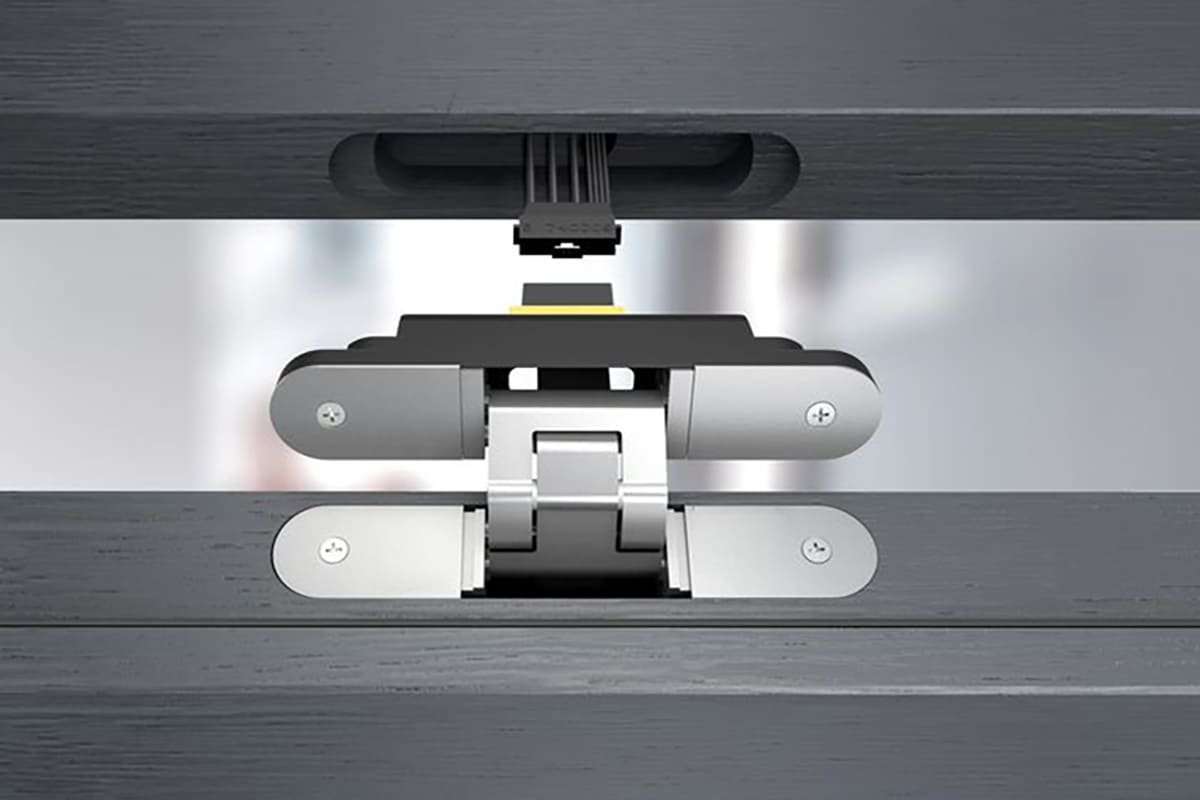
Some concealed hinges provide 3D adjustment, usually referring to movement in three directions:
- Height adjustment: moves the door up or down.
- Side adjustment: changes the side gap between door and frame.
- Depth adjustment: moves the door inward or outward relative to the frame.
The actual adjustment range, such as any millimeter value, is model-dependent. Buyers should confirm it in the product drawing or manual. I do not treat “3D adjustable” as enough information by itself. I want to see the adjustment range, tool access, installation tolerance, and fixing method.
Why Alignment Affects Self-Closing Performance
A self-closing hinge needs a clear path of movement. If the door rubs against the frame, the hinge must overcome friction.12 If the latch and strike plate do not meet correctly, the door may bounce or stop. If gaps are uneven, closing pressure may concentrate on one point.
Common alignment-related problems include:
- Door leaf touches the frame at the top corner.
- Bottom of the door drags on the floor.
- Latch hits the strike plate edge.
- Door seal creates excessive compression.
- Hinge mortise depth is inconsistent.
- Screws are not fully tightened.
- Door frame is twisted after installation.
In these cases, increasing spring tension can create more problems. The door may close, but it may slam into the frame or accelerate wear.
Alignment Inspection Checklist
I like to use a checklist before changing any 3D position:
| Inspection Point | What to Look For | Corrective Direction |
|---|---|---|
| Top gap | Uneven or tight gap | Check height and side position |
| Lock side gap | Door too close or too far | Check side adjustment and frame |
| Hinge side gap | Pinching near hinge area | Check hinge seating and depth |
| Door face flushness | Door sits proud or recessed | Check depth adjustment |
| Floor clearance | Door dragging | Check height, floor level, door sag |
| Latch engagement | Hard closing or rebound | Check strike plate and lock alignment |
This table is not a replacement for the product manual. It is a diagnostic guide. The installer still needs to follow the hinge-specific instructions.
When the Frame Is the Real Problem
In project installations, the frame can be the hidden cause. A frame may deform during transport, wall installation, foaming, or site handling. Once the frame is out of square, the hinge may not sit in the correct position.
Signs of frame-related problems include:
- Similar hinge adjustment fails on several doors in one area.
- Gaps change after wall finishing.
- Door closes differently before and after seal installation.
- Strike plate position varies from door to door.
- The same hinge model works well on some frames but not others.
For buyers and door factories, this is important. A concealed self-closing hinge can be precisely manufactured, but it still needs accurate door and frame preparation. CNC machining, drilling templates, and clear installation instructions help reduce variation.
B2B Risk: Repeated Adjustment Is a Signal
One or two adjustments are normal during installation. Repeated adjustment across many doors is not something I would ignore. It may indicate:
- Wrong hinge model selected.
- Door weight exceeds specification.
- Installation template is unclear.
- Factory machining tolerance is unstable.
- Frame quality varies.
- Lock and hinge are not matched.
- Workers lack training on the adjustment method.
- Product batch consistency needs review.
This is where procurement and quality teams should work together. The solution may not be “ask workers to adjust again.” It may be supplier verification, sample testing, installation training, or specification correction before the next batch order.
How Can Buyers Prevent Problems Before They Adjust Self Closing Door Hinges?
Many adjustment problems are decided before the hinge reaches the site. If the buyer does not confirm door weight, door width, usage frequency, certification needs, finish requirements, and installation details, the project team may face avoidable rework later. Procurement decisions shape installation results.
Buyers can prevent problems before they adjust self closing door hinges by specifying the door size, weight, material, usage frequency, required closing behavior, certification documents, finish standard, accessories, installation method, and after-sales support expectations before placing bulk orders.
Specify the Application Clearly
A self-closing hinge is not selected by appearance alone. It should match the door and the use environment.
Before ordering, I recommend that buyers prepare:
- Door height, width, thickness, and weight
- Door material and core structure
- Frame material and frame profile
- Required opening angle
- Required closing speed behavior
- Required closing force level
- Usage frequency
- Indoor or outdoor environment
- Corrosion resistance expectations
- Surface finish requirements
- Fire-rated or CE documentation needs
- Lock and latch specification
- Installation method and machining drawing
- Packaging and accessory requirements
The more complete this information is, the easier it is for the supplier to recommend the correct model.
Compare Hinges by Function, Not Only Price
Price matters in wholesale and project supply. I understand that clearly. However, a cheaper hinge can become expensive if it creates installation delays, user complaints, or replacement costs.
Here is a practical comparison framework:
| Evaluation Factor | Basic Self-Closing Hinge | Hydraulic Self-Closing Hinge | Concealed 3D Self-Closing Hinge |
|---|---|---|---|
| Closing force adjustment | May be available | May be available | Model-dependent |
| Closing speed control | Often limited | Usually better if adjustable | Model-dependent |
| Appearance | Visible | Visible or semi-concealed | Clean concealed look |
| Alignment adjustment | Limited | Limited | Often stronger advantage |
| Installation complexity | Lower | Medium | Higher |
| Project suitability | Simple doors | Doors needing smoother closing | Higher-end doors needing clean design and adjustment |
| Procurement risk | Function limitations | Hydraulic quality must be verified | Installation accuracy is critical |
This table does not mean one type is always better. It means buyers should select based on application needs.
Confirm Supplier Quality Control
For bulk orders, consistent adjustment behavior matters. If the spring force varies widely across a batch, installers may spend more time correcting each door. If the finish differs between batches, wholesalers may face customer complaints. If accessories are inconsistent, door factories may lose assembly efficiency.
From a supplier evaluation view, I would ask for:
- Product drawings and specifications
- Installation instructions
- Adjustment instructions
- Sample testing before bulk order
- Finish samples or finish standard
- Material confirmation
- Load capacity information
- Relevant CE or fire-rated documents for verification
- Batch inspection process
- After-sales communication process
At SDH Hardware, we manufacture architectural door hardware including concealed hinges, mortise locks, butt hinges, lever handles, and lock cylinders. Based on our production and customer support experience, I believe clear pre-sales confirmation reduces most self-closing hinge complaints. It is much easier to prevent mismatch than to solve hundreds of installed-door problems later.
Use Samples Before Mass Purchase
For door manufacturers and hardware brand buyers, sample testing is not a formality. It is a risk-control step.
A useful sample test can include:
- Installing the hinge on the real door structure.
- Testing with the actual lock and seal.
- Checking closing from different opening angles.
- Testing after repeated cycles, where possible.
- Confirming finish consistency with other hardware.
- Checking installation time and tool access.
- Recording adjustment steps for workers.
- Confirming packaging and accessory completeness.
If the sample performs well only under ideal conditions, buyers should be careful. Real project conditions include installation tolerance, worker variation, frame differences, and site handling. A good supplier should help buyers understand these limits.
Conclusion
Learning how to adjust self closing door hinges starts with careful diagnosis. The real issue may involve spring force, hydraulic damping, 3D alignment, hinge capacity, frame accuracy, or lock resistance. I always recommend small model-approved adjustments, correct tools, and manual verification. For bulk projects, the better strategy is prevention through accurate specification and supplier evaluation. If you need self-closing hinges or concealed hinge solutions for door manufacturing, wholesale, or project supply, contact SDH Hardware to discuss model matching, customization, and documentation support.
"Door closer", https://en.wikipedia.org/wiki/Door_closer. A technical reference on door-closing hardware describes spring mechanisms as providing closing force and hydraulic damping as controlling the rate of door movement, while concealed hinges may incorporate positional adjustment features. Evidence role: definition; source type: encyclopedia. Supports: The source should define or describe spring hinges, hydraulic damping in door-closing hardware, and adjustable concealed hinge functions.. Scope note: The source may discuss these mechanisms across related door-closing hardware rather than proving that every self-closing hinge includes all listed functions. ↩
"The Cycle Testing in ANSI/BHMA A156.17", https://watersonusa.com/solutions/spring-hinge-closing-force. Architectural hardware standards and installation documents indicate that hinge performance and adjustment provisions are specified by product type and model, supporting the need to verify model-specific adjustment points and limits. Evidence role: general_support; source type: institution. Supports: The source should show that hinge adjustment procedures and allowable ranges differ by product type or model.. Scope note: Such sources generally establish that variation exists but do not validate the adjustment details of any particular hinge in the article. ↩
"A156.1 - 2025 Butts and Hinges", https://buildershardware.com/ANSI-BHMA-Standards/Hardware-Highlights/A1561-2025-Butts-and-Hinges. Architectural hardware standards classify hinges by performance criteria such as load and durability, indicating that hinge function is tied to the rated application range rather than adjustment alone. Evidence role: expert_consensus; source type: institution. Supports: The source should support that door hinges are selected according to rated load, door dimensions, and intended use.. Scope note: The source provides general performance-rating context and may not address self-closing hinges specifically. ↩
"28.18 -- Open door to demonstration preparation area", https://web.physics.ucsb.edu/~lecturedemonstrations/Composer/Pages/28.18.html. Basic mechanics texts define torque as the product of force and moment arm, which explains why a wider door can impose greater rotational loading on its hinges. Evidence role: mechanism; source type: education. Supports: The source should explain the mechanical principle that a longer moment arm increases torque on a hinge or pivot.. Scope note: The source supports the mechanical principle, not a specific allowable door width for any hinge model. ↩
"Top 5 Common Mistakes When Installing Commercial Fire Doors ...", https://www.easterslock.com/top-5-common-mistakes-when-installing-commercial-fire-doors-and-how-to-avoid-them/. Fire-door inspection guidance commonly treats self-closing action, latching, gaps, seals, and frame condition as related elements of door assembly performance. Evidence role: general_support; source type: government. Supports: The source should support that door frames, latches, seals, and installation condition affect whether a self-closing door closes and latches properly.. Scope note: The source is likely to address fire-door assemblies, so its support is contextual for general self-closing hinges. ↩
"FDAI: Inspection Criteria 11", https://idighardware.com/2026/01/fdai-inspection-criteria-11/. Fire-door standards such as NFPA 80 treat fire doors as listed assemblies and place conditions on field modifications and maintenance, supporting the need to verify whether adjustment is permitted within the applicable documentation. Evidence role: expert_consensus; source type: institution. Supports: The source should support that fire-rated door assemblies are governed by listing, inspection, and field-modification requirements.. Scope note: The source establishes compliance context and does not determine whether a specific hinge adjustment is allowed for a specific project. ↩
"Elastic Potential Energy", http://hyperphysics.phy-astr.gsu.edu/hbase/pespr.html. Physics references on elastic potential energy explain that a deformed spring stores mechanical energy and can release that energy as it returns toward its original position. Evidence role: mechanism; source type: education. Supports: The source should explain that springs store elastic potential energy when deformed and release it as they return toward equilibrium.. Scope note: The source supports the physical mechanism of springs generally, not the construction of a particular self-closing hinge. ↩
"Chapter 4: Entrances, Doors, and Gates", https://www.access-board.gov/ada/guides/chapter-4-entrances-doors-and-gates/. Accessibility and building guidance treats door opening or closing forces and controlled door movement as usability and safety issues, supporting the article’s caution against excessive closing force. Evidence role: general_support; source type: government. Supports: The source should support that door closing force and closing speed are safety and usability concerns, especially for public or accessible doors.. Scope note: The source may address doors and closers generally rather than documenting every listed failure mode for spring hinges. ↩
"Door closer", https://en.wikipedia.org/wiki/Door_closer. Engineering references on hydraulic damping describe fluid resistance as a means of dissipating energy and regulating the speed of moving components, which explains its use in door-closing hardware. Evidence role: mechanism; source type: research. Supports: The source should explain that hydraulic damping dissipates energy and controls motion speed in mechanical systems or door closers.. Scope note: The source supports the damping mechanism generally and may not evaluate any specific hinge product. ↩
"Spring Hinges vs Door Closers: Pros, Cons & Cost Compared", https://watersonusa.com/solutions/hydraulic-door-closer-vs-hinges-with-spring. Architectural hardware guidance distinguishes spring closing action from hydraulic closing-speed regulation, supporting the point that spring-only hinges may offer less refined speed control than hydraulic devices. Evidence role: general_support; source type: institution. Supports: The source should support that hydraulic door-closing devices commonly include speed-control functions, while spring-only mechanisms primarily provide closing force.. Scope note: The source supports a general functional distinction and does not rule out all non-hydraulic speed-control designs. ↩
"Door closer leaking oil : r/HomeMaintenance", https://www.reddit.com/r/HomeMaintenance/comments/1cgb83w/door_closer_leaking_oil/. Maintenance guidance for hydraulic door-closing hardware commonly identifies oil leakage as evidence of loss of damping function or component failure rather than as a normal adjustment condition. Evidence role: case_reference; source type: institution. Supports: The source should support that leakage in hydraulic door-closing devices is associated with failure, damage, or need for repair or replacement.. Scope note: The source may refer to door closers or hydraulic dampers broadly rather than concealed self-closing hinges specifically. ↩
"Friction", https://en.wikipedia.org/wiki/Friction. Introductory mechanics sources define friction as a resistive force opposing relative motion, supporting the explanation that a rubbing door requires additional closing force to move freely. Evidence role: mechanism; source type: education. Supports: The source should explain that friction opposes motion and increases the force required to move an object.. Scope note: The source supports the physical principle and does not quantify the friction generated by a particular door installation. ↩