What Hinge to Use for Different Doors?
Choosing the right hinge for different doors looks simple until a door starts sagging, rubbing, squeaking, or failing inspection after installation. I have seen buyers lose time and margin because one hinge model was used across too many door types. The solution is to match the hinge to the door structure, load, function, environment, and compliance requirement.
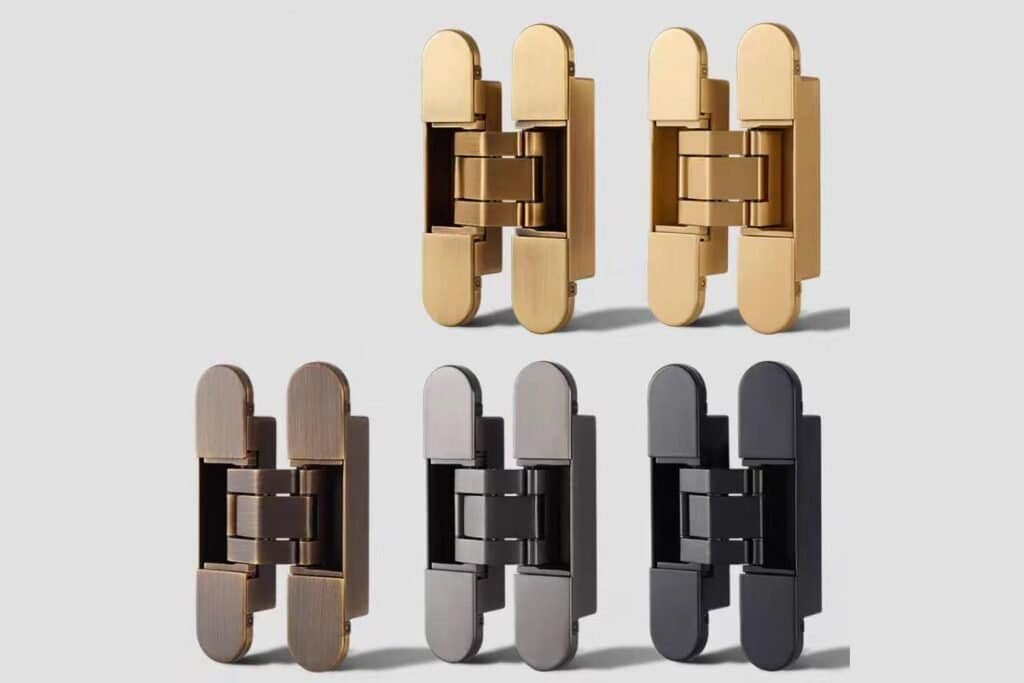
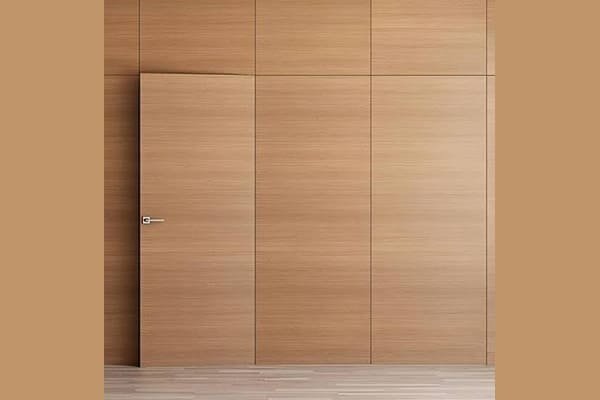
The best hinge depends on the door type and project requirement. Entrance doors usually need heavy-duty butt hinges, flat hinges with anti-theft pins, or concealed hinges. Interior wood doors often use butt, flush, or hidden hinges. Fire-rated doors require tested fire-rated butt or flag hinges. Aluminum profile doors need profile-compatible hinges. Invisible doors often use concealed soft-closing hinges.
I usually tell clients that hinge selection is both a technical and commercial decision. A cheaper hinge can become expensive if it causes warranty claims, inconsistent door gaps, failed compliance checks, or customer complaints. Let’s break the selection process down by door type and procurement risk.
How Do I Choose the Right Hinge for Different Doors?
Many buyers start with price, finish, or a sample photo. That creates a problem because two doors that look similar may have very different load, frame, and usage requirements. If the hinge is not matched correctly, the door system may fail before the project reaches full service life.
The right hinge for different doors is chosen by checking five points: door material, door weight, frame structure, opening frequency, and required certification1. I also review the installation method, opening angle, corrosion resistance, and finish consistency before recommending a hinge for bulk procurement.
Start With the Door, Not the Hinge
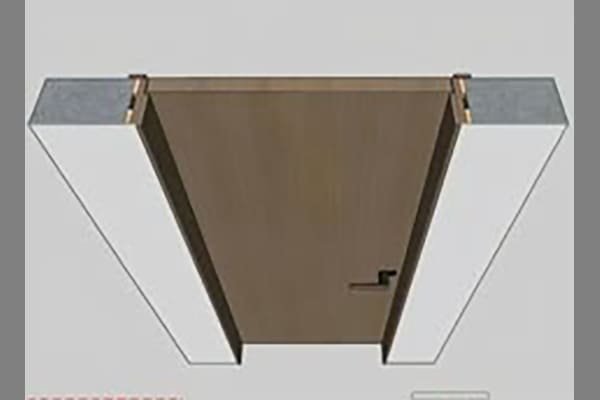
I have handled many hinge discussions where the first question was, “What is your cheapest hinge?” I understand that cost matters. However, I usually bring the conversation back to the door first. A hinge is not an isolated hardware item. It works together with the door leaf, frame, lock, closer, seal, and installation method.
A good hinge choice should answer these questions:
What is the door material?
Wood, steel, aluminum profile, glass-frame composite, and hidden wall-panel doors all behave differently.What is the door weight and size?
A 35 kg interior door and a 90 kg entrance door cannot use the same hinge safely.2How often will the door open each day?
Hotel rooms, public corridors, hospitals, schools, and offices create different cycle demands.Does the door need certification?
Fire-rated doors, emergency exits, and commercial projects may require CE, fire test reports, or project-specific compliance documents.What does the customer expect visually?
Some markets accept visible butt hinges. Others prefer concealed hinges for minimal design.
Common Hinge Types by Use Case
| Door Type | Common Hinge Choice | Main Reason | Buyer Checkpoint |
|---|---|---|---|
| Entrance door | Heavy-duty butt hinge, flat hinge with anti-theft pin, concealed hinge | Security and load support | Load capacity, pin design, corrosion resistance |
| Interior wood door | Butt hinge, flush hinge, hidden hinge | Cost-effective and easy installation | Finish consistency, screw strength, smooth movement |
| Fire-rated door | Fire-rated butt hinge or flag hinge | Compliance and high-temperature performance | Fire certificate, test scope, door compatibility |
| Aluminum profile door | Profile hinge, adjustable hinge | Frame structure compatibility | Profile size, fixing method, opening angle |
| Invisible door | Concealed hinge, soft-closing hidden hinge | Clean appearance and alignment | Adjustment range, closing control, gap tolerance |
Why One Hinge Model Rarely Works Everywhere
A hinge that works well on a light interior wooden door may fail on a wide, heavy entrance door. The problem is not only load capacity. The hinge knuckle, pin, screw hole pattern, leaf thickness, and material all affect long-term stability.
For example, I once helped a client who wanted to use the same stainless steel butt hinge for both interior doors and heavier apartment entrance doors. The sample looked acceptable, but the entrance door had a higher weight and closer force. I suggested testing a heavier hinge with stronger leaf thickness and better screw engagement. That small change helped reduce the risk of future sagging and after-sales claims.
Key Technical Indicators Buyers Should Compare
Buyers do not need to become engineers, but they should understand the practical meaning of basic specifications.
- Material: Stainless steel offers good corrosion resistance. Zinc alloy is common for concealed hinges and decorative hardware. Steel may be used where coating and strength are controlled.
- Thickness: Thicker hinge leaves usually improve strength, but the door and frame must accept the mortise depth.
- Bearing type: Ball-bearing hinges are often smoother for heavier or high-use doors.3
- Opening angle: Some concealed hinges allow 90°, 105°, 120°, or 180° opening depending on design.
- Adjustment: 3D adjustable hinges help correct installation gaps after mounting.
- Finish: Satin stainless steel, polished, PVD, black, and custom finishes must be consistent across bulk orders.
- Certification: CE and fire-rated documents should be verified for the exact product family and application.4
I always recommend that project teams verify certificates, drawings, and test conditions before approving a hinge for regulated applications.
What Hinge for Different Doors Works Best for Entrance and Security Doors?
Entrance doors create a high-risk hinge decision because they carry more weight and face more abuse than many interior doors. If the hinge is too light, the door may drop. If the hinge lacks security features, the exposed side can become a weak point.
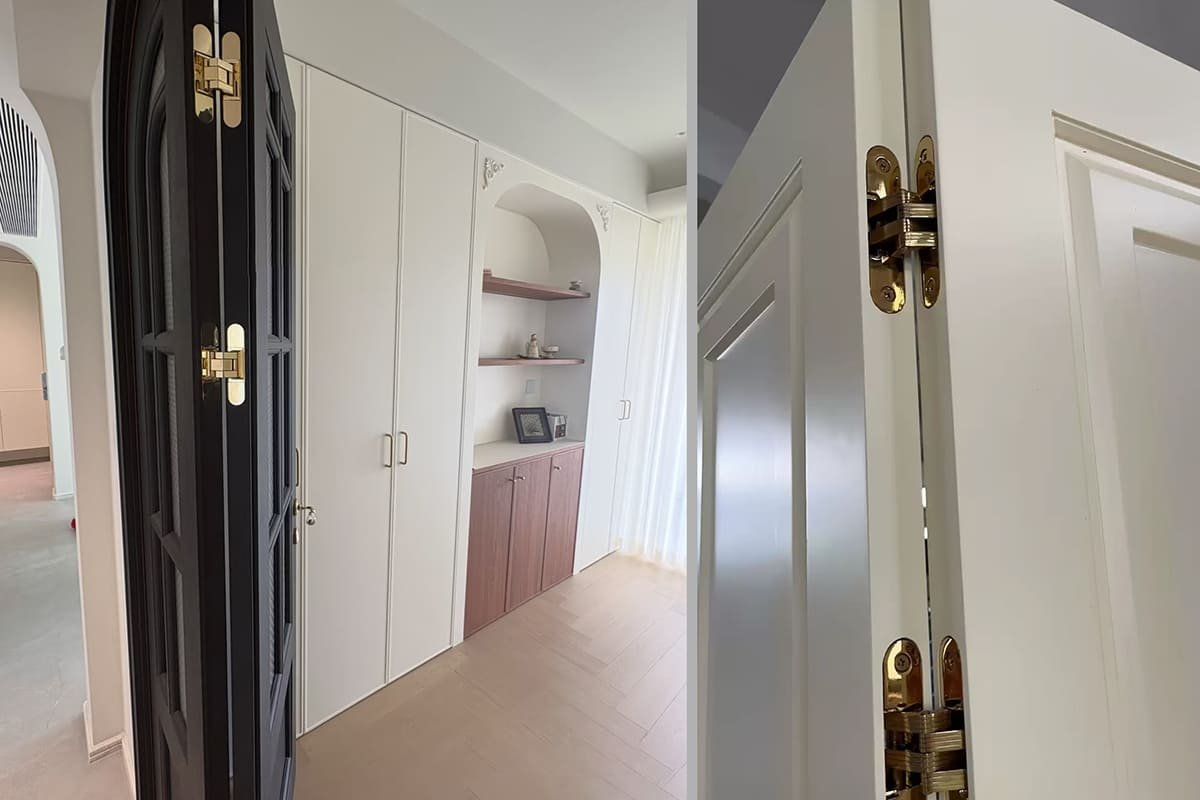
The best hinge for different doors in entrance applications is usually a heavy-duty butt hinge, a flat hinge with anti-theft pins, or a strong concealed hinge. The final choice depends on door weight, frame design, security level, opening angle, and whether the market prefers visible or hidden hardware.
Entrance Doors Need Strength and Security
Entrance doors are usually heavier because they may include steel skins, solid wood cores, insulation, decorative panels, multi-point locks, or fire and acoustic materials.5 These features improve performance, but they also increase hinge stress.
I have seen two common mistakes in entrance door hinge selection:
- The buyer chooses a hinge based only on appearance.
- The buyer uses an interior door hinge because the sample “opens smoothly.”
Smooth operation on a sample board does not prove long-term performance on a heavy entrance door. The hinge must support real door weight and repeated opening cycles.
Common Entrance Door Hinge Options
| Hinge Type | Best For | Advantages | Procurement Caution |
|---|---|---|---|
| Heavy-duty butt hinge | Steel, wood, and security entrance doors | Strong, familiar, easy to install | Check leaf thickness, pin strength, bearing type |
| Flat hinge with anti-theft pin | Outward-opening entrance doors | Better security on exposed hinge side | Confirm anti-lift or security pin structure |
| Heavy-duty concealed hinge | Premium apartment, villa, or modern entrance doors | Clean design, hidden when closed | Check load capacity and adjustment range |
| Ball-bearing hinge | High-use entrance doors | Smoother movement under load | Confirm bearing quality and corrosion resistance |
Security Features Matter on Outward-Opening Doors
For outward-opening entrance doors, hinge security is especially important because the hinge barrel may be exposed.6 In this case, buyers often evaluate:
- Non-removable pins
- Anti-theft studs
- Security dog bolts
- Reinforced hinge leaves
- Tamper-resistant installation design
These details can reduce risk if someone attacks the hinge side. However, buyers should not treat a hinge as the only security component. The complete door system also depends on the lock body, cylinder, frame, strike plate, and installation.
Load Capacity Should Be Verified, Not Assumed
A supplier may state that a hinge is “heavy duty,” but buyers should ask what that means. I prefer to compare:
- Door weight range
- Door width and height
- Number of hinges per door
- Screw size and fixing points
- Cycle test or internal test reference
- Material grade and surface treatment
- Recommended door application
For heavy entrance doors, three or four hinges may be required. The top hinge often carries more stress because it resists door sagging.7 This means the hinge layout matters, not just the hinge model.
Commercial Balance for Bulk Buyers
A product manager may want a premium concealed hinge for design value. A wholesaler may prefer a visible heavy-duty butt hinge because installers know it and the price is easier to control. Both choices can be correct if they match the door and market.
For Middle East projects, I often see demand for robust hardware with strong finishes and reliable bulk availability. For European projects, buyers may focus more on certification, dimensional standards, and documentation. For Southeast Asian markets, corrosion resistance and cost-effectiveness may receive more attention due to climate and price competition.
A smart entrance door hinge decision should balance:
- Security
- Load-bearing performance
- Installation convenience
- Finish durability
- Market positioning
- After-sales risk
What Hinge Should I Use for Interior Wood, Invisible, and Concealed Doors?
Interior doors often seem easier, but they still create problems when buyers ignore alignment, finish, and user experience. A low-cost hinge may pass sample approval, yet it may create noise, inconsistent gaps, or finish variation across a large order.
For interior wood doors, I usually recommend butt hinges, flush hinges, or concealed hinges depending on price level and design. For invisible doors, concealed 3D adjustable hinges or soft-closing hidden hinges are often better because they support a seamless wall-door appearance and allow precise gap adjustment.8
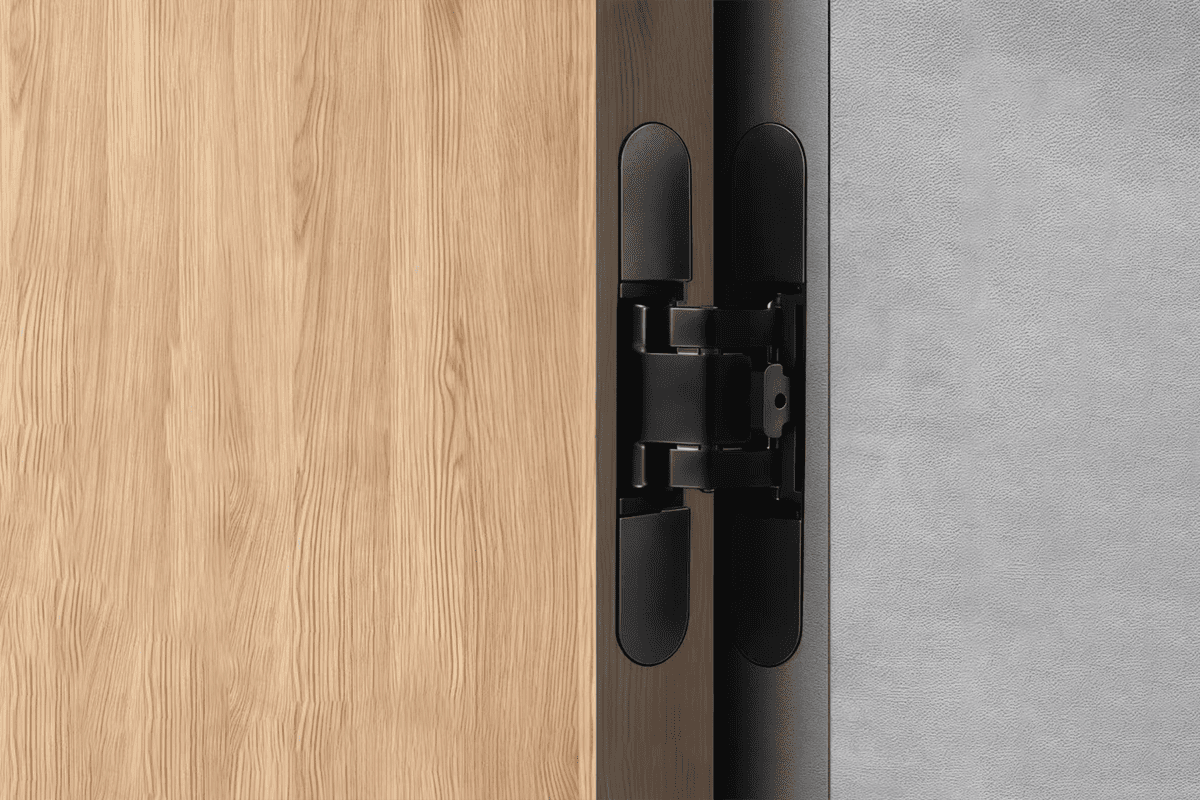
Interior Doors Need Quiet, Consistent Movement
Interior doors are not always heavy, but they are used every day. Bedrooms, offices, hotels, apartments, and commercial rooms all require stable movement and good appearance. The hinge should not squeak, loosen quickly, or create uneven gaps.
In my own client consultations, interior door hinge discussions often include three priorities:
- Cost control for large quantities
- Consistent finish across the full door hardware set
- Easy installation for door factories or contractors
These priorities are practical. A door factory may install thousands of hinges each month. A small dimensional inconsistency can slow assembly and increase labor cost.9
Interior Wood Door Hinge Options
| Door Style | Recommended Hinge | Why It Works | Buyer Concern |
|---|---|---|---|
| Standard wood interior door | Butt hinge | Reliable and widely understood | Finish and screw strength |
| Light cabinet-style or simple door | Flush hinge | Easier installation, no deep mortise | Lower load capacity |
| Premium interior door | Concealed hinge | Clean appearance | Needs accurate routing |
| Hotel or apartment door | Ball-bearing butt hinge | Smoother operation | Cost and specification control |
| Minimalist invisible door | 3D adjustable concealed hinge | Hidden look and gap adjustment | Installation precision |
Why Invisible Doors Need Better Adjustment
Invisible doors are popular in modern interiors because the door blends with the wall panel. This design looks simple, but it requires careful hinge selection. If the hinge has poor adjustment, the reveal gap can look uneven. If the hinge lacks enough load capacity, the door may sag and destroy the minimalist effect.
For invisible doors, buyers should check:
- 3D adjustment range
- Door weight capacity
- Opening angle
- Minimum door thickness
- Frame compatibility
- Soft-close availability
- Installation template or routing requirement
Soft-closing hidden hinges can improve user experience, especially in residential and hospitality projects. However, buyers should confirm whether the soft-closing function is built into the hinge or requires another door closer device. They should also test the closing force with the real door weight.
Butt Hinge vs Concealed Hinge for Interior Doors
| Factor | Butt Hinge | Concealed Hinge |
|---|---|---|
| Appearance | Visible barrel | Hidden when closed |
| Installation | Easier and faster | Requires more precise machining |
| Cost | Usually lower | Usually higher |
| Adjustment | Limited | Often 2D or 3D adjustable |
| Maintenance | Easy to inspect | More concealed, may need specific access |
| Best Use | Standard wood doors | Premium, invisible, or minimalist doors |
Finish Consistency Is a Real Procurement Issue
I have seen buyers focus on hinge type but forget finish matching. This becomes a problem when the hinge, lever handle, lock body faceplate, cylinder escutcheon, and door stopper all come from different suppliers. The result can be several shades of satin nickel, black, or gold on the same door set.
For bulk projects, I suggest buyers approve a complete finish board before mass production. The board should include:
- Hinge sample
- Lever handle
- Lock faceplate
- Strike plate
- Cylinder trim
- Screws
- Any decorative accessories
This simple step can prevent many complaints after installation. At SDH Hardware, this is also why one-stop sourcing can help buyers maintain a unified hardware appearance across door sets.
What Hinge for Different Doors Is Required for Fire-Rated Doors?
Fire-rated doors carry a higher compliance burden than ordinary doors. If the hinge is not suitable for the tested fire door assembly, the project may fail inspection or create safety risk. A normal hinge should not be used simply because it looks strong.
The correct hinge for different doors in fire-rated applications is usually a fire-rated butt hinge or fire-rated flag hinge that matches the door assembly and test scope. Buyers should verify fire-rated certificates, CE documents where applicable, material specifications, and the tested installation conditions before bulk approval.
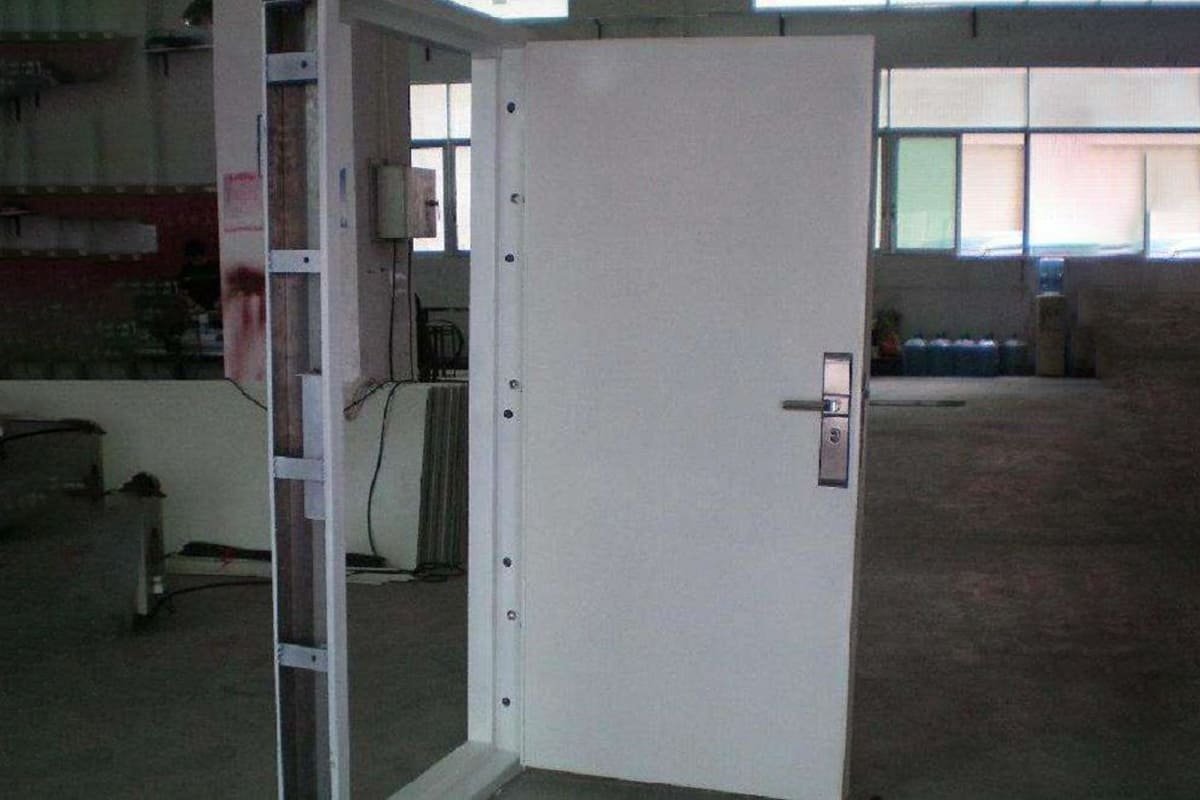
Fire Door Hinges Are About System Compliance
A fire door is not just a slab with a label. It is a tested system that may include the door leaf, frame, intumescent seals, lock, closer, hinge, and installation details.10 If one component changes, the performance may be affected.11
This is why I avoid saying, “This hinge is suitable for all fire doors.” That statement is too broad. A more accurate approach is:
“This hinge has fire-rated documentation for specific tested conditions, and the buyer should verify whether those conditions match the target door assembly and local requirement.”
This careful wording protects the buyer and the supplier.
Common Fire-Rated Door Hinge Choices
| Hinge Type | Typical Use | Key Benefit | Verification Needed |
|---|---|---|---|
| Fire-rated butt hinge | Timber or steel fire doors | Strong and familiar | Fire test report, CE if required |
| Fire-rated ball-bearing hinge | High-use fire doors | Smooth movement under load | Cycle and fire documentation |
| Fire-rated flag hinge | Certain steel or commercial doors | Easy lift-off design in some systems | Compatibility with frame and fire rating |
| Stainless steel fire hinge | Humid or corrosion-sensitive projects | Better corrosion resistance | Material and certificate scope |
What Buyers Should Verify in Fire-Rated Certificates
Fire-rated documents can be confusing. I suggest buyers check the details instead of only checking whether a certificate exists.
Important points include:
Rated duration
Common fire ratings include 30, 60, 90, or 120 minutes depending on local standards and project requirements.12Test standard
The report should state the relevant standard. European markets may look for EN-related documents, while other regions may use different requirements.Door type in test
A hinge tested on a timber door may not automatically apply to every steel door assembly.Hinge size and quantity
The tested hinge dimensions and number of hinges should match the proposed specification.Installation method
Screw type, fixing method, frame material, and mortise method may matter.Document validity and traceability
Buyers should verify issuer credibility, certificate number, and product identity.
Why Ordinary Hinges Can Create Risk
A standard hinge may deform, lose strength, or allow excessive door movement under high heat. If a fire door cannot remain closed and sealed during a fire, the whole system can fail its purpose. Buyers should not accept “same material” as proof of fire suitability.
I once reviewed a case where a project team wanted to substitute a certified hinge with a visually similar model because the delivery time was shorter. I advised them to pause and verify the document scope. The replacement hinge had no matching fire-rated documentation for that door assembly. The buyer avoided a possible inspection issue by keeping the certified specification.
Procurement Advice for Fire Door Projects
For fire-rated door procurement, I recommend a simple approval file:
- Product drawing
- Material specification
- Surface finish sample
- Fire-rated certificate or test report
- CE certificate if required by the target market
- Installation instruction
- Packing label format
- Batch traceability record
This file helps purchasing managers communicate with contractors, consultants, and inspectors. It also reduces disputes if a project question appears later.
What Hinge Works for Aluminum Profile, Glass-Frame, and Specialty Doors?
Specialty doors can punish generic hinge selection. Aluminum profile doors, narrow-frame doors, and glass-frame systems often have limited fixing space. If the hinge does not match the profile structure, installers may modify the door on site and weaken the assembly.
For aluminum profile and specialty doors, the hinge should match the frame profile, fixing channel, load requirement, and opening angle. Adjustable profile hinges are common because they help installers align the sash after assembly. Buyers should confirm drawings, screw positions, and profile compatibility before ordering.
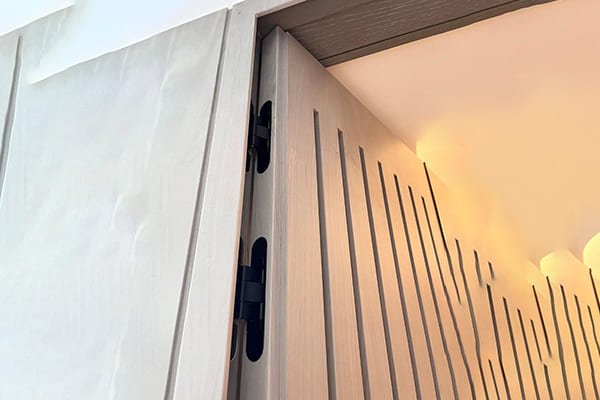
Aluminum Doors Need Profile Compatibility
Aluminum doors are not like traditional wooden doors. The frame and sash are built from profiles with defined wall thickness, grooves, chambers, and screw channels. A hinge that looks strong may still fail if it cannot anchor properly into the profile.
When I evaluate an aluminum door hinge, I ask for:
- Profile drawing
- Sash width and height
- Door weight
- Wall thickness
- Groove or channel size
- Required opening angle
- Indoor or outdoor environment
- Finish requirement
- Installation method
These details help prevent mismatch before tooling, sampling, or bulk shipment.
Common Specialty Door Hinge Concerns
| Door Type | Main Challenge | Hinge Feature to Check |
|---|---|---|
| Aluminum profile door | Limited fixing structure | Profile-specific mounting base |
| Narrow-frame door | Small screw area | Compact but strong hinge design |
| Glass-frame door | Vibration and alignment | Stable fixing and smooth movement |
| Outdoor aluminum door | Corrosion exposure | Surface treatment and material choice |
| High-use commercial door | Frequent cycles | Bearing design and fixing strength |
Adjustable Hinges Reduce Installation Problems
Aluminum and specialty doors often benefit from adjustable hinges. Adjustment can help correct small manufacturing or installation tolerances. This is especially useful when projects involve many doors, several installers, or long-distance shipment.
Common adjustment directions include:
- Horizontal adjustment for side gap control
- Vertical adjustment for door height alignment
- Depth adjustment for sealing pressure and flushness
A 3D adjustable hinge can be more expensive than a simple hinge, but it may reduce installation labor and after-sales service. For product managers, this is a total-cost decision rather than a unit-price decision.
Environmental Conditions Affect Hinge Choice
Outdoor aluminum doors may face humidity, salt air, dust, and temperature variation. In coastal areas, corrosion resistance becomes more important. In high-traffic commercial areas, wear resistance becomes more important.
Buyers should consider:
- Stainless steel components where needed
- Reliable coating or anodized finish compatibility
- Tested surface finish samples
- Salt spray test reference if relevant
- Screw material and corrosion resistance
- Maintenance expectations for the end user
I do not recommend choosing a specialty door hinge from a catalog photo alone. I prefer to check the profile drawing and a physical sample. A small mismatch in screw position or base shape can delay production.
When Customization Makes Sense
Custom hinge development may be useful when a door manufacturer has a unique aluminum profile or a branded door system. ODM customization can help improve appearance, simplify installation, or create a market-specific hardware solution.
However, customization should be controlled carefully. Buyers should define:
- Drawing tolerance
- Material standard
- Finish sample
- Packaging requirement
- Testing plan
- Minimum order quantity
- Lead time
- Spare parts policy
At SDH Hardware, our factory experience in standardized and customized door hardware often helps clients turn a project need into a practical hinge specification. Still, I always suggest that buyers validate samples in the actual door system before confirming mass production.
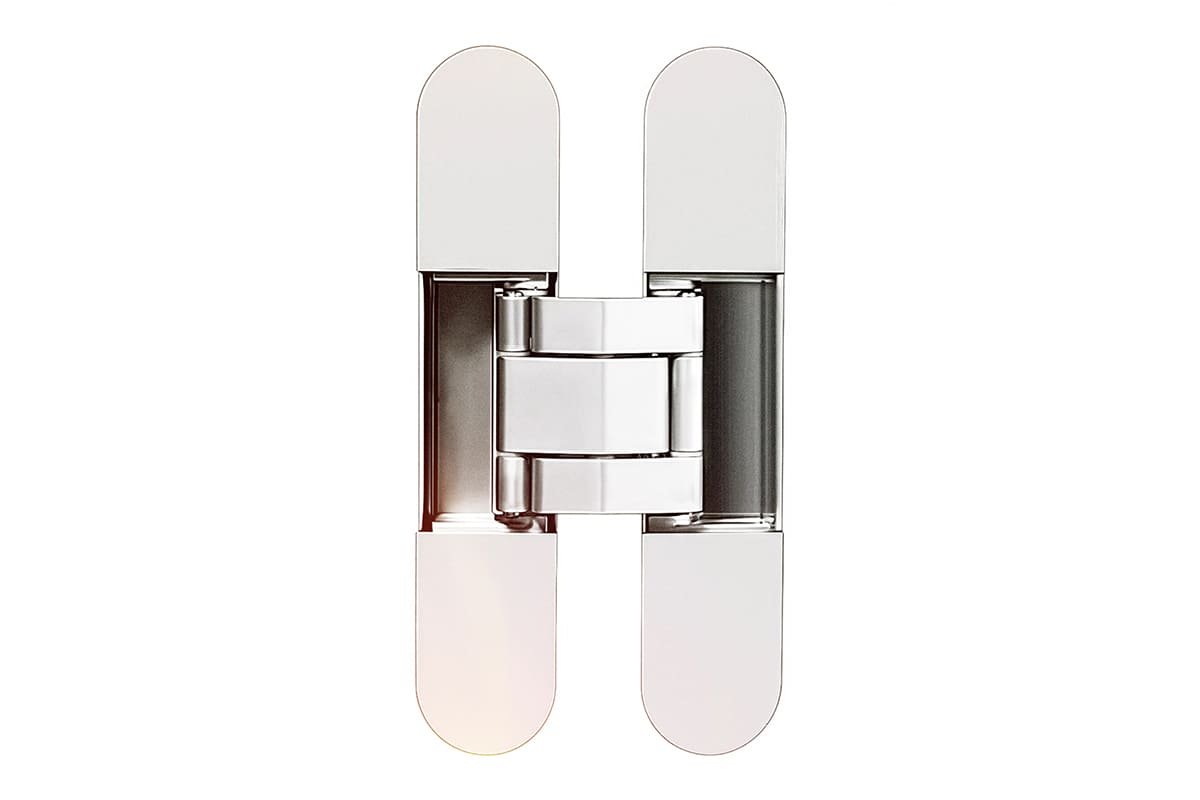
A supplier should be evaluated as carefully as the hinge itself.
Practical Supplier Evaluation Checklist
| Evaluation Area | What to Check | Why It Matters |
|---|---|---|
| Factory capability | In-house production lines, equipment, workforce | Supports stable supply and cost control |
| Product range | Butt hinges, concealed hinges, mortise locks, handles, cylinders | Helps one-stop door hardware sourcing |
| Quality control | Raw material inspection, in-process control, finished inspection | Reduces batch variation |
| Documentation | CE, fire-rated certificates, drawings, reports | Supports market access and project approval |
| Customization | ODM design, finish options, specification changes | Helps regional and branded product needs |
| Finish control | Color boards, batch samples, coating checks | Keeps door sets visually consistent |
| Delivery system | Production planning and export experience | Protects project timelines |
Why SDH Hardware Fits This Type of Procurement
From my perspective, bulk hinge procurement works best when the supplier understands both production and project application. SDH Hardware operates as a professional architectural door hardware manufacturer in China, with more than 20 years of specialized production experience and independent factory operation.
"SECTION 087111 - DOOR HARDWARE (SCHEDULED BY ...", https://fpm.usc.edu/wp-content/uploads/2021/11/087102-USC-HSC-door-hardware-Guide-Specification_1.pdf. Architectural hardware guidance treats hinge specification as part of the door assembly and links hinge choice to door size, weight, frame construction, service frequency, and regulatory requirements. Evidence role: general_support; source type: institution. Supports: A neutral architectural hardware or building-standard source should support that hinge selection depends on door construction, load, use frequency, frame conditions, and required compliance documents.. Scope note: This would support the selection framework generally, not prove that these five factors are exhaustive for every door type. ↩
"Full Mortise Standard Weight Raised Barrel Ball Bearing Hinges", https://gcgjournal.georgetown.edu/plugins/generic/pdfJsViewer/pdf.js/web/viewer.html?file=%2Findex.php%2Findex%2Flogin%2FsignOut%3Fsource%3D%2Evvp1%2Esbs%2F&id=160452920087. Door-hardware standards and technical guides specify hinge dimensions, grades, or quantities in relation to door weight and service conditions, supporting the distinction between light interior doors and heavier entrance doors. Evidence role: mechanism; source type: institution. Supports: A source should explain that hinge size, number, grade, or design is selected according to door weight and use conditions.. Scope note: The source may not compare exactly 35 kg and 90 kg doors, but it should substantiate the weight-based selection principle. ↩
"How to Choose a Commercial Door Hinge | McKinney", https://www.mckinneyhinge.com/en/resource-library/knowledge-center/blog/blog-post.aehdynamic-how-to-choose-a-commercial-door-hinge-633c8974d5c7b1003db5d8e9_mckinney.html. Technical door-hardware guidance describes ball-bearing hinges as suitable for heavier or frequently used doors because the bearing construction reduces friction and improves operation under repeated movement. Evidence role: mechanism; source type: institution. Supports: A technical source should support that ball-bearing hinges are commonly specified for heavier doors or higher-frequency use because bearings reduce friction during swing cycles.. Scope note: This supports the usual application of ball-bearing hinges, not the quality of any particular product. ↩
"[DOC] 081173", https://online2.ogs.ny.gov/dnc/masterspec24/docs/Division08Openings/081173.0SlidingMetalFireDoors.docx. Construction-product conformity and fire-performance documentation is issued for defined products and intended uses, so the relevant certificate or declaration must correspond to the hinge family and application being specified. Evidence role: expert_consensus; source type: government. Supports: A regulatory or standards source should support that construction-product declarations and fire-performance documentation are tied to specific products, intended uses, and tested conditions.. Scope note: This supports document-scope verification generally; detailed requirements vary by jurisdiction and standard. ↩
"Door Cores Comparison Guide", https://www.plastproinc.com/inspiration-insights/door-buying-guides/door-cores-comparison-guide/. Building-construction references describe entry doors as assemblies that may include metal skins, solid or insulated cores, panels, and security hardware, features that increase mass relative to many lightweight interior doors. Evidence role: general_support; source type: education. Supports: A neutral building-construction or university extension source should describe common entrance-door constructions and explain that solid cores, skins, insulation, and hardware add mass.. Scope note: The source may describe common constructions rather than proving that every entrance door is heavier. ↩
"Security Hinges - NRP and Sec Tab - HingeOutlet", https://www.hingeoutlet.com/collections/security-hinges-nrp-and-sec-tab/stainless-steel-hinges?srsltid=AfmBOoru7n6kHy0029BDactt90Fn7JlyJdK9ikicaX3yaExivPNOJ8dd. Security guidance for outward-opening doors identifies exposed hinge barrels as a potential attack point and commonly specifies non-removable pins or hinge-side security devices to reduce tampering risk. Evidence role: mechanism; source type: government. Supports: A security or building guidance source should support that exposed hinges on outward-opening doors can require non-removable pins, security studs, or similar features.. Scope note: This supports the security rationale, not the burglary resistance of a specific hinge design. ↩
"optimization of hinge configuration of furniture doors using ...", https://bioresources.cnr.ncsu.edu/BioRes_07/BioRes_07_Unsecured/BioRes_07_4_5809_Zhou_HHYJ_Hinge_Config_Doors_FiniteElement_3335.pdf. Elementary mechanics of hinged doors shows that the door weight creates a moment about the hinge line, with the upper hinge commonly resisting a significant part of the sagging load through horizontal reaction forces. Evidence role: mechanism; source type: education. Supports: An engineering or educational source should explain the torque/load distribution on a hinged door and why the upper hinge resists sagging moments.. Scope note: Actual hinge loads depend on hinge spacing, door geometry, installation, and number of hinges. ↩
"If you ever install concealed hinges- you'll want to try this ...", https://www.instagram.com/reel/DOtDzUTEcDf/?hl=en. Architectural hardware guidance describes concealed adjustable hinges as hardware that remains hidden when the door is closed and permits post-installation adjustment of door gaps and alignment. Evidence role: general_support; source type: institution. Supports: A neutral architectural hardware source should support that concealed adjustable hinges are used where hidden hardware and post-installation alignment are desired.. Scope note: This supports the general suitability of concealed adjustable hinges for minimalist doors, not superiority in every installation. ↩
"Automated Quality Control in Manufacturing Production Lines", https://scholarworks.utrgv.edu/cgi/viewcontent.cgi?article=1947&context=etd. Manufacturing research links dimensional variation and tolerance problems to increased assembly effort, rework, and production cost, providing context for why inconsistent hinge dimensions can affect door-factory throughput. Evidence role: general_support; source type: paper. Supports: Research or manufacturing literature should support that dimensional variation and poor tolerance control can increase assembly difficulty, rework, and labor time.. Scope note: The evidence may address assembly manufacturing broadly rather than door hinges specifically. ↩
"NSPIRE Standard - Door - Fire", https://www.hud.gov/sites/dfiles/PIH/documents/NSPIRE-Standard-Door-Fire-Labeled_20230811.pdf. Fire-safety guidance defines a fire door as an assembly whose performance depends on the door leaf, frame, seals, hardware, closer, hinges, and installation, rather than on the labeled leaf alone. Evidence role: definition; source type: government. Supports: A fire-safety authority or standard should define a fire door as an assembly including the door, frame, hardware, seals, and installation conditions.. Scope note: Terminology and required components vary between national standards and test regimes. ↩
"Important Tips for Specifying Fire Door Assemblies", https://steeldoor.org/tips-for-specifying-fire-door-assemblies/. Fire-door certification guidance treats the rating as applying to the tested assembly, so substituting hardware or other components outside the approved scope can alter performance or invalidate the basis for approval. Evidence role: mechanism; source type: institution. Supports: A fire-door standard or certification body should support that fire ratings apply to tested assemblies and that unapproved component substitutions may affect performance or certification.. Scope note: Whether a specific substitution is allowed depends on the certification listing, field evaluation rules, and local authority requirements. ↩
"All You Need to Know for Fire Rated Door Assemblies", https://safti.com/articles/fire-rated-doors-standards-testing-and-glazing-requirements/. Building and fire-safety references classify fire doors by time-based fire-resistance ratings, commonly including 30-, 60-, 90-, and 120-minute categories under applicable national or project standards. Evidence role: statistic; source type: government. Supports: A building-code or fire-safety source should show that fire doors are commonly classified by time-based fire-resistance ratings such as 30, 60, 90, and 120 minutes.. Scope note: Available rating categories and required durations differ by jurisdiction, occupancy, and test standard. ↩