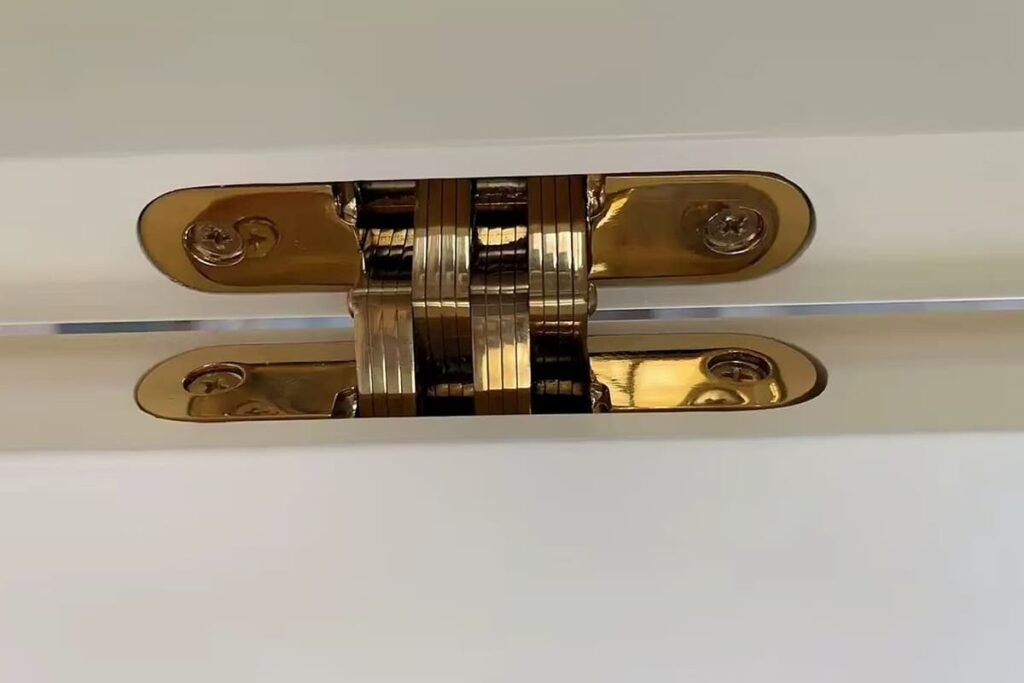
What is the difference between mortise hinge and non mortise hinges?
The difference between mortise hinge and non mortise hinges often becomes clear only after a buyer checks the door structure, machining process, and final gap requirement. If the hinge is selected by name only, bulk orders can face alignment issues, weak screw fixing, or customer complaints. The right choice starts with matching the hinge to the door.
Mortise hinges require recessed slots cut into the door and frame1, which usually gives a tighter gap, cleaner appearance, and stable fitting when the structure allows it2. Non-mortise hinges reduce or avoid slot cutting3, making them useful for thin doors, composite doors, replacements, or faster installation4, but they typically leave a larger gap5.
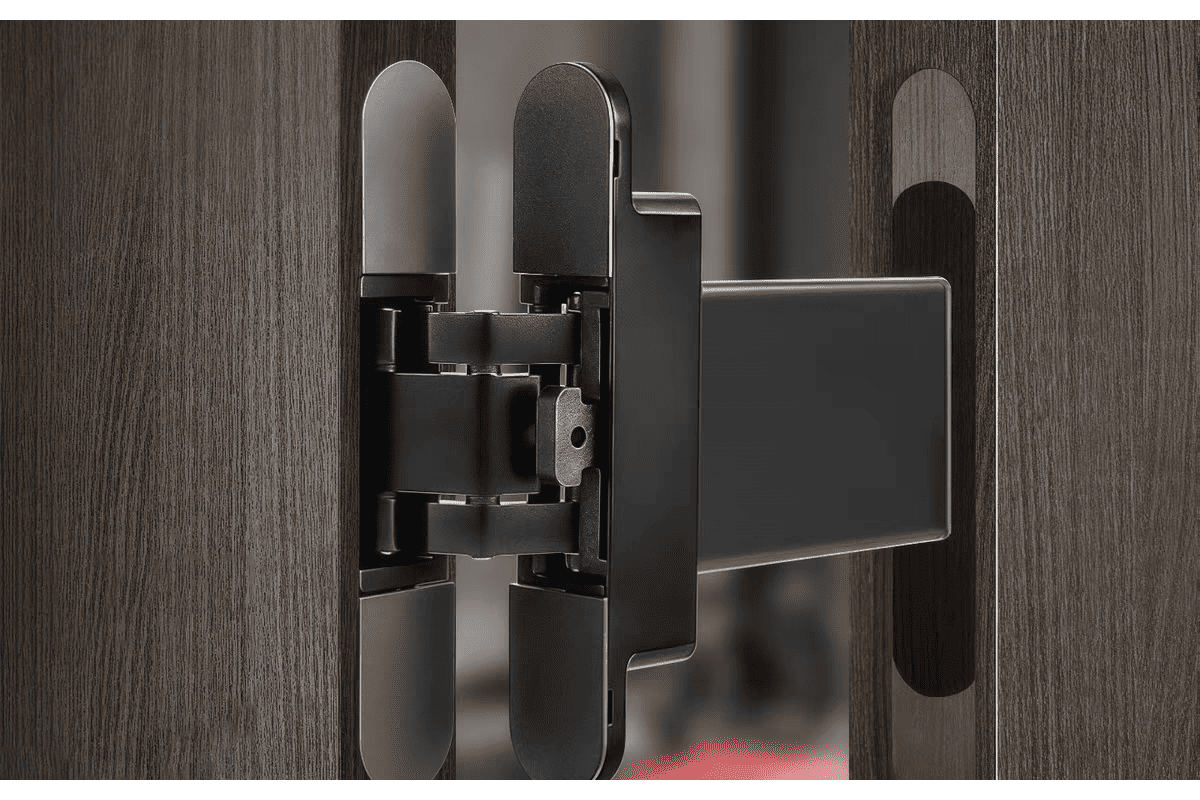
In my pre-sales work with door factories, hardware brands, and importers, I rarely treat this as a simple “better or worse” decision. I first ask about door thickness, frame preparation, door weight, material, usage frequency, and whether the buyer is producing new doors or replacing hardware in an existing system.
How do mortise hinge and non mortise hinges differ in structure?
Choosing between mortise hinge and non mortise hinges can feel simple on a sample table, but real problems appear during assembly. A hinge that looks correct may create a poor door gap, uneven reveal, or weak fixing once it meets the actual door and frame.
Mortise hinges sit inside recesses cut into both the door edge and frame. Non-mortise hinges are designed to reduce or avoid this slotting step. The structural difference affects installation work, door gap, visual result, screw holding, and long-term fitting stability in many door applications.
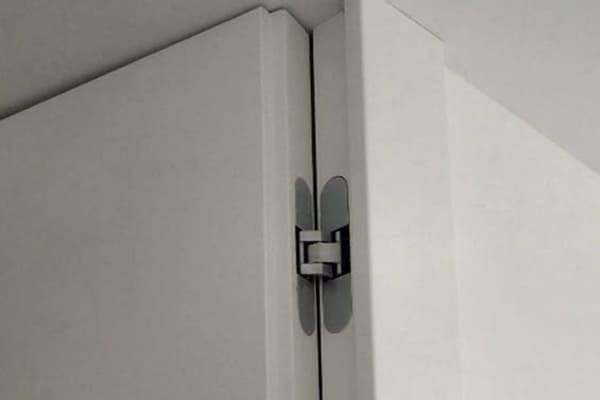
Basic structure comparison
A mortise hinge is normally installed after a pocket, also called a mortise or recess, is cut into the door and frame. The hinge leaf sits flush or nearly flush with the surface. This helps the door close with a smaller gap because the hinge thickness is absorbed into the cut area.6
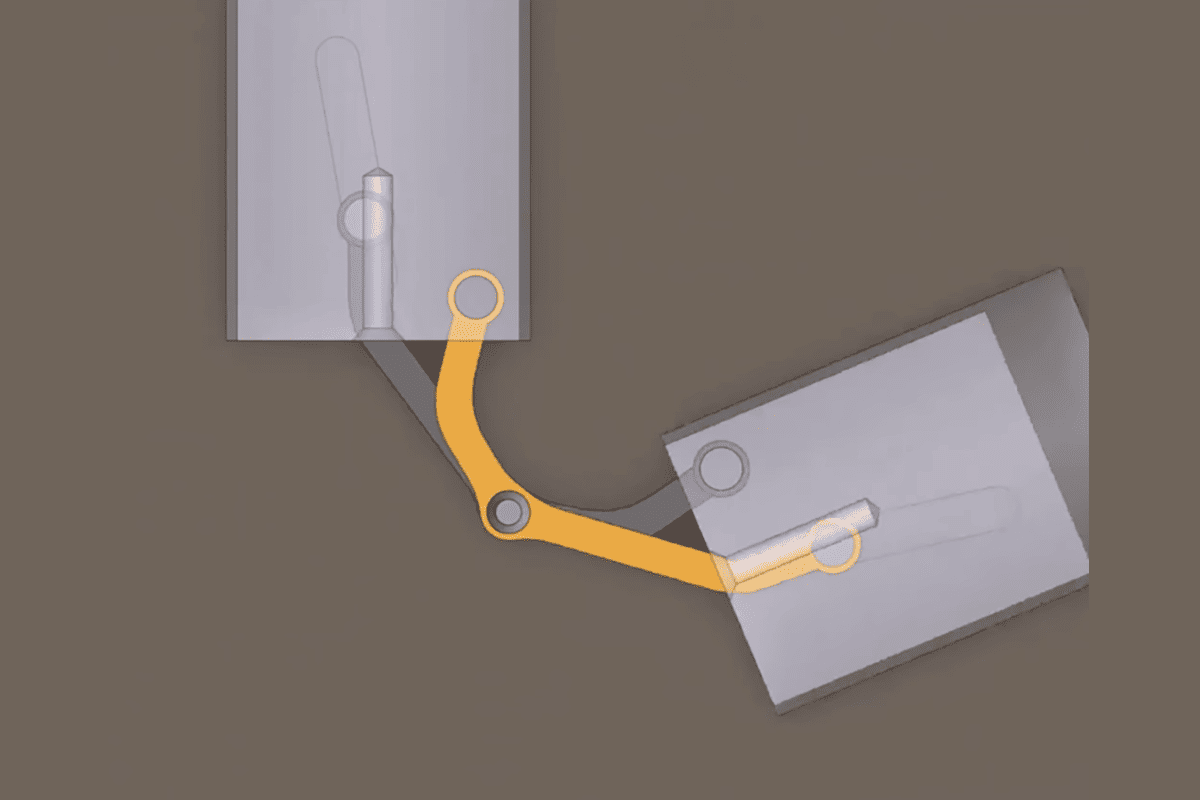
A non-mortise hinge is designed differently. Its leaves often fold into each other or use a thinner overlapping structure, so the installer can mount it on the surface with less cutting or no cutting. This makes it useful when the door edge cannot be routed cleanly or when the project needs faster replacement.
Here is a simple procurement-level comparison:
| Item | Mortise Hinge | Non-Mortise Hinge |
|---|---|---|
| Door/frame preparation | Requires recess cutting | Reduces or avoids recess cutting |
| Installation difficulty | Higher | Lower |
| Door gap control | Usually tighter | Usually larger |
| Appearance | Cleaner when installed well | More visible hinge thickness |
| Suitable door types | Solid wood, engineered wood, metal doors with prepared edge | Thin doors, composite doors, replacement work, difficult-to-machine doors |
| Main risk | Poor slotting accuracy | Larger gap or weaker support if misapplied |
Why the recess matters
The recess is not just a visual detail. It changes how the door and hinge share space. When a mortise hinge is properly fitted, the hinge leaf does not add its full thickness between the door and frame. This is why many buyers prefer it for products where a tight reveal and clean side profile are important.
However, the recess also creates demands:
- The door edge must have enough material.
- The frame must allow accurate routing or stamping.
- The installer or factory must control depth tolerance.
- The hinge size must match the cutout.
- The screw position must stay away from weak edges.
In many factory conversations, I see buyers focus on hinge material and finish first. Those are important, but they are not enough. A good hinge can still fail in application if the preparation is wrong.
Why non-mortise design is not “low-end”
I do not describe non-mortise hinges as simply cheap or low grade. That is too narrow. They solve a different problem.
For example, some composite doors do not hold a routed pocket well. Some thin doors lose edge strength when too much material is removed.7 Some replacement projects cannot change the existing frame. In these cases, a non-mortise hinge can reduce risk because it avoids aggressive machining.
The trade-off is that the hinge usually creates a larger space between the door and frame. It may also offer less structural support than a correctly installed mortise hinge in suitable door construction. This does not make it wrong. It means the buyer must confirm the design target.
I usually tell customers that the hinge type should follow the door system, not the other way around.
For B2B buyers, this point matters because one sample door may pass a quick review. But after 1,000 sets arrive at the assembly line, small structure mismatches can become serious after-sales problems.
When should buyers choose a mortise hinge and non mortise hinges?
Many buyers ask whether they should choose mortise hinge and non mortise hinges based on price. I understand the pressure to control cost, but price is rarely the first technical filter. The wrong hinge can increase labor cost, rejection rate, and customer claims.
Buyers should choose mortise hinges when the door and frame can be accurately recessed and the project needs a tight gap, clean appearance, and stronger fitting stability. They should consider non-mortise hinges when the door is thin, difficult to machine, used for replacement, or installation speed is a priority.
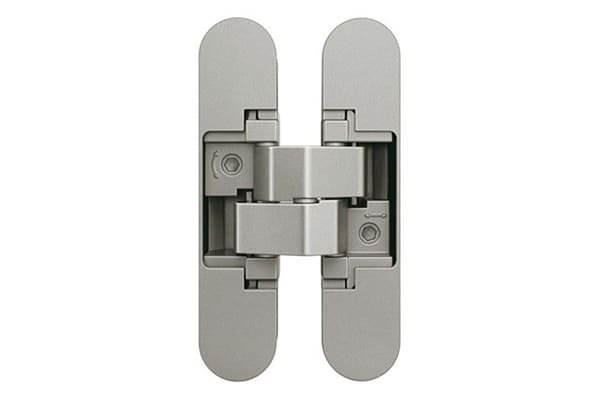
Selection starts with the door, not the hinge
In supplier discussions, I normally begin with the door specification. This helps avoid wrong assumptions. A hinge sample may look universal, but door systems are not universal.
Key questions include:
What is the door thickness?
Thin doors may not accept deep mortising safely.What is the door material?
Solid timber, MDF, composite core, steel, aluminum, and fire-rated door structures all behave differently.Can the frame be machined?
A hinge needs both door-side and frame-side compatibility.Is this new production or replacement?
New production allows better planning. Replacement projects often limit machining options.What door gap does the buyer expect?
A showroom-quality reveal may require a mortise design.How heavy is the door?
Door weight affects hinge size, quantity, screw fixing, and structure.8 Exact load capacity should always be checked against supplier test data or project requirements.
Common B2B decision scenarios
| Buyer scenario | Usually better option | Reason |
|---|---|---|
| New wooden door production with CNC routing | Mortise hinge | Accurate recesses support clean fitting |
| Thin interior doors | Non-mortise hinge | Less material removal helps preserve the edge |
| Replacement on existing frames | Non-mortise hinge | Reduces site modification |
| Premium door line with tight reveal | Mortise hinge | Better gap control when installed correctly |
| Difficult-to-machine composite doors | Non-mortise hinge | Avoids damaging weak edges |
| Heavy-use commercial door | Case-by-case | Requires evaluation of hinge size, screws, door material, and test documents |
Mortise hinge advantages in the right application
A mortise hinge usually offers several practical benefits when the door and frame are prepared correctly:
- Smaller door gap because the hinge leaf sits in the recess.
- Cleaner appearance because the hinge looks integrated.
- Better positional stability because the recess helps locate the hinge.
- More predictable assembly in factories with accurate machining.
- Better compatibility with many traditional and engineered door systems.
However, these benefits depend on machining quality. If the mortise is too deep, the door may bind. If it is too shallow, the gap may grow. If the cutout is not square, the door may twist or sag. This is why I always recommend checking sample assembly before bulk purchase.
Non-mortise hinge advantages in the right application
Non-mortise hinges can also be very practical. Their value appears when cutting is risky or inefficient.
They may help buyers achieve:
- Faster installation for certain product lines.
- Less routing equipment dependency in small workshops.
- Lower risk of damaging thin door edges.
- Easier replacement when old frames cannot be modified.
- More flexible use in lightweight doors or cabinets.
The limitation is also clear. Because the hinge is not recessed in the same way, the door gap may be larger. Buyers should confirm whether that gap is acceptable for the market, project, or brand standard.
In one inquiry I handled, a customer wanted to switch from a mortise hinge to a non-mortise type to reduce production steps. The sample looked acceptable, but the final door reveal was wider than their market standard. The hinge was not defective. The specification target had changed without being reviewed.
That is the real procurement lesson.
What risks appear when ordering mortise hinge and non mortise hinges in bulk?
Bulk purchasing of mortise hinge and non mortise hinges carries more risk than sample purchasing because small dimensional differences repeat across every door set. A hinge that works on one test door may create production waste if the door gap, screw fixing, or machining tolerance is not confirmed early.
The main bulk-order risks include wrong hinge size, mismatch with door thickness, inaccurate mortise depth, poor screw holding, unacceptable door gap, surface finish inconsistency, and confusion between sample approval and mass-production tolerance. Buyers should verify drawings, samples, assembly results, and quality documents before ordering.
Risk 1: Ordering by product name only
Many inquiries start with simple wording such as “send price for 4-inch hinge” or “need non-mortise hinge.” This is not enough for stable procurement.
A hinge name does not confirm:
- Leaf thickness
- Open width
- Knuckle diameter
- Pin structure
- Screw hole position
- Corner shape
- Surface finish
- Material grade
- Bearing structure
- Packaging method
- Door and frame preparation
For a door hardware brand or importer, these details affect both installation and customer satisfaction. If the buyer resells the product under a local brand, inconsistency can damage trust quickly.
Risk 2: Door gap not matching market expectations
Door gap is one of the most visible results of hinge selection. A mortise hinge typically supports a smaller gap when properly recessed. A non-mortise hinge usually creates a larger gap because the leaves sit differently between the door and frame.
This is not only a technical issue. It is also a market issue.
Some regional buyers accept a wider reveal for economical interior doors. Other markets expect a more refined appearance. Some engineering projects may have defined clearance requirements. If the buyer does not confirm this before ordering, the supplier may deliver the correct hinge but the wrong result for the project.
Risk 3: Weak screw fixing
Screw holding depends on several factors:9
- Door core density
- Frame material
- Screw length and diameter
- Screw hole location
- Hinge leaf thickness
- Installation torque
- Edge distance
- Number of hinges per door
A mortise hinge can be stable when the recess and screw fixing are suitable. A non-mortise hinge can also work well in the right lightweight or replacement application. But neither design should be treated as automatically suitable for every door.
For heavier doors or high-frequency use, buyers should ask suppliers for relevant test data, material specifications, and application guidance. If the project requires a fire-rated or CE-compliant product, the buyer should verify the actual certificate, test report, product scope, and issuing body before relying on the claim.10
Risk 4: Sample approval without production tolerance control
A polished sample can hide mass-production issues. In bulk supply, buyers should check whether the supplier can maintain consistent dimensions and finish.
I recommend reviewing:
| Checkpoint | Why it matters |
|---|---|
| Hinge thickness tolerance11 | Affects door gap and closing clearance |
| Hole position tolerance | Affects screw alignment |
| Leaf flatness | Affects fitting stability |
| Pin straightness | Affects swing movement |
| Surface finish consistency | Affects brand appearance |
| Salt spray or corrosion test documents | Supports market suitability claims |
| Packaging protection | Reduces transport scratches |
At SDH Hardware, our buyer conversations usually include specification confirmation before quotation when the project involves batch assembly. This is not because the process must be complicated. It is because small errors become expensive in volume.
Risk 5: Misalignment between factory capability and project need
A door factory with CNC equipment can handle mortise preparation more easily. A distributor selling replacement hinges may prefer non-mortise options because their customers need simple installation. A hardware brand may need both types for different product lines.
So the correct choice depends on the supply chain position.
- Door manufacturers usually care about assembly efficiency and repeatability.
- Importers usually care about market fit, packaging, and documentation.
- Hardware brands usually care about finish, consistency, and SKU planning.
- Project suppliers usually care about compliance, delivery, and reduced installation risk.
The buyer should align hinge type with the final use case before confirming bulk purchase.
How should buyers specify mortise hinge and non mortise hinges to suppliers?
Specifying mortise hinge and non mortise hinges clearly is the best way to reduce sourcing mistakes. A vague inquiry can lead to wrong quotations, wrong samples, or products that look similar but fail during assembly. Good specification protects both the buyer and the supplier.
Buyers should provide door thickness, door weight range, door material, frame structure, hinge size, leaf thickness, finish, screw details, installation type, gap expectation, quantity, packaging needs, and compliance requirements. They should also test sample assembly before approving bulk production.
A practical inquiry checklist
When I receive a hinge inquiry, I prefer a clear specification sheet. It saves time and reduces misunderstanding. Buyers do not need to write a long document at the first contact, but they should include the core details.
A useful hinge inquiry should include:
Door thickness
Example: 35 mm, 40 mm, 45 mm, or project-specific.Door material
Wood, MDF, composite, steel, aluminum, or other structure.Frame material and design
The hinge must match both sides, not only the door.Door weight and size
This helps the supplier suggest hinge size and quantity, but final suitability should be checked against project requirements and test data.Hinge type
Mortise hinge, non-mortise hinge, butt hinge, concealed hinge, or other style.Hinge dimensions
Open width, height, thickness, knuckle size, and screw hole layout.Finish requirement
Satin stainless steel, polished brass, black, PVD, electroplated finish, powder coating, or custom finish.Application market
Europe, Middle East, Southeast Asia, or other regions may have different common specifications.Certification or test document requirement
If CE, fire-rated, or corrosion test documents are needed, the buyer should ask for valid documents and confirm product coverage.Sample assembly requirement
A sample should be tested on the actual or equivalent door and frame.
Specification comparison table
| Specification item | Why buyers should confirm it | Common problem if ignored |
|---|---|---|
| Door thickness | Determines hinge compatibility | Door cannot close correctly |
| Mortise depth | Controls flush fitting | Binding or wide gap |
| Leaf thickness | Affects clearance | Door rubs or reveal changes |
| Screw hole position | Affects fixing | Screws miss solid material |
| Finish | Affects visual consistency | Batch color difference |
| Material | Affects market positioning | Wrong cost or performance expectation |
| Packaging | Affects transport quality | Scratches and claims |
| Test documents | Supports compliance review | Project rejection risk |
Sample assembly is not optional for serious bulk orders
For B2B procurement, I always prefer sample assembly over sample viewing. A hinge on a desk tells only part of the story. A hinge on the actual door tells much more.
During sample assembly, buyers should check:
- Whether the door closes smoothly.
- Whether the gap meets the target.
- Whether the hinge sits flat.
- Whether screws bite firmly.
- Whether the finish matches other hardware.
- Whether the hinge position aligns with production drawings.
- Whether the packaging protects the visible surface.
This step is especially important when changing from mortise hinges to non-mortise hinges, or from one supplier’s hinge to another. Even if two hinges share the same nominal size, small differences in leaf thickness or hole position can affect assembly.12
How supplier capability affects the result
A hinge supplier should not only quote a price. A strong supplier should help confirm whether the product fits the buyer’s door system.
For example, SDH Hardware focuses on architectural door hardware manufacturing, including butt hinges, concealed door hinges, mortise locks, lever handles, and cylinders. In our customer discussions, I often find that buyers value three things beyond unit price:
- Stable production dimensions
- Consistent surface finish
- Clear specification confirmation before production
For international buyers, documentation also matters. If a project or market requires CE or fire-rated documents, buyers should verify that the certificate applies to the exact product type, size, structure, and application. A general statement is not enough for professional procurement.
New production versus replacement projects
The selection process also changes depending on whether the buyer is planning new production or replacement.
For new door production, the factory can design the door edge, frame, hinge cutout, and screw positions together. This gives more freedom to use mortise hinges where a clean appearance and tight gap are needed.
For replacement projects, the buyer often has less freedom. Existing door and frame conditions may not allow routing. Screw holes may already exist. Frame alignment may be imperfect. In these cases, non-mortise hinges may reduce site modification, but the buyer still needs to confirm gap and fixing strength.
This is why I do not recommend choosing hinge type from a catalog photo alone. The application controls the correct answer.
Frequently Asked Questions
Are mortise hinges stronger than non-mortise hinges?
Mortise hinges are often more stable when properly recessed into suitable door and frame structures. However, strength depends on material, hinge size, screw fixing, door weight, and installation quality. Buyers should not assume performance by hinge type only. They should check samples, drawings, and relevant test documents.
Do non-mortise hinges require no cutting at all?
Many non-mortise hinges are designed to reduce or avoid recess cutting, but actual installation depends on the door system and clearance requirement. Some projects may still need minor adjustment. Buyers should confirm installation drawings and test the hinge on the actual door and frame before bulk ordering.
Which hinge type gives a smaller door gap?
A mortise hinge usually gives a smaller door gap because the hinge leaves sit inside recessed pockets. A non-mortise hinge typically leaves a larger gap because it is surface-mounted or partially overlapping. The final gap also depends on hinge thickness, door straightness, and installation accuracy.
Can I replace a mortise hinge with a non-mortise hinge?
A replacement may be possible, but it is not automatic. The buyer must check existing recesses, screw holes, door gap, frame condition, and appearance expectations. In bulk replacement projects, sample assembly is important because a non-mortise hinge may change the reveal and closing position.
What should I confirm before buying hinges in bulk?
Buyers should confirm door thickness, door material, frame structure, hinge size, leaf thickness, screw fixing, finish, door weight range, installation method, compliance documents if needed, and sample assembly results. This prevents problems that may not appear when reviewing catalog photos or single loose samples.
Conclusion
The difference between mortise hinge and non mortise hinges is not only the presence or absence of a recess. It is a full selection decision involving door thickness, material, frame structure, machining ability, load requirement, installation speed, visual gap, and market expectation. Before bulk purchasing, I recommend confirming hinge size, screw fixing, slotting possibility, finish, certificates where applicable, and sample assembly. If you need factory-direct support for architectural door hardware sourcing, contact SDH Hardware to review your specifications before production.
"The Basics of Door Hinges | SECLOCK", https://www.seclock.com/education/entry/the-basics-of-door-hinges. A builders-hardware reference defines full-mortise hinges as hinges installed with leaves set into mortises in the door and frame, supporting the article’s description of recessed-slot installation. Evidence role: definition; source type: institution. Supports: A neutral hardware reference should define a full-mortise hinge as one whose leaves are recessed into the door and frame.. ↩
"SECTION 087111 - DOOR HARDWARE (SCHEDULED BY ...", https://fpm.usc.edu/wp-content/uploads/2021/11/087102-USC-HSC-door-hardware-Guide-Specification_1.pdf. Architectural hardware guidance explains that mortised hinge leaves sit flush with the door and frame, a construction detail that can reduce visible clearance and improve alignment; this supports the mechanism but does not prove performance for every door system. Evidence role: mechanism; source type: institution. Supports: The source should explain that mortising lets hinge leaves sit flush with the door and frame, which affects clearance and appearance.. Scope note: Contextual support only, because actual gap and stability depend on hinge dimensions, machining accuracy, door material, and installation quality. ↩
"Mortise Door Hinges vs. Non-Mortise Hinges - National Lock Supply", https://nationallocksupply.com/blog/mortise-door-hinges-vs-nonmortise-hinges/?srsltid=AfmBOopOKeHsC51247TvcDVVL_5NqFrWApFhvqjNBhjBEkQf8LGU4I56. A woodworking or architectural hardware reference describes non-mortise hinges as hinges intended to be mounted without cutting conventional mortises, supporting the article’s distinction from mortise hinges. Evidence role: definition; source type: education. Supports: The source should define non-mortise hinges as hinges intended for surface installation without cutting full hinge recesses.. ↩
"No-Mortise Hinge Buying Guide", https://www.rockler.com/learn/no-mortise-hinge-buying-guide. Installation guidance for non-mortise hinges notes that they can be mounted with less cutting than conventional mortise hinges, providing contextual support for their use in thin-door, replacement, or speed-sensitive applications. Evidence role: general_support; source type: education. Supports: The source should indicate that avoiding mortise cutting can be useful where routing is difficult, material is thin, or replacement conditions limit frame modification.. Scope note: The source may support the installation rationale generally rather than directly testing each listed door type. ↩
"No-Mortise Hinge Buying Guide", https://www.rockler.com/learn/no-mortise-hinge-buying-guide. Technical hinge-installation guidance explains that recessed hinge leaves reduce the thickness placed between the door and frame, while surface-mounted leaves require additional clearance; this supports the stated tendency toward a larger gap for non-mortise designs. Evidence role: mechanism; source type: institution. Supports: The source should explain that surface-mounted or overlapping hinge leaves can increase the space needed between door and frame compared with recessed hinge leaves.. Scope note: The support is mechanical and contextual; the exact gap depends on hinge geometry, leaf thickness, and installation tolerances. ↩
"Hinges not allowing door to close properly? - Facebook", https://www.facebook.com/groups/woodworkingforbeginner/posts/3343418915812710/. A door-installation reference describes mortising as cutting recesses so hinge leaves sit flush with the door and jamb, supporting the explanation that the hinge thickness is partly absorbed by the cutout. Evidence role: mechanism; source type: education. Supports: The source should describe that mortising sets hinge leaves flush into the door and jamb, reducing the amount of hinge thickness that separates the two surfaces.. ↩
"Wood Handbook: Wood as an Engineering Material", https://research.fs.usda.gov/fpl/wood-handbook. Wood engineering guidance from a government research source explains that fastener performance and member strength depend on remaining material, density, and edge conditions, supporting the concern that excessive material removal can weaken thin door edges. Evidence role: mechanism; source type: government. Supports: The source should explain that removing material from wood or engineered wood reduces remaining section and can affect fastener holding or edge performance.. Scope note: The source may address wood and engineered wood generally rather than testing the specific door constructions discussed in the article. ↩
"How much weight can door hinges hold?", https://www.hingeoutlet.com/blogs/news/how-much-weight-can-door-hinges-hold?srsltid=AfmBOootoUTDoPmjGWm3ckjH1l5uj4UNDYd1ec8aC4AyMvXcTy-hjm0K. Architectural hardware standards and selection guides treat door weight, dimensions, and use frequency as factors in selecting hinge size, quantity, and construction, supporting the article’s procurement guidance. Evidence role: expert_consensus; source type: institution. Supports: The source should show that hinge selection depends on door size, weight, frequency of use, and fastening conditions.. ↩
"Wood handbook: Wood as an engineering material", https://research.fs.usda.gov/treesearch/62200. The USDA Forest Products Laboratory’s wood engineering guidance reports that screw withdrawal resistance is influenced by wood density, screw dimensions, and placement conditions, supporting the article’s statement that screw holding is multi-factorial. Evidence role: mechanism; source type: government. Supports: The source should explain how screw withdrawal and holding strength vary with material properties, screw dimensions, and placement.. Scope note: The evidence is strongest for wood and wood-based materials and may not directly cover metal frames, composite cores, or all door constructions. ↩
"CE marking - Wikipedia", https://en.wikipedia.org/wiki/CE_marking. European Commission guidance on CE marking and construction-product documentation states that conformity claims are tied to applicable assessments and declared product performance, supporting the need to verify certificates, reports, issuing bodies, and product scope. Evidence role: expert_consensus; source type: government. Supports: The source should explain that regulated product claims depend on applicable documentation, conformity assessment, and defined product scope.. Scope note: This supports compliance-document verification generally; fire-rating requirements may vary by jurisdiction and door assembly. ↩
"How much gap should I leave between the door and the frame to ...", https://www.reddit.com/r/woodworking/comments/10vl5ac/how_much_gap_should_i_leave_between_the_door_and/. Engineering tolerance references describe how dimensional variation accumulates in assemblies and changes clearances, supporting the article’s claim that hinge thickness tolerance can affect door gap and closing clearance. Evidence role: mechanism; source type: education. Supports: The source should explain that dimensional variation in parts contributes to clearance variation in assemblies.. Scope note: The support is based on general tolerance-stack principles rather than a hinge-specific experimental study. ↩
"Various tolerance systems used in engineering to ensure ...", https://www.facebook.com/KnowledgeObserver/posts/various-tolerance-systems-used-in-engineering-to-ensure-precise-manufacturing-an/1048534160639289/. Manufacturing engineering references explain that nominal dimensions do not guarantee identical fit because tolerances in thickness and hole location affect assembly alignment, supporting the article’s warning about nominally similar hinges. Evidence role: mechanism; source type: education. Supports: The source should explain that nominally identical parts can differ within tolerances and that thickness or hole-location variation affects assembly fit.. Scope note: The source would support the general manufacturing principle rather than documenting the specific hinge models in the article. ↩