Choosing Cylinder Locks for Interior Door Locks?
Cylinder locks for interior door locks can look simple on a quotation sheet, but the wrong choice can create installation gaps, poor handle matching, and costly batch complaints. I have seen small cylinder-length mistakes delay sampling approvals. The better solution is to choose the cylinder as part of the complete interior door lock system.
Choosing cylinder locks for interior door locks means matching the cylinder with door thickness, mortise lock type, handle design, finish, use scenario, and batch supply requirements. For most interior doors, buyers need smooth operation, privacy, stable quality, and easy replacement rather than entrance-door-level security performance.1
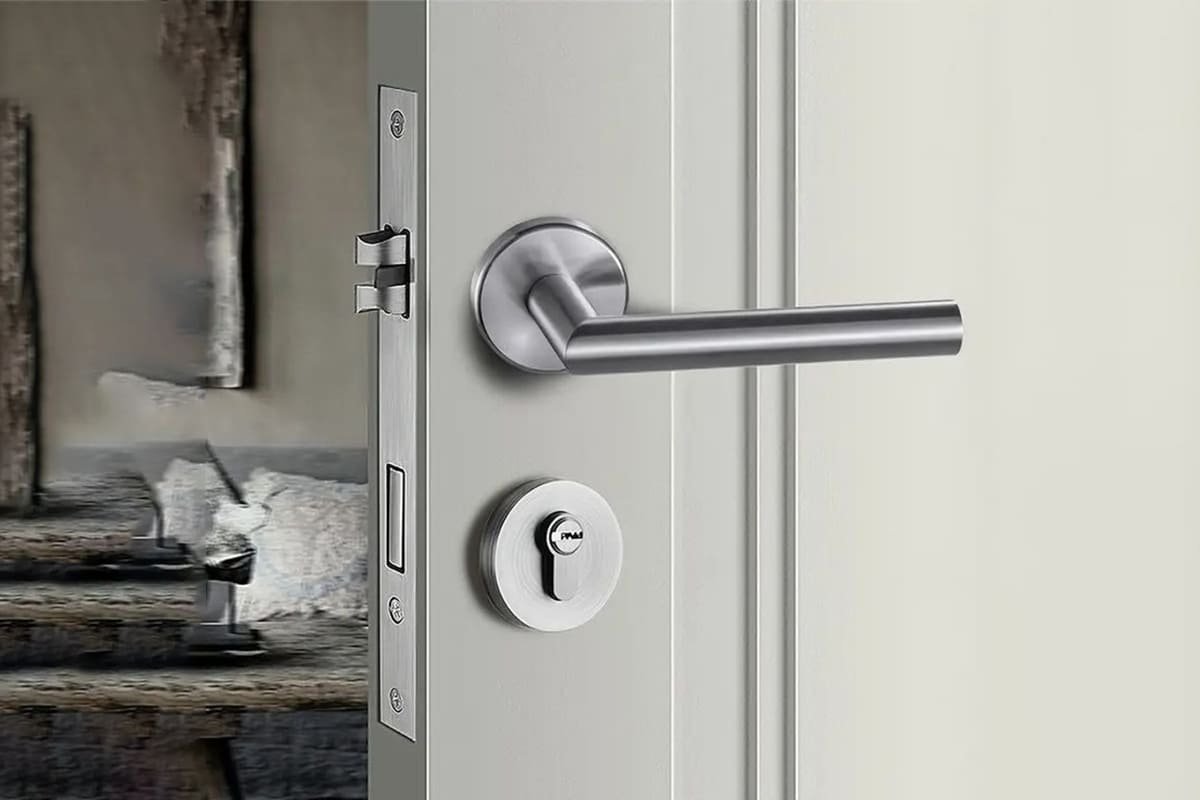
A cylinder should not be selected only by price or security grade. In factory sampling and bulk order work, I usually start with one question: what door system will this cylinder be used with? The answer affects almost every specification that follows.
How Should Buyers Choose Cylinder Locks for Interior Door Locks by Door Thickness?
Door thickness looks like a basic detail, but it often causes the first mismatch in interior door hardware projects. If the cylinder is too long, it protrudes. If it is too short, installation becomes difficult. Both issues can create complaints after batch assembly.
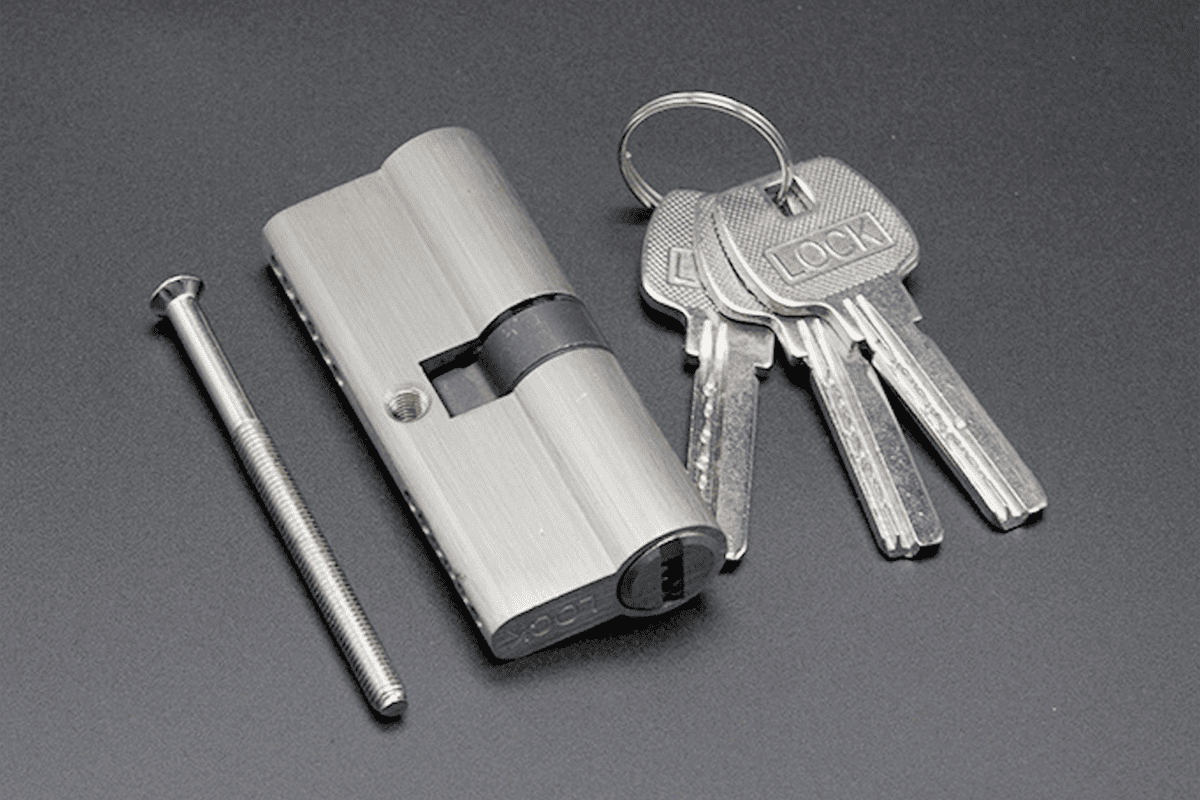
The correct way to choose cylinder locks for interior door locks by door thickness is to confirm the finished door thickness, handle rose or plate thickness, mortise lock position, and required cylinder length before quotation. A common interior solution is a single cylinder with one key side and one thumbturn side.2
Why Door Thickness Comes First
In my daily work with door factories and hardware buyers, I rarely quote a cylinder without first asking about door thickness. A cylinder is not floating alone in the door. It passes through the lock body, works with the handle set, and sits between both sides of the door surface.
For interior wooden doors, common thicknesses often fall around 35 mm, 38 mm, 40 mm, 45 mm, or 50 mm3, depending on the market and door structure. However, the cylinder length must also consider the handle trim4.
For example, two doors may both be 40 mm thick, but they may need different cylinder lengths if one uses a slim rose handle and the other uses a thicker decorative plate.
Common Cylinder Matching Factors
Before confirming cylinder locks for interior door locks, I usually check these points:
Finished door thickness
This means the real door thickness after veneer, paint, laminate, or other surface treatment.Cylinder type
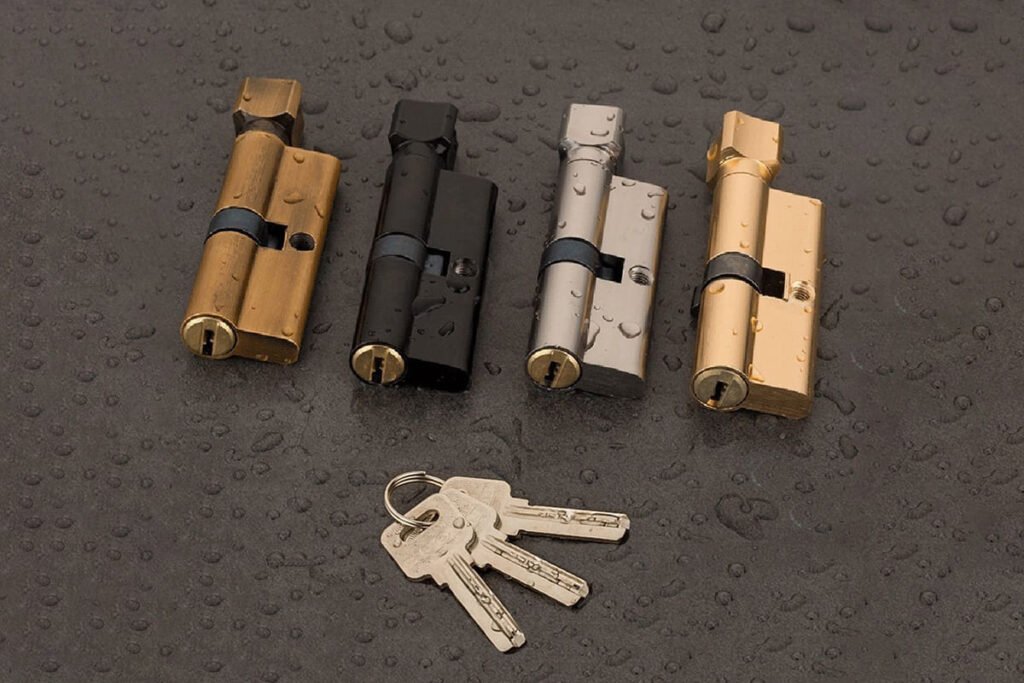
Interior doors commonly use a key and thumbturn cylinder, especially for bedrooms, offices, apartments, and hotel room interiors.Cylinder length
The cylinder should sit neatly with the handle trim. It should not protrude too much or sit too deeply.Mortise lock case position
The cylinder hole must align with the mortise lock body.Handle plate or rose thickness
Decorative handles can change the visible cylinder position.
Example Matching Table
| Finished Door Thickness | Common Interior Cylinder Direction | Buyer Risk if Unchecked |
|---|---|---|
| 35 mm | Shorter cylinder length | Cylinder may protrude if standard length is used |
| 40 mm | Common single cylinder option | Usually safe, but handle thickness still matters |
| 45 mm | Longer cylinder may be needed | Thumbturn may sit too tight if cylinder is short |
| 50 mm+ | Project-specific confirmation | Standard stock cylinder may not fit properly |
What I Check During Sampling
During sample preparation, I ask customers to send drawings, photos, or full lock-set requirements. If the buyer has the door sample, I prefer to confirm the door thickness, lock body center distance, backset, handle type, and finish together.
I also check basic operation before shipment:
- The key turns smoothly.
- The thumbturn does not feel loose.
- The cylinder sits straight in the lock body.
- The cam operates the lock correctly.
- The finish matches the handle set.
- The visible position looks acceptable from both sides.
This process is not a laboratory test. It is practical factory-side inspection. Still, it prevents many ordinary procurement problems. A buyer who confirms door thickness early usually saves time in sampling, avoids rework, and reduces installation complaints during batch production.
Why Should Cylinder Locks for Interior Door Locks Be Matched With the Mortise Lock Type?
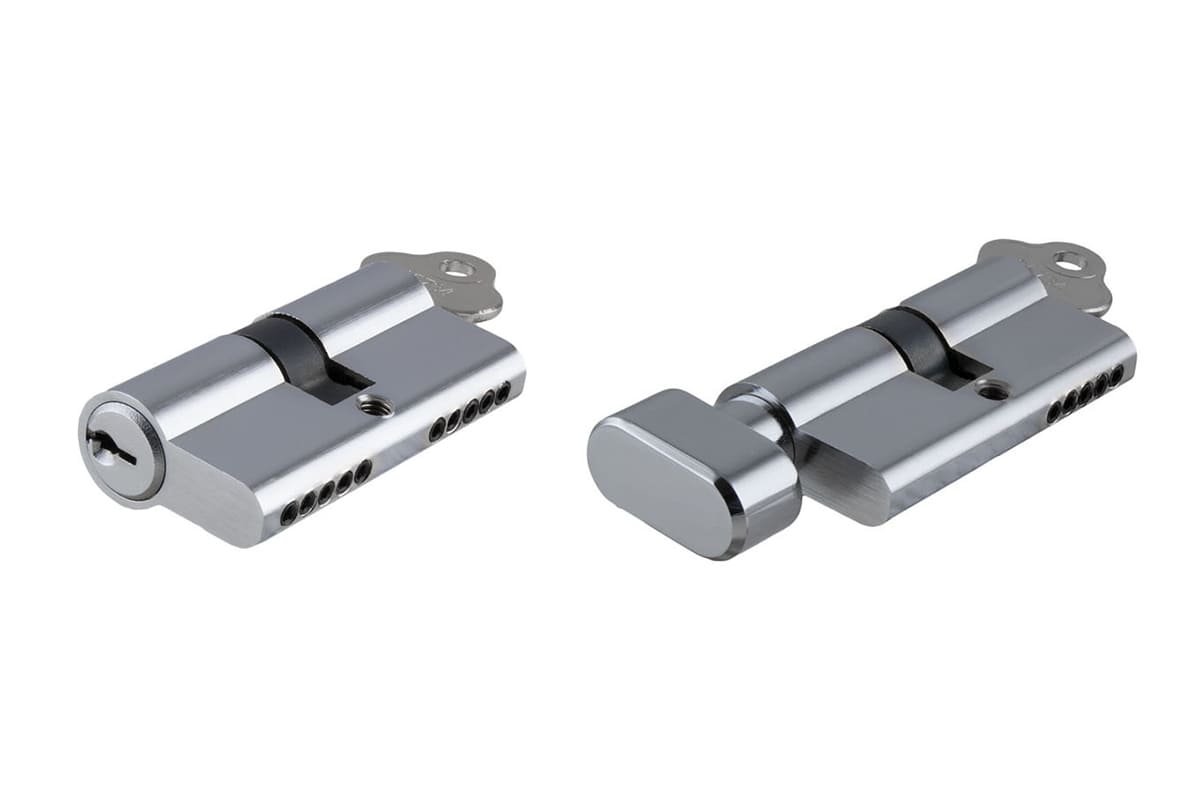
A cylinder can only work correctly when the mortise lock body is compatible.5 If buyers choose the cylinder first and the lock body later, the set may not operate smoothly. This can lead to poor latch movement, incorrect hole alignment, or unstable assembly.
Cylinder locks for interior door locks should be matched with the mortise lock type because the lock case controls cylinder position, latch movement, handle function, and door-closing performance. Standard mechanical locks, silent locks, and magnetic mortise locks may require different matching details.
Standard, Silent, and Magnetic Mortise Locks
Interior door projects are no longer limited to basic mechanical mortise locks. I now receive more inquiries about silent locks and magnetic mortise locks, especially for apartments, hotels, and mid-to-high-end wooden door lines.
Each lock body type affects the complete lock set.
| Mortise Lock Type | Common Interior Use | Main Buyer Concern |
|---|---|---|
| Standard mechanical mortise lock | General residential doors, office doors, budget projects | Cost control and easy replacement |
| Silent mortise lock | Bedrooms, apartments, hotels, office rooms | Lower closing noise and better user comfort |
| Magnetic mortise lock | Modern wooden doors, premium interiors, clean design projects | Quiet closing, cleaner appearance, reduced latch scratch risk |
Why Magnetic Mortise Locks Are Becoming Popular
In many customer discussions, magnetic locks attract attention because the latch stays retracted when the door is open. When the door closes, the magnetic action helps the latch engage with the strike plate.6
From a buyer’s point of view, this brings several practical advantages:
- Reduced scratch risk7 on the door frame because the latch is not always sticking out.
- Quieter operation compared with some standard latch systems.
- Cleaner appearance when the door is open.
- Improved user comfort for bedrooms, hotels, and offices.
- Better product positioning for modern interior door lines.
However, I do not suggest choosing a magnetic lock only because it sounds more advanced. The buyer should check door design, price level, installation habits, frame accuracy, and after-sales expectations.
Cylinder Matching Points for Mortise Locks
When I match cylinder locks for interior door locks with mortise locks, I usually confirm:
Cylinder hole position
The cylinder must align with the lock body opening.Cam compatibility
The cylinder cam must operate the lock correctly.Lock case dimensions
The body size should fit the door preparation.Backset and center distance
These dimensions affect handle and cylinder positioning.Strike plate design
Especially important for magnetic mortise locks.Door opening direction
Some lock bodies need clear handing confirmation.
Do Not Over-Specify the Lock Body
Some buyers ask for the “best” cylinder and lock body for every interior door. I understand the intention, but I usually suggest a more balanced choice. A bedroom door, hotel bathroom door, office partition door, and apartment interior door do not always need the same configuration.
A good interior lock set should deliver:
- Smooth daily use
- Stable privacy function
- Acceptable durability
- Consistent finish
- Good cost-performance ratio
- Easy replacement
- Reliable batch supply
The mortise lock type is one of the most important decisions because it affects the user experience more directly than many buyers expect. A well-matched standard lock can be better than a poorly matched premium lock.
Which Handle Material Works Best With Cylinder Locks for Interior Door Locks?
Many buyers focus on the cylinder price first, but the handle material often decides the final market positioning of the full lock set. If the handle material, finish, and cylinder finish do not match, even a good cylinder can make the product look inconsistent.
The best handle material for cylinder locks for interior door locks depends on the project level and use scenario. Zinc alloy supports rich designs and plated colors8, stainless steel offers durability and corrosion resistance9, and aluminum alloy is often selected when low cost is the main priority.
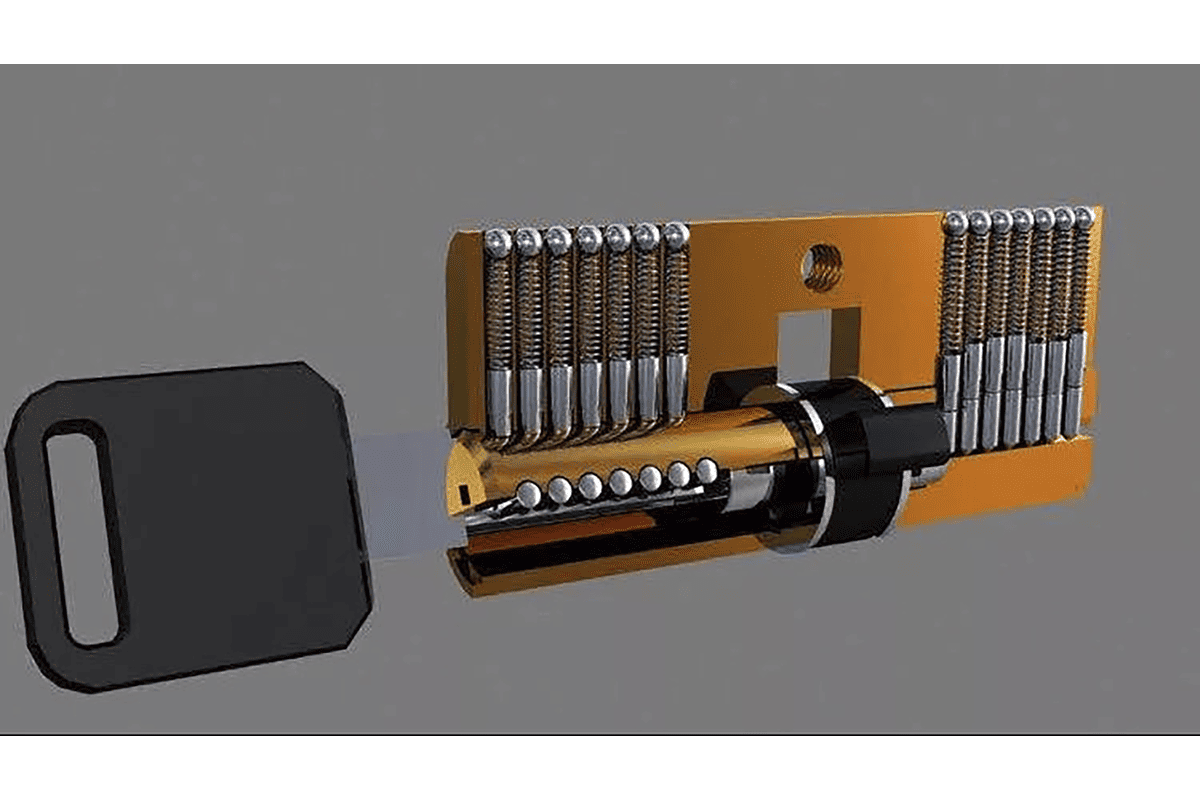
Comparing Common Interior Door Handle Materials
In our production and customer sampling work, I often see three main handle material directions: zinc alloy, stainless steel, and aluminum alloy. Each one has its own value. The correct option depends on the buyer’s market, product line, and target price.
| Handle Material | Strengths | Common Use | Buyer Watch Point |
|---|---|---|---|
| Zinc alloy | Rich shapes, good decorative options, many plated colors | Residential interiors, apartments, decorative door sets | Finish consistency and plating quality |
| Stainless steel | Durable, corrosion resistant, clean modern look | Public buildings, offices, high-traffic interiors | Surface brushing, thickness, and grade confirmation |
| Aluminum alloy | Lightweight and cost-effective | Budget interior doors, price-sensitive markets | Surface durability and perceived value |
Zinc Alloy for Decorative Interior Door Lines
Zinc alloy is popular for residential interior door locks because it allows more design flexibility. Buyers can develop modern, classic, or regional styles with different finishes, such as satin nickel, black, antique bronze, chrome, or gold tones.
When matching zinc alloy handles with interior cylinders, I check:
- Whether the cylinder face finish matches the handle.
- Whether the thumbturn shape matches the handle design.
- Whether the plating color is stable across bulk batches.
- Whether the handle spring structure feels firm enough.
- Whether the product line can keep the same appearance over repeat orders.
For hardware brands and wholesalers, finish consistency is a big issue. A slight color difference may not affect function, but it can affect customer acceptance.10
Stainless Steel for Public Building Interior Doors
Stainless steel handles are often chosen for public buildings, offices, schools, hospitals, and other higher-use areas. The material is valued because it offers good durability and corrosion resistance when correctly specified and manufactured.
For stainless steel interior lock sets, buyers should confirm:
- Material grade and thickness
- Surface finish, such as satin or polished
- Handle structure
- Lock body compatibility
- Cylinder finish
- Packaging protection
I avoid making broad claims that one material is always superior. A stainless steel handle can be a strong choice, but it still needs correct production control, good assembly, and suitable lock-body matching.
Aluminum Alloy for Cost-Sensitive Projects
Aluminum alloy handles are usually selected when price is the main concern.11 They can be suitable for budget doors or markets where customers prefer low purchase cost.
However, buyers should avoid choosing only by the lowest unit price. They should still check:
- Handle strength
- Surface treatment
- Color stability
- Packaging
- Screw quality
- Cylinder matching
- After-sales replacement convenience
Finish Matching Matters More Than Many Buyers Expect
For cylinder locks for interior door locks, finish matching is not only about beauty. It also affects how the product is perceived in the market. If the handle is matte black but the cylinder face has a different black tone, the set may look like mixed components.
In batch orders, I recommend confirming a signed sample or approved color reference before mass production. This gives both the buyer and the factory a clear standard. It also reduces disputes when the goods arrive.
How Do Usage Scenarios Affect Cylinder Locks for Interior Door Locks?
Interior doors are used in many different environments. A bedroom door does not need the same lock logic as a public office door. If buyers use one cylinder specification for every scenario, they may overspend in some areas and under-specify in others.
Usage scenarios affect cylinder locks for interior door locks by defining the required balance between privacy, durability, appearance, replacement convenience, and cost. Bedrooms, offices, apartments, hotels, and wooden door production lines usually need practical performance rather than maximum anti-theft configuration.
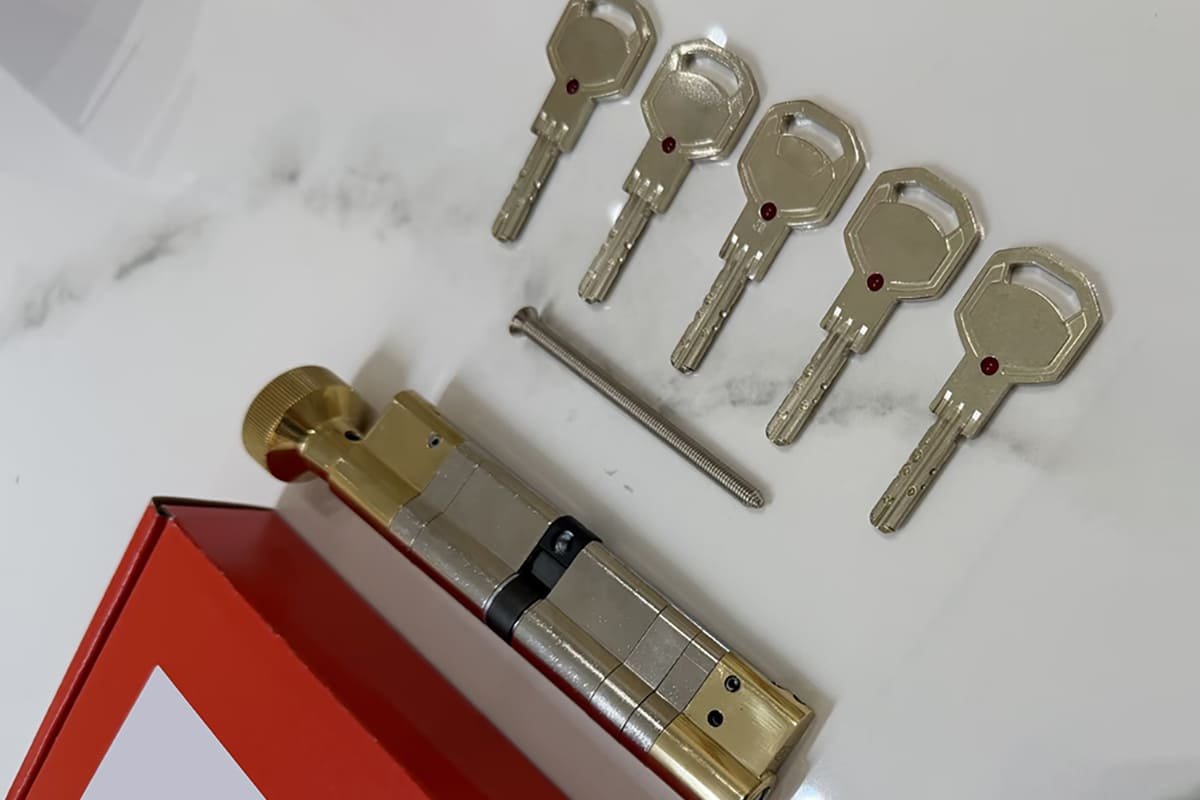
Interior Door Security Should Be Balanced
I sometimes receive inquiries asking for high-security cylinders for all interior doors. I understand that buyers want reliable products, but interior doors usually serve a different purpose from entrance doors.
For many interior applications, the key needs are:
- Privacy control
- Smooth locking and unlocking
- Comfortable thumbturn operation
- Stable handle return
- Good appearance
- Reasonable cost
- Simple replacement
- Consistent batch quality
This does not mean quality is unimportant. It means the specification should match the actual use. Over-specifying every interior cylinder can raise costs without improving the buyer’s real market competitiveness.
Common Interior Door Applications
| Application | Common Requirement | Suggested Selection Focus |
|---|---|---|
| Bedroom doors | Privacy and quiet operation | Key/thumbturn cylinder, smooth mortise lock, matched finish |
| Apartment interior doors | Consistent appearance and cost control | Standardized cylinder length and stable batch supply |
| Hotel interior doors | Quiet operation and durable finish | Silent or magnetic lock body, strong finish control |
| Office interior doors | Moderate privacy and frequent use | Durable handle material and smooth cylinder turning |
| Wooden door production lines | Fast assembly and low defect rate | Standardized specifications and easy installation |
Bedrooms and Residential Interiors
For bedrooms, buyers usually want privacy, comfort, and appearance. A single cylinder with one thumbturn side and one key side is common. The thumbturn allows convenient locking from inside, while the key side provides access control from outside.
The cylinder should feel smooth. The thumbturn should not be too loose. The key should not jam. The finish should match the handle set.
A silent lock or magnetic mortise lock can improve the user experience, especially in apartments and higher-end residential projects.
Offices and Public Interior Doors
Office doors may be used more frequently than bedroom doors. In this case, buyers should pay attention to handle durability, lock body structure, and cylinder operation stability.
For public building interiors, stainless steel handles are often considered because they support a clean look and good durability. Still, buyers should verify the exact material, finish, and project requirements before purchasing.
Hotels and Standardized Door Lines
Hotels and standardized wooden door manufacturers care strongly about consistency. They need repeatable dimensions, stable finishes, and reliable supply.
In these cases, I recommend buyers confirm:
- One approved lock-set sample
- Full product drawings
- Door thickness range
- Cylinder length
- Lock body type
- Handle material and finish
- Packaging method
- Spare parts plan
- Inspection criteria
- Delivery schedule
Cylinder locks for interior door locks must support the buyer’s production rhythm. A good cylinder on paper is not enough if it creates assembly delays or finish inconsistencies in bulk orders.
What Should Buyers Check Before Placing a Batch Order for Cylinder Locks for Interior Door Locks?
A sample may work well, but batch orders create a different challenge. Buyers need the same dimensions, same finish, same operation feel, and same packaging quality across hundreds or thousands of sets.12 Small inconsistencies can become expensive after shipment.
Before placing a batch order for cylinder locks for interior door locks, buyers should verify drawings, door thickness, cylinder length, mortise lock type, handle material, finish sample, packaging, inspection standards, certificates where required, and delivery capacity. They should also keep an approved sample as the production reference.
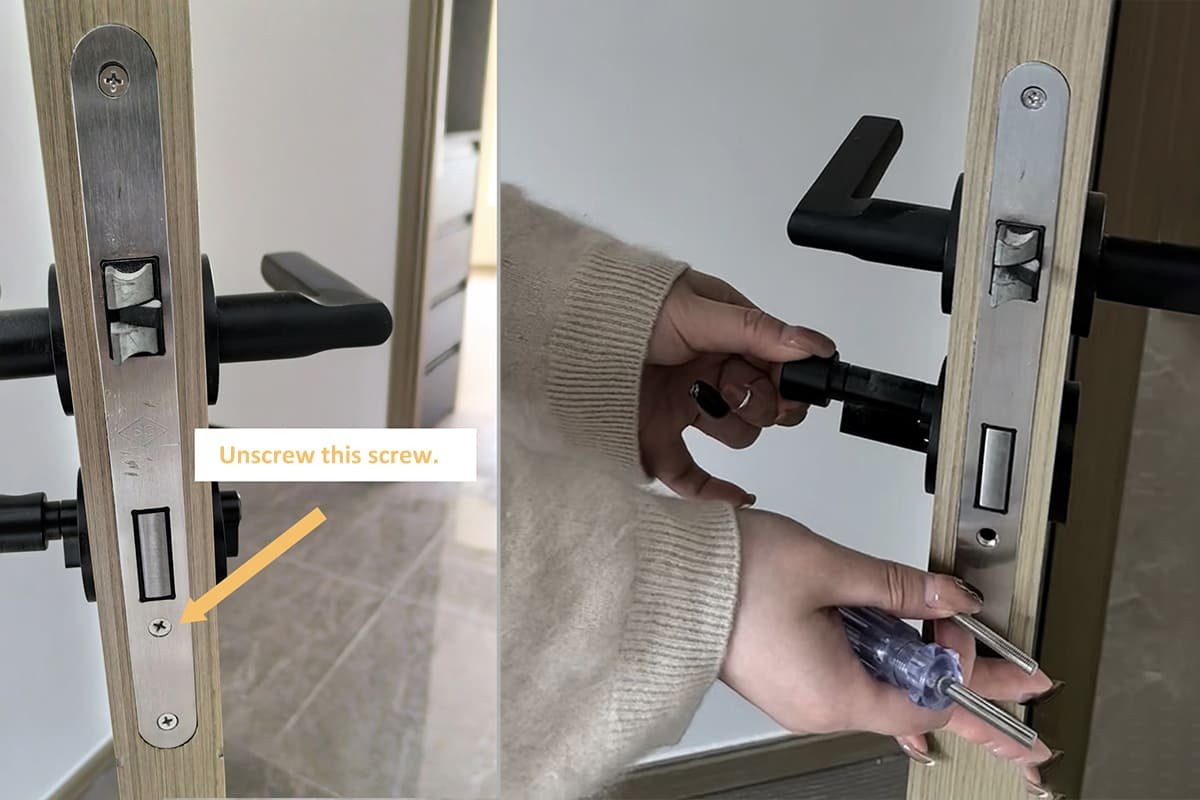
Batch Procurement Is Different From Sample Approval
I have seen buyers approve a sample quickly, then discover later that the full order includes several door thicknesses, multiple finishes, or different lock bodies. This creates avoidable risk.
A sample is only useful when it represents the real order. If the buyer plans to use the same lock set for different door models, each main condition should be checked.
Practical Batch Order Checklist
Before mass production, I suggest buyers confirm the following:
- Door thickness range
- Cylinder length and type
- Key side and thumbturn side direction
- Mortise lock body model
- Backset and center distance
- Handle material
- Surface finish
- Approved color sample
- Screw and accessory configuration
- Packaging method
- Carton labeling
- Spare key requirements
- Inspection method
- Delivery schedule
- After-sales replacement plan
Quality Inspection Points From a Manufacturer’s View
During production and final inspection, factory teams usually focus on practical performance and appearance consistency. For interior lock cylinders, I care about these points:
| Inspection Item | What I Look For | Why It Matters |
|---|---|---|
| Key insertion | Key enters smoothly | Reduces user complaints |
| Key turning | Rotation feels stable | Shows basic machining and assembly quality |
| Thumbturn operation | Smooth and firm | Important for privacy doors |
| Cylinder body finish | No obvious defects | Supports product appearance |
| Cam movement | Works with lock body | Prevents installation failure |
| Dimension control | Matches approved sample | Supports batch assembly |
| Packaging | Protects finish | Reduces damage in transport |
Supplier Evaluation Questions
For door factory buyers, supplier selection is as important as product selection. A lower price can become expensive if the supplier cannot keep finish consistency or delivery stability.
I recommend asking these questions:
- Can the supplier match the cylinder, mortise lock, handle, and accessories as one system?
- Can the supplier support repeated batch orders with consistent finish?
- Can the supplier provide drawings or technical confirmation before production?
- Can the supplier handle custom finishes or configurations?
- Can the supplier provide relevant documents, such as CE or fire-rated certificates, if the project requires them?
- Can the supplier keep stable lead times during peak production periods?
Any certification or fire-rated document should be verified by the buyer before use in project submission or market compliance. A manufacturer can provide documents, but the buyer should confirm validity, scope, and relevance to the exact product and application.
Why One-Stop Matching Can Reduce Risk
For interior door hardware, buyers often purchase cylinders, mortise locks, handles, hinges, and accessories together. A one-stop supplier can reduce communication gaps because the factory checks compatibility before shipment.
At SDH Hardware, we often support buyers by matching mortise locks, stainless steel lever handles, butt hinges, concealed hinges, lock cylinders, and related accessories for door projects and wholesale orders. I see this as a practical procurement advantage, not just a sales point. When the lock set is matched as a system, buyers can reduce installation errors and save sampling time.
Frequently Asked Questions
What is the most common cylinder type for interior doors?
A common choice is a single cylinder with one key side and one thumbturn side. This design supports privacy for bedrooms, offices, apartments, and similar interior spaces. Buyers should still confirm door thickness, cylinder length, lock body type, and handle design before ordering.
Should interior door cylinders use high-security specifications?
Interior door cylinders usually need balanced performance rather than entrance-door-level anti-theft security. Buyers should focus on smooth operation, privacy, durability, appearance, cost efficiency, and replacement convenience. Higher specifications may be useful in some projects, but they should match the actual application.
How do I avoid cylinder length problems in batch orders?
You should confirm finished door thickness, handle trim thickness, mortise lock body position, and required cylinder length before production. I also recommend approving a physical sample and keeping it as the reference for mass production inspection.
Are magnetic mortise locks suitable for interior doors?
Magnetic mortise locks can be suitable for modern interior doors, hotels, apartments, and premium wooden door lines. They are valued for quiet operation, cleaner appearance, and reduced latch scratch risk. Buyers should check installation accuracy, lock body dimensions, and project cost before choosing them.
What documents should buyers verify for interior door lock projects?
Buyers should verify product drawings, material specifications, inspection standards, and any required CE or fire-rated certificates. Certificate validity, product scope, and application relevance should be checked before project submission or market use.
Conclusion
Choosing cylinder locks for interior door locks is really about choosing a complete interior door hardware system. Buyers should confirm door thickness, cylinder length, mortise lock type, handle material, finish, usage scenario, and batch supply requirements before comparing price. A balanced cylinder can reduce installation errors, control cost, and improve product consistency. If you need matched interior door lock cylinders, mortise locks, handles, hinges, or customized bulk hardware solutions, SDH Hardware can support sampling, production, and one-stop supply for your market.
"A156.39 - 2025 Residential Locksets and Latches", https://buildershardware.com/ANSI-BHMA-Standards/Hardware-Highlights/A15639-2015-Residential-Locksets-and-Latches. ANSI/BHMA lock-function classifications distinguish interior privacy functions, such as bedroom or bathroom locking, from entrance functions designed for exterior access control, supporting the article’s distinction between privacy-oriented interior hardware and entrance-door security requirements. Evidence role: definition; source type: institution. Supports: Lock-function classifications distinguish privacy functions used on interior rooms from entrance functions intended for exterior or higher-security access points.. Scope note: The standard defines lock functions but does not prescribe the best cylinder specification for every interior-door project. ↩
"Coral AP Outside Mortise Key Lock Cylinder and Inside ...", https://www.doorclosersusa.com/Coral-AP-Outside-Mortise-Key-Lock-Cylinder-and-Ins-p/coral-mkctcdu.htm?srsltid=AfmBOooPk8JEvkO9GOW1RUibZdZ195YHHv-zVhOfCnoimzN21Ouaytno. Reference descriptions of cylinder-lock types identify key-and-thumbturn cylinders as units operated by a key on one face and a thumbturn on the other, supporting the article’s description of this interior-door configuration. Evidence role: definition; source type: encyclopedia. Supports: Reference material defines key-and-thumbturn cylinders as cylinders operated by a key on one side and a thumbturn on the other, a configuration used where inside convenience is needed.. Scope note: The source can define the configuration but may not quantify how common it is in every national market. ↩
"Internal Door Size Guide: What is the Standard UK ...", https://www.expressdoorsdirect.co.uk/internal-doors/internal-door-size-guide. Door-industry technical references commonly list internal door thicknesses around 35 mm, 40 mm, 44–45 mm, and related project-specific sizes, providing contextual support for the dimensional range used in the article. Evidence role: general_support; source type: institution. Supports: Technical references list common internal door thicknesses in the approximate 35–50 mm range.. Scope note: Door thickness varies by country, fire rating, and door construction, so the cited range should be treated as common rather than universal. ↩
"Euro Cylinder Sizes Explained: 30/30, 35/45, 40/40 and More", https://www.welock.com/blogs/news/euro-cylinder-sizes-explained?srsltid=AfmBOopQSW5EPIOuqYi_t9O51jlXPK7Mj9Mt0lMJRtYpeZiFiZ8Wzx2a. Cylinder-measuring guidance explains that the selected cylinder length must correspond to the combined thickness of the door and external trim or escutcheons, supporting the article’s point that handle trim affects cylinder fit. Evidence role: mechanism; source type: institution. Supports: Cylinder sizing guidance explains that the required cylinder length depends on the total build-up through the door and trim, not door leaf thickness alone.. Scope note: Most publicly available measuring guides focus on Euro-profile cylinders and may not cover every regional cylinder format. ↩
"CE Mortise Lock Cylinder Compatibility: Buyer Guide", https://toptekaccess.com/ce-mortise-lock-cylinder-compatibility/. Technical descriptions of mortise locks explain that the cylinder actuates the lock case through a cam or related drive component, supporting the article’s claim that cylinder and mortise-body compatibility is necessary for correct operation. Evidence role: mechanism; source type: institution. Supports: Technical lock references explain that the cylinder transmits movement through a cam or tailpiece to the lock case, so incompatible geometry can prevent proper operation.. Scope note: The source supports the general mechanism; exact compatibility still depends on the specific lock model and cylinder profile. ↩
"Interior Mortise Lock with Magnetic Latch", https://www.emtek.com/Interior-Mortise-Lock-with-Magnetic-Latch/. Technical descriptions of magnetic latch mechanisms describe a latch bolt that remains withdrawn from the door edge until magnetic interaction with the strike region draws it into engagement, supporting the article’s explanation of magnetic mortise-lock operation. Evidence role: mechanism; source type: other. Supports: Technical descriptions or patents for magnetic latch mechanisms describe a latch bolt held retracted until magnetic interaction with the strike area causes engagement.. Scope note: Patent or mechanism descriptions establish the operating principle but do not prove performance for every commercial magnetic mortise lock. ↩
"Magnetic Door Latch vs Traditional Latch", https://www.zuperiorhardware.com/blogs/diy-tips-interior-door-hardware-zuperior-blog/magnetic-door-latch-vs-traditional-latch-why-zuperior-hardware-is-the-quiet-choice-for-modern-homes?srsltid=AfmBOoqAgWI_vPiAKPO_m13OsmpjqF261NTarennYnVM7d7j6715ofUe. Descriptions of magnetic latch operation show that the latch is recessed while the door is open, providing a mechanical basis for the article’s statement that such locks may reduce contact between the latch and the door frame. Evidence role: mechanism; source type: other. Supports: A source should show that the latch remains recessed when the door is open, making the reduced-contact explanation plausible.. Scope note: The evidence supports the mechanism for reduced contact, not a quantified reduction in scratch complaints across installations. ↩
"Zinc Alloy Die Casting Parts - USA Manufacturing", https://decoprod.com/zinc-die-casting-parts/. Materials-engineering references describe zinc alloys as well suited to die casting complex shapes and receiving decorative surface finishes, supporting the article’s claim about their use in decorative door-handle designs. Evidence role: general_support; source type: research. Supports: Materials references describe zinc alloys as suitable for die casting complex shapes and accepting decorative surface finishes.. Scope note: The source supports general material capabilities; actual finish quality depends on alloy selection, plating process, and production control. ↩
"Stainless steel", https://en.wikipedia.org/wiki/Stainless_steel. Reference accounts of stainless steel explain that chromium-rich passive films give the alloy corrosion resistance and that the material is used where durability is required, supporting the article’s description of stainless-steel handle advantages. Evidence role: general_support; source type: encyclopedia. Supports: Reference sources explain that stainless steel obtains corrosion resistance from chromium-rich passive films and is widely used where durability is required.. Scope note: Corrosion performance varies by stainless grade, surface finish, exposure environment, and maintenance. ↩
"Acceptability-based Brand Color Tolerance, A Case Study", https://repository.rit.edu/cgi/viewcontent.cgi?article=3116&context=article. Research on instrumental and visual color-difference evaluation shows that perceptible color variation can influence perceived product quality and acceptance, supporting the article’s concern about finish consistency in batch hardware. Evidence role: general_support; source type: paper. Supports: Color-difference studies show that perceptible color variation can affect judgments of product quality or acceptability.. Scope note: Color-acceptance thresholds vary by material, finish, lighting conditions, and customer expectations. ↩
"Best Materials for Door Handles for a Stylish & Durable ...", https://www.yalehome.com/ae/en/stories/blogs/best-materials-for-door-handles-for-a-stylish-and-durable-upgrade. Materials references characterize aluminum alloys as lightweight and economically attractive for manufactured components, providing contextual support for their use in cost-sensitive interior door-handle applications. Evidence role: general_support; source type: research. Supports: Materials references describe aluminum alloys as lightweight and economically attractive for many manufactured products.. Scope note: The source supports the material’s general cost and weight advantages but may not specifically analyze door-handle purchasing decisions. ↩
"Quality management systems: An introduction", https://www.iso.org/quality-management/what-is-qms. Quality-management standards emphasize conformity to specified requirements and controlled production processes, supporting the article’s point that large hardware batches require consistency in dimensions, appearance, operation, and packaging. Evidence role: general_support; source type: institution. Supports: Quality-management standards and inspection literature emphasize consistent process control, conformity to specifications, and verification of product characteristics in production batches.. Scope note: General quality-management standards support the principle of consistency but do not provide door-lock-specific acceptance limits. ↩