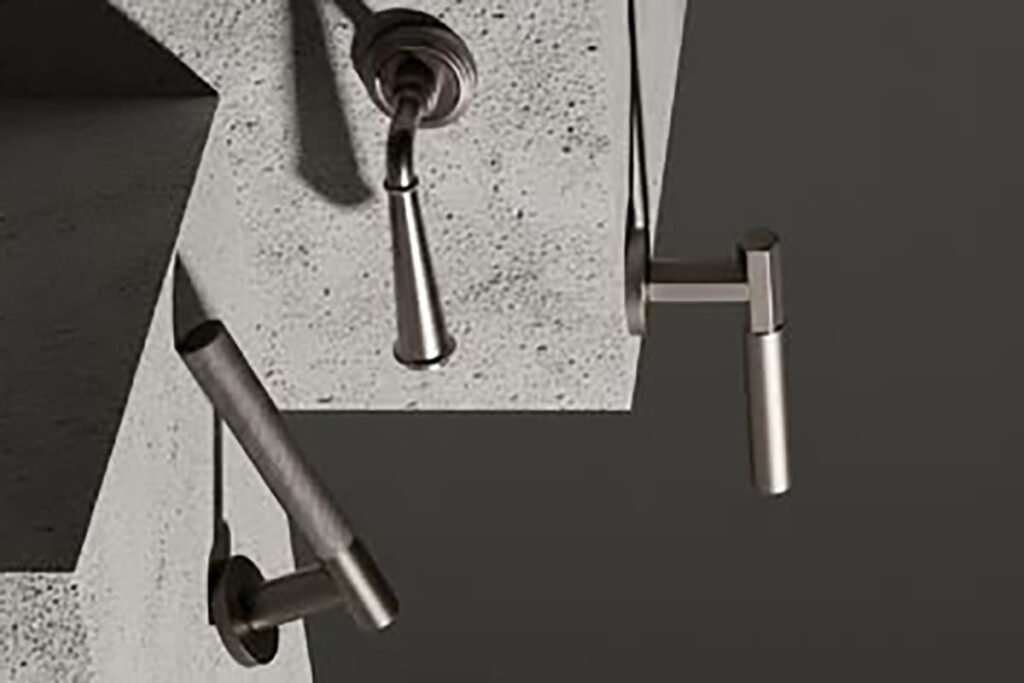
Why Do Similar-Looking Door Knobs Have Such Different Prices?
Door knobs can look almost identical in photos, but their prices may be very different. That creates a real problem for buyers: a cheaper quotation may look attractive, yet hidden differences can affect durability, finish consistency, and after-sales risk. I usually solve this by comparing material, finish, structure, testing standard, and bulk inspection requirements.
Similar-looking door knobs have different prices because appearance is only one part of the product. The main cost drivers are material, surface treatment, internal structure, durability requirement, accessory configuration, and bulk production consistency.1 Buyers should compare quotations under the same specification before deciding which price is truly better.
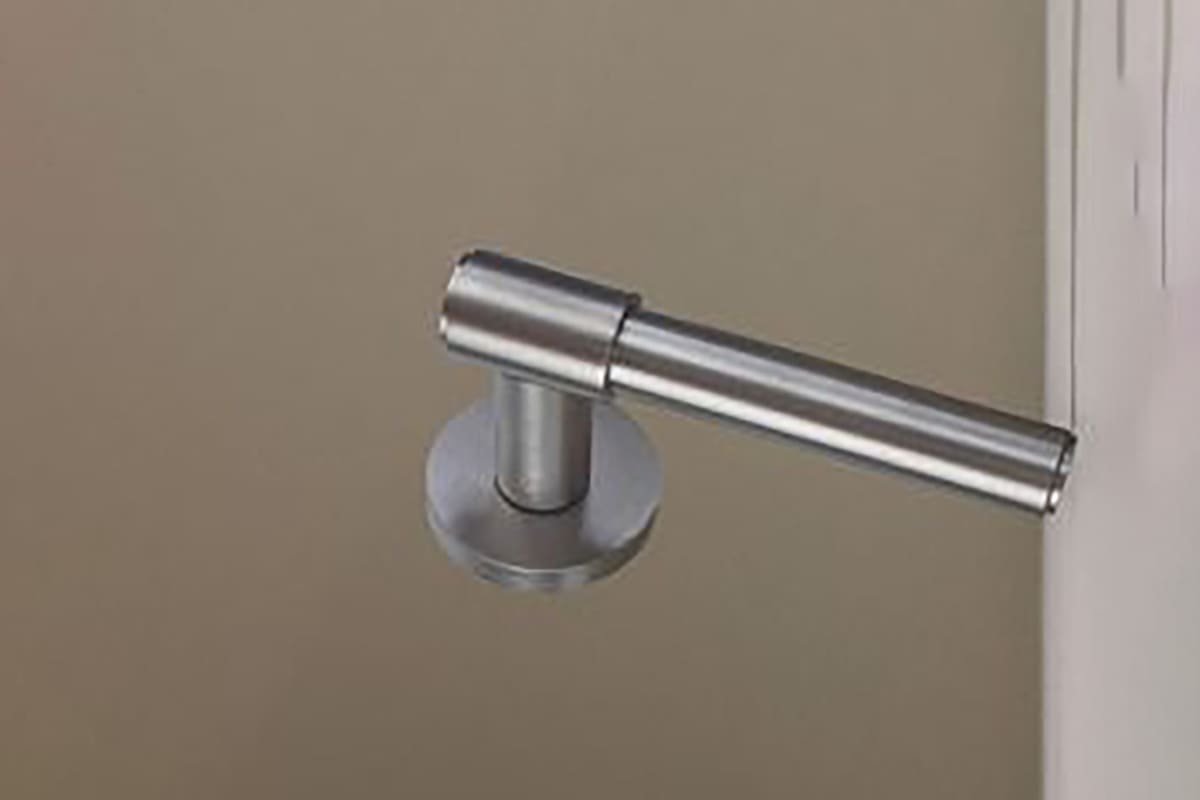
I have answered this question many times when buyers send two product photos and ask, “Why is your price higher?” In most cases, the answer is not one single reason. It is a combination of specification details that do not appear clearly in a photo.
Are Door Knobs Priced Differently Because of Material?
When buyers compare door knobs only by shape, they may miss the first major price divider: material. This can lead to confusion during quotation, especially when one supplier quotes stainless steel and another quotes zinc alloy, aluminum alloy, or engineering plastic. I always start by asking what material the buyer wants.
Door knobs are priced differently because materials have different raw costs, strength levels, weights, corrosion resistance, and market positioning2. Stainless steel, zinc alloy, aluminum alloy, brass, and engineering plastic can all create similar-looking products, but they do not offer the same production cost or long-term performance.

Why material changes the quotation
Material is usually the first detail I check before preparing a quotation. A round knob made from stainless steel can look similar to one made from zinc alloy after finishing. However, the purchasing cost, processing method, weight, and expected application can be very different.
For procurement teams, this matters because material affects both price and risk. A lower material cost may be suitable for a certain market segment. It may also be risky if the product is used in a high-traffic environment or a market where buyers expect stronger corrosion resistance.
Here is a simple comparison I often use in buyer discussions:
| Material | Common Positioning | Price Impact | Procurement Notes |
|---|---|---|---|
| Stainless steel | Mid to higher durability demand | Medium to high | Good corrosion resistance3 and stable appearance when processed well |
| Zinc alloy | Decorative and flexible design demand | Medium | Good for shapes and plating4, but quality depends on alloy grade and finish control |
| Aluminum alloy | Lightweight applications | Low to medium | Cost-effective and light, but surface process matters |
| Brass | Premium or specific lock hardware demand | High | Strong perceived value, but raw material cost can be much higher |
| PBS / engineering plastic | Special cost or application demand | Low to medium | Useful in selected applications, but buyers should confirm strength and positioning |
The photo does not show the base material clearly
I have seen many quotation conversations where two knobs look the same from the outside. One may use a heavier and more corrosion-resistant material. Another may use a lighter or lower-cost material with a similar finish. The buyer may only see the color and shape.
That is why I suggest asking these questions before judging the price:
- Are the two door knobs made from the same material?
- What is the material grade or specification?
- What is the product weight?
- Is the body solid, hollow, or partly reinforced?
- Is the product intended for residential, commercial, or project use?
Material should match the sales channel
A wholesaler may need a competitive product for fast-moving retail sales. A door factory may care more about stable assembly and fewer complaints. A hardware brand may need a product that supports its positioning in a regional market.
I do not think expensive material is always necessary. I also do not think lower-cost material is automatically bad. The correct material depends on the product line, door type, market expectation, and warranty strategy.
My practical rule is simple: compare material first, then compare price. If the materials are not the same, the prices are not truly comparable.
Do Door Knobs Cost More Because of Surface Finish?
The surface finish is often the first thing buyers notice, but it is also one of the easiest details to underestimate.5 A brushed, plated, sprayed, or polished surface can change both production cost and perceived value. If the finish is inconsistent, even a good basic product can create complaints.
Door knobs cost more when the surface finish requires higher process control, better pretreatment, thicker or more stable coating, or stricter color matching6. Brushed stainless steel, electroplating, powder coating, spraying, and other finishes affect appearance, wear resistance, corrosion resistance, and bulk order consistency.
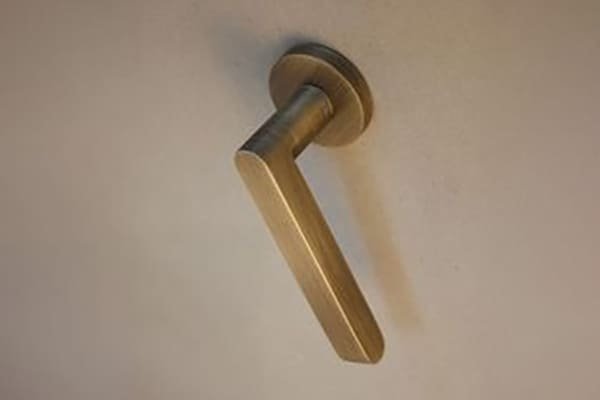
Finish is not only decoration
Many buyers first describe finish by color: satin nickel, black, gold, stainless steel color, antique bronze, or customized tone. However, the factory has to think about the full process behind that color.
A finish may involve:
- Surface polishing or brushing
- Cleaning and degreasing
- Electroplating or spraying
- Drying or curing
- Color inspection
- Scratch and adhesion checks
- Packing protection to avoid transit damage
Each step can change the cost. A simple sprayed finish may be cheaper than a multi-step plating process. A brushed stainless steel surface may require careful grain control. A customized color may require sample approval, batch confirmation, and stricter inspection.
Finish consistency affects bulk procurement risk
For door factories and brand operators, consistency is often more important than one beautiful sample. A sample can look excellent. The real question is whether a 5,000-piece or 20,000-piece order can match that approved sample within an acceptable tolerance.7
I usually encourage buyers to confirm:
| Finish Question | Why It Matters |
|---|---|
| Is the finish process the same between quotations? | Different processes can look similar but cost differently |
| Is there an approved color sample? | It reduces disputes after mass production |
| What is the acceptable color tolerance? | It helps control batch consistency |
| How is the product packed? | Poor packing can damage the finish |
| Is the finish suitable for the target market? | Humidity, handling, and user expectations differ by region |
A lower finish cost may still be reasonable
A lower-cost finish can be perfectly acceptable for the right application. For example, a cost-focused wholesale product may not need the same finish process as a premium hotel project product. The key is not to choose the most expensive finish. The key is to choose the finish that matches the intended market.
When I review a price comparison, I often ask, “Is this finish only similar in color, or is the production process also the same?” That question helps buyers avoid a common mistake. Two black knobs may look alike in a catalog, but one may have better adhesion, better color stability, or better scratch resistance.
Finish also affects brand perception
Door knobs are touched every day. Users notice fingerprints, scratches, fading, and uneven color. A small surface problem can feel like a product quality problem, even if the internal function still works. For brand operators, finish stability supports repeat sales and reduces complaints from dealers.
So, when comparing prices, I recommend checking finish together with:
- Door color and interior style
- Target retail price
- Expected product grade
- Packaging method
- Bulk inspection standard
- Replacement and after-sales policy
A good quotation should clearly state the finish, not just show a product photo.
Why Are Some Door Knobs More Expensive Even If They Look the Same?
This is the question I hear most often. A buyer sends two images and says, “They look the same. Why is the price not the same?” I understand the concern because product managers must control costs. Still, many important details are hidden inside the product.
Some door knobs are more expensive because they use stronger internal components, tighter processing, better springs or fixing structures, and higher durability requirements. These details may not appear in photos, but they affect handle feel, sagging resistance, service life, and user satisfaction after long-term use.
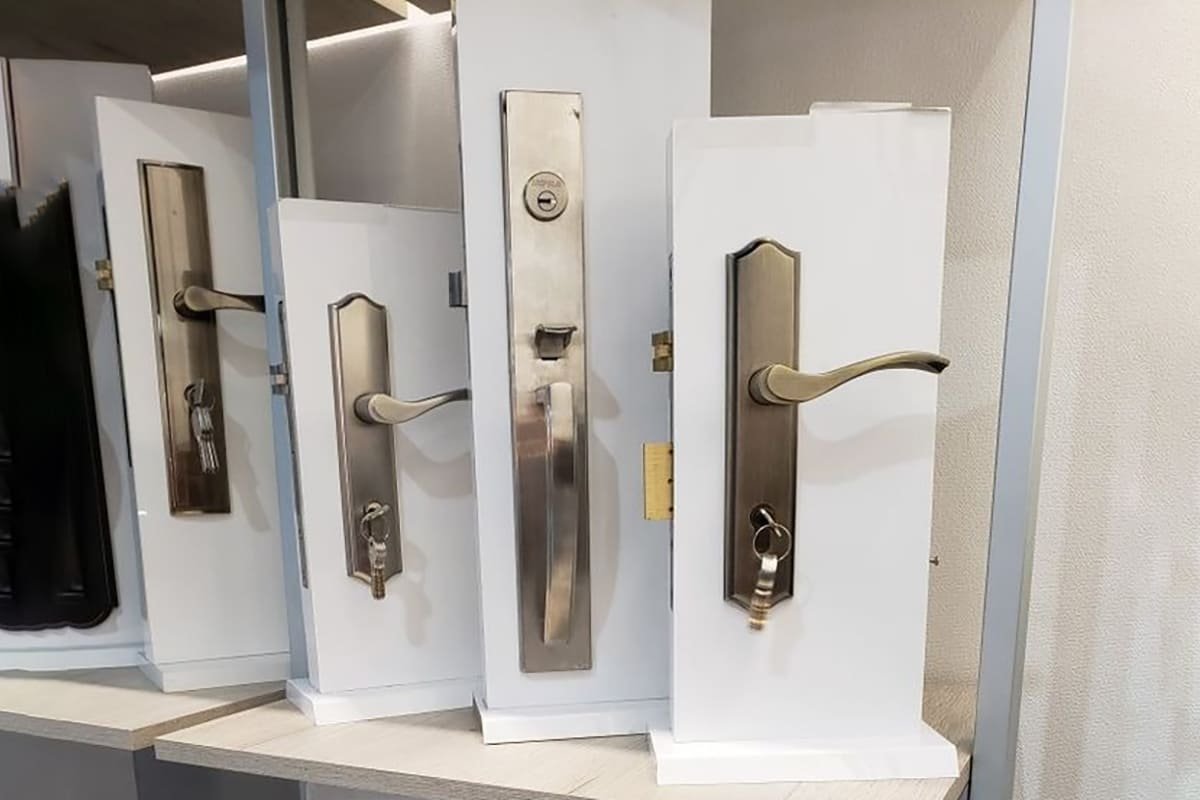
Performance is often invisible
A photo can show shape, color, and general style. It cannot show the feel of rotation, return strength, spindle fit, screw holding stability, or long-term looseness. These details matter more after installation than they do during catalog selection.
For example, a higher-specification product may be designed to pass a durability requirement such as 200,000 cycles or higher8, depending on the buyer’s standard and the product design. I treat this as a possible procurement requirement, not a universal claim for all products. Buyers should request relevant test information from suppliers and verify it according to their own market or project needs.
What internal performance can affect price?
Several hidden factors can raise or lower the quotation:
Internal structure
- Better structure can improve operating stability.
- Poor structure may loosen faster under repeated use.
Spring quality
- A stable spring helps the knob return smoothly.
- Weak spring performance can affect user experience.
Processing tolerance
- Tighter tolerance supports better fit with lock bodies and accessories.9
- Loose tolerance may create installation problems.
Fixing method
- Better screws, spindle, and mounting components can improve stability.
- Lower-cost accessories may reduce the initial price but increase complaints.
Durability requirement
- Higher cycle testing expectations usually require stronger design and better process control.
- Lower requirements may be acceptable for lighter-use applications.
A simple comparison method
When two products look the same, I suggest comparing them using this table:
| Comparison Point | Lower Specification May Mean | Higher Specification May Mean |
|---|---|---|
| Internal mechanism | Basic operation only | Smoother, more stable use |
| Cycle requirement | Lower durability target | Higher durability expectation, such as 200,000 cycles if required |
| Screws and spindle | Basic accessory package | Stronger or more complete fitting set |
| Tolerance control | More installation variation | Better assembly consistency |
| Long-term feel | Higher risk of looseness | Better resistance to sagging and wobble |
The correct question is not only “How much?”
I always tell buyers that price is important, but the better question is:
“What specification does this price include?”
This question moves the discussion from guessing to evaluation. It also helps suppliers quote fairly. If a buyer only asks for the lowest price, some suppliers may reduce material, finish cost, accessory quality, or inspection level to meet that target.
That does not always mean dishonesty. It may simply mean the buyer and supplier are not discussing the same product grade.
Performance should match the application
A light residential product, a retail replacement knob, and a project-grade product may need different performance levels. A door factory exporting to Europe, the Middle East, or Southeast Asia may also face different buyer expectations. In some channels, price competitiveness matters most. In others, durability and finish stability support the brand.
For application-specific decisions, I recommend professional evaluation by the buyer’s technical team, project consultant, or qualified testing partner. The supplier can provide specifications and documents, but the buyer should decide whether the product meets the final use condition.
Can a Cheaper Door Knob Be the Better Choice?
A lower price is not automatically a warning sign. In procurement, the best choice is not always the highest-priced option. However, a cheaper quotation must be understood correctly. I have seen buyers make good savings when they compare equal specifications. I have also seen buyers face problems when they compare only appearance.
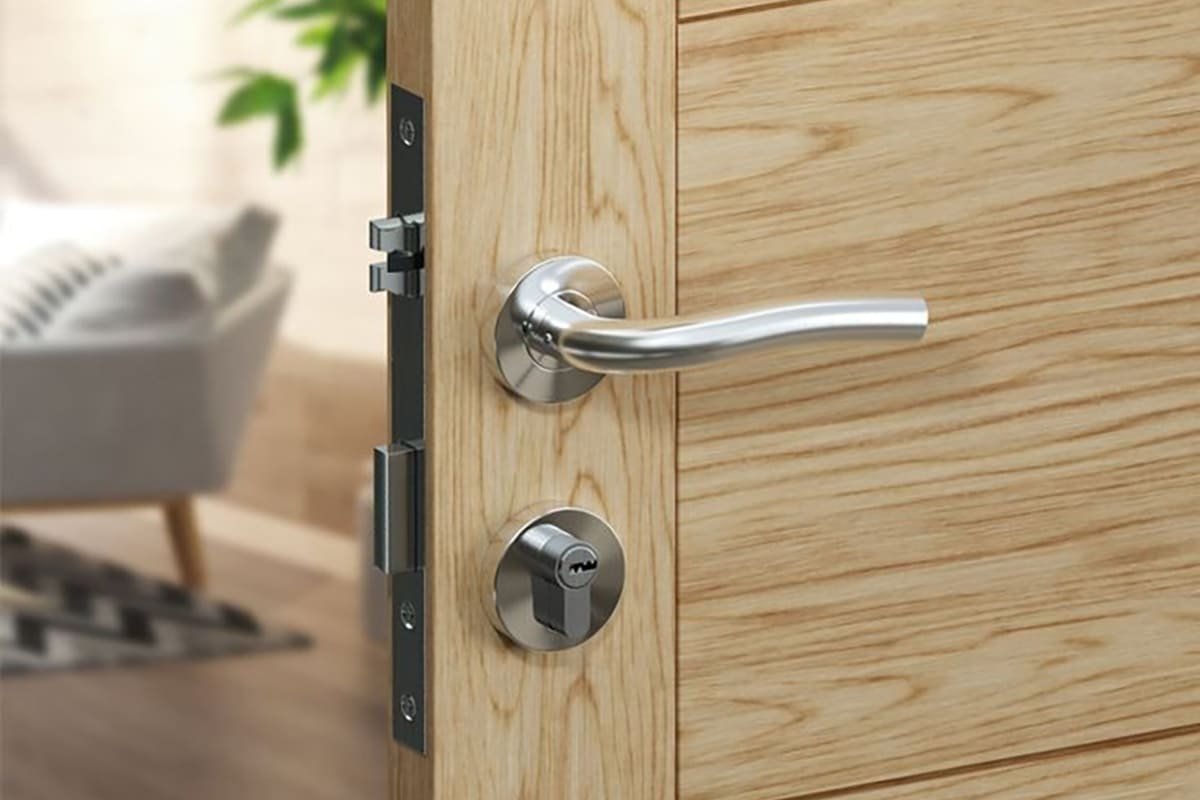
A cheaper door knob can be the better choice if it meets the same material, finish, structure, accessory, durability, and inspection requirements as the higher-priced option. If the lower price comes from reduced specification, lighter material, simpler finish, or lower consistency control, buyers should evaluate the trade-off carefully.
Low price has several possible meanings
When I see a very low quotation, I do not immediately say it is bad. I ask why it is lower. There are several possible reasons:
- The supplier has better production efficiency.
- The factory has a lower overhead cost.
- The product uses a different material.
- The finish process is simpler.
- The accessory package is reduced.
- The inspection standard is lower.
- The supplier is quoting for a different order quantity.
- The packaging requirement is not included.
- The quotation excludes certain compliance documents or testing costs.
Some reasons are positive. Some create risk. The buyer’s job is to separate real efficiency from specification reduction.
How to compare a cheaper quotation
I recommend using a “same condition” comparison. This means every supplier should quote based on the same specification sheet.
A practical RFQ should include:
- Product drawing or confirmed sample
- Material and material grade
- Finish process and color reference
- Door thickness range
- Lock or latch compatibility
- Accessory package
- Packing method
- Order quantity
- Durability or cycle requirement
- Inspection standard
- Required certificates or test documents for buyer verification
This approach helps buyers avoid comparing a complete product with an incomplete one.
Price comparison checklist
| Item | Supplier A | Supplier B | Same or Different? |
|---|---|---|---|
| Material | |||
| Weight | |||
| Finish | |||
| Internal structure | |||
| Accessories | |||
| Packaging | |||
| Durability requirement | |||
| Inspection standard | |||
| Lead time | |||
| Document support |
I like this table because it turns a price argument into a technical comparison. It also makes communication easier for both sides.
When a lower specification is acceptable
A lower specification can be acceptable when the market positioning is clear. For example, a wholesaler may need an entry-level product for a price-sensitive channel. A product manager may need several grades in the same catalog: economy, standard, and premium.
In that case, the lower price is not a problem. The problem appears only when the product is sold or used as if it were a higher-grade item.
The hidden cost of a wrong choice
A small saving per piece can become expensive if it causes:
- Finish complaints
- Loose operation after installation
- Color mismatch in repeat orders
- Door factory assembly delays
- Higher replacement cost
- Damage to brand reputation
- Distributor disputes
For bulk buyers, the purchase price is only one part of the total cost. I always suggest looking at landed cost, after-sales risk, and brand positioning together.
Will Bulk Door Knobs Match the Sample You Approved?
A beautiful sample is important, but bulk consistency is more important. Many buyers approve a sample and assume mass production will be exactly the same. In real manufacturing, consistency depends on material control, surface treatment stability, tooling condition, inspection process, and clear acceptance criteria.
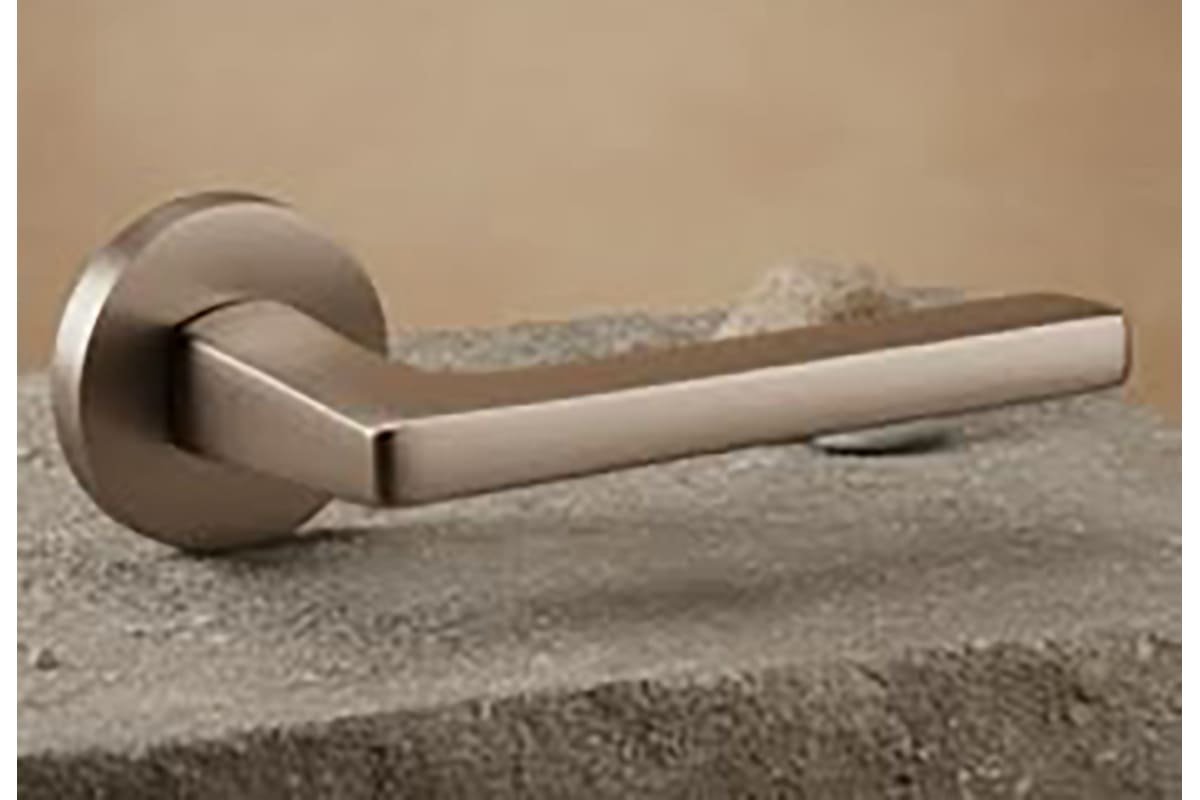
Bulk door knobs will match the approved sample more reliably when the supplier controls raw material, production process, finish color, dimensions, accessories, and final inspection under a documented standard. Buyers should confirm sample approval, tolerance limits, packaging, and pre-shipment inspection before mass production.
Sample quality and bulk quality are related, but not identical
A sample may be made with extra attention. Bulk orders require repeatable process control. This is why I believe buyers should evaluate the factory’s ability to maintain consistency, not only its ability to make one good sample.
At SDH Hardware, our own manufacturing background makes this topic very practical for me. When I discuss bulk orders with door factories or hardware brands, I often focus on the boring details: color tolerance, surface inspection, accessory matching, and packaging. These details decide whether the final shipment is easy to sell and install.
What should buyers confirm before mass production?
I suggest confirming these items in writing:
Approved sample status
- Which sample is the final reference?
- Is it signed, sealed, or photographed with confirmation?
Material standard
- What material will be used in bulk production?
- Will the same material source or equivalent standard be maintained?
Finish requirement
- What color and texture are approved?
- What level of color difference is acceptable?
Dimensional tolerance
- What dimensions are critical for installation?
- How will they be checked?
Accessory package
- Which screws, spindle, latch, strike plate, or fitting parts are included?
- Are accessories packed separately or together?
Inspection method
- What will be checked before shipment?
- Who performs inspection and what records are available?
Bulk consistency is a supplier selection issue
When buyers choose a door hardware supplier, they should not look only at unit price. They should also ask whether the supplier has stable production capacity, clear inspection procedures, and experience with export requirements.
A factory with independent production lines may control details more directly than a pure trading source, although buyers should still verify capability through audits, samples, documents, and inspection. Certifications and test reports should be treated as documents to review, not marketing phrases to accept without checking.
A useful acceptance standard
For bulk door knobs, I suggest building a simple acceptance standard before placing a large order.
| Inspection Area | Typical Check | Why It Matters |
|---|---|---|
| Appearance | Scratches, dents, color difference | Protects sales value |
| Finish | Adhesion, uniformity, texture | Reduces complaint risk |
| Function | Smooth operation, return feel | Supports user satisfaction |
| Dimensions | Fit with door and lock parts | Prevents assembly problems |
| Accessories | Quantity and compatibility | Avoids installation delays |
| Packaging | Protection and labeling | Reduces transport damage |
Do not skip pre-shipment inspection
Pre-shipment inspection is especially important for large orders or new suppliers.10 It gives buyers a final chance to check product appearance, quantity, packaging, and basic function before goods leave the factory.
I do not recommend relying only on photos for important shipments. Photos are useful, but they cannot replace a clear inspection plan.11 If the order is for a large project or brand launch, buyers may consider third-party inspection or their own quality team.
Frequently Asked Questions
Why do two door knobs with the same design have different quotations?
Two door knobs can share the same design but use different materials, finishes, internal structures, accessories, and inspection standards. A photo mainly shows appearance. A quotation should also show specification details, durability expectations, packaging, and order quantity before the prices can be compared fairly.
Is stainless steel always better than zinc alloy for door knobs?
Stainless steel is often valued for corrosion resistance and durability, while zinc alloy can offer flexible shapes and good decorative finishes. Neither material is always better. The right choice depends on application, market position, finish requirement, budget, and the buyer’s performance expectations.
What questions should I ask before accepting the lowest door knob price?
I would ask: What is the material? What finish process is used? What accessories are included? What durability requirement can it meet? What inspection standard applies? Will the bulk order match the approved sample? These questions help reveal whether the lower price is truly comparable.
Does surface finish affect the service life of a door knob?
Yes, surface finish can affect wear resistance, corrosion resistance, appearance stability, and user satisfaction12. A finish is not only decorative. Buyers should confirm the finish process, color sample, packing method, and suitability for the target market before placing bulk orders.
Should I request test reports or certificates for door knobs?
For project or regulated markets, buyers should request relevant test reports, certificates, or compliance documents when needed. These documents should be verified carefully. Application-specific requirements should be reviewed by qualified professionals, especially for fire-rated doors, public buildings, or technical projects.
Conclusion
Similar-looking door knobs have different prices because buyers are often comparing appearance while suppliers are pricing material, finish, internal structure, accessories, durability requirements, and bulk consistency. A cheaper option can be a smart choice if the specification is truly the same. It can also create risk if key details are reduced. Before your next bulk order, prepare a clear specification sheet and compare quotations under the same conditions. If you need manufacturer-level support for door hardware evaluation, SDH Hardware can help you review specifications and sourcing options.
"[PDF] Cost of quality tradeoffs in manufacturing process and", https://dspace.mit.edu/bitstream/handle/1721.1/76133/821686496-MIT.pdf?sequence=2. Manufacturing engineering references explain that product cost is shaped by material choice, processing method, tolerances, testing, and quality-control requirements; this supports the article’s claim as a general manufacturing principle rather than as a door-knob-specific cost breakdown. Evidence role: general_support; source type: education. Supports: Manufactured product costs are affected by material selection, processing steps, tolerances, testing requirements, and quality assurance controls.. Scope note: The support is contextual unless the source specifically analyzes door hardware pricing. ↩
"Brass", https://en.wikipedia.org/wiki/Brass. Reference sources on engineering materials describe substantial differences among stainless steels, zinc alloys, aluminum alloys, and brasses in density, strength, corrosion behavior, and typical uses, supporting the article’s material-comparison claim at a general level. Evidence role: general_support; source type: encyclopedia. Supports: Common engineering materials such as stainless steel, zinc alloys, aluminum alloys, and brass have different densities, mechanical properties, and corrosion behavior.. Scope note: The source may not address door knobs directly, so it supports the underlying material-property comparison rather than exact market positioning. ↩
"Stainless steel", https://en.wikipedia.org/wiki/Stainless_steel. Materials-science sources explain that stainless steels resist corrosion because chromium forms a stable passive oxide film, supporting the statement that stainless steel can offer good corrosion resistance when the grade and environment are appropriate. Evidence role: mechanism; source type: education. Supports: Stainless steel corrosion resistance is associated with chromium-rich passive films on the surface.. Scope note: The source supports the material mechanism, not the performance of every stainless-steel door knob in every environment. ↩
"Zinc die casting carves new space in manufacturing. - ASME", https://www.asme.org/topics-resources/content/todays-zinc-casting-technology-for-tomorrows-markets. Industry and technical references on zinc die casting describe zinc alloys as suitable for producing complex shapes with good surface finish and compatibility with decorative plating, supporting the article’s claim about zinc alloy’s design and finishing advantages. Evidence role: general_support; source type: institution. Supports: Zinc alloys are commonly used in die casting because they can form complex shapes and accept decorative surface finishes.. Scope note: The source supports general zinc-alloy processing characteristics, not the quality of a specific supplier’s zinc-alloy knobs. ↩
"Effects of Design Aesthetics on the Perceived Value of a Product - PMC", https://pmc.ncbi.nlm.nih.gov/articles/PMC8359925/. Research on product appearance and perceived quality reports that visual and tactile surface characteristics can influence users’ judgments of product quality, supporting the article’s emphasis on finish as a procurement consideration. Evidence role: general_support; source type: paper. Supports: Product appearance and surface quality can influence perceived quality and user evaluation.. Scope note: The support is contextual if the study concerns consumer products generally rather than door knobs specifically. ↩
"Advanced Coatings R&D for Pipelines and Related Facilities", https://nvlpubs.nist.gov/nistpubs/SpecialPublications/NIST.SP.1044.pdf. Technical coating guidance identifies surface preparation, coating thickness, adhesion testing, and color-control criteria as important variables in coating performance and appearance consistency, supporting the article’s explanation of why stricter finishing requirements can raise production complexity. Evidence role: mechanism; source type: institution. Supports: Coating durability and appearance depend on surface preparation, coating thickness, adhesion, and color-control procedures.. Scope note: The source supports coating practice generally and may not quantify the cost impact for door knobs. ↩
"Statistical process control - Wikipedia", https://en.wikipedia.org/wiki/Statistical_process_control. Quality-management and statistical process-control references explain that production output varies and must be controlled through defined tolerances, process monitoring, and inspection, supporting the article’s warning that an approved sample alone does not guarantee batch consistency. Evidence role: general_support; source type: institution. Supports: Mass-production conformity depends on controlled processes, defined tolerances, and inspection rather than a single approved sample.. Scope note: The source supports general production-quality principles rather than a quantified failure rate for door knob batches. ↩
"A156.2 - 2022 Locks and Latches", https://buildershardware.com/ANSI-BHMA-Standards/Hardware-Highlights/A1562-2022-Locks-and-Latches. Door-hardware standards such as ANSI/BHMA or EN door-furniture standards specify durability testing by operating cycles, with some grades requiring hundreds of thousands of cycles, supporting the article’s use of 200,000 cycles or higher as a plausible procurement requirement. Evidence role: case_reference; source type: institution. Supports: Recognized door-hardware standards include cycle-test requirements in the hundreds of thousands of operations.. Scope note: The exact cycle requirement depends on the applicable standard, product category, and grade. ↩
"Types of Fit in Engineering: Clearance, Transition, and Interference - Fictiv", https://www.fictiv.com/articles/engineering-fits-clearance-transition-interference. Mechanical-engineering tolerancing references explain that dimensional variation affects part fit, assembly, and function, supporting the article’s claim that tighter tolerances can improve compatibility between knobs, lock bodies, and accessories. Evidence role: mechanism; source type: education. Supports: Dimensional tolerances affect assembly fit and functional compatibility among mechanical parts.. Scope note: The source supports the general mechanism and may not set specific tolerances for door hardware. ↩
"Trade Guide: WTO PSI", https://www.trade.gov/trade-guide-wto-psi. Inspection standards and trade-quality guidance describe pre-shipment inspection and sampling plans as methods for checking quantity, appearance, packaging, and conformity before shipment, supporting the article’s recommendation for large orders or new suppliers. Evidence role: general_support; source type: institution. Supports: Pre-shipment inspection and sampling plans are used to verify product conformity before goods are shipped.. Scope note: The source supports the inspection practice generally and does not prove that every large order requires third-party inspection. ↩
"Artificial Intelligence-Based Smart Quality Inspection for ... - PMC", https://pmc.ncbi.nlm.nih.gov/articles/PMC10058274/. Quality-inspection guidance emphasizes documented acceptance criteria, sampling methods, and inspection records for verifying conformity, supporting the article’s claim that shipment photos are useful but not a substitute for a clear inspection plan. Evidence role: general_support; source type: institution. Supports: Formal inspection plans use defined criteria, sampling, and records to assess product conformity, which cannot be fully replaced by informal photos.. Scope note: The source supports inspection methodology in general rather than evaluating photo-only inspection for door hardware specifically. ↩
"Special Issue: “Surface Engineering and Coating Technologies ... - PMC", https://pmc.ncbi.nlm.nih.gov/articles/PMC9029968/. Studies in surface engineering and product perception indicate that coatings affect wear and corrosion behavior, while visible surface degradation can influence perceived quality; this supports the article’s claim that finish affects both technical performance and user satisfaction. Evidence role: general_support; source type: paper. Supports: Coatings and surface finishes influence wear, corrosion behavior, visual durability, and perceived product quality.. Scope note: The evidence is partly contextual because technical coating studies and user-perception studies may be separate sources rather than one door-knob-specific study. ↩