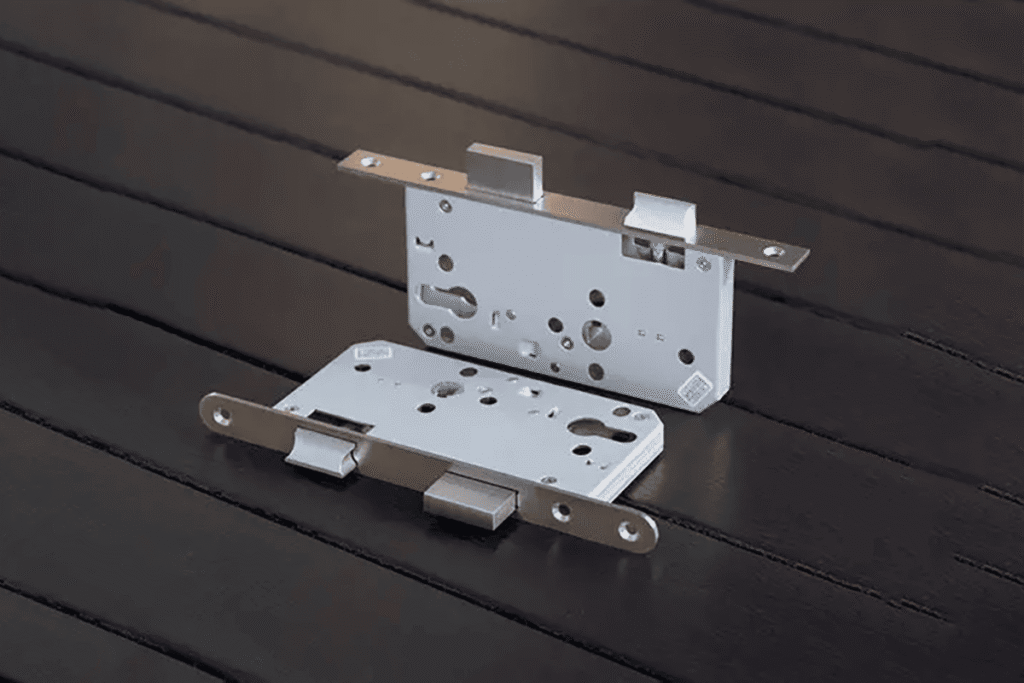
Why Use a Mortise Lock with Anti-Friction Latch on Commercial and Heavy-Duty Doors?
A mortise lock with anti-friction latch solves a common problem I see in commercial door projects: heavy doors often close hard without the handle being pressed. That impact can become noise, resistance, latch wear, and after-sales complaints. The right latch structure helps the door close more smoothly and reliably.
A mortise lock with anti-friction latch is useful for commercial and heavy-duty doors because it reduces friction between the latch and strike plate during closing1. This improves closing smoothness, lowers impact noise2, reduces wear on the latch and frame area3, and can reduce maintenance risk in high-frequency door applications.
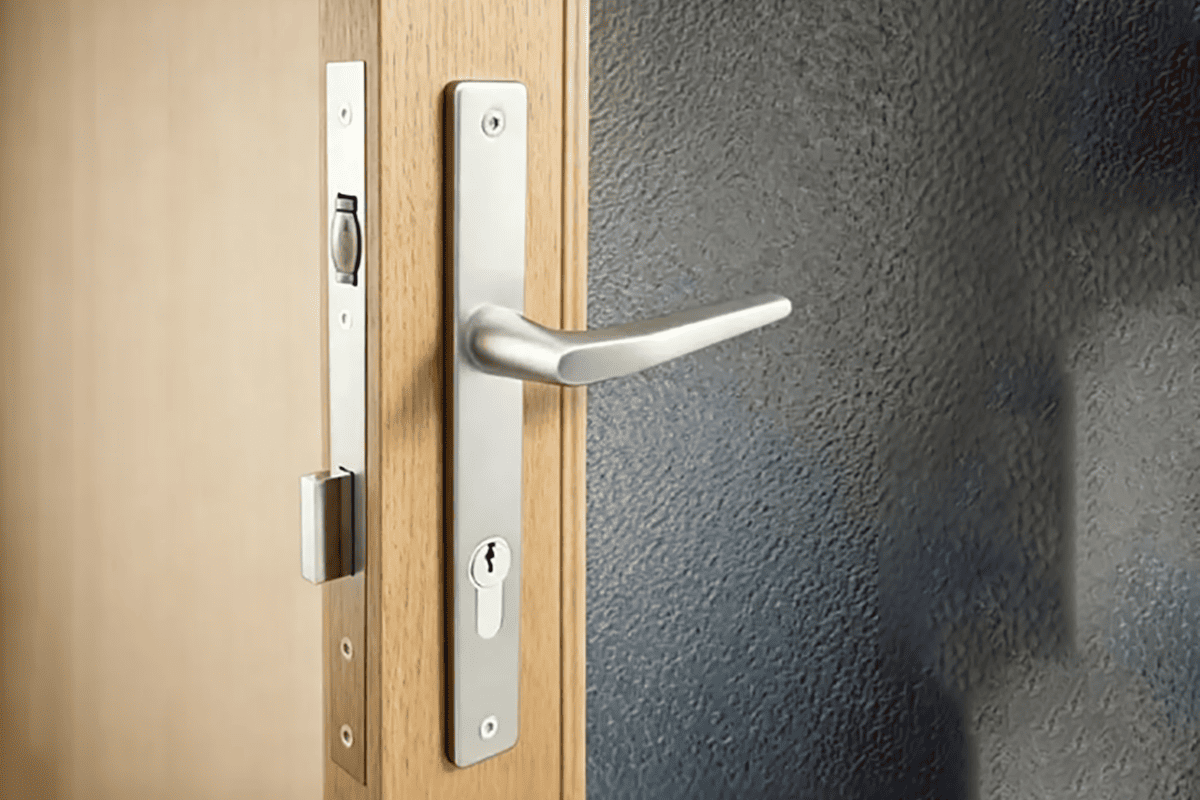
Many buyers compare mortise locks mainly by size, material, price, or certificate documents. I understand that approach. However, when I discuss lock configurations with door factories and hardware brands, the latch structure often becomes the hidden detail that decides whether users feel the door is “good” or “difficult.”
What Is a Mortise Lock with Anti-Friction Latch?
A mortise lock with anti-friction latch may look similar to a standard mortise lock at first glance. The problem is that many buyers only notice the latch after complaints appear. If the latch creates too much resistance, the whole door system can feel rough, noisy, or unstable.
A mortise lock with anti-friction latch uses a special latch structure that reduces contact friction when the door closes against the strike plate. Instead of forcing a standard latch to slide heavily across the strike, the anti-friction design helps the latch retract more smoothly and enter the strike more easily.
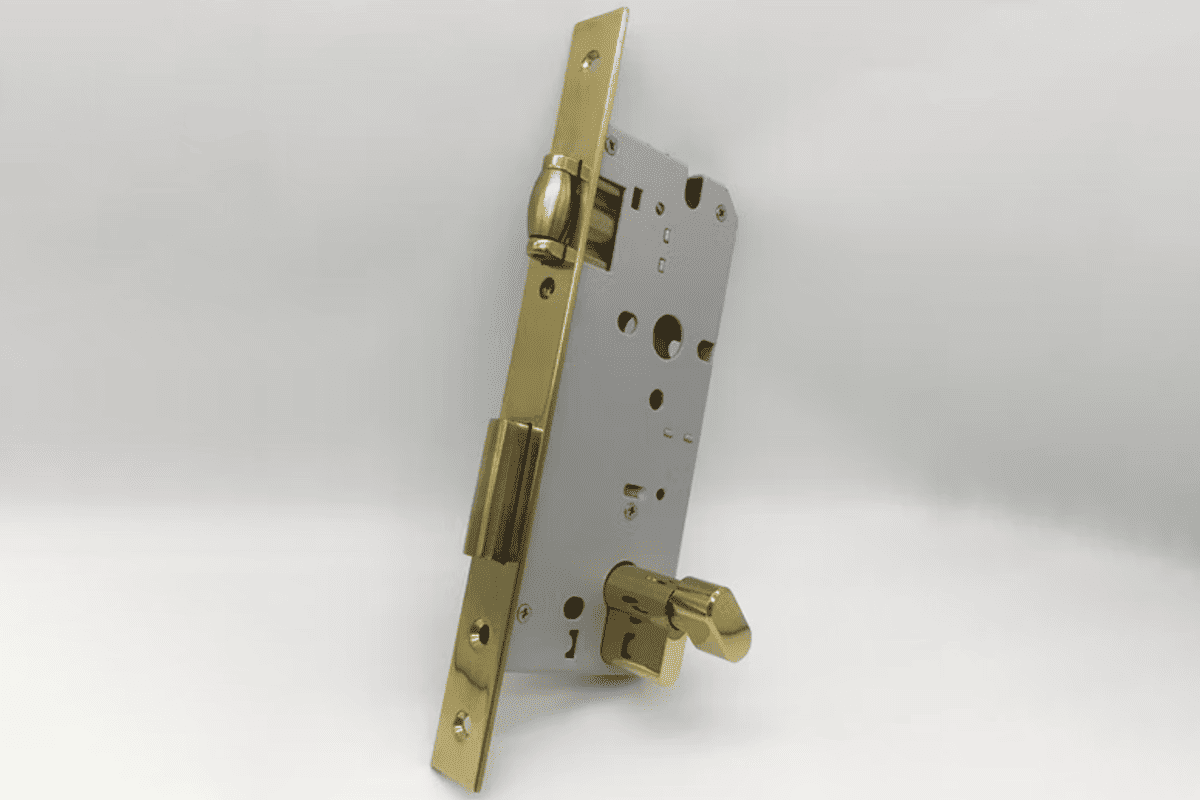
The basic working idea
In simple terms, an anti-friction latch works like a small lever-assisted contact point. When the door closes, part of the latch touches the strike plate first. That contact helps the latch move inward with less rubbing force than a conventional latch.
I often explain it to customers this way:
“The latch does not fight the frame as much when the door closes.”
That is not a laboratory definition. It is a practical supplier-side explanation for buyers who need to compare lock options quickly. The main point is simple: less direct friction can mean smoother closing and less impact feeling.
Standard latch vs. anti-friction latch
A standard latch can work well on many normal doors. I do not suggest replacing every standard latch with an anti-friction latch. However, the difference becomes more visible when the door is heavy, the closing speed is high, or users often push the door shut without pressing the handle.
| Item | Standard Latch Mortise Lock | Mortise Lock with Anti-Friction Latch |
|---|---|---|
| Closing feel | Acceptable for many light or normal doors | Smoother on heavier doors |
| Contact with strike | More direct sliding friction | Reduced friction through latch structure |
| Noise control | Depends heavily on door weight and alignment | Usually better for impact and closing sound |
| Wear risk | Higher when door is heavy or used often | Lower friction may reduce wear risk |
| Cost | Usually lower | Usually higher |
| Best use | Residential, light-duty, budget projects | Commercial, hotel, school, office, public doors |
Why the structure matters
A door lock is not only a lock body in a catalog. It becomes part of a working door system. The door leaf, frame, hinges, closer, strike plate, installation accuracy, and user behavior all affect the result.
When a heavy door closes, several things happen at the same time:
- The door leaf moves with stronger momentum.4
- The latch contacts the strike plate.
- The latch must retract and then enter the strike opening.
- The frame and lock body absorb part of the impact.
- The user judges the door by sound and feel.
If the latch has too much resistance, users may feel that the lock is hard, noisy, or poorly fitted. Sometimes the lock is blamed even when the real issue includes door closer speed, frame tolerance, or strike alignment. Still, the latch design can reduce one important source of resistance.
As a manufacturer, I prefer to discuss the complete use condition before recommending this feature. I usually ask:
- What is the door material?
- Is the door wood, steel, aluminum, or fire-rated?
- How heavy is the door leaf?
- How many times will the door open and close each day?
- Will users normally press the lever handle, or will they push the door shut?
- Is the project focused on low price, smooth feel, noise control, or fewer complaints?
Those questions make the decision more practical than simply asking, “Which latch is cheaper?”
Why Does a Mortise Lock with Anti-Friction Latch Improve Heavy Door Closing?
A mortise lock with anti-friction latch improves heavy door closing because heavy doors create stronger contact force against the strike plate5. If the latch does not manage that contact well, the door may close with more noise, more resistance, and more visible wear around the latch and strike area.
A mortise lock with anti-friction latch helps heavy doors close more smoothly by reducing the friction that occurs when the latch meets the strike plate. This design can make the closing action feel lighter, reduce harsh impact sound, and support more stable long-term operation in commercial environments.
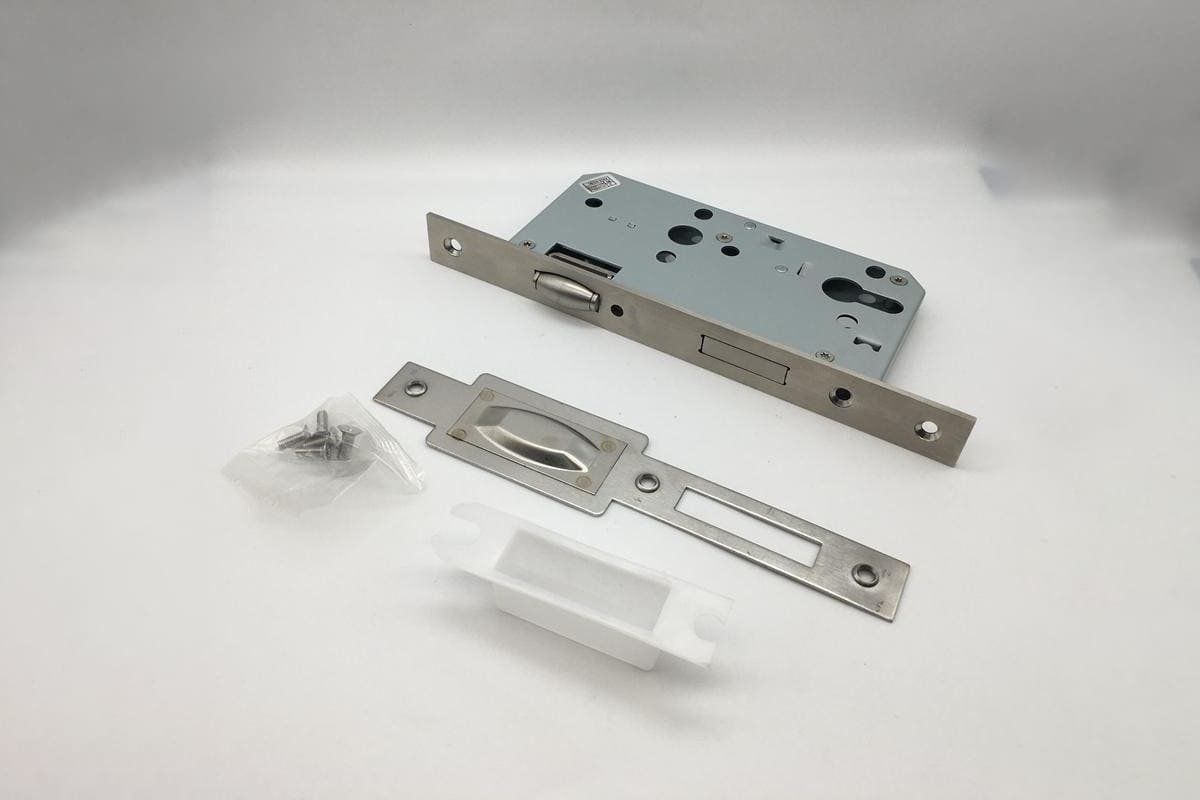
Heavy doors create stronger latch impact
The key question is not only, “Which mortise lock is strong?” The better question is:
What happens when a heavy, high-frequency commercial door closes without the handle being pressed?
This is where many problems begin. In real use, people do not always press the handle before closing a door. In offices, hotels, schools, hospitals, and public buildings, users often push the door and let it close by itself. If a door closer is installed, the door may close repeatedly with controlled but firm force.
When the door is light, a standard latch may handle this action without obvious trouble. When the door is heavy, the latch meets the strike plate with more pressure. That pressure can create:
- A loud clicking or knocking sound
- A rough closing feeling
- Scratches on the strike plate
- Faster latch edge wear
- Complaints about “hard closing”
- More adjustment work for installers
- Higher after-sales service cost
Why anti-friction helps the user experience
The anti-friction latch does not remove all sound or all wear. I would never promise that. Door performance always depends on installation quality, door closer adjustment, frame accuracy, and hardware matching.6
However, the anti-friction latch can improve the moment of contact. That small moment matters because it happens every time the door closes.
For example, if a school classroom door closes hundreds of times each day, the latch and strike plate experience repeated contact. If that contact is smoother, the whole system has a better chance of staying stable. If that contact is harsh, small problems can grow into complaints.
Factors that affect closing performance
When I help buyers evaluate a mortise lock configuration, I do not isolate the lock from the door system. I review several factors:
| Factor | Why It Matters |
|---|---|
| Door weight | Heavier doors increase latch impact force |
| Door material | Steel, solid wood, and fire-rated doors may need stronger hardware |
| Door closer speed7 | Fast closing increases contact noise and stress |
| Strike alignment | Poor alignment can make any latch feel rough |
| Usage frequency | High-traffic doors multiply small performance differences8 |
| User behavior | Many users close doors without pressing the handle |
| Finish durability | Surface wear becomes more visible in batch projects |
Procurement risk behind a small latch decision
For a single door, the cost difference between latch types may not feel important. For a batch project, buyers often focus on unit price because every dollar matters. I respect that. However, low unit price can become expensive if the selected latch is not suitable for the door condition.
Possible long-term costs include:
Installer adjustment time
Workers may need to adjust strike plates or door closers repeatedly.Customer complaints
End users may complain about noise, hard closing, or poor feel.Replacement parts
Locks, latches, or strikes may need replacement earlier than expected.Brand damage
A hardware brand or door factory may be blamed for a poor closing experience.Project delay
Extra service visits can slow final acceptance.
This is why I consider a mortise lock with anti-friction latch a practical feature for heavy-duty doors, not only a premium catalog option. It protects the buyer’s reputation as much as it improves the door feel.
Where Should Buyers Use a Mortise Lock with Anti-Friction Latch?
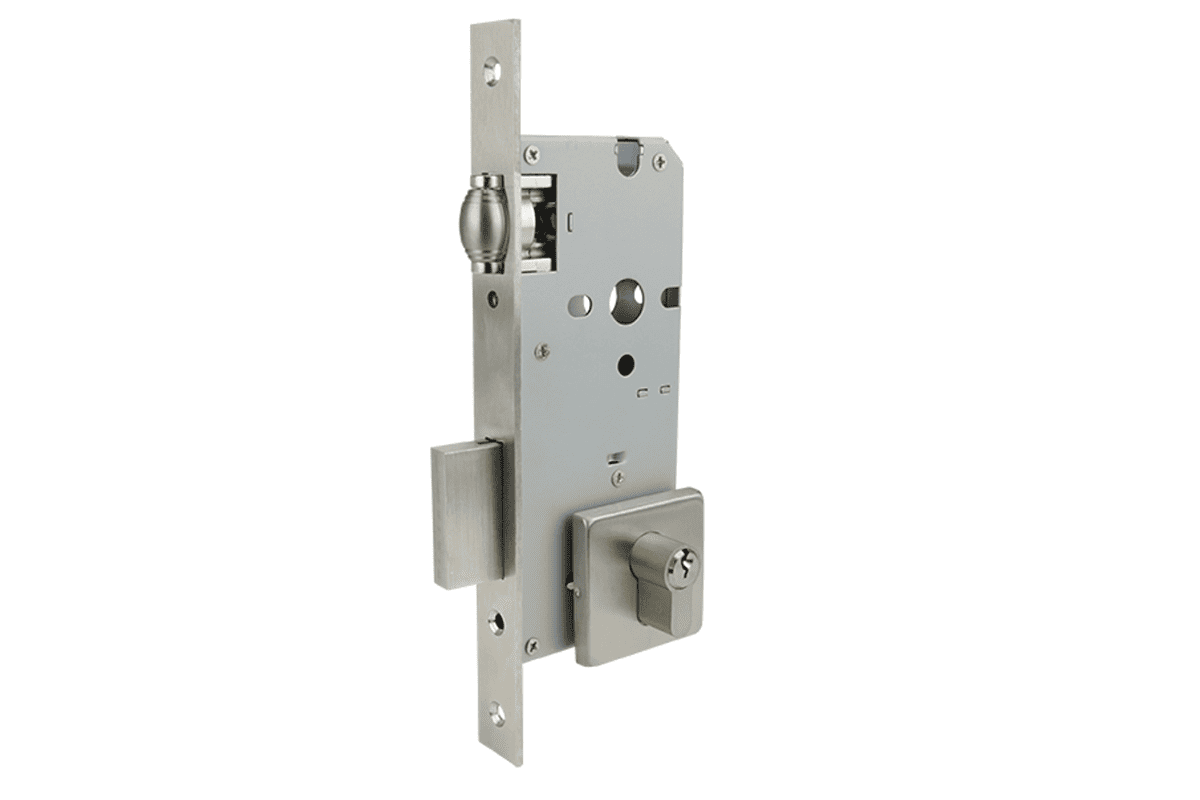
A mortise lock with anti-friction latch is not necessary for every door. The problem appears when buyers select a standard latch only by price or size for heavy, high-frequency, or premium commercial doors. In those cases, the wrong latch choice can increase closing resistance and after-sales risk.
A mortise lock with anti-friction latch is best suited for heavy commercial doors, metal doors, solid wood doors, fire-rated doors, hotel rooms, offices, schools, and public-area doors. Buyers should consider it when smooth closing, lower noise, reduced wear, and long-term user satisfaction are important.
Best-fit applications
In my experience communicating with door factories, hardware brands, and wholesalers, the anti-friction latch is most valuable in mid-to-high-end door configurations. It is especially useful when the door has weight, traffic, or user-experience requirements.
Good application examples include:
- Commercial office doors
- Hotel guestroom doors
- School classroom and corridor doors
- Hospital and clinic doors
- Public building doors
- Metal security doors
- Solid wood doors
- Fire-rated door assemblies
- Apartment entrance doors in premium projects
- Engineering project doors with strict acceptance standards
For fire-rated doors, buyers should be especially careful. The lock, latch, door leaf, frame, seals, and accessories may all affect the fire door assembly.9 I recommend verifying the relevant fire-rated certification documents and checking whether the exact lock model and configuration are covered10. I do not suggest assuming that one certificate applies to all product variations.
When a standard latch may still be enough
A standard latch can still be a reasonable choice. I use standard latch mortise locks in many product selections where the door is lighter, the budget is strict, or the expected traffic is lower.
A standard latch may be acceptable for:
- Light residential doors
- Low-frequency interior doors
- Budget-sensitive projects
- Doors where users normally press the handle when closing
- Projects where sound and closing feel are not key selling points
This balanced view is important. I do not want buyers to over-specify every door. The goal is to match the lock to the application.
A simple buyer decision table
| Door Condition | Suggested Latch Direction | Reason |
|---|---|---|
| Light interior door | Standard latch may be enough | Lower impact and lower traffic |
| Heavy wood door | Consider anti-friction latch | Smoother closing and less strike wear |
| Steel commercial door | Strongly consider anti-friction latch | Higher door mass and impact force |
| Hotel guestroom door | Consider anti-friction latch | Better user feel and lower noise |
| School/public door | Strongly consider anti-friction latch | High-frequency use |
| Fire-rated door | Verify certified configuration | Compliance documents must match the project |
| Premium hardware brand line | Consider anti-friction latch | Better product positioning |
Why wholesalers and brands should care
A regional wholesaler may sell hundreds or thousands of locksets into different projects. If the product line only includes low-price standard latch options, the wholesaler may win price-sensitive orders but lose higher-value customers who care about feel and durability.
A hardware brand may also use anti-friction latch mortise locks to create a clearer product ladder:
- Economy series: standard latch, basic finish options
- Commercial series: stronger lock body, better materials, anti-friction latch option
- Project series: verified certificates, fire-rated options, customized finishes
- Premium series: upgraded handles, cylinders, finishes, and smoother closing systems
This structure helps buyers choose based on application instead of only price.
At SDH Hardware, our role as a manufacturer is to support that selection process with standardized and customized door hardware products, including mortise locks, concealed hinges, butt hinges, lever handles, and lock cylinders. When buyers ask me for one-stop door hardware sourcing, I try to clarify the door type and market requirement before confirming the lock configuration.
That simple step can prevent many mismatches.
How Does a Mortise Lock with Anti-Friction Latch Reduce After-Sales Risk?
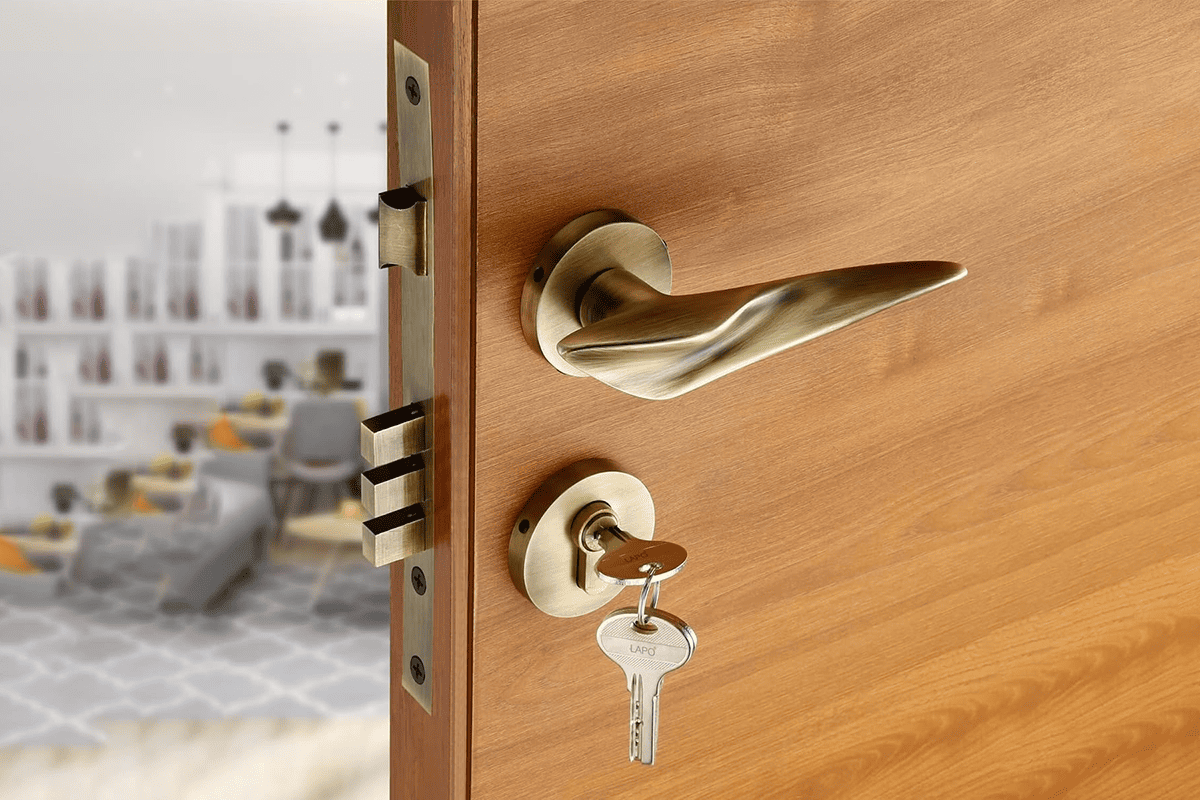
A mortise lock with anti-friction latch can reduce after-sales risk because it addresses one of the most common user complaints: rough or noisy door closing. If a heavy commercial door closes harshly every day, the latch, strike plate, frame, and customer relationship all carry the cost.
A mortise lock with anti-friction latch reduces after-sales risk by improving the contact between latch and strike during closing. This may reduce impact noise, lower visible wear, improve user satisfaction, and decrease the chance of repeated adjustment or replacement in commercial door projects.
The complaint chain in real projects
In batch procurement, problems rarely stay small. One uncomfortable door can become one complaint. Ten similar doors can become a project issue. A whole batch of doors with rough closing can damage trust between the buyer, distributor, installer, and end customer.
I have heard buyers describe complaints in very practical language:
- “The door is too loud.”
- “The latch scratches the strike.”
- “The customer says the lock feels cheap.”
- “The installer adjusted it many times.”
- “The door does not close smoothly.”
- “The hotel owner wants a better lock.”
These complaints may have multiple causes. The latch is not always the only reason. But latch friction is one area that buyers can evaluate before mass production.
What buyers should check before confirming an order
Before choosing a mortise lock with anti-friction latch, I suggest buyers prepare a clear door hardware requirement sheet. This helps suppliers recommend the right model and reduces misunderstanding.
Important items include:
Door type and material
Buyers should specify wood, steel, aluminum, composite, or fire-rated door.Door thickness
Common project doors may vary by region. The lock body, spindle, cylinder, and accessories must match.Backset and center distance
These dimensions affect compatibility with existing door designs.Latch direction and handing
Buyers should confirm reversible or non-reversible designs.Strike plate design
The strike must match the latch and frame condition.Finish requirement
Bulk orders need consistent finishes, such as stainless steel, satin nickel, black, brass tone, or customized colors.Certification documents
Buyers should verify CE documents, fire-rated documents, and model coverage where required.Sample testing
Buyers should test the lock on the actual door structure when possible.
Supplier evaluation checklist
A good supplier should not only quote a price. A good supplier should help buyers reduce selection risk.
| Evaluation Point | What I Suggest Buyers Ask |
|---|---|
| Manufacturing experience | Does the supplier produce mortise locks in-house? |
| Product range | Can the supplier match handles, cylinders, hinges, and accessories? |
| Quality control | What inspections cover raw material, production, and finished goods? |
| Finish consistency | Can the supplier control color and surface quality in bulk orders? |
| Customization | Can the supplier adjust specifications, finishes, or accessories? |
| Certification | Can the supplier provide documents for buyer verification? |
| Delivery capacity | Can the supplier support stable batch supply? |
| Technical communication | Can the supplier explain latch choices for different doors? |
As a China-based architectural door hardware manufacturer, SDH Hardware works with door manufacturers, hardware brands, and bulk wholesalers in markets such as the Middle East, Europe, and Southeast Asia. We have over 20 years of production experience, but I still encourage buyers to verify product samples and certification documents for their own applications.
That is the responsible way to buy technical hardware.
Cost control vs. complaint control
Buyers often ask whether the anti-friction latch is worth the extra cost. My answer depends on the project.
If the buyer sells low-cost interior doors, the standard latch may be enough. If the buyer supplies heavy commercial doors to hotels, offices, schools, or public buildings, the extra cost can be easier to justify.
The cost decision should include:
- Initial unit price
- Installation time
- Adjustment risk
- User complaints
- Maintenance visits
- Replacement probability
- Brand positioning
- Long-term customer satisfaction
When all costs are considered, a slightly higher lock configuration may protect the buyer’s total profit better than the cheapest option.
Can a Mortise Lock with Anti-Friction Latch Improve Security?
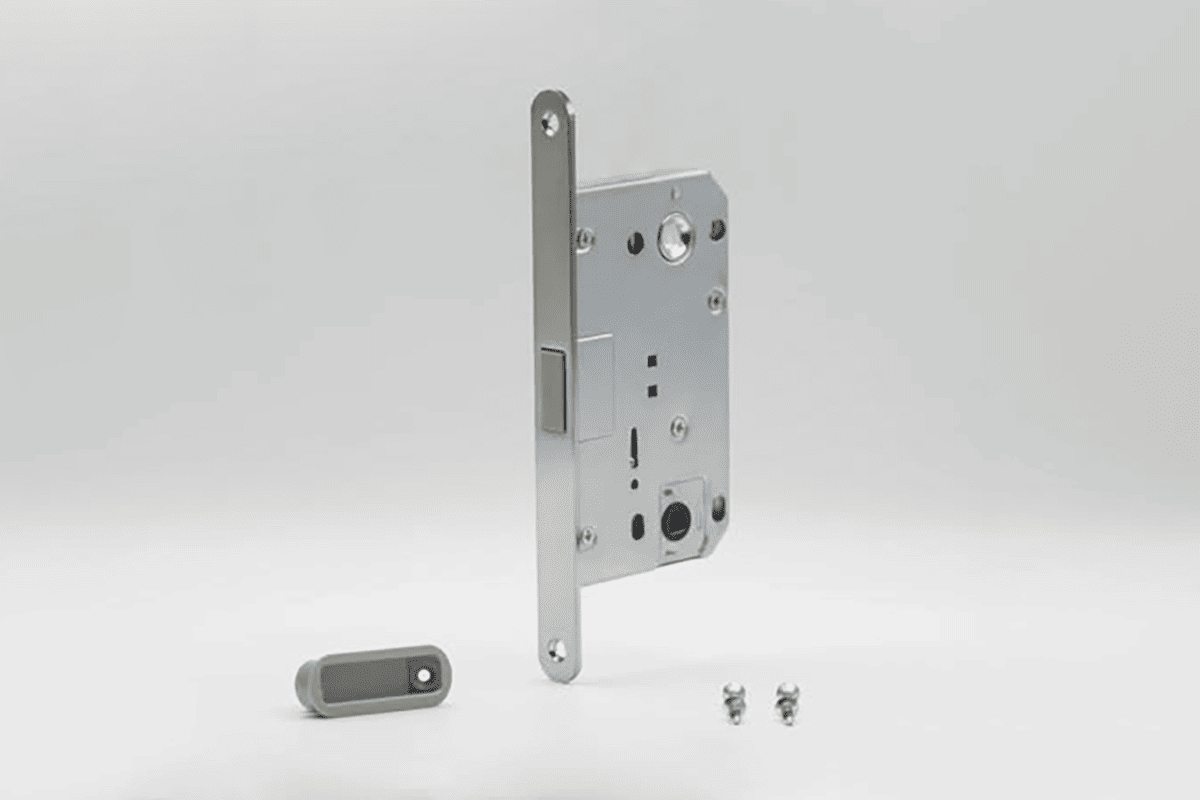
A mortise lock with anti-friction latch may improve security in some designs, but buyers should be careful with broad claims. The problem is that “anti-friction” and “high security” are not the same thing. A latch structure can add anti-thrust value only when the specific product design supports it.
A mortise lock with anti-friction latch can provide anti-thrust or anti-insertion protection11 when its latch structure is designed to resist forced manipulation from the door gap. Buyers should verify the exact lock design, test evidence, and certification documents before treating this as a security feature.
What anti-thrust can mean
In some latch designs, the structure helps reduce the chance that someone can push or insert a thin tool against the latch from the door gap. This is often described as anti-thrust or anti-insertion protection.
However, I avoid saying that every anti-friction latch is automatically high security. That would be too broad. Security depends on the full lock design12, including:
- Latch structure
- Deadbolt design
- Lock body strength
- Strike plate strength
- Cylinder security level
- Door and frame strength
- Installation accuracy
- Applicable test standards
A lock can have a smooth anti-friction latch and still need a stronger deadbolt or cylinder for a higher-security application.
How buyers should evaluate security claims
When a supplier mentions anti-thrust performance, buyers should ask specific questions:
- Does this exact model have an anti-thrust latch design?
- Can you show the latch structure clearly in drawings or samples?
- Is there any test report for this function?
- Does the certification cover this lock model and latch version?
- What door type was used during testing?
- Does the project require a specific security grade or fire rating?
If data is not supplied, the claim should be treated as a structural advantage to be verified, not as guaranteed security performance.
Security is a system, not one feature
I often remind buyers that a door opening is only as strong as its weakest part. A better latch helps, but it does not replace a proper door set.
For example, a strong mortise lock installed into a weak frame may still perform poorly. A good cylinder installed with a low-quality strike plate may not provide the expected protection. A fire-rated door with unverified hardware may create compliance risk.
A complete commercial door hardware review should include:
- Mortise lock body
- Lever handle set
- Lock cylinder
- Strike plate
- Hinges
- Door closer
- Door leaf structure
- Frame reinforcement
- Fire-rated accessories where required
- Installation method
This is why I prefer a one-stop hardware matching discussion for project buyers. The buyer can control compatibility better when the supplier understands the complete hardware set, not only one lock body.
Frequently Asked Questions
Is a mortise lock with anti-friction latch required for every commercial door?
No. A mortise lock with anti-friction latch is not required for every commercial door. I recommend it more for heavy, high-frequency, or mid-to-high-end doors where smooth closing, lower impact noise, and reduced wear are important purchasing goals.
Does an anti-friction latch make the door completely silent?
No. An anti-friction latch can reduce harsh contact noise, but it cannot make every door silent. Door closer speed, frame alignment, strike plate position, door weight, seals, and installation quality also affect the final sound during closing.
Can I use an anti-friction latch mortise lock on fire-rated doors?
Yes, it may be possible, but buyers should verify the exact certified configuration. Fire-rated door hardware must match the required standard, test scope, and project specification. I recommend checking certificates, model coverage, and professional project requirements before confirming bulk orders.
Is an anti-friction latch more durable than a standard latch?
It can support better durability in heavy-use conditions because it reduces friction during closing. However, actual durability depends on material, lock body quality, installation, door weight, usage frequency, and maintenance. Buyers should test samples under their own door conditions when possible.
Does an anti-friction latch improve door security?
It may provide anti-thrust or anti-insertion value when the specific latch structure supports that function. Buyers should not assume all anti-friction latches are high-security products. They should verify the design, test evidence, and certification documents before making security claims.
Conclusion
A mortise lock with anti-friction latch is a practical choice for many commercial and heavy-duty doors because it improves the critical moment when the latch meets the strike plate. It can support smoother closing, lower impact noise, reduced wear, fewer complaints, and better long-term user satisfaction. I do not recommend it for every door, but I do recommend evaluating it carefully for heavy, high-frequency, fire-rated, hotel, office, school, and public-area applications. If you are selecting mortise locks for bulk projects, contact SDH Hardware to discuss samples, specifications, finishes, and verified compliance documents.
"Mortise lock - Wikipedia", https://en.wikipedia.org/wiki/Mortise_lock. Technical descriptions of anti-friction latch-bolt designs show that added contact elements can reduce direct sliding between the latch and strike during closing; this supports the stated mechanism, although patent descriptions document specific designs rather than proving the performance of all mortise locks. Evidence role: mechanism; source type: other. Supports: A technical patent or engineering description can show that anti-friction latch designs use auxiliary contact surfaces or moving elements to reduce direct sliding contact against the strike.. Scope note: The support is design-specific and does not establish that every anti-friction latch performs identically. ↩
"Understanding the effects of friction and surface roughness ...", https://researchconnect.suny.edu/en/publications/understanding-the-effects-of-friction-and-surface-roughness-on-no/. Research on mechanical impact and friction-induced noise indicates that contact force, surface interaction, and impact conditions affect generated sound levels; this provides contextual support for the claim that smoother latch-strike contact may reduce closing noise. Evidence role: mechanism; source type: paper. Supports: A paper on impact or friction-induced noise can support the general mechanism that contact conditions and impact forces influence sound generation.. Scope note: The evidence is likely to be general acoustics or tribology evidence, not a direct test of this specific lock model. ↩
"Study on Friction and Wear Performance of Sliding Metal Seal ...", https://pmc.ncbi.nlm.nih.gov/articles/PMC11509768/. Tribology literature describes wear as a consequence of repeated contact, sliding, adhesion, abrasion, and surface interaction under load; this supports the general claim that reducing latch-strike friction can reduce wear risk. Evidence role: mechanism; source type: paper. Supports: A tribology source can support the general relationship between frictional sliding contact and surface wear.. Scope note: The source would support the physical mechanism, not quantify wear reduction for a particular anti-friction latch. ↩
"Momentum", https://en.wikipedia.org/wiki/Conservation_of_momentum. Introductory mechanics texts define linear momentum as the product of mass and velocity, which supports the statement that a heavier door leaf carries greater momentum when closing at the same speed. Evidence role: mechanism; source type: education. Supports: An educational physics source can support that momentum equals mass times velocity, so greater door mass increases momentum at the same closing speed.. ↩
"Energy of falling object - HyperPhysics", http://hyperphysics.phy-astr.gsu.edu/hbase/flobi.html. Mechanics sources explain that impact force depends on the change in momentum and the time or distance over which the moving object is stopped; this supports the claim that heavier doors can impose greater latch-strike contact forces under comparable closing conditions. Evidence role: mechanism; source type: education. Supports: A mechanics source can support that impact force is related to momentum change over stopping time, making mass and closing speed relevant to latch-strike impact.. Scope note: The source supports the physics mechanism rather than measuring forces in the specific door hardware described. ↩
"Steel Plant NFPA 80 Fire Door Annual Inspection", https://oxmaint.com/industries/steel-plant/steel-plant-nfpa-80-fire-door-annual-inspection. Door assembly inspection guidance identifies hardware condition, alignment, latching, closing devices, and frame fit as relevant to proper door operation, supporting the article’s system-level view of door performance. Evidence role: expert_consensus; source type: institution. Supports: Door assembly inspection guidance can support that door operation depends on correct installation, alignment, closing devices, and hardware compatibility.. Scope note: The source supports the general door-system principle rather than evaluating anti-friction latches specifically. ↩
"Chapter 4: Entrances, Doors, and Gates", https://www.access-board.gov/ada/guides/chapter-4-entrances-doors-and-gates/. Accessibility standards address door and gate closing speed as a measurable operational characteristic, supporting the article’s treatment of closer speed as a relevant factor in door performance. Evidence role: general_support; source type: government. Supports: Accessibility standards can support that door closer speed is a recognized variable in door operation and user interaction.. Scope note: Such standards support the relevance of closing speed but do not directly prove its effect on latch wear or noise. ↩
"A156.13 - 2022 Mortise Locks", https://buildershardware.com/ANSI-BHMA-Standards/Hardware-Highlights/A15613-2022-Mortise-Locks. Door hardware performance standards use repeated-cycle testing to evaluate lock and latch durability, supporting the general claim that high-traffic openings magnify small operational differences over time. Evidence role: general_support; source type: institution. Supports: Door hardware standards that use cycle testing can support the idea that repeated operation is a central durability concern for locks and latches.. Scope note: Cycle-test standards support the importance of repeated use but do not by themselves compare standard and anti-friction latches. ↩
"Fire Doors and NFPA 80 FAQs", https://www.nfpa.org/news-blogs-and-articles/blogs/2025/04/11/fire-doors-faqs. Fire-door standards treat the door, frame, hardware, glazing, seals, and related components as parts of a rated opening assembly, supporting the claim that locks and latches can affect fire-door compliance. Evidence role: expert_consensus; source type: institution. Supports: Fire-door standards can support that fire protection ratings apply to assemblies and that hardware components are part of the evaluated opening.. ↩
"Doors, Windows and Related Hardware Application Guide", https://www.ul.com/thecodeauthority/knowledge/ul-fire-rated-doors-guide. Product-certification listings for fire-door hardware identify specific models, ratings, and conditions of use, supporting the need to verify that the exact lock configuration is covered before applying a certification claim. Evidence role: general_support; source type: institution. Supports: Certification databases or listing guidance can support that ratings and certifications are tied to specific products, models, and conditions of use.. ↩
"Town of Porter: Crime Prevention Tips", https://www.in.gov/towns/porter/government/departments/police-department/crime-prevention-tips/. Security guidance on latch manipulation describes how spring latches can be attacked through the door gap and how deadlatching or anti-shim features can resist such manipulation, providing context for the term anti-thrust or anti-insertion protection. Evidence role: definition; source type: institution. Supports: A security guide can define latch manipulation through the door gap and explain how deadlatching or anti-shim structures resist that attack method.. Scope note: This supports the security concept generally and does not prove that every anti-friction latch has this feature. ↩
"PHYSICAL SECURITY OF DOOR ASSEMBLIES AND ...", https://ojp.gov/pdffiles1/nij/32269.pdf. Government physical-security guidance treats door protection as a system involving the door, frame, locking hardware, hinges, strikes, and installation quality, supporting the claim that security depends on the full lock and opening design. Evidence role: expert_consensus; source type: government. Supports: A government physical-security guide can support that effective door security depends on the door, frame, lock, strike, hinges, and installation as a system.. ↩