Round Hinges VS Square Hinges: Which Is Better?
Round hinges vs square hinges can look like a simple shape choice, but the wrong decision can slow production, increase hidden processing cost, and create installation problems. I have seen buyers compare only appearance or unit price. A better approach is to match the hinge shape with door material, mortise method, tooling, and batch assembly needs.
Round hinges vs square hinges are not a matter of one shape being universally better. Round hinges are usually more practical for wooden doors because round-corner mortising is easier in common wood-door preparation.1 For steel doors, both types can work, so buyers should evaluate project specification, tooling, appearance, cost, and supplier consistency.
This comparison matters most when a door factory is preparing hundreds or thousands of doors, not one sample door. A small difference in mortise preparation, polishing time, or installation fit can become a real production issue when it repeats across a full order.
What Does Round Hinges VS Square Hinges Really Mean for Buyers?
Round hinges vs square hinges may sound like a visual comparison, but that is where many procurement mistakes begin. If a buyer only asks which one looks better, they may miss the more important questions about machining, mortise fit, production speed, and total order cost.
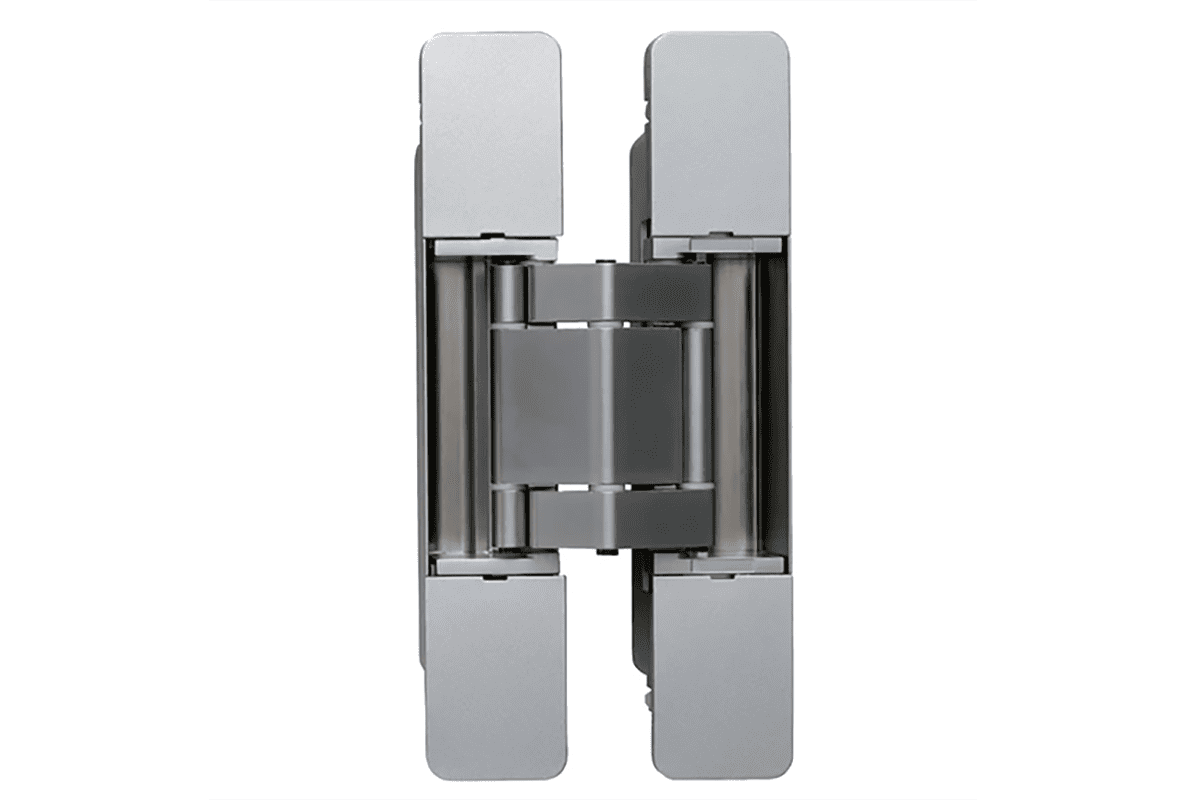
Round hinges have hinge leaves with rounded corners, while square hinges have hinge leaves with sharp 90-degree corners. The better option depends on the door material, frame preparation, installation workflow, tooling, and cost tolerance. Shape alone does not prove that one hinge is stronger, safer, or more durable.
Based on factory production and quality control observations at SDH Hardware, I treat hinge shape as a manufacturing compatibility decision first and an appearance decision second. A hinge does not work alone. It works with the door leaf, frame, mortise pocket, screws, finish, packaging, and installation team.
The basic difference
The visible difference is simple:
| Item | Round Hinges | Square Hinges |
|---|---|---|
| Corner shape | Rounded hinge leaf corners | 90-degree hinge leaf corners |
| Common wood-door fit | Often easier for round-corner mortising | May require sharper corner finishing |
| Steel-door use | Can be used if design allows | Can be used if design allows |
| Typical processing | Extra corner cutting and polishing | Simpler leaf outline processing |
| Cost tendency | Usually higher | Usually lower |
| Main buying concern | Mortise efficiency and finish quality | Cost control and specification match |
However, buyers should not stop at this table. The shape is only one part of the hinge specification. A complete hinge evaluation should also include:
- Material, such as stainless steel, steel, or brass
- Leaf thickness
- Knuckle design
- Pin structure
- Bearing or washer design
- Screw hole pattern
- Surface finish
- Door weight range
- Fire-rated project requirements, where applicable
- Relevant test reports and certificates, which buyers should verify against the exact product model
I usually advise buyers to compare hinge drawings before comparing prices. A price without a drawing can hide too many differences.
Why shape alone is not enough
A round hinge is not automatically stronger than a square hinge.2 A square hinge is not automatically more reliable than a round hinge. Durability depends on measurable details, such as material grade, leaf thickness, bearing design, screw quality, and testing results.
For example, two stainless steel butt hinges may look similar from the front. But one may use thicker leaves, better pin control, and tighter knuckle tolerance. Another may use thinner material and looser assembly. The corner shape will not tell the full story.
For B2B purchasing, I suggest checking these items before approval:
- Door type: wooden door, steel door, fire door, interior door, or project door
- Mortise method: CNC routing, manual routing, stamping, or pre-formed frame preparation
- Batch quantity: small replacement order or large production run
- Installation tolerance: how much variation the door factory can accept
- Finish requirement: satin stainless steel, polished finish, PVD, powder coating, or other treatment
- Testing documents: CE, fire-rated certification, or project-specific reports when required
- Supplier capability: stable production, drawing confirmation, inspection process, and packaging support
This is why I see round hinges vs square hinges as a procurement question, not only a design question. The best hinge is the one that fits the door factory’s real production process with the least avoidable risk.
Are Round Hinges VS Square Hinges Different for Wooden Doors?
Round hinges vs square hinges become especially important for wooden doors because the mortise pocket must match the hinge leaf. If the hinge shape does not suit the door preparation method, installers may spend extra time trimming corners, correcting gaps, or adjusting the hinge seat.
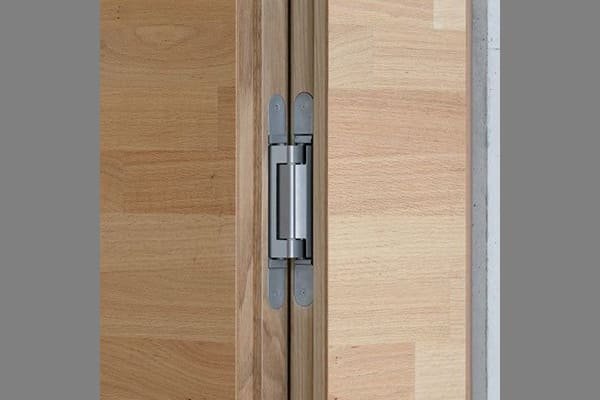
For wooden doors, round hinges are usually preferred when installation efficiency and slot-making convenience matter. Round-corner mortising is often easier and more practical in common wood-door preparation, especially when routers or standard round-corner cutters are used in batch production.
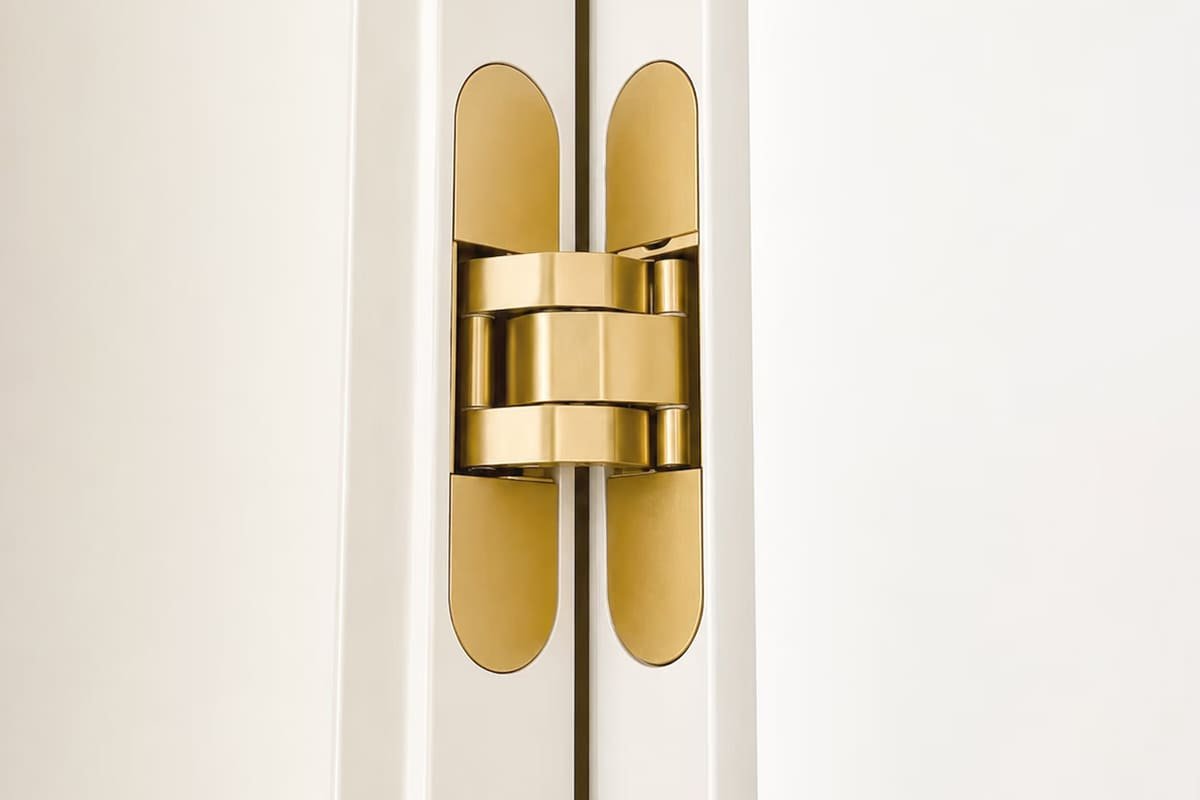
In many wood-door factories, the hinge mortise is created by routing. A router bit naturally creates a round inside corner.3 This means a round-corner hinge can often sit neatly into the routed pocket with less manual corner cleaning. That small point can matter a lot in high-volume door production.
Why round hinges often fit wooden door workflows
Wood is easy to machine compared with steel, but it can still create quality issues if the process is not controlled. When a square hinge is installed into a routed pocket, the pocket corners may need extra chiseling or additional machining to create sharp corners.4 If workers skip this step or do it unevenly, the hinge may not sit flush.
Common problems include:
- Hinge leaf sitting proud above the door surface
- Uneven gaps between door and frame
- Paint or veneer damage near the mortise
- Extra rework time during installation
- Inconsistent hinge seating across a batch
Round hinges reduce some of these risks because the hinge corner better matches a typical routed corner. This does not mean every wooden door must use round hinges. It means the round hinge is often more convenient when the production line uses round-corner mortising.
A practical wooden door comparison
| Buying factor | Round Hinges for Wooden Doors | Square Hinges for Wooden Doors |
|---|---|---|
| Mortise convenience | Usually easier with router-prepared pockets | May need sharp-corner finishing |
| Batch installation speed | Often faster when tooling matches | Can be slower if manual trimming is needed |
| Appearance | Softer corner look | More traditional square look |
| Cost | Usually higher | Usually lower |
| Best fit | Large batch wood-door production where routing efficiency matters | Projects requiring square-corner style or existing square mortises |
From my factory-side view, the “better” hinge for wooden doors often comes down to labor efficiency. A buyer may save a small amount on square hinge unit cost, but the door factory may spend more time preparing sharp corners. In a small order, that cost may be acceptable. In a large order, it can become significant.
What should door factory buyers check?
Before choosing a hinge shape for wooden doors, I recommend checking:
What cutter or router bit does the production line use?
If the existing process creates round corners, round hinges may reduce extra work.Is the door pre-machined by the door factory or by another supplier?
Outsourced preparation requires tighter drawing control.What is the acceptable installation time per door?
A few extra minutes per door can become many labor hours in a large batch.Does the market expect a specific appearance?
Some regions or brands prefer square-corner hinges for traditional styling.Does the hinge supplier provide accurate drawings?
Drawings help confirm leaf size, radius, screw hole position, and thickness.5
A sample approval process should include a real installation trial, not only a table inspection. I prefer to see the hinge installed in the actual door and frame material. That gives a more realistic view of fit, gap, screw alignment, and finish protection.
Are Round Hinges VS Square Hinges Different for Steel Doors?
Round hinges vs square hinges should be evaluated differently for steel doors because the frame and door preparation process is not the same as wood. If buyers use the same logic for every door material, they may overpay for unnecessary features or choose a hinge that does not match the formed metal structure.
For steel doors, both round and square hinges can be used when the door and frame design support them.6 The decision should shift toward project specification, metal preparation method, tooling, appearance preference, welding or fastening design, and supply consistency across repeat orders.
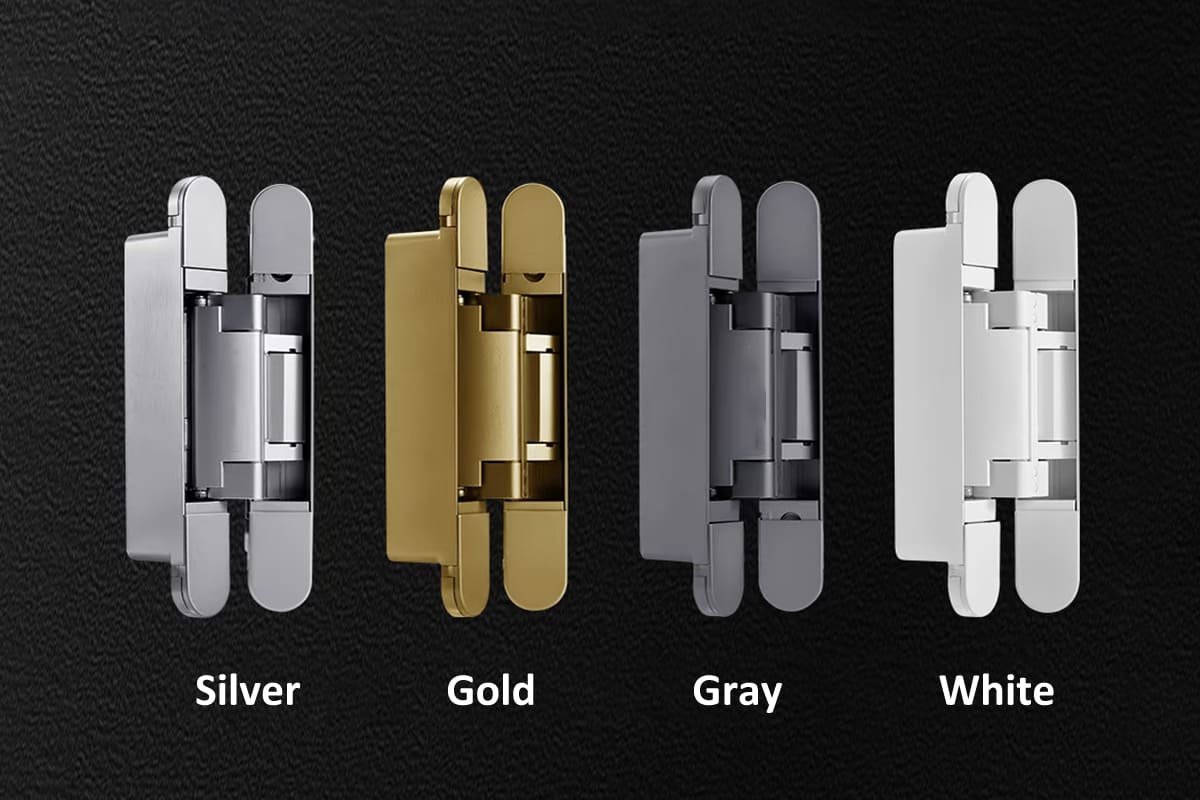
Steel door production involves different constraints. The hinge area may be reinforced, stamped, cut, welded, tapped, or prepared with special plates.7 Because steel is not routed like wood in the same way, the advantage of round-corner mortising may be less important. The correct hinge depends more on the full door-and-frame engineering design.
Why steel doors need a separate evaluation
A steel door may use butt hinges, weld-on hinges, ball bearing hinges, or other hinge structures depending on the project. In some steel-door systems, the hinge leaf outline is visible and important. In others, the hinge is integrated into a prepared reinforcement area, and the corner shape is not the main performance factor.
For steel doors, buyers should pay close attention to:
- Door weight and size
- Frame thickness
- Reinforcement plate design
- Screw type or welding method
- Fire-rated door requirements
- Corrosion resistance
- Opening frequency
- Project drawing requirements
- Replacement compatibility
If a project specification calls for a square hinge, a round hinge should not be substituted without approval. If the specification allows both, the buyer can compare price, appearance, lead time, and supplier capacity.
Steel door decision table
| Evaluation point | What buyers should ask | Why it matters |
|---|---|---|
| Door/frame design | Is the hinge area prepared for this leaf shape? | Prevents fit and alignment problems |
| Project specification | Does the drawing require round or square corners? | Avoids approval disputes |
| Tooling | Can the factory process this shape consistently? | Controls batch quality |
| Cost | Does the extra shape processing add value? | Prevents unnecessary spending |
| Finish | [Are edges polished or coated evenly? | Improves appearance and corrosion control](https://www.academia.edu/88917633/Surface_roughness_profile_and_its_effect_on_coating_adhesion_and_corrosion_protection_A_review)%%%FOOTNOTE_REF_8%%% |
| Supply consistency | Can the supplier repeat the same dimensions? | Reduces installation variation |
Do not use shape as a shortcut for performance
I have seen buyers ask whether round hinges or square hinges are “stronger.” I understand the question, but shape alone is not the right way to judge strength. A steel-door hinge should be evaluated through the actual specification.
Important performance-related details include:
Leaf thickness
A thicker leaf may support heavier use, but it must match door and frame design.Material quality
Stainless steel, carbon steel, and brass have different properties and cost levels.Bearing structure
Ball bearing hinges may be preferred for smoother operation in higher-use doors.9Knuckle tolerance
Better manufacturing control can reduce looseness and improve operation.Testing and certification
Fire-rated or CE documents should be checked against the exact hinge model, size, and intended application.10Installation method
Even a well-made hinge can perform poorly if the screws, frame reinforcement, or alignment are wrong.
For steel doors, I normally recommend that buyers align the hinge selection with the door engineering team and project requirements. A qualified professional evaluation is useful when the application involves fire-rated doors, heavy doors, high-frequency use, or regulated building projects.
Why Do Round Hinges Usually Cost More Than Square Hinges?
Round hinges often surprise buyers because they can cost more even when the material, size, and thickness look similar to square hinges. If procurement teams compare only the front appearance, they may not understand the extra processing hidden inside the supplier’s quotation.
Round hinges usually cost more because the hinge leaf often starts as a square blank and then receives additional corner-cutting. The rounded corners also require more polishing and finishing time.11 These extra processes increase labor, machine time, tooling wear, inspection effort, and scrap-control requirements.
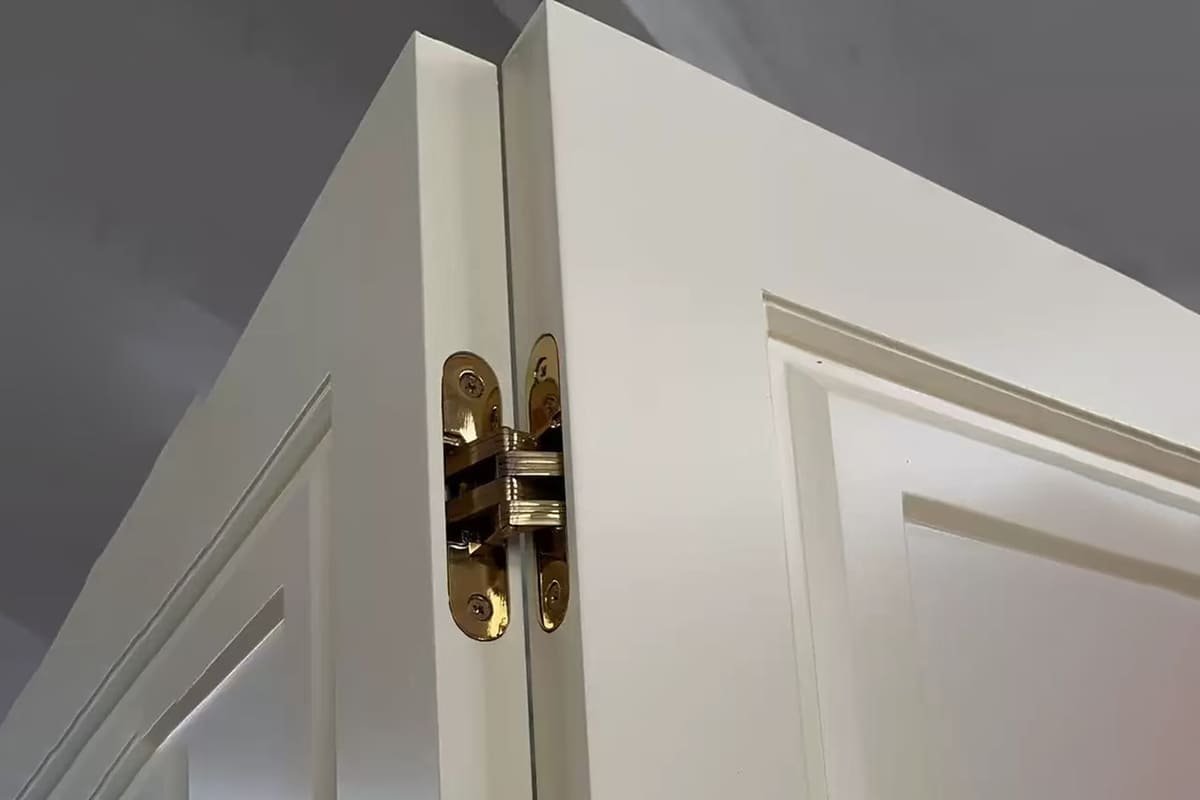
At SDH Hardware, our factory observations show that shape changes can affect cost even when the hinge looks simple. A square hinge leaf is more direct to process. A round hinge leaf needs extra work to create and finish the corner radius properly. This added work must be controlled because poor corner finishing is easy to see.
Where the extra cost comes from
A simplified production flow may look like this:
| Process step | Square Hinges | Round Hinges |
|---|---|---|
| Material preparation | Required | Required |
| Leaf stamping/cutting | Required | Required |
| Corner shaping | Usually simpler | Extra corner cutting needed |
| Edge polishing | Required | More attention around radius |
| Hole punching | Required | Required |
| Assembly | Required | Required |
| Surface finishing | Required | Required |
| Inspection | Required | Extra visual focus on rounded corners |
The cost gap may not be large for one piece, but B2B orders are rarely about one piece. If a buyer orders 50,000 hinges, even a small processing difference becomes important.
Why polishing matters
Rounded corners must look smooth and consistent. If the corner edge is rough, uneven, or over-polished, the hinge can look lower quality even if the basic function is acceptable. This is especially important for visible architectural hardware, where buyers often inspect surface finish closely.
Common finishing concerns include:
- Burrs around the radius
- Uneven reflection on polished corners
- Color variation after surface treatment
- Sharp edges that were not fully removed
- Inconsistent radius between batches
A reliable supplier should control these details through standardized production supervision and finished product inspection. For SDH Hardware orders, the inspection process can include dimension checks, surface checks, function checks, and packaging inspection after order completion. Buyers should still confirm the exact inspection standard before mass production.
How buyers should compare price fairly
When comparing quotations, I suggest that buyers avoid asking only, “How much is this hinge?” A better question is:
“What exact hinge specification, finish, tolerance, packaging, inspection level, and certification documents are included in this price?”
A fair hinge comparison should include:
- Same material grade
- Same leaf thickness
- Same hinge size
- Same bearing or washer structure
- Same surface finish
- Same screw configuration
- Same packaging method
- Same certification or test-document requirement
- Same order quantity
- Same delivery expectation
If a round hinge quotation is higher, the reason may be legitimate extra processing. If a square hinge quotation is much lower, the buyer should confirm that no important specification has been reduced. Low price can be useful, but unclear price is risky.
For door factories and hardware brands, the best cost decision is not always the lowest unit price. The best decision is the lowest total controlled cost, including installation time, rework risk, rejection rate, and supply stability.
How Should Door Factories Choose Between Round Hinges and Square Hinges?
Round hinges vs square hinges should be chosen through a structured evaluation, not a quick preference. If the purchasing team, production team, and product manager do not align early, the factory may face drawing changes, installation delays, or unexpected cost increases after mass production begins.
Door factories should choose round hinges when wooden-door mortising convenience and batch installation efficiency are priorities. They should choose square hinges when the project design, existing mortise, appearance requirement, or cost target supports square corners. For steel doors, the door and frame specification should lead the decision.
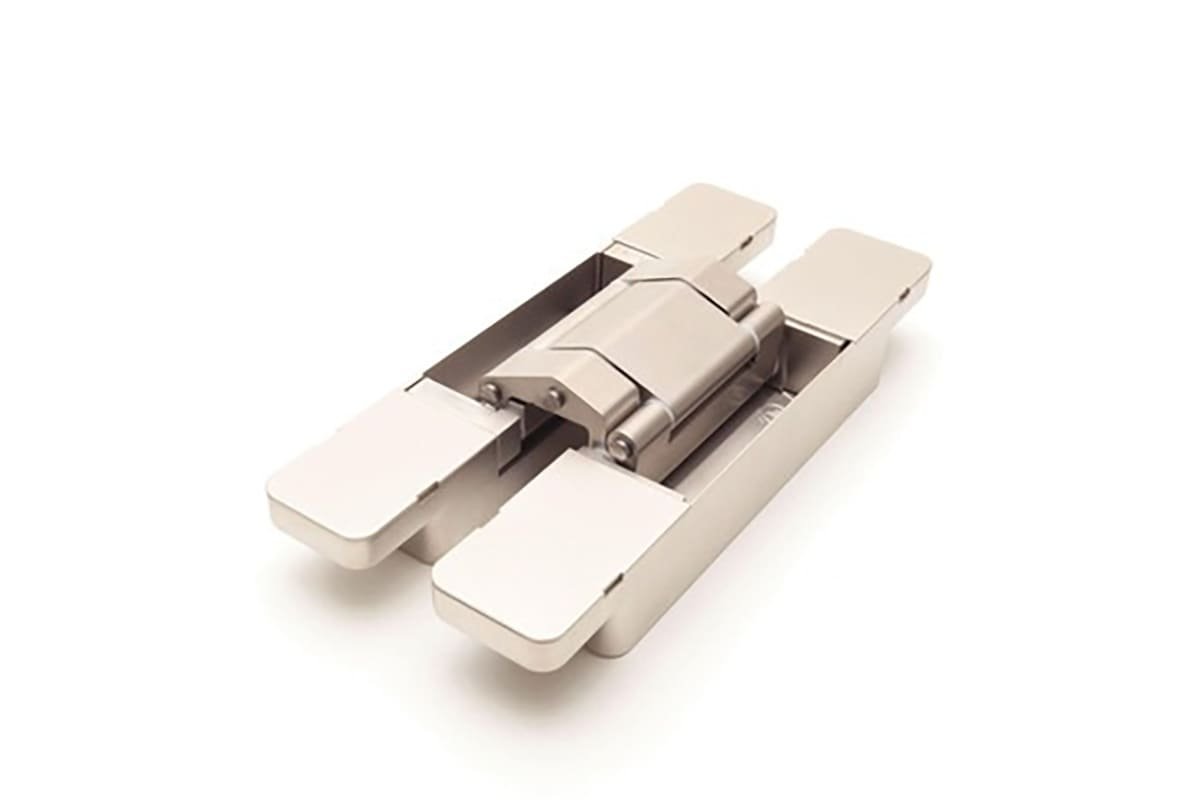
A good hinge selection process starts with the door, not the hinge. I always want to know the door material, market, project use, installation method, and target price before recommending a hinge shape. This approach prevents the buyer from choosing a beautiful hinge that creates trouble on the assembly line.
A practical selection checklist
Door factory buyers can use this checklist before confirming the order:
Door material
- Is it wood, steel, aluminum, or another material?
- Does the material require a specific mortise method?
Mortise compatibility
- Does the prepared pocket have round or square corners?
- Will extra trimming be needed?
Batch assembly efficiency
- How many doors will be produced per day?
- Will hinge fitting slow the line?
Project specification
- Does the architectural drawing specify hinge shape?
- Does the customer require a certain appearance?
Cost tolerance
- Is the buyer optimizing unit price or total installed cost?
- Is the round hinge’s extra processing cost justified?
Supplier capability
- Can the supplier provide drawings before production?
- Can the supplier maintain stable dimensions across batches?
Quality documents
- Are CE or fire-rated documents required?
- Do the documents match the exact hinge model and size?
Suggested decision matrix
| Situation | Better starting choice | Reason |
|---|---|---|
| Wooden door with routed mortise | Round hinges | Round corners often match router-prepared pockets |
| Wooden door with existing square mortise | Square hinges | Avoids mismatch with prepared sharp corners |
| Steel door with approved square hinge drawing | Square hinges | Follows project specification |
| Steel door with flexible design | Either type | Compare cost, tooling, finish, and supply stability |
| Large batch with tight installation time | Usually round hinges for wood | Can reduce corner trimming work |
| Cost-sensitive standard hardware program | Often square hinges | Simpler processing may reduce unit cost |
| Premium visible hardware line | Depends on design | Finish quality and appearance may guide the choice |
A simple buyer workflow
I recommend this workflow for B2B hinge approval:
- Confirm the door material and door type.
- Check the mortise or frame preparation drawing.
- Select the hinge size, thickness, material, and finish.
- Decide whether round or square corners match the workflow.
- Request samples and technical drawings.
- Install samples on real door and frame materials.
- Review fit, gap, swing, surface finish, and screw alignment.
- Confirm packaging, logo, inspection, and certification documents if needed.
- Approve mass production only after sample confirmation.
This process may look slow, but it is faster than solving problems after a container has been produced. For ODM and OEM orders, early drawing confirmation is especially important. Custom stamping, laser logos, packaging design, and accessory configurations should be confirmed together with the hinge specification.
Frequently Asked Questions
Are round hinges stronger than square hinges?
Round hinges are not automatically stronger than square hinges. Strength depends on material, leaf thickness, bearing design, pin structure, screw fixing, and test results. Buyers should compare full specifications and verified documents instead of judging performance by corner shape alone.
Are round hinges better for wooden doors?
Round hinges are often more practical for wooden doors because router-prepared mortises commonly create round corners. This can reduce manual trimming and improve batch installation efficiency. However, square hinges can still work if the door is prepared with square-corner mortises.
Can square hinges be used on steel doors?
Yes, square hinges can be used on steel doors when the door and frame design support them. Buyers should follow project drawings, reinforcement design, fixing method, and finish requirements. The final choice should match the steel-door production workflow and application needs.
Why are round hinges more expensive?
Round hinges usually cost more because they require extra corner-cutting after the hinge leaf is formed from a blank. The rounded corners also need more polishing and inspection. These extra steps increase machine time, labor, and finishing control.
What should I check before ordering hinges in bulk?
Before ordering hinges in bulk, check the door material, mortise shape, hinge size, thickness, material, finish, screw pattern, packaging, supplier drawings, and required test documents. A real installation trial is also useful before mass production approval.12
Conclusion
Round hinges vs square hinges is not about finding one universal winner. For wooden doors, round hinges often offer better mortise convenience and batch installation efficiency. For steel doors, both shapes can work, so the decision should follow project drawings, tooling, cost, and supply consistency. Buyers should compare total production impact, not only appearance or unit price. If you need factory-direct hinge support, SDH Hardware can help review drawings, samples, customization needs, and bulk order requirements for your door hardware program.
"American Woodworker Making & Using The Ultimate Router Jig ...", https://preserve.lehigh.edu/digital-special-collections/archival-collections/rodale-archives/rodale-audio-visual-material-113. A university woodworking or machining reference explaining that router bits leave rounded internal corners would support the claim that round-corner hinge mortises are generally easier to prepare with common routing methods. Evidence role: mechanism; source type: education. Supports: A woodworking or machining education source should explain that rotating router bits create internal radii, making round-corner recesses easier to produce than sharp internal corners.. Scope note: This would support the machining mechanism, not prove that every wooden-door factory prefers round hinges. ↩
"Introduction of International Standards for Hinges", https://sdhhardware.com/2025/02/21/introduction-of-international-standards-for-hinges/. ANSI/BHMA hinge standards classify and test hinges by attributes such as type, size, material, bearings, and performance requirements, supporting the statement that corner shape alone does not determine hinge strength. Evidence role: expert_consensus; source type: institution. Supports: A recognized hinge standard should show that performance is evaluated through specifications and testing rather than corner shape alone.. Scope note: This is contextual support because the standard may not explicitly state that round and square corners have no strength difference. ↩
"CNC Cutting Basics - Digital Fabrication Lab", https://digitalfabricationlab.sites.unlv.edu/cnc-cutting-basics/. Machining guidance on rotary cutters notes that internal corners produced by end mills or router bits have a radius constrained by the cutter, supporting the statement that a routed mortise naturally has rounded inside corners. Evidence role: mechanism; source type: education. Supports: A technical machining source should confirm that rotary cutting tools leave an internal corner radius related to the cutter geometry.. ↩
"ARC 328W / 392W Wood Design Unique # 00795 / 01170 ...", https://utdirect.utexas.edu/apps/student/coursedocs/nlogon/download/9718791/. Woodworking guidance on hinge mortising that instructs users to chisel square corners after routing would support the claim that square-corner hinges can require extra corner-finishing work in routed pockets. Evidence role: mechanism; source type: education. Supports: A woodworking source should describe that routed mortises have rounded corners and that sharp-corner hardware recesses may need hand-chiseling or secondary cutting.. Scope note: This supports the installation mechanism, while actual labor impact depends on tooling, worker practice, and door design. ↩
"Chapter 2 PART DESIGN SPECIFICATION", https://www.engr.psu.edu/cim/ie550/ie5502.ppt. Engineering drawing references describe technical drawings as formal records of part geometry, dimensions, tolerances, and feature locations, supporting the claim that hinge drawings help verify leaf size, radius, screw-hole position, and thickness. Evidence role: definition; source type: education. Supports: An engineering graphics or technical drawing source should explain that drawings communicate dimensions, geometry, tolerances, and hole locations.. ↩
"STANDARD STEEL DOORS AND FRAMES", https://ipf.msu.edu/sites/default/files/2018-08/CS_TEC_2004_081113_HOLLOW_METAL_DOORS_AND_FRAMES.PDF. Steel Door Institute guidance on hinge preparations and reinforcements would support the claim that hinge suitability for steel doors depends on the prepared door-and-frame design. Evidence role: general_support; source type: institution. Supports: A steel-door standards body or technical manual should show that hinge compatibility depends on door/frame preparation, reinforcement, and hardware schedule rather than corner shape alone.. Scope note: Such guidance may not explicitly compare round and square hinge corners, so the support is contextual rather than a direct preference statement. ↩
"STANDARD STEEL DOORS AND FRAMES", https://ipf.msu.edu/sites/default/files/2018-08/CS_TEC_2004_081113_HOLLOW_METAL_DOORS_AND_FRAMES.PDF. Technical guidance from a steel-door or hollow-metal-door standards organization describing hinge reinforcements and prepared mounting locations would substantiate the statement that steel-door hinge areas are engineered through reinforcement and metal preparation. Evidence role: definition; source type: institution. Supports: A hollow-metal or steel-door technical source should describe hinge reinforcements, tapped holes, welded components, or prepared plates used in steel door and frame assemblies.. ↩
"Surface roughness profile and its effect on coating ...", https://www.academia.edu/88917633/Surface_roughness_profile_and_its_effect_on_coating_adhesion_and_corrosion_protection_A_review. Surface-engineering and corrosion literature shows that coating continuity, surface preparation, and edge condition influence both appearance and corrosion performance, supporting the table’s link between even edge finishing and corrosion control. Evidence role: mechanism; source type: research. Supports: A corrosion or surface-engineering source should explain that surface preparation, coating continuity, and edge condition affect corrosion resistance and visual finish.. Scope note: The evidence would address metal finishing generally rather than round-versus-square hinge geometry specifically. ↩
"The History of Hinges and Their Uses: What Should Door ...", https://sdhhardware.com/2026/08/24/the-history-of-hinges-and-their-uses-what-should-door-hardware-buyers-know/. Architectural hardware standards and guides that classify ball-bearing hinges for heavier or higher-frequency service would support the claim that ball-bearing hinges may be preferred where smoother operation and higher use are expected. Evidence role: expert_consensus; source type: institution. Supports: A recognized architectural hardware standard or guide should connect ball-bearing hinge designs with smoother operation, heavier doors, or higher-frequency use.. Scope note: The source would support typical selection practice, not prove that ball-bearing hinges are necessary for every high-use door. ↩
"What Should I Know About EN Standard Fire Door Hardware ...", https://sdhhardware.com/2026/08/14/what-should-i-know-about-en-standard-fire-door-hardware-regulations/. Official CE-marking guidance states that conformity assessment and documentation apply to the product as placed on the market and its intended use, supporting the need to verify hinge documents against the specific model and application. Evidence role: general_support; source type: government. Supports: An official CE-marking or fire-door compliance source should explain that conformity or listing applies to specific products and intended uses, not generic product families.. Scope note: CE guidance would support the documentation principle generally; fire-rating requirements may require separate support from fire-door standards or listing bodies. ↩
"A COMPREHENSIVE COST ESTIMATION FOR ADDITIVE ...", https://soar.wichita.edu/bitstreams/544e3c63-a995-4d43-881c-97c6398093d6/download. Manufacturing process-cost references explain that secondary cutting and finishing operations add machine time, labor, tooling, and inspection requirements, providing contextual support for the claim that rounded hinge corners can increase production cost when they require extra operations. Evidence role: mechanism; source type: education. Supports: A manufacturing-cost source should explain that additional machining and finishing operations increase labor time, machine time, tooling use, and inspection burden.. Scope note: This would not independently verify the supplier-specific assertion that round hinge leaves usually begin as square blanks. ↩
"Manufacturing", https://www.nist.gov/manufacturing. Manufacturing quality guidance that emphasizes prototype or first-article validation before production would support the recommendation to conduct real installation trials before mass approval. Evidence role: general_support; source type: government. Supports: A manufacturing-quality source should support prototype or sample validation before production to detect assembly and fit problems.. Scope note: This is contextual evidence for general production validation and may not address door hinges specifically. ↩