Wall-Mounted VS. Floor-Mounted Door Stoppers: Which Is Better?
Wall-mounted vs. floor-mounted door stoppers is a common choice that looks simple until the door is installed. If the stopping point is wrong, the hardware may loosen, damage the wall or floor, or force rework. I usually suggest starting with the door’s real opening path, then choosing the stopper type that fits that condition.
Wall-mounted and floor-mounted door stoppers are not better in absolute terms. A wall-mounted stopper is usually better when a solid wall is available at the correct stopping point and floor clearance matters.1 A floor-mounted stopper is better when the door opens into open space, beyond 90°, or where no suitable wall exists.2
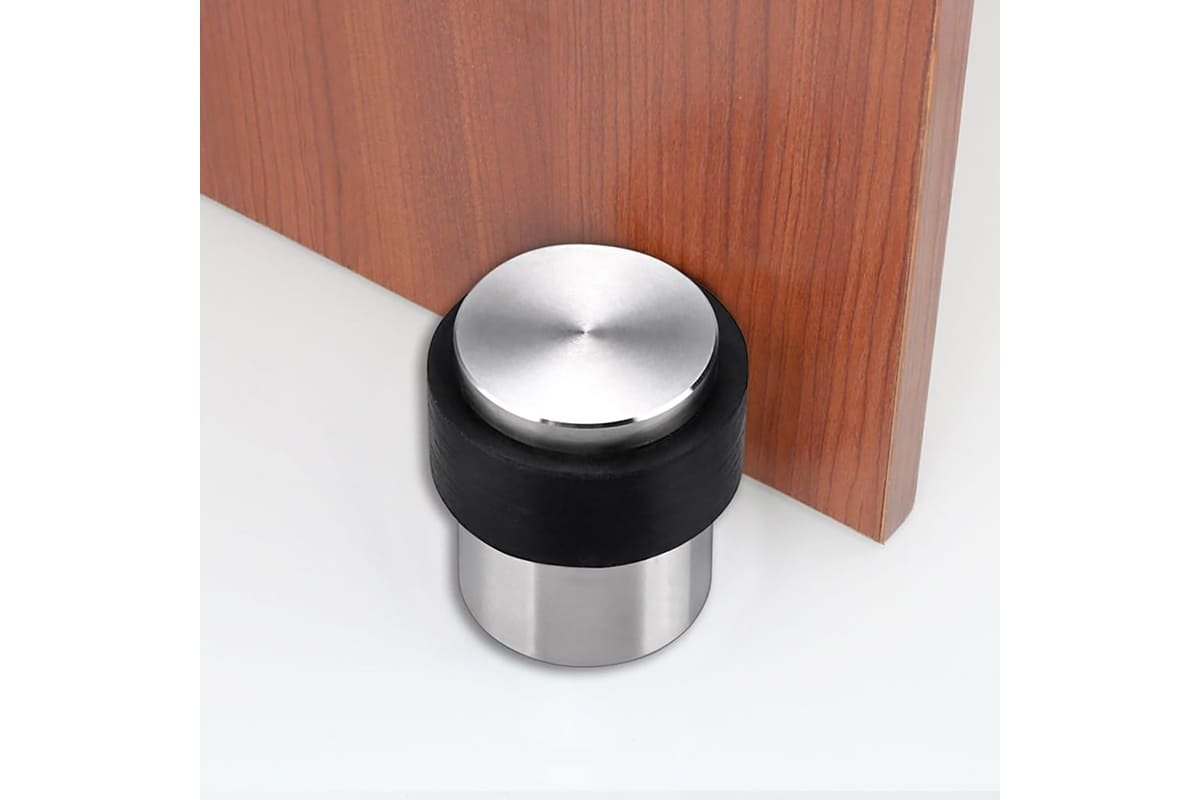
In our factory-side discussions with door manufacturers and project-support buyers, I often hear the same question: “Which type should I order?” The better question is: where can the door reliably stop without causing damage, obstruction, or installation mismatch?
Where Should Wall-Mounted VS. Floor-Mounted Door Stoppers Reliably Stop the Door?
A door stopper can fail as a product choice even when the product itself is well made. The problem often starts with the wrong stopping point. If the stopper does not meet the door at a practical angle and impact position, the installation may become weak or inconvenient.
The right stopper position is where the door can stop naturally, safely, and repeatedly. For wall-mounted vs. floor-mounted door stoppers, buyers should check the door opening angle, available wall surface, floor drilling condition, door weight, and user traffic before selecting one type for a project.
Start With the Door Opening Path
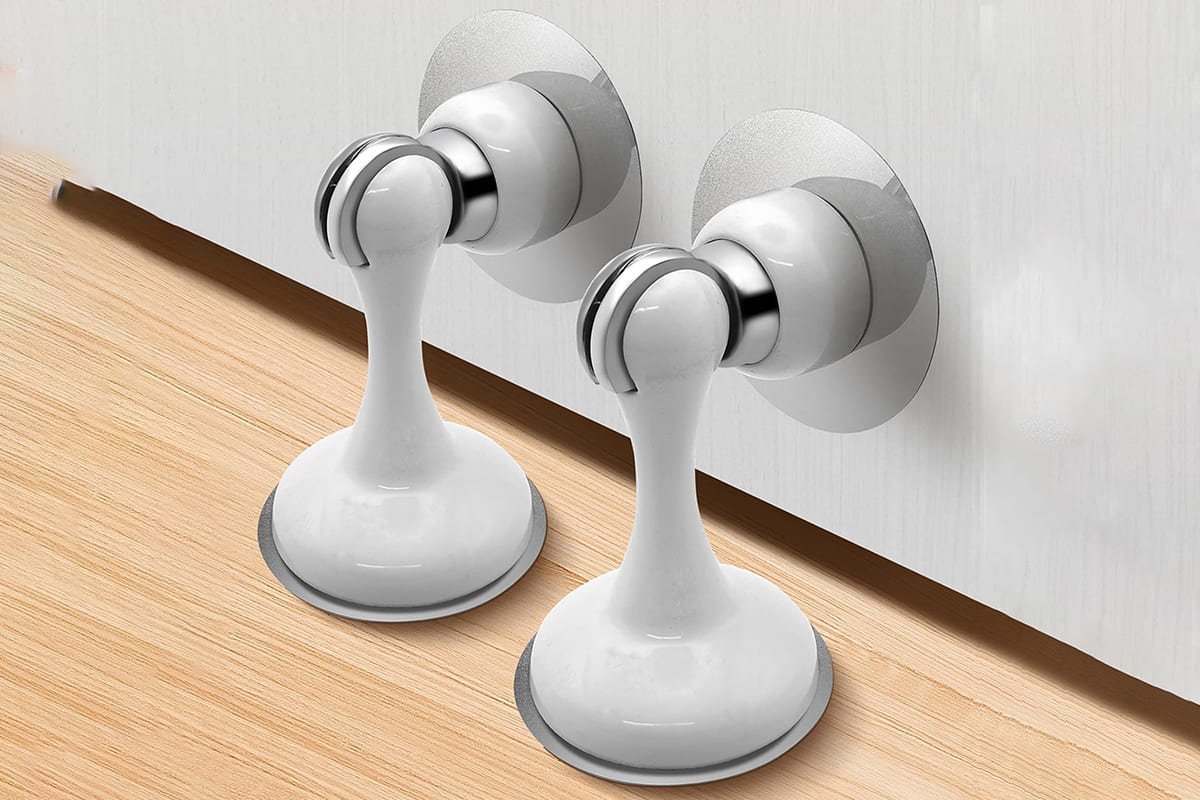
I always prefer to evaluate the door swing path before talking about the stopper style. A door does not care whether a product is wall-mounted or floor-mounted. It only follows the hinge axis, leaf width, opening direction, and room layout.
A simple site question helps:
“When this door opens fully, what surface can stop it securely?”
That surface may be:
- A wall behind the handle side
- A wall behind the lower part of the door
- The floor at a clear point in the swing path
- A cabinet, skirting line, glass partition, or other area that should not receive impact
For procurement teams, this is important because the same door hardware package may serve several room types. One building may include hotel rooms, offices, corridors, bathrooms, service rooms, and public areas. These spaces rarely share the same stopping conditions.
Why the 90° Question Matters
Door opening angle is one of the most common details that buyers overlook. If a door opens around 90° and there is a solid wall behind it, a wall-mounted stopper can work well. If the door opens beyond 90° into open space, the wall may no longer be at the correct impact point.
In that case, a floor-mounted stopper may become the practical option because the stopping point falls on the floor, not on the wall.
| Site condition | Likely stopper direction | Reason |
|---|---|---|
| Door opens to a wall at about 90° | Wall-mounted stopper | The wall is available at the correct impact point |
| Door opens beyond 90° into open space | Floor-mounted stopper | No reliable wall surface exists at the stop point |
| Floor cannot be drilled | Wall-mounted stopper | Floor fixing may damage waterproofing, heating, or finish |
| Wall is glass, hollow, or decorative | Floor-mounted stopper | Wall fixing may be weak or visually unacceptable |
| High cleaning or trolley traffic3 | Wall-mounted stopper | Floor obstruction may be undesirable |
The Stopper Must Meet the Door in the Right Place
The best contact point is usually where impact is controlled without twisting the door leaf or stressing the fixing base. If the stopper contacts too close to the hinge side, the stopping force may feel awkward.4 If it contacts a weak panel area, it can leave marks or vibration.
For bulk orders, I suggest checking these details before standardizing a model:
- Door width and swing radius
- Handle projection
- Skirting board height
- Wall material and thickness
- Floor finish and drillability
- Expected opening frequency
- Clearance for cleaning, trolleys, and foot traffic
As a manufacturer, we can help buyers compare stopper structures, materials, finishes, and drawings. However, I still recommend that project teams confirm final installation suitability with qualified site professionals, especially when flooring systems, waterproof areas, fire doors5, or special wall finishes are involved.
When Are Floor-Mounted Door Stoppers the Better Project Fit?
Floor-mounted door stoppers solve a real layout problem. When no wall is available at the stopping point, buyers may still need to protect the door, handle, wall, or nearby furniture. If this condition is ignored, the door may swing too far and cause repeated damage.
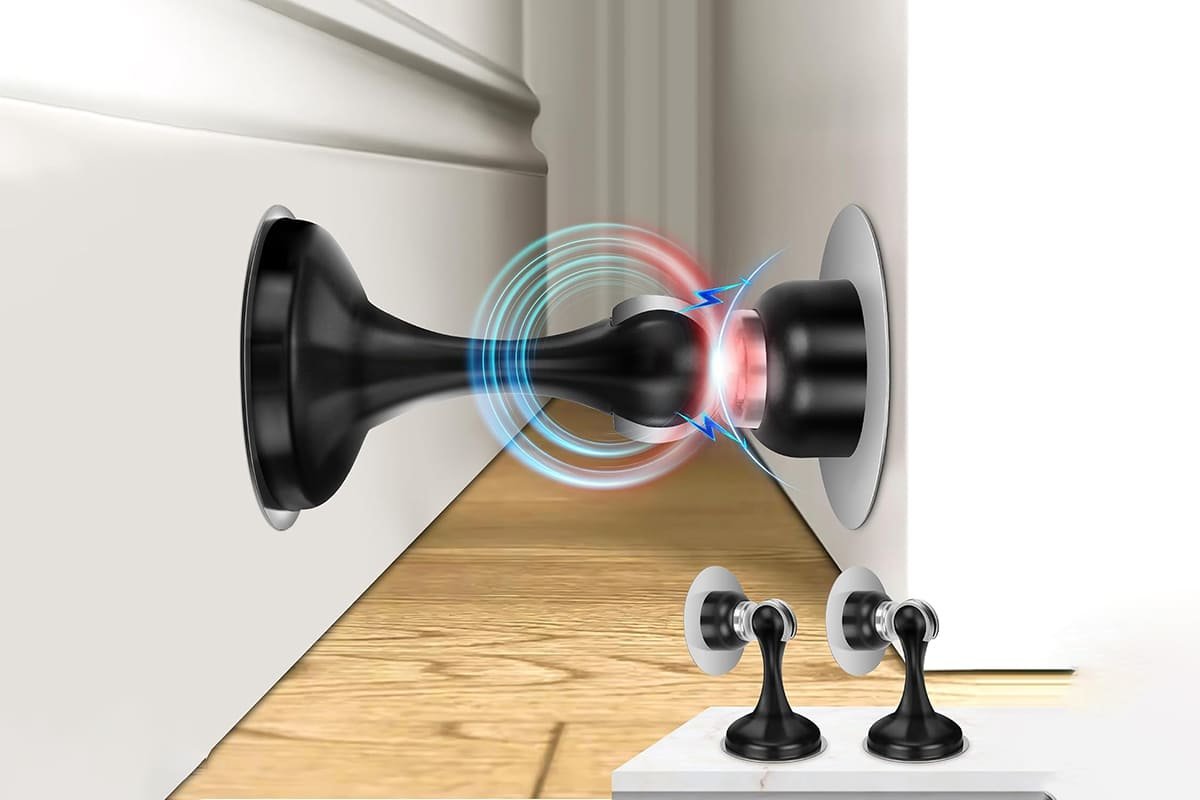
Floor-mounted door stoppers are usually better when the stopping point falls on the floor, the door opens beyond 90°, or the wall behind the door is not suitable for fixing. They require a strong, drillable floor and careful placement to avoid trip risk or cleaning obstruction.6
Best Use Conditions for Floor-Mounted Models
I see floor-mounted models requested often for spaces where the door does not stop neatly against a wall. This can happen in open-plan rooms, wide corridors, entrance areas, or rooms with unusual layouts.
Common suitable conditions include:
- No usable wall behind the door
- Door opening angle beyond 90°
- Stopping point in open space
- Wall surface is glass, paneling, or a cabinet
- Wall finish should not be drilled
- Lower door contact is preferred for the design
These door stoppers are fixed to the floor, so the holding strength depends heavily on the floor structure and the fixing method. A strong stainless steel or zinc alloy stopper will not perform well if the screws cannot anchor securely.7
Floor Quality Is Not a Small Detail
A floor-mounted stopper needs a floor that can accept drilling and fixing. That sounds obvious, but it is one of the most important procurement checks.
Buyers should ask:
- Is the floor concrete, tile, stone, timber, vinyl, or raised flooring?
- Is there underfloor heating?
- Is there waterproofing below the tile?
- Will drilling affect warranties or site rules?
- Can installers place the stopper exactly where the door path requires?
A stopper installed into weak flooring may loosen over time.8 A stopper installed in the wrong position may stop the door too early, too late, or at an uncomfortable angle.
Practical Strength Considerations
Some buyers assume floor-mounted door stoppers are always stronger. I understand why. The floor often feels more solid than a wall. But this assumption is not always correct.
Actual reliability depends on:
| Factor | Why it matters |
|---|---|
| Fixing base diameter | A wider base can spread force better |
| Screw size and anchor type | Fixings must match the floor substrate |
| Stopper height | Contact height affects leverage and impact |
| Rubber buffer quality | A soft, stable buffer absorbs impact better |
| Door weight | Heavier doors create higher stopping force |
| Usage frequency | High-use doors need stronger fixing stability |
A light interior door in a residential room creates a different impact condition from a heavy commercial door used many times per day. For door factories and wholesalers, this means one floor-mounted stopper may not suit every product line.
Where Floor-Mounted Door Stoppers May Be Less Suitable
Floor-mounted models are not automatically the safest or cleanest choice. They can create floor obstructions, especially in busy areas.
I would be cautious in:
- Narrow corridors
- Public walkways
- Hospitals or care facilities
- Areas with cleaning machines
- Rooms with frequent trolley movement
- Spaces where visual floor continuity matters
The stopper should be placed where people are unlikely to kick it, trip over it, or hit it with equipment. If that is not possible, a wall-mounted option or another door control solution may be more suitable.
For B2B procurement, the lesson is simple: floor-mounted door stoppers are excellent when the floor is the correct stopping surface. They are a poor universal choice when the project has mixed flooring conditions and traffic patterns.
When Are Wall-Mounted Door Stoppers the Better Project Fit?
Wall-mounted door stoppers are attractive because they keep the floor clear. However, the wall must be in the correct position and strong enough for fixing. If buyers ignore wall material or door angle, the stopper may loosen or mark the wall finish.
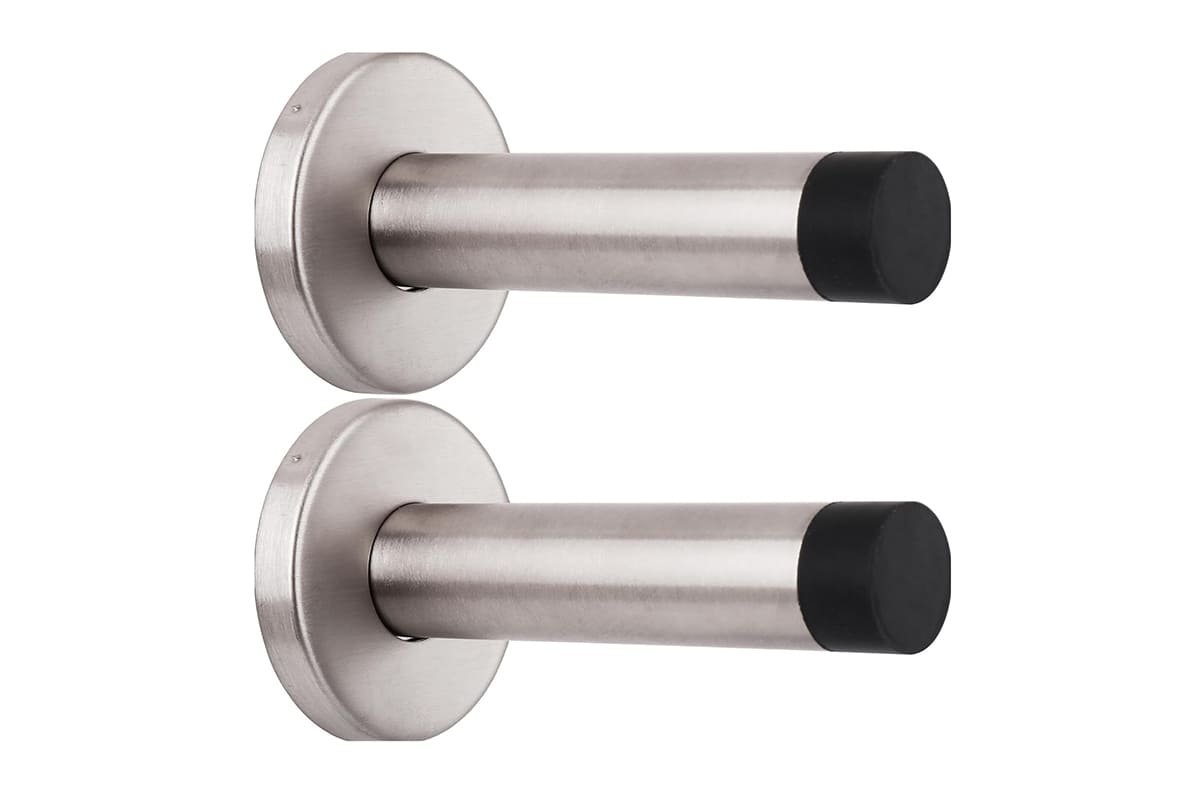
Wall-mounted door stoppers are usually better when the door opens toward a solid wall at the correct angle, and when floor clearance is important for cleaning, traffic, or appearance. They work best with suitable wall substrates, correct fixing height, and stable contact with the door or handle area.
Why Buyers Choose Wall-Mounted Designs
I often see wall-mounted models selected for hotels, apartments, offices, and other interiors where a clean floor line matters. These door stoppers can reduce floor obstruction and help maintain easier cleaning routes.
They are often preferred when buyers want:
- Clear floor space
- Less risk of foot impact
- Simpler cleaning around the door
- A neater visual line on tile, wood, or stone floors
- Avoidance of floor drilling
- A stopping point near the handle or lower door edge
Some upper wall-mounted designs may also include a hook-like shape or space-saving feature. I treat that as a design convenience only. Unless the product is specifically designed and rated for hanging loads, buyers should not present it as a load-bearing function.
Wall Strength Controls Real Performance
A wall-mounted stopper depends on the wall substrate. A stopper fixed into solid concrete or masonry behaves differently from one fixed into thin board, weak plaster, hollow partition, or decorative panel.9
Before ordering in bulk, I suggest checking the likely wall types across the project.
| Wall type | Procurement concern | Possible action |
|---|---|---|
| Concrete or masonry | Usually stronger fixing base | Confirm anchor type and drilling rules |
| Gypsum board partition | May need special anchors or backing | Check site installation method |
| Glass wall | Usually unsuitable for standard fixing | Consider floor-mounted or alternative solution |
| Wood panel wall | Depends on panel thickness and backing | Confirm screw bite and finish protection |
| Decorative stone or tile wall | Drilling may damage finish | Confirm with project team before selection |
The stopper’s rubber buffer is also important. If the buffer is too hard, it may create noise or transfer shock to the wall.10 If it is too soft or unstable, it may deform quickly.
Fixing Height and Contact Point
Wall-mounted door stoppers may contact the door itself or the handle area, depending on the design. The contact point should prevent damage without creating an awkward force on the door leaf.
For example, if a stopper is mounted too low, it may miss the intended reinforced area. If it is mounted too high, it may be visually intrusive or unsuitable for the door design. If it contacts a lever handle instead of the door, buyers should confirm that the handle, spindle, lock case, and door leaf can tolerate that repeated contact.
As a door hardware manufacturer, I look closely at the full hardware set. A door stopper does not work alone. It interacts with:
- Lever handle projection
- Lock body position
- Hinge swing
- Door thickness
- Skirting height
- Wall finish
- Opening angle
This is why I do not recommend choosing wall-mounted door stoppers only by appearance. A beautiful model can still be wrong for the site.
Where Wall-Mounted Door Stoppers May Be Less Suitable
Wall-mounted models may not work well if the door opens into empty space or passes the wall before reaching the desired stop angle. They may also be risky on weak partitions or premium decorative surfaces.
I would check twice before using them in:
- Rooms where doors open beyond 90° with no rear wall
- Glass partition areas
- Lightweight partition walls without backing
- Spaces with fragile wall finishes
- Areas where the stopper would contact the door at a poor angle
Wall-mounted door stoppers are best when the wall is both available and reliable. If either condition is missing, a floor-mounted model may be more practical.
How Should Buyers Compare Strength in Wall-Mounted VS. Floor-Mounted Door Stoppers?
Strength is one of the most misunderstood parts of this comparison. Many buyers ask for the “stronger” stopper, but strength is not only about material thickness. A strong stopper can still fail if the fixing surface, impact point, or installation method is wrong.
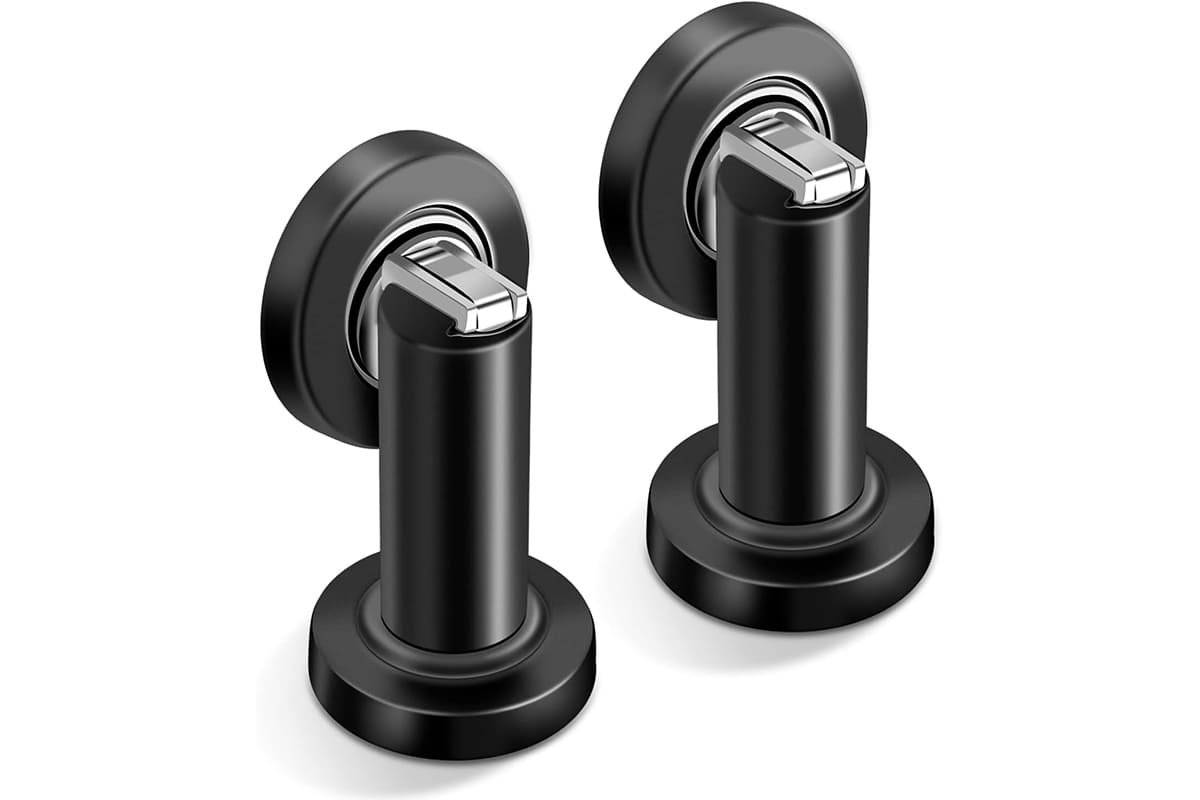
Buyers should compare strength in wall-mounted vs. floor-mounted door stoppers by looking at the full system: base structure, screw fixing, substrate, buffer material, door weight, opening force, and usage frequency. The mounting type alone does not determine durability or reliability.
The Common Misconception
I often hear two assumptions:
- “Floor-mounted must be stronger.”
- “Wall-mounted must be weaker.”
Both can be wrong.
A compact wall-mounted stopper fixed into a solid masonry wall may perform better than a floor-mounted stopper installed into weak timber or thin tile over a poor base. At the same time, a well-anchored floor-mounted stopper may be the best solution for a heavy door opening into open space.
The real question is not only where the stopper is mounted. The real question is how force moves through the stopper into the building surface.
Material and Finish Considerations
For architectural door hardware, common stopper materials include stainless steel, zinc alloy, brass, aluminum alloy, and rubber components. Each material has different cost, corrosion resistance, surface finish stability, and manufacturing requirements.
At SDH Hardware, we pay attention to structure and finish consistency because B2B buyers need repeatability across bulk orders. For procurement evaluation, buyers should compare:
| Item | What to check | Why it matters |
|---|---|---|
| Main body material | Stainless steel, zinc alloy, brass, etc. | Affects durability, cost, and finish options |
| Rubber buffer | Hardness, bonding, replacement design | Controls noise and impact absorption |
| Base plate | Diameter, thickness, screw layout | Affects fixing stability |
| Screws and anchors | Material and compatibility | Must suit wall or floor substrate |
| Finish | Satin, polished, PVD, powder coat, etc. | Must match door hardware series |
| Packaging | Bulk or individual protection | Reduces scratches during transport |
Buyers should also verify drawings, dimensions, and samples before placing large orders. This is especially important when the stopper must match lever handles, hinges, cylinders, locks, and other accessories in one hardware package.
Door Weight and Usage Frequency
A door stopper for a light interior bedroom door faces different conditions from one used in a school corridor, hotel service area, or commercial office. Higher usage means more repeated impact. Heavier doors create greater force when they swing open.11
Procurement teams should classify applications before selecting door stoppers:
- Light residential interior use
- Standard apartment or hotel room use
- Commercial office use
- High-frequency public area use
- Service or utility area use
I avoid giving universal load claims without verified test data for a specific product and installation method. Instead, I recommend that buyers match stopper design to application severity and ask suppliers for product specifications, material details, drawings, and available test or certification documents where relevant.
Structure Often Matters More Than Shape
Two door stoppers may look similar online but perform differently in use. The differences may be hidden in details:
- Wall thickness of the metal body
- Base diameter
- Screw hole depth
- Rubber quality
- Surface treatment process
- Internal reinforcement
- Thread accuracy
- Packaging protection
This is one reason factory-direct communication can be helpful. When buyers send door drawings, expected finish, target market, and project conditions, I can help them compare suitable options more practically. Still, final application decisions should involve qualified project or installation professionals when the site has special technical requirements.
What Should Procurement Teams Check Before Ordering Door Stoppers in Bulk?
Bulk buying creates scale, but it also increases the cost of a wrong assumption. If one stopper type is purchased for all rooms without checking site differences, installers may face loose fixings, blocked cleaning routes, damaged finishes, or mismatched door angles.
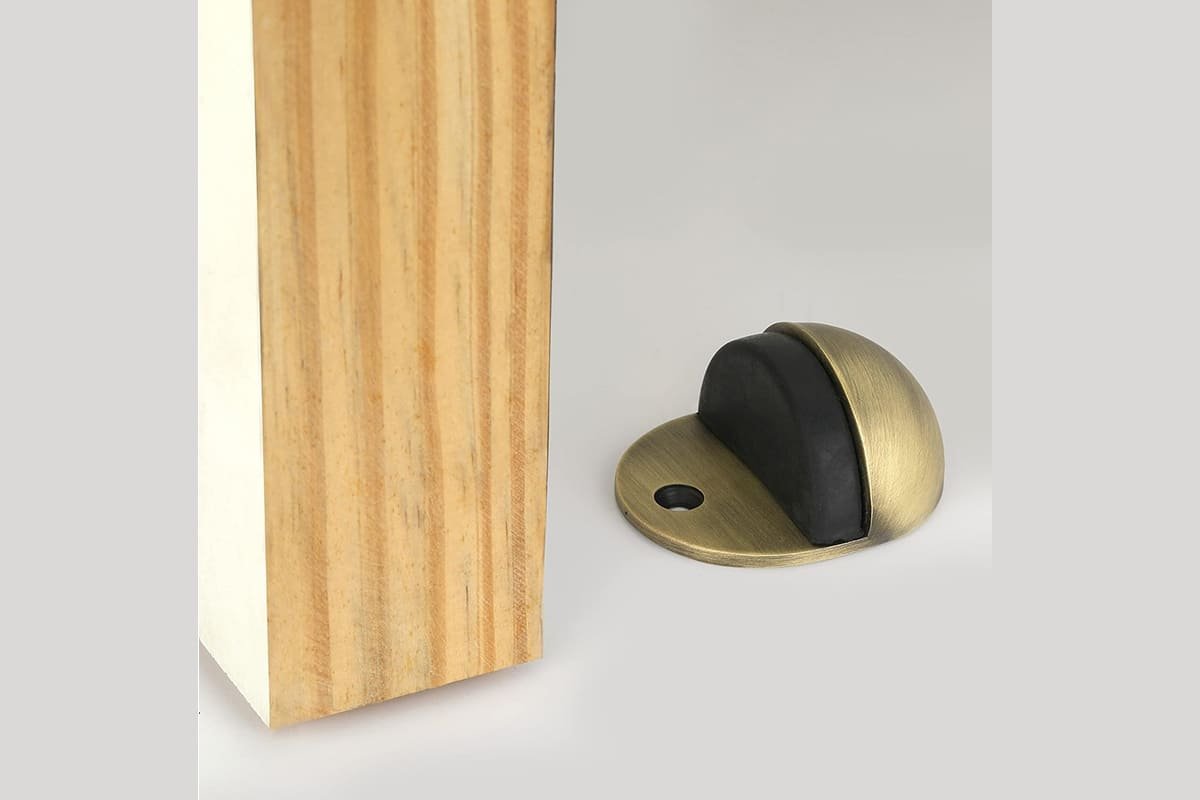
Procurement teams should check door opening angle, stopping surface, wall and floor substrates, drilling restrictions, door weight, usage frequency, finish matching, packaging, and installation accessories before ordering door stoppers in bulk. A sample review and drawing confirmation can reduce mismatch across mixed project conditions.
A Practical Pre-Order Checklist
I recommend that door factories, brand owners, and wholesalers prepare a simple checklist before confirming bulk orders. This avoids treating door stoppers as a small accessory with no technical risk.
Use this checklist before ordering:
- Door type: timber, metal, fire-rated, interior, entrance, service
- Door width and thickness: affects swing radius and contact point
- Opening angle: 90°, beyond 90°, limited opening, or special layout
- Stopping surface: wall, floor, skirting, or open space
- Wall material: concrete, masonry, gypsum board, glass, panel
- Floor material: tile, concrete, timber, stone, raised floor
- Traffic condition: people, trolleys, cleaning machines
- Finish requirement: satin stainless, polished, black, brass tone, PVD
- Packaging: bulk carton, individual box, customer brand packaging
- Accessories: screws, anchors, rubber parts, installation guide
- Compliance documents: if required by project specifications, request documents and verify them
This checklist is not complicated, but it prevents many specification mistakes.
Do Not Use One Type for Every Project Without Review
The biggest procurement risk is standardizing too early. I understand why buyers want one SKU. A single model is easier to quote, stock, pack, and distribute. However, a project with different room layouts may need both wall-mounted and floor-mounted models.
For example:
| Project area | Likely issue | Suggested review |
|---|---|---|
| Hotel guest room | Wall behind door often available | Wall-mounted may save floor space |
| Bathroom | Waterproofing may restrict floor drilling | Confirm wall or floor fixing rules |
| Office meeting room | Door may open beyond 90° | Check if wall is available |
| Corridor service door | High traffic and impact | Review stopper strength and position |
| Apartment entrance | Heavier door leaf | Confirm door weight and fixing base |
A mixed hardware schedule may look less simple, but it can reduce installation rework. For wholesalers, it may also improve customer satisfaction because the supplied stopper matches the real site condition.
Sample Confirmation Matters
Before mass production or bulk shipment, I like to confirm physical samples with buyers when possible. A sample helps check weight, finish, rubber feel, fixing base, logo position, packaging, and compatibility with the rest of the door hardware series.
For ODM and OEM orders, buyers may also review:
- Custom surface treatment
- Laser logo or stamping
- Color box design
- Screw pack configuration
- Product drawing details
- Carton strength and labeling
- Inspection requirements after production
At SDH Hardware, we manufacture architectural door hardware with factory-direct supply for door manufacturers, hardware brands, and bulk wholesalers. Door stoppers may be small, but they affect the user’s daily experience. I prefer to treat them as part of a complete hardware system, alongside mortise locks, lever handles, hinges, cylinders, and door accessories.
Supplier Selection Questions
When choosing a supplier, buyers should ask more than “What is the unit price?”
Better questions include:
- Can you provide drawings with key dimensions?
- Can you match the finish with our handle or hinge series?
- Can you support OEM packaging and branding?
- What materials are used for the body and rubber buffer?
- What screws and anchors are included?
- Can you provide inspection photos or reports after production?
- Can you help separate wall-mounted and floor-mounted options by project condition?
A professional supplier should help buyers reduce selection risk, not only quote the lowest price. Price matters, but wrong product matching can cost more after installation.
Frequently Asked Questions
Are floor-mounted door stoppers always stronger than wall-mounted door stoppers?
No. Floor-mounted door stoppers are not always stronger. Their reliability depends on the floor substrate, screw anchors, base design, stopper height, door weight, and usage frequency. A wall-mounted stopper fixed into a solid wall can perform better than a floor-mounted one installed into a weak floor.
When should I avoid floor-mounted door stoppers?
You should avoid floor-mounted door stoppers when the floor cannot be drilled, when underfloor heating or waterproofing may be affected, or when the stopper creates a trip or cleaning obstruction. Busy corridors, healthcare spaces, and trolley routes need extra review before floor fixing.
When should I choose wall-mounted door stoppers?
You should choose wall-mounted door stoppers when a solid wall is available at the correct stopping point and you want to keep the floor clear. They are useful for clean floor lines, easier cleaning, and spaces where floor drilling is not preferred.
Can one door stopper model be used for an entire project?
One model can work only if the project has consistent door angles, wall positions, substrates, and traffic conditions. Many projects need more than one stopper type. I recommend reviewing room types before bulk ordering to reduce installation mismatch and rework.
What information should I send to a supplier before ordering door stoppers?
You should send door drawings, opening angle, door weight range, wall and floor materials, finish requirements, quantity, packaging needs, and target market standards. If the project has special installation or compliance requirements, you should ask qualified professionals to verify suitability.
Conclusion
Wall-mounted vs. floor-mounted door stoppers is not a contest with one universal winner. The better choice depends on where the door can reliably stop, how the stopper can be fixed, and how the space is used every day. I recommend checking the door opening angle, wall and floor conditions, traffic flow, finish matching, and installation limits before bulk procurement. If you need factory-direct support for architectural door hardware, SDH Hardware can help you compare suitable stopper options, drawings, finishes, and OEM/ODM packaging for your market.
"2010 ADA Standards for Accessible Design", https://www.ada.gov/law-and-regs/design-standards/2010-stds/. An architectural-hardware standard or accessibility guidance source distinguishes wall and floor stops as installation types and treats unobstructed floor circulation as a relevant design constraint, supporting the article’s selection logic. Evidence role: general_support; source type: institution. Supports: A neutral source should support that door stops are specified by mounting condition and that clear floor routes are a recognized building-design concern.. Scope note: This would support the design rationale contextually rather than prove that wall-mounted stops are always superior in these conditions. ↩
"What Are the 5 Benefits of Installing a Door Stopper? - SDH hardware", https://sdhhardware.com/2026/08/21/what-are-the-5-benefits-of-installing-a-door-stopper/. Architectural-hardware specification guidance describes floor stops as appropriate where the door swing cannot be stopped by a wall-mounted device, supporting the article’s link between open-space swing paths and floor-mounted stops. Evidence role: general_support; source type: institution. Supports: A specification or architectural-hardware guide should show that floor stops are used where a wall stop cannot meet the door at the required stop location.. Scope note: The source would provide general specification support; final suitability still depends on the individual door, floor, and site layout. ↩
"OSHA Field Safety and Health Management System ...", http://www.osha.gov/shms/chapter-11. Workplace safety guidance identifies floor obstructions in pedestrian and cleaning routes as contributors to trip and impact hazards, supporting the article’s caution in high-cleaning or trolley-traffic areas. Evidence role: general_support; source type: government. Supports: A safety authority should support that objects in circulation or cleaning routes can create trip or impact hazards, especially where wheeled equipment is used.. Scope note: The source would support the hazard principle generally, not evaluate a specific door-stopper model. ↩
"28.18 -- Open door to demonstration preparation area", https://web.physics.ucsb.edu/~lecturedemonstrations/Composer/Pages/28.18.html. Introductory mechanics texts define torque as the product of force and moment arm about an axis, supporting the claim that a door stop’s distance from the hinge affects how stopping forces are felt and transmitted. Evidence role: mechanism; source type: education. Supports: A mechanics source should explain that torque depends on force and perpendicular distance from the axis of rotation, which applies to a door rotating around hinges.. ↩
"How to Install a Fire Door Lock Step by Step? - SDH hardware ...", https://sdhhardware.com/2026/06/23/how-to-install-a-fire-door-lock-step-by-step/. Fire-door standards such as NFPA 80 regulate field modifications and hardware on fire-door assemblies, supporting the article’s statement that fire-door applications require qualified verification. Evidence role: expert_consensus; source type: institution. Supports: A fire-door standard or authority should support that modifications or hardware installation on fire-door assemblies must comply with the door’s listing and applicable standards.. ↩
"Slips, Trips, and Falls: Understanding, Preventing, and ...", https://ehs.weill.cornell.edu/slips-trips-and-falls-understanding-preventing-and-mitigating-risks. Building-safety guidance treats fixed objects in walking and cleaning paths as potential hazards and emphasizes suitability of the supporting surface for fixed installations, supporting the article’s combined placement and substrate caution. Evidence role: general_support; source type: government. Supports: A safety or building source should support that fixed floor objects must be located to avoid circulation hazards and that penetrations require a suitable substrate.. Scope note: The source would support the safety and substrate principles generally, not provide product-specific performance data for door stoppers. ↩
"Fastening in Rock Mass—Structural Design of Shallow ... - PMC", https://pmc.ncbi.nlm.nih.gov/articles/PMC11728276/. Engineering references on mechanical fastening state that anchor capacity is governed by the fastener, embedment, and substrate material, supporting the claim that stopper body strength alone does not determine installed performance. Evidence role: mechanism; source type: education. Supports: An engineering source should explain that fastener load capacity depends on both the fastener and the base material into which it is anchored.. ↩
"Effect of Abutment Screw Design on Torque Loss Under Cyclic ...", https://pmc.ncbi.nlm.nih.gov/articles/PMC12561121/. Research on fastener loosening under cyclic or vibratory loading shows that repeated impacts can reduce joint stability, supporting the article’s warning that stoppers fixed into weak flooring may loosen over time. Evidence role: mechanism; source type: paper. Supports: A technical paper should support that repeated loading or vibration can reduce fastener tightness or anchor performance, especially in weaker substrates.. Scope note: The evidence would be mechanical and general unless the source specifically tests door stoppers. ↩
"What Are the 5 Benefits of Installing a Door Stopper? - SDH hardware", https://sdhhardware.com/2026/08/21/what-are-the-5-benefits-of-installing-a-door-stopper/. Construction-engineering guidance on wall anchors explains that load capacity and failure mode vary by substrate, including masonry, concrete, gypsum board, and hollow partitions, supporting the article’s substrate-based distinction. Evidence role: general_support; source type: education. Supports: A construction or engineering education source should show that fastener capacity and failure modes differ by wall substrate.. ↩
"Hardness and shock absorption of silicone rubber for ...", https://pubmed.ncbi.nlm.nih.gov/8642539/. Materials-science studies of elastomers show that hardness and damping properties affect impact absorption and transmitted vibration, supporting the article’s claim that buffer hardness can influence noise and shock transfer. Evidence role: mechanism; source type: paper. Supports: A materials-science source should support that elastomer hardness and damping properties influence shock absorption and transmitted vibration or noise.. Scope note: The source would support the material mechanism generally unless it specifically tests door-stopper buffers. ↩
"Kinetic energy - Wikipedia", https://en.wikipedia.org/wiki/Kinetic_energy. Physics texts define kinetic energy and momentum as functions of mass and velocity, and rotational kinetic energy as a function of moment of inertia and angular velocity, supporting the claim that heavier swinging doors impose greater stopping demands. Evidence role: mechanism; source type: education. Supports: A physics or engineering mechanics source should explain that kinetic energy and momentum increase with mass at the same velocity, and that a rotating door has rotational kinetic energy.. ↩