Rim Lock vs Mortice Door Lock: Which Fits Your Project?
Rim lock vs mortice lock is not a “which is better” debate; it is a decision about structure, installation method, appearance, and security expectations. The wrong choice can force rework. The right choice aligns with your door material, preparation, and project standards. As a manufacturer, I always start with the door, not the catalog.
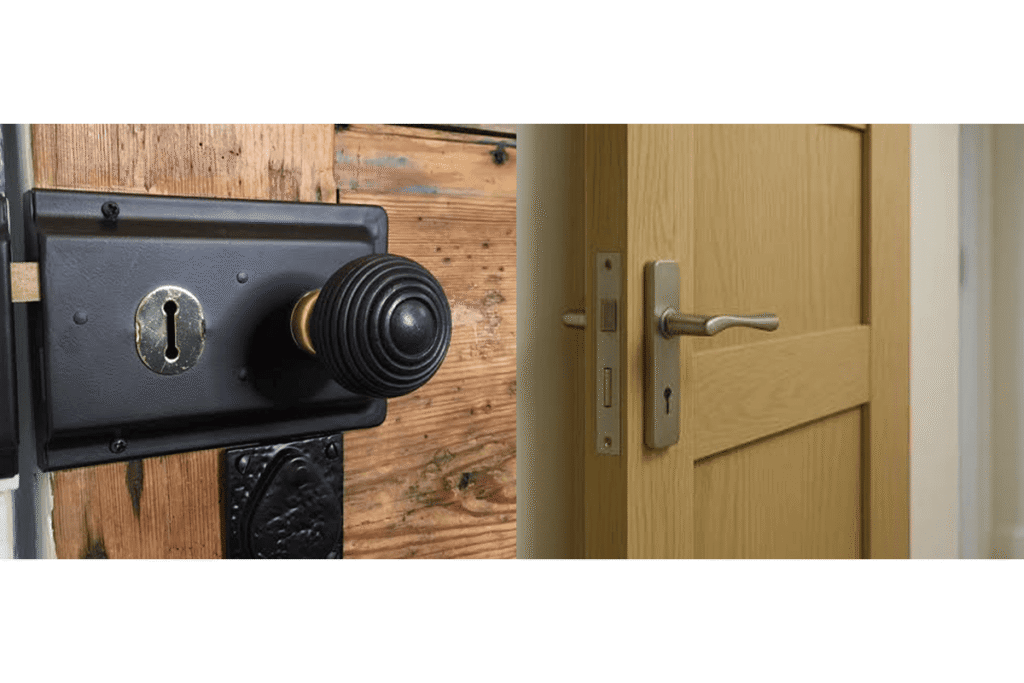
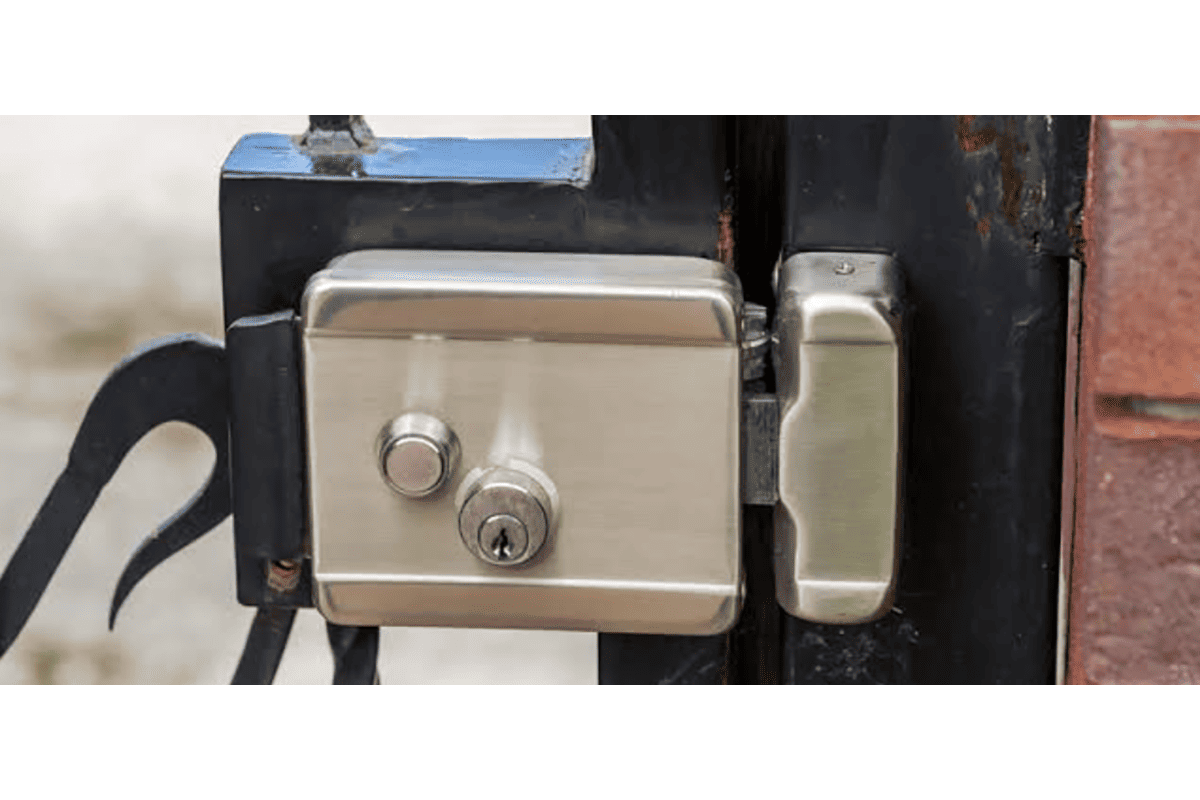
A rim lock is surface-mounted and visible1, so it suits retrofits, gates, and traditional looks. A mortice (mortise) lock sits inside a pocket cut in the door2, giving a cleaner finish and higher security potential. Choose by door structure, preparation tolerance, security grade, and hardware matching—not by trend. Verify standards and compatibility before bulk orders.
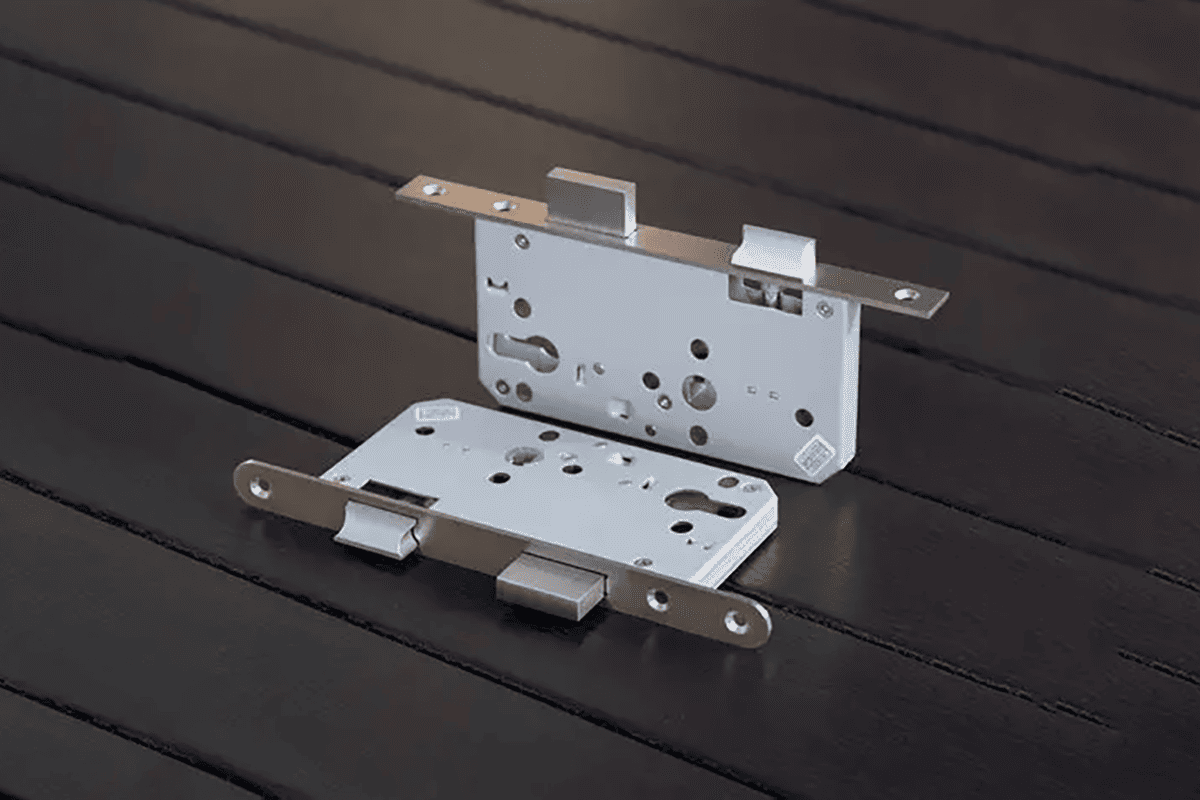
You now have the short answer. But real procurement choices depend on door thickness, stile width, cylinder/handle compatibility, fire rating, and machining constraints. Let me unpack how we guide door factories and hardware brand buyers through rim lock vs mortice lock selections—and where projects most often go wrong.
What is the structural difference in rim lock vs mortice lock?
You compare unlike installation logics. A surface-mounted unit keeps the lock body on the door skin. A recessed unit hides the lockcase inside a pocket. Confusing these leads to mismatched prep, gaps, or exposed fasteners. The problem intensifies in scaled production where a small mismatch repeats across many doors.
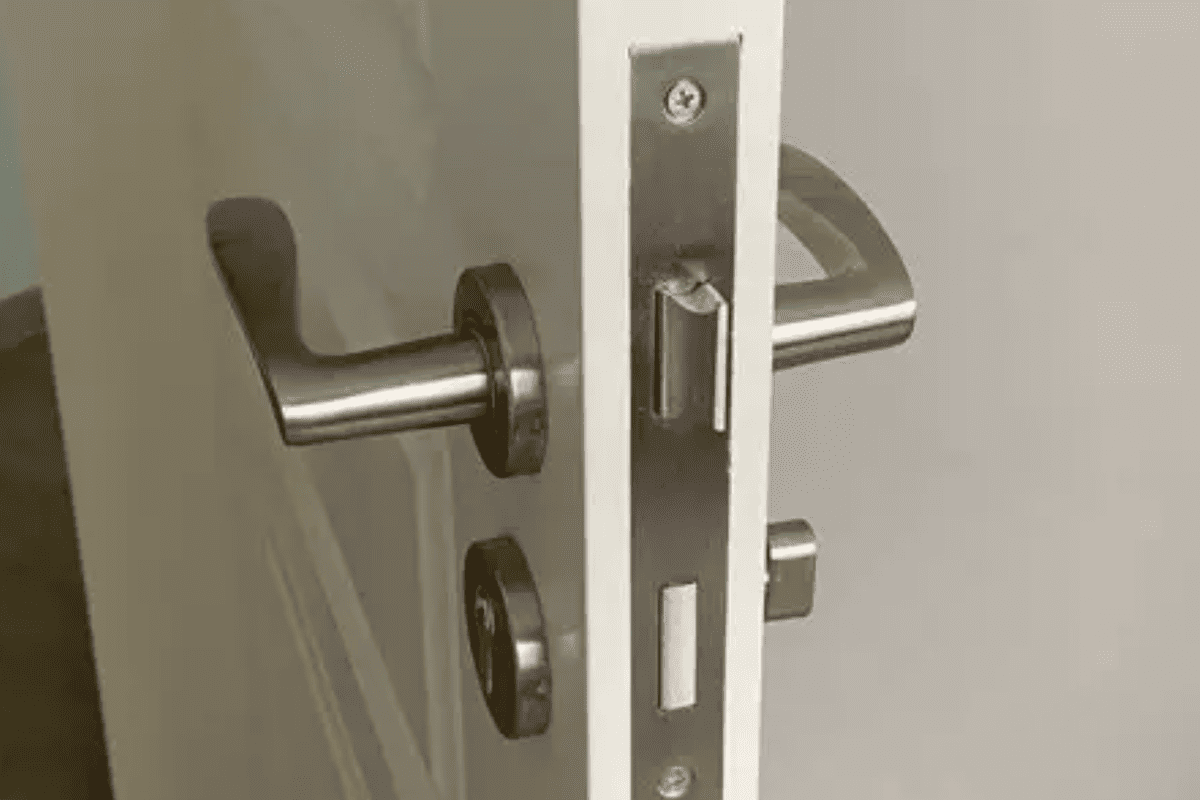
A rim lock mounts on the door surface with the case visible and a strike on the frame; a mortice lock installs inside a cut-out slot with only the forend and trim visible. Both can work with handles and cylinders, but their geometry, fixing, and preparation are fundamentally different.
Rim lock basics
- Surface-mounted case (often called nightlatch or rim deadlock variants)
- Minimal door edge cut-out; screws fasten through the door skin
- Traditional aesthetic; common on gates and older timber doors
- Typically uses a rim cylinder or key from outside; turn knob or handle inside
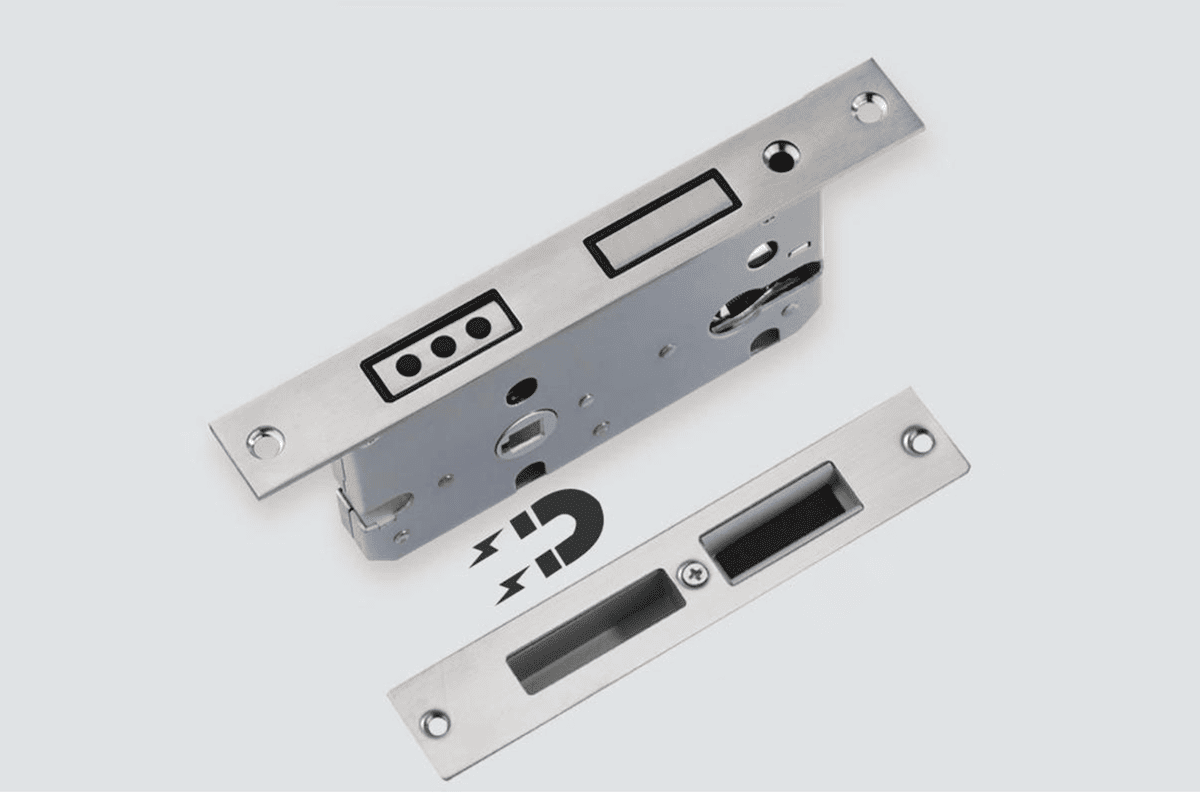
Mortice lock basics
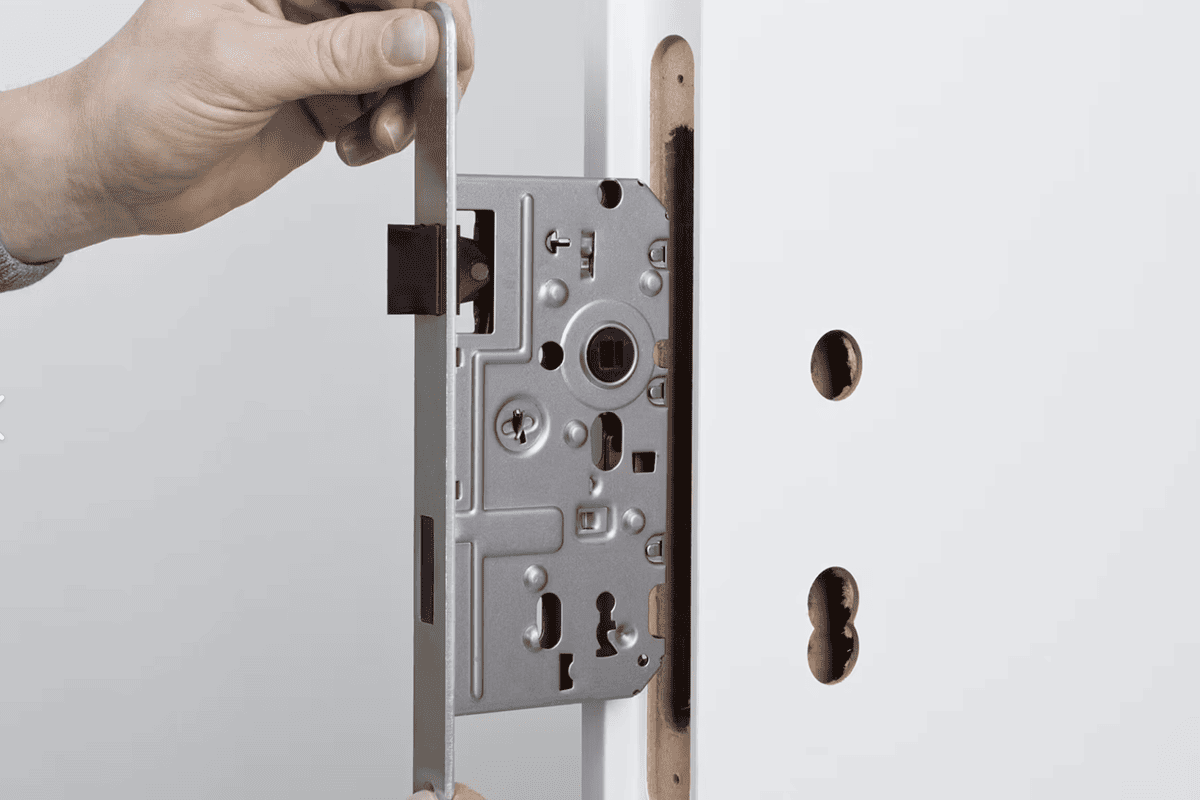
- Lockcase recessed into a pocket (mortice) cut into the door edge
- Forend plate visible; levers/escutcheons cover through-holes
- Modern, flush aesthetic; strong integration with door structure
- Typically pairs with a Euro profile cylinder and lever handle set
Below is a quick structural comparison to ground discussions with your team:
| Aspect | Rim Lock | Mortice Lock |
|---|---|---|
| Mounting | Surface-mounted on door face | Recessed into door edge pocket |
| Visibility | Lock body visible | Only forend and trim visible |
| Door prep | Minimal edge work | Accurate mortice pocket and through-holes required |
| Typical backset | Defined by case footprint | Common DIN: 55–60–65–70 mm3 (regional variants) |
| Cylinder type | Rim cylinder or integral | Euro profile cylinder (commonly) |
| Strike | Surface strike or box keep | Recessed strike plate / box keep |
| Use cases | Retrofits, gates, heritage | Residential interiors, commercial, fire-rated |
| Aesthetic | Traditional, exposed | Clean, modern, standardized |
From our factory experience, once a buyer sees both units side by side, the rim lock vs mortice lock difference becomes obvious—and so does the correct path for their project.
How do installation steps change in rim lock vs mortice lock?
Time and accuracy risks shift with the lock type. Surface mounting seems easy but can create alignment issues on thin or hollow doors. Morticing demands precise jigs, but it rewards you with repeatable geometry and neater finishes, especially on standardized door lines.
A rim lock usually installs faster and needs less door machining. A mortice lock requires accurate slot cutting, handle/cylinder through-holes, and strike box alignment, but it brings cleaner looks and stronger integration. In production, templates and jigs make mortice prep consistent, while ad-hoc rim installs can vary by installer.
Typical rim lock installation flow
- Mark case and cylinder positions on door face.
- Drill cylinder hole and any spindle/through-fix holes.
- Fix rim case to surface; fit rim cylinder from outside.
- Align and fix strike or keep on the frame.
Pros:
- Minimal edge cutting
- Faster retrofit on occupied sites
- Works on older doors with unknown cores
Watch-outs:
- Exposed screws can be a tamper point
- Uneven door faces can cause latch misalignment
- Limited compatibility with standardized lever sets
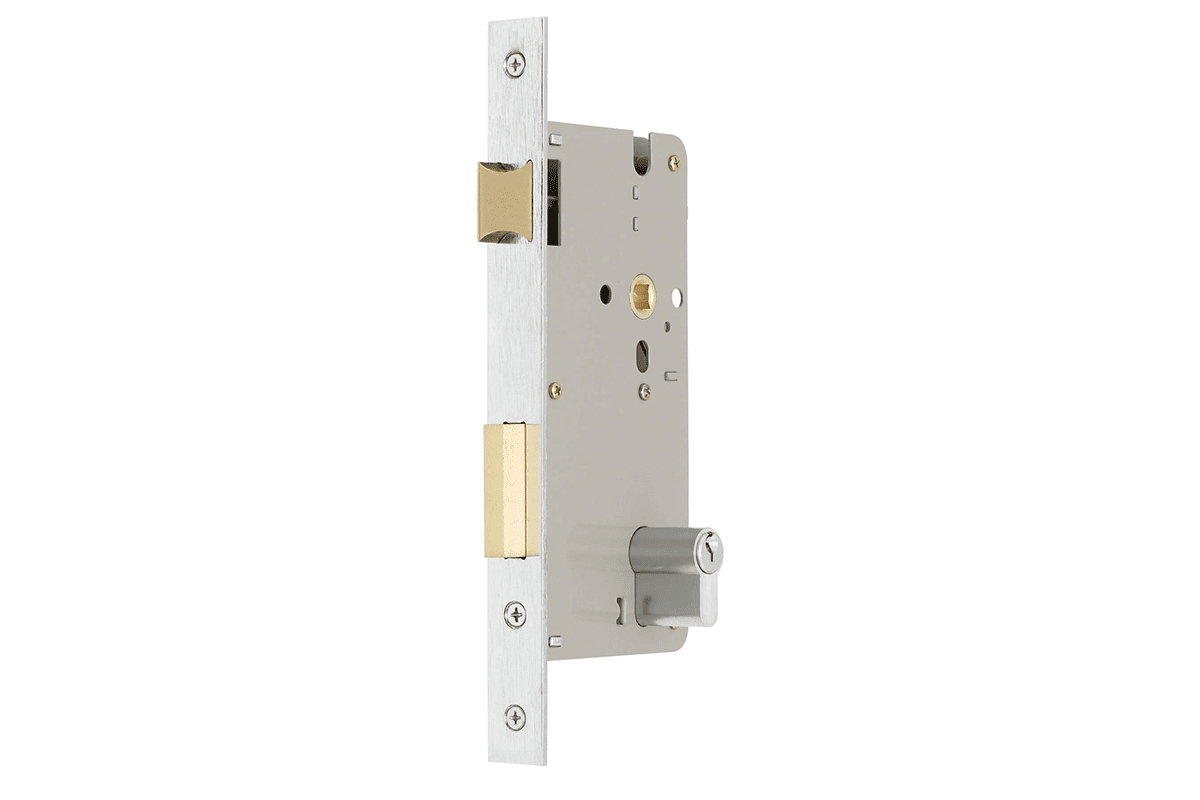
Typical mortice lock installation flow
- Confirm backset, case size, forend dimensions, and center distance (e.g., 72 mm PZ).
- Cut mortice pocket with a jig/router; chisel forend recess.
- Drill through-holes for handle spindle (8 mm follower) and cylinder.
- Install lockcase; fit handles, escutcheons, and Euro cylinder.
- Mark and cut frame strike box; align latch and deadbolt throws.
Pros:
- Clean, flush appearance
- Broad compatibility with standardized trims
- Stronger structural integration; better for fire-rated assemblies
Watch-outs:
- Requires accurate door prep and stable cores
- Stile width must accommodate backset and case size
- Installer skill and jigs determine repeatability
Practical notes for buyers:
- Confirm door thickness (e.g., 35–60 mm common), stile width, and material. Hollow or thin stiles may not accept larger backsets.
- Standardization reduces field issues. For example, Euro DIN mortice locks often use 55–60 mm backsets and 72 mm center distances4 in many markets, but verify your regional standards.
- Fire-rated doors often restrict field modifications.5 Pre-prep at the door factory is safer.
At SDH Hardware, we ask for door drawings before proposing rim lock vs mortice lock options. A 10-minute review saves hours of site rework.
Which offers better security in rim lock vs mortice lock?
Security depends on grade, door/frame strength, cylinder, and installation quality. A rim lock can be robust, and a mortice lock can be weak if poorly specified. However, the recessed design of a mortice lock generally enables higher security potential and standardized testing6.
A mortice lock typically provides higher security potential because the case is enclosed in the door and pairs with graded cylinders and hardware. Rim locks can meet basic to medium needs but often expose more fasteners. Always verify the lock standard, cylinder grade, and door/frame reinforcement for your security target.
Security factors to weigh
- Lock case and bolt strength: deadbolt throw, anti-saw features, hardened components
- Cylinder resistance: pick/drill/pull resistance; Euro profile cylinder grades (e.g., per EN 1303)7
- Lock standard: mechanical performance and durability (e.g., EN 12209 for mortice locks in EU markets8)
- Door and frame: solid cores, reinforced strike boxes, proper fixings
- Fastener exposure: surface screws on rim locks vs concealed screws on mortice sets
- Multi-point locking: typically mortice-based on external doors for higher resistance to jemmying9
What to ask suppliers:
- Provide product drawings with measurable dimensions: bolt throw, latch size, case thickness.
- Provide the applicable standard and test reports. Treat CE and fire-rated claims as documents you must verify, not marketing text.
- Request samples and conduct your own fit/finish checks on your door construction.
- Align cylinder grade to the target risk profile. A high-grade lock with a low-grade cylinder undercuts security.
I avoid blanket statements like “mortice is safer.” In many retrofit gates, a heavy-duty rim deadlock meets the need. For commercial and fire-rated doors, I often recommend a certified mortice lock with a graded Euro cylinder and reinforced strike. The context sets the right answer.
How does door compatibility affect rim lock vs mortice lock selection?
The door dictates the lock. Buyers who pick hardware before confirming door thickness, core, and stile width risk misfits and costly rework. Fire-rated assemblies and metal doors add more constraints to machining and fastening.
Confirm door material, thickness, stile width, and fire rating before choosing rim lock vs mortice lock. Wooden and composite doors often favor mortice locks if prep is possible. Thin stiles, metal skins, or irregular gate structures may push you toward a surface-mounted rim solution with appropriate reinforcement.
Buyer checklist (use this before you shortlist)
- Door substrate: solid timber, engineered wood, metal, composite
- Thickness and stile width: can you house the case and backset?
- Opening prep: factory-prepped mortice or site install?
- Fire rating: only use locks approved for the door’s certification package10
- Cylinder/handle standard: Euro profile cylinder? 72 mm PZ? 8 mm follower?
- Environment: exterior corrosion risk; select stainless steel or plated finishes accordingly
- Frame and strike: can you accept a recessed box keep? Is there reinforcement?
- Handing and swing: latch handing, bolt orientation, door stop depth
Door-specific notes
- Wooden residential doors: Mortice locks are common. Pre-prep at the door line allows repeatability. Use standardized trims for consistency across models.
- Metal doors: Coordinate with the door manufacturer for cutouts and reinforcement. Mortice pockets in steel need precision; consider factory integration.
- Fire-rated doors: Use locks tested as part of the assembly. Do not field-modify beyond approved scope. Ask for the exact test standard (e.g., EN 1634-111) and match hardware lists.
- Gates and older doors: Rim locks can simplify installation where morticing risks weakening old stiles or where the frame cannot accept a deep strike.
I once reviewed a project where a buyer chose a 70 mm backset mortice lock for a narrow stile door. The lever spindle would have broken through the panel profile. We switched to a 55–60 mm backset and preserved both structure and aesthetics.
What about appearance, hardware matching, and user experience?
Project owners notice the look and feel. Exposed cases suggest tradition; flush trims suggest modern design. In standardized product lines, the ability to mix finishes, levers, and cylinders with one lock platform streamlines procurement and branding.
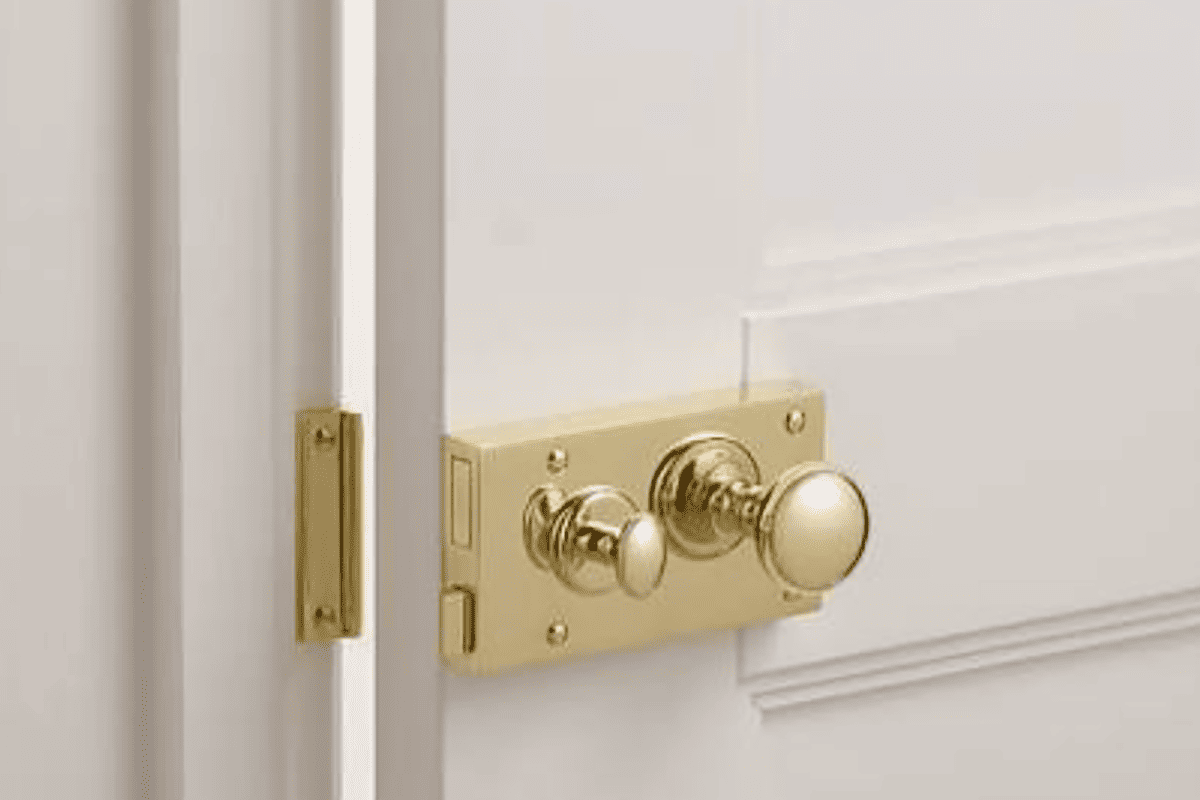
Rim locks look visible and traditional. Mortice locks give a clean, flush aesthetic and broader pairing with lever sets, escutcheons, and Euro cylinders. If you need consistent finishes, door lines, and branding across markets, a DIN-style mortice platform typically offers the best hardware matching and user experience.
Aesthetics and trim ecosystems
- Rim lock appearance: visible box, often with a thumbturn or rim cylinder rose. Good for heritage, cottage, and industrial looks.
- Mortice lock appearance: clean edge forend; levers and escutcheons on rosettes or backplates. Suitable for modern residential and commercial interiors.
- Finishes: satin stainless steel, polished stainless, PVD titanium gold, black, satin brass—confirm finish durability requirements for traffic and climate.
- Matching sets: mortice platforms harmonize with lever handles (EN 1906 grades12), cylinders (EN 1303), and hinges. This supports consistent design across a project.
User experience details buyers often miss
- Handle feel: spring assistance in the lock or handle influences return force and noise.
- Backset comfort: a larger backset moves the handle away from the door edge, improving ergonomics but requiring wider stiles.
- Noise control: precise latch geometry and strike alignment reduce slamming and rattle.
- Maintenance: removable forends, standardized spindles, and widely available cylinders simplify service.
As a manufacturer, we supply Euro mortise locks, stainless steel lever handles, butt hinges, concealed hinges, Euro brass cylinders, and accessories under one roof. For branding, we support laser logos, custom packaging, and coordinated finishes. This matters when you scale SKUs for multiple markets.
How should B2B buyers evaluate suppliers for rim lock vs mortice lock projects?
The risk is not just product selection—it is supplier capability. You need consistent machining, controlled finishes, verified test reports, and on-time deliverables. A mismatch after mass production is expensive.
For rim lock vs mortice lock projects, ask suppliers for drawings, samples, CE and fire-rated documentation to verify, and evidence of in-house testing. Confirm compatibility with your door drawings, specify backset/PZ/follower sizes, and check finish control. Insist on a pilot run and an inspection plan before bulk shipment.
Practical evaluation framework
- Engineering support:
- Detailed lock drawings with tolerances, case dimensions, bolt throws
- Trim and cylinder compatibility sheets (e.g., Euro profile, 72 mm PZ)
- Compliance and testing:
- CE availability and relevant standards listed; request test reports to verify
- Fire-rated options and identified door assemblies; verify scope and limits
- In-house test equipment for cycle, torque, salt spray (for finishes)
- Manufacturing control:
- Documented QC flow: raw material screening → in-process checks → final inspection
- AQL plans and sample inspection reports
- Surface treatment control with clear finish codes and color tolerances
- Pre-shipment assurance:
- Pilot samples for your doors; fitment validation
- Packaging details and labeling for your brand standards
- Spare parts availability and after-sales responsiveness
At SDH Hardware, we operate independent production lines with full-process quality control and advanced testing machines. We welcome ODM/OEM. We always advise buyers to test samples on their own door constructions. Treat certifications as documents you verify, not assumptions.
Frequently Asked Questions
Are rim locks and mortice locks interchangeable on the same door?
Not directly. A rim lock is surface-mounted, while a mortice lock requires a recessed pocket. Converting between them needs different door prep, strike geometry, and trim. If you must switch, plan for patching, new machining, and compatible hardware—preferably at the factory, not on site.
Which lock type is better for fire-rated doors?
Most fire-rated door sets use tested mortice locks that are approved as part of the assembly. Always match the lock to the door’s certification package and verify documents. Avoid field modifications beyond the tested scope. If in doubt, consult the door manufacturer and the lock supplier.
Can I retrofit a rim lock where a mortice prep already exists?
It is possible but rarely clean. You would need to cover the old forend and through-holes, fill the mortice pocket, and ensure the rim lock strike aligns with the frame. This is usually a last resort. A like-for-like mortice replacement is cleaner and faster.
What is backset, and why does it matter?
Backset is the distance from the door edge to the center of the handle spindle or keyway. It defines ergonomics and whether the lock fits your stile width. Too large a backset on a narrow stile can break out of the profile; too small can crowd the hand near the edge.
Which cylinder should I pair with a mortice lock?
Most Euro mortice locks pair with a Euro profile cylinder. Match cylinder length to door thickness and furniture, and select a security grade appropriate to the risk. Consider features like anti-pick, anti-drill, and emergency functions. Verify standards and test reports with your supplier.
Conclusion
Rim lock vs mortice lock is a choice between surface-mounted simplicity and recessed integration. The best option depends on door structure, prep tolerance, security target, aesthetics, and hardware matching. If you need consistent, modern finishes and standardized components, mortice often wins. If you need quick retrofits or gate solutions, rim locks shine. Share your door drawings with SDH Hardware for a fast, risk-based recommendation, verified documents, and sample support for your project.
"Rim lock", https://en.wikipedia.org/wiki/Rim_lock. A reference definition of rim locks describes them as locks fixed to the surface of a door, supporting the article’s distinction between rim-mounted and recessed lock bodies. Evidence role: definition; source type: encyclopedia. Supports: A rim lock is mounted on the face or surface of a door rather than recessed into it.. ↩
"Mortise", https://en.wikipedia.org/wiki/Mortise. A reference definition of mortise locks identifies them as locksets installed in a mortise cut into the door, supporting the article’s description of their recessed construction. Evidence role: definition; source type: encyclopedia. Supports: A mortice or mortise lock is fitted into a mortise cut into the door edge.. ↩
"How to measure and choose the right mortise lock size", https://www.blue-id.com/en/blog/mortise-lock-mass. DIN-style mortice lock specifications list standardized backset dimensions, giving context for the article’s examples of 55, 60, 65, and 70 mm backsets. Evidence role: general_support; source type: institution. Supports: DIN or European mortice lock specifications use standardized backset dimensions including values in the 55–70 mm range.. Scope note: Regional product ranges and national specifications vary, so the source would support these as common DIN-style dimensions rather than universal values. ↩
"How to measure and choose the right mortise lock size", https://www.blue-id.com/en/blog/mortise-lock-mass. DIN-style mortice lock references document 72 mm PZ center distance as a common configuration for Euro-profile mortice locks. Evidence role: general_support; source type: institution. Supports: Many DIN-style mortice locks specify a 72 mm distance between the follower and cylinder centers.. Scope note: This supports a common European configuration; other markets and lock functions may use different center distances. ↩
"Decoded: Alterations to Fire Door Assemblies", https://idighardware.com/2017/10/decoded-alterations-to-fire-door-assemblies/. Fire-door inspection and certification guidance treats field alterations to rated doors as controlled work because modifications can affect the integrity of the tested fire-door assembly. Evidence role: expert_consensus; source type: institution. Supports: Fire-door guidance restricts or controls field modifications because door ratings depend on the tested assembly and approved hardware preparation.. ↩
"Mortise lock", https://en.wikipedia.org/wiki/Mortise_lock. Standards for mechanically operated locks classify mortice-type locks by durability, security, and other performance criteria, supporting the article’s point that recessed locksets can be specified to recognized security grades. Evidence role: expert_consensus; source type: institution. Supports: Mortice locks can be classified and tested under recognized mechanical lock standards that include security-related performance criteria.. Scope note: The source would not prove that every mortice lock is more secure than every rim lock; it supports the availability of standardized performance assessment for mortice lock products. ↩
"Standards - BS EN 1303", https://www.aldridgesecurity.co.uk/standards-bs-en-1303. EN 1303 defines classification requirements for lock cylinders, including performance and security characteristics relevant to Euro-profile cylinder selection. Evidence role: general_support; source type: institution. Supports: EN 1303 specifies requirements and classification for cylinders for locks, including security-related grades.. ↩
"EN 12209: Building Hardware - Mechanically operated ...", https://www.intertek.com/building/standards/en-12209/. EN 12209 specifies requirements and classification for mechanically operated locks and latches, providing a standards basis for evaluating mortice lock performance in European markets. Evidence role: general_support; source type: institution. Supports: EN 12209 covers mechanically operated locks and latches and provides performance classification relevant to mortice locks.. ↩
"Multi-Point Locking", https://www.adamsrite.com/en/about/articles/multi-point-locking. Door-security guidance explains that multi-point locking engages the door at several positions along the frame, a design feature used to improve resistance to levering attacks on external door sets. Evidence role: mechanism; source type: institution. Supports: Security guidance or door-set standards identify multi-point locking as a common external-door configuration that helps resist forced entry by securing the door at multiple points.. Scope note: The degree of resistance depends on the complete tested door set, hardware quality, installation, and frame reinforcement. ↩
"Important Tips for Specifying Fire Door Assemblies", https://steeldoor.org/tips-for-specifying-fire-door-assemblies/. Fire-door standards require hardware used on rated door assemblies to be compatible with the listing or approval for that assembly, supporting the need to match locks to the certified door package. Evidence role: expert_consensus; source type: institution. Supports: Fire-door assemblies rely on listed or approved components, and hardware changes must remain within the certification or listing scope.. ↩
"EN 1634-1", https://www.architecturalarmour.com/tech-spec/security-glass/en1634-1. EN 1634-1 sets out fire-resistance test methods for door and shutter assemblies, supporting the article’s reference to it when discussing fire-rated door hardware compatibility. Evidence role: general_support; source type: institution. Supports: EN 1634-1 specifies fire-resistance testing for door and shutter assemblies.. ↩
"Understanding BS EN 1906 Lever handle & Knob", https://www.dndhardware.com/Understanding-BS-EN-1906-Lever-handle-Knob-id46848777.html. EN 1906 classifies lever handles and related door furniture by performance characteristics such as category of use, durability, and safety, supporting its use as a specification reference. Evidence role: general_support; source type: institution. Supports: EN 1906 provides classification and performance requirements for lever handles and door furniture.. ↩