The Importance of Cycle Testing for Mechanical Door Locks
Cycle testing for mechanical door locks matters because a lock can look strong, feel heavy, and still fail early after repeated daily use1. When that happens, buyers face complaints, replacement costs, and project disruption. I use cycle testing as a practical way to verify durability before a lock reaches the market.
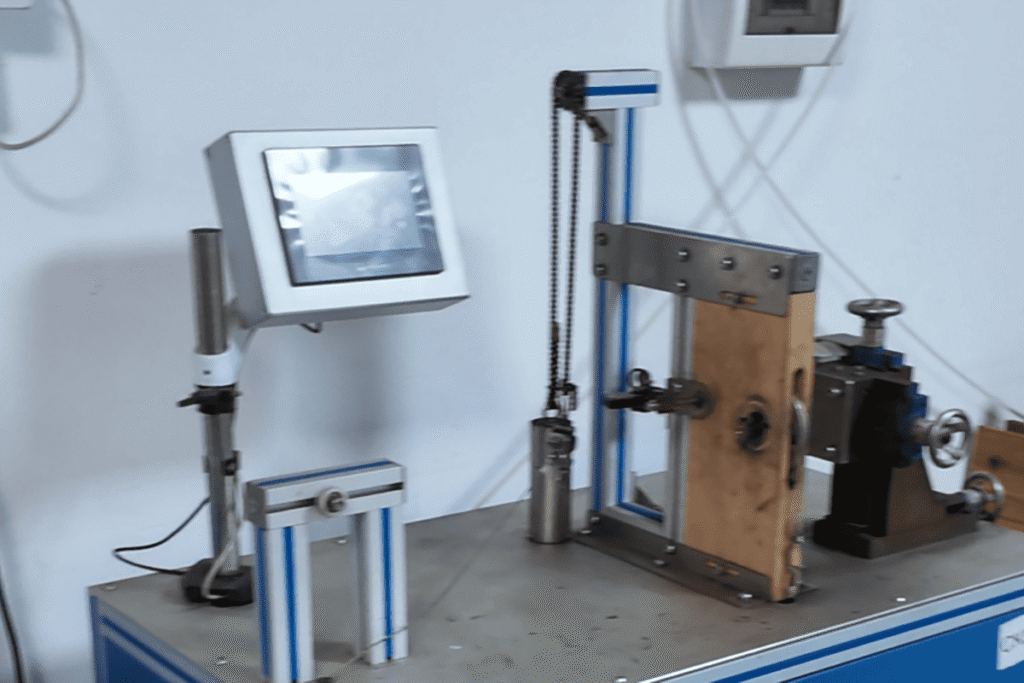
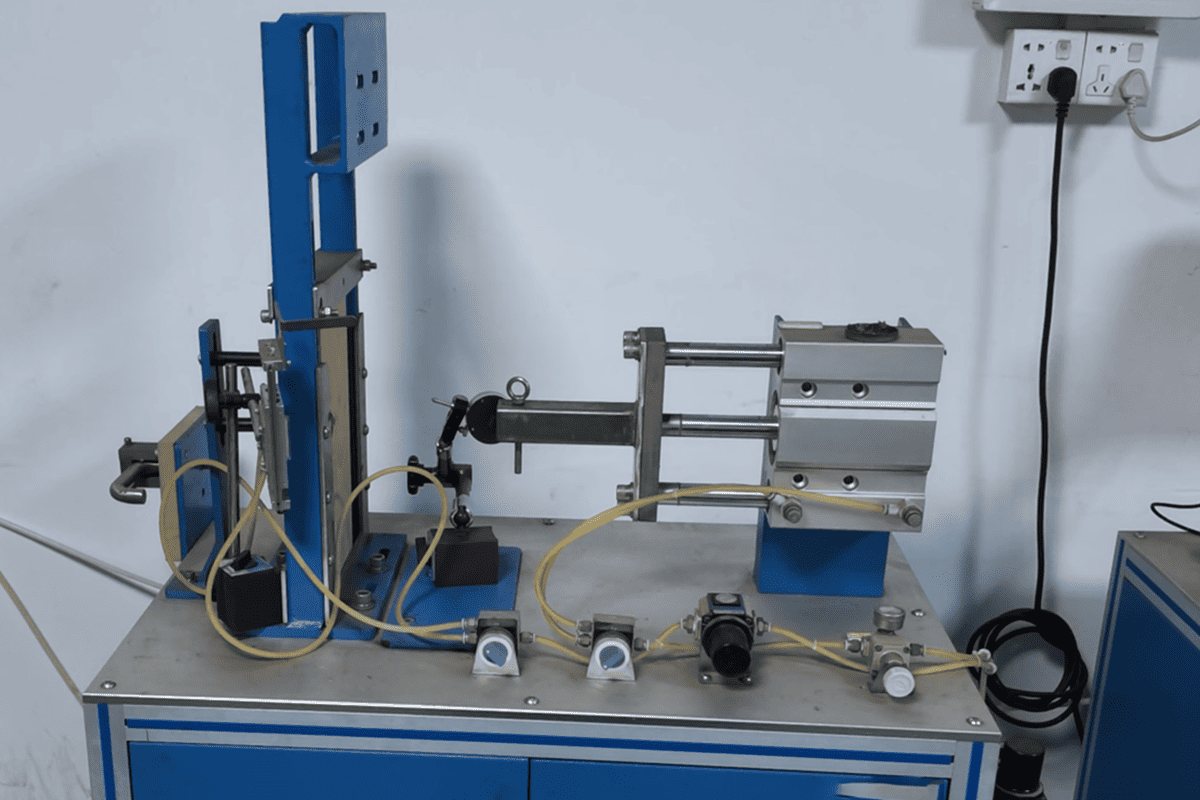
Cycle testing for mechanical door locks is important because it simulates repeated opening and closing to check whether the latch, deadbolt, springs, spindle hole, and internal mechanism keep working smoothly. It helps buyers evaluate real durability, reduce maintenance risk, and avoid poor end-user experience in residential, commercial, and high-frequency door applications.
A static inspection can confirm dimensions, surface finish, and basic assembly. However, it cannot show how the lock behaves after thousands of operations2. That is why I believe buyers should treat cycle testing as a core part of supplier evaluation, not as a minor technical detail.
Why Does Cycle Testing for Mechanical Door Locks Matter to Buyers?
A buyer may receive a lock that looks correct on the sample table, but real doors tell a different story. Repeated use can expose weak springs, unstable latch movement, or rough deadbolt operation.3 If these problems appear after installation, the cost is no longer small.
Cycle testing for mechanical door locks matters because it connects product quality with real business risk. It helps buyers understand whether a lock can continue operating after repeated use, especially in schools, hospitals, commercial buildings, workshops, apartments, and other locations where doors may be opened many times per day4.
Static quality checks are not enough
In my factory-side experience, I have seen many lock issues that do not appear during the first few manual operations. A lock body may pass a quick open-and-close check. The latch may extend correctly. The deadbolt may move smoothly. The surface may look clean. Yet after repeated operation, small problems can become obvious.
Cycle testing helps reveal issues such as:
- Latch rebound failure
- Spring fatigue
- Rough handle rotation
- Deadbolt sticking
- Spindle hole wear
- Loose internal connection points
- Unstable operation after repeated use
- Noise or friction increase inside the lock body
These problems are not just technical defects. They affect the buyer’s commercial result. A failed lock can require service calls, replacement products, reinstallation labor, and customer communication. For door manufacturers and hardware brands, this can also harm reputation.
The real cost is not only the lock price
Many procurement teams compare unit price first. I understand that. Door hardware is often purchased in large quantities, and every small cost difference matters. However, I always encourage buyers to consider the total cost of ownership5.
A cheaper lock that fails early may create hidden costs:
| Risk Area | What Can Happen | Buyer Impact |
|---|---|---|
| Replacement cost | Failed lock must be replaced | Higher after-sales expense |
| Labor cost | Installer or technician must revisit the site | Extra service workload |
| Project delay | Door cannot operate normally | Customer dissatisfaction |
| Brand image | End user blames the hardware brand or door supplier | Lower repeat business |
| Safety concern | Door may not close or secure properly | Higher operational risk |
For public and commercial projects, the risk becomes larger. A hospital door, school classroom door, hotel room door, or office corridor door may be used many times each day. If the lock fails, the user does not care whether the product passed a visual inspection. The user only feels that the door is difficult, unsafe, or unreliable.
Cycle testing supports better procurement decisions
Cycle testing does not replace all other inspections. Buyers still need to review material, dimensions, finish, certification documents, fire-rated documentation where applicable, packaging, and production consistency. However, durability testing gives buyers one more practical signal.
When I discuss mechanical lock projects with customers, I usually suggest that they ask suppliers three basic questions:
- What cycle testing is performed for this lock type?
- Which parts are checked before, during, and after the test?
- What standard, internal requirement, or buyer specification is used as the reference?
The answers can help buyers separate a decorative sample from a lock body that has been evaluated for repeated operation.
How Does Cycle Testing for Mechanical Door Locks Simulate Real Use?
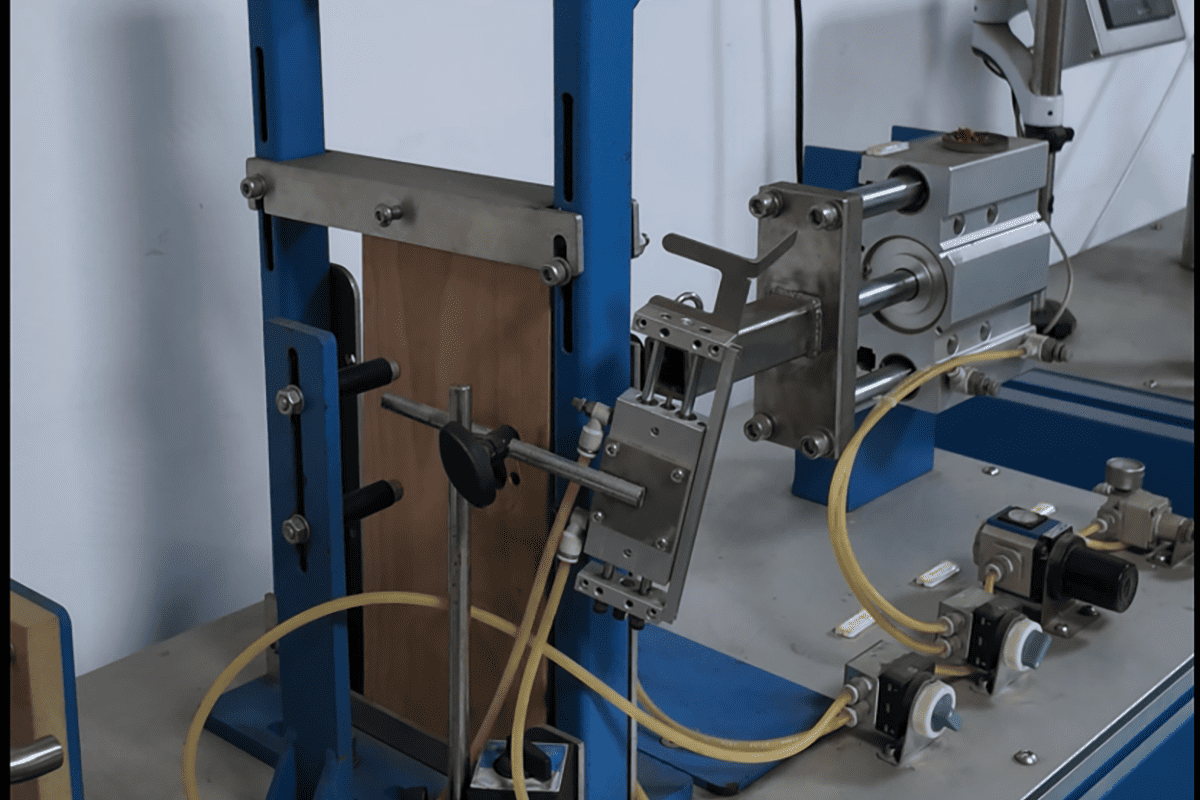
A door lock does not fail because it sits on a shelf. It fails because people turn handles, push doors, close doors quickly, lock deadbolts, and repeat these actions over time. Cycle testing recreates this movement in a controlled way6 so buyers can see how the mechanism behaves.
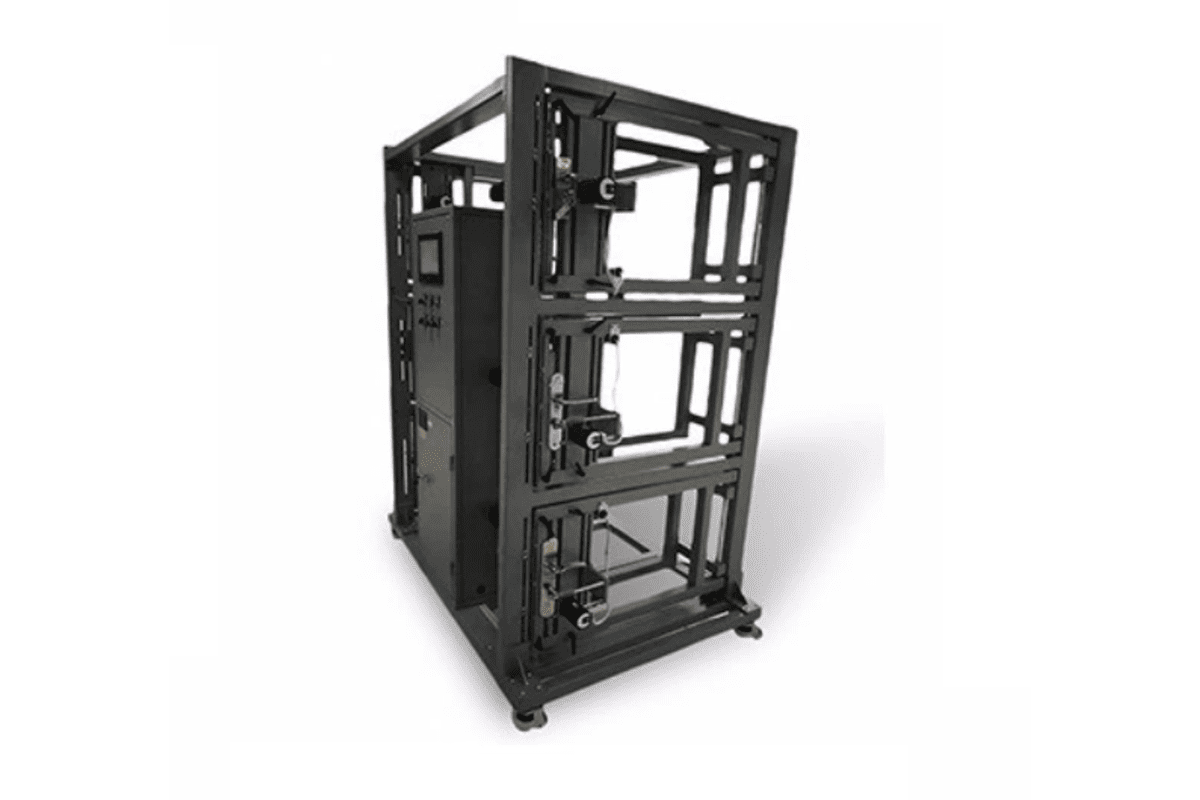
Cycle testing for mechanical door locks simulates repeated real-world operation by opening and closing the lock body many times under defined test conditions. The test usually checks latch movement, deadbolt movement, spring recovery, handle or spindle operation, and internal wear to confirm whether the lock remains functional after repeated cycles.
What counts as one cycle?
The exact definition of one cycle depends on the lock type, the test method, and the standard or internal specification being used. In simple terms, one cycle usually represents one complete operating action. For a latch function, this may involve retracting and releasing the latch. For a deadbolt function, this may involve extending and retracting the bolt.
A test engineer or quality inspector should not treat all cycles as identical without context. A latch cycle, a deadbolt cycle, and a handle operation cycle may stress different components.7
Common parts checked during cycle testing include:
- Latch bolt: Does it retract and extend smoothly?
- Deadbolt: Does it lock and unlock without sticking?
- Springs: Do they recover force after repeated movement?
- Follower or spindle hole: Does it wear or deform?
- Internal transmission parts: Do they remain aligned?
- Case and cover plate: Do they stay stable after vibration and operation?
- Strike interaction: Does the latch engage correctly with the receiving part?
Why test conditions matter
More cycles can suggest better durability, but the number is not meaningful without the test conditions. I always caution buyers not to read a cycle count as a simple marketing number. A lock tested under light, ideal, or incomplete conditions may not perform better than another lock tested under a stricter method.
Buyers should look at several factors:
| Evaluation Factor | Why It Matters |
|---|---|
| Lock type | Mortise lock, tubular lock, rim lock, and anti-theft lock may have different durability expectations |
| Function tested | Latch, deadbolt, handle follower, and cylinder operation are not the same test |
| Cycle definition | Buyers need to know what one cycle includes |
| Load condition | Some tests include force, alignment, or door simulation conditions |
| Inspection points | The supplier should check function before, during, and after testing |
| Acceptance criteria | A pass should be based on defined function, not only “still moves” |
| Sample size | One sample gives limited confidence; batch consistency also matters |
Real doors are not perfect
In actual use, doors are not always aligned perfectly. End users may slam doors. Handles may be pushed down roughly. Dust, humidity, and temperature can affect operation.8 A lock installed on a busy public door can experience much more stress than a lock installed in a low-use residential bedroom.
That is why cycle testing should be connected to the application. A buyer sourcing locks for low-frequency interior residential doors may have different durability needs from a buyer supplying hospital doors, school doors, or commercial fire-rated doors. The test plan should reflect the use environment.
A cycle count is useful only when the buyer understands the lock type, test method, and expected application.
A practical factory-side view
In production, I see cycle testing as a bridge between design and after-sales performance. During R&D or pre-production validation, repeated operation can expose design weaknesses. During quality control, it can help confirm that the production version still matches the approved sample. For large orders, it also supports buyer confidence before shipment.
At SDH Hardware, our factory-side work includes mechanical lock production, inspection, and durability-related checks. I do not present this as a replacement for independent certification or buyer-side laboratory evaluation. Instead, I view it as part of responsible manufacturing. Buyers should still verify standard documents, test reports, and project-specific requirements with qualified professionals when needed.
What Failures Can Mechanical Door Lock Durability Testing Reveal?
A lock failure rarely begins as a dramatic break. It often starts as a small change in feeling. The handle becomes heavier. The latch rebounds slowly. The deadbolt needs extra force. If nobody tests repeated operation, these warning signs may reach the end user.
Mechanical door lock durability testing can reveal hidden problems such as latch rebound failure, deadbolt sticking, spring fatigue, spindle hole wear, internal friction, loose parts, and unstable operation after repeated use. These problems may not appear during visual inspection or a short manual function check.
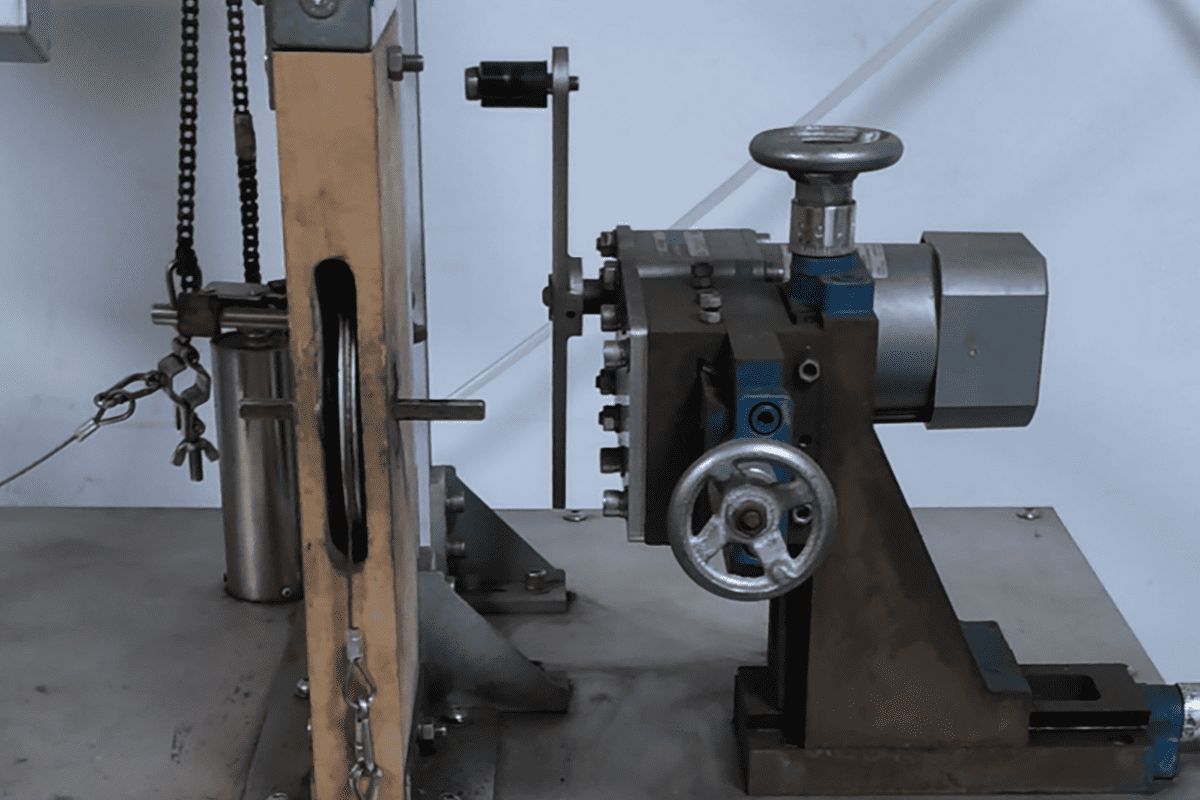
Common failure points inside a mechanical lock
Mechanical door locks depend on a group of moving parts. Each part must work with the others. If one part weakens, the full lock experience changes. In factory inspection, I pay close attention to the parts that receive repeated stress.
Common areas include:
Latch bolt
- The latch must retract when the handle turns.
- It must extend again quickly and fully.
- Weak rebound can cause poor door closing.
Deadbolt
- The deadbolt must move straight and smoothly.
- It must not jam during locking or unlocking.
- Burrs, poor machining, or misalignment can create friction.
Springs
- Springs help return the handle, latch, or internal mechanism.
- Low-quality springs may lose force after repeated use.
- Spring fatigue can make the lock feel loose or unreliable.9
Follower and spindle hole
- The handle spindle transfers force into the lock body.
- Wear in this area can create looseness.
- Excessive deformation affects handle operation.
Internal transmission parts
- Plates, cams, levers, and connection pieces must stay aligned.
- Wear or looseness can cause delayed or incomplete movement.
Failure is often progressive
A cycle test is valuable because it can show how the lock changes over time. A new lock may feel smooth during the first 20 operations. After thousands of operations, the situation may change. The inspector may notice higher resistance, slower rebound, or unusual sound.
Here is a simple way to think about progressive failure:
| Test Stage | What Inspectors May Observe | Why It Matters |
|---|---|---|
| Before test | Smoothness, dimensions, basic function | Confirms starting condition |
| During test | Noise, friction, delayed rebound, abnormal movement | Shows early warning signs |
| After test | Final function, wear, deformation, looseness | Confirms durability result |
| Post-test review | Disassembly or mechanism inspection where appropriate | Finds root cause |
Why appearance can mislead buyers
A polished lock case can create confidence. A heavy lock body can feel strong. A clean faceplate can look premium. However, appearance does not prove internal durability. Material thickness, spring quality, machining precision, heat treatment where relevant, assembly tolerance, lubrication, and quality consistency all influence long-term operation.
This matters for B2B buyers because samples are often selected under time pressure. A purchasing manager may receive several lock samples and compare:
- Weight
- Finish
- Price
- Packaging
- Certificate documents
- Brand impression
- Delivery time
Those factors matter, but they do not fully answer one core question:
Will this lock still operate reliably after repeated use?
Cycle testing helps answer that question more directly.
End-user experience is part of quality
I often remind customers that the end user does not see the test machine. The end user only touches the handle. If the lock feels rough or uncertain, the user loses confidence in the door. For hotels, offices, hospitals, and schools, this experience matters every day.
A poor lock experience can lead to:
- Complaints to building management
- More maintenance requests
- Negative feedback to the door supplier
- Lower confidence in the hardware brand
- Reduced repeat orders from wholesalers or project buyers
For this reason, durability is not only an engineering topic. It is also a brand protection topic.
How Should Buyers Compare Door Lock Cycle Test Standards?
Standards can help buyers compare durability expectations, but they can also be misunderstood. A cycle number without the standard version, lock type, function tested, and pass criteria is incomplete. Buyers should avoid treating a single number as a universal proof of quality.
Buyers should compare door lock cycle test standards by checking the exact standard name, latest version, lock type, tested function, cycle requirement, test method, sample condition, and acceptance criteria. Any quoted cycle figure should be verified against the relevant standard document before being used in procurement or marketing.
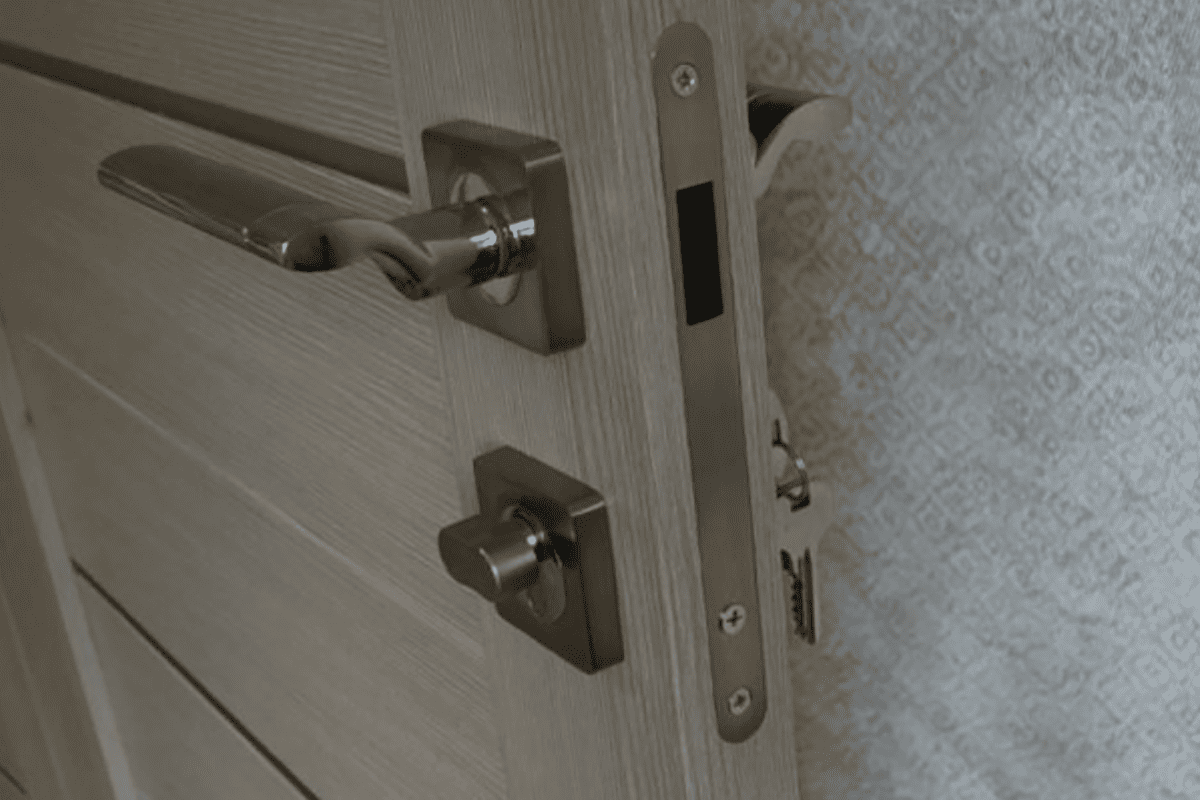
Standards give structure, not automatic certainty
Standards are useful because they create a common language. They help buyers and suppliers discuss minimum expectations. They also help technical teams define a test method. However, a standard document does not replace product-specific evaluation.
For example, buyers may encounter references to:
- EN 12209 for mechanically operated locks and locking plates in certain European applications
- Chinese national or industry standards for relevant lock categories
- Anti-theft door lock standards for security door applications
- Project-specific requirements from door manufacturers, contractors, or hardware brands
Some commonly mentioned reference points include latch-type lock durability around 200,000 cycles, deadbolt operation around 50,000 cycles10, certain Chinese standard lock requirements around 100,000 cycles, and anti-theft door lock durability around 200,000 cycles. These figures should be treated as reference points to verify against the exact applicable standard version before publication, quotation, or contract use.
Buyers should ask for context behind the number
A supplier may say, “This lock passed 200,000 cycles.” That statement may be helpful, but it is not enough. Buyers should ask what exactly was tested.
Useful questions include:
- Which standard or internal procedure was used?
- Which lock model and function were tested?
- Was the latch tested, the deadbolt tested, or both?
- What was the cycle definition?
- What were the test conditions?
- What happened after the test?
- Were any parts replaced during the test?
- Is there a test report, inspection record, or video available?
- Was the test done internally or by a third-party laboratory?
- Does the result apply to mass production or only to one sample?
These questions help buyers avoid vague claims.
A simple comparison table for procurement teams
| Item to Compare | Weak Evaluation | Stronger Evaluation |
|---|---|---|
| Cycle number | “High cycles” | Exact cycle count with test method |
| Standard reference | “European standard” | Full standard name and version |
| Lock function | Not specified | Latch, deadbolt, handle, or cylinder clearly stated |
| Test condition | Not explained | Defined load, operation method, and inspection points |
| Result | “Passed” | Functional criteria and post-test findings documented |
| Application | General claim | Matched to residential, commercial, public, or high-frequency use |
| Evidence | Verbal statement | Test record, report, photos, video, or buyer-witnessed inspection |
Certification documents should be verified
Many buyers ask about CE certification, fire-rated certification, and other compliance documents. These documents can be important for market access and project requirements. However, buyers should not assume that any single certificate automatically proves long-term mechanical durability.
A fire-rated lock certificate, for example, may relate to fire performance under specified test conditions.11 CE-related documentation may relate to applicable regulatory or standard requirements. Long-term mechanical operation still needs to be reviewed according to the relevant lock standard, durability test method, and application requirement.
That is why I recommend this approach:
- Verify the certificate scope
- Check the model number on the document
- Confirm the standard and version
- Ask whether durability is included
- Request supporting test details
- Use qualified professional review for project-critical applications
This is especially important for public buildings, fire doors, healthcare projects, and security-sensitive doors.
How Can Buyers Evaluate a Mechanical Door Lock Supplier’s Testing Process?
A good supplier should not only show a nice sample. The supplier should explain how the lock is tested, how defects are handled, and how mass production is kept consistent. Without this process, even a good initial design can become unstable during bulk production.
Buyers can evaluate a mechanical door lock supplier’s testing process by reviewing equipment, inspection records, sample approval steps, cycle testing method, in-process quality control, final inspection criteria, and corrective action procedures. The goal is to confirm that durability is managed consistently, not checked only once.
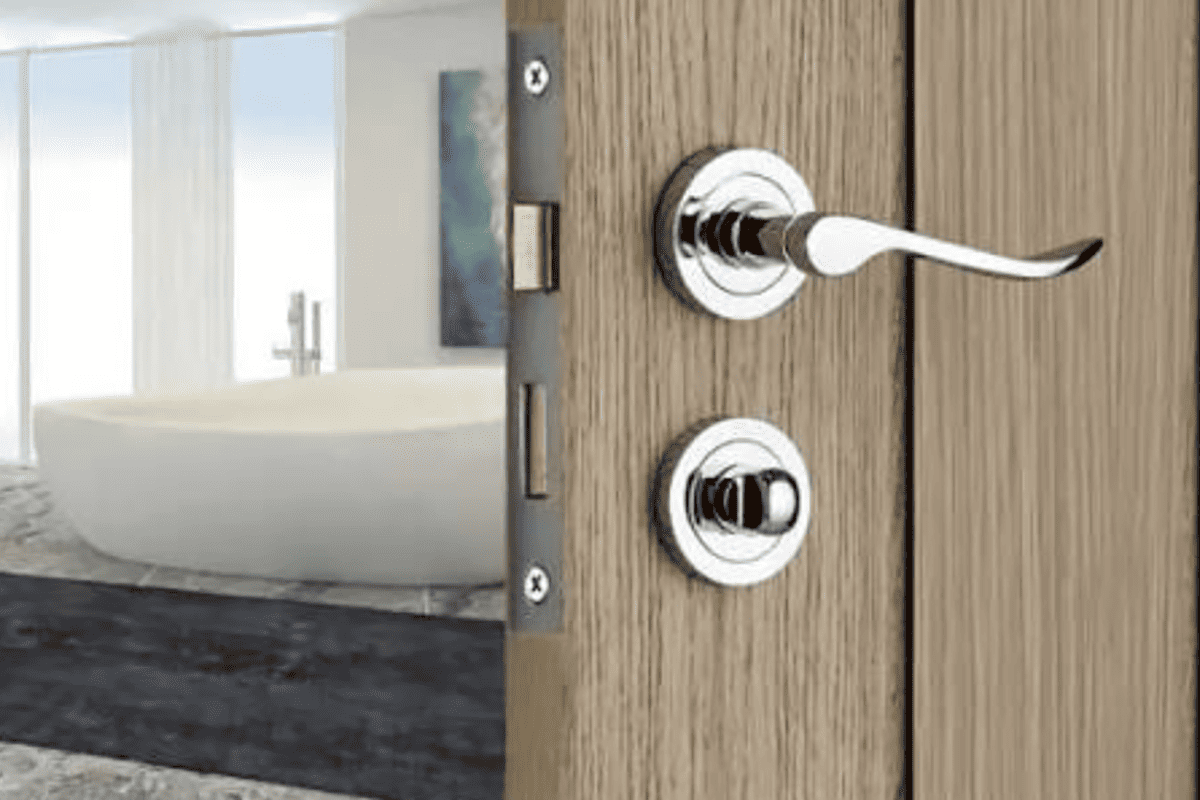
What I look for in a supplier evaluation
From a manufacturing perspective, cycle testing works best when it is part of a complete quality system. A single test machine cannot solve poor material control or careless assembly. Buyers should review the whole process from raw material to final shipment.
A practical supplier evaluation can include:
- Raw material inspection
- Component dimension control
- Machining and stamping consistency
- Spring and internal part verification
- Assembly process supervision
- Function testing during production
- Cycle testing for selected models or batches
- Final inspection before packing
- Packaging checks for export handling
- Corrective actions when defects appear
At SDH Hardware, our own factory operations focus on R&D, precision manufacturing, and full-process quality control for architectural door hardware. Our portfolio includes Euro mortise locks, stainless steel lever handles, butt hinges, concealed hinges, Euro brass cylinders, and door accessories. I mention this not to turn the article into a sales page, but to explain why I view cycle testing as one part of a broader manufacturing discipline.
Sample approval should not be rushed
For OEM and ODM buyers, sample approval is a critical stage. A buyer may adjust the faceplate size, backset, follower size, finish, forend shape, accessory configuration, or packaging. Each change can affect production control. Some changes can also affect operation.
Before approving a sample, buyers should consider:
- Does the sample match the drawing?
- Does the latch operate smoothly?
- Does the deadbolt extend fully?
- Does the handle return correctly?
- Does the spindle fit properly?
- Does the strike plate align with the lock body?
- Has the sample been cycle tested or function tested beyond basic operation?
- Are there clear acceptance criteria for bulk production?
A buyer should also request detailed product drawings after order confirmation. This helps reduce misunderstanding in customized projects.
Mass production consistency matters
One excellent sample does not guarantee that every carton in a shipment has the same quality. A supplier must control production consistency. This is especially important for wholesalers, hardware brands, and door factories that buy in bulk.
Here is a practical way to think about supplier quality control:
| Production Stage | Quality Risk | Buyer Checkpoint |
|---|---|---|
| Raw material | Weak or inconsistent material | Material inspection record |
| Component processing | Burrs, poor dimensions, unstable tolerances | In-process inspection |
| Assembly | Misalignment, missing lubrication, loose parts | Function check |
| Cycle testing | Hidden durability weakness | Test method and result |
| Final inspection | Mixed defects before packing | AQL or agreed inspection plan |
| Packaging | Transport damage or wrong labeling | Carton and label verification |
When buyers should request extra testing
Not every lock order needs the same test depth. However, I recommend extra attention when the lock will be used in:
- Hospitals
- Schools
- Hotels
- Commercial buildings
- Workshops and factories
- Public entrances
- High-frequency interior doors
- Fire door assemblies
- Security-sensitive areas
For these applications, buyers may ask for additional internal testing, third-party laboratory testing, or project-specific professional evaluation. The correct approach depends on the market, standard, contract requirement, and risk level.
A balanced view of supplier claims
A supplier may have strong factory capability, but buyers should still verify documents and test evidence. This is normal in B2B procurement. I do not expect buyers to rely only on words. I expect them to ask for clear information.
A reliable supplier should be comfortable discussing:
- Test equipment
- Test frequency
- Standard references
- Inspection criteria
- Past quality improvements
- Customization limits
- Batch control
- Packaging and shipment inspection
- Certification document scope
For me, this transparency is one of the clearest signs of a serious manufacturing partner.
Frequently Asked Questions
Is cycle testing for mechanical door locks the same as certification?
No. Cycle testing checks repeated mechanical operation, while certification may cover specific standards, safety requirements, fire performance, or regulatory documents. Buyers should verify what each certificate actually covers and should not assume that one document automatically proves long-term mechanical durability.
Conclusion
Cycle testing for mechanical door locks gives buyers a practical way to evaluate durability beyond appearance, weight, and certificates. It shows whether the latch, deadbolt, springs, spindle area, and internal mechanism can keep working after repeated operation. For door manufacturers, hardware brands, importers, and wholesalers, this reduces replacement cost, maintenance risk, and poor end-user experience. If you are sourcing mechanical locks for residential, commercial, or high-frequency projects, I recommend reviewing cycle testing evidence before confirming bulk orders. Contact SDH Hardware to discuss factory-direct lock solutions, OEM/ODM requirements, and quality inspection options.
"Accelerated life testing - Wikipedia", https://en.wikipedia.org/wiki/Accelerated_life_testing. Research on fatigue and wear in mechanical assemblies supports the point that repeated cycling can produce functional degradation even when a product initially appears sound. Evidence role: mechanism; source type: paper. Supports: Repeated mechanical operation can cause wear or fatigue failures that are not apparent from initial appearance or weight.. Scope note: This would provide general mechanical-engineering support unless the source specifically studies door locks. ↩
"Integration and Test > Accelerated Life Testing - S3VI - NASA", https://s3vi.ndc.nasa.gov/ssri-kb/topics/38/. Reliability-testing literature distinguishes static inspection from life-cycle or accelerated durability testing, supporting the claim that repeated-use behavior requires cyclic evaluation. Evidence role: general_support; source type: research. Supports: Durability or life-cycle testing evaluates performance under repeated use in a way that static inspection does not.. Scope note: The support is contextual if drawn from general reliability engineering rather than a lock-specific test method. ↩
"16 Smart Locks Tested So You Don't Have To",
. A recognized lock-testing standard or technical guidance document supports that latch and bolt operation are relevant subjects of repeated-operation durability testing. Evidence role: general_support; source type: institution. Supports: Door lock durability testing commonly evaluates repeated operation of latches, bolts, and related mechanical parts.. Scope note: The source may describe standardized test functions rather than proving every listed failure mode occurs in all lock designs. ↩"SECTION 087111 - DOOR HARDWARE (SCHEDULED BY ...", https://fpm.usc.edu/wp-content/uploads/2021/11/087102-USC-HSC-door-hardware-Guide-Specification_1.pdf. Door-hardware grading or facilities guidance supports the contextual claim that institutional and commercial applications are associated with higher-frequency use and therefore higher durability expectations. Evidence role: general_support; source type: institution. Supports: Institutional and commercial doors are commonly treated as higher-use applications in door-hardware durability classifications.. Scope note: Such a source may classify use intensity without giving exact daily opening counts for every building type. ↩
"Life-cycle costing as a tool in mainstreaming green public ...", https://www.oecd.org/en/publications/life-cycle-costing-in-public-procurement-in-hungary_8d90f627-en/full-report/component-5.html. Public procurement guidance on life-cycle costing supports that purchase decisions may account for acquisition, maintenance, replacement, and other ownership costs rather than unit price alone. Evidence role: definition; source type: government. Supports: Total cost of ownership or life-cycle costing includes purchase price as well as maintenance, replacement, and operating costs.. Scope note: The source would support the procurement principle generally, not the precise cost profile of a specific door lock. ↩
"The Importance of Cycle Testing for Mechanical Door Locks", https://umaylocks.com/cycle-testing-for-mechanical-door-locks/. A door-hardware test standard or institutional testing description supports that cycle testing consists of repeated mechanical operation under specified conditions. Evidence role: definition; source type: institution. Supports: Cycle testing for locks or mechanical hardware involves repeated operation under defined test conditions.. Scope note: The exact cycle definition may vary by lock type and standard. ↩
"The Importance of Cycle Testing for Mechanical Door Locks", https://umaylocks.com/cycle-testing-for-mechanical-door-locks/. Door-lock testing protocols support that latch, bolt, and handle operations are distinct test functions, which explains why their cycle counts and mechanical stresses should not be treated as identical. Evidence role: mechanism; source type: institution. Supports: Lock standards or test protocols separate operational functions such as latch operation, bolt operation, and handle or follower operation.. Scope note: The source may not quantify stress on each component unless it includes detailed engineering analysis. ↩
"Fretting", https://en.wikipedia.org/wiki/Fretting. Research on environmental effects in mechanical systems supports that humidity, temperature, and particulate contamination can affect friction, wear, corrosion, and operational reliability. Evidence role: mechanism; source type: research. Supports: Dust, humidity, and temperature can influence friction, corrosion, lubrication, or wear in mechanical devices.. Scope note: This is contextual support unless the selected source evaluates door locks specifically. ↩
"Fatigue (material)", https://en.wikipedia.org/wiki/Fatigue_(material). Materials-engineering sources on spring fatigue support that cyclic loading can degrade spring performance, providing a mechanism for reduced return force or unreliable operation in spring-driven assemblies. Evidence role: mechanism; source type: education. Supports: Springs subjected to repeated cyclic loading can suffer fatigue or loss of performance.. Scope note: The source would explain the spring mechanism generally rather than documenting a specific lock model. ↩
"Mortise Lockset Endurance Test: 200K Latch + 50K Deadbolt ...",
. The relevant lock standard should be cited to substantiate the stated durability figures for latch and deadbolt operation, including the applicable class, test function, and standard version. Evidence role: statistic; source type: institution. Supports: The cited cycle figures correspond to particular lock durability requirements in a recognized standard or technical specification.. Scope note: Cycle requirements can differ by lock type, classification, jurisdiction, and standard revision, so the figures should not be presented as universal. ↩"EN1634 Fire Testing for Door Hardware", https://www.camax.cn/what-is-en-1634-fire-testing-for-door-hardware-and-how-does-it-work_2217.html. Fire-door test standards and certification guidance support that fire-rated hardware is evaluated for specified fire-performance conditions, which is distinct from evidence of long-term mechanical cycling durability. Evidence role: general_support; source type: institution. Supports: Fire-rated door hardware certification concerns performance in fire-resistance or fire-exposure test conditions, not necessarily long-term mechanical cycling.. Scope note: Some certification schemes may include additional requirements, so the certificate scope must be checked for each product. ↩