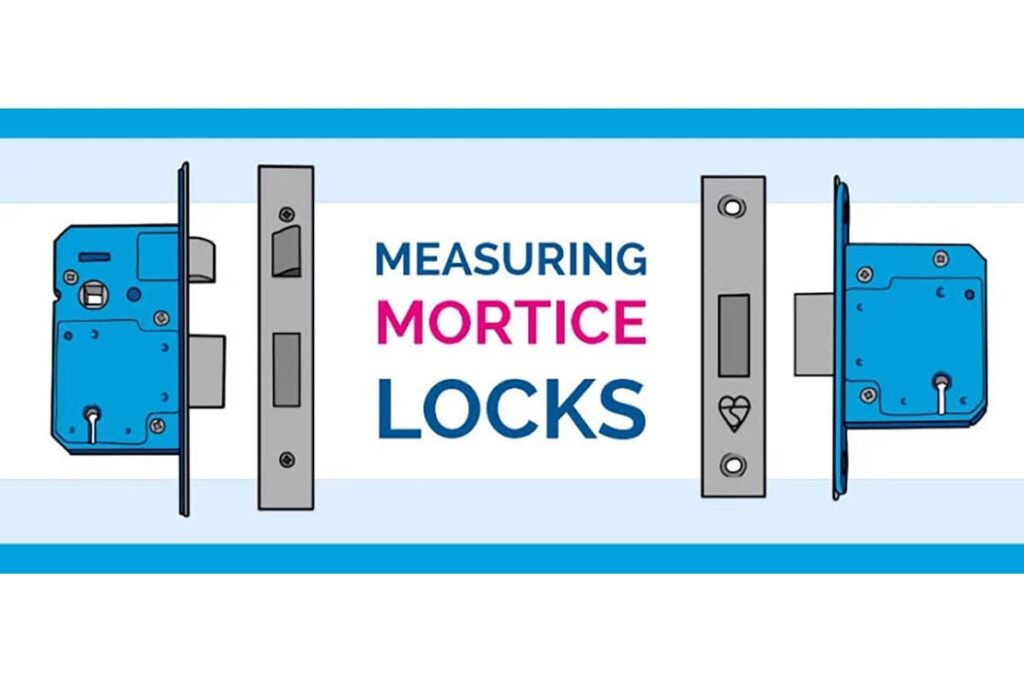
Mortice Lock VS Sashlock: What's the Difference?
Mortice Lock VS Sashlock often causes confusion because buyers compare the two as if they are equal categories. That confusion can lead to wrong samples, mismatched handles, or incorrect lock bodies. I usually solve this by explaining the hierarchy first: a sashlock is one type of mortice lock, not a separate opposite product.
A mortice lock is a lock body installed inside a cut-out in the door edge, while a sashlock is a specific type of mortice lock with both a latch bolt and a deadbolt.1 In simple terms, sashlock = latch bolt + deadbolt. Buyers should choose based on door function, lock dimensions, cylinder type, handle compatibility, and project requirements.
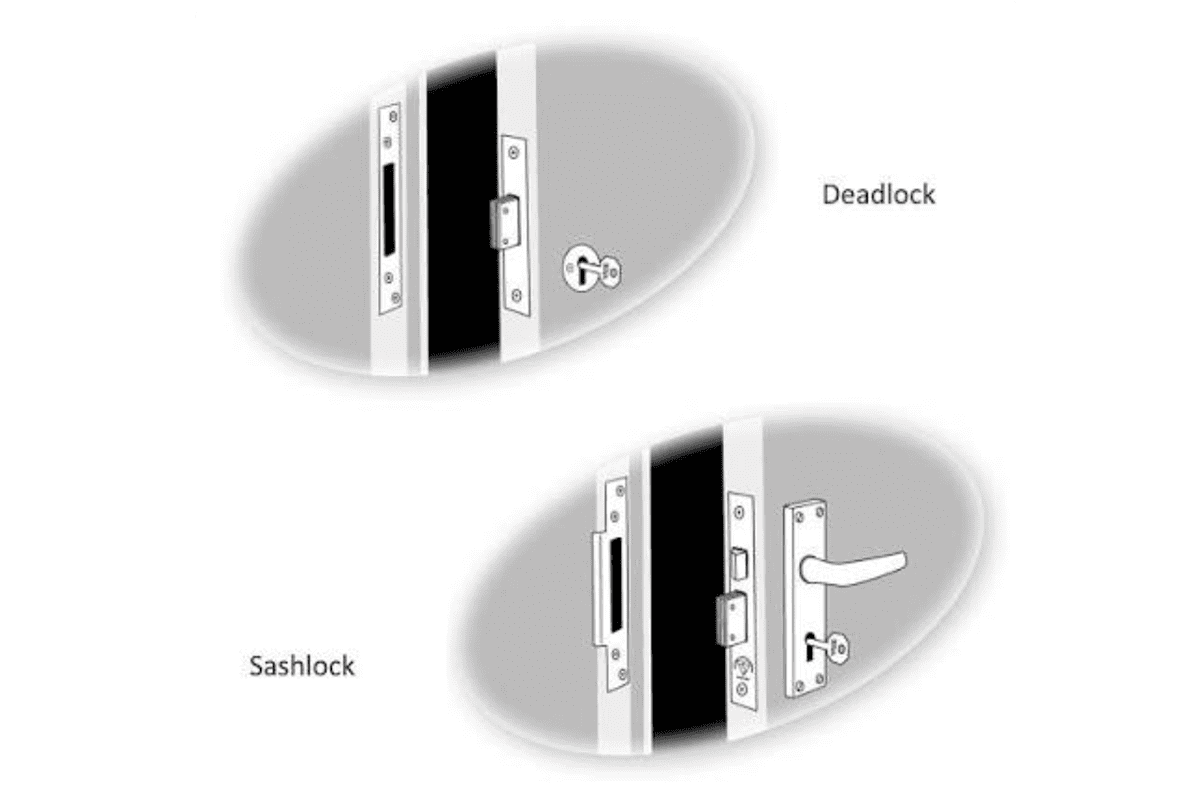
The difference becomes much easier when we move from product names to product structure. In my work with door factories and hardware brands, most mistakes happen when the buyer orders by label alone, without confirming the actual lock body configuration.
Mortice Lock VS Sashlock: Are They Separate Lock Types?
Many buyers start with the question, “Do I need a mortice lock or a sashlock?” The problem is that the question itself can be misleading. If the terminology is wrong at the beginning, the quotation, sampling, and production confirmation can all move in the wrong direction.
A mortice lock is the broader category. It refers to a lock installed inside a mortice cut into the door body. A sashlock belongs inside that family. It is a mortice lock configuration that includes both a latch bolt and a deadbolt for daily closing and key locking.
The correct hierarchy
The simplest way to understand Mortice Lock VS Sashlock is to see the product relationship:
Mortice lock = installation method and lock body family2
Sashlock = one mortice lock type with latch bolt + deadbolt
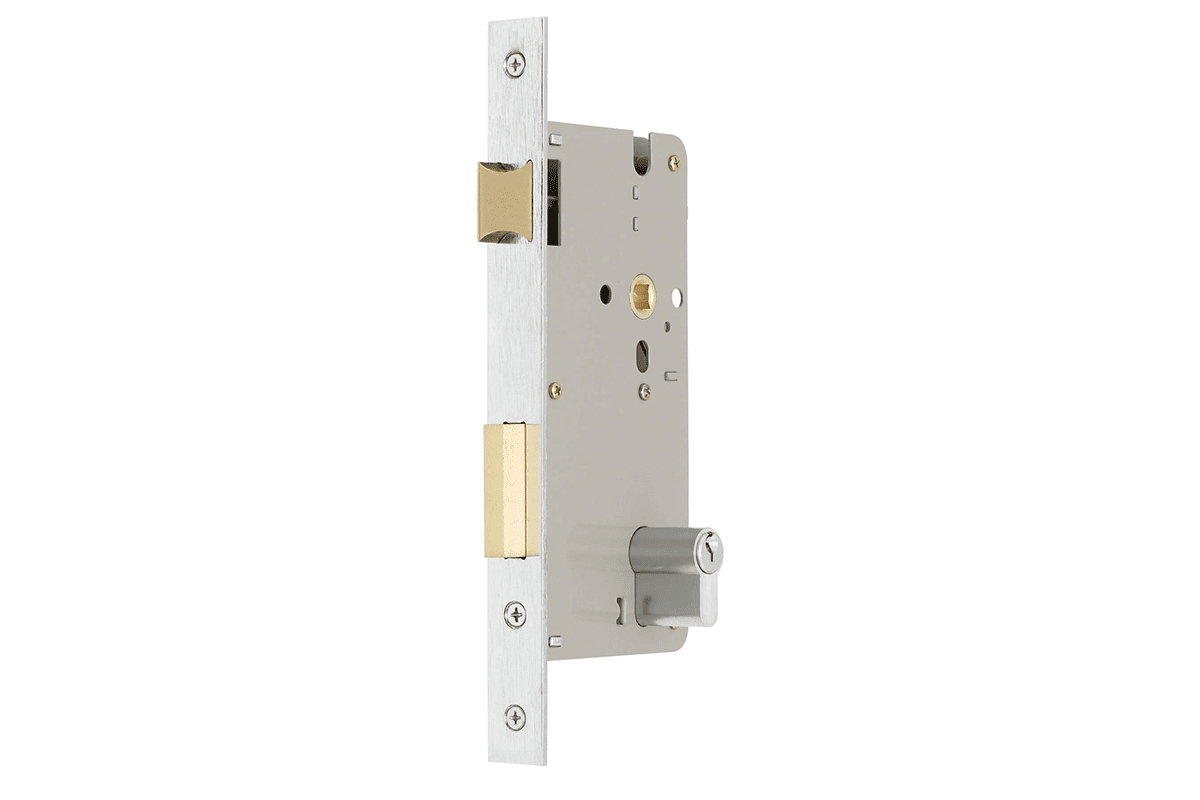
A mortice lock sits inside a door cut-out. The faceplate, latch, deadbolt, spindle follower, and cylinder area remain visible from the door edge or face, but the main case is concealed inside the door. This gives the door a clean appearance and protects the mechanism better than many surface-mounted lock types.3
A sashlock is not outside that category. It is one configuration within it. In many European-style door hardware projects, a sashlock is selected when the door needs:
- A latch bolt for normal closing
- A deadbolt for key-operated locking
- Lever handle operation for daily access
- Cylinder operation for security control
Common mortice lock configurations
Different markets use different names, so I always ask buyers to confirm the actual structure. The table below gives a practical view.
| Lock body type | Basic structure | Typical function | Common buyer use |
|---|---|---|---|
| Mortice latch | Latch bolt only | Door closing without key locking | Internal passage doors |
| Mortice deadlock | Deadbolt only | Key locking without latch function | Storage, security doors, auxiliary locking |
| Mortice sashlock | Latch bolt + deadbolt | Daily closing plus key locking | Bedrooms, offices, apartments, project doors |
| Bathroom mortice lock | Latch + privacy bolt/indicator | Privacy locking | Bathrooms, toilets, hotel rooms |
| Roller mortice lock | Roller latch, often with deadbolt | Pull-handle doors | Entrance doors, commercial doors |
In my factory discussions, I have seen buyers send a photo of a “mortice lock” but actually need a sashlock. I have also seen the reverse. A buyer asks for a sashlock, but the door design only requires a latch case. This is why I prefer to clarify the door function before discussing price.
Why the wording matters for B2B purchasing
For door manufacturers, importers, and hardware brands, product naming affects more than communication. It affects:
Sample accuracy
The wrong lock type creates a wrong door preparation.Handle compatibility
A latch-only lock and sashlock may require different spindle, follower, and escutcheon planning.Cylinder planning
A sashlock normally needs cylinder confirmation, such as Euro profile cylinder type and length.Certification documents
Fire-rated or CE-related requirements should be checked by the exact model, test scope, and project specification.4Packaging and branding
OEM packaging must match the product name and technical drawing.
So, the correct answer to Mortice Lock VS Sashlock is not “one is better than the other.” The correct answer is that a sashlock is one member of the mortice lock family. Once that is clear, the buying decision becomes much more practical.
Mortice Lock VS Sashlock: What Is the Structural Difference?
The structural difference is the point where the terminology becomes easy. Buyers sometimes focus on the product name, but the lock body tells the real story. If the lock case has only one bolt, it is not the same configuration as a sashlock.
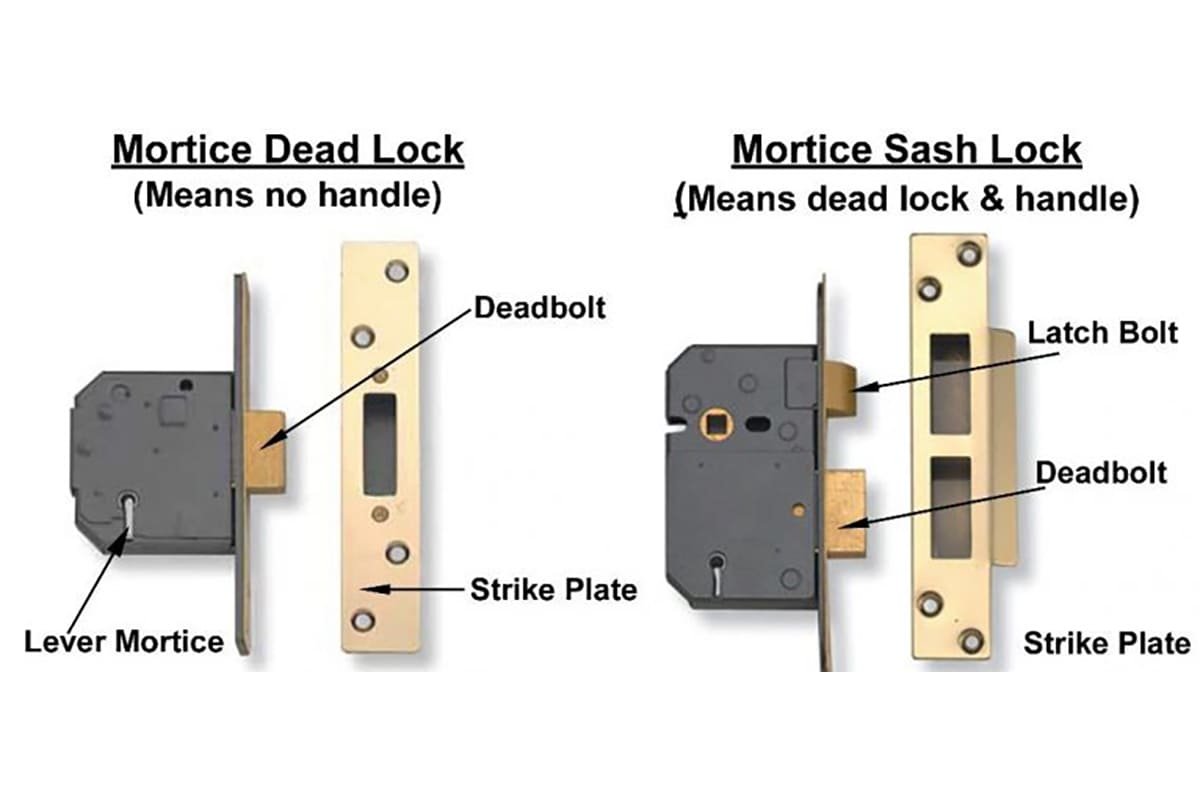
A standard mortice lock may have different internal structures depending on use. A sashlock specifically has two working bolts: a latch bolt for closing and a deadbolt for locking.5 The latch usually works with the lever handle, while the deadbolt usually works with the key cylinder.
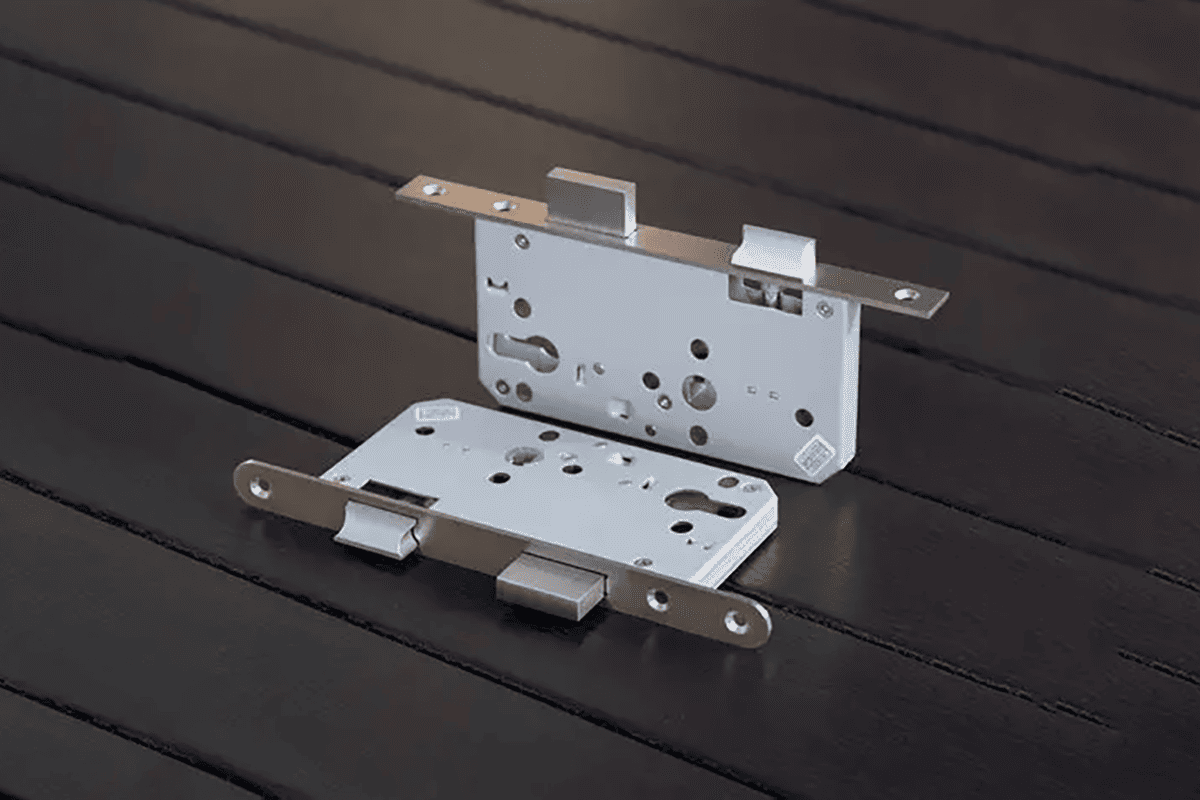
Sashlock = latch bolt + deadbolt
This is the most important formula:
Sashlock = latch bolt + deadbolt
The latch bolt is the spring-loaded bolt that keeps the door closed during normal use. When someone presses the lever handle, the spindle rotates the follower inside the lock case and retracts the latch.6 The door can then open.
The deadbolt is the locking bolt. It is usually operated by a key through a cylinder, such as a Euro profile cylinder7. When extended, the deadbolt provides the locking function. It does not retract automatically like a latch bolt.
Main visible and internal parts
A typical sashlock includes several parts that buyers should understand before confirming an order.
| Component | Function | Why buyers should confirm it |
|---|---|---|
| Lock case | Holds the internal mechanism | Must fit door thickness and cut-out |
| Forend / faceplate | Visible metal plate on door edge | Size and finish must match door design |
| Latch bolt | Holds door closed | Direction, reversibility, and projection matter |
| Deadbolt | Provides key locking | Throw length and operation must match requirement |
| Follower | Receives handle spindle | Common sizes include 8 mm in many markets8 |
| Cylinder hole | Accepts Euro cylinder or other profile | Must match cylinder type and centres |
| Strike plate | Receives latch and deadbolt on frame | Must fit frame preparation |
How I explain it during sampling
When a customer asks for samples, I usually do not stop at “mortice lock” or “sashlock.” I ask for a drawing, existing sample, or at least the core measurements. This avoids a common problem: the lock body looks correct in a catalog, but the door factory cannot install it into the prepared door.
For example, two sashlocks may look similar in a photo. However, they may have different:
- Backsets, such as 45 mm, 50 mm, 55 mm, or 60 mm
- Centres, such as 72 mm, 85 mm, or 92 mm
- Case depths
- Forend widths
- Latch directions
- Cylinder hole types
- Follower heights
- Deadbolt throws
These details matter because door preparation is not flexible once production begins. A 2 mm difference in forend width or a different centre distance can create assembly problems, especially for door factories producing in volume.
Mortice lock structure is a family, not one design
The phrase “mortice lock” does not automatically tell us whether the lock has a latch, a deadbolt, both, or a special privacy function. It only tells us that the lock body is installed inside the door. That is why the Mortice Lock VS Sashlock comparison should always begin with structure.
For B2B buyers, the best approach is simple:
- Define the door function.
- Confirm whether the door needs latching, locking, or both.
- Match the lock body structure.
- Check all dimensions against the door drawing.
- Verify documents if the project requires CE, fire-rated, or other compliance evidence.
This method keeps the discussion technical, clear, and procurement-friendly.
Mortice Lock VS Sashlock: Which One Is Better for Different Door Functions?
It is tempting to ask which product is better. The problem is that “better” depends on the door. A lock that works perfectly for an internal passage door may be incomplete for an apartment entrance or office room that needs key control.
A sashlock is better when the door needs both normal latch closing and key-operated locking. Other mortice lock types may be better when the door only needs a latch, only needs a deadbolt, or needs privacy operation instead of keyed security.
Match the lock to the door function
In practical sourcing, I like to start with one question:
What should the door do after it closes?
The answer usually points to the correct lock type.
| Door function | Better lock configuration | Reason |
|---|---|---|
| Door only needs to stay closed | Mortice latch | Simple closing with lever handle |
| Door needs key locking and lever operation | Mortice sashlock | Combines latch and deadbolt |
| Door needs only key locking | Mortice deadlock | Deadbolt function without latch |
| Door needs bathroom privacy | Bathroom mortice lock | Privacy bolt and emergency release options |
| Door uses pull handles | Roller mortice lock | Roller latch supports push/pull use |
When a sashlock is the practical choice
A sashlock is a strong choice for doors that need both convenience and controlled access. The latch allows people to close the door in daily use without locking it every time. The deadbolt allows the user to lock the door with a key when security is needed.
This is why sashlocks are common in:
- Residential internal doors that need key locking
- Apartment room doors
- Office doors
- Hotel project doors, depending on the system
- Commercial rooms that need handle operation and security
- Export door sets requiring Euro cylinder compatibility
For many door manufacturers, the sashlock is a practical standard because it supports familiar hardware combinations: lever handles, Euro cylinders, escutcheons, and matching strike plates.
When another mortice lock may be better
A sashlock is not always necessary. If a door only needs simple passage, a latch-only mortice lock may reduce cost and simplify installation. If a door needs only secondary security, a deadlock may be enough. If the door is a bathroom door, a privacy lock with thumbturn and indicator may be more suitable than a keyed sashlock.
This is where Mortice Lock VS Sashlock becomes a procurement decision rather than a vocabulary question. The buyer should not ask, “Which name sounds more secure?” The buyer should ask, “Which structure matches the door function?”
Commercial evaluation points
For B2B buyers, the choice also affects commercial planning.
A sashlock may increase the total system cost because it often requires:
- A cylinder
- Escutcheons or cylinder rosettes
- Compatible lever handles
- A matching strike plate
- More detailed door machining
- More packaging and accessory control
However, it may reduce later project issues because one lock body provides both closing and locking. For doors that need these functions, the added complexity is justified.
A simpler mortice latch may reduce cost when locking is not needed. It can also reduce inventory complexity for internal doors. However, it cannot replace a sashlock on doors that require key control.
A restrained note on security and certification
I avoid saying that all sashlocks are “secure” or all mortice locks are “fire-rated.” That would be too broad. Security performance depends on the lock design, materials, cylinder, strike plate, door construction, and installation quality. Fire-rated suitability depends on tested product combinations and project-specific documentation.
At SDH Hardware, we manufacture and supply mortice lock products for global B2B customers, and our core products can be supported with relevant documents such as CE and fire-rated certification where applicable. However, I always recommend that buyers verify the exact model, test report, certificate scope, door assembly, and local project requirements before final approval.
That careful verification protects both sides.
What Specifications Should Buyers Confirm Before Ordering Mortice Locks or Sashlocks?
Product names are not enough for accurate ordering. The problem appears when a buyer approves a quotation but later finds that the lock body does not match the door preparation, handle set, cylinder, or project documents. The solution is a complete specification checklist.
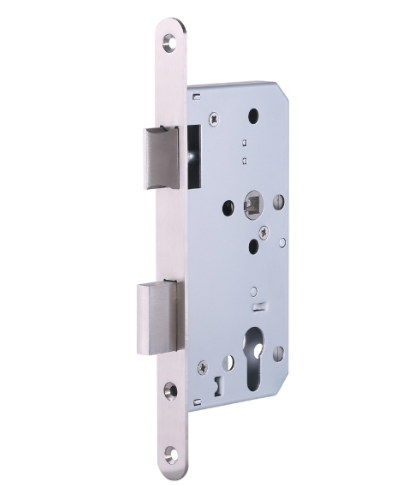
Buyers should confirm backset, centres, case size, forend size, door thickness, latch direction, cylinder type, handle follower, finish, strike plate, packaging, and certification requirements before ordering mortice locks or sashlocks. Drawings and physical samples reduce misunderstanding.
Core dimensions to confirm
When I review a new inquiry, I usually ask for technical details before giving a final production recommendation. This is especially important for OEM and ODM orders because the buyer may need a lock body that fits an existing door design or regional standard.
Here are the key measurements.
| Specification | What it means | Why it matters |
|---|---|---|
| Backset | Distance from forend to spindle/cylinder centerline | Affects handle and cylinder position |
| Centres | Distance between handle spindle and cylinder center | Must match escutcheon or plate handle |
| Case depth | Total depth of lock body | Must fit door stile width |
| Case height | Total height of lock body | Must match door cut-out |
| Forend width | Width of visible front plate | Must fit routed door edge |
| Forend length | Length of visible front plate | Must match door machining |
| Door thickness | Thickness of door leaf | Affects spindle, cylinder, screws, and accessories |
| Follower size | Spindle hole size | Must match lever handle spindle |
| Cylinder profile | Euro, oval, or other type | Must match market and key system |
| Finish | SS, brass, plated, painted, etc. | Must match handle and hinge finish |
Backset and centres deserve special attention
Two of the most common confirmation points are backset and centres.
The backset controls how far the handle and cylinder sit from the door edge. If the backset is wrong, the lock may still fit inside the door, but the handle position will not match the design.
The centres measurement controls the distance between the handle spindle and the cylinder. This matters when the buyer uses:
- Long plate lever handles
- Security escutcheons
- Euro profile cylinders
- Pre-drilled door panels
- Standardized project door sets
For example, a door set designed for 85 mm centres cannot automatically accept a 72 mm lock body without changing the handle plate or door machining. This seems simple, but it is a common source of sample rejection.
Functional details buyers should not overlook
Beyond dimensions, buyers should confirm functional details.
Latch direction and reversibility
Some locks have reversible latch bolts. Some are handed. Buyers should confirm left-hand, right-hand, inward opening, and outward opening requirements.Deadbolt throw
The deadbolt projection affects how deeply it enters the strike plate. Project specifications may require a particular throw.Spring strength
Lever handle return depends on both lock spring and handle spring. Heavy handles may need stronger spring support.Noise and smoothness
Hotels, apartments, and premium residential projects often care about closing sound and handle feel.Strike plate type
A correct strike plate supports smooth closing. A mismatch can cause rubbing, poor latching, or site adjustment.Screw positions
Screw hole location matters for door factories using CNC machining or pre-set assembly lines.
Materials, finishes, and quality control
For manufacturing quality control, buyers should also review material and production details. In our factory-side work, I see that buyers often focus on visible finishes, but internal durability depends on the full mechanism.
Important points include:
- Lock case material and thickness
- Forend material, such as stainless steel or plated steel
- Latch bolt and deadbolt material
- Spring durability
- Riveting or screw assembly quality
- Corrosion resistance requirements
- Salt spray test expectations, where relevant
- Cycle testing expectations
- Packaging protection for sea shipment
For bulk wholesalers and hardware brands, stable batch quality is often more important than one perfect sample. A good supplier should support full-process quality control, from raw material screening to production supervision and final inspection.
Documents and compliance
If the project requires CE documentation, fire-rated evidence, or other compliance documents, the buyer should not rely on a general statement. The buyer should request documents for the specific lock model and intended application.
Useful documents may include:
- Product technical drawing
- Material specification
- Test report
- Certificate copy
- Declaration of conformity, where applicable
- Fire-rated test scope, where applicable
- Installation or fitting instructions
- Inspection report after production
For application-specific decisions, I recommend qualified professional evaluation. Local codes, door assemblies, and project requirements can vary. A lock body that is suitable for one tested door set may not automatically qualify for another.
A practical buying checklist
Before confirming a mortice lock or sashlock order, buyers can use this checklist:
- [ ] Door function confirmed
- [ ] Lock type confirmed by structure, not only by name
- [ ] Backset confirmed
- [ ] Centres confirmed
- [ ] Case size confirmed
- [ ] Forend size confirmed
- [ ] Door thickness confirmed
- [ ] Cylinder type and length confirmed
- [ ] Handle type and spindle size confirmed
- [ ] Latch direction confirmed
- [ ] Strike plate confirmed
- [ ] Finish confirmed
- [ ] Certification documents reviewed, if required
- [ ] Drawing approved
- [ ] Pre-production sample approved, if needed
- [ ] Packaging and logo requirements confirmed
This checklist turns Mortice Lock VS Sashlock from a confusing comparison into a clear sourcing process.
Frequently Asked Questions
Is a sashlock a mortice lock?
Yes. A sashlock is a type of mortice lock. The term “mortice lock” describes a lock body installed inside a cut-out in the door. A sashlock is a specific mortice lock configuration with both a latch bolt and a deadbolt.
What is the main difference between a mortice lock and a sashlock?
The main difference is structure. A mortice lock is the broader installed lock body category. A sashlock is one type of mortice lock that includes two bolts: a latch bolt for normal closing and a deadbolt for key locking.
When should I choose a sashlock?
You should choose a sashlock when the door needs both daily latch closing and key-operated locking. It is commonly used with lever handles and Euro profile cylinders for bedrooms, offices, apartments, and other doors that need both convenience and security control.
Can all sashlocks be used for fire-rated doors?
No. Buyers should verify the exact model, test report, certificate scope, and door assembly requirements. Fire-rated suitability depends on tested combinations and project specifications. I recommend qualified professional review for application-specific fire-rated door projects.
What information should I send to a supplier before ordering?
You should send drawings, backset, centres, case size, forend size, door thickness, cylinder type, handle details, finish, quantity, packaging needs, and certification requirements. A physical sample or detailed photo can also help prevent specification errors.
Conclusion
The key point in Mortice Lock VS Sashlock is simple: this is not a true either-or choice. A mortice lock is the concealed lock body installed inside the door, while a sashlock is a mortice lock type with a latch bolt and deadbolt. For B2B purchasing, the best decision comes from door function, exact dimensions, handle and cylinder compatibility, and verified project documents. If you need factory-direct support for mortice lock or sashlock specifications, SDH Hardware can help review drawings, samples, customization needs, and bulk order requirements.
"Deadbolt - Wikipedia", https://en.wikipedia.org/wiki/Deadbolt. A general architectural-hardware reference defines a mortice lock by its recessed installation in the door and describes a sashlock as a mortice-lock form that combines a spring latch with a locking bolt. Evidence role: definition; source type: encyclopedia. Supports: A source should define a mortice lock as a lock fitted into a pocket or mortice in the door and describe a sashlock as a mortice lock combining latch and deadbolt functions.. Scope note: This supports the terminology and structure in general use; regional naming conventions may vary. ↩
"Mortise lock", https://en.wikipedia.org/wiki/Mortise_lock. Architectural-hardware guidance classifies mortice locks by their installation within a mortice in the door, with different internal arrangements used for latching, locking, or combined operation. Evidence role: definition; source type: institution. Supports: A source should show that mortice locks are classified by being fitted into a mortice in the door and may include different functional variants.. Scope note: The source may not use the exact phrase “lock body family,” but it can substantiate the underlying classification. ↩
"What do I need, a Rim Lock or Mortice Latch?", https://www.suffolklatchcompany.com/blogs/news/what-do-i-need-a-rim-lock-or-mortice-latch?srsltid=AU7gw4W74LTxuEtMxuM-u-ON_X7kRAYvt3T84UPDCFTX8z24hDdiUAGa. Educational door-hardware materials note that mortice locks are recessed into the door leaf, which conceals most of the case and leaves less of the mechanism exposed than surface-mounted lock types. Evidence role: general_support; source type: education. Supports: A source should explain that mortice locks are recessed into the door, leaving the case less exposed than surface-mounted or rim locks and producing a more integrated appearance.. Scope note: This provides contextual support for appearance and exposure; it does not prove superior security for every mortice lock design. ↩
"Missing CE Marking on Fire Door Hinges & Locks", https://fyrup.co.uk/articles/missing-ce-marking-fire-door-hinges-locks. Standards guidance for mechanically operated locks and fire-door hardware ties conformity and fire performance to tested products, classifications, and stated fields of application rather than to a generic lock name. Evidence role: expert_consensus; source type: institution. Supports: A source should show that locks and building hardware are assessed under specific standards, classifications, test reports, or intended applications rather than by generic product category.. Scope note: This supports the compliance principle; the applicable standard and certification route depend on jurisdiction and product type. ↩
"What Is a Sash Lock? Types, Uses & How It Works", https://www.suffolklatchcompany.com/blogs/news/what-is-a-sash-lock?srsltid=AU7gw4XDzKqgvXAoJV_SKHVN6KOrwq5PPph5o6geOsQ5fTehk0HAKOOy. Architectural-hardware references describe a sashlock as a mortice lock incorporating both a latch bolt for holding the door closed and a deadbolt for key-operated locking. Evidence role: definition; source type: institution. Supports: A source should define a sashlock as having both a latch element and a deadbolt or locking bolt.. Scope note: Terminology may differ between British, European, and North American sources, but the two-bolt structure is the relevant point. ↩
"What Is a Door Handle Spindle, How Does It Work, and How ...", https://akada-hardware.com/what-is-a-door-handle-spindle-how-does-it-work-and-how-can-i-choose-the-right-one/. Technical door-hardware explanations describe the lever spindle as passing through the lock follower, where rotation of the follower withdraws the latch bolt. Evidence role: mechanism; source type: education. Supports: A source should describe how the handle spindle engages the follower or hub in the lock to retract the latch bolt.. Scope note: This supports the common operating mechanism; exact internal geometry varies by lock design. ↩
"Euro Profile-Full Cylinder", https://www.allaboutdoors.com/Products/door-parts/hinged-residential-door-parts/Lock-Cylinders-Parts/Euro-Profile-Full-Cylinder?srsltid=AU7gw4WOlRHJsH0AMtFKYDH4VvBjgrnhuxHj15fJufeHQqSb5RIIzC8h. Technical references on cylinder locks describe the Euro profile cylinder as a standardized cylinder form used in compatible lock cases, including many mortice-lock applications. Evidence role: definition; source type: institution. Supports: A source should define the Euro profile cylinder and explain its use as a cylinder format in door locks, including mortice locks.. Scope note: This supports the cylinder format generally; it does not establish that every sashlock uses a Euro profile cylinder. ↩
"What is a Spindle and what kind do I need? - Our Blog", https://www.morehandles.co.uk/blog/more-handles-technical-guides-what-is-spindle-and-how-do-i-know-what-kind-i-need/. Door-hardware technical references commonly specify lever furniture and lock followers around an 8 mm square spindle interface, supporting the use of 8 mm as a frequent sizing example. Evidence role: general_support; source type: institution. Supports: A source should show that 8 mm square spindles or followers are a common specification for lever-operated door locks in relevant markets.. Scope note: This is market-contextual; spindle and follower sizes vary by region, product category, and accessibility or fire-door hardware requirements. ↩