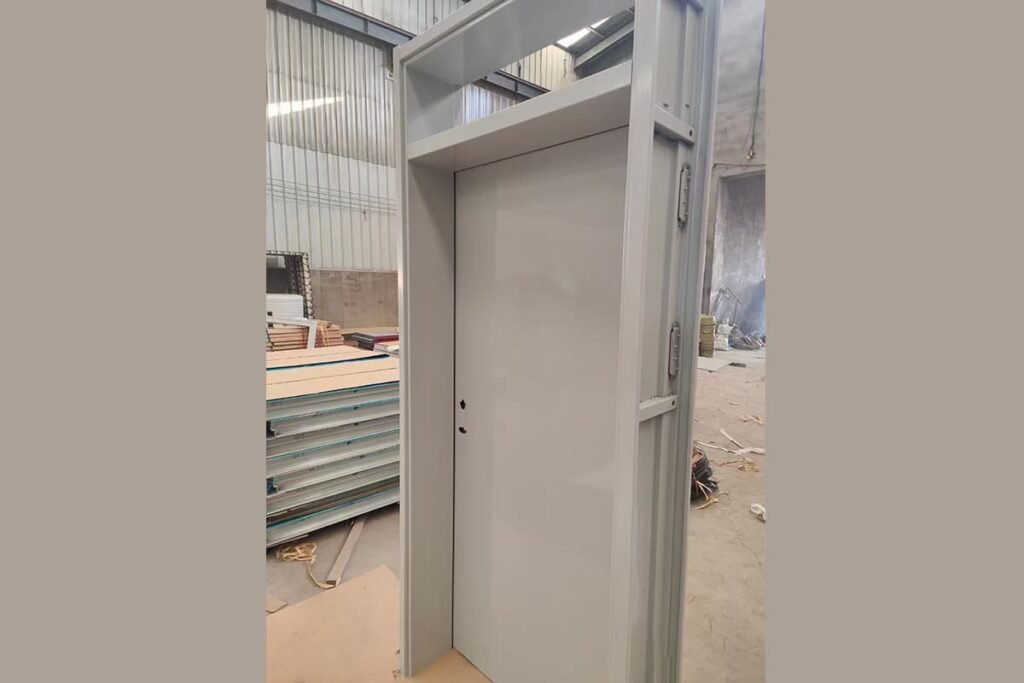
Fire Door Fire Ratings Explained: 30, 60, 90 & 120 Minutes?
Fire door fire ratings can look simple on a quotation sheet, but they often create costly confusion during procurement. Buyers may request “90-minute hardware” or a “120-minute fire door” before confirming the test standard, assembly configuration, or destination market. The safer approach is to treat the rating as a documented door-assembly classification, not a standalone product label1.
Fire door fire ratings such as 30, 60, 90, and 120 minutes describe how long a complete tested door assembly2 maintained required fire performance under a specific standard. They do not mean that one hinge, lock, handle, or closer can independently define the fire rating of the whole door set.
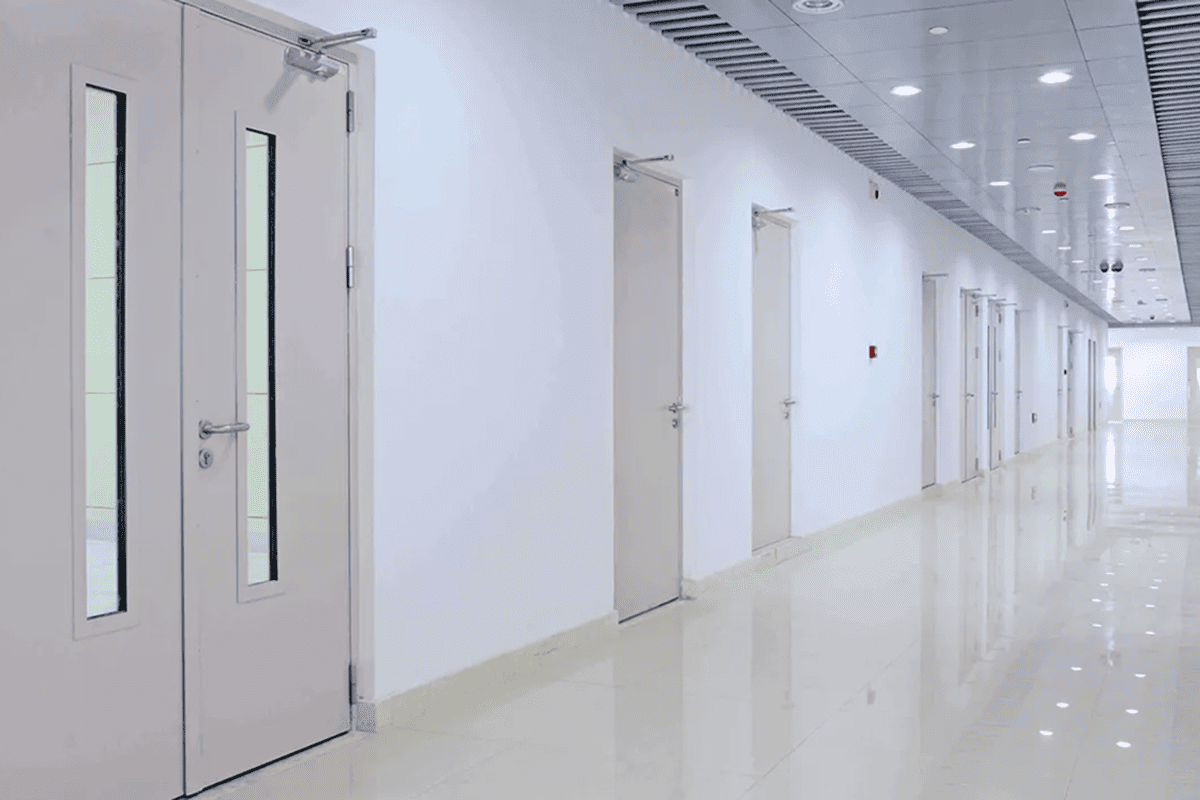
I often see the same problem in B2B sourcing conversations. A buyer asks for a fire-rated lock or hinge, but the real compliance question is broader. The door leaf, frame, seals, glass, ironmongery, installation method, and accepted certification route all matter.
What Do Fire Door Fire Ratings Actually Mean?
Fire door fire ratings are often misunderstood because the number looks like a product grade. A 120-minute label sounds stronger than a 60-minute label, so buyers may assume it is automatically better. That assumption can cause over-specification, rejected certificates, or a mismatch with local project acceptance rules.
Fire door fire ratings mean that a complete door set was tested under a defined fire test method and maintained required performance for a stated period. The rating applies only to the tested or certified configuration3, including the door leaf, frame, seals, hardware, glazing, and installation details covered by the report.

The Rating Belongs to the Assembly
The most important point is simple: a fire door rating is not created by one component alone.
A lock can be fire-rated. A hinge can have fire test evidence. A closer can be listed or certified for fire door use. However, none of these parts automatically gives the whole door assembly a 30, 60, 90, or 120-minute rating.
In practical procurement, I look at the rating in three layers:
The door assembly rating
This is the main compliance evidence. It may include the door leaf, frame, intumescent seals, smoke seals, hardware, glazing, fixing method, and installation conditions.The hardware compatibility evidence
This supports the use of hinges, locks, handles, cylinders, closers, panic devices, or accessories within the tested assembly scope.The project acceptance requirement
This decides whether the supplied documents are accepted by the local authority, consultant, contractor, or fire engineer.
A certified hinge is useful evidence. It is not the same as a certified fire door assembly.
What the Minutes Usually Indicate
The time rating shows how long the tested door assembly resisted fire exposure under the relevant standard. But the exact performance criteria depend on the test method and classification system.
| Rating Label | Common Meaning in Procurement | Important Buyer Check |
|---|---|---|
| 30 minutes | Short-duration fire resistance classification | Confirm local standard and smoke requirement |
| 60 minutes | Common project requirement for many commercial doors | Verify complete assembly and hardware configuration |
| 90 minutes | Often used in higher-risk or code-specific locations | Check accepted certification route |
| 120 minutes | Longer fire resistance classification | Avoid assuming it is required or locally accepted |
The number does not tell the whole story. A door may pass integrity but not insulation4. A door may have fire resistance evidence but lack smoke-control evidence. A certificate may cover one size, one core, one frame type, or one hardware preparation method, but not another.
Why This Matters for B2B Buyers
For door manufacturers, hardware brands, importers, and wholesalers, the risk is not only technical. It is also commercial.
A rejected certificate can delay shipment, block project approval, or create rework costs. A buyer may order a 120-minute product for a market that requires a different test route. A wholesaler may stock hardware with one fire certificate, then discover that the document does not support the door assembly required by a local project.
At SDH Hardware, we regularly handle international customer inquiries and certification-file checks related to fire-rated door hardware. In those conversations, I try to separate two questions:
- Is the hardware suitable for fire door use under a recognized test or certification document?
- Is the complete door assembly accepted for this project and market?
Those questions are connected, but they are not identical. That distinction helps buyers avoid a common compliance trap.
How Do Fire Door Fire Ratings Differ Between Europe, the UK, and the US?
Fire door fire ratings become harder to compare when projects cross regions. A buyer may see EI60, FD60S, and UL 90-minute labels and assume they are interchangeable. They are not. Each label belongs to a different testing, classification, and acceptance system.
Fire door fire ratings differ by region because standards define fire performance in different ways. European EI ratings, UK FD labels, and US UL/NFPA ratings may all use minutes, but they should not be directly converted5 without checking the test report, classification document, smoke requirement, and local approval route.

Europe: EN Classifications and EI Labels
In Europe, fire-resisting doors are commonly evaluated through EN 1634-1-related testing6 and classified under relevant European classification rules. Buyers often see labels such as:
- E30, E60, E90, E120
- EI30, EI60, EI90, EI120
- Sometimes EW classifications
The letters matter.
| European Letter | General Meaning | Buyer Reminder |
|---|---|---|
| [E | Integrity](https://tecnitexfire.com/en/blog/fire-resistance-ratings-compartmentation-elements/)%%%FOOTNOTE_REF_7%%% | The assembly resists flame and hot gas passage |
| I | Insulation | The assembly limits temperature rise on the unexposed side |
| W | Radiation | The assembly limits radiated heat under defined criteria |
An EI60 door normally indicates both integrity and insulation for 60 minutes under the relevant classification. An E60 door focuses on integrity. An EW classification addresses radiation limits. However, the required class depends on the local code, building type, location, and project specification.
I avoid saying that EI is “always required” because that is too broad. Some markets or applications may accept different classifications. The actual requirement should come from the project documentation and local regulations.
UK: FD Labels and Smoke Suffixes
In the UK, common labels include:
- FD30
- FD60
- FD90
- FD120
- FD30S or FD60S
The number refers to the nominal fire resistance period. The “S” suffix indicates smoke control. However, buyers should not assume that every FD label automatically includes insulation performance in the same way as an EI classification.
For UK-related procurement, I would check:
- The fire test evidence or assessment report.
- The scope of approved door sizes and configurations.
- The smoke-control requirement.
- The hardware schedule covered by the report.
- The project’s acceptance of the certification or assessment route.
This is especially important for hardware suppliers and importers. A hinge or lock may have fire test evidence, but the door manufacturer still needs the complete door assembly documentation to match the project requirement.
US: UL 10C, NFPA 252, and Hour-Based Labels
In the US, buyers may see fire door ratings under standards such as UL 10C or NFPA 252. Ratings may be shown as:
- 20 minutes
- 45 minutes
- 60 minutes
- 90 minutes
- 180 minutes
- 1/3 hour
- 3/4 hour
- 1 hour
- 1.5 hours
- 3 hours
These labels cannot be directly converted into European EI ratings. The test method, hose stream requirements, positive pressure conditions, labeling program, and code acceptance route may differ.
For example, a US 90-minute listed door assembly is not automatically the same as an EI90 door in Europe. The reverse is also true. A European fire classification does not automatically satisfy US project requirements unless the authority having jurisdiction accepts the evidence.
Why Regional Confusion Causes Procurement Problems
International sourcing often involves multiple documents. A door factory may ask for CE-related hardware. A Middle East project may refer to European or British fire ratings. A Southeast Asian distributor may sell to different local code environments. A US-related project may require UL-listed components or labeled assemblies.
This is why I recommend that buyers create a project standard checklist before asking suppliers for quotations.
| Procurement Question | Why It Matters |
|---|---|
| What is the destination market? | Acceptance rules differ by country and region |
| Which test standard is required? | EN, BS, UL, NFPA, and local standards are not interchangeable |
| What rating is specified? | 30, 60, 90, and 120 minutes must match the project |
| Is smoke control required? | Fire resistance and smoke leakage are separate checks8 |
| Is insulation required? | E, I, and W performance may differ |
| Who accepts the documents? | Consultants, authorities, and contractors may require specific evidence |
The best rating is not the highest number. The best rating is the one that matches the project requirement and can be supported by accepted documentation.
Which Fire Door Fire Ratings Should Buyers Specify for a Project?
Fire door fire ratings should not be selected from a catalog alone. A buyer may choose 120 minutes because it sounds more protective, but the project may only accept a 60-minute assembly under a specific standard. That creates cost, weight, lead-time, and certificate risks.
Buyers should specify fire door fire ratings according to the destination market, wall fire-resistance rating, door location, smoke-control requirement, local code, and accepted certification route. The correct choice is a project-specific compliance decision, not a simple “higher is better” selection.
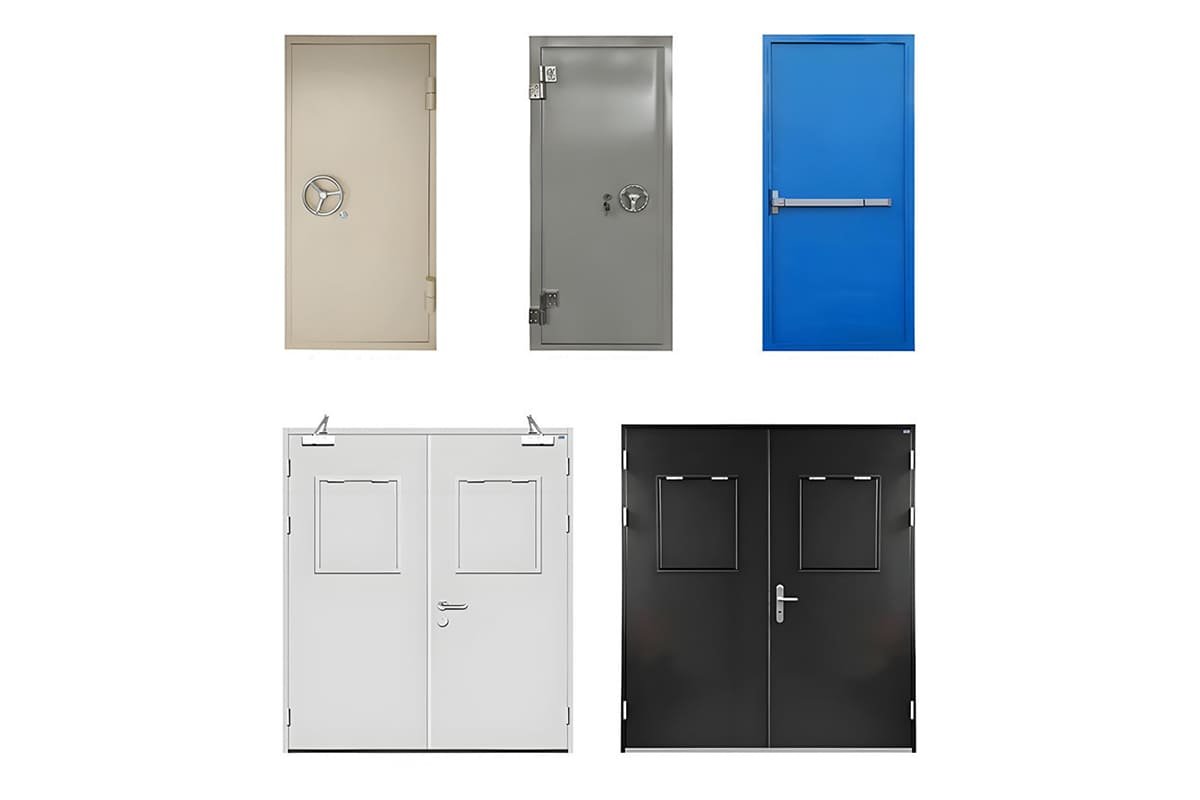
Start With the Wall and Door Location
Fire door assemblies are usually selected in relation to the wall, corridor, stairwell, service room, exit route, shaft, or compartment where the door is installed.9 A door in one location may need a different rating from a door in another location.
The same building can contain several door ratings. For example:
- A plant room door may need one classification.
- A stairwell door may need another classification.
- A corridor door may need smoke control.
- A riser door may have special access and hardware requirements.
- A hotel room entrance door may be governed by local hospitality fire rules.
The door rating should align with the fire strategy and local regulations. I always recommend that project teams verify the rating with a qualified fire consultant, architect, code specialist, or local authority where required.
Match the Rating to the Accepted Standard
A procurement team should not only write “60 minutes” on a purchase request. The standard matters.
A better specification might include:
- Required fire rating: 60 minutes
- Required classification: EI60, FD60S, or another project-defined label
- Test standard or certification route
- Smoke-control requirement
- Door leaf material and construction
- Frame type
- Hardware schedule
- Glazing details, if applicable
- Installation method
- Certificate or report acceptance requirements
This reduces ambiguity. It also helps suppliers provide correct documents instead of sending generic fire certificates.
Avoid Over-Specification
A 120-minute fire door assembly may be heavier, more expensive, and more limited in hardware options than a 60-minute assembly. It may also require different seals, frames, cores, fixings, or installation conditions.
Over-specification can create several problems:
Higher product cost
Longer fire-resistance assemblies often require more robust construction.Longer production lead time
Custom-rated assemblies may need special materials or documentation review.Hardware limitations
Not every lock, hinge, handle, closer, or accessory is covered in every rating configuration.Installation complexity
Higher-rated doors may have stricter frame, gap, seal, and fixing requirements.Certificate mismatch
A 120-minute certificate under one standard may not be accepted where a different standard is required.
In customer inquiries, I often see buyers request the highest available rating before confirming the project standard. I understand the intention. Buyers want to reduce risk. However, the better way to reduce risk is to match the rating to the project’s approved compliance route.
Door Hardware Selection Should Follow the Assembly
Fire-rated door hardware must be compatible with the door assembly. This is especially important for:
- Butt hinges
- Concealed hinges
- Mortise locks
- Lever handles
- Cylinders
- Door closers
- Panic exit devices
- Flush bolts
- Door viewers
- Kick plates
- Intumescent kits
Some hardware preparations remove material from the door leaf or frame. Mortise locks, concealed hinges, electric strikes, access control devices, and vision panels can affect fire performance if they are not included in the tested scope.10
At SDH Hardware, we manufacture and supply fire-rated architectural door hardware, including mortise locks, stainless steel lever handles, butt hinges, concealed hinges, cylinders, and accessories. When buyers ask for fire-rated hardware, I prefer to review the door type, rating target, and available assembly evidence before recommending a configuration.
A Practical Buyer Checklist
Before confirming the purchase order, I suggest that buyers ask these questions:
| Checkpoint | Buyer Question |
|---|---|
| Destination market | Where will the door be installed and approved? |
| Required label | Is the project asking for EI, FD, UL, NFPA, or another rating? |
| Fire duration | Is the required rating 30, 60, 90, 120, or another value? |
| Smoke control | Is an S or smoke leakage performance required? |
| Door construction | Is the leaf timber, steel, composite, or another type? |
| Frame type | Is the frame timber, steel, aluminum, or special profile? |
| Hardware scope | Are hinges, locks, closers, and accessories covered? |
| Report validity | Is the certificate current and traceable? |
| Installation | Does the installation match the tested configuration? |
This checklist does not replace professional code review. It helps procurement teams ask better questions before money and time are committed.
What Documents Should Support Fire Door Fire Ratings?
Fire door fire ratings can only be trusted when the documents match the supplied configuration. A certificate that looks impressive may not cover the actual door size, frame, seal, lock body, hinge type, glazing, or installation method. This is where many sourcing problems begin.
Buyers should request documents that prove the fire door fire ratings for the complete assembly and confirm that the selected hardware is included or compatible. Useful documents may include test reports, classification reports, certificates, product data sheets, installation instructions, and traceable quality records.
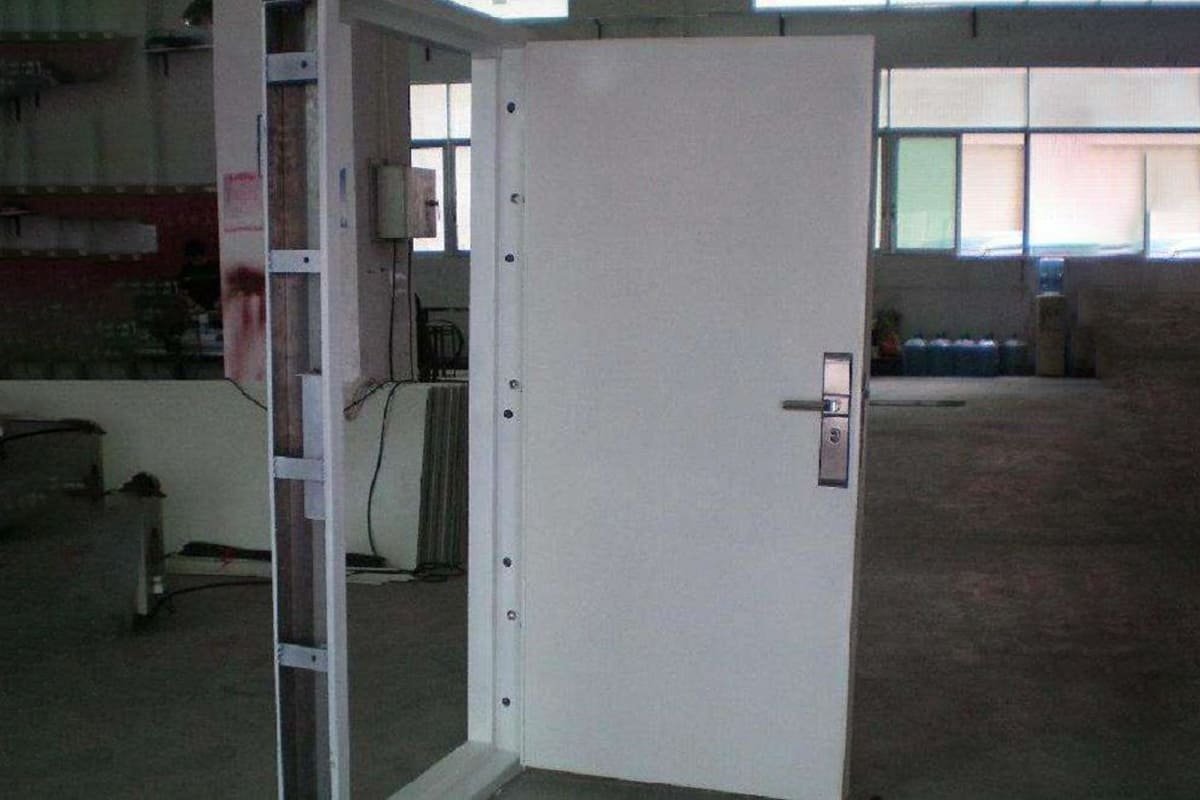
The Main Documents to Review
Different markets use different document types. However, most procurement teams should expect some combination of the following:
| Document Type | What It Helps Confirm | Buyer Caution |
|---|---|---|
| Fire test report | Test method, specimen, duration, observations | May not be a market approval by itself |
| Classification report | Formal classification such as EI60 or similar | Must match the tested scope |
| Certificate or listing | Third-party certification or product listing | Check validity, holder, and scope |
| Assessment or engineering judgment | Extended application beyond tested specimen | Acceptance varies by market |
| Product data sheet | Materials, dimensions, finishes, functions | Not enough for fire compliance alone |
| Installation instructions | Required gaps, fixings, seals, and details | Non-matching installation can void relevance |
| Hardware schedule | Exact hinges, locks, closers, and accessories | Substitutions need review |
A supplier may send a hardware certificate, and that certificate may be legitimate. Still, the buyer must confirm whether the hardware is acceptable within the complete fire door assembly.
Check the Scope, Not Just the Logo
Many buyers focus on logos such as CE, UL, UKCA, or other marks. Logos can be useful, but the scope behind the logo matters more.
I recommend checking:
Certificate holder
Who owns the certificate? Is it the manufacturer, distributor, testing body, or another company?Product model
Does the exact model match the quotation and sample?Standard version
Which test or classification standard was used?Rating duration
Is the stated duration 30, 60, 90, 120 minutes, or another rating?Door type
Does the document cover timber, steel, composite, or the actual door construction?Frame and seals
Are the frame material, intumescent strips, smoke seals, and gaps included?Hardware details
Are the hinge size, lock case, latch type, closer, cylinder, and accessories included?Limitations
Are there restrictions on size, orientation, glazing, leaf thickness, or installation?Expiry or surveillance
Is the certification still valid and under active surveillance if required?
Hardware Certificates Are Supporting Evidence
Fire-rated hardware certificates are valuable. They help buyers screen suppliers and confirm that components were evaluated for fire door applications. But they do not replace the full door assembly report.
For example, a butt hinge may have evidence for use on a fire door. However, the door assembly still depends on:
- Number of hinges
- Hinge size and material
- Screw type and length
- Door leaf weight
- Door leaf thickness
- Frame material
- Intumescent protection
- Opening direction
- Gap tolerances
- Other hardware fitted to the same door
The same logic applies to mortise locks. A lock case creates a cut-out in the door leaf. The tested protection may require intumescent kits, specific lock dimensions, or defined installation details.
Why Installation Instructions Matter
A fire door assembly can fail in practice if installation does not match the tested configuration. Gaps, seals, fixings, and hardware preparation are not small details. They are part of the tested system.
Important installation points often include:
- Maximum perimeter gap
- Threshold gap
- Seal position and size
- Frame fixing method
- Screw specification
- Hinge packing or intumescent pads
- Lock protection kit
- Closer mounting position
- Glazing bead and glass type
- Door closer force and self-closing function
In many markets, the final acceptance depends not only on the supplied product but also on correct installation and inspection. Therefore, buyers should keep installation documents with the project file.
Supplier Evaluation for Fire-Rated Hardware
When I evaluate a fire-rated hardware supplier, I look beyond price. I want to see whether the supplier can support document review and consistent production.
Useful supplier evaluation points include:
| Evaluation Area | What I Look For |
|---|---|
| Manufacturing control | Stable production lines and repeatable dimensions |
| Material control | Verified stainless steel, brass, zinc alloy, or other materials |
| Testing awareness | Ability to provide relevant test or certification files |
| Drawing support | Product drawings and installation details |
| Customization discipline | Custom changes reviewed against fire evidence |
| Inspection process | Finished-product inspection before shipment |
| Batch consistency | Same model, material, and structure as documented |
| Communication | Clear answers about scope and limitations |
SDH Hardware operates independent production lines and full-process quality control from raw material screening to finished product inspection. We can provide product documents, customization discussion, and inspection support for B2B customers. Still, I always advise buyers to verify certificates and assembly acceptance with the project’s qualified professionals or local approval bodies.
How Can Buyers Avoid Certificate Mismatch When Ordering Fire-Rated Hardware?
Fire door fire ratings often fail at the paperwork stage before they fail at the product stage. A buyer may order the correct-looking hardware, but the final project team may reject the documents because the rating, standard, model, or configuration does not match the specification.
Buyers can avoid certificate mismatch by confirming the project standard, rating label, hardware schedule, tested configuration, and document acceptance before ordering. They should also avoid substituting locks, hinges, closers, seals, or accessories unless the change is covered by the fire door assembly evidence.
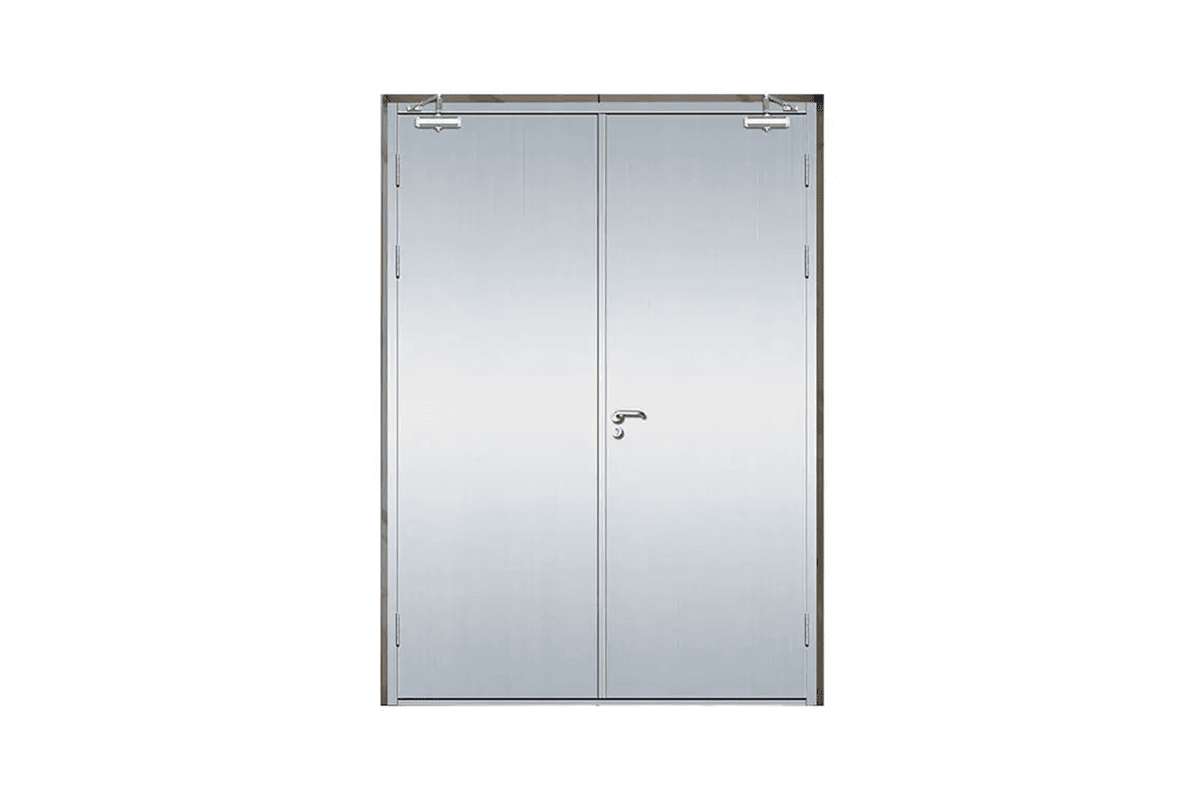
Conclusion
Fire door fire ratings are best understood as documented assembly classifications, not simple product grades. The right rating depends on the market, standard, wall rating, door location, smoke requirement, certified configuration, and project acceptance process. Hardware certificates are important, but they support rather than replace complete door assembly evidence. If you are sourcing fire-rated locks, hinges, handles, cylinders, or accessories, SDH Hardware can help you review product options, drawings, customization needs, and certification documents before production. Contact us with your project standard and hardware schedule for a practical B2B review.
"Fire Doors and NFPA 80 FAQs", https://www.nfpa.org/news-blogs-and-articles/blogs/2025/04/11/fire-doors-faqs. Authoritative fire-door standards define rated fire doors as assemblies or opening protectives, supporting the distinction between an assembly classification and a standalone product label. Evidence role: definition; source type: institution. Supports: A fire door rating is assigned to a door assembly or opening protective system rather than to an isolated item of hardware.. ↩
"All You Need to Know for Fire Rated Door Assemblies", https://safti.com/articles/fire-rated-doors-standards-testing-and-glazing-requirements/. Institutional guidance on fire-rated door assemblies explains that minute or hour labels correspond to the performance duration achieved by a tested assembly under a specified standard. Evidence role: general_support; source type: institution. Supports: Fire door minute ratings correspond to the duration for which a tested assembly satisfies criteria under a specified fire test or listing standard.. ↩
"Doors, Windows and Related Hardware Application Guide", https://www.ul.com/thecodeauthority/knowledge/ul-fire-rated-doors-guide. Fire-door certification guidance states that ratings and listings are limited to the evaluated assembly configuration, including specified components and installation conditions. Evidence role: mechanism; source type: institution. Supports: Fire-door listings and ratings depend on the components, dimensions, hardware, glazing, frame, and installation conditions included in the evaluated assembly.. ↩
"Fire-Resistant Materials and Assemblies (Maui MAT RA-4)", https://www.fema.gov/sites/default/files/documents/fema_rsl_hi-ra-4-fire-resistant-materials-and-assemblies_042025.pdf. European fire-resistance classification rules distinguish integrity from insulation, supporting the point that a door may meet one criterion without necessarily meeting the other. Evidence role: definition; source type: institution. Supports: European fire-resistance classifications distinguish integrity from insulation, allowing different classification outcomes such as E and EI.. ↩
"Common Misconceptions about Fire Door Assemblies | SDI", https://steeldoor.org/articles/01-11/. Comparative fire-safety literature notes that fire-door ratings are tied to jurisdiction-specific test methods and classification systems, so identical time periods do not by themselves establish equivalence. Evidence role: general_support; source type: research. Supports: Different jurisdictions use distinct fire-door test standards, classification criteria, and approval systems, so time labels alone do not establish equivalence.. Scope note: The source may support the general non-equivalence of standards rather than evaluate every specific label combination mentioned in the article. ↩
"EN 1634-1", https://www.architecturalarmour.com/tech-spec/security-glass/en1634-1. European standards descriptions identify EN 1634-1 as a fire-resistance test method for door and shutter assemblies, supporting its role in European fire-door evaluation. Evidence role: definition; source type: institution. Supports: EN 1634-1 is a European test method used for determining the fire resistance of door and shutter assemblies.. ↩
"Fire Resistance Ratings for Compartmentation Elements", https://tecnitexfire.com/en/blog/fire-resistance-ratings-compartmentation-elements/. European fire-resistance classification guidance defines E as integrity, I as insulation, and W as radiation, supporting the table’s terminology. Evidence role: definition; source type: institution. Supports: European classification terminology uses E for integrity, I for insulation, and W for radiation in fire-resistance classifications.. ↩
"The need and availability of test methods for measuring the ...", https://www.govinfo.gov/content/pkg/GOVPUB-C13-be70d9d591baaa955b69db286db27453/pdf/GOVPUB-C13-be70d9d591baaa955b69db286db27453.pdf. Fire-door and smoke-door standards distinguish fire-resistance testing from smoke-leakage evaluation, supporting the article’s separation of these compliance checks. Evidence role: definition; source type: institution. Supports: Smoke-leakage performance is evaluated under separate criteria or standards from fire-resistance testing of door assemblies.. ↩
"What Fire Rating Is Required for Apartment Entry Doors?", https://www.forestbright.com/apartment-entry-door-fire-rating-requirements/. Building-code guidance links required fire-door or opening-protective ratings to the rated wall, compartment, occupancy, and location, supporting the claim that door ratings are location-specific. Evidence role: general_support; source type: government. Supports: Building codes and fire-safety guidance assign opening-protective or fire-door requirements according to wall rating, occupancy, compartmentation, and door location.. Scope note: The source may provide jurisdiction-specific examples rather than a universal rule for every market. ↩
"Common Field Issues Affecting Fire Doors & Frames", https://steeldoor.org/common-field-issues-fire-doors-frames/. Fire-door inspection and installation standards restrict unapproved field modifications and hardware preparations, supporting the point that cut-outs and added components can affect rated performance. Evidence role: mechanism; source type: institution. Supports: Modifications, hardware preparations, and glazed openings in fire doors must remain within approved or listed assembly conditions because they can alter fire performance.. ↩