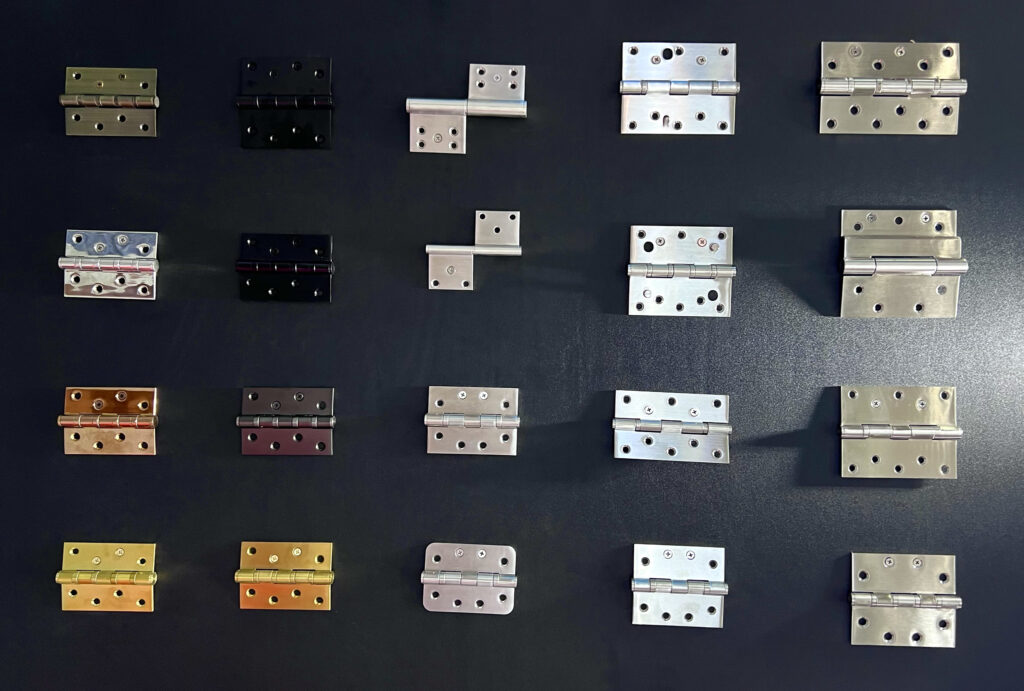
Modern Hinge Solutions: Ball Bearing, butt hinge, Oilless hinge,concealed hinge,Pivot hinge
Modern Hinge Solutions can feel simple until a door starts sagging, squeaking, contaminating a clean area, or failing an installation inspection. Buyers often compare hinge types only by price or appearance, which increases after-sales risk. I prefer to match hinge structure to load, traffic, hygiene, installation method, and project environment.
Modern Hinge Solutions should be selected by application, not by ranking one hinge type as universally best. Ball bearing hinges improve smoothness for repeated use1, butt hinges remain strong and familiar2, oilless hinges reduce lubrication contamination3, concealed hinges support hidden hardware design4, and pivot hinges create wider, design-oriented movement for selected spaces5.
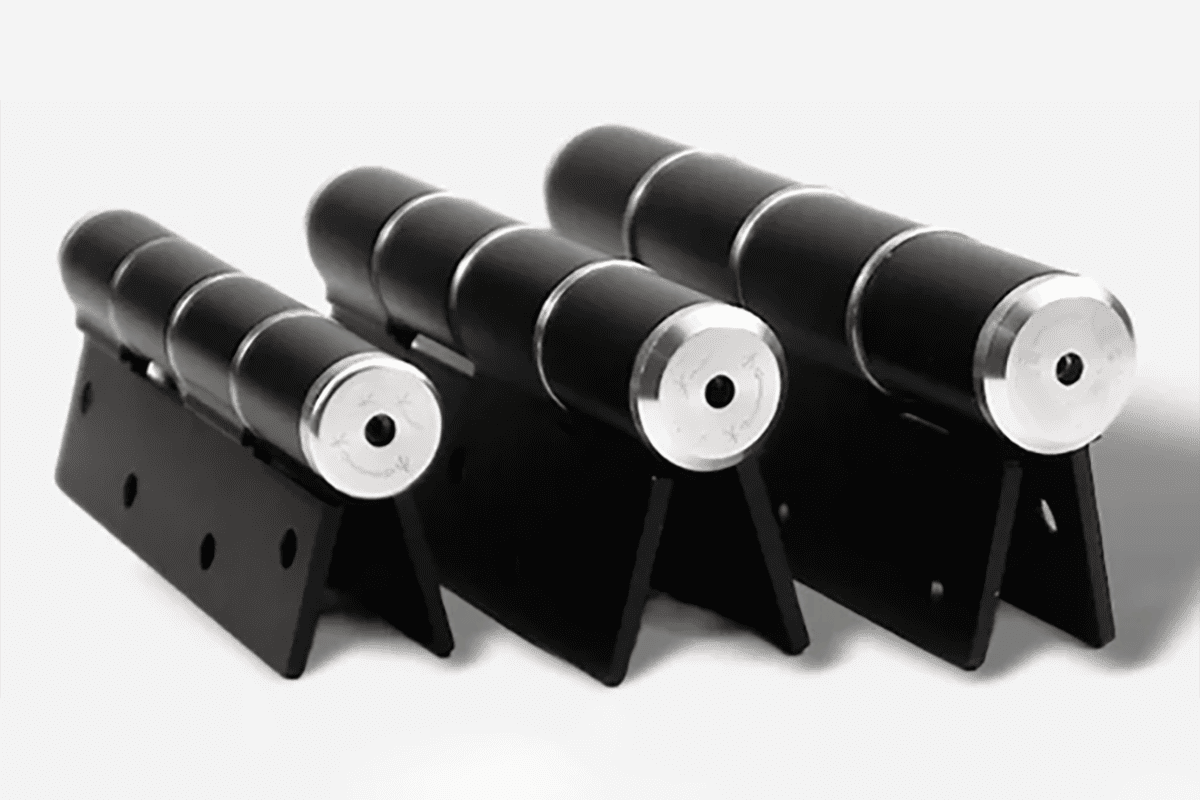
In my factory-side work with architectural door hardware, I have learned that hinge selection is usually a risk-control decision. The right choice protects door alignment, user experience, maintenance cost, and brand reputation. The sections below explain how I evaluate each hinge type before recommending it for procurement.
How Do Modern Hinge Solutions Help Buyers Match Hinges to Real Door Conditions?
A wrong hinge may look acceptable in a sample room, but it can create noise, friction, door drop, or installation complaints after repeated use. This problem becomes worse in bulk purchasing. I always start with the door condition before I discuss finish, packaging, or target price.
Modern Hinge Solutions help buyers match hinge structure to door weight, opening frequency, visual design, hygiene needs, and installer skill level. A hinge should not be chosen only because it is common or attractive. It should support the expected door movement, maintenance plan, and long-term procurement stability.
Why Structure Matters More Than the Product Name
A hinge is a small component, but it carries a large responsibility. It supports movement every time a door opens and closes. From my quality-control perspective, I look at the hinge structure first because the structure determines how force, friction, alignment, and wear are managed.
For example, a ball bearing hinge adds bearings between knuckles to improve smooth motion under repeated operation. A butt hinge uses a simple two-leaf and pin structure that remains familiar for many timber, steel, and general architectural doors. An oilless hinge uses a self-lubricating bushing inside the shaft area, which helps reduce the need for added oil. A concealed hinge hides inside the door and frame, but it requires accurate preparation. A pivot hinge changes the axis of movement by rotating the door from top and bottom pivot points.
I usually ask buyers five questions before I suggest a hinge category:
How heavy is the door?
Door material and size affect hinge stress.How often will the door open each day?
High-frequency doors need smoother movement and better wear control.6Does the space have hygiene or contamination requirements?
Laboratories, hospitals, clean rooms, and classrooms may not tolerate grease leakage7.Does the design require invisible hardware?
Minimalist interiors may need concealed hinges, but preparation must be precise.Will installers have enough adjustment tolerance?
Some hinge types are easier to install and replace than others.
| Hinge Type | Main Selection Logic | Common Buyer Concern | Typical Suitable Scenario |
|---|---|---|---|
| Ball bearing hinge | Smooth movement under repeated use | Noise, wear, opening feel | Commercial doors, frequent-use doors |
| Butt hinge | General strength and compatibility | Load support, easy sourcing | Doors and windows, standard projects |
| Oilless hinge | Clean operation without added oil | Grease contamination, maintenance | Labs, clean rooms, hospitals, classrooms |
| Concealed hinge | Hidden appearance and clean design | Accurate machining, adjustment | Minimalist interiors, design-focused doors |
| Pivot hinge | Top-bottom rotation and wide movement | Installation coordination, cost | Hotel glass doors, meeting rooms, public spaces |
At SDH Hardware, we manufacture architectural door hardware for B2B customers, so I see hinge selection as part of a complete door hardware system. Buyers should verify drawings, samples, certification documents where relevant, and project-specific requirements before confirming a bulk order. This process is slower than choosing from a catalog page, but it reduces costly mismatch.
Why Do Modern Hinge Solutions Often Use Ball Bearing Hinges for Repeated Opening?
A basic hinge can become noisy or stiff when it faces frequent daily operation.8 This creates an obvious problem for hotels, offices, schools, and public buildings. Users may not see the hinge, but they notice poor opening feel immediately. I see this issue often during product evaluation.
Modern Hinge Solutions often use ball bearing hinges when buyers need smoother opening and closing under repeated use. The common 2BB configuration balances operating feel and load support better than a plain hinge in many general applications, especially where durability, comfort, and reduced friction matter.
What Makes a Ball Bearing Hinge Different?
A ball bearing hinge includes bearing units between hinge knuckles. These bearings reduce friction during rotation. In many common architectural configurations, buyers will see 2BB ball bearing hinges9, meaning two bearing points are used to support smoother movement.
I do not describe ball bearing hinges as “always better,” because that would be too broad. I describe them as a strong option when a door has:
- Medium to high opening frequency
- A need for smoother movement
- A requirement for better operating feel
- A concern about friction-related noise
- A commercial or public-use environment
The difference may seem small in a single sample. However, in a hotel corridor, school building, office floor, or apartment project, small differences become visible after many repeated operations. A smoother hinge can reduce complaints about dragging, uneven movement, and poor tactile quality.
Where I Usually Consider Ball Bearing Hinges
I normally consider ball bearing hinges for projects where user experience matters but concealed hardware is not required. These hinges are still visible, but they can be produced in finishes that match lever handles, locks, and other door accessories.
Common selection scenarios include:
- Interior commercial doors
- Apartment entry or internal doors
- Office doors
- School or institutional doors
- Hotel guest room or service doors
- Doors where standard hinge installation is preferred
From a procurement view, buyers should evaluate more than the bearing label. I recommend checking:
| Evaluation Point | Why It Matters |
|---|---|
| Leaf thickness and material | Supports door weight and long-term stability |
| Pin and bearing quality | Affects smoothness and wear behavior |
| Hole position accuracy | Helps installation alignment |
| Surface finish consistency | Matters for brand presentation and batch matching |
| Packaging protection | Reduces scratches during export and handling |
At SDH Hardware, my team treats hinge samples as more than display pieces. We check raw material quality, machining accuracy, surface treatment, and finished product inspection according to the order requirements. Buyers should still confirm application-specific load and door details with qualified professionals or project engineers, especially for fire-rated doors, heavy doors, or regulated building applications.
When Is a Butt Hinge Still the Most Practical Choice in Modern Hinge Solutions?
Some buyers assume traditional hinge types are outdated, but this can lead to over-specification and unnecessary cost. A project may not need hidden movement or special bushing design. I often remind customers that simple structure can be valuable when strength, compatibility, and easy replacement matter most.
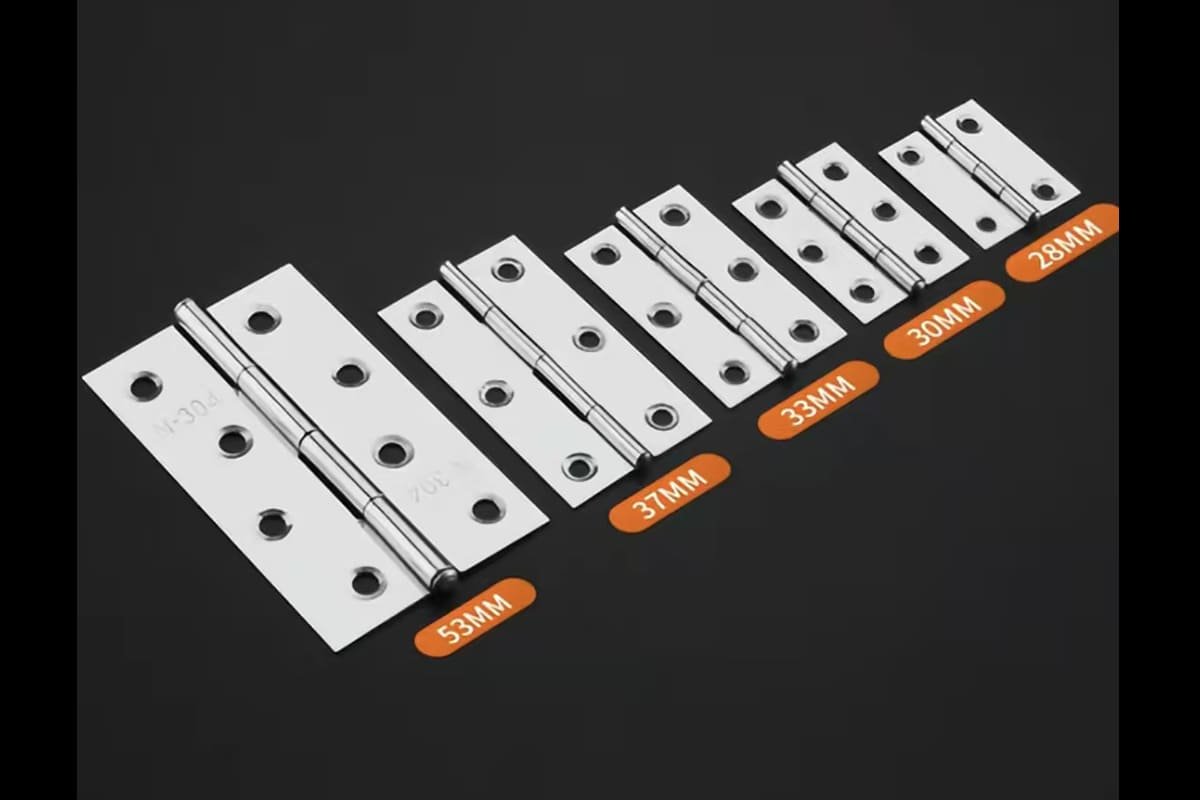
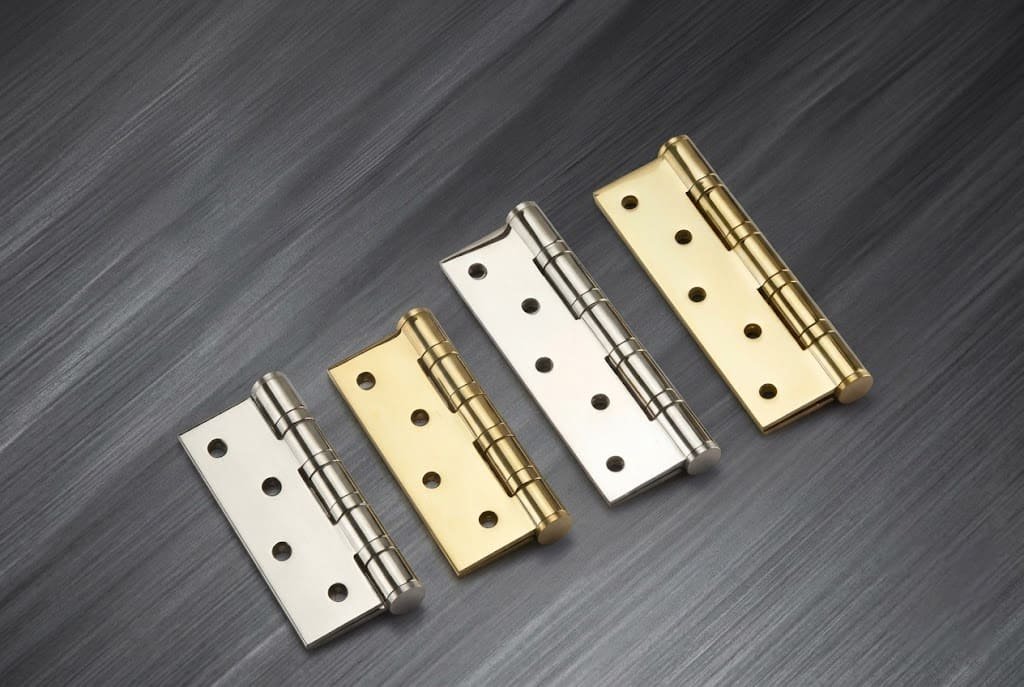
A butt hinge remains a practical choice in Modern Hinge Solutions because its two-leaf and pin structure is familiar, strong, and widely compatible. It is commonly used on doors and windows where buyers need reliable support, standard installation, broad availability, and simple maintenance rather than invisible hardware.
Why the Butt Hinge Remains Widely Used
A butt hinge has two leaves joined by a pin through interlocking knuckles.10 This structure is simple, but simple does not mean weak or outdated. In many architectural projects, a butt hinge is still the first hinge type that installers understand and trust.
I usually recommend butt hinges when buyers value:
- Standardized installation
- Broad door and frame compatibility
- Strong general support
- Easy replacement
- Simple inventory management
- Cost-effective procurement
For door manufacturers and wholesalers, inventory simplicity matters. A hinge that fits many door models can reduce SKU pressure. A familiar hinge also lowers communication problems between the buyer, factory, installer, and project contractor.
Butt Hinge Selection Factors
A butt hinge should still be evaluated carefully. Buyers sometimes focus on dimensions only, such as length and width, but several other details affect real performance.
| Selection Factor | What I Check in Production or QC |
|---|---|
| Material type | Stainless steel, steel, brass, or other specified material |
| Leaf thickness | Consistency and suitability for door weight |
| Pin fit | Smooth rotation without excessive looseness |
| Knuckle forming | Clean rolling and stable alignment |
| Screw hole accuracy | Easy installation and reduced adjustment issues |
| Finish quality | Surface consistency across bulk batches |
I also consider whether the hinge will be used on a timber door, metal door, window, cabinet-style opening, or commercial entrance. The basic name “butt hinge” does not define the complete product. Size, thickness, material, finish, screw configuration, and packaging all matter.
Where a Butt Hinge Is a Strong Fit
A butt hinge is often suitable for:
General residential doors
Buyers can keep cost and compatibility under control.Standard commercial doors
Installers understand the product and can replace it easily.Windows and lighter architectural openings
The hinge format is familiar and adaptable.Wholesale hardware programs
Brands can stock common specifications for multiple markets.Door factory production lines
Standard hinge preparation can improve assembly efficiency.
However, a butt hinge may not be the best choice if the project demands a completely hidden look, special hygiene control, or pivot-style movement. I see it as a dependable baseline within Modern Hinge Solutions, not as a universal answer.
For bulk orders, I recommend buyers request drawings and samples before final confirmation. If the project requires CE or fire-rated documentation, buyers should verify the actual certificate, scope, product model, and applicability to the door system.11 A hinge certificate should not be treated as a general promise for every installation.
Why Should Modern Hinge Solutions Include Oilless Hinges for Clean Environments?
Lubrication can solve friction, but it can also create contamination. In sensitive spaces, visible grease or oil residue may cause complaints from facility managers. I have seen buyers overlook this point when they choose only by strength or price. Clean operation deserves attention.
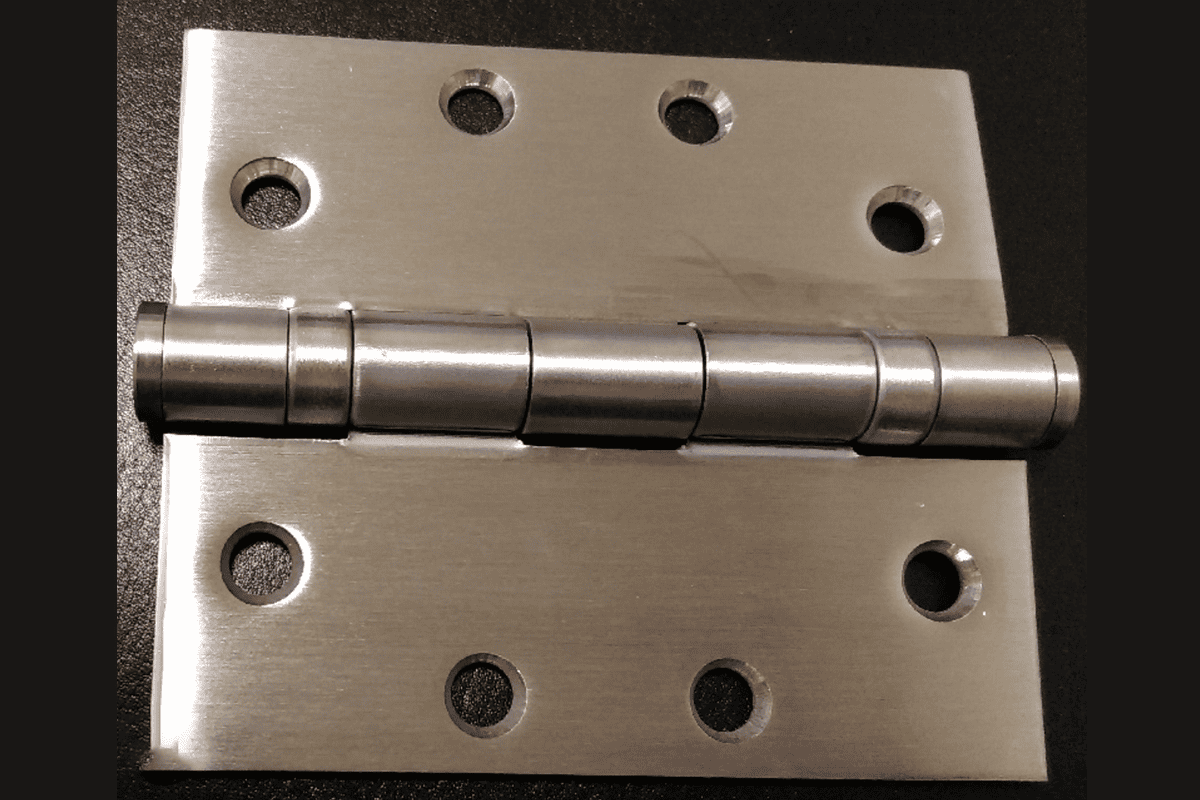
Modern Hinge Solutions should include oilless hinges for environments where cleanliness and low maintenance are important. An oilless hinge uses a self-lubricating bushing inside the shaft area, reducing the need for added oil and lowering grease contamination risk in laboratories, clean rooms, hospitals, classrooms, and similar spaces.
What Is the Practical Value of an Oilless Hinge?
An oilless hinge is designed to reduce reliance on external lubricant. The self-lubricating bushing helps the hinge rotate smoothly without frequent oil application. This can be useful in places where oil marks, grease dust, or maintenance access are concerns.
I pay attention to oilless hinges when the project environment includes:
- Hygiene-sensitive rooms
- Educational spaces with frequent use
- Healthcare facilities
- Laboratory doors
- Clean rooms
- Public buildings with limited maintenance time
The benefit is not only cleanliness. It is also maintenance planning. If a building manager must regularly lubricate many doors, labor cost and inconsistency increase. Some doors may receive too much oil. Others may receive none. An oilless design helps reduce that dependency.
Oilless Hinge vs. Standard Lubricated Hinge
| Factor | Oilless Hinge | Standard Lubricated Hinge |
|---|---|---|
| Lubrication method | Self-lubricating bushing | Added oil or grease may be used |
| Cleanliness | Better for grease-sensitive areas | May create residue if over-lubricated |
| Maintenance | Lower routine lubrication need | May need more attention over time |
| Typical environments | Labs, hospitals, clean rooms, classrooms | General residential and commercial doors |
| Buyer focus | Hygiene, consistency, maintenance reduction | Cost, availability, standard use |
How I Evaluate Oilless Hinges in Procurement
When I discuss oilless hinges with a buyer, I do not only ask where the hinge will be installed. I ask how the facility will be cleaned, how often the door will be used, and whether visible oil marks would cause a complaint. These questions help me decide whether oilless design is useful or unnecessary.
Important evaluation points include:
Bushing material and fit
The bushing must support smooth movement without unstable looseness.Leaf strength and door suitability
The oilless feature does not replace structural evaluation.Surface treatment
Clean environments often require surfaces that are easy to wipe and visually consistent.Installation accuracy
Even a good oilless hinge can perform poorly if door and frame alignment are wrong.Maintenance instructions
Buyers should clarify what maintenance is allowed or not allowed in the project.
I see oilless hinges as a targeted solution, not a fashionable upgrade. They make the most sense when lubrication itself creates a risk. For a basic storage room, the feature may not be necessary. For a hospital corridor or classroom building with strict maintenance routines, it may help reduce long-term complaints.
For professional projects, I recommend that procurement teams involve facility managers, door manufacturers, and technical installers early. A hinge should match not only the door but also the cleaning process and maintenance policy.
When Do Concealed Hinges Make Sense Beyond Appearance?
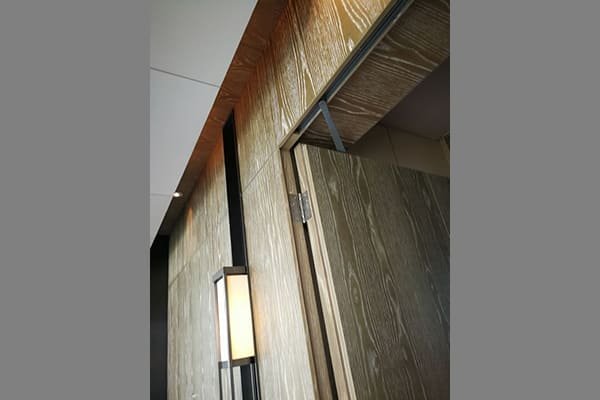
A concealed hinge can make a door look clean and modern, but design appeal can hide installation risk. If the door, frame, or routing is inaccurate, the hinge may be difficult to adjust. I always treat concealed hinges as a precision product, not only a decorative choice.
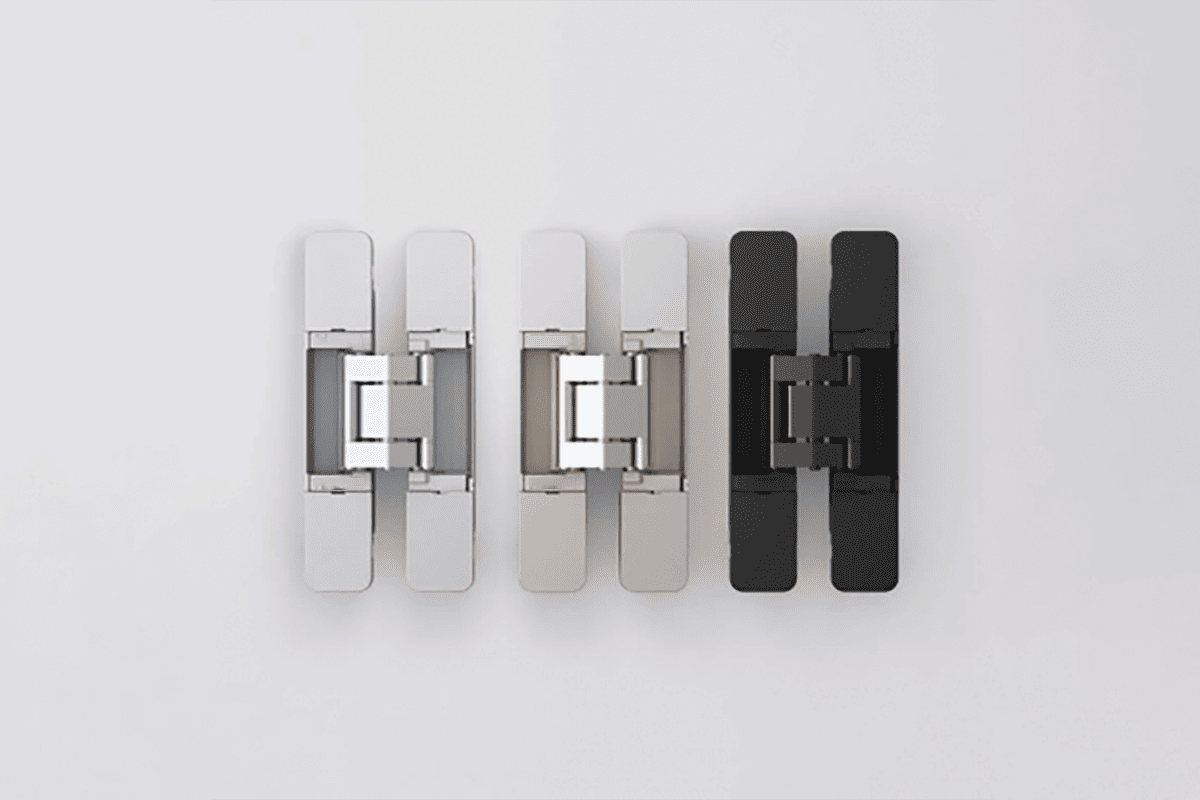
Concealed hinges make sense when Modern Hinge Solutions must support invisible hardware, minimalist design, and clean door lines. They are installed inside the door and frame, so they disappear when the door is closed. However, they require accurate preparation, careful installation, and suitable adjustment control.
Why Concealed Hinges Require More Planning
A concealed hinge is hidden when the door is closed. This creates a clean visual effect. Many architects and interior designers like this result because the door surface stays simple and uninterrupted.
However, concealed hinges also create technical requirements. The door and frame must be routed or machined accurately. The hinge body needs enough space inside the structure. The installer must align the door carefully. If these steps are not controlled, the final door may bind, rub, or sit unevenly.
I usually tell buyers that concealed hinges are not just “premium hinges.” They are precision installation components. They can be excellent, but they need the right door construction and installer capability.
Concealed Hinge Selection Checklist
| Question | Why I Ask It |
|---|---|
| Is the door thick enough for the hinge body? | The hinge must fit safely inside the door edge |
| Can the frame be prepared accurately? | Poor routing causes misalignment |
| Is adjustment required after installation? | Many projects need fine-tuning on site |
| Does the door need fire-rated compliance? | Buyers must verify product and system documents |
| Are installers trained for this hinge type? | Concealed hinges are less forgiving than basic butt hinges |
Where Concealed Hinges Work Well
Concealed hinges are often selected for:
- Minimalist interior doors
- High-end apartments
- Office interiors
- Flush doors
- Hotel rooms or design-focused suites
- Projects where visible hardware must be reduced
I also see hardware brands use concealed hinges to build a more complete architectural product line. The hinge supports a modern design language, especially when paired with magnetic locks, stainless steel lever handles, and clean door accessories.
Still, concealed hinges are not always the best choice. They may increase machining time, installation difficulty, and unit cost. They may also require more detailed drawings and better factory coordination. If a project has low installer skill or inconsistent door preparation, a standard hinge may reduce risk.
At SDH Hardware, we support B2B buyers with product drawings after order confirmation and can discuss specifications, surface treatments, and accessory configurations. Even so, I recommend project teams verify door structure, load requirements, fire-rated needs, and installation details with qualified professionals before bulk use. A concealed hinge works best when design intent and manufacturing precision move together.
How Do Pivot Hinges Change Door Movement in Modern Hinge Solutions?
A side-hung door is familiar, but it is not always the best movement style. Some spaces need wider, smoother, or more design-oriented motion. If buyers use standard hinges where pivot movement is expected, the result may feel heavy, awkward, or visually wrong.
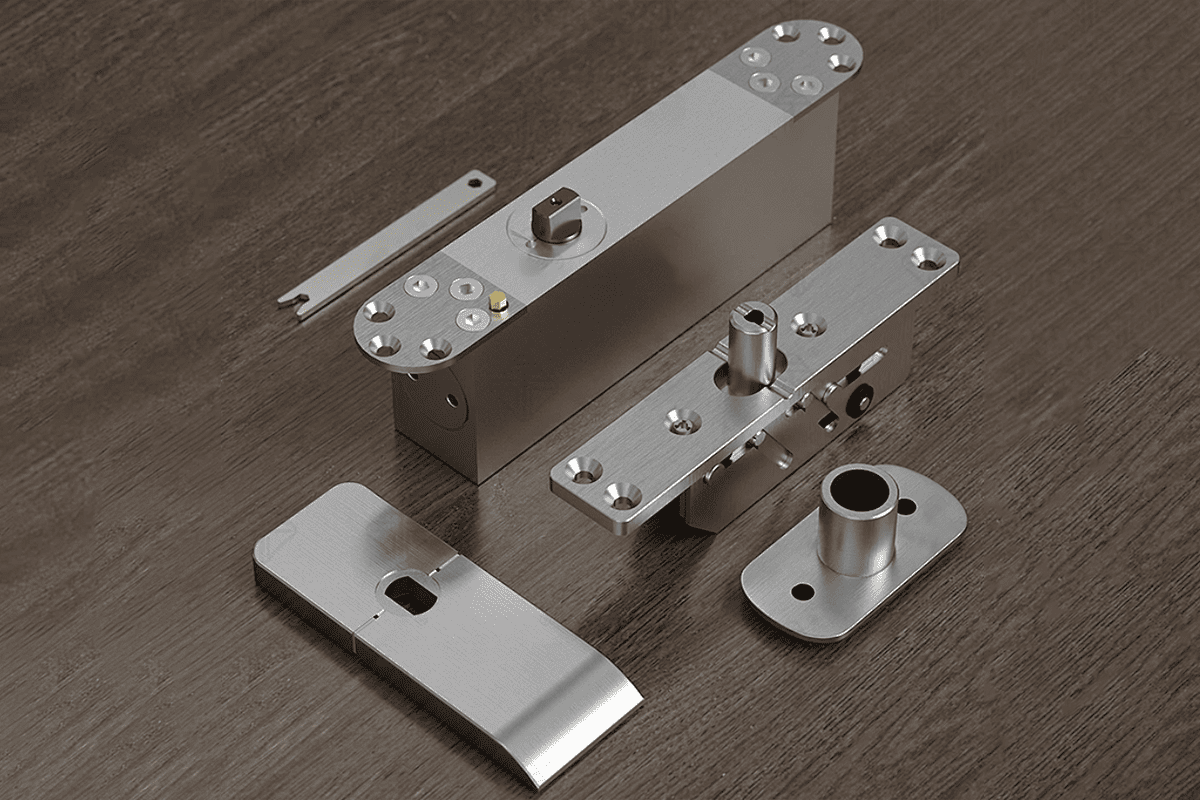
Pivot hinges change door movement by supporting rotation from top and bottom pivot points instead of side-mounted hinge leaves.12 In Modern Hinge Solutions, pivot hinges are often considered for hotel glass doors, meeting rooms, public spaces, and design-focused interiors where movement style and visual impact matter.
What Makes a Pivot Hinge Different?
A pivot hinge changes the rotation axis. Instead of hanging the door along the side edge with several hinges, the door rotates around pivot hardware located at the top and bottom. This can create a distinctive movement experience and a cleaner side profile.
I see pivot hinges used where the door is part of the design statement. They are common in spaces such as:
- Hotel glass doors
- Meeting rooms
- Public entrances
- Office partitions
- Showroom doors
- Large design-oriented openings
The pivot style can allow a different visual balance because the door does not rely on the same visible side-hinge layout. In glass or modern interior applications, this can be important.
Pivot Hinge Advantages and Trade-Offs
| Factor | Pivot Hinge Consideration |
|---|---|
| Movement style | Door rotates around top and bottom pivot points |
| Design effect | Supports clean, modern, and open visual concepts |
| Installation | Requires accurate alignment of upper and lower pivot points |
| Floor/ceiling coordination | May need closer coordination with site conditions |
| Maintenance | Hardware access and adjustment should be planned |
| Suitability | Best for selected applications, not every standard door |
Why Pivot Hinges Need Careful Coordination
A pivot hinge is not only a different product. It changes how the door system works. The top and bottom pivot points must align properly. The floor, frame, ceiling, or header condition may affect installation. Glass doors may require special fittings and professional handling.
I do not recommend pivot hinges simply because they look modern. I recommend them when the door design, structure, and site conditions support pivot movement. If the project needs basic, low-cost, simple replacement hardware, pivot hinges may be unnecessary. If the project needs a wide, smooth, design-led opening, pivot hardware may be the right direction.
Procurement teams should clarify these points early:
Door material
Glass, timber, aluminum, and metal doors require different hardware planning.Door size and expected usage
Larger or frequently used doors need careful professional evaluation.Site condition
Floor level, ceiling fixing, and frame structure must support the pivot design.Adjustment access
Installers need a clear method for alignment and future service.Matching hardware
Locks, handles, floor springs, or door closers may need to coordinate with pivot movement.
Conclusion
Modern Hinge Solutions work best when buyers match hinge structure to real door conditions instead of choosing by appearance or price alone. Ball bearing, butt, oilless, concealed, and pivot hinges all solve different problems. I suggest evaluating load, usage frequency, cleanliness, design intent, installation precision, and long-term maintenance before ordering. If you need factory-direct hinge support, SDH Hardware can help review specifications, customization options, samples, drawings, and quality-control requirements for your next B2B door hardware project.
"Hinge", https://en.wikipedia.org/wiki/Hinge. Reference works on hinges describe ball‑bearing butt hinges as incorporating ball bearings between the knuckles to decrease friction and improve smoothness, making them suitable for heavy or frequently used doors. Evidence role: mechanism; source type: encyclopedia. Supports: That ball-bearing butt hinges place ball bearings between knuckles to reduce friction and yield smoother motion, especially on frequently used or heavier doors.. Scope note: This support explains the mechanical principle; actual performance depends on hinge grade, door mass, and installation quality. ↩
"Hinge", https://en.wikipedia.org/wiki/Hinge. Encyclopedic treatments of door hardware identify the butt hinge as the standard two‑leaf, pin‑joined hinge widely used on doors and windows in architectural applications. Evidence role: general_support; source type: encyclopedia. Supports: That butt hinges are the standard two‑leaf, pin‑connected hinge commonly used on doors and windows.. ↩
"Performance of PTFE-Lined Composite Journal Bearings", https://ntrs.nasa.gov/api/citations/19820009389/downloads/19820009389.pdf. Engineering literature on self‑lubricating plain bearings (e.g., sintered bronze or PTFE‑lined bushes) notes that such designs operate with little to no added grease, thereby limiting lubricant residues that could contaminate nearby surfaces. Evidence role: general_support; source type: research. Supports: That self‑lubricating bushings or bearings can provide low‑friction operation without external oil or grease, reducing lubricant residues.. Scope note: The evidence supports the principle of self‑lubricating components; actual contamination control depends on the specific hinge design and environment. ↩
"Concealed hinge jig", https://en.wikipedia.org/wiki/Concealed_hinge_jig. Reference articles on concealed hinges describe them as being recessed within the door and frame so that they are hidden when the door is shut, supporting minimalist design objectives. Evidence role: definition; source type: encyclopedia. Supports: That concealed hinges are recessed into the door and frame so they are not visible when the door is closed, yielding a clean appearance.. ↩
"What is a pivot door? Detailed explanation by FritsJurgens", https://www.fritsjurgens.com/inspiration/blog/what-is-a-pivot-door. Encyclopedic summaries of pivot doors note that they rotate around top and bottom pivots rather than edge‑mounted hinges, producing a distinctive movement often used in modern, design‑oriented interiors and for larger door leaves. Evidence role: general_support; source type: encyclopedia. Supports: That pivot door systems rotate about top and bottom pivots, offering a different movement and commonly being used in modern, design‑focused settings and larger openings.. Scope note: Suitability for wider openings depends on structural design, hardware capacity, and site conditions. ↩
"A156.1 - 2025 Butts and Hinges", https://buildershardware.com/ANSI-BHMA-Standards/Hardware-Highlights/A1561-2025-Butts-and-Hinges. Architectural hardware standards classify hinges by tested cycle counts and performance grades, indicating that higher‑frequency applications require hinges designed for durability and smooth operation consistent with those grades. Evidence role: expert_consensus; source type: institution. Supports: That hinge standards (e.g., ANSI/BHMA or EN 1935) classify hinges by cycle testing and performance grades, implying higher‑frequency doors require hinges with greater durability and smoother operation.. Scope note: Specific grade selection depends on door mass, usage pattern, and regulatory context. ↩
"Recommendations for Disinfection and Sterilization in ...", https://www.cdc.gov/infection-control/hcp/disinfection-sterilization/summary-recommendations.html. University cleanroom manuals and healthcare environmental control guidance caution against oil and grease residues because they introduce particulates or films that can compromise contamination‑controlled spaces. Evidence role: expert_consensus; source type: education. Supports: That cleanroom and healthcare facility protocols commonly restrict or control the use of oil/grease due to contamination risks.. Scope note: Policies vary by institution and classification; project‑specific requirements should be verified. ↩
"Tribology", https://en.wikipedia.org/wiki/Tribology. Mechanical engineering and tribology texts explain that repeated contact in joints increases friction and wear when not adequately borne or lubricated, which can manifest as greater resistance and noise in hinges under high‑cycle use. Evidence role: mechanism; source type: education. Supports: That repeated sliding/rolling contact without adequate bearing design or lubrication increases friction and wear, which can raise operating torque and produce noise in joints like hinges.. Scope note: This is a general mechanical principle; actual hinge performance varies with materials, lubrication, and construction. ↩
"BB 2 Ball Bearing Door Hinge", https://www.pdqlocks.com/products/bb-door-hinge. Industry glossaries and standards summaries for builders' hardware indicate that labels such as “2BB” specify the number of ball‑bearing units in a hinge knuckle, with 2BB denoting two bearings. Evidence role: definition; source type: other. Supports: That the designation “2BB” in hinge specifications indicates two ball‑bearing units in the hinge knuckle and is used in industry descriptions.. Scope note: Notation practices may vary by region and standard; the label is descriptive rather than a universal formal standard. ↩
"Hinge", https://en.wikipedia.org/wiki/Hinge. Encyclopedic sources define a butt hinge as two leaves whose interlocking knuckles are secured by a pin, forming the common door hinge assembly. Evidence role: definition; source type: encyclopedia. Supports: That a butt hinge consists of two leaves with interlocking knuckles joined by a pin.. ↩
"Decoded: NFPA 80 Requirements for Hinges, Pivots, and Continuous ...", https://idighardware.com/2016/07/decoded-nfpa-80-requirements-for-hinges/. Fire door standards such as NFPA 80 require door assemblies and their hardware—including hinges—to be appropriately listed and labeled for the application, underscoring the need to verify certificates, scope, and product applicability. Evidence role: expert_consensus; source type: institution. Supports: That fire door standards require hinges and hardware to be listed/labeled for use on rated door assemblies, implying the need to verify certification applicability.. Scope note: Requirements and referenced standards can vary by jurisdiction and code adoption. ↩
"Hinge", https://en.wikipedia.org/wiki/Hinge. Reference descriptions of pivot door systems state that the door rotates on pivots located at the top and bottom, distinct from side‑mounted butt hinges. Evidence role: definition; source type: encyclopedia. Supports: That pivot door systems rotate about top and bottom pivot points rather than edge‑mounted leaf hinges.. ↩