
What Are Anti Snap Locks & Bump Resistant Locks?
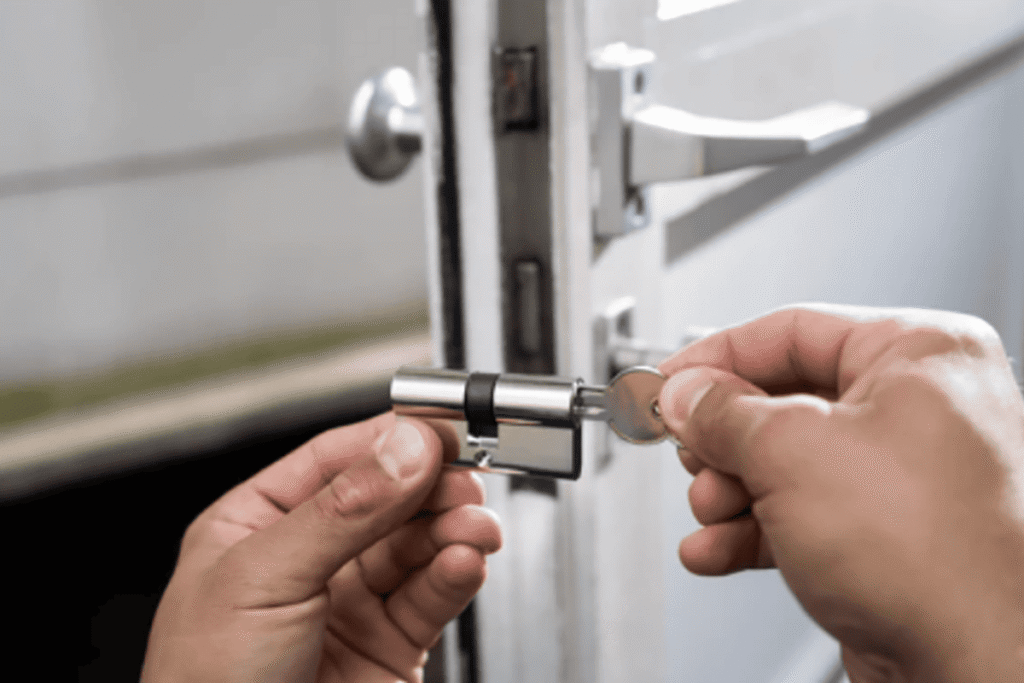
Anti Snap Locks & Bump Resistant Locks are often grouped together as “high-security locks1,” but that shortcut can create costly specification mistakes. Buyers may choose the wrong cylinder, make unclear marketing claims, or overlook the real attack risk. I prefer to separate the functions first, then match the right hardware to the door, market, and project.
Anti-snap locks protect the cylinder from forced breaking by using a sacrificial snap line near the outside face, while bump resistant locks should refer to resistance against bump-key manipulation inside the cylinder. If the feature is a stronger deadbolt against sawing, prying, or kicking, it is better described as reinforced deadbolt or anti-saw protection.
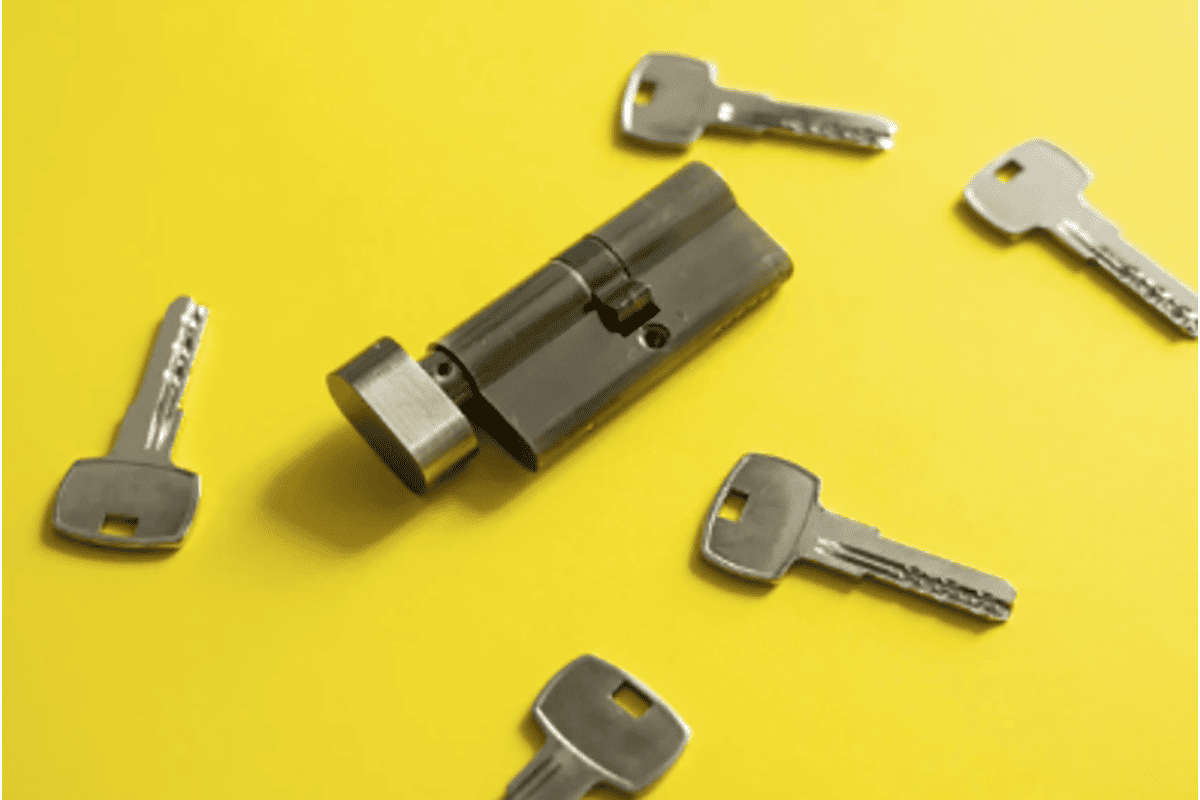
In my work with door factories, hardware brands, and importers, I often see one phrase used to describe several different protections. That is risky. A cylinder can be anti-snap, anti-bump, anti-pick, anti-drill, or paired with an anti-saw lock body, but each feature works in a different place.
How Do Anti Snap Locks & Bump Resistant Locks Work Differently?
Security terms sound simple until a buyer needs to write a purchase specification. Anti Snap Locks & Bump Resistant Locks may both improve door security, but they do not protect against the same attack. If I mix the terms, I may order a strong-looking lock that does not solve the actual problem.
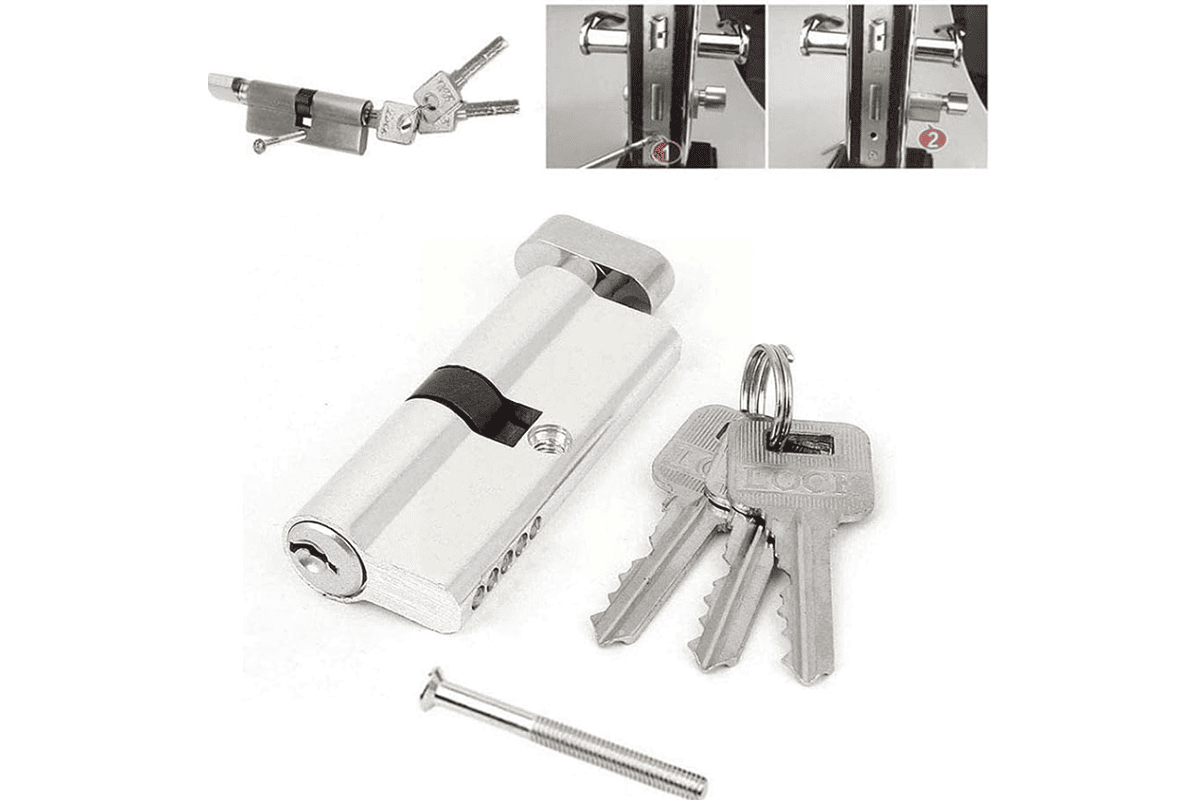
Anti-snap protection is mainly a Euro cylinder body design2 that controls where the cylinder breaks during a snapping attack. Bump resistance is mainly a key and pin mechanism design that reduces the chance of bump-key manipulation. Reinforced deadbolts protect against sawing, prying, impact, and forced entry.
The short difference
I usually explain the difference to B2B buyers like this:
| Security feature | Main component | Main attack resisted | Better description |
|---|---|---|---|
| Anti-snap cylinder | Euro cylinder body | Cylinder snapping or twisting | “Break outside, protect inside” |
| Anti-bump cylinder | Keyway, pins, springs, mechanism | Bump-key manipulation | Bump resistant cylinder |
| Anti-saw bolt | Deadbolt material and inserts | Sawing through the bolt | Hardened or reinforced deadbolt |
| Anti-pry lock body | Case, bolt throw, strike plate | Levering or forced prying | Forced-entry resistant lock |
| Anti-drill cylinder | Cylinder front, pins, inserts | Drilling into plug or body | Drill-resistant cylinder |
Why the distinction matters
When a customer asks me for “bump resistant locks,” I always ask one follow-up question:
“Do you mean resistance against a bump key, or do you mean a stronger deadbolt against impact and sawing?”
This question prevents confusion. In standard lock terminology, lock bumping3 means using a specially cut bump key to transfer force through the pins and momentarily align the shear line4. That is a cylinder/key mechanism issue. It is not solved only by changing a normal deadbolt to a thicker or harder bolt.
However, in some markets, people use “bump resistant” more loosely. They may mean a lock that can resist physical impact, kicking, or cutting. In that case, I would use clearer terms such as:
- Reinforced deadbolt
- Anti-saw bolt
- Hardened steel bolt
- Thickened anti-pry deadbolt
- Forced-entry resistant lock body
A practical procurement example
A door factory may sell a mid-range steel door in a market where cylinder snapping is common5. In that case, an anti-snap Euro cylinder is highly relevant. A different customer may supply apartment entrance doors where cutting and prying risks are more important. That buyer may need a lock body with a hardened steel deadbolt, stronger strike plate, and suitable screw fixing.
For architectural hardware procurement, the correct decision is rarely “choose the strongest label.” The better decision is:
- Identify the likely attack method.
- Choose the component that addresses that method.
- Verify the claimed performance with product drawings, samples, and documents.
- Confirm compatibility with the door thickness, handle set, escutcheon, and lock body.
- Test the full door assembly where project requirements demand it.
At SDH Hardware, I treat Anti Snap Locks & Bump Resistant Locks as separate specification topics because the buyer needs clarity before sampling, branding, packaging, and certification review.
Why Do Anti Snap Locks & Bump Resistant Locks Need Separate Specifications?
A vague security label may look attractive in a catalog, but it can cause problems during inspection, sales training, and after-sales support. Anti Snap Locks & Bump Resistant Locks need separate specifications because the buyer must know which part is being upgraded and which claim can be supported.
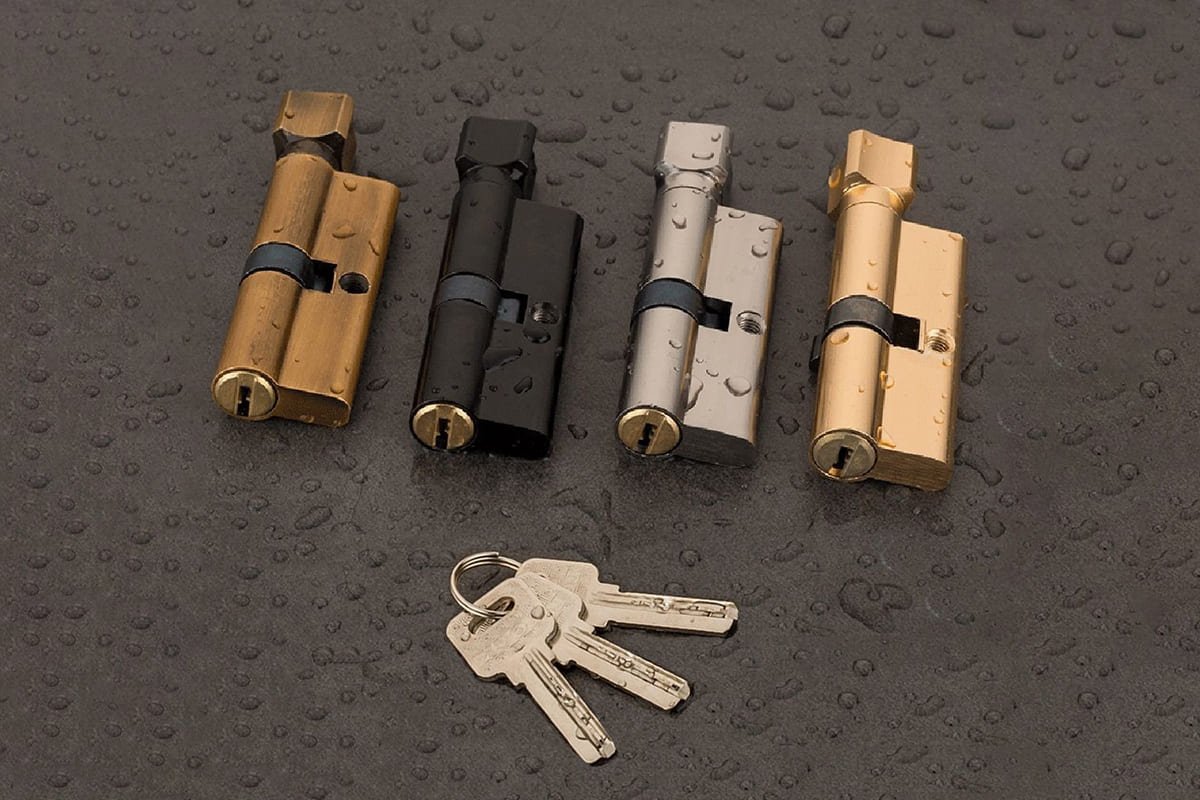
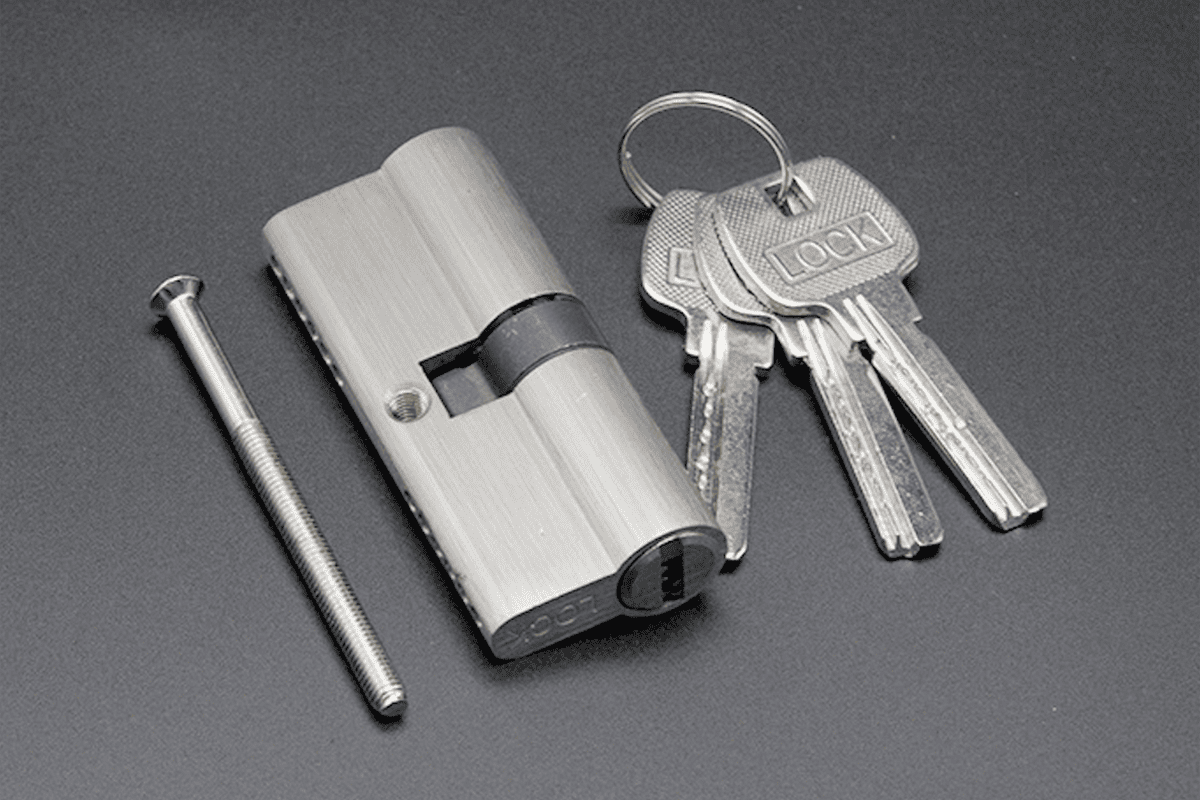
Anti-snap locks use a sacrificial cut6, also called a snap line or break line, near the outside section of the cylinder. Under forced twisting, the outer part is designed to break away first, while the internal cam and locking mechanism remain protected inside the door.
How an anti-snap cylinder works
An anti-snap cylinder does not mean the cylinder is impossible to break. That is a common misunderstanding. The purpose is more controlled and more practical.
The design goal is:
Let the cylinder break outside, protect inside.
In Chinese, I often hear the concept described as “断在外面、保住里面”. That is a very buyer-friendly explanation.
Many anti-snap cylinders include a small machined weak point near the outside portion of the cylinder, often around the outer quarter of the profile depending on the design. This weak point may be called:
- Sacrificial cut
- Snap line
- Break line
- Controlled breaking point
- Anti-snap groove
When an attacker grips and twists the exposed cylinder, the outer section is intended to break at this controlled point. After the outer section breaks away, the cylinder becomes shorter and more flush with the door hardware. The attacker loses the gripping point. More importantly, the internal locking area, cam, and drive mechanism remain protected inside the door.
Key components in anti-snap design
A Euro profile anti-snap cylinder should be evaluated as a system, not only as a visible groove. I normally check these details:
| Component | What buyers should check | Why it matters |
|---|---|---|
| Outside cylinder section | Position of snap line | Controls the break location |
| Cam area | Whether the cam remains protected | Keeps the lock mechanism secure |
| Cylinder material | Brass quality, inserts, reinforcement | Affects durability and machining |
| Fixing screw position | Relationship to snap line and door thickness | Affects installation security |
| Key mechanism | Pin design, key profile, tolerances | May also affect anti-bump or anti-pick claims |
| Escutcheon or handle plate | Cylinder projection after installation | Reduces available gripping area |
Why cylinder projection matters
Even a well-designed anti-snap cylinder can be poorly installed. If the cylinder projects too far beyond the handle plate or escutcheon, it gives an attacker more leverage.7 For many procurement projects, I ask buyers to confirm:
- Door thickness
- Lock body center distance
- Handle or escutcheon thickness
- Required cylinder length, such as 30/30, 35/35, 40/45, or custom split sizes
- Interior and exterior side orientation
- Knob cylinder or key-key cylinder requirement
A small mistake in cylinder length can reduce the practical security benefit. This is why I prefer to discuss anti-snap cylinders together with the complete door hardware configuration.
What buyers should not assume
Buyers should not assume that every cylinder with a groove is automatically suitable for every market claim. They should verify documents, samples, and test evidence. If a product is promoted with CE documents, fire-rated documents, or other standards-related claims, the buyer should check whether those documents apply to the exact model, size, material, and application.
At SDH Hardware, we manufacture Euro cylinders and related architectural hardware for B2B customers. From that factory perspective, I see anti-snap protection as one important design feature. I do not present it as a universal promise. It should be matched with the door set, regional risk, price level, and buyer’s own compliance requirements.
Are Bump Resistant Locks Really About Lock Bumping?
The phrase “bump resistant locks” creates confusion because different buyers use it in different ways. Some buyers mean resistance against a bump key. Other buyers mean a stronger bolt that can withstand удар, kicking, sawing, or prying. These are not the same hardware problem.
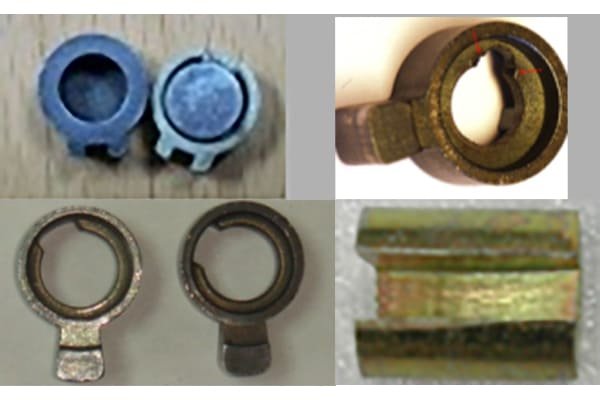
True bump resistance is related to the cylinder’s keyway, pins, springs, tolerances, and internal mechanism8. If the intended upgrade is a stronger square bolt, hardened steel bolt, anti-saw insert, or thickened deadbolt, the more accurate term is reinforced deadbolt protection, not bump resistant lock.
What lock bumping means
Lock bumping is a manipulation method. It uses a specially cut key, often called a bump key, and impact force to move the pins inside a pin tumbler cylinder. If the pins momentarily align at the shear line, the cylinder plug may rotate.
Because of that, bump resistance belongs mainly to the cylinder mechanism. It may involve:
- Special pin shapes
- Security pins
- Modified spring behavior
- Restricted or complex keyways
- Tight manufacturing tolerances
- Side pins or additional locking elements
- Key control systems
A stronger deadbolt does not stop the pin stack from being manipulated.9 It may improve forced-entry resistance, but it does not automatically create true bump-key resistance.
What “bump resistant” sometimes means in product discussions
Some customers use “bump resistant lock” to describe a lock with a stronger square bolt. The Chinese description may sound like this:
“把普通方舌换成更坚固的方舌,例如换用锯不烂的淬火钢方舌、防锯钢筋、加厚防撬方舌。”
That describes useful security improvements, but the more accurate English terms are:
| Buyer’s intended feature | More accurate English term | Main benefit |
|---|---|---|
| 淬火钢方舌 | Hardened steel deadbolt10 | Resists cutting and deformation |
| 防锯钢筋 | Anti-saw steel insert | Makes sawing more difficult |
| 加厚防撬方舌 | Thickened anti-pry deadbolt | Improves resistance to levering |
| 更坚固锁体 | Reinforced lock body | Improves forced-entry strength |
| 加强扣板 | Reinforced strike plate11 | Supports the frame side |
How I clarify the specification
When I receive an inquiry that says “bump resistant locks,” I normally split the requirement into two possible paths.
Path 1: The buyer means real anti-bump cylinder performance
In this case, I discuss the cylinder mechanism. I ask about:
- Key system type
- Pin structure
- Key duplication control
- Required market claim
- Sample testing method
- Whether anti-pick or anti-drill features are also needed
This path focuses on the Euro cylinder, not the deadbolt.
Path 2: The buyer means forced-entry resistance
In this case, I discuss the lock body and bolt. I ask about:
- Bolt material
- Bolt throw length
- Anti-saw inserts
- Lock case thickness
- Strike plate design
- Screw positions and screw length
- Door material and frame reinforcement
This path focuses on the mechanical strength of the locking system.
Why this matters for marketing claims
A hardware brand may print “bump resistant” on packaging. If the product only has a hardened bolt, that claim may confuse professional buyers or create compliance risk. A clearer label would be:
- Anti-saw reinforced deadbolt
- Hardened steel bolt lock body
- Forced-entry resistant lock
- Reinforced lock body for security doors
Clear language protects the buyer, the brand, and the end user. It also helps the sales team explain the product honestly. In my experience, professional buyers appreciate this precision because it makes catalog building, import documents, and product training easier.
How Should B2B Buyers Evaluate Anti Snap Locks & Bump Resistant Locks?
A buyer may see two samples that look almost identical, but the internal design may be very different. Anti Snap Locks & Bump Resistant Locks should be evaluated through component design, product drawings, sample testing, and supplier quality control, not only through catalog wording.
B2B buyers should define the target attack risk first, then specify the correct component: anti-snap cylinder, anti-bump cylinder mechanism, reinforced deadbolt, anti-saw insert, or stronger strike plate. They should also verify certifications, dimensions, material claims, and production consistency before placing bulk orders.
Step 1: Define the target market and risk
A lock for a low-cost interior door does not need the same specification as a lock for an apartment entrance door, a security steel door, or a commercial project. I suggest that buyers define the market position first.
Useful questions include:
- Is cylinder snapping common in the target market?
- Does the market ask for Euro profile cylinders?
- Does the door need fire-rated hardware documents?
- Is the buyer selling to wholesalers, door factories, or project contractors?
- Does the final product need visible security claims on packaging?
- Is price sensitivity more important than advanced protection?
- Will the buyer test the lock in a full door assembly?
Step 2: Match the feature to the component
The buyer should never write only “high-security lock” in the purchase requirement. That phrase is too broad. A better specification separates each function.
| Requirement | Component to specify | Notes for procurement |
|---|---|---|
| Anti-snap protection | Euro cylinder with sacrificial snap line | Confirm exterior side and cylinder length |
| Bump-key resistance | Cylinder pin/key mechanism | Ask for mechanism details and test basis |
| Saw resistance | Hardened bolt or anti-saw insert | Check bolt material and structure |
| Pry resistance | Bolt throw, lock case, strike plate | Evaluate with door and frame |
| Drill resistance | Cylinder face and internal inserts | Confirm which area is protected |
| Branding | Logo, packaging, finish | Confirm MOQ, artwork, and sample approval |
Step 3: Review manufacturing quality
For bulk buyers, stable quality matters as much as the first sample. A lock may look good in a catalog, but production control decides whether each shipment meets the same standard.
At SDH Hardware, our usual manufacturing discussions cover:
- Raw material screening
- Machining accuracy
- Cylinder body tolerance
- Key smoothness
- Cam operation
- Surface treatment consistency
- Lock body assembly
- Finished product inspection
- Packaging protection for export
Because we operate as an architectural door hardware manufacturer, I also pay attention to matching parts. A cylinder, lock body, lever handle, hinge, and accessory set should work together. A strong cylinder with a weak strike plate may not deliver the expected door security. A reinforced lock body with a poorly matched cylinder may still create a sales problem.
Step 4: Verify documents carefully
Many buyers request CE certification, fire-rated certification, or other documents12. That is reasonable, especially for Europe, the Middle East, and project-based markets. However, buyers should verify that the document applies to the exact product and application.
I recommend checking:
- Product name and model number
- Standard referenced in the document
- Testing scope
- Material and size covered
- Fire door application details, if relevant
- Validity and issuing body
- Whether the tested sample matches the purchased item
This is especially important when making public claims. A factory can provide documents for review, but the buyer should confirm the final compliance requirements with qualified professionals in the target market.
Step 5: Ask for samples and inspection points
Before bulk ordering Anti Snap Locks & Bump Resistant Locks, I suggest that buyers request samples and define inspection points. For example:
- Cylinder length and split size
- Key quantity per cylinder
- Key alike or keyed different system
- Cam type and cam movement
- Sacrificial cut location
- Bolt material and bolt throw
- Surface finish, such as satin nickel, polished brass, black, or stainless steel
- Logo marking method
- Packaging structure
- Carton strength for export shipping
Good samples reduce misunderstanding. Clear inspection criteria reduce disputes after production. I have seen many projects run smoothly simply because the buyer and factory agreed on drawings, samples, and packaging before mass production.
Frequently Asked Questions
Are anti-snap locks impossible to break?
No. Anti-snap locks are not impossible to break. They are designed to control where the cylinder breaks. The outside section may break away at a sacrificial snap line, while the internal cam and locking mechanism remain protected inside the door.
Are bump resistant locks the same as anti-snap locks?
No. Anti-snap locks resist cylinder snapping or twisting. True bump resistant locks resist bump-key manipulation inside the cylinder. If the product only has a stronger deadbolt, it should be called a reinforced deadbolt or anti-saw lock, not a true anti-bump cylinder.
What is a sacrificial cut in an anti-snap cylinder?
A sacrificial cut is a controlled weak point near the outside part of the cylinder. During a snapping attack, the cylinder is designed to break at that point first. This helps remove the attacker’s gripping point while protecting the internal locking mechanism.
What should I specify if I need a stronger deadbolt?
You should specify a reinforced deadbolt, hardened steel deadbolt, anti-saw insert, thickened anti-pry bolt, or forced-entry resistant lock body. These terms are clearer than “bump resistant” when the goal is resistance against sawing, prying, kicking, or impact.
Should B2B buyers request certificates for anti-snap or anti-bump locks?
Yes, buyers should request available documents and verify them carefully. The document should match the exact product model, size, material, and application. For project-specific compliance or fire door use, buyers should consult qualified testing or certification professionals in the target market.
Conclusion
Anti Snap Locks & Bump Resistant Locks are useful security concepts, but they should not be treated as one generic feature. Anti-snap cylinders protect against cylinder-breaking attacks by using a controlled sacrificial snap line. True bump resistance belongs to the cylinder/key mechanism. Stronger bolts should be specified as reinforced deadbolt or anti-saw protection. If you need Euro cylinders, lock bodies, lever handles, hinges, or customized architectural door hardware for your market, I can help you review the specification and prepare a factory-direct B2B solution.
"Understanding Cylinder Security Standards, Tests and ...", https://www.duffells.com/blog/products/understanding_cylinder_security_standards_tests_and_certifications/. A lock-cylinder standard such as EN 1303 treats cylinder performance through separate criteria, including key-related security and resistance to attack, supporting the article’s distinction between different “high-security” lock functions. Evidence role: general_support; source type: institution. Supports: A lock or cylinder standard that separates key security, attack resistance, drilling resistance, and related criteria would support the point that “high-security” is too broad as a specification term.. Scope note: This would support the need for separate specification categories, but it would not prove that buyers commonly make costly mistakes. ↩
"Anti Snap Lock Review: What Matters - Locksmiths Gloucester", https://www.locksmithsgloucester.com/post/anti-snap-lock-review-what-matters. Institutional guidance on Euro profile security cylinders describes anti-snap protection as a cylinder-design feature intended to control or resist cylinder breaking during forced attack. Evidence role: mechanism; source type: institution. Supports: An institutional or standards source should describe anti-snap Euro cylinders as using a protected or sacrificial design to resist cylinder snapping attacks.. Scope note: The source may describe anti-snap design generally and may not verify the design of any specific product model. ↩
"Lock bumping", https://en.wikipedia.org/wiki/Lock_bumping. The standard description of lock bumping defines it as a manipulation method in which a bump key and impact force are used to affect the pins of a pin-tumbler lock. Evidence role: definition; source type: encyclopedia. Supports: A neutral definition should explain that lock bumping uses a specially cut key and impact to manipulate pin tumbler locks.. ↩
"Lock bumping", https://en.wikipedia.org/wiki/Lock_bumping. Technical analyses of lock bumping describe the attack as using impact on a specially cut key to transmit force through the pin stacks and create a transient condition in which the plug can rotate at the shear line. Evidence role: mechanism; source type: paper. Supports: A technical paper or educational explanation should describe how impact from a bump key can separate driver and key pins at the shear line.. ↩
"What is Lock Snapping with Prevention Tips (Expert Advice)", https://www.locksmiths.co.uk/faq/lock-snapping/. Crime-prevention guidance in markets using Euro profile cylinders identifies cylinder snapping as a recognized method of forced entry, supporting the relevance of anti-snap cylinders where that attack pattern is reported. Evidence role: statistic; source type: government. Supports: A police, government, or crime-prevention source should show that lock or cylinder snapping is a recognized burglary method in a relevant market.. Scope note: The evidence would be regional and time-specific; it should not be generalized to all markets without local data. ↩
"Anti-Snap - Cylinder Lock Guide", https://www.safe.co.uk/buying-guide/lock-cylinders/anti-snap. Descriptions of anti-snap Euro cylinders identify a sacrificial or controlled-break section as a design approach intended to break away externally while preserving the protected operating portion of the cylinder. Evidence role: mechanism; source type: institution. Supports: A standards, testing, or security-industry institution source should support that anti-snap cylinders may include a controlled break or sacrificial section.. Scope note: This supports the general mechanism, but individual anti-snap designs can vary by manufacturer and certification scheme. ↩
"cylinder lock advice?", https://community.screwfix.com/threads/cylinder-lock-advice.262186/. Police and home-security guidance commonly advises that Euro cylinders should not protrude significantly beyond protective furniture because exposed projection can provide a purchase point for forced attack. Evidence role: general_support; source type: government. Supports: A police or government home-security guide should support the point that cylinders should sit flush or minimally protrude to reduce snapping risk.. Scope note: Such guidance supports the practical risk of projection but may not quantify the exact increase in leverage for every installation. ↩
"Introduction to Spring Pins", https://www.huyett.com/blog/introduction-spring-pins?srsltid=AYCX9vLcE-Bro1jIHaONrvkPx3yxHk6KTcYW5x7Gws2kdT622Imh4szd. Technical studies of pin-tumbler lock bumping associate bump resistance with the internal cylinder design, including pin-stack behavior, spring response, tolerances, and keyway constraints. Evidence role: mechanism; source type: paper. Supports: A research or technical source should explain how cylinder design, pin geometry, springs, tolerances, and keyway complexity affect vulnerability to bumping.. ↩
"Pin tumbler lock", https://en.wikipedia.org/wiki/Pin_tumbler_lock. Because bumping operates by manipulating the pin stacks within the cylinder, technical accounts of the method support distinguishing anti-bump cylinder design from deadbolt reinforcement. Evidence role: mechanism; source type: paper. Supports: A technical source should show that lock bumping acts on the pin-tumbler cylinder mechanism, whereas deadbolt strength addresses physical forced entry.. Scope note: This supports the mechanism-level distinction, not the overall security rating of a complete lockset. ↩
"Wear Resistance of Steels - ASM Digital Library", https://dl.asminternational.org/handbooks/edited-volume/50/chapter/629660/Wear-Resistance-of-Steels-1. Materials-science literature describes hardened steel as having increased hardness and resistance to plastic deformation, which provides contextual support for its use in deadbolts intended to resist cutting or deformation. Evidence role: mechanism; source type: paper. Supports: A materials-science or security-testing source should support that hardening steel increases hardness and resistance to cutting or deformation under relevant conditions.. Scope note: Material hardness alone does not prove forced-entry performance of a complete lock; geometry, installation, and the door assembly also affect results. ↩
"🏡 security ✔️ are heavy duty strike plates mounted ...", https://www.facebook.com/fargopolicedepartment/posts/security-%EF%B8%8F-are-heavy-duty-strike-plates-mounted-on-exterior-door-frames/10154812143243334/. Home-security guidance from public agencies commonly identifies reinforced strike plates and secure frame fixings as measures that improve a door’s resistance to forced entry. Evidence role: general_support; source type: government. Supports: A government or police home-security source should support that reinforced strike plates and longer screws strengthen the door-frame side against forced entry.. Scope note: This supports the general security role of the strike plate but does not quantify performance for a specific door-and-frame assembly. ↩
"Government", https://en.wikipedia.org/wiki/Government. Regulatory guidance on CE marking and product conformity states that compliance documentation is tied to specified products, standards, and intended uses, supporting the need to verify that certificates match the exact lock or door-hardware application. Evidence role: general_support; source type: government. Supports: A government or certification-body source should explain that CE marking, declarations of conformity, and fire-test certifications apply only within their stated product scope and intended use.. Scope note: This supports the compliance-checking principle but does not determine whether any particular certificate supplied for a product is valid. ↩
