
Why Are Mortise Locks More Secure? Key Insights for Contractors
Mortise locks are often selected for project doors because exposed or weak lock hardware can create security complaints, service calls, and expensive rework. When a lock is easy to attack or poorly matched to the door, small specification mistakes become site problems. A properly specified mortise lock gives contractors a stronger, more integrated hardware solution.
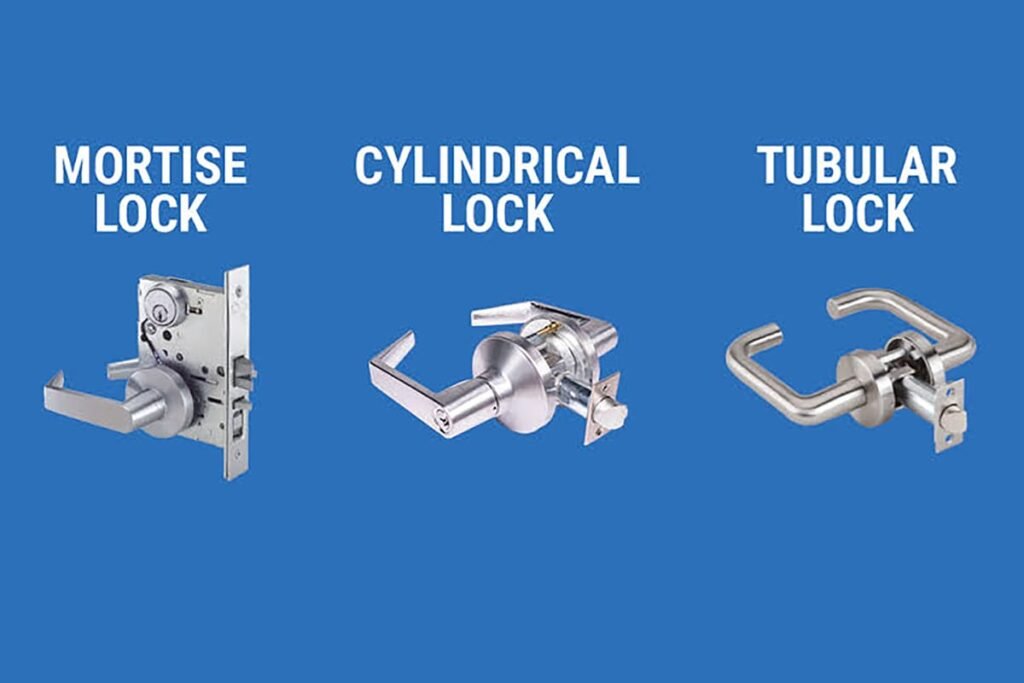
Mortise locks are generally more secure because the lock body is recessed inside the door1, the cylinder can be selected separately, and the whole system works with the door leaf, frame, strike plate, and handle set. Security still depends on material quality, machining precision, cylinder grade, installation accuracy, and verified project requirements.
For contractors, the real question is not whether one lock type sounds stronger on paper. The better question is whether the complete hardware set reduces exposed attack points, installation mismatch, durability failures, and after-handover complaints. I look at mortise lock security as a full door system, not as one isolated part.
How Do Mortise Locks Improve Security Through Embedded Installation?
Many door security problems begin with exposure. If the locking mechanism is mounted on the surface, it can become easier to strike, pry, loosen, or tamper with2. Contractors then face callbacks that are difficult to explain to owners. Embedded installation is one reason mortise locks are often preferred for higher-demand project doors.
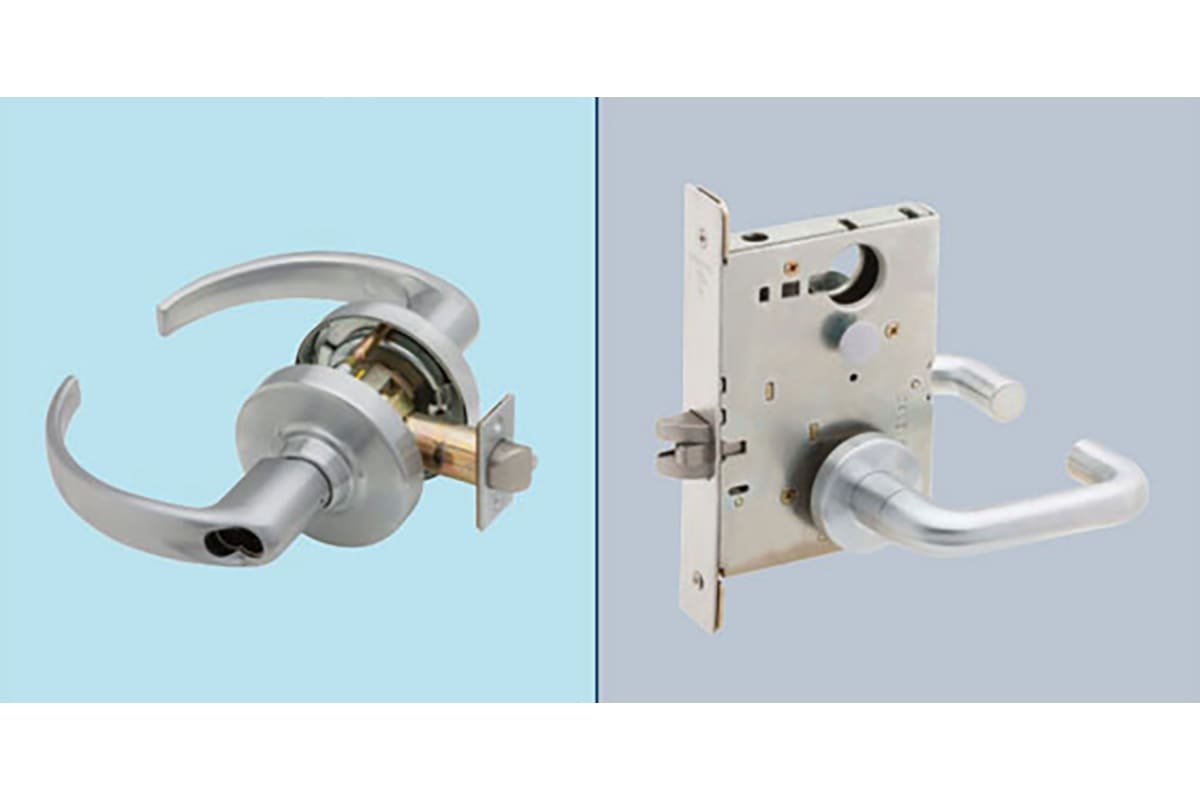
Mortise locks improve security because the main lock case is recessed into a pocket inside the door leaf. This position reduces direct exposure compared with many surface-mounted locks, rim locks, external locks, or padlocks. When the lock body, strike, and door structure are correctly matched, forced access becomes harder.
Why the lock position matters
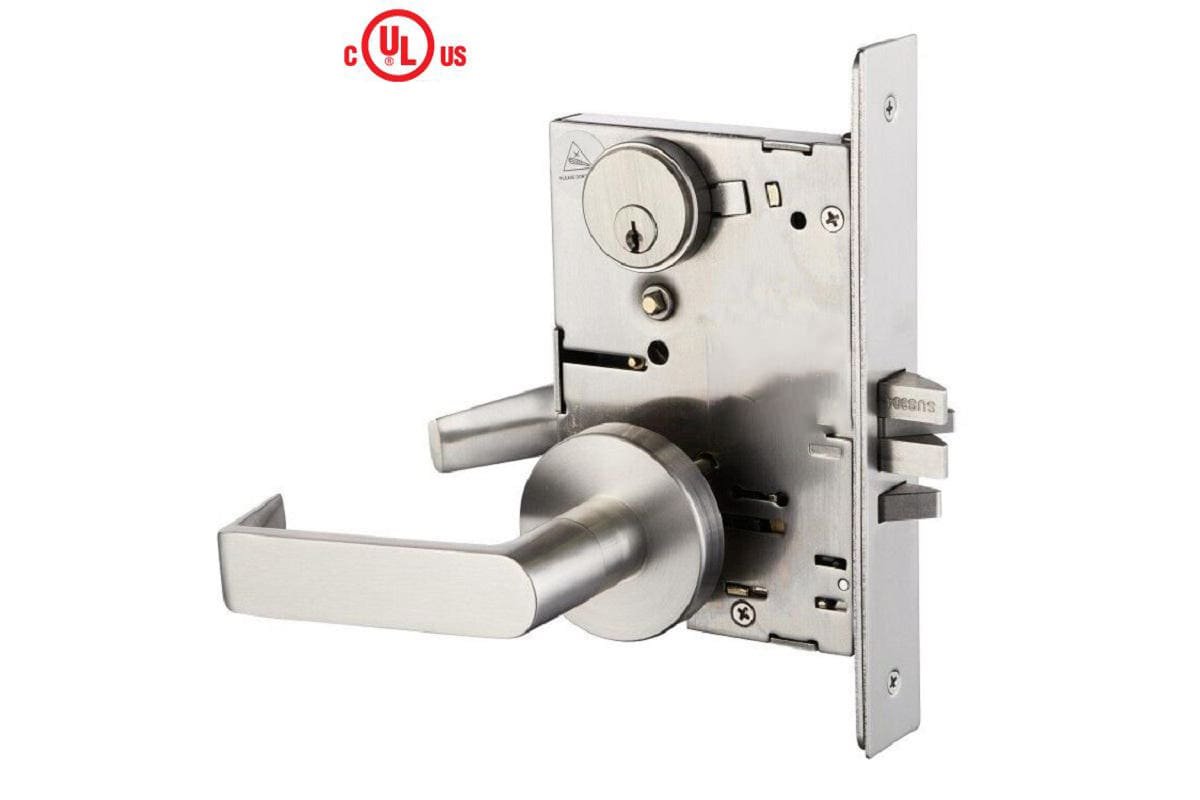
In my experience working with door hardware projects, I often see buyers focus first on the visible handle or cylinder. Those parts matter, but the installation position of the lock body is just as important. A mortise lock is installed into a cut pocket in the door edge. The lock case sits within the door thickness rather than outside the surface.
This gives contractors several practical advantages:
- Less exposed lock body: The case is not openly mounted on the door face.
- Cleaner integration: The lock aligns with the edge of the door and the strike plate.
- Better load distribution: Force can be transferred through the door leaf and frame, not only through screws on the surface.3
- More professional finish: The hardware looks built into the door system, which matters for hotels, offices, apartments, and institutional projects.
That does not mean every recessed lock is automatically secure. A poor door core, thin lock case, weak screws, loose pocket machining, or misaligned strike can reduce the benefit. I always remind customers that a mortise installation creates the opportunity for stronger performance, but the project team must still specify and install it correctly.
Mortise lock vs. surface-mounted options
The table below gives a simple contractor-level comparison. It does not replace project testing or professional evaluation, but it helps explain the logic.
| Lock type | Typical installation | Main security concern | Contractor evaluation point |
|---|---|---|---|
| Mortise lock | Recessed inside the door edge | Depends on lock case quality, cylinder, and installation | Check door prep, lock body strength, cylinder compatibility, strike alignment |
| Rim lock | Mounted on door surface | Lock body may be more exposed | Check screw fixing, door surface strength, and application suitability |
| Knob lock | Integrated into knob/lever area | Often less robust for demanding project doors | Check latch strength, duty cycle, and intended door type |
| Padlock | External locking device | Shackle and hasp are exposed | Check hasp fixing, environmental exposure, and access risk |
| External auxiliary lock | Surface-mounted or partly exposed | Fixings and case may be accessible | Check mounting structure and tamper resistance |
For commercial and multi-unit projects, I usually advise contractors to think in systems. The door leaf, lock pocket, latch bolt, deadbolt, strike plate, frame reinforcement, cylinder, lever handle, and installation tolerances all work together. If one element is weak, the complete assembly can underperform.
What contractors should check on site
Before approving a mortise lock specification, contractors should confirm:
- Door thickness compatibility with the selected lock body.
- Pocket dimensions match the supplier’s technical drawing.
- Backset and center distance suit the handle and cylinder layout.
- Strike plate position matches the latch and bolt throw.
- Frame material and reinforcement support the locking load.
- Screw length and fixing quality are appropriate for the door and frame.
- Installation tolerances are controlled during door production and site fitting.
A secure lock design can still fail if the door factory cuts the pocket incorrectly or if the strike is installed out of line. This is why I prefer to review drawings early, especially for OEM or ODM project orders. Early coordination saves money later.
Why Do Mortise Locks Benefit From Separate Lock Bodies and Cylinders?
Some lock types combine too many security functions into one compact assembly. That may be acceptable for light-duty doors, but it can limit specification flexibility. Contractors often need different key systems, cylinder levels, finishes, and project standards. Mortise locks help because the lock body and cylinder can be evaluated separately.
Mortise locks benefit from separate lock bodies and cylinders because the lock case provides mechanical engagement while the cylinder controls key access4. This allows contractors to match the cylinder to the required keying plan, security expectation, and market preference without changing the entire lock body design.
The lock body and cylinder do different jobs
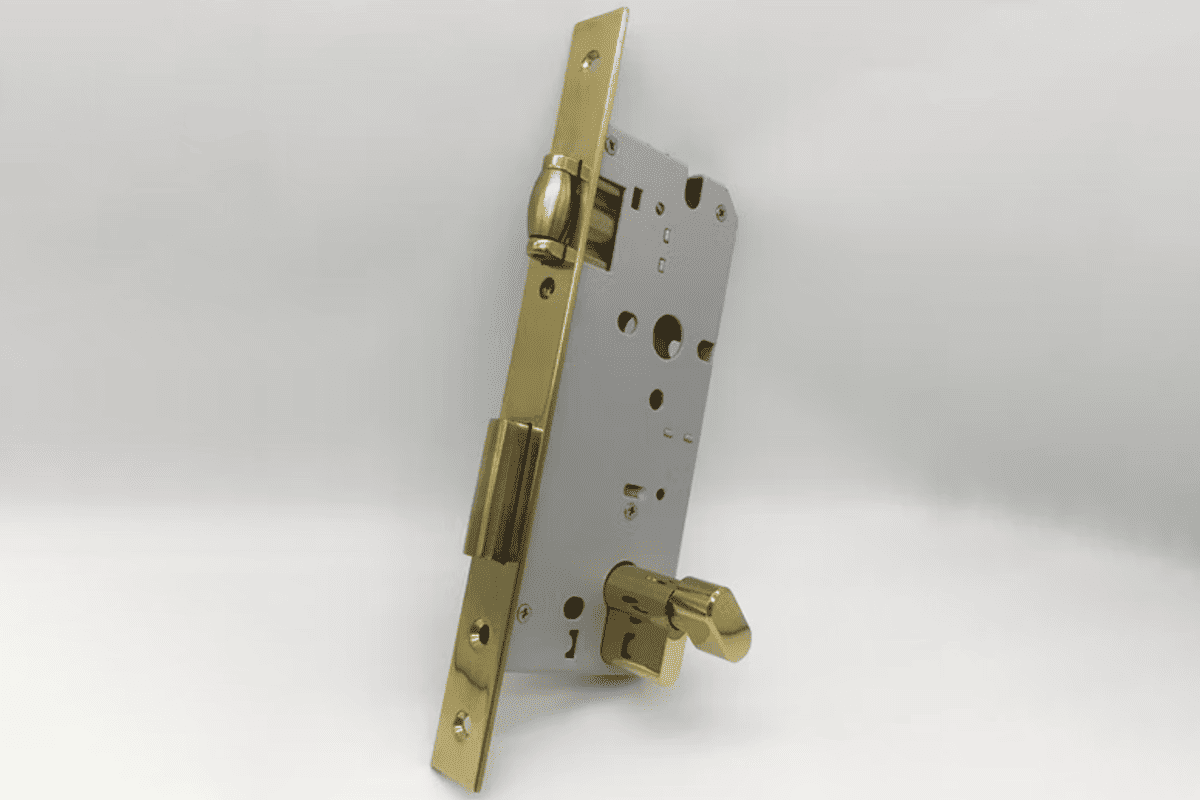
A mortise lock body is the mechanical core inside the door. It usually controls the latch, deadbolt function, follower, spring action, and handle operation. The cylinder controls who can operate the lock with a key. These functions are connected, but they are not the same.
This separation gives project contractors more control. For example, a hotel, apartment project, office building, or institutional door program may use the same general lock body platform but require different cylinders. The buyer may need:
- Different key systems
- Different cylinder lengths
- Different thumb-turn options
- Different finishes
- Different cam designs
- Different security expectations
- Different regional preferences
From a manufacturing perspective, this flexibility is valuable. At SDH Hardware, we often discuss cylinder matching, lock body drawings, and door thickness details with door factories before production. I have seen many project issues start from a small mismatch between cylinder length and door thickness. The lock may still function, but the final installation looks poor or creates unnecessary risk.
Why the cylinder is important, but not everything
A strong cylinder can improve resistance to certain access risks. However, I do not reduce mortise lock security to the cylinder alone. Contractors should also evaluate the lock case structure, bolt design, follower strength, spring durability, faceplate quality, and strike reinforcement.
A balanced specification is better than one expensive component paired with weak supporting parts.
| Component | Main role | What contractors should check |
|---|---|---|
| Lock body | Controls mechanical locking and handle operation | Case material, machining precision, bolt movement, spring action |
| Cylinder | Controls key access | Compatibility, length, keying requirements, finish, verified grade if applicable |
| Deadbolt/latch | Engages with frame strike | Throw length, smooth operation, material, alignment |
| Strike plate | Receives latch and bolt | Thickness, screw fixing, frame reinforcement |
| Door leaf | Holds lock pocket | Core strength, thickness, machining accuracy |
| Frame | Resists forced load | Material, fixing method, reinforcement |
| Handle set | Operates latch through follower | Spindle fit, return spring, finish durability |
Specification flexibility for contractors
The separate cylinder system helps contractors manage large projects. If the owner changes the keying plan, the contractor may not need to redesign the full door hardware set. If one market prefers a certain cylinder profile, the lock body may still remain suitable if dimensions match.
This helps with:
- Procurement planning: Buyers can source lock bodies and cylinders according to project phases.
- Maintenance: Facility teams can replace cylinders without replacing the entire lock body.5
- Brand requirements: Hardware brand customers can pair lock bodies with their preferred cylinder systems.
- Regional compliance: Contractors can ask suppliers for documentation that matches the target market.
- Customization: OEM customers can adjust finish, logo, packing, and accessory configuration.
Still, contractors should not assume compatibility. They should request technical drawings, cylinder specifications, cam details, and sample testing before bulk ordering. I always prefer a pre-production sample review because it reveals small fitting issues before they become shipment-level problems.
Are Mortise Locks More Durable Than Knob Locks or Surface-Mounted Options?
Durability matters because a lock that feels secure on day one may fail after months of heavy traffic. Contractors often receive complaints about loose handles, sticking latches, misaligned doors, or worn mechanisms. Mortise locks can offer better durability when the lock body, door preparation, and accessories are correctly specified.
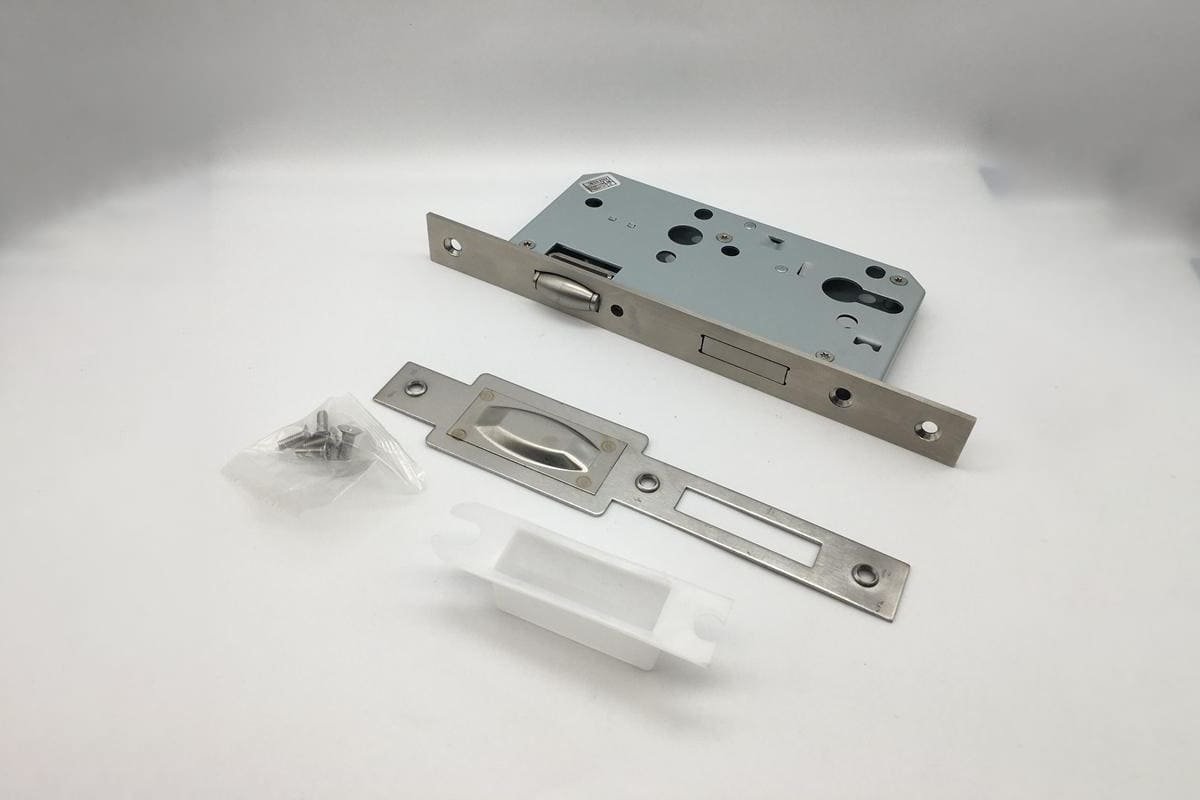
Mortise locks are often more durable for project doors because the lock mechanism is structurally integrated into the door leaf6 and works with a separate handle set, cylinder, and strike plate. Compared with many simple knob locks or surface-mounted options, this can support heavier use when quality and installation are controlled.
Durability is a system result
I do not like saying one lock type is always more durable than another. That is too simple. A high-quality surface-mounted lock can outperform a poor-quality mortise lock. However, in typical project door applications, a well-made mortise system gives contractors more room to build durability into the door set.
The reason is structural integration. The lock body sits inside the door. The faceplate is fixed along the door edge. The handle set operates through the follower. The latch and bolt meet the strike plate in the frame. If these parts are aligned, the opening and closing force is distributed more professionally.
Common durability factors
Contractors should evaluate durability through measurable and visible factors:
- Material thickness: Thin lock cases may deform more easily under stress.
- Bolt design: A stable deadbolt and latch reduce movement and wear.
- Spring quality: Weak springs can cause handle sag or poor return.
- Follower precision: Loose followers can create handle play.
- Surface finish: Finish quality affects corrosion resistance and appearance.
- Machining tolerance: Poor tolerance causes friction and noisy operation.
- Door alignment: Sagging doors create extra stress on the latch and bolt.
- Strike positioning: Misalignment can make users force the handle or key.
In factory quality control, small details matter. I have seen a lock feel acceptable in hand testing but perform poorly after repeated operation because one internal part had inconsistent tolerance. That is why contractors should ask how the supplier checks finished products, not only how the catalogue looks.
Comparing durability concerns
| Issue on site | Possible cause | How mortise lock specification can help |
|---|---|---|
| Handle becomes loose | Poor spindle fit, weak follower, incorrect installation | Check follower tolerance and handle compatibility |
| Latch sticks | Misaligned strike, rough machining, door movement | Confirm drawings, strike position, and latch smoothness |
| Key operation feels hard | Cylinder mismatch, bolt friction, poor alignment | Test cylinder and bolt together before bulk use |
| Door does not close smoothly | Strike offset or latch pressure | Adjust strike and inspect door gap |
| Lock body noise | Loose internal parts or thin case | Review sample quality and supplier QC process |
| Finish wears quickly | Poor surface treatment or wrong environment | Match finish to project location and cleaning conditions |
Where mortise locks are commonly useful
Mortise locks are often specified for:
- Apartment entrance doors
- Hotel room doors
- Office doors
- Interior project doors with heavy traffic
- Institutional doors
- Fire or rated door systems where verified documentation is required7
- Custom door manufacturer programs
For any rated or regulated application, contractors should verify the exact product documentation for the specific model, configuration, door type, and market. A certificate or test report should not be assumed to apply to every variation. This point is important because small changes in accessories, dimensions, materials, or installation can affect project acceptance8.
Durability is also connected to user behavior. In a busy building, people pull handles with force, kick doors open, let doors slam, and use keys roughly. A good mortise lock specification should consider real usage, not only catalogue appearance.
What Specifications Should Contractors Check Before Buying Mortise Locks?
A mortise lock can be strong in design but weak in the final project if the wrong specification is ordered. Contractors may discover problems only after doors arrive on site. That creates delays, replacement costs, and disputes between the hardware supplier, door factory, and installer.
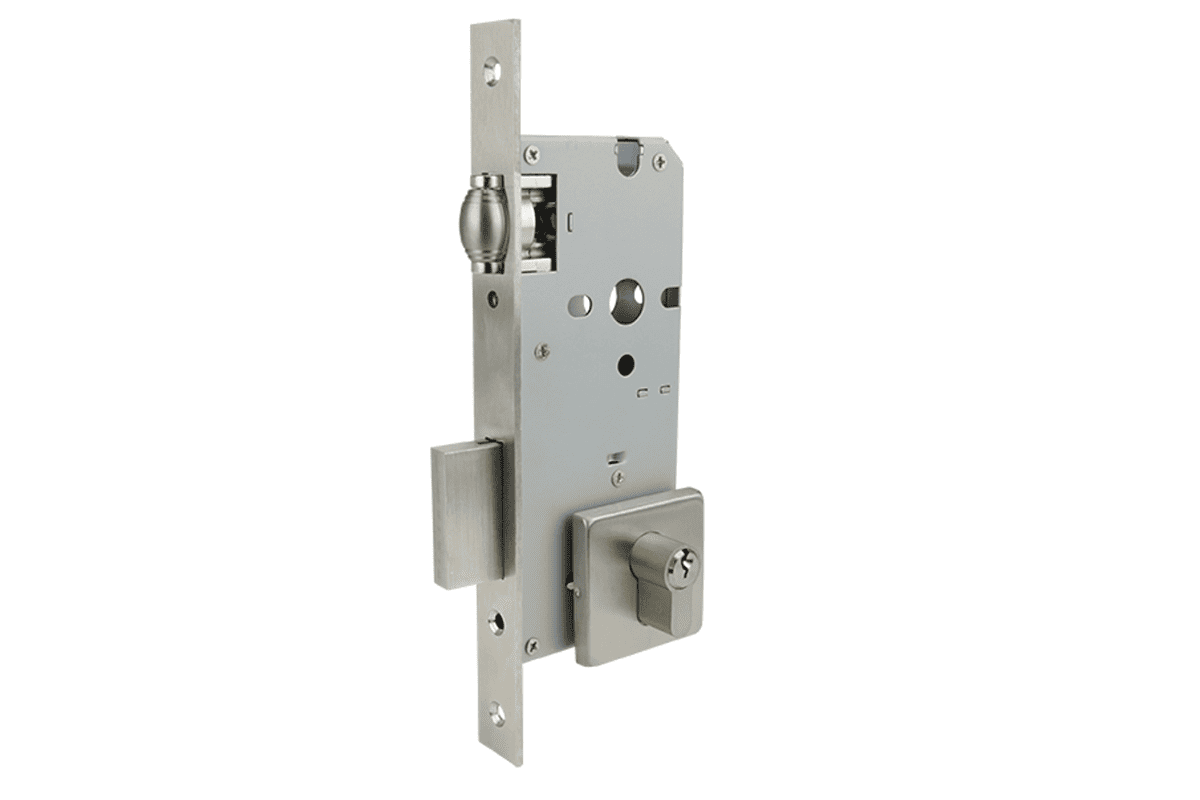
Contractors should check mortise locks by reviewing lock body dimensions, material thickness, bolt structure, cylinder compatibility, door thickness, backset, center distance, handle matching, strike plate design, finish, project documentation, and supplier quality control. Security depends on the complete installed system, not the lock case alone.
Key dimensions to confirm
For procurement teams, dimension control is one of the most practical security issues. If the lock does not fit correctly, the installer may modify the door pocket, enlarge screw holes, or force alignment. Those site fixes can weaken the installation.
Contractors should confirm these basic dimensions:
- Lock case height
- Lock case depth
- Lock case thickness
- Faceplate length and width
- Backset
- Center distance
- Follower size
- Cylinder profile and length
- Bolt throw
- Strike plate dimensions
- Door thickness range
A drawing is better than a verbal promise. For OEM or ODM orders, I prefer to confirm the drawing before sample production. Then I compare the sample against the drawing. This reduces misunderstanding between the buyer, factory, and installer.
Material and construction details
Security is strongly affected by construction quality. Contractors should ask specific questions, such as:
- What material is used for the lock case and faceplate?
- What is the thickness of key structural parts?
- How smooth is the latch and deadbolt movement?
- Does the deadbolt extend fully and consistently?
- Is the lock suitable for the door material and thickness?
- Can the supplier provide inspection records or test data for the batch?
- Can the supplier provide verified documents required by the target market?
The answer should be practical and traceable. A serious supplier should be able to discuss product drawings, sample approval, inspection steps, packaging protection, and batch consistency.
Procurement checklist
| Specification area | Why it matters | Contractor action |
|---|---|---|
| Door thickness | Affects cylinder length and lock body fit | Confirm door drawings before purchase |
| Backset | Affects handle position and door stile compatibility | Match with door design |
| Center distance | Affects handle and cylinder layout | Confirm with handle set supplier |
| Cylinder compatibility | Affects key operation and security level | Test cylinder and lock body together |
| Lock case strength | Affects forced-use resistance | Review material, thickness, and sample quality |
| Strike plate | Affects bolt engagement | Confirm frame structure and screw fixing |
| Finish | Affects corrosion and appearance | Match to climate and project design |
| Packaging | Affects damage during transport | Request export-suitable packing |
| Documentation | Affects project approval | Verify exact model documents before order |
| QC process | Affects batch consistency | Ask for inspection method and acceptance criteria |
Installation accuracy is part of security
Even a strong mortise lock can perform poorly if it is installed badly.9 I have seen cases where the lock itself was not the issue. The door gap was wrong, the strike plate was too high, or the cylinder projected too far from the door face10. The final user blamed the lock because that was the part they touched every day.
Contractors should control:
- Door leaf squareness
- Frame alignment
- Lock pocket accuracy
- Strike plate position
- Screw tightening
- Cylinder projection
- Handle spindle length
- Final operation testing
A good final inspection should include opening, closing, locking, unlocking, handle return, latch engagement, deadbolt engagement, and visual finish checks. The installer should test the door in the same way the building user will use it.
How Should Contractors Evaluate a Mortise Lock Supplier?
Supplier selection can decide whether a lock project runs smoothly or becomes a chain of small problems. Contractors need more than a low price. They need stable dimensions, reliable production, clear documentation, responsive communication, and batch consistency.11 A weak supplier can turn a good specification into a difficult project.
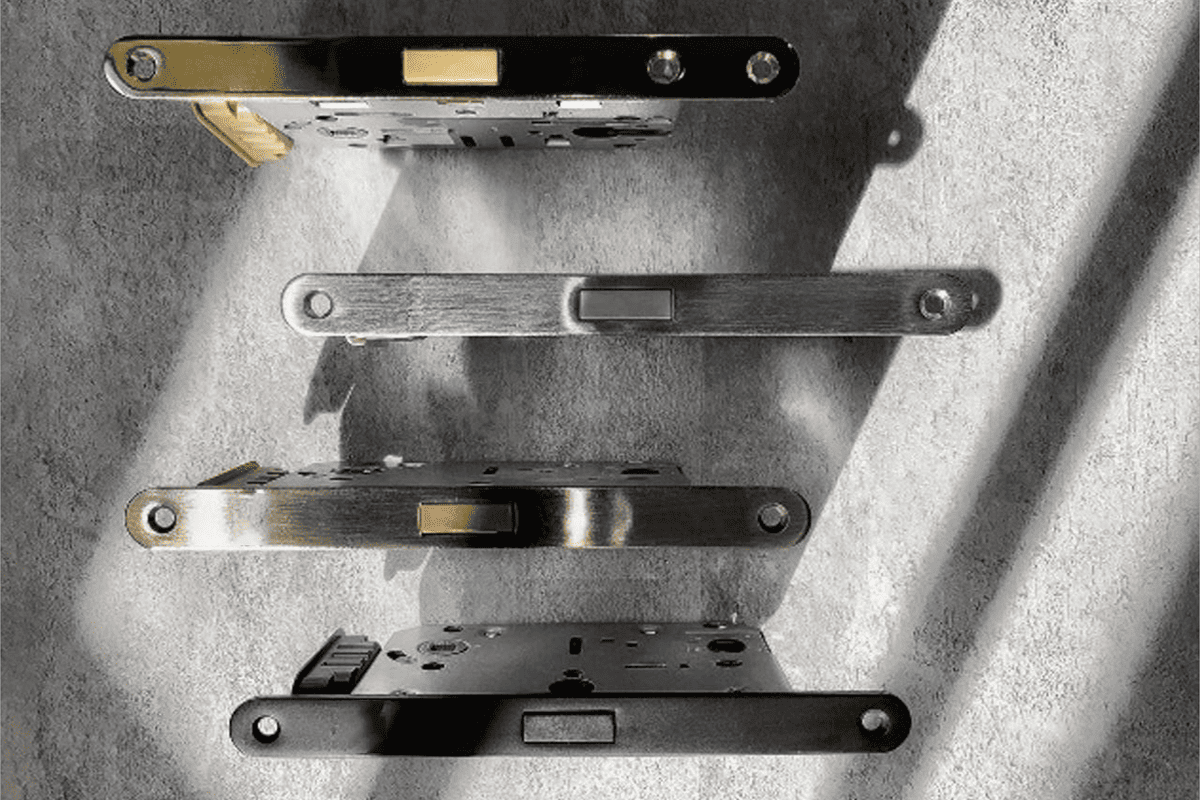
Contractors should evaluate a mortise lock supplier by checking manufacturing experience, technical drawing support, sample quality, production capacity, quality control process, customization capability, packaging, inspection records, and verified project documents. The best supplier is one that helps prevent mismatch before mass production begins.
What I look for in supplier capability
As a manufacturer, I believe the best supplier conversations are specific. General claims like “high quality” or “strong lock” are not enough. Contractors should ask for details that connect directly to project risk.
A capable supplier should be able to support:
- Technical drawings
- Sample confirmation
- Material explanation
- Surface treatment options
- Accessory matching
- Cylinder and handle compatibility
- Batch inspection
- Custom logo or packaging if needed
- Clear communication before production
- After-production inspection support
At SDH Hardware, we work with door factories, hardware brands, and wholesalers that often need full-category door hardware coordination. This includes mortise lock bodies, lever handles, cylinders, hinges, and door accessories. When these parts come from one coordinated supply chain, buyers can reduce matching problems. Still, every project should confirm the exact specifications before ordering.
Factory-direct supply and project control
Factory-direct supply can help contractors when the factory has mature production lines and clear quality control. The benefit is not only price. The bigger benefit is communication between product design, production, inspection, and shipment.
For example, if a customer needs a different faceplate finish, a logo, a custom packing design, or a special accessory set, the supplier must understand how the change affects production and delivery. A small customization can create risk if it is not controlled by drawings and samples.
Contractors should ask:
- Does the supplier manufacture directly or only trade?
- Can the supplier explain the production process?
- Can the supplier provide pre-production samples?
- Can the supplier inspect finished products before shipment?
- Can the supplier support OEM or ODM requirements?
- Can the supplier provide documents for the exact product when needed?
- Can the supplier maintain consistency across repeat orders?
Evaluation scorecard
| Evaluation item | Strong supplier signal | Risk signal |
|---|---|---|
| Product drawings | Clear dimensions and tolerances | Only photos or vague catalogue pages |
| Sample quality | Smooth operation and accurate fit | Rough movement or inconsistent finish |
| QC process | Defined inspection steps | No clear batch inspection method |
| Production experience | Can explain structure and application | Only price-based communication |
| Customization | Controlled by drawings and samples | Changes made without confirmation |
| Documentation | Provides verifiable documents for exact items | Sends unrelated or unclear certificates |
| Packaging | Suitable for export and project handling | Weak cartons or poor part protection |
| Communication | Answers technical questions clearly | Avoids details or overpromises |
Documentation and certifications
Contractors should treat certifications and test documents as buying signals, not as assumptions. The correct approach is simple: verify the document for the exact model, configuration, and intended market12. If a project requires rated performance or compliance documentation, the buyer should request the relevant certificate or report before order confirmation.
I avoid making broad claims unless the exact product document has been checked. This protects both the contractor and the supplier. It also avoids disputes during project approval. For application-specific decisions, especially on regulated doors, contractors should consult qualified professionals and follow local requirements.
Conclusion
Mortise locks are generally more secure for project doors because they place the lock body inside the door, separate the mechanical lock case from the cylinder, and integrate with the door leaf, frame, strike plate, and handle set. However, the final result depends on specification quality, production precision, documentation, and installation accuracy. If you are evaluating mortise locks for a commercial, residential, hospitality, or OEM door project, contact SDH Hardware to review drawings, samples, customization options, and factory-direct supply requirements.
"Mortise lock", https://en.wikipedia.org/wiki/Mortise_lock. An encyclopedic source defines a mortise lock as a lock installed in a pocket cut into the edge of a door, supporting the article's description of the lock body being recessed within the door rather than mounted externally. Evidence role: definition; source type: encyclopedia. Supports: A neutral source should define a mortise lock as a lock fitted into a pocket or mortise cut into the door, establishing the basis for the article's recessed-body security discussion.. Scope note: This supports the structural premise of the security claim, but it does not by itself prove that all mortise locks are more secure in every installation. ↩
"PHYSICAL SECURITY OF DOOR ASSEMBLIES AND ...", https://ojp.gov/pdffiles1/nij/32269.pdf. Government building-security guidance identifies exposed or inadequately protected door hardware and weak fastenings as factors that can increase vulnerability to prying, impact, or tampering attacks. Evidence role: mechanism; source type: government. Supports: A government or public-security guide should explain that exposed or weakly fastened door hardware can create vulnerabilities to prying, impact, or tampering.. Scope note: Such guidance usually discusses door assemblies and forced-entry resistance generally, rather than comparing every mortise lock with every surface-mounted lock. ↩
"STOP easy Forced Entry - 3 Fast Steps to SECURE your Door. ...",
Technical door-security literature treats the lock, strike plate, fasteners, door leaf, and frame as an interacting assembly, supporting the article's statement that resistance to force depends on load transfer through the door and frame rather than on exposed screws alone. Evidence role: mechanism; source type: research. Supports: A technical source should support that door security depends on the interaction of lock, strike, door leaf, frame, and fasteners, with reinforced frames and strikes improving resistance to forced loads.. Scope note: This is contextual support for the assembly principle; it may not quantify the load distribution of the specific mortise lock models discussed in the article. ↩"Mortise lock", https://en.wikipedia.org/wiki/Mortise_lock. Technical lock references distinguish the cylinder as the key-operated component from the lock case or body that actuates the latch and deadbolt, supporting the article's functional separation between access control and mechanical engagement. Evidence role: definition; source type: education. Supports: A technical or educational source should distinguish the lock case's mechanical latch/deadbolt function from the cylinder's key-operated access-control function.. Scope note: The exact internal arrangement varies by lock design, so the source should be used to support the general component distinction rather than every product configuration. ↩
"Mortise Cylinder Locks, Can they be repaired or should I ...", https://www.reddit.com/r/Locksmith/comments/3h4p7x/mortise_cylinder_locks_can_they_be_repaired_or/. Institutional locksmithing guidance describes removable lock cylinders as serviceable components that can be replaced or rekeyed separately from the lock case, supporting the article's maintenance claim for compatible mortise lock systems. Evidence role: general_support; source type: institution. Supports: An institutional locksmithing or facilities-maintenance source should support that removable cylinders can be replaced or rekeyed independently of the main lock case.. Scope note: This applies only to locksets designed with removable or compatible cylinders and does not apply to every integrated lock product. ↩
"A156.13 - 2022 Mortise Locks", https://buildershardware.com/ANSI-BHMA-Standards/Hardware-Highlights/A15613-2022-Mortise-Locks. ANSI/BHMA mortise-lock standards specify performance tests for operational durability, strength, and function, supporting the article's view that mortise locks can be evaluated as durable project-door hardware when specified and installed according to tested criteria. Evidence role: expert_consensus; source type: institution. Supports: A standards body source should show that mortise locks are subject to recognized durability, strength, and operational testing criteria for commercial-grade hardware.. Scope note: Standards support the test framework for certified products; they do not prove that an untested or poorly manufactured mortise lock is durable. ↩
"NSPIRE Standard - Door - Fire", https://www.hud.gov/sites/dfiles/PIH/documents/NSPIRE-Standard-Door-Fire-Labeled_20230811.pdf. Fire-door standards such as NFPA 80 require fire door assemblies and associated hardware to be installed and maintained in accordance with their listings and labels, supporting the article's statement that rated applications require verified documentation. Evidence role: expert_consensus; source type: institution. Supports: A fire-door standard or authority should support that rated door assemblies and their hardware must be listed, labeled, or documented for the required application.. Scope note: The standard establishes the documentation principle, but the applicable requirement depends on the local code, rating, door assembly, and specific hardware configuration. ↩
"Common Field Issues Affecting Fire Doors & Frames", https://steeldoor.org/common-field-issues-fire-doors-frames/. Fire-door listing and inspection guidance treats changes to hardware, preparation, materials, or installation as potentially relevant to a rated assembly's listing and acceptance, supporting the article's caution about seemingly small configuration changes. Evidence role: general_support; source type: institution. Supports: A standards or listing-body source should support that modifications to fire-rated door assemblies or hardware can affect compliance with listings, labels, or field acceptance.. Scope note: This support is strongest for rated or regulated assemblies and may not apply with the same force to ordinary non-rated interior doors. ↩
"087100 – DOOR HARDWARE - Facilities and Campus Services", https://fcs.cornell.edu/087100-door-hardware. Door-hardware installation guidance emphasizes correct door preparation, alignment, strike placement, and fastening as prerequisites for reliable lock operation, supporting the article's claim that a strong mortise lock can underperform when installed incorrectly. Evidence role: mechanism; source type: institution. Supports: A door-hardware standard or installation guide should support that correct preparation, alignment, strike placement, and fastener installation are necessary for proper lock operation.. Scope note: Installation guidance supports the mechanism generally; it does not evaluate the workmanship of any specific project. ↩
"NSPIRE Standard - Door - Entry", https://www.hud.gov/sites/dfiles/PIH/documents/NSPIRE-Standard-Door-Entry_20230811.pdf. Lock-security guidance commonly treats excessive cylinder projection beyond the door face or escutcheon as an installation condition that can increase vulnerability or indicate poor fitting, supporting the article's warning about cylinder projection. Evidence role: mechanism; source type: institution. Supports: A lock-security standard or guidance source should support that cylinder projection is controlled because excessive projection can make the cylinder more vulnerable to attack or impair proper fitting.. Scope note: Projection limits depend on cylinder type, protective furniture, local standards, and the specific door assembly. ↩
"ISO 9001 explained", https://www.iso.org/insights/iso-9001-explained. Quality-management standards and supplier-evaluation guidance emphasize documented processes, process control, traceability, and consistent conformity of outputs, supporting the article's claim that price alone is insufficient for evaluating a hardware supplier. Evidence role: expert_consensus; source type: institution. Supports: A quality-management source should support that supplier evaluation includes process control, documentation, traceability, communication, and consistency, in addition to commercial pricing.. Scope note: Quality-management standards provide general procurement principles rather than door-lock-specific supplier rankings. ↩
"Conformity Assessment Basics", https://www.nist.gov/standardsgov/conformity-assessment-basics. Conformity-assessment guidance treats certifications and listings as having a defined scope tied to specific products, models, conditions, or configurations, supporting the article's instruction to verify documents against the exact item and intended market. Evidence role: expert_consensus; source type: institution. Supports: A conformity-assessment or certification source should support that certificates and listings have a defined scope and should be checked against the exact product and configuration being supplied.. Scope note: The relevant verification procedure depends on the certification scheme, jurisdiction, and project specification. ↩
