
What Is a Door Coordinator? Applications in Double Door Systems
A door coordinator solves a common double-door problem: two leaves do not always close in the right order. When that happens, the active leaf can strike the inactive leaf, astragal, rebate, or frame. I use this article to explain how the right sequencing device helps the door set close, lock, and seal properly.
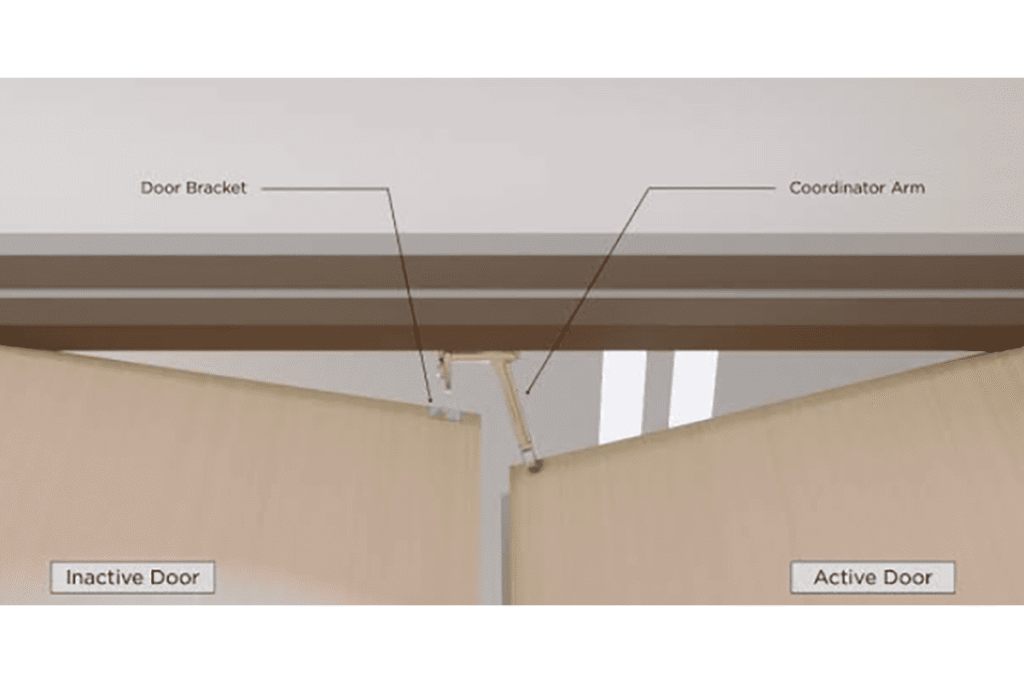
A door coordinator is a hardware device used on certain double-door systems to control the closing sequence of two door leaves. It ensures the inactive leaf closes before the active leaf1, so the latch, astragal, rebate, flush bolt, seal, or fire-door assembly can function as intended.
In my experience supplying architectural door hardware, many ordering mistakes happen because buyers treat the coordinator as a small accessory. It is not. It is part of the logic of the entire double-door opening, especially when closers, panic devices, flush bolts, astragals, or fire-rated requirements are involved.
How Does a Door Coordinator Work in a Double Door System?
A door coordinator matters because double doors often have a required closing order. If the leaves close randomly, the wrong leaf may arrive first and block the other one.2 This can leave the opening unlatched, unsealed, or visibly misaligned.
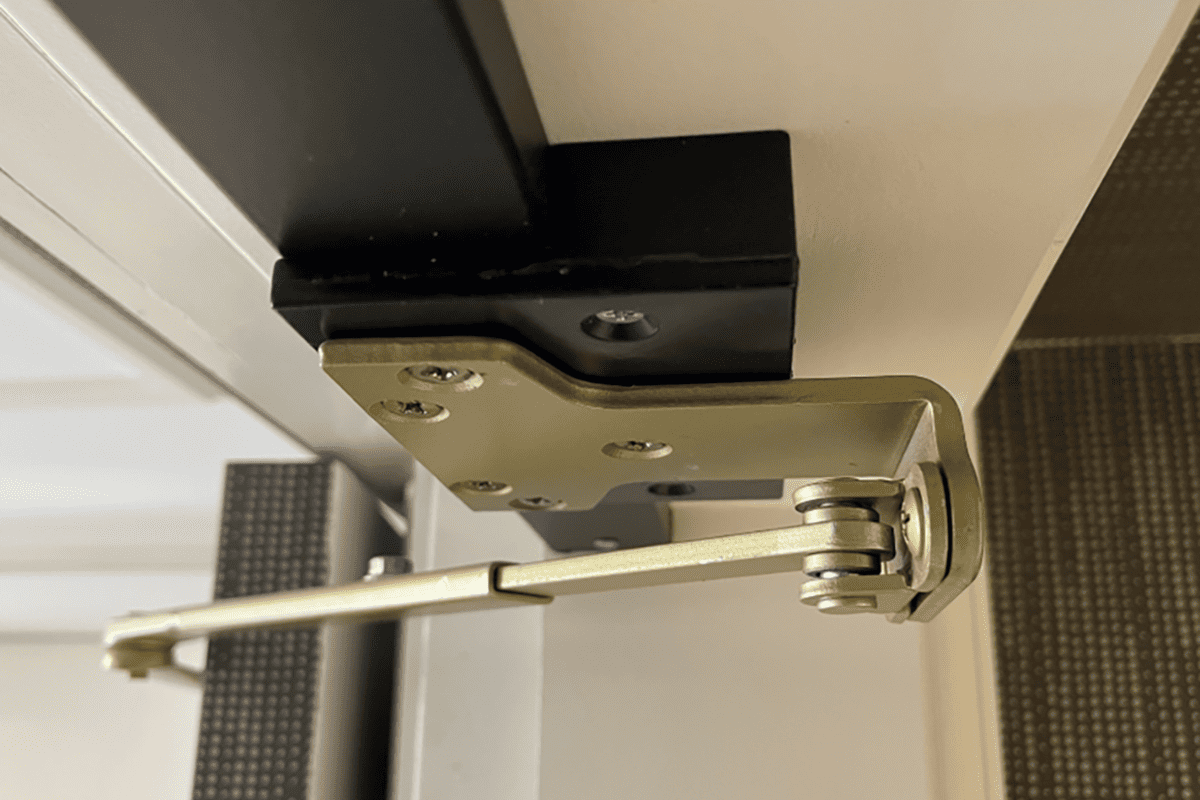
A door coordinator works by holding or delaying one leaf so the other leaf can close first. In many double-door systems, the inactive leaf must close before the active leaf. The coordinator manages this sequence so the latch, astragal, rebate, and locking hardware can engage correctly.
The basic sequence is simple
In a typical double-door system, one leaf is called the active leaf. This is usually the leaf people use most often. The other leaf is the inactive leaf. It may stay closed with a flush bolt, concealed bolt, or other securing method until a wider opening is needed.
The problem appears when both leaves are opened and then released. Without controlled sequencing, the active leaf may close before the inactive leaf. If the door set has an overlapping astragal, rebated meeting stile, latch arrangement, or fire-rated seal, this can stop the inactive leaf from closing fully.
I often explain the sequence like this:
- The inactive leaf closes first.
- The active leaf closes second.
- The active leaf latch or lock engages after the inactive leaf is in position.
- The full double-door system can then seal, lock, or remain ready for emergency use.
That simple order is the main reason the door coordinator exists.
The “master-slave” logic in double doors
Some buyers describe the two leaves as a master leaf and slave leaf. The wording changes by market, but the principle is similar. One leaf depends on the other leaf being in the correct position.
In many cases:
| Door leaf | Common role | Typical sequencing need |
|---|---|---|
| Active leaf / master leaf | Main traffic leaf | Opens first and closes last |
| Inactive leaf / slave leaf | Secondary leaf | Opens later and closes first |
This order is especially important when the meeting stile is not symmetrical. For example, a rebated door edge or overlapping astragal may physically prevent the wrong leaf from closing. In that case, a closer alone cannot solve the issue. The closer controls the movement speed and closing force. The door coordinator controls the order.3
Why closers are not enough
A common misunderstanding is that two door closers can coordinate the leaves by themselves4. Sometimes careful closer adjustment helps, but it does not replace a sequencing device when the door structure requires a fixed order.
A door closer usually controls:
- Closing speed
- Latching speed
- Backcheck
- Delayed action, depending on model
- Closing force or spring power
A door coordinator controls:
- Which leaf closes first
- Which leaf is temporarily held back
- Whether the active leaf can close only after the inactive leaf is positioned
- The closing sequence of a paired door assembly
I usually tell importers and door factories to evaluate the full opening, not only the closer model. If the door has an astragal, rebated meeting stile, vertical rods, panic devices, or fire-rated requirements, the coordinator question should be reviewed early in the hardware schedule.
A closer manages motion. A coordinator manages sequence. A complete double-door system may need both.
When Is a Door Coordinator Needed for Double Doors?
A door coordinator is needed when the two leaves of a double door must close in a specific order for the assembly to latch, seal, or comply with the project hardware design. It is not required on every double door. The need depends on door structure, handing, locking method, and local project requirements.
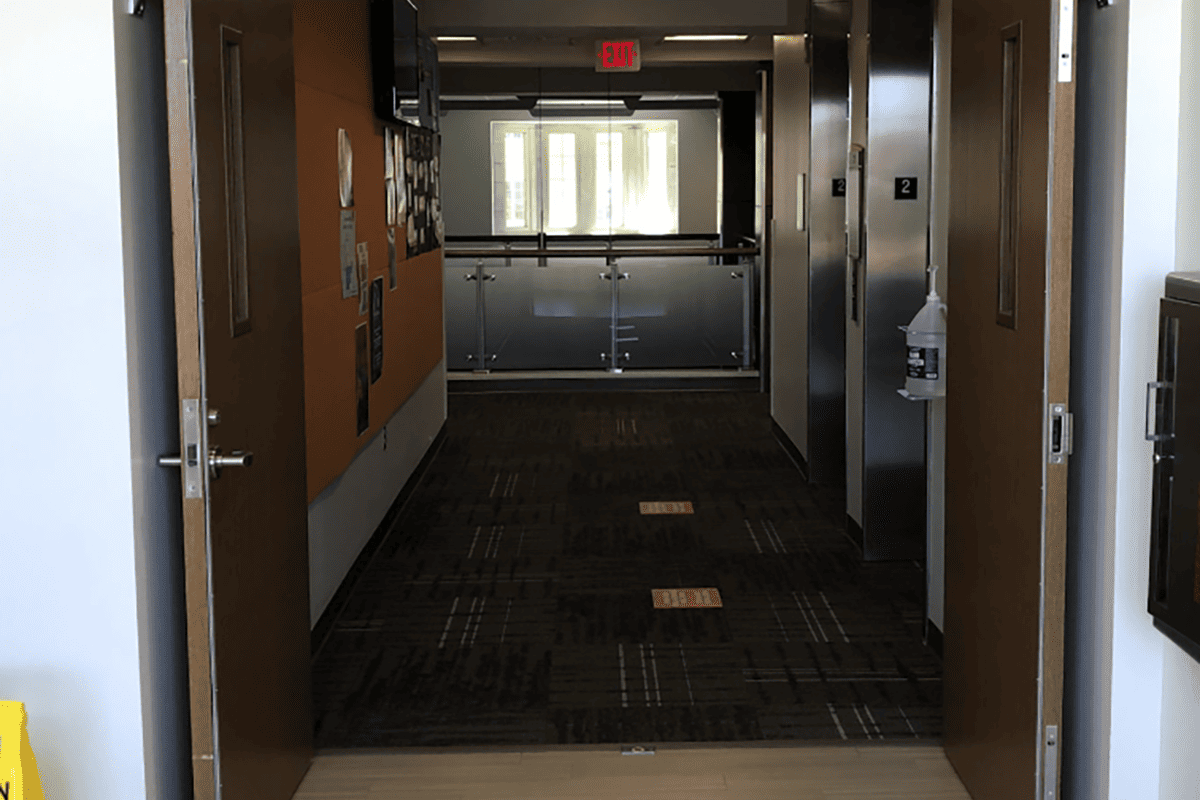
A door coordinator is commonly considered for double fire doors, stairwell doors, freight elevator areas, service corridors, and openings with overlapping astragals or rebated meeting stiles.5 If the active leaf can block the inactive leaf, or if the lock depends on leaf order, a coordinator may be necessary.
Real application problems I see in projects
In B2B supply, the issue is rarely theoretical. It usually appears after someone checks the door schedule, hardware set, or sample installation. A pair of doors may look correct on paper, but the closing order fails in actual use.
Common signs include:
- The active leaf closes first and blocks the inactive leaf.
- The latch cannot enter the strike because the second leaf is not seated.
- The astragal hits the wrong side of the meeting stile.
- A rebated leaf cannot pass the other leaf.
- The door closer pulls one leaf shut too quickly.
- The inactive leaf remains slightly open.
- The fire or smoke seal does not contact correctly.
- The panic hardware does not reset as expected.
In freight elevator areas, the opening may be wide and heavily used. Workers often open both leaves to move equipment, cartons, or trolleys. When the leaves are released, they may close at different speeds because of air pressure, closer adjustment, door weight, or traffic behavior. If the wrong leaf closes first, the door set may remain open or jammed.
In stairwell fire-door applications, the concern is more serious. The assembly may need to close reliably after use.6 I avoid making universal code claims because fire-door rules vary by region and project7. However, I do recommend that buyers verify whether the local fire-door standard, door test evidence, and project hardware schedule require a door coordinator.
Where coordinators are often evaluated
A coordinator is commonly reviewed in these opening types:
| Application | Why sequencing may matter | Buyer evaluation point |
|---|---|---|
| Stairwell double fire doors | Leaves must return to a closed position | Verify local fire-door requirements and tested hardware set |
| Freight elevator lobbies | Both leaves may be opened often | Check traffic pattern, closer force, and leaf order |
| Service corridors | Wide access is sometimes needed | Confirm active/inactive leaf arrangement |
| Mechanical rooms | Equipment movement may require both leaves | Check latch, bolt, and astragal design |
| Commercial back-of-house doors | Heavy use can disturb adjustment | Select durable hardware and inspect after installation |
| Rebated double doors | One leaf physically overlaps the other | Sequencing is often critical |
Not every double door needs one
I always try to be careful here. A door coordinator is not automatically required for every pair of doors. Some double doors have equal meeting stiles, independent latching, no overlapping astragal, or a hardware design that does not require ordered closing.
The need depends on several questions:
Which leaf is active?
The active leaf usually carries the main lock or latch.Which leaf must close first?
The inactive leaf often needs to seat before the active leaf can latch.Is there an astragal or rebated meeting stile?
Overlapping edges often create a strict sequence requirement.8Is the door fire-rated?
Fire-door hardware should be checked against the local standard and project documents.What locking hardware is used?
Flush bolts, panic devices, mortise locks, and vertical rods can affect sequencing.What closers are installed?
Closer type, arm style, and closing force can influence coordination.What is the door opening direction?
Handing and swing direction affect the coordinator model and position.
For door factories and importers, I suggest asking these questions before confirming the bill of materials. It is easier to select the correct coordinator during procurement than to solve a failed closing sequence on site.
What Types of Door Coordinator Are Common in B2B Projects?
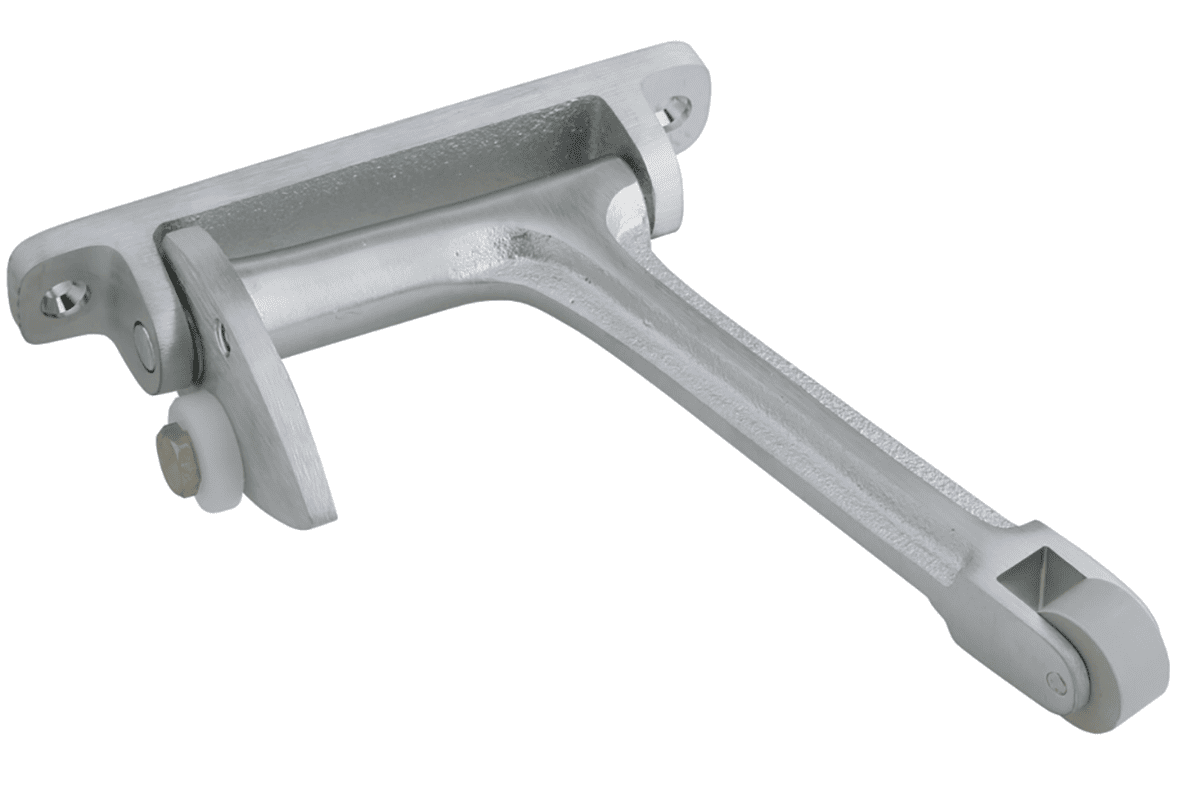
A door coordinator can come in several forms, including L-shaped coordinators, concealed coordinators, and precision-cast coordinators.9 The best type depends on the door structure, appearance requirement, fire-rating documentation, opening direction, and compatibility with closers, locks, and other hardware.
The main types of door coordinator differ by installation position, material structure, appearance, and project use. In B2B procurement, I recommend choosing by door design and performance need first, then by price and finish. The lowest-cost model is not always the safest procurement choice.
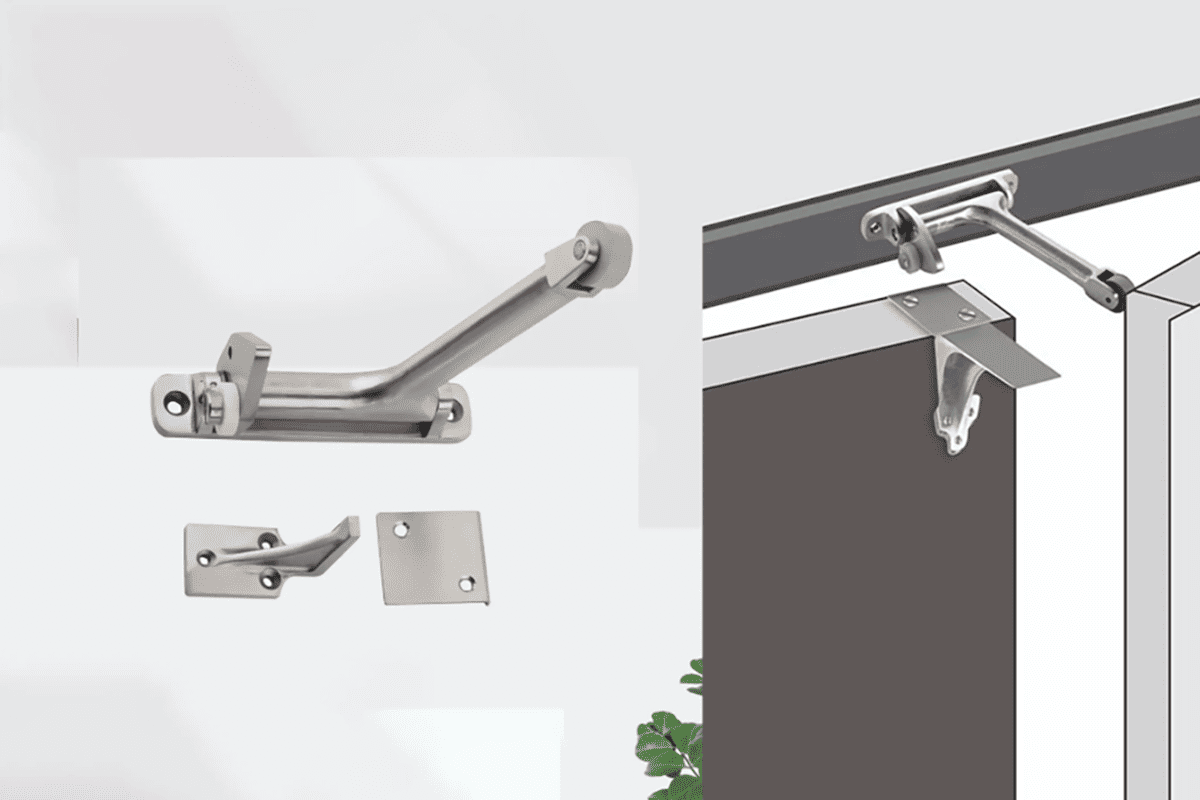
Common coordinator types
In our hardware supply work, I commonly see these product forms:
| Type | General description | Common use case | Procurement note |
|---|---|---|---|
| L-shaped coordinator | Visible arm or bar-style sequencing device | Standard double-door openings | Simple, practical, and easy to understand |
| Concealed coordinator | Hidden or less visible sequencing mechanism | Projects with cleaner appearance needs | Requires careful matching with frame and hardware |
| Precision-cast coordinator | Durable cast body or component structure | Commercial and heavier-use doors | Material and machining quality matter |
| Coordinator with filler bar | Coordinator system with auxiliary bar components | Wider openings or closer integration | Must match door width and closer layout |
L-shaped coordinators
An L-shaped coordinator is one of the more recognizable forms. It is often mounted at the top of the frame or opening area and interacts with the leaves as they close. Buyers like it because the function is easy to understand.
Its strengths include:
- Clear mechanical action
- Practical use in standard double-door systems
- Easier visual inspection
- Common availability
- Cost-effective procurement
However, buyers should still confirm the door width, frame condition, closer type, and leaf sequence. A simple model used in the wrong opening can still fail.
Concealed coordinators
A concealed coordinator is selected when the project needs cleaner aesthetics or when visible hardware should be reduced. This can be useful for architectural projects where the hardware appearance must stay minimal.
The challenge is compatibility. A concealed solution may require closer coordination with the door manufacturer, frame supplier, and installer. I recommend confirming drawings before production, especially for OEM or ODM projects.
Important points include:
- Frame preparation
- Door leaf clearance
- Opening direction
- Closer arm position
- Fire-rated documentation, if applicable
- Maintenance access
Precision-cast coordinators
Precision-cast coordinators are often chosen for durability and stable mechanical performance. The exact design varies by manufacturer, but buyers usually focus on material consistency, surface quality, dimensional accuracy, and long-term reliability.
From a factory perspective, I look at several quality factors:
- Casting quality and absence of obvious defects
- Machining accuracy of contact surfaces
- Stable spring or lever action, if included
- Corrosion-resistant surface treatment
- Smooth movement without sticking
- Consistent batch production
For international buyers, the coordinator should not be evaluated as an isolated item. It should be reviewed as part of the complete door hardware package. At SDH Hardware, for example, we supply related items such as Euro mortise locks, stainless steel lever handles, butt hinges, concealed hinges, Euro brass cylinders, and door accessories. This matters because a double-door system often works only when all components are correctly matched.
Selection should follow the door, not the catalog
A common mistake is choosing a coordinator from a catalog before defining the opening. I prefer the opposite approach. First, define the door system. Then select the hardware.
Buyers should confirm:
Door type
Timber, steel, fire-rated, commercial, service-area, or project-specific door.Leaf arrangement
Equal leaves or unequal leaves. Active and inactive side.Meeting stile design
Flat meeting stile, astragal, rebate, overlapping seal, or special profile.Hardware combination
Closers, mortise locks, flush bolts, panic devices, seals, hinges, and cylinders.Project documentation
Fire-rated certificates, CE documentation, drawings, test references, and local approval needs.Market requirement
Europe, Middle East, and Southeast Asia may have different expectations for documentation, finishes, and packaging.
I always remind buyers that certifications are documents to verify, not slogans to accept blindly. If a project requires CE marking, fire-rated evidence, or specific test standards, the buyer should request relevant documentation and confirm suitability with qualified local professionals.
How Should Buyers Choose the Right Door Coordinator?
A door coordinator should be chosen by matching the required closing sequence to the actual door design. Buyers should review the active leaf, inactive leaf, handing, opening direction, astragal or rebate, closer type, lock type, fire-rating needs, and supplier documentation before placing an order.
The right door coordinator is not just the correct size or finish. It must work with the whole double-door hardware set. I recommend that buyers share drawings, photos, door schedules, and hardware lists with the supplier before confirming mass production or container orders.
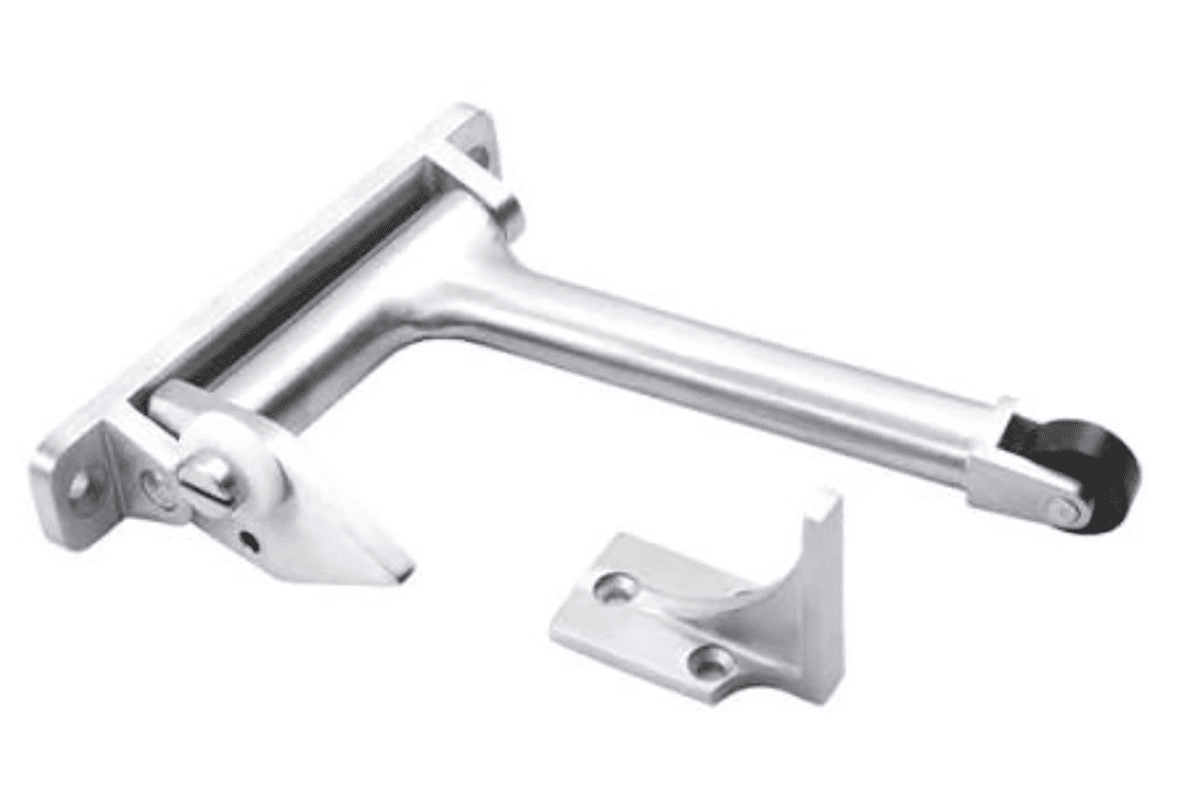
Start with the active and inactive leaves
The first question is always: Which leaf is active?
The active leaf usually carries the main lock, latch, lever handle, panic trim, or cylinder operation. The inactive leaf may be secured by flush bolts, concealed bolts, or vertical rod devices. Once the active and inactive leaves are clear, the required closing order becomes easier to define.
A practical review should include:
- Door handing
- Push side and pull side
- Opening direction
- Which leaf people use daily
- Which leaf carries the lock
- Which leaf carries the strike
- Whether both leaves can open independently
If the active leaf must close last, the coordinator must support that logic. If the door design is different, the hardware must be reviewed accordingly.
Check the meeting stile
The meeting stile is the vertical edge where the two leaves meet. This is where many sequencing problems occur.
Common meeting stile designs include:
| Meeting stile type | Coordination risk | Comment |
|---|---|---|
| Plain meeting stile | Low to medium | Depends on latch and lock design |
| Overlapping astragal | High | Wrong closing order can block one leaf |
| Rebated meeting stile | High | One leaf usually must close before the other |
| Smoke or fire seal at meeting edge | Medium to high | Seal contact may depend on correct alignment |
| Vertical rod panic device | Medium to high | Rod and latch engagement must be checked |
If the meeting stile physically requires one leaf to sit behind the other, a coordinator may be necessary. I have seen buyers order a full hardware set without this detail, then discover during sample fitting that the active leaf blocks the inactive leaf. That is an expensive mistake if the shipment has already arrived.
Match with closers and other hardware
A door coordinator does not replace the closer. It works with it.10 The closer still provides the force to bring each leaf back to the frame. The coordinator manages the order.
The following hardware should be reviewed together:
Door closers
Surface-mounted, concealed, slide arm, regular arm, or parallel arm designs may affect space and function.Flush bolts
The inactive leaf may need to close fully before bolts can engage.Mortise locks
The latch must meet the strike correctly after the inactive leaf is seated.Panic exit devices
Emergency exit hardware must work as intended. Local code review is important.Hinges
Door weight, alignment, and sagging can affect closing performance.Seals and astragals
Fire, smoke, acoustic, or weather seals can add resistance or require precise closure.
Procurement checklist
For B2B buyers, I suggest using a short checklist before ordering:
- Confirm door leaf size and thickness.
- Confirm active and inactive leaf positions.
- Confirm opening direction and handing.
- Confirm whether the door is fire-rated.
- Confirm meeting stile design.
- Confirm closer model and mounting position.
- Confirm lock, latch, flush bolt, or panic device type.
- Request drawings or technical data from the supplier.
- Verify certificates and test documents where required.
- Check sample performance before bulk shipment when possible.
This checklist is not a substitute for professional installation or local code review. However, it helps avoid common procurement errors.
Why supplier communication matters
A coordinator may look simple, but small differences can change the result. Door width, frame depth, closer arm position, and leaf sequence all matter. That is why I prefer to receive project details before recommending a model.
As a China-based manufacturer and supplier, SDH Hardware supports OEM and ODM projects for door factories, hardware brands, and wholesalers. We can discuss specifications, surface treatments, accessory configurations, custom packaging, logo marking, and inspection arrangements. Still, I always advise buyers to verify final application suitability against the project standard and local requirements.
How Is a Door Coordinator Different from Other Door Hardware?
A door coordinator is different because it controls the closing order of two door leaves. A closer controls closing motion, a flush bolt secures the inactive leaf, a lock secures the active leaf, and a panic device controls emergency exit. These parts may work together, but they do not perform the same function.
The door coordinator should be evaluated as a sequencing device, not as a replacement for closers, locks, hinges, or exit hardware. If a double-door opening fails to close correctly, the cause may be poor sequencing, weak closer adjustment, incorrect handing, or mismatched hardware.
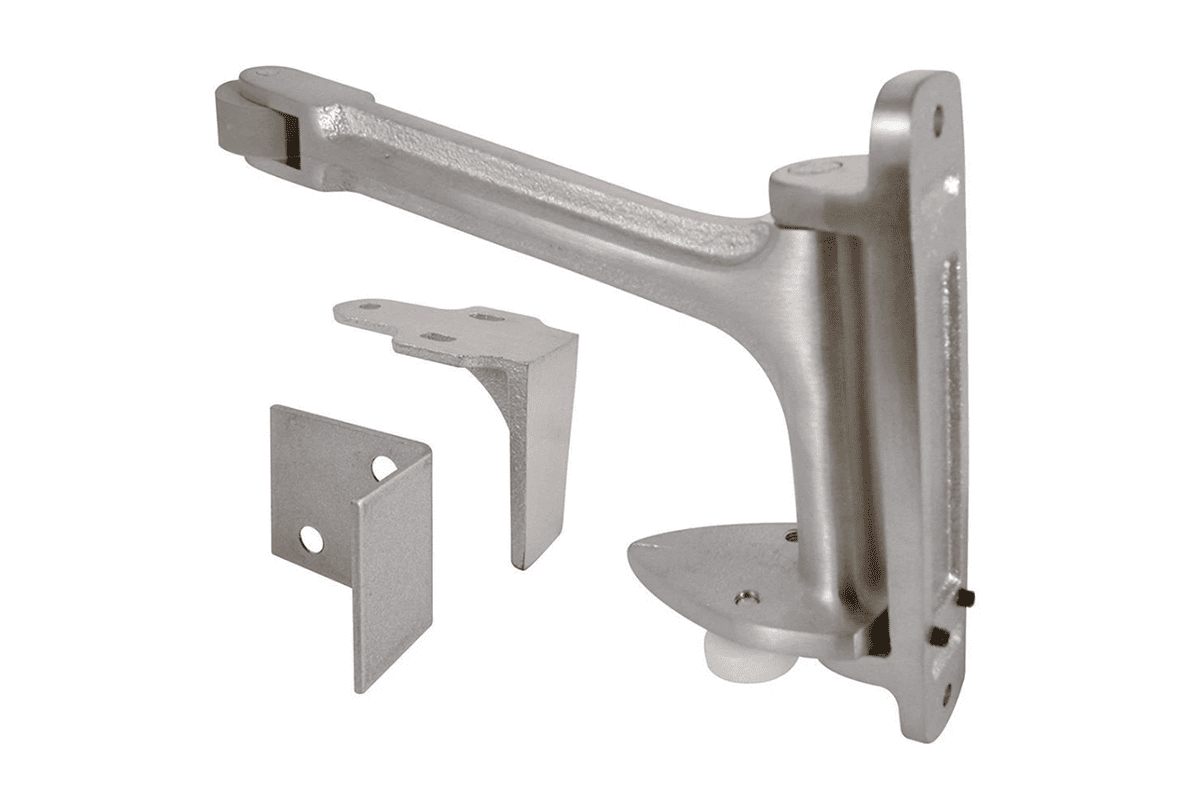
Hardware roles in a double-door system
Many double-door problems come from confusing the purpose of each component. I like to separate them by function.
| Hardware | Main function | Does it control closing order? |
|---|---|---|
| Door coordinator | Controls leaf closing sequence | Yes |
| Door closer | Controls closing speed and force | No, not by itself |
| Flush bolt | Secures inactive leaf | No |
| Mortise lock | Locks or latches active leaf | No |
| Panic device | Allows emergency exit | No |
| Hinges | Support and pivot the door leaf | No |
| Astragal | Covers or seals the meeting gap | No |
This distinction is important in procurement. If the supplier receives only the phrase “double door hardware,” the recommended set may be incomplete. The buyer should describe the actual opening and required function.
Example: closer vs coordinator
Suppose both leaves have surface-mounted closers. The active leaf closes faster than the inactive leaf. The latch reaches the meeting stile first and blocks the inactive leaf. The opening now looks almost closed, but it is not properly latched.
In that situation, increasing or reducing closer speed may help temporarily. But if the door structure requires the inactive leaf to close first every time, closer adjustment alone may not be reliable. A door coordinator may be the correct hardware to review.
Example: flush bolt vs coordinator
A flush bolt secures the inactive leaf into the frame or floor.11 It does not decide which leaf closes first. If the inactive leaf cannot reach the closed position because the active leaf is in the way, the flush bolt cannot do its job.
This is why I review flush bolts and coordinators together. They are not interchangeable. They solve different problems.
Example: panic device vs coordinator
Panic hardware can add more complexity. Some double-door emergency exit systems have vertical rods, latch points, or overlapping components. The opening must allow emergency egress, but it may also need to return to a secured or closed condition afterward.
For these applications, I recommend project-specific review. Local regulations, fire-door listings, and exit requirements can vary. A qualified professional should confirm the final hardware schedule.
A system view prevents mistakes
The best procurement teams do not buy the coordinator as a loose accessory. They evaluate it as part of the door system. That system includes:
- Door leaf construction
- Frame design
- Hinges
- Closers
- Locks
- Cylinders
- Handles
- Flush bolts
- Panic hardware
- Seals
- Astragals
- Coordinator
- Project certification documents
Conclusion
A door coordinator is a sequencing device that helps certain double-door systems close in the correct order. It is especially useful when the inactive leaf must close before the active leaf so the latch, astragal, rebate, seal, or fire-door assembly can function properly. I recommend evaluating the full door hardware set before ordering. If you need factory-direct support for door coordinators or complete double-door hardware packages, contact SDH Hardware with your drawings, door schedule, and project requirements.
"How do door coordinators work if the inactive leaf is ...", https://www.reddit.com/r/Locksmith/comments/1rnhos8/how_do_door_coordinators_work_if_the_inactive/. Technical guidance on paired-door coordinators states that the inactive leaf is sequenced to close before the active leaf when the active leaf depends on the inactive leaf being seated. Evidence role: mechanism; source type: institution. Supports: Door coordinators are used to sequence paired doors so the inactive leaf closes before the active leaf where the hardware arrangement requires it.. Scope note: This supports the normal sequencing logic but does not show that every double-door assembly requires the same order. ↩
"Double Door Configuration Guide: How to Avoid Pair Rework", https://www.cdfdistributors.com/blog/post/double-door-configuration-guide?srsltid=AYCX9vI9em9QkWW0i_wxXqqZej2VXJlAuaqCcz4S5pUQyUGsL-oQ6Y2o. Architectural-hardware guidance describes coordinators as preventing improper closure of paired doors where one leaf can interfere with the other at the meeting edge. Evidence role: mechanism; source type: institution. Supports: Paired doors with astragals, rebates, or dependent latching can fail to close correctly when the leaves close in the wrong sequence.. Scope note: The source would support the general mechanism; actual blockage depends on the specific meeting-stile and hardware configuration. ↩
"A156.4 - 2024 Door Closers and Pivots", https://buildershardware.com/ANSI-BHMA-Standards/Hardware-Highlights/A1564-2024-Door-Closers-and-Pivots. Builders-hardware standards distinguish door closers, which control the closing action of a door, from coordinators, which control the sequence of paired door leaves. Evidence role: definition; source type: institution. Supports: Door closers are specified for controlled closing action, while coordinators are specified for sequencing paired leaves.. ↩
"What Is a Door Coordinator? A Hinge-Based Alternative", https://watersonusa.com/solutions/door-coordinator. Technical guidance on paired openings notes that door closers and coordinators serve different functions, and that a coordinator may be needed where the pair must close in a prescribed sequence. Evidence role: general_support; source type: institution. Supports: Closers may control each leaf's motion, but separate coordinating hardware may be needed where the pair must close in a fixed order.. Scope note: The source would support the general distinction, not prove that a coordinator is necessary for every installation using two closers. ↩
"What Is a Door Coordinator? A Hinge-Based Alternative", https://watersonusa.com/solutions/door-coordinator. Fire-door and architectural-hardware guidance discusses coordinators in the context of paired doors, especially where astragals or other meeting-edge details make closing order relevant. Evidence role: general_support; source type: institution. Supports: Coordinators are commonly discussed for paired openings, particularly fire-rated pairs and pairs with astragals or meeting-stile conditions that require sequencing.. Scope note: This supports the kinds of openings where coordinators are evaluated, but it does not establish universal use in every listed location. ↩
"Self-Closing Doors - HPD", https://www.nyc.gov/site/hpd/services-and-information/self-closing-doors.page. Fire-safety code guidance commonly requires fire-door assemblies to be self-closing or automatic-closing and to latch when closed. Evidence role: expert_consensus; source type: government. Supports: Fire doors are generally required by codes or fire-safety guidance to be self-closing or automatic-closing and capable of latching.. Scope note: The exact requirement depends on jurisdiction, occupancy, opening type, and the applicable edition of the adopted code. ↩
"34 Pa. Code § 50.33 - Fire door assemblies | State Regulations", https://www.law.cornell.edu/regulations/pennsylvania/34-Pa-Code-SS-50-33. Building-code guidance treats fire-door requirements as jurisdictionally adopted obligations that may be modified by local amendments and project-specific construction documents. Evidence role: general_support; source type: government. Supports: Fire-door obligations are set through adopted codes, local amendments, and project-specific listings or specifications.. Scope note: This supports regional and project variation in compliance requirements, not the rule for any single project. ↩
"What is an Astragal?", https://laforceinc.com/blog/what-is-an-astragal/. Technical references on paired doors explain that astragals and rebated meeting stiles may require controlled leaf sequencing so the overlapping edge seats in the proper order. Evidence role: mechanism; source type: institution. Supports: Overlapping or rebated meeting edges can make the closing order mechanically significant because one leaf must seat before the other can close or latch correctly.. Scope note: This supports the mechanism generally; the severity of the sequence requirement depends on the exact profile and hardware layout. ↩
"Door Coordinators", https://www.rockwoodmfg.com/en/Products/Door-Accessories/Door-Coordinators. Architectural-hardware references identify multiple coordinator configurations for paired doors, including visible and concealed forms. Evidence role: general_support; source type: institution. Supports: Coordinator products and standards recognize different configurations, including visible frame-mounted and concealed sequencing devices.. Scope note: The source may not use the exact marketing term “precision-cast,” so it would provide contextual support for product variation rather than direct proof of every named category. ↩
"Door Coordinators & Carry Bars for Double Doors", https://www.tmhardware.com/coordinators/?srsltid=AYCX9vJnPNa-2DQZfd22IBl8QL6TTL6U0_HBVJqm5VfQ9ZF6kvwM6VpZ. Builders-hardware guidance describes door closers as devices that close doors and coordinators as devices that sequence paired leaves, indicating complementary rather than interchangeable functions. Evidence role: mechanism; source type: institution. Supports: Door closers provide closing action, while coordinators sequence paired leaves; the devices can be used together in the same opening.. ↩
"Automatic Flush Bolt", https://up.codes/d/automatic-flush-bolt. Architectural-hardware references define flush bolts as bolts typically installed in the inactive leaf of a pair to secure it into the frame, head, sill, or floor. Evidence role: definition; source type: institution. Supports: Flush bolts are hardware used on the inactive leaf of paired doors to secure the leaf into the head, sill, floor, or frame.. ↩
