

CE Night Latch vs Classroom Mortise Lock
CE Night Latch vs Classroom Mortise Lock is a comparison that often looks simple until a project door is installed incorrectly. Two lock cases may share a Euro mortise format, similar faceplates, and matching handles. The problem starts when buyers assume they work the same. The better solution is to specify by operation, door use, and safety logic.
CE night latch vs classroom mortise lock is not a “better or worse” choice. A CE night latch is mainly for restricted service-area access with automatic relocking, while a classroom mortise lock is designed for classroom control with inside emergency egress. Buyers should choose based on door function, hardware configuration, and project requirements.
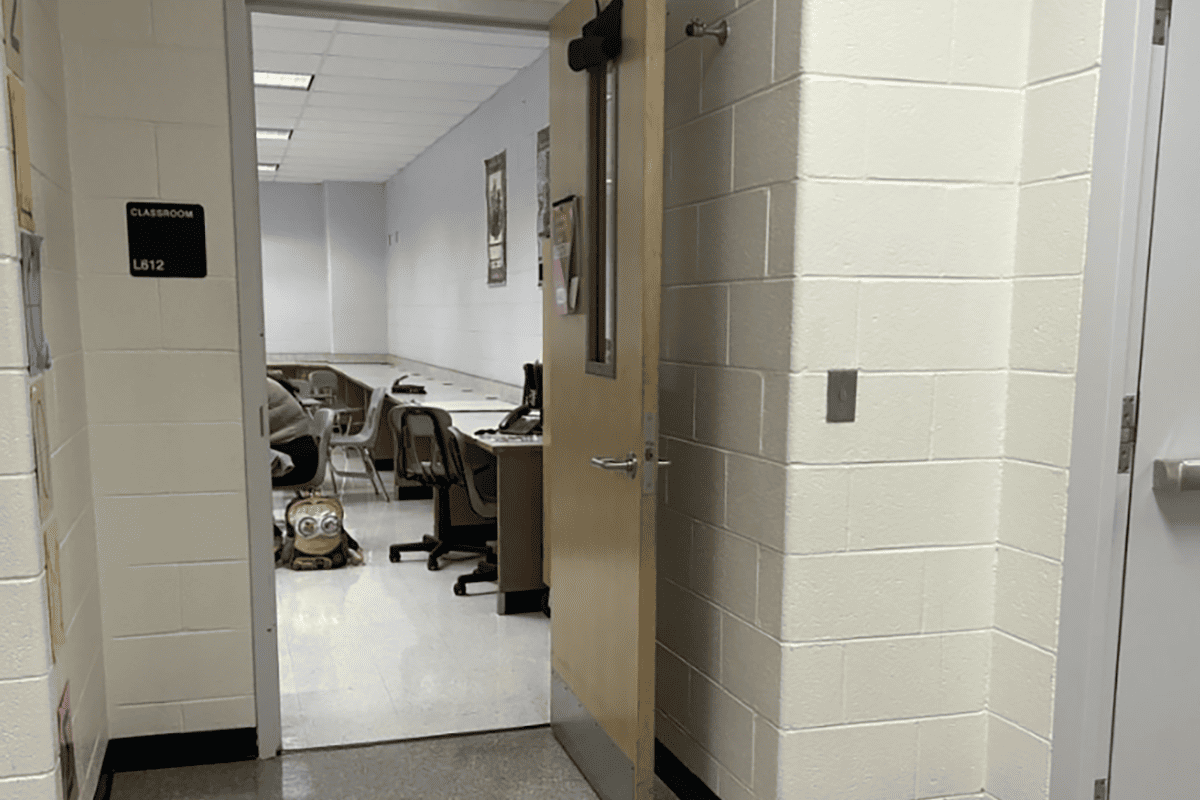
I have seen this confusion many times from the factory side. A sample drawing may show the same backset, the same Euro cylinder hole, and the same lever style. But the internal function can create a completely different user experience after installation.
Why does CE Night Latch vs Classroom Mortise Lock cause specification mistakes?
A specification mistake usually starts with appearance. The lock body looks familiar, the dimensions seem compatible, and the buyer assumes the function is also compatible. That assumption can create access problems, complaints from site users, or even rejection during project inspection.
The key difference in CE Night Latch vs Classroom Mortise Lock is operating logic. A CE night latch normally allows key-controlled entry from outside and handle egress from inside, then relocks automatically.1 A classroom mortise lock allows classroom access control while keeping the inside lever always available for emergency exit.2
The visual similarity is the trap
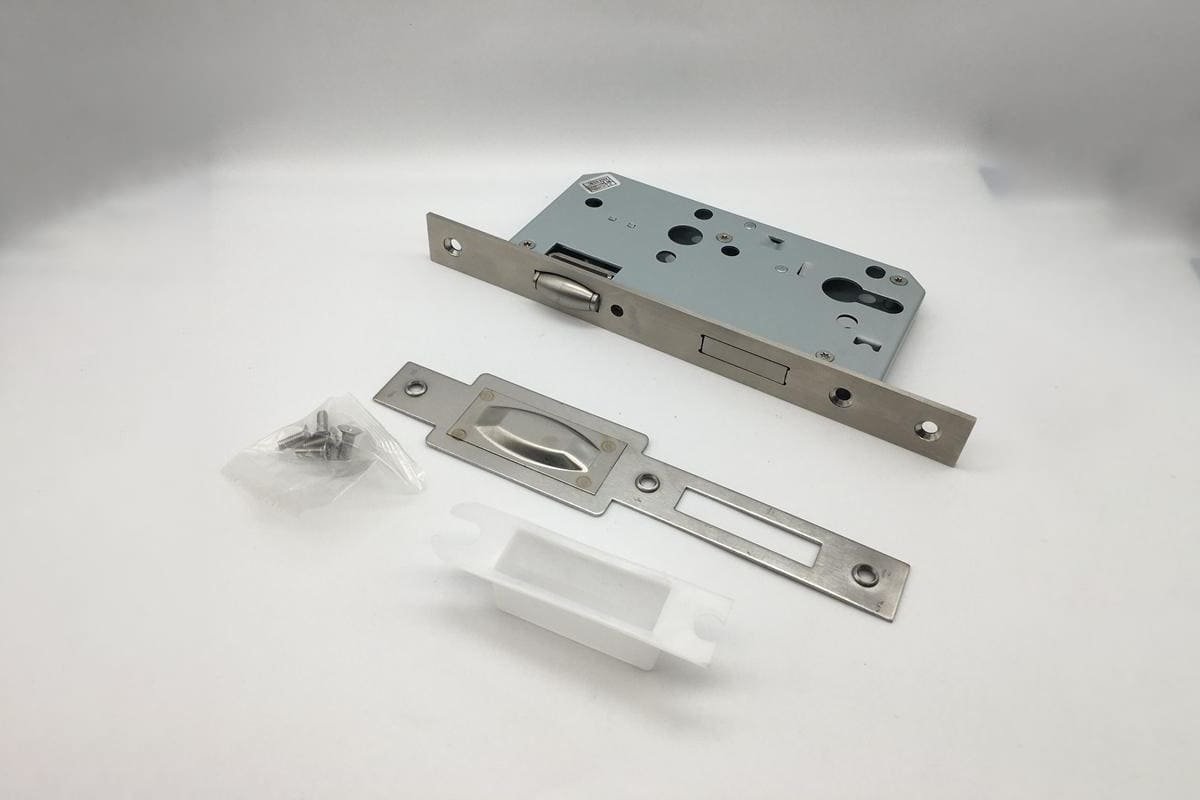
Many project locks use a Euro mortise lock format3, so they naturally share several visible features:
- Similar lock case shape
- Similar forend or faceplate design
- Euro profile cylinder compatibility
- Similar latchbolt position
- Compatible lever handle or pull handle furniture
- Similar strike plate layout
From a purchasing desk, these similarities can make the two locks look interchangeable. From a manufacturer-side view, they are not.
A CE night latch is usually specified where the outside of the door should stay restricted. A classroom mortise lock is usually specified where students, teachers, and staff need a safe way to exit from inside even when the door is locked from outside4.
That difference affects more than the lock body. It affects the complete door set.
Key comparison at a glance
| Evaluation point | CE night latch | Classroom mortise lock |
|---|---|---|
| Main use | Storage rooms, service rooms, utility areas | Classrooms and education spaces |
| Outside operation | Usually key only | Lever when unlocked, key required when locked |
| Inside operation | Handle opens for exit | Inside lever opens at all times through anti-panic function |
| Relocking logic | Automatically relocks when door closes | Remains locked from outside after inside egress |
| Common outside furniture | Fixed pull handle | Lever handle |
| Main purpose | Restricted access and service-area security | Controlled access plus safe egress |
| Risk if misused | User may expect lever entry where none exists | Door may fail classroom safety expectations |
Why I check function before quoting
When I review an inquiry for Euro mortise locks, I do not only check the drawing size. I ask how the door should work from both sides. This simple question prevents many mistakes.
For example, if a customer asks for a “night latch classroom lock,” I slow down. That phrase can mean two different things in different markets. Some buyers mean a service-room night latch. Others mean a classroom lock with anti-panic egress. The best practice is to confirm the sequence of operation.
I usually ask these questions:
- Can the outside lever open the door when unlocked?
- Should the outside be fixed pull only?
- Can the inside handle always open the door?
- After inside exit, should the outside remain locked?
- Is the door part of a fire-rated or school project requirement?
- Which certificate scope must match the exact product configuration?
These questions sound basic, but they protect the buyer. Door factories and project-door suppliers often manage hundreds or thousands of doors. One wrong lock function can create a costly site problem.
In lock procurement, the drawing tells me the lock may fit. The function tells me whether it belongs on that door.
How does a CE night latch work on service-area doors?
A CE night latch solves a common service-area problem. A storage room, utility room, or maintenance area should not stay freely accessible from the corridor. If the lock is specified incorrectly, staff may leave the room exposed or need extra steps to secure it.
A CE night latch typically opens from outside by key only and uses a fixed pull handle on the outside. From inside, the handle allows exit. When the door closes, the latch automatically relocks5, which supports restricted access for service rooms and utility spaces.

The outside is usually restricted
The defining point of a CE night latch is that outside access is controlled by the key. In many configurations, the outside door furniture is not an active lever. It is often a fixed pull handle or fixed knob. The user pulls the door shut, and the lock secures the door automatically.
This setup is useful for spaces such as:
- Electrical rooms
- Storage rooms
- Utility rooms
- Cleaning supply rooms
- Staff-only service areas
- Plant rooms
- Back-of-house commercial areas
These are not normally rooms where the public needs free access. They are spaces where the door should close and return to a secured state.
Automatic relocking is the main value
The automatic relocking function is important because users are not always careful. In a busy building, a service-area door may be opened many times during the day. If staff must remember to relock it every time, mistakes happen.
A night latch reduces that risk. When the door closes, it is normally locked again from the outside. This does not make the lock suitable for every security application, but it does support a simple and practical access-control pattern.
Typical hardware configuration
A CE night latch is often configured with:
| Component | Typical configuration | Procurement note |
|---|---|---|
| Lock case | Euro mortise lock case | Check backset, center distance, forend size |
| Cylinder | Euro profile cylinder | Confirm keying plan and cylinder length |
| Outside furniture | Fixed pull handle or fixed knob | Do not assume lever operation |
| Inside furniture | Active lever handle | Confirm egress operation |
| Latchbolt | Often stainless steel in quality project lines | Check material and finish requirements |
| Lock case finish | Often electro-galvanized steel | Verify corrosion expectations by project location |
| Security feature | Anti-thrust pin may be included | Confirm exact lock model and function |
In our manufacturing work at SDH Hardware, I treat these as configuration details rather than marketing decoration. A small change in outside furniture can change the user experience completely. A fixed pull handle tells the user: “You need a key to enter.”
Anti-thrust function in night latch use
Some night latch lock cases include an anti-thrust pin6 or similar feature. This feature helps prevent simple latch manipulation when the door is closed. For service-area security, that matters because the latch is the main securing point during normal closed-door status.
However, buyers should avoid vague assumptions. “Anti-thrust” can describe different designs in different factories. The right procurement approach is to request:
- Product drawing
- Function description
- Material specification
- Test report, if available
- CE certificate scope, if CE is claimed
- Fire-rated certificate scope, if the door is fire-rated
CE documentation should be checked against the exact lock model and intended application.7 A certificate is not a universal approval for every door, every country, or every building type. Project teams should also consult qualified professionals for application-specific decisions, especially for public buildings and fire doors.
How does a classroom mortise lock support safe classroom access?
A classroom door creates a different problem. Teachers may need to lock the outside quickly, but students and staff inside still need safe exit. If the lock is treated like a simple night latch, the project may miss the access and egress logic expected for classroom use.
A classroom mortise lock allows normal lever operation from both sides when unlocked. When locked, the outside requires a key, but the inside lever still opens the door through an anti-panic function. After inside egress, the door remains locked from outside.
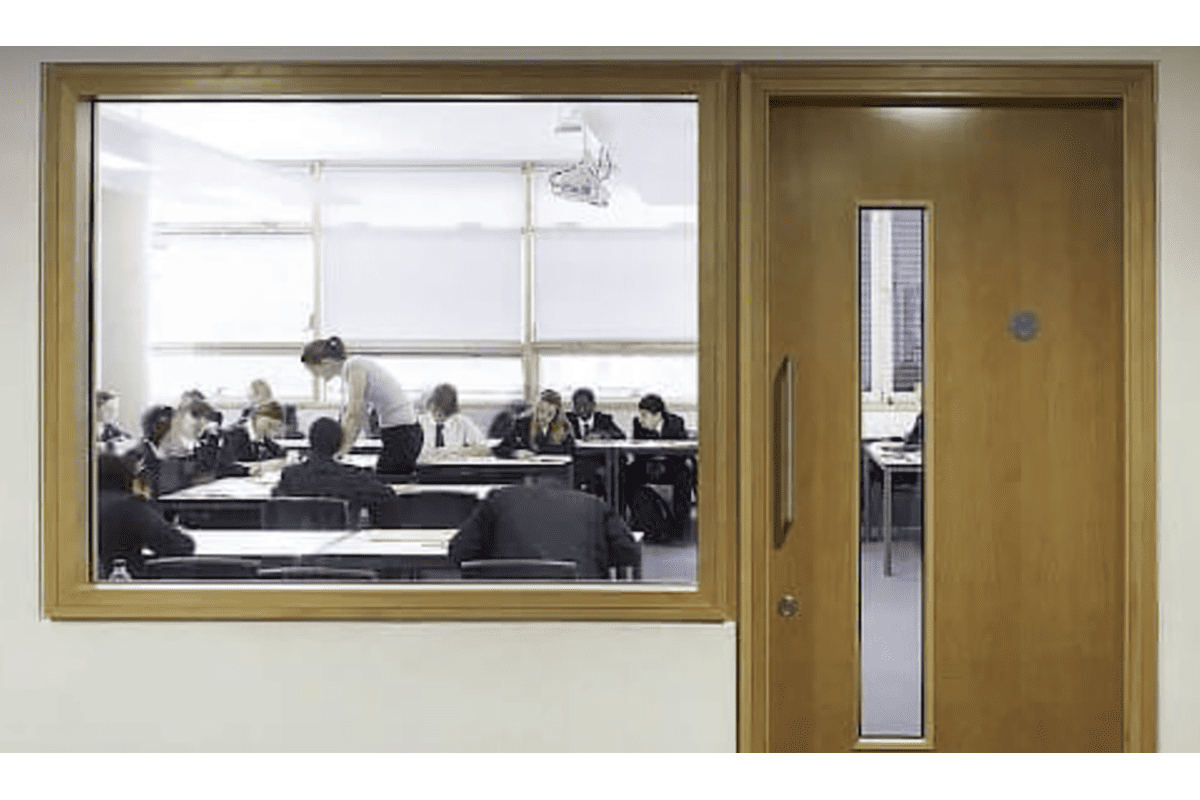
Classroom use is not the same as storage-room use
A classroom is an occupied space. That changes the lock logic. The room is not only about keeping people out. It is also about allowing people inside to leave quickly and naturally.
When unlocked, a classroom mortise lock usually works like a standard passage-style lever set. A person can press the lever from either side and retract the latchbolt. When the outside is locked by key, the outside lever no longer opens the door. But the inside lever remains active.
That inside operation is the critical difference.
Anti-panic egress protects inside users
In classroom lock selection, the term anti-panic function is important. It means the inside lever can open the door even when the outside is locked. The user should not need a key from inside to exit.8
This supports emergency egress. It also supports daily use. Students, teachers, and staff should not feel trapped because the outside was secured.
After inside exit, the outside normally remains locked. This detail matters. The lock allows escape without turning the door into an unlocked public entry point.
Classroom lock sequence of operation
A clear sequence helps procurement teams avoid misunderstanding.
| Door status | Outside operation | Inside operation | Result |
|---|---|---|---|
| Unlocked | Lever opens latch | Lever opens latch | Free access both ways |
| Locked from outside | Key required | Inside lever opens | Safe egress is maintained |
| After inside exit | Outside remains locked | Inside access depends on door side | Security is maintained from corridor |
| Key operation | Controls outside access | Usually not needed for inside exit | Classroom control remains simple |
Why the outside lever matters
A classroom mortise lock often uses lever handles on both sides. This can make it look like a normal office lock. The difference is inside the lock case and cylinder function.
This is why I always ask for a function sample or at least a written function description before confirming production. If a customer only sends a handle photo, I cannot safely identify the lock function. A lever handle photo does not show whether the lock is:
- Passage function
- Privacy function
- Classroom function
- Storeroom function
- Night latch function
- Anti-panic function
For school projects, this distinction becomes even more sensitive. CE certification, fire-rated certification, or any project acceptance document should be verified against the exact model, door type, and local requirement. A classroom lock may be well manufactured, but the final suitability depends on the full door assembly and the authority having jurisdiction.
Manufacturing details that matter
For classroom mortise locks, I pay close attention to several production details:
- Consistent latchbolt movement for frequent daily use
- Stable spring force so the lever returns properly
- Accurate cylinder cam interaction for locking and unlocking
- Durable follower design for repeated lever operation
- Clean forend finishing for visible project quality
- Correct handedness or reversible function, depending on design
- Anti-panic operation verification before shipment
In a factory inspection, I like to test the same function several times. I open from outside, lock, test outside restriction, open from inside, close the door, and test outside again. This routine is simple, but it catches configuration mistakes before cartons leave the factory.
What should buyers compare in CE Night Latch vs Classroom Mortise Lock procurement?
Procurement teams often compare price first. Price matters, but it cannot replace function. If CE Night Latch vs Classroom Mortise Lock is treated as a cost comparison only, the wrong product may pass purchasing and fail on site.
Buyers should compare CE Night Latch vs Classroom Mortise Lock by door purpose, user movement, inside egress, outside access, handle configuration, cylinder plan, material specification, and certificate scope. The correct lock is the one that matches the required door operation and verified project documents.
Start with the door schedule
A door schedule usually gives clues about the correct lock type. It may list the room name, door rating, hardware set, or keying group.9 Buyers should not treat every Euro mortise lock line as the same item.
I recommend checking each door by space type:
| Space type | More likely lock function | Reason |
|---|---|---|
| Storage room | CE night latch | Restricted outside access and automatic relocking |
| Utility room | CE night latch | Staff-only access and service-area control |
| Electrical room | CE night latch or special project lock | Restricted access, sometimes special safety rules |
| Classroom | Classroom mortise lock | Controlled entry plus inside egress |
| Training room | Depends on operation requirement | May need classroom-style function or standard office function |
| Office | Not always either | Often needs different function |
| Fire-rated escape route | Requires professional verification | Lock must match door assembly and regulations |
Confirm the function in writing
The safest purchase order does not only say “mortise lock.” It describes the function.
For a CE night latch, the purchase description may include:
- Outside entry by key only
- Outside fixed pull handle compatibility
- Inside lever exit
- Automatic relocking when door closes
- Euro profile cylinder compatibility
- Required backset and center distance
- Required certificate documents for review
For a classroom mortise lock, the purchase description may include:
- Lever operation from both sides when unlocked
- Outside locked by key
- Inside lever always opens for emergency egress
- Door remains locked from outside after inside egress
- Euro profile cylinder compatibility
- Anti-panic function requirement
- Required project documentation for verification
This wording reduces risk. It also helps the factory configure the right lock case, follower, cylinder function, and furniture set.
Compare specifications, not only names
Product names can vary by region. One market may use “night latch” differently from another. One buyer may call a lock “classroom type” when they only mean “used in a school.” That is why a specification table is more reliable than a product name.
Key specifications to compare include:
Standard format
Many project locks follow DIN-style dimensions, including DIN 18251-related lock case formats.10 Buyers should still check the actual drawing.Backset and center distance
Common Euro mortise locks may use standard dimensions, but project doors can vary.Forend size and finish
The forend must match the door edge preparation and design expectation.Cylinder compatibility
Euro profile cylinder compatibility is common, but cylinder length, cam type, and keying plan must be confirmed.Follower size
Handle spindle compatibility affects installation.Latchbolt material
Stainless steel latchbolts can improve durability and appearance in many project lines.Lock case material
Electro-galvanized steel lock cases are common for corrosion resistance11, but environmental needs should be reviewed.Anti-thrust pin
This can improve latch security, but buyers should confirm the exact design.Anti-panic function
This is critical for classroom use and must be tested as part of function inspection.Certificate scope
CE or fire-rated documents should match the exact model, configuration, and project requirement.
Build inspection into the order
For B2B door hardware, I prefer inspection before shipment. It is easier to correct a function mistake at the factory than after installation.
A practical inspection plan may include:
- Random sample function test
- Dimensional check against approved drawing
- Surface finish inspection
- Latchbolt movement test
- Handle follower operation test
- Cylinder locking and unlocking test
- Anti-panic verification for classroom locks
- Automatic relocking verification for night latch locks
- Packaging and labeling check
- Certificate and document review
At SDH Hardware, we often support buyers with drawings, product inspection service after order completion, and configuration confirmation. I still encourage buyers to use their own project consultants when the door is part of a regulated fire, school, or public-building application.
Which lock fits your door: CE Night Latch vs Classroom Mortise Lock?
The final choice depends on the door’s job. If the door protects a service space, the access logic is different from a classroom. If buyers skip this step, they may buy a lock that fits the cutout but fails the building’s daily operation.
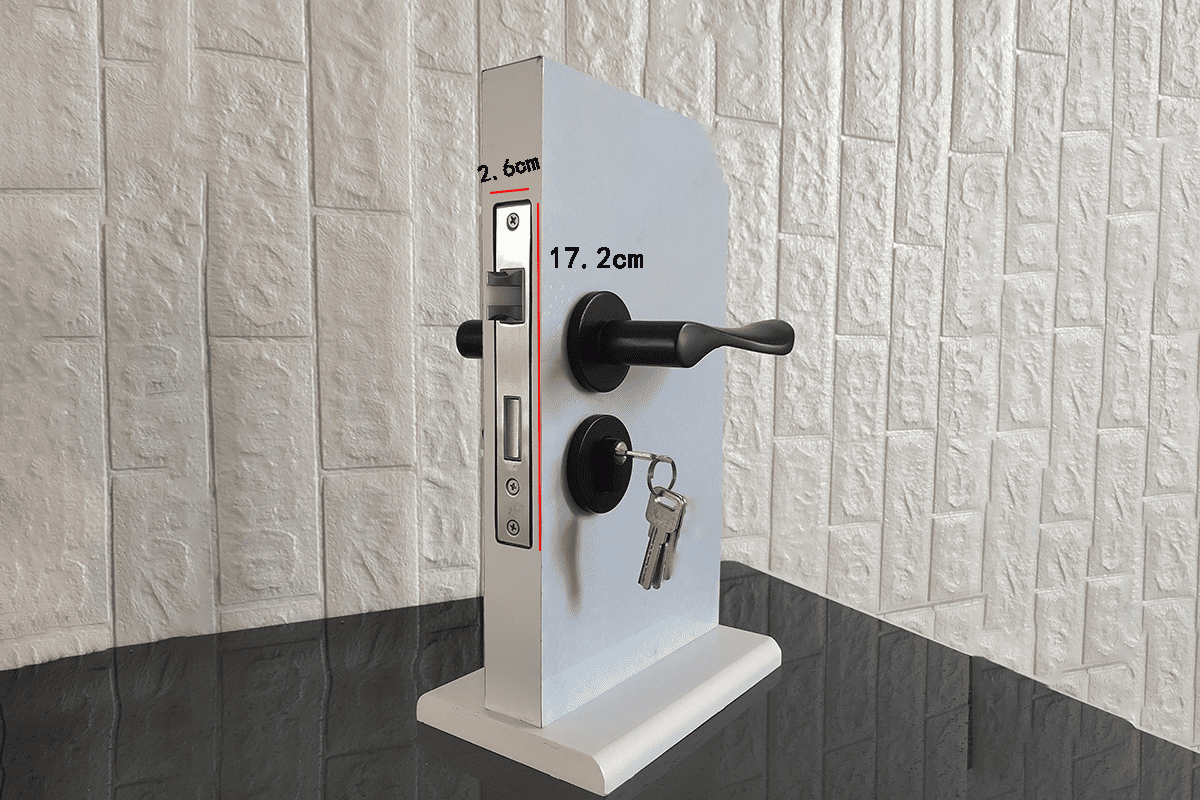
Choose based on the door function. A CE night latch fits restricted service areas that need key entry and automatic relocking. A classroom mortise lock fits classrooms that need outside key control, normal lever use when unlocked, and inside anti-panic egress at all times.
Use the “two-side operation” test
Before choosing, I suggest a simple test. Describe the door operation from both sides.
For the outside, ask:
- Should a person open the door by lever?
- Should a person need a key every time?
- Should the outside furniture be fixed?
- Should the door relock automatically after closing?
- Should the outside remain locked after inside exit?
For the inside, ask:
- Should the lever always open the door?
- Should the user need a key to exit?
- Is this an occupied classroom or public-use space?
- Is anti-panic egress required?
- Is the door part of an escape route?
These questions quickly separate a CE night latch from a classroom mortise lock.
Practical selection examples
| Project door | Better starting point | Why |
|---|---|---|
| School classroom | Classroom mortise lock | Inside users must exit easily, while outside can be controlled |
| Janitor closet | CE night latch | Outside should stay restricted and relock automatically |
| Storage room in hotel corridor | CE night latch | Staff-only access is usually required |
| Training classroom | Classroom mortise lock or project-specific lock | Occupancy and egress requirements matter |
| Electrical room | CE night latch or specialized lock | Access restriction is important, but local rules may apply |
| Fire-rated classroom door | Classroom mortise lock with verified certificates | Exact fire-door assembly requirements must be checked |
Do not use certification as a shortcut
CE documentation is important, but it is not a shortcut for product selection. A CE-marked lock still needs to match the required function, door type, hardware set, and project acceptance criteria.
The same caution applies to fire-rated documents. A fire-rated certificate may apply to a certain lock model, door material, test assembly, or configuration. Buyers should check whether the certificate scope covers:
- The exact lock model
- Door material and thickness
- Fire rating duration
- Latchbolt and forend configuration
- Cylinder and handle combination
- Installation method
- Local project requirements
This is especially important for school and public-building projects. I can provide product information from a manufacturer’s view, but project compliance should be verified by qualified professionals.
My manufacturer-side recommendation
I do not recommend choosing between these locks by name alone. I recommend choosing by function and confirming with drawings, samples, and documents.
For door factories and bulk wholesalers, the safest workflow is:
Classify the door type
Identify classroom, storage, utility, service, or special-use doors.Define operation from both sides
Write down what happens outside and inside when locked and unlocked.Select the lock function
Choose night latch, classroom function, or another function as needed.Confirm hardware furniture
Match fixed pull handles, lever handles, cylinders, and accessories.Verify drawings and dimensions
Confirm backset, center distance, forend, follower, and door thickness.Review certificates
Check CE, fire-rated, or other documents against the exact project need.Inspect before shipment
Test function, finish, dimensions, and packaging.
This process is slower than simply matching a photo. But it prevents expensive mistakes. I have learned that the cheapest lock is not cheap if the site team must replace it after installation.
Frequently Asked Questions
Is a CE night latch the same as a classroom mortise lock?
No. A CE night latch and a classroom mortise lock may look similar, but they have different functions. A night latch focuses on restricted outside access and automatic relocking. A classroom mortise lock focuses on outside access control while keeping inside emergency egress available.
Can I use a CE night latch on a classroom door?
You should not assume that a CE night latch is suitable for a classroom door. Classroom doors often need inside anti-panic egress and specific project acceptance requirements. Buyers should verify the required operation, local rules, and certificate scope before selecting any lock.
What is the main benefit of a classroom mortise lock?
The main benefit is controlled access without trapping occupants. When locked, the outside needs a key, but the inside lever can still open the door. This makes the lock suitable for classroom-style access control where safe inside exit is required.
What does anti-thrust mean in a mortise lock?
Anti-thrust usually refers to a feature that helps prevent latch manipulation when the door is closed. It can improve security, but designs vary by manufacturer. Buyers should confirm the exact anti-thrust structure, product drawing, and test information before relying on the feature.
Does CE certification prove a lock is suitable for every project?
No. CE certification should be verified against the exact product model, certificate scope, and project requirements. It does not automatically prove suitability for every classroom, fire door, school, or public-building application. Qualified professional review is recommended for regulated projects.
Conclusion
CE Night Latch vs Classroom Mortise Lock is really a question of door function, not appearance. A CE night latch supports restricted service-area access with automatic relocking. A classroom mortise lock supports classroom control with inside anti-panic egress. Buyers should confirm operation from both sides, match the correct hardware furniture, review drawings, and verify certificate scope. If you are selecting Euro mortise locks for project doors, SDH Hardware can help you compare configurations, drawings, finishes, and inspection requirements before bulk production.
"Night Latch Locks Explained: Types, Uses & Installation ...", https://www.ozokart.com/blogs/door-hardware/night-latch-lock-types-installation-guide?srsltid=AYCX9vL4oTkup94DOJf9w3Ig5VcVj4D2UEGIYPl75KO32sWUz31H5uR2. Reference definitions of night latches describe them as self-locking door latches that secure the outside when the door closes and are commonly released by key from the exterior and by an interior control. Evidence role: definition; source type: encyclopedia. Supports: A neutral reference should define a night latch as a self-locking latch commonly opened by key from outside and operable from inside.. Scope note: The definition is general and may not describe every CE-marked mortise night-latch configuration. ↩
"Classroom Lock Function Codes Explained", https://www.doorwaysplus.com/blog/our-blog-1/classroom-lockset-function-codes-decoded-what-the-letter-after-the-series-number-actually-controls-171?srsltid=AYCX9vJYFZkdmmuShA0FdU0WIlarSei_AVh3MQtIUUfFRvqz9pQkpPwS. Institutional lock-function references describe classroom locksets as devices in which the outside lever may be locked by key while the inside lever remains available for egress. Evidence role: definition; source type: institution. Supports: An institutional hardware-function source should explain that classroom locks control the outside lever by key while allowing egress from the inside.. Scope note: Such references usually describe recognized lock functions and may not address the exact Euro mortise model discussed in the article. ↩
"Euro Mortise Lock", https://www.danddhardware.com/euro-mortise-lock.html. Technical standards for mortise locks and Euro-profile cylinders describe common case and cylinder-interface dimensions, supporting the observation that visually similar lock bodies may incorporate different operating functions. Evidence role: definition; source type: other. Supports: A standards or technical source should define Euro-profile mortise lock geometry and show that lock cases can share standardized external features while differing in internal function.. Scope note: Standards context supports similarity of format, but it does not prove that any two specific products are interchangeable. ↩
"FLS Security vs Exiting: Door Locking Hardware for Schools", https://www.dgs.ca.gov/-/media/Divisions/DSA/Publications/fls/FLSSecurityvsExiting.pdf. Building and fire-safety codes commonly require egress doors to be openable from the egress side without a key, special knowledge, or unusual effort, supporting the need for classroom occupants to exit despite exterior locking. Evidence role: expert_consensus; source type: government. Supports: A code or government building-safety source should support the principle that occupied rooms require readily available egress from the inside.. Scope note: Code language varies by jurisdiction and door classification, so the source provides safety context rather than final approval for a specific project. ↩
"Night latch", https://en.wikipedia.org/wiki/Night_latch. Technical descriptions of self-locking night latches state that the latch re-engages when the door is closed, thereby restoring exterior locking without a separate manual locking step. Evidence role: mechanism; source type: other. Supports: A technical source should explain that self-locking latches re-engage when the door is closed, restricting exterior entry until released.. Scope note: The mechanism described is typical; individual mortise night-latch designs may include holdback or other variations. ↩
"Door Installation - Physical Security Toolbox", https://www.fs.usda.gov/t-d/phys_sec/deter/install.htm. Technical descriptions of deadlocking latch mechanisms explain that an auxiliary pin or similar element can block retraction of the latchbolt by external pressure, thereby reducing simple shimming or latch manipulation. Evidence role: mechanism; source type: government. Supports: A patent, standards, or technical government source should explain how a deadlocking or anti-thrust auxiliary element prevents the latch from being pushed back when the door is closed.. Scope note: This supports the mechanism in general and does not verify the anti-thrust performance of any specific lock model. ↩
"Compliance FAQs: CE Marking", https://www.nist.gov/standardsgov/compliance-faqs-ce-marking. European Commission guidance on CE marking explains that the mark indicates conformity with applicable EU requirements for the declared product, which supports checking documentation against the exact model and intended use. Evidence role: general_support; source type: government. Supports: Official EU guidance should support that CE marking relates to declared product characteristics and applicable legislation rather than universal project suitability.. Scope note: CE guidance establishes the compliance framework but does not determine suitability under local building codes or project specifications. ↩
"Door", https://en.wikipedia.org/wiki/Door. Model building and life-safety codes generally require egress doors to be readily openable from the egress side without a key or special knowledge, supporting the statement that inside users should not need a key to exit. Evidence role: expert_consensus; source type: institution. Supports: A fire-safety or building-code source should support the principle that egress doors generally must be openable from the inside without a key.. Scope note: Specific exceptions and hardware allowances depend on the adopted code edition, occupancy type, and local authority. ↩
"087100 – door hardware part 1 - general 1.01 summary", https://fcs.cornell.edu/sites/default/files/imce/site_contributor/Design_Standards/087100_Door%20Hardware.pdf. Architectural documentation guides describe door schedules as tabulations that identify doors and record attributes such as location, rating, size, hardware set, and related specification data. Evidence role: definition; source type: education. Supports: An educational construction-document source should explain that door schedules identify doors and often list ratings, hardware sets, and related specification information.. Scope note: Door-schedule content varies by project and design office, so the source supports common practice rather than a mandatory universal format. ↩
"Project mortise lock N1000 N1000S-*81*--A1", https://dach.assaabloy.com/at/en/produktkatalog/onesystem-t425662-p429860-project-mortise-lock-n1000-n1000s-81-a1. DIN 18251 is a German standard associated with mortise locks and lock-case requirements, providing context for why many project lock drawings refer to DIN-style dimensions. Evidence role: definition; source type: other. Supports: A standards source should confirm that DIN 18251 concerns mortise locks and related lock-case specifications.. Scope note: The standard reference supports dimensional context but does not establish that every lock in a specific procurement follows DIN 18251. ↩
"Federal Highway Administration 100-Year Coating Study", https://www.fhwa.dot.gov/publications/research/infrastructure/structures/bridge/12044/001.cfm. Government materials guidance on galvanized steel explains that zinc coatings protect underlying steel through barrier protection and sacrificial corrosion behavior, supporting the use of galvanized steel where corrosion resistance is desired. Evidence role: mechanism; source type: government. Supports: A materials or infrastructure source should explain that zinc coatings protect steel from corrosion by acting as a barrier and sacrificial coating.. Scope note: The source supports the corrosion-protection mechanism generally and does not measure the durability of a particular lock case in a specific environment. ↩
