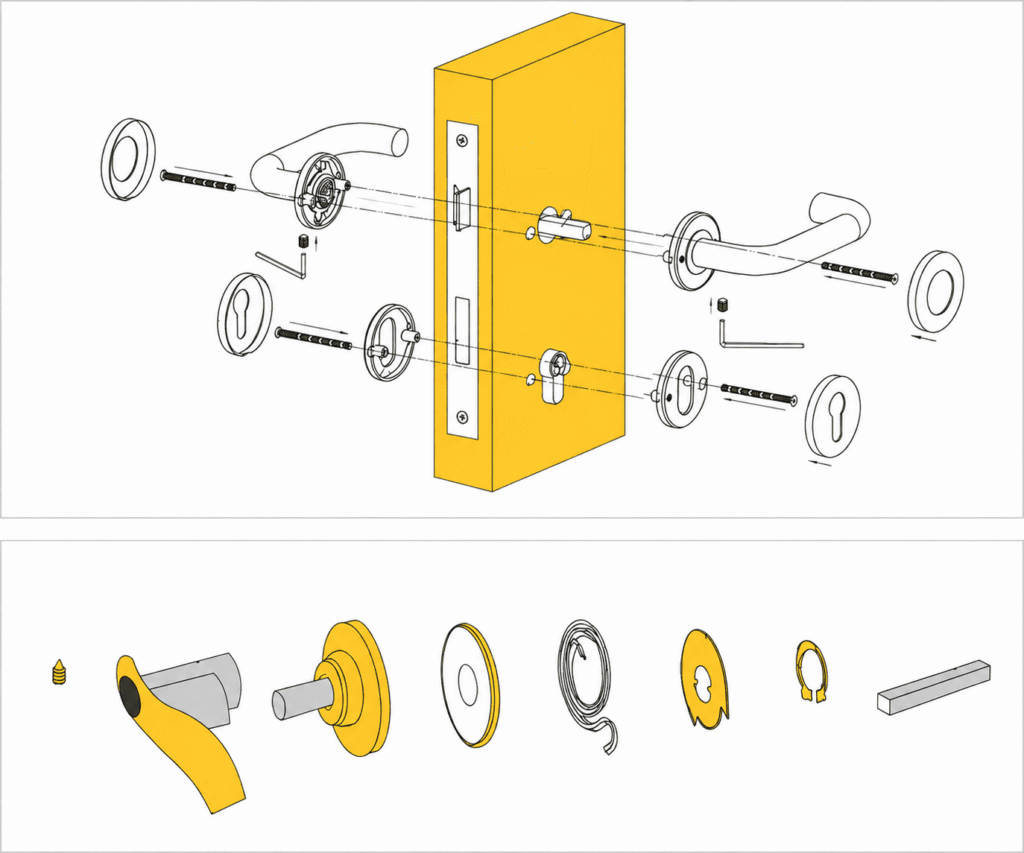
What is C-C distance on a mortise lock and lever handle
C-C distance on a mortise lock and lever handle is a small measurement that can create a big procurement problem. If buyers treat it as a general “hole spacing” term, the lock body, cylinder, and handle may not align. The solution is to define it correctly before drawings, samples, bulk orders, or door machining begin.
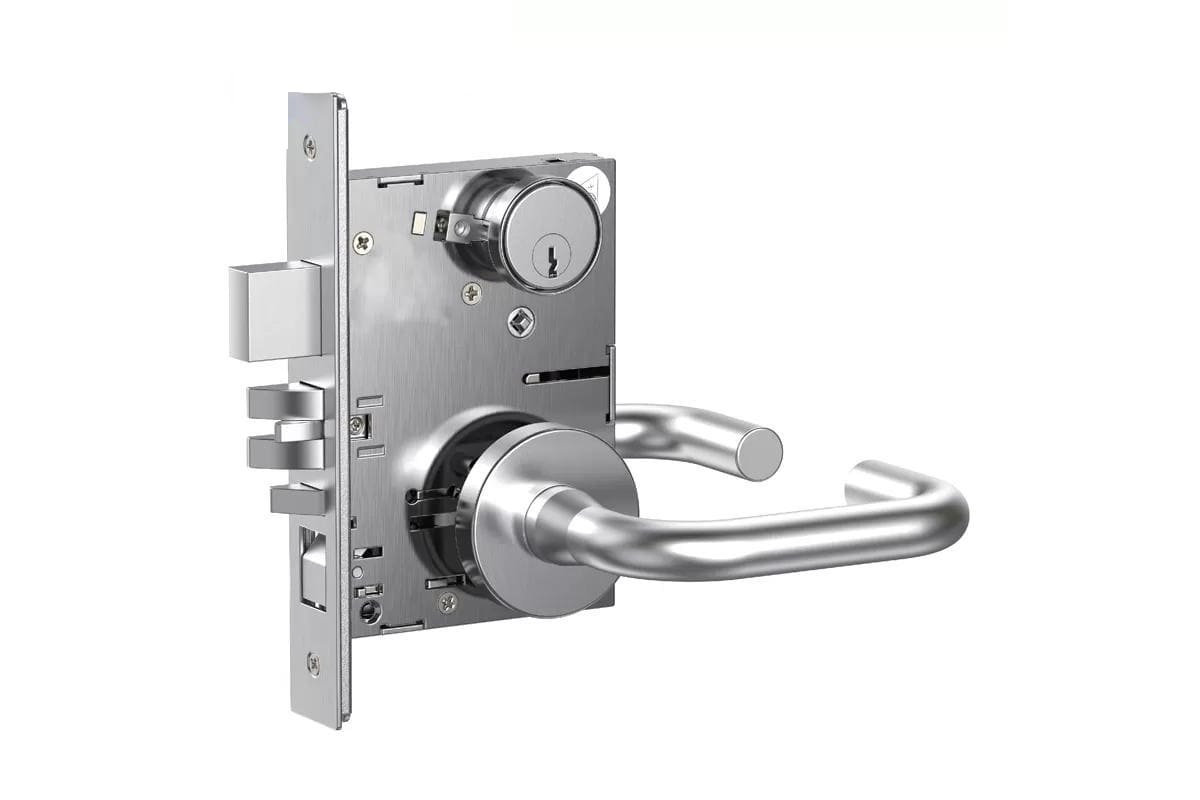
C-C distance means “center-to-center distance.”1 On a mortise lock, it is the distance from the center of the square follower hole to the center of the cylinder hole.2 On a lever handle, it mainly applies to long backplate handles, where the spindle center must align with the cylinder escutcheon center.3
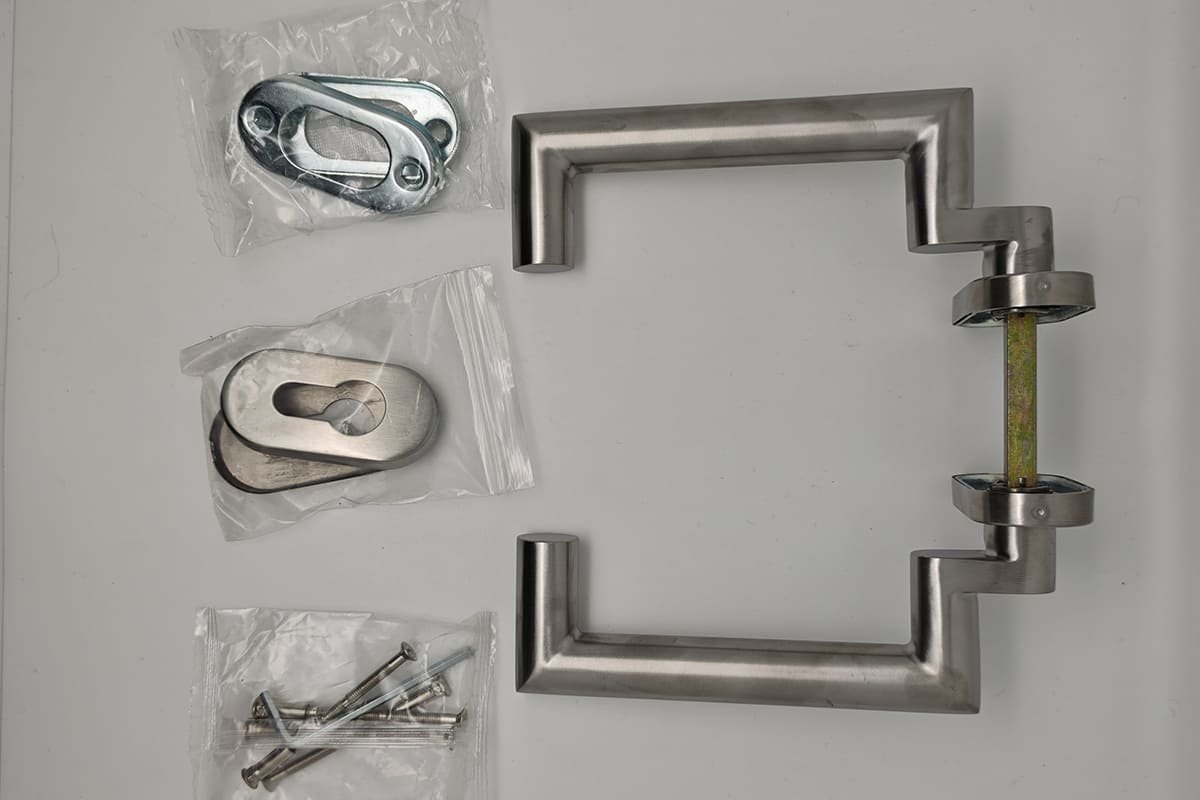
I explain this point often during pre-order compatibility checks. A handle may look correct in a catalog, but the real question is simpler: will the spindle and cylinder positions match the lock case and the door preparation? Let’s break that down clearly.
What does C-C distance on a mortise lock mean?
Many door hardware buyers ask for a mortise lock by size, finish, or market standard first. That is understandable. However, if the C-C distance on a mortise lock is ignored, the selected lever handle and cylinder may not fit the lock body or the prepared door.
C-C distance on a mortise lock is the center-to-center distance between the square follower hole and the cylinder hole. It is not the screw-hole spacing. It is not the distance between fixing holes. It is the key alignment dimension for the lock case, spindle, cylinder, and handle set.
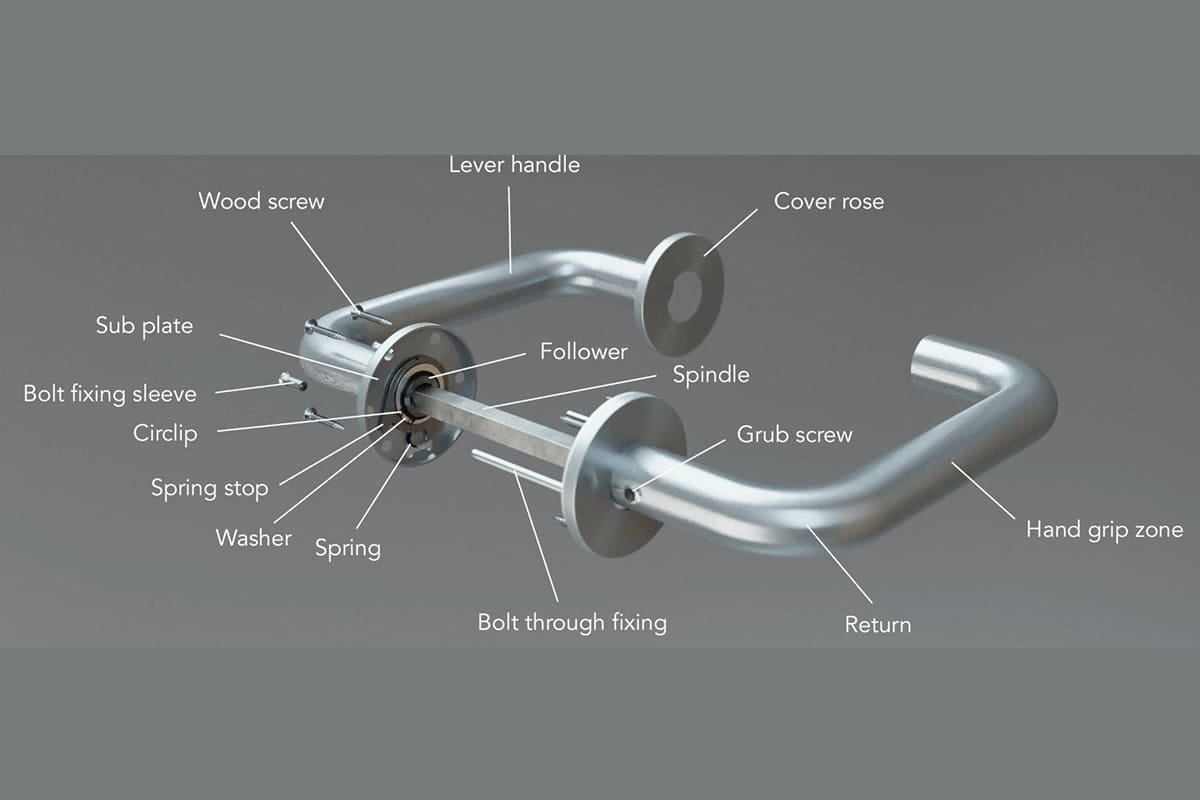
The exact points buyers should measure
On a typical Euro mortise lock, the two reference points are:
Square follower hole center
This is the center of the square hole where the handle spindle passes through.Cylinder hole center
This is the center of the Euro profile cylinder cut-out or cylinder operating position.
The C-C distance is the vertical center-to-center measurement between these two points. In many drawings, this dimension is shown as 72 mm, 78 mm, 85 mm, 90 mm, or another market-specific size4. These numbers are examples only. Buyers should not assume one dimension fits all regions, lock functions, or handle series.
Why this definition matters
In my supplier-side work, I often see customers send a photo of a lock body and ask, “Can this handle fit?” The answer depends less on the appearance and more on the dimensional relationship between the lock and the handle.
A mortise lock has several important dimensions:
| Dimension | What it means | Why buyers check it |
|---|---|---|
| C-C distance | Center of follower hole to center of cylinder hole | Aligns handle spindle and cylinder opening |
| Backset | Front plate edge to follower center | Affects handle position from door edge |
| Lock case depth | Total depth of lock body | Affects door routing depth |
| Front plate size | Width and height of visible lock faceplate | Affects mortise pocket and edge appearance |
| Follower size | Usually square spindle size, such as 8 mm | Affects spindle compatibility |
| Cylinder type | Euro profile, oval, or other standard5 | Affects cylinder and escutcheon match |
The C-C distance is especially important because it links several components together. The mortise lock does not work in isolation. It must match:
- the lever handle spindle position
- the cylinder position
- the backplate or escutcheon opening
- the door drilling drawing
- the customer’s market standard
A practical example from procurement discussions
A buyer may select a mortise lock with a 72 mm C-C distance and then choose a long backplate handle with an 85 mm spacing between spindle and cylinder cover. Both products may be good products individually. However, they will not work together as a set.
In that case, the spindle may enter the follower correctly, but the cylinder hole on the backplate will sit too low or too high. The installer may then face three poor options:
- reject the handle set
- modify the door preparation
- change the lock or handle after production has started
For door factories and hardware importers, this is not a small inconvenience. It can delay assembly, create rework, and increase claims with downstream customers.
My rule for lock drawings
When I review a mortise lock inquiry, I always look for the C-C distance early. I prefer to confirm it together with the backset and cylinder type because these dimensions guide the rest of the hardware selection. A clear technical drawing is better than a catalog photo.
A mortise lock can look similar from the outside, but the C-C distance decides whether the handle and cylinder positions will actually align.
How does C-C distance apply to a lever handle?
Lever handles create confusion because not every handle uses C-C distance in the same way. If a buyer applies the term to all handle types, the inquiry becomes unclear. This can lead to wrong quotations, wrong samples, or mismatched hardware sets.
C-C distance on a lever handle mainly applies to long backplate lever handles. It means the distance from the square spindle center to the center of the cylinder escutcheon, cylinder hole, or cover opening on the backplate. Ordinary rose handles usually do not use C-C distance in this same selection method.
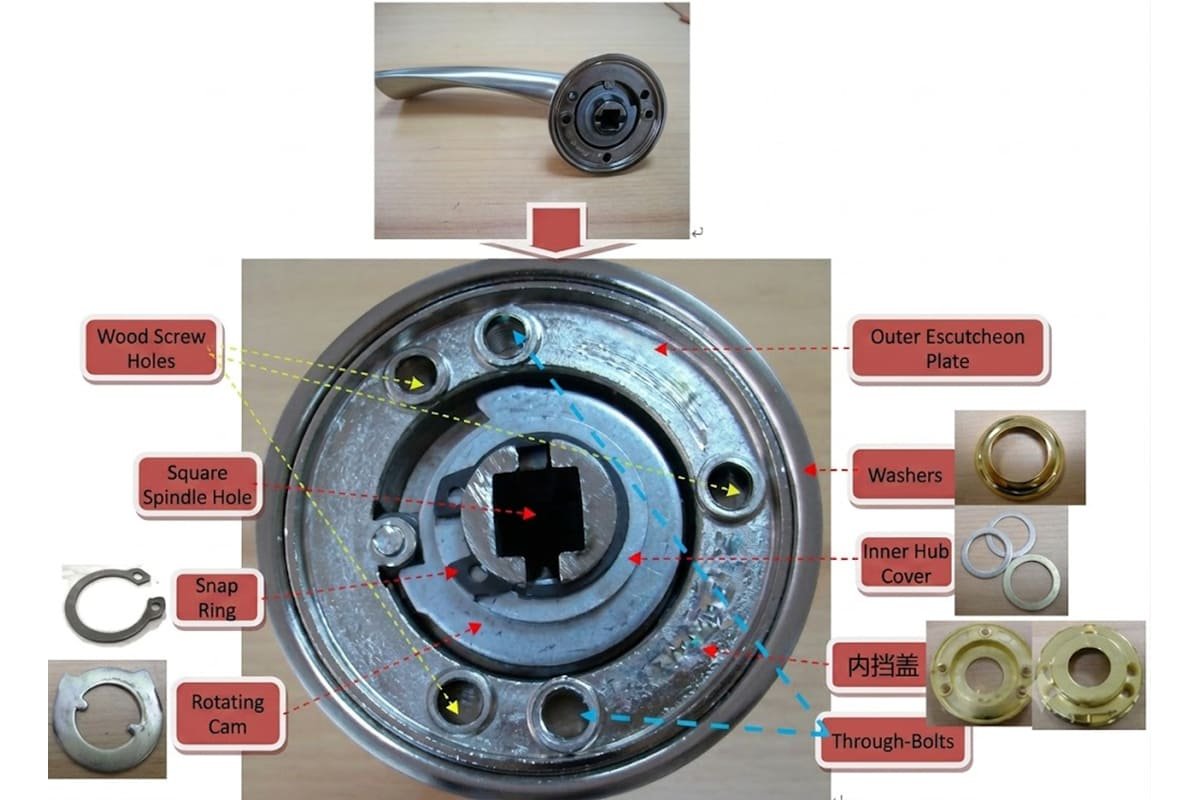
Long backplate handles versus rose handles
The distinction is important for B2B buyers.
| Handle type | Does C-C distance usually apply? | Main compatibility concern |
|---|---|---|
| Long backplate lever handle | Yes | Spindle center and cylinder cover center must match lock C-C |
| Lever on rose | Usually no, not in the same way | Rose position, spindle size, separate escutcheon placement |
| Pull handle | No | Fixing hole spacing and door thickness |
| Knob set | Depends on lock system | Latch or lock preparation standard |
A long backplate handle combines the lever and the cylinder opening on one plate.6 Because the two openings are fixed in one metal plate, the spacing between them must match the mortise lock. That spacing is commonly described as C-C distance.
A rose handle is different. The lever rose and the cylinder escutcheon are usually separate pieces.7 The installer or door factory can position the cylinder escutcheon according to the lock and drilling template. Because the two pieces are not joined by one long plate, the term C-C distance is usually less central to handle selection.
What buyers should ask for in a long backplate handle
When a customer sends me a long backplate handle inquiry, I usually want to confirm more than the style. I want to know the technical layout.
Key items include:
- C-C distance from spindle center to cylinder center
- Backplate length and width
- Spindle size, such as 8 mm square
- Cylinder cut-out type, such as Euro profile
- Fixing screw positions
- Backplate thickness
- Handle projection
- Finish, such as satin stainless steel, PVD, black, or other coating
- Door thickness range
- Packaging and branding requirements
The visible design matters for the brand and market. However, the internal geometry decides whether the handle can be installed.
Why the same style may have different C-C options
Many importers assume that one handle design has one fixed dimension. That is not always true. A supplier may produce similar-looking backplates for different lock standards. For example, a long backplate design may be developed in different versions for different C-C distances.
This is common because markets vary. Europe, the Middle East, and Southeast Asia may use different mortise lock habits, project specifications, or legacy door preparations. Even within one market, an architectural project may specify a particular lock case.
For OEM and ODM orders, the long backplate can sometimes be developed or adjusted around the required lock layout. However, that depends on tooling, production quantity, surface finish, and delivery plan. Buyers should confirm this before placing bulk orders.
A common inquiry pattern
A buyer may say, “I need this handle for a Euro mortise lock.” That is not enough information. Euro profile cylinder compatibility is only one part of the question. I still need to know:
- What is the lock C-C distance?
- What is the backset?
- What is the cylinder type?
- What is the door thickness?
- Is the handle on rose or long backplate?
- Is there an existing drilling template?
Once these points are clear, the quotation becomes more reliable. The sample is more likely to match the final production requirement. The door factory also avoids changing the machining process after the hardware arrives.
Why must the mortise lock and long backplate handle C-C distance match?
A mismatch may look minor on a drawing, but it becomes serious during installation. If the mortise lock and long backplate handle C-C distance do not match, the spindle and cylinder opening cannot align with the lock body at the same time.
The mortise lock C-C distance and long backplate handle C-C distance must match because both parts share the same spindle and cylinder centerlines. If one component uses 72 mm and the other uses 85 mm, either the handle spindle or the cylinder opening will be out of position, causing installation failure or rework.
What happens when the dimensions do not match
A long backplate handle is not flexible once manufactured. The spindle hole and cylinder cut-out are fixed. A mortise lock is also fixed because the follower and cylinder hole positions are built into the lock case.
If those two fixed dimensions conflict, the installer cannot simply “adjust” the fit without changing something else. In a factory environment, that usually means re-drilling, re-routing, changing parts, or stopping assembly.
Common problems include:
- The spindle cannot enter the follower smoothly.
- The cylinder cannot pass through the backplate opening.
- The cylinder escutcheon sits off-center.
- The handle plate covers part of the cylinder hole.
- The door drilling no longer matches the supplied hardware.
- The finished door fails inspection before shipment.
Why this is a procurement risk
For B2B orders, C-C distance is not just a technical detail. It is a supply-chain control point.
A mismatch can affect:
| Stage | Risk if C-C distance is wrong |
|---|---|
| Sampling | Buyer approves appearance but misses functional mismatch |
| Door machining | CNC drilling template may be based on the wrong layout |
| Bulk production | Hundreds or thousands of doors may need rework |
| Installation | Site team cannot install the supplied hardware |
| After-sales | Claims arise between door factory, hardware supplier, and importer |
This is why I prefer to check compatibility before mass production. The cost of checking a drawing is small. The cost of correcting a drilled door can be much higher.
The “style-first” mistake
Door hardware is a design product, so buyers naturally look at appearance. A handle finish, shape, and backplate style affect the final door image. However, I have learned that style-first selection can create hidden risk.
A buyer may approve a beautiful stainless steel lever handle. The surface treatment may be correct. The packaging may be branded. The logo may be laser-marked perfectly. But if the C-C distance does not match the lock, none of that matters during installation.
A safer selection process is:
- Confirm the mortise lock model and drawing.
- Confirm the C-C distance.
- Confirm the cylinder type and position.
- Confirm the handle type, especially long backplate or rose.
- Confirm the door drilling drawing.
- Then finalize style, finish, logo, packaging, and order quantity.
Why small deviations can still matter
Buyers sometimes ask whether a few millimeters can be adjusted on site. In professional production, I do not recommend relying on that. Door preparation must be repeatable. Hardware must be interchangeable within the approved specification.
Even a small offset may cause:
- rough handle movement
- cylinder friction
- visible misalignment
- poor escutcheon seating
- installation delays
- inconsistent QC results
For a sample door, a technician may find a workaround. For a door factory producing in batches, a workaround is not a stable process. Procurement teams should treat the C-C distance as a controlled specification, not as an approximate reference.
How should buyers check C-C distance before ordering?
Many compatibility problems begin because the buyer and supplier discuss product names instead of dimensions. A phrase like “standard mortise lock” can mean different things in different markets.8 A clear pre-order checklist prevents confusion.
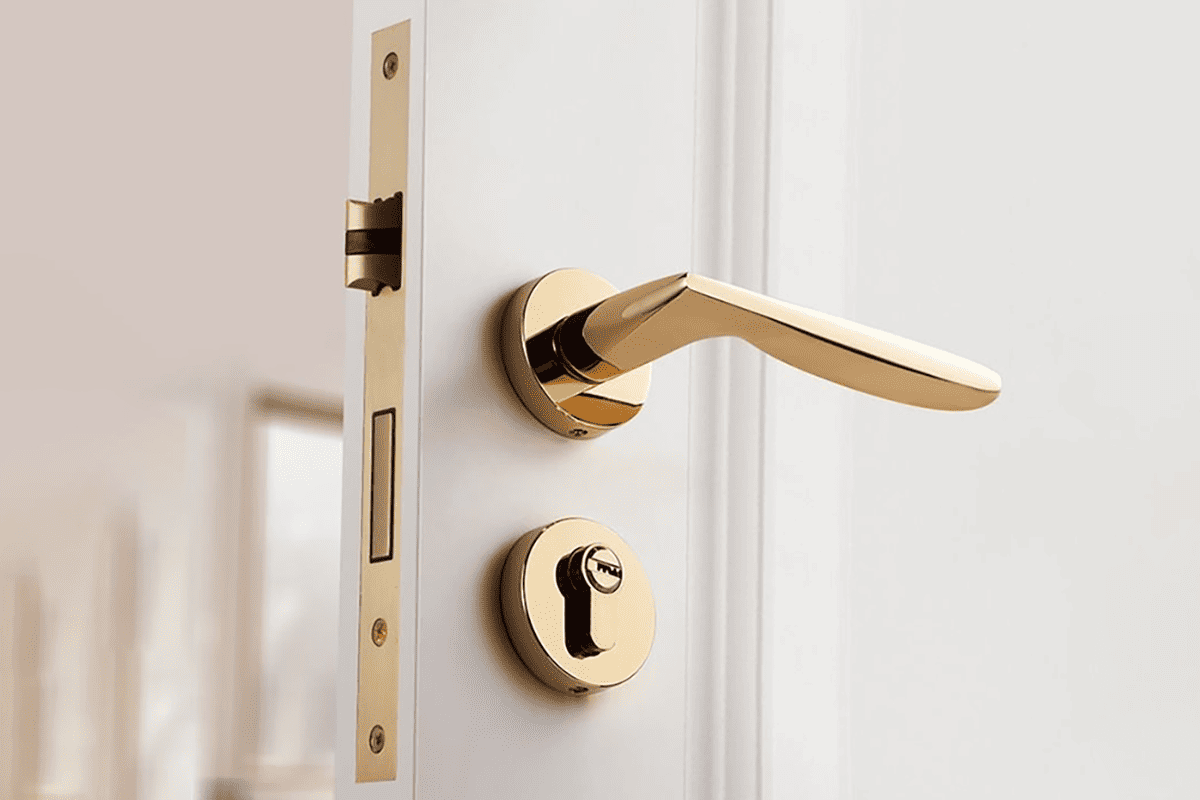
Buyers should check C-C distance by comparing the mortise lock drawing, long backplate handle drawing, cylinder type, and door drilling template before ordering. The square follower center, cylinder center, spindle size, and cylinder cut-out must be confirmed in writing before samples, tooling, or bulk production.
A practical pre-order checklist
When I review a buyer’s inquiry, I prefer to confirm these points early:
Mortise lock C-C distance
Measure from follower center to cylinder center.Long backplate handle C-C distance
Measure from spindle center to cylinder escutcheon or cut-out center.Backset
Confirm the distance from the lock faceplate edge to follower center.Cylinder type
Confirm Euro profile, oval, or other required type.Spindle size
Confirm square spindle size and follower compatibility.Door thickness
Confirm whether screws, spindle, and cylinder length suit the door.Door drilling drawing
Confirm whether the door factory has already machined the door.Fire-rated or CE documentation needs
Confirm what certification documents the buyer needs to verify for the target project or market.
Sample compatibility table
A simple table can prevent many mistakes during supplier communication.
| Item | Buyer should provide | Supplier should confirm |
|---|---|---|
| Mortise lock | Drawing with C-C distance, backset, case size | Matching lock model and specification |
| Long backplate handle | Drawing or required C-C distance | Backplate opening layout |
| Cylinder | Type and length | Fit with lock and door thickness |
| Door | Thickness and drilling drawing | Hardware compatibility |
| Finish | Color, coating, material | Production feasibility |
| Certification | Required documents | Available certificates for buyer verification |
This format is useful because it separates assumptions from confirmed data. It also gives both sides a written record.
When the door is already prepared
If doors are already drilled or routed, the existing door preparation becomes the controlling factor. In that case, buyers should not choose a new lock or handle only from catalog dimensions. They should compare the actual door holes with the proposed hardware drawings.
Important checks include:
- distance from door edge to spindle hole
- distance from spindle hole to cylinder hole
- cylinder cut-out shape and clearance
- lock case pocket depth
- front plate recess size
- screw hole positions
- door thickness and handing
If the existing drilling does not match the new hardware, the buyer must decide whether to change the hardware or rework the door. For bulk orders, the hardware change is often more efficient, but it depends on availability and project constraints.
When a new door is not yet machined
If the door is not yet machined, buyers have more flexibility. This is the best time to confirm the complete hardware set.
The recommended sequence is:
- Select the mortise lock specification.
- Confirm the lock C-C distance and backset.
- Select the compatible long backplate handle or rose handle set.
- Confirm the cylinder type and length.
- Prepare a drilling drawing based on the confirmed hardware.
- Produce and inspect a sample door.
- Approve the final specification for bulk production.
This sequence reduces risk because the door preparation follows the hardware system, not the other way around.
Why written drawings are better than photos
Photos help identify style, but they are not enough for technical confirmation. A photo may hide scale, angle, and internal dimensions. A drawing gives measurable data.9
For factory-direct production, I recommend using:
- 2D technical drawings
- dimensioned product sheets
- sample inspection reports
- door machining drawings
- approved sample records
- purchase order specifications
At SDH Hardware, our normal B2B communication often includes product drawings after order confirmation and inspection service after production completion. Buyers should still review and verify all critical dimensions for their own application before production begins.
C-C distance is essential, but it is not the only dimension that matters. A buyer may match the spindle and cylinder centers correctly and still face installation issues if the backset, cylinder length, or door thickness is wrong.
Related dimensions affect C-C distance compatibility because the lock, handle, cylinder, and door preparation work as one system. Buyers should check backset, follower size, cylinder profile, cylinder length, lock case depth, faceplate size, screw positions, and door thickness together with the C-C distance.
Backset
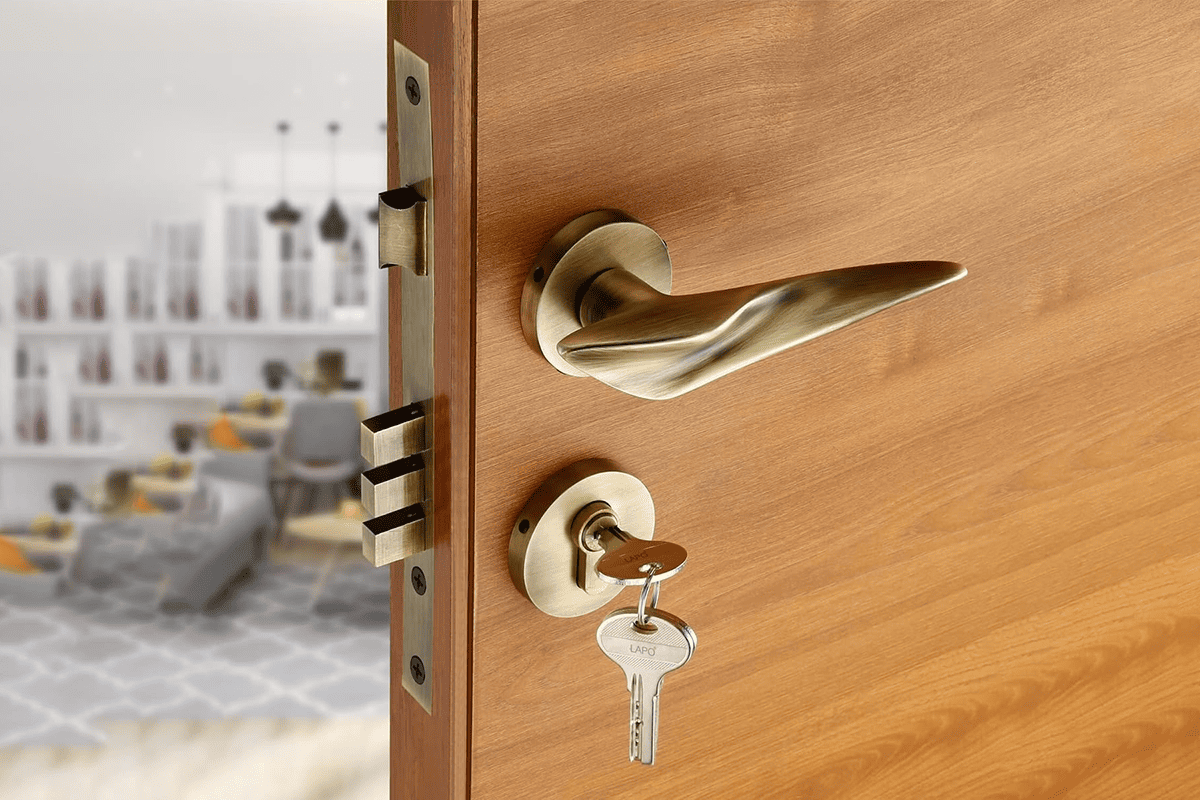
Backset is the distance from the front edge of the lock faceplate to the center of the follower hole.10 It controls how far the lever handle sits from the door edge.
A correct C-C distance cannot solve a wrong backset. If the backset is wrong, the handle spindle hole in the door may not meet the lock follower. This affects both rose handles and long backplate handles.
Follower and spindle size
The follower is the square hole in the mortise lock that receives the spindle.11 Common spindle sizes vary by market and product type. Buyers should confirm the square size instead of assuming it.
If the spindle is too large, it will not enter the follower. If it is too small, the handle may feel loose or perform poorly. For project supply, this detail should be locked before production.
Cylinder type and length
The cylinder must match the lock case and door thickness.12 For Euro mortise locks, buyers often use Euro profile cylinders, but the length still depends on the door thickness and escutcheon or backplate design.
A cylinder that is too short may not sit properly through the handle plate. A cylinder that is too long may project more than desired. For security-rated applications, buyers should consult qualified professionals and applicable local standards.
Faceplate and case dimensions
The mortise lock faceplate and case size affect door routing. Two lock bodies may share the same C-C distance but have different case depths, faceplate widths, or screw positions.
That means buyers should not approve a substitute lock only because the C-C distance matches. A full drawing comparison is safer.
Fixing screw positions
Fixing holes are often confused with C-C distance, but they are different. C-C distance for a mortise lock refers to the follower and cylinder centers. Fixing screw positions refer to how the lock or handle is fastened.
For long backplate handles, fixing screw positions still matter because they affect installation strength and appearance. However, they should not be mixed with the spindle-to-cylinder measurement.
Finish and material considerations
For architectural projects, material and finish also matter. Stainless steel lever handles, brass cylinders, and plated accessories may have different performance expectations. Buyers should review samples, finish codes, salt spray requirements if relevant, and maintenance conditions.
For commercial procurement, I suggest separating functional compatibility from appearance approval:
| Review stage | Main question | Typical documents |
|---|---|---|
| Functional review | Does the hardware fit and operate? | Drawings, samples, inspection records |
| Appearance review | Does it match the brand or project? | Finish samples, color cards, packaging mockups |
| Compliance review | Are required documents available? | CE certificates, fire-rated documents, test reports for verification |
| Production review | Can the supplier deliver consistently? | QC plan, order specification, final inspection |
Certifications and verification
Many buyers need CE certification, fire-rated certification, or other documentation for their market. As a manufacturer, I can say that buyers should request the relevant documents and verify that the certificate scope matches the product, standard, and intended application.
A certificate is not a replacement for dimensional compatibility. A certified lock still needs the correct C-C distance, backset, cylinder type, and door preparation. For fire-rated doors or regulated projects, buyers should also work with qualified professionals to confirm the complete door assembly requirements.
How can suppliers help prevent C-C distance mistakes?
Even experienced buyers can miss a dimension when many products are ordered together. A good supplier should help reduce that risk with clear drawings, product matching support, and sample confirmation before mass production.
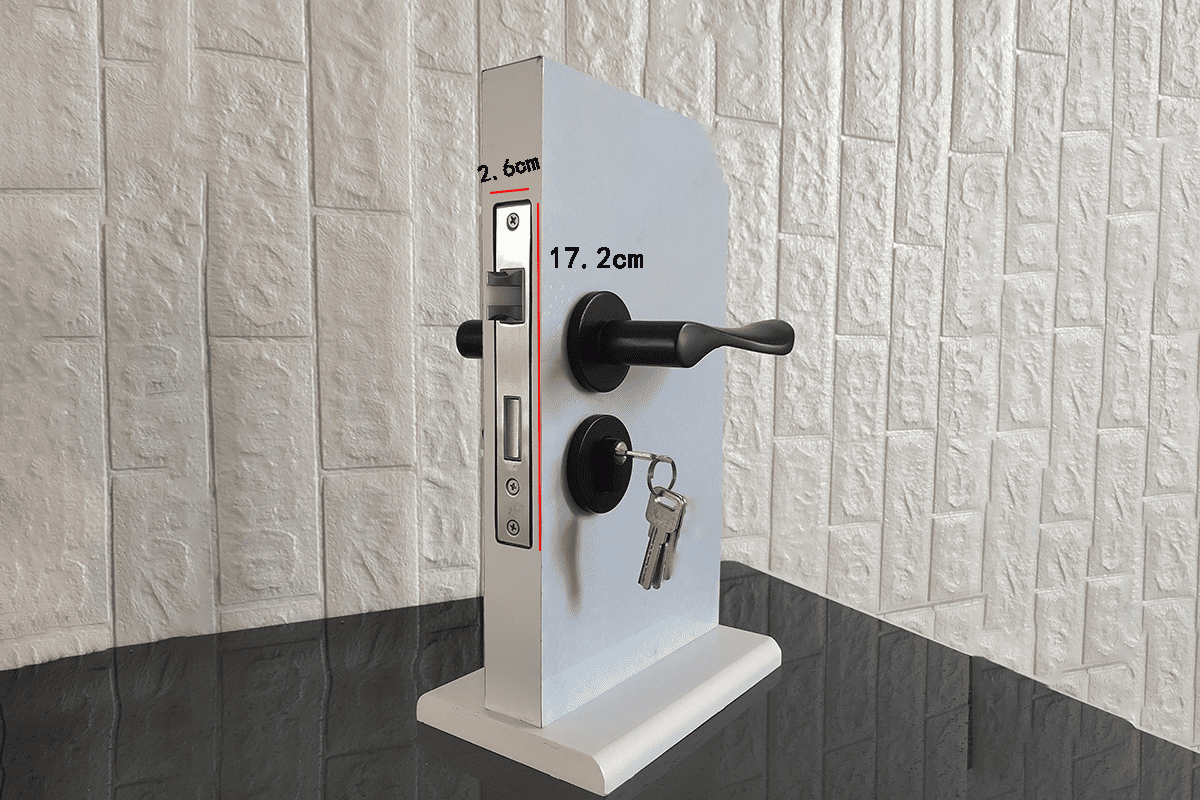
Suppliers can help prevent C-C distance mistakes by checking the mortise lock, long backplate handle, cylinder, and door drilling as a complete set. They should provide dimensioned drawings, confirm the spindle-to-cylinder layout, support sample checks, and clearly state which handle series match which lock bodies.
What I expect in a professional supplier review
When I handle a B2B inquiry, I try to move the discussion from “Do you have this style?” to “Which full set are we matching?” That shift saves time for both sides.
A supplier should be able to discuss:
- mortise lock function and dimensions
- lever handle type and backplate layout
- cylinder profile and length
- accessory configuration
- surface treatment
- logo and packaging requirements
- sample approval process
- final inspection process
This does not mean the supplier replaces the buyer’s engineer, architect, or compliance consultant. It means the supplier provides the correct manufacturing information so the buyer can make a reliable decision.
Factory-direct advantages for matching hardware
For door factories and hardware brands, factory-direct communication can be useful because dimensional questions can be answered closer to production. At SDH Hardware, we manufacture architectural door hardware with in-house production capacity and a portfolio covering mortise locks, lever handles, hinges, cylinders, and door accessories.
Conclusion
C-C distance is a critical compatibility dimension, not a vague term for any hole spacing. On a mortise lock, it means the center distance from the square follower hole to the cylinder hole. On a long backplate lever handle, it means the spindle center to cylinder escutcheon center. Before ordering, I recommend checking the lock, handle, cylinder, and door drilling together. If you need factory-direct support for matching mortise locks, lever handles, cylinders, and door hardware sets, contact SDH Hardware for drawings, samples, and OEM/ODM discussion.
"Great-circle distance", https://en.wikipedia.org/wiki/Great-circle_distance. An engineering-drawing reference defines center-to-center distance as the measured distance between the centers of two features, supporting the article’s use of C-C as a dimensional term. Evidence role: definition; source type: education. Supports: A technical drawing or engineering reference should define center-to-center distance as the distance measured between the centers of two features.. Scope note: This supports the general dimensional term, not the lock-specific application. ↩
"Mortise lock", https://en.wikipedia.org/wiki/Mortise_lock. A mortise-lock standard or architectural ironmongery reference identifies the follower or spindle hub and the cylinder position as defined lock-case reference features, supporting the article’s definition of C-C distance for this hardware context. Evidence role: definition; source type: institution. Supports: A lock standard or architectural hardware reference should identify the relevant center distance between the follower/spindle hub and the cylinder position in mortise lock specifications.. Scope note: The source may describe the dimension under terms such as lock-case center distance or distance between follower and cylinder rather than using the exact abbreviation C-C. ↩
"Door Handle Sizes & PZ Dimensions: The Specifier's Complete Guide", https://www.eraeverywhere.com/news/door-handle-sizes--pz-dimensions-the-specifiers-complete-guide/. Architectural-hardware references describe lever-handle backplates by the positions of the spindle and key-cylinder openings, supporting the requirement that those centerlines correspond to the mortise lock layout. Evidence role: mechanism; source type: institution. Supports: A door-hardware standard or technical guide should show that long backplate openings are laid out around the spindle and cylinder centerlines.. Scope note: This provides dimensional context for the alignment requirement and may not address every proprietary backplate design. ↩
"Mortise locks for wide-stile doors 170/XX series ...", https://accesshardwareholdings.com/wp-content/uploads/2025/02/SB_dormakaba_MKS_Mortice-Locks_1.pdf. Technical references for mortise locks list multiple metric follower-to-cylinder center distances, supporting the article’s point that C-C distance is not a single universal value. Evidence role: general_support; source type: institution. Supports: A standard or neutral technical reference should document that mortise locks are produced with different follower-to-cylinder center distances, including common metric examples.. Scope note: The source may verify only some of the example dimensions or associate them with particular national or regional standards. ↩
"BS EN 1303 – Cylinders", https://www.hoppe.com/in-en/contacts-service/standards/bs-en-1303/. Lock-cylinder standards and architectural hardware references classify cylinders by profile and performance requirements, supporting the article’s distinction between Euro profile, oval, and other cylinder formats. Evidence role: definition; source type: institution. Supports: A lock-cylinder standard or architectural hardware reference should document that cylinder locks are specified by profile/type, including Euro profile and oval forms.. Scope note: The citation may explain cylinder profile categories generally and may not list every regional cylinder shape used in procurement. ↩
"Commercial-Grade Door Handle with Plate Built to Last", https://www.danddhardware.com/door-handle-with-plate.html. Door-hardware references describe long backplate lever furniture as a lever mounted on an elongated plate that can include a keyhole or cylinder aperture, supporting the article’s product distinction. Evidence role: definition; source type: education. Supports: A door-hardware educational reference should describe long backplate handles as lever furniture mounted on an elongated plate that may include a keyhole or cylinder aperture.. Scope note: Some long backplates are plain latch versions without a cylinder opening, so the citation should be applied to lock-function backplate handles. ↩
"Lever on Rose vs Lever on Plate", https://bergamo.com.au/blogs/news/lever-on-rose-vs-lever-on-plate?srsltid=AYCX9vKJMfPuOAkpWKJBPkYwibH6j9cBOMGr1tlDFByYeT8ESayqKmbF. Architectural-hardware guides distinguish lever-on-rose furniture from backplate furniture and describe separate escutcheons for key or cylinder openings, supporting the article’s explanation of why C-C distance is less central for rose handles. Evidence role: definition; source type: education. Supports: A door-hardware reference should distinguish lever-on-rose sets from backplate sets and explain the use of separate escutcheons.. Scope note: This supports common hardware practice, while integrated or decorative variations may exist. ↩
"What is an EU Mortise Lock? Understanding European vs. ...", https://www.danddhardware.com/what-is-an-eu-mortise-lock.html. Regional standards bodies publish different specifications for locksets and mechanically operated locks, supporting the article’s caution that an undefined “standard mortise lock” may not convey a uniform dimensional specification across markets. Evidence role: historical_context; source type: institution. Supports: Standards sources should show that mortise locks are governed by different regional or national standards, such as European EN standards and North American ANSI/BHMA standards.. Scope note: The source supports the existence of differing standards rather than proving every market-specific procurement usage. ↩
"ENGINEERING DRAWING STANDARDS MANUAL - S3VI", https://s3vi.ndc.nasa.gov/ssri-kb/static/resources/NASA%20GSFC-X-673-64-1F.pdf. Technical product documentation standards treat engineering drawings as formal carriers of dimensions, geometry, and tolerances, supporting the article’s claim that drawings provide measurable confirmation beyond photographs. Evidence role: expert_consensus; source type: institution. Supports: An engineering drawing or technical product documentation standard should establish that drawings communicate dimensions, tolerances, and geometry for manufacture or verification.. Scope note: The source supports the general documentation principle and does not specifically evaluate door-hardware procurement photos. ↩
"Door Handle Backset: What It Means & How to Measure", https://www.suffolklatchcompany.com/blogs/news/door-knobs-and-backset-explained?srsltid=AYCX9vJls8XDcKnUen-tID8uhaSyLI6Zkw7sAaI1R7K39CvhmObcPT5z. Lock terminology references define backset as the distance from the door edge or lock face to the operating centerline, supporting the article’s use of backset as a critical mortise-lock layout dimension. Evidence role: definition; source type: encyclopedia. Supports: A lock terminology source should define backset as the distance from the door edge or lock face to the centerline of the knob, lever, spindle, or key operating point.. Scope note: Some sources define backset from the door edge rather than specifically from the mortise-lock faceplate, so the citation may support the concept rather than the exact wording. ↩
"What is a Spindle and what kind do I need? - Our Blog", https://www.morehandles.co.uk/blog/more-handles-technical-guides-what-is-spindle-and-how-do-i-know-what-kind-i-need/. Architectural ironmongery glossaries define the follower as the lock component that receives and is turned by the handle spindle, supporting the article’s explanation of the square follower hole. Evidence role: definition; source type: institution. Supports: A hardware glossary or lock reference should define the follower as the lock component engaged by the spindle, often with a square aperture.. Scope note: The exact geometry can vary by lock type, so the source supports the common mortise-lock configuration rather than every lock design. ↩
"Euro Profile Cylinders", https://www.inoxproducts.com/euro-cylinders. Lock-cylinder technical references specify cylinders by profile and length relative to the lock and door assembly, supporting the article’s statement that the cylinder must match both the lock case and door thickness. Evidence role: mechanism; source type: institution. Supports: A lock-cylinder standard or installation guide should explain that cylinder length and profile must suit the lock body, door thickness, and trim or escutcheon arrangement.. Scope note: The source may address cylinder length selection generally rather than the exact handle-backplate configurations discussed in the article. ↩