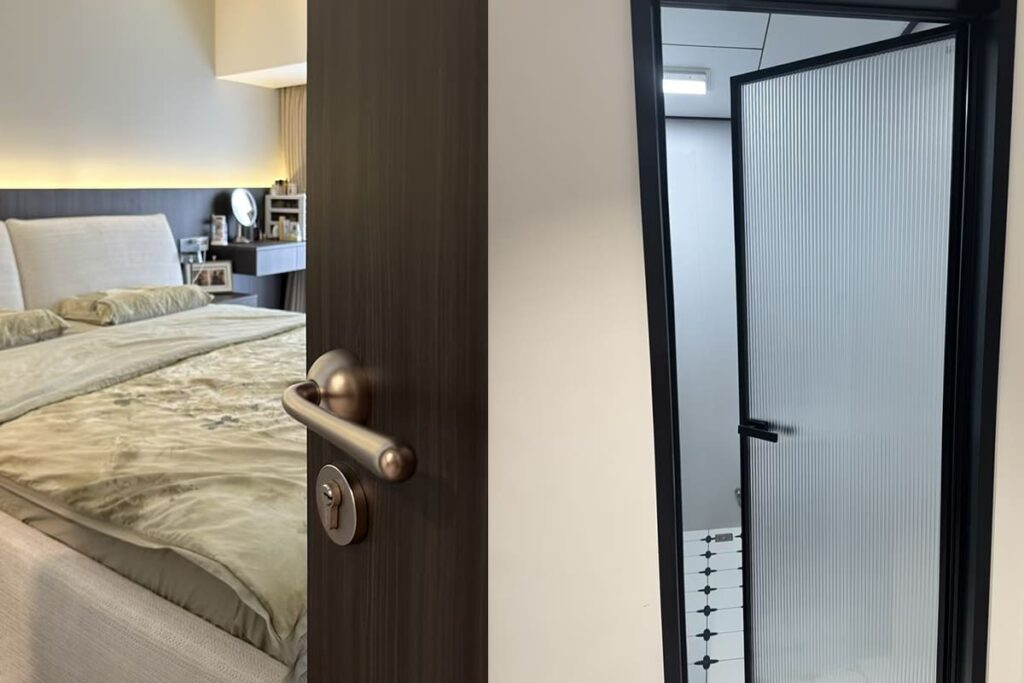
What Is Important Door Hardware?
I often see buyers lose margin because small hardware choices create noise, poor closing, finish claims, and repeat after-sales work.
Important door hardware includes hinges, mortise locks, lock cylinders, lever handles, stops, and sealing strips. I give priority to hinges, locks, cylinders, and handles because they control movement, locking, touch, service life, installation fit, and long-term procurement risk.1
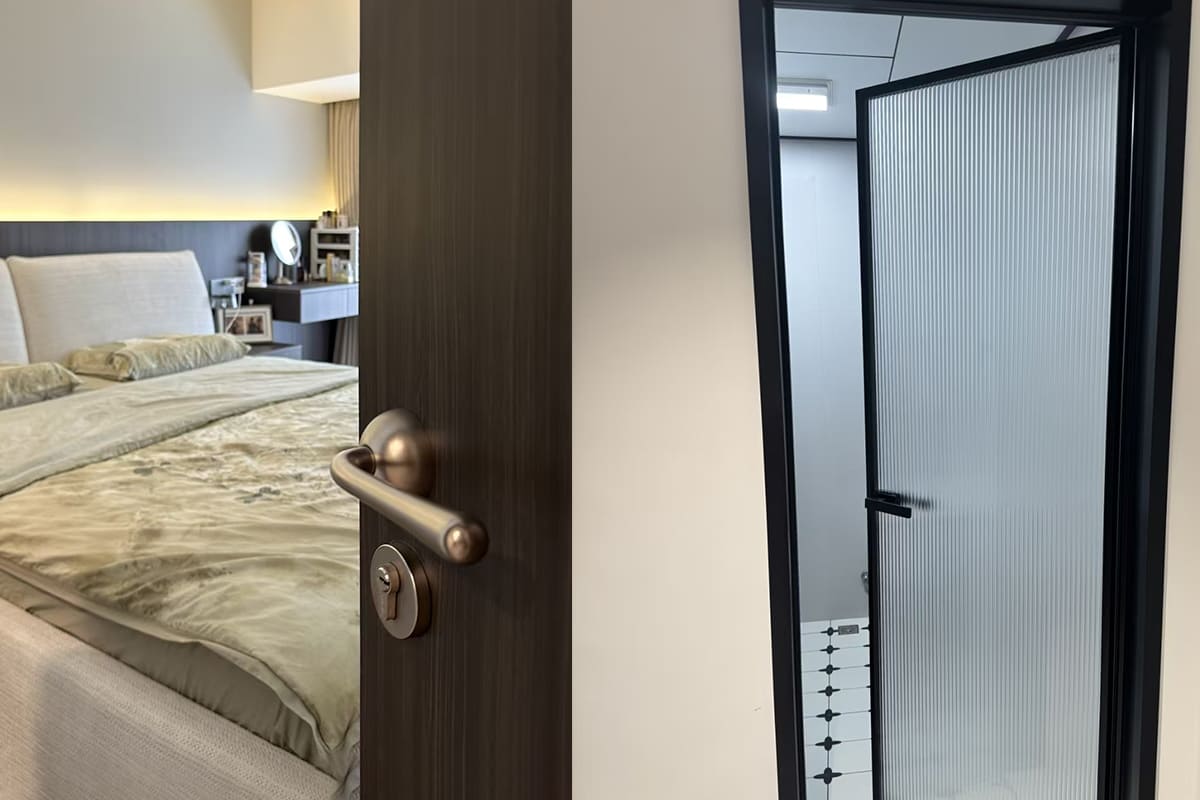
I have learned in factory work that door hardware is not only a list of parts. I treat it as a working system. One weak part can make a good door feel cheap.2 One mismatched size can slow installation. One unstable finish can create complaints after a bulk order. I pay close attention to the parts that carry load, control locking, and touch the user every day. These parts decide if the door feels stable, quiet, and safe in normal use.
Which Door Hardware Parts Deserve First Attention?
I see many buyers focus on visible parts first, then hidden parts fail later and make the whole door system look unreliable.
I give first attention to hinges, mortise locks, lock cylinders, and lever handles. I also check door stops, floor stops, and sealing strips, but I treat them as support parts unless the project has special use needs.
How I rank the core parts
I do not rank hardware by how easy it is to see. I rank it by how much risk it carries. A hinge may not attract attention in a showroom, but it carries the door leaf every day. A lock body may stay inside the door, but it decides if closing feels smooth. A cylinder is small, but it affects security and key operation.3 A handle is visible and touched many times, so it affects both function and brand image.
| Part I check | Main function | Failure consequence | Procurement check point |
|---|---|---|---|
| Hinges | Carry door weight and guide movement | Sagging, noise, rubbing, poor closing | Load fit, size, material, screw match, finish |
| Mortise lock | Control latch and bolt movement | Hard closing, stuck latch, user complaint | Case size, backset, center distance, spring feel |
| Lock cylinder | Control key operation and locking | Poor security feel, key jam, repeat claims | Profile, length, key type, finish, smooth turning |
| Lever handle | Give daily touch and operation | Loose handle, worn finish, poor user feeling | Material, spring return, surface finish, matching rosette |
| Stops and seals | Protect door and improve closing comfort | Wall damage, noise, air gap, poor comfort | Mounting method, material, project need |
I usually ask one basic question before I approve a part for bulk buying: what happens if this part fails after installation? If the answer includes rework, door removal, customer complaints, or brand damage, I treat that part as important. I also check if the part matches the door thickness, door weight, edge preparation, and market style. I have seen that low price alone does not reduce cost if the part creates installation problems later.
Why Do Hinges Matter So Much?
I see hinge problems become door problems fast, because the hinge carries weight, controls swing, and affects the gap around the door.
Hinges matter because they support the door leaf and guide its movement. Poor hinge choice can cause sagging, noise, rubbing, uneven gaps, and early service issues, especially when door weight and hinge capacity do not match.4
How I check hinge function and risk
I treat hinges as load parts, not only as accessories. For many interior doors, I often see 2–3 hinges used on one door leaf.5 I treat this as a general reference. I do not treat it as a fixed rule. Door height, door weight, door core, application, and market habit can change the number and type of hinges needed.
| Hinge point I check | Why I check it | Risk if I ignore it |
|---|---|---|
| Door weight match | I need the hinge to carry the real load | The door may sag or rub |
| Door size match | I need stable movement across the door height | The gap may become uneven |
| Material and thickness | I need enough strength for daily use | The hinge may bend or wear early |
| Screw and hole design | I need firm installation | The hinge may loosen |
| Finish match | I need the full set to look consistent | The project may look mixed or cheap |
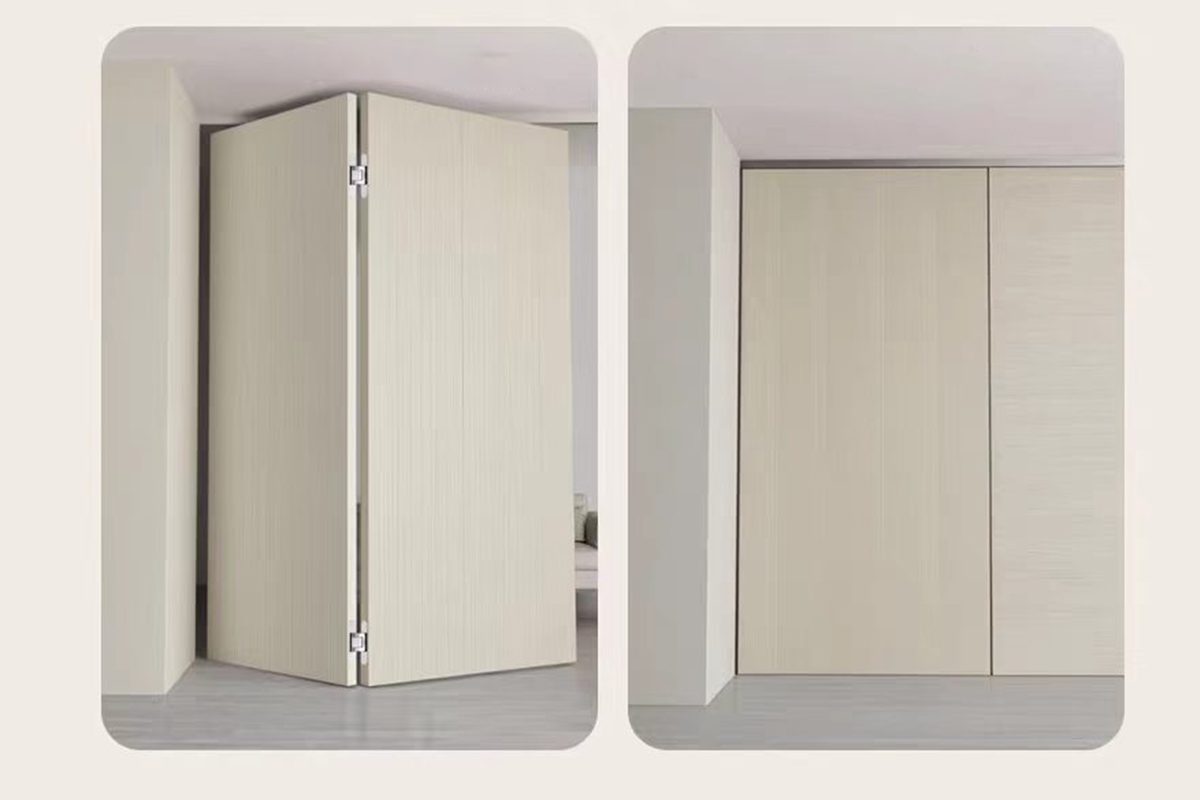
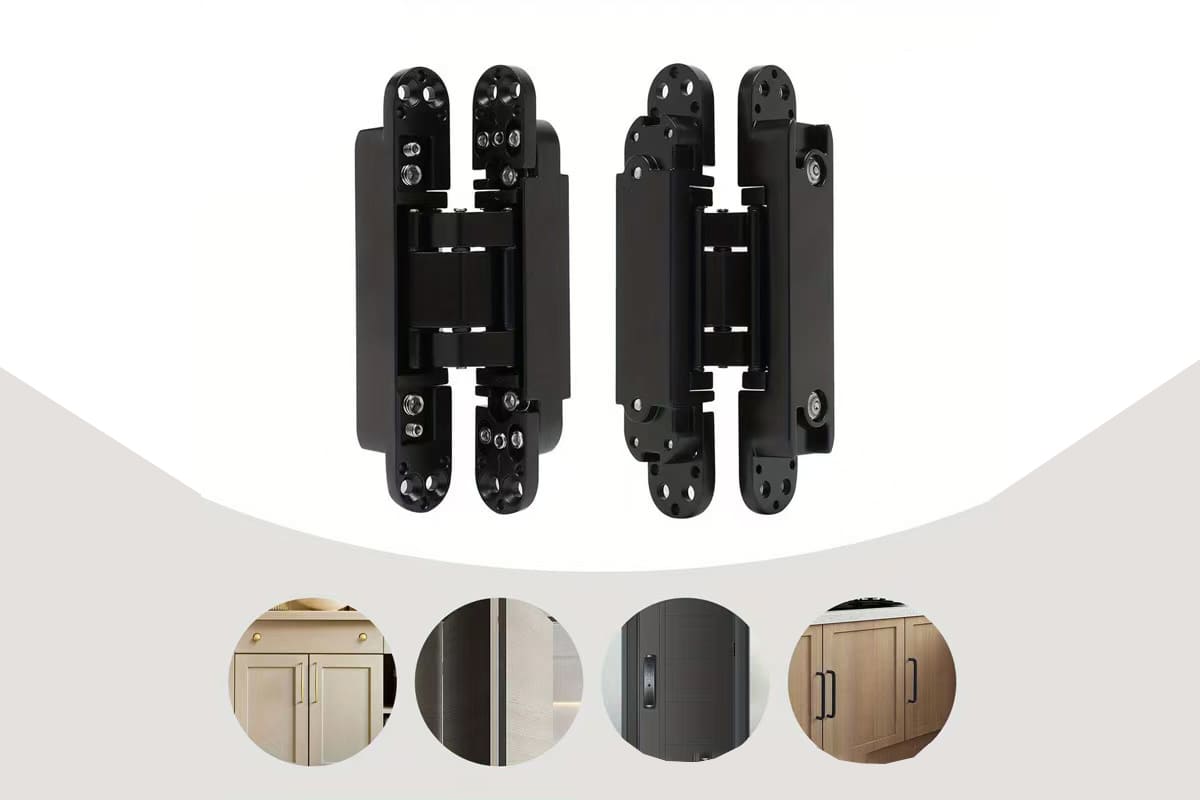
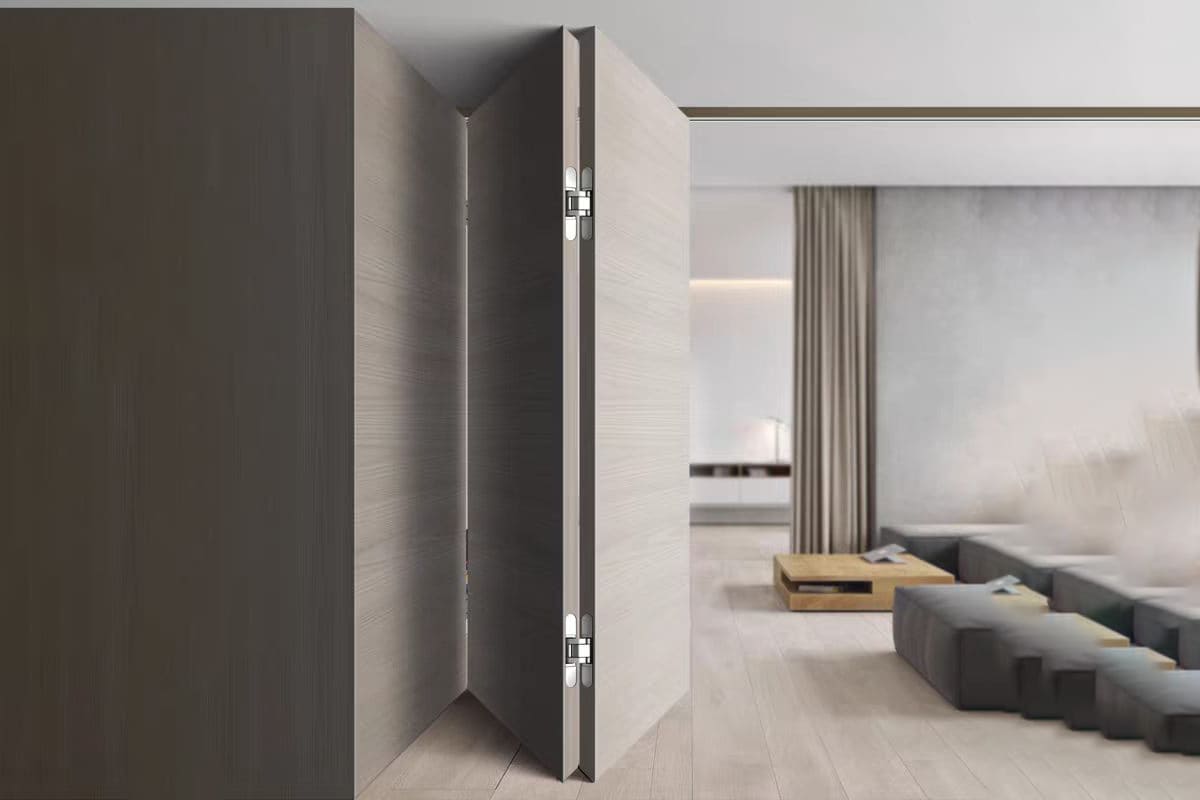
I also check if the hinge type fits the door design. A butt hinge is common and direct. A concealed hinge gives a clean look, but it needs better matching with door thickness, frame cutting, and opening angle.6 I do not choose concealed hinges only because they look better. I check if the factory can install them correctly and if the project needs that style. In procurement talks, I often ask buyers to confirm sample installation before a large order. This simple step can find many issues before the shipment becomes expensive to correct.
Why Should Locks And Cylinders Be Checked Together?
I see buyers treat locks and cylinders as separate items, then the door locks poorly because both parts do not work smoothly as one set.
I check mortise locks and lock cylinders together because they control closing, locking, and key operation. Good matching reduces hard turning, poor latch movement, wrong size problems, and after-sales claims.7
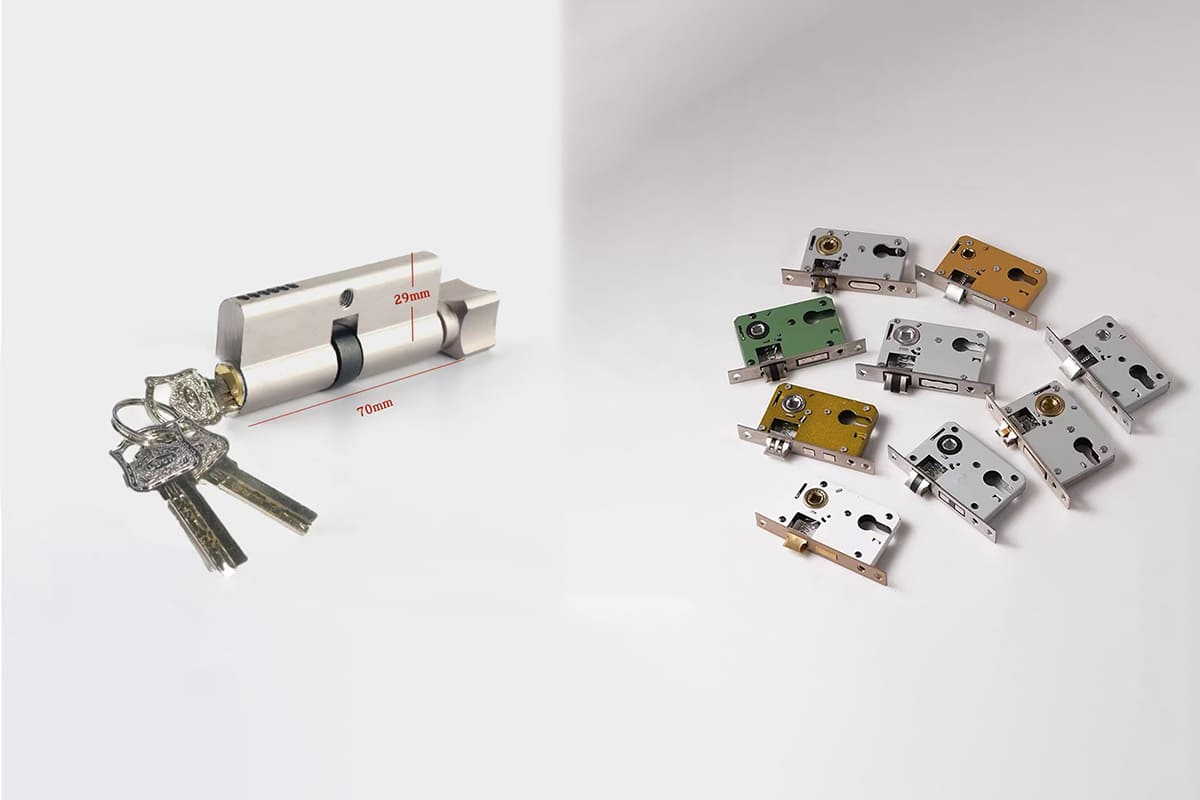
How I review lock and cylinder matching
I always start with the door preparation. The lock body must match the cutout. The backset, center distance, faceplate size, follower size, and strike plate must fit the door and frame. If these points are wrong, even a strong lock can create trouble. I also check the feel of the latch and bolt. The user may not know the lock structure, but the user feels rough closing at once.
| Item I check | Function | Failure consequence | Simple buying question |
|---|---|---|---|
| Lock case size | Fits inside the door edge | Rework or wrong installation | Does it match the door drawing? |
| Backset | Sets handle and key position | Handle position becomes wrong | Is it right for this door model? |
| Center distance | Matches handle and cylinder layout | Hardware cannot assemble well | Does it match the handle set? |
| Latch movement | Controls daily closing | Door feels hard to close | Does it move smoothly by hand? |
| Cylinder length | Fits door thickness and escutcheon | Cylinder sticks out or sits too deep | Is the length confirmed? |
| Key operation | Controls locking feel | Key jam and user complaints | Does it turn smoothly with the lock? |
I do not say one lock or one cylinder design is best for every market. I check the project need first. Some markets care more about euro profile cylinders. Some projects need fire-rated or certified hardware based on local rules.8 Some buyers need a basic interior lock for cost control. I connect the selection to the risk level. If the door is for a hotel, apartment, office, or public building, the locking feel and life expectation may be different. I also ask for samples with the handle, cylinder, and lock assembled together. I trust a full set test more than a single part photo.
How Do Lever Handles Affect User Experience?
I see handles receive quick attention in sales, but many buyers still miss spring feel, looseness risk, and finish wear.
Lever handles matter because users touch them every day. A good handle should feel stable, return well, match the lock, keep its finish, and support the door brand image.9
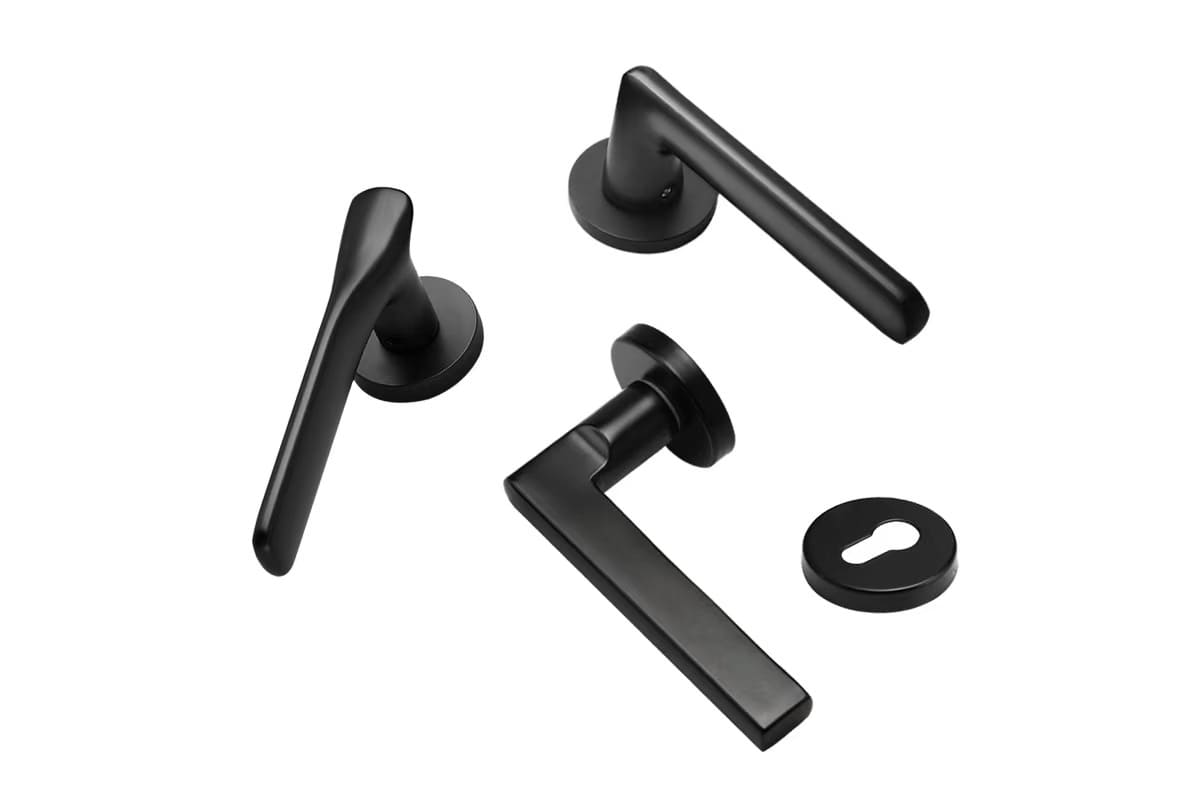
How I judge handle quality before bulk orders
I look at handles from two sides. I check the user feeling first. Then I check the production consistency. A handle can look good in a catalog, but it must feel solid in hand. The lever should not shake too much. The spring return should feel smooth. The rosette or plate should sit flat. The finish should match the rest of the hardware set.
| Handle factor I check | Why it matters | What can go wrong |
|---|---|---|
| Material | It affects strength, weight, and market level | The handle may feel weak or too light |
| Spring return | It affects daily operation | The handle may hang down |
| Surface finish | It affects appearance and brand trust | Color may fade or vary by batch |
| Lock matching | It affects assembly and operation | The handle may bind or feel rough |
| Screw fixing | It affects long-term stability | The handle may loosen after use |
| Shape and edge feel | It affects hand comfort | Users may feel sharp or cheap edges |
I often compare zinc alloy and stainless steel handles by use case, not by one simple ranking. Zinc alloy can support many shapes and market styles. Stainless steel can offer a clean look and good corrosion resistance in many uses.10 The right choice depends on door type, target price, project environment, and buyer positioning. I also care about finish consistency across bulk orders. If one batch of handles has a different tone from hinges or cylinders, the whole door set may look unplanned. For brand buyers and wholesalers, this can hurt repeat sales even when the hardware still works.
How Should I Choose Materials For Door Hardware?
I see buyers compare material only by price, then corrosion, strength, and finish consistency become hidden costs.
I choose hardware material by application, risk, finish need, and market position. Zinc alloy and stainless steel are common choices, but the better choice depends on strength needs, corrosion exposure, design, and budget.
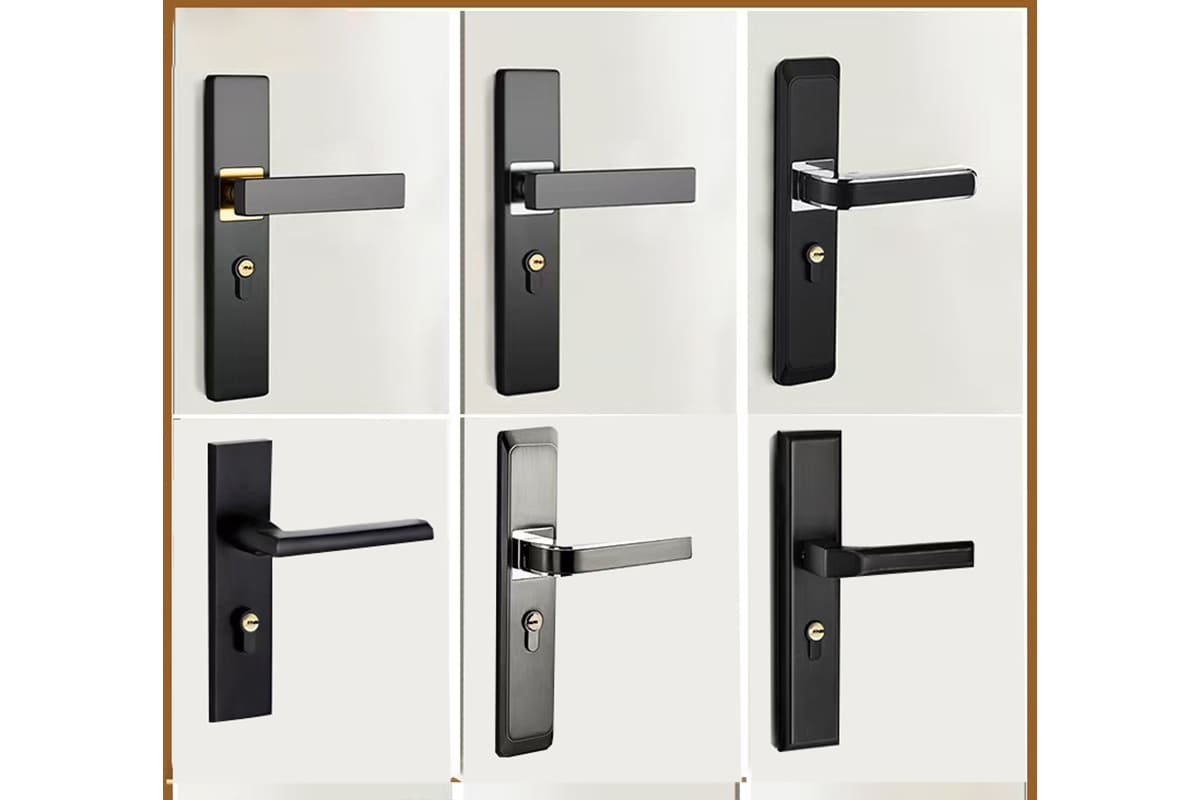
How I connect material to real use
I do not start material selection with the cheapest quote. I start with the door application. An interior apartment door, a bathroom door, a hotel room door, and a public corridor door may need different hardware choices. I also check the local climate and cleaning habits. A coastal area, a high-humidity area, or a project with frequent cleaning may need closer attention to corrosion resistance and finish stability.
| Material point I review | Zinc alloy | Stainless steel | My buying concern |
|---|---|---|---|
| Shape design | I can get many handle shapes easily | I often see cleaner and simpler forms | Does the market need style or simple strength? |
| Strength need | I check structure and wall thickness | I check grade and forming quality | Can it handle the real use? |
| Corrosion concern | I depend more on finish and use area | I often consider it for tougher areas | Is the environment dry, humid, or coastal? |
| Finish options | I can get many decorative finishes | I can get brushed or polished looks | Can the finish stay consistent by batch? |
| Market position | I can fit many price levels | I can support a more durable image | What does the buyer need to sell? |
I also look at brass profile cylinders as a different case. Cylinder material and machining affect key smoothness and long-term use. I do not judge only by outside plating. I check length, cam type, key system, and turning feel. For hinges, I check stainless steel, steel, or other material choices based on load, finish, and project need. My main rule is simple. I do not let material cost hide future risk. A small saving can become expensive when corrosion claims, loose parts, or color differences appear after installation.
Why Should Door Hardware Be Selected As A Set?
I see mismatched hardware cause more trouble than many buyers expect, because each part may pass alone but fail together.
Door hardware should be selected as a coordinated set because dimensions, finishes, fixing methods, and quality levels must work together. Set matching helps reduce installation rework, visual mismatch, and bulk order risk.11
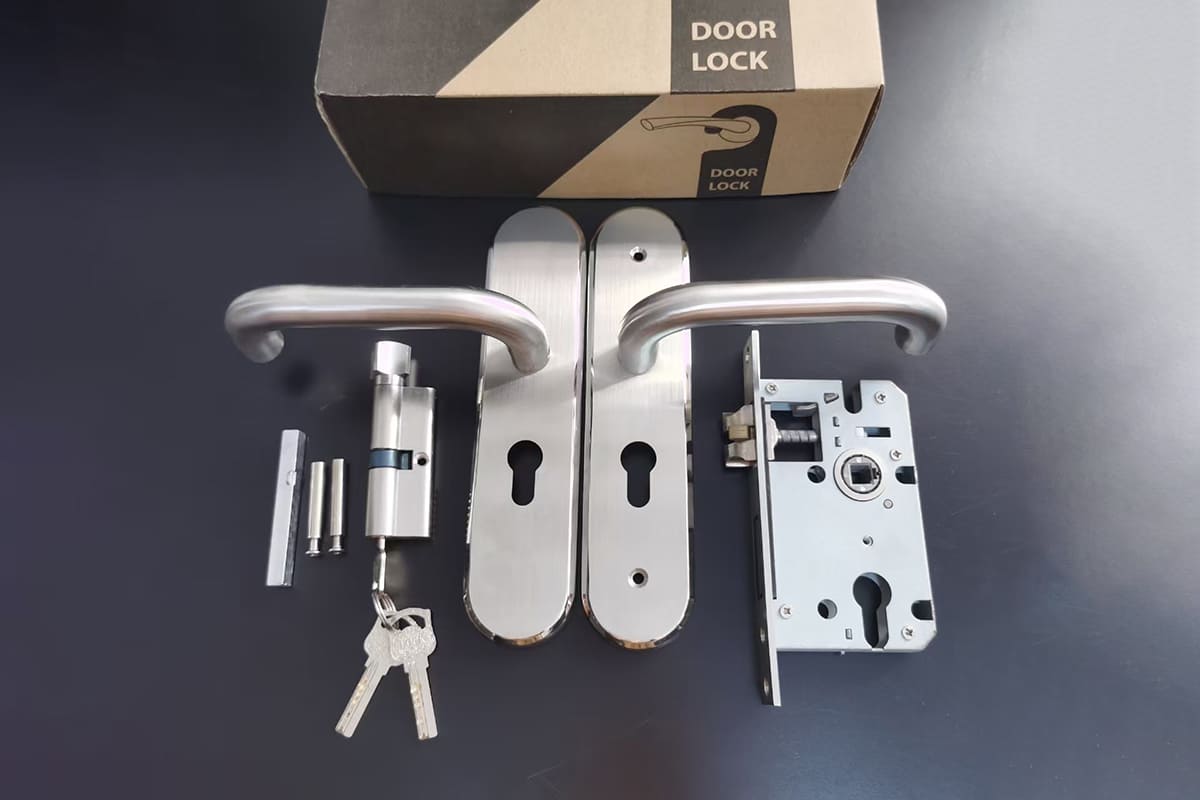
How I check system compatibility
I check a door hardware set in the same way that I check an assembly line. Each part has its own job, but the full set must work together. The hinge must support the door. The lock must fit the cutout. The cylinder must match the door thickness. The handle must match the lock follower and fixing system. The stop must protect the wall or door. The seal must support closing comfort without making the door too hard to close.
| Set matching point I check | Why I check it | Risk if I miss it |
|---|---|---|
| Finish family | I need a clean visual result | Hinges, handles, and cylinders look mixed |
| Size and drilling | I need fast installation | Workers need rework on site |
| Door thickness | I need the parts to sit correctly | Cylinder or handle may not fit |
| Lock and handle interface | I need smooth operation | Handle may bind or return poorly |
| Packaging and labeling | I need easy project handling | Site workers may mix parts |
| Batch standard | I need stable repeat orders | Later orders may not match old orders |
I also care about supplier stability. A buyer may get one good sample from many sources, but a bulk order needs repeat control. I check if the factory can keep the same finish tone, same key points, same accessory pack, and same inspection method. I also ask if customization is realistic. Some buyers need different faceplates, different cylinder lengths, different finishes, or project packaging. I prefer to confirm these details before price negotiation goes too far. A low price has limited value if the set cannot match the door factory’s production flow.
What Should I Check Before Bulk Purchasing Door Hardware?
I see bulk orders become risky when buyers skip fit checks, finish checks, and sample assembly before confirming production.
Before bulk purchasing, I check fit, finish consistency, functional stability, material suitability, certification needs, packaging, and supplier reliability. I also test the hardware as a full door set, not only as loose parts.12
How I build a practical buying checklist
I use a simple buying checklist because it helps both the factory and the buyer speak clearly. I do not want a buyer to approve a handle photo and later find that it does not match the lock. I do not want a lock body to arrive with the wrong faceplate. I do not want a finish sample to look good while the bulk order shows color difference. These are common procurement risks, and they are easier to control before mass production.
| Check point | What I confirm | Why it matters |
|---|---|---|
| Door drawing | Door thickness, edge size, cutout, handing | It controls installation fit |
| Hardware sample | Hinge, lock, cylinder, handle, stop, seal | It shows real set matching |
| Function test by hand | Swing, latch, key, handle return | It shows user experience |
| Finish sample | Color, texture, gloss, coating style | It reduces visual complaints |
| Material choice | Zinc alloy, stainless steel, brass, or other | It connects cost to use risk |
| Certification need | CE, fire-rated, or other project need | It supports market access where required |
| Packaging | Labels, screws, accessory packs | It protects installation speed |
| Supplier control | Production process, inspection, repeat ability | It reduces long-term risk |
I always separate general market products from project-specific products. A wholesaler may need stable stock items that sell well in many regions. A door factory may need exact sizes for its production line. A hardware brand may need finish and packaging control. A project buyer may need documents and compliance based on local rules. I do not use one standard for all buyers. I ask what problem the hardware must solve first. Then I choose the part, material, finish, and supplier control level that match that problem.
Conclusion
I choose important door hardware by function, fit, finish, and risk, because stable doors need matched parts, not just low-priced accessories.
"Understanding Different Types of Door Hardware: A Comprehensive ...", https://mrohardware.com/2025/05/19/understanding-different-types-of-door-hardware/?srsltid=AfmBOorN4uZOycBME0Wm4m1Jq9HdLr4DF04psyI2u_dVAlt7PVnPSd6q. This source provides expert consensus on the critical functions of hinges, locks, cylinders, and handles, highlighting their impact on door movement, security, user interaction, durability, installation, and procurement risk. Evidence role: expert_consensus; source type: research. Supports: the critical functions and associated risks of hinges, locks, cylinders, and handles in door hardware.. ↩
"Influence of door handles design in effort perception - PubMed", https://pubmed.ncbi.nlm.nih.gov/22317464/. This source supports the assertion that the quality of even a single door hardware component can substantially influence the overall perceived quality and user experience of a door system. Evidence role: general_support; source type: research. Supports: the significant impact of individual hardware component quality on the overall perceived quality and user experience of a door.. ↩
"Lock and key - Wikipedia", https://en.wikipedia.org/wiki/Lock_and_key. This source defines the lock cylinder's function, confirming its essential role in both the security mechanism of a door and the smooth operation of its keying system. Evidence role: definition; source type: encyclopedia. Supports: the critical role of a lock cylinder in ensuring door security and facilitating smooth key operation.. ↩
"The Importance of Door Hinges for Home Security", https://www.hingeoutlet.com/blogs/news/the-importance-of-door-hinges-for-home-security?srsltid=AfmBOopTFcNOis4mPJ2Hv_3PBsDEaI4yDkY-3-G7GTR8Eh-eSRfqas_6. This source details the mechanical importance of hinges in door function and outlines how improper selection, particularly concerning door weight and hinge capacity, can lead to common issues like sagging, rubbing, and premature wear. Evidence role: mechanism; source type: research. Supports: the fundamental role of hinges in supporting door movement and the specific problems, such as sagging and noise, that arise from inadequate hinge selection or mismatched weight capacity.. ↩
"Interior door hinges - any reason for 2? : r/AusRenovation - Reddit", https://www.reddit.com/r/AusRenovation/comments/176sgv1/interior_door_hinges_any_reason_for_2/. This source provides general guidelines or recommendations that align with the common practice of installing 2–3 hinges on a single leaf for interior doors, noting that specific requirements may vary. Evidence role: expert_consensus; source type: institution. Supports: the common industry practice of using 2–3 hinges per door leaf for many interior door installations.. Scope note: The support is contextual, as the exact number of hinges can vary based on door dimensions, weight, and specific application requirements. ↩
"Butt Hinges vs. Concealed Hinges — What's the real difference?", https://www.instagram.com/reel/DKCYZPNSu2G/?hl=en. This source describes the typical characteristics of butt hinges as common and direct, and concealed hinges as providing a clean aesthetic while requiring precise matching for door thickness, frame preparation, and opening angle. Evidence role: definition; source type: encyclopedia. Supports: the characteristics and installation considerations for butt hinges and concealed hinges, including the aesthetic benefit of concealed hinges and their specific fitting requirements.. ↩
"Mortise locks vs. cylinder locks explained for you - Doors by Decora", https://doorsbydecora.net/cylinder-locks-vs-mortise-locks/. This source provides expert consensus on the necessity of coordinating mortise locks and lock cylinders, emphasizing that their combined functionality is critical for optimal door operation and reducing common issues like hard turning and poor latch movement. Evidence role: expert_consensus; source type: research. Supports: the importance of selecting mortise locks and lock cylinders as a compatible set to ensure smooth closing, locking, and key operation, thereby minimizing functional problems and after-sales issues.. ↩
"Euro Profile Cylinder - Yale", https://www.yalehome.com/in/en/products/mechanical-products/euro-profile-cylinder. This source confirms that market preferences for specific cylinder types, like euro profile, are common, and that local regulations often mandate fire-rated or certified hardware for certain building projects. Evidence role: general_support; source type: government. Supports: the existence of market-specific preferences for certain cylinder types, such as euro profile cylinders, and the regulatory requirement for fire-rated or certified hardware in specific projects based on local building codes.. Scope note: The support is general, as specific market preferences and regulatory requirements vary significantly by region and project type. ↩
"Influence of door handles design in effort perception - PubMed", https://pubmed.ncbi.nlm.nih.gov/22317464/. This source provides expert consensus on the critical role of lever handles in daily user interaction, highlighting how their quality attributes, including stability, smooth return, and finish, directly influence user satisfaction and contribute to brand image. Evidence role: expert_consensus; source type: research. Supports: the significant impact of lever handle quality on user experience and brand perception, emphasizing attributes such as stability, spring return, finish durability, and aesthetic matching.. ↩
"Zinc Alloy vs Stainless Steel Door Handle - Marchry hardware", https://www.marchry.com/the-assembly-department-in-action-at-our-factory-2/. This source describes the distinct properties of zinc alloy, such as its adaptability to various shapes and styles, and stainless steel, highlighting its aesthetic and corrosion-resistant qualities, as applied in door hardware. Evidence role: definition; source type: encyclopedia. Supports: the material properties of zinc alloy, specifically its versatility in design, and stainless steel, noting its clean appearance and corrosion resistance, in the context of door hardware manufacturing.. ↩
"How to Choose Entry Hardware - Ferguson Home", https://www.fergusonhome.com/how-to-choose-entry-hardware/a200?srsltid=AfmBOopNpCY5QwmViYI4ic__VJIuTZ9KNppZM04rK7UYYMyDXDptbPM7. This source provides expert consensus on the critical importance of selecting door hardware as a coordinated set, emphasizing how this approach ensures compatibility in dimensions, finishes, and quality, leading to reduced installation rework and visual inconsistencies. Evidence role: expert_consensus; source type: research. Supports: the necessity of selecting door hardware as a coordinated set to ensure compatibility across dimensions, finishes, and quality, thereby mitigating installation issues, visual discrepancies, and procurement risks.. ↩
"[PDF] 08711FL - DOOR HARDWARE (BY DESC PROD) - CSUSM", https://www.csusm.edu/pdc/standards-and-regulations/buildingstandards/specsections/08000-doors-and-windows/08711_-doorhardware_summary-csusm_2013-2014.pdf. This source outlines recommended best practices for pre-purchase quality assurance in bulk door hardware procurement, advocating for comprehensive checks on fit, finish, functional stability, material, certification, packaging, and supplier reliability, along with full door set testing. Evidence role: expert_consensus; source type: institution. Supports: the recommended best practices for quality control and due diligence before bulk purchasing door hardware, including comprehensive checks for fit, finish, function, material, certification, packaging, and supplier reliability, ideally involving full set testing.. ↩