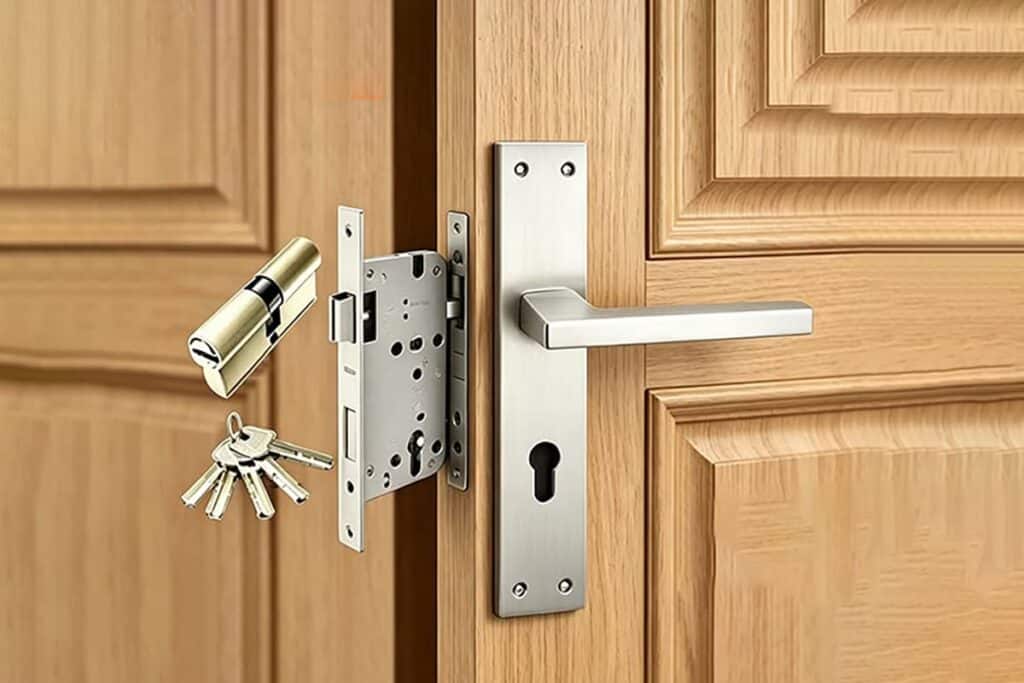
Choosing the Best Lock for External Doors at Your Property?
I see many buyers lose money because they ask for the “best lock” before they define the door, market, and security need.
I choose the best external door lock by matching the lock type to the country, door structure, housing scenario, security level, and access method. I do not treat one lock as best for every entrance door.
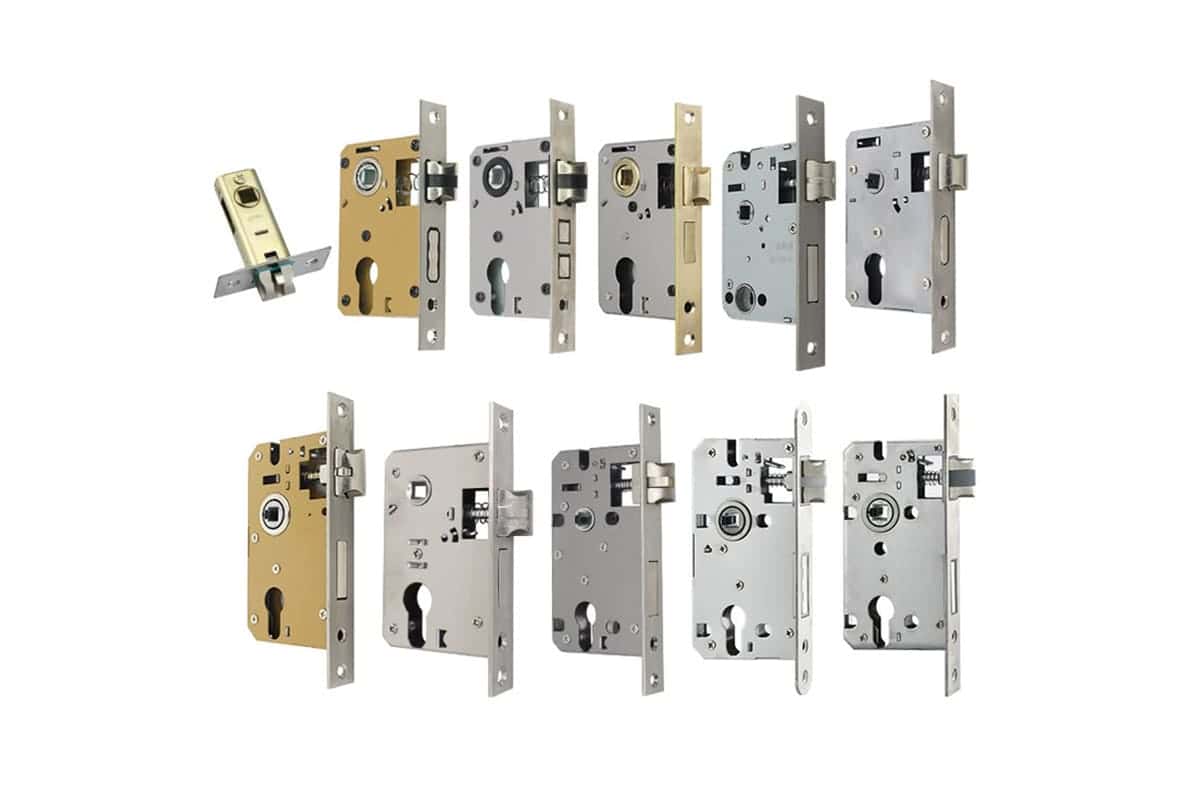
I usually start with one simple question. I ask, “Where will this entrance door be used?” That answer changes almost everything. It changes the lock body, cylinder, handle set, strike plate, finish, certification need, and after-sales risk. I have seen buyers focus only on price or lock size. I have also seen them choose a strong-looking lock that did not fit the door design or local user habit. So I prefer a slower and clearer selection process.
What Should I Mean by an External Door Lock?
I often see confusion because buyers use different words for the same product. This small wording problem can create a wrong purchase.
I define an external door lock as an entrance door lock used on a door facing public space, outdoor space, a corridor, a yard, or a main access point.
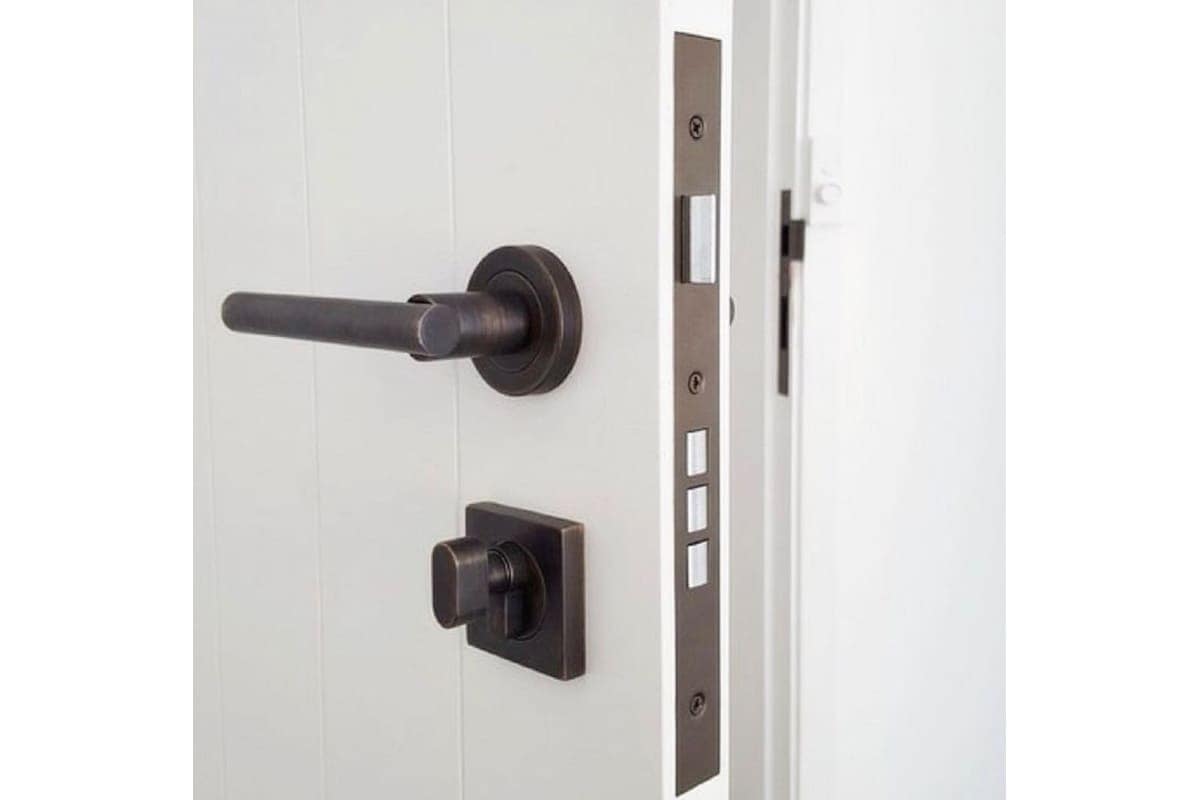
I First Clarify the Door Position
When I talk with buyers, I do not start with the lock model. I start with the door position. I ask if the door is an apartment entrance door, a villa entrance door, a house front door, a service door, a garden-facing door, or a project entrance door. I do this because the same word “external” can mean different things in different countries. In some markets, an apartment entrance door is called an external door because it separates the private home from a public corridor. In other markets, external door means a door exposed to sun, rain, and direct outdoor conditions.
I Separate Security From Weather
I also separate security needs from weather needs. A buyer may say “external,” but the real issue may be anti-burglary strength1. Another buyer may say “external,” but the real issue may be corrosion resistance. I must know both.
| My Question | Why I Ask It | Lock Selection Impact |
|---|---|---|
| Is the door exposed to outdoor weather2? | I need to judge finish and material risk. | Stainless steel, plated finish, or coated parts may change. |
| Is the door a main home entrance? | I need to judge security expectation. | Sashlock, multi-point lock, or electric lock may change. |
| Is the door in an apartment corridor? | I need to judge door thickness and user habit. | Entrance sashlock may be enough in many cases. |
| Is the door for a standalone house? | I need to judge perceived protection. | Multi-point security lock may be more suitable. |
I once handled a conversation where a buyer asked for a “front door lock.” After several questions, I found the door was not a house front door. It was an apartment entrance door inside a building. If I had quoted a heavy multi-point lock at once, the price, size, and installation would have been wrong. That is why I always make the wording clear first.
How Do I Match the Lock to the Door Type?
I do not match locks by catalog pictures. I match them by door construction, user expectation, and installation limits.
I match an external door lock by checking door type, door thickness, frame design, lock case size, handle compatibility, cylinder type, and the expected security level in the target market.
I Look at the Door Before the Lock
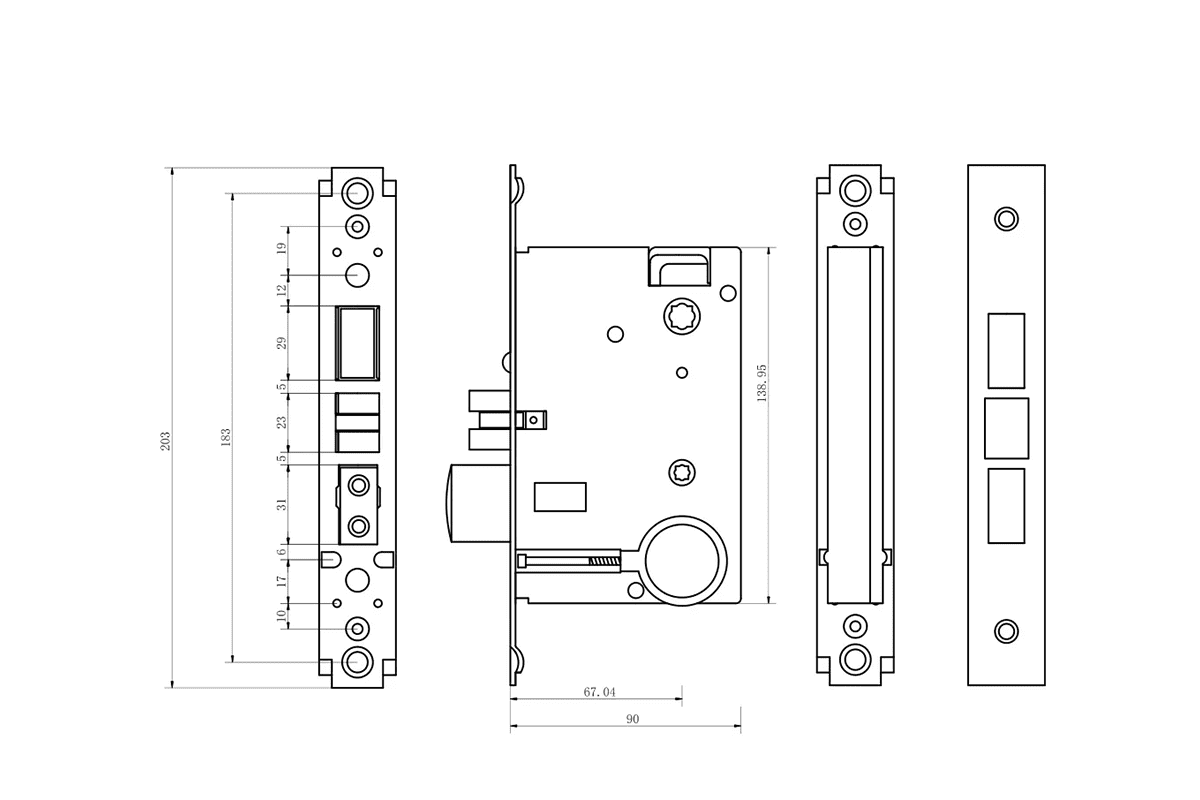
I always ask for door drawings when possible. I want to know the door thickness, stile width, lock pocket space, frame rebate, opening direction, and handle height3. A lock can be good, but it can still be wrong for the door. This is a common B2B problem. A buyer may approve a sample by hand, but the factory may later find that the lock case hits the inner structure of the door. This mistake delays production and creates extra cost.
I Use a Simple Matching Table
| Door Scenario | Common Lock Direction | My Main Check |
|---|---|---|
| Apartment entrance door | Entrance sashlock or security mortise lock | Door thickness and cylinder protection |
| Standalone house entrance | Multi-point security lock | Door height, frame strength, and locking points |
| Metal security door | Heavy lock body or multi-point system | Lock case depth and steel structure |
| Timber entrance door | Sashlock, deadlock, or multi-point lock | Mortise size and weather exposure |
| Smart home entrance | Electric entrance lock | Power, app, backup key, and service plan |
I do not say this table is a fixed rule. I use it as a starting point. Each market has its own habits. Some European buyers expect euro profile cylinders and specific backsets. Some Middle East buyers focus more on solid hardware feel, finish stability, and strong latch action. Some Southeast Asian projects ask for cost control and simple maintenance. I must balance all of these points.
I Check the Hardware System Together
I never check the lock alone. I check the lock with the lever handle, cylinder, escutcheon, strike plate, hinge, door closer, and door seal. If the cylinder projection is wrong, the lock may be easier to damage.4 If the handle spring is weak, the user may think the lock is poor. If the strike plate is not aligned, even a good lock will feel bad.5 For B2B supply, the complete door hardware system matters more than one single part.
When Should I Choose an Entrance Sashlock?
I choose an entrance sashlock when the door needs a standard mechanical lock solution, but not always a full multi-point system.
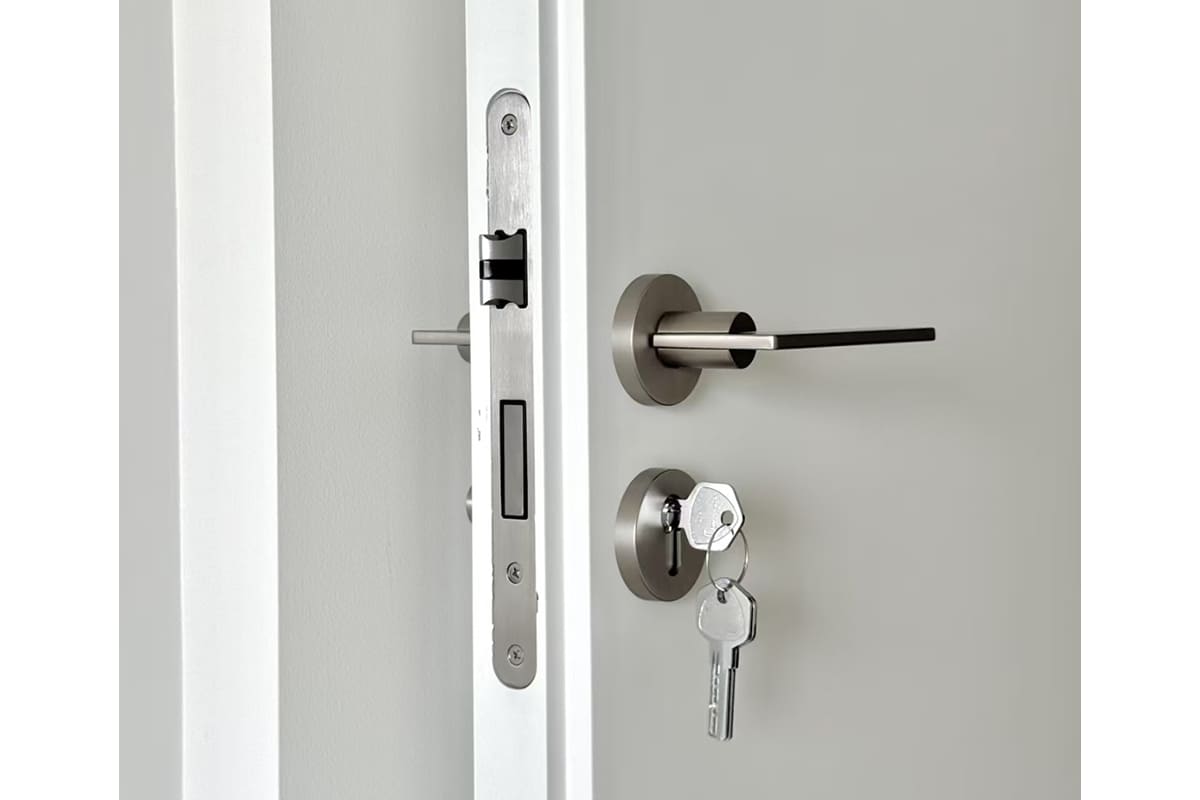
I usually consider an entrance sashlock for apartment entrance doors, corridor-facing doors, and projects where the door structure, price level, and local habit support a standard mortise lock solution.
I Use Entrance Sashlocks for Practical Door Projects
In many procurement talks, buyers want a product that is secure enough, easy to install, easy to replace, and cost controlled. An entrance sashlock can fit this need when the door is not a high-risk standalone house entrance. It can combine latch and deadbolt functions in one lock case.6 It can work with lever handles, cylinders, escutcheons, and many common door designs. For apartment entrance doors, this can be a practical choice in many markets.
I Still Check the Security Details
I do not treat all sashlocks as the same. I check lock case thickness, deadbolt throw, latch shape, follower size, faceplate material, strike plate strength, and cylinder compatibility. I also check whether the buyer needs CE-related compliance or fire-rated performance for the full door set7. A lock may look simple, but the standard details still matter.
| Check Point | My Reason | Buyer Risk If Ignored |
|---|---|---|
| Backset and center distance | I need to match the door preparation. | The lock cannot fit existing machining. |
| Deadbolt throw | I need to check locking depth. | The user may feel the lock is weak. |
| Cylinder type | I need to match local market habit. | The buyer may face poor market acceptance. |
| Faceplate size | I need to match the door edge. | The door edge may look unprofessional. |
| Certification need | I need to support project approval. | The project may reject the product. |
I remember one buyer who wanted to use the same sashlock for several apartment door models. The idea was good because it reduced stock pressure. But the doors had different stile widths. I asked for the drawings before production. We adjusted the lock body choice early. That small check avoided a bulk order problem. This is why I see the entrance sashlock as a useful solution, but only when the door design and market need are checked first.
When Should I Choose a Multi-Point Security Lock?
I choose a multi-point lock when the entrance door needs stronger locking coverage and a higher security image.
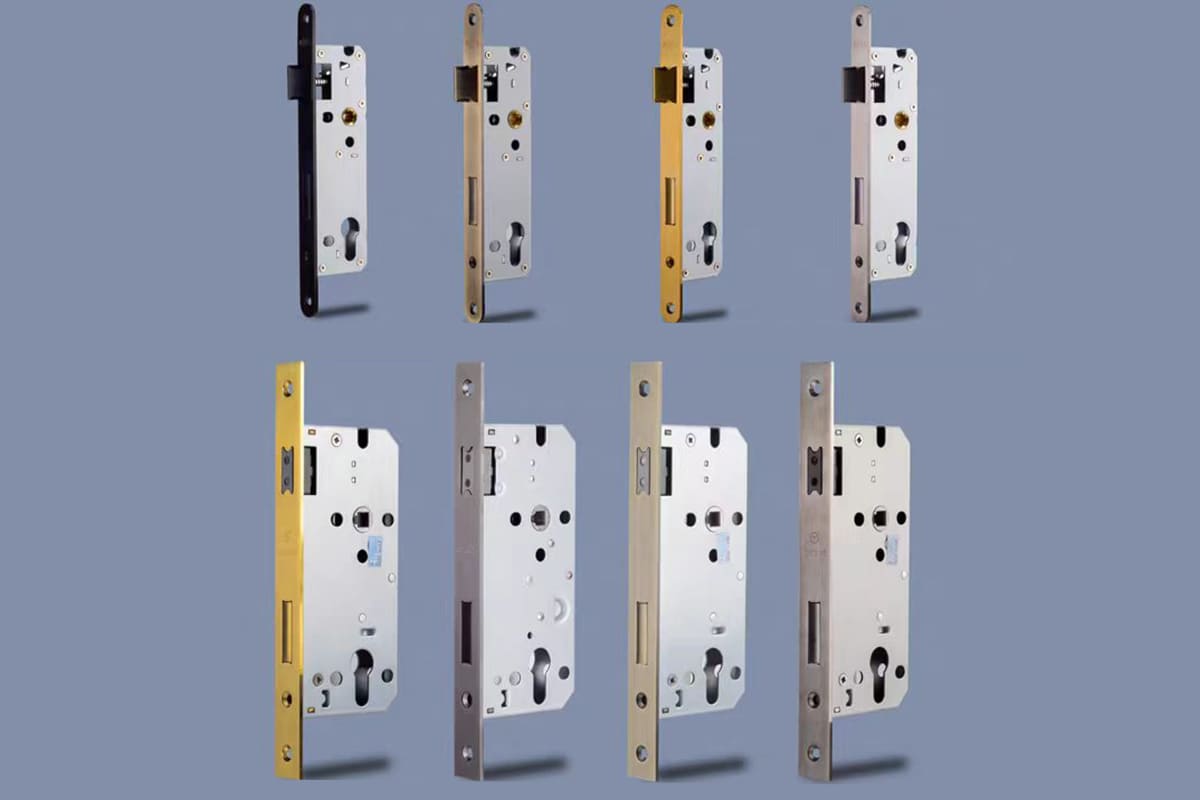
I usually consider a multi-point security lock for standalone house entrance doors, villa doors, and higher security projects where the door and frame can support several locking points.
I Use Multi-Point Locks for Stronger Coverage
A multi-point security lock can lock the door at more than one position.8 It may lock at the main lock case, upper point, lower point, hook point, roller point, or other locking points depending on the design. This can improve the feeling of protection. It can also improve door compression in some door systems.9 For standalone houses, users often expect stronger entrance protection because the door faces outdoor or private property areas.
I Do Not Make It the Default Answer
I do not recommend a multi-point lock for every external door. It has more parts. It needs more accurate door and frame preparation.10 It may need better installation skill. It may also increase cost and after-sales work if the door is not stable. If the frame is weak or the machining is poor, the lock may not work smoothly. So I always check the complete door system first.
| Multi-Point Lock Factor | What I Check | Why It Matters |
|---|---|---|
| Door height | I check the length of the lock strip. | The locking points must align with the door. |
| Frame strength | I check strike plate fixing. | Weak frames reduce real security value. |
| Locking point type | I check hook, bolt, roller, or mixed design. | Each type gives a different function and feel. |
| Cylinder quality | I check profile and security level. | A weak cylinder reduces the total system value. |
| Installation accuracy | I check machining tolerance. | Poor alignment causes hard operation. |
I have seen some buyers choose a multi-point lock mainly because it looks safer in the catalog. I understand that feeling. It is a strong selling point in many markets. But I still remind them that security is a system. The lock, cylinder, door leaf, frame, hinges, and installation must work together. I also remind buyers to check local standards and customer expectations before they build a product line around one lock type.
When Does an Electric Entrance Lock Make Sense?
I choose an electric entrance lock when the project needs access control, user convenience, and monitoring, not only mechanical locking.
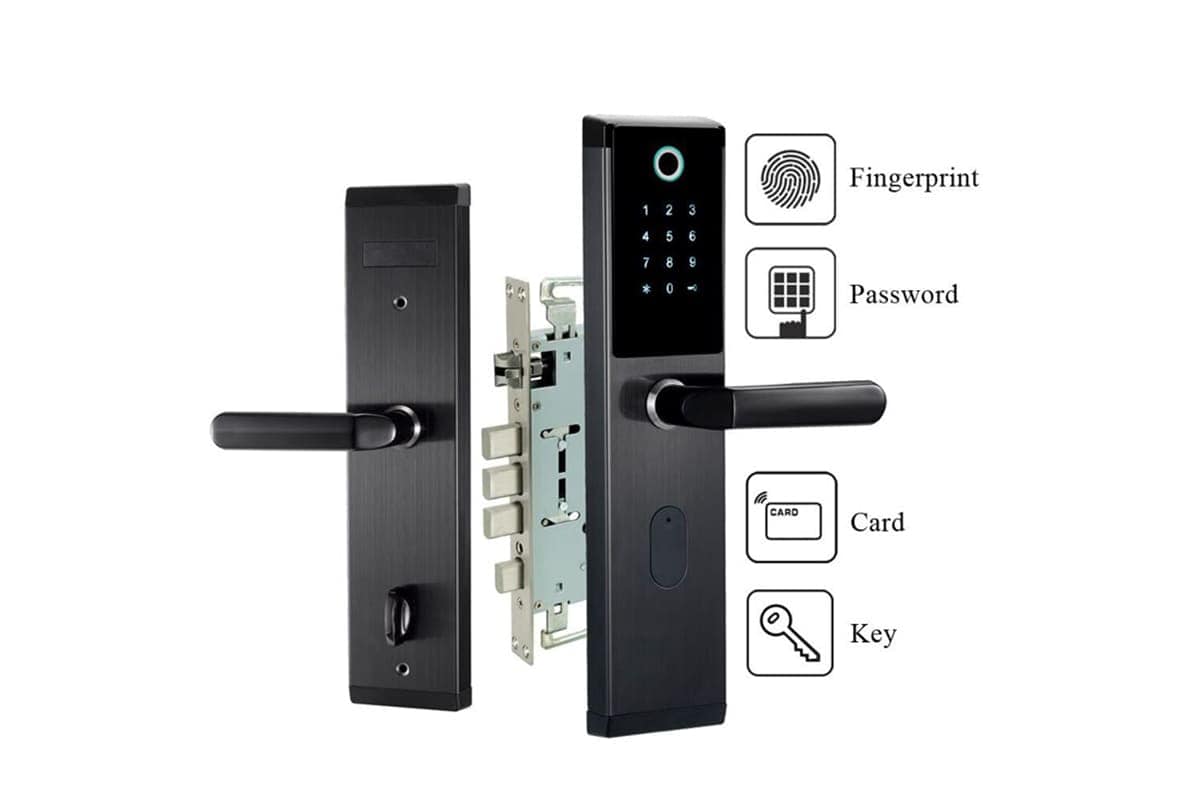
I consider electric entrance locks when buyers need fingerprint, keypad, card, app, remote access, audit records, or smart home functions, and when power and service support are clear.
I Check the Use Case Before the Features
Electric entrance locks are growing in many markets. Users like quick entry. They like codes, cards, fingerprints, and phone control. Property managers may like access records and easier key management. But I do not choose an electric lock only because it looks modern. I first check the use case. A family house, rental apartment, office entrance, and serviced apartment may need different functions.
I Check Power and Backup
Power is one of the first risks I check.11 I ask if the lock uses batteries, wired power, or both. I ask if it has a mechanical key backup. I ask if the user can open the door during battery failure. I also ask about outdoor exposure, temperature range, waterproof design, and app service support. If the buyer sells into many countries, the after-sales plan becomes even more important.
| Electric Lock Check | My Question | Why I Care |
|---|---|---|
| Access method | I ask if users need PIN, card, fingerprint, app, or key. | The product must match user behavior. |
| Door compatibility | I check thickness, material, and lock body size. | Smart locks do not fit every door. |
| Power design | I check battery and emergency power options. | Lockout risk must be controlled. |
| Data and app support | I check platform stability and language needs. | Poor software hurts the brand. |
| After-sales parts | I check motor, PCB, keypad, and handle support. | Long-term service affects reputation. |
I also keep claims careful. An electric lock does not automatically mean higher security.12 Some electric locks are made mainly for convenience. Some are made for stronger access control. Some depend heavily on the mechanical lock body and cylinder. So I ask buyers to define the priority. If the priority is security, I check the mechanical strength first. If the priority is control, I check access method and software. If the priority is retail sales, I check appearance, packaging, language, and warranty plan.
How Do I Reduce Procurement Risk Before Bulk Orders?
I reduce risk by turning the lock choice into a checked system, not a single item purchase.
I reduce B2B external lock risk by confirming country, door type, housing scenario, security level, certification, drawings, samples, installation method, finish, packaging, and after-sales parts before mass production.
I Build a Clear Lock Brief
Before I quote or recommend, I prefer to build a clear lock brief. This brief saves time for both sides. It also prevents sample approval mistakes. Many after-sales problems come from unclear early information. The buyer may say “standard lock,” but the factory may think of another standard. A drawing, photo, and target market note can remove many risks.
I Ask for the Full Door Hardware Configuration
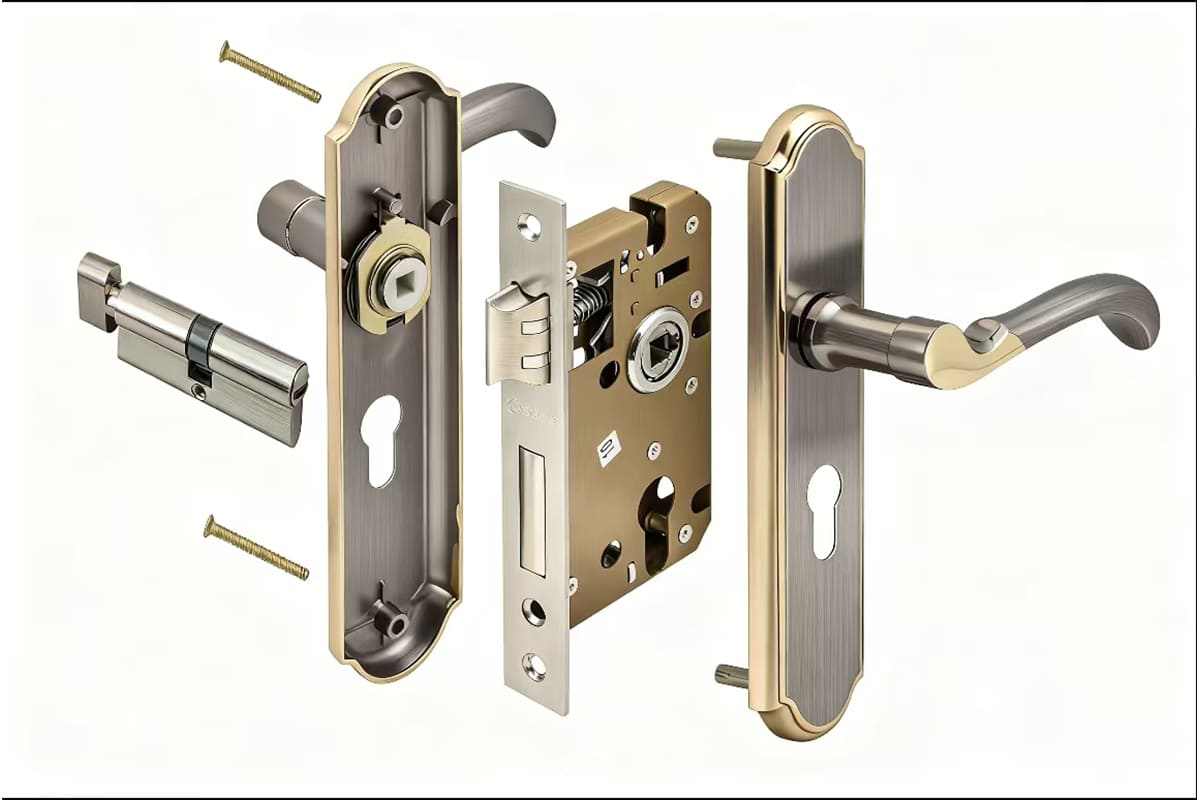
For external doors, I always want to see the full hardware configuration. I check the lock, handle, cylinder, hinge, door closer, seals, and accessories. I also check surface finish consistency. For bulk projects, color difference can become a serious complaint. Satin stainless steel, polished chrome, PVD, black, and other finishes must be controlled across parts.
| Procurement Item | What I Confirm | Result I Want |
|---|---|---|
| Target country | I ask for the sales or project market. | I match local habits and compliance needs. |
| Door type | I ask for apartment, house, villa, metal, timber, or composite door. | I avoid wrong lock structure. |
| Security level | I ask for basic, medium, high, or project-defined level. | I select a suitable lock category. |
| Mechanical or electric | I ask for the access method. | I avoid wrong product direction. |
| Certification | I ask for CE, fire-rated, or other needs. | I support market access and project approval. |
| Sample testing | I ask the buyer to install and test before bulk order. | I reduce mass production risk. |
I have learned that buyers care about price, but they care even more about stable supply after a problem appears. If a lock fails in a market, the buyer must answer to distributors, door factories, or project owners. That is why I take long-term service seriously. I check spare parts, replacement cycle, batch consistency, and packing protection. I also prefer to discuss MOQ, delivery time, and finish control early. This keeps the project realistic.
I Prefer a Supplier-Side Recommendation Process
My recommendation process is simple. I ask for the target country, door photos, door drawings, lock opening direction, door thickness, frame design, required finish, expected certification, and target price level. Then I suggest one or several lock directions. I may suggest an entrance sashlock. I may suggest a multi-point lock. I may suggest an electric lock. I may also say that the buyer needs a different door hardware configuration before choosing the lock. This honest step protects both sides.
Conclusion
I choose the best external door lock only after I understand the market, door, security need, access method, and full hardware system.
"Window security - Wikipedia", https://en.wikipedia.org/wiki/Window_security. A recognized burglar-resistance standard such as EN 1627 may be cited to show that resistance to forced entry is assessed separately from environmental exposure and is relevant to entrance-door hardware selection. Evidence role: expert_consensus; source type: institution. Supports: Burglar resistance is treated as a distinct performance category for doors, windows, and related locking hardware in recognized standards.. Scope note: The standard provides a framework for resistance classes, but it does not by itself prove that any specific lock configuration in the article meets a given class. ↩
"[PDF] Corrosion Resistance - National Institute of Standards and Technology", https://nvlpubs.nist.gov/nistpubs/Legacy/IR/nistir5360.pdf. Government or university materials guidance on corrosion may be cited to support that outdoor moisture, salts, and atmospheric exposure influence the durability of metal hardware finishes used on external doors. Evidence role: mechanism; source type: government. Supports: Outdoor environmental exposure can accelerate corrosion or degradation of metals and coatings, making material and finish selection relevant for external door hardware.. Scope note: Such sources support the material-science rationale for finish selection, but they may not test the specific lock models discussed in the article. ↩
"[PDF] LOCKS / DOORS / DOOR HARDWARE REPLACEMENT - WPS ...", https://www.worcesterma.gov/sites/default/files/bids/8195-W4-Doors-Hardware-Replacement-Various-Schools-Specifications-Scope-of-Services-WPS-Final.pdf. Technical installation guidance from a standards body or public building-maintenance source may be cited to support that lock compatibility depends on door preparation, including dimensions, handing, and the location of hardware cutouts. Evidence role: general_support; source type: institution. Supports: Door hardware installation depends on measured parameters such as door thickness, backset, handing, and prepared openings.. Scope note: This supports the general installation principle rather than the author's specific procurement workflow. ↩
"What is Most Secure Lock To Prevent Lock Snapping? 2026 Guide", https://www.locksmiths.co.uk/faq/lock-snapping-most-secure-lock-cylinder/. Security guidance on lock-cylinder attacks may be cited to support that cylinder projection and protective hardware affect resistance to physical damage and forced entry. Evidence role: mechanism; source type: institution. Supports: Excessive or poorly protected cylinder projection can create an attack surface for forced-entry methods such as snapping or pulling.. Scope note: The source should be used for the general mechanism; the risk level still depends on the cylinder design, escutcheon, door construction, and applicable security rating. ↩
"[PDF] DOOR HARDWARE PARTS DIAGRAM", https://campaigns.dmu.edu/fulldisplay/Ip9haW/5AD167/door-hardware__parts-diagram.pdf. Door-hardware maintenance guidance may be cited to support that correct strike-plate alignment is necessary for smooth latch and bolt engagement. Evidence role: mechanism; source type: education. Supports: A lock can bind, fail to latch, or feel difficult to operate when the latch or bolt is not aligned with the strike plate.. Scope note: The citation would support the mechanical principle, not the subjective wording that a user will necessarily perceive the lock as poor. ↩
"Mortise lock - Wikipedia", https://en.wikipedia.org/wiki/Mortise_lock. An architectural-hardware definition may be cited to support that a sashlock commonly incorporates both a latch function and a deadlocking function in one lock case. Evidence role: definition; source type: encyclopedia. Supports: A sashlock or mortice sashlock commonly combines a latch bolt operated by a handle with a deadbolt operated by a key or cylinder.. Scope note: Definitions describe typical sashlock construction; individual products may vary by market and manufacturer. ↩
"Fire-Rated Doors Require Special, Certified Hardware", https://www.danddhardware.com/fire-rated-doors-require-special-certified-hardware.html. European door and hardware standards may be cited to support that locks used on fire-rated or regulated door assemblies are evaluated within a standards-based conformity and performance framework. Evidence role: expert_consensus; source type: institution. Supports: Fire performance and regulated conformity can apply to a door assembly and its hardware, including locks, depending on the product and market.. Scope note: The citation should not imply that every external door lock needs CE marking or fire testing; applicability depends on jurisdiction, product category, and project specification. ↩
"Door lock - Wikipedia", https://en.wikipedia.org/wiki/Door_lock. A neutral technical definition may be cited to support that a multi-point lock is characterized by engaging more than one locking point on the door. Evidence role: definition; source type: encyclopedia. Supports: A multi-point locking system operates multiple bolts, hooks, rollers, or other locking points along the door edge.. Scope note: The source supports the definition, not a quantified improvement in security for every installation. ↩
"Weatherstripping | Department of Energy", https://www.energy.gov/energysaver/weatherstripping. Building-envelope or door-system research may be cited to support that distributed locking pressure can assist gasket compression and sealing performance in certain exterior door assemblies. Evidence role: mechanism; source type: research. Supports: Multiple locking or latching points can help press a door leaf more evenly against seals in some door designs.. Scope note: This is contextual support only; actual compression performance depends on the door construction, gasket design, adjustment, and installation quality. ↩
"MPLS3 Three-Point Locking System Installation - YouTube",
. Technical installation guidance for multi-point locking systems may be cited to support that these systems require accurate machining and alignment of multiple frame engagement points. Evidence role: mechanism; source type: institution. Supports: Multi-point locks require accurate alignment between the door leaf, locking points, and corresponding frame keeps or strikes.. Scope note: Installation guides usually address proper fitting rather than statistically comparing failure rates with simpler locks. ↩"[PDF] Fail Safe vs. Fail Secure Electronic Locksets", https://orf.od.nih.gov/TechnicalResources/Documents/Technical%20Bulletins/20TB/Fail%20Safe%20vs.%20Fail%20Secure%20Electronic%20Locksets%20June%202020%20-%20Technical%20Bulletin%20UPDATED_508.pdf. Government or standards-based access-control guidance may be cited to support that electric locking systems must account for power failure behavior, backup power, and emergency override or egress requirements. Evidence role: mechanism; source type: government. Supports: Electrified locks and access-control devices require consideration of power loss behavior, backup power, and emergency access methods.. Scope note: The exact requirements vary by jurisdiction, occupancy type, fire code, and whether the device is fail-safe, fail-secure, or mechanically overridden. ↩
"[PDF] Smart Locks: Lessons for Securing Commodity Internet of Things ...", https://people.cs.uchicago.edu/~grantho/papers/asiaccs2016-smartlock.pdf. Security research on smart locks may be cited to support that electronic access functions do not inherently guarantee higher overall security because vulnerabilities can arise in mechanical components, wireless communication, software, or configuration. Evidence role: expert_consensus; source type: research. Supports: Electronic locks can provide convenience and access-control features while still depending on mechanical design, implementation security, and system configuration for overall protection.. Scope note: Research findings may focus on specific devices or attack classes, so they should be used to support caution rather than to generalize that all electric locks are insecure. ↩