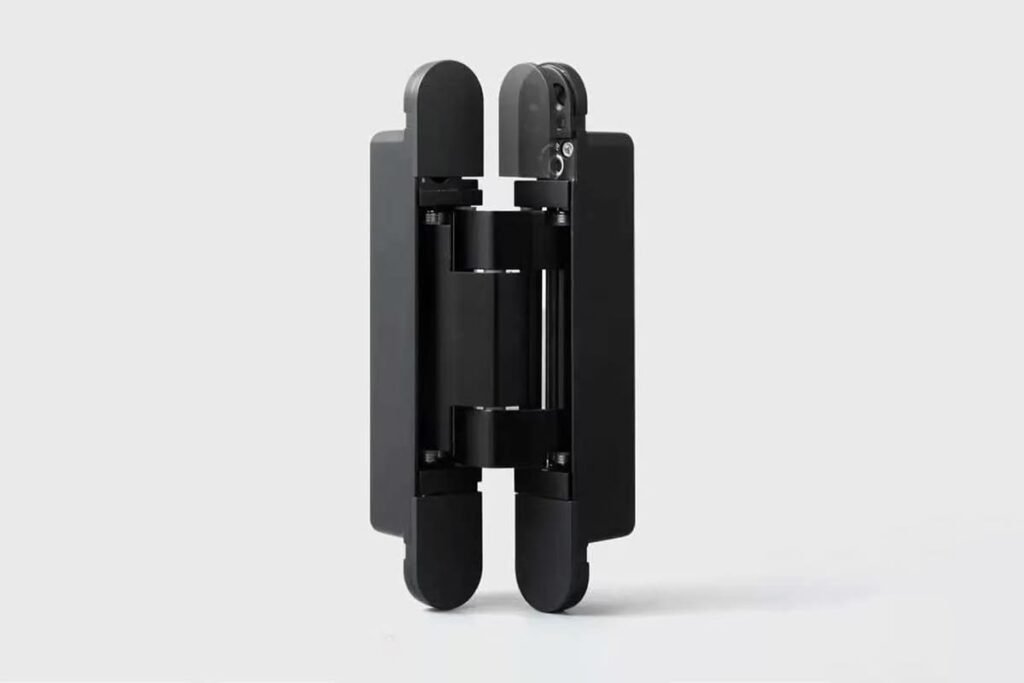
Commercial Door Hinges: How Should I Choose the Right One?
A wrong commercial door hinge looks small at first. It later becomes door sagging, noise, complaints, and rework that hurts my delivery plan.
I choose commercial door hinges by matching hinge load, door weight, traffic level, material, corrosion environment, and batch quality stability. I do not select by size or thickness alone, because poor matching can cause sagging, noise, loose movement, safety risk, and higher maintenance cost1.
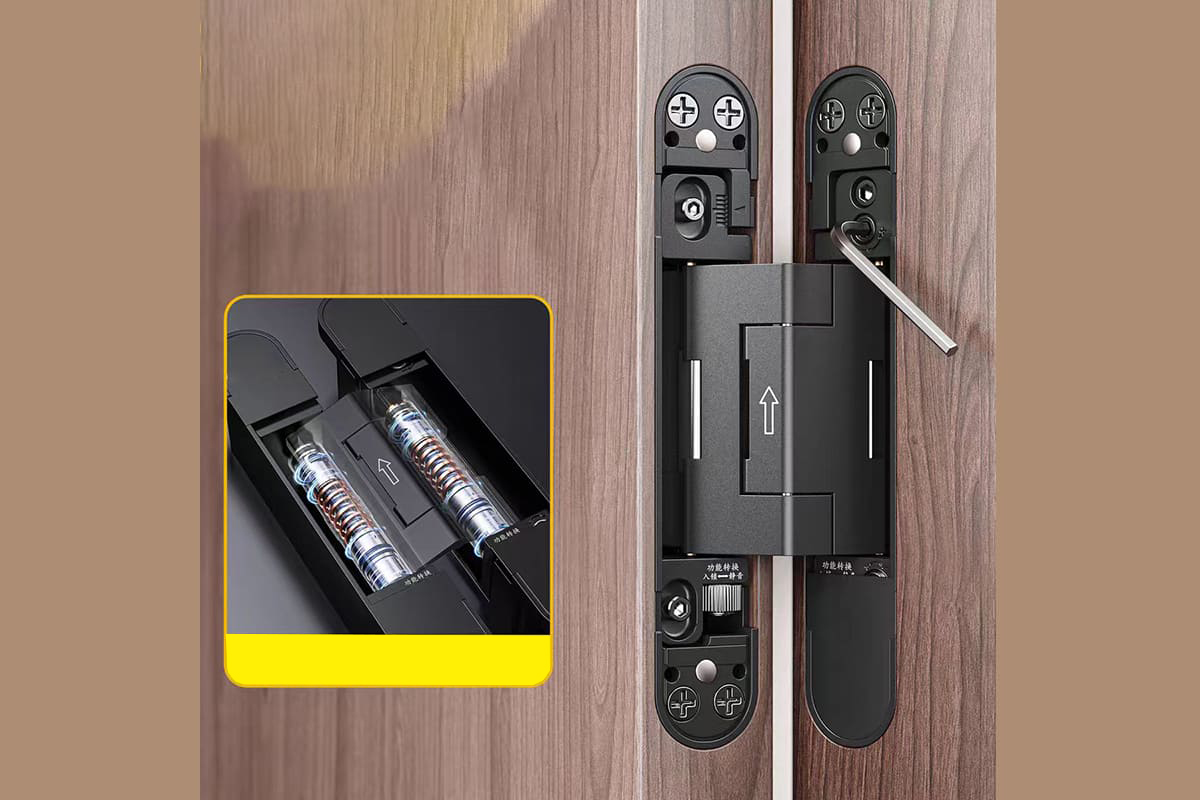
I have seen many hinge problems start from one simple question: “What size hinge do I need?” I understand this question, but I also know it is not enough. In my factory work, I see hinges from raw material checking to final packing. I also see feedback when doors sag, move poorly, or make noise after installation. A commercial hinge is not just a metal part. It is a load point, a movement point, and a risk control point. If I select it only by size, I may miss the real working condition of the door. If I match it to door weight, use frequency, environment, and quality control, I can reduce later problems and protect the whole door system.
What should I check before I choose a commercial door hinge?
Many buyers start with hinge size. I see that mistake often. The door may still fail if the load and traffic are ignored.
I first check door weight, door size, use frequency, opening direction, building type, and safety needs. These details help me decide hinge structure, material, thickness, quantity, and finish, so the hinge can support the real working condition.
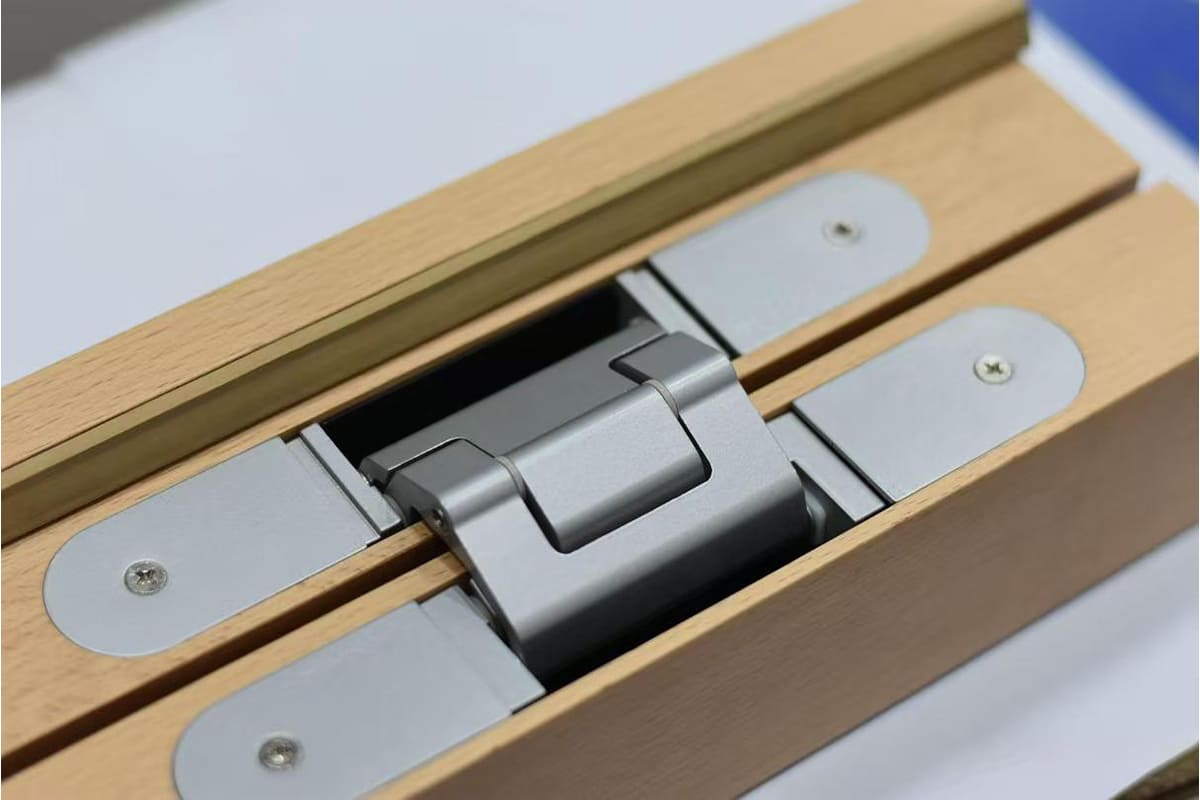
I start from the door, not from the hinge
When I review a commercial door hinge order, I do not first ask only for 4 inch, 5 inch, or 6 inch size. I ask what kind of door the hinge will carry. I want to know if the door is hollow metal, wooden, stainless steel, aluminum, or fire-rated. I also want to know the door height and width, because a tall and wide door creates more force on the hinge side2.
| Check point | Why I check it | What it may change |
|---|---|---|
| Door weight | Heavy doors need stronger support | Hinge thickness, bearing type, hinge quantity |
| Door size | Tall doors add more side force | Hinge height and screw position |
| Traffic level | High use causes faster wear | Material grade and structure |
| Building type | Public spaces need stable movement | Durability and finish control |
| Safety need | Some projects need certificates | Product type and document review |
I treat usage frequency as a real cost factor
A hotel guest room door and a school corridor door do not work the same way. A public toilet door, office entrance door, or hospital door may open hundreds of times each day3. In these places, a weak hinge does not only wear out faster. It can create noise, door drop, frame friction, and customer complaints. I have handled feedback where the hinge size looked correct, but the movement became loose because the project needed a stronger structure. That is why I always connect hinge choice with daily traffic.
Why does hinge material and thickness matter in real use?
A hinge may look strong because it is thick. I have learned that thickness alone does not prove long-term performance4.
I judge commercial hinge durability by material quality, stable thickness, structural processing, pin fit, bearing design, screw hole accuracy, and batch inspection. Stainless steel or brass can last longer only when manufacturing control is stable.
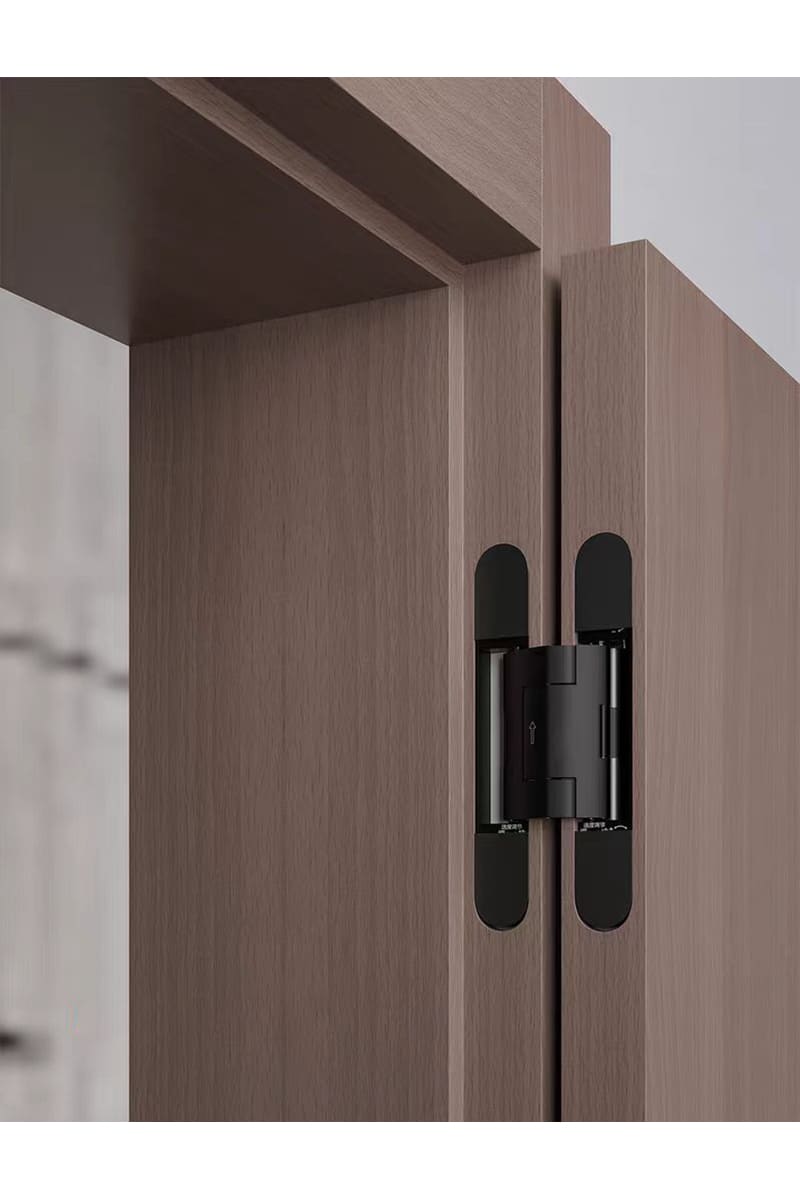
I connect material with manufacturing control
In production, I check material before I trust the final hinge. Stainless steel, brass, iron, and zinc alloy do not behave the same way. Stainless steel is often used where corrosion resistance and strength are important.5 Brass can give good appearance and good service life in the right market. Iron can be cost-effective, but the surface treatment must be well controlled. I never describe a hinge as “durable” only because the material name sounds good.
| Material point | My factory-side concern | Procurement risk if ignored |
|---|---|---|
| Stainless steel grade | Stable raw material and surface quality | Rust spots, weak market confidence |
| Brass material | Proper profile and finish control | Color difference, higher cost waste |
| Steel base material | Coating and anti-rust process | Early corrosion and complaints |
| Thickness tolerance | Stable batch dimensions | Poor assembly and uneven load |
| Pin and knuckle fit | Smooth rotation and low noise | Friction, looseness, squeaking |
I pay attention to the small structure
A commercial hinge works through repeated movement. The leaf, knuckle, pin, bearing, and screw holes all affect the result. If the leaf thickness is unstable, the hinge may not sit flat. If the pin fit is poor, the door may shake or make noise. If the screw holes are not accurate, the installer may need to adjust the door again. These small problems become big problems in bulk assembly. I have seen buyers focus only on unit price, then spend more time on sorting, rework, and after-sales support. I prefer to confirm samples before mass production, then check dimensions and movement during production. This approach is simple, but it helps me reduce hidden cost.
How does corrosion resistance affect commercial door hinge performance?
A hinge can fail in appearance before it fails in strength. I see corrosion complaints hurt both the project and the brand.
I match corrosion resistance to the building environment. Hotels, offices, schools, coastal areas, humid rooms, and public buildings need proper material and finish control, because corrosion affects appearance, movement, and long-term buyer trust6.

I look at the real environment
A commercial door hinge is not always used in a clean and dry place. Some doors are near bathrooms, kitchens, building entrances, coastal air, or cleaning chemicals.7 Some doors are installed in hotels where appearance is very important. Some are used in schools where doors are touched, pushed, and cleaned often. In these cases, corrosion resistance is not a small detail. It protects the surface, the movement, and the customer’s confidence in the product.
| Environment | Common risk | My hinge selection focus |
|---|---|---|
| Hotel and apartment | Visible stains and color difference | Stable finish and clean surface |
| Office building | Long-term appearance demand | Consistent brushing or polishing |
| School and public area | High contact and heavy use | Strong surface and stable structure |
| Humid room | Rust and stiff movement | Better material and coating |
| Coastal market | Salt air corrosion | Stainless steel and finish review |
I inspect finish consistency in batches
For bulk orders, one good sample is not enough. I need the whole batch to look stable. In my factory work, I check surface finish, color tone, scratches, sharp edges, and packing protection. A commercial buyer may sell hinges under one brand or install them in one project. If one carton has a different finish, the buyer may face complaints from installers or project owners. I have seen that poor surface control can turn a normal order into a sorting job. That is why I treat finish inspection as part of performance, not only appearance. A hinge that looks uneven can reduce market trust, even if the basic function is still acceptable.
How can smooth hinge movement reduce after-sales cost?
A noisy or tight door feels cheap. I know this problem often leads to service calls and replacement requests.
Smooth hinge movement helps the door open and close with less friction, less noise, and better stability.8 It can reduce sagging risk, installer adjustment time, user complaints, and long-term after-sales cost.
I test movement before I trust the hinge
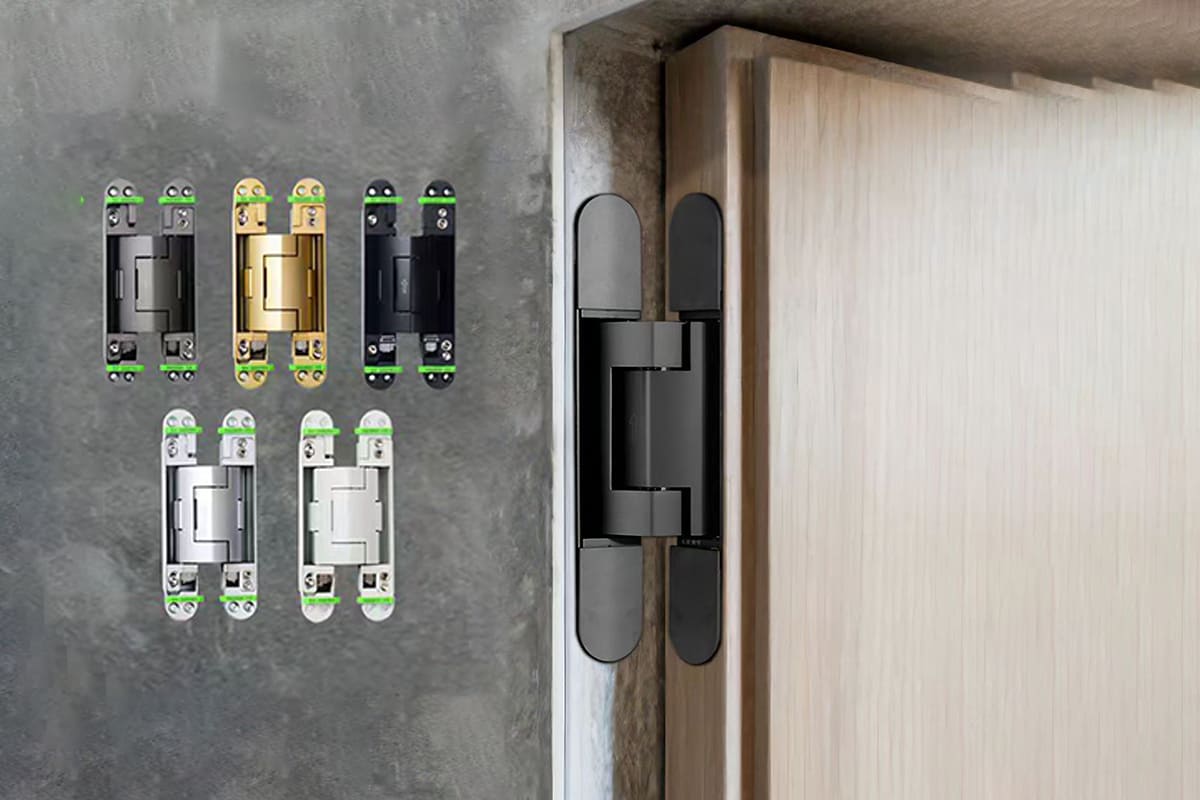
When I handle hinge samples, I do not only measure the size. I open and close the hinge by hand. I feel whether the movement is smooth. I check if the pin is too tight, too loose, or uneven. I also look at whether the hinge leaves align well when closed. These simple checks help me find issues before the hinge reaches the customer’s assembly line.
| Movement issue | Possible cause | Later result |
|---|---|---|
| Tight rotation | Poor pin fit or surface friction | Hard opening and installer complaint |
| Loose movement | Poor structure control | Door shaking or sagging feeling |
| Squeaking noise | Bad contact or poor lubrication | User complaint and service call |
| Leaf misalignment | Dimensional error | Door gap problem |
| Uneven screw holes | Poor punching control | Slow installation and rework |
I see after-sales cost as part of hinge cost
A low-priced hinge may look attractive in the quotation stage. I understand this because every buyer has a price target. But I also know that a poor hinge can create cost after delivery. The buyer may need to send replacement goods. The installer may spend more time adjusting doors.9 The brand may lose trust in one local market. I have received feedback about sagging, noise, and poor door movement. In many cases, the problem was not caused by one visible defect. It was caused by weak matching, unstable dimensions, or poor movement control. For this reason, I prefer to discuss the door application before I quote. I can then recommend a hinge that fits the real cost target, not only the lowest unit price.
How should I control quality before placing a bulk order?
A perfect catalog photo does not protect a bulk order. I need sample checks and batch controls to reduce supply risk.
I control commercial hinge quality by confirming samples, checking raw materials, reviewing dimensions, testing movement, inspecting surface finish, checking packing, and collecting feedback from installation or after-sales cases.
I use sample confirmation as the first gate
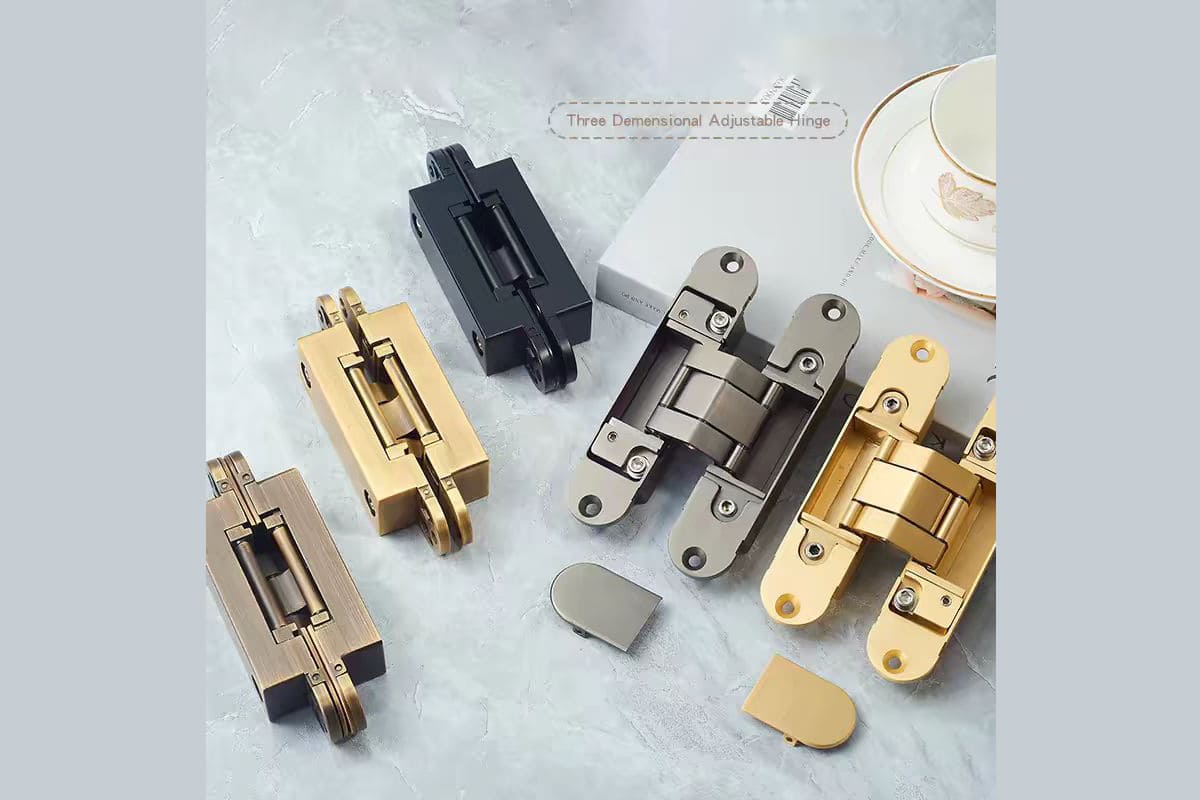
Before mass production, I prefer to confirm the sample with the buyer. The sample should show the material, thickness, finish, hole pattern, screw type, movement, logo, packing, and any special requirement. This step helps both sides speak about the same product. It also reduces the chance that the buyer expects one finish while the factory produces another.
| QC stage | What I check | Why it matters |
|---|---|---|
| Raw material | Material type and surface base | It affects strength and corrosion resistance |
| Pre-production sample | Size, finish, movement, packing | It sets the order standard |
| In-process check | Thickness, holes, structure | It prevents batch deviation |
| Surface inspection | Scratches, color, coating | It protects market appearance |
| Final inspection | Quantity, movement, packing | It reduces delivery complaints |
I care about batch stability more than one good piece
Many buyers ask for one good sample, but I know the real test is the full batch. A commercial door factory needs hinges that fit door preparation again and again. A wholesaler needs every carton to match the promised level. A hardware brand needs stable finish and size for repeat sales. In my work, I pay attention to dimensional consistency because door assembly depends on it10. If the hinge leaf, hole distance, or thickness changes too much, the assembly team must adjust the door. This creates labor cost and delivery delay. I also track after-sales feedback. If I hear about sagging, noise, or poor closing, I do not treat it as only a customer complaint. I treat it as production information. It tells me where I should review material, structure, processing, or inspection.
What information should I give my supplier for the right commercial door hinge?
A supplier cannot recommend well with only a hinge photo. I need project details to reduce wrong selection.
I should give my supplier door weight, door size, usage frequency, door material, building environment, target market, finish demand, certification needs, packing demand, and expected order quantity before choosing commercial door hinges.

I ask for clear project details
When a buyer sends me only a picture and asks for the best price, I can quote, but I cannot always protect the project. The same hinge may work well on one door and fail on another. I need basic facts before I recommend the right option. This is especially true for heavy doors, high-traffic doors, humid buildings, and markets that need CE or fire-rated documents11.
| Information | Example | Why I need it |
|---|---|---|
| Door weight | 40 kg, 80 kg, 120 kg | It guides load level |
| Door size | Height and width | It affects hinge quantity and size |
| Use frequency | Low, medium, high | It affects structure choice |
| Door material | Wood, steel, aluminum | It affects screw and hinge type |
| Environment | Indoor, humid, coastal | It affects material and finish |
| Target market | Europe, Middle East, Southeast Asia | It affects standard and finish demand |
| Certification need | CE or fire-rated project | It affects product document review |
I match the hinge to the business goal
A door factory may need fast assembly and stable hole positions. A wholesaler may need a finish that sells well in the local market. A hardware brand may need consistent packaging and logo control. A project buyer may need documents and stable delivery. These needs are different, so I do not give the same answer to every buyer. I try to match the hinge to the door, the market, and the long-term supply plan. I also prefer to discuss price after the application is clear. This does not mean I ignore cost. It means I want the cost to be safe. If the hinge is too weak for the job, the low price becomes a later loss. If the hinge is over-specified, the buyer may lose margin. The right choice should balance quality, price, delivery, and after-sales risk.
Conclusion
I choose commercial door hinges by matching real door use, material quality, surface needs, movement stability, and batch control before I confirm price or order.
"[DOC] Section 08 71 00 - Door Hardware", https://www.vendorportal.ecms.va.gov/FBODocumentServer/DocumentServer.aspx?DocumentId=796073&FileName=VA259-13-R-0534-A00003003.doc. ANSI/BHMA hinge standards classify builders' hardware by function, durability, and performance testing, supporting the view that commercial hinges should be selected according to door load and service conditions rather than dimensions alone. Evidence role: expert_consensus; source type: institution. Supports: A standards or industry-institution source should support that hinge selection depends on load, frequency, and performance requirements, and that inadequate hardware can compromise door operation.. Scope note: The standard may not directly state every listed consequence, such as customer complaints or maintenance cost, but it supports the underlying performance-selection relationship. ↩
"[PDF] Statics - TAM 211", https://courses.grainger.illinois.edu/tam210/sp2018/Lectures/Lect35_post.pdf. Engineering statics defines moment as the product of force and perpendicular distance from a pivot, providing the mechanical basis for why larger door dimensions can increase the load effect at the hinge side. Evidence role: mechanism; source type: education. Supports: A university engineering or statics source should explain that torque or moment increases with force and distance from the pivot, which applies to wider doors and hinge loading.. Scope note: This evidence supports the physical mechanism generally; a door-specific source would be needed to quantify the exact hinge load for a given door. ↩
"[PDF] Built Environment Determinants of Pedestrian Activities and Their ...", https://vtechworks.lib.vt.edu/server/api/core/bitstreams/6008e560-eb9b-4e4f-86f4-964c39f8da01/content. Studies of pedestrian movement and building operation commonly measure door use in repeated daily cycles, supporting the plausibility that high-traffic institutional doors can experience hundreds of openings in a day. Evidence role: statistic; source type: research. Supports: A building-use study or research report should provide observed or modeled door-opening frequencies in commercial or institutional buildings.. Scope note: Observed frequencies vary substantially by building type, occupancy, and measurement period, so the source would contextualize rather than prove every listed setting reaches that level. ↩
"A156.1 - 2025 Butts and Hinges", https://buildershardware.com/ANSI-BHMA-Standards/Hardware-Highlights/A1561-2021-Butts-and-Hinges. Builders' hardware standards for hinges evaluate performance through classifications and durability tests, indicating that long-term serviceability is determined by multiple design and testing factors, not by leaf thickness alone. Evidence role: expert_consensus; source type: institution. Supports: A hinge performance standard should show that durability depends on testing, load, material, construction, and cycle performance rather than thickness alone.. Scope note: Standards may specify minimum dimensions for certain classes, but they do not make thickness the sole predictor of performance. ↩
"Stainless steel - Wikipedia", https://en.wikipedia.org/wiki/Stainless_steel. Reference materials on stainless steel describe it as an alloy family designed for corrosion resistance, with grades that also provide mechanical strength suitable for structural and hardware applications. Evidence role: definition; source type: encyclopedia. Supports: A materials encyclopedia or educational source should state that stainless steels are iron-based alloys valued for corrosion resistance and useful mechanical properties.. Scope note: The exact corrosion resistance and strength depend on stainless steel grade, processing, and environment. ↩
"Special Issue: Friction, Corrosion and Protection of Material Surfaces", https://pmc.ncbi.nlm.nih.gov/articles/PMC10533172/. Corrosion research shows that oxidation and corrosion products alter metal surfaces and can degrade mechanical interfaces, supporting the claim that hinge corrosion may affect both visible appearance and movement. Evidence role: mechanism; source type: paper. Supports: A technical paper should support that corrosion changes metal surfaces, produces corrosion products, and can impair mechanical function or increase friction.. Scope note: The evidence supports appearance and movement effects directly; the effect on buyer trust is a market-response inference rather than a materials-science finding. ↩
"Marine Atmospheric Corrosion of Carbon Steel: A Review - PMC", https://pmc.ncbi.nlm.nih.gov/articles/PMC5506973/. Corrosion science literature identifies moisture, chloride salts, and chemical exposure as important environmental drivers of metal corrosion, supporting the need to match door-hardware materials and finishes to bathrooms, entrances, coastal areas, and cleaning regimes. Evidence role: mechanism; source type: research. Supports: A corrosion science source should explain that humidity, chlorides, and chemicals accelerate corrosion of metals used in building hardware.. Scope note: The source would support the corrosion mechanism generally; actual hinge performance depends on alloy grade, coating, maintenance, and exposure intensity. ↩
"The influence of stem design on critical squeaking friction ... - PubMed", https://pubmed.ncbi.nlm.nih.gov/23813771/. Tribology literature links friction, contact conditions, and lubrication in rotating joints to motion resistance and noise generation, supporting the claim that smoother hinge operation can reduce friction and audible disturbance. Evidence role: mechanism; source type: paper. Supports: A tribology or mechanical engineering source should explain how friction, bearing contact, and lubrication affect noise and motion smoothness in rotating joints.. Scope note: The source may address rotating joints generally rather than commercial door hinges specifically. ↩
"The Cost of Rework in Construction & Strategies to Avoid It", https://www.dustyrobotics.com/articles/cost-of-rework-in-construction. Construction management research identifies rework caused by defects or nonconforming work as a contributor to additional labor time and project cost, providing contextual support for the claim that poor hinge fit can increase door-adjustment work. Evidence role: general_support; source type: paper. Supports: A construction management study should support that defects and rework increase labor time and project costs.. Scope note: The evidence may address construction rework broadly rather than measuring hinge-specific adjustment time. ↩
"[DOC] Section 08 71 00 - Door Hardware", https://www.vendorportal.ecms.va.gov/FBODocumentServer/DocumentServer.aspx?DocumentId=796073&FileName=VA259-13-R-0534-A00003003.doc. Manufacturing quality references treat dimensional tolerances as essential for interchangeability and repeatable assembly, supporting the claim that consistent hinge dimensions and hole locations are important in door production. Evidence role: expert_consensus; source type: institution. Supports: A standards or manufacturing-quality source should support that dimensional tolerances and consistent hole patterns are necessary for repeatable assembly.. Scope note: A general tolerancing source supports the assembly principle; a hinge-specific standard would be needed for exact tolerances. ↩
"CE Marking for Construction Products - Intertek", https://www.intertek.com/building/ce-marking/. European construction-product rules and fire-door standards require documented conformity or listed components in applicable cases, supporting the statement that some projects and markets require CE or fire-rated documentation for door hardware. Evidence role: historical_context; source type: government. Supports: An official regulatory or standards source should support that certain construction products require conformity documentation and that fire-door assemblies use rated or listed hardware under applicable codes.. Scope note: Requirements depend on jurisdiction, product scope, building use, and whether the hinge is part of a regulated fire-door assembly. ↩