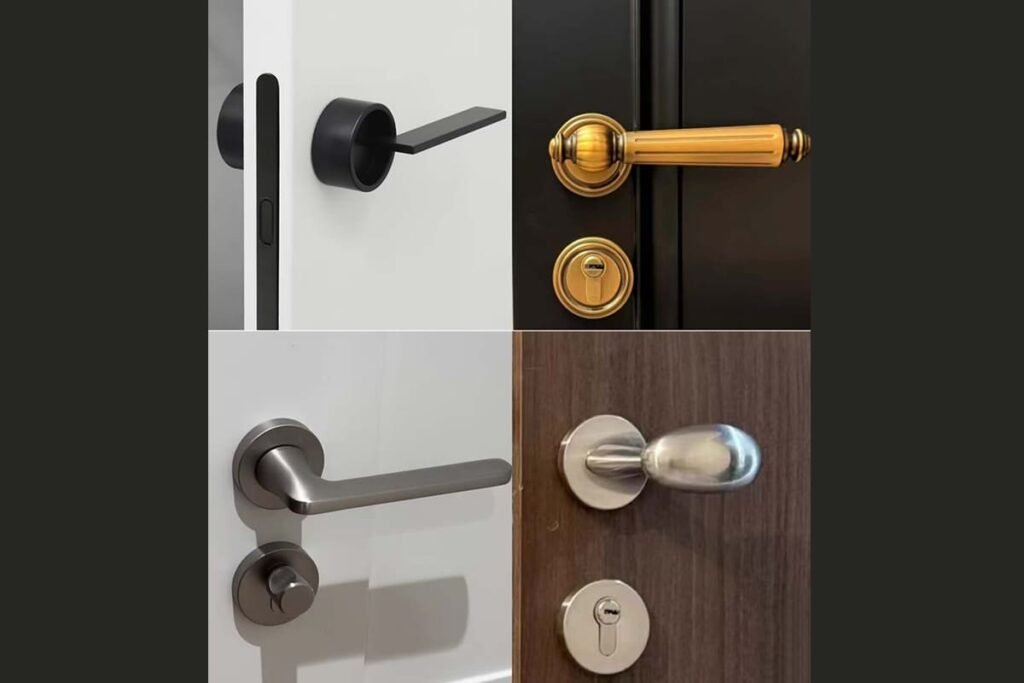
Which one is better, door handles or knobs?
I see buyers lose time when this choice looks simple, because the wrong hardware can create complaints, slow installation, and stock risk.
I usually recommend door handles for frequent-use, heavier, modern, or accessibility-sensitive doors.1 I still recommend knobs for lighter interior doors, classic styles, and cost-sensitive ranges. The better choice depends on door type, user group, lock matching, installation method, finish demand, and market position.
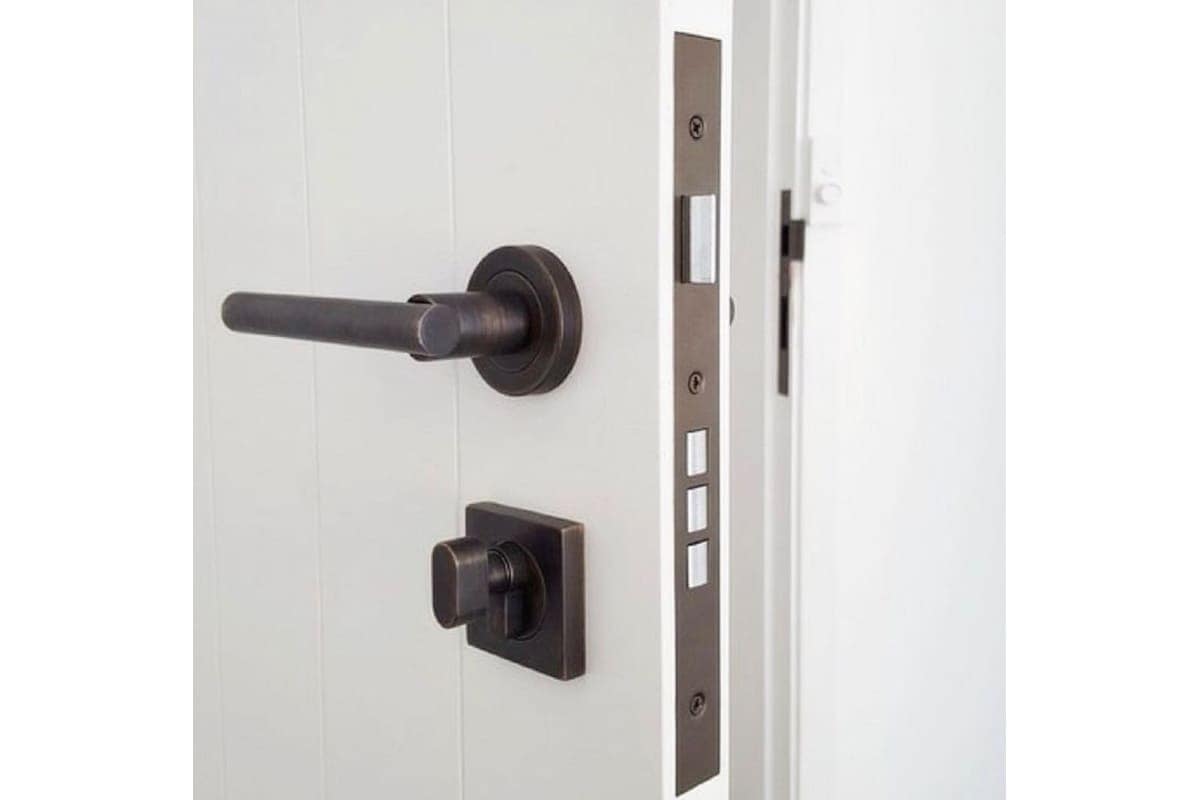
I have handled many selection talks where a buyer first asks, “Which one is better?” I rarely answer with only one product name. I first ask about the door, the project, the lock body, the target user, and the market. This question looks small, but it can decide whether a bulk order moves smoothly or creates many small after-sales problems later.
What should I check before choosing handles or knobs?
I often see wrong choices start from a simple product photo, then turn into door preparation problems, mismatch, and delayed shipments.
I check door type, door thickness, usage frequency, lock body, installation hole, user group, finish, and market style before I recommend handles or knobs for a project.
I start with the door, not the product
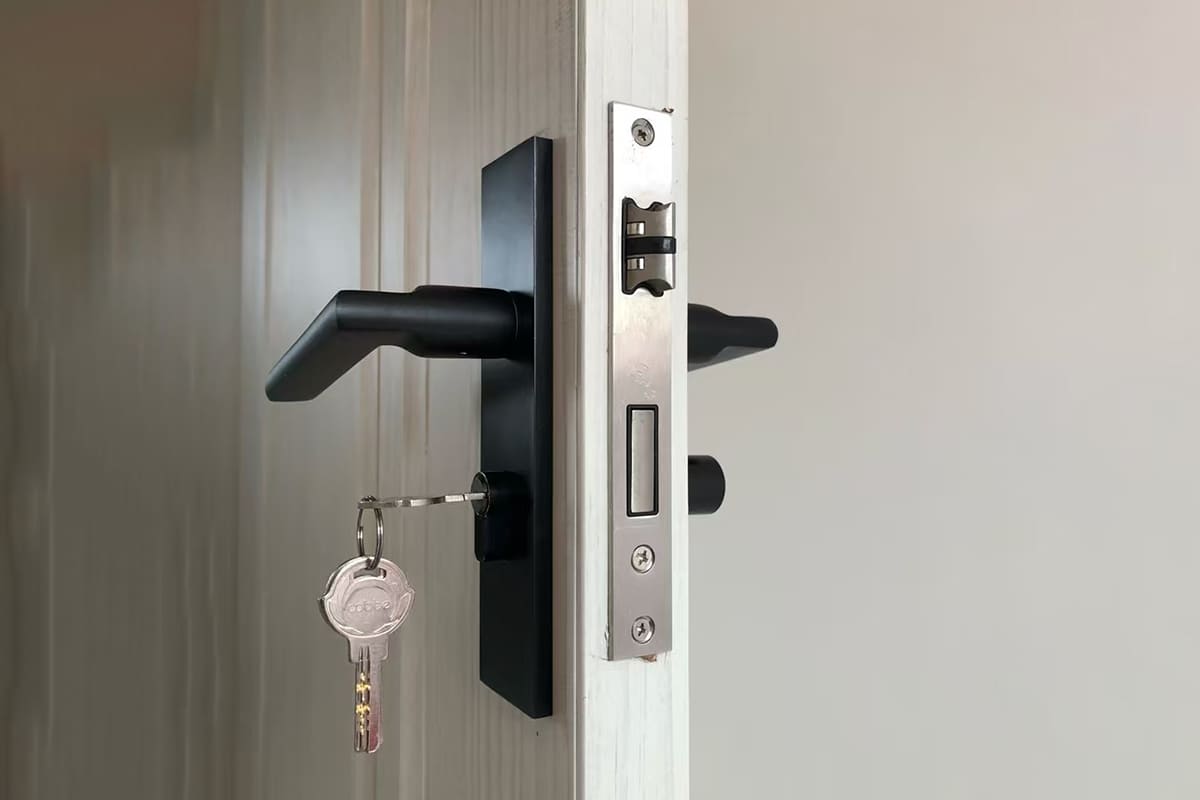
I usually ask for door material first. A wooden interior door, steel security door, aluminum frame door, and fire-rated door may need different lock bodies and different fixing strength.2 I also ask about door thickness. A handle set or knob set can look correct in a catalog, but it may not fit if the spindle, screw length, latch, or cylinder size does not match the door.
I also ask about the opening preparation. Some markets use standard tubular latch holes.3 Some projects use euro mortise lock bodies.4 Some doors need a long backplate handle. Some doors need a rose handle with a separate escutcheon. If I do not confirm this early, the buyer may receive good-looking products that cannot be installed fast on site.
| Check point | Why I check it | Risk if I ignore it |
|---|---|---|
| Door thickness | I need the right spindle, screws, and cylinder | Loose fitting or failed installation |
| Lock body type | I need handle and lock to match | Latch movement may feel poor |
| Usage frequency | I need the right operation type | User complaints may increase |
| Door weight | I need stronger support and better fixing | Handle may sag or feel weak |
| Finish demand | I need batch color control | Mixed finish may hurt brand image |
I learned this from many B2B order talks. A buyer may ask for the cheapest knob today, but the real project may need a lever handle with a euro mortise lock tomorrow. I do not treat handles and knobs as isolated items. I treat them as part of a door hardware system.
Which one is easier to use in daily operation?
I see usability become the strongest difference, because users touch the hardware many times before they notice the brand or the price.
Door handles are usually easier to operate than knobs, because users can press a lever with a hand, elbow, or wrist.5 Knobs need grip and twist force, so they can be harder for children, elderly users, and people carrying items.6
I treat easy operation as a real project value
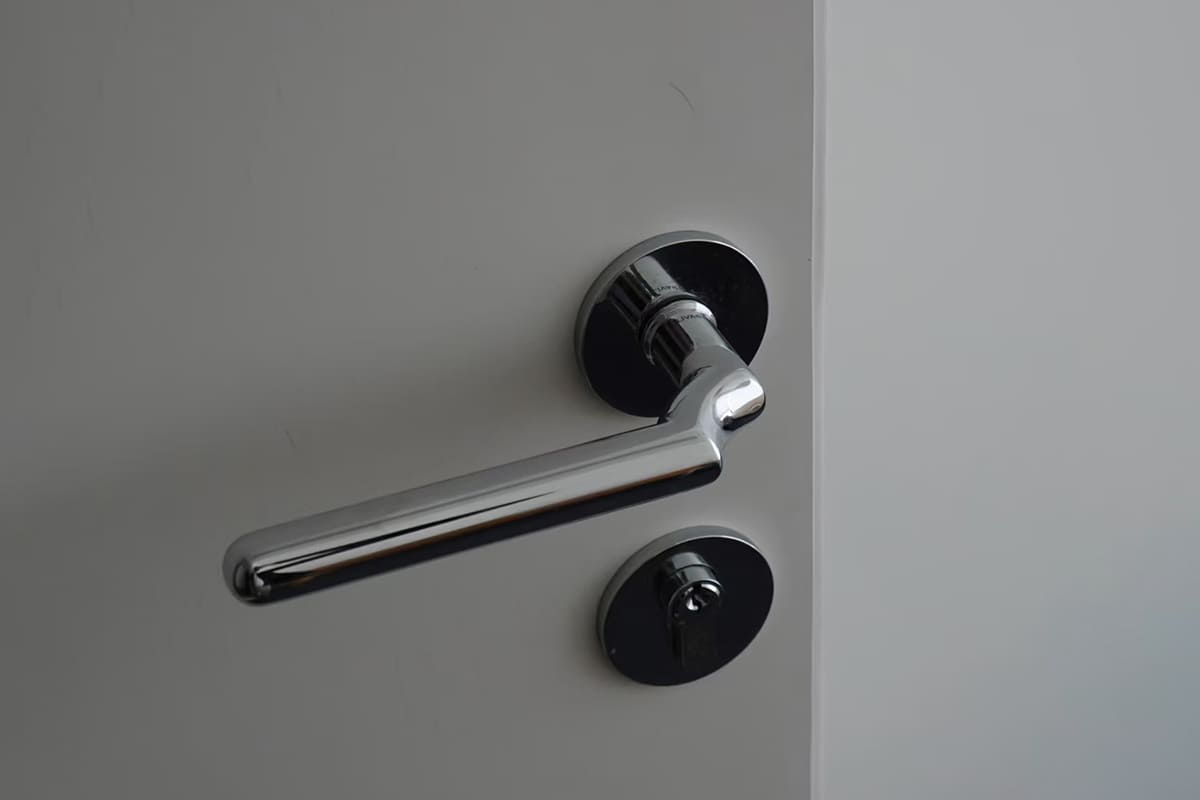
I often recommend lever handles for apartments, hotels, offices, schools, hospitals, and high-traffic residential doors. A lever handle allows the user to push down instead of gripping and twisting. This matters when a user carries boxes, holds a child, or has weak hand strength. It also matters for service staff in hotels and offices because they use doors many times each day.
A knob can still work well on a light bedroom door, a small storage room, or a classic interior door. I do not call knobs outdated. I only say that knobs need more grip action. That difference becomes more important when the door is used often.
| User or place | Handle advantage | Knob suitability |
|---|---|---|
| Elderly users | I see easier pressing action | I see harder twisting action |
| Children | I see easier reach and operation | I see possible grip difficulty |
| Office traffic | I see faster daily use | I see lower comfort in frequent use |
| Light interior room | I see good use, but may be more than needed | I see acceptable simple use |
| Hotel or apartment | I see better comfort and modern feel | I see limited use in some styles |
I also check return spring and feel
A handle must return smoothly. If the spring is weak, the handle can sag. If the lock body is not matched, the operation can feel heavy. I care about this because a buyer may blame the handle, but the real cause may be the lock body or poor installation. A knob also needs smooth latch movement, but users may accept a little more resistance because the action is different.
For bulk orders, I prefer to test the handle, lock body, latch, cylinder, and door sample together before mass shipment. This small step can prevent many complaints.
Which one is better for security and lock matching?
I see many buyers ask this question, but I avoid simple claims because real security depends on the full lock system and installation quality.
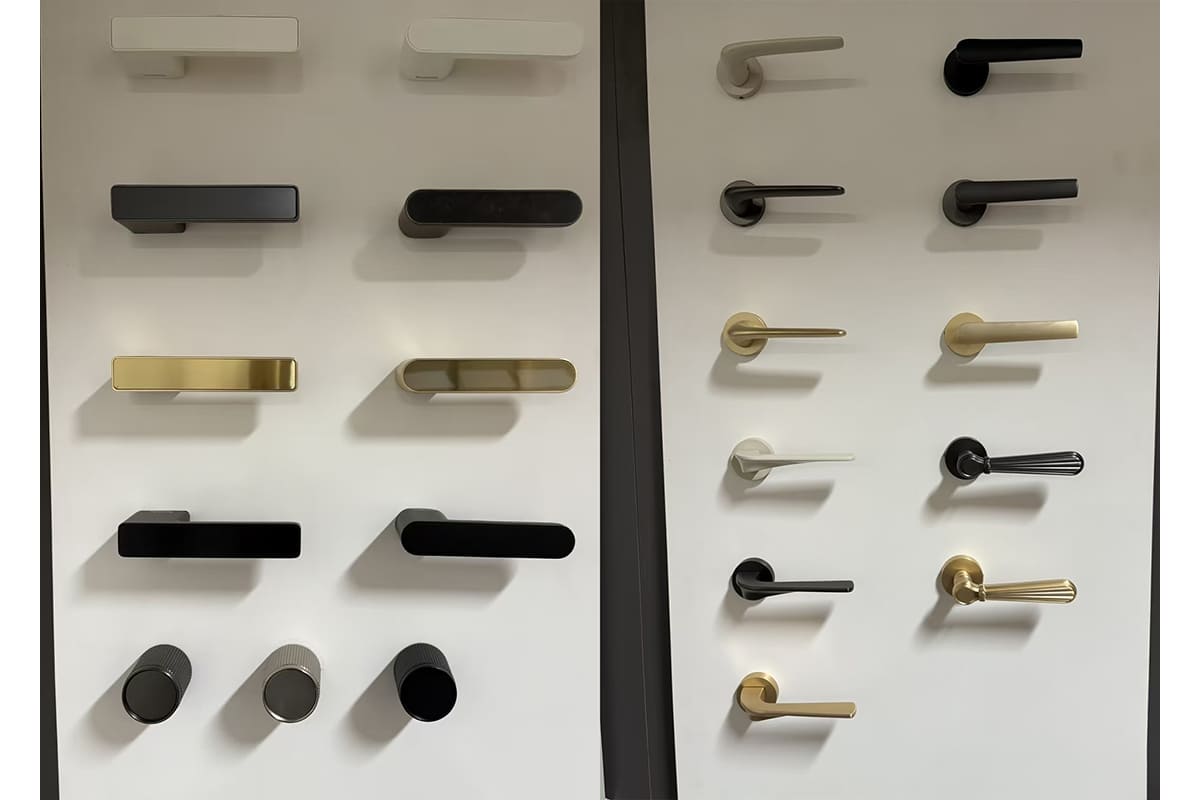
Neither handles nor knobs are always more secure by product shape alone. Security depends on lock body strength, cylinder level, latch design, strike plate, door material, fixing method, and correct installation.7
I separate operation from security
A handle or knob is the part that the user touches. The lock body, cylinder, latch, and strike plate do much of the security work. I have seen buyers compare a lever handle and a knob only by shape. That is not enough. A basic knob lock on a weak interior door should not be compared with a lever handle set matched with a good mortise lock and proper cylinder.
Some people feel that knobs are harder to manipulate because they require twisting. I understand this view in simple daily use. Still, I do not use that point as proof of higher security. Without test data, certification, and full lock system details, I cannot say one form is universally safer.
| Security factor | My practical view | What I confirm in orders |
|---|---|---|
| Lock body | It affects latch and deadbolt strength | Mortise type, backset, center distance |
| Cylinder | It affects key security | Size, profile, key system, certification |
| Strike plate | It affects closing and holding | Screw length, plate size, frame fit |
| Door material | It affects real resistance | Wood, steel, fire-rated, aluminum |
| Installation | It affects the final result | Hole position, screw fixing, alignment |
I match the hardware system before I talk about safety
For euro standard projects, I usually check whether the handle set matches the mortise lock and profile cylinder. For fire-rated doors, I also check certification requirements and material needs.8 A lever handle can be part of a safe door system when the whole set is correct. A knob can also be enough for low-risk interior rooms where privacy is the main need.
I also remind buyers not to mix random parts only because the unit price looks low. A handle from one supplier, a lock body from another supplier, and a cylinder from a third supplier can work, but they must be checked. If the spindle size, screw position, backset, or cylinder length is wrong, the door may not close well. In B2B supply, this becomes a real cost, not just a technical detail.
Which one fits different design styles and markets better?
I see design preference change by country, channel, and project type, so I do not choose by my personal taste alone.
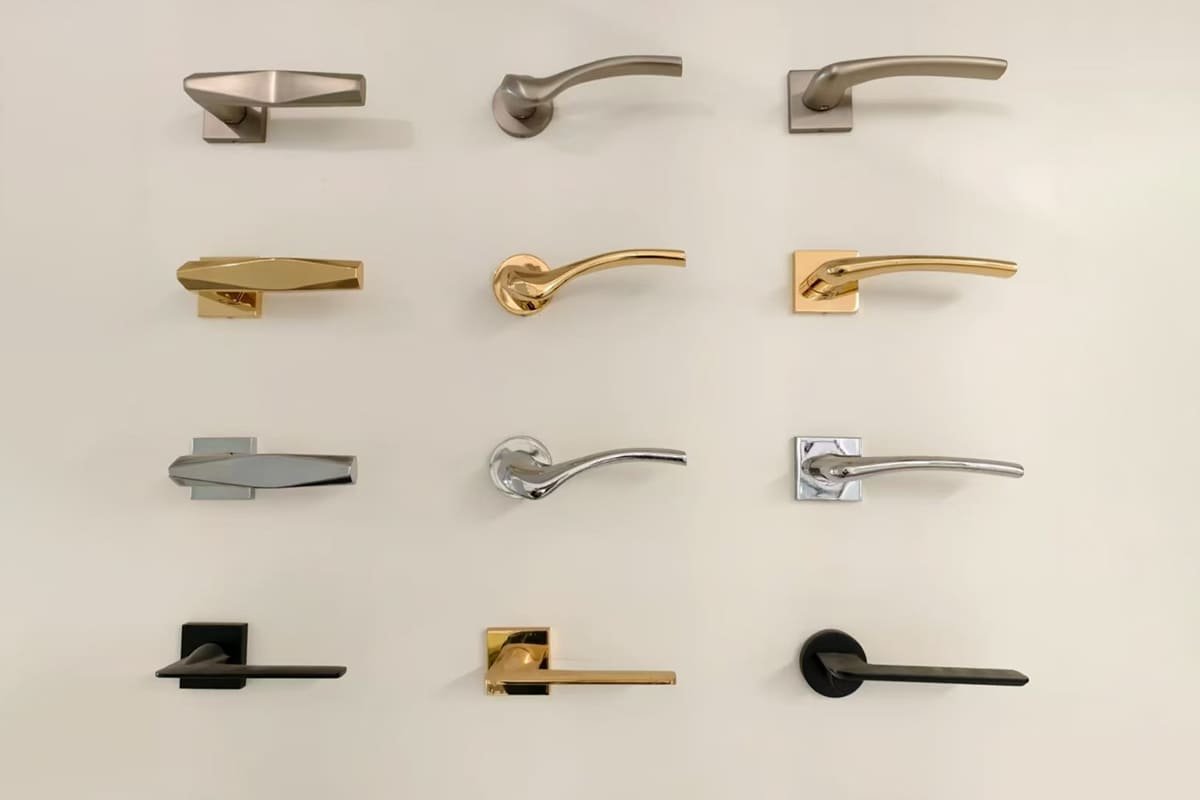
Door handles usually fit modern, commercial, and contemporary residential styles. Door knobs usually fit classic, retro, traditional, and some simple interior styles. Market acceptance should guide stock planning.
I connect design with market sales
A door handle often gives a clean and modern look. It fits many apartment doors, office doors, hotel doors, and new residential projects. A stainless steel lever handle with a simple rose can look plain, stable, and easy to sell in many markets. A long plate handle can also cover old holes in replacement projects, which helps some distributors.
A door knob can give a warmer or more classic feeling. It can fit traditional villas, classic interior doors, and low-cost room doors. Some wholesalers still keep knobs because their local customers know them well. I respect that. A product can be “better” only when the market accepts it.
| Market or project style | I usually suggest | Reason |
|---|---|---|
| Modern apartment | Lever handle | Clean look and easy operation |
| Office project | Lever handle | High traffic and clear function |
| Classic villa | Door knob or classic handle | Style may matter more |
| Budget interior door | Door knob | Lower unit cost may help |
| Brand product line | Both categories | Different customers need choice |
I also care about finish consistency
For brands and wholesalers, design is not only shape. Finish consistency is also important. If one batch of satin nickel looks different from the next batch, the customer may complain even when the product works well.9 I have seen this issue affect trust more than many buyers expect.
Handles often have larger visible surfaces. This means surface finish, polishing, and coating control become more visible. Knobs also need good finish, but the shape can hide some small differences. For bulk procurement, I always suggest confirming finish samples before mass production. I also suggest keeping finish names clear. “Satin stainless steel,” “brushed nickel,” and “matte black” can mean different things in different factories.
I think design selection should support sales. A beautiful item that does not match local doors or customer taste may become slow-moving stock. A simple item with stable demand may be more valuable for a distributor.
Which one is better for installation and door compatibility?
I see installation decide the real cost of a project, because a small mismatch can stop many doors at the same time.
Knobs can be simpler for some tubular latch doors, while handles need more careful matching with lock body, spindle, screw position, and door handing. The better choice depends on existing door preparation and installer skill.
I check the installation method before I quote
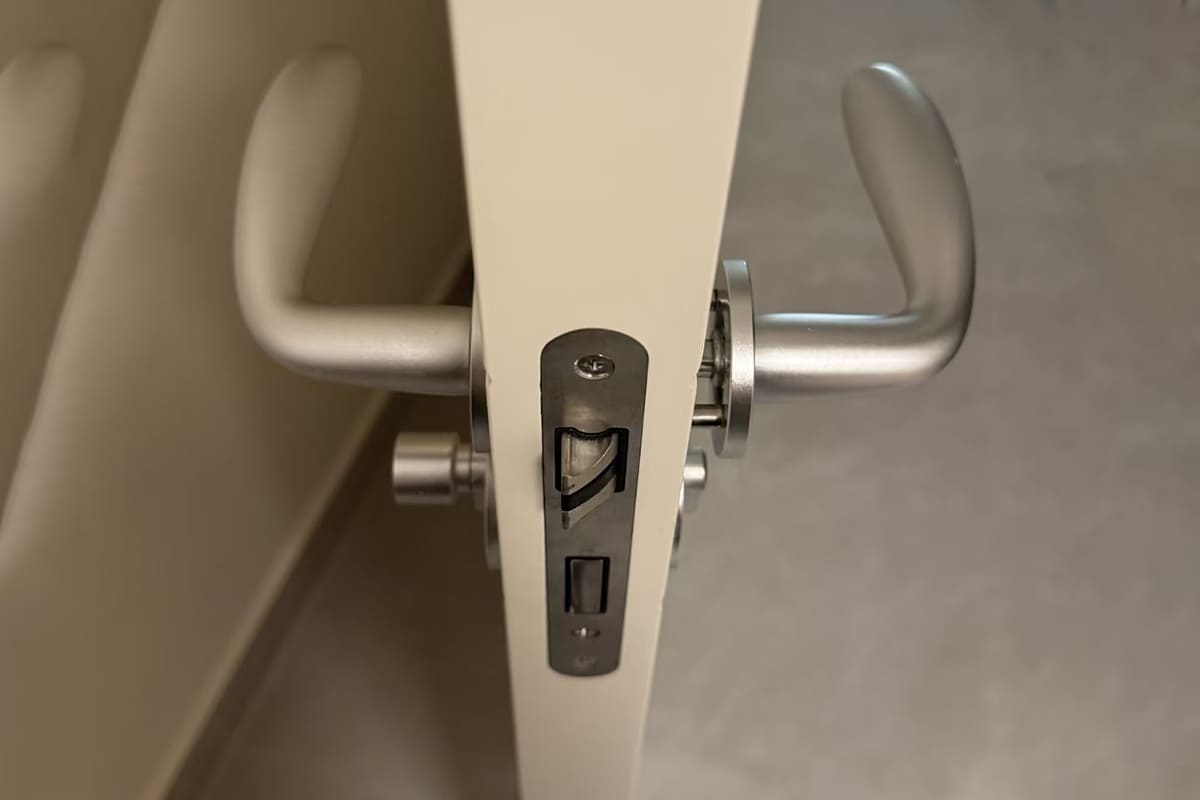
Many knobs are used with tubular latches. This can be simple for light interior doors. Some markets already have standard bore holes, so knob installation can be fast.10 This is one reason knobs remain practical for some projects.
Lever handles can be simple too, but the matching details matter. A rose handle may need a correct spindle size, spring support, screw holes, and escutcheon matching. A long plate handle may need the right center distance for the cylinder or keyhole. A lever handle with a mortise lock needs the correct lock case size, backset, center distance, faceplate, strike plate, and latch direction.11
| Installation item | Handle concern | Knob concern |
|---|---|---|
| Door handing | I confirm left or right if needed | I confirm latch direction if needed |
| Hole preparation | I check rose or plate drilling | I check bore hole size |
| Lock matching | I check mortise or tubular system | I check latch and privacy function |
| Door thickness | I check spindle and screw length | I check spindle and mounting fit |
| Installer skill | I suggest clear drawings | I still suggest clear template |
I reduce risk with samples and drawings
In my own order talks, I often ask buyers to send door drawings or real photos. I ask for door thickness, lock hole size, and old hardware details if the order is for replacement. A small drawing can prevent a large mistake. It also helps me prepare screws, spindle length, strike plate, cylinder length, and accessories.
For door factories, I suggest testing hardware on a door sample before full assembly. For wholesalers, I suggest choosing standard sizes that match the local market. For hardware brands, I suggest keeping the same platform across several models when possible. This makes inventory easier. It also reduces training work for installers.
I do not only sell a handle or knob. I support a complete installation result. If the installer saves time, the buyer sees fewer complaints. If the end user feels smooth operation, the brand gains trust.
Which one has the better cost for bulk procurement?
I see many buyers compare only unit price, but total cost includes installation, returns, complaints, stock speed, and brand position.12
Knobs often have a lower unit price, while handles may cost more. Handles can still bring better total value when they reduce user complaints, support modern sales, and fit higher-use doors better.
I look at total cost, not only factory price
A knob can be a good choice when the door is light, the function is simple, and the target price is strict. It can help a wholesaler build an entry-level product line. It can also help a door factory control cost for low-price interior doors.
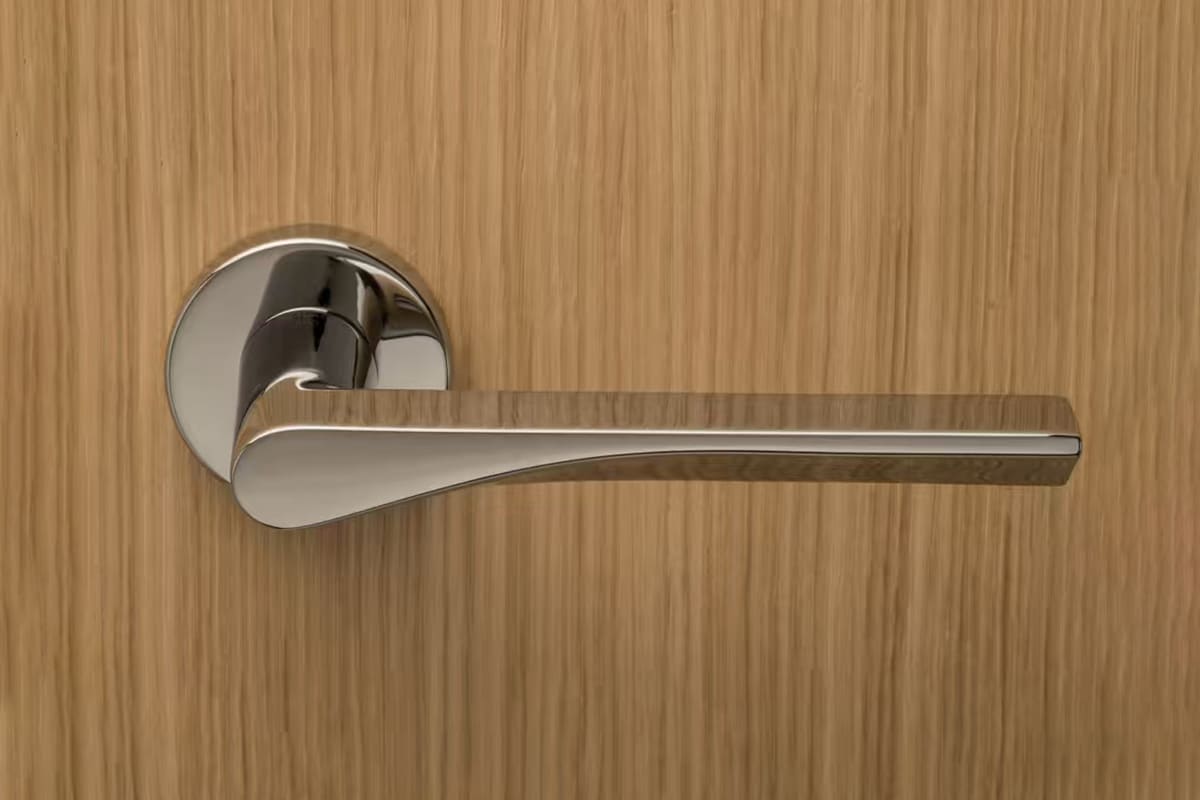
A handle may cost more because it can need more material, better spring structure, more finish control, and closer lock matching. This does not make it a bad choice. If the project has heavy use, modern design needs, or users who need easier operation, the handle may reduce after-sales cost. A product with a slightly higher unit price can still be cheaper in the full project life.
| Cost item | Knob position | Handle position |
|---|---|---|
| Unit price | I often see lower cost | I often see higher cost |
| Installation | I see simple use in standard holes | I see careful matching needed |
| User comfort | I see acceptable for low use | I see stronger value for high use |
| Stock planning | I see useful for budget lines | I see useful for main modern lines |
| After-sales risk | I see risk if used on wrong doors | I see lower complaints in suitable uses |
I plan product lines by buyer type
For a door factory, I may suggest a handle as the standard option for main doors and a knob as an option for simple interior doors. For a hardware brand, I may suggest keeping several lever handle designs as the core line, then adding knobs for classic or budget channels. For a wholesaler, I may suggest checking local demand before buying a large mixed stock.
I also care about packaging, spare parts, and finish repeatability. A low-cost product can become expensive if the carton is weak, the screws are missing, or the finish changes from batch to batch. I always prefer clear specifications. I want the buyer to know the material, finish, lock matching, spindle size, screw length, and carton details before placing the order.
In bulk procurement, the better product is the one that sells, installs, and performs with fewer surprises. I think that is more useful than saying handles or knobs win in every case.
Conclusion
I choose handles or knobs by door, user, lock system, market style, and total cost, not by product category alone.
"Chapter 4: Entrances, Doors, and Gates - Access-Board.gov", https://www.access-board.gov/ada/guides/chapter-4-entrances-doors-and-gates/. Accessibility standards such as the ADA Standards for Accessible Design state that operable parts must be usable with one hand and without tight grasping, pinching, or twisting, supporting the use of lever-style hardware in accessibility-sensitive settings. Evidence role: expert_consensus; source type: government. Supports: Accessible-design standards require door hardware to be operable without tight grasping, pinching, or twisting, which aligns more closely with lever handles than round knobs.. Scope note: The standard supports the accessibility rationale; it does not prove that every lever handle is compliant or suitable for every door. ↩
"[PDF] SECTION 08111 - STANDARD STEEL DOORS AND FRAMES", https://ipf.msu.edu/sites/default/files/2018-08/CS_TEC_2004_081113_HOLLOW_METAL_DOORS_AND_FRAMES.PDF. Door and fire-door technical standards specify that hardware selection and installation depend on door construction, preparation, and rating, supporting the need to match lock bodies and fixings to the door type. Evidence role: general_support; source type: institution. Supports: Technical door and fire-door standards describe how door type, construction, and rating affect permitted hardware, preparation, and fixing requirements.. Scope note: The support is contextual because exact hardware requirements vary by jurisdiction, door certificate, and manufacturer instructions. ↩
"[PDF] SECTION 08 71 00 DOOR HARDWARE - Nash County", https://www.nashcountync.gov/DocumentCenter/View/13355. ANSI/BHMA standards for bored and preassembled locks define standardized preparations for common locksets, supporting the statement that some markets use standard tubular-latch bore holes. Evidence role: definition; source type: institution. Supports: A lock hardware standard should define bored or tubular lock preparations and show that standard bore dimensions exist for these products.. Scope note: The standard establishes technical dimensions; it does not show the prevalence of those preparations in every national market. ↩
"EN 12209: Building Hardware - Requirements and test methods", https://www.intertek.com/building/standards/en-12209/. European standards such as EN 12209 for mechanically operated locks and EN 1303 for cylinders provide the technical context for euro-profile mortise lock systems. Evidence role: definition; source type: institution. Supports: European hardware standards define mechanically operated locks, mortise lock cases, and profile cylinders used in euro-style door hardware systems.. Scope note: These standards define the hardware categories and requirements; they do not identify which specific project or market will use them. ↩
"Accessible doorknobs are the hill I'm choosing to die on", https://blogs.oregonstate.edu/laurelbrinsondesign/2021/02/28/accessible-doorknobs-are-the-hill-im-choosing-to-die-on/. Ergonomic and universal-design literature identifies lever handles as easier to operate because they can be actuated by downward force rather than by sustained grasping and wrist rotation. Evidence role: mechanism; source type: research. Supports: Ergonomic and universal-design sources explain that lever handles reduce the need for gripping and twisting, making operation easier for many users.. Scope note: This supports the general mechanism of easier operation, but actual ease depends on lever shape, spring force, latch resistance, and installation quality. ↩
"Grip Strength: An Indispensable Biomarker For Older Adults - PMC", https://pmc.ncbi.nlm.nih.gov/articles/PMC6778477/. Studies of hand function and aging report that reduced grip strength and limited wrist or finger dexterity can make twisting tasks more difficult, providing a physiological basis for the claim that knobs may be harder for some users. Evidence role: mechanism; source type: paper. Supports: Research on hand strength, aging, or dexterity should show that gripping and twisting motions can be difficult for users with reduced strength or limited hand function.. Scope note: The evidence would support the physical mechanism and affected groups, not a universal finding that all knobs are difficult for all children or elderly users. ↩
"Door Installation - Physical Security Toolbox - USDA Forest Service", https://www.fs.usda.gov/t-d/phys_sec/deter/install.htm. Physical-security guidance treats door resistance as a system property involving the lock, cylinder, latch or bolt, strike, frame, door construction, and installation quality. Evidence role: expert_consensus; source type: government. Supports: Security guidance should explain that resistance to forced entry depends on coordinated components such as the lock, strike, frame, door material, and installation.. Scope note: This supports the system-based security principle; it does not rank a specific handle model against a specific knob model. ↩
"Fire Doors and NFPA 80 FAQs", https://www.nfpa.org/news-blogs-and-articles/blogs/2025/04/11/fire-doors-faqs. Fire-door standards such as NFPA 80 require fire door assemblies and their hardware to be listed, labeled, and installed in accordance with the applicable listing and manufacturer instructions. Evidence role: expert_consensus; source type: institution. Supports: Fire-door standards require installed hardware to be compatible with the door assembly listing and fire rating.. Scope note: The standard supports the need for certification checks; exact requirements depend on the rated assembly and local code adoption. ↩
"[PDF] Consumer Perception of Tactile Packaging", https://digitalcommons.calpoly.edu/cgi/viewcontent.cgi?article=1050&context=grc_fac&utm. Research on surface appearance and color-difference measurement shows that visible variation in coating color or finish can affect perceived quality and acceptance of manufactured products. Evidence role: general_support; source type: paper. Supports: Research on color difference and surface appearance should show that measurable finish variation affects perceived quality or acceptability.. Scope note: The evidence is general to coated or finished products and may not measure satin-nickel door hardware specifically. ↩
"How to Determine the Backset of Your Door - Lowe's", https://www.lowes.com/n/how-to/determine-the-backset-of-your-door. Standards for bored locksets establish common door-preparation dimensions, which explains why installation can be more efficient when doors are already drilled to the relevant standard. Evidence role: general_support; source type: institution. Supports: Standards or technical guides should show that bored locksets use standardized holes, making repeat installation more predictable where doors are pre-bored.. Scope note: This supports predictable preparation, not a measured installation-time advantage in every project. ↩
"[DOC] VA250-13-B-0006-A00001003.doc - VA Vendor Portal", https://www.vendorportal.ecms.va.gov/FBODocumentServer/DocumentServer.aspx?DocumentId=539431&FileName=VA250-13-B-0006-A00001003.doc. Mortise-lock standards identify dimensional and functional parameters such as backset, lock-case dimensions, faceplate, strike, follower position, and latch orientation, supporting the need to verify these details before matching lever hardware. Evidence role: definition; source type: institution. Supports: Lock standards or technical references should define mortise lock dimensions such as backset, case size, faceplate, strike, and latch direction.. Scope note: The source would define the compatibility parameters; it would not validate the dimensions of any particular supplier's lock. ↩
"Building Life Cycle Cost Programs | NIST", https://www.nist.gov/services-resources/software/building-life-cycle-cost-programs. Life-cycle-cost and total-cost-of-ownership guidance treats acquisition price as one component among installation, operation, maintenance, replacement, and other downstream costs. Evidence role: expert_consensus; source type: government. Supports: Procurement and life-cycle-cost guidance should explain that purchase price is only one component of total cost.. Scope note: This supports the purchasing framework generally; it does not quantify the cost difference between handles and knobs in a specific order. ↩