Are soft-close hinges worth the extra cost?
A hinge upgrade sounds easy. The risk starts when I pay more, but my customer does not feel the value.
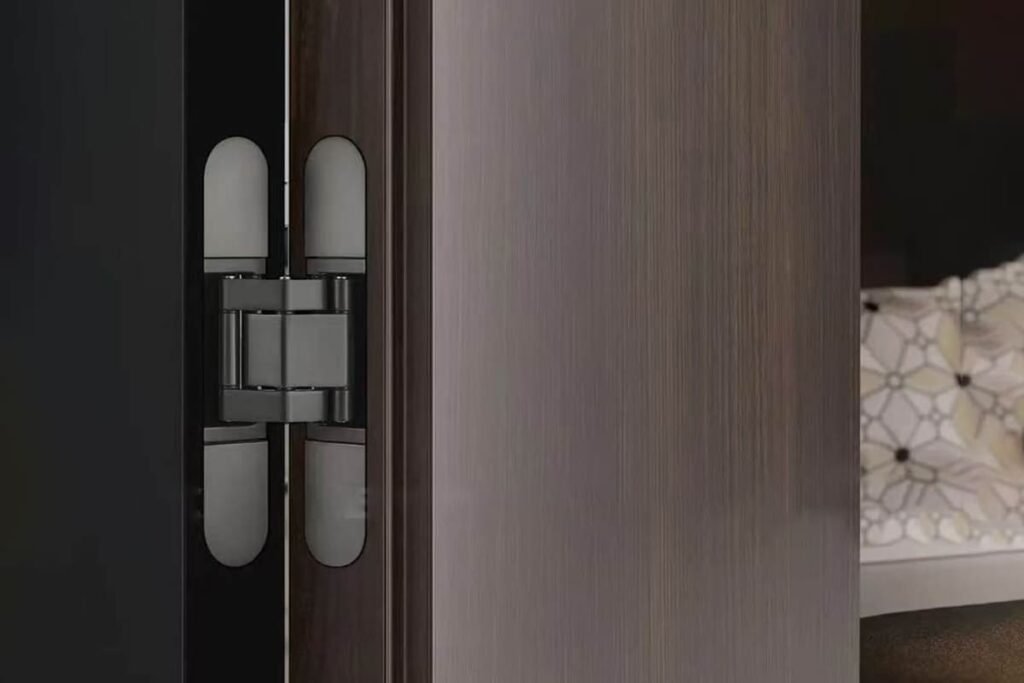
Soft-close hinges are worth the extra cost when their buffering function reduces slamming, protects the door and hinge, lowers maintenance pressure, and gives end users a value they can clearly feel. I do not treat them as a universal upgrade for every door or every market.
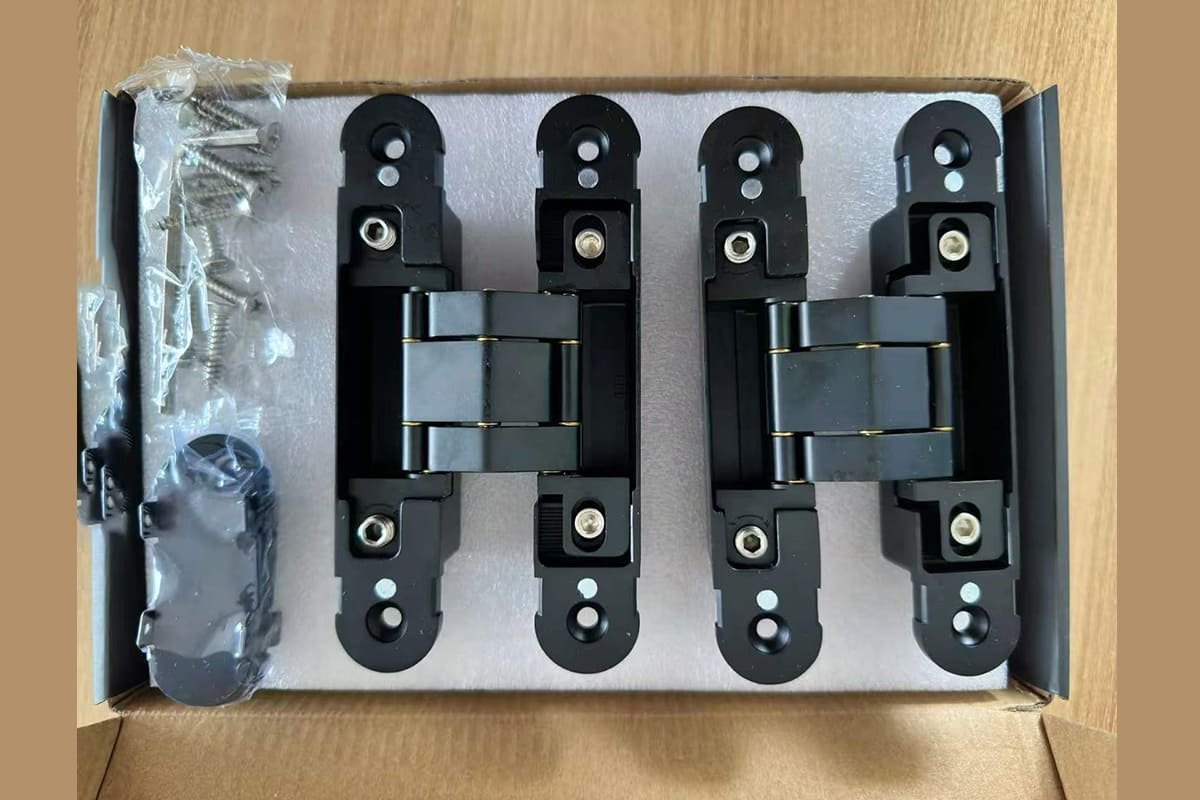
I often discuss this question with door manufacturers, hardware brands, and wholesalers. The answer is not only about comfort. It is also about damage control, product positioning, batch quality, and whether the final user will pay for the quiet closing experience.
What does a soft-close hinge actually do?
A hinge can look simple. The problem starts when I compare prices without first understanding what function I am buying.
A soft-close hinge uses a damping or buffering function to slow the door during closing.1 I use it to reduce hard impact, closing noise, and sudden slamming.2
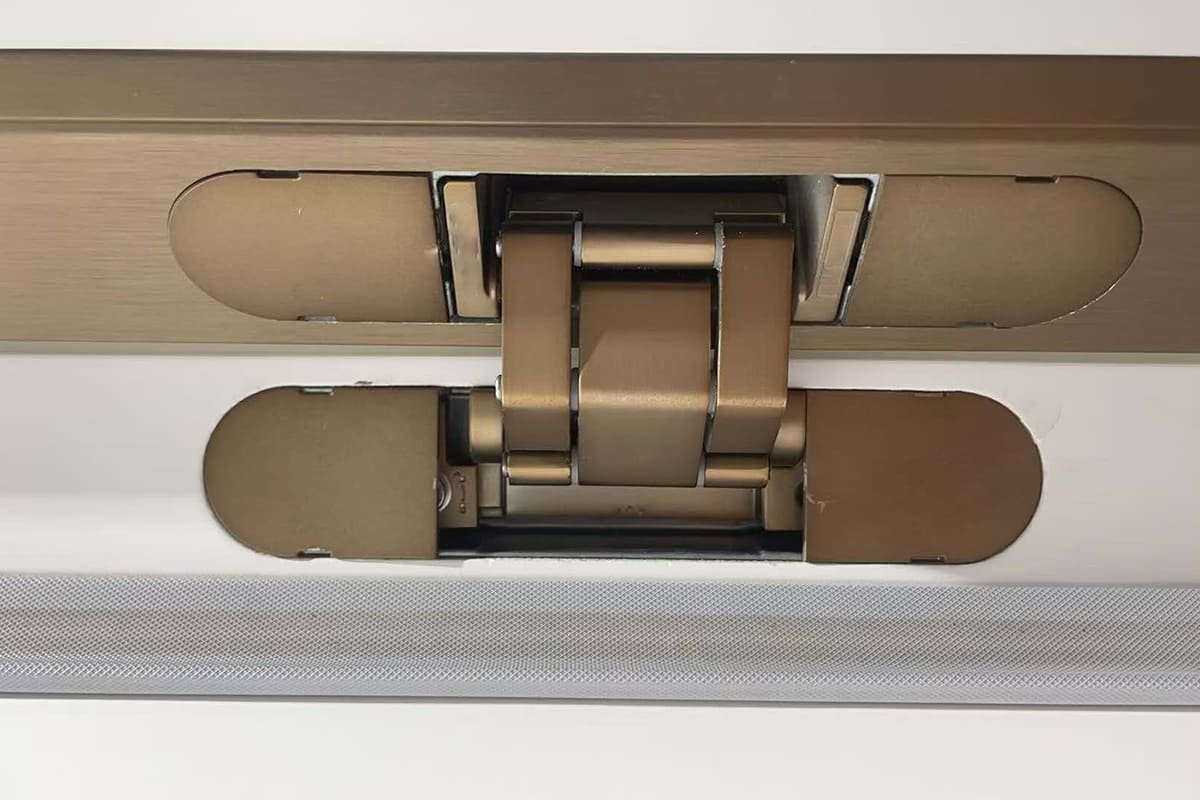
When I explain soft-close hinges to a buyer, I start with the closing movement. A normal hinge supports rotation. It lets the door open and close. A soft-close hinge adds a controlled slowing action near the closing point. This action can make the door close more gently. It can also reduce the sudden hit between the door and frame or cabinet body.
I do not describe it as a magic part. I describe it as a hinge with a comfort and protection function. The value comes from the damping feeling, the structure, the material, and the stable production quality.3 If the damping feels rough, weak, or uneven, the buyer may pay more but still receive complaints.
| Item I compare | Ordinary hinge | Soft-close hinge |
|---|---|---|
| Main function | Supports opening and closing | Supports opening and closing with buffering |
| Closing feeling | Depends on user force | Slower and more controlled |
| Noise control | Limited | Better in the right design |
| Impact control | Limited | Helps reduce hard slamming |
| Cost level | Lower | Higher |
| Selection focus | Size, finish, load, durability | Size, finish, load, durability, damping consistency |
I also remind buyers that the word “soft-close” is not enough. I still need to check the hinge body, pin structure, spring or damping part, surface finish, screw matching, opening angle, and installation fit. A good soft-close hinge should feel smooth. It should not feel loose. It should not close too slowly in one piece and too fast in another piece from the same batch.
When does the higher cost make business sense?
The higher price can create stress. I only accept it when the function helps the product earn back that added cost.
Soft-close hinges make more sense for mid-to-high-end product lines, high-frequency use, quiet spaces, and projects where user experience affects the final purchase decision.4
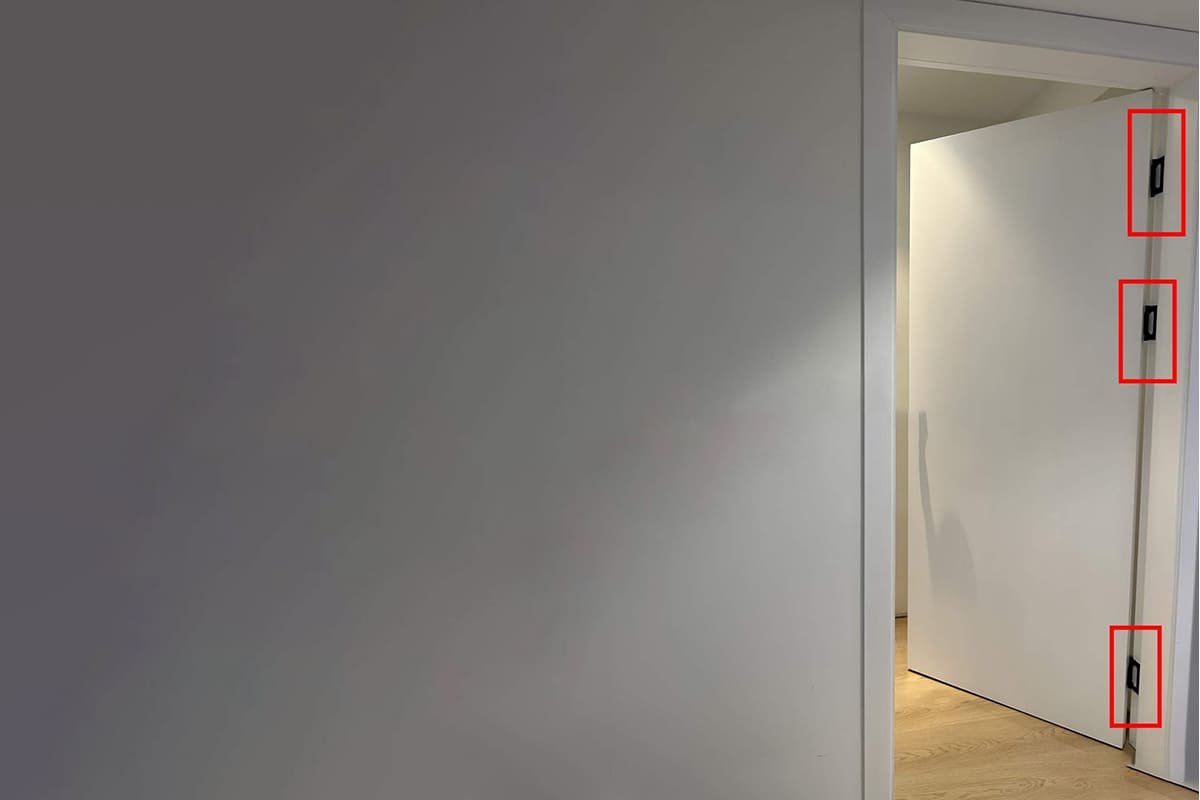
I do not see soft-close hinges as a must-have item for every door. I see them as a value tool. If the target product is a low-cost door or a price-sensitive wholesale SKU, the extra cost may be hard to explain. If the customer only compares the metal size and the surface finish, the soft-close function may not help the sale enough.
The business case becomes stronger when the door is used often. Each hard closing movement can add stress to the door body, frame, hinge screws, and hinge structure.5 I avoid claiming exact life improvement without test data. But from a production and sourcing view, less impact is clearly a useful direction. Less violent closing can help reduce visible damage risk and maintenance pressure.6
| Use scenario I review | Soft-close value | My cost view |
|---|---|---|
| Entry-level product line | Low to medium | Harder to justify |
| Mid-range residential line | Medium to high | Can be a clear upgrade |
| Premium apartment or hotel project | High | Easier to explain |
| Quiet office or meeting space | High | Strong user value |
| High-frequency furniture or interior door use | High | Protection value matters |
| Very price-sensitive wholesale market | Low | Use with care |
I also ask one direct question before I recommend soft-close hinges: can the buyer turn the function into a selling point? If the sales team can explain quiet closing, safer use, and better protection, the added cost has a path to value. If the sales channel only sells by unit price, the upgrade may reduce margin without increasing sales power.
Where can end users clearly feel the value?
A feature must be felt by the user. If the user cannot feel it, I must be careful about paying more.
End users can feel soft-close value in homes with children or elderly people, premium residences, hotels, apartments, offices, and other spaces that care about quiet and safer closing.7
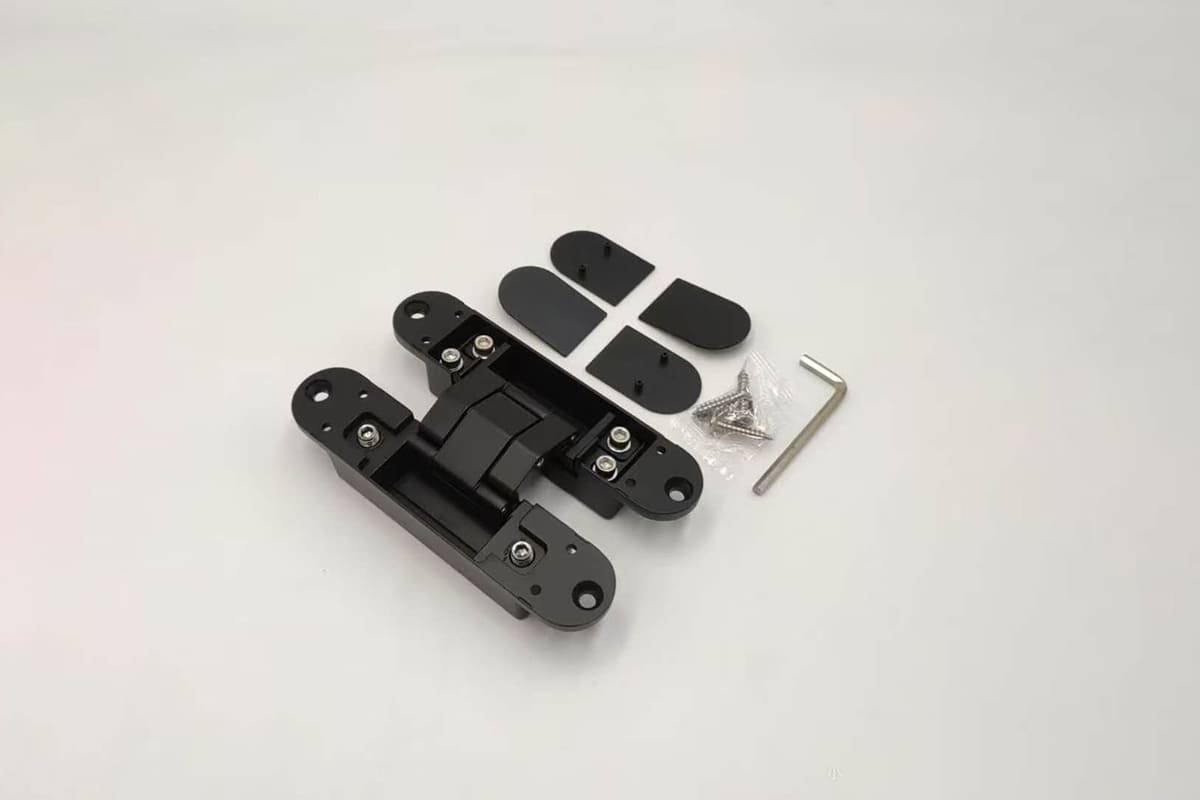
I often help B2B buyers translate hardware function into user language. A product manager may think about SKU cost. A homeowner may think about noise at night. A hotel operator may think about guest comfort.8 A family may think about fingers, children, elderly people, and daily convenience.9 These are different words for the same function.
Soft-close hinges are easy to understand at the user level because the closing action is visible and felt. A customer can open the door, let it close, and hear the difference. This makes the feature easier to sell than a hidden technical detail. That does not mean every market will pay for it. It means the buyer has a clearer story when the target market values comfort.
| End-user situation I consider | What the user feels | How I explain it to B2B buyers |
|---|---|---|
| Family with children | Less sudden slamming | Safer and calmer daily use |
| Home with elderly people | Easier and gentler closing | Better comfort and control |
| Hotel room | Less noise between rooms | Better guest experience |
| Apartment project | More premium feeling | Stronger product positioning |
| Office space | Quieter closing | Better work environment |
| Lifestyle-focused showroom | Clear touch-and-feel value | Easier upgrade demonstration |
I also look at the emotional part. A quiet closing door can make a product feel more refined.10 A hard slam can make even a good-looking door feel cheap. This matters for brands. It also matters for wholesalers who want a premium line beside standard hinges. I would not sell it only as “less noise.” I would sell it as quiet use, better protection, and a more controlled closing experience.
What should I check before placing a bulk order?
A sample can feel good. The real risk starts when I need thousands of pieces with the same feeling.
Before I place a bulk order, I check damping consistency, hinge strength, material quality, surface finish, installation fit, packaging, certification needs, and supplier production control.
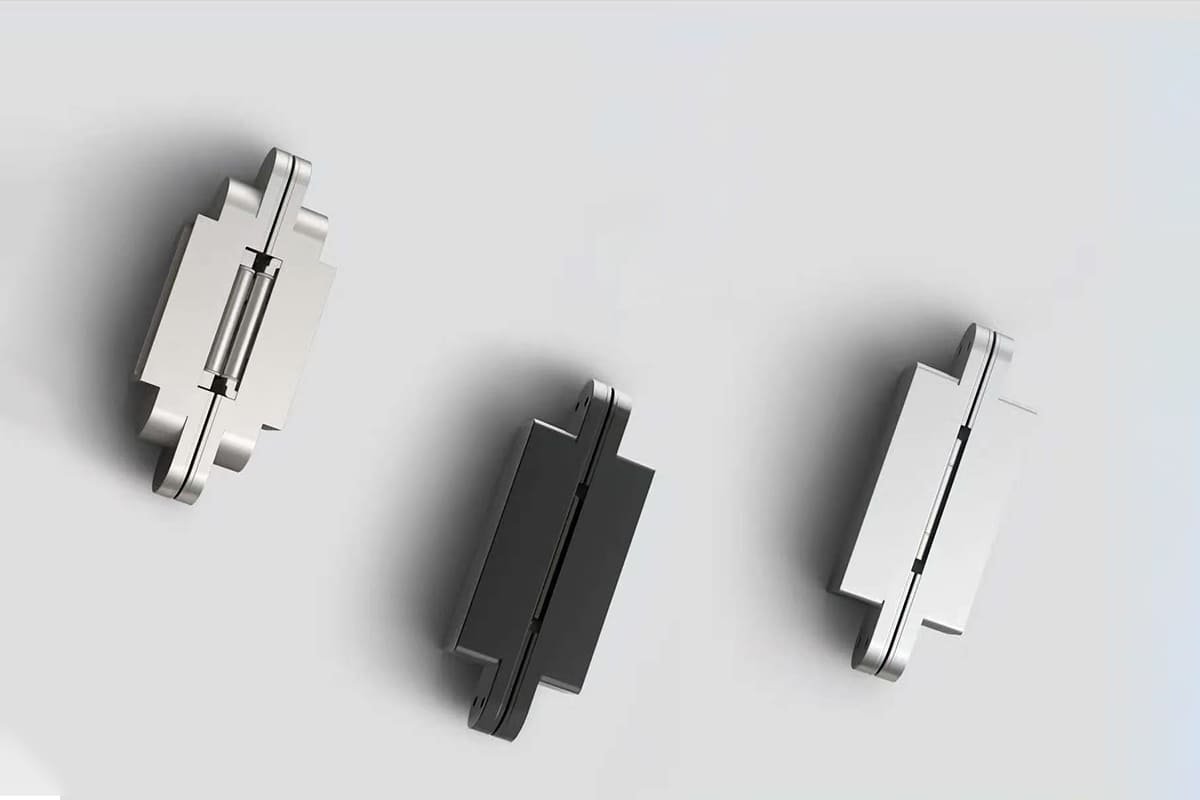
As a manufacturer, I know that soft-close hinges create more control points than ordinary hinges. The buyer is not only buying stamped metal or cast parts. The buyer is also buying a movement feeling. This movement must stay stable across a batch.11 If one hinge closes smoothly and another hinge closes with a sudden stop, the final product will feel uneven.
I always ask buyers to define the use scene first. Is the hinge for a door, cabinet, wardrobe, or furniture system? What is the door weight? What is the opening angle? What surface finish is needed? What screws and accessories are required? What is the target market? These questions sound basic, but they prevent many wrong purchases.
| Check point I use | Why it matters | What I ask for |
|---|---|---|
| Damping feel | It affects user experience | Smooth and stable closing |
| [Structural strength | It affects safety and service use | Correct load match](https://uk.sfs.com/resources/article/understanding-bs-en-1935)%%%FOOTNOTE_REF_12%%% |
| Material quality | It affects stability and surface result | Clear material specification |
| Finish consistency | It affects batch appearance | Approved color sample |
| Installation fit | It affects factory assembly | Drawings and hole positions |
| Accessory matching | It affects site installation | Screws and plates confirmed |
| Packaging | It affects transport protection | Bulk or retail packaging plan |
| Compliance | It affects market access | CE or fire-rated needs when relevant |
I also check whether the supplier can keep the same finish in repeated orders. For B2B buyers, surface difference is not a small issue. A door factory may assemble many doors in one batch. A brand buyer may sell matching hardware sets. A wholesaler may receive complaints if the color looks different between cartons. Soft-close function is important, but finish and size control are still basic requirements.
Should I use soft-close hinges as standard or as an upgrade?
A good function can still be placed in the wrong product line. I need a clear position before I add it.
I use soft-close hinges as a standard only when the target market expects premium function. I use them as an upgrade when price competition is still strong.
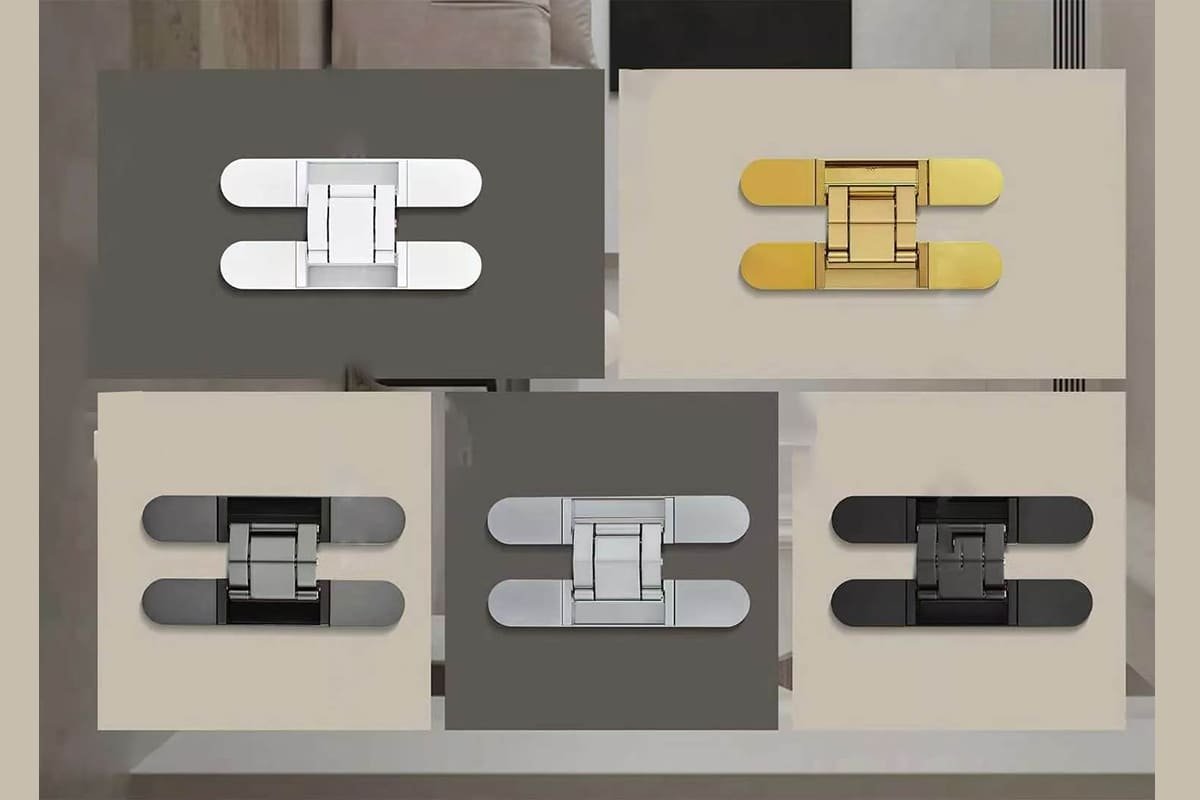
I usually suggest that buyers build a simple product ladder. The standard line can use reliable ordinary hinges. The better line can add soft-close hinges. The premium line can combine soft-close hinges with better finishes, better packaging, and more complete accessories. This helps the buyer protect margin and give customers a clear choice.
If I make soft-close hinges standard too early, I may increase cost across the full range. If the market does not reward that change, the buyer loses price flexibility. If I keep soft-close hinges only as a hidden technical option, the sales team may not explain it well. Then the function cannot help the product sell. The best placement depends on customer segment and sales channel.
| Product position I use | Hinge choice | Reason |
|---|---|---|
| Basic line | Ordinary hinge | Price is the main driver |
| Better line | Optional soft-close hinge | Buyer can compare value |
| Premium line | Standard soft-close hinge | User experience supports price |
| Project tender | Depends on specification | Cost and requirement must match |
| Brand showroom | Soft-close recommended | Touch-and-feel value is strong |
| Wholesale stock | Mixed inventory | Market needs can differ |
I also look at sales training. A salesperson should not only say, “This hinge is soft-close.” I prefer a more useful message: “This hinge slows the door near closing, so it can reduce slamming, protect the door and hinge, and create a quieter feeling.” This sentence connects function, protection, and user value. It helps the buyer justify the higher price.
For bulk buyers, I think the best question is not “Is soft-close good?” The better question is this: “Can this function stay smooth, quiet, and consistent across my order, and will my market pay for it?” If the answer is yes, the higher cost can be a smart upgrade. If the answer is no, a well-made ordinary hinge may be the better business choice.
Conclusion
I see soft-close hinges as a valuable upgrade when protection, quiet use, batch consistency, and market positioning can justify the higher cost.
"[PDF] APPLICATION OF KINETIC DAMPING IN DYNAMIC MATERIAL ...", https://upcommons.upc.edu/bitstreams/d9df6a0b-c374-46d0-979f-ad1ae6df265b/download. A mechanical-engineering source on damping explains that dampers dissipate kinetic energy and reduce motion speed or oscillation, supporting the description of a soft-close hinge as a device that slows closing motion. Evidence role: mechanism; source type: education. Supports: A source should explain that damping mechanisms dissipate motion energy and can slow a moving component, which contextualizes the function of a soft-close hinge.. Scope note: The source may explain damping generally rather than testing this specific hinge design. ↩
"Damping Hinge: Complete Design, Working Principle & Selection ...", https://leecotech.com/article-Damping.html. Experimental or engineering literature on damped closing systems reports that damping can reduce closing velocity, impact force, and associated noise, supporting the claim that soft-close hardware can reduce slamming effects. Evidence role: general_support; source type: paper. Supports: A source should show that damping or controlled closing reduces closing impact force and/or acoustic noise compared with uncontrolled closing.. Scope note: Measured reductions will depend on hinge design, door mass, installation, and test conditions. ↩
"ISO 9001 in manufacturing: learn how to transform your process", https://www.ideagen.com/thought-leadership/blog/iso-9001-manufacturing. Quality-management standards and scholarship define product quality in terms of conformity to requirements, process control, and consistent performance, supporting the view that a soft-close hinge's value depends on materials, structure, and production stability as well as damping. Evidence role: expert_consensus; source type: institution. Supports: A source should support the broader quality-management principle that product performance and customer value depend on material conformity, process control, and consistent output.. Scope note: This would support the quality principle contextually rather than prove the commercial value of any particular hinge. ↩
"Consumer preferences and willingness to pay for value-added ...", https://pubmed.ncbi.nlm.nih.gov/22417604/. Research on consumer product attributes and user satisfaction indicates that comfort, perceived quality, and use-context benefits can influence purchase evaluations, providing contextual support for positioning soft-close hinges in premium or experience-sensitive applications. Evidence role: general_support; source type: paper. Supports: A source should support the general relationship between comfort-related product attributes, perceived quality, user satisfaction, or willingness to pay.. Scope note: Such evidence may address consumer behavior generally rather than soft-close hinges specifically. ↩
"Influence of the Arrangement of Mechanical Fasteners ... - PMC", https://pmc.ncbi.nlm.nih.gov/articles/PMC7727667/. Mechanical-engineering literature on impact and cyclic loading shows that repeated dynamic loads can increase stress in joints and fasteners, supporting the claim that hard door closing can stress the door body, frame, screws, and hinge structure. Evidence role: mechanism; source type: paper. Supports: A source should explain that impact and cyclic loads create stresses in joints, fasteners, and connected structures.. Scope note: The source may not quantify stress for the specific door and hinge geometry described in the article. ↩
"[PDF] Mechanical Damage - FINALREPORT - PHMSA", https://www.phmsa.dot.gov/sites/phmsa.dot.gov/files/docs/technical-resources/pipeline/gas-distribution-integrity-management/65991/mechanicaldamagefinalreport.pdf. Engineering studies of impact loading and component wear show that lower impact forces generally reduce damage accumulation and maintenance risk, supporting the article's statement that gentler closing can reduce visible damage and maintenance pressure. Evidence role: general_support; source type: paper. Supports: A source should support the general principle that reducing impact loads can reduce component damage, wear, or maintenance demand.. Scope note: This supports the mechanism generally; actual maintenance reduction would need product-specific field or lifecycle data. ↩
"Guidance on environmental noise - World Health Organization (WHO)", https://www.who.int/tools/compendium-on-health-and-environment/environmental-noise. Institutional guidance on environmental noise and injury-prevention literature identify indoor noise disturbance and door-related injury risks as relevant concerns in occupied spaces, providing contextual support for the user value of quieter and safer closing. Evidence role: expert_consensus; source type: institution. Supports: A source should support that indoor noise and safety risks are relevant concerns in homes, hospitality, and work environments.. Scope note: This would not prove that all listed user groups will pay more for soft-close hinges. ↩
"Examining key hotel attributes for guest sleep and overall satisfaction", https://pmc.ncbi.nlm.nih.gov/articles/PMC10130565/. Hospitality research links room comfort, noise disturbance, and sleep quality with guest satisfaction, supporting the contextual claim that hotel operators may consider quieter door operation as part of guest comfort. Evidence role: general_support; source type: paper. Supports: A source should show that acoustic comfort, noise disturbance, or sleep quality is associated with hotel guest satisfaction.. Scope note: The evidence would support the importance of noise and comfort generally, not isolate soft-close hinges as the decisive factor. ↩
"Interventions for treating fingertip entrapment injuries in children - PMC", https://pmc.ncbi.nlm.nih.gov/articles/PMC6521596/. Pediatric injury studies report that doors are a source of finger entrapment and crush injuries among children, supporting the relevance of finger safety concerns in family settings. Evidence role: statistic; source type: paper. Supports: A source should document that door-related finger entrapment or crush injuries occur, particularly among children.. Scope note: Such evidence would not demonstrate that soft-close hinges alone prevent these injuries. ↩
"Product Sound Quality", https://vasqrlab.uta.edu/research/product-sound-quality.php. Research in product sound quality and psychoacoustics shows that auditory feedback influences perceived quality and refinement, providing contextual support for the claim that quieter door closing can make a product feel more refined. Evidence role: expert_consensus; source type: paper. Supports: A source should support that acoustic feedback can affect perceived product quality or refinement.. Scope note: The evidence is likely to concern product sound perception broadly rather than doors or hinges specifically. ↩
"[DOC] EQA_Exh5.docx - DOE Office of Science", https://science.osti.gov/-/media/SCMS/Management-Systems/QUAL/EQA/EQA_Exh5.docx. Quality-management and statistical process-control sources state that controlled manufacturing processes are used to maintain conformity and consistent product performance, supporting the need for stable soft-close movement across a batch. Evidence role: expert_consensus; source type: institution. Supports: A source should support that manufacturing quality control aims to ensure consistent functional conformity across production batches.. Scope note: This supports the quality-control principle but not the tolerance limits for a specific hinge model. ↩
"Understanding BS EN 1935:2002 single-axis hinge grades", https://uk.sfs.com/resources/article/understanding-bs-en-1935. Door-hardware standards classify hinges by performance criteria such as load capacity, durability, and intended service conditions, supporting the statement that structural strength and correct load matching affect safe service use. Evidence role: definition; source type: institution. Supports: A source should define hinge load classifications or explain that hinges must be selected according to door mass and service conditions.. Scope note: The applicable standard may vary by market and product category. ↩