
Door Concealed Hinge Production Cost Analysis in 2026?
I see many buyers compare hinge prices too fast. The problem grows when the lowest quote hides risk. The wrong cost view can damage profit.
In my factory costing model, a concealed door hinge cost in 2026 comes from direct materials, labor, overhead, outsourced processing, tooling, quality, packaging, tax, logistics, and risk control. I treat the unit price as a cost-risk system, not as a simple metal weight calculation1.
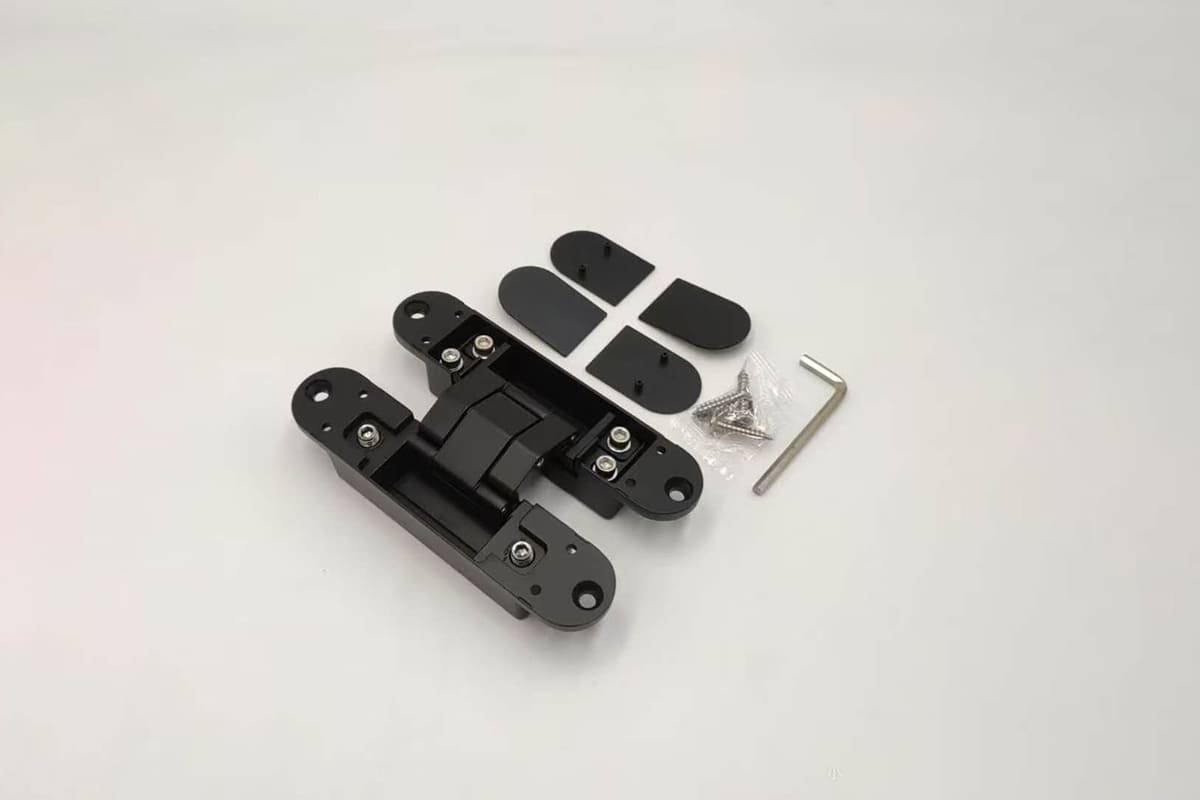
I have quoted many concealed hinge projects from the factory side. I have also reviewed new product costs, mold plans, surface finish costs, and batch quality issues. I learned one clear lesson. A concealed hinge that looks simple on a door can be very complex inside the factory. A buyer may see one hinge body, several arms, screws, plastic parts, and a smooth finish. I see metal exposure, machining time, die-casting yield, tolerance control, purchased accessories, outsourced surface treatment, inspection work, packaging, and delivery pressure. If I miss one cost point, the quotation may look good at first, but the project may lose money later.
What Cost Model Do I Use to Price a Concealed Door Hinge in 2026?
I worry when a quote only shows a unit price. A unit price without structure gives no safety. It can hide material, finish, and yield risk.
I use a four-part internal cost model for concealed hinges: direct materials 55%, direct labor 16%, manufacturing overhead 15%, and outsourced processing 14%. I use this as my confirmed factory costing structure, not as a universal market average.
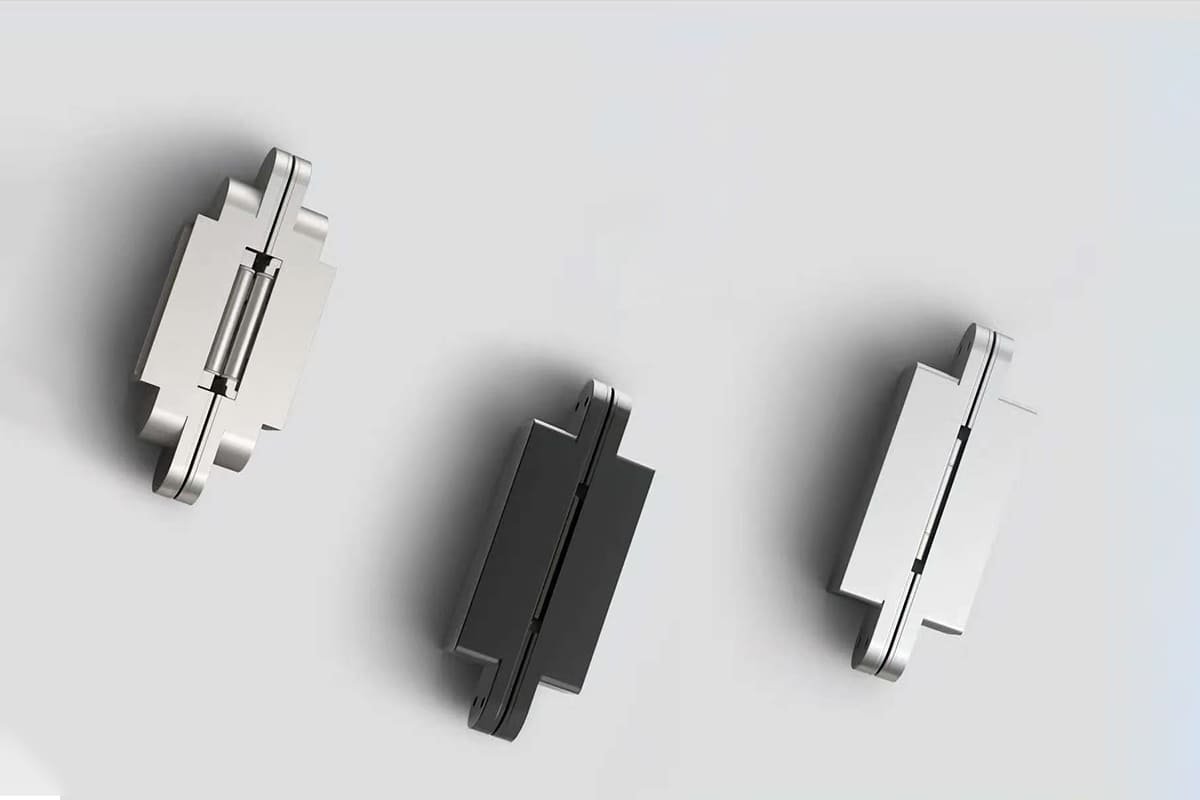
How I break down the factory cost
I start every serious quotation with a cost structure. I do not start with the buyer’s target price alone. In my model, direct materials take the largest share. This part includes zinc-aluminum alloy, stainless steel, steel parts, screws, pins, springs, plastic parts, and purchased semi-finished items. If metal price changes in 2026, this part moves first.2 I do not call it a fixed cost.
Direct labor is smaller than material, but it still matters. Workers assemble, inspect, pack, adjust, and handle rework. Manufacturing overhead includes machine depreciation, energy, workshop management, quality control, maintenance, and normal factory running costs3. Outsourced processing is also important. Many concealed hinges need external surface treatment, plating, painting, electrophoresis, or special finishing. If the finishing supplier raises price or has unstable quality, the real hinge cost changes.
| Cost area I track | Share in my model | Main risk I watch |
|---|---|---|
| Direct materials | 55% | Metal price, accessory quality, purchased parts |
| Direct labor | 16% | Assembly time, adjustment time, rework |
| Manufacturing overhead | 15% | Machine use, inspection, energy, factory management |
| Outsourced processing | 14% | Finish cost, color stability, delivery delay |
This model helps me explain one point to buyers. A cheaper hinge may be reasonable if the design is simpler, the material use is better controlled, or the finish process is efficient. Yet a cheaper hinge becomes risky when the saving comes from weak alloy, poor parts, loose inspection, or unstable finishing.
Why Can Two Similar-Looking Concealed Hinges Have Different Real Costs?
I often receive samples that look almost the same in photos. The problem appears after I weigh, open, measure, and test them in the factory.
Two concealed hinges can look similar but cost differently because alloy grade, plastic parts, purchased components, machining precision, wall thickness, load design, screws, and structure complexity all change the cost base. Appearance alone cannot show real production cost.
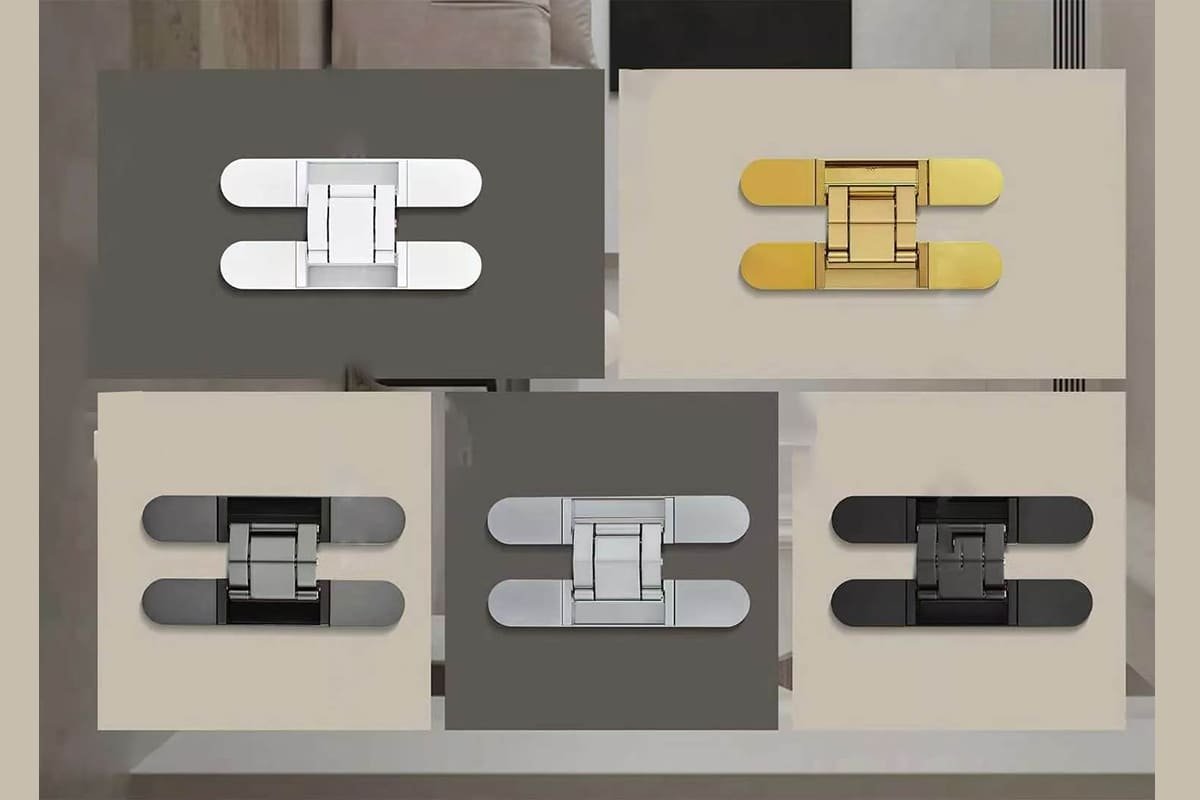
Where the hidden cost difference appears
I compare concealed hinges from the inside first. I check the zinc-aluminum alloy quality, the body weight, the casting surface, and the part strength. A hinge with lower material cost may still work if it is designed for a light interior door. I do not reject cost saving by itself. I only reject blind cost saving. If a hinge is sold for heavy doors or fire-rated doors, weak material becomes a safety and claim risk.
I also check small parts. Plastic bushings, screws, adjustment blocks, pins, and covers look minor, but they affect noise, adjustment life, and assembly speed. A low-cost screw may save a few cents, but it may strip during installation. A poor plastic part may deform after repeated opening. A purchased semi-finished part may reduce factory work, but it may create quality variation if the supplier is not stable.
| Part I compare | Low-risk saving | High-risk saving |
|---|---|---|
| Hinge body | Better mold flow and lower waste | Thinner weak body for heavy door use |
| Plastic parts | Standard material with stable size | Soft or brittle material without testing |
| Screws and pins | Bulk standardization | Low hardness or poor thread control |
| Machining | Efficient fixture design | Loose hole position or rough surface |
| Finish | Stable common color | Cheap finish with color difference |
I have seen buyers judge only by weight. Weight matters, but it is not enough. A heavier hinge with poor structure can still fail. A lighter hinge with good engineering can work well in the right application. I connect cost with door weight, opening cycle, finish demand, certification, and batch stability.
How Do Tolerances and Small Structure Changes Raise Concealed Hinge Cost?
I pay close attention when a drawing looks simple but includes very tight tolerances. A small number on paper can become a large cost in production.
Tighter tolerances and small structural changes can raise concealed hinge cost because they reduce yield, increase scrap, slow machining, require better molds or fixtures, and create more inspection and adjustment work in later processes.4
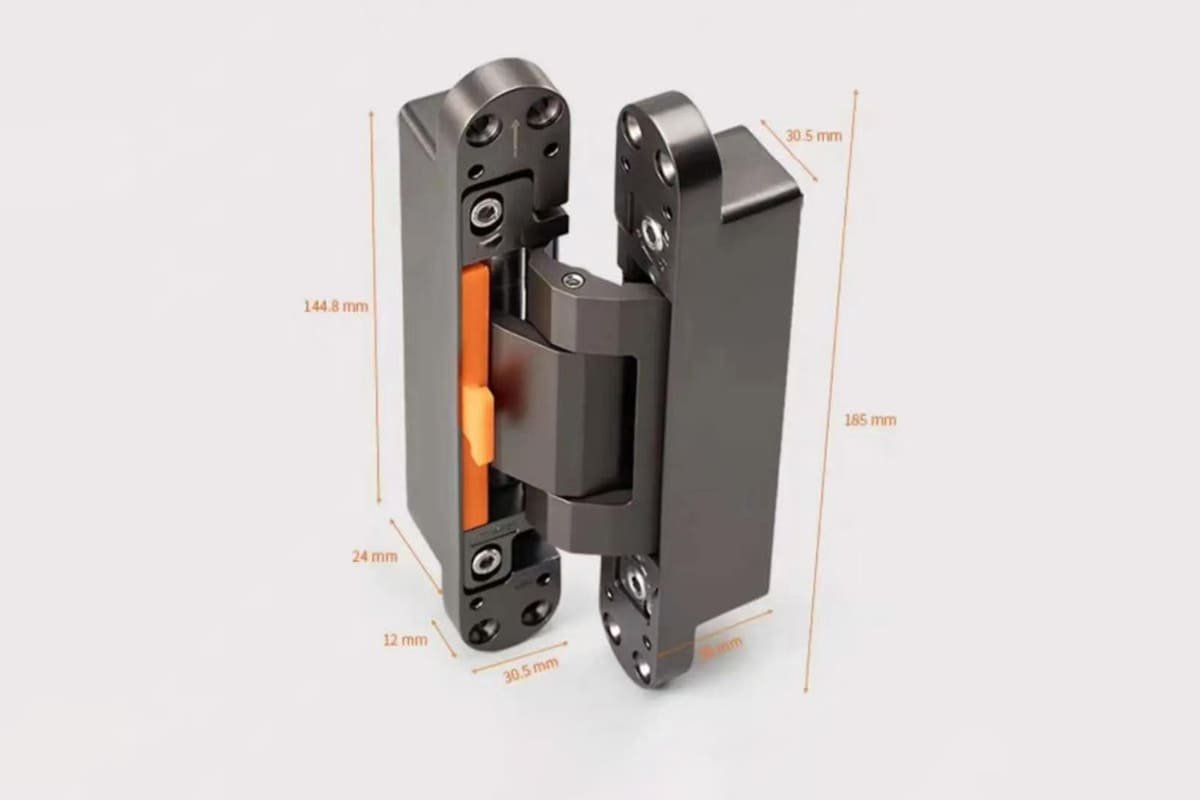
Why engineering choices affect yield
I treat tolerance as a cost decision. A buyer may ask for a very tight gap, a special adjustment range, or a small hidden design change. The change may look easy in a 3D drawing. The factory result can be different. Die-casting may need a more accurate mold.5 Machining may need extra steps. Assembly may need more checking. Surface finishing may expose defects that were not visible before coating.
I once reviewed a hinge design where one internal space was reduced to make the hinge look cleaner. The outside looked better. The production team then found that the arm movement became harder to control. The casting yield dropped. The polishing time increased. The adjustment screw needed more care during assembly. The unit cost increased even before packaging and shipping were discussed. This is why I always ask what the tolerance is meant to protect. If the tolerance protects door alignment or safety, I support it. If it only adds cosmetic pressure without real market value, I discuss a better balance.
| Engineering decision I review | Cost effect I expect | Question I ask |
|---|---|---|
| Tighter hole position | More machining and inspection | Does the door installation need it? |
| Thinner wall section | Higher casting defect risk | Does the strength still pass testing? |
| Hidden arm redesign | More mold and fixture pressure | Does it improve function or only appearance? |
| Special adjustment range | More parts and assembly time | Does the target market require it? |
| Smaller visible gap | Higher finish and tolerance demand | Will buyers pay for this level? |
I do not see engineering as separate from cost. I see engineering as the start of cost. Good design can reduce waste and keep function. Poor design can make every later step more expensive.
How Should I Calculate NPD Cost Before Launching a New Concealed Hinge?
I become careful when a new hinge project only counts material and labor. A new product can sell well and still lose money.
I calculate NPD cost by spreading molds, tooling, inspection fixtures, testing, packaging design, trial production, management, tax, logistics, and other indirect costs across the expected production volume. If volume is too low, the unit cost becomes much higher.6
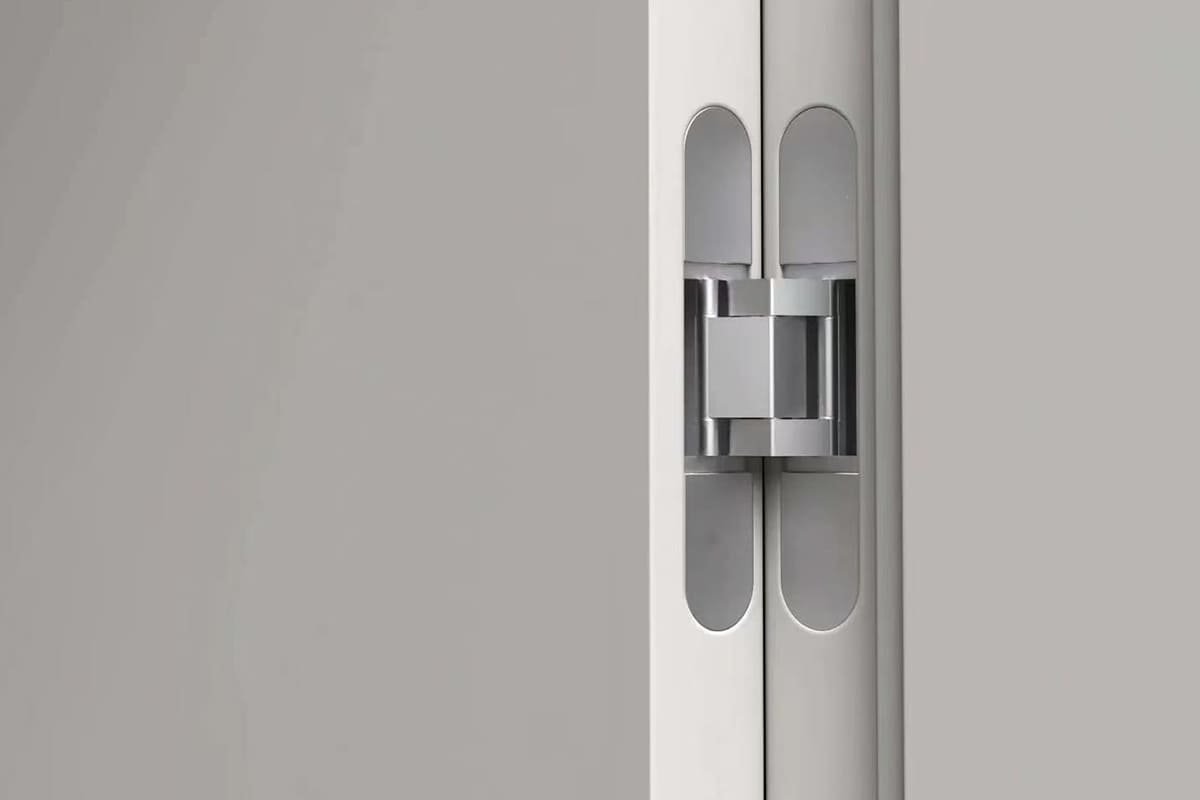
How I spread new product costs
I treat new product development as an investment. A concealed hinge needs die-casting molds, machining fixtures, assembly tools, testing plans, inspection gauges, and packaging design. Some projects also need fire-rated testing, CE document preparation7, special salt spray checks8, or customer approval samples. These items may not appear in the normal unit price at first, but they are real costs.
I calculate the expected production volume before I confirm the product cost. If the buyer expects 100,000 sets, the mold and fixture cost per set can be controlled. If the buyer expects only 3,000 sets, the same mold cost becomes heavy. I also check the risk of design change. If the market feedback leads to a new arm shape, a new cover, or a new screw position, the first mold cost may not be enough.
| NPD cost item I include | Why I include it | Cost risk if I ignore it |
|---|---|---|
| Die-casting mold | It forms the main hinge body | Unit price looks lower than reality |
| Machining fixture | It controls repeat accuracy | Yield may fall in mass production |
| Inspection gauge | It keeps batch size stable | Defects may reach customers |
| Trial production | It finds process problems | Full batch may face rework |
| Packaging design | It protects finish and parts | Damage may increase claims |
| Tax and logistics | It affects delivered cost | Profit may disappear after shipment |
I do not load all development cost blindly into the first order. I discuss the plan with the customer. Sometimes I quote tooling separately. Sometimes I amortize tooling by volume. Sometimes I adjust the design to use an existing platform. The key point is simple. I must make the NPD cost visible before the product enters mass production.
Why Does Outsourced Surface Processing Matter So Much in 2026 Cost Control?
I cannot control hinge cost only inside my workshop. A concealed hinge also depends on external finishing partners and their process stability.
Outsourced surface processing matters because finishing cost, color consistency, corrosion resistance, capacity, rejection rate, and delivery time all affect the final concealed hinge cost. In my model, outsourced processing takes 14%, but its quality impact can be larger.
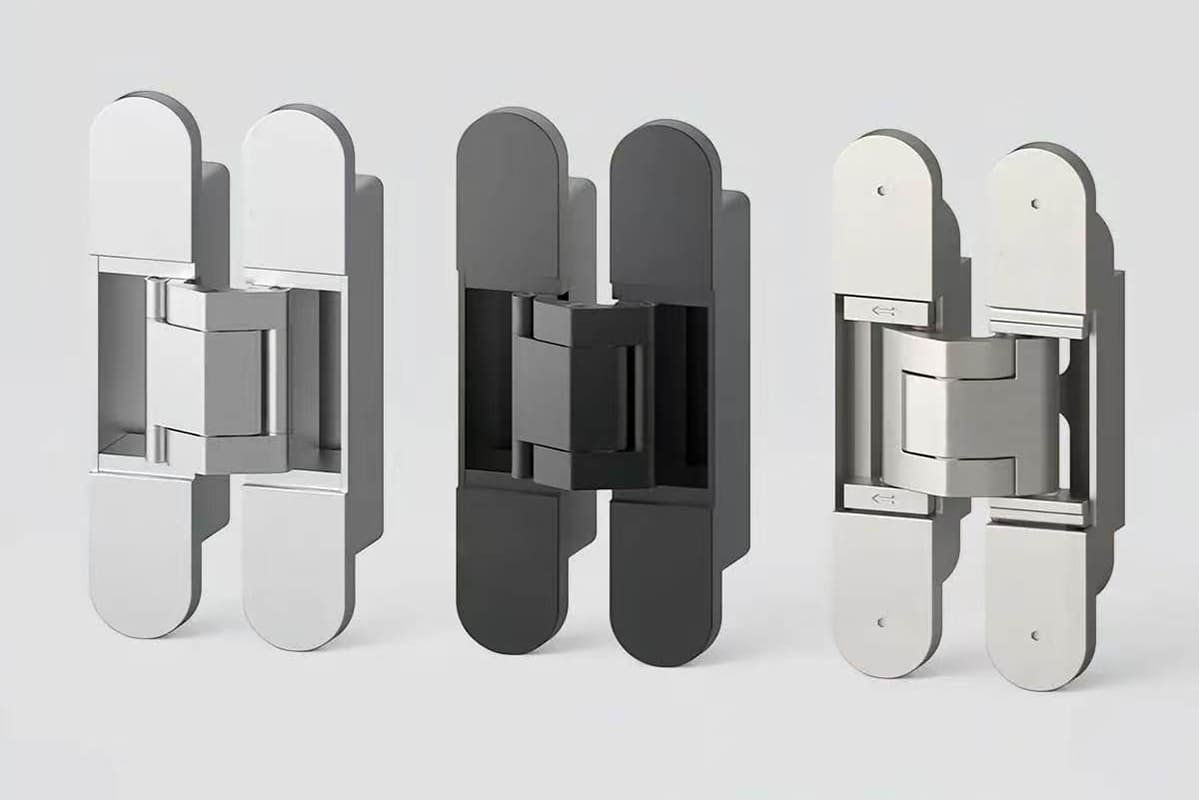
How I manage finish cost and finish risk
Many buyers focus on the visible finish first. I understand this because the finish affects shelf value and door appearance. A concealed hinge may use satin nickel, black, chrome, gold, grey, or custom colors. The cost difference is not only in the coating material. The difference also comes from surface preparation, polishing level, hanging method, defect rate, color control, salt spray demand, and packing protection after finish9.
I manage finishing suppliers as part of my cost system. I check their capacity, color control, delivery record, and rework rate. A cheap finishing price can become expensive if color varies across one batch10. A delayed finish process can stop the whole shipment.11 A weak coating can cause claims in humid markets. This matters more in 2026 because material, energy, labor, and environmental treatment costs can change. I do not treat finishing quotes as fixed for the whole year unless I have a clear agreement.
| Finish factor I check | Cost impact | Quality impact |
|---|---|---|
| Surface preparation | More labor and time | Better coating adhesion |
| Color standard | More control work | More stable batch appearance |
| Salt spray demand | Higher process cost | Better corrosion resistance |
| Rejection rate | More scrap and rework | More delivery risk |
| Packing after finish | Higher packaging cost | Less scratch damage |
I tell customers that finish cost saving is possible. A standard color, stable batch plan, and clear sample approval can reduce cost. Risk begins when a project asks for premium appearance, high corrosion resistance, and low price at the same time without process support.
Why Is Supply-Chain Capability a Core Cost Advantage for Buyers in 2026?
I see some buyers treat factory price as the only cost factor. I think that view is too narrow for concealed door hinges.
Supply-chain capability is a cost advantage because direct materials and outsourced processing together account for about 69% of my concealed hinge manufacturing cost model. I need material monitoring, stable accessory suppliers, and reliable finishing partners to keep price and quality stable12.

How I connect procurement, production, and delivery
I manage cost through the supply chain before the order reaches the assembly line. I watch zinc-aluminum alloy price changes, stainless steel movement, accessory supplier stability, packaging cost, carton quality, and logistics conditions. I also watch exchange rate and freight changes for export orders. I do not present these as a fixed 2026 forecast. I treat them as live variables that need real-time quotation.
A good supplier does not only cut factory waste. A good supplier also plans material buying, keeps approved parts stable, controls finish partners, and protects delivery time. This is why I believe a factory with strong supply-chain coordination can be more valuable than a factory with only a low first quote. The buyer needs stable landed cost, not only a cheap ex-factory number.
| Supply-chain point I control | What I do | Buyer benefit |
|---|---|---|
| Metal material | I monitor price and batch quality | More stable quotation and performance |
| Accessory suppliers | I qualify and compare sources | Fewer assembly and claim issues |
| Surface treatment partners | I track color, yield, and capacity | Better finish stability |
| Packaging suppliers | I test protection and carton strength | Less transport damage |
| Logistics coordination | I check shipment plan and timing | Better delivery control |
I do not say the highest price is best. I also do not say the lowest price is always unsafe. I say the buyer should ask what cost is being reduced. If the saving comes from better design, better yield, larger batch volume, or stable supply planning, it can be healthy. If the saving comes from hidden material cuts, weak finish, poor tolerance control, or missing inspection, it becomes a future cost.
Conclusion
I price concealed hinges by cost structure, engineering risk, NPD amortization, finishing control, and supply-chain stability, not by appearance or unit price alone.
"Total Cost of Ownership in the Services Sector: A Case Study", https://www.academia.edu/17484730/Total_Cost_of_Ownership_in_the_Services_Sector_A_Case_Study. Procurement research on total cost of ownership supports evaluating purchased components by direct price, indirect operating costs, supplier risk, quality costs, and logistics effects rather than by material input alone. Evidence role: general_support; source type: paper. Supports: A neutral source should support that purchasing decisions often require total cost of ownership analysis, including indirect costs and risk factors beyond the purchase price or material input.. Scope note: This would provide a general costing framework, not direct proof of the author's specific concealed-hinge model. ↩
"Commodity Markets - World Bank", https://www.worldbank.org/en/research/commodity-markets. Institutional commodity-market data document volatility in industrial metal prices, supporting the view that metal-intensive components face variable direct-material costs when input prices change. Evidence role: statistic; source type: institution. Supports: A commodity-market source should show that industrial metal prices such as aluminum, zinc, and steel fluctuate over time and affect manufacturers using those metals as inputs.. Scope note: The source would support metal price volatility generally, not the exact timing or magnitude of cost movement for this factory. ↩
"[PDF] Cost Accounting Manufacturing Overhead Budget", https://esports.bluefield.edu/textbooks-072/cost-accounting-manufacturing-overhead-budget.pdf. Manufacturing cost-accounting guidance classifies factory overhead as indirect production costs, commonly including depreciation, utilities or energy, maintenance, supervision, and quality-related factory support. Evidence role: definition; source type: education. Supports: A cost-accounting source should define manufacturing overhead and identify typical items such as depreciation, utilities, supervision, maintenance, and indirect quality support.. ↩
"[PDF] Process-oriented Tolerancing for Multi-station Assembly Systems", https://minds.wisconsin.edu/bitstream/handle/1793/69305/r181.pdf?sequence=1&isAllowed=y. Manufacturing engineering studies generally find that tighter dimensional tolerances increase process-control requirements, inspection effort, scrap risk, and production cost. Evidence role: expert_consensus; source type: paper. Supports: A manufacturing engineering source should support the relationship between tighter tolerances and higher production cost, inspection burden, scrap, or reduced yield.. Scope note: The evidence would support the mechanism across manufacturing processes, not quantify the cost increase for this hinge design. ↩
"Die Casting Tolerances: Standards, Factors, and Practices - Moldie", https://moldiecasting.com/blog/die-casting-tolerances-standards-factors-and-practices/. Die-casting engineering literature links die design and mold accuracy with dimensional tolerances, defect formation, and yield, supporting the article's claim that tighter designs may require more precise tooling. Evidence role: mechanism; source type: paper. Supports: A die-casting source should explain how die design, mold precision, and process control affect dimensional accuracy, defects, and production yield.. Scope note: The support would be process-level evidence and may not address concealed hinges specifically. ↩
"marginal cost and marginal product - ECON 150: Microeconomics", https://courses.byui.edu/econ_150/econ_150_old_site/lesson_06.htm. Operations and cost-accounting sources explain that fixed costs such as tooling, setup, and development are amortized over output, so lower production volume increases the fixed-cost share of each unit. Evidence role: mechanism; source type: education. Supports: A source should explain that fixed costs are allocated across production volume and therefore raise per-unit cost when output volume is low.. ↩
"Does Missing CE Marking Mean Fire Door Hinges or Locks Must Be ...", https://fyrup.co.uk/articles/missing-ce-marking-fire-door-hinges-locks. Official construction-product and building-hardware guidance supports that hinges used in regulated door applications may require documented conformity and, for fire-resisting doors, relevant fire-performance evidence. Evidence role: definition; source type: government. Supports: An official or standards-related source should show that certain construction hardware and fire-door components are subject to performance testing, classification, or CE documentation in regulated markets.. Scope note: This would confirm the regulatory context; requirements vary by market, product category, and intended door application. ↩
"Salt spray test - Wikipedia", https://en.wikipedia.org/wiki/Salt_spray_test. Recognized standards for salt spray testing describe it as an accelerated corrosion exposure method used to evaluate the corrosion behavior of metallic materials and protective coatings. Evidence role: definition; source type: institution. Supports: A standards source should define salt spray testing as an accelerated corrosion test used for metals and protective coatings.. ↩
"A Systematic Study on the Effects of Surface Profile on Pull-Off ...", https://content.ampp.org/corrosion/article/81/10/947/106193/A-Systematic-Study-on-the-Effects-of-Surface. Surface-engineering research shows that substrate preparation, polishing, application control, defect management, and corrosion-performance requirements affect coating adhesion, appearance, durability, and processing effort. Evidence role: mechanism; source type: research. Supports: A surface-engineering source should support that preparation, coating application control, defect management, and corrosion-performance requirements affect coating quality and processing effort.. Scope note: The evidence would support general coating-process cost drivers rather than provide a concealed-hinge-specific cost breakdown. ↩
"Developments in image-based colorimetric analysis methods ... - PMC", https://pmc.ncbi.nlm.nih.gov/articles/PMC12634856/. Coating and color-quality literature treats batch-to-batch or within-batch color difference as a measurable quality deviation, commonly managed through color standards and tolerances to reduce rejection and rework. Evidence role: mechanism; source type: paper. Supports: A color measurement or coatings source should explain that color differences are measurable quality deviations and can trigger rejection or rework in finished products.. Scope note: The source would substantiate the quality-control mechanism, not the author's specific rework rate. ↩
"[PDF] Cybersecurity Supply Chain Risk Management Practices for ...", https://nvlpubs.nist.gov/nistpubs/SpecialPublications/NIST.SP.800-161r1.pdf. Supply-chain disruption research shows that supplier or outsourced-process delays can propagate through dependent production stages and postpone final delivery. Evidence role: mechanism; source type: paper. Supports: A supply-chain source should support that delays at upstream or outsourced production stages can propagate downstream and affect final delivery schedules.. Scope note: The evidence would support the general disruption mechanism rather than prove a specific finishing supplier caused shipment delays. ↩
"ISO 9001 Clause 8.4 Control of externally provided processes ...", https://blog.auditortrainingonline.com/blog/iso-9001-8-4. Quality-management standards require organizations to control externally provided processes, products, and services when they affect conformity, supporting the role of reliable suppliers in maintaining product quality. Evidence role: expert_consensus; source type: institution. Supports: A quality-management source should support the need to control and evaluate external providers whose products or processes affect final product quality.. Scope note: The source would support quality stability more directly than price stability; price effects would remain contextual. ↩