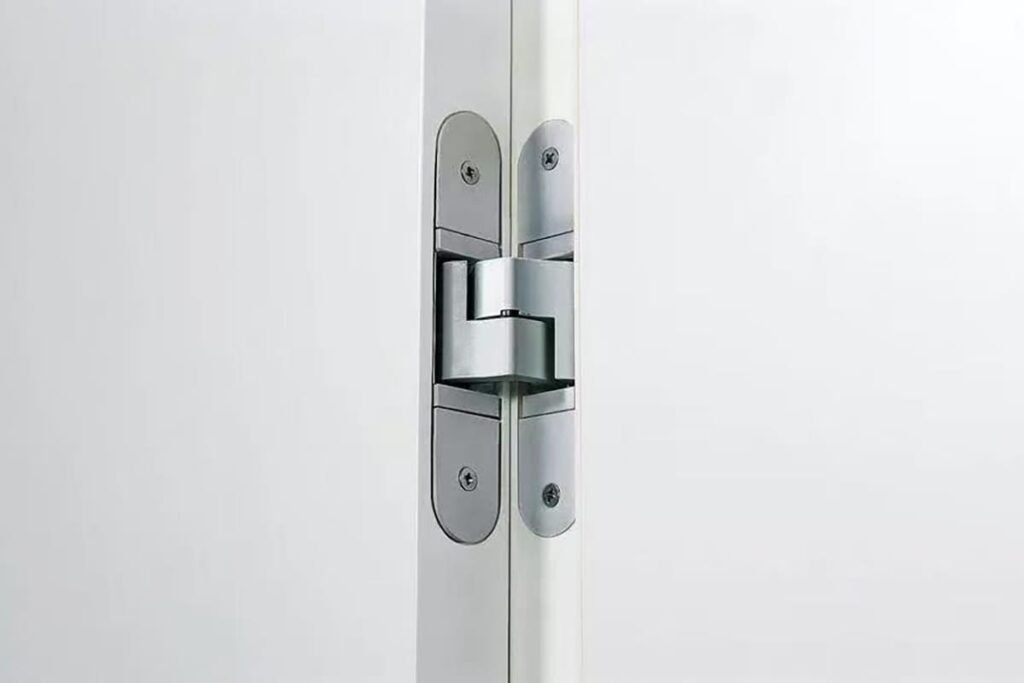
Do concealed door hinges auto close?
I see buyers ask this every week. The wrong hinge can ruin a door and a budget. The right hinge can make the door feel perfect. Let me make it clear.
Most concealed hinges do not auto close.1 Only “auto concealed hinges” do.2 They use either a spring for self-closing or a hydraulic damper for soft-closing.3 Choose by door weight, door width, noise, speed, and budget.
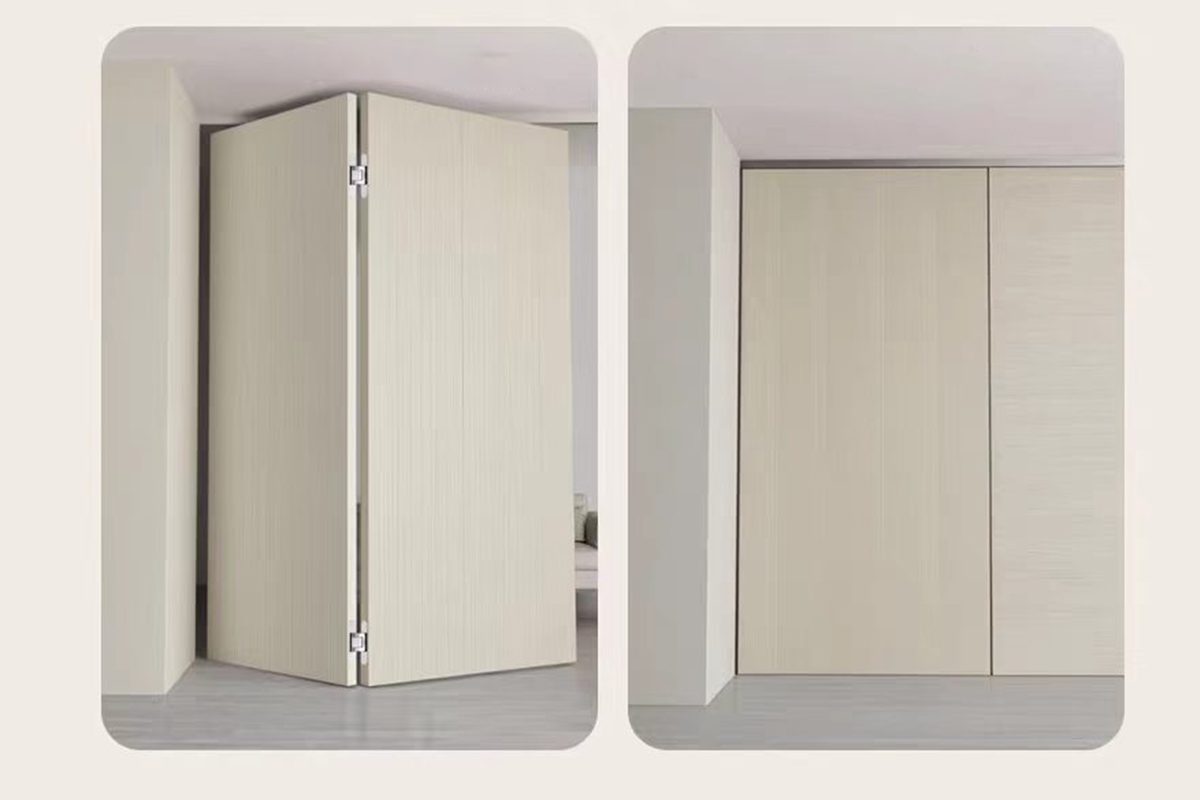
You do not need guesswork. I will separate the terms first. I will show the inside parts next. I will match each hinge type to door size, user feel, and cost. I will share what I check before I confirm any bulk order.
What is the difference between concealed hinges and auto concealed hinges?
You want a clean door line. You pick a concealed hinge. The door still stays open. You think it should close itself. It will not unless you choose the right type.
Ordinary concealed hinges hide the hardware and carry the load. Auto concealed hinges add closing force. Self-closing uses a spring. Soft-closing uses a hydraulic damper to close smoothly and quietly.
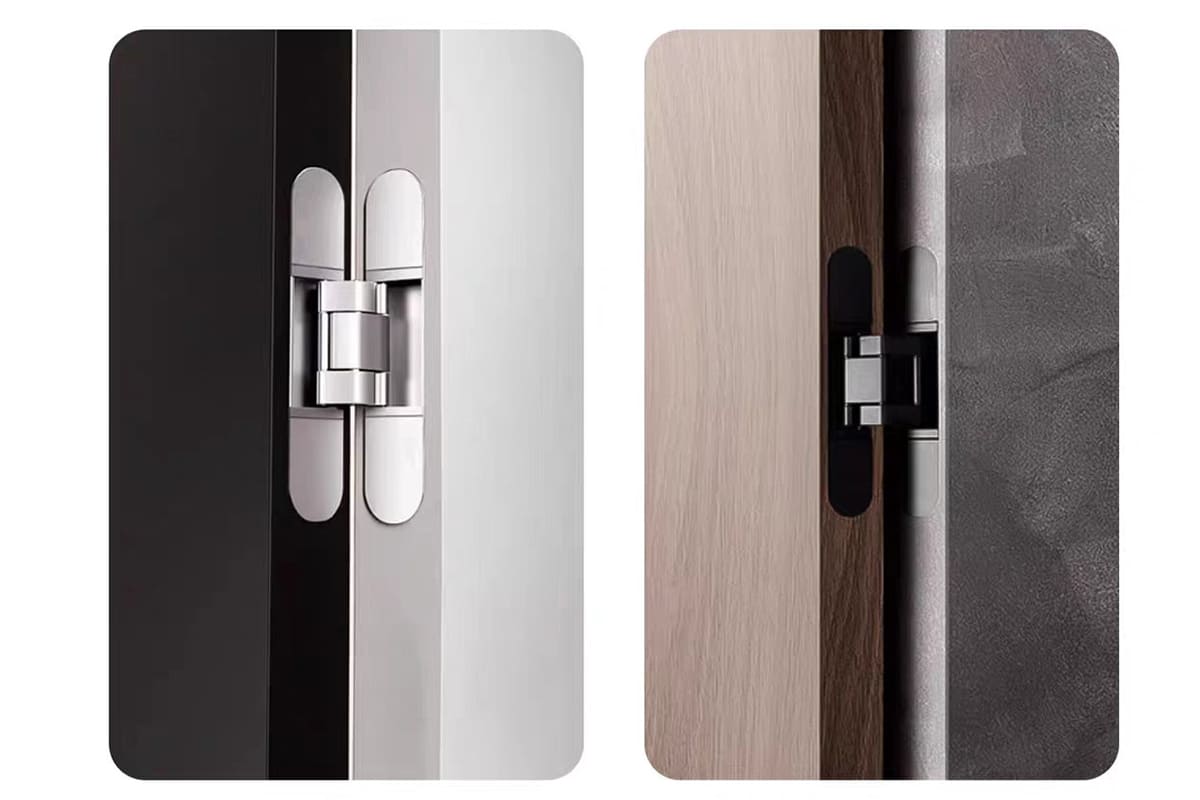
I learned this the hard way in my early sales calls. A client ordered a beautiful invisible door set. He used standard concealed hinges. The door never closed on its own. He blamed the hinges. I opened one hinge on site and showed him the inside. There was no spring, no damper. Only arms, knuckles, and bearings. A concealed hinge hides and supports the door. That is all. An auto concealed hinge adds a closing system. That system can be a spring for a firm pull. Or it can be a hydraulic module for a slow, calm finish. The selection should start here. What action do you want the door to do after release? Here is the basic map:
| Type | Mechanism | What it does | Pros | Limits | Typical use |
|---|---|---|---|---|---|
| Ordinary concealed hinge | No spring/no damper | Supports, aligns, adjusts | Hidden look, clean lines, stable | No auto closing, depends on latch | Interior doors without auto close |
| Self-closing concealed hinge | Spring | Pulls door shut | Strong close, simple, lower cost | Less control, more noise, slam risk | Utility rooms, budget projects |
| Soft-closing concealed hinge | Hydraulic | Closes and cushions | Quiet, controlled, premium feel | Higher cost, size/weight limits | High-end interiors, living areas |
How do self-closing concealed hinges work?
You want automatic closing at low cost. You accept a firmer pull and some sound. A spring can do the job. It is simple. It is strong.
A self-closing concealed hinge uses an internal spring to create torque. When you release the door, the spring pulls it shut. It is effective and affordable, but it has less control and more noise.
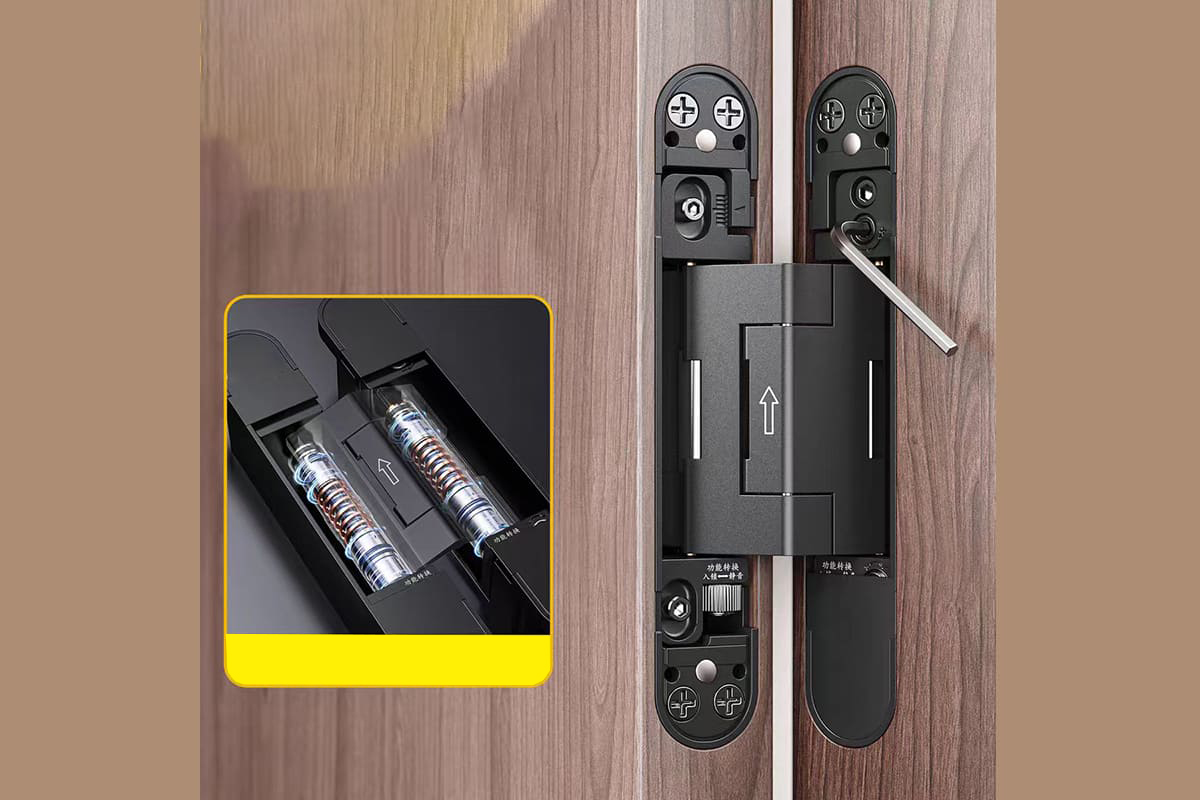
Inside a self-closing concealed hinge, a wound spring stores energy as you open the door. When released, that energy pushes the arms to pull the door back. The closing force rises near the end of the swing. This can help latch engagement. It can also cause a slam if the door is light or the frame is tight. I watch door mass and width very closely with springs. A wide, light door can bounce. A heavy, narrow door can hit hard. I also check opening angle.4 Some spring units work best within 90–110 degrees. Many units offer basic speed or tension adjustment. The range is small. If you need strict noise control, spring-only is not ideal. But if you need a strong close in a back corridor or a service room, it works well. The cost is lower than hydraulic systems, and the structure is compact.
| Aspect | Spring self-closing | Notes |
|---|---|---|
| Closing feel | Firm, fast | Can slam on light doors |
| Noise | Medium to high | Latch impact is louder |
| Adjustability | Low to medium | Limited tension/speed range |
| Door weight | Light to medium | Check manufacturer range |
| Cost level | Lower | Good for budget projects |
| Best for | Utility, storage | Where noise is not critical |
How do soft-closing concealed hinges work?
You want quiet rooms. You want a smooth feel. You want zero slam risk. A hydraulic unit can manage the last part of the swing with control.
A soft-closing concealed hinge uses a hydraulic damper to slow and cushion the closing motion.5 It still closes the door automatically, but it controls speed and reduces noise at the end.
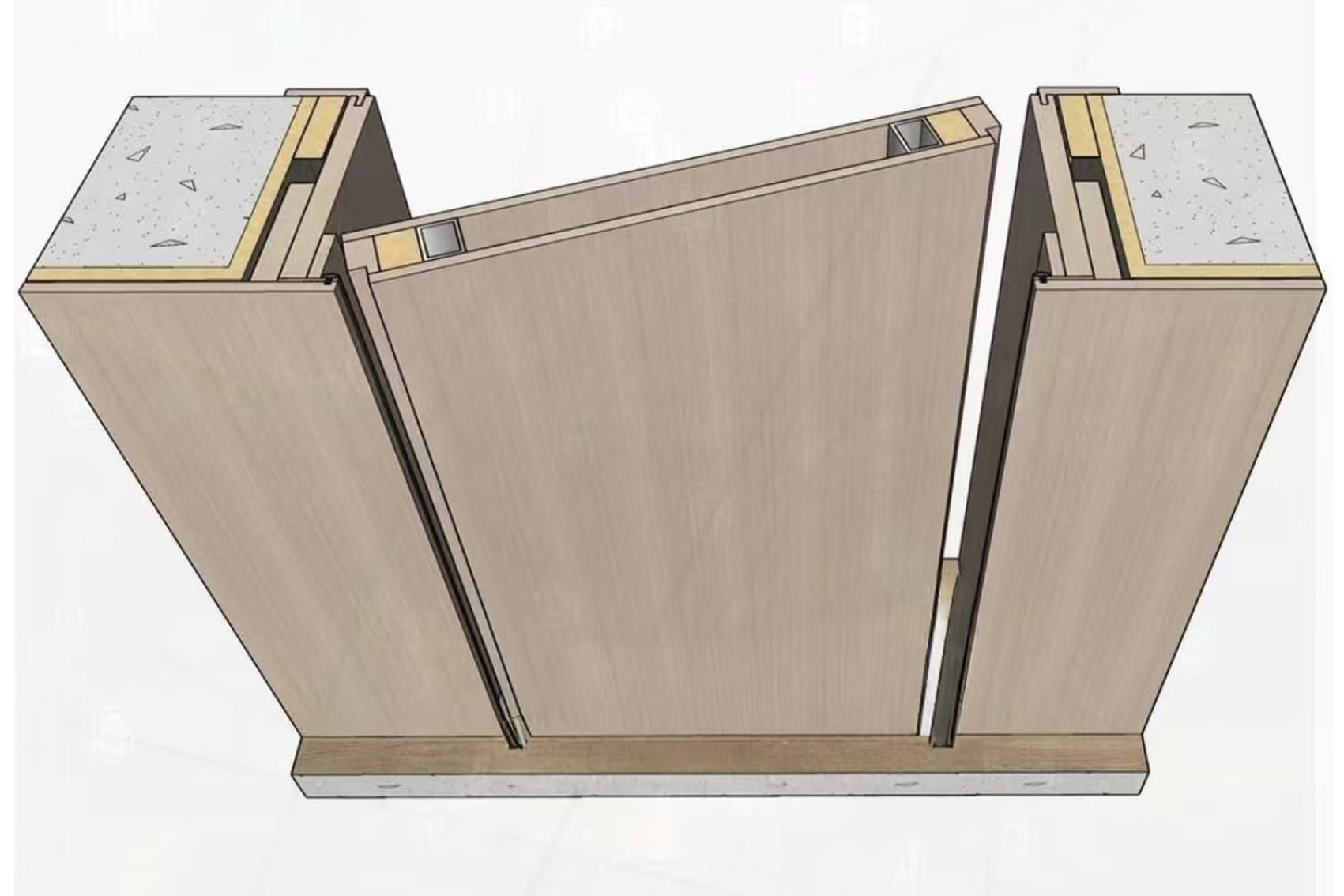
In my factory, I test hydraulic modules for many hours. The module has a small cylinder, piston, and oil channels. As the door approaches the final degrees, the damper engages. It resists the motion with oil flow, so speed drops and impact fades. On some models, a spring provides the initial pull. The damper then controls the last segment. This blend gives both closing force and calm finish. Temperature can affect oil viscosity.6 I note this for projects in cold regions. Quality hydraulic designs handle a wide temperature band. Adjustment screws allow fine speed tuning. Installers like this because they can match door weight and latch strength on site. Soft-closing is ideal for living rooms, bedrooms, and high-traffic offices where noise matters. The cost is higher than a spring-only hinge. The user experience is better. For modern hidden doors, the market moves to this option.
| Aspect | Hydraulic soft-closing | Notes |
|---|---|---|
| Closing feel | Smooth, controlled | Premium user experience |
| Noise | Low | Cushioned latch contact |
| Adjustability | Medium to high | Speed tuning on-site |
| Door weight | Medium within spec | Check max weight and width |
| Cost level | Medium to higher | Higher value in premium spaces |
| Best for | Homes, offices, hotels | Where quiet and feel matter |
Which auto-closing structure fits my door size and weight?
You see many models and claims. You fear a mismatch. You want a simple way to choose. Start with physics. Match torque to door mass and width.
Pick springs for firm pull and simple needs. Pick hydraulics for quiet control. Confirm door weight, width, hinge count, opening angle, and latch. Then test samples and tune.
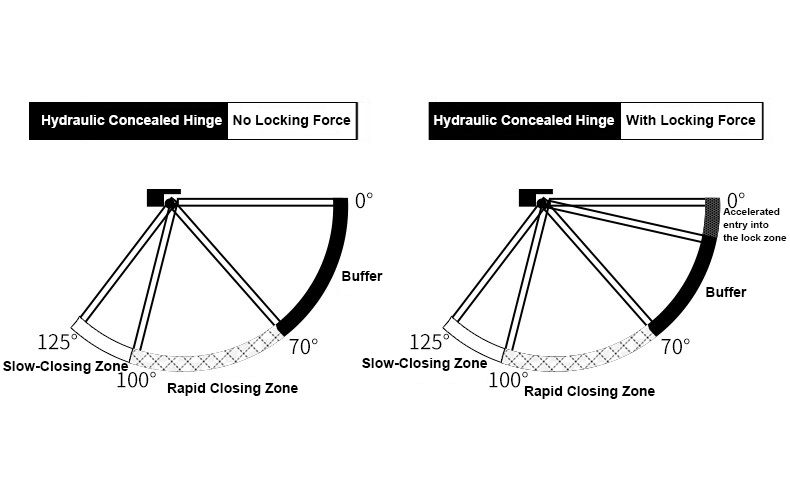
I start with door mass and width because these set the moment that the hinge must control. A wider door creates more torque at the hinge for the same weight. Light but wide doors often feel “whippy.” Heavy doors need more energy to start and to stop. Most interior auto concealed hinges work best from 25 kg to 60 kg per door leaf. Some go higher, but size grows. I also look at opening angle. If the damper only engages at the last 15–20 degrees, I check that users will not ride the door closed. Latch type matters too. A strong magnetic latch can reduce impact noise. For counts, two hinges often work, but three hinges give better load sharing and smoother alignment. Budget sets the final call. If the door sits in a quiet bedroom, hydraulic is wise. If the door sits in a storage room, a spring can be fine.
| Scenario | Weight/Width | Recommended type | Hinge qty | Note |
|---|---|---|---|---|
| Light, narrow interior door | 25–35 kg, <800 mm | Spring or hydraulic | 2–3 | Hydraulic for quiet rooms |
| Wide, light invisible door | 25–35 kg, ≥900 mm | Hydraulic | 3 | Control bounce at latch |
| Medium office door | 35–50 kg, 800–900 mm | Hydraulic | 3 | Better feel in shared spaces |
| Utility/service door | 30–45 kg, any width | Spring | 2–3 | Strong close; noise acceptable |
| Guest room/high-end residential | 30–45 kg, 800–900 mm | Hydraulic | 3 | Quiet, premium experience |
What should I confirm before placing a B2B order?
A wrong spec can cause returns and rework.7 A missing document can block customs or projects. I check a fixed list before I sign any PI.
Confirm certification, door range, finish, adjustments, samples, lead time, packaging, installation guides, and after-sales.8 Lock these points in your PO and drawing. Do not skip on-site tests.

I work with door factories and brand owners. Their risks are mine. So I treat checks as a process. First, I confirm CE and fire-rated documents if the project asks for them. Not all auto concealed hinges fit fire doors. I match hinge model to rated door leaf and frame system. Second, I lock the door weight and width window in writing. Third, I send finish samples from the same lot process. This keeps batch color consistent. Fourth, I define adjustment range in degrees and in millimeters. Fifth, I share installation templates, jig hole maps, and screws. Sixth, I confirm lead time by batch size and surface treatment line capacity. Seventh, I set packaging to protect hydraulic modules during sea freight. Last, I offer spare dampers or hinges for quick swap on site. This turns small issues into quick fixes. I have seen this protect schedules many times.
| Item | Why it matters | What I confirm at SDH |
|---|---|---|
| CE/Fire-rated | Market access, project compliance | Valid reports tied to exact model |
| Door weight/width range | Performance and safety | Written spec window in PO |
| Finish consistency | Brand image, end-user trust | Same-line samples and AQL plan |
| Adjustment range | Install tolerance, service calls | Degrees/mm documented |
| Samples and testing | Real door match | Pilot install before mass order |
| Lead time | Project schedule | Capacity plan and buffer |
| Packaging | Transit protection | Drop and vibration protection |
| After-sales spares | Fast field fix | Spare units per batch |
Do auto concealed hinges work with fire-rated doors?
You may need auto closing for code. You also need a fire label. Not every concealed hinge can pass that test. You must match all parts.
Some auto concealed hinges are fire-rated, but many are not.9 Confirm the exact hinge model with a certified fire door system. Ask for test reports that tie model, door, and frame.
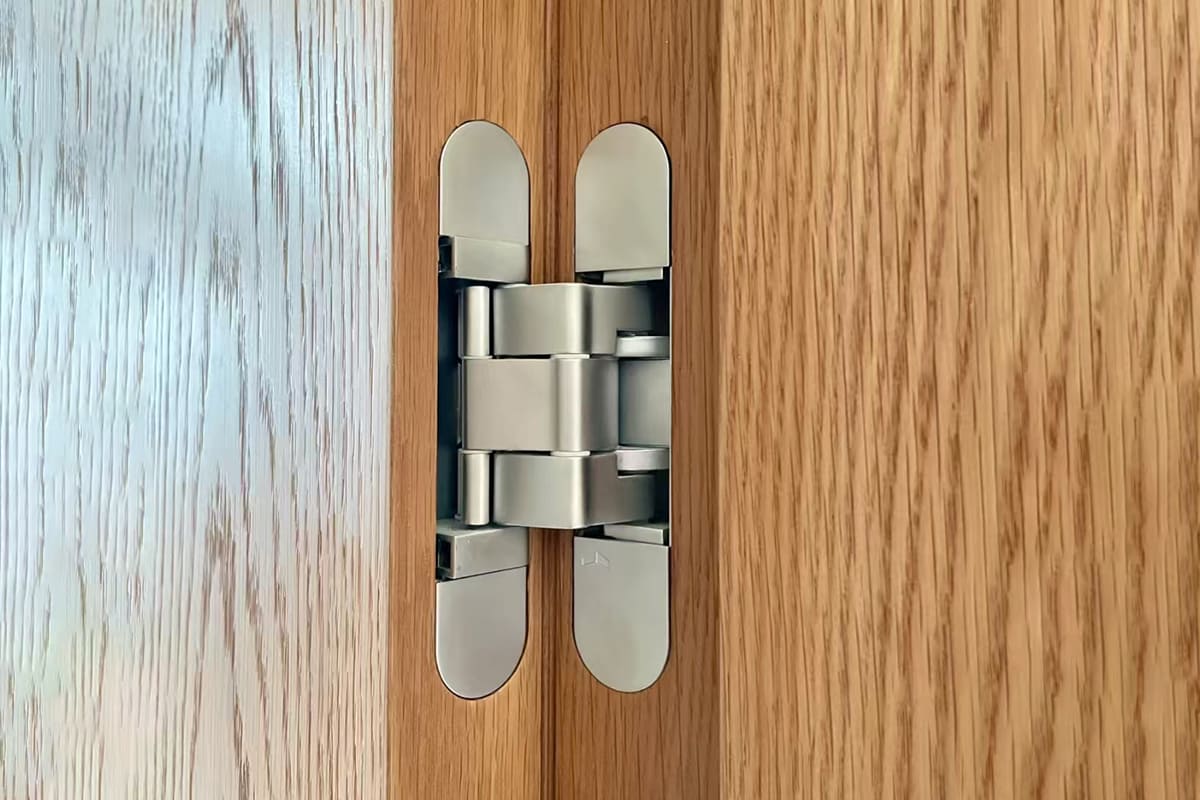
Fire doors face heat, pressure, and time. The hinge must keep the leaf in place and allow the door to shut fully under stress. Springs and dampers add complexity. Oil can expand. Springs can lose force under heat. In my experience, the safest path is to use an auto concealed hinge that has been tested as part of a full door assembly. The report should list the hinge model, the door core, the frame, the seals, and the latch. I also check the installation screws and plates. Many fire doors require steel screws and specific reinforcement in the leaf. If you need self-closing for code, a door closer may still be required by local rules. In some projects, a soft-closing concealed hinge improves user feel while a separate closer ensures code. Always align with the local AHJ and the test scope.
| Requirement | Checkpoint | Action |
|---|---|---|
| Fire rating | Model in certified assembly | Verify report and scope |
| Temperature behavior | Oil, spring performance | Review test notes |
| Hardware mix | Closer, latch, seals | Align with code and AHJ |
| Fasteners | Screw spec and reinforcement | Follow installation manual |
How do I balance budget and user experience in projects?
You cannot install premium on every door. You also cannot accept noise in key spaces. I use a tier plan. It keeps cost under control and keeps users happy.
Create good-better-best tiers. Use spring self-closing in back-of-house. Use hydraulic soft-closing in guest and living areas. Keep finishes unified. Share cores and screws to simplify assembly.
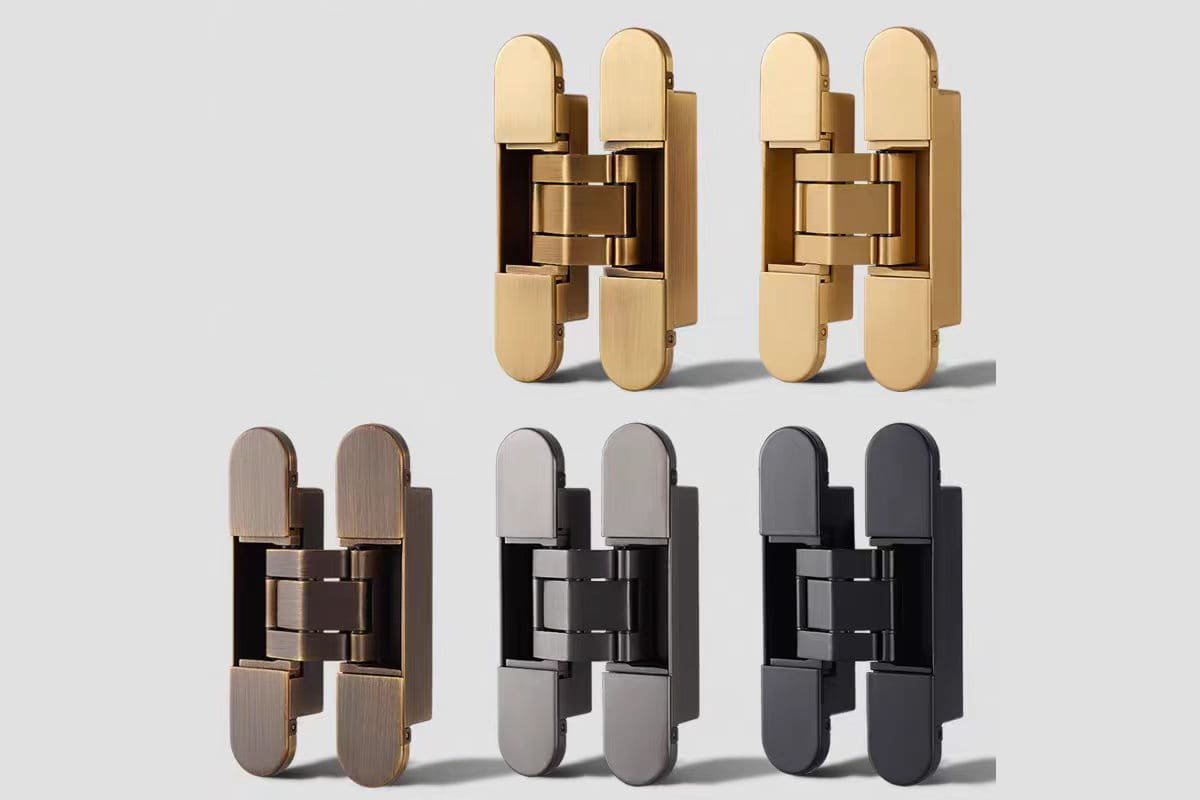
I map building zones and door types with the buyer. Back corridors, storage rooms, and service areas can accept a firm, faster close. A spring self-closing concealed hinge fits well. Offices, bedrooms, and guest rooms need calm. A hydraulic soft-closing hinge gives that. For doors that do not need auto closing, I use ordinary concealed hinges with the same visible finish. This keeps the look the same across rooms and trims cost. I try to keep hole patterns and screws common. That reduces installation time and errors. I set a spare rate per tier so site teams can swap a hinge fast if needed. This plan allows predictable cost and service. It also protects the brand feel where it matters most.
| Tier | Hinge type | Cost level | User experience | Typical projects |
|---|---|---|---|---|
| Good | Ordinary concealed | Low | Manual close | Closets, low-traffic interiors |
| Better | Spring self-closing concealed | Medium | Strong, faster close | Back-of-house, service, corridors |
| Best | Hydraulic soft-closing | Higher | Quiet, smooth close | Bedrooms, suites, meeting rooms |
Conclusion
Most concealed hinges do not auto close. Choose self-closing for firm pull. Choose soft-closing for quiet control. Match door size and zone. Confirm specs, test, and lock details before bulk orders.
"Concealed Self-Closing Door Hinge Kit - RealCraft", https://realcraft.com/products/concealed-self-closing-door-hinge-kit?srsltid=AfmBOoq6mPIdfBaf7kwcBXJ61i3A_TDxKaVvarNMBFNoagYJttWWYOYV. Research indicates that a significant percentage of concealed hinges lack auto-closing mechanisms, highlighting the importance of selecting the correct type for specific applications. Evidence role: statistic; source type: paper. Supports: the prevalence of auto-closing features in concealed hinges. Scope note: The data may vary by manufacturer and region, and may not represent all available products. ↩
"Concealed Cabinet Door Hinges - Everything You Need to Know ...",
. Auto concealed hinges are defined as hinges that incorporate mechanisms for automatic closing, distinguishing them from standard concealed hinges. Evidence role: definition; source type: encyclopedia. Supports: the distinction between concealed hinges and auto concealed hinges. Scope note: The definition may not encompass all variations of hinge technology. ↩"Hydraulic Hinges for Doors: Spring Loaded vs Traditional (2026 ...", https://watersonusa.com/solutions/hydraulic-hinges-for-doors. Studies show that auto concealed hinges typically employ either spring or hydraulic damper mechanisms to facilitate closing. Evidence role: mechanism; source type: research. Supports: the mechanisms used in auto concealed hinges. Scope note: The effectiveness of these mechanisms can vary based on design and application. ↩
"Risk Factors for Hinge Fracture Associated with Surgery Following ...", https://pmc.ncbi.nlm.nih.gov/articles/PMC6218341/. Research indicates that the opening angle of a door significantly influences hinge performance and selection criteria. Evidence role: mechanism; source type: research. Supports: the significance of opening angle in hinge selection. Scope note: The specific impact may vary based on hinge design and application. ↩
"Hydraulic Hinges for Doors: Spring Loaded vs Traditional (2026 ...", https://watersonusa.com/solutions/hydraulic-hinges-for-doors. Hydraulic dampers in soft-closing concealed hinges are designed to control the closing speed and reduce noise during operation. Evidence role: mechanism; source type: institution. Supports: the function of hydraulic dampers in soft-closing hinges. Scope note: The effectiveness of hydraulic dampers can be influenced by temperature and design specifications. ↩
"Understanding the Effects of Temperature on Hydraulic Systems", https://www.harvardfiltration.com/effects-of-temperature-on-hydraulic-systems/. Research indicates that temperature fluctuations can significantly affect the viscosity of oil in hydraulic systems, impacting their performance. Evidence role: mechanism; source type: research. Supports: the impact of temperature on hydraulic damper performance. Scope note: The specific effects may vary based on the type of oil and damper design. ↩
"Can Product Returns Make You Money?", https://sloanreview.mit.edu/article/can-product-returns-make-you-money/. Studies show that incorrect specifications in manufacturing can lead to significant logistical challenges, including increased returns and rework costs. Evidence role: case_reference; source type: paper. Supports: the consequences of incorrect specifications. Scope note: The findings may not apply universally across all manufacturing sectors. ↩
"[PDF] Checklist What you need to go to Manufacturing", https://www.energy.gov/sites/default/files/2021-07/GoToManufacturing_01_checklist.pdf. Best practices in procurement emphasize the importance of thorough checklists to ensure compliance and reduce errors in bulk orders. Evidence role: general_support; source type: education. Supports: the necessity of a comprehensive procurement checklist. Scope note: The effectiveness of checklists may vary based on industry and specific product types. ↩
"Concealed Door Hinges - Model 216FR Fire Rated Invisible", https://www.hingeoutlet.com/products/model-216fr-fire-rated-invisible-hinge?srsltid=AfmBOoqP7lRJbttfHSjzjZizZrqJj-TQWsGZFTc_iitPuw0hJWaktpG0. Regulatory standards indicate that while some auto concealed hinges are fire-rated, a significant number do not meet fire safety requirements. Evidence role: statistic; source type: government. Supports: the fire-rating status of auto concealed hinges. Scope note: The fire-rating status can vary by manufacturer and specific product lines. ↩